Turkish Angora Cat: Personality, Traits & Care
Meet the Turkish Angora cat. Learn its personality, size, history, care needs, colors, health context, and how pedigree records confirm the breed.
Petful is reader supported. As an affiliate of platforms like Amazon and Chewy, we may earn a commission when you buy through links on this page. There is no extra cost to you.
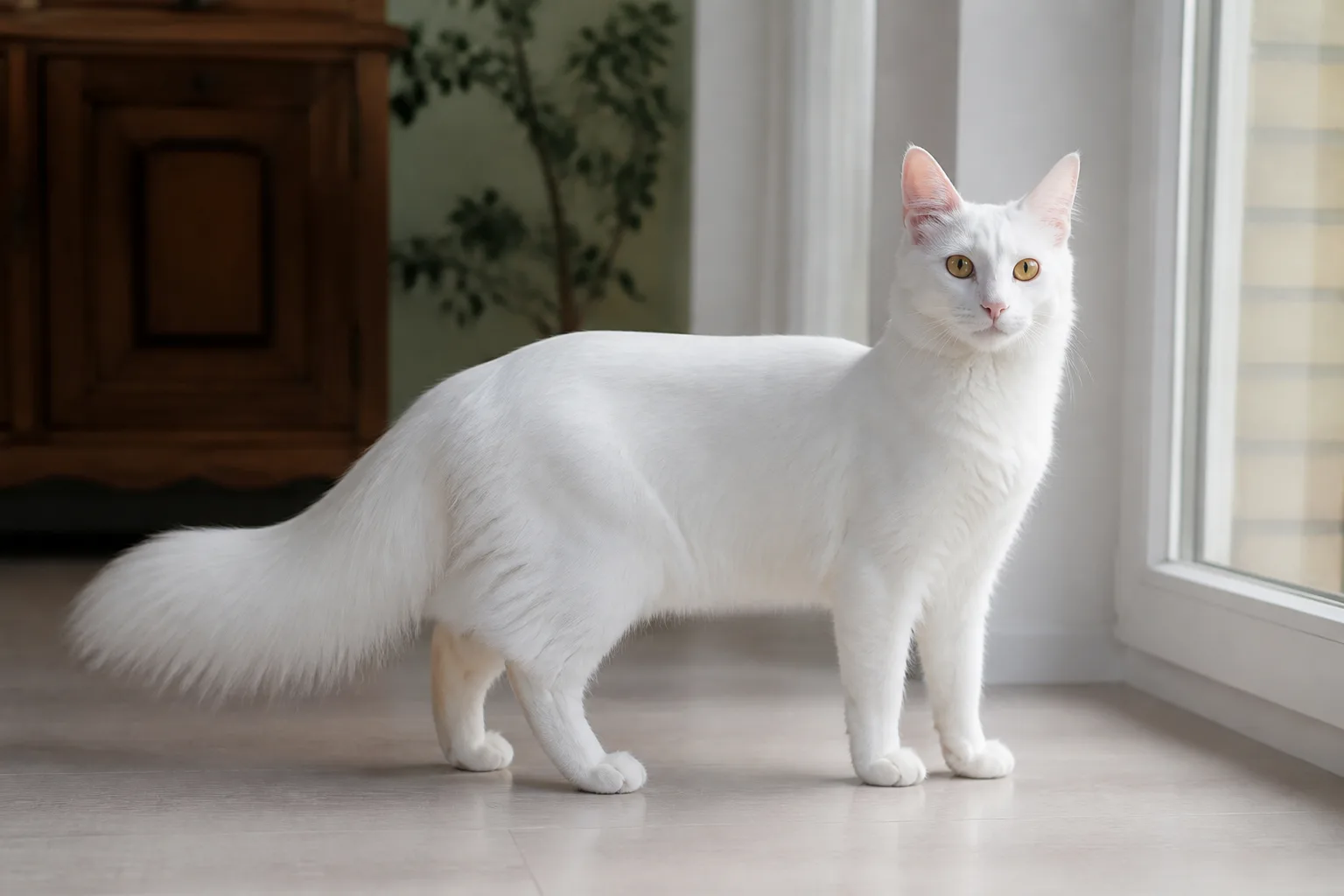
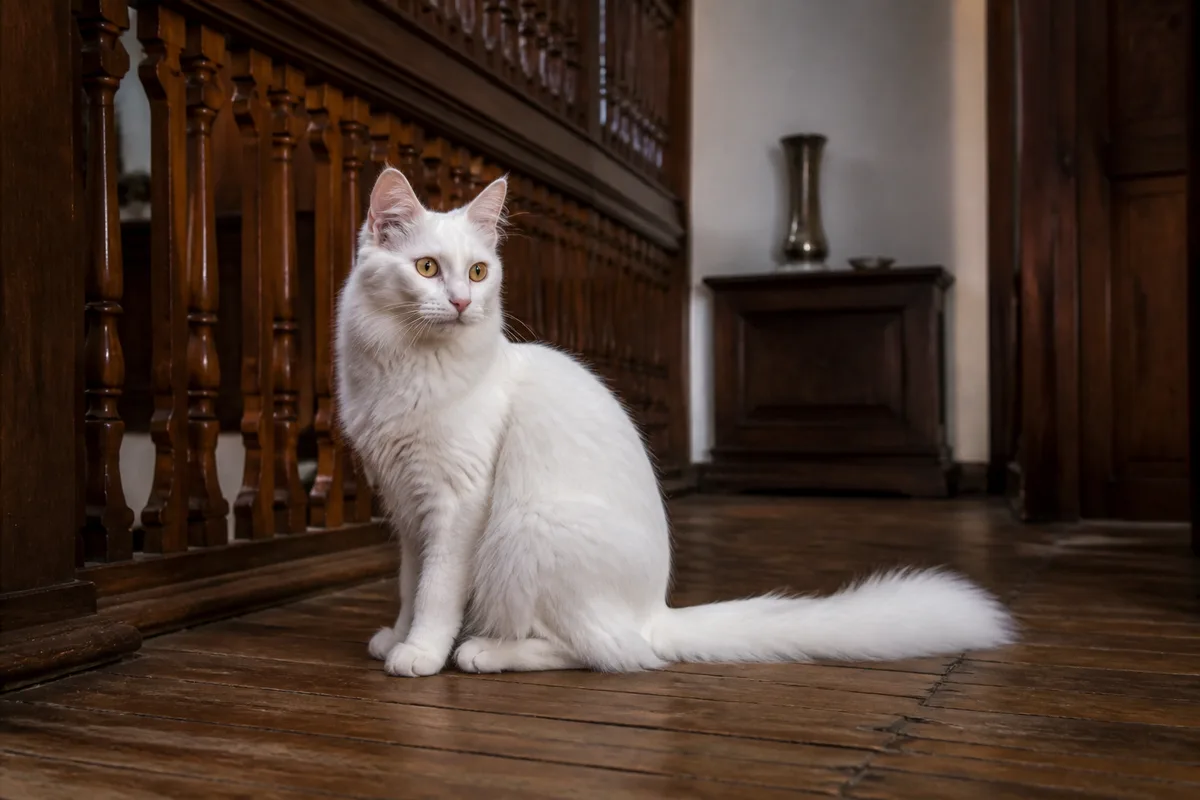
The Turkish Angora cat is a graceful, athletic breed with a fine silky coat, large upright ears, a long plumed tail, and a habit of joining whatever the household is doing. White cats made the breed famous, but registered Turkish Angoras appear in many colors and patterns. More important, a white coat or odd eyes cannot establish ancestry. A pedigree and registry records carry far more weight than resemblance.
This guide owns broad breed, temperament, size, history, and daily-care questions. Use the dedicated guides for Turkish Angora price, Turkish Angora kittens, Turkish Angora colors, Turkish Angora grooming, and the Turkish Van vs Turkish Angora comparison.
Petful may earn a commission when you click through to Chewy, at no extra cost to you.

Sign up for expert-backed reviews and safety alerts all in one place.
Turkish Angora cat at a glance
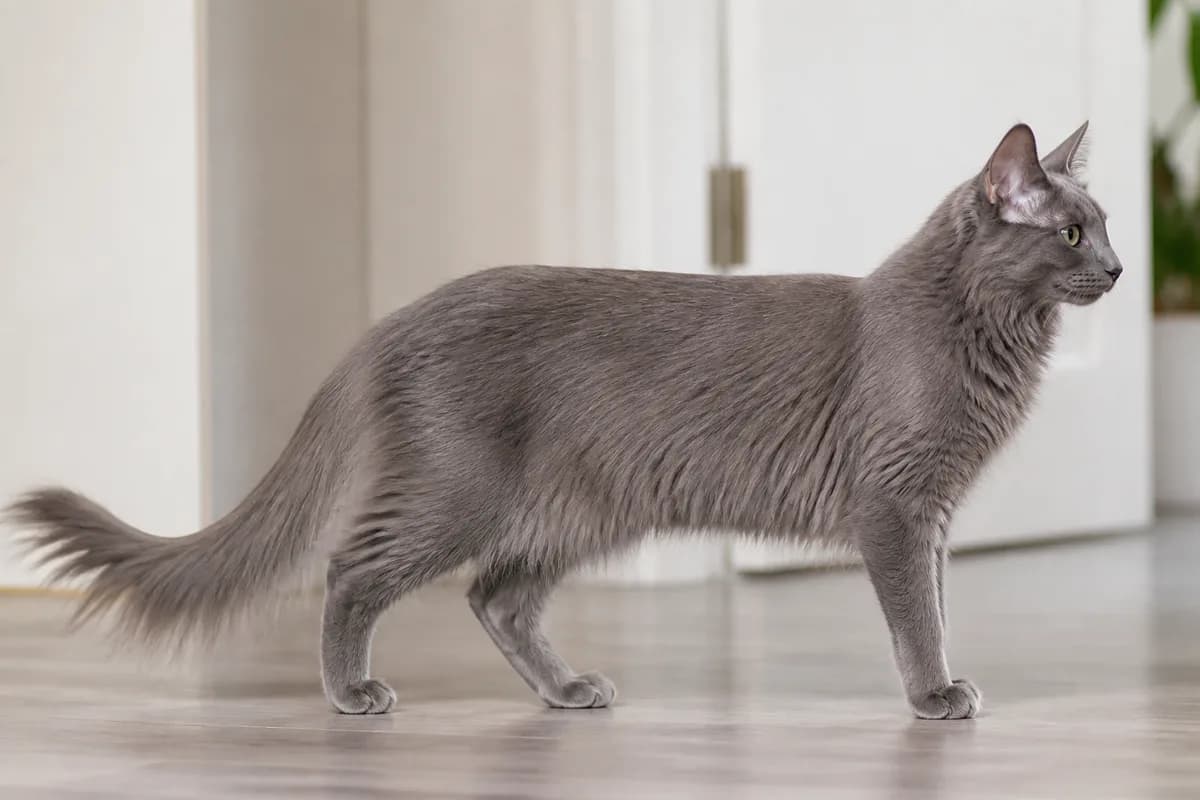
The CFA Turkish Angora standard describes a medium cat whose balance, grace, and fine boning matter more than a single number on a scale. The body is long and slender but firmly muscled, with hind legs slightly longer than the front, small round paws, and a long tapering tail carried as a full brush. Females are typically smaller than males.
Turkish Angora size and weight vary with sex, frame, muscle, and body condition, so full size is better judged by balanced development than one target number. The coat is single rather than woolly and double, and it varies in length across the body. A full ruff, britches on the hind legs, and a finely textured tail plume help create the flowing outline. The head is a smooth medium-long wedge, the ears are large and high set, and the almond eyes can be blue, green, green-gold, amber, or odd-eyed. This busy and curious cat needs daily activity even though its outline looks refined.
- 1Turkish Angoras are medium, fine-boned, muscular cats with a silky single coat
- 2They are usually busy, curious, social, and interested in vertical space
- 3White is famous but many colors are recognized
- 4Registered pedigree records are stronger evidence than appearance
| Decision | Practical answer |
|---|---|
| Size | Medium; assess frame, muscle, and body condition rather than chasing one target weight |
| Activity | High curiosity and daily interactive play needs |
| Coat | Fine silky single coat with a plume tail and seasonal variation |
| Social style | Often involved with people but individual affection and handling tolerance vary |
| Identification | Use pedigree and registration; physical traits are clues only |
Turkish Angora history and preservation
According to the CFA breed history, written accounts of longhaired cats from the region reach back to the 1600s, when cats were brought from the Middle East to Europe. The breed name refers to Angora, the former Western name for Ankara. Later interbreeding with Persians reduced the distinct population in Europe. This history in Turkey and breed preservation work are central to the modern Turkish Angora story.
Turkish preservation programs at zoos in the 1930s helped protect the native cat, with white cats receiving special attention. The first Turkish Angoras used to establish modern US lines arrived in the 1950s. That history explains the enduring white-cat image, but it does not mean every white longhaired cat is a Turkish Angora or that colored Turkish Angoras are less authentic.
A responsible modern description separates history from proof. Breed identity requires records: a cat can resemble old photographs and still be a random-bred domestic longhair. Conversely, a registered colored Turkish Angora can be fully consistent with the present standard even if it does not match the public stereotype. The evidence standard protects both buyers and cats because it prevents a visual resemblance or seller story from becoming an unsupported ancestry claim.
Petful may earn a commission when you click through to Chewy, at no extra cost to you.
Appearance and movement
The breed should look elegant without appearing fragile. Fine bones sit beneath real muscle, and the torso has greater depth than width. Long legs, a slightly higher rump, and a flexible body contribute to light, flowing movement. Oversized, coarse, extremely broad, or miniature proportions move away from the standard ideal.
The ears create much of the expression. They are large, wide at the base, pointed, tufted, closely set, and vertical. The eyes slant slightly upward, while the profile is made from two planes rather than a pronounced stop. These details are more useful than coat color alone, yet no checklist of visible traits can replace documented lineage.
How to identify a Turkish Angora without guessing
Start with documentation. Ask whether the cat has a registration certificate, a traceable pedigree, and records that connect the document to the individual animal. If the answer is no, describe the cat by observable traits such as white domestic longhair, odd-eyed longhair, or Turkish Angora-type rather than presenting ancestry as fact.
Next compare the whole cat with the standard: wedge head, large high ears, almond eyes, long fine-boned body, longer hind legs, small paws, and a tapering plume tail. A single match is weak evidence. White fur, blue eyes, water curiosity, or an outgoing personality can occur outside the breed.
- Confirm that registry and pedigree records identify the same cat.
- Treat the complete body, head, coat, and tail as clues rather than proof.
- Ask the seller to explain any missing or delayed documents.
- Use a descriptive domestic-longhair label when ancestry remains unverified.
- A white coat, odd eyes, a plumed tail, or water interest may be compatible with the breed, but none proves registered Turkish Angora ancestry.

63-inch multi-level cat tree with scratch posts, hammock, plush perches, and dangling toys. Vertical territory is non-negotiable for high-energy climbing breeds like the Bengal.
Petful may earn a commission when you click through to Chewy, at no extra cost to you.
Turkish Angora personality and home fit
The TICA breed overview and CFA both describe a cat that wants to participate. The Turkish Angora temperament is busy, curious, social, and responsive to reward-based training. These Turkish Angora personality traits can appear as investigating open cabinets, supervising chores, learning household routines, and seeking the highest safe perch. They can be affectionate without being passive, and they may choose proximity or activity over long periods of restraint.
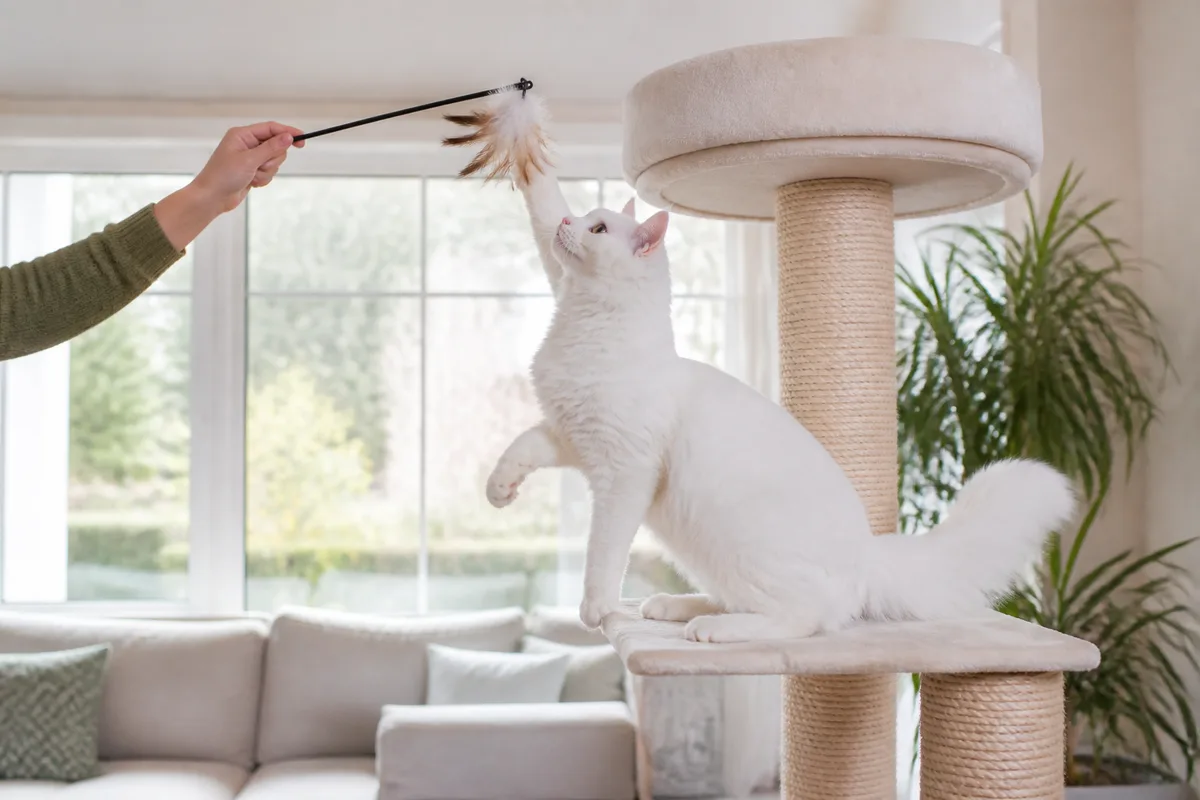
Daily interaction should combine chase, climb, search, and problem-solving. A sturdy Yaheetech cat tree supports vertical territory, while a Frisco feather teaser wand gives a person direct control over the pace of play. Rotate toys instead of leaving every object out, and finish energetic sessions with a predictable calm period.
Intelligence claims should remain modest. The breed can be quick to learn, but individual motivation, early socialization, age, and previous experience affect results. Reward the behavior you want, keep sessions short, and design the environment so the easiest choice is also the safe choice.
Activity, climbing, and alone time
A Turkish Angora may rest quietly and then launch into a burst of climbing or play. Build the home upward with stable perches, scratchers, and clear landing zones. Check that tall furniture cannot tip, secure cords and fragile objects, and avoid shelves that lead directly to a hot appliance or unsafe window.
A Necoichi wall scratcher can create a vertical scratching station without using floor space. Place it near a travel path or resting area instead of hiding it in a spare room. A PawsPik stainless steel fountain can encourage drinking, but introduce the sound gradually and keep a regular bowl available until the cat uses it comfortably.
For time alone, leave more than food. Use safe puzzle activities, a window view, comfortable hiding places, and a predictable return routine. If the cat becomes destructive, vocal, withdrawn, or changes eating and litter-box habits, do not assume the breed is simply demanding. Look for stressors and consult a veterinarian when behavior changes suddenly.

Feathered teaser wand with catnip-stuffed bird. Pairs perfectly with the no-bite training policy: redirect Bengal play drive into a 10-minute interactive session with the wand.
Petful may earn a commission when you click through to Chewy, at no extra cost to you.
Living with children and other pets
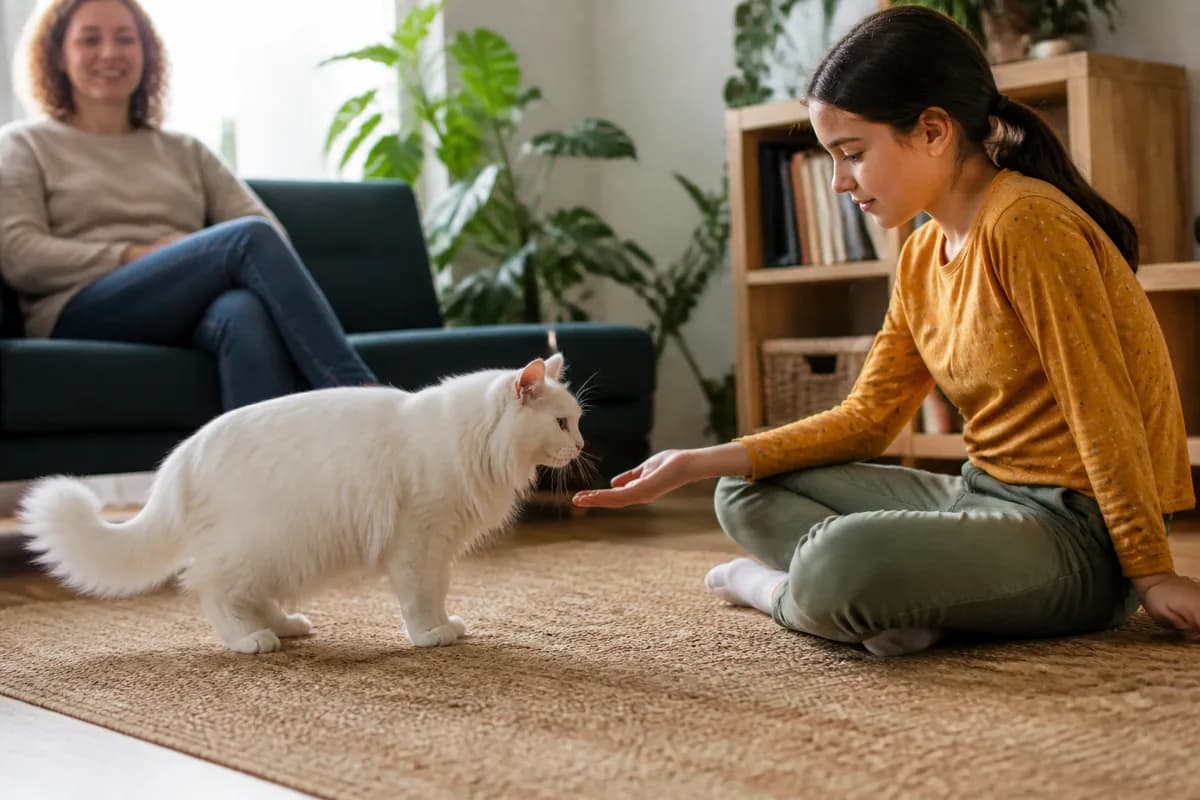
Many Turkish Angoras can live well with respectful children and compatible pets, but introductions and boundaries matter more than a breed label. Teach children to invite contact from the floor, stroke the shoulders and back gently, and stop when the cat turns away, flicks the tail, flattens the ears, or shifts weight to leave.
Introduce cats through scent exchange and short controlled sessions rather than placing them face to face. Give every cat separate litter, food, water, resting, and escape resources. With dogs, use a leash and barrier at first, reward calm observation, and protect elevated cat-only routes.
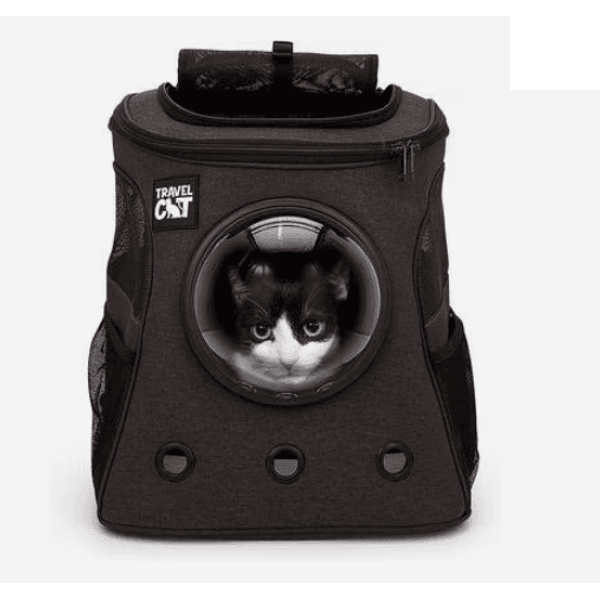
A quiet Best Friends by Sheri covered bed gives the cat an enclosed rest option when household activity is high. For transport during introductions, moves, or veterinary visits, condition the Travel Cat carrier as a familiar sleeping space instead of producing it only when something stressful happens.
Grooming and routine care
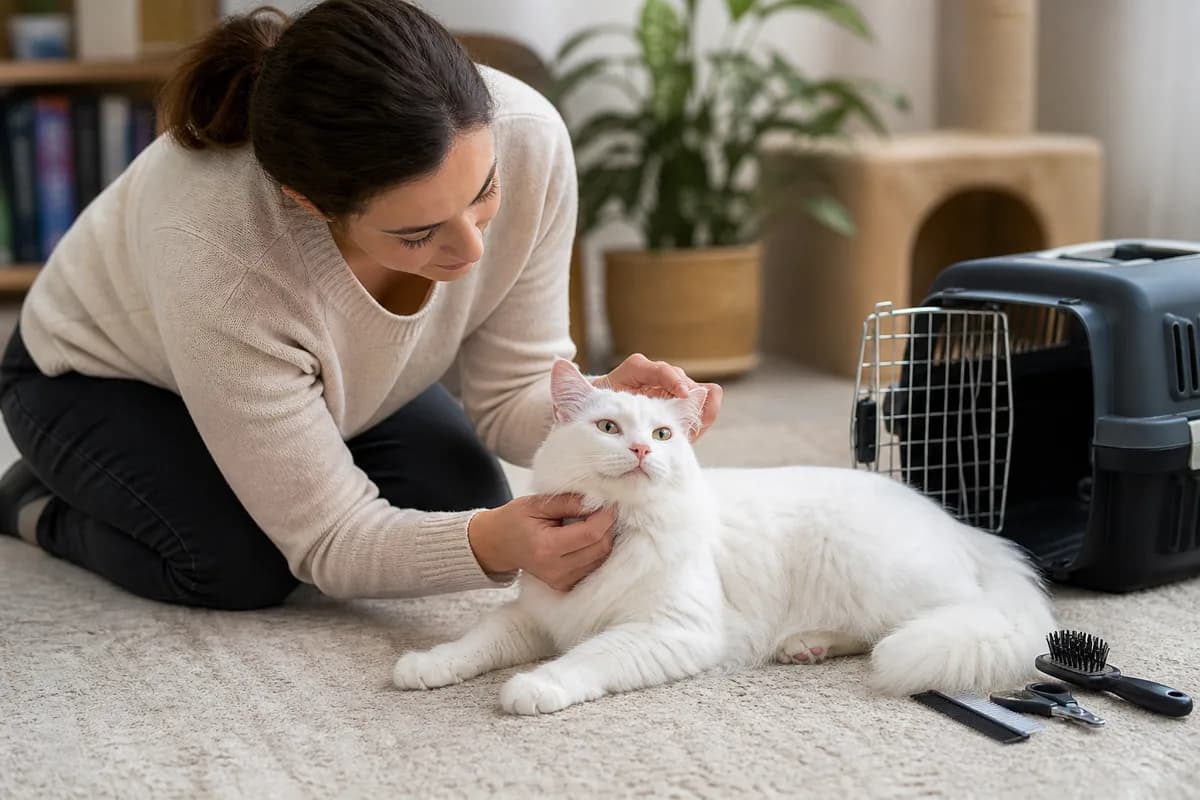
The single coat is often easier to maintain than dense longhair coats, but it is not maintenance-free. The CFA notes that younger cats may need combing only a few times a month, with more frequent help for some older cats. Use the cat’s coat condition, shedding, mobility, and tolerance to set the schedule, and see the full Turkish Angora grooming guide.
Check behind the ears, under the front legs, along the belly, and around the hindquarters. Trim only the clear claw tip with a cat tool such as Resco cat nail clippers, and pair handling with rewards before the nails become urgent. Never use scissors against a tight mat because cat skin can be pulled into the blades.

108-oz stainless steel pet fountain with quiet pump and water-level window. Bengals are notoriously water-obsessed; a flowing fountain encourages hydration and pulls them away from sinks and toilets.
Petful may earn a commission when you click through to Chewy, at no extra cost to you.
Colors, eyes, and the white-cat myth
Modern Turkish Angoras are not only white. The Turkish Angora colors guide explains the standard categories for solid, tabby, smoke, tortoiseshell, calico, bicolor, and other accepted coats. Chocolate, lilac, and pointed patterns are not accepted because they indicate hybridization under the CFA standard.
Eye color does not have to match coat color. Blue, green, green-gold, amber, and odd eyes are accepted, with wide variation inside those descriptions. White blue-eyed cats deserve thoughtful hearing discussion, but eye color does not diagnose hearing status and should never be used to predict the individual cat without proper evaluation.
Turkish Angora care and health planning
Breed profiles cannot predict an individual lifespan or diagnose disease. Build care around routine veterinary exams, body and muscle condition, dental health, vaccination and parasite decisions based on risk, safe indoor living, and prompt attention to new symptoms. Keep records together so changes are visible over time.
The CFA notes a hearing concern in white cats, particularly some blue-eyed individuals. That is a reason to ask about hearing records and discuss concerns with a veterinarian, not a reason to assume every white Turkish Angora is deaf. Sudden balance changes, head tilt, ear pain, discharge, or a change in response to sound needs veterinary attention rather than a home test.
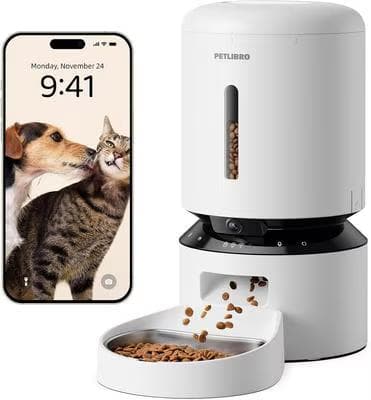
Petlibro Granary smart feeder can automate measured dry-food portions on a schedule, which may suit households that need a consistent routine. Confirm the serving size against the cat's actual calorie plan, test every dispensing cycle, and keep an ordinary food bowl available during setup or a power or Wi-Fi interruption.
Price, kittens, and responsible sourcing
Use the dedicated Turkish Angora price guide for current cost context and the Turkish Angora kitten guide for breeder, adoption, contract, and scam checks. A high price, white coat, imported story, or rare-color claim is not proof of pedigree or welfare.
Responsible sourcing begins with patience. Verify identity, registration, ancestry, health and hearing records, living conditions, socialization, the written contract, and the seller’s real address. Consider an adult or retired show cat if a kitten wait is long. Never let urgency override documentation.
Is a Turkish Angora right for you?
This breed tends to suit people who enjoy an active relationship with a cat, can provide vertical space and daily play, and will respect individual handling preferences. It may be a poor fit for someone seeking a decorative longhair that remains quietly on the floor or tolerates constant holding.
Make the decision from the actual cat and household. Ask how the individual responds to visitors, children, other animals, grooming, carriers, and time alone. A compatible adult with known behavior may be a better choice than a kitten selected mainly for color.
- Social and involved companion
- Silky single coat is often manageable
- Intelligent and playful
- Many accepted colors and eye colors
- Needs daily interaction and safe vertical territory
- May dislike restraint despite affection
- Smaller breeder pool can mean a long search
- Appearance alone cannot confirm ancestry
Turkish Angora cat FAQs
These concise answers preserve the article ownership boundaries and the evidence limits explained above.
What is special about Turkish Angora cats is their combination of a graceful, fine-boned appearance, firm muscle, an unusually silky single coat, and a busy, people-involved temperament. Those are breed traits, but pedigree records are what establish registered ancestry. Use the breed description as a starting point, then confirm ancestry through records and judge the individual cat by observed comfort, activity, handling preferences, health, and household fit. Relevant evidence includes busy and curious.
To tell if a cat is a Turkish Angora, look for a standard-consistent wedge head, large high-set ears, almond eyes, a long balanced body, and a plumed tail, but treat these only as clues. A registered pedigree is stronger evidence than white fur, odd eyes, or a seller description. Use the breed description as a starting point, then confirm ancestry through records and judge the individual cat by observed comfort, activity, handling preferences, health, and household fit. Relevant evidence includes single coat and busy and curious.
Some Turkish Angora cats like to be held, while others prefer to sit beside a person or control the interaction. Household fit improves when people invite contact, support the whole body, and let the cat leave before becoming tense. Use the breed description as a starting point, then confirm ancestry through records and judge the individual cat by observed comfort, activity, handling preferences, health, and household fit. Relevant evidence includes single coat and busy and curious.
Some Turkish Angora cats are clingy, social, and involved, but that behavior is not guaranteed. Daily play, vertical territory, predictable attention, and the individual cat’s history shape how closely a Turkish Angora follows people. Use the breed description as a starting point, then confirm ancestry through records and judge the individual cat by observed comfort, activity, handling preferences, health, and household fit. Relevant evidence includes single coat and busy and curious.
Turkish Angoras have a smaller breeder population than many familiar cat breeds, so a well-documented kitten may require patience. Rarity should never replace pedigree verification, health records, or household compatibility. Use the breed description as a starting point, then confirm ancestry through records and judge the individual cat by observed comfort, activity, handling preferences, health, and household fit. Relevant evidence includes breed traits.
Yes. A secure indoor home can suit a Turkish Angora when it provides climbing, window views, interactive play, scratching surfaces, and frequent social contact. Outdoor access should be controlled rather than used as a substitute for enrichment. Use the breed description as a starting point, then confirm ancestry through records and judge the individual cat by observed comfort, activity, handling preferences, health, and household fit. Relevant evidence includes breed traits.
The standard describes a medium cat whose balance matters more than a single scale number. Females are usually smaller than males, and a veterinarian should interpret weight together with frame, muscle, and body condition. Use the breed description as a starting point, then confirm ancestry through records and judge the individual cat by observed comfort, activity, handling preferences, health, and household fit. Relevant evidence includes breed traits.

Coreen Saito is a pet writer and longtime shelter volunteer with more than a decade in animal rescue. She covers cat behavior, breed care, and the small, ordinary science of sharing a life with companion animals, with a particular focus on honest takes about the products and decisions that actually matter. At home in Arizona, she's outranked by Mac (a dog with the loudest opinion in the house), Rebel (a cat who governs by quiet authority), and Meri (an orange tabby who runs the late shift and the laundry basket). She writes about all three, plus the rescues that keep coming through her life, at LifeWithMinty.com.
Sign up for expert-backed reviews and safety alerts all in one place.