Turkish Angora Cat Price: Kitten Cost & Ownership Budget
See realistic Turkish Angora cat price ranges, what changes a breeder quote, adoption costs, first-year setup, recurring care, and scam red flags.
Petful is reader supported. As an affiliate of platforms like Amazon and Chewy, we may earn a commission when you buy through links on this page. There is no extra cost to you.
A Turkish Angora cat price is not one fixed number. A current 2026 secondary estimate places many breeder kittens around $600 to $2,000 and adoption around $75 to $200, but location, pedigree, included veterinary work, registration, travel, and the individual cat can move a real quote outside those bands. Treat the range as a planning reference, not a promise.
This page owns price and budget intent. Use the breed pillar for temperament and care, the kitten sourcing guide for breeder and scam checks, the color guide for standard coat terms, the grooming guide for coat-care planning, and the Turkish Van comparison for breed confusion.

Petful may earn a commission when you click through to Chewy, at no extra cost to you.

Sign up for expert-backed reviews and safety alerts all in one place.
Turkish Angora cat price: the short answer
For Turkish Angora cat price planning, the 2026 Catster cost guide gives a sourced breeder estimate of $600 to $2,000 and a sourced adoption estimate of $75 to $200. These are secondary-market figures, not a registry price list. Turkish Angora prices vary by location and included services, so a responsible answer includes the date, source, geography, and quote details.
Before comparing two numbers, ask what each includes. A higher quote may cover registration, early veterinary care, vaccination, microchipping, a contract, travel, or breeder support. A lower quote may exclude some of those items. Either can still be a poor choice if the seller, records, living conditions, or contract cannot be verified.
Use the published range to decide whether a conversation is plausible, then replace it with written local evidence. Request itemized quotes from more than one traceable source, note the date and currency, and compare like with like. A kitten fee without travel or veterinary inclusions should not be placed beside an all-in pickup estimate as though the two numbers represent the same purchase.
- 1A 2026 secondary estimate places breeder kittens around $600 to $2,000
- 2The same source estimates adoption around $75 to $200
- 3These figures are planning ranges, not guaranteed current quotes
- 4Price does not prove pedigree, health, or responsible breeding
What changes a Turkish Angora breeder quote?
Pedigree depth, registration, show or breeding rights, age, included veterinary services, socialization work, local demand, and travel can affect a quote. Pet kittens may be sold with spay or neuter terms and limited registration, while a show or breeding agreement is a different transaction. Read the contract instead of assuming the highest figure includes the most protection.
Color can influence seller marketing, especially for white or odd-eyed kittens, but the CFA standard says accepted colors should have equal value in judging. Do not pay a premium solely because a listing calls a coat rare. Ask for the standard color term and verify pedigree and records separately.
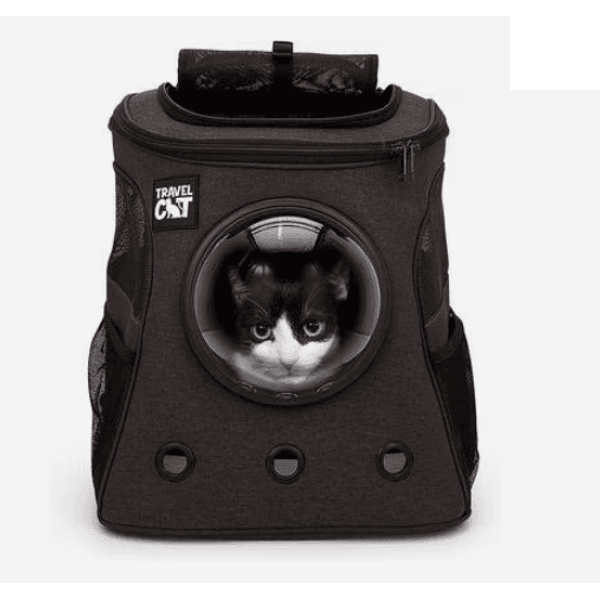
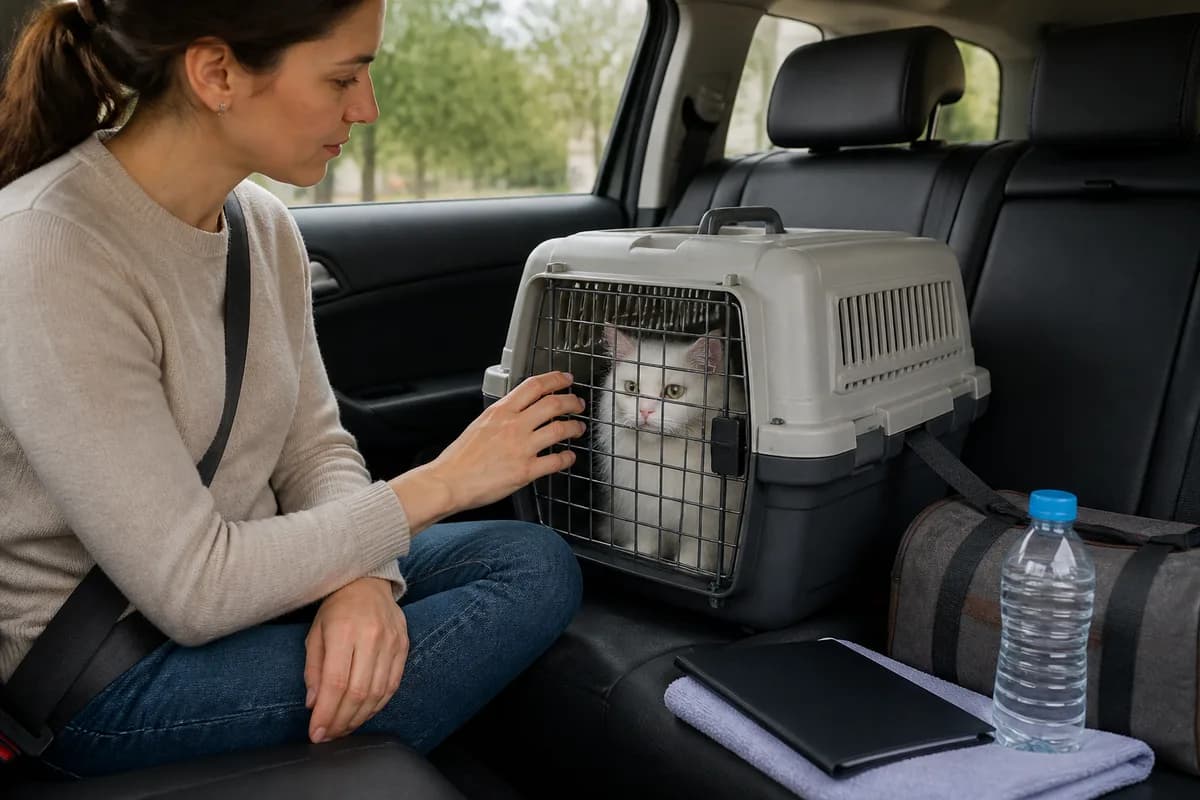
Use a secure Travel Cat carrier as part of the travel plan, not as evidence that a distant seller is legitimate. A real-time video, in-person visit when possible, address verification, references, and traceable records carry more weight than polished photos.
Age can move a quote in either direction. An older kitten or young adult may cost less than the most requested age, while a retired show or breeding cat may include extensive records and established behavior. Ask why the fee differs and what transition support is included. A lower age-based price is not automatically a warning, but the explanation should be consistent with the contract and the cat in front of you.
Availability also matters. Turkish Angoras are less common than many familiar companion breeds, so a responsible breeder may maintain a waitlist rather than a constant inventory. Scarcity can explain a wait; it does not justify pressure, secrecy, or a demand for immediate irreversible payment. Walk away when rarity is used to prevent ordinary verification.
Petful may earn a commission when you click through to Chewy, at no extra cost to you.
Adoption and retired adult options
A confirmed Turkish Angora may occasionally enter rescue, but many white or longhaired shelter cats have no pedigree records. That does not reduce their value as companions; it only changes the accuracy of the breed label. Ask the organization what evidence came with the cat and use domestic longhair when ancestry is unknown.
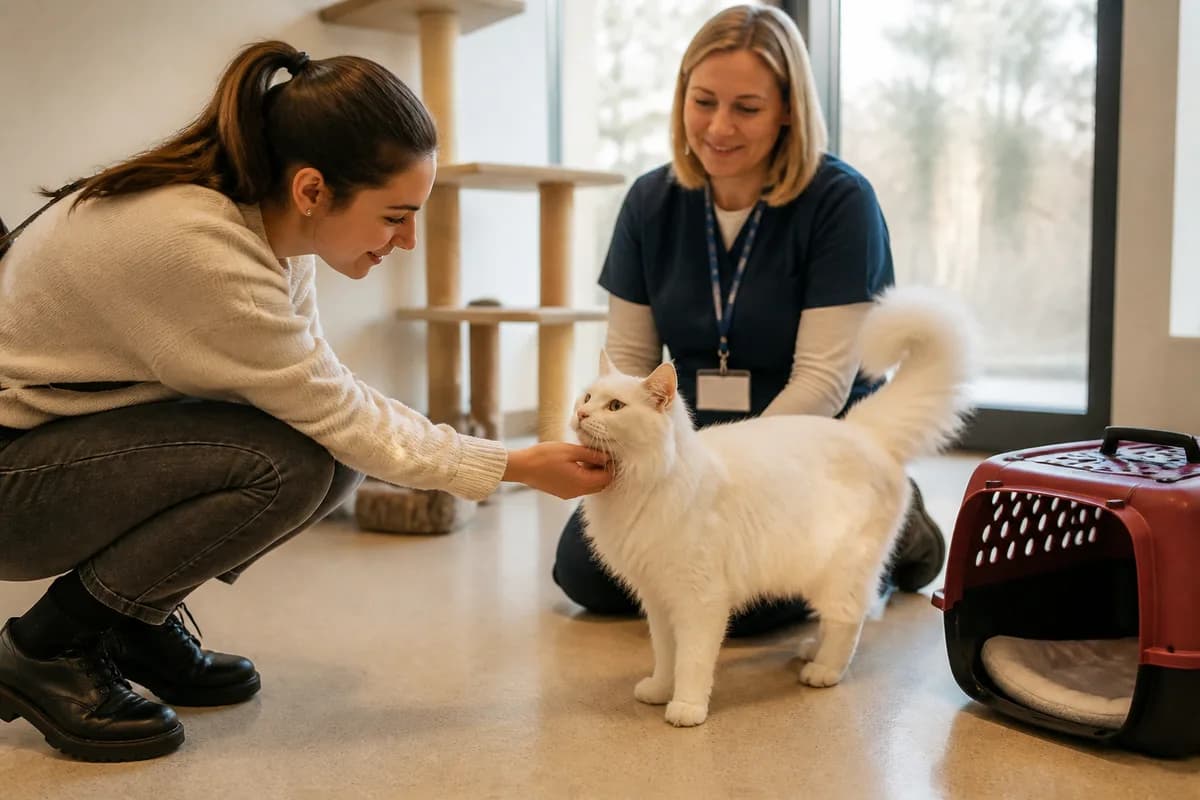
Retired breeding or show adults can be another route. Adults may have known temperament, grooming tolerance, and household preferences, and CFA notes that a retired cat can be quicker and more affordable than waiting for a white kitten. Review the same health records, contract, and transition plan you would expect for a kitten.
Compare an adoption fee by services rather than by breed promise. Ask whether the cat has received an exam, vaccinations, parasite care, a microchip, or spay or neuter surgery, and request the records that exist. Then budget for the first visit with your own veterinarian. A small fee can still lead to a sound adoption, but it should not be treated as the entire first-month cost.
What a responsible quote should include
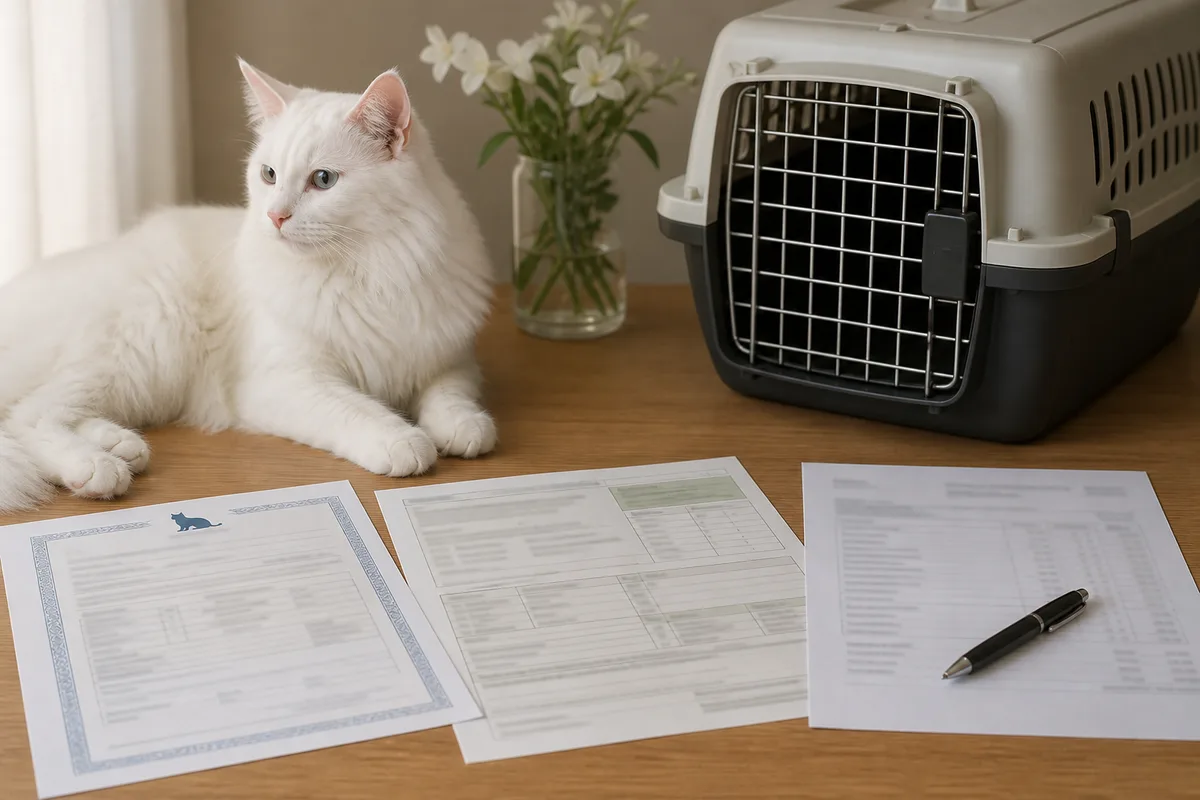
The TICA Pet Buyer’s Guide recommends verifying the source, visiting when possible, reviewing the breed’s needs, and checking the seller’s credibility. The quote should be connected to a written contract, a traceable pedigree certificate, and health records for the exact kitten, not a verbal promise that paperwork will appear later. Verify that every document names or otherwise identifies the same kitten and that dates, parentage, services, and registration terms agree before comparing the quote with another source.
Ask which vaccinations and veterinary visits are complete, whether a microchip is included, how registration paperwork is handled, what the return policy says, and what support continues after pickup. For a white kitten, ask what the breeder knows about hearing in the line and whether an objective hearing record is available.
Deposits deserve their own line in the comparison. Confirm whether the amount is refundable, transferable to a later litter, or forfeited; what event allows either party to cancel; and when the balance becomes due. Keep the contract, receipt, payment record, listing, and correspondence together. If a condition changes after payment, pause and reconcile the new request with the signed terms before sending more money.
| Item | What to verify |
|---|---|
| Kitten identity | Registered name or litter identity matches the contract and records |
| Pedigree | Registry, generations, parent identities, and any restrictions are clear |
| Veterinary care | Dates, provider, vaccines, parasite care, and microchip are documented |
| Hearing information | Seller explains records and does not guarantee hearing from eye color or behavior |
| Contract | Fee, deposit, pickup, registration, health, return, and support terms are written |
| Travel | Carrier, courier, flight, hotel, and pickup responsibilities are itemized |
The agreement should also say what happens if a veterinarian identifies a concern soon after pickup or if the home cannot keep the cat later. No contract can eliminate every disagreement, but specific time windows, documentation requirements, and return contacts are more useful than vague lifetime guarantees. Read those sections before becoming emotionally committed to one kitten.
- Match the kitten identity across the quote, contract, pedigree, and health records.
- Separate refundable deposits from the final balance and travel charges.
- Confirm registration, veterinary, hearing, return, and support terms in writing.
- Keep receipts, listings, messages, and signed documents together.
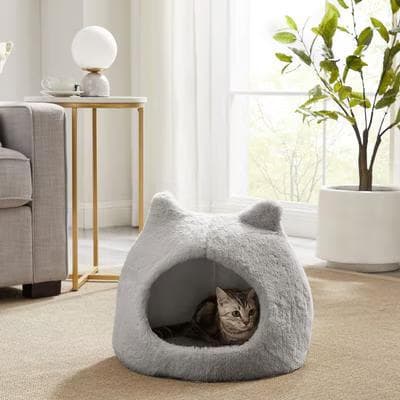
Covered, igloo-style cat bed in soft plush with a water-resistant bottom, giving cats a cozy enclosed spot to curl up. Grey.
Petful may earn a commission when you click through to Chewy, at no extra cost to you.
First-year setup costs
The purchase or adoption fee is only the first line. Compare breeder quotes with a complete first-year budget that includes a carrier, litter setup, food and bowls, water station, scratchers, resting places, enrichment, identification, initial veterinary care, home-safety work, and an emergency reserve. Reuse safe items when practical, but avoid budgeting so tightly that the first illness or travel change becomes a crisis.
A Best Friends by Sheri covered bed provides an enclosed resting choice, and a Necoichi wall scratcher supports normal scratching. A PawsPik stainless steel fountain may help some cats drink more readily, while a Frisco feather teaser wand supports interactive exercise. A stable Yaheetech cat tree can add climbing and resting space when its dimensions fit the room. Product fit and safe placement matter more than buying every item at once.
Separate must-have setup from later upgrades. The first day needs safe transport, food, water, litter, a hiding place, and a quiet room. A large climbing system, extra fountains, or premium furniture can wait until you know what the individual cat actually uses.
| Cost bucket | Examples | Planning method |
|---|---|---|
| Acquisition | Kitten or adoption fee, deposit, registration | Use the written itemized quote |
| Travel | Carrier, fuel, flight, hotel, courier | Price the real pickup route before paying |
| Home setup | Litter, food, bowls, bed, scratching, enrichment | Buy safety essentials first |
| Veterinary | Initial exam and individualized preventive plan | Ask local clinics for current pricing |
| Contingency | Unexpected illness, delay, or replacement supplies | Keep separate from routine spending |
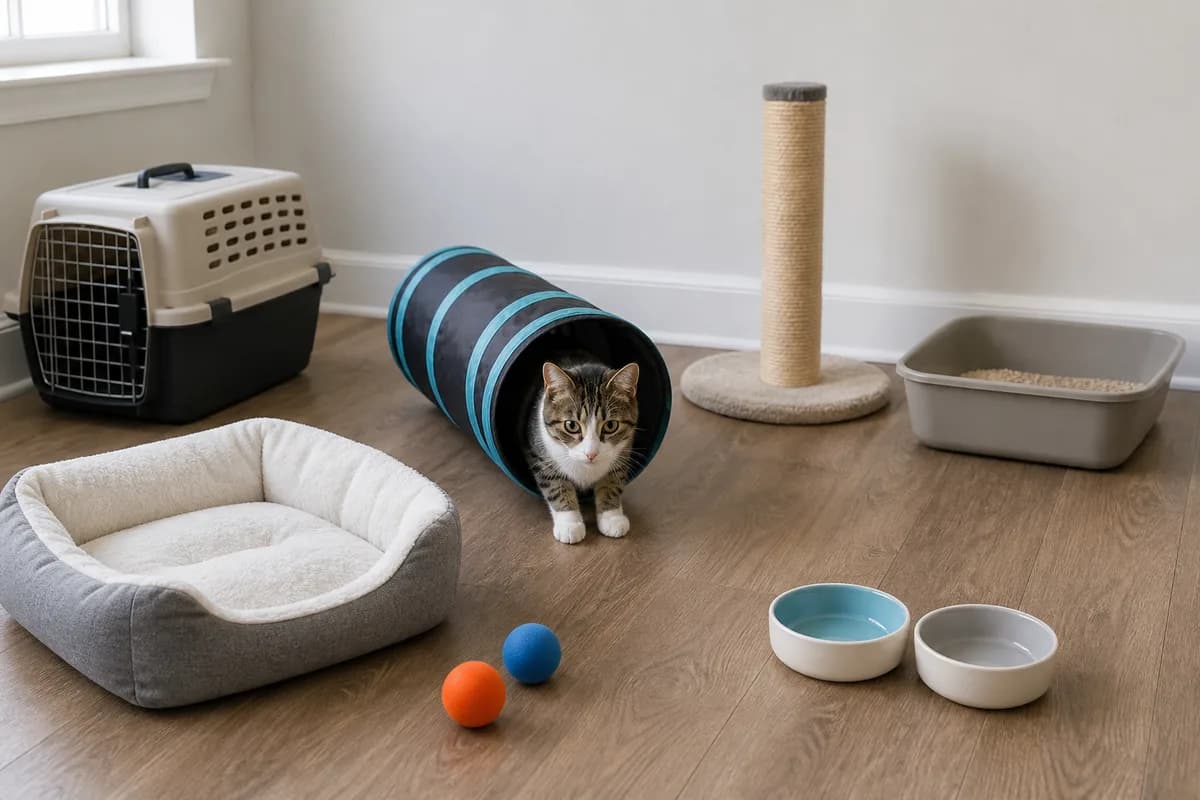
Preserve a little of the budget for compatibility changes. The cat may reject the first litter texture, prefer a different bowl shape, need another scratching orientation, or require a gate or window repair that was not obvious in advance. Keep receipts where returns are allowed, introduce changes one at a time, and do not interpret a failed product as a reason to skip the underlying need.
Ask the local veterinary clinic which first-visit records to bring and which services may be due based on age and prior care. That conversation is more accurate than importing a generic national price into the plan. It also helps identify gaps before pickup, when the breeder or rescue can still clarify dates and provide missing documentation.
Recurring care and emergency planning
Ongoing costs include food, litter, routine veterinary care, parasite prevention when indicated, dental care, replacement scratchers, grooming supplies, and enrichment. An older cat or one with an individual medical condition may need a different budget. Do not project lifetime cost by multiplying one cheap month.
Petlibro Granary smart feeder is one optional setup expense for households that want scheduled dry-food portions and app controls. Compare the current price with simpler timed feeders, confirm the hopper and portion sizes fit the cat's diet, and include replacement desiccant bags and cleaning time in the ownership budget.
Small durable items such as Resco cat nail clippers can be planned as replacements rather than impulse buys. Track what wears out and when. That simple record creates a more accurate annual budget than a generic product checklist.
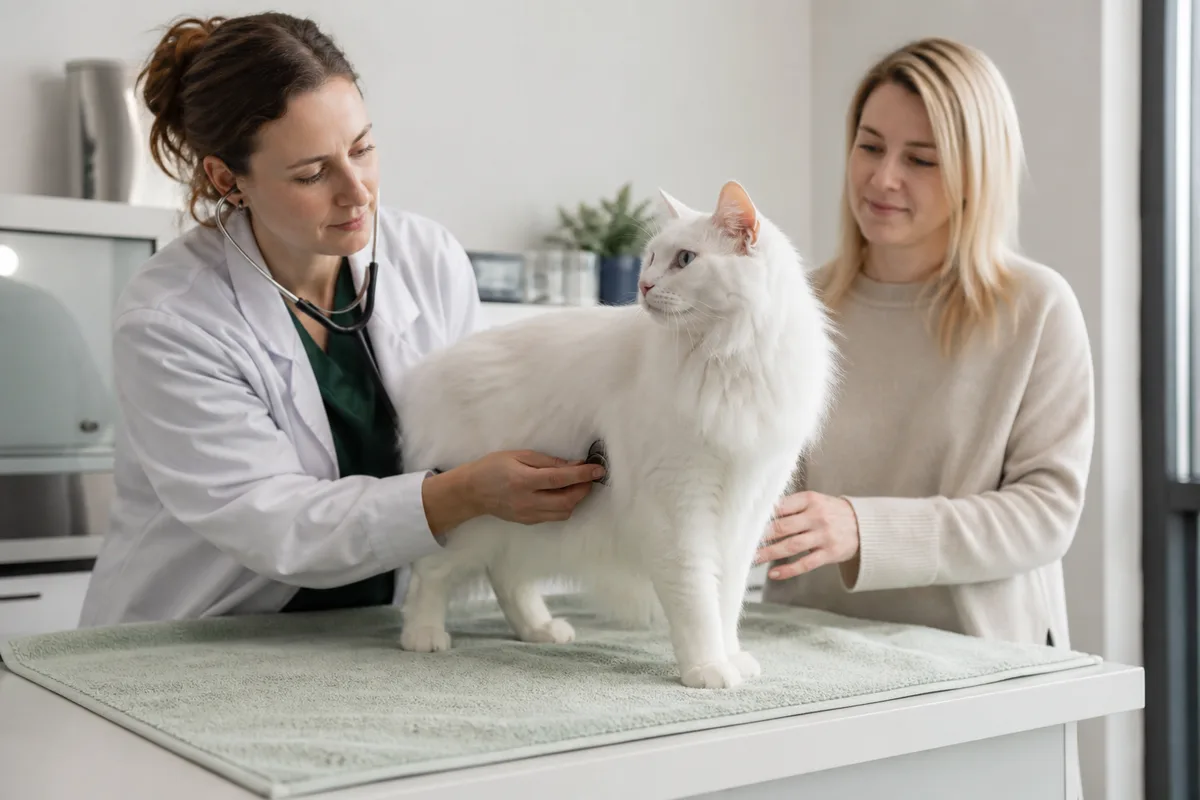
Build the emergency plan before the cat arrives. Identify the regular clinic, the nearest after-hours facility, the payment methods each accepts, and who can transport the cat if the primary caregiver is unavailable. The financial tool can be insurance, dedicated savings, or a combination, but it needs to work at the moment care is required rather than only on paper.
Review recurring spending after the first three and six months. Separate genuine consumption from one-time setup and note changes caused by growth, medical advice, household moves, or product waste. This makes the second-year estimate more useful and prevents an unusually inexpensive or expensive opening month from becoming the assumed normal.
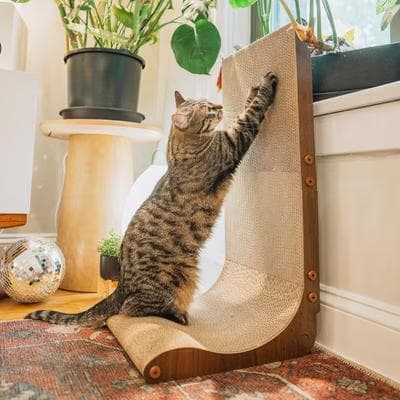
Curved cardboard wall scratcher with a wood frame that protects walls and gives cats a satisfying vertical scratch surface.
Petful may earn a commission when you click through to Chewy, at no extra cost to you.
Travel and pickup costs
A rare-breed search can expand beyond driving distance, so calculate the route before treating a kitten quote as affordable. Include fuel, lodging, airline or train rules, an approved carrier, health certificates if required, parking, missed work, travel reserves, and emergency reserves for delays or an altered pickup. Never agree to a courier you cannot independently verify.
Pickup is also an opportunity to confirm the kitten, records, and contract match what was promised. Read the microchip if available, compare markings and sex with the paperwork, receive original or traceable copies, and get the seller’s contact and return instructions before leaving.
Check carrier and transport requirements directly with the operator close to travel because rules can change. Measure the cat and carrier, confirm temperature or seasonal restrictions, and avoid arrangements that separate a young kitten from an accountable handoff. If a delay would create an unsafe wait, the budget needs a flexible ticket or lodging backup rather than optimism.
Online kitten scam red flags
The FTC pet-scam guidance recommends searching listing images, checking the seller, and being wary of payment methods that are difficult to reverse. Copied photos, a price far below the claimed market, urgent shipping stories, repeated new fees, gift cards, cryptocurrency, and refusal of real-time contact are reasons to stop.
A polished site is not proof. Verify the domain and contact history, ask for a live video that follows your specific request, confirm the physical address, and speak with references. If a seller claims registry status, check the registry independently rather than clicking only the seller’s link.
- Do not pay when the seller refuses a live visit or video, pressures an irreversible payment, reuses photos, or cannot connect the kitten to traceable records and a written contract.
Build a realistic long-term budget
Create three columns: predictable monthly care, predictable annual care, and low-frequency but high-impact costs. Add travel and replacement supplies to the first year, then revisit the plan after six months of real spending. The correct budget is the one that reflects your local clinic, food, litter, housing, and the individual cat.
Keep assumptions visible. Write the quantity, unit price, replacement interval, and source date beside each estimate. Use a low and high case when a cost is uncertain, then make sure the high case does not depend on skipping veterinary care or borrowing for ordinary supplies. This approach is more honest than producing one precise lifetime total from dozens of changing inputs.
Include life-stage change. Kittens may need different visit timing and supplies, adults settle into a steadier pattern, and seniors can require more frequent monitoring or accommodations. Moving, boarding, pet deposits, caregiver support, and medication administration can also become part of ownership even though they are not visible in the kitten fee.
Include life-stage changes
The Turkish Angora grooming guide can help estimate coat-care supplies, while the breed pillar explains activity and household needs. The color guide prevents a marketing label from becoming a budget decision, and the comparison guide reduces the chance of paying for the wrong breed claim.
Turkish Angora price FAQs
These concise answers preserve the article ownership boundaries and the evidence limits explained above.
A Turkish Angora is a relatively rare cat compared with many familiar breeds, and a limited breeder pool can affect availability and travel. Rarity alone does not set a responsible price. Compare the sourced breeder estimate with the sourced adoption estimate, then verify records and included services. Before paying, request an itemized quote and traceable records, compare what is included, and keep separate funds for setup, routine veterinary care, travel, recurring supplies, and emergencies.
A quote can reflect lineage records, veterinary care, early socialization, registration, travel, and breeder support. Ask for an itemized explanation rather than assuming a high number proves quality. Before paying, request an itemized quote and traceable records, compare what is included, and keep separate funds for setup, routine veterinary care, travel, recurring supplies, and emergencies. Relevant evidence includes current estimate and limited breeder pool.
No. Price is not proof of pedigree, health, or responsible breeding. Verify registration and ancestry records, the kitten’s care documents, the parents, the contract, and the seller’s real identity. Before paying, request an itemized quote and traceable records, compare what is included, and keep separate funds for setup, routine veterinary care, travel, recurring supplies, and emergencies. Relevant evidence includes current estimate and limited breeder pool.
Yes, although confirmed purebred Turkish Angoras are uncommon in shelters. Search breed rescues and general shelters, consider retired breeding or show adults, and avoid labeling a white longhaired cat by appearance alone. Before paying, request an itemized quote and traceable records, compare what is included, and keep separate funds for setup, routine veterinary care, travel, recurring supplies, and emergencies. Relevant evidence includes current estimate and limited breeder pool.

Coreen Saito is a pet writer and longtime shelter volunteer with more than a decade in animal rescue. She covers cat behavior, breed care, and the small, ordinary science of sharing a life with companion animals, with a particular focus on honest takes about the products and decisions that actually matter. At home in Arizona, she's outranked by Mac (a dog with the loudest opinion in the house), Rebel (a cat who governs by quiet authority), and Meri (an orange tabby who runs the late shift and the laundry basket). She writes about all three, plus the rescues that keep coming through her life, at LifeWithMinty.com.
Sign up for expert-backed reviews and safety alerts all in one place.