Turkish Angora Kittens: Breeders, Adoption & Scam Checks
Find Turkish Angora kittens responsibly. Learn how to verify breeders, pedigrees, health records, contracts, adoption listings, and online seller claims.
Petful is reader supported. As an affiliate of platforms like Amazon and Chewy, we may earn a commission when you buy through links on this page. There is no extra cost to you.
Finding Turkish Angora kittens safely is a verification task, not a race to the first available white kitten. Start with the registered breed, then confirm the seller, kitten, parents, records, living conditions, socialization, contract, and payment route. A registry listing can be a useful lead, but it is not a guarantee of every breeder or transaction.
Use the Turkish Angora breed guide for temperament and care, the price guide for current budget context, the color guide for standard coat terms, the grooming guide for coat planning, and the Turkish Van comparison when a seller mixes the breed names.
Petful may earn a commission when you click through to Chewy, at no extra cost to you.

Sign up for expert-backed reviews and safety alerts all in one place.
Finding Turkish Angora kittens safely
Finding Turkish Angora kittens or one Turkish Angora kitten safely begins with seller verification and pedigree records. Use a written list of nonnegotiables: verified identity, traceable pedigree, real contact, records tied to the kitten, safe living conditions, age-appropriate placement, a readable contract, and a return plan. This article provides no individual breeder endorsements; color preference comes after welfare and documentation.
Expect patience. CFA notes that demand can exceed the number of active breeders, especially for white kittens. A wait is safer than lowering the evidence standard. Consider a colored kitten, a retired adult, or a well-matched rescue if the household fit matters more than a specific appearance.
- 1Verify the seller and the exact kitten before any deposit
- 2Pedigree, health records, a contract, and a real visit or video matter more than photos
- 3Registry listings are starting points, not endorsements
- 4Never let scarcity or shipping urgency override welfare and documentation
Breed fit before contacting a breeder
Read the breed pillar before joining a waitlist. Turkish Angoras are commonly busy, curious, social, and interested in climbing. The silky single coat can be manageable, but the cat still needs grooming cooperation, daily play, scratching options, and safe vertical territory.
Ask whether that lifestyle fits for the next decade or longer. A kitten selected mainly for blue eyes or a white coat may mature into an adult whose activity, voice, handling preference, or relationship with other pets differs from the buyer’s picture. A reputable source should discuss fit honestly.
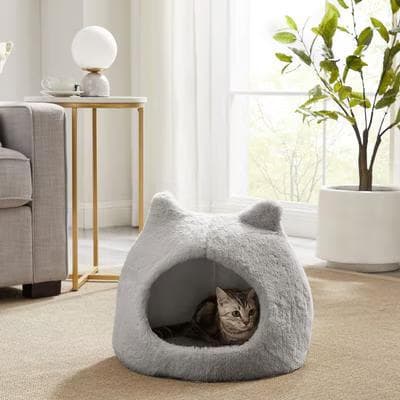
Covered, igloo-style cat bed in soft plush with a water-resistant bottom, giving cats a cozy enclosed spot to curl up. Grey.
Petful may earn a commission when you click through to Chewy, at no extra cost to you.
How to evaluate a breeder
A search for a Turkish Angora kitten breeder, TICA Turkish Angora breeders, or a pedigree Turkish Angora should begin with the TICA buyer checklist and CFA pedigreed-cat guidance. Verify the breeder’s real name, address, registry or club claims, show or breeding history when relevant, and references. Search the cattery name with terms such as complaint and scam, but evaluate the quality and identity of each result.
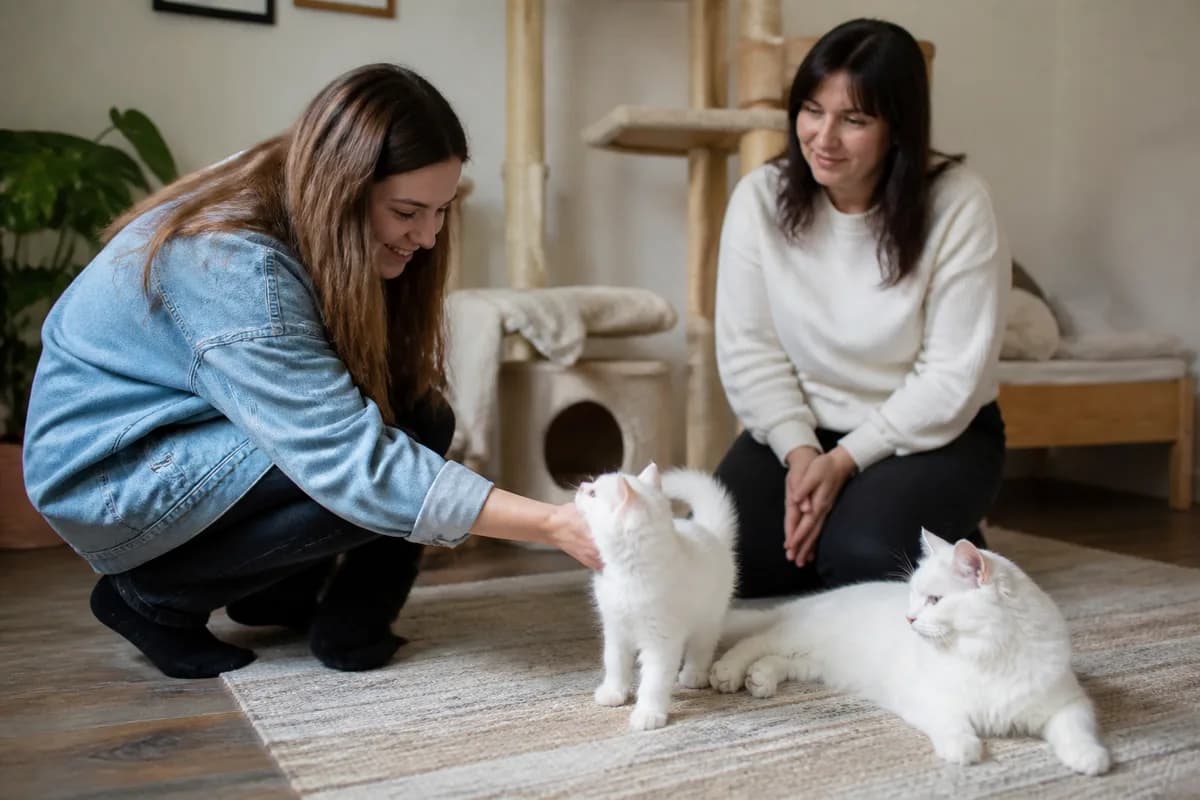
Visit in person when practical. If distance makes that impossible, request a live video that shows the kitten responding in real time, the mother and living space, and a specific object or action you choose. Pre-recorded clips do not provide the same confidence.
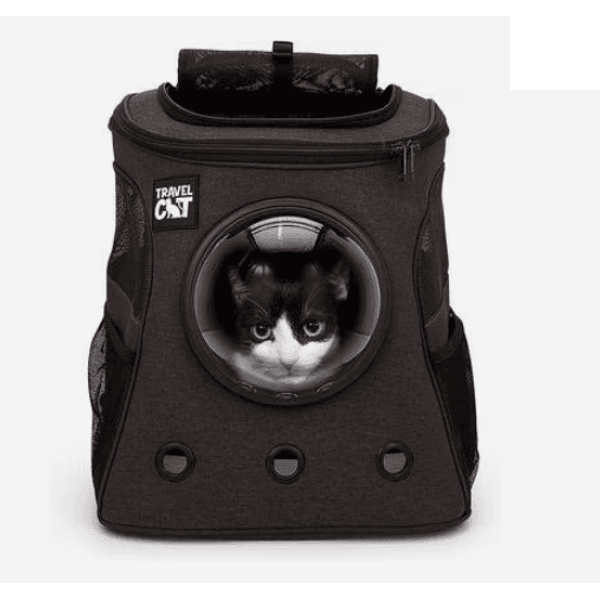
Bring or prepare a secure Travel Cat carrier for pickup, but do not accept a seller-chosen courier simply because the listing says the kitten is far away. Verify transport rules and the person responsible for every handoff.
Records to verify before a deposit
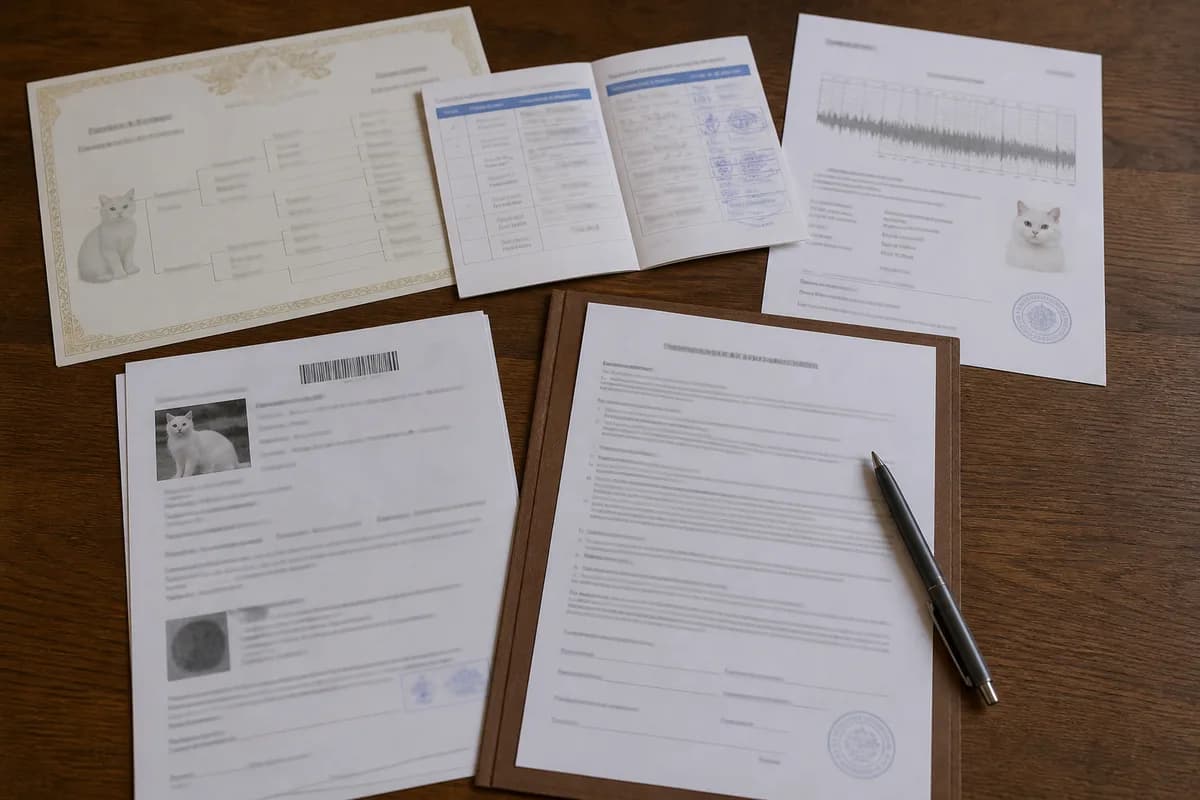
Ask to see how the kitten is identified across the pedigree, registration application, veterinary record, vaccine record, microchip information, and contract. Names may change, but litter identity, sex, markings, date of birth, parentage, and record dates should make sense together.
For a white kitten, ask what hearing information exists for the individual and family. Do not accept eye color, a hand clap, or normal play as proof of normal hearing. The seller should explain what was and was not tested without promising an outcome that the records cannot support.
Confirm which documents you receive at pickup and whether registration is delayed until a contract condition such as spay or neuter is complete. Any delay should be written, specific, and consistent with registry procedures.
Petful may earn a commission when you click through to Chewy, at no extra cost to you.
Before-deposit Turkish Angora breeder checklist
Use a neutral seller-verification evidence hierarchy before paying a deposit. A social profile and attractive photos establish very little. A real conversation adds context. A live visit, traceable records, parent information, veterinary documents, and a written contract add stronger evidence. Independent registry confirmation and references help verify claims, but no single item replaces judgment.
Ask open questions: Why did you plan this pairing? What are the parents like in daily life? How are kittens introduced to handling, carriers, household sounds, people, and other animals? What support do you provide if the placement does not work? Specific answers are more useful than a list of flattering adjectives.
| Evidence | What it can support |
|---|---|
| Listing photos | Appearance only; reverse-search them and do not infer ownership |
| Live video or visit | The kitten, mother, setting, and seller exist together at that time |
| Pedigree and registration | Documented ancestry when independently verified |
| Veterinary records | Care dates and findings for the identified kitten |
| Contract | The parties, fee, responsibilities, health terms, registration, and return plan |
| References and registry checks | Independent context for claims, not an absolute guarantee |
What healthy socialization looks like
A well-supported kitten has chances to approach people, retreat, play, explore surfaces, hear normal household sounds, enter a carrier, and recover from small surprises without force. One shy moment during a visit does not diagnose temperament, but persistent fear, filthy conditions, untreated illness, or a seller who will not let you observe interaction deserves caution.
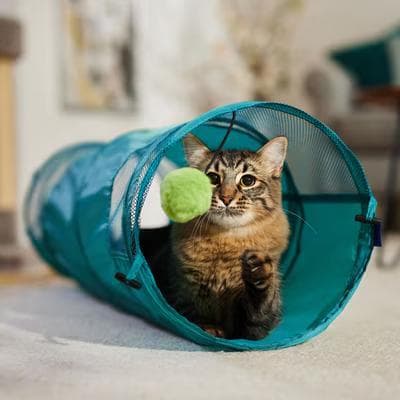
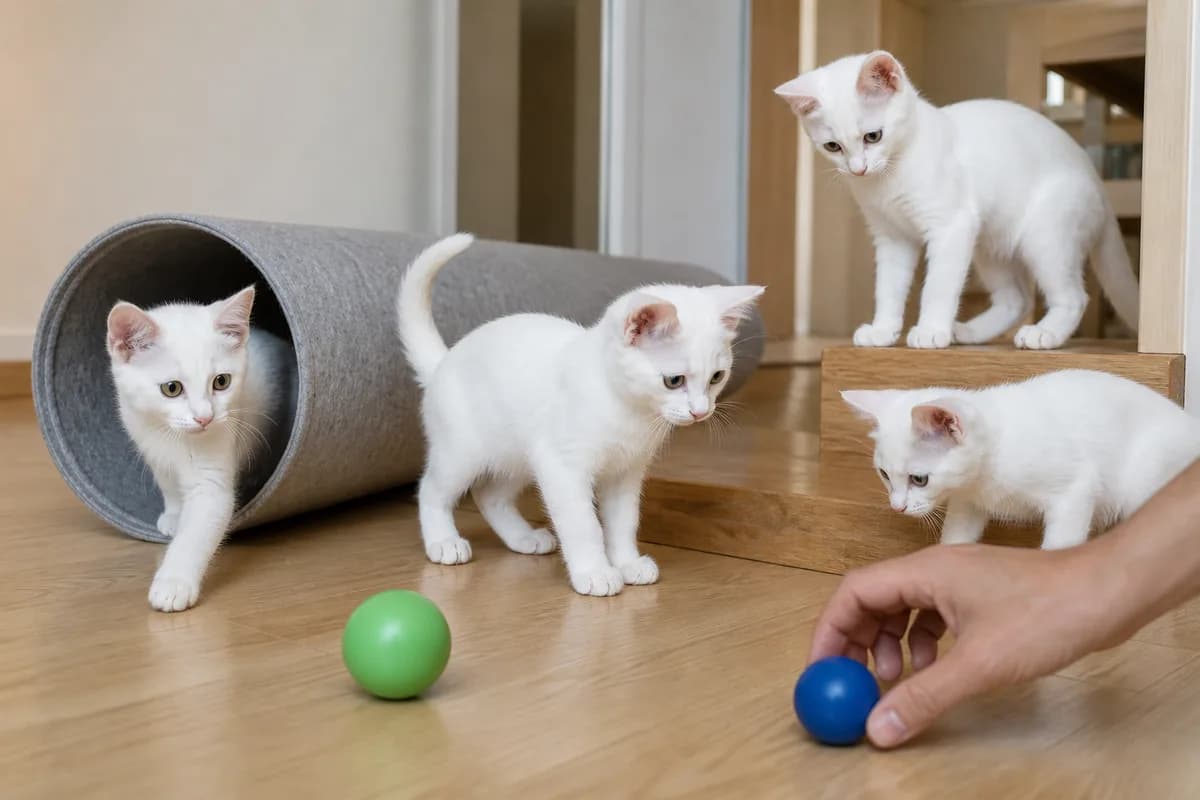
Prepare varied safe play at home with a Frisco mesh play tunnel and a person-controlled Frisco feather teaser wand. The goal is not nonstop stimulation. Kittens also need sleep, predictable meals, hiding places, and short handling sessions that end before frustration.
Petful may earn a commission when you click through to Chewy, at no extra cost to you.
Breeder, rescue, and retired-adult routes
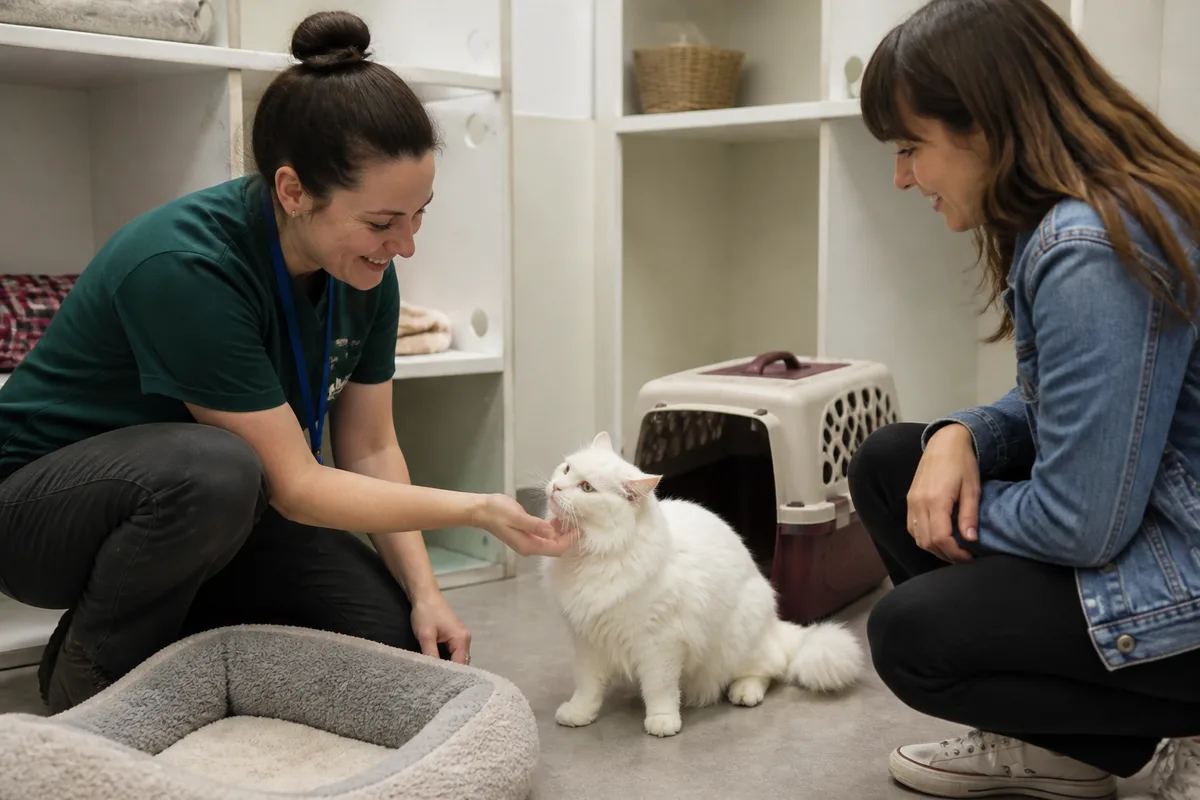
A breeder route may offer documented ancestry and early history, but requires careful seller evaluation and often a wait. A Turkish Angora adoption or Turkish Angora rescue search can provide temperament and care observations, yet breed identity may be unknown. A retired adult can combine documentation with known adult behavior and may transition more smoothly for some homes.
Do not pressure a shelter to certify a breed from appearance. Ask what records arrived, what the organization observed, and what support is available. A loving companion does not need a pedigree, but a paid purebred claim should be supported by more than resemblance.
Search broadly and revisit listings over time instead of treating one marketplace result as the available population. Confirm who owns the cat, why the placement is changing, which medical and behavior records exist, and whether the organization or owner will take the cat back if the placement fails. The route changes the evidence available, not the obligation to protect welfare.
| Route | Potential advantage | Main verification need |
|---|---|---|
| Registered breeder | Traceable ancestry and early history | Seller, parents, records, conditions, and contract |
| Shelter or rescue | Observed behavior and adoption support | Separate documented history from appearance guesses |
| Retired adult | Known adult size and temperament | Reason for placement, health records, and transition plan |
What a written contract should cover
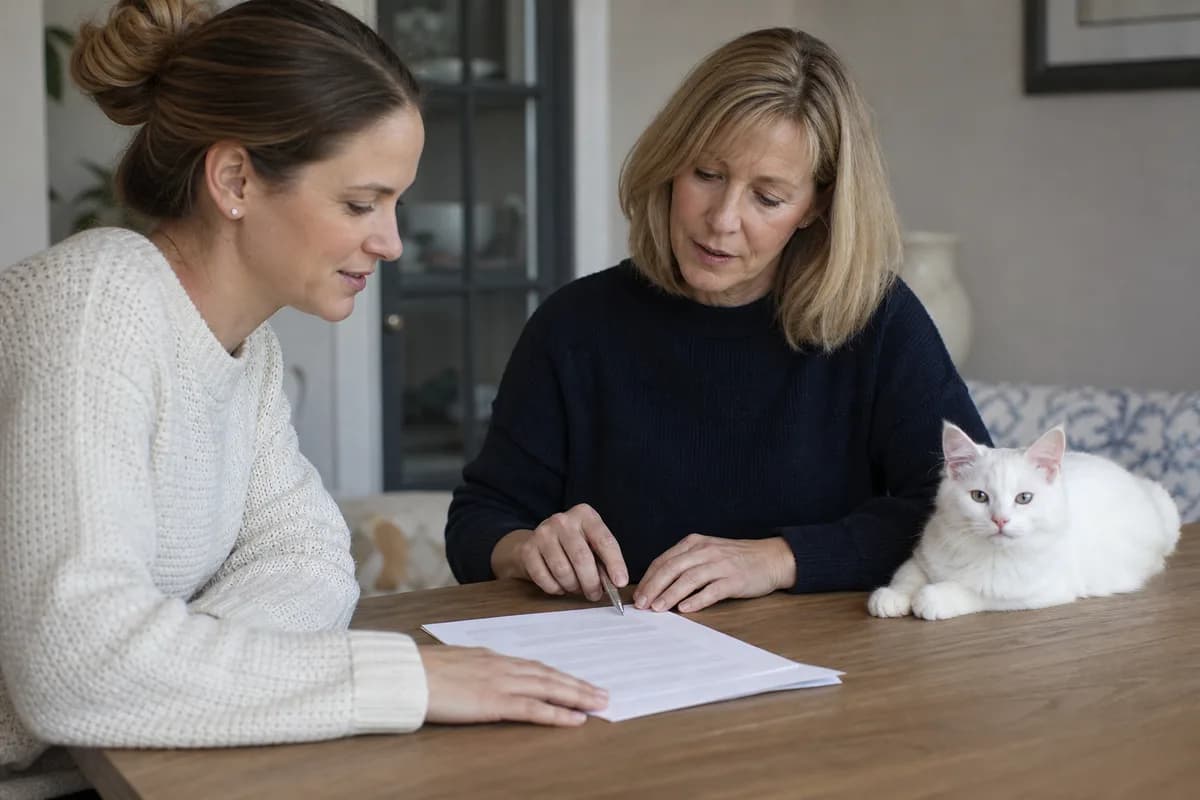
The contract should name the buyer, seller, and kitten; list the total fee and deposit; state what is refundable; describe registration and breeding restrictions; itemize included records and care; explain pickup or shipping; and define health, return, and support terms. Read it before paying, not in a parking lot at pickup.
Watch for a return clause that protects the cat if the placement fails. Understand whether the seller must be contacted before rehoming, what support is offered, and whether any guarantee requires an exam within a set period. Ask for unclear language to be rewritten rather than relying on a verbal interpretation.

Feathered teaser wand with catnip-stuffed bird. Pairs perfectly with the no-bite training policy: redirect Bengal play drive into a 10-minute interactive session with the wand.
Petful may earn a commission when you click through to Chewy, at no extra cost to you.
Turkish Angora kitten scam red flags
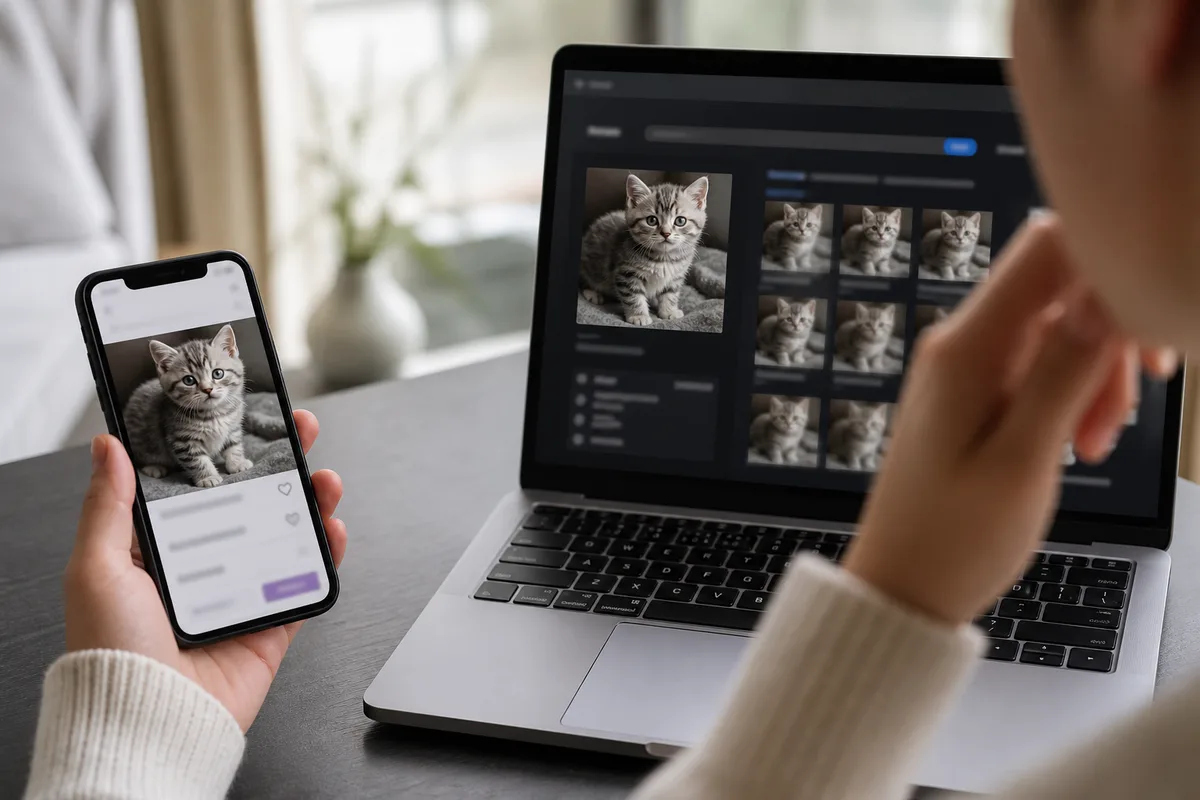
Follow the FTC pet-scam guidance: reverse-search images, verify the seller, and avoid difficult-to-reverse payments. Payment and shipping red flags include a refused live visit or video, repeated transport fees, a claimed transporter already waiting, gift card or cryptocurrency demands, and records that cannot be connected to the kitten. Stop rather than trying to rescue the transaction.
A common pressure tactic says several buyers are ready and the deposit must be sent immediately. A responsible seller may have a real waitlist, but should still provide time to read the contract and verify the transaction. Scarcity does not make unsafe payment safer.
- Refusal of real-time contact, copied photos, unverifiable records, pressure for gift cards or cryptocurrency, and surprise transport fees are reasons to stop.
Preparing for the first week
Set up one quiet room with food, water, litter, a hiding place, and a Best Friends by Sheri covered bed. Leave the carrier open as a familiar den. Add resources gradually, including a Necoichi wall scratcher and PawsPik stainless steel fountain, after the kitten is eating, drinking, eliminating, and exploring normally.
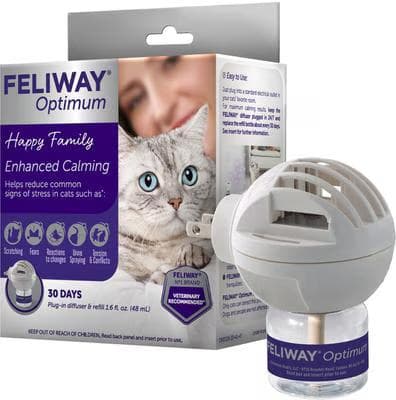
Feliway Optimum starter kit is one environmental option some households use during transitions, but it does not replace a slow introduction, pain assessment, veterinary care, or adequate resources. Condition gentle paw handling before using Resco cat nail clippers, and trim only a clear claw tip.
Schedule the first veterinary visit according to the contract and local advice. Bring every record and a written list of questions. Keep the kitten separated from unfamiliar animals until the veterinarian and source records support an individualized plan.
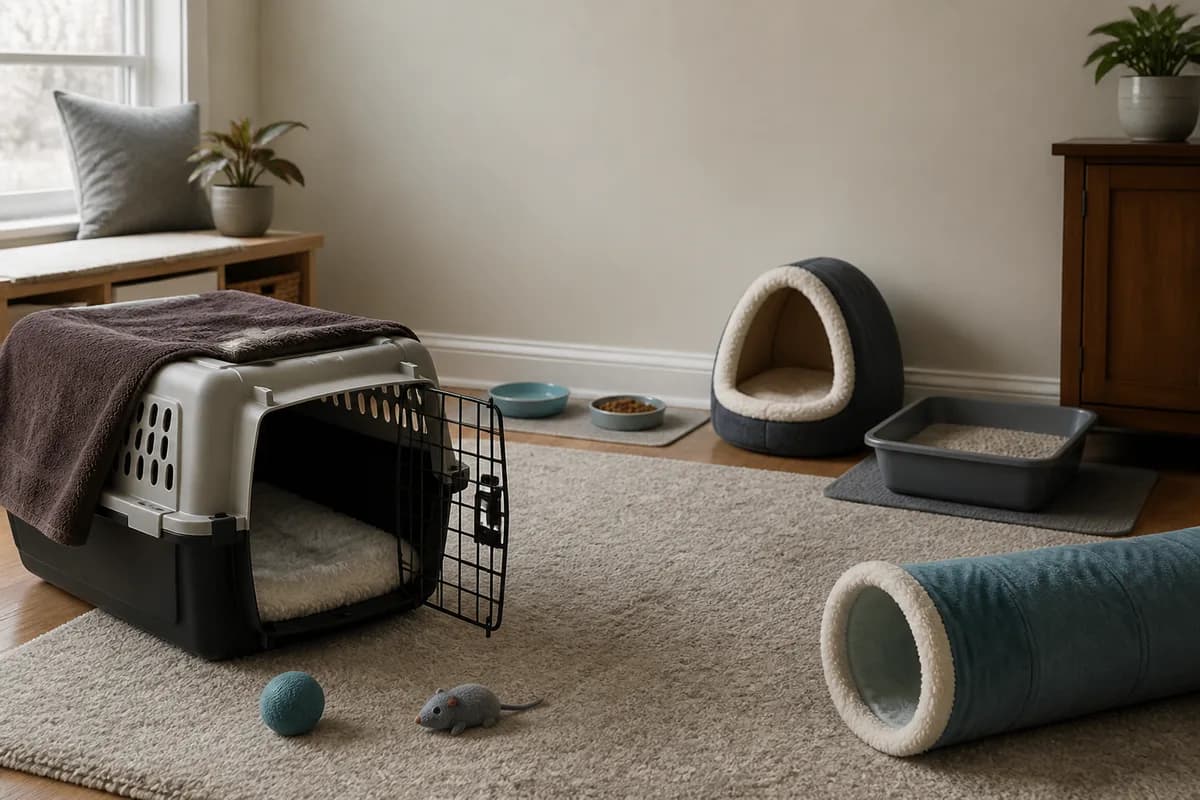
Keep the first days predictable. Use the same food and litter the kitten already knows unless a veterinarian advises an immediate change, limit visitors, and let the kitten approach rather than pulling it from a hiding place. Record eating, drinking, urination, stool, activity, and any medication so a subtle change is easier to describe accurately. Keep the source and clinic contact details beside that daily record.
For resident pets, begin with scent and closed-door routines. Give each animal separate food, water, litter, rest, and escape options, then advance only while body language remains relaxed. A fast introduction can create a setback that lasts longer than a patient first week, regardless of how social the breed is said to be.
Turkish Angora kitten FAQs
These concise answers preserve the article ownership boundaries and the evidence limits explained above.
What is special about Turkish Angora cats begins in kittenhood: Turkish Angora kittens can mature into active, social cats with a silky single coat and strong interest in household activity. That breed fit matters before contacting a seller because appearance alone cannot promise temperament or ancestry. Before committing, verify the person, place, kitten, mother, records, and written contract independently, and walk away if urgency or payment pressure replaces evidence. Relevant evidence includes pedigree records and seller verification.
Start with registry breeder listings, breed clubs, cat shows, reputable rescues, and shelters. Treat every listing as a lead to investigate, not an endorsement, and require records plus a real-time visit or video before a deposit. Before committing, verify the person, place, kitten, mother, records, and written contract independently, and walk away if urgency or payment pressure replaces evidence. Relevant evidence includes responsible breeder and adoption search.
Confirm the breeder’s identity and address, see the kitten and mother when possible, check pedigree and health documents, ask for references, and read the written contract. A registry listing is useful but is not a guarantee. Before committing, verify the person, place, kitten, mother, records, and written contract independently, and walk away if urgency or payment pressure replaces evidence. Relevant evidence includes responsible breeder and adoption search.
A shelter can describe observed traits and any documents that arrived with the cat, but it usually cannot prove breed from looks. White fur, a plume tail, or odd eyes are not a pedigree certificate. Before committing, verify the person, place, kitten, mother, records, and written contract independently, and walk away if urgency or payment pressure replaces evidence. Relevant evidence includes responsible breeder and adoption search.
The contract should identify the kitten and parties, list the fee and included services, explain registration and spay or neuter terms, state health and return policies, and describe what happens if the placement fails. Before committing, verify the person, place, kitten, mother, records, and written contract independently, and walk away if urgency or payment pressure replaces evidence. Relevant evidence includes responsible breeder and adoption search.

Coreen Saito is a pet writer and longtime shelter volunteer with more than a decade in animal rescue. She covers cat behavior, breed care, and the small, ordinary science of sharing a life with companion animals, with a particular focus on honest takes about the products and decisions that actually matter. At home in Arizona, she's outranked by Mac (a dog with the loudest opinion in the house), Rebel (a cat who governs by quiet authority), and Meri (an orange tabby who runs the late shift and the laundry basket). She writes about all three, plus the rescues that keep coming through her life, at LifeWithMinty.com.
Sign up for expert-backed reviews and safety alerts all in one place.