Sheepadoodle Puppies: Price, Breeders, and Red Flags
Sheepadoodle puppies run $1,500 to $3,500 from a health-testing breeder. See what drives the price, how to verify a breeder before you pay a deposit, the listing red flags that signal a scam, and the real first-year budget.
Petful is reader supported. As an affiliate of platforms like Amazon and Chewy, we may earn a commission when you buy through links on this page. There is no extra cost to you.
Sheepadoodle puppies sell for roughly $1,500 to $3,500 from a breeder who health tests both parents, and the listings that sit far below that price range are usually the ones worth walking away from. The Sheepadoodle is an Old English Sheepdog crossed with a Poodle, and demand for the cross has badly outrun the number of people breeding it responsibly. Nearly every page that ranks for this search is a breeder selling a litter, which means nobody is telling you what disqualifies a seller. This guide covers what a fair price actually buys, how to verify a breeder before money moves, the scam patterns in online listings, the rescue route, and what the first year really costs.
- 1Expect $1,500 to $3,500 from a health-testing breeder, with mini and merle litters priced higher
- 2Ask for parent OFA hip clearance and Poodle-side DNA panels before you send a breeder deposit
- 3Wire transfers, gift cards, and sellers who refuse a live video call are the clearest scam signals
- 4Budget $3,100 to $6,700 for the first year on top of the purchase price
Before you compare a single litter, it helps to know the breed you are buying into. Our full Sheepadoodle breed guide covers the cross from the ground up, and this article picks up where the buying decision starts.

Sign up for expert-backed reviews and safety alerts all in one place.
How much do Sheepadoodle puppies cost?
A Sheepadoodle puppy typically costs $1,500 to $3,500 in the United States from a breeder who runs health testing on both parents, holds litters to eight weeks, and provides a written contract. The Sheepadoodle price range is that wide for reasons you can audit, because it tracks generation, size, coat color, region, and how much veterinary work the breeder paid for before the puppies were ever born. Below $1,200 you are usually looking at an untested pairing, a broker reselling someone else's litter, or a listing that is not real at all.
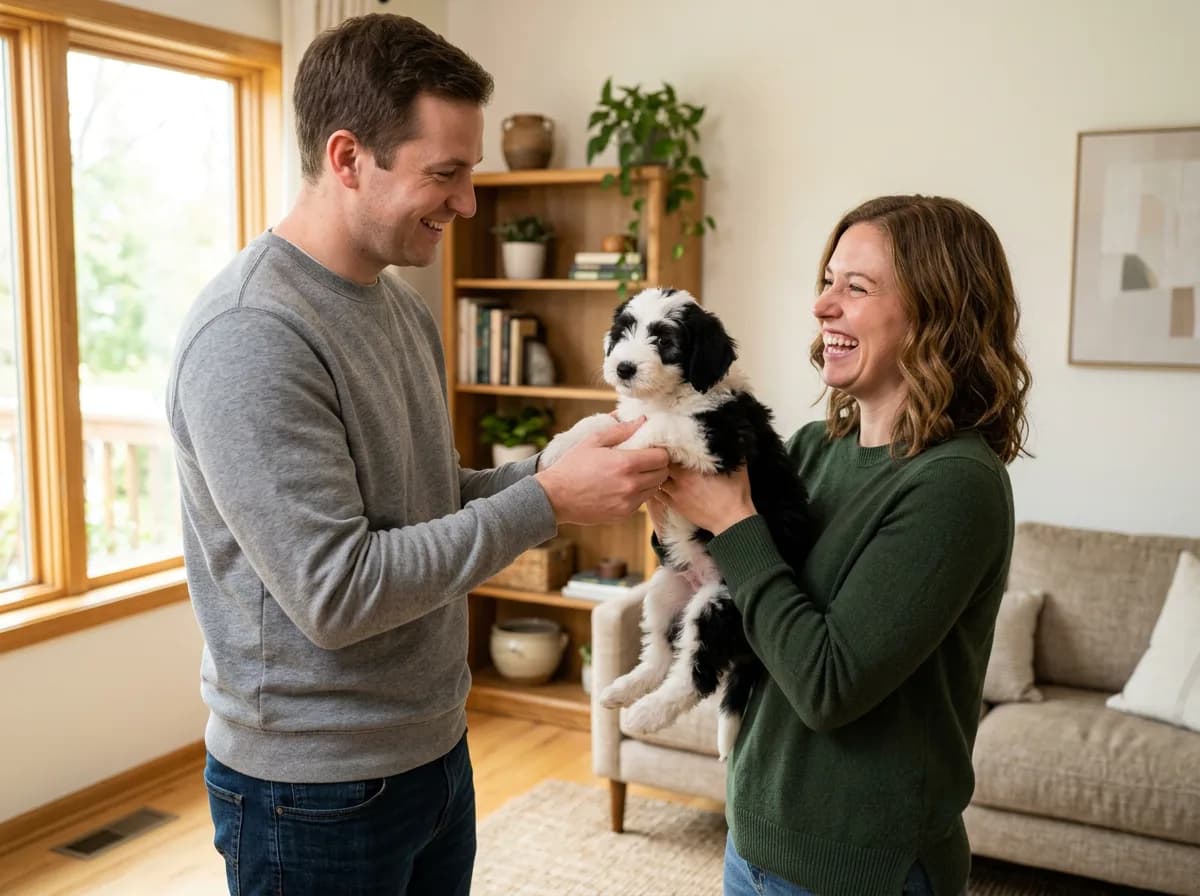
| Type | Typical price |
|---|---|
| Standard Sheepadoodle, health-tested parents | $1,800 to $3,000 |
| Standard sheepadoodle puppies for sale, untested or unclear pairing | $800 to $1,500 |
| Mini Sheepadoodle | $2,500 to $4,500 |
| Micro mini Sheepadoodle | $3,500 to $5,500 |
| Merle or blue-eyed puppy | $3,000 to $5,000 |
| Giant Sheepadoodle price, from oversized Old English Sheepdog lines | $2,000 to $4,000 |
| Trained sheepadoodle for sale, started or fully trained program | $6,000 to $15,000 |
| Rescue or adoption fee | $150 to $600 |
The cost of Sheepadoodle puppies moves for reasons you can actually check:
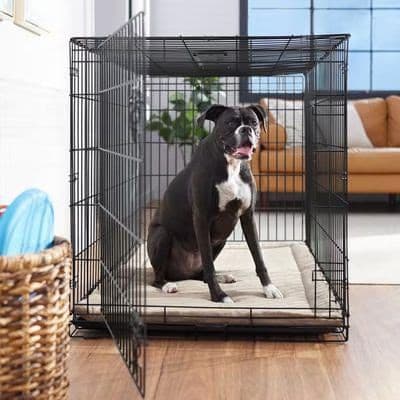
Petful may earn a commission when you click through to Chewy, at no extra cost to you.
- Health testing on the parents. Full OFA panels, eye exams, and Poodle DNA screens run $1,200 to $2,500 per breeding dog, and that cost is baked into every puppy price.
- Generation. F1 (Old English Sheepdog crossed directly with a Poodle) usually prices below an F1b generation puppy, which is an F1 bred back to a Poodle for a tighter, lower-shedding coat.
- Size. Mini and micro litters need a smaller Poodle sire and often progesterone timing and artificial insemination, which adds real veterinary expense. At the other end, the giant Sheepadoodle price you see advertised comes from oversized Old English Sheepdog lines, not from a separate recognized variety.
- Coat color. Merle, red, and reverse patterns carry a markup that has nothing to do with health.
- Region. Coastal metro breeders regularly price $500 to $1,000 above breeders in the Midwest and the South.
- Extras. Early neurological stimulation, first vaccines, microchip, a puppy starter kit, and crate training all get priced in.
A breeder deposit of $300 to $1,000 is standard practice and is normally applied to the balance. What varies is whether it is refundable. Read that clause before you send anything, because a non-refundable deposit on a litter that has not been born yet is a real risk you are accepting. Sheepadoodle puppies price quotes should also be all-in: ask in writing whether the number includes vaccines, deworming, microchip, and the health guarantee, or whether those get added at pickup.
- Request a single written quote covering the puppy, the deposit terms, what the deposit is applied to, and every fee due at pickup. Breeders who run a real program answer this in one message. Sellers who dodge it are usually adding charges later, when you have already fallen for a photo.
A realistic way to use that price range is as a filter rather than a target. Collect written quotes from three programs breeding the same size and generation, then line up what each number actually includes. A quote at the bottom of the range from a breeder with full clearances is a better buy than one at the top from a breeder with none, because price moves on marketing as easily as it moves on veterinary work. Nothing about a high number proves quality on its own.
- Ask each breeder to itemize the quote: vaccines, deworming, microchip, health guarantee, and go-home kit, so you are comparing the same thing twice.
- Expect mini and micro litters to sit at or above the top of the standard range, since the smaller pairings carry higher veterinary cost per puppy.
- Treat anything under $1,200 as a question rather than a bargain, and ask directly what was skipped to reach that number.
- Waitlist deposits of $300 to $1,000 are normal, but get the refund terms in writing before the litter is bred, not after.
- Price the drive as part of the total. If the nearest verified program is six hours away, fuel, a night in a hotel, and time off work belong in your number.
Two numbers are worth holding onto. Realistic Sheepadoodle puppy price ranges run $1,500 to $3,500 for a health-tested standard litter, and mini or micro litters sit at or above the top of that band. What moves a quote inside those ranges, roughly in order of impact: the clearances the breeder actually paid for, then size class, then generation, then coat color and region. What does not move it is anything you cannot verify. A photograph, a family-farm story, or a rare-sounding color name adds nothing checkable. If a quote sits outside the realistic range in either direction, ask what explains the gap and expect a specific answer rather than a reassurance.
- Clearances on the parents run $1,200 to $2,500 per breeding dog, so that spend has to show up somewhere in the puppy price.
- Coastal metro programs regularly price $500 to $1,000 above Midwest and Southern breeders for a comparable litter.
- Color premiums of $500 to $2,000 buy appearance only and should not change a single health question you ask.
- Put the travel in the number. Most buyers drive three to six hours each way to reach a verified program.
Do rare colors change the price?
Yes, and more than most buyers expect. The classic Sheepadoodle is black and white parti, which is the most common coat color and the least expensive. Anything that reads as unusual on a listing gets a premium, often $500 to $2,000 over an equivalent black and white littermate from the same pairing.
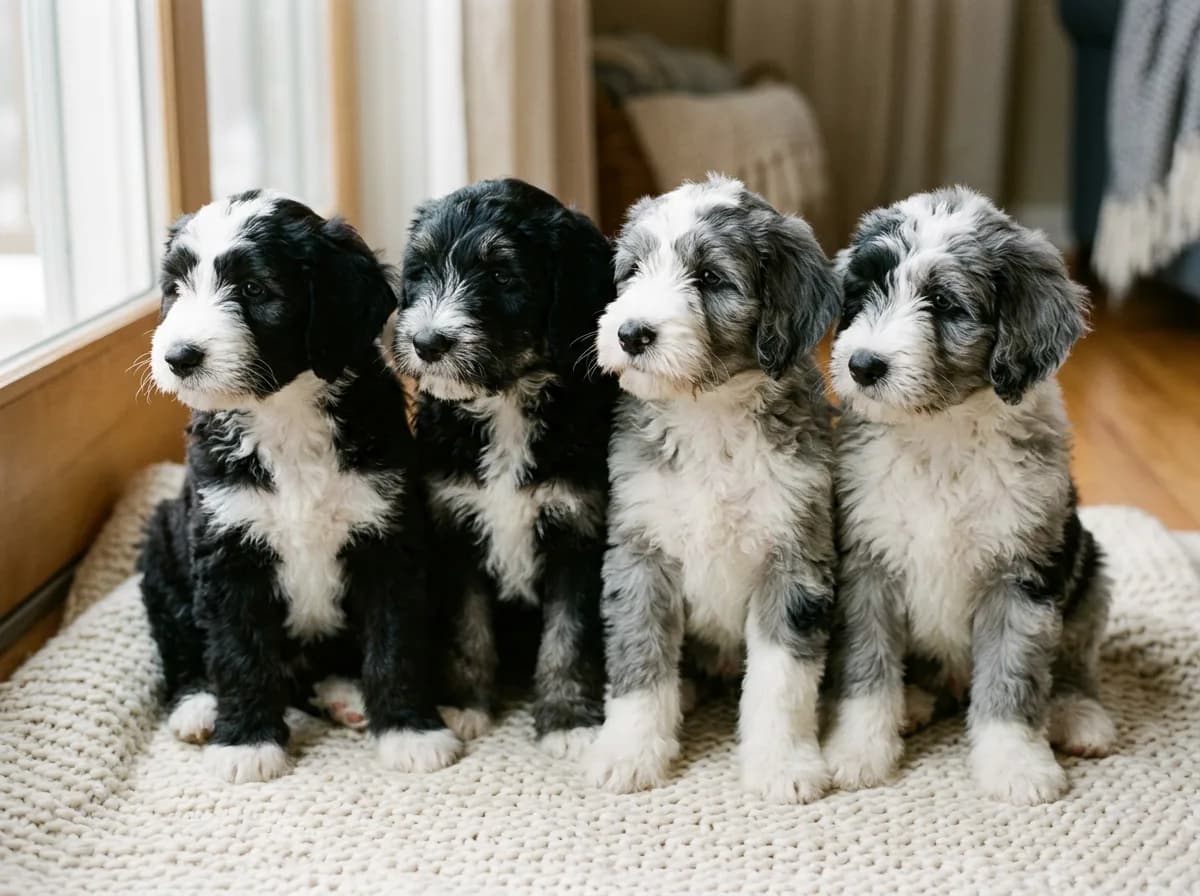
The rarest Sheepadoodle color is generally red merle, followed by true red or chocolate and white and the tri-color pattern. Red and chocolate require recessive genes from both parents, so they simply do not appear in most pairings. A merle coat is a separate pattern gene inherited from the Poodle side, and a red merle needs both the merle gene and the recessive red base. That combination is why breeders can charge what they do for it.
| Color or pattern | Availability | Typical markup |
|---|---|---|
| Black and white parti | Most common | None, this is the base price |
| Solid black | Common | None to $200 |
| Tri-color (black, white, tan) | Uncommon | $300 to $800 |
| Blue merle | Uncommon | $500 to $1,500 |
| Reverse sheepadoodle price, mostly white with dark points | Uncommon | $400 to $1,200 |
| Red or chocolate and white | Rare | $800 to $2,000 |
| Red merle | Rarest | $1,000 to $2,000+ |
Listings for merle Sheepadoodle puppies for sale and blue eyed Sheepadoodle puppies for sale are the highest-margin corner of this market, and that is exactly why they need the closest inspection. Sheepadoodle blue eyes are almost always tied to the same merle gene that drives the price, which makes the genetics of the pairing a buyer question, not a cosmetic one. The reverse Sheepadoodle price premium, charged for a mostly white dog with dark points, follows the same logic: you are paying for a look that is uncommon, not for a dog that is healthier.
- Breeding two merle-carrying dogs together can produce double merle puppies with severe deafness, eye defects, and blindness. Ask for DNA results proving only one parent carries merle. If a seller cannot produce that paperwork, or brushes the question off, treat the entire program as unsafe regardless of how the puppies look.
One more thing about color: a merle Sheepadoodle puppy's markings will change. Poodle-influenced coats fade and clear with age, so the dramatic contrast you paid a premium for at eight weeks is often noticeably softer by eighteen months. Pay for the pairing and the health testing behind it, not for the photo.
How to find an ethical Sheepadoodle breeder
There is no breed club or registry policing this cross, so a Sheepadoodle breeder can call themselves anything. That means verification falls entirely to you. The good news is that the checks are concrete and take about a week.
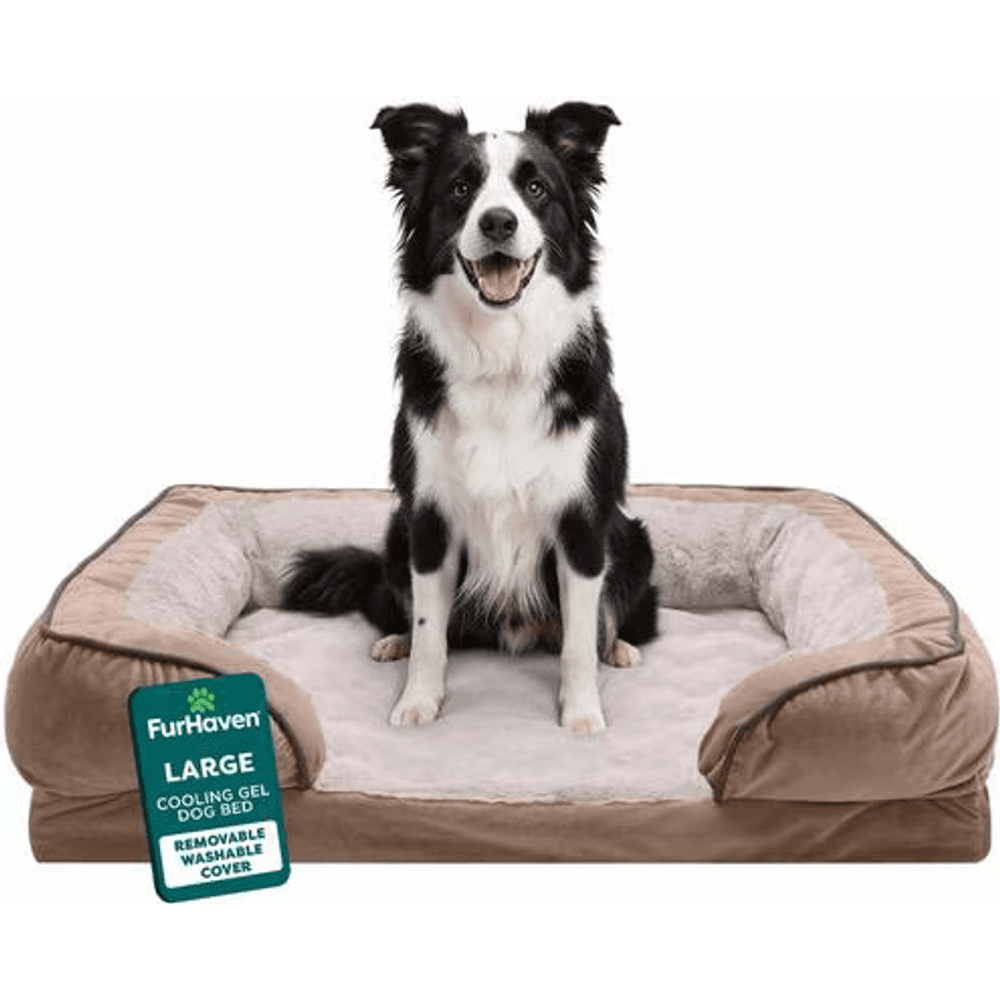
An orthopedic sofa bed with three bolstered sides for dogs who like to rest their head and joints against a cushion. The supportive foam base cradles hips and elbows, a comforting spot for an older or shaky dog to settle.
Petful may earn a commission when you click through to Chewy, at no extra cost to you.
- See the dam. Ask for a live video call, not a recorded clip, showing the mother with the litter in the home where they are raised. A breeder with nothing to hide does this happily.
- Get the health testing paperwork by certificate number, not by claim. "Vet checked" is not health testing. You want OFA numbers you can look up yourself.
- Confirm they breed one or two crosses, not eight. Sheepadoodle puppy breeders who also list Goldendoodles, Bernedoodles, Cavapoos, and Frenchies are volume operations.
- Ask what happens if it does not work out. A real program takes the dog back for life and puts that in the contract.
- Ask about the wait. Legitimate Sheepadoodle puppies breeders usually have a waitlist and a limited number of litters per year. Constant availability is the warning sign, not the selling point.
- Expect to be interviewed. Breeders who ask you nothing about your home, fencing, work schedule, and grooming plan are not screening homes.
Standard Sheepadoodle breeders and mini Sheepadoodle breeders operate a little differently, and it is worth knowing which one you are talking to. Standard programs typically use a full-size Old English Sheepdog dam and a Standard Poodle sire, whelp naturally, and produce larger litters, so their per-puppy pricing is lower. Mini programs use a Miniature Poodle sire and depend on progesterone timing and often artificial insemination, which raises cost per puppy and reduces litter size.
- Ask which specific health tests each parent passed and on what date. Ask how many litters the dam has had and how old she is. Ask what socialization protocol the puppies are on. Ask what age the puppies go home. Ask what the health guarantee covers and for how long. Four vague answers out of five is your answer.
Contracts matter more here than people expect. A real Sheepadoodle contract names the puppy, the parents, the go-home date, the spay or neuter terms, the health guarantee window, and a return clause. If the seller has no written contract at all, you have no recourse when a genetic problem surfaces at eighteen months.
Some answers end the conversation no matter how good the website looks. These are the disqualifiers a breeder-owned page will never publish, because publishing them would rule out half the market. Ask the questions directly and listen for hedging rather than a clean answer. A breeder running a real program will not be offended by any of them, and the ones who bristle are telling you something useful. Write the answers down before you get attached to a specific puppy in a specific photo.
- Merle bred to merle. This pairing produces deaf and visually impaired puppies and is never defensible, so ask the color of both parents before anything else.
- Hips certified by claim rather than by number. OFA hip results are only final at 24 months, so a dam bred at 18 months cannot hold a final rating no matter what the seller says.
- No take-back clause. A breeder unwilling to accept the dog back at any age is telling you the puppy stops being their responsibility at pickup.
- Back-to-back litters from the same dam, or a dam still producing well into old age. Ask how many litters she has had and how old she is.
- A health guarantee that voids if you use your own veterinarian, your own food, or spay outside a window the contract sets without explaining why.
It is worth knowing why this information is hard to find. Almost every ranking page for this cross is a breeder selling puppies, so none of them publish the red flags that would disqualify a breeder, since the same list would disqualify a share of the people writing it. That leaves buyers reading sales copy and calling it research. The fix is to run the checks in a fixed order instead of reacting to whatever a seller volunteers. Verify the clearances first, meet the dam live second, read the contract third, and look at photographs of the puppies last. Getting attached to a face is what talks buyers past an answer they already knew was wrong.
- Ask the hard questions before you see puppy photos. The order protects you more than nerve does.
- Write the answers down during the call. A hedged answer reads very differently on paper an hour later.
- Ask how many litters the program produced last year and how many breeds it lists. Both numbers are informative.
- Ask for two references from families who bought at least two years ago, so you hear about the adult dog rather than the puppy.
Health testing to demand before you pay
Because this cross draws from two very different gene pools, the clearances you need come from both sides. This is the single item that breeder-owned pages almost never publish, so bring the list yourself.
- OFA hip clearance on both parents, rated fair or better, with a certificate number you can verify.
- OFA elbow evaluation, particularly on the Old English Sheepdog side.
- Annual ophthalmologist eye exam (OFA Eye Certification Registry) on both parents.
- Poodle-side DNA panel covering von Willebrand disease type 1, progressive retinal atrophy (prcd-PRA), and degenerative myelopathy.
- Thyroid screening and a cardiac evaluation, both more relevant on the Old English Sheepdog side.
- BAER hearing testing where merle is in the pedigree.
- You want certificate numbers for OFA hip clearance on both parents, a current eye exam, and a Poodle-side DNA panel that clears von Willebrand disease. A screenshot of a vet invoice is not a clearance. If the breeder cannot hand over documentation you can independently verify, walk away and keep your money.
Sheepadoodle lifespan runs roughly 12 to 15 years, and health testing is the main lever a buyer has over how those years go. Sheepadoodle life expectancy, the specific conditions that shorten it, and the question buyers ask most often, are Sheepadoodles hypoallergenic, all sit in more detail in our guide to Sheepadoodle health issues. The short version for buyers: coat type varies puppy to puppy even inside one litter, so no breeder can honestly promise an allergy-safe dog, and any listing that does is selling you marketing.
Naming the clearances is only half of it. Verify them yourself, because a screenshot proves nothing. OFA results sit in a free public database searchable by the dog's registered name or certificate number, so ask for the registered names of both parents and look them up before you send a deposit. DNA panel results from the common consumer labs come as a shareable report, not a photograph. If a breeder cannot produce either, treat the clearance as absent rather than pending.
- Ask for the registered names of the dam and sire, not their call names. You cannot search a public database for a dog called Bella.
- Check the dates. An eye exam is valid for twelve months only, so ask for the most recent one rather than whatever is framed on the wall.
- Distinguish preliminary from final. Preliminary hip screening before 24 months is useful information, but it is not a certification and should not be sold to you as one.
- On the Poodle-side DNA panel, ask whether each parent is clear, a carrier, or affected. Two carriers bred together can produce affected puppies even though both parents look healthy.
- Where merle appears anywhere in the pedigree, ask for BAER hearing results on the puppy itself, not only on the parents.
Because no ranking page names the specific health clearances a Sheepadoodle buyer should demand, bring the list into the first conversation rather than waiting to be told. Ask for all of it in one written message: OFA hips and elbows, an eye certification dated inside the last twelve months, a cardiac evaluation, thyroid screening, the Poodle-side DNA panel, and BAER hearing results wherever merle appears in the pedigree. A program that runs this work answers with names, numbers, and dates in a single reply. A program that does not will answer with reassurance, and that difference tells you more about the litter than anything else available before eight weeks.
- Send the list as one message so you get one answer you can keep, rather than a series of verbal assurances.
- Look the certificate numbers up yourself before you reply. A screenshot is not a record.
- Treat 'in process' on a litter already on the ground as missing, because the testing window has passed.
- Both sides need screening. A Poodle-side DNA panel says nothing about Old English Sheepdog hip or cardiac risk.
Where to find Sheepadoodle puppies (and the listings to walk away from)
Searches for Sheepadoodle puppies for sale, standard Sheepadoodle puppies for sale, and Sheepadoodle for sale return three very different kinds of result, and knowing which one you are looking at changes everything about how much diligence you owe it.
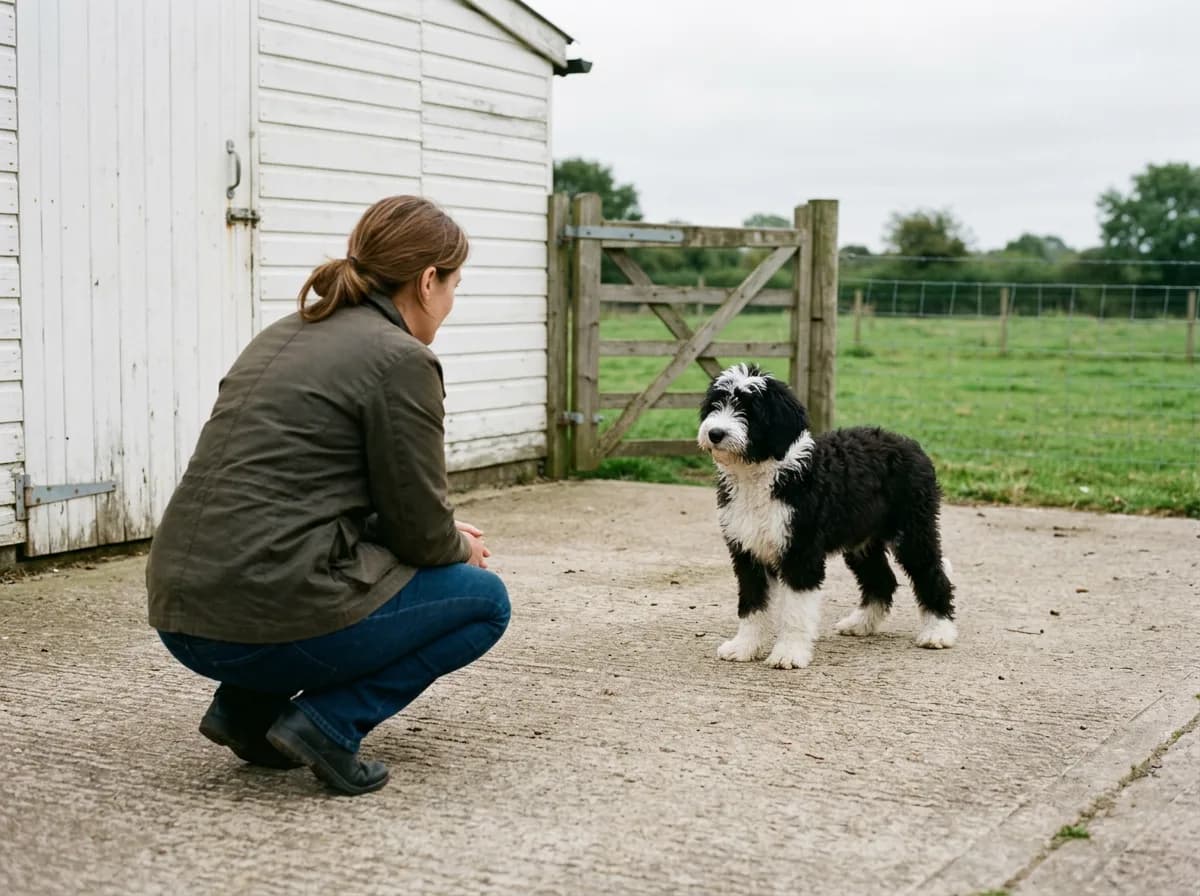
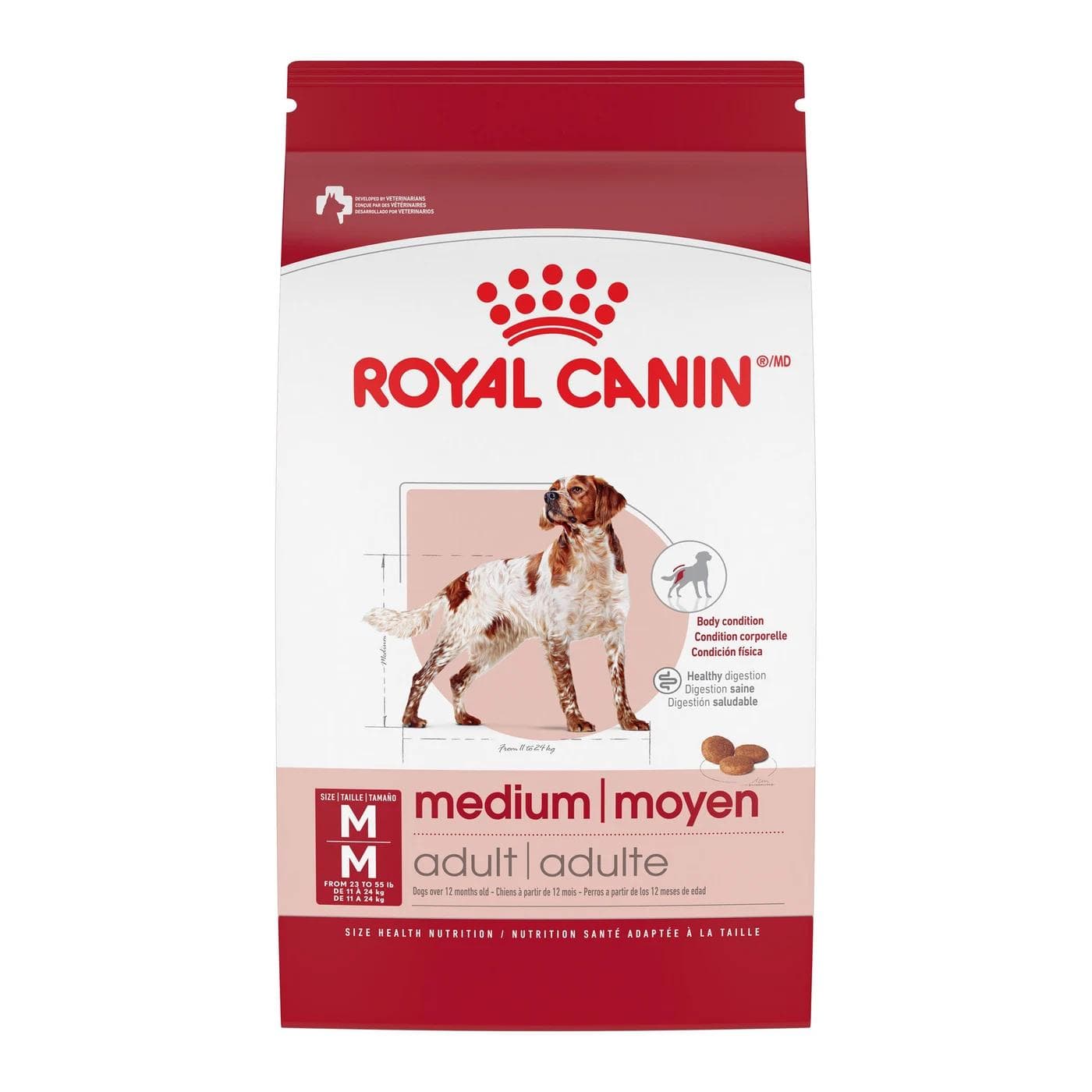
Precision nutrition for 23-55 lb dogs from the most science-heavy brand in the aisle. Vets recommend it; ingredient-readers wince at the deck. Both are reacting to the same food.
Petful may earn a commission when you click through to Chewy, at no extra cost to you.
- Breeder websites. The only category where you can build a direct relationship, see the dam, and get a real contract.
- Listing aggregators. Greenfield Puppies Sheepadoodle listings and Sheepadoodle Lancaster Puppies listings are classified marketplaces, not breeders. The site does not raise the puppy and does not stand behind it, so every check still falls to you and you must vet the underlying kennel directly.
- Open classifieds. Craigslist Sheepadoodle puppies posts and free Sheepadoodle puppies offers carry the highest scam density of anything in this market. A genuinely free purebred-cross puppy essentially does not exist at this price point.
Geography deserves a note. Searching Sheepadoodle puppies near me or Sheepadoodle puppies for sale near me will feel efficient, but the best programs in this cross are small and regional, and most buyers end up driving three to six hours or arranging ground transport. A good breeder eight hours away beats a questionable one across town every single time.
- Wire transfer, Zelle, Venmo friends and family, gift cards, or cryptocurrency as the only accepted payment. Refusal to do a live video call with the puppy and the dam. Photos that appear on other listings when you reverse image search them. A price far under market with an urgent deadline. Sudden extra fees for a climate-controlled crate, insurance, or customs after you have paid. Any one of these is enough to stop.
The other pattern to name is the puppy broker. A broker buys litters wholesale from high-volume kennels, often the same puppy mill supply chain that feeds pet stores, then resells them with a friendly website and a family-farm story. Brokers are why a seller can have puppies available every week of the year. The tells are consistent: multiple breeds listed at once, no named dam you can meet, a shipping-only policy, and a contract that never mentions the breeding facility by name.
Here is the walk-away list, in the order these usually surface:
- The seller will not let you visit or do a live video call from the property.
- The dam is never shown, or is described as "at our other location."
- Puppies are offered before eight weeks of age.
- No written contract, no health guarantee, or a guarantee that requires you to use their specific supplement to stay valid.
- No health testing certificates, only a "vet check."
- Payment demanded through an irreversible method before you have seen anything.
- Multiple breeds and constant availability.
Trained Sheepadoodle for sale programs are a legitimate but separate category, priced from $6,000 into five figures for a dog placed at six to twelve months with obedience and house manners already installed. If you go that route, the same breeder verification still applies, plus proof of who did the training and video of the dog working, not just posing.
Scam and broker listings share a payment pattern that is easier to spot than the photos. The seller steers you toward a method that cannot be reversed, then adds fees once you are emotionally committed. A legitimate breeder takes a deposit through a traceable channel, gives you a receipt and a contract naming the puppy and its parents, and never invents a second charge at the last minute. Treat pressure to pay immediately, before any live video call, as the end of the conversation rather than a negotiating point.
- Payment red flags: gift cards, wire transfers, cryptocurrency, or a peer-to-peer app used as a friends-and-family transfer, all of which strip your ability to dispute the charge.
- The surprise second fee is the classic scam close. A refundable crate, mandatory pet insurance, or climate-controlled shipping charge appears only after the deposit clears.
- Run the listing photos through a reverse image search. Stolen litter photos reused across several sites are the fastest way to unmask a fake listing.
- Insist on a phone call. A seller who communicates only by text or email, and who dodges questions about the dam's registered name, is working from a script.
- Shipping-only sellers with no visit option are brokers by default. If the puppy cannot be collected in person, you have no way to confirm the facility exists.
Read the listing itself before you read the price. A scam or broker listing has a texture: several breeds offered at once, stock-looking photos, no named dam, a vague location, and paragraphs that reappear word for word in other ads. Then comes the payment tell, which is the clearest signal of the lot. Any push toward gift cards, wire transfer, cryptocurrency, or a friends-and-family app transfer counts as red flags in itself, whatever else looks right on the page. Those methods exist to remove your ability to dispute the charge. A legitimate breeder has no reason to prefer any of them and will not ask twice.
- Traceable payment, a receipt, and a contract naming the puppy and both parents is the minimum standard, not a courtesy.
- Screenshot the listing the first time you see it. Scam ads get quietly edited once you start asking questions.
- Check whether the same phone number appears on listings for several breeds in several states.
- If money has already left by wire or app, call your bank the same day. Speed is the only thing that helps at that point.
Rescue and adoption: the other way home
Sheepadoodle rescue is a genuinely realistic route, and it is badly underrepresented in search results because rescues do not buy ads. Doodle-specific organizations take in a steady stream of this cross, most commonly adolescents between eight and eighteen months, surrendered when the grooming workload and the herding energy caught the first owner off guard. That is a failure of expectation setting, not a defect in the dog.
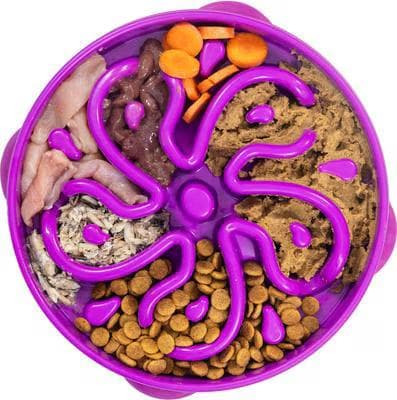
A maze-pattern slow-feeder bowl that makes fast eaters work for each bite, reducing the gulping and swallowed air that trigger regurgitation and vomiting. Holds up to 4 cups.
Petful may earn a commission when you click through to Chewy, at no extra cost to you.
- Doodle-specific rescues such as IDOG Rescue, Doodle Rock Rescue, and Doodle Dandy Rescue place Sheepadoodles regularly.
- Old English Sheepdog breed rescue networks take in the cross and often list it separately.
- Petfinder and Adopt-a-Pet surface Sheepadoodle for adoption listings nationally, frequently tagged as "Old English Sheepdog mix."
- Mini Sheepadoodle rescue is harder. Smaller variants are newer, so mini Sheepadoodles for adoption appear less often and usually go fast when they do.
- Budget for equipment on day one. Adolescents come in at 40 to 70 pounds with no leash manners, and a short traffic leash run alongside the regular one gives you close control at the vet door and in parking lots for the first few months.
- Skip the welcome-home bath. Most rescues advise waiting several days before bathing a newly placed dog, so keep grooming wipes on hand for paws, face, and undercarriage until the dog has settled enough to handle a tub.
- A $150 to $600 fee typically covers spay or neuter, current vaccinations, microchip, deworming, and a heartworm test. Purchased separately, that veterinary work runs $600 to $1,200. Rescues also foster in homes, so you get an honest read on house training, separation behavior, and how the dog handles kids and other pets.
The tradeoff is honest and worth stating plainly. You give up the eight-week puppy stage and you rarely get documented health testing on the parents. In exchange you get a dog whose adult size, coat, and temperament are already visible, at a fraction of the price, with a foster who will tell you the truth about the dog's rough edges.
Adoption runs on a different process than a breeder purchase, and knowing the steps keeps it from feeling slower than it is. Most doodle rescues are foster-based rather than kennel-based, so the dog is living in a home and someone has already watched it around stairs, children, and other pets. You apply, speak with an adoption coordinator, provide a veterinary reference, and usually complete a virtual home check. Approved applicants are then matched to a dog rather than picking one off a page.
- Get your application approved before you find a dog you love. Approval commonly takes a week or two, and listed dogs move quickly once they are posted.
- Adoption fees are a fraction of a breeder price and normally cover spay or neuter, vaccines, microchip, and any dental or medical work done during foster care.
- Interview the foster, not the website. Ask specifically about alone time, guarding around food, reaction to men, tolerance of grooming, and behavior on leash.
- Ask whether the dog was shaved down on intake. A rescue Sheepadoodle often arrives with a clipped coat, which tells you very little about the adult coat you will be maintaining.
- Plan a quiet decompression period. Most rescues ask for two weeks with no visitors, no dog parks, and no grooming appointments while the dog learns the new house.
Treat rescue and adoption as a legitimate alternative route rather than a consolation prize. For a lot of households it is the better fit, because you can see the adult size, coat, and temperament you are committing to instead of gambling on a puppy, and the fee is a fraction of a breeder price. The one thing it asks for that a purchase does not is patience in the first fortnight, while the dog settles. Run both routes at the same time while you shop. Applications cost nothing to submit and take a week or two to clear, so having approval in hand while you are still vetting breeders widens your options rather than narrowing them.
- Apply to three or four rescues at once. Each approves separately, and listed dogs move within days.
- Set alerts for 'Old English Sheepdog mix' as well as Sheepadoodle, since that is how the cross is often tagged.
- Ask how recently the dog has lived with children, cats, or other dogs, not just whether it can.
- Transport is normal in doodle rescue, so widen the search radius well beyond driving distance.
Mini and micro Sheepadoodles: different price, different risks
The mini Sheepadoodle is the fastest-growing part of this market and the most expensive per pound. Mini Sheepadoodle puppies come from a Miniature Poodle sire, and the micro mini Sheepadoodle takes that a generation further with a Toy Poodle in the pedigree, which introduces its own structural and whelping considerations. Mini Sheepadoodle full grown weights, the generation math, and the specific risks of pushing size downward are covered in depth in our mini Sheepadoodle guide. Read it before you pay a small-size premium.
How big will your Sheepadoodle puppy get?
Adult size is the single hardest thing to predict from a photo of an eight-week-old puppy, and it is where breeder estimates are most often optimistic. A standard Sheepadoodle generally lands somewhere between a Standard Poodle and an Old English Sheepdog, but F1 litters can vary widely even between littermates. Full grown Sheepadoodle weight ranges, month-by-month growth curves, and how a Sheepadoodle adult compares to the mini variants live in our Sheepadoodle size chart, which is the right place to check before you commit to a crate size or a rental lease.
What Sheepadoodle puppies are like to live with
Buyers ask two questions constantly: do Sheepadoodles bark a lot, and how much dog is this really going to be at eighteen months? Both come down to the Old English Sheepdog herding drive meeting Poodle intelligence, which produces a puppy that needs a job, not just a yard. Barking tendencies, mini Sheepadoodle temperament differences, exercise needs, and how this cross handles being left alone are all covered in our Sheepadoodle temperament guide.
Why some vets are wary of doodle breeding
Veterinarians are not opposed to the dogs. Their concern is the market around them. Because doodle crosses sell at high prices with no registry oversight, demand pulls in volume breeders who skip the health testing that responsible programs pay for, which means the hybrid vigor claim gets used as a marketing line rather than a genetic reality.
- Unpredictable coats. Many doodle owners are sold on low shedding and are unprepared for a coat that mats to the skin, sometimes requiring sedated shave-downs the vet has to perform.
- Skipped clearances. Volume litters routinely arrive with no parental hip, eye, or cardiac screening, so heritable disease keeps recirculating.
- Overstated allergy claims. No cross is reliably hypoallergenic, and clinics see families rehoming dogs when the promise fails.
- Behavior fallout. Puppies raised in high-volume settings with poor early socialization show up with fear and handling issues.
- Every concern on this list traces back to how a puppy was bred and raised, not to the cross itself. A Sheepadoodle from a two-litter-a-year program with full clearances and a real socialization protocol is exactly the dog most vets are happy to see. Your purchase decision is the lever.
So why don't vets recommend doodles as a category? Most will tell you the objection is not to the dogs. Ask a veterinarian directly and the answer usually lands on three things they see in the exam room: matted coats that arrive needing a sedated shave-down, inherited disease in puppies whose parents were never screened, and families who were promised an allergy-safe dog and are now looking for a way out of the commitment. A well-bred, well-groomed doodle from a screened pairing raises none of those. The caution is aimed at the volume end of a market with no registry behind it, and it eases the moment you can produce the clearances.
- Ask your own veterinarian what they see in doodles locally. The answer is usually specific and regional rather than theoretical.
- Bring the clearance paperwork to the first appointment so the medical record starts with facts rather than assumptions.
- Book the grooming plan in the first month. Sedated shave-downs are the outcome vets object to most, and they are preventable.
- Hybrid vigor only means something when both parents were screened for different problems. It is not a substitute for testing.
The honest downsides of a Sheepadoodle puppy
The biggest downside of a Sheepadoodle is the grooming commitment, which is heavier and more expensive than almost any new owner expects. This is a coat that needs brushing several times a week and a professional appointment every six to eight weeks for the life of the dog, and skipping it is not a cosmetic issue but a welfare one.
- Grooming cost. Budget $85 to $150 per professional appointment, which is $600 to $1,200 a year, plus at-home brushing time. Our Sheepadoodle grooming guide covers the tools and the schedule.
- Size uncertainty. F1 litters produce a genuinely wide adult weight spread, so plan around the top of the estimate.
- Energy and herding instinct. This is a working-parent cross that will herd children, bicycles, and vacuum cleaners without training and structure.
- Velcro tendencies. The cross bonds hard and is prone to separation-related behavior in homes that are empty ten hours a day.
- Price and waitlists. A well-bred puppy costs real money and usually means waiting months.
- Shedding is not zero. F1 coats in particular shed more than the marketing suggests.
- The right tool changes with the coat. A slicker keeps the surface tidy, but an F1 coat carrying Old English Sheepdog undercoat also needs a deshedding brush once or twice a week to actually pull loose hair out instead of redistributing it.
- Nails are part of the grooming load too. A fast-growing puppy needs them shortened every two to three weeks, and a nail grinder takes them down gradually, which is the safer option for owners who have already quicked a dog once and lost its cooperation.
- A herding cross with no job will invent one, so build in work that is not a walk. Feeding one meal a day out of a snuffle mat turns five minutes of eating into fifteen minutes of searching, which covers the days weather or schedule kills the long outing.
If those tradeoffs give you pause, comparing crosses is a reasonable next step. Our Sheepadoodle vs Bernedoodle comparison lines up energy, grooming load, and size against the other big doodle most buyers consider.
Asked plainly, what is the downside of Sheepadoodles? It is that the hardest parts arrive after the cute stage ends. Sheepadoodles are affectionate and quick to learn, so the trouble is almost never obedience. It is the standing commitments: a coat that needs work several times a week plus a paid appointment every six to eight weeks forever, an adolescent herding brain that will invent a job if you do not give it one, and a dog that struggles honestly with long empty days. Add an adult size nobody can fully predict at eight weeks. None of that is a reason to avoid the cross. It is a reason to audit your week first.
- Count the hours your house is empty on a normal weekday before anything else. That number rules out more homes than the price does.
- Plan crates, cars, and any rental weight limit around the top of the adult estimate rather than the middle.
- Book the training class early instead of waiting to see whether you need it. Adolescence peaks well after the first birthday.
- If a landlord enforces a weight cap, get the projected adult weight from the breeder in writing before you pay a deposit.
The coat is the downside nobody prices in. A Sheepadoodle puppy needs a slicker brush and a steel comb from the first week, and the real question is not whether the dog is hypoallergenic but how much brushing the adult texture will demand once it arrives. The best brush for a Sheepadoodle is the one you will actually pick up daily. Our full Sheepadoodle grooming guide covers coat types, shedding, the coat change and what professional grooming costs across that first year.
- Buy a firm slicker brush and a steel greyhound comb before the puppy arrives, not after the first mat.
- Book a short puppy introduction with a groomer between 12 and 16 weeks so the salon is familiar before it matters.
- Expect grooming every 6 to 8 weeks once the adult coat is in, and price that into the first-year budget.
Bringing your puppy home: supplies and the first-year budget
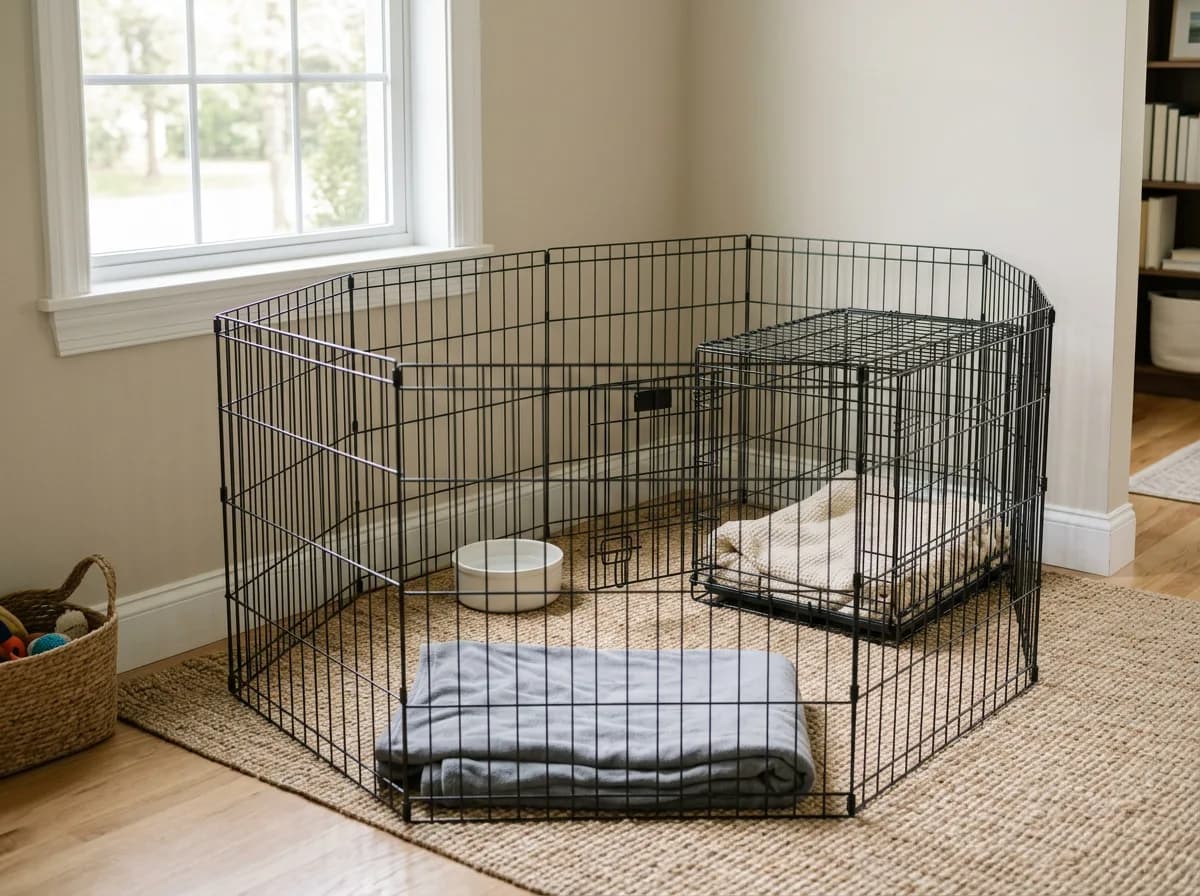
The purchase price is well under half of the real first-year cost. Between the breeder deposit and the first birthday, a Sheepadoodle owner typically spends another $3,100 to $6,700 on top of the puppy itself, and professional grooming is the line item that surprises people most.
| Expense | First-year estimate |
|---|---|
| Veterinary care (exams, vaccine series, deworming, fecals) | $500 to $900 |
| Spay or neuter | $350 to $800 |
| Professional grooming (6 to 8 appointments) | $600 to $1,200 |
| Food (large-breed puppy formula) | $400 to $900 |
| Crate, exercise pen, bed, bowls, collar, leash | $300 to $600 |
| Grooming tools (slicker brush, steel comb, dematting rake) | $60 to $150 |
| Chews, toys, enrichment | $150 to $350 |
| Puppy class and basic obedience | $150 to $500 |
| Parasite preventives | $200 to $400 |
| Pet insurance | $400 to $900 |
| Total first-year cost | $3,110 to $6,700 |
Set the house up before the puppy arrives, not after:
- A crate sized for the projected adult dog, with a divider you move as the puppy grows.
- An exercise pen for safe unsupervised time while house training.
- A slicker brush and a steel comb, used from week one so grooming is normal long before the adult coat comes in.
- Stainless steel bowls and a chew rotation that gives the puppy something legal to work on.
- A collar, a six-foot leash, and a properly fitted harness.
- A set of washable pee pads for the pen floor. Disposables run about $25 a month through house training, so a washable set pays for itself in roughly two months and survives a puppy that chews the edges.
- A collapsible bowl for the car. Most buyers drive three to six hours each way to a good breeder, and an eight-week-old needs water offered at every stop rather than one bowl at the end.
- An ear cleaner and cotton pads. Drop ears sitting under a dense doodle coat hold moisture after every bath, so a weekly dry-out is routine grooming on this cross, not something you buy after a problem starts.
- Brush the puppy for two minutes daily, touch the paws, ears, and tail, and book the first groomer appointment for the week after the vaccine series finishes. A puppy who learns the table and the dryer early becomes an adult who is safe to groom. A puppy who does not becomes a dog that needs sedation.
The best dog food for Sheepadoodle puppies is a large-breed puppy formula carrying an AAFCO growth statement that includes growth of large size dogs, 70 pounds or more as an adult. That controlled calcium and phosphorus profile matters for a fast-growing cross with Old English Sheepdog joints, and it is a cheaper decision than the orthopedic problem it helps avoid. Mini and micro puppies do better on a standard puppy formula instead. Feed whatever the breeder was feeding for the first two weeks, then transition over seven to ten days.
For the fun part, Sheepadoodle names tend to follow the coat. Owners reliably land on Oreo, Panda, Domino, Marble, Bandit, Cookie, Shadow, Moose, Bear, and Willow, and the black-and-white theme is a good deal easier to live with than a name nobody can call across a park.
An F1b is a first-generation Sheepadoodle bred back to a Poodle, so the puppy is roughly 75 percent Poodle. The coat is usually curlier, more consistent, and lower shedding than an F1, which is why F1b litters often price a few hundred dollars higher.
Plan on three to twelve months. Small programs run one to three litters a year and place from a waitlist. If a seller can hand you a puppy this week and take any payment method, that availability is a warning rather than good luck.
Yes, non-refundable deposits are common and are usually applied to the balance. What matters is the written terms: what happens if the litter is smaller than expected, if your pick is not born, or if a health issue is found before pickup. Get those answers in writing first.
They can be, in an active home that has budgeted for professional grooming and is home enough of the day to prevent separation problems. They are a poor fit for a quiet household hoping for a low-maintenance dog, because this cross needs training, exercise, and constant coat care.
Build the first-year number as four buckets rather than one lump: veterinary, grooming, food, and training. Veterinary is front-loaded, because the puppy vaccine series runs across roughly three visits before you reach spay or neuter and year-round parasite prevention. Grooming is the line that never drops, at $85 to $150 per appointment every six to eight weeks once the adult coat arrives. Food is steady and rises as the dog grows. Training looks optional on paper and is the cheapest insurance on the list.
- Grooming starts before the adult coat does. Book a short puppy introduction appointment around 16 weeks so the first full groom is not the first time the dog meets clippers.
- Keep spay or neuter as its own line and ask your veterinarian when they want it done. Large-breed timing is often later than for a small dog, which pushes the cost into month nine or beyond.
- Budget a six-week group class inside the first six months. It is the single item that reduces the cost of everything that goes wrong later.
- Assume one unplanned veterinary visit in year one. Puppies swallow things, and an emergency exam plus imaging is the most common reason a first-year budget blows out.
- Pet insurance is cheapest when enrolled before anything is diagnosed, since any condition already on the record becomes a pre-existing exclusion.
Almost no ranking page gives a first-year cost model beyond the sticker price, which is how a $2,500 puppy turns into a first year that costs roughly twice that. Build the model as a shape rather than a single figure. The first two months carry the setup spend, the vaccine series, and the drive to collect the dog. Months three to six carry training, the first grooming appointments, and a rising food bill as the puppy grows. Months seven to twelve carry spay or neuter, the full adult grooming cycle, and whatever the unplanned visit turns out to be. Write those three blocks down with your own numbers before you commit.
- Months one and two: crate, pen, bowls, brushes, leads, the vaccine series, and the fuel and hotel for a three to six hour collection drive.
- Months three to six: a group class, the first short grooming appointments, and food volume climbing every few weeks.
- Months seven to twelve: spay or neuter timing set by your vet, full-price grooming on the adult coat, and the first annual exam.
- Recheck the model at month six. If the actual spend is already running ahead of the plan, it will not correct itself in year two.

Coreen Saito is a pet writer and longtime shelter volunteer with more than a decade in animal rescue. She covers cat behavior, breed care, and the small, ordinary science of sharing a life with companion animals, with a particular focus on honest takes about the products and decisions that actually matter. At home in Arizona, she's outranked by Mac (a dog with the loudest opinion in the house), Rebel (a cat who governs by quiet authority), and Meri (an orange tabby who runs the late shift and the laundry basket). She writes about all three, plus the rescues that keep coming through her life, at LifeWithMinty.com.
Sign up for expert-backed reviews and safety alerts all in one place.