Best Food for German Shorthaired Pointer Dogs: Nutrition Guide
Choose food for a German Shorthaired Pointer by life stage, calories, activity, formulation quality and body condition, with puppy, senior and sensitive-stomach guidance.

Petful is reader supported. As an affiliate of platforms like Amazon and Chewy, we may earn a commission when you buy through links on this page. There is no extra cost to you.
The best food for German Shorthaired Pointer dogs is complete and balanced for the correct life stage, appropriate in calories for the individual activity level and supported by accountable formulation and quality control. No single brand, protein or breed label is universally best.
Food selection begins with nutritional adequacy and calorie density, not a breed picture or fashionable ingredient. The correct formula and portion can change as a GSP moves from growth to adulthood, work, recovery and senior life.
- 1Find the complete-and-balanced statement for the correct life stage.
- 2Compare calories in the cup, can or gram actually fed.
- 3Ask who formulates and how finished products are tested.
- 4Adjust measured portions from body and muscle condition.

Sign up for expert-backed reviews and safety alerts all in one place.
Best food for German Shorthaired Pointers
Start with the nutritional adequacy statement, life stage and calories in the unit actually fed. Then ask who formulates the food, how ingredients and finished products are tested and whether the company can answer detailed nutrition questions. When owners ask what do you feed GSP dogs, the useful answer is a measured complete-and-balanced diet chosen for the individual life stage, workload, body condition and health, not one universal recipe. Marketing adjectives cannot replace this evidence.
The adequacy statement identifies whether a food is complete and balanced and for which life stage. That small panel carries more decision value than a breed picture or the first ingredient alone. Check it before comparing flavor, format or price.
The best food for German Shorthaired Pointer dogs and the best dog food for German Shorthaired Pointer households are selected with the same complete-and-balanced decision: correct life stage, known calorie density, accountable formulation and a measurable response in the dog. This is a decision framework instead of one winner, because German Shorthaired Pointer food should be evaluated as a plan rather than crowned from a package claim. Petful’s guide to air-dried dog food has the full breakdown.
- Correct life-stage adequacy statement
| Question | Evidence to find | Shortcut to avoid |
|---|---|---|
| Adequacy | Complete and balanced for the correct life stage | Breed photo on the bag |
| Calories | kcal in the unit actually fed | Cup count without calorie density |
| Formulation | Qualified nutrition expertise | Ingredient rank alone |
| Quality control | Supplier standards and finished-product testing | Natural or premium wording |
| Individual fit | Body condition, stool, appetite and health | One universal best-food claim |
There is no single breed-wide winner
German Shorthaired Pointers share an athletic history, but they do not share one calorie requirement, medical record or food preference. A growing puppy, a lightly active companion, a conditioned field dog and a senior losing muscle need different questions. Product availability and formulation also change, which makes a permanent best-brand ranking fragile.
Use a repeatable selection framework instead. Confirm nutritional adequacy for the life stage, understand calories in the amount fed, examine the manufacturer's formulation and quality-control practices, and monitor the individual dog's condition and clinical response. A product moves up the shortlist because the evidence fits, not because a GSP appears on its label.
Find the nutritional adequacy statement
The adequacy statement indicates whether the food is complete and balanced and identifies the intended life stage or use. This panel carries more decision value than package color, flavor name or the first ingredient. A product labeled for intermittent or supplemental feeding should not silently become the whole diet.
Read the current physical label or manufacturer information because recipes and claims can change. For puppies, confirm that the statement covers growth appropriately. For an adult, verify maintenance or the relevant all-life-stages claim with the veterinarian when needed. Medical diets follow the treating clinician's direction rather than a general shopping framework.
Compare calories in the unit actually served
Foods differ in energy density, so one cup, can, tray or gram does not equal another. Locate kilocalories per kilogram and per familiar household unit, then calculate from the measured amount the dog receives. Include treats, chews, table additions and training rewards.
A feeding chart is a starting estimate across many dogs, not a command. Body condition, weight trend, workload, age and environment determine whether the starting portion remains suitable. Recheck after changing products because keeping the same cup volume can deliver a very different calorie intake.
Ask who formulates the food
A finished diet depends on nutrient expertise and process, not only its ingredient list. Ask whether qualified nutrition professionals are employed or consulted, who owns the formulation and how the company responds when ingredients or suppliers change. Transparent answers should be specific enough to evaluate without requiring proprietary recipes.
Celebrity endorsements, breeder anecdotes and attractive sourcing stories do not replace formulation competence. WSAVA's nutrition resources provide questions owners can ask manufacturers; they do not create a universal approved-brand list. The answers should be weighed alongside the dog's medical needs and the product's adequacy.
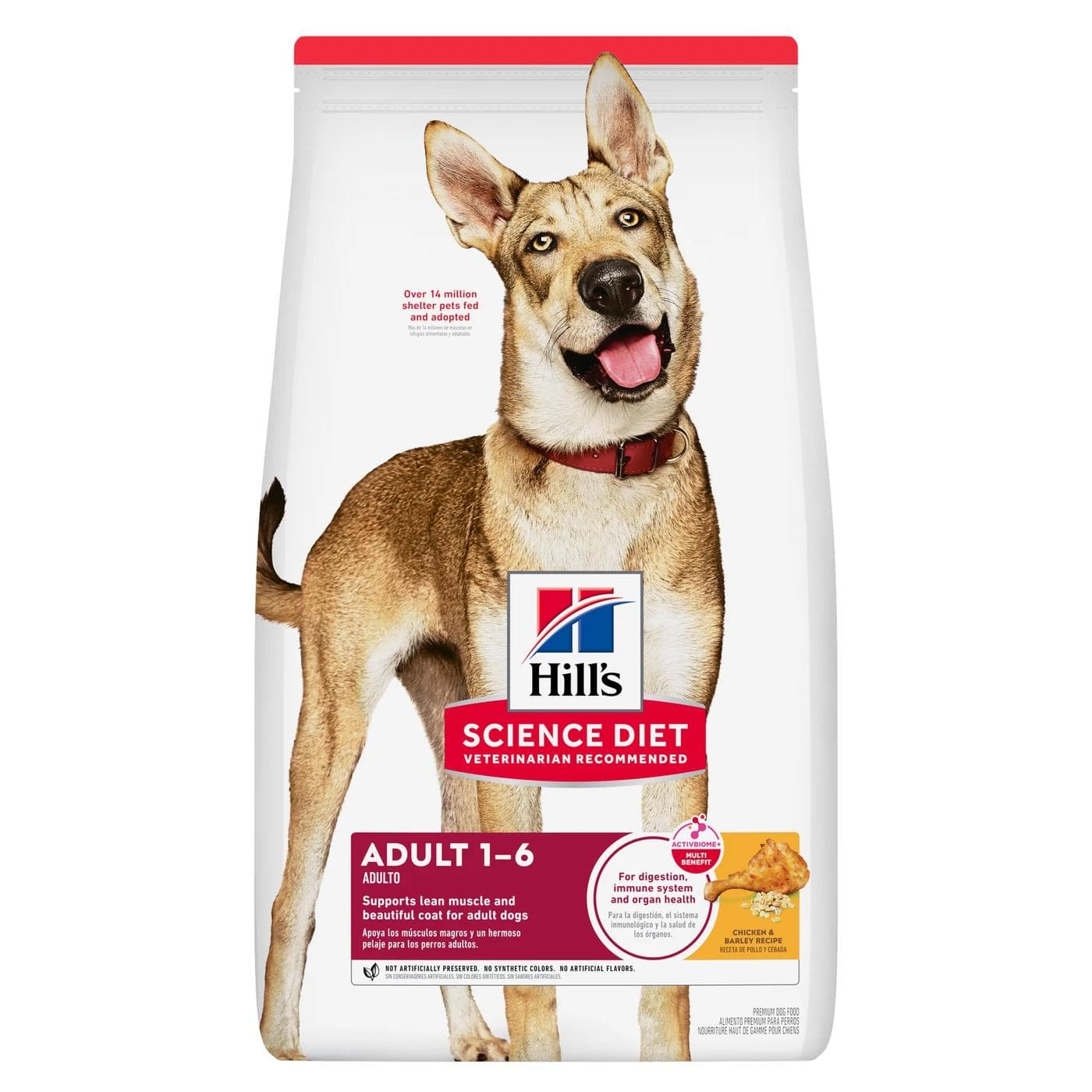
A vet-channel adult-maintenance kibble backed by AAFCO feeding trials. Leaner protein and fat than many competitors at a comparable price.
Petful may earn a commission when you click through to Chewy, at no extra cost to you.
Examine quality control and traceability
Useful manufacturer information includes how suppliers are approved, what incoming ingredients and finished products are tested, where diets are made and how complaints or recalls are investigated. Lot identification and accessible customer support matter when a package appears abnormal or a dog becomes ill.
No manufacturing system promises zero risk. The goal is a company that can explain controls, trace a batch and respond responsibly. Keep the original package or photograph the lot and date information until the food has been used without concern, especially during a transition.
Read ingredients in context
Ingredients are listed by weight under labeling rules, but that order does not show the complete nutrient profile, digestibility or finished-product quality. Fresh ingredients can appear high because of water, while concentrated components weigh differently. Splitting or combining ingredient names can also change how a list looks.
Use the list to identify ingredients relevant to a known allergy, intolerance or personal constraint, then return to adequacy, calories and manufacturer evidence. A recognizable pantry word is not automatically nutritionally superior, and an unfamiliar nutrient source is not automatically harmful.
Feeding active puppies adults and seniors
Puppies need food labeled for growth, adults generally need adult maintenance and seniors need an individual review rather than an automatic senior label. Activity changes calorie needs, but hard-working appearance does not justify uncontrolled portions or supplements.
Manufacturer questions matter because a finished diet is more than an ingredient list. Ask who formulates it, whether qualified nutrition professionals are employed, how suppliers are approved, what finished-product testing occurs and how nutrient or safety complaints are handled.
GSP food needs can shift with growth, field work, recovery and aging. What to feed a German Shorthaired Pointer is answered by an activity-adjusted feeding review, not by automatically choosing the highest protein number. The best dry dog food for German Shorthaired Pointer dogs is one suitable option only when its adequacy, calories, quality controls and individual fit withstand the same questions. Meal timing for bloat-risk management is a veterinary planning topic, never a prevention guarantee. There is more on this in Petful’s guide to best dog food for red coat dogs.
- Calories per cup, can or gram
Food for GSP puppies
A puppy needs a complete growth formula and a portion that supports steady development without excess body fat. Record weight and body condition, measure meals and bring the product label to veterinary visits. Parent size and the puppy's own curve provide more context than trying to reach an online growth-chart number.

Do not add calcium, vitamins or concentrated supplements to a complete growth food unless specifically recommended. Extra nutrients can disturb the balance the formula is designed to provide. Training treats are useful, but they count toward daily intake and should not displace a large share of balanced food.
When to switch from puppy to adult food
The transition should follow the dog's developmental stage, expected mature size, current product and veterinary guidance, not a single internet birthday. Moving too early may remove growth nutrition, while staying on an energy-dense formula without portion adjustment can contribute to excess weight.
Discuss the timing at a routine puppy visit and plan a gradual change. Track stool, appetite and body condition rather than treating a softer day as proof that every ingredient is wrong. If growth, digestion or weight is already concerning, obtain clinical advice before changing multiple variables.
Feeding a typical adult companion
Begin with the complete adult formula's calorie information and a measured portion, then use the dog's ribs, waist, abdominal tuck and weight trend to adjust. Two adults of the same sex and scale weight may need different energy because activity, neuter status, environment and metabolism differ.
Divide food into a schedule the household can maintain and the dog tolerates. Meals can also provide training opportunities, but scattered or puzzle-fed food should still be counted. Reassess portions after vacation, injury, seasonal workload changes or a switch in treats.
For portion consistency across a variable schedule, compare the programming and capacity of the Petlibro Granary WIFI Automatic Cat & Dog Feeder with Camera & 3 Pet Food Desiccant Bags, White, 5-L.
Fueling field, running and sport work
Conditioned working dogs may require more total energy than companions, but the increase should follow measured workload and body condition. Sudden large portions around one hard weekend can upset digestion without building fitness. Establish a baseline during ordinary training and adjust over weeks as duration, terrain and weather change.
Serious field or endurance programs benefit from veterinary or veterinary-nutrition guidance. Hydration, recovery, rest and musculoskeletal conditioning matter alongside food. A higher protein percentage by itself does not prove that the entire diet or calorie supply fits the work.
Activity-adjusted portion review
Create an activity adjusted feeding review with four notes: the measured daily food, treat calories, recent workload and body-condition trend. Compare several weeks rather than changing the bowl after each busy day. Small deliberate adjustments are easier to evaluate than alternating restriction and overfeeding.
A quiet recovery day does not always require a dramatically smaller meal, and one long outing does not justify unlimited extras. The right pattern depends on the diet, the dog and the training block. Weight loss despite adequate intake, poor recovery or persistent fatigue deserves a veterinary check rather than automatic calorie escalation.
Feeding older German Shorthaired Pointers
Age alone does not dictate one senior formula. Some older GSPs need fewer calories as activity declines, while others need careful support for muscle and appetite. Evaluate medical conditions, teeth, digestion, body condition and muscle over the spine and thighs before choosing.
Regular veterinary review becomes increasingly important because weight gain can worsen mobility and weight loss can signal disease. A food change may be part of the plan, but pain management, dental treatment or diagnosis may be the more urgent need. Do not assume pickiness is a normal consequence of getting older.
complete and balanced nutrition
Complete and balanced nutrition means the food is intended to supply all required nutrients for the stated life stage when fed as directed. Treats, toppers and many supplements are not complete diets. Keep extras limited so they do not displace the balanced portion.
Puppy food should support growth without accelerating it. Use the feeding guide as a starting estimate, measure portions and review the growth trend with the veterinary team. Do not add calcium or other supplements to a complete growth diet without a specific recommendation.
- Qualified formulation expertise
- Recurrent vomiting or diarrhea, weight loss, severe itch, collapse, abdominal swelling or suspected toxin exposure needs veterinary guidance, not an unsupervised diet experiment.
Dry food, canned food and mixed feeding
Dry and canned formats can both deliver complete nutrition when the label supports the intended use. Compare calories in the portion, storage after opening, cost per day, water content, dental or chewing comfort and the owner's ability to measure consistently. Texture preference can affect appetite without making one format universally healthier.
Mixed feeding is workable when the combined calories remain controlled and both components are appropriate. Calculate rather than filling the usual dry portion and adding canned food on top. For a dog with disease, follow the specific plan because mixing may dilute a therapeutic diet.
Treats, chews and training calories
GSP training can use many rewards, especially during recall and calm-behavior work. Reserve part of the measured meal when practical, break treats into tiny pieces and count edible chews. The dog values frequency and timing, not a large piece at every repetition.
Choose chews for the individual dog's size and chewing style, supervise use and avoid objects hard enough to risk tooth fracture. Gastrointestinal upset or weight gain can come from extras even when the main food has not changed. Household members should share one treat plan so intake is visible.
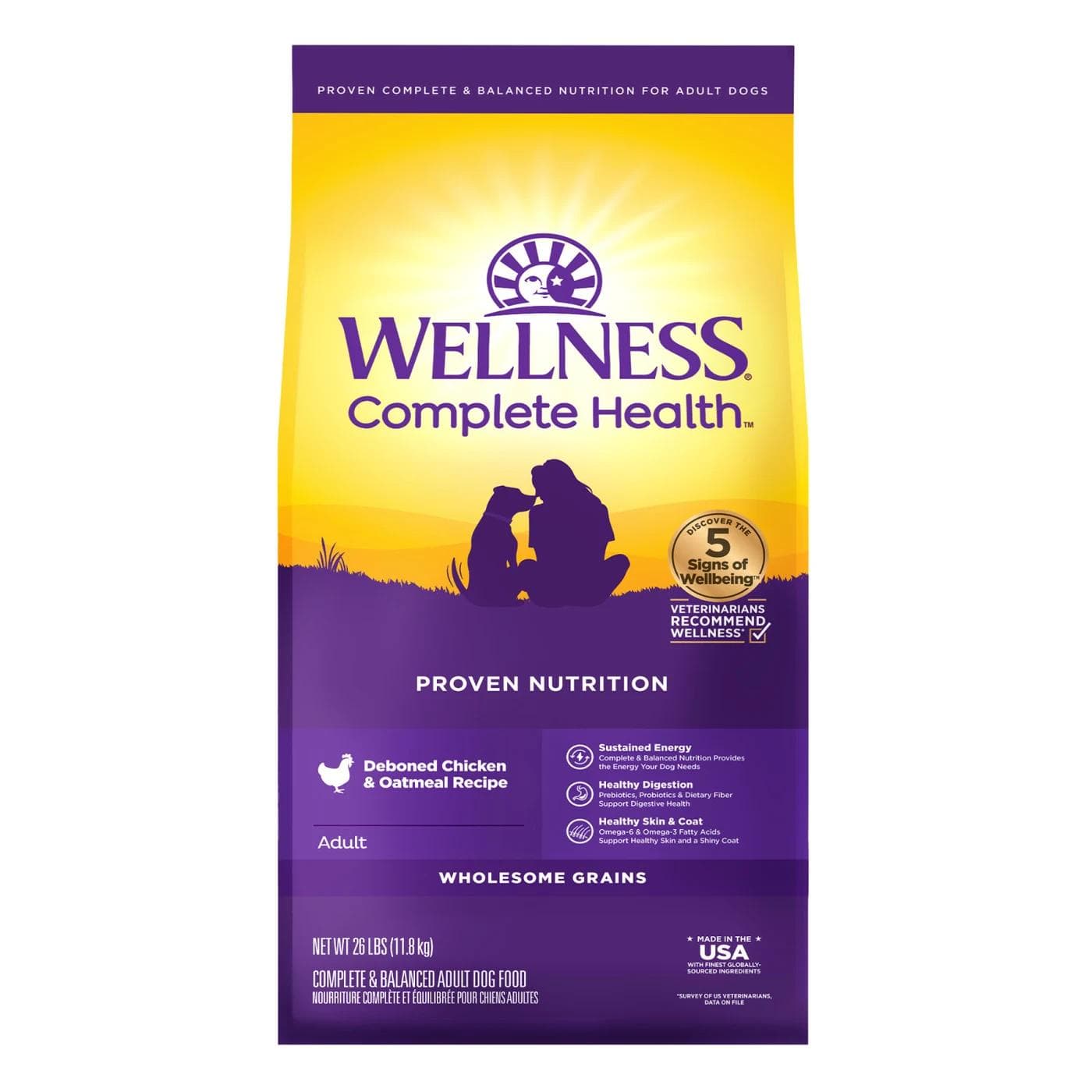
Deboned chicken and whole grains with guaranteed probiotics, taurine, and omegas. The sensible middle of the premium aisle for everyday adult dogs.
Petful may earn a commission when you click through to Chewy, at no extra cost to you.
Meal timing around hard exercise
Owners of deep-chested athletic dogs often ask how feeding relates to bloat risk. No meal schedule, slow bowl or ingredient can guarantee prevention. Avoid turning a large meal into an immediate hard workout, provide calm recovery and ask the veterinarian about the individual dog's risk and any preventive options.
The practical routine should also account for nausea, travel and the intensity of work. Test any sport-day schedule during ordinary training rather than at an important event. A swollen abdomen, repeated dry retching, drooling, distress or collapse is an emergency regardless of when the dog ate.
Hydration at home and during activity
Fresh water should be available according to the dog's health plan, and containers need regular washing. On outings, carry a reliable supply rather than assuming streams or public bowls are safe. Offer sensible opportunities during work and recovery without forcing large amounts into a distressed dog.
Heat, humidity, illness and travel change needs. Heavy panting that does not improve, weakness, confusion, vomiting or collapse can indicate an emergency and requires cooling and veterinary guidance appropriate to the situation. Hydration products or electrolyte mixes should not be improvised from human formulas.
How to change foods gradually
A common transition blends increasing amounts of the new product with decreasing amounts of the old across several days. The exact pace depends on the dog, diet and reason for change. Keep the total calories in view because equal-looking scoops may not be energetically equal.
Track appetite, stool, vomiting, skin signs and energy. Mild temporary stool change may call for a slower step, while repeated vomiting, severe diarrhea, lethargy, pain or dehydration needs veterinary advice. Dogs on therapeutic diets should use the clinician's transition instructions.
For slow, supervised foraging that counts toward daily calories, one option is the Pet Parents Forager Snuffle Mat & Slow Feeder Dog Bowl, Meadow Natural.
Evaluate stool without chasing perfection
Stool consistency, frequency, urgency and ease of passage provide useful feedback, but one abnormal bowel movement can reflect scavenging, stress or another change. Record the pattern and everything eaten instead of switching diets repeatedly after isolated events. Frequent changes themselves can prolong digestive upset.
Blood, black stool, repeated diarrhea, vomiting, weakness, pain or signs of dehydration warrant prompt professional advice. Bring the food label and, when requested, a sample. A nutrition guide cannot determine whether parasites, infection, inflammation or another medical cause is present.
life stage and activity match
Life stage and activity match should be reviewed whenever growth, work, season, neuter status, illness or training load changes. An active field dog may need more calories than a companion with the same body weight, but the right amount is confirmed by body and muscle condition over time.
Working days and quiet days may use different energy, but rapid daily swings in food can create digestive trouble. Adjust from a measured baseline and watch body condition over weeks. Training treats and field snacks count toward total calories.
- Supplier and finished-product controls
Food allergy and intolerance questions
Itching, ear disease and digestive signs have multiple possible causes, and ingredient-list guessing often produces unnecessary restriction. A true diagnostic elimination trial uses a deliberately selected diet, strict control of all edible exposures and a defined duration under veterinary supervision. Casual rotation among over-the-counter products is not the same test.
If a reaction is suspected, document timing, treats, flavored medications and scavenged food. Do not remove many ingredients indefinitely from a growing puppy without a complete nutrition plan. Facial swelling, breathing difficulty, collapse or severe illness is urgent.
Grain-free and boutique claims
A grain-free label describes ingredients excluded; it does not certify better digestion, cleaner sourcing or suitability for every dog. Choose based on nutritional adequacy, manufacturer expertise, quality controls and a documented individual need. Marketing categories should not outrank veterinary assessment.
Owners concerned about diet-associated heart disease or another emerging issue should use current FDA information and discuss their product and dog's health with the veterinarian. Do not stop a necessary therapeutic food or make an abrupt switch based only on a social-media list.
Raw and home-prepared diets
Raw products introduce pathogen and handling concerns for the dog, household members and environment, while home-prepared recipes can become nutritionally incomplete when created from internet ingredient lists. Preference for freshness does not solve mineral, vitamin and energy balance.
Anyone choosing a home-prepared approach should work with a qualified veterinary nutrition professional and follow the formulated recipe precisely, including supplements and cooking instructions. Replacing ingredients by intuition changes the nutrient profile. Households with children, older adults or immunocompromised people should discuss food-safety risk carefully.
Supplements need a defined purpose
A complete diet already supplies essential nutrients in planned proportions. Adding multivitamins, calcium, oils or performance powders without a documented need can increase cost, alter balance or interact with disease and medications. Natural wording does not guarantee safety or purity.
Ask what problem the supplement is meant to solve, what evidence supports it, how dose and quality are verified and how success will be measured. Bring every product to veterinary visits. If no observable goal or stop rule exists, the addition is not yet a responsible plan.
Weight gain, weight loss and portion changes
When a healthy dog gains gradually, confirm the measured food, treats and recent activity before cutting the bowl sharply. Small calorie reductions paired with an appropriate movement plan are easier to sustain. For weight loss, use repeated scale and body-condition checks rather than judging only by the short coat.
Unintended loss, increased hunger, reduced appetite or muscle decline can signal disease. Likewise, rapid abdominal enlargement is not ordinary weight gain. A veterinarian should examine unexplained changes before the owner searches for a richer or lighter product.
Calculate value beyond bag price
Compare cost from the amount actually fed per day, not package weight alone. Energy density, waste, shipping, storage and availability all influence the real total. A product that requires more cups may not be cheaper even when its bag costs less.
Value also includes evidence and fit. A reliably available complete diet from a transparent manufacturer can be more practical than frequent switching among sale items. Owners should never compromise medical requirements to reach a theoretical low cost; instead, discuss affordable suitable options with the veterinary team.
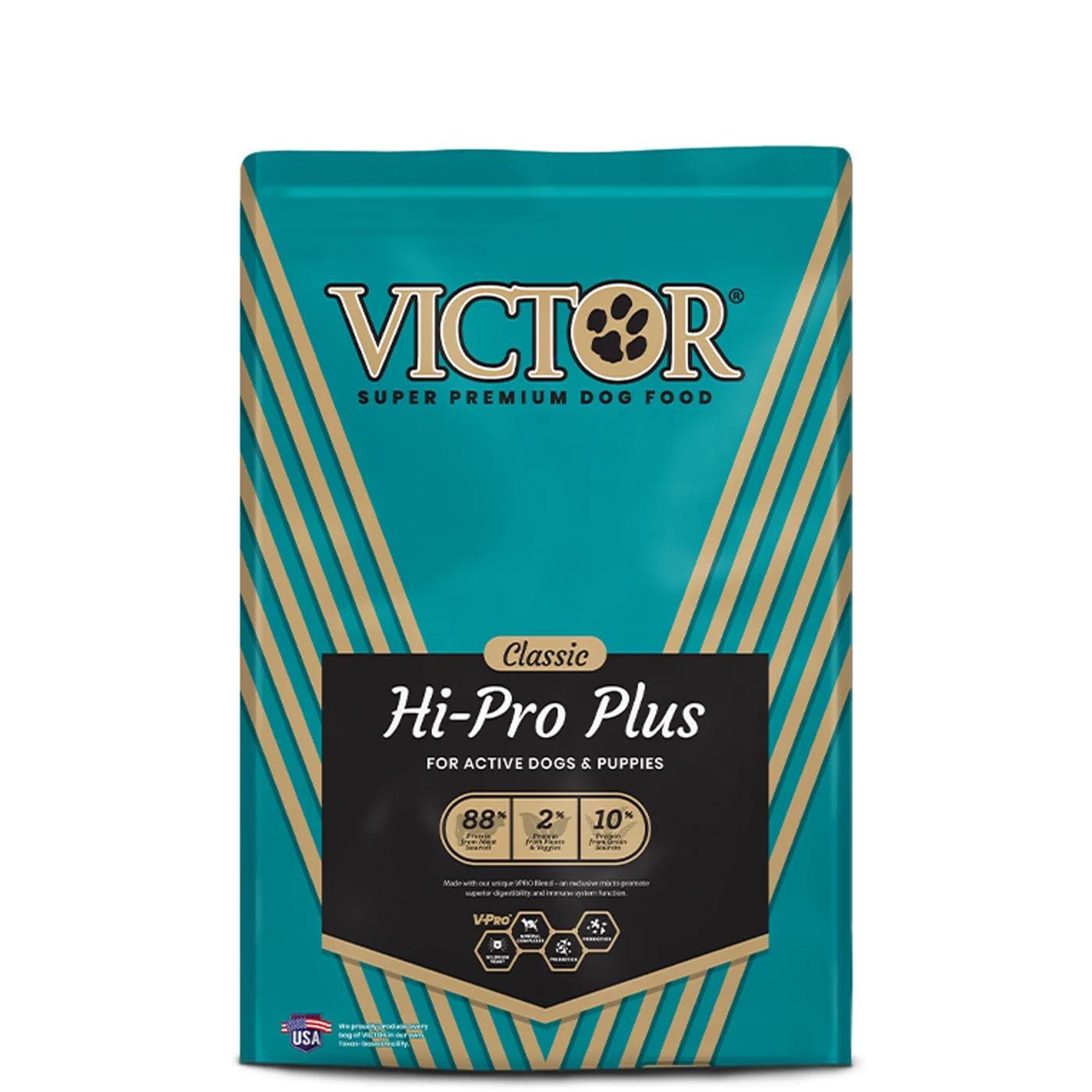
A 30/20 performance formula from a single Texas plant at an unbeatable price per pound. Built for genuinely active and sporting dogs, not couch companions.
Petful may earn a commission when you click through to Chewy, at no extra cost to you.

calorie density and body condition
Calorie density and body condition determine portion size more reliably than cup volume alone. Record calories per cup, can or gram, weigh portions when precision matters and include training treats. Recheck ribs, waist, abdominal tuck and muscle rather than waiting for a yearly scale reading.
Dry, canned and other formats can all work when they are complete and balanced for the intended life stage. Compare calories per actual serving, storage, cost per day, availability and the dog chewing or medical needs instead of declaring one format superior.
- Measured daily portion
Travel, boarding and food continuity
Bring enough familiar food for the trip plus a reasonable buffer, packed with the label and feeding directions. Sudden substitutions during travel add digestive uncertainty to an already changed environment. Confirm how boarding staff measure portions, store opened food and record appetite.
For flights or field travel, plan water, meal timing and medication with the veterinarian and carrier rules where relevant. Do not transfer food into an unlabeled container without retaining lot information. If a recall or illness concern arises away from home, that detail can matter.
When food is not the first answer
Repeated vomiting, diarrhea, weight loss, severe itch, collapse, abdominal swelling, difficulty breathing, seizures or suspected toxin exposure requires medical guidance, not a string of diet experiments. Food can influence health, but it cannot diagnose infection, obstruction, endocrine disease, cancer or many other conditions.
Bring a complete intake history, package details and the timeline of signs. Follow urgent-care advice even if the dog recently changed formulas. Once the medical problem is assessed, nutrition can be adjusted as one part of the treatment rather than carrying the entire explanation.
A clean water station option to compare by capacity is the Petlibro Stainless Steel Dog & Cat Fountain, 101-oz.
A final food decision checklist
Confirm the adequacy statement and intended life stage. Record calories in the measured serving, check who formulates the diet and how the company tests finished products, calculate total edible extras and define the body-condition trend that will trigger reassessment. Then confirm that the product is affordable and consistently obtainable.
Review the decision after growth, workload, illness, medication or senior changes. The best food for this GSP is the suitable complete diet that can be fed accurately and monitored, with medical decisions coordinated through the veterinary team. That conclusion is more durable than naming one winner for every dog.
Measure portions with a scale or consistent vessel
A kitchen scale can make small adjustments clearer because household cups vary and rounded scoops are inconsistent. If weighing is impractical, use one level measuring vessel the same way each meal. Record the grams or volume rather than relying on a visual guess.
Recalculate after changing formulas, since grams with the same appearance can contain different calories. Automated feeders may support timing and portion consistency, but their dispensed amount should be tested against a scale and checked when kibble shape or device settings change.
Slow feeders and puzzle meals
A slow bowl or food puzzle may lengthen a fast meal and provide low-impact activity. Choose a design the dog cannot break, tip dangerously or chew into pieces, and supervise the first uses. Frustration, guarding and swallowed components outweigh any enrichment benefit.
These tools do not prevent GDV and should never be marketed as a guarantee. They are serving methods. The food still must be nutritionally suitable and counted, and the dog still needs calm meal routines and an individualized veterinary risk discussion.
Multi-dog feeding requires separation
Feed dogs in separate spaces when speed, stealing, guarding or prescription diets create conflict. Pick bowls up after the meal and record who ate what. A GSP that raids another dog's calorie-dense food can gain weight even while its own measured portion remains unchanged.
Separation also gives a clean appetite signal. When bowls are shared, early illness can be missed because the household knows food disappeared but not which dog ate it. Gates, crates or closed rooms can make the routine calm without forcing animals to negotiate resources.

meal timing around hard exercise
Meal timing around hard exercise should reduce intense activity immediately around large meals and avoid one oversized daily feeding when the veterinarian recommends divided meals. No feeding schedule eliminates bloat risk, so owners still need to know emergency signs.
A food transition commonly uses increasing amounts of the new diet over several days while stool and appetite are watched. Dogs with disease or a veterinarian-directed therapeutic diet may need a different schedule. Stop and call for repeated vomiting, severe diarrhea or lethargy.
- Treat calories included
- Formulas, calorie density and availability can change. Confirm the adequacy statement, calories and feeding directions on the package actually being used.
Address picky eating methodically
First separate learned preference from illness. New refusal accompanied by vomiting, pain, weight loss, lethargy or a changed mouth needs veterinary review. A bright dog who waits for table food may have learned that skipping the bowl produces richer options, but that conclusion should not be assumed without context.
Offer the measured meal on a predictable schedule, limit uncounted extras and track actual intake. Avoid opening many products in rapid succession. If appetite remains poor, bring the record and labels to the clinic so dental, gastrointestinal and other causes can be evaluated.
Therapeutic diets are medical tools
A veterinary therapeutic food may be formulated for a diagnosed condition and used with monitoring. Its purpose, duration and compatibility with treats or other foods should be explained by the treating team. Adding ordinary toppers can dilute the intended nutrient profile or expose an ingredient the plan is testing.
Do not substitute a retail product with similar front-label words. Two diets described as sensitive, urinary or joint support may have entirely different specifications. When cost or availability becomes a problem, ask the prescriber for suitable alternatives rather than improvising.
Store food to protect quality
Follow the package instructions for temperature, moisture and use after opening. Keep dry food in its original bag or retain the full label and lot information when placing the bag inside a sealed container. Wash containers between bags so old oils and crumbs do not accumulate.
Refrigerate opened canned food as directed and discard portions that have sat out beyond a safe period. If a package is swollen, damaged, unusually odorous or contaminated, stop using it and contact the manufacturer with the identifying information.
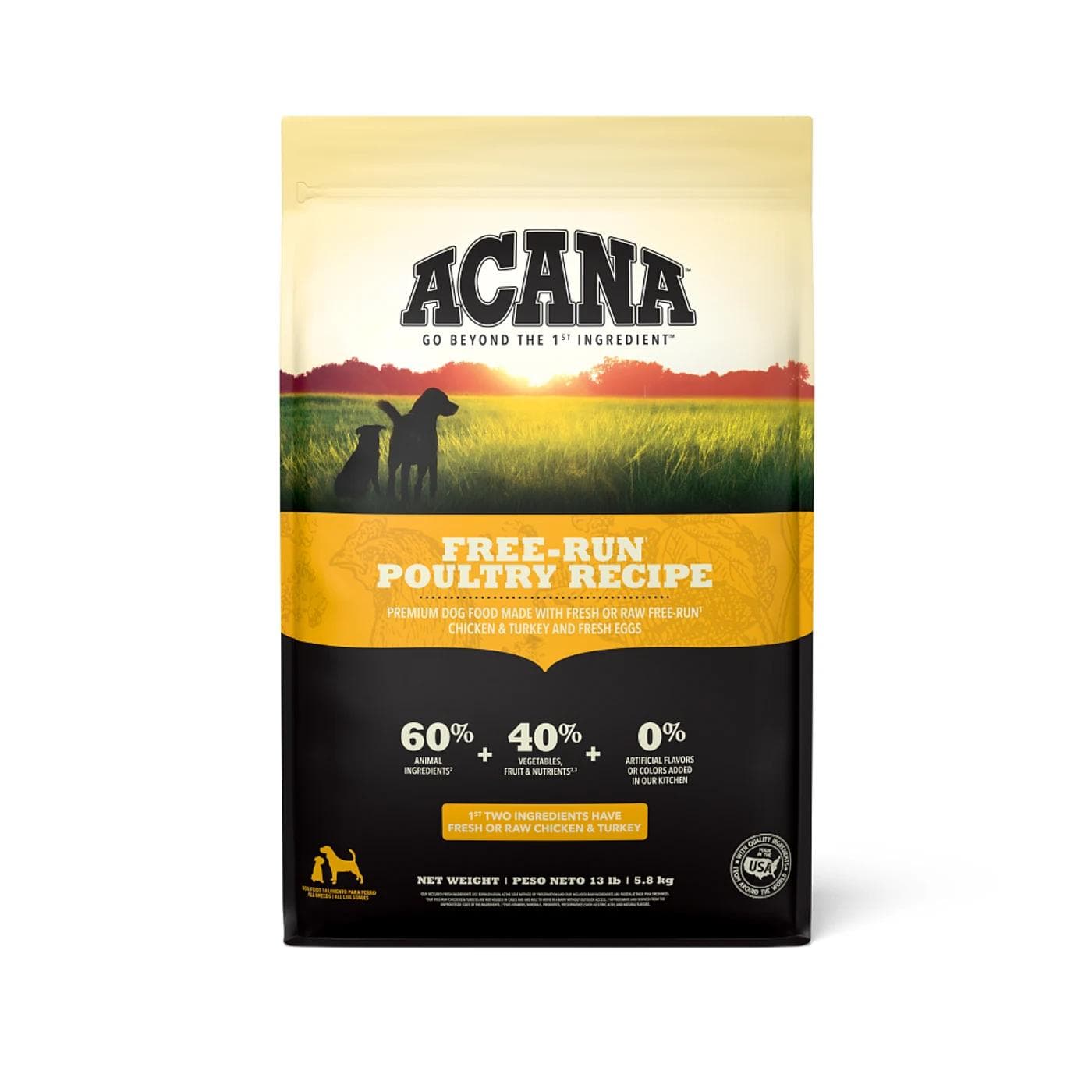
Named chicken, turkey, and chicken meal lead a 60% animal-ingredient recipe from the same Kentucky kitchen as ORIJEN, at a friendlier price. The legume-forward grain-free deck is the trade-off to know about.
Petful may earn a commission when you click through to Chewy, at no extra cost to you.
Food safety during preparation
Wash hands and utensils, keep pet-food preparation away from human ready-to-eat food and clean bowls routinely. Children should not handle food unsupervised, and immunocompromised household members may need additional precautions. Raw animal products require particular attention because pathogens can spread through surfaces, saliva and stool.
Safe handling does not turn an incomplete recipe into a balanced diet, and adequacy does not remove hygiene needs. Both nutrition and sanitation must work together. Consult current public-health and veterinary guidance for a household with elevated vulnerability.
For travel days, the current library includes the Frisco Silicone Collapsible Travel Bowl with Carabiner, Teal, Small (1.5 cup).
What to do during a recall
Match the brand, product name, package size, lot and date rather than discarding food based on a headline alone. Follow the manufacturer or regulator instructions, preserve the package and document any signs. Contact the veterinarian promptly if the dog may be affected.
Transition advice during a recall depends on urgency and the dog's medical needs. A sudden switch may be appropriate when exposure is dangerous, while a sensitive or therapeutic case needs tailored direction. Do not feed a recalled product merely to avoid digestive change.
Create a feeding record that stays useful
A compact monthly note can include product and lot, grams or cups per day, treat estimate, weight, body condition, stool pattern and workload. Add medication, illness and travel changes. This record makes a portion review more objective without requiring owners to log every bite forever.
Patterns matter more than isolated perfection. If condition is stable and the dog is clinically well, the system is producing useful evidence. If several measures move together, the veterinarian has a clearer starting point for nutrition or diagnostic decisions.

diet changes and veterinary needs
Diet changes should be gradual when the dog is stable. Recurrent vomiting, diarrhea, weight loss, severe itching, suspected allergy, pancreatitis, kidney disease or another medical problem turns food choice into a veterinary decision. Do not use repeated protein switching as an unsupervised diagnostic test.
Food cannot substitute for emergency care. Abdominal swelling with retching, collapse, breathing difficulty, seizures or suspected toxin ingestion needs urgent help. Keep the package or ingredient information available so the veterinary team knows what was eaten.
- Body and muscle condition review
Questions to take to the veterinarian
Ask whether the current life-stage claim fits, what body and muscle condition the dog has, how activity should influence calories, and whether any disease or medication changes the diet. For a puppy, ask about growth rate and transition timing. For a senior, discuss appetite, teeth, weight and muscle separately.
Bring the package label and measured amount. Specific information allows a more useful answer than asking only whether a popular brand is good. Write down the plan, including how soon to reassess and which signs should trigger earlier contact.
Toppers should be counted and purposeful
Adding canned food, broth, meat or commercial toppers can improve palatability, but each addition changes calories and may dilute complete nutrition when it becomes a large share. Check sodium, fat and ingredients relevant to disease, and avoid broths containing unsafe seasonings.
Define why the topper is being used. If the dog refuses an adequate food without increasingly rich additions, evaluate appetite, schedule and health rather than creating an endless escalation. For a therapeutic diet or elimination trial, obtain approval before adding anything.
Use body condition as the portion feedback loop
Place hands over the ribs, view the waist from above and look for an abdominal tuck from the side. Repeat under similar conditions and pair the observation with scale weight. The feeding decision responds to the trend, not to begging, a neighbor's dog or the amount printed for the broadest weight band.
If ribs become difficult to feel, trim calories in a measured way and review treats. If muscle or weight falls despite intake, arrange an examination. The short coat makes visual comparison easier, but hands and clinical context remain essential.
Do not change food only for coat shine
A healthy diet supports skin and hair, yet dullness, itch, odor or loss can reflect parasites, infection, allergy, endocrine disease and other problems. Repeated food switching without assessment may add digestive upset and obscure timing.
Document the coat change and review the complete history with the veterinarian. When nutrition is involved, choose a specific evidence-based adjustment with a monitoring period instead of layering several supplements and shampoos at once.
Reassess after neutering, injury or schedule change
Energy use can shift when activity falls during recovery, work routines change or reproductive status changes. Keep the same measured baseline initially unless directed otherwise, then watch condition and weight over several weeks. Automatic large cuts or increases may overshoot the dog's real need.
Return-to-activity plans should rebuild conditioning separately from calorie decisions. A dog gaining fat during rest does not need harder exercise before healing; it needs a coordinated food and medical plan. Record the old and new workload in plain terms so portion changes can be linked to evidence.
Keep the product shortlist current
Recheck the label and manufacturer information when a package announces a new formula or the food begins looking, smelling or digesting differently. Brand familiarity does not freeze a recipe. Preserve lot details, contact the company with specific questions and include the veterinarian when a medically important change is possible.

Four adult formulas to evaluate with the same questions
For adult-maintenance comparison, start with the adequacy statement and calories on the Hill's Science Diet Adult Chicken & Barley Recipe. Another complete adult formula to compare using the same criteria is the Wellness Complete Health Adult Chicken & Oatmeal Dry Dog Food, 30-lb bag.
Very active dogs still need measured calories; readers may evaluate the VICTOR Hi-Pro Plus 30/20 High Protein Dry Dog Food, 50-lb bag. A grain-free formula should never be chosen from marketing alone; compare the full evidence for the ACANA Free Run Poultry Grain-Free Dry Dog Food, 25-lb bag. These formulas are examples from the current offer library, not a ranked veterinary prescription. Check the current label, adequacy statement and calories because formulations can change.
Related German Shorthaired Pointer guides
- the breed guide for activity expectations
- the puppy guide for the first feeding handoff
- the size page for condition tracking
- the health article for diet-related clinical decisions
- german shorthaired pointer price
- german shorthaired pointer colors
- german shorthaired pointer temperament training
- do german shorthaired pointers shed
WebVet explains what complete and balanced means, a useful first filter before comparing ingredients, formats or brand stories. Read WebVet's complete and balanced dog food guide.
Nutrition guidance uses FDA labeling information and WSAVA manufacturer-selection questions. Product availability never overrides the individual dog’s medical plan. Pet-food labeling context comes from the FDA overview; company-evidence questions come from WSAVA nutrition resources.
Frequently asked questions
Start with a food labeled complete and balanced for the dog's life stage, then check calorie density and the manufacturer's nutrition and quality-control expertise. Portion it from measured intake and body condition. Allergies, gastrointestinal disease or other medical needs can change the choice. A practical next step is an activity-adjusted feeding review and a complete-and-balanced decision using this German Shorthaired Pointer's weight trend, muscle, stool, appetite and medical history.
Choose a complete growth formula appropriate for the puppy's expected adult size and follow the calorie information rather than a breed image on the package. Review weight, ribs, waist, stool and growth trend at veterinary visits. Do not add calcium to an adequate diet unless specifically prescribed. For a German Shorthaired Pointer puppy, the practical next step is to photograph the adequacy and calorie panels, measure intake and review growth and body condition with the veterinary team.
There is no breed-wide calorie number. Start with the complete food's calorie information and feeding guide, then adjust measured intake from body condition, muscle, workload, age, weather, treats and weight trend. A veterinarian can calculate a starting target when growth, disease or demanding field work makes the estimate less straightforward. For an active GSP, the practical next step is to log daily calories, treats, workload and weekly body condition so measured intake can change with real energy use rather than a breed label.
Grain-free is not a breed requirement and is not automatically healthier. Unless a veterinarian has identified a specific dietary need, choose from complete and balanced foods using formulation expertise, quality control and the dog's measured response. Discuss diet-associated dilated cardiomyopathy concerns and any major diet change with the veterinary team. Before choosing grain-free food for a GSP, the practical next step is to identify the actual nutritional or medical reason and review the complete formulation with the veterinary team.
Hard work raises energy needs, but selecting the package with the largest protein number is not automatically beneficial. Consider total calories, nutrient balance, digestibility, conditioning and recovery together. A veterinarian or veterinary nutritionist can adjust intake for serious field or endurance work.

Coreen Saito is a pet writer and longtime shelter volunteer with more than a decade in animal rescue. She covers cat behavior, breed care, and the small, ordinary science of sharing a life with companion animals, with a particular focus on honest takes about the products and decisions that actually matter. At home in Arizona, she's outranked by Mac (a dog with the loudest opinion in the house), Rebel (a cat who governs by quiet authority), and Meri (an orange tabby who runs the late shift and the laundry basket). She writes about all three, plus the rescues that keep coming through her life, at LifeWithMinty.com.
Sign up for expert-backed reviews and safety alerts all in one place.