German Shorthaired Pointer Colors: Liver, Black, Roan and Ticking
See German Shorthaired Pointer colors and markings, including liver, black, white, patches, ticking and roan, plus registry differences and puppy coat changes.

Petful is reader supported. As an affiliate of platforms like Amazon and Chewy, we may earn a commission when you buy through links on this page. There is no extra cost to you.
German Shorthaired Pointer colors are built mainly around liver or black pigment combined with solid areas, white, patches, ticking and roan. Registry wording varies, so distinguish the visible coat from the exact registration category. Color does not predict trainability, affection, hunting ability or an individual health outcome.
Describe the coat in layers: base pigment first, then white distribution, patches, ticking and roan. This avoids inventing rare categories for markings that fit ordinary GSP color language and keeps appearance separate from health or temperament.
- 1Identify liver or black pigment before naming the pattern.
- 2Use patches, ticking and roan as distribution terms.
- 3Expect ticking to become more visible as some puppies mature.
- 4Do not let rare-color marketing outrank identity and health records.

Sign up for expert-backed reviews and safety alerts all in one place.
German Shorthaired Pointer colors
Common GSP colors include solid liver, liver and white combinations, solid black and black and white combinations where the governing registry accepts them. White areas may appear clear, ticked, roaned or patched. Photos taken in different light can make liver look warmer or darker.
The first color question is pigment: liver or black. The next is distribution: solid, patched, ticked, roaned or a combination. Using those two steps prevents a heavily ticked dog from being mistaken for a separate color and makes photo comparisons easier to interpret.
German Shorthaired Pointer colors and the singular phrase German Shorthaired Pointer color refer to pigment plus distribution, not a personality category. GSP colors are easier to identify with a side-by-side visual reference that uses similar lighting. First note liver or black pigment, then record white areas, patches, ticking and roan without inventing a premium label.
- Identify liver or black pigment
| Layer | What to identify | Example |
|---|---|---|
| Base pigment | Liver or black | Brown nose with liver coat areas |
| White distribution | Solid or white areas | Solid liver or liver and white |
| Large markings | Distinct patches | Liver patch over the back |
| Small markings | Ticking | Separate spots in white hair |
| Mixed hair | Roan | Liver and white hairs blended closely |
Start with pigment, not a marketing name
A plain-language description begins with the dog's dark pigment. Liver produces brown coat areas and a brown nose, while black produces black areas and a black nose. After that base is identified, describe how much white is present and whether the colored hair forms large patches, small ticks or a close roan mixture.

This layered approach prevents ordinary markings from being renamed as a new color. Sunlight, wet hair, camera settings and editing can make liver look redder, grayer or nearly black. A photograph can illustrate appearance, but registered parentage and the relevant official terminology are needed when classification matters.
Roan ticking and markings
Roan describes a close mixture of colored and white hairs, while ticking describes small colored spots in otherwise white areas. Patches are larger solid areas. A dog can show more than one pattern, which is why a plain language marking decoder is more useful than treating every visible variation as a separate rare color.
Liver can range visually from warm brown to deep chocolate depending on light and coat condition. Black stays black-pigmented, while white areas create contrast. A phone camera can shift color temperature, so photographs are useful references but weak proof of official registration.
A black German Shorthaired Pointer and a liver German Shorthaired Pointer differ in base pigment, while roan and ticking describe how colored and white hairs appear. The phrase blue German Shorthaired Pointer is usually marketing language that needs clarification, not a standard new pigment. A registry-language comparison should remain separate from genetic appearance and seller claims.
- Separate patches from ticking and roan
Solid coats and white areas
A solid coat is dominated by one recognized pigment rather than large white regions. A liver-and-white or black-and-white dog has visible white regardless of whether the white remains open or carries additional markings. Small white areas do not automatically create a separate rare variety.
When comparing puppies, use photographs taken in neutral daylight and ask for several angles. Strong shadows can hide ticking and warm indoor bulbs can distort brown. The aim is a faithful description, not a promise that the coat will photograph the same way in every season.
Petful may earn a commission when you click through to Chewy, at no extra cost to you.
How patches differ from ticking
Patches are larger, clearly bounded areas of solid pigment within a coat that also includes white. Ticking consists of smaller colored spots scattered through white hair. A dog may have both: for example, a broad liver patch across the back with fine liver ticks on the legs.

Marking size and density vary, so two people may disagree at a boundary. Describe what is visibly present before forcing it into a seller-created label. Registration forms may offer a limited set of terms that do not capture every visual detail, and that administrative category is not a genetic test.
For optional ancestry information, compare the test scope and limitations of the Wisdom Panel Essential Breed Identification DNA Test for Dogs.
liver and black base colors
Liver pigment produces a brown nose and brown coat areas; black pigment produces a black nose and black coat areas. Sun, camera settings and coat condition can change how deep the color appears. A visual guess should not replace registration or parentage records.
Ticking consists of discrete colored spots in white areas. Roan creates a more blended mixture of colored and white hairs. A dog may have large solid patches plus ticking or roan elsewhere, so the pattern terms can overlap within one coat.
- Check the current registry wording
- Verify pigment terms, parent identity and the applicable registry, then judge the source on welfare and screening rather than scarcity marketing.
What roan means on a GSP
Roan creates an overall blended effect because colored and white hairs are closely intermixed. From a distance, a heavily roaned area may look almost solid; up close, individual light hairs remain visible. Ticking is usually read as separate spots against white rather than the same continuous mixture.

The terms describe distribution, not a separate temperament or coat-care requirement. Roan hair sheds, gets dirty and changes with lighting just like other short GSP hair. Owners choosing between appearances should keep health records and household fit at the center of the decision.
Why puppy coats appear to change
Newborn and very young puppies may show obvious large patches while fine ticking is faint or absent. As the coat develops, additional small pigmented hairs become visible in white areas, sometimes producing a much more roaned adult impression. That development is different from a liver puppy changing into a black dog.
Request current, dated images rather than relying entirely on newborn photographs. Even then, nobody can guarantee the exact density or visual balance of the mature coat. A responsible source should be comfortable discussing uncertainty instead of attaching a premium to a predicted final pattern.

Petful may earn a commission when you click through to Chewy, at no extra cost to you.
solid patched ticked and roan patterns
Solid, patched, ticked and roan patterns describe distribution rather than personality. Fine ticking may become easier to see as the puppy coat changes. Heavy ticking can create an overall roaned appearance at a distance, while large patches remain obvious.

Puppies can appear clearer in white areas at birth. As ticking emerges and the coat matures, the same dog may look more heavily marked. Sellers should not guarantee an exact adult distribution from a newborn photograph or use that prediction as a substitute for health and identity records.
- Expect ticking visibility to change
Registry wording and breed-standard wording
An official breed standard describes the ideal used by a particular organization, while a registry records dogs under its own current categories. Those systems can change over time and differ across countries. A color accepted for registration may be treated differently in a specific show system, and an uncommon entry is not automatically evidence of mixed ancestry.
Always identify which organization and current document is being discussed. Quoting one historical sentence without that context creates confusion. Owners who plan to show, breed or compete should confirm the applicable rule directly rather than relying on a seller's summary.
For loose hair on this short coat, compare the fit and flexibility of the Mr. Peanut's Hand Gloves Dog & Cat Grooming & Deshedding Aid, 2 count.
Color cannot certify breed identity
Appearance alone cannot establish parentage. Many breeds and mixed dogs can share liver, black, white, ticking or roan. A GSP-like coat paired with a pointer shape may be suggestive, but identity questions require records or appropriately interpreted testing. Likewise, a surprising pattern should not be used to accuse an owner or source without evidence.
For a companion dog, the practical priorities remain behavior, health and care. If formal registration matters, review the actual documentation before purchase and verify the source. Photographs posted in social groups are not an authoritative registry review.
breed standard versus registry differences
Breed standard versus registry differences matter when readers compare countries or organizations. One registry may list black combinations while another standard historically emphasizes liver combinations. Use the current standard for the event or registry involved instead of calling a healthy dog fake because terminology differs.

Standards are written for registry and conformation decisions, not to measure a pet worth. A mismatch with one standard does not make a dog unhealthy, and acceptance in a color category does not prove responsible breeding. Keep appearance and welfare evaluations separate.
- Treat photos as references, not proof
Health claims attached to color
A basic liver, black, ticked or roan description does not predict whether one GSP will develop orthopedic, eye, cardiac or skin disease. Those questions belong with parent screening, family history, clinical care and the individual dog. Marketing a coat as healthier because it is rare or traditional is not medical evidence.
Visible pigment changes can still matter clinically. New redness, crusting, hair loss, sores or color change in skin and mucous tissue should be assessed on their own merits. A cosmetic color guide cannot diagnose infection, allergy, injury or another condition.
A wipe is for limited cleanup rather than treating skin disease; one option is the Earth Rated Thick Hypoallergenic 3-in-1 Dog Grooming Wipes, Unscented, 100 count.

Petful may earn a commission when you click through to Chewy, at no extra cost to you.
Temperament is not printed in the coat
Color does not tell an owner whether a puppy will be bold, sensitive, social or easy to train. Related dogs can share a coat and respond very differently to novelty or restraint. Observe the puppy and parents where possible, ask about everyday behavior and consider how early experiences are being managed.
The same principle applies to hunting ability. A heavily roaned dog is not inherently more capable in the field, and a solid dog is not automatically a house pet. Performance depends on many inherited, developmental and training factors that a photograph cannot reveal.
puppy coat changes
GSP puppy colors can look less ticked at birth because ticking develops or becomes more visible over time. The base pigment and large patches do not transform into an unrelated color. Ask for current photos and records rather than paying extra for a prediction about adult markings.

Terms such as rare, silver or blue can be used loosely in listings. Ask what base pigment and pattern the seller actually means, then check the applicable registry. Marketing language should never justify weaker screening, hidden parent identity or an inflated deposit.
- Reject rare-color guarantees
How to compare color photographs responsibly
Ask for full-body side views, the head and nose, and close images of white areas in ordinary daylight. Dated video can show whether a listing uses the same puppy across communications. Reverse-image searching may reveal copied sales photos, though absence of a match does not prove legitimacy.
Do not use image requests as a substitute for identity, screening and veterinary records. A scammer can supply attractive pictures, and an ethical source can take imperfect ones. Visuals answer appearance questions; the record-first source check answers ownership and welfare questions.
A marking decoder for listings
Translate elaborate listing language into a simple note: base pigment, amount of white, large patches, separate ticks and blended roan. Then compare the note with the governing registry's current choices. If the seller's label has no clear official meaning, ask what visible feature it describes rather than debating the word.
Finally, remove color from the page and ask whether the source would still be compelling. Parent identity, screening, veterinary care, living conditions, contract terms and return support should carry the decision. If the value disappears without scarcity language, the listing deserves more scrutiny.
When veterinary guidance supports ear cleaning, the library includes the Virbac Epi-Otic Advanced Ear Cleaner for Dogs & Cats, 4-fl oz bottle.
Petful may earn a commission when you click through to Chewy, at no extra cost to you.
color does not predict temperament or health
Color does not predict temperament or health in a simple way. Responsible selection looks at parent identity, screening, structure, behavior, welfare and the match for the household. Rare-color marketing should never replace those records or justify a guarantee.
Coat color does not tell an owner how much the dog will exercise, how it will behave with children or whether it will develop disease. Those decisions require parent and individual evidence. Choose the dog and source first, then enjoy the coat as appearance rather than a promise.
- Verify parents and screening
Keep color expectations out of the contract
A contract may accurately identify the puppy's current registered color, but a guarantee about exact adult ticking or photographic shade is unreliable. Ask the source to describe what is known and what can still develop. The enforceable priorities should involve identity, health terms, welfare and return support rather than subjective beauty.
Groom every color the same careful way
Dark and white areas may show dirt or loose hair differently, yet the coat-care routine is shared. Use gentle short-coat brushing, inspect the skin and seek help for inflammation or patchy loss. Whitening products, color enhancers and harsh shampoos are unnecessary for ordinary companion care and can irritate skin.
Coat-care options that do not change color
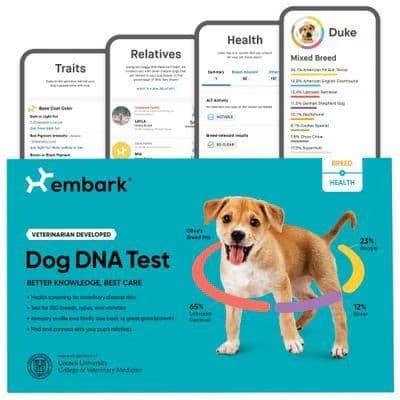
An ancestry test cannot certify temperament, but readers evaluating records may compare the Embark Breed & Health Dog DNA Test Kit. A short-coat brushing option to evaluate by skin comfort is the aumuca Self Cleaning Slicker Brush, Green.
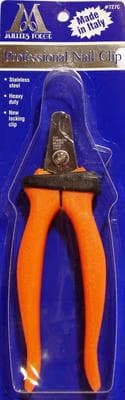
When a bath is actually needed, one current dog-shampoo choice is the Buddy Wash Original Lavender & Mint Dog Shampoo & Conditioner, 16-fl oz bottle. For cooperative nail care, compare the dog’s tolerance with the Millers Forge Nail Clipper, Medium. Grooming products can remove dirt and loose hair, but they do not create, preserve or correct an official color. Stop using any tool that irritates this naturally short coat.
Related German Shorthaired Pointer guides
- the full GSP breed profile
- the puppy record-check guide
- the shedding and short-coat routine
- the health and lifespan guide
- german shorthaired pointer price
- german shorthaired pointer size growth
- german shorthaired pointer temperament training
- best food for german shorthaired pointers
WebVet skin-issues guide helps readers distinguish an appearance question from redness, itching or hair loss that may need veterinary attention. Read WebVet's guide to skin issues in dogs.
Official color terminology was checked against current breed-standard and parent-club material. Registry wording is identified as context rather than a verdict on a pet value. Compare visible markings with the current AKC GSP description and the national parent club instead of relying on seller-created color names.
Frequently asked questions
Rarity depends on the registry and breeding population, so a seller's superlative is not a reliable classification. Start by identifying liver or black pigment, then describe white, patches, ticking and roan. Never trade away parent records, welfare or health evidence for scarcity marketing. A practical next step is to use a marking decoder and registry-language comparison before calling any German Shorthaired Pointer color rare, then verify the paperwork and parent identities independently.
Liver, liver-and-white combinations and solid liver are familiar GSP coats. Depending on the governing standard, black and black-and-white combinations may also be listed. White portions can remain open, carry distinct spots or show a closely mixed roan appearance. For common German Shorthaired Pointer colors, a practical next step is to compare pigment and markings separately: liver or black first, then white, patches, ticking and roan.
A solid-black GSP is recognized under some current registry rules, while other standards historically centered liver. Check the exact organization named on the dog's paperwork. Nose pigment, verified parentage and official registration provide stronger evidence than arguments based only on a photograph.
Large patches and the underlying liver or black pigment do not switch to a different base color. Ticking often appears or becomes much easier to see as the coat develops, making white areas look more roaned later. Lighting, wet hair and sun exposure also alter photographs.
No coat pattern can tell a buyer whether one puppy will be calm, biddable, social or driven. Behavior reflects inherited tendencies, health, early experience and learning. Evaluate the parents and the individual puppy, and treat color as an appearance choice rather than a personality test.

Coreen Saito is a pet writer and longtime shelter volunteer with more than a decade in animal rescue. She covers cat behavior, breed care, and the small, ordinary science of sharing a life with companion animals, with a particular focus on honest takes about the products and decisions that actually matter. At home in Arizona, she's outranked by Mac (a dog with the loudest opinion in the house), Rebel (a cat who governs by quiet authority), and Meri (an orange tabby who runs the late shift and the laundry basket). She writes about all three, plus the rescues that keep coming through her life, at LifeWithMinty.com.
Sign up for expert-backed reviews and safety alerts all in one place.