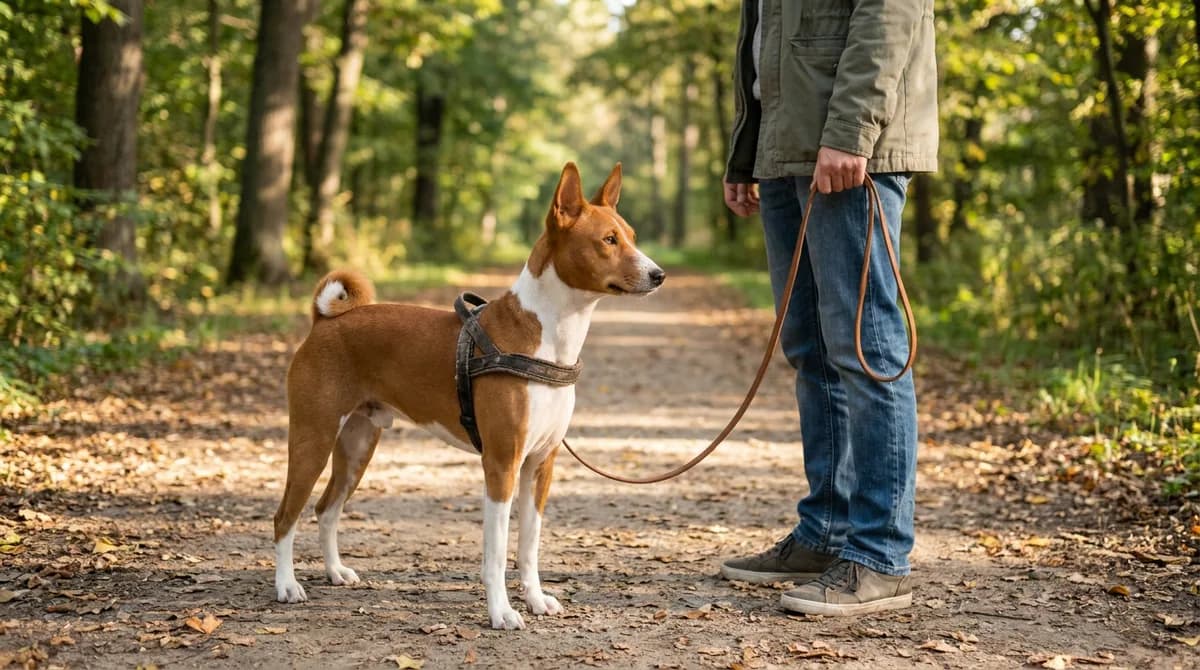
German Shorthaired Pointer Price: Puppy Cost and Lifetime Budget
See current German Shorthaired Pointer puppy and trained-dog price snapshots, then build realistic first-year, annual, emergency and lifetime cost scenarios.

Petful is reader supported. As an affiliate of platforms like Amazon and Chewy, we may earn a commission when you buy through links on this page. There is no extra cost to you.
German Shorthaired Pointer price is only the first line in the budget. Source, location, pedigree, health screening, included veterinary work and training can change the puppy or adoption cost. The more useful comparison combines acquisition, setup, recurring care and high-variance medical or emergency costs.
Build the budget from four separate buckets: acquisition, first setup, recurring care and high-variance medical or emergency expense. Keeping them separate prevents an attractive GSP puppy price from hiding the much larger ownership commitment.
- 1Attach every purchase or adoption quote to a date and inclusion list.
- 2Buy measured essentials before optional accessories.
- 3Convert food, preventives and services into annual totals.
- 4Keep accessible emergency funds or understand insurance reimbursement.

Sign up for expert-backed reviews and safety alerts all in one place.
German Shorthaired Pointer price at a glance
There is no single national GSP price that stays current in every market. In the saved August 31, 2026 search snapshot, Lancaster Puppies displayed an approximately $995 average, while Good Dog displayed a $1,250 to $1,600 national range. These are dated marketplace asking-price references, not proof that a seller is responsible. Confirm parent identity, health records, veterinary work, contract terms and support before treating any figure as comparable.
A price quote should be attached to a date and an inclusion list. Two puppies with the same asking price can represent very different commitments if one includes verified parent screening, microchip, veterinary care, a contract and lifetime return support while the other includes only a verbal promise.
German Shorthaired Pointer price and German Shorthaired Pointer cost should be recorded with the quote date, location, source and included services. A GSP price without those details is not comparable. Use a dated source-bounded price range only as a snapshot, then verify parent screening, veterinary care, contract terms and support before deciding what the number represents.
- Dated acquisition quote
| Scenario | Acquisition input | First-year total | Lifetime baseline |
|---|---|---|---|
| Lower marketplace example | $995 Lancaster SERP snapshot | About $4,234 using the $3,239 AKC large-dog first-year benchmark | About $21,232 over 10 years using nine later years at $1,888.68 |
| Midrange example | $1,250 Good Dog range floor | About $4,489 using the same first-year benchmark | About $23,489 over 11 years using ten later years at $1,900 |
| Upper puppy example | $1,600 Good Dog range ceiling | About $4,839 using the same first-year benchmark | About $32,218 over 12 years using eleven later years at $2,489 |
| Trained-dog comparison | $7,000 to $9,500 Top Gun listings | About $10,239 to $12,739 before any individual adjustments | Rebuild from the dog’s actual age, training, health and remaining years |
| Important exclusions | Not applicable | Local taxes, transport and omitted services | Inflation, emergencies, chronic illness and optional sports |
How to collect a usable purchase-price snapshot
A price range is useful only when its boundaries are visible. Collect quotes during the same period and record location, source type, puppy or adult age, parent screening, veterinary care, registration terms, transport and post-placement support. Do not combine a shelter fee, a fully documented breeder puppy and an anonymous marketplace listing as if they describe the same product.
Date the worksheet because availability and local costs change. The point is not to publish one permanent national average; it is to understand what a specific household is comparing now. If a seller will not state what the fee covers, treat the amount as incomplete information rather than a bargain.
Breeder fee versus evidence
A higher fee may reflect parent screening, veterinary and reproductive care, appropriate housing, registration, early development and a lifetime return commitment. It may also reflect marketing. Verify registered identities and results independently, read the contract and ask for the puppy's individual care record. Price cannot substitute for any of those steps.

Avoid assigning dollar value to unsupported labels such as rare, champion quality or hypoallergenic. Determine what is known about the parents, what services have been completed and what remedy exists if a problem appears during the contract period. The strongest comparison separates evidence from sales language.
Petful may earn a commission when you click through to Chewy, at no extra cost to you.
Lifetime cost and budget
Lifetime cost depends on lifespan, food intake, preventive care, training, travel, equipment replacement and medical needs. A transparent baseline can be modeled instead of guessed. Using a $995 acquisition amount, the AKC large-dog first-year benchmark of $3,239 and nine later years at the separately published $1,888.68 annual benchmark produces about $21,232 over 10 years. A second scenario using $1,600 at acquisition, $3,239 in year one and 11 later years at $2,489 produces about $32,218 over 12 years. Neither includes inflation, major emergencies, chronic disease or every optional service.
Adoption is not free ownership. Lower acquisition cost may reduce the first payment, but the dog still needs food, equipment, training and veterinary care. An adult rescue may also arrive with useful information and some equipment needs already known, which can make planning more accurate.
A GSP puppy price or German Shorthaired Pointer puppy price belongs in the acquisition column, not the whole plan. The four-bucket cost worksheet separates acquisition, setup, recurring care and high-variance medical needs. It also forces essential versus optional spending into view, so a bed replacement and emergency deposit are not treated like decorative accessories.
- Included veterinary work and records
What an adoption fee may include
Rescue and shelter fees vary by organization and may cover an examination, vaccines, parasite care, microchip or sterilization. Ask for the actual record because not every dog arrives with the same needs and not every fee includes the same services. Transport from a distant rescue can add a separate cost and reduce the buyer's ability to meet the dog beforehand.
An adult may already have a usable crate routine or basic training, but it may also need medical work or transition support. Budget for the individual described, not an assumption that adoption is either free or problem-filled. Transparent organizations will distinguish known history, observations and estimates.
Essential equipment before optional upgrades
The first setup should solve safety, identification, feeding, rest and transport. Measure for a secure crate or confinement area, well-fitting harness or collar, standard leash, identification, bowls, a washable bed and barriers required by the home. A growing puppy may need adjustable equipment rather than an expensive final-size purchase immediately.
Sport gear, multiple beds, premium storage and specialized electronics can wait until the dog's habits are known. Buying every recommended product at once raises the first-year total and often produces poor fit. The essential-versus-optional list should be revisited after several weeks of real use.
Harness replacement belongs in the equipment budget; one option is the PetSafe Easy Walk Dog Harness, Red/Black, Medium/Large.
Food costs should be calculated per day
Package price alone hides calorie density and serving size. Use the current label and the measured amount the dog actually eats to estimate daily and monthly cost. Include treats, training rewards and any veterinarian-directed supplements. Recalculate when the puppy grows or an adult workload changes.
Do not choose a diet solely because it is marketed for the breed or because one bag appears inexpensive. Nutritional adequacy, manufacturer practices, the dog's health and stable availability matter. Waste from poorly tolerated food also belongs in the real cost, as does the time needed for a gradual transition.
source-bounded purchase price snapshot
Compare like with like. The August 31, 2026 SERP capture showed about $995 on Lancaster Puppies and $1,250 to $1,600 on Good Dog for puppy-market context. Top Gun Kennels displayed $7,000 for a six-month-old dog with basic obedience and bird and gun exposure and $9,500 for an eight-month-old dog with additional conditioning. The trained-dog figures are not puppy prices. Record date, age, training, location, parent screening, veterinary work, registration terms and support beside every quote.
Buy the minimum safe setup first. Measure the dog or use an adjustable solution where growth is expected. A crate, barrier, identification, leash, harness, bed, bowls and a small set of safe enrichment items cover more real needs than a room full of untested accessories.
- Measured essential equipment
- Neither a high fee nor a low fee proves welfare, screening or support. Compare identity, records, inclusions and contract terms separately.
Routine veterinary and preventive expenses
Create a local estimate for examinations, recommended vaccines, parasite prevention, dental care and screening appropriate to life stage. Puppy visits and senior monitoring may make some years different from a healthy middle-aged year. Licensing and required records can vary by jurisdiction.
Preventive spending is not a guarantee against illness; it is a planned part of responsible care. Obtain quotes from the clinic the household expects to use instead of borrowing another city's numbers. Ask which costs are predictable, which depend on examination findings and when payment is normally due.

Petful may earn a commission when you click through to Chewy, at no extra cost to you.
Training, walking and care coverage
A high-energy adolescent can make professional help especially valuable. Price a well-qualified reward-based class or private session before problems emerge. Households away for long periods should also estimate dog walking, sitting, boarding or day care, including holiday premiums and transport.
The cheapest service is not automatically the safest. Ask about supervision, rest, group size, emergency procedures and how behavior is handled. A GSP that dislikes group play may need individual care, which changes the budget. Keep a backup provider because illness or closure can expose an otherwise hidden gap.
adoption and breeder inclusions
The AKC puppy-budget guide lists a broad $50 to $300 shelter-adoption benchmark, but the actual fee and included care vary by organization and region. An adoption fee may include sterilization, microchip and initial veterinary work, while a breeder fee may include pedigree records, early socialization, health documentation and return support. Ask for an itemized explanation before comparing the numbers.
Food cost should be calculated from calories and the individual portion, not bag weight alone. Training treats, preventives and replacement chews belong in the same recurring budget. A highly active dog may use different quantities across seasons, so one month should not stand in for every year.
- Monthly food and preventives
Housing, fencing and property costs
Renters should confirm deposits, monthly pet charges, weight limits and insurance restrictions in writing. Owners may need gates, fence repairs or secure storage for food and equipment. These costs are easy to omit because they do not appear on a pet-store receipt.
A fence is management infrastructure, not an exercise substitute. Inspect height, gate latches, gaps and nearby climbable objects. Electronic containment does not prevent other animals from entering and may not stop a motivated chase. Price the safe solution for the actual property rather than assuming any yard is ready.
A durable leash line item can use the current price of the Frisco Traffic Leash with Dual Padded Handles & Poop Bag Dispenser, Black, 6-ft long, 1 count.
Emergency reserve versus pet insurance
An emergency fund and insurance solve different timing problems. Insurance commonly reimburses eligible expenses under its contract, while a clinic may require payment before reimbursement arrives. Owners still need access to the deductible, excluded amounts and immediate authorization cost. Read waiting periods, limits, exclusions and claim rules before enrolling.
A reserve should reflect local emergency practice and the household's financial capacity. Keep it liquid, define when it may be used and replenish it after a claim. Someone choosing self-funding should model more than one event, not only the best year.
Low, expected and high lifetime scenarios
A single lifetime total creates false precision. Build three scenarios using the same categories but different assumptions for lifespan, food, care services, equipment replacement and medical needs. The expected column can use current local quotes; the high column tests whether repeated or chronic care would overwhelm the plan.
Revisit the worksheet annually because prices, housing and the dog's condition change. Do not multiply the puppy year across the entire life, since setup and early clinic patterns differ from adulthood. Likewise, do not assume every later year will resemble a healthy middle-aged year.

first-year setup budget
The first-year setup budget can include a secure crate or confinement area, gate, bed, harness, leash, identification, bowls, grooming tools, training, food and initial veterinary appointments. The AKC cost guide reports a $3,239 first-year benchmark for large dogs. Adding the dated puppy-price snapshots produces illustrative first-year totals of about $4,234 with a $995 acquisition or $4,489 to $4,839 with a $1,250 to $1,600 acquisition. Replace every national benchmark with local written quotes before committing.
Professional services vary by household. Owners who travel or work long shifts may need a skilled sitter, boarding or dog walker. Training classes can be less expensive than repairing rehearsed pulling, chasing or separation problems later, especially during adolescence.
- Training and care services
Where saving money is reasonable
Savings can come from measured portions, durable washable gear, preventive maintenance, training skills and buying only what fits. Comparing pharmacy or service prices can be sensible when prescriptions and care quality remain intact. Used hard equipment may work after inspection and cleaning, while safety-critical items should be assessed carefully for damage or recalls.
Skipping identity verification, veterinary advice, appropriate restraint or urgent care is not economy. Neither is feeding less than the dog needs to match a budget. If the expected scenario is unaffordable without optimistic assumptions, waiting or choosing a different individual may be the responsible financial decision.
For the hydration setup, compare capacity and cleaning needs of the Petlibro Stainless Steel Dog & Cat Fountain, 101-oz.

Petful may earn a commission when you click through to Chewy, at no extra cost to you.
Red flags hidden by an attractive number
A very low listing can be used to trigger urgency, followed by deposits, transport insurance or crate charges that never end. A very high listing can rely on color scarcity or vague status instead of records. In either direction, verify identity, parent information, contract terms and the puppy's actual existence before payment.
Keep communication and receipts. Use a payment method with understandable protections and ensure the recipient matches the agreement. If new fees appear after the puppy is supposedly in transit, pause and contact the provider through a channel located independently.

recurring annual expenses
Recurring annual expenses include complete food, preventive care, parasite control, routine veterinary visits, licensing where required, grooming supplies, training refreshers and replacement equipment. Published benchmarks vary by year and method: the ASPCA 2021 worksheet totals $1,391 for listed annual dog costs, while an AKC article reports a $1,888.68 annual owner estimate and an older AKC survey reported $2,489. Use roughly $1,400 to $2,500 only as a dated comparison band, then price the actual dog, location and services.
High-variance care is where a simple average fails. Emergency surgery, injury rehabilitation or chronic medication can change one year dramatically. Compare insurance exclusions and reimbursement mechanics before buying, or build a liquid reserve the household can access immediately.
- Routine veterinary allowance
A budget readiness check
The purchase should follow, not precede, the four-bucket worksheet. Confirm that acquisition, setup, ordinary recurring care and high-variance needs all have a source of funds. Then stress-test the plan against job changes, housing moves, travel and an injury that limits the owner's ability to exercise the dog.
A household is ready when the plan still works outside the ideal month. That may mean delaying the purchase, increasing the reserve, choosing an adult with known needs or arranging reliable help. The decision is about sustainable care rather than proving enthusiasm on pickup day.
Replacement costs are part of ownership
Beds, leashes, identification, grooming tools and outdoor equipment wear out. Growing puppies can outgrow several harnesses and confinement setups before adulthood. Add a modest replacement line rather than treating the first shopping trip as permanent, and inspect restraint equipment before each high-consequence use.
Track actual spending after arrival
For the first six months, record purchases in the same four buckets used for planning. The data will show whether food, care services or optional gear is driving the difference from the estimate. Adjust future monthly transfers from that evidence instead of remembering only unusually expensive weeks.
Dental supplies are recurring costs, including the Virbac C.E.T. Dual-Ended Dog & Cat Toothbrush.
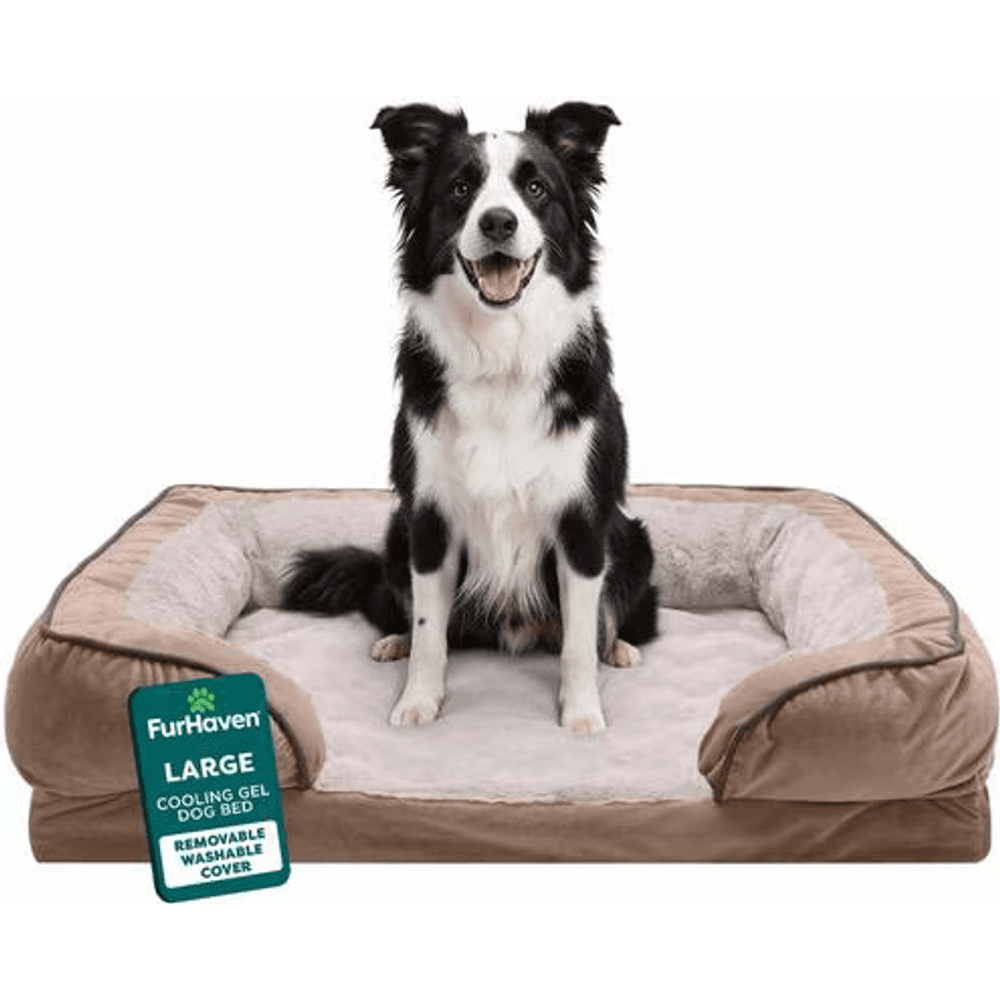
An orthopedic sofa bed with three bolstered sides for dogs who like to rest their head and joints against a cushion. The supportive foam base cradles hips and elbows, a comforting spot for an older or shaky dog to settle.
Petful may earn a commission when you click through to Chewy, at no extra cost to you.

emergency reserve and lifetime scenarios
An emergency reserve or appropriate insurance plan should reflect what the household could pay quickly, not an average bill from the internet. For a middle worksheet, $1,250 at acquisition plus $3,239 in year one and ten later years at $1,900 equals $23,489 over 11 years. The 10-year and 12-year examples above create a source-based span of about $21,232 to $32,218 before inflation and high-variance care. Keep emergency funds or insurance mechanics outside that baseline so the worksheet does not pretend a serious illness is already covered.
Lifetime scenarios should be updated annually. Replace guessed numbers with the dog’s actual food, care, equipment and travel costs, then add an inflation buffer. The goal is not to predict every dollar but to reveal whether the commitment still fits before a crisis forces the decision.
- Emergency reserve or insurance mechanics
Do not let sunk cost trap the decision
A deposit, travel booking or accumulated supplies can make buyers continue after serious warning signs appear. Those costs do not improve missing records or an unsafe source. Review cancellation terms early, preserve communications and be willing to lose a small amount rather than accept a much larger welfare or fraud risk.
Model the cost of time
Exercise, training, grooming, transport and appointment coordination use hours as well as dollars. A household that works long shifts may purchase walking or sitting coverage; another may rearrange paid work. Add those choices to the worksheet because an apparently affordable dog can still exceed the time budget.
Time estimates should include adolescence and illness, not only a settled adult week. If the plan depends on unpaid help, confirm that the person has agreed and can handle a strong sporting dog.
Review the plan once a year
Update food, clinic, insurance, housing and care-service costs with actual receipts. Move optional spending down before cutting safety or medical needs, and rebuild the emergency reserve after use. Annual review turns a one-time estimate into a working ownership plan. Compare forecast and actual totals by category so one unusual bill does not distort every future year. Note which increases are temporary and which should change the permanent monthly contribution.
Current products to price in the worksheet
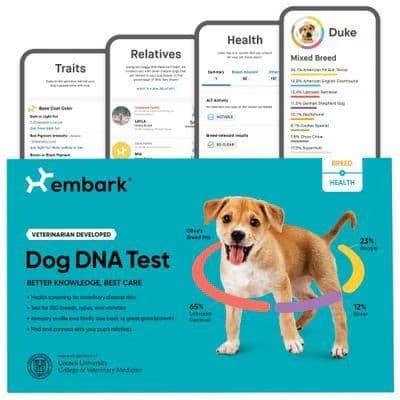
For optional ancestry information on a dog with incomplete records, compare the scope and limits of the Embark Breed & Health Dog DNA Test Kit. The equipment worksheet should include the real price and capacity of the Petlibro Granary WIFI Automatic Cat & Dog Feeder with Camera & 3 Pet Food Desiccant Bags, White, 5-L.
A crate is a major setup line, so measure before pricing the Frisco Heavy Duty Fold & Carry Single Door Collapsible Wire Dog Crate, X-Large. For the rest-area estimate, check the dimensions and washable-cover details of the FurHaven Velvet Waves Perfect Comfort Orthopedic Sofa Cat & Dog Bed with Removable Cover, Brownstone, Large. Record the current price and realistic replacement interval for any item selected. A budget should still work if the dog rejects an accessory or needs a different size.
Related German Shorthaired Pointer guides
- the breed overview for the commitment decision
- the safe puppy-source guide
- the size guide for equipment measurements
- the food guide for portion-based cost
- german shorthaired pointer colors
- german shorthaired pointer temperament training
- do german shorthaired pointers shed
- german shorthaired pointer health lifespan
WebVet feeding-schedule guidance helps convert food choice into a repeatable daily plan, which makes the recurring-cost estimate more accurate. Read WebVet's dog feeding schedule.
The source-quality assumptions follow parent-club and OFA documentation practices; advertised prices remain date-bound examples rather than national promises. Use GSPCA and OFA to understand what responsible health evidence may be included rather than assigning value from advertising language. The August 31, 2026 search capture preserved asking-price context from Lancaster Puppies, Good Dog and Top Gun Kennels. The budget calculations use the AKC large-dog first-year benchmark, AKC puppy budget ranges and the explicitly dated ASPCA 2021 cost worksheet; these benchmarks are planning inputs, not current local quotes.
Frequently asked questions
The August 31, 2026 search snapshot showed an approximately $995 average on Lancaster Puppies and a $1,250 to $1,600 national range on Good Dog. Those figures describe dated marketplace asking prices, not responsible-source guarantees. Collect current written quotes and compare parent screening, clinic care, registration terms, socialization and support beside each amount. The practical next step is to place each German Shorthaired Pointer puppy quote in a four-bucket cost worksheet and label the source-bounded price with its date, location and included services.
A conscientious breeder may be paying for health evaluations, reproductive and veterinary care, appropriate facilities, early development work and lifetime return support. Those inputs can raise a fee, but price alone proves none of them. Buyers should verify each claimed inclusion and both parents' identities. When German Shorthaired Pointers seem expensive, a practical next step is to request the actual screening reports, clinic records and contract support behind the fee rather than paying for prestige wording.
The initial adoption fee is often lower than a breeder purchase; the AKC puppy-budget guide lists a broad $50 to $300 shelter-adoption benchmark. A fee may include a microchip, sterilization or initial clinic work, but services differ by organization. Ask for an itemized handoff record and add transport, training and known medical needs before comparing.
Using the AKC $3,239 large-dog first-year benchmark, the dated $995 puppy-price snapshot produces about $4,234, while a $1,250 to $1,600 purchase produces about $4,489 to $4,839. These are illustrative source-bound calculations, not local quotes. Replace each input with actual equipment, food, veterinary, training and care prices.
The useful reserve is the amount needed to reach and authorize care at the household's actual emergency hospital, not an internet average. Ask local clinics about deposit practices and review insurance reimbursement mechanics before a crisis. Keep the chosen funds accessible rather than tied up in a long-term account.

Coreen Saito is a pet writer and longtime shelter volunteer with more than a decade in animal rescue. She covers cat behavior, breed care, and the small, ordinary science of sharing a life with companion animals, with a particular focus on honest takes about the products and decisions that actually matter. At home in Arizona, she's outranked by Mac (a dog with the loudest opinion in the house), Rebel (a cat who governs by quiet authority), and Meri (an orange tabby who runs the late shift and the laundry basket). She writes about all three, plus the rescues that keep coming through her life, at LifeWithMinty.com.
Sign up for expert-backed reviews and safety alerts all in one place.