German Shorthaired Pointer Size and Growth: Puppy to Full Grown
Use German Shorthaired Pointer height and weight ranges, a puppy growth record and body-condition checks to plan feeding, gear and veterinary follow-up.

Petful is reader supported. As an affiliate of platforms like Amazon and Chewy, we may earn a commission when you buy through links on this page. There is no extra cost to you.
German Shorthaired Pointer size is best judged with adult breed ranges, the individual growth trend and body condition together. The AKC standard lists males at 23 to 25 inches and 55 to 70 pounds and females at 21 to 23 inches and 45 to 60 pounds, with normal overlap and individual variation.
Combine three views of development: breed-range context, the puppy own growth trend and hands-on body condition. No isolated weight or height can show whether a growing dog is appropriately nourished and comfortable.
- 1Measure adult height at the withers on level ground.
- 2Record puppy age and conditions with every weight.
- 3Use ribs, waist, tuck and muscle with the scale number.
- 4Call the veterinarian for pain, weight loss or a broken growth trend.

Sign up for expert-backed reviews and safety alerts all in one place.
Adult German Shorthaired Pointer size
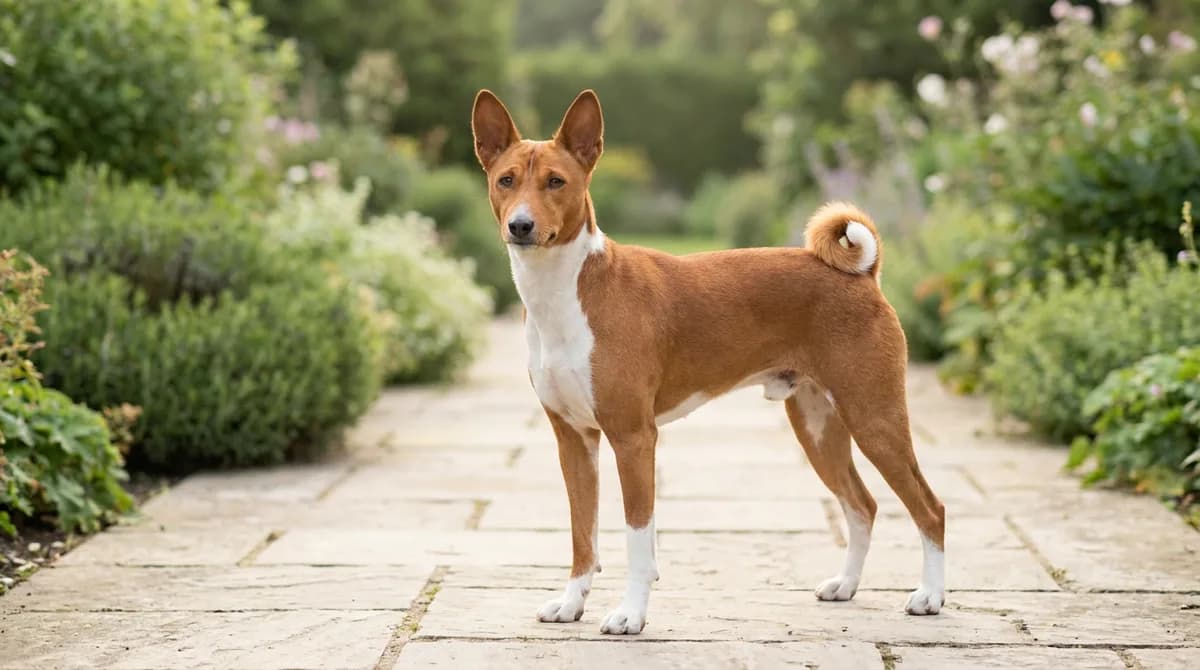
A full grown German Shorthaired Pointer is an athletic medium-to-large dog, not a fixed number. Height is measured at the highest point of the shoulder while the dog stands squarely on level ground. Weight should be interpreted with frame, muscle and body condition.
Measure shoulder height with the dog standing naturally on a level, nonslip surface. The reference point is the withers, not the top of the head. Repeating the measurement in the same setup reduces noise and is more useful than comparing an informal photo with another dog.
GSP size should be measured on the individual dog before fitted equipment is ordered. German Shorthaired Pointer size includes height at the withers, body length, chest shape and condition, while a full-grown weight alone cannot show fit. The adult range helps with planning, but an athletic body condition is the healthier target than the top number on a chart.
- Measure at the withers on level ground
| Measure | How to collect it | Why it matters |
|---|---|---|
| Age | Record exact date or weeks | Keeps comparisons aligned |
| Weight | Same reliable scale and similar conditions | Shows the trend |
| Height | Withers on level ground | Supports adult-size planning |
| Body condition | Ribs, waist and tuck | Separates weight from fatness |
| Muscle condition | Shoulders, spine and thighs | Detects loss hidden by scale weight |
Measure adult height correctly
Height is taken at the withers, the highest point over the shoulder blades, while the dog stands squarely on a level surface. A wall, rigid level and second person can help, but a frightened or crouching dog will not give a useful result. Repeat the measurement rather than forcing perfect posture.

Do not measure to the top of the head. Coat has little effect in this breed, yet stance and floor angle can change the number. Home measurements are suitable for equipment planning and trend notes; formal competition measurements follow the responsible organization's procedure.
Puppy growth and body condition
A growth trend log is more useful than one online chart. Record weight under similar conditions, note food and health changes and have the veterinary team score body and muscle condition. A healthy puppy should grow steadily without being pushed toward the top of a breed range.
A puppy weight should be recorded with age and context. Time since a meal, hydration, scale differences and a recent illness can move the number. A sequence of measurements plus body condition gives the veterinarian more information than a single point circled on an online chart.
German Shorthaired Pointer height is only one part of development. A full-grown German Shorthaired Pointer reflects genetics, sex, nutrition, health and maturity, which is why the question how big are German Shorthaired Pointers has a range rather than one answer. Keep a growth-trend log and review deviations with the veterinary team instead of feeding toward an internet percentile.
- Record age with every weight
Make scale weights comparable
Use the same reliable scale when possible and record the date, age and conditions. A meal, bowel movement, wet coat or different machine can shift a reading without a meaningful body change. Small puppies may be held by an adult and calculated by difference, though clinic scales are better for concerns.
The pattern across several measurements matters more than a single surprising number. Write down food changes, illness and activity alongside weight so the veterinarian can interpret the curve. Avoid frequent anxious weighing that triggers feeding adjustments before a genuine trend exists.
Petful may earn a commission when you click through to Chewy, at no extra cost to you.
Read male and female ranges without stereotypes
The breed standard provides different typical ranges by sex, with males generally taller and heavier. Individuals overlap, and neither sex guarantees a particular frame, energy level or ease of handling. Parent size adds useful context but still cannot calculate an exact adult result.
For household planning, work from the likely range and leave room. A crate, bed or vehicle restraint should fit the mature individual, not a promised average. Re-measure chest and girth repeatedly during adolescence because height alone does not determine equipment size.
A portable bowl should be sized to the outing; one option is the Frisco Silicone Collapsible Travel Bowl with Carabiner, Teal, Small (1.5 cup).
adult height and weight ranges
The adult height and weight ranges are planning guides for equipment and household space. Dogs outside them are not diagnosed by the chart. Parent size, sex, maturity, conditioning and health all influence the final number.
Male and female standards describe typical ranges, not two non-overlapping boxes. A smaller male and larger female can be similar in size. Equipment must therefore be fitted to chest, neck, length and weight rather than ordered from a sex label.
- Track the curve rather than one point
- A puppy needs steady growth and healthy body condition, not extra calories intended to force the top of a chart.
Why online growth charts disagree
Many charts are built from unknown samples, owner reports or smoothed averages. They may combine sexes and bloodlines or compare puppies whose ages differ by several days. A single curve cannot account for illness, neuter timing, parent size, activity and measurement error.
Use a chart only as broad context. The puppy's repeated trend, body condition, muscle and clinical health provide stronger guidance. Feeding extra calories to catch an internet percentile can add fat and orthopedic stress without altering genetically determined height.
Body condition on an athletic short-coated dog
Look from above for a waist behind the ribs and from the side for an abdominal tuck. Then use the hands: ribs should be easy to feel beneath a light covering rather than hidden by thick tissue or sharply protruding. Muscle over the shoulders, spine and thighs adds another dimension that scale weight misses.
A conditioned GSP may appear leaner than a sedentary dog without being underweight. Conversely, visible muscle does not rule out excess fat. Ask the veterinary team to demonstrate body and muscle scoring on the individual so future home checks use the same reference.

Petful may earn a commission when you click through to Chewy, at no extra cost to you.
male and female overlap
Males are usually larger in the standard, but male and female overlap is real. Sex is not a reliable shortcut for energy, trainability or family fit. Measure the individual dog before buying a harness, crate or bed.
Fast growth is not a goal. Feeding extra calories to make a puppy catch up can produce excess body fat without changing genetic adult height. Use a complete growth diet, measured portions and veterinary reassessment when the trend changes unexpectedly.
- Score body and muscle condition
Build a growth trend log
A useful log has columns for date, exact age, weight, height when collected, body condition, appetite, stool, activity and health events. Monthly photographs from the side and above under similar conditions can supplement the numbers. The record should be simple enough to maintain, not an elaborate daily surveillance project.
Bring the log to puppy appointments. A clinician can distinguish a consistently small healthy puppy from a falling curve accompanied by symptoms. The growth trend log also improves portion decisions because changes can be evaluated over time instead of reacting to one hungry day.
Leash length and hardware should match the dog’s strength, including the Frisco Traffic Leash with Dual Padded Handles & Poop Bag Dispenser, Black, 6-ft long, 1 count.
Nutrition supports growth but does not set height
A complete and balanced growth diet supplies nutrients in appropriate relationships. Measure the starting portion, include treats and adjust from condition with veterinary guidance. Extra food cannot safely force a puppy to become larger than its inherited potential, and unneeded supplements can unbalance an otherwise adequate diet.
Appetite can fluctuate with activity, teething or environment, but repeated refusal, vomiting, diarrhea or weight loss needs attention. Make diet transitions gradually unless the veterinarian gives a different plan. Record the product and amount so changes in the growth curve have context.

growth chart limitations
Growth chart limitations include small samples, unknown parent lines and the tendency to compare puppies at slightly different ages. Do not increase food simply to match another puppy. Rapid growth and excess weight can add orthopedic stress.
The short coat makes waist and tuck visible, but the hands still matter. Feel the ribs, spine and muscle over the shoulders and thighs. An athletic GSP can be lean without being underweight, while a heavy dog can still have prominent muscles.
- Measure gear repeatedly during growth
Exercise during growth
Young GSPs need opportunities to move, explore and develop coordination. Favor self-paced play, short walks, sniffing and training on varied safe surfaces. Repetitive distance running, forced high-impact jumping and exercising through fatigue should wait until maturity and conditioning are appropriate.
There is no universal minute formula that fits every puppy. Watch gait, enthusiasm, heat and recovery, and ask the veterinarian about sport preparation. A suddenly shortened stride, persistent limp or reluctance to rise should not be explained away as a growth spurt.
Water-station capacity changes with size and activity; compare the Petlibro Stainless Steel Dog & Cat Fountain, 101-oz.

Petful may earn a commission when you click through to Chewy, at no extra cost to you.
Fit crates, beds and harnesses to the dog
A crate should allow comfortable standing, turning and resting without creating a dangerous amount of unused space during transport. Home confinement may use a divider as the puppy grows. Beds should support the dog's normal sleeping positions and remain washable after outdoor activity.
Harness fit changes quickly across the chest and shoulders. Check for rubbing, restricted movement and looseness every few uses during growth. Product size labels are not standardized, so compare actual measurements with the maker's current chart and return policy.

body condition over scale weight
Athletic body condition matters more than chasing a target weight. Ribs should be easy to feel with a light covering, a waist should be visible from above and an abdominal tuck should be present from the side. A short coat makes these checks easier but does not replace hands-on assessment.
Crate and bed planning should allow the dog to stand, turn and rest comfortably without buying an unsafe cavern for a young puppy. Adjustable dividers and measured dimensions can bridge growth. Recheck harness fit often because chest shape changes during adolescence.
- Avoid feeding toward a target number
When size needs veterinary review
A number alone rarely creates an emergency. Concern rises when a changed curve appears with poor appetite, digestive signs, weakness, a swollen abdomen, pain, lameness or reduced engagement. Sudden weight loss at any age warrants prompt advice, and a rapidly gaining puppy may need portion reassessment.
Bring the timeline, diet label, measured intake and medication or preventive history. Do not begin calorie boosters, calcium or human supplements before the cause is understood. The objective is healthy development, not reaching the center of a breed table.
Adult weight can change without height
Once skeletal growth finishes, a GSP may add muscle through conditioning or fat through excess calories while standing at the same height. Continue waist, rib and muscle checks through adulthood. A stable height therefore does not make the scale irrelevant, and a stable scale can still hide a changed body composition.
Nail tools also need measured, calm handling; one option is the Millers Forge Nail Clipper, Medium.
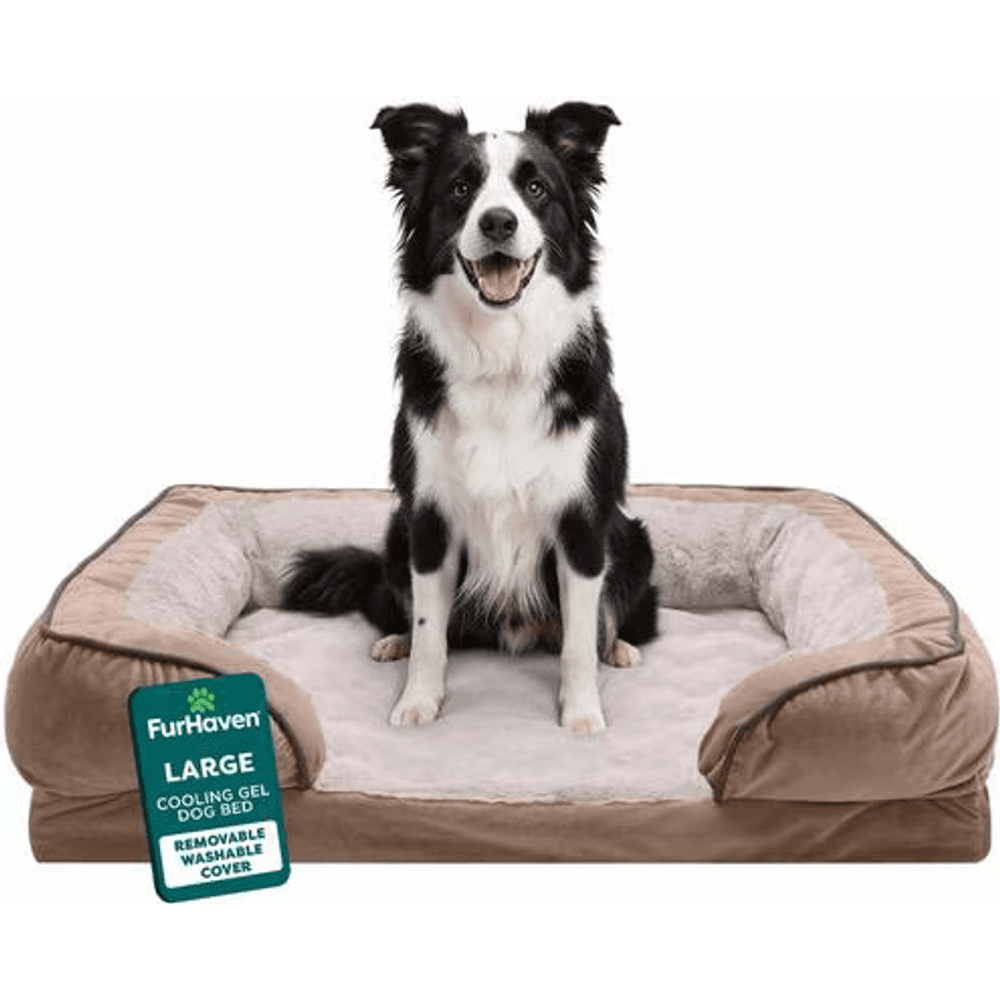
An orthopedic sofa bed with three bolstered sides for dogs who like to rest their head and joints against a cushion. The supportive foam base cradles hips and elbows, a comforting spot for an older or shaky dog to settle.
Petful may earn a commission when you click through to Chewy, at no extra cost to you.

when to call a veterinarian
Call a veterinarian for weight loss, stalled growth, persistent vomiting or diarrhea, marked appetite change, weakness, pain, lameness, abdominal swelling or a sudden body-condition change. A growth chart cannot diagnose disease or prescribe calories.
Growth concerns deserve context. A puppy that is small but bright, eating and tracking its curve is different from one losing weight or showing diarrhea, lameness or fatigue. The latter pattern needs veterinary assessment rather than a calorie experiment at home.
- Note appetite, stool and activity changes
Use size ranges for logistics, not status
A taller or heavier GSP is not automatically better bred, stronger or more capable. Breed ranges help with transport, housing and equipment, while health and function depend on the whole dog. Reject sales claims that turn predicted size into a quality grade without evidence.
Photographs can support the measurement log
Take relaxed side and overhead images on the same surface and at roughly the same distance. They can show changes in waist, posture and muscle that memory misses. Photos should supplement hands-on scoring and veterinary evaluation, not be submitted online as a substitute diagnosis.
Gear that must be remeasured during growth
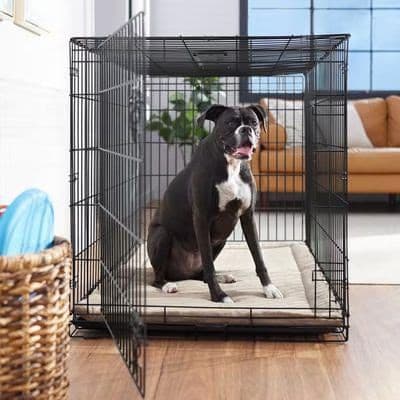
Crate dimensions should follow the measured dog rather than the breed label, including the Frisco Heavy Duty Fold & Carry Single Door Collapsible Wire Dog Crate, X-Large. Chest growth requires frequent harness rechecks; one adjustable option is the PetSafe Easy Walk Dog Harness, Red/Black, Medium/Large.
Measured meals can be scheduled consistently with the Petlibro Granary WIFI Automatic Cat & Dog Feeder with Camera & 3 Pet Food Desiccant Bags, White, 5-L. Bed length and support should be compared with the growing dog, including the FurHaven Velvet Waves Perfect Comfort Orthopedic Sofa Cat & Dog Bed with Removable Cover, Brownstone, Large. Keep the receipts and recheck fit after every visible growth spurt. A crate, harness or bed labeled for the breed can still be wrong for the individual puppy.
Related German Shorthaired Pointer guides
- the breed-standard size context
- the puppy first-year guide
- the ownership-cost worksheet
- the nutrition and portion guide
- german shorthaired pointer colors
- german shorthaired pointer temperament training
- do german shorthaired pointers shed
- german shorthaired pointer health lifespan
WebVet feeding-schedule article provides useful timing context while the veterinarian and food label determine the growing dog’s actual daily ration. Read WebVet's dog feeding schedule.
Adult ranges come from the AKC standard. Growth and body-condition advice is framed as monitoring support, never a diagnosis or a replacement for veterinary assessment. Adult-range context comes from the AKC standard; individual growth and condition questions still belong with the veterinary team.
Frequently asked questions
Most people reasonably describe the GSP as medium-to-large because adults span a substantial height and weight range. The label is less useful than actual measurements when choosing a crate, vehicle setup or harness. Plan for an athletic dog with enough room to stand and turn normally. A practical next step is to measure this German Shorthaired Pointer, keep a growth-trend log when young and use athletic body condition, not the medium-or-large label alone, to guide planning.
The AKC standard places males at 23 to 25 inches at the withers and 55 to 70 pounds. That range supplies breed context, not a feeding target. Judge an adult male's weight alongside frame, muscle and a hands-on body-condition score.
For females, the AKC range is 21 to 23 inches tall and 45 to 60 pounds. Normal individuals overlap with smaller males, and an outlying number is not a diagnosis. Measure the dog herself before purchasing fitted equipment.
Height often approaches its adult level during the first year, but the chest, muscle and overall maturity may continue developing afterward. There is no exact birthday shared by every line. Follow repeated measurements and body condition with the veterinary team rather than forcing a schedule.
Sex, parent size, age, structure and natural variation can produce a healthy smaller dog. What matters is whether the puppy follows its own curve with normal appetite, stool, energy and condition. Stalled development, weight loss or accompanying illness signs warrant a veterinary examination.

Coreen Saito is a pet writer and longtime shelter volunteer with more than a decade in animal rescue. She covers cat behavior, breed care, and the small, ordinary science of sharing a life with companion animals, with a particular focus on honest takes about the products and decisions that actually matter. At home in Arizona, she's outranked by Mac (a dog with the loudest opinion in the house), Rebel (a cat who governs by quiet authority), and Meri (an orange tabby who runs the late shift and the laundry basket). She writes about all three, plus the rescues that keep coming through her life, at LifeWithMinty.com.
Sign up for expert-backed reviews and safety alerts all in one place.