Do German Shorthaired Pointers Shed? Grooming and Coat Care
German Shorthaired Pointers shed short, firm hairs year-round. Learn the weekly brushing, bathing, ear, nail and skin routine that keeps coat care manageable.

Petful is reader supported. As an affiliate of platforms like Amazon and Chewy, we may earn a commission when you buy through links on this page. There is no extra cost to you.
Do German Shorthaired Pointers shed? Yes. The coat is short, but the stiff hairs can cling to fabric and upholstery. Most owners can manage routine shedding with weekly brushing, sensible bathing, nail and ear care and attention to sudden coat or skin changes.
Plan for small stiff hairs on fabric rather than the long tumbleweeds produced by some coated breeds. A calm weekly routine controls loose hair and, more importantly, creates an early-warning check for skin, ear, nail and dental changes.
- 1Yes, GSPs shed short hair throughout the year.
- 2Use gentle weekly brushing instead of scraping the coat.
- 3Check ears, nails, teeth and skin during the same session.
- 4Treat bald areas, odor, pain and severe itching as health signs.

Sign up for expert-backed reviews and safety alerts all in one place.
German Shorthaired Pointer shedding
German Shorthaired Pointer shedding is usually moderate and year-round, with increases linked to season, indoor climate and the individual dog. The short hairs can be less visible in the air than long fur but harder to lift from woven fabric.
Short hair can weave into upholstery and car fabric, so owners sometimes notice cleanup more than visible coat volume. A rubber tool and vacuum attachment suited to the surface often work better than aggressive deshedding blades on the dog.
Do German Shorthaired Pointers shed even with such a short coat? Yes, and the answer is also yes to do GSP shed. German Shorthaired Pointer shedding usually produces small stiff hairs that embed in fabric. Track the normal household baseline so a sudden change accompanied by itch, odor, pain or bare areas is recognized as a health signal.
- Light weekly short-coat brushing
| Step | Action | Stop and investigate |
|---|---|---|
| Coat | Light rubber-mitt pass with hair growth | Pain, sores or bald patches |
| Skin | Look and feel over the whole body | Redness, odor or parasites |
| Ears | Observe flap and canal entrance | Discharge, swelling or head shaking |
| Nails | Check length and paw comfort | Limping or painful handling |
| Teeth | Brief dog-safe brushing practice | Bleeding, broken tooth or facial swelling |
What GSP shedding looks like in a home
The coat is short, but each stiff hair can lodge in woven furniture, fleece, car carpeting and clothing. Owners may notice less airborne fluff than with a long-coated breed while still spending time removing embedded hairs. Coat color and fabric color also change how visible the same amount appears.
Expect some release throughout the year. Individual dogs may have more obvious seasonal changes, and indoor heating or cooling can blur the traditional spring and fall pattern. A normal coat remains evenly covered without painful, inflamed or bare areas.
Choose gentle short-coat tools
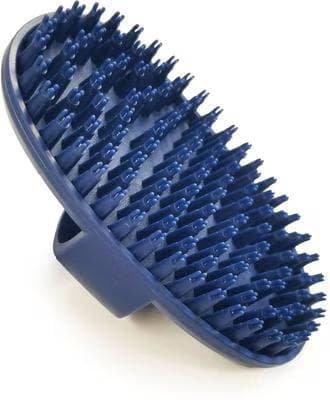
A rubber grooming mitt or soft short-coat brush can lift loose hair while distributing normal skin oils. Work in the direction of growth with light pressure. Sharp rakes and aggressive blades designed for heavy undercoat can scrape skin or break healthy hair when used on the wrong coat.
Let the dog inspect the tool and begin with a few rewarded passes on an easy body area. Stop at redness, flinching or avoidance. A calm, brief session repeated regularly is more useful than a long struggle that makes future skin checks difficult.
Petful may earn a commission when you click through to Chewy, at no extra cost to you.
Grooming and coat care
A ten minute grooming routine can include a rubber grooming mitt or suitable short-coat brush, a skin scan, paw check and reward-based handling. Brush in the direction of growth with light pressure. More force does not remove healthy coat safely.

Brush on a stable surface and let the dog move away between short passes. Check the skin as hair lifts. Redness, crust, fleas, small wounds and tender lumps are easier to notice during calm routine care than after the dog begins scratching intensely.
GSP shedding does not make the breed allergy-free. Searches asking are German Shorthaired Pointer hypoallergenic or German Shorthaired Pointer hypoallergenic need a direct answer: no dog is guaranteed not to trigger allergy symptoms. A ten-minute grooming routine may reduce loose hair in the home, while coat-change warning signs still require veterinary assessment rather than harder brushing.
- Washable bedding and upholstery plan
A ten-minute weekly grooming routine
Begin by looking and feeling over the coat for changes. Brush lightly across the back, sides and chest, then inspect armpits, groin, feet and the areas beneath collars or harnesses. Observe the ear flap and canal entrance, check nail length and finish with brief dog-safe tooth brushing.
Ten minutes is a planning idea, not a deadline. A dog learning cooperative care may need several tiny sessions, while an outdoor dog may require more inspection after a trip. Record anything new so gradual changes do not disappear into memory.
A self-cleaning slicker should be used lightly on short hair; compare the aumuca Self Cleaning Slicker Brush, Green.
Control hair on bedding and furniture
Washable throws and removable bed covers catch hair before it works deeply into upholstery. Vacuum attachments designed for fabric, damp rubber gloves and reusable lint tools can lift short hairs more effectively than dry sweeping. Test any method on a hidden area first.
Cleaning the environment reduces buildup but should not become a reason to overbrush or bathe the dog. If the coat remains healthy, household management is the appropriate response to normal shedding. Frequent intense grooming will not permanently stop the natural hair cycle.
moderate short-hair shedding
Moderate short-hair shedding means owners should expect hair on bedding, clothing and car upholstery. Washable covers, regular vacuuming and brushing outdoors where appropriate are more useful than promises of a no-shed product.
Bath frequency depends on dirt, swimming, skin condition and veterinary instructions. Rinse longer than seems necessary, because shampoo residue can irritate skin. Dry ears and skin folds gently, and wash bedding so the clean dog is not returning to accumulated debris.
- Bathing only as needed
- Bald patches, sores, severe itch, odor, pain or a sudden coat change need veterinary assessment rather than more aggressive brushing.
Bathing without drying the skin
Bathe when dirt, odor or veterinary instructions justify it. Brush loose debris first, use lukewarm water and a dog-appropriate product, and rinse until no residue remains. Dry thoroughly enough for comfort, especially before cold outdoor conditions.
A rigid frequent schedule may irritate a healthy dog, while a prescribed dermatology plan may require more bathing than average. Human shampoo and strongly fragranced products are not automatic substitutes. Persistent smell after a proper bath suggests that skin, ears, mouth or another source should be examined.
Petful may earn a commission when you click through to Chewy, at no extra cost to you.
Ear care after swimming and field work
After water or tall cover, look at the outer ear and canal entrance for moisture, seeds, redness or discharge. Dry the accessible surface gently. Do not push cotton swabs or improvised tools into the canal, and use cleaners only as directed for that dog.
Repeated head shaking, pain, swelling, odor or dark material is not a grooming challenge to solve by scrubbing. Ear problems can worsen and may involve infection, allergy or a foreign body, so arrange veterinary assessment promptly.
A manual nail clipper alternative is the Millers Forge Nail Clipper, Medium.
season and indoor climate effects
Season and indoor climate effects can change the timing and amount of shedding. Heated or air-conditioned homes may blur a simple spring-and-fall pattern. Nutrition, parasites, hormones, stress and disease can also affect coat quality.
Nails influence traction and gait. If nails click constantly on hard floors or push the toes upward, they may need attention. Small frequent trims with rewards are often easier than removing a large amount at once, especially when the quick has grown long.
- Routine nail checks
Nails, paws and traction
Long nails can change paw placement and reduce grip on hard floors. Check them often enough that only small, manageable trims are needed, and pair handling with rewards. A grinder or clipper can work when introduced safely; the better choice is the one the handler can control and the dog accepts.
Inspect pads and between toes after outdoor activity for cracks, thorns, foxtails or raw skin. Sudden licking, limping or swelling deserves attention. Paw care belongs in a shedding article because the weekly coat routine is an efficient time to catch these issues.
Dental care in the grooming calendar
Plaque and gum disease are not prevented by a short coat. Gradually teach lip lifting and tooth brushing with dog-safe toothpaste, rewarding cooperation and keeping early sessions very brief. Chews or dental products should be selected for safety and do not replace examination of a painful mouth.
Broken teeth, bleeding, facial swelling, appetite change or strong persistent breath need veterinary review. Adding teeth to the same weekly checklist reduces the chance that owners focus only on visible hair while missing another routine-care need.

Petful may earn a commission when you click through to Chewy, at no extra cost to you.

weekly brushing routine
A weekly brushing routine removes loose hair and gives the owner a chance to find bumps, redness, parasites or tender areas early. Use a tool that reaches the coat without scraping skin, and stop if the dog becomes uncomfortable.
Healthy ears should not be painful or strongly odorous. Clean only with a product and technique appropriate for the dog, and never use a cotton swab deep in the canal. Pain, discharge, swelling or repeated head shaking needs an examination.
- Gentle ear observation
Normal coat turnover versus skin disease
Normal shedding releases hair from an otherwise comfortable, evenly covered coat. Concern increases with bald patches, crusts, sores, intense scratching, oily or foul-smelling skin, color change, pain or a sudden dramatic shift. Parasites, infection, allergy, endocrine disease and other causes can overlap in appearance.
Photograph the pattern in consistent light and note food, medications, preventives, swimming and seasonal timing. Do not start multiple shampoos, supplements and diet changes at once. A focused veterinary history and examination are more likely to identify the next useful test.
For veterinarian-approved routine ear cleaning, one option is the Virbac Epi-Otic Advanced Ear Cleaner for Dogs & Cats, 4-fl oz bottle.
A practical cleanup and care plan
Place a grooming tool where a calm weekly session is easy, keep washable covers on the dog's preferred resting places and match vacuum attachments to household surfaces. Add reminders for nails, ears and teeth rather than relying on visible mess as the trigger.
This plan accepts that shedding cannot be eliminated. Its goals are comfortable skin, early detection and manageable cleaning. If a product promises to stop natural shedding entirely, treat that claim cautiously and prioritize the dog's condition over a cosmetic result.

bathing nails ears and skin
Bathe when dirty or as directed for a skin plan, using a dog-appropriate shampoo and thorough rinsing. Trim nails before they change gait. Check ear flaps and canals for odor, discharge, redness or pain, but do not push tools deep into the canal.
Dental care belongs in the same weekly system. Tooth brushing with dog-safe toothpaste has stronger value than relying on a mint smell. Start with brief lip and mouth handling, then build duration without forcing a frightened dog.
- Dog-safe dental routine
Nutrition and shedding claims
A complete diet supports normal skin and hair, but no ordinary ingredient can make a healthy dog stop its natural coat cycle. Adding oils or supplements without a defined need can unbalance intake or cause digestive problems. Ask the veterinarian before treating visible hair in the home as proof of a nutrient deficiency.
Petful may earn a commission when you click through to Chewy, at no extra cost to you.
Seasonal notes make patterns clearer
Mark heavier brushing weeks on a calendar and note weather, indoor heating, swimming and preventives. After a year, the household may see a repeatable normal pattern. A change that falls outside that pattern, especially with itch or bare skin, then becomes easier to identify and describe at an appointment.
A dual-ended brush can start the dental-care kit; the library includes the Virbac C.E.T. Dual-Ended Dog & Cat Toothbrush.

abnormal coat-change warning signs
Coat change warning signs include bald patches, sores, intense itching, odor, greasy scale, pain, ear discharge or a sudden major increase in shedding. Normal shedding versus a skin problem cannot be decided from hair quantity alone, so persistent changes need veterinary assessment.
Photograph a new coat change in consistent light and note itch, diet, preventives, medications and timing. That record helps the veterinarian distinguish a seasonal pattern from parasites, infection, allergy, endocrine disease or another cause.
- Parasite prevention plan
Grooming should remain cooperative
Use a non-slip surface, short sessions and food rewards so the dog can participate willingly. Teach a chin rest or station behavior and pause when the dog withdraws. Cooperative care is not indulgence; it improves the quality of skin, ear, paw and mouth observations throughout life.
Check collars and harness areas
Short hair can hide rubbing beneath straps until skin becomes sore. Remove equipment after activity, inspect contact points and confirm that wet material dries before reuse. Persistent redness or broken skin needs a fit change and, when painful or infected, veterinary care. Wash fabric equipment according to its instructions when oil, saliva and dirt accumulate.
Short-coat grooming supplies to compare
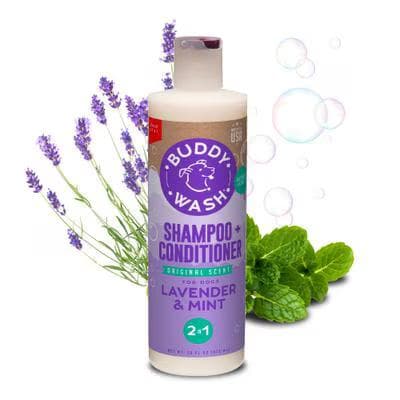
A brush should be gentle on a short coat; compare the fit and wet-or-dry directions for the Four Paws Magic Coat Professional Series All-In-One Wet & Dry Dog Glove & Curry Brush. For occasional bathing, review ingredients and instructions for the Buddy Wash Original Lavender & Mint Dog Shampoo & Conditioner, 16-fl oz bottle.
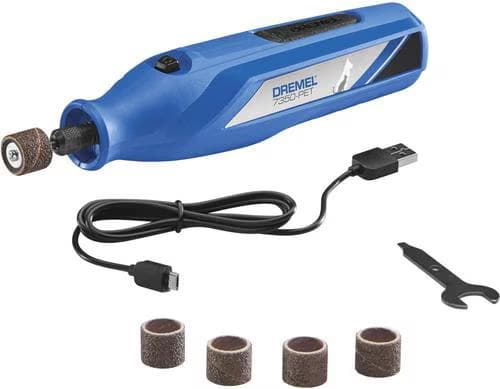
Between baths, a limited cleanup option is the Earth Rated Thick Hypoallergenic 3-in-1 Dog Grooming Wipes, Unscented, 100 count. Owners building cooperative nail care can compare noise and handling with the Dremel 7350-PT Cordless Dog & Cat Rotary Nail Grinder Kit. Choose the least forceful tool that does the job and introduce handling in brief rewarded steps. More blades, pressure or bathing will not solve a medical cause of hair loss.
Related German Shorthaired Pointer guides
- the complete GSP breed guide
- the color and marking decoder
- the health guide for abnormal coat changes
- the food article for complete nutrition
- german shorthaired pointer puppies
- german shorthaired pointer price
- german shorthaired pointer size growth
- german shorthaired pointer temperament training
WebVet explains skin and coat warning signs that can separate routine shedding from itching, redness or hair loss needing veterinary attention. Read WebVet's guide to skin issues in dogs.
The coat description follows the breed standard. Skin and ear warning boundaries are presented as reasons for veterinary assessment, not home diagnoses. Use the AKC coat description for the breed baseline and veterinary assessment for painful, itchy or patchy changes.
Frequently asked questions
Yes. Their short dense coat releases small, firm hairs year-round, with visible increases for some dogs during seasonal transitions or indoor climate changes. Because the hairs embed in upholstery, washable covers and a suitable vacuum tool can matter as much as brushing.
One gentle weekly pass is adequate for many pets, with an extra session when loose hair increases. Choose a rubber mitt or other short-coat tool and work with the direction of growth. Stop if the skin reddens, and use the time to feel for tender areas or lumps.
A normal clean GSP coat should not carry a strong lasting odor. Wet fur, dirty bedding or outdoor adventures can cause temporary smells, while yeasty skin, ear discharge and dental disease need different care. Repeated odor accompanied by itch or pain belongs at the clinic. GSP dogs should not smell strongly when their coat, ears, mouth and bedding are healthy and clean. The practical next step is a ten-minute grooming routine plus a check for coat-change warning signs, ear discharge, dental odor and skin discomfort.
Bathe after genuine dirt or according to a veterinarian-directed skin routine rather than by a rigid calendar. Use a dog-appropriate cleanser, protect eyes and ears, and rinse extremely well. Frequent harsh washing can remove protective oils and irritate an otherwise healthy coat.
A seasonal coat shift or heated indoor air may explain a gradual increase. Abrupt thinning, bare spots, scratching, crusts, odor or discomfort point beyond normal coat turnover. Photograph the area, note preventives and recent changes, and arrange veterinary assessment instead of scraping harder with a tool.

Coreen Saito is a pet writer and longtime shelter volunteer with more than a decade in animal rescue. She covers cat behavior, breed care, and the small, ordinary science of sharing a life with companion animals, with a particular focus on honest takes about the products and decisions that actually matter. At home in Arizona, she's outranked by Mac (a dog with the loudest opinion in the house), Rebel (a cat who governs by quiet authority), and Meri (an orange tabby who runs the late shift and the laundry basket). She writes about all three, plus the rescues that keep coming through her life, at LifeWithMinty.com.
Sign up for expert-backed reviews and safety alerts all in one place.