German Shorthaired Pointer Temperament, Training and Exercise
Understand German Shorthaired Pointer temperament, prey drive, exercise and trainability, with a daily plan for recall, calm behavior, children and other pets.

Petful is reader supported. As an affiliate of platforms like Amazon and Chewy, we may earn a commission when you buy through links on this page. There is no extra cost to you.
German Shorthaired Pointer temperament is commonly energetic, people-oriented, curious and driven to follow scent, but the individual dog is shaped by genetics, health, learning and environment. The training plan should combine physical exercise, mental work, secure management and a deliberately trained off switch.
Translate broad temperament words into observable behavior, triggers and recovery. That makes it possible to select humane management, set a useful training criterion and notice when fear, pain or over-arousal changes the picture.
- 1Expect energy and prey interest without assuming aggression.
- 2Prevent chasing while recall is still developing.
- 3Alternate aerobic work with scent tasks and calm recovery.
- 4Seek medical input for sudden touch sensitivity or irritability.

Sign up for expert-backed reviews and safety alerts all in one place.
German Shorthaired Pointer temperament
Many GSPs are affectionate and eager to join family activity. Young dogs can be exuberant, jumpy or mouthy when aroused. Prey drive, ranging and persistence are normal management considerations, not moral failings and not proof that every dog will behave the same way.
Temperament descriptions should use observable behavior. Friendly might mean loose body movement and voluntary approach, while protective could mean barking at a window. Naming the trigger and response helps owners choose management and training instead of attaching a permanent label.
German Shorthaired Pointer temperament and GSP temperament describe tendencies, not a verdict on one dog. Some readers ask whether German Shorthaired Pointers are aggressive; threat displays require attention to pain, fear, learning history, resources and the immediate trigger. Observe what happened before and after the behavior, create safety and seek qualified help instead of blaming a breed label.
- Name the trigger and observable behavior
| Level | Examples | Training purpose |
|---|---|---|
| Light | Sniff walk, scatter search and mat work | Recovery and calm focus |
| Moderate | Brisk walk, structured retrieve and scent trail | Daily aerobic and mental work |
| High | Conditioned running, field work or swimming | Advanced workload for prepared dogs |
| Skill | Recall, loose leash, place and trade | Safer household freedom |
| Management | Long line, gate and secure fence | Prevents rehearsal before reliability |
Describe behavior before assigning temperament
Words such as stubborn, protective or friendly hide important detail. Record what happened immediately before the behavior, what the dog did with its body, how close the trigger was and how quickly recovery occurred. A dog that freezes when reached for needs a different plan from one that ignores a cue while following scent.
Observable notes also reveal change. If a normally social GSP begins avoiding touch or movement, pain and illness should be considered. Temperament tendencies provide a starting hypothesis, while the individual dog's behavior in context determines the next safe action.
Training and exercise plan
Use an exercise menu by intensity instead of one exhausting daily session. Combine sniff walks, brisk movement, retrieving, scent searches, recall practice, food puzzles and calm mat work. Increase workload gradually and adjust for heat, age, conditioning and health.
A young GSP often needs help moving from excitement to thought. Begin in a low-distraction area, reward orientation to the handler and end while the dog can still succeed. Adding distance, duration and distraction one at a time makes progress easier to read.
German Shorthaired Pointer exercise should develop fitness without replacing learning. German Shorthaired Pointer training should pair an exercise menu by intensity with recall, leash skills, handling and a trained off switch. Anyone asking how to train a German Shorthaired Pointer should begin with management and small successful repetitions, then raise distraction only after the current step is reliable.
- Manage before adding difficulty
Build engagement without constant entertainment
Reward the dog for checking in, following a hand target and choosing proximity during easy walks. These small habits create a communication channel before distractions become intense. Then let the dog sniff and explore as part of the reinforcement rather than requiring nonstop eye contact.
Engagement is not dependence. Practice the dog resting on its own bed, working on an appropriate chew and remaining comfortable when family members move around. A useful companion can alternate shared activity with independent calm instead of demanding a cue or game every minute.

Petful may earn a commission when you click through to Chewy, at no extra cost to you.
Recall around scent and wildlife
Begin where success is highly likely and use rewards the dog genuinely values. Call once, move away and reinforce the full return, including allowing safe sniffing again when possible. A long line prevents access to roads or wildlife while the cue is still being built.

Increase distraction gradually and do not confuse a fenced training result with open-country reliability. Chasing is powerfully reinforcing, so preventing rehearsal matters. If the dog does not respond, reduce difficulty rather than repeating the cue until it becomes background noise.
A pen can create safe separation while training develops; compare the MidWest Wire Dog Exercise Pen with Step-Thru Door, Black E-Coat, 36-in.
people-oriented temperament
A people-oriented temperament can make reward-based training productive, but it can also mean isolation is difficult. Build alone time gradually and teach the dog to relax near household activity without constant entertainment.
Long lines are useful for recall and scent freedom when handled away from roads and snag hazards. They are not retractable guarantees. Wear gloves if appropriate, keep slack managed and avoid attaching a long line to equipment that concentrates force on the neck.
- Reward orientation and recovery
- Use a leash, long line, gate or secure fence before the dog is reliable. Preventing a chase is safer than testing recall where failure has consequences.
An exercise menu by intensity
Light options include decompression sniffing, food searches and relaxed skill work. Moderate choices can include brisk walking, structured retrieves and longer scent trails. High-intensity running, field work or swimming belongs to healthy, conditioned dogs under suitable weather and terrain. Rotate categories instead of using the hardest exercise daily.
Mental demand also has intensity. A new urban environment may exhaust a sensitive dog more than a familiar trail. Evaluate breathing, gait, ability to take food and post-activity recovery. The best menu meets needs without producing soreness, escalating arousal or dependence on ever-greater mileage.
Train a reliable settle after activity
Choose a quiet surface and reinforce any voluntary reduction in movement, then shape lying down and remaining relaxed. Practice after needs are met but before the dog is frantic. Keep the first sessions short and release the dog while success is easy.
Carry the skill to slightly busier rooms, patios and travel settings one step at a time. A mat can become a portable cue, but it is not a command to suppress pain, fear or an urgent bathroom need. A trained off switch depends on appropriate activity, sleep and management around it.
Petful may earn a commission when you click through to Chewy, at no extra cost to you.
prey drive and safe management
Prey drive and safe management require leashes, long lines, secure fencing and careful introductions. Recall is a trained behavior, not a guarantee. Do not test reliability by releasing the dog near roads, wildlife or livestock.
Exercise should include choices that use the nose. A short scent search can tire the brain without adding repetitive joint impact. Retrieve work, hiking and running can be layered in after conditioning, while mat work teaches that activity is followed by recovery.
- Use secure long-line practice
Manage prey drive before granting freedom
Secure fencing, leashes and long lines prevent a dog from practicing dangerous pursuits. Teach orientation, emergency turns and recall in controlled spaces, then add movement at distances the dog can handle. Reward disengagement early, before the body locks into stalking or chase.
No training certificate guarantees safety with small animals. A GSP that lives calmly with one cat may react differently outdoors or around unfamiliar pets. Separate zones remain appropriate when behavior cannot be interrupted reliably, and poultry or small mammals require especially conservative planning.
For supervised household boundaries, one option to measure is the Frisco Steel 8-Panel Configurable Dog Gate and Playpen, 30-in, Black.
Children, visitors and greetings
Use gates or a leash when arrivals predict jumping and spinning. Reinforce four paws on the floor, approaching a target or waiting on a mat, and ask visitors to pause attention until the dog can think. Physical restraint alone may increase frustration if the dog never learns an alternate behavior.
Children should not hug, ride or corner the dog. Provide an adult-supervised interaction and a resting place nobody enters. Freezing, turning away and leaving are requests for space. Respecting them reduces the chance that the dog must escalate to a growl or snap.

daily physical exercise
Daily physical exercise should be purposeful and sustainable. Hard running is inappropriate for an unconditioned dog, a growing puppy or unsafe weather. Watch gait, breathing, recovery and enthusiasm, then reduce intensity when the dog shows fatigue or discomfort.
Punishing a growl removes information without resolving fear or pain. Create distance, prevent access to the trigger and seek qualified help. Sudden irritability, touch sensitivity or reluctance to move needs a veterinary check before it is treated only as a training problem.
- Mix movement with scent work
Other dogs and social expectations
Not every GSP enjoys every dog, and adult sociability can differ from puppy behavior. Introductions work best with space, parallel movement and breaks rather than immediate face-to-face pressure. Look for loose curves and voluntary disengagement, not only the absence of barking.
Dog parks add unknown play styles, health status and weak exit options. Carefully selected partners or structured group settings may be safer. Interrupt mounting, relentless chasing or pinning before conflict, and give both dogs recovery time instead of assuming they will work it out.
During conditioned outings, a portable water choice is the Frisco Silicone Collapsible Travel Bowl with Carabiner, Teal, Small (1.5 cup).
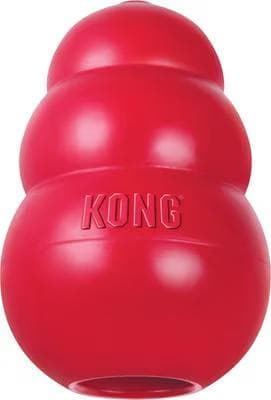
A durable rubber dog toy that can be stuffed with treats and selected by the manufacturer's size guide; supervise use and retire it when damaged.
Petful may earn a commission when you click through to Chewy, at no extra cost to you.
When a training problem may be medical
Sudden irritability, reluctance to jump, disrupted sleep, house-soiling, touch avoidance and a changed gait can have physical causes. A dog in pain may appear stubborn or aggressive because the requested movement hurts. Document timing and arrange a veterinary evaluation before increasing pressure.
Behavior and health can interact. Fear may persist after an injury heals, and chronic discomfort can reduce tolerance. A coordinated plan between the veterinary team and a qualified behavior professional is more humane than treating all unwanted behavior as a choice.

mental work and off-switch training
A trained off switch grows from meeting reasonable needs and reinforcing calm behavior. Place training, scatter feeding, scent games and quiet chewing can help a dog transition from activity to rest. Constant high-intensity exercise can create a fitter dog without teaching calm.
Small animals require conservative planning because pointing and chasing tendencies can be strong. Barriers, leashes and separate zones protect all animals. Even a dog that lives peacefully with one cat may chase an unfamiliar animal outdoors.
- Teach a calm mat behavior
Measure progress by recovery
A dog has not mastered a situation merely because it completed a cue once. Track how much distance was needed, whether rewards were accepted, how quickly breathing and movement softened, and what happened afterward. Faster recovery at the same difficulty is meaningful progress.
Keep a small log for recurring challenges such as visitors, wildlife or alone time. Change only one variable when possible. If the dog stops improving or risk increases, step back and obtain help rather than testing a harder scenario to see what happens.
Select a qualified training professional
Ask how the trainer handles fear, growling, recall failure and mistakes, and observe whether rewards, management and gradual exposure are central. Credentials and experience should be explained clearly. Avoid anyone promising guaranteed behavior or using pain and intimidation as the default response to an energetic sporting dog.
For consistent measured feeding after activity, the library includes the Petlibro Granary WIFI Automatic Cat & Dog Feeder with Camera & 3 Pet Food Desiccant Bags, White, 5-L.
Petful may earn a commission when you click through to Chewy, at no extra cost to you.

children dogs and small-pet introductions
Children, dogs and small-pet introductions should be supervised and staged. Use distance, barriers and brief sessions. Do not allow chasing, hugging, crowding food or forcing contact. A qualified professional can help when there is fear, guarding or predatory behavior.
Progress is visible when the dog can recover, not only when it can perform while aroused. Track how quickly breathing, movement and attention return to baseline after play or a trigger. That recovery measure helps owners choose the next training difficulty.
- Supervise child and pet interactions
Keep household cues consistent
Decide where the dog rests, how doorways work and which words release food, recall or end play. Family members can have different relationships while using the same safety rules. Inconsistency is especially costly when one person allows chasing, jumping or gate rushing that another person is trying to prevent.
Reinforcement should fit the situation
Food, play, access to scent and permission to move can all reinforce behavior. Match the reward to the difficulty and deliver it promptly. In a high-distraction setting, ordinary kibble may not compete with wildlife, which signals that distance or reward value should change rather than that the dog is deliberately defiant.
Tools for controlled practice and decompression
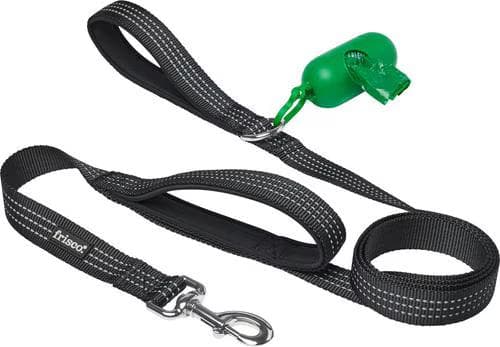
For controlled movement during early training, compare measured fit with the PetSafe Easy Walk Dog Harness, Red/Black, Medium/Large. A standard leash used away from long-line sessions is the Frisco Traffic Leash with Dual Padded Handles & Poop Bag Dispenser, Black, 6-ft long, 1 count.
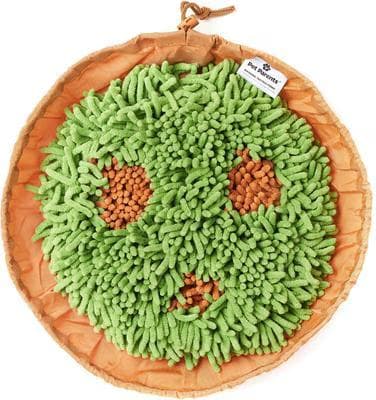
Food-stuffable enrichment can support calm recovery when used safely; one option is the KONG Classic Dog Toy, Large. For low-impact scent and foraging work, consider the Pet Parents Forager Snuffle Mat & Slow Feeder Dog Bowl, Meadow Natural. Use barriers and leashes to prevent unsafe rehearsal, then reward the behavior the dog should repeat. No tool should tighten, frighten or overpower the dog into appearing calm.
Related German Shorthaired Pointer guides
- the main household-fit profile
- the puppy training foundation
- the adult-size and body-condition guide
- the health page for behavior changes
- german shorthaired pointer price
- german shorthaired pointer colors
- do german shorthaired pointers shed
- best food for german shorthaired pointers
WebVet dog-body-language article adds a visual vocabulary for loose, worried and defensive signals during training and introductions. Read WebVet's dog body language guide.
Breed tendencies are grounded in national parent-club and AKC descriptions, while all training recommendations remain reward based and bounded by the individual dog’s behavior. The GSPCA breed material and AKC overview describe working tendencies, but training choices must follow the behavior the owner can actually observe.
Frequently asked questions
A GSP may be a poor match for someone unable to provide frequent physical activity, scent-based enrichment and consistent boundaries. Chasing, impulsive greetings, separation distress or household destruction can emerge when needs and management do not line up. The adolescent period is commonly more work than the sleek adult image suggests. A practical next step is to compare those German Shorthaired Pointer disadvantages with an exercise menu by intensity and a trained off switch, then decide whether the household can sustain both.
They can live beautifully indoors when activity is paired with explicit settle training. Alternate outings and nose work with predictable naps, a quiet mat and reinforcement for relaxed choices. Merely exhausting the dog creates an athlete; it does not automatically teach peace around ordinary household movement. German Shorthaired Pointers become better house dogs through practiced routines. A practical next step is to reward a quiet mat settle after an appropriate outing instead of waiting for exhaustion.
Some are alert barkers or become noisy around wildlife, windows and departures, but the pattern is individual. Record when it happens, block rehearsed triggers and reward the first quiet pause. Persistent vocalizing during absences may call for a gradual separation plan rather than a correction. If pointers bark a lot in one setting, a practical next step is to change access to that trigger, reinforce the first quiet pause and document whether recovery is improving.
A GSP may show a favorite relationship while still forming strong attachments to several household members. Shared walks, feeding, play and training help distribute trust and practical handling. Clinging to one person with distress on separation is different from ordinary affection and deserves a specific plan. When a GSP bonds strongly to one person, a practical next step is to distribute walks, meals, play and calm handling among trusted household members without forcing interaction.
Maturity often reduces some youthful chaos, yet most remain active sporting dogs. Owners can accelerate livability by reinforcing a downshift after exercise, protecting sleep and practicing low-arousal behaviors before the dog is overexcited. A sudden loss of energy is a medical sign, not welcome training progress. GSP dogs can calm down without becoming inactive. The practical next step is to schedule recovery, reinforce relaxed choices and investigate a sudden energy drop as a possible health change.
A fit adult usually requires substantial movement plus thinking work each day, but minutes alone are a poor prescription. Condition, age, weather and health set the safe dose. Combine aerobic outings with sniffing, retrieving, training and recovery, increasing strenuous work gradually.

Coreen Saito is a pet writer and longtime shelter volunteer with more than a decade in animal rescue. She covers cat behavior, breed care, and the small, ordinary science of sharing a life with companion animals, with a particular focus on honest takes about the products and decisions that actually matter. At home in Arizona, she's outranked by Mac (a dog with the loudest opinion in the house), Rebel (a cat who governs by quiet authority), and Meri (an orange tabby who runs the late shift and the laundry basket). She writes about all three, plus the rescues that keep coming through her life, at LifeWithMinty.com.
Sign up for expert-backed reviews and safety alerts all in one place.