Aussiedoodle Health Issues: A Vet Guide to Risks
A veterinary guide to Aussiedoodle health issues: what the Australian Shepherd and Poodle sides each contribute, MDR1 drug sensitivity, double merle risk, lifespan by size, and the screening panel to demand from a breeder.

BVMS, MRCVS
Petful is reader supported. As an affiliate of platforms like Amazon and Chewy, we may earn a commission when you buy through links on this page. There is no extra cost to you.
Aussiedoodle health issues trace back to two parent breeds with very different problem lists, and the Australian Shepherd side contributes one that almost no breed guide mentions: the MDR1 mutation, a drug sensitivity fault that the Washington State University College of Veterinary Medicine has documented across herding breeds, with reported carrier rates in Australian Shepherds commonly landing between one in five and one in three dogs tested. Cross that dog with a Poodle and the puppy can inherit it, which means a routine dose of a common antiparasitic, sedative, or antidiarrheal can turn into a neurological emergency in a dog whose owner was never told to ask for a test.
I have written this as the conversation I have in the consulting room with two kinds of people: the buyer deciding whether to put a deposit on a litter, and the owner who already has the dog and wants to know what to watch for. It covers what each side of the cross contributes, the joint and eye conditions that actually walk through the door, the merle problem that turns a color preference into a welfare issue, realistic lifespan numbers by size, and the exact screening paperwork a responsible breeder should already have on file.
Because the Aussiedoodle is a first-generation or later cross rather than a closed breed, its risk profile is not a single fixed list. It is the overlap of two lists, filtered by which genes a particular litter happened to draw. That is good news and bad news at once, and the sections below separate the two honestly rather than selling you hybrid vigor as a guarantee. If you are still getting to know the cross itself, start with our full Aussiedoodle breed guide and treat this page as the clinical deep dive that sits underneath it.
- 1The Aussiedoodle inherits risk from both sides: MDR1 drug sensitivity, merle-linked deafness and blindness, hip and elbow dysplasia, and eye disease from the Australian Shepherd, plus bloat, sebaceous adenitis, Addison's disease, and its own retinal disease from the Poodle
- 2MDR1 is the single most actionable finding, because one cheek swab test tells your vet which drugs are unsafe for the rest of your dog's life
- 3Merle to merle breeding produces double merle puppies with a high rate of deafness and blindness, and no reputable breeder makes that pairing
- 4Standard Aussiedoodles typically live 10 to 12 years and mini Aussiedoodles 12 to 15 years, with screened parents being the strongest predictor of the upper end
- 5Ask for the named screening panel and the certificate numbers before you pay a deposit, not after

Sign up for expert-backed reviews and safety alerts all in one place.
Common Aussiedoodle Health Issues
Aussiedoodles are generally healthy dogs, but they are not problem-free, and the honest answer to whether they have a lot of health issues is that they carry a moderate, well-defined set of inherited conditions drawn from both parent breeds rather than an unusually long list. Most Aussiedoodles from screened parents live a full life with nothing worse than an ear infection. The dogs that struggle are overwhelmingly the ones whose parents were never tested, because every condition below is either screenable, testable, or preventable at the breeding stage. That distinction, tested parents versus untested parents, predicts more about your dog's future than the cross itself does.
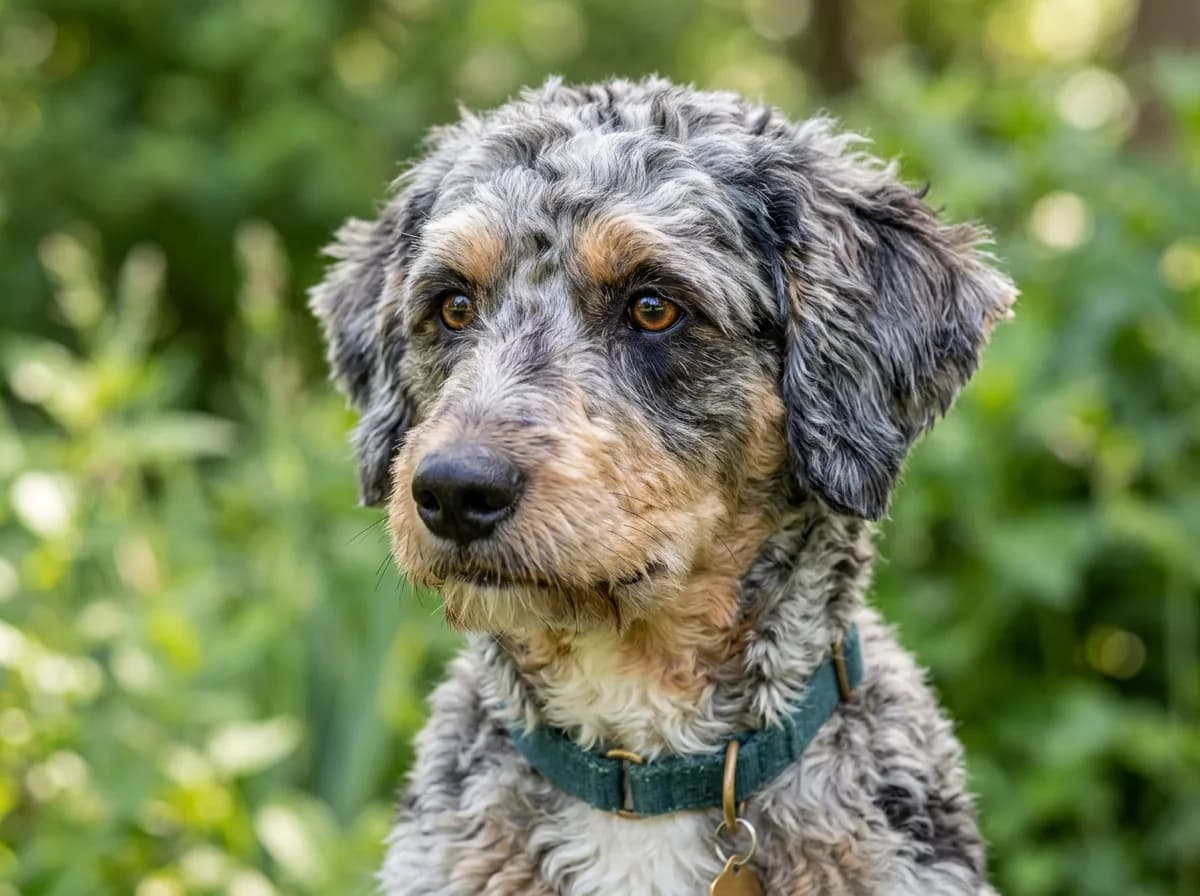
Whether you spell it aussiedoodle health issues or aussie doodle health issues, this is the working list I run through at a first puppy appointment. These are the inherited conditions seen in the breed, drawn from both parent breeds:
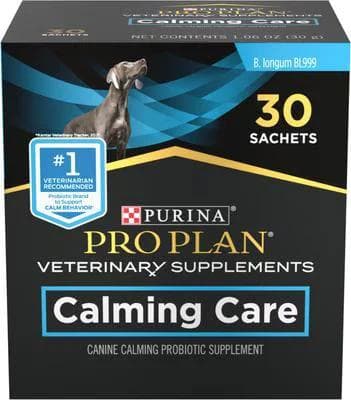
A vet-recommended probiotic supplement that helps dogs manage anxious behaviors and stay calm during stressful events like fireworks.
Petful may earn a commission when you click through to Chewy, at no extra cost to you.
- MDR1 (ABCB1) drug sensitivity, inherited from the Australian Shepherd, causing severe reactions to specific drug classes.
- Hip dysplasia and elbow dysplasia, malformation of the joints that leads to early arthritis and lameness.
- Progressive retinal atrophy, an inherited retinal degeneration that both parent breeds can carry.
- Hereditary cataracts, clouding of the lens, sometimes appearing in young adults rather than seniors.
- Congenital deafness and eye defects in double merle dogs, produced by merle to merle breeding.
- Idiopathic epilepsy, recurrent seizures with no identifiable underlying cause, documented in both parent breeds.
- Atopic dermatitis and food allergy, chronic itch with recurrent ear and skin infections.
- Hypothyroidism, an underactive thyroid causing weight gain, coat loss, and recurrent infections.
- Gastric dilatation volvulus (bloat), a surgical emergency in deep-chested standard-sized dogs.
- Sebaceous adenitis, an inflammatory skin disease of the Standard Poodle line.
- Addison's disease (hypoadrenocorticism), over-represented in Standard Poodles and easily mistaken for a vague gut upset.
- Patellar luxation and dental crowding, more relevant at the miniature and toy end of the cross.
The aussiedoodle problems that genuinely change a dog's life are a much shorter list than the one above. In practice, the four that account for most of the suffering I see are untested MDR1 status, hip dysplasia in a fast-grown standard, chronic allergic skin disease, and double merle sensory loss. Everything else is either uncommon, manageable, or picked up early on a routine exam.
Mini aussiedoodle health issues follow the same template with two shifts in emphasis. Bloat risk drops sharply because the chest is shallower, while patellar luxation, dental crowding, and retained baby teeth become more relevant, all inherited from the Miniature or Toy Poodle side of the pairing. The MDR1, merle, and retinal risks do not shrink with body size, because they are gene-level problems and have nothing to do with how big the dog grows.
- Crossing two breeds reduces the odds of a puppy inheriting two copies of the same recessive fault, which genuinely lowers risk for conditions like progressive retinal atrophy. It does nothing for conditions both parent breeds share, and nothing at all for dominant or complex traits like merle or hip dysplasia. Treat it as a modest statistical advantage, never as a reason to skip testing.
If you want the short version of which conditions come from the Australian Shepherd side versus the Poodle side, the split is clean enough to memorize. The Australian Shepherd side supplies the gene-level faults: MDR1 drug sensitivity, the merle pattern and its sensory defects, Collie Eye Anomaly, and hereditary cataract. The Poodle side supplies the structural and immune-mediated problems: sebaceous adenitis, Addison's disease, bloat in the deep-chested standards, and von Willebrand disease. A third group sits on both sides at once, and that is the group the cross does nothing to protect against.
- Australian Shepherd side only: MDR1 (ABCB1) drug sensitivity, merle and double merle sensory defects, Collie Eye Anomaly, HSF4 hereditary cataract, multifocal retinal dysplasia, iris coloboma.
- Poodle side only: sebaceous adenitis, Addison's disease, gastric dilatation volvulus in the deep-chested standard lines, von Willebrand disease type I, patellar luxation and dental crowding from the miniature and toy lines.
- Both sides, so the cross gives no protection at all: hip and elbow dysplasia, progressive retinal atrophy (prcd form), idiopathic epilepsy, hypothyroidism, and allergic skin disease.
 Sponsored
Have a health question about your pet?
Talk to a licensed vet at Dutch over video or message, including nights and weekends.
Use code Pets30
Plans start at $11/month · covers up to 5 pets
- Licensed vets in most states
- Rx for 150+ conditions
- 4.7 on Trustpilot
What the Australian Shepherd Side Brings
The Australian Shepherd contributes the most distinctive part of the Aussiedoodle's risk profile, and it is the part buyers know least about. Alongside MDR1, the breed carries the merle coat pattern and its associated sensory defects, Collie Eye Anomaly, hereditary cataract linked to the HSF4 gene, multifocal retinal dysplasia, and a documented tendency toward idiopathic epilepsy. Hip and elbow dysplasia are also present in the breed at rates that justify formal screening of both parents. Australian Shepherds additionally have a documented predisposition to certain cancers, including lymphoma and hemangiosarcoma, though these are old-age concerns rather than puppy-buying decisions. Our Australian Shepherd parent breed profile covers the herding side of the family in full, and it is worth reading before you commit to a litter, because everything in this section starts there.
What the Poodle Side Brings
The Poodle is often sold as the healthy half of any doodle cross, which is a comfortable story and not an accurate one. Standard Poodles carry a well-documented set of problems of their own:
- Sebaceous adenitis, an immune-mediated destruction of the skin's oil glands, producing scaling, follicular casts, and symmetrical hair loss along the topline. It is diagnosed on skin biopsy, not by a DNA test.
- Addison's disease, in which the adrenal glands underproduce cortisol and aldosterone. It is a great mimic, presenting as intermittent vomiting, lethargy, and poor appetite before it becomes a collapse emergency.
- Gastric dilatation volvulus, because the Standard Poodle's deep, narrow chest places it among the higher-risk breeds for bloat.
- Progressive retinal atrophy (prcd form), which the Poodle shares with the Australian Shepherd, meaning both parents can contribute the same recessive fault.
- Idiopathic epilepsy, also present on the herding side, making seizures one of the few risks the cross does not dilute.
- Von Willebrand disease type I, an inherited clotting disorder that matters most on the day your dog needs surgery.
- Patellar luxation, primarily from the Miniature and Toy Poodle lines used to make smaller Aussiedoodles.
Note the overlap. Progressive retinal atrophy and epilepsy appear on both lists, and that is exactly where the hybrid vigor argument fails. When both parent breeds carry the same recessive gene, crossing them does not protect the puppy at all, which is precisely why DNA testing both parents matters more in this cross than in a purebred litter where the breeder already knows the family history.
The MDR1 Mutation: The Aussiedoodle Risk Almost Nobody Screens For
MDR1, now more properly called ABCB1, is a gene that builds a transport protein called P-glycoprotein. That protein sits in the blood-brain barrier and acts as a bouncer, pumping certain drug molecules back out of the brain before they can accumulate. A dog with two faulty copies of the gene has no working bouncer. Ordinary doses of ordinary drugs cross into the central nervous system, build up, and produce tremors, disorientation, blindness, seizures, coma, and in the worst cases death. Almost no other Aussiedoodle guide explains this mechanism or names the drugs involved, which is exactly why it is worth understanding before your dog ever needs treatment.
The mutation is a deletion in the ABCB1 gene that originated in the herding dogs of the British Isles, which is why it turns up in Collies, Border Collies, Shetland Sheepdogs, and Australian Shepherds. Because the Aussiedoodle takes half its genome from an Australian Shepherd, it can inherit the deletion directly. Poodles do not carry it, so a puppy can be at most a carrier if only the Aussie parent has one copy, but a second-generation or backcross Aussiedoodle with Australian Shepherd on both sides of the pedigree can absolutely be affected. Washington State University's College of Veterinary Medicine remains the primary reference on this mutation and its clinical management, and their veterinary pharmacology group is where the test was developed. You can read their current guidance at the WSU College of Veterinary Medicine.
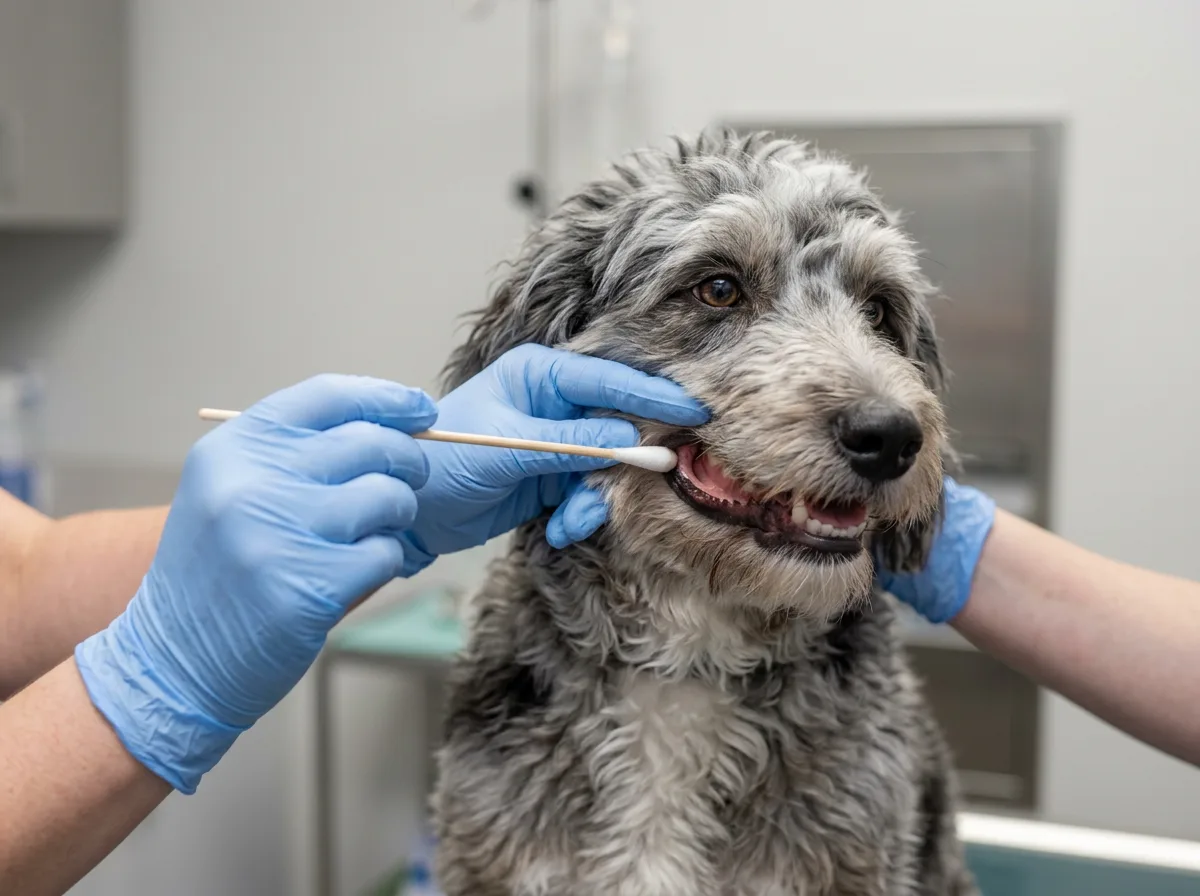
- The MDR1 test is a simple cheek swab test you can do at home or at your vet clinic, and the result is permanent. Ask for it before your puppy's first sedation, first dental, or first high-dose parasite treatment, and put a copy of the genotype in the front of your dog's file so any emergency clinic sees it immediately.
MDR1 drug-sensitivity testing is the one test on this page you can arrange yourself, and it is worth doing even when a breeder has skipped it. Washington State University's Program in Individualized Medicine mails a cheek swab kit, you brush the inside of the cheek for about twenty seconds, and the laboratory returns the genotype in roughly a week. That single result tells your veterinary team the specific drugs affected in your particular dog, in advance, instead of forcing a guess during an emergency when there is no time to test.
- Put the MDR1 genotype on the front of your dog's record and repeat it at every emergency clinic, referral hospital, groomer, and boarding kennel. An affected dog is safe on monthly heartworm preventives given at the label dose, but a single owner-administered loperamide tablet for diarrhea can cause neurological toxicity. If the status is unknown, ask your vet to treat the dog as affected until a test result says otherwise.
This is the exact gap in every other Aussiedoodle page currently ranking for this query. Not one of them explains the MDR1 mutation the Aussiedoodle inherits from the Australian Shepherd, and not one names the specific drugs that are dangerous in an affected dog. So, plainly: the mutation is a gene deletion carried on the herding side, a Poodle cannot contribute it, and the drugs that matter most are high-dose macrocyclic lactones such as ivermectin, loperamide, acepromazine, butorphanol, and the vinca and anthracycline chemotherapy agents including vincristine, vinblastine, and doxorubicin.
The Affected Drug Classes
An MDR1-affected dog does not react to everything. The problem is confined to drugs that P-glycoprotein normally pumps out of the brain. These are the affected drug classes your vet needs to know about before prescribing:
Petful may earn a commission when you click through to Chewy, at no extra cost to you.
- Macrocyclic lactone antiparasitics at high doses, including ivermectin, milbemycin oxime, moxidectin, and selamectin. Routine monthly heartworm preventives at label dose are considered safe even in affected dogs. The danger comes from the far larger doses used for demodectic mange, off-label parasite protocols, or accidental ingestion of livestock ivermectin paste.
- Loperamide, the over-the-counter antidiarrheal. This one causes real harm because owners give it themselves without asking. Never give it to an untested Aussiedoodle.
- Acepromazine, a common sedative and pre-anesthetic, which produces profound and prolonged sedation in affected dogs.
- Butorphanol, an opioid analgesic used in sedation and anesthetic protocols.
- Chemotherapy agents, particularly the vinca alkaloids vincristine, vinblastine and vinorelbine, plus doxorubicin, which need dose adjustment and specialist oversight in affected dogs.
- Sedatives and analgesics including acepromazine and butorphanol, which affected dogs metabolise differently and which are usually given at a reduced dose or substituted.
Three genotypes come back from the laboratory, and each carries a different instruction. Normal/normal means no dose adjustment is needed. Normal/mutant, the carrier state, means intermediate sensitivity and a sensible reduction in dose for the drugs above. Mutant/mutant means the affected state, where the listed drugs are avoided outright or replaced with alternatives. Carriers matter clinically, so a breeder telling you a parent is "only a carrier" has told you something meaningful, not something dismissible.
Hip and Elbow Dysplasia in Aussiedoodles
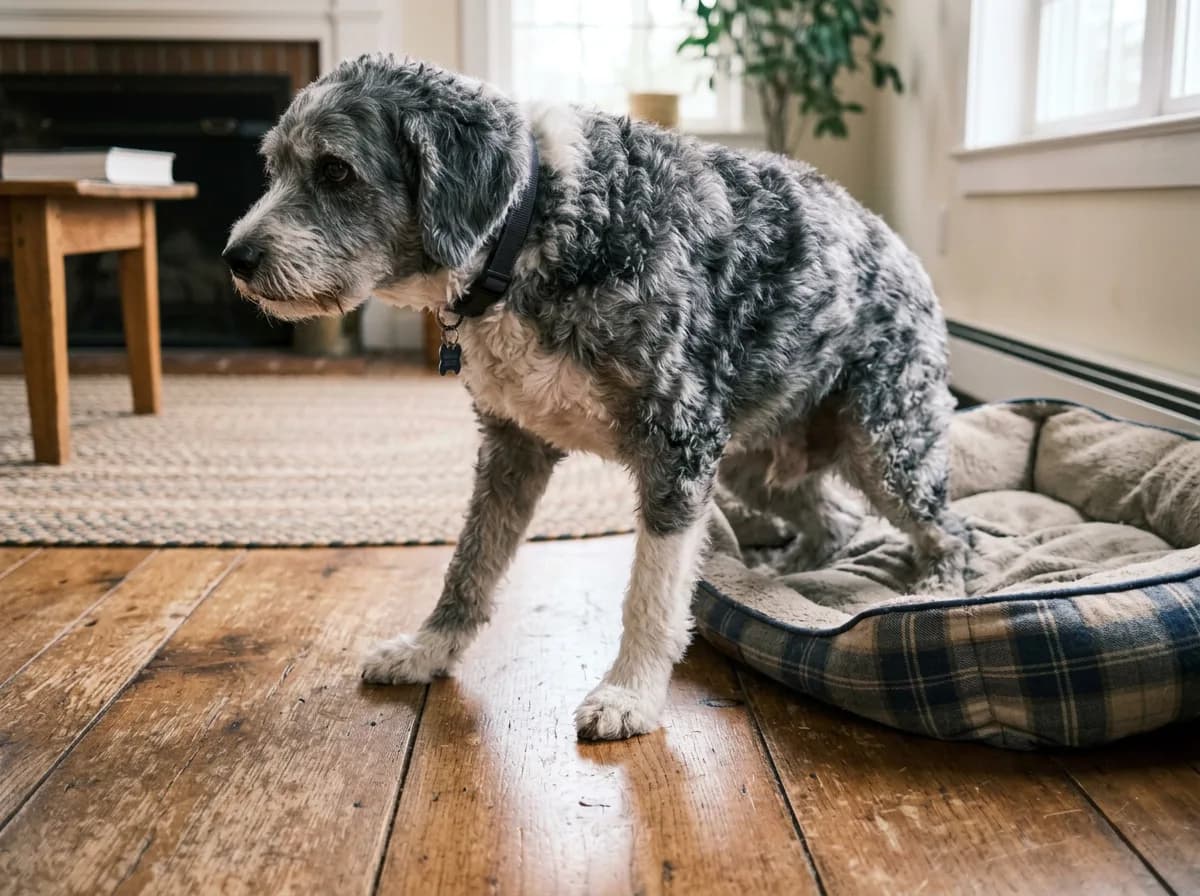
Hip dysplasia is a developmental malformation where the ball of the femur and the socket of the pelvis do not fit together correctly. The looseness allows abnormal movement, cartilage wears prematurely, and the joint develops arthritis, often long before the dog is elderly. Elbow dysplasia is the same idea at the front end, usually driven by fragmented coronoid process, ununited anconeal process, or osteochondritis dissecans. Both conditions appear in the Australian Shepherd and in the Standard Poodle, so this is another risk the cross does not dilute.
The signs owners notice first are rarely dramatic. Watch for:
- A bunny-hopping gait where both hind legs move together at speed.
- Reluctance to jump into the car or onto furniture the dog used to manage easily.
- Stiffness after rest that eases once the dog warms up.
- Sitting with one leg kicked out to the side rather than tucked.
- A narrow, swaying hind end, or forelimb lameness that worsens after exercise.
- For a dog already showing changes, vets commonly add a joint supplement with glucosamine and chondroitin alongside weight control and controlled exercise.
The screening system is where a buyer gains real leverage. The Orthopedic Foundation for Animals disease database is the issuing body for hip and elbow certification in the United States, and its certificates are public. An OFA hip evaluation grades the joints as Excellent, Good, or Fair, all of which pass, or Borderline, Mild, Moderate, or Severe, which do not. Final OFA certification requires the dog to be at least 24 months old, so a breeder showing you a "preliminary" result on an 11-month-old dog has not given you a final certificate. Elbows are graded Normal or as grades I, II, and III. PennHIP is the alternative system, reporting a distraction index that measures joint laxity numerically and can be performed from 16 weeks.
- A preliminary OFA result on a young dog is useful screening information for a breeder, but it is not a certification. Ask for the final hip and elbow numbers on both parents, taken at 24 months or later, and look them up yourself in the public OFA database rather than accepting a photograph of a certificate.
Management for a diagnosed dog is more effective than most owners expect. Keeping the dog genuinely lean is the single highest-impact intervention, because every extra pound loads an already unstable joint. Controlled lead exercise, physiotherapy, hydrotherapy, joint-supportive diets, omega-3 supplementation, and appropriate anti-inflammatory medication all buy comfort and years. Surgical options range from femoral head ostectomy in smaller dogs to total hip replacement in larger ones, and outcomes are generally good when the case is selected properly.
How Adult Size Changes Joint Risk
Adult size is not a health topic in itself, but it changes the odds on two of the conditions above. A full grown Aussiedoodle at the standard end of the range loads its hips and elbows far harder during growth than a mini does, and its deeper chest raises bloat risk substantially. A larger dog also grows for longer, which extends the window in which over-exercise on hard surfaces or an over-rich growth diet can damage developing joints. If you are still choosing between size classes, our guide to Aussiedoodle size and weight by age has the full growth curves and the adult aussiedoodle size ranges for toy, mini, and standard, and this page uses size only to frame the clinical consequences.
Eye Disease: Progressive Retinal Atrophy and Cataracts
Eye disease is the risk category where the Aussiedoodle's dual ancestry hurts most, because both parent breeds contribute retinal problems. Progressive retinal atrophy is a group of inherited diseases in which the photoreceptor cells of the retina degenerate, causing gradual and irreversible blindness. The form relevant here is progressive rod-cone degeneration, the prcd form, which is inherited as an autosomal recessive and is present in both Poodles and Australian Shepherds. There is no treatment, but there is a DNA test, and because the disease is recessive, a single tested clear parent removes the risk of an affected puppy entirely.
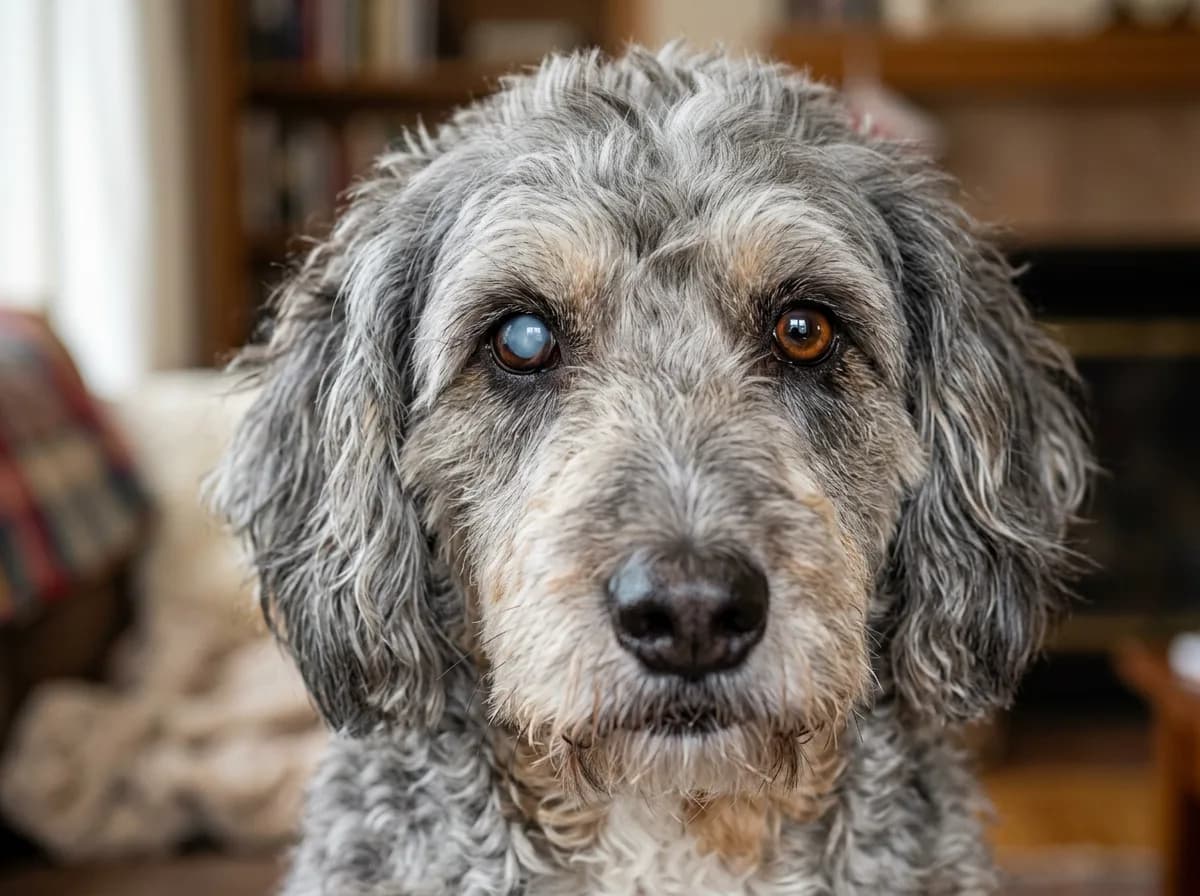
Night blindness is usually the first thing owners notice, often months before daytime vision is obviously affected. Watch for:
- Hesitating at the top of unlit stairs, or refusing them altogether after dusk.
- Bumping into furniture in a dim room while navigating the same room perfectly in daylight.
- Growing reluctance to go out into the garden after dark.
- Pupils that look unusually large and reflective, because they stay dilated trying to gather light.
Cataracts are the second major concern. A cataract is an opacity of the lens, and while age-related cataracts are common in every breed, the Australian Shepherd carries a mutation in the HSF4 gene associated with hereditary cataract that can appear in young adult dogs. Standard Poodles also develop juvenile cataracts. Unlike retinal atrophy, cataracts are surgically treatable, and phacoemulsification with lens replacement restores useful vision in well-selected cases.
The herding side adds two more eye conditions worth naming, and both belong on the screening list:
Hide capsules in a soft, chicken-flavored treat your dog actually wants. Vet-recommended, with real chicken as the #1 ingredient.
Petful may earn a commission when you click through to Chewy, at no extra cost to you.
- Collie Eye Anomaly, a congenital defect of the choroid and retina that ranges from a mild, non-progressive lesion to retinal detachment and blindness. It is DNA-testable and also detectable on a puppy eye examination at five to eight weeks.
- Iris coloboma, a hole in the iris that impairs the eye's ability to control how much light reaches the retina. It is associated with the merle gene and is documented in Australian Shepherds.
- Sterile eye wash pads are useful for clearing discharge around an ageing eye, though they treat nothing and never replace an ophthalmology referral.
- DNA tests only cover the mutations that have been identified. A yearly examination by a board-certified veterinary ophthalmologist, filed with the OFA Eye Certification Registry, catches the conditions that no DNA test exists for. Breeders who do this for their breeding stock are a meaningfully different tier from those who do not.
Double Merle Aussiedoodles: Deafness and Blindness Risk
The merle aussiedoodle is one of the most sought-after looks in the breed, and the blue merle aussiedoodle with its marbled gray-and-black coat commands the highest prices in most litters. The pattern comes entirely from the Australian Shepherd parent, since Poodles do not natively carry merle. Merle is an incomplete dominant, which means a dog needs only one copy to show the pattern, and the same gene that dilutes patches of coat pigment also affects the pigment cells in the inner ear and the developing eye.
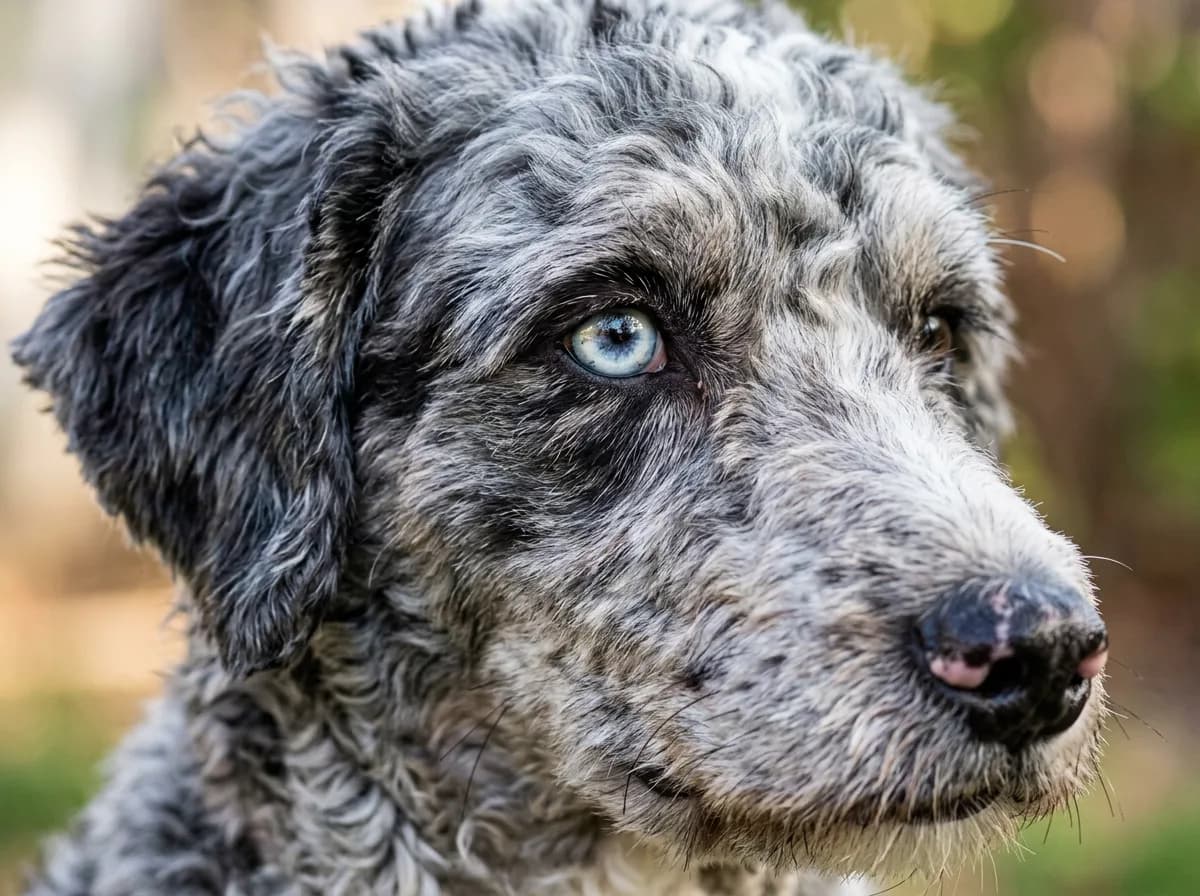
That is where merle to merle breeding becomes a welfare problem rather than a color choice. When two merle dogs are bred together, statistically one in four puppies inherits two copies and is a double merle. Double merle puppies are typically largely white, and the pigment cells that should populate the cochlea and the eye are missing. The result is a high rate of congenital deafness in one or both ears, alongside eye defects that include microphthalmia (abnormally small eyes), colobomas, malformed pupils, and in severe cases functional blindness from birth. Deafness and blindness in the same puppy is not a rare outcome of this pairing, it is the expected one across a proportion of the litter. There is no version of this pairing that is acceptable, and no breeder should be making it.
Here is how to check a pairing before you buy:
- Ask for the M locus DNA test result on both parents. Cryptic merle, a short merle allele that barely shows in the coat, is the reason visual assessment is not enough. A dog can look solid and still be genetically merle.
- Refuse any litter where both parents are merle, regardless of how the breeder frames the odds or how attractive the puppies look.
- Ask whether merle-patterned puppies had a BAER hearing test, the brainstem auditory evoked response test, which can be done from about five weeks and detects unilateral deafness that owners would otherwise miss.
- Have a veterinary ophthalmologist examine any merle puppy before you take it home, since iris and retinal defects are not visible to an untrained eye.
Aussiedoodle blue eyes deserve a word here, because they cause unnecessary panic. A blue eyed aussiedoodle is not automatically at risk. Blue or partially blue eyes are a normal, healthy trait linked to the merle and piebald genes in the Australian Shepherd, and a single-merle dog with one or two blue eyes usually has perfectly normal vision and hearing. The risk lies in the double merle genotype, not in the eye color itself. The full genetics of aussiedoodle merle patterns, including cryptic merle and how the pattern combines with the Poodle's colors, belong to our dedicated guide to Aussiedoodle colors and coat patterns, which covers the color side in the detail it deserves.
It is worth naming why this section exists at all. The ranking pages for this breed mention merle only as a color, describing it cosmetically alongside price and eye shade, and they do not explain that merle to merle breeding produces double merle puppies with deafness and blindness. That is not a small editorial gap. It is the difference between a buyer who asks for the M locus result on both parents before paying a deposit and a buyer who picks the prettiest puppy in the photograph, then learns at twelve weeks that it cannot hear.
- Ask the breeder for the M locus DNA result on both parents, in writing, before any money changes hands. If both parents carry a merle allele, walk away from the litter no matter how the odds are framed or how healthy the visible puppies look. There is no responsible version of a merle to merle pairing, and a breeder who defends one is telling you what else in the screening panel they are willing to skip.
Idiopathic Epilepsy in Aussiedoodles
Idiopathic epilepsy means recurrent seizures with no identifiable structural or metabolic cause, and it is one of the few conditions the Aussiedoodle inherits from both directions. Australian Shepherds have a documented familial form, and Standard Poodles are also over-represented. Onset is typically between six months and six years of age, with most affected dogs having their first seizure somewhere between one and five years. A first seizure in a dog older than about seven usually points to something else, such as a brain tumor or a metabolic disease, and warrants a different work-up.
A generalized seizure has a recognizable shape. The dog usually falls to one side, becomes rigid, then paddles or convulses, often with drooling, urination, or defecation, followed by a recovery period of minutes to hours in which the dog seems disoriented, blind, hungry, or clingy. Owners frequently describe a warning phase beforehand where the dog becomes restless or seeks them out.
Diagnosis is a process of exclusion involving a neurological examination, bloodwork, bile acid testing, and, where the picture is atypical or the dog is outside the usual age window, MRI and cerebrospinal fluid analysis. Treatment is genuinely effective in most cases, with phenobarbital, potassium bromide, levetiracetam, and imepitoin all in routine use. The goal is fewer, shorter, better-controlled seizures rather than zero, and many epileptic dogs live a normal lifespan on medication.
- Go to an emergency vet immediately if a single seizure lasts longer than five minutes, if your dog has two or more seizures in 24 hours, or if consciousness does not return fully between them. Prolonged seizure activity raises body temperature dangerously and causes brain injury. Time the seizure if you safely can, and do not put your hands near your dog's mouth.
 Sponsored
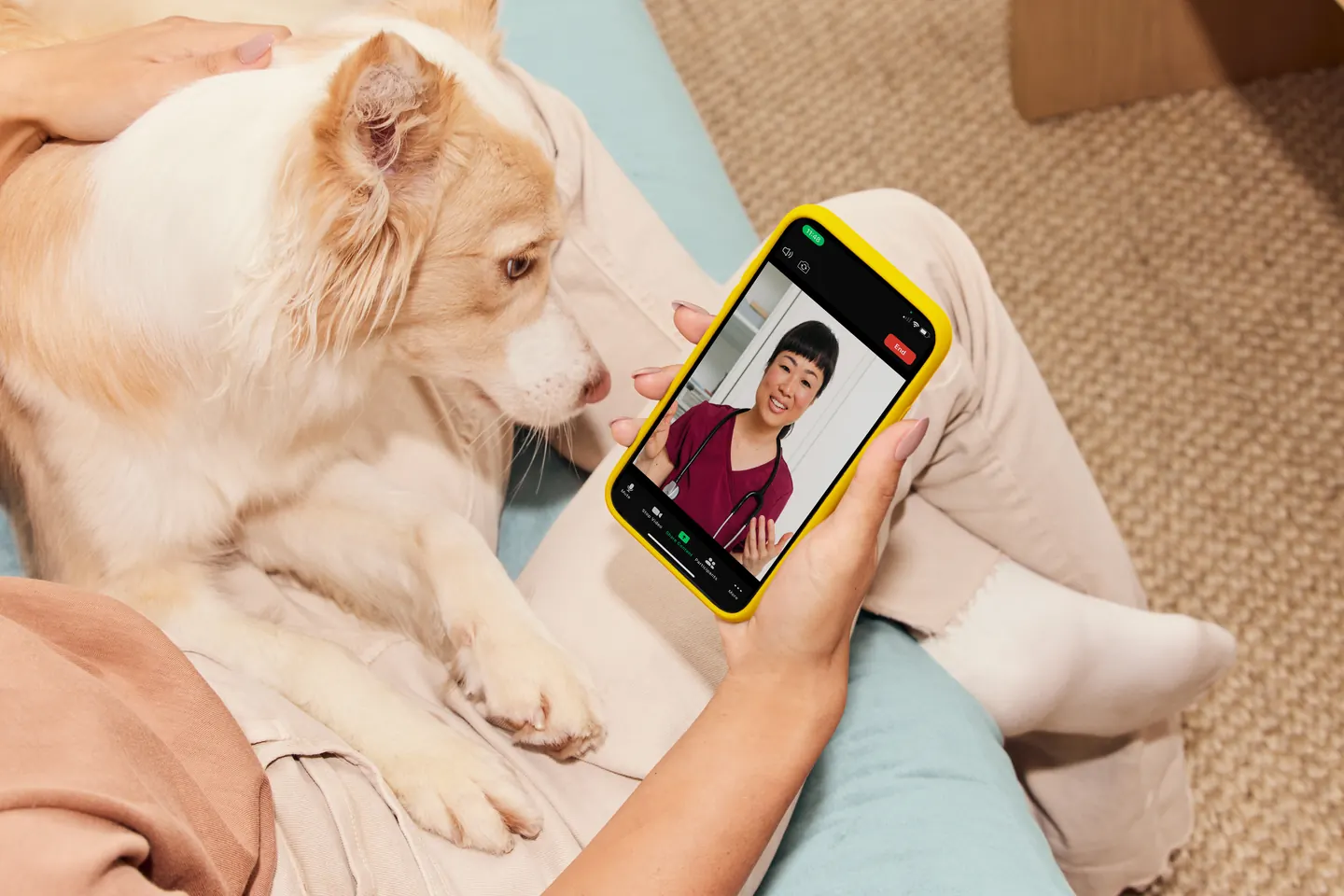
Vet care that's always there
Unlimited video calls and messaging with licensed vets for less than a typical vet visit. One membership covers up to five pets.
Use code Pets30
Plans start at $11/month · covers up to 5 pets
- Licensed vets in most states
- Rx for 150+ conditions
- 4.7 on Trustpilot
Skin, Ear, and Food Allergies in Aussiedoodles
Allergic skin disease is the single most common reason an otherwise healthy Aussiedoodle ends up as a regular at the vet clinic. Both parent breeds are predisposed to atopic dermatitis, an inherited tendency to react to environmental allergens such as house dust mites, storage mites, pollens, and mold spores. It usually begins between six months and three years of age, and it presents as itching rather than as a rash: licking and chewing at the feet, rubbing the face, scratching the ears and armpits, and recurrent skin and ear infections that clear on antibiotics and then come straight back.
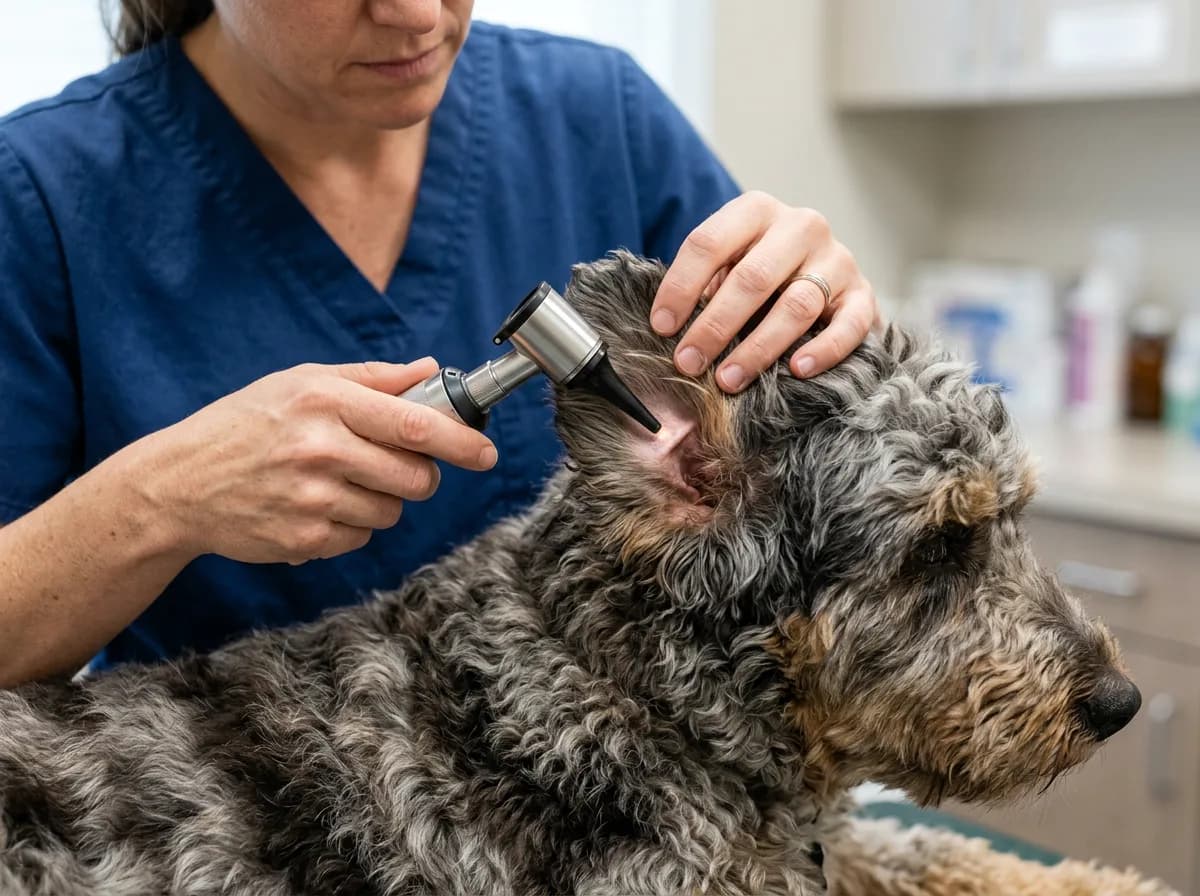
True aussiedoodle food allergies are much less common than environmental allergy, and they are far less common than the internet suggests. When they do occur, the reaction is almost always to a protein the dog has eaten repeatedly over time, not to grain as a category. The proteins most frequently implicated in dogs are:
- Beef, the most commonly reported food allergen in dogs.
- Dairy products, including the milk solids used in some treats.
- Chicken, both as a meat and as a meal or fat in the ingredient list.
- Wheat, which is a genuine allergen in a minority of dogs and irrelevant in most.
- Lamb, soy, egg, and pork, all reported but less frequently.
The workup matters more than the list. Blood, saliva, and hair tests marketed for food allergy have repeatedly performed poorly against controlled trials and should not be used to make dietary decisions. The diagnostic standard is a strict elimination diet trial for eight to twelve weeks using either a hydrolyzed protein diet or a genuinely novel protein the dog has never eaten, with absolutely no treats, flavored medications, or table food during that window, followed by a deliberate rechallenge with the original diet. If the itch resolves on the trial diet and returns within two weeks of rechallenge, you have your answer.
That elimination trial is also the honest answer to the best dog food for aussiedoodles question. There is no single best food for the breed, because a food that suits an atopic dog with recurrent ear infections is not the one that suits a healthy littermate. For a growing puppy, the best puppy food for aussiedoodles is a complete diet formulated for the appropriate adult size, since large-breed puppy formulas control calcium and energy density in a way that protects developing joints in standard-sized dogs. Choose by the dog in front of you and by veterinary advice, not by a marketing claim.
- If your Aussiedoodle has had three or more ear infections in a year, the ears are not the problem. Recurrent otitis externa in this breed is usually the visible end of underlying allergic skin disease or, less often, hypothyroidism. Ask your vet to investigate the underlying cause rather than repeating the same ear drops.
Hypothyroidism belongs in the same conversation, since it produces overlapping signs. An underactive thyroid causes weight gain despite a stable diet, lethargy, cold intolerance, a dull and thinning coat, hair loss along the flanks and tail, and recurrent skin and ear infections. It is diagnosed on a thyroid panel and treated with inexpensive daily levothyroxine, and treated dogs do very well. Because autoimmune thyroiditis is heritable, an annual OFA thyroid panel on breeding stock is part of a proper screening program.
To pull the skin, ear, and food allergy signs and workup into one place: the signs are itch without an obvious rash, foot licking and chewing, face and muzzle rubbing, head shaking, and ear infections that clear on treatment and then return within weeks. The workup is a staged process rather than a single test. It starts with a physical examination, skin cytology, and an ear swab, moves to a parasite treatment trial, and only then reaches a diet trial, because a food allergy is a diagnosis of exclusion in a dog that itches.
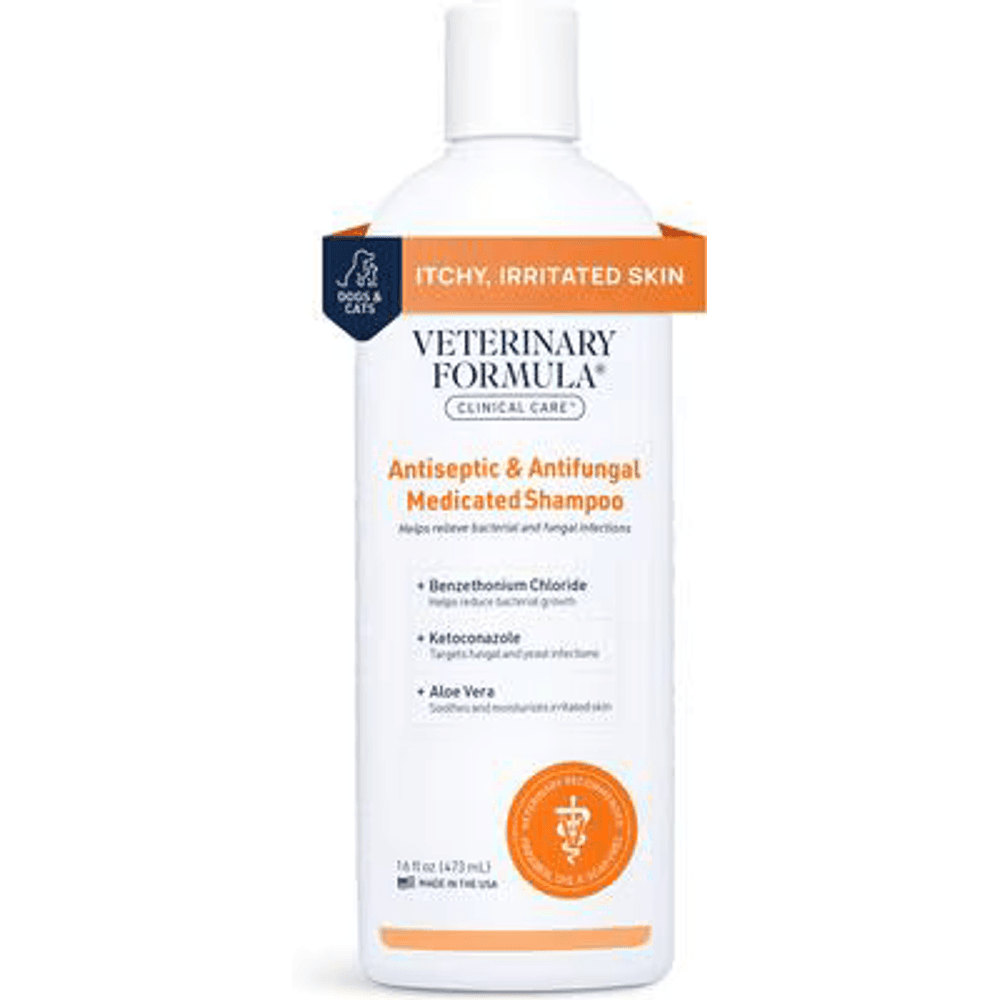
A budget-friendly medicated shampoo with ketoconazole and benzethonium chloride that helps control the fungal and bacterial skin infections behind ringworm, with aloe to soothe irritated skin. A common vet-recommended bath option.
Petful may earn a commission when you click through to Chewy, at no extra cost to you.
- Skin cytology and an ear swab first, because a secondary yeast or staphylococcal infection has to be identified and cleared before anything underneath it can be judged.
- A strict flea control and mite treatment trial next, since sarcoptic mange and flea allergy mimic atopic dermatitis closely enough to waste months if they are assumed away.
- An eight to twelve week elimination diet trial using a hydrolyzed or genuinely novel protein, followed by a deliberate rechallenge, only if the itch is non-seasonal.
- Referral for intradermal or serum allergen testing to formulate immunotherapy. This applies to environmental allergens only and is a treatment-planning tool, not a diagnostic test for food allergy.
While the workup is under way, bathing is genuinely therapeutic rather than cosmetic. An antibacterial itch relief shampoo rinses allergens off the coat and calms inflamed skin between vet visits, and most dogs tolerate it two or three times a week during a flare.
How Coat Type Affects Skin and Ear Health
Coat type has direct clinical consequences in this cross. A tight, curly, Poodle-dominant coat traps moisture and hair inside a pendulous ear canal, which is a large part of why this breed gets so much otitis externa, and a coat that mats down to the skin sets up hot spots and secondary infections underneath. Owners asking are aussiedoodles hypoallergenic should know the honest answer is no dog truly is, though a low-shedding aussiedoodle hypoallergenic coat does release less dander into the home than a heavy shedder. Aussiedoodle shedding varies widely by coat type, and the answer to do aussiedoodle shed is that most shed lightly while a few with a straighter Australian Shepherd coat shed noticeably. The full brushing schedule, clipping intervals, and ear-hair routine live in our guide to Aussiedoodle grooming, coat care, and shedding, which this page defers to entirely on technique.
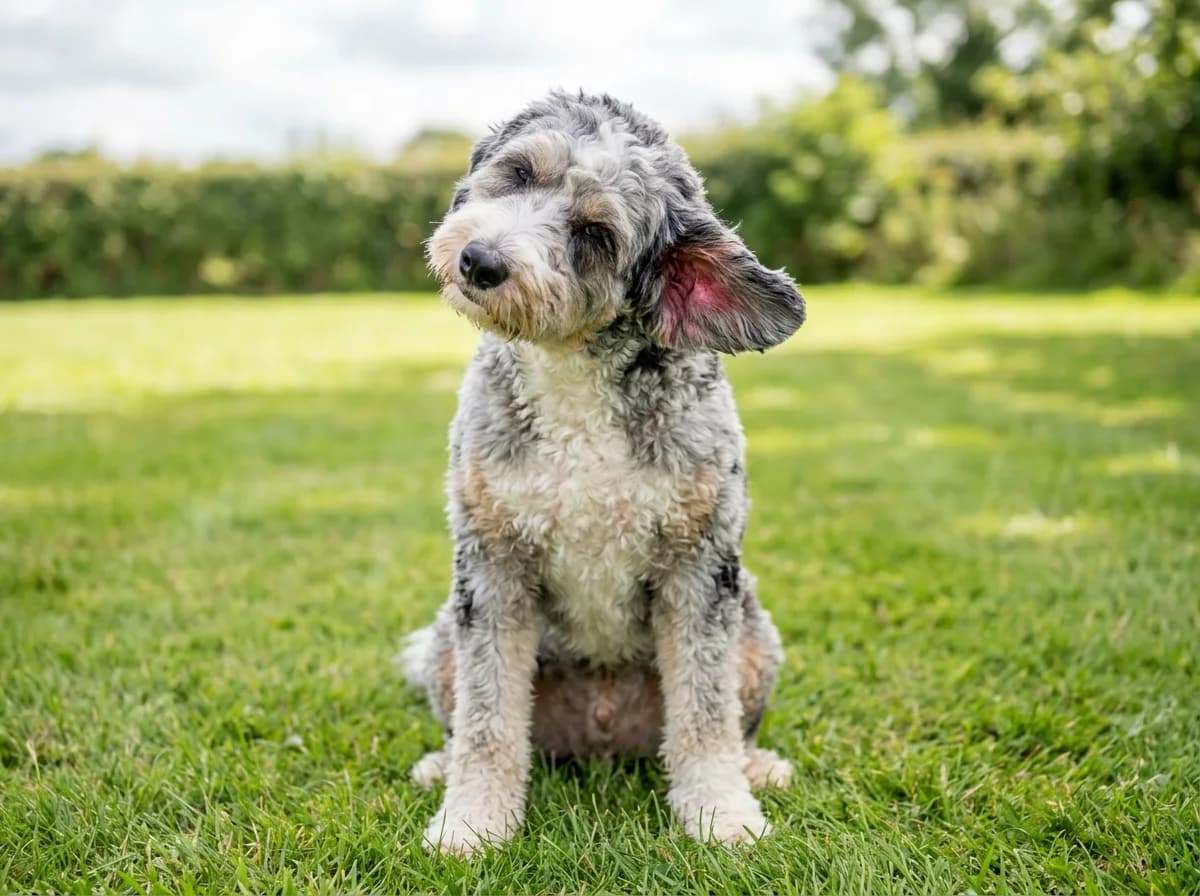
Prevention is cheaper and kinder than treatment here. Drying the ears thoroughly after every bath and swim, and using a routine ear cleaner on a schedule your vet agrees with, keeps most of these cases from ever starting.
- Dental disease is the other slow problem that hides in plain sight, and a dental water additive is the lowest-effort daily habit that helps.
Bloat (Gastric Dilatation Volvulus): The Emergency Every Standard Owner Should Know
Gastric dilatation volvulus is the condition most likely to kill a standard-sized Aussiedoodle suddenly. The stomach fills with gas and then rotates on its axis, sealing both the entrance and the exit and cutting off its own blood supply. Without surgery, it is fatal within hours. The Standard Poodle sits among the breeds with elevated risk because of its deep, narrow chest conformation, and a standard Aussiedoodle that inherits that build inherits the risk with it. Mini and toy Aussiedoodles are at far lower risk.
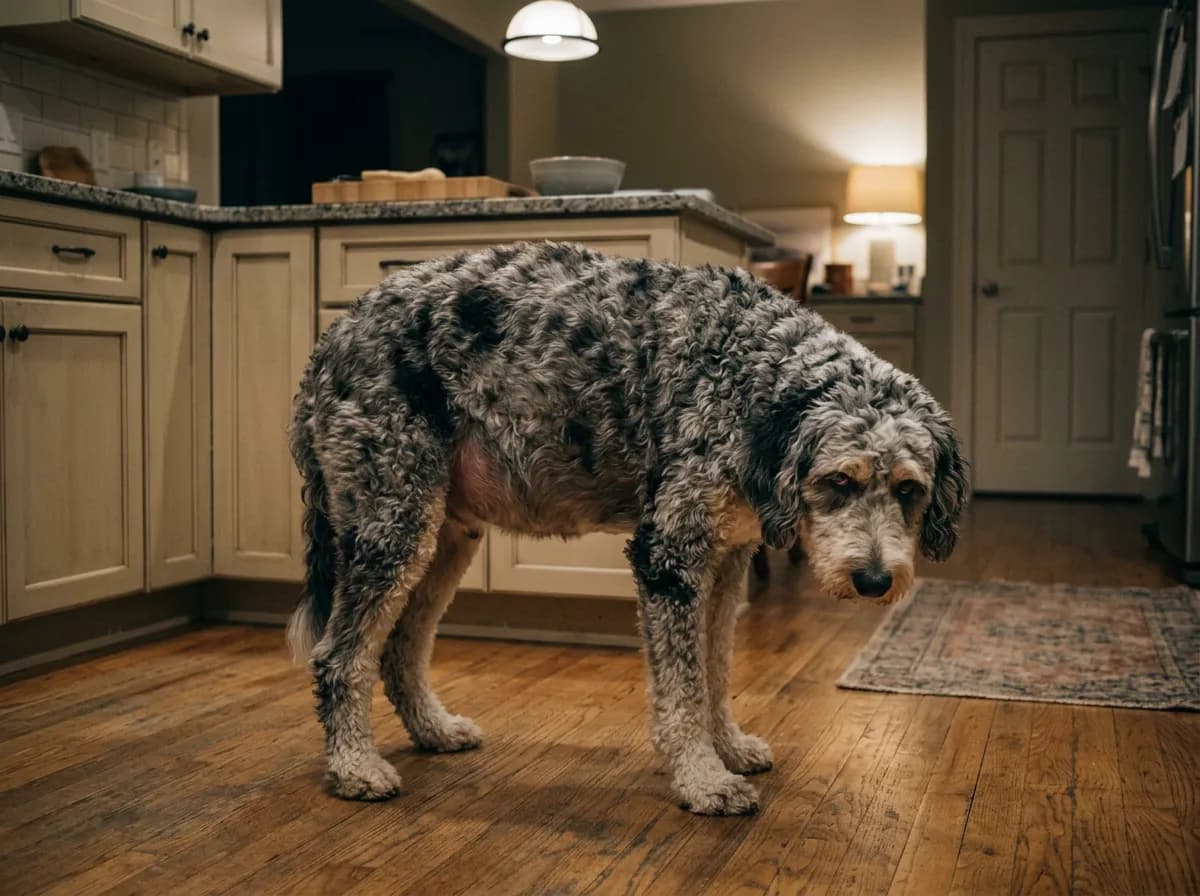
Recognize it by these signs and treat any of them as an emergency:
- Unproductive retching, where the dog tries repeatedly to vomit and brings up nothing but froth. This is the classic sign.
- A distended, tight, drum-like abdomen, particularly behind the ribs on the left side.
- Restlessness and pacing, an inability to settle or get comfortable.
- Excessive drooling and obvious distress.
- Pale gums, rapid shallow breathing, weakness, or collapse, which indicate shock and mean minutes matter.
Risk reduction is worth doing. Feed two or three smaller meals rather than one large one, avoid vigorous exercise for an hour either side of eating, and slow down fast eaters with a maze-style bowl. Raised feeders have been associated with increased risk in large breeds in published research, so use a floor-level bowl unless your vet has advised otherwise for another reason. For dogs at genuine risk, a prophylactic gastropexy, in which the stomach is tacked to the body wall so it cannot rotate, can be performed at the same time as spay or neuter and is the only intervention that reliably prevents the twist.
Summed up in one line: bloat risk in deep-chested standards is the highest-stakes item on this page, and the emergency signs belong in the head of every adult in your household. Cornell University's Riney Canine Health Center lists the Standard Poodle among the deep-chested breeds most susceptible, so a standard Aussiedoodle that inherits that narrow, deep chest inherits the susceptibility with it. Once the stomach twists it cuts off its own blood supply, and without surgery the dog dies. This is an emergency measured in hours, not something to sleep on.
- If your Aussiedoodle is retching repeatedly without bringing anything up and the belly behind the ribs feels tight and drum-like, drive to an emergency veterinary hospital immediately. Phone from the car so the team can prepare for you. Do not offer food or water, do not give an antacid or an anti-sickness tablet, and do not wait to see whether it settles. Outcomes in gastric dilatation volvulus track directly with how many hours the stomach has been twisted.
Behavior Changes That Signal a Health Problem
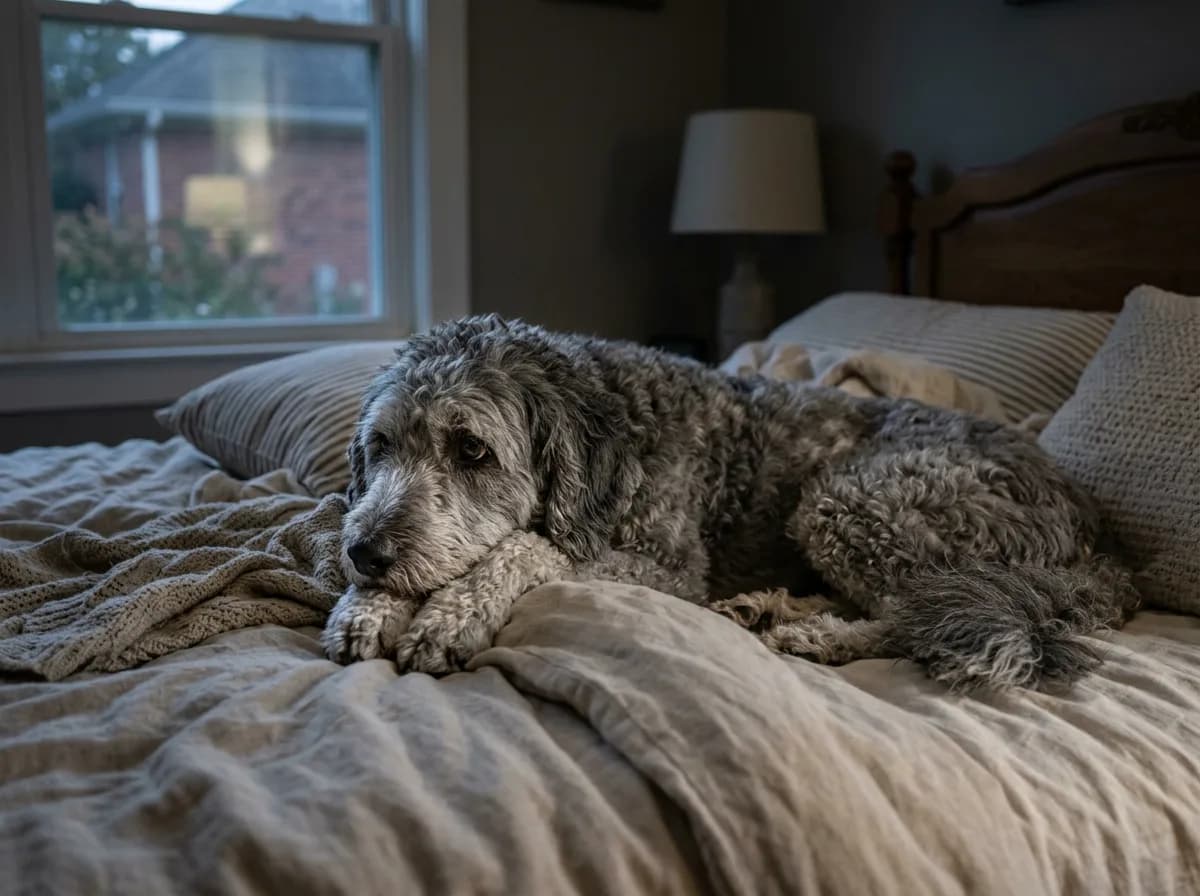
A sudden change in behavior in an adult Aussiedoodle is a clinical sign, not a training failure. New aggression around handling usually means pain, most often from a joint or an ear. Sudden house-soiling can mean a urinary tract infection, kidney disease, or diabetes. A dog that stops greeting you at the door, stares at walls, or gets stuck in corners at night may be losing vision or, in an older dog, showing canine cognitive dysfunction. New night-time restlessness frequently traces back to arthritis. What owners describe as aussiedoodle behavior problems, and the same again in mini aussiedoodle behavior problems, is far more often unmet exercise and mental stimulation needs in a working-bred cross than it is disease, and the question of whether do aussiedoodles have separation anxiety, along with why the breed can be so vocal, belongs to the behavior specialists rather than this clinical page. Our guide to Aussiedoodle temperament and behavior covers barking, herding drive, separation anxiety, and training in full. Use this rule to divide the two: a gradual pattern present since puppyhood is behavioral, while a change that appears over days or weeks in a previously settled adult is medical until proven otherwise.
How Long Do Aussiedoodles Live?
The life expectancy of an Aussiedoodle is 10 to 13 years, with size being the strongest single predictor within that range. Smaller dogs across every breed group age more slowly and live longer, and the Aussiedoodle follows that rule closely, which is why a mini from screened parents will usually outlive a standard from the same program by two or three years.
Here is how size affects lifespan across the cross, with the expected lifespan for each size class:
- Average lifespan of Aussiedoodle dogs, standard size (45 to 70 pounds): 10 to 12 years. The deepest chest, the heaviest joint loading, and the fastest growth curve all sit at this end.
- Average lifespan of a mini Aussiedoodle (15 to 35 pounds): 12 to 15 years. The mini aussiedoodle lifespan is the longest in routine practice, and the lifespan of mini Aussiedoodle dogs from health-tested parents regularly reaches the upper end.
- Toy Aussiedoodle (10 to 15 pounds): 12 to 15 years, similar to the mini, with dental disease rather than joint disease as the main age-related limiter.
For context on the parent breeds, the Australian Shepherd typically lives 12 to 15 years and the Standard Poodle 10 to 12, so the standard Aussiedoodle lifespan sits close to the Poodle figure while the mini sits closer to the Australian Shepherd one. The average lifespan of an Aussiedoodle quoted by breeders is often optimistic, and the average lifespan of a mini Aussiedoodle is the number most likely to be inflated in marketing copy, so treat any claim above 15 years with healthy skepticism.
On sex differences, the pattern in large veterinary datasets is a small female advantage, so aussiedoodle lifespan male dogs tends to run a few months shorter than the aussiedoodle lifespan female figure. The effect is modest and easily swamped by body weight, neuter status, dental care, and whether the dog stays lean. Do not use it to choose a puppy.
- Keep your dog lean throughout life, since body condition is the most consistently proven lifespan lever in dogs. Brush the teeth, because periodontal disease drives systemic inflammation. Keep parasite prevention and vaccination current. And buy from a breeder whose screening panel is complete, because most of what shortens an Aussiedoodle's life is inherited and decided before the puppy is born.
If you are specifically weighing the smaller size class, our dedicated guide to the Mini Aussiedoodle covers how the Miniature Poodle parent changes the growth curve, the adult weight, and the longevity picture.
People also ask for the plain number, so here is the whole lifespan answer in one place. The life expectancy of an Aussiedoodle is 10 to 13 years taken across the cross as a whole. Size affects lifespan more than any other single variable here, which is why the expected lifespan is 10 to 12 years for a standard, 12 to 15 years for a mini, and 12 to 15 years for a toy. Diet, dental care, neuter timing, and above all keeping the dog lean move an individual within that band. Nothing reliably moves it above the band.
The Genetic Screening Panel to Demand From a Breeder
This is the section to print out. Competitors tell buyers to "ask about health testing," which is advice a dishonest breeder can satisfy with a sentence. The point of a named screening panel is that every line below has an issuing body, a certificate, and a result you can verify yourself, which turns a claim into a check.
| Test | What It Screens For | Who Issues or Runs It | When It Is Done |
|---|---|---|---|
| MDR1 (ABCB1) | Drug sensitivity to antiparasitics, sedatives, and some chemotherapy agents | Cheek swab DNA test via WSU or an accredited canine genetics laboratory | Any age, once per dog |
| prcd-PRA | Progressive retinal atrophy carried on both parent sides | DNA test via an accredited canine genetics laboratory | Both parents before breeding |
| HSF4 hereditary cataract | Early-onset cataracts from the Australian Shepherd line | DNA test via an accredited canine genetics laboratory | Both parents before breeding |
| Collie Eye Anomaly (CEA) | Choroidal and retinal defects from the herding side | DNA test plus an ophthalmologist puppy exam | DNA any age, puppy exam at 5 to 8 weeks |
| Merle (M locus) genotype | Merle status, including cryptic merle, to prevent a double merle litter | DNA test via an accredited canine genetics laboratory | Both parents before every pairing |
| Degenerative myelopathy (SOD1) | Adult-onset progressive spinal cord disease | DNA test via an accredited canine genetics laboratory | Any age |
| Von Willebrand disease type I | Inherited bleeding disorder from the Poodle side | DNA test via an accredited canine genetics laboratory | Any age |
| Hip evaluation | Hip dysplasia | Orthopedic Foundation for Animals radiograph or a PennHIP distraction index | OFA final certification from 24 months |
| Elbow evaluation | Elbow dysplasia | Orthopedic Foundation for Animals radiograph | From 24 months |
| Eye examination | Cataracts, retinal disease, and iris coloboma | Board-certified veterinary ophthalmologist, filed with the OFA Eye Certification Registry | Annually on breeding dogs |
| Thyroid panel | Autoimmune thyroiditis | Orthopedic Foundation for Animals thyroid panel via an approved laboratory | Annually from 12 months |
| BAER hearing test | Congenital deafness, essential for any merle-patterned puppy | Veterinary neurologist or referral center | From about 5 weeks |
What to ask for before a deposit, in this order:
- Both parents' full DNA panel reports as PDFs, showing the laboratory name, the date, and the microchip or registration number that ties the result to the actual dog.
- The OFA certificate numbers, not photographs of certificates. Numbers can be searched in the public OFA database in under a minute, and photographs cannot.
- The MDR1 genotype on the Australian Shepherd side specifically, since this is the test most often skipped and the one with the most immediate consequences for your dog.
- The merle genotype on both parents, even if only one looks merle, because cryptic merle exists and visual assessment misses it.
- BAER results on any merle-patterned puppy in the litter you are choosing from.
- A written health guarantee that names specific conditions and a specific period, rather than a vague promise of a healthy puppy.
- A "vet check" means a physical examination of a puppy, which finds nothing about inherited disease. Health certificates from a general vet exam and genetic screening certificates from OFA or a DNA laboratory are completely different documents. A breeder who conflates the two, or who becomes defensive when asked for certificate numbers, has told you what you need to know.
A health testing claim is only worth the body that issued the certificate, and no competitor gives a buyer a concrete, named screening panel to demand from a breeder with the issuing body for each test. Here is that panel again, mapped test by test to the organization that issues the result, so you can verify every line yourself rather than taking a sentence on trust.
- Hips and elbows: the Orthopedic Foundation for Animals. Final certification requires the dog to be at least 24 months old. Anything from 4 to 23 months is a preliminary evaluation and is not a final certificate, whatever the breeder calls it.
- Eyes: an examination by a board-certified ACVO veterinary ophthalmologist, filed with OFA's Companion Animal Eye Registry. Certification is valid for 12 months, so ask for a result from the last year rather than one from the year the parent dog was first bred.
- Thyroid: an OFA thyroid panel run by an approved laboratory and repeated annually while the dog stays in a breeding program, because autoimmune thyroiditis develops with age rather than showing up once.
- DNA: MDR1 (ABCB1) from Washington State University or an equivalent laboratory, plus PRA-prcd, degenerative myelopathy (SOD1), Collie Eye Anomaly, von Willebrand disease type I, and the M locus merle genotype, each on both parents and each tied to a microchip number.
What Aussiedoodle Health Care Costs
Health care is the part of Aussiedoodle ownership that people budget worst, because the purchase price dominates their attention. Routine preventive care, meaning vaccinations, parasite prevention, and an annual examination, typically runs a few hundred dollars a year. Insurance premiums for the breed usually sit in the mid double digits per month, and the conditions on this page are exactly the ones that make a policy worthwhile: a bloat surgery, a hip replacement, or lifelong seizure medication each run into the thousands. Purchase cost is a separate topic, and the aussie doodle price picture, including the mini aussiedoodle price range and the premium attached to a blue merle aussiedoodle price, is covered properly in our guide to what an Aussiedoodle costs.
How Aussiedoodle Health Compares With Other Doodles
There is no doodle cross with proven, peer-reviewed superiority in health, and any breeder who claims one is selling rather than informing. What the evidence supports is narrower and more useful: within any doodle cross, the smaller size classes bred from fully screened parents consistently live longest, and the specific risks differ by which purebred sits on the non-Poodle side.
| Cross | Non-Poodle Parent | Distinctive Added Risks | Typical Lifespan |
|---|---|---|---|
| Aussiedoodle | Australian Shepherd | MDR1 drug sensitivity, merle-linked deafness and eye defects, Collie Eye Anomaly | 10 to 15 years by size |
| Labradoodle | Labrador Retriever | Hip and elbow dysplasia, exercise-induced collapse, strong obesity tendency | 12 to 14 years |
| Goldendoodle | Golden Retriever | Elevated cancer risk, notably lymphoma and hemangiosarcoma | 10 to 15 years |
| Bernedoodle | Bernese Mountain Dog | Histiocytic sarcoma and a shorter parent-breed lifespan | 12 to 15 years |
Read that as a difference in kind rather than a ranking. The Aussiedoodle's distinctive risks, MDR1 and merle, are the most testable and preventable on the list, because both are single-gene issues with a cheap DNA test and a clear breeding rule. Cancer predispositions on the Golden and Bernese side are not currently preventable by any test at all. On that basis a well-bred Aussiedoodle from a complete screening panel arguably has the more controllable risk profile, but only when the testing is actually done. An untested Aussiedoodle has the worst of both worlds: preventable problems that nobody prevented.
The Honest Downsides of Aussiedoodle Health
Owner-reported experience on breed forums clusters around the same handful of complaints, and they are worth stating plainly rather than smoothing over. The most common downside is not a dramatic inherited disease at all. It is chronic, recurring, expensive allergic skin and ear disease, which is what dominates owner reported problems in the breed, and it is a management issue for the life of the dog rather than something you cure once.
The second recurring theme is unpredictability. Because the Aussiedoodle is a cross rather than a standardized breed, coat type, adult size, temperament, and health risk all vary within a single litter, and buyers who expected a known quantity are sometimes surprised by what they get. The third is veterinary costs. Coat maintenance is a genuine ongoing expense, allergy workups and diet trials are not cheap, and the emergency conditions on this page are the kind that generate four-figure bills without warning.
There is also a market problem. High demand has drawn in volume breeders who skip the screening panel entirely, and it is exactly those litters that produce the untested MDR1 dogs and the occasional double merle. The downside of the Aussiedoodle, in short, is not the dog. It is that the breed's popularity has outrun the proportion of breeders doing the work, so the burden of due diligence falls on the buyer.
- Beyond routine care, plan for professional grooming every six to eight weeks, the possibility of a long-term allergy management plan, and an emergency fund or an insurance policy that would cover a four-figure surgical bill. Owners who set that expectation early are the ones who never have to make a decision about their dog based on cost.
So what is the downside to Aussiedoodles, stated as a single answer? The downside to Aussiedoodles is not one dramatic disease. It is that they carry two parent breeds' worth of testable genetic risk while being sold into a market where a great deal of that testing quietly gets skipped, and that the likeliest day-to-day problem, chronic allergic skin and ear disease, is a lifelong management cost rather than a one-time fix. Buy from a fully screened litter and most of that downside is dealt with before the puppy ever comes home.
When to Call the Vet Urgently
Most of what is on this page is managed at a normal appointment. These are the situations where you should not wait:
- Repeated unproductive retching with a swollen, tight abdomen. Suspect bloat and go immediately.
- A seizure lasting more than five minutes, or two or more seizures within 24 hours.
- Sudden collapse, pale gums, or labored breathing, at any age.
- Any known or suspected exposure to ivermectin, loperamide, or a sedative in an untested or MDR1-affected dog, including chewing a horse wormer tube or eating livestock feed.
- Sudden apparent blindness, disorientation, or a painful, cloudy, or bulging eye.
- Vomiting or diarrhea alongside marked weakness in a young adult, which can be an Addison's crisis and is rapidly fatal if missed.
- Non-weight-bearing lameness that does not improve within 24 hours.
Frequently Asked Questions
Sometimes, and only for specific conditions. Crossing two breeds lowers the chance a puppy inherits two copies of the same recessive fault, which genuinely helps for conditions like progressive retinal atrophy when only one parent breed carries it. It offers no protection where both parent breeds share the risk, as with epilepsy and prcd-PRA, and none at all against dominant traits like merle or complex ones like hip dysplasia. Screened parents matter far more than crossbreeding.
It depends on the condition. Congenital deafness and eye defects are present from birth. Hip and elbow dysplasia usually show between six and 18 months. Idiopathic epilepsy typically starts between one and five years. Allergic skin disease commonly begins between six months and three years. Progressive retinal atrophy and hypothyroidism tend to appear in middle age, and cancer risk rises in the senior years.
No. It is a single genetic test done once, and the result never changes. Do it as early as possible, keep the report with your dog's records, and make sure any new vet, emergency clinic, or boarding facility knows the genotype before your dog is sedated or given a parasite treatment.
Yes. Carrier status is manageable, not disqualifying. A carrier dog has intermediate sensitivity and simply needs dose adjustment for the affected drug classes. What matters is that the status is known and documented. The dangerous situation is an untested dog whose owner and vet are working blind.
Not as a rule. A complete, well-formulated diet appropriate to the dog's life stage and adult size covers the vast majority of dogs. Standard-sized puppies benefit from a large-breed puppy formula that controls calcium and energy density during growth. Therapeutic diets for skin or joints should be chosen with your vet for a diagnosed problem, not bought preemptively.
For most owners, yes, and the value comes from the low-probability, high-cost conditions rather than routine care. Bloat surgery, hip replacement, cataract surgery, and lifelong epilepsy medication are the scenarios that justify a policy. Insure while the dog is young and healthy, because pre-existing condition exclusions apply from the moment a problem is recorded in the notes.
Size alone is not a health strategy, though minis do average a longer lifespan and carry less bloat and joint-loading risk. They trade that for more dental crowding and a higher rate of patellar luxation. A standard from fully screened parents is a better bet than a mini from untested ones, every time.
BVMS, MRCVS
Dr. Pippa Elliott, BVMS, MRCVS, is a veterinarian with nearly 30 years of experience in companion animal practice. Dr. Elliott earned her Bachelor of Veterinary Medicine and Surgery from the University of Glasgow. She was also designated a Member of the Royal College of Veterinary Surgeons. Married with 2 grown-up kids, Dr. Elliott has a naughty Puggle named Poggle, 3 cats and a bearded dragon.
Sign up for expert-backed reviews and safety alerts all in one place.