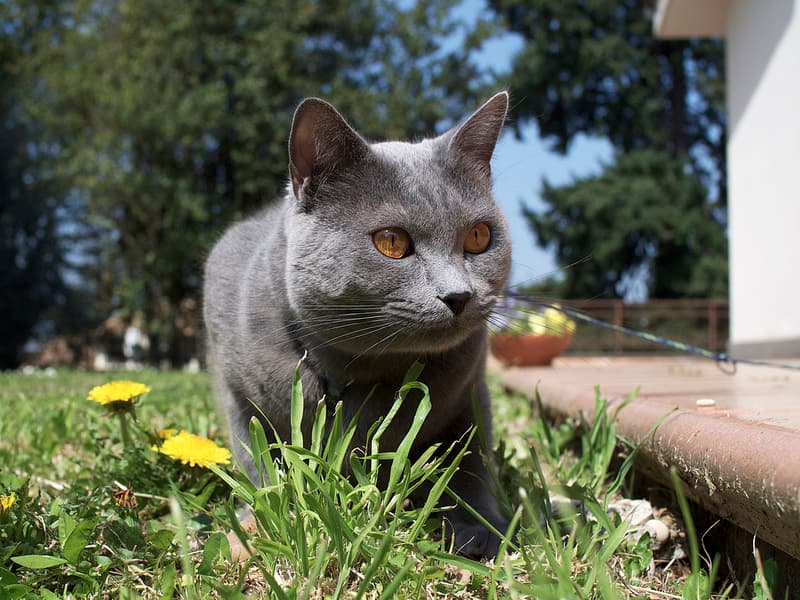
Tortoiseshell Cat Personality: Is Tortitude Real?
Tortoiseshell cat personality, honestly explained. We break down "tortitude," what the 2016 UC Davis study actually found, the traits owners report, male vs female torties, behavior with other pets, and practical care tips.
Petful is reader supported. As an affiliate of platforms like Amazon and Chewy, we may earn a commission when you buy through links on this page. There is no extra cost to you.
The only peer-reviewed study to put tortoiseshell cat personality to the test, a 2016 UC Davis owner survey of 1,274 cat guardians (Stelow, Bain, and Kass, published in the Journal of Applied Animal Welfare Science), found that owners reported sex-linked orange females (torties, calicos, and torbies) as modestly more likely to swat or hiss during handling and vet visits, an effect so small that individual personality, not coat color, did the real talking. That single, carefully sourced finding is the whole honest story behind "tortitude," the internet legend that says tortoiseshell cats come pre-loaded with extra sass. Plenty of owners swear their tortie has a fiery, opinionated, one-person streak, and that lived experience is real. What the science says is narrower: the pattern of orange and black fur is a coat-color trait, not a behavior gene, and tortie cat personality varies cat by cat far more than it varies by color.
- 1Tortitude is a popular belief, not an established scientific fact.
- 2The only relevant study (UC Davis, 2016) found owner-reported, modestly higher aggression in tricolor females during handling and vet visits, with huge individual variation.
- 3Coat color is set by genes on the X chromosome that control pigment, not temperament, so they do not encode personality.
- 4Breed, early socialization, and environment predict a cat's character far better than its color.
- 5Most owner-reported tortie traits (vocal, strong-willed, affectionate on their own terms) are normal cat behaviors that confirmation bias amplifies.

Sign up for expert-backed reviews and safety alerts all in one place.
What Is Tortitude? The Tortie Reputation Explained
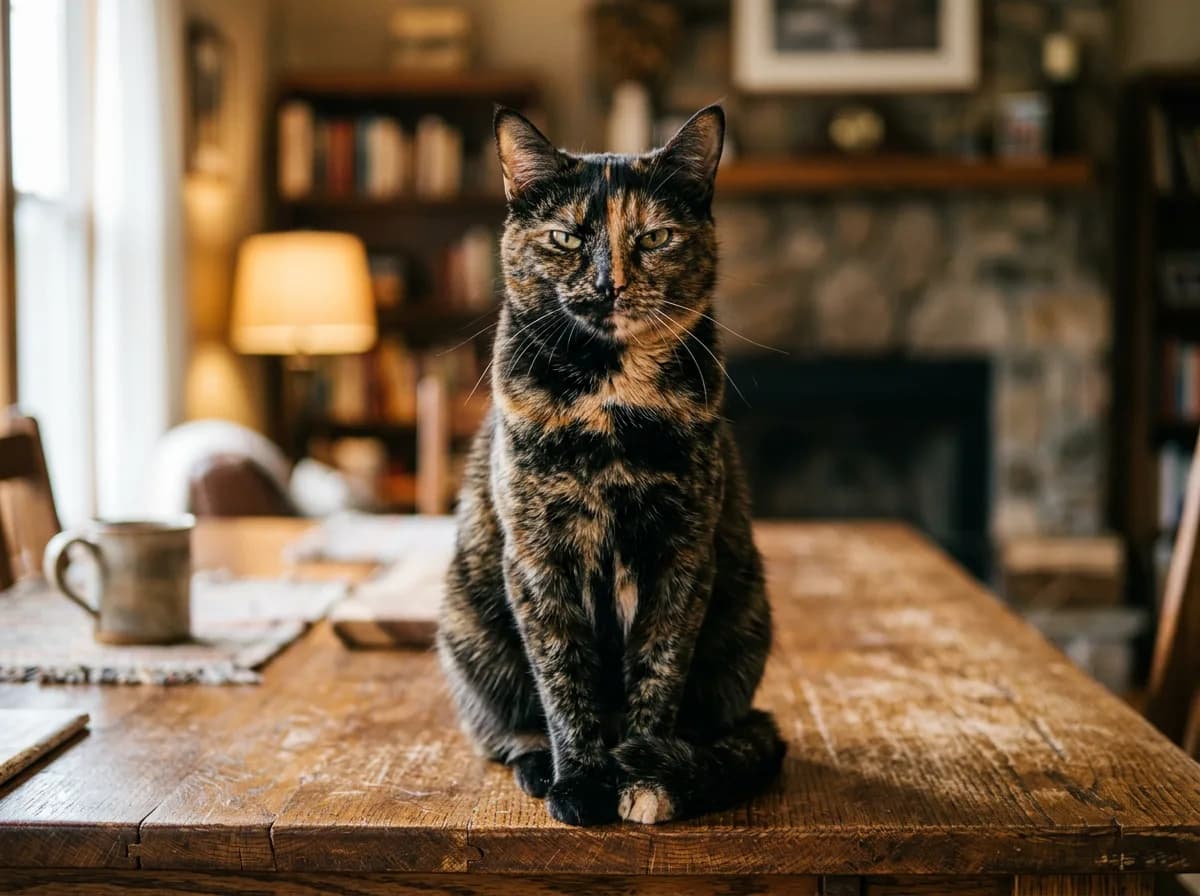
"Tortitude" is a blend of "tortoiseshell" and "attitude," a piece of cat-community slang that describes the supposed signature personality of tortoiseshell cats: feisty, fiercely independent, quick to voice an opinion, bonded hard to one person, and prone to a diva streak. Type the word into any search bar and you will find thousands of owners nodding along, trading stories about the tortie who rules the house and tolerates petting strictly on her own schedule.
The reputation is sticky for a reason. Tortoiseshell cats are visually striking, almost always female, and they show up again and again in folklore as lucky, magical, and a little bit witchy. A dramatic coat invites a dramatic backstory. But popularity is not proof. Before you decide your tortie's spice is written in her fur, it helps to separate what owners report from what researchers have actually measured.
- Tortitude is community shorthand for a perceived tortoiseshell temperament: bold, vocal, strong-willed, and selective with affection. It is a description of a reputation, not a diagnosis or a documented breed-style trait.
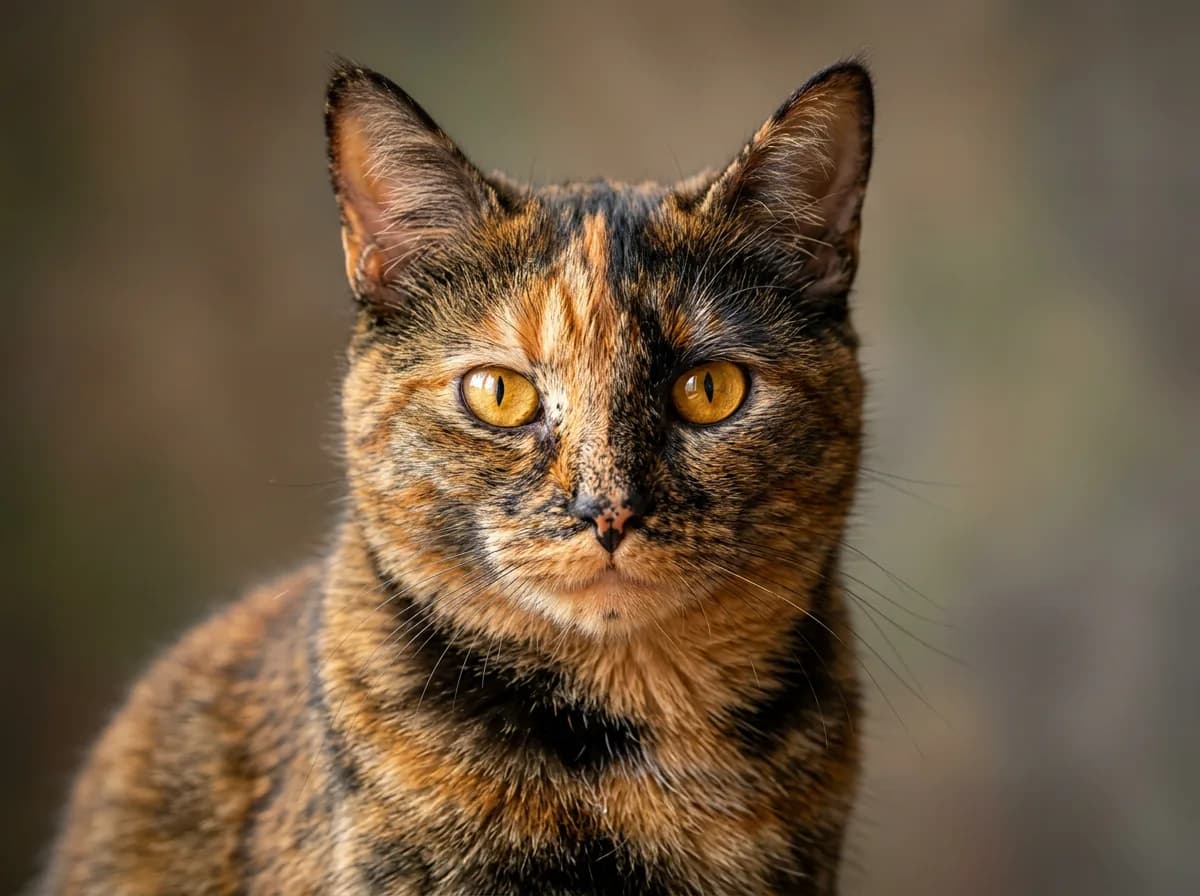
A quick vocabulary note, because the names get mixed up. A tortoiseshell is a cat with brindled, interwoven orange and black fur and little to no white. A calico is mostly white with distinct, separate patches of orange and black. A torbie (patched tabby) is a tortie with tabby striping mixed in. All three share the same sex-linked orange genetics, which is why the personality conversation, and the one study that exists, lumps them together.
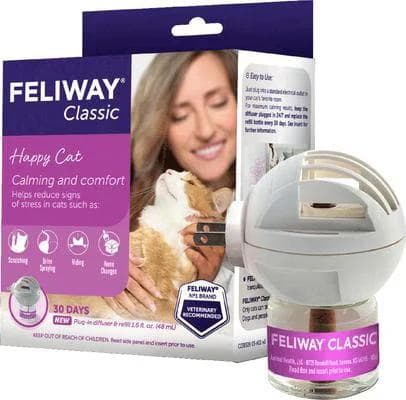
A plug-in feline pheromone diffuser intended for routine environmental support; use it as directed and not as a substitute for veterinary or behavior care.
Petful may earn a commission when you click through to Chewy, at no extra cost to you.
What the Science Actually Says: The 2016 UC Davis Study
Here is the part most articles skip or bury. There is exactly one peer-reviewed study that directly examines coat color and behavior in cats, and it deserves to lead, not hide on page two.
In 2016, veterinary researchers Elizabeth Stelow, Melissa Bain, and Philip Kass at the University of California, Davis published "The Relationship Between Coat Color and Aggressive Behaviors in the Domestic Cat" in the Journal of Applied Animal Welfare Science. They ran an internet survey of cat owners: 1,432 people responded, and 1,274 completed surveys were analyzed. Owners rated how often their cat showed aggression toward humans in three situations, everyday interactions, handling (like being picked up or brushed), and veterinary visits.
The finding: owners reported that sex-linked orange female cats (tortoiseshells, calicos, and torbies), along with black-and-white and gray-and-white cats, were aggressive toward humans somewhat more frequently than other cats in those situations. That is the entire evidentiary basis for tortitude.
- The UC Davis result is owner-REPORTED behavior from a self-selected online survey, not direct observation by researchers. The differences were small, the data depends on owner perception, and the authors themselves cautioned against overinterpreting it. Owners who already expect tortie attitude may rate borderline behavior as aggression.
Three things matter about this study, and competitors that cite tortitude as fact gloss over all of them.
First, the effect was modest. This was not a night-and-day gap between torties and every other cat. It was a measurable but small tilt.
Second, it was self-reported. Owners filled out a survey describing their own cat's behavior. That is a useful signal, but it is not the same as a researcher counting hisses in a controlled setting, and it is wide open to expectation bias.

Never Scoop Again® with the Whisker Litter-Robot, the smart self-cleaning automatic litter box. Monitor visits and track weights for better overall care in the Whisker® app. Multi-cat friendly.
Petful may earn a commission when you click through to Whisker, at no extra cost to you.
Third, individual variation dominated. Within any color group, cats ranged from saintly lap-warmers to short-fused swatters. Color nudged the average a little; it did not stamp a personality on any individual cat.
- Say it plainly: the orange-and-black pattern is a pigment trait, not a personality. No study has shown that being a tortoiseshell makes a cat behave a certain way. A tortie is exactly as likely to be a cuddly couch potato as any other cat.
It is worth noting where the UC Davis aggression showed up: mostly during handling and vet visits. That detail reframes the whole conversation. If there is any color-linked tendency at all, it surfaces when a cat is being restrained or examined, which is a stress context, not a measure of how loving a cat is at home on the sofa. We will come back to why that matters for living with a tortie.
Tortoiseshell Cat Temperament: The Traits Owners Report
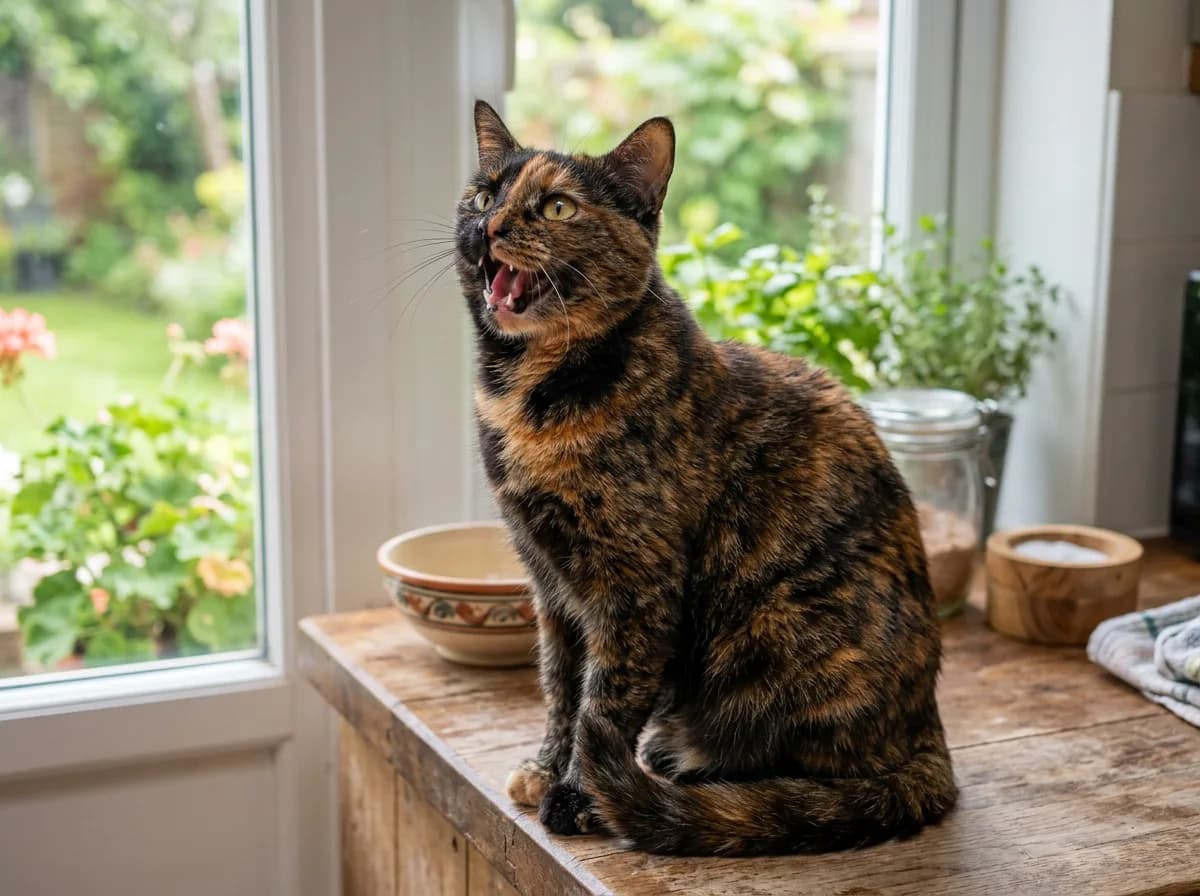
Owners describe a fairly consistent cluster of traits when they talk about tortoiseshell cat temperament. None of these are scientifically validated as tortie-specific, and every one of them is a normal cat behavior that shows up across all colors and breeds. But they are worth walking through, because they are exactly what people mean when they say "tortitude," and because understanding them helps you live happily with the cat in front of you.
Highly Vocal and Chatty
Tortie owners frequently describe a cat that talks. Chirps, trills, demanding meows, running commentary on dinner being late. Vocalization is highly individual and also strongly breed-linked (Siamese and other Oriental breeds are famously talkative), so a chatty tortie is more likely expressing her own personality or her breed background than her coat color. Still, if you adopt a tortie, do not be surprised if she has opinions and shares them.
One-Person Bonding and Loyalty
A recurring story is the tortie who picks one human and treats everyone else as staff. Cats absolutely form stronger bonds with specific people, usually whoever feeds, plays with, and respects their space most consistently. There is no evidence this is more common in torties than in any other cat. It is a charming trait that owners notice and remember, which feeds the legend.
Independent and Strong-Willed
"She does what she wants" is practically the tortie motto online. Independence and a strong will are core cat traits, not tortie traits. Cats are not pack animals; they negotiate. A tortie who declines a cuddle is being a cat, not being difficult.
Energetic and Playful
Many owners report high energy, athleticism, and a love of play. Energy level tracks age, breed, health, and how much enrichment a cat gets far more than color. A bored cat of any color invents chaos; an enriched one channels it into toys.
Affectionate on Their Own Terms
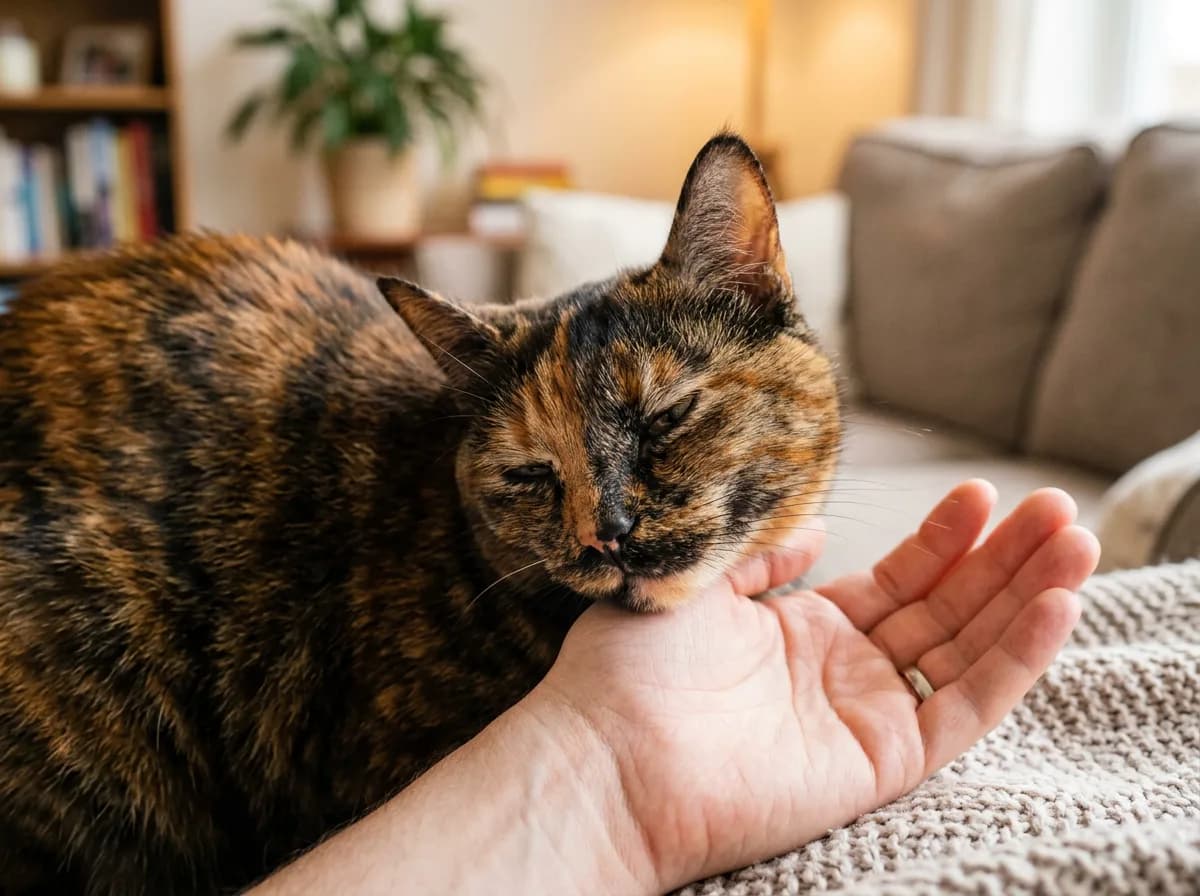
This is the trait people mean when they call torties divas. Plenty of torties are deeply affectionate, but they tend to want affection initiated on their schedule, not forced. Again, that is cat behavior in general. Cats that get to consent to handling are calmer and friendlier; cats that get grabbed learn to defend themselves.
| Trait Owners Report | What Owners Describe | What the Science Actually Supports |
|---|---|---|
| Highly vocal and chatty | Frequent meowing, chirping, demanding attention | No color link; vocalization is individual and strongly breed-driven (Siamese, Oriental breeds) |
| One-person bonding | Devotes to a single chosen human | Real cat behavior, no evidence it is color-linked |
| Independent and strong-willed | Does things on her own schedule, ignores commands | Universal feline trait, not specific to torties |
| Energetic and playful | High drive, athletic, loves toys | Driven by age, breed, health, and enrichment, not coat |
| Affectionate on her terms | Loving but initiates contact herself | Normal cat consent behavior across all colors |
| "Aggressive" or feisty | Swatting, hissing during handling | Modest owner-reported tilt in the 2016 UC Davis study, small effect, handling/vet context |
What Really Shapes a Tortie's Personality: Breed, Socialization, and Environment
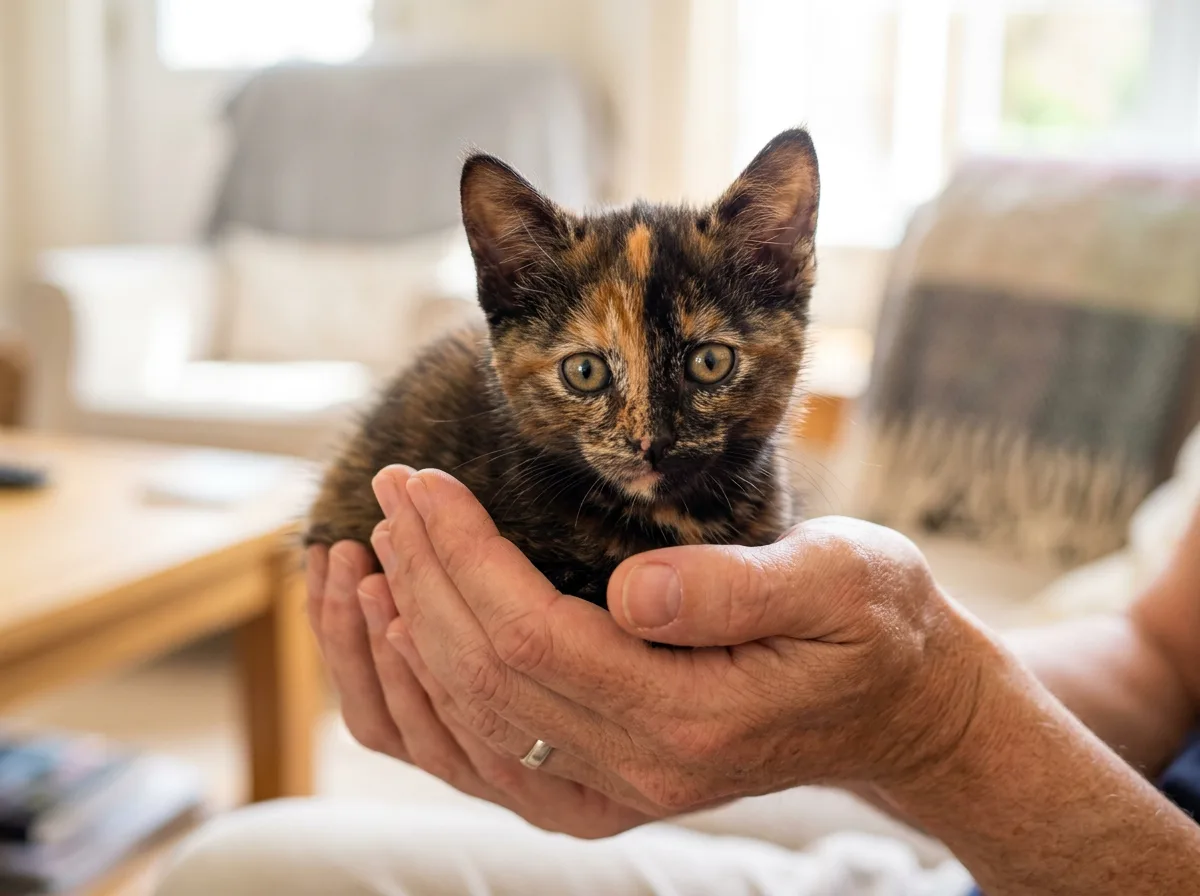
If color does not write personality, what does? Three things, in roughly this order: breed background, early socialization, and environment.
To understand why coat genetics cannot encode behavior, it helps to know what those genes actually do. The orange color in a tortie comes from a gene on the X chromosome. In 2025, two independent teams (Greg Barsh's group at HudsonAlpha and Stanford, and Hiroyuki Sasaki's team at Kyushu University) identified the long-sought orange gene as a small regulatory deletion affecting a gene called ARHGAP36, published in Current Biology. That gene controls a switch between red-orange pigment (phaeomelanin) and black pigment (eumelanin). It is a pigment switch. It is not a behavior switch.
Because a female cat has two X chromosomes, one carrying orange and one carrying non-orange, a process called X-chromosome inactivation (described by geneticist Mary Lyon in 1961, and sometimes called lyonization) randomly silences one X in each cell as the embryo develops. The result is a mosaic of orange and black patches: the tortoiseshell coat. This is the same reason roughly 99.9% of torties are female. None of this machinery touches the genes that influence temperament.
- If you are choosing a cat for a specific personality, breed background is a far better predictor than coat pattern. A tortie Persian, tortie Maine Coon, and tortie domestic shorthair can have very different default temperaments because they carry different breed traits, not because of the orange and black.
Breed sets a baseline. A laid-back breed like the Ragdoll tends to be docile and people-oriented; a talkative breed like the Siamese tends to be vocal and demanding; a big, gentle breed like the Maine Coon tends to be easygoing. Any of these breeds can be tortoiseshell, and the breed traits will show through regardless of the pattern.
Socialization writes the next layer. Kittens handled gently and exposed to people, sounds, and normal household life between roughly 2 and 9 weeks of age grow into more confident, easygoing adults. A kitten that missed that window can be skittish or defensive no matter how pretty the coat.
Environment finishes the picture. A cat with vertical space, daily play, predictable routines, and the freedom to opt out of handling will be calmer and friendlier than the same cat in a stressful, under-stimulated home. Many "tortitude" complaints are really enrichment problems wearing a costume.
Why the Tortitude Myth Persists
If the science is this thin, why does tortitude feel so true to so many people? The answer is psychology, and no competitor explains it. Three forces keep the legend alive.
Confirmation bias comes first. Once you have heard that torties are sassy, you notice and remember every sassy moment and quietly forget the long stretches of ordinary cuddling. The brain collects evidence for what it already believes.
Expectation effects come next. People who expect a feisty cat may handle that cat more tentatively, or label a normal warning swat as "attitude" rather than "she is overstimulated." The label shapes the interpretation, and sometimes the interaction itself.

63-inch multi-level cat tree with scratch posts, hammock, plush perches, and dangling toys. Vertical territory is non-negotiable for high-energy climbing breeds like the Bengal.
Petful may earn a commission when you click through to Chewy, at no extra cost to you.
- Adopt a tortie expecting drama, read her normal boundary-setting as diva behavior, repeat the story to friends, and the legend grows. The cat did not change. The framing did. This is exactly the kind of bias a self-reported survey cannot fully filter out.
Finally, repetition by trusted sources. Shelters, rescues, and even some vet offices casually repeat "torties have tortitude" because it is a fun, memorable line. Hearing it from an authority makes it feel established, even though it traces back to one modest survey and a lot of charming anecdotes. A striking coat plus centuries of good-luck folklore makes torties feel special, and "special cat, special personality" is a satisfying story the human brain loves to tell.
Tortoiseshell Cat Behavior Problems, or Just Cat Behavior?
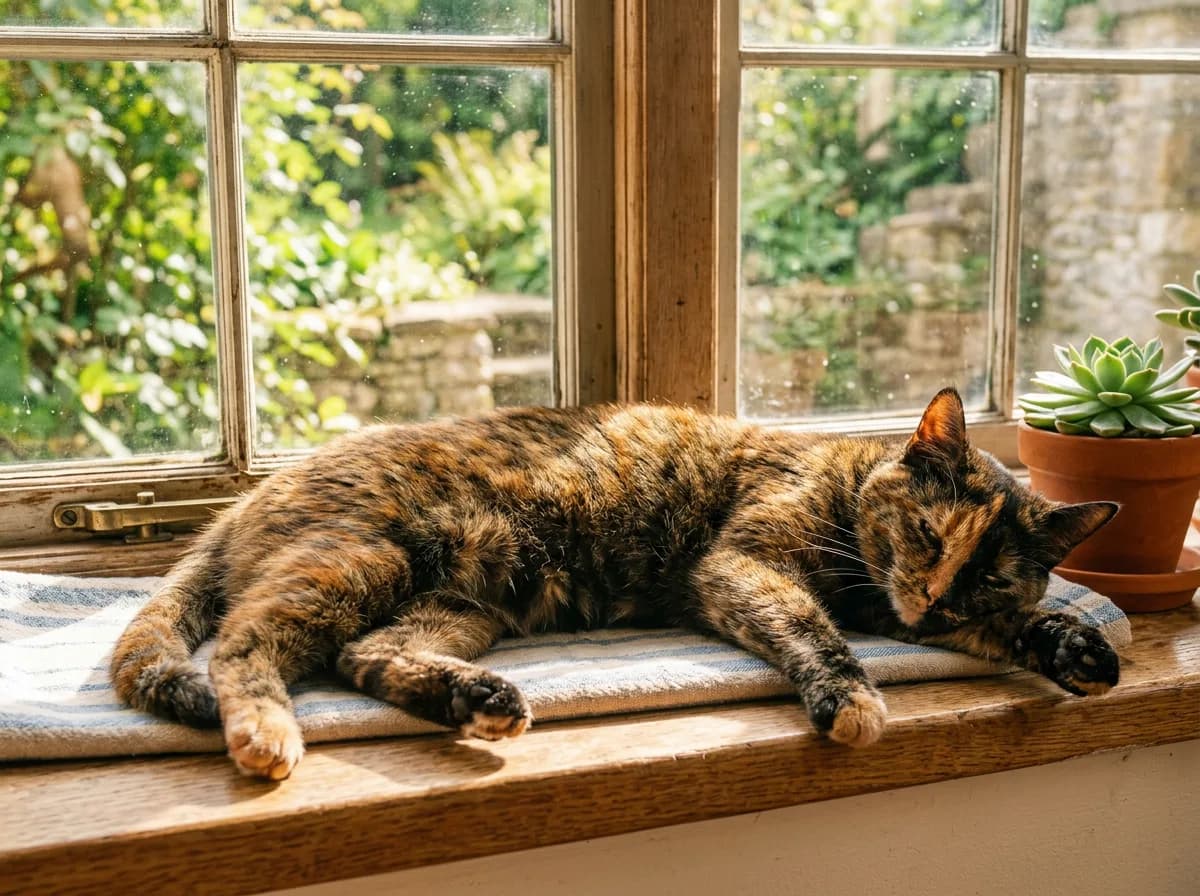
When owners search for tortoiseshell cat behavior problems, they usually mean swatting, biting during petting, hissing at handling, or sudden clinginess. These are not tortie defects. They are normal feline communication, and they have normal feline causes.
Petting-induced aggression (a cat that enjoys petting, then abruptly swats) is overstimulation, common in all cats. The fix is to watch for the warning signs (tail flicking, skin twitching, ears flattening, pupils widening) and stop before she reaches her limit.
Handling-related swatting lines up neatly with the UC Davis finding, which centered on handling and vet visits. A cat that dislikes being picked up, restrained, or examined will protest, and some cats protest loudly. That is a handling-comfort issue, addressable with gradual, positive desensitization, not a fixed personality flaw.
Sudden clinginess or sudden aggression that is new and out of character is the one to take seriously. A normally independent cat that becomes intensely clingy, or a gentle cat that turns reactive, can be telling you something hurts.
- A sudden change in behavior (new aggression, new hiding, new clinginess, litter box lapses) is a medical red flag, not a personality quirk. Cats hide pain. Rule out illness, dental disease, or arthritis with your veterinarian first. For persistent behavior issues with no medical cause, a certified feline behaviorist can help. None of this is unique to torties.
Male vs Female Tortoiseshell Cat Personality
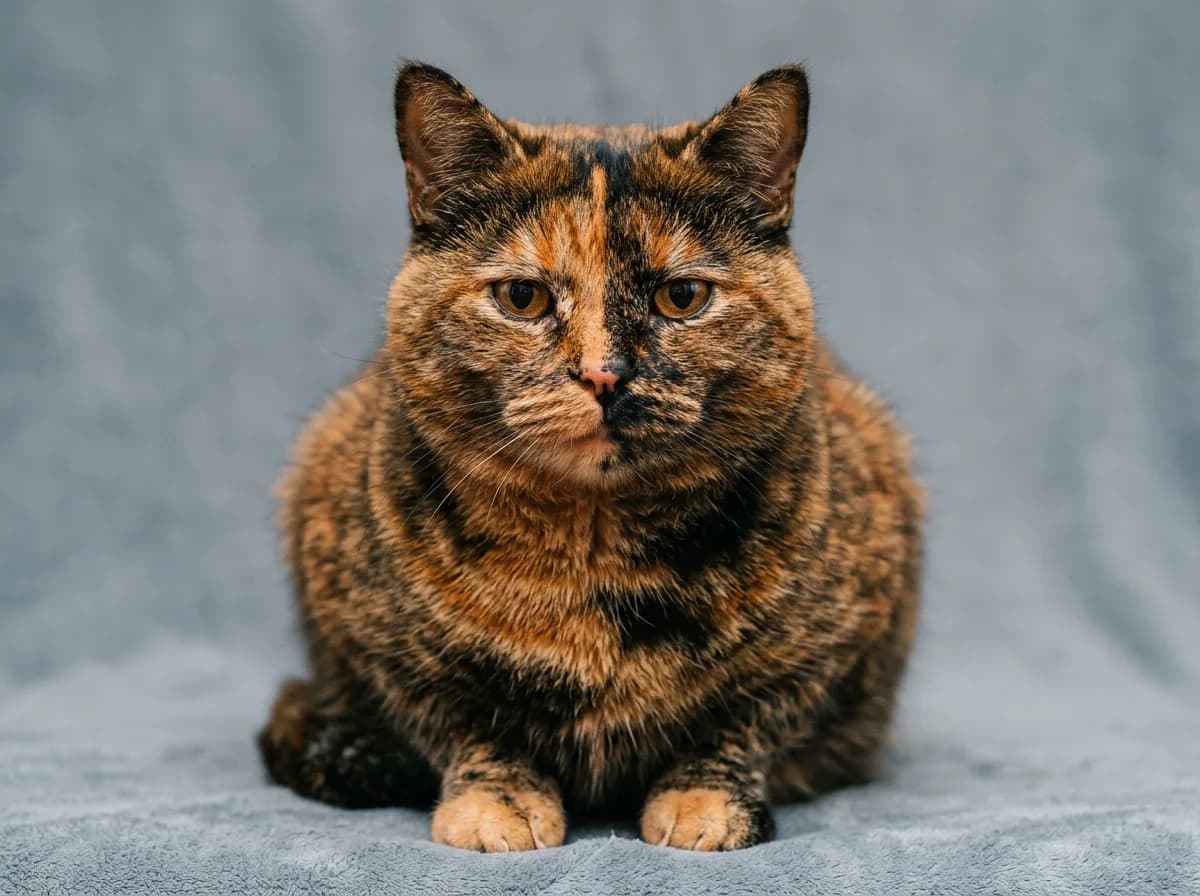
Almost every tortoiseshell is female. Because the orange and non-orange genes both sit on the X chromosome, and it takes two different X chromosomes to display both colors, a standard male cat (XY) cannot be a tortie. Male tortoiseshells happen only about 1 in 3,000 (the commonly cited University of Missouri figure), and they arise from rare genetic situations: XXY (an extra X chromosome, known as Klinefelter syndrome), chimerism (two embryos fused into one cat), or somatic mosaicism.
Owners of the rare male tortie sometimes ask whether he has a different personality. There is no evidence that he does. The behavior research did not isolate male torties (there are too few to study meaningfully), so any claim about a distinct "male tortie temperament" is anecdote, not data.
- Male torties are NOT all sterile (rare fertile cases exist, usually chimeras or mosaics), and they are NOT "worth more money." A male tortie is a genetic curiosity with no breeding value, not a premium product. XXY males do tend to have more health issues and sometimes shorter lifespans, so a male tortie deserves attentive veterinary care, not a price tag.
Searches for "tortoiseshell cat personality female" essentially describe the default tortie, since nearly all torties are female. Everything in this article applies to her: owner-reported sass, real individual variation, and a temperament shaped by breed and upbringing rather than coat.
Does Coat Shade Change Anything? Black, Dilute, and Tortie Tabby Personalities
Related searches ask whether a black tortoiseshell, a dilute tortie, or a tortie tabby (torbie) behaves differently. The short answer is no.
A "black tortoiseshell" usually means a dark tortie whose black patches dominate the coat, with the orange more subdued. A dilute tortoiseshell carries two copies of the recessive dilution gene (MLPH), which softens black to blue-gray and orange to cream, producing the gentle "blue-cream" brindle. A torbie is a tortie with tabby striping woven through the patches.

108-oz stainless steel pet fountain with quiet pump and water-level window. Bengals are notoriously water-obsessed; a flowing fountain encourages hydration and pulls them away from sinks and toilets.
Petful may earn a commission when you click through to Chewy, at no extra cost to you.
- Black, dilute, and torbie are variations in how the same pigments are expressed and distributed. The "dilute torties are calmer" idea is a folk belief, sometimes called the "dilute personality," with no scientific support. A blue-cream dilute tortie is no mellower by genetics than a high-contrast tortie. Any difference you see is the individual cat.
Whatever the shade, the rule holds: the pattern affects appearance, not behavior. If you want a window into how coat-color genetics work across breeds without touching temperament, breed color hubs like the Maine Coon colors guide and orange Maine Coon genetics lay out the same pigment science the tortie pattern relies on.
Living With a Tortie: Practical Tips for a Happy Home
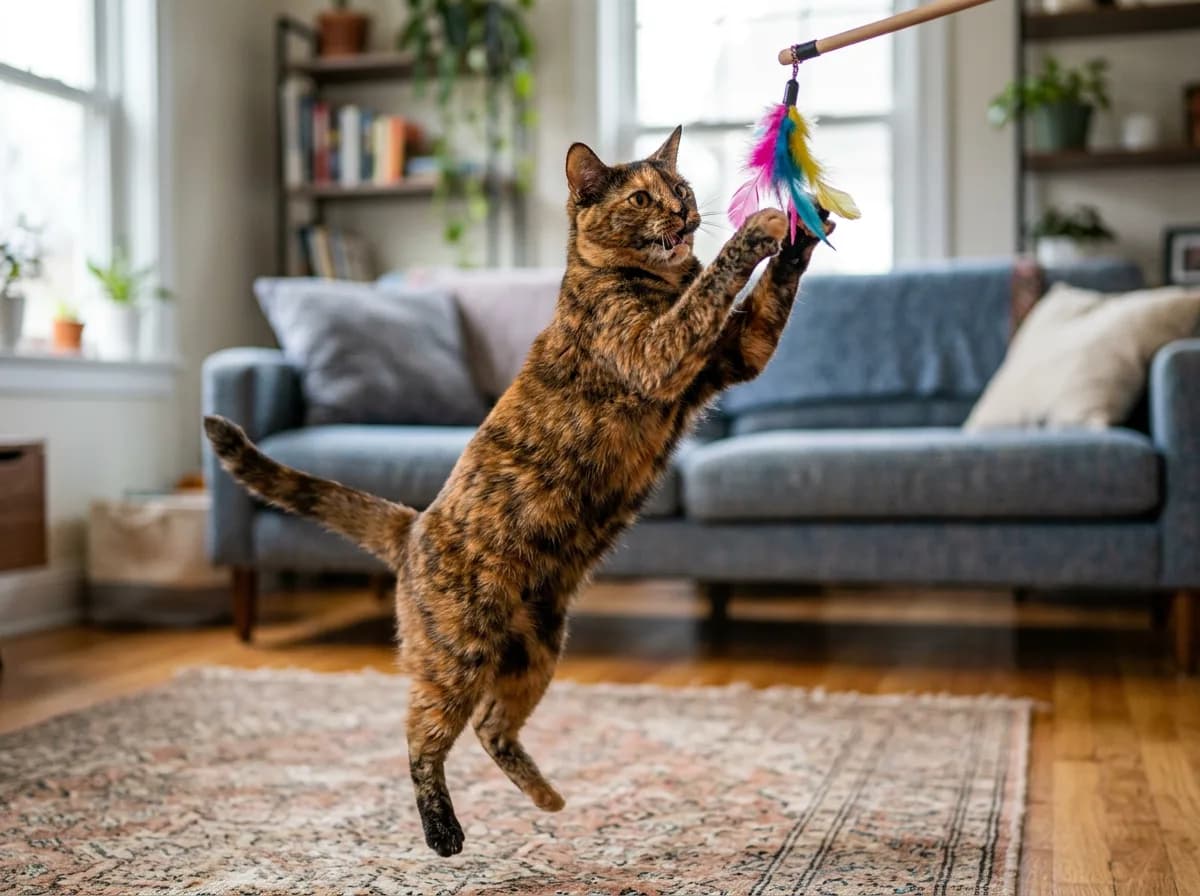
Here is the honest, useful takeaway that the science actually supports, and that no competitor draws. The UC Davis aggression showed up during handling and vet visits. That makes low-stress handling the single most practical thing you can do, not because your tortie is broken, but because reducing handling stress reduces the only behavior the data flagged.
Respect handling limits. Let your cat approach you. Pet in short sessions, watch for overstimulation signals, and stop before she does. A cat that trusts you will not have to defend herself.
Read the vocal cues. If your tortie is chatty, learn her sounds. A demanding meow at the food bowl, a chirp of greeting, and a low growl while being brushed mean very different things. Responding to the easy requests builds trust and lowers the volume on the hard ones.
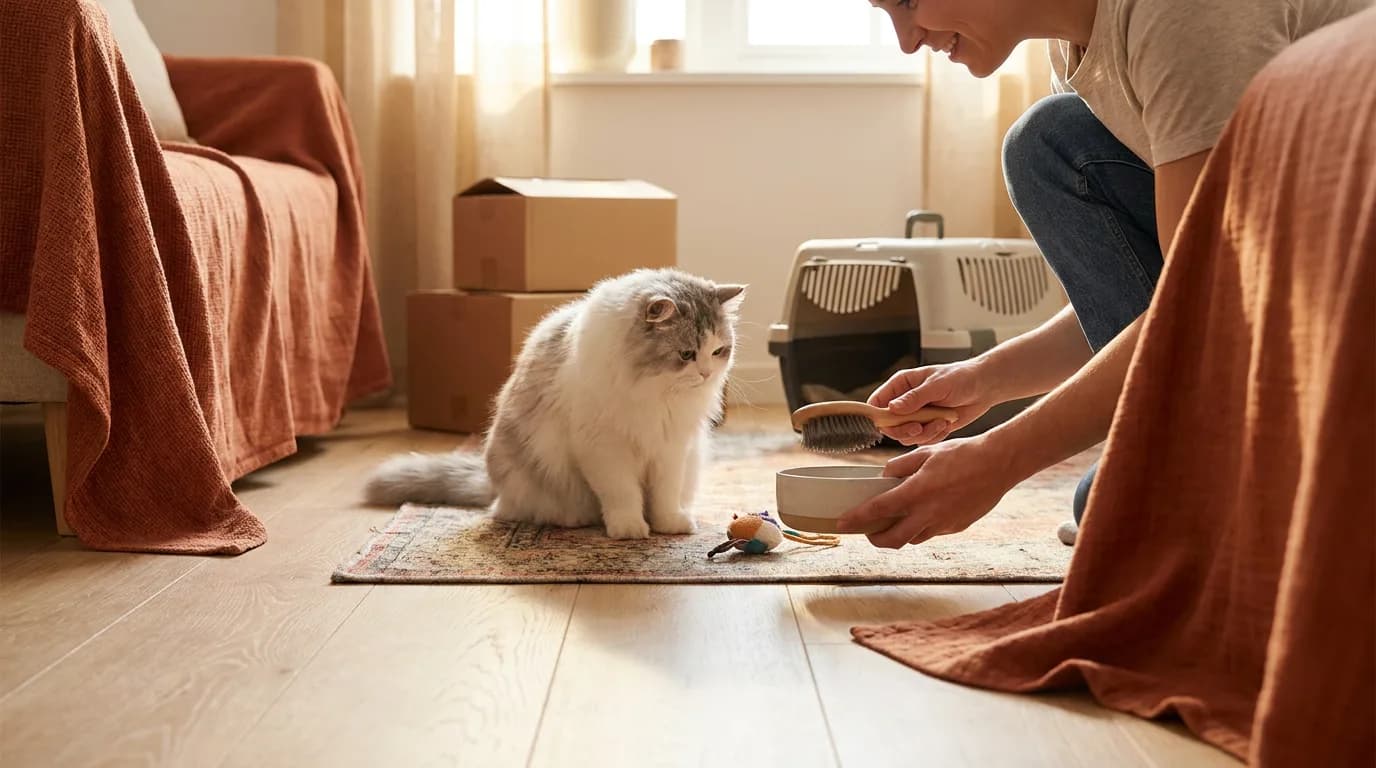
Make vet visits low-stress. Acclimate her to the carrier at home (leave it out, feed treats inside), use a towel and calm restraint, and ask your vet about fear-free handling and pre-visit calming options. This directly targets the situation the study highlighted.
Enrich the environment. Daily interactive play, climbing space, scratching posts, puzzle feeders, and predictable routines turn a "feisty" cat into a satisfied one. Most tortitude complaints shrink when energy has somewhere to go.
- Treat your tortie like the individual cat she is, not the legend she is supposed to be. Meet her energy, respect her boundaries, and keep handling positive. Do that and her "attitude" usually turns out to be a personality you genuinely enjoy.
Torties With Other Cats, Dogs, and Kids
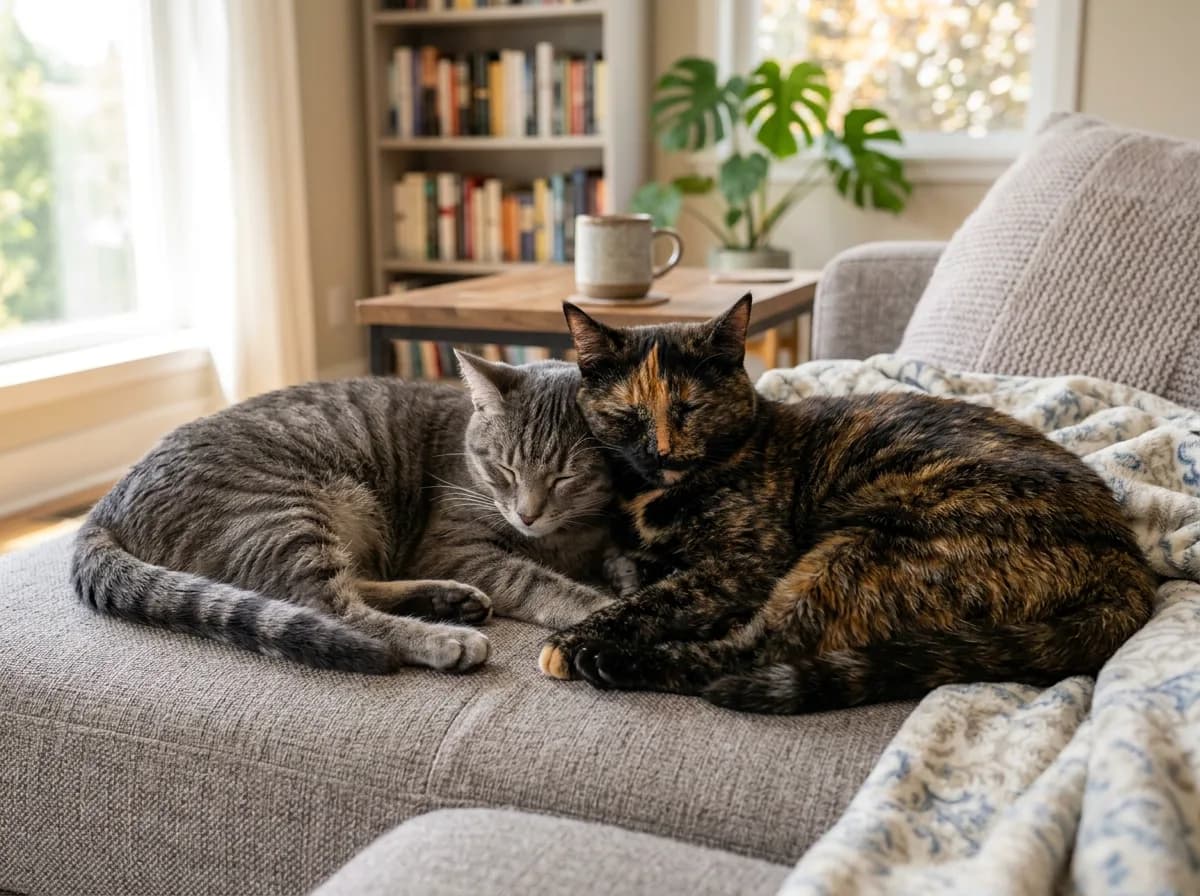
A live search with almost no competitor coverage is how torties get along with other pets and children. The answer is reassuring and, by now, predictable: it depends on the individual cat, her socialization, and how introductions are handled, not on her coat.
With other cats, a tortie is as likely to coexist peacefully as any cat. The "one-person, anti-social" reputation can make people assume torties hate company, but plenty share homes happily with other cats. Success comes from slow, scent-first introductions and giving each cat enough resources (separate food stations, multiple litter boxes, vertical territory) so no one feels crowded.
With dogs, calm, cat-savvy dogs and confident cats often become friends. A tortie raised around a gentle dog usually accepts dogs; one with a bad early experience may not. Manage first meetings, give the cat escape routes and high perches, and never force proximity.
With kids, the same handling rules that prevent swatting in adults prevent it with children. Teach kids to let the cat come to them, to pet gently and briefly, and to never corner or grab her. A tortie who is given control over her interactions is a fine family cat. A tortie who gets chased and squeezed will set boundaries the way any cat would.
- Whether a tortie thrives in a multi-pet, kid-filled home is decided at the introduction stage and reinforced daily, not by her color. Slow, choice-based introductions work for torties exactly as they work for every other cat.
Tortitude Folklore: How the Legend Spread
The tortitude story did not appear from nowhere. Tortoiseshell cats have carried an aura of specialness for centuries, and that cultural weight quietly props up the modern personality myth.
In maritime and Celtic folklore, torties were "money cats," thought to bring good luck and fortune, and sailors kept them aboard ships to ward off bad weather and protect against misfortune. In Japan, the tri-color mi-ke cat is the model for the maneki-neko, the beckoning "lucky cat" figurine seen in shop windows worldwide. Various traditions tied torties to prosperity, protection, and a touch of magic.
- Good-luck and "money cat" legends are genuine folklore worth enjoying. They are also exactly the kind of mystique that makes "this cat has a special personality" feel believable. Enjoy the stories; just do not mistake folklore for behavioral science.
When a cat is already cast as lucky, magical, and rare (a male tortie especially), it is a short step to "and she has a special personality to match." Centuries of mystique plus one modest survey plus the brain's love of a good story equals tortitude. The folklore is delightful. The personality conclusion it props up is still not science.
That same purebred mystique attaches to torties of specific pedigrees. A tortoiseshell Persian is prized for the breed's plush coat and placid nature, and the Persian color divisions formally recognize tortie and calico patterns. In every case, the breed brings the temperament; the tortie pattern brings the looks.
The Honest Bottom Line on Tortoiseshell Cat Personality
Tortoiseshell cat personality is one of the most charming cat myths going, and like most good myths it has a grain of truth. The grain is one modest, owner-reported survey from UC Davis showing a small tilt toward handling-related aggression in tricolor females. Everything else, the diva energy, the one-person loyalty, the legendary sass, is real lived experience filtered through confirmation bias, expectation, and centuries of lucky-cat folklore.
If you love torties, love them for what they are: gorgeous, often vivid individuals whose personalities are written by breed, upbringing, and the home you give them, not by the orange and black in their fur. Respect her boundaries, keep handling kind, give her plenty to do, and the cat you get to know will be far more interesting than any legend.
Some do and some do not, exactly like cats of every color. There is no evidence torties dislike being held more than other cats. The 2016 UC Davis survey found tricolor females had a small owner-reported tilt toward aggression during handling, so the safest approach is to let your tortie choose when to be picked up, keep holds short, and watch for overstimulation signals like tail flicking or ear flattening.
Their coat. Tortoiseshells show a mosaic of orange and black created by X-chromosome inactivation, which is why roughly 99.9% are female and males occur only about 1 in 3,000. They also carry rich good-luck folklore as "money cats" and inspired Japan's maneki-neko. What is not special, scientifically, is their personality: no study shows torties behave differently because of their color.
Many owners say their tortie bonds hardest to one human, but this is common cat behavior, not a tortie-specific trait. Cats often favor whoever feeds, plays with, and respects their space most consistently. There is no evidence one-person bonding is more common in torties than in any other cat.
Clinginess varies by individual cat and is driven by personality, routine, and how secure the cat feels, not by coat color. If a normally independent tortie suddenly becomes clingy, treat it as a possible health signal and check with your vet, because cats often seek extra contact when they feel unwell.
Not inherently. The one relevant study (UC Davis, 2016, 1,274 owners analyzed) found owners reported sex-linked orange females as modestly more aggressive toward humans during everyday handling and vet visits, but the effect was small, self-reported, and dwarfed by individual variation. Coat color does not make a cat aggressive; stress, overstimulation, pain, and poor socialization do.
Plenty of torties are very affectionate, often on their own terms, meaning they like to initiate contact rather than be grabbed. Affection level depends on the individual, her breed background, and how she was socialized, not on the tortie pattern. Let her come to you and most torties are warm, loyal companions.
Some torties are chatty and some are quiet. Vocalization is highly individual and strongly breed-linked (Siamese and Oriental breeds are famously talkative), so a vocal tortie is likely expressing her personality or breed heritage, not her coat color. There is no proven link between the tortie pattern and being vocal.
No. Tortitude is a popular belief, not an established scientific fact. The only peer-reviewed study (Stelow, Bain, and Kass, UC Davis, 2016) found a small, owner-reported tendency toward handling-related aggression in tricolor females, with the authors cautioning against overinterpretation. That modest survey is not proof of a distinct tortie personality type.
There is no evidence they do. Male torties are extremely rare (about 1 in 3,000) and usually result from XXY genetics, chimerism, or mosaicism, so there are too few to study for temperament. Any claim about a special male tortie personality is anecdote, not data. Male torties are also not all sterile and are not worth more money.
As variable as any cat. Despite the "one-person, anti-social" reputation, many torties live happily with other cats. Success depends on slow scent-first introductions and enough resources (separate feeding stations, multiple litter boxes, vertical space), not on the cat's color.
No. Black torties (black-dominant coats), dilute torties (soft blue-cream from the recessive dilution gene), and torbies (tortie plus tabby striping) differ only in appearance. The "dilute torties are calmer" idea is folklore with no scientific support. Any behavior difference you notice is the individual cat, not the coat shade.

Coreen Saito is a pet writer and longtime shelter volunteer with more than a decade in animal rescue. She covers cat behavior, breed care, and the small, ordinary science of sharing a life with companion animals, with a particular focus on honest takes about the products and decisions that actually matter. At home in Arizona, she's outranked by Mac (a dog with the loudest opinion in the house), Rebel (a cat who governs by quiet authority), and Meri (an orange tabby who runs the late shift and the laundry basket). She writes about all three, plus the rescues that keep coming through her life, at LifeWithMinty.com.
Sign up for expert-backed reviews and safety alerts all in one place.