Persian Cat Colors: The Complete Guide to Every CFA Division
Persian cats come in dozens of colors across 7 CFA divisions, from solid white and black to silver chinchilla, calico, and colorpoint Himalayan. See every Persian color, which are rarest, and how color affects price.
Petful is reader supported. As an affiliate of platforms like Amazon and Chewy, we may earn a commission when you buy through links on this page. There is no extra cost to you.
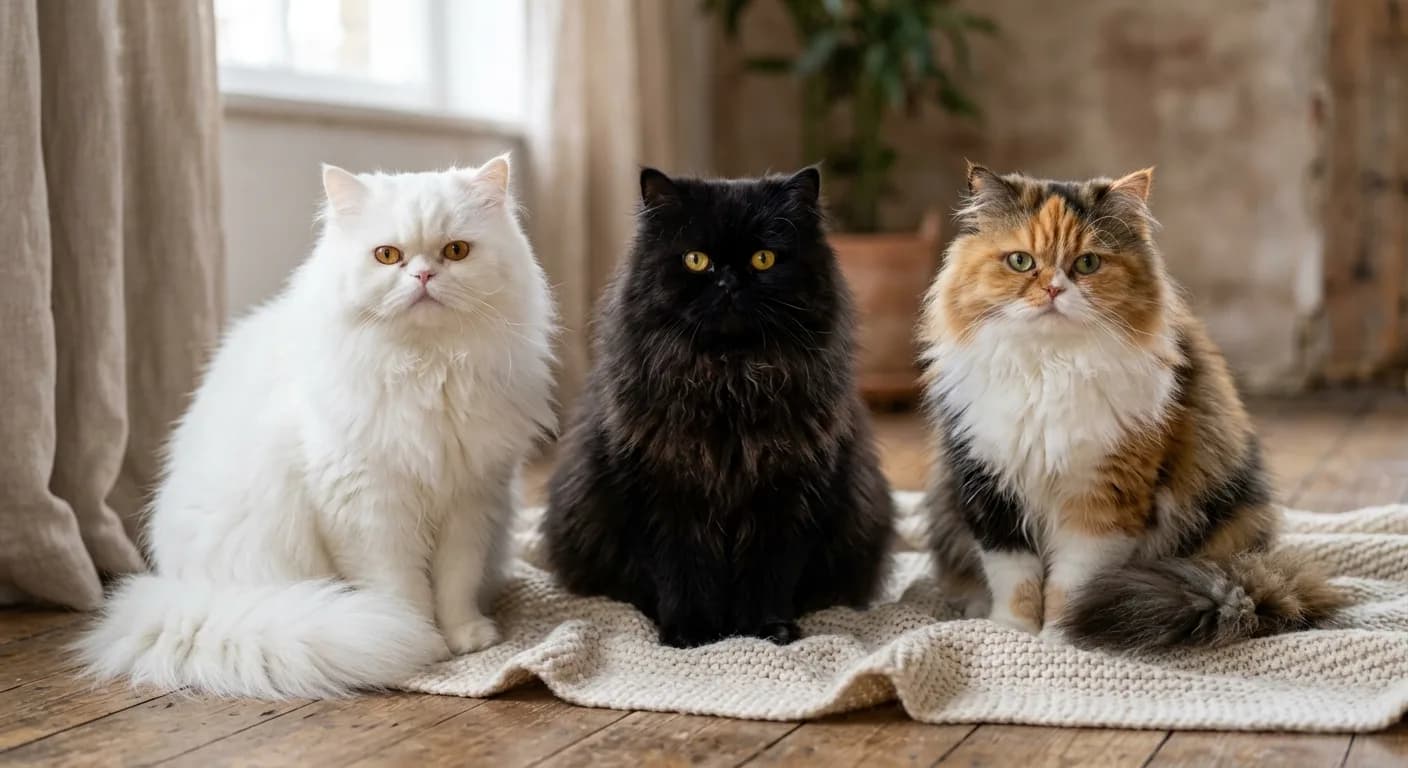
Persian cat colors span seven official divisions recognized by the Cat Fanciers' Association (CFA), making the breed one of the most color-diverse in the cat fancy world. The CFA breed standard formally recognizes over 80 color and pattern combinations across those divisions, and breeders competing at championship level enter by division, not by color alone. Persian color genetics have been refined over more than a century of selective breeding, so the range you see today reflects deliberate human choices layered on top of natural feline pigment pathways. Understanding which division a color belongs to helps buyers and admirers speak the same language as reputable breeders, and knowing which colors are rare or in high demand helps explain why price tags vary so widely. Before diving into each division, the quick answer: virtually every cat-coat color and pattern that exists in the domestic cat can appear on a Persian.
- 17 CFA color divisions
- 2White Persians can have blue, copper, or odd eyes
- 3Himalayan is a pointed Persian division, not a separate breed
- 4Chocolate and lilac are the rarest colors
- 5Coat color influences price

Sign up for expert-backed reviews and safety alerts all in one place.
What Are the 7 CFA Persian Color Divisions?
The CFA organizes every registered Persian into one of seven divisions for competition. Each division groups coats by the underlying pigment pattern rather than just the finished color. The divisions are: Solid, Silver and Golden, Shaded and Smoke, Tabby, Parti-Color (Tortoiseshell), Calico and Bicolor, and Himalayan (Pointed). A kitten that looks "gray" might register as Blue (Solid division) or Blue Smoke (Shaded/Smoke division), depending on whether the roots are white or fully pigmented. Petful’s guide to Himalayan cat colors has the full breakdown.
Solid Division: Classic, Clean Colors
Solid Persians carry a single uniform color from root to tip with no tipping, banding, or pattern. The recognized solids include White, Black, Blue (the cat fancy term for gray), Red, Cream, Chocolate, and Lilac. Black Persians look stunning against that flowing coat but can fade to a rusty brown with prolonged sun exposure. Red and Cream solids require careful breeding to minimize tabby "ghost markings" that emerge on warm-toned cats due to the tabby gene's dominance.
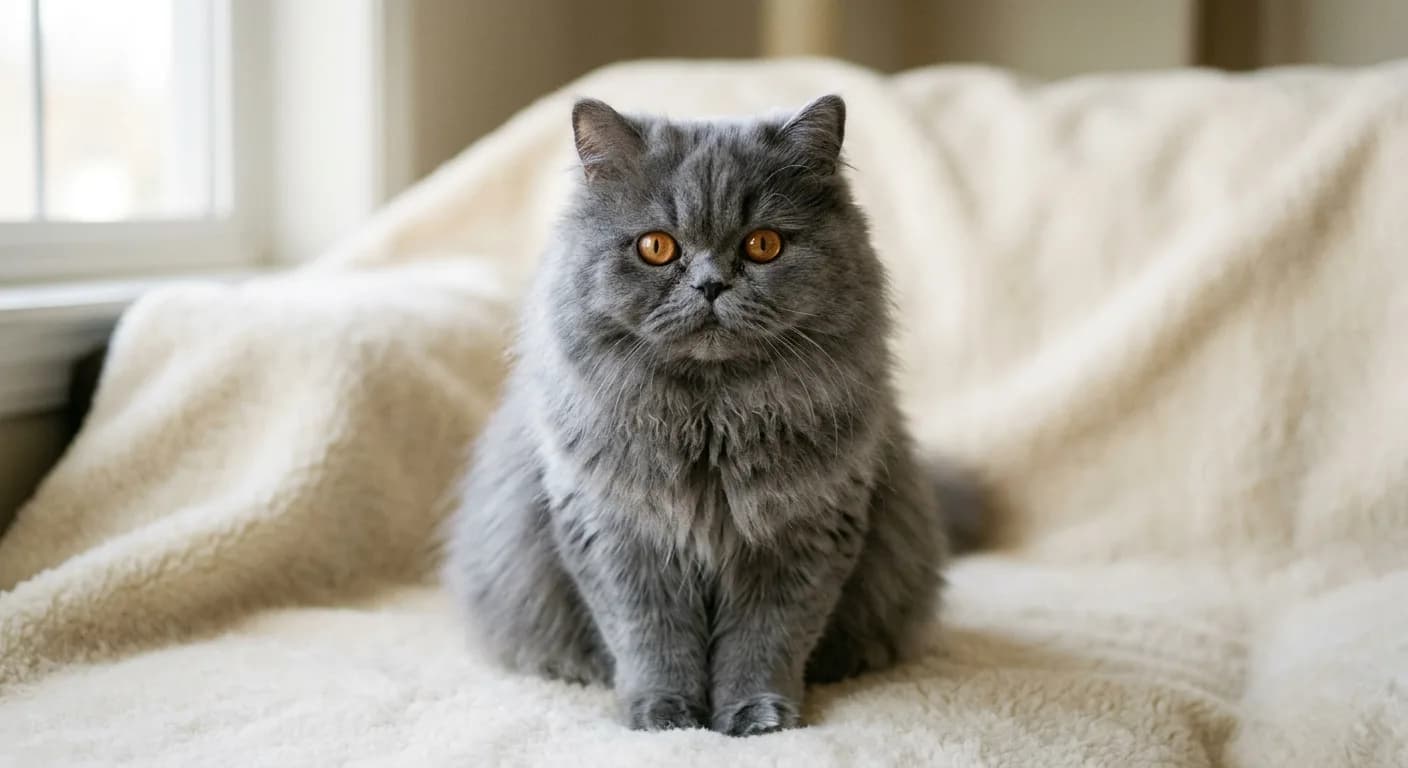
- All solid-colored Persians except White should have deep copper eyes per the CFA standard. Eye color is a judging point, so breeders select hard for richness and depth.
The White Persian: A Division All Its Own
White is technically part of the Solid division, but its popularity and unique genetics justify covering it separately. White Persians are among the most searched and highest-demand Persians today, driven partly by social media and partly by the breed's iconic "doll face" aesthetic being easiest to see on a pure white coat. The CFA standard permits three eye-color variations for White: brilliant blue, deep copper, and odd-eyed (one blue, one copper). Odd-eyed white Persians are particularly striking and command premium prices from buyers who prioritize appearance.
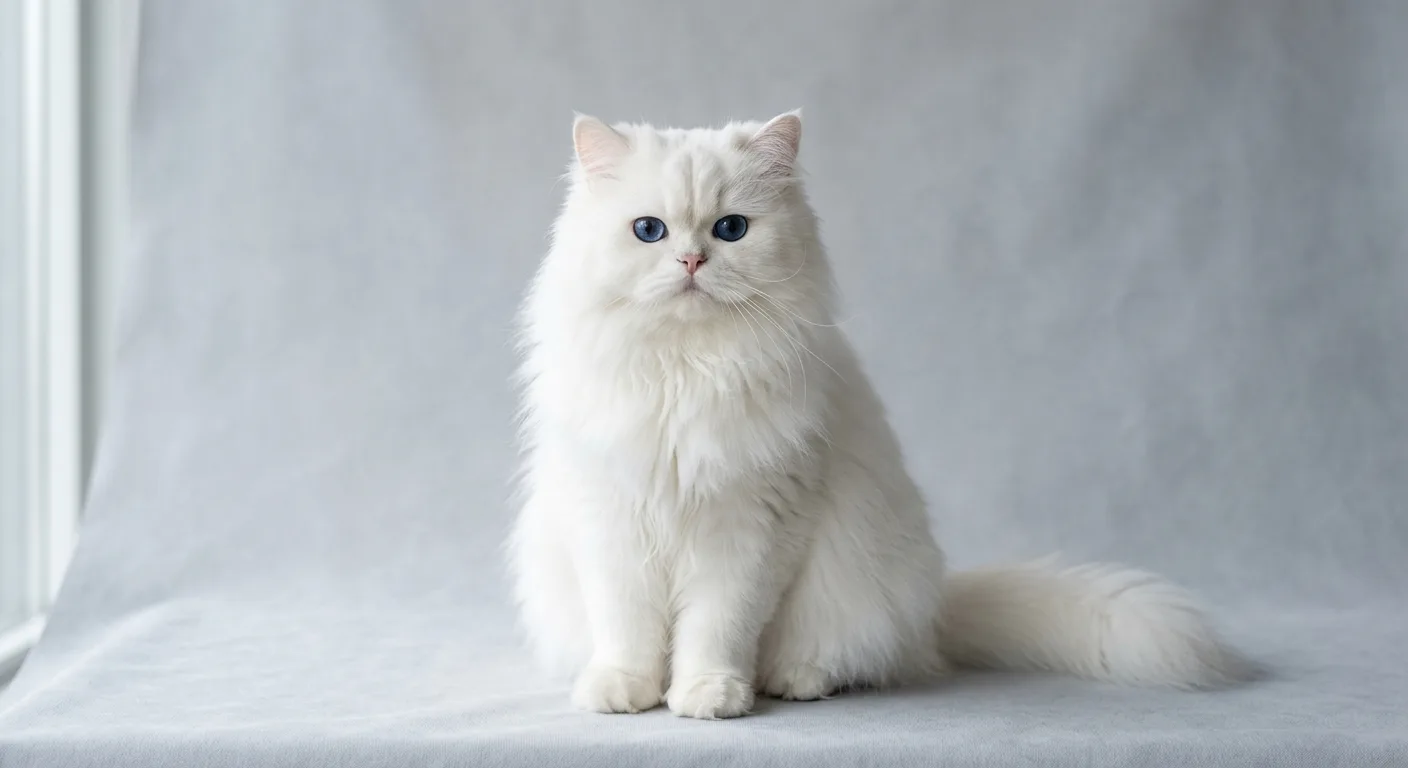
One important genetics note: white in cats is often caused by the dominant white gene (W), which masks any underlying color. This means a White Persian can carry a hidden color in its genotype, which only reveals itself in offspring. Congenital deafness is statistically more common in blue-eyed white cats due to the link between the W gene and cochlear development, so reputable breeders BAER-test white kittens before placement.

Never Scoop Again® with the Whisker Litter-Robot, the smart self-cleaning automatic litter box. Monitor visits and track weights for better overall care in the Whisker® app. Multi-cat friendly.
Petful may earn a commission when you click through to Whisker, at no extra cost to you.
For more about how color plays into pricing, see Persian cat price.
Silver and Golden Division: The Glamour Coats
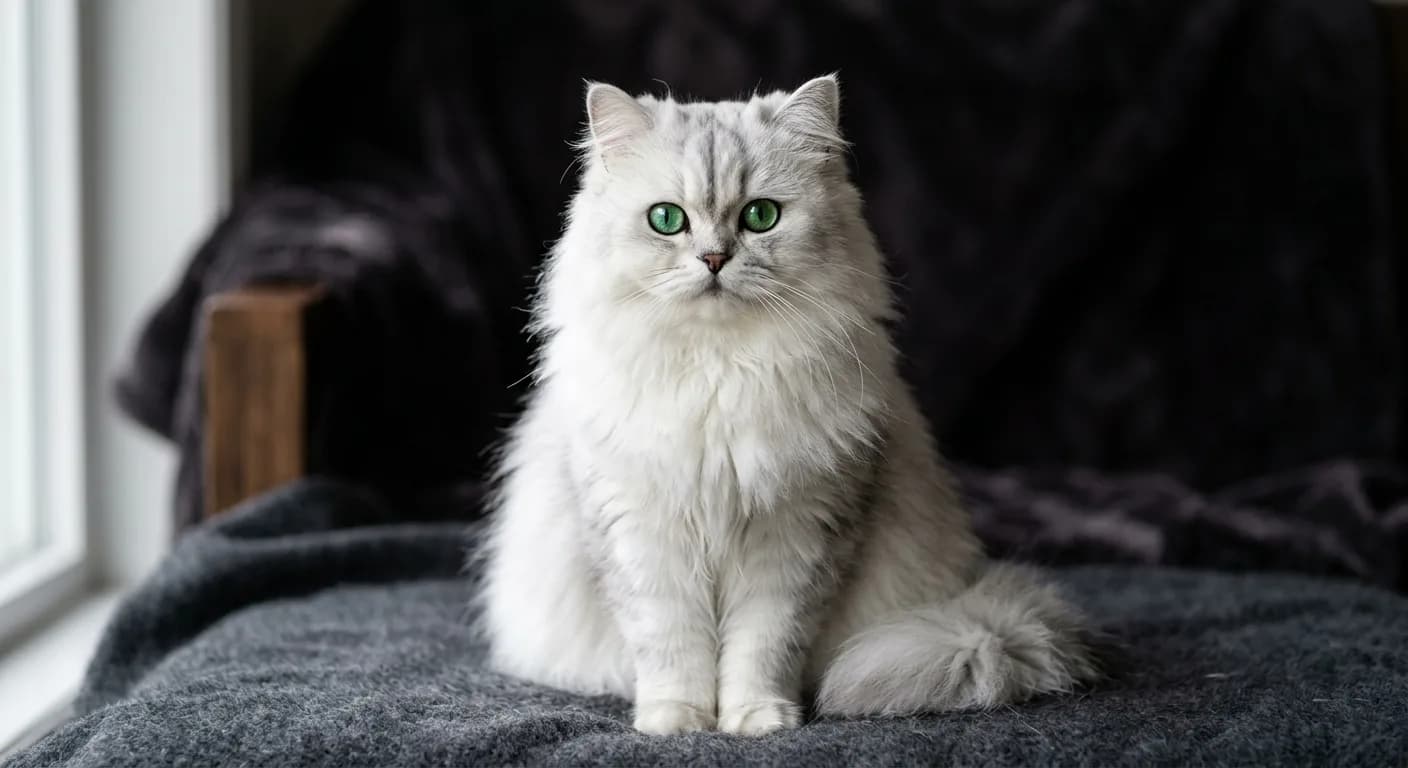
The Silver and Golden division produces what many people picture when they think of a "fancy" Persian. Chinchilla Silver is the lightest expression: each guard hair is tipped only at the very tip with black, giving the coat an almost sparkling white appearance with a delicate shimmer. Shaded Silver carries heavier tipping (roughly one-third of the hair shaft), producing a noticeably darker mantle that grades lighter toward the flanks and belly.
Golden Persians swap the silver base for a warm buff-to-apricot undercoat, with tipping in black or brown creating a rich, sun-kissed finish. Chinchilla Golden is the lightest, Shaded Golden the darker expression. All cats in this division carry the inhibitor gene (I) that suppresses eumelanin in the lower hair shaft.
Eye color in this division is distinctively green or blue-green rather than copper, which is genetically linked to the inhibitor gene. This is one of the few Persian divisions where green eyes are the correct and desired color per the CFA standard.
Shaded and Smoke Division: Hidden Depth
Shaded and Smoke Persians look deceptively solid until you part the fur. Smoke cats have a white or near-white undercoat with heavy tipping extending well down the hair shaft, so when the cat moves, the pale roots flash through in ripples. Black Smoke is the most common, but Blue Smoke, Red Smoke, Cream Smoke, Tortoiseshell Smoke, and Blue-Cream Smoke all exist within this division.
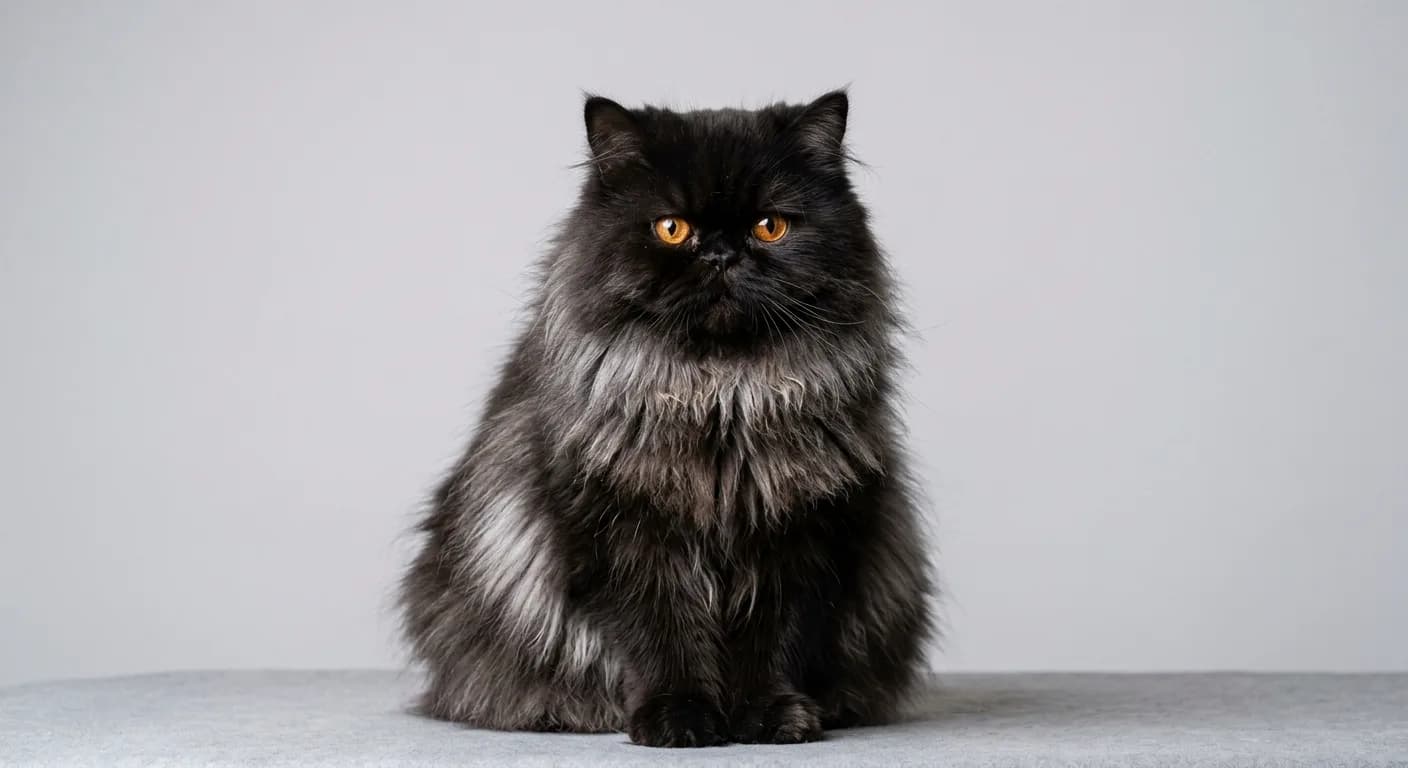
Shaded cats (Shell Cameo, Shaded Cameo, Shaded Tortoiseshell, and others) sit in between: more tipping than a Chinchilla, less than a Smoke. Cameo refers specifically to red or cream tipping on a white undercoat, producing a warm pinkish-ivory effect that is immediately recognizable.
Tabby Division: Pattern Meets Plush
Persian tabby colors come in four patterns: Classic (blotched), Mackerel, Patched, and Spotted (though Classic dominates in Persians). The recognized tabby colors are Brown, Blue, Red, Cream, Chocolate, Lilac, Cameo, and their Patched (torbie) counterparts. Brown Classic Tabby is historically common; Chocolate and Lilac tabbies are far rarer and reflect the deeper color genetics discussed below.
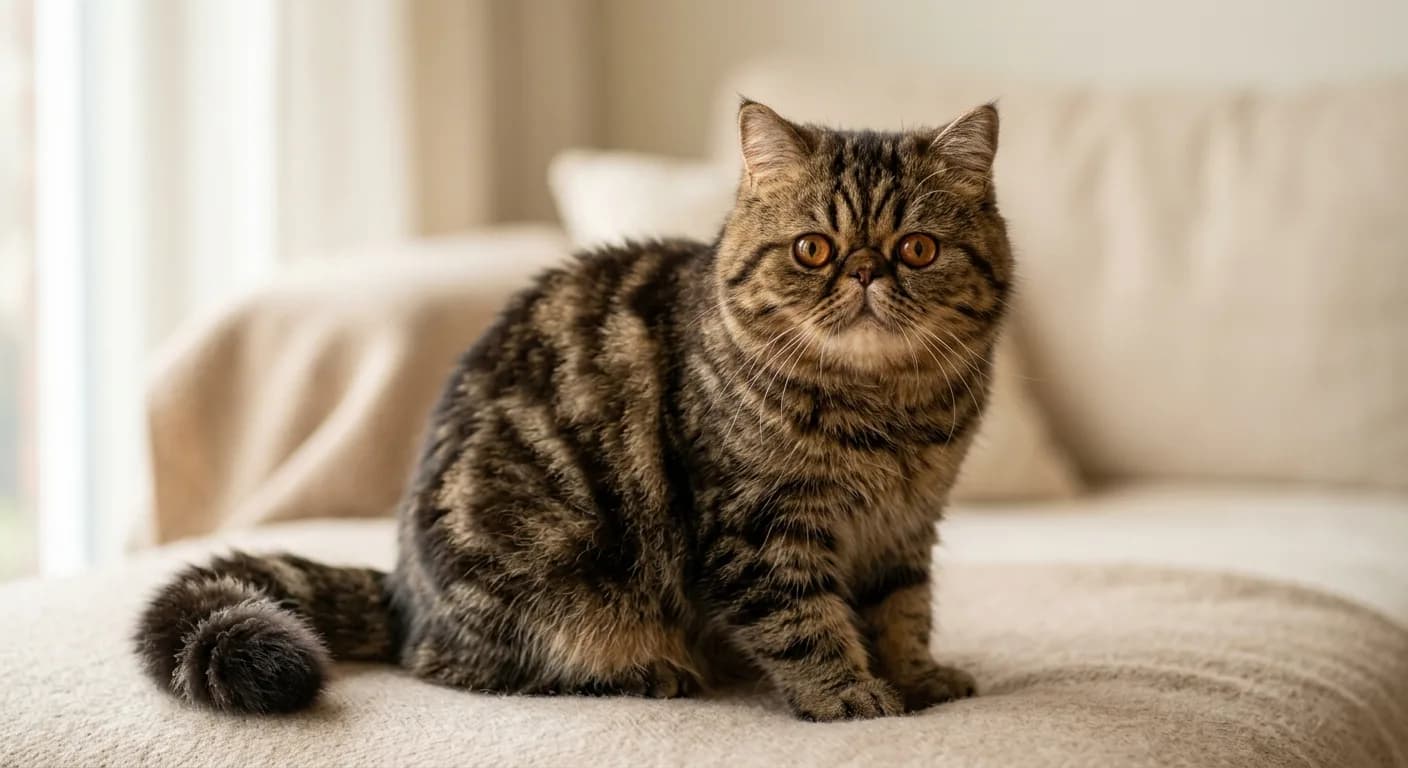
What makes Persian tabbies visually distinctive is that the abundant coat softens tabby markings considerably. A domestic shorthair tabby has crisp, defined stripes; a Persian tabby's markings appear more diffuse and painterly because the long guard hairs blend adjacent tones.
- A Silver Tabby belongs to the Tabby division; a Chinchilla Silver belongs to the Silver and Golden division. The difference is the presence or absence of visible tabby pattern. Misidentifying these is a common mistake in casual breed discussions.
Parti-Color (Tortoiseshell) Division: Almost Always Female
Tortoiseshell Persians combine black (or its dilute, blue) with red or cream in a brindled, mottled, or patched pattern. The CFA recognizes Tortoiseshell (black and red), Blue-Cream (blue and cream), Chocolate Tortoiseshell, and Lilac-Cream within this division. Because tortoiseshell coloring requires two X chromosomes carrying different color alleles (one orange, one non-orange), nearly all tortoiseshells are female. Male tortoiseshells exist but result from chromosomal anomalies (XXY) and are almost always sterile.
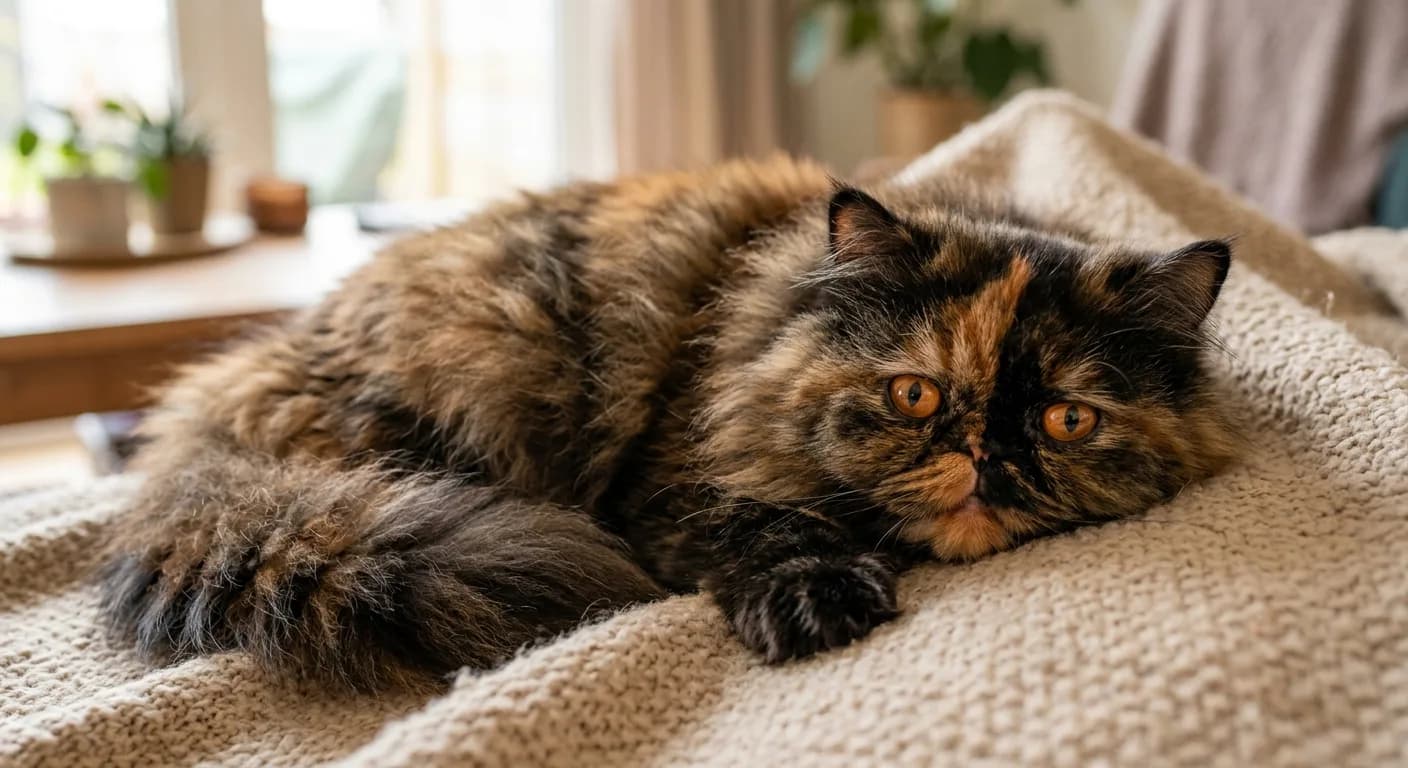
The intensity and distribution of the two colors varies widely, and breeders select for balance and clarity of both colors being present. Patches that are too large or too small can affect show scores.
Calico and Bicolor Division: White as the Canvas
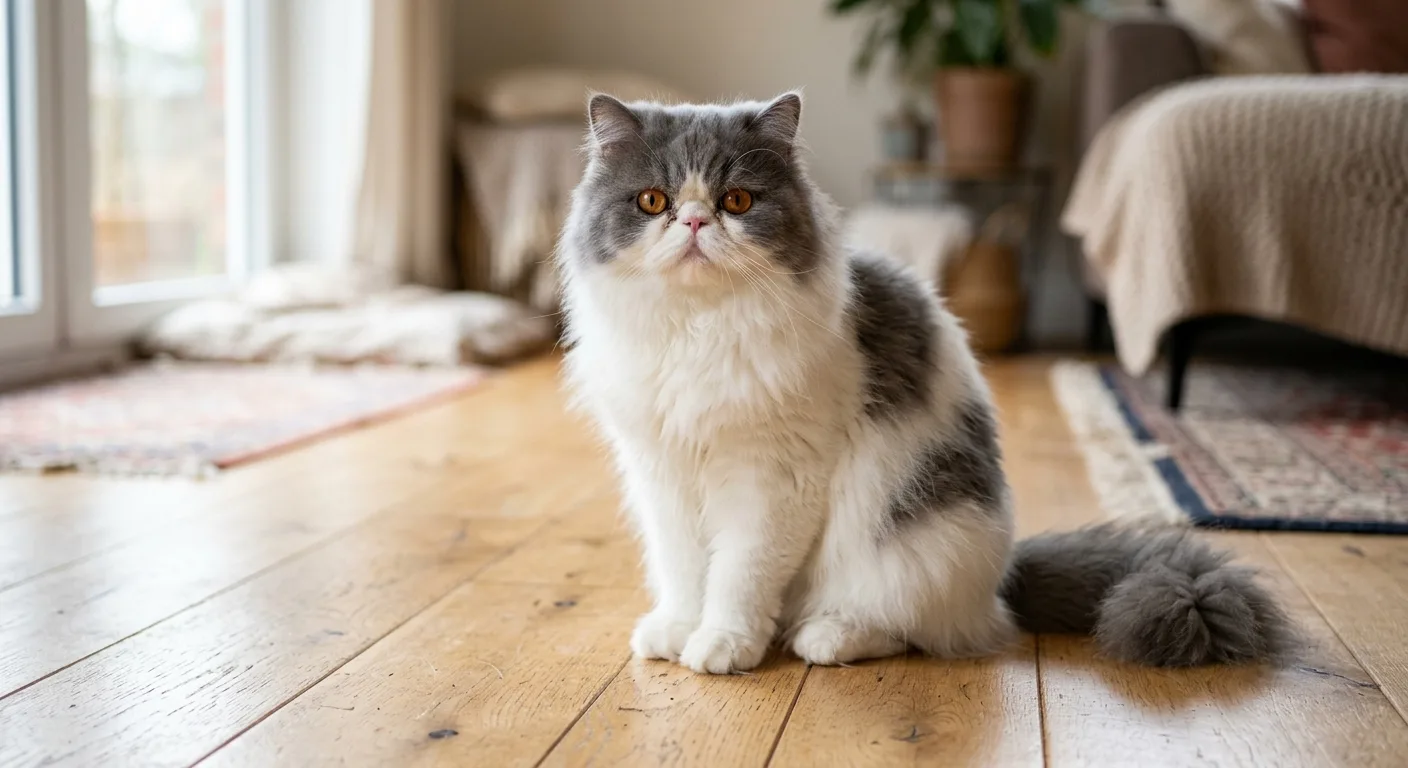
Bicolor Persians combine any solid or tabby color with white, with white covering specific body regions (ideally the muzzle, chest, belly, and paws). Calico Persians add the tortoiseshell element to the white: they carry three colors (black, red, white) in a tricolor pattern. Van-pattern Bicolors carry white across almost the entire body with color confined to the head and tail.

63-inch multi-level cat tree with scratch posts, hammock, plush perches, and dangling toys. Vertical territory is non-negotiable for high-energy climbing breeds like the Bengal.
Petful may earn a commission when you click through to Chewy, at no extra cost to you.
Calico genetics parallel tortoiseshell genetics: the black and red come from two different X chromosomes, so Calico Persians are almost exclusively female. The white patches are governed by a separate gene (the piebald/S gene) that is independent of the color genes.
Eye color in this division is typically copper, though odd-eyed and blue-eyed individuals appear, particularly in cats with large white areas.
Himalayan Division: The Colorpoint Persian
The Himalayan is not a separate breed in the CFA's eyes; it is the pointed division of the Persian breed. Himalayan Persians carry the colorpoint gene (cs), which restricts full color development to the cooler extremities (face/mask, ears, legs, paws, and tail) while the body remains a pale, creamy white. All Himalayan Persians have blue eyes, required by the standard. Point colors recognized by the CFA include Seal, Blue, Chocolate, Lilac, Red (Flame), Cream, Tortie, Blue-Cream, Chocolate Tortie, Lilac-Cream, and all four tabby (Lynx) variants in each of those colors.
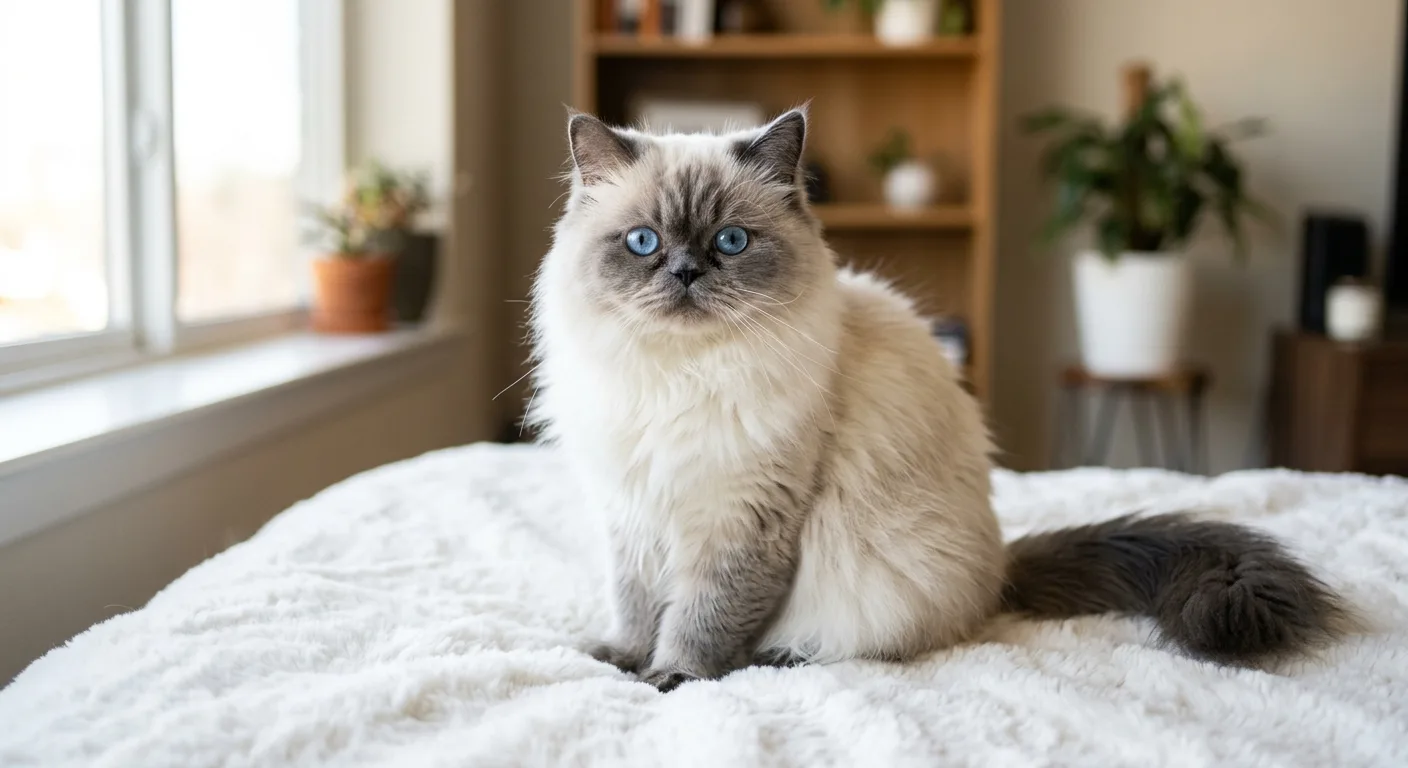
The Chocolate Point and Lilac Point Himalayan are among the rarest color combinations, as both require the recessive chocolate gene (b) to be present in homozygous form, a condition uncommon in a breed with limited genetic diversity for those alleles. For a deeper look at the Himalayan's history and temperament, see Himalayan cats.
- Himalayan type discussions often center on facial structure, not just color. Both "traditional" (doll face) and "ultra-typed" (peke face) Himalayans exist across all point colors. Buyers focused on health should research brachycephalic concerns before choosing an ultra-typed kitten regardless of color.
What Are the Rarest Persian Cat Colors?
Chocolate and Lilac are the rarest colors in the Persian breed, full stop. Both require the recessive chocolate allele (b) inherited from both parents; since neither Black nor Blue Persians visually reveal whether they carry the b allele, breeding for Chocolate and Lilac requires genetic testing or careful pedigree analysis. This rarity drives significant price premiums for Chocolate and Lilac kittens, including Chocolate Solid, Chocolate Tabby, Chocolate Tortoiseshell, Lilac Solid, and Lilac-Cream. Petful’s guide to Havana Brown kittens covers price, breeders, and what to expect.
Lilac is genetically a dilute Chocolate (blue dilute applied on top of chocolate pigment), producing a pale pinkish-gray coat that is immediately distinctive but extremely uncommon at most catteries. If a breeder advertises Chocolate and Lilac kittens regularly, that signals a deliberately maintained line for those alleles.

108-oz stainless steel pet fountain with quiet pump and water-level window. Bengals are notoriously water-obsessed; a flowing fountain encourages hydration and pulls them away from sinks and toilets.
Petful may earn a commission when you click through to Chewy, at no extra cost to you.
Eye Color by Coat Color: Quick Reference
Eye color in Persians is not random. The CFA standard specifies expected eye color by division:
- White Persians: deep blue, brilliant copper, or odd-eyed (one blue, one copper)
- All other Solid colors: deep copper (brilliant, deep-toned)
- Silver and Golden division (Chinchilla, Shaded Silver, Chinchilla Golden, Shaded Golden): green or blue-green
- Tabby, Parti-Color, Calico/Bicolor: copper
- Himalayan division: blue (deep vivid blue)
Mismatched eye color in a show cat is a fault. In a pet-quality kitten, it has no health significance, but it is a useful signal that the breeding may not have been optimized for standard compliance.
Does Color Affect Persian Cat Price?
Yes, substantially. Common colors like Black, Blue, and Red are available at most catteries; rare colors like Chocolate, Lilac, and Lilac-Cream command 20 to 50 percent premiums over standard-color kittens from the same line because the breeding pool is much smaller and litter size per useful-color pairing is unpredictable. White Persians with odd eyes also carry a premium due to demand. Himalayan Seal Point and Blue Point remain the most widely produced point colors and tend toward lower price points within the Himalayan division; Chocolate Point and Lilac Point are the top-end rarities.
For a full breakdown of what to budget by color and pedigree, see Persian cat price. If you're shopping by color, buying a Persian covers how to evaluate breeders and verify color claims before you commit.
Persian Color Chart
| Division | Example Colors | Eye Color |
|---|---|---|
| Solid | White, Black, Blue, Red, Cream, Chocolate, Lilac | Copper (Blue/Copper/Odd for White) |
| Silver and Golden | Chinchilla Silver, Shaded Silver, Chinchilla Golden, Shaded Golden | Green or Blue-Green |
| Shaded and Smoke | Black Smoke, Blue Smoke, Cameo Shaded, Tortoiseshell Smoke | Copper |
| Tabby | Brown Classic, Blue, Red, Cream, Chocolate, Lilac, Patched | Copper |
| Parti-Color (Tortoiseshell) | Tortoiseshell, Blue-Cream, Chocolate Tortie, Lilac-Cream | Copper |
| Calico and Bicolor | Calico, Blue-Cream Bicolor, Van Bicolor | Copper (Blue or Odd-eyed in high-white) |
| Himalayan (Pointed) | Seal, Blue, Chocolate, Lilac, Flame, Lynx Points | Blue |
Frequently Asked Questions
The CFA recognizes over 80 individual color and pattern combinations across the seven Persian color divisions. The number grows further when tabby pattern variants are counted per base color.
Chocolate and Lilac are the rarest, as both require the recessive chocolate gene (b) in both parents. Lilac-Cream and Lilac Point Himalayan are among the most uncommon combinations in active breeding programs.
No. White Persians can have blue eyes, deep copper eyes, or odd eyes (one of each). The blue-eyed variant has a higher statistical risk of congenital deafness, so responsible breeders conduct BAER hearing tests.
In CFA registration, yes. The Himalayan is the pointed division of the Persian breed, not a separate breed. TICA classifies it separately, which creates some confusion, but the two organizations use different breed structures.
The inhibitor gene (I) responsible for the silver and golden coat patterns is genetically linked to green eye pigmentation in cats. This is a consistent trait across the Silver and Golden division and is required by the CFA standard for this group.
The Persian cat breed's color diversity is one of its defining attractions. Whether you want the sparkling white of a Chinchilla Silver, the depth of a Black Smoke, or the gentle contrast of a Blue Point Himalayan, the seven CFA divisions give every preference a home. Knowing the framework helps you communicate clearly with breeders, evaluate whether a kitten's price reflects its rarity, and appreciate what went into producing that specific coat.
From a silver chinchilla to a blue-cream calico, your Persian deserves a record as unique as its coat. Store its photos, microchip, breed papers, and vet history in one free MyPetID profile.
Create a free pet record
Coreen Saito is a pet writer and longtime shelter volunteer with more than a decade in animal rescue. She covers cat behavior, breed care, and the small, ordinary science of sharing a life with companion animals, with a particular focus on honest takes about the products and decisions that actually matter. At home in Arizona, she's outranked by Mac (a dog with the loudest opinion in the house), Rebel (a cat who governs by quiet authority), and Meri (an orange tabby who runs the late shift and the laundry basket). She writes about all three, plus the rescues that keep coming through her life, at LifeWithMinty.com.
Sign up for expert-backed reviews and safety alerts all in one place.