Persian Cat for Sale: How to Buy or Adopt One Safely in the US
Finding a Persian cat for sale from a trustworthy source means verifying breeder credentials, spotting red flags, and knowing what good documentation looks like. Here is how to buy or adopt a Persian safely.
Petful is reader supported. As an affiliate of platforms like Amazon and Chewy, we may earn a commission when you buy through links on this page. There is no extra cost to you.
Finding a Persian cat for sale from a trustworthy source is one of the most important decisions you will make as a new cat owner. The Cat Fanciers' Association (CFA), which has recognized the Persian as a breed since 1871, estimates that Persians consistently rank among the top five most-registered breeds in the United States. The International Cat Association (TICA) mirrors that popularity in its own registry data. Yet the internet is full of scammers and irresponsible breeders preying on buyers who do not know what good documentation looks like. This guide walks you through every option available to US buyers: reputable breeders, breed rescues, and everything in between, so you can bring home a healthy kitten or adult cat with full confidence.
- 1CFA/TICA registration proves a kitten's lineage
- 2PKD-negative DNA proof on both parents is non-negotiable
- 3Reputable breeders welcome an in-person visit before any money changes hands
- 4Adoption fees run $75-$300 vs. breeder prices of $1,200-$3,500+

Sign up for expert-backed reviews and safety alerts all in one place.
The Breeder Route: What Reputable Looks Like
How Do I Know a Breeder Is Legitimate?
The two gold-standard registries for Persians in the United States are the CFA and TICA. A reputable breeder will be a dues-paying member of at least one of them and will supply a registration slip (or application for registration) for every kitten sold. That slip traces the kitten's pedigree back multiple generations and confirms the cattery is subject to the registry's code of ethics.

Presoaked wipes that gently clean the fur and skin around a dog's or cat's eyes, lifting away tear stains, discharge, and daily debris. A quick, no-rinse way to keep the eye area clean between baths. For routine cleaning only.
Petful may earn a commission when you click through to Chewy, at no extra cost to you.
Beyond registration, ask for a written health guarantee. Responsible breeders typically offer a 12-month genetic health warranty covering hereditary defects and, at minimum, a 72-hour return window if a licensed vet finds the kitten ill at the first wellness check.
Why Is PKD Testing So Important?
Polycystic kidney disease (PKD1) is a dominant genetic mutation common in Persians and related breeds. A cat with even one copy of the gene will develop cysts in the kidneys that progressively reduce function, often causing kidney failure in middle age. Reputable breeders DNA-test both parents through a veterinary genetics lab (UC Davis is the most commonly cited US lab) and provide the written, lab-stamped certificates to buyers. If a breeder cannot produce negative PKD results for both the sire and dam, walk away.
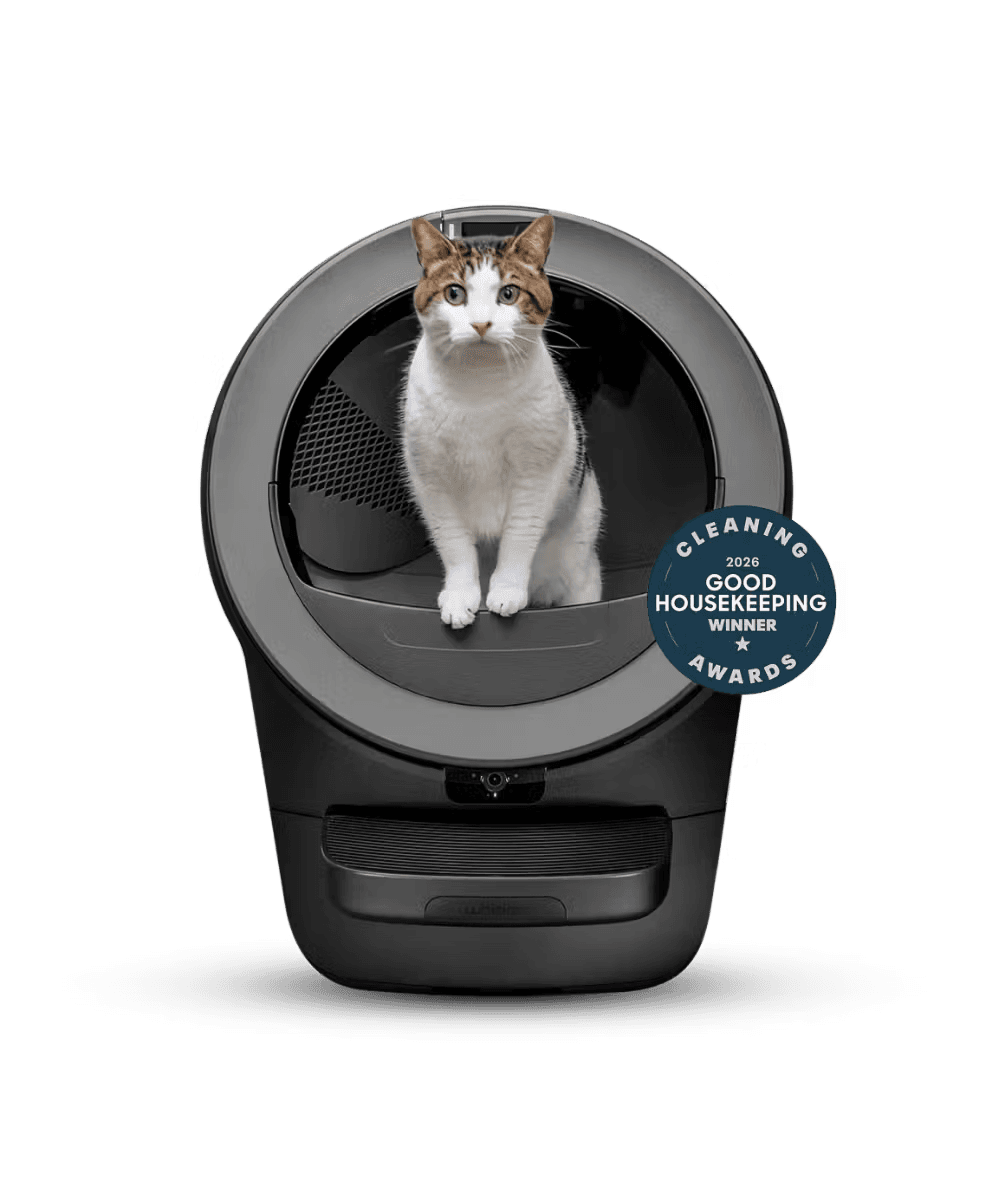
Never Scoop Again® with the Whisker Litter-Robot, the smart self-cleaning automatic litter box. Monitor visits and track weights for better overall care in the Whisker® app. Multi-cat friendly.
Petful may earn a commission when you click through to Whisker, at no extra cost to you.
What Does Good Documentation Actually Look Like?
Expect to receive a printed or PDF packet that includes the kitten's registration papers (or application), PKD-negative certificates for both parents, a vet-signed health certificate dated within 10 days of purchase, proof of age-appropriate vaccinations (FVRCP series), a fecal parasite screen result, and the written health guarantee. Some breeders also include a feeding schedule, a sample of the food the kitten is eating, and a small toy that carries familiar scent. That last detail is a quality-of-life signal, not a legal requirement, but it tracks with ethical breeder culture.
Red Flags That Should Stop You Cold
What Are the Warning Signs of a Bad Breeder or Scammer?
No registry papers or a refusal to name the registry membership. Kittens offered before 12 weeks of age (weaning before 12 weeks compromises immune development and socialization). No vet records, no vaccines, no parasite screening. A deposit-only "reserve now" flow with no opportunity to visit the cattery in person or via video call. Prices that look suspiciously low (under $500 for a "purebred" kitten are almost always a scam or a backyard-bred cat with unknown health status). Sellers who say they will ship first and invoice later.
A specific scam pattern to watch for: a seller posts beautiful photos and asks for a Western Union or Zelle deposit before "releasing" the kitten. You send money; the kitten never arrives. CFA's website explicitly warns about this pattern and recommends buyers verify a cattery name in the CFA breeder directory before sending any payment.
- Never wire money, use Zelle, or pay via gift cards to reserve a kitten. Use a credit card when possible so you have chargeback rights. Verify the cattery name in the CFA Breeder Referral database before paying anything.
Can I Trust a "Persian Kitten" Listing on a General Marketplace?
General classified sites and social media marketplaces host legitimate listings, but they also host the highest concentration of scams and backyard breeders. Any listing on a general platform should be treated with extra scrutiny: insist on a video call showing the actual kitten with parents, confirm registry membership independently, and never pay before seeing the paperwork.
Where to Find Reputable US Breeders
What Are the Best Official Resources?
The CFA's Breeder Referral Search (cfa.org) lets you filter by breed and state and returns only CFA-member catteries. TICA's online breeder directory (tica.org) provides the same function. Both directories include contact information and, in many cases, a link to the cattery's own website. Starting here almost completely eliminates the risk of dealing with a scammer or puppy-mill-style operation, because both registries require members to abide by a code of ethics and can revoke membership for violations.
Local Persian breed clubs are a second channel. The Persian Society (associated with CFA) maintains a list of affiliated clubs by region. Attending a CFA or TICA all-breed cat show is also a practical way to meet breeders in person, see their cats, and ask questions without any purchase pressure.
The Adoption and Rescue Route
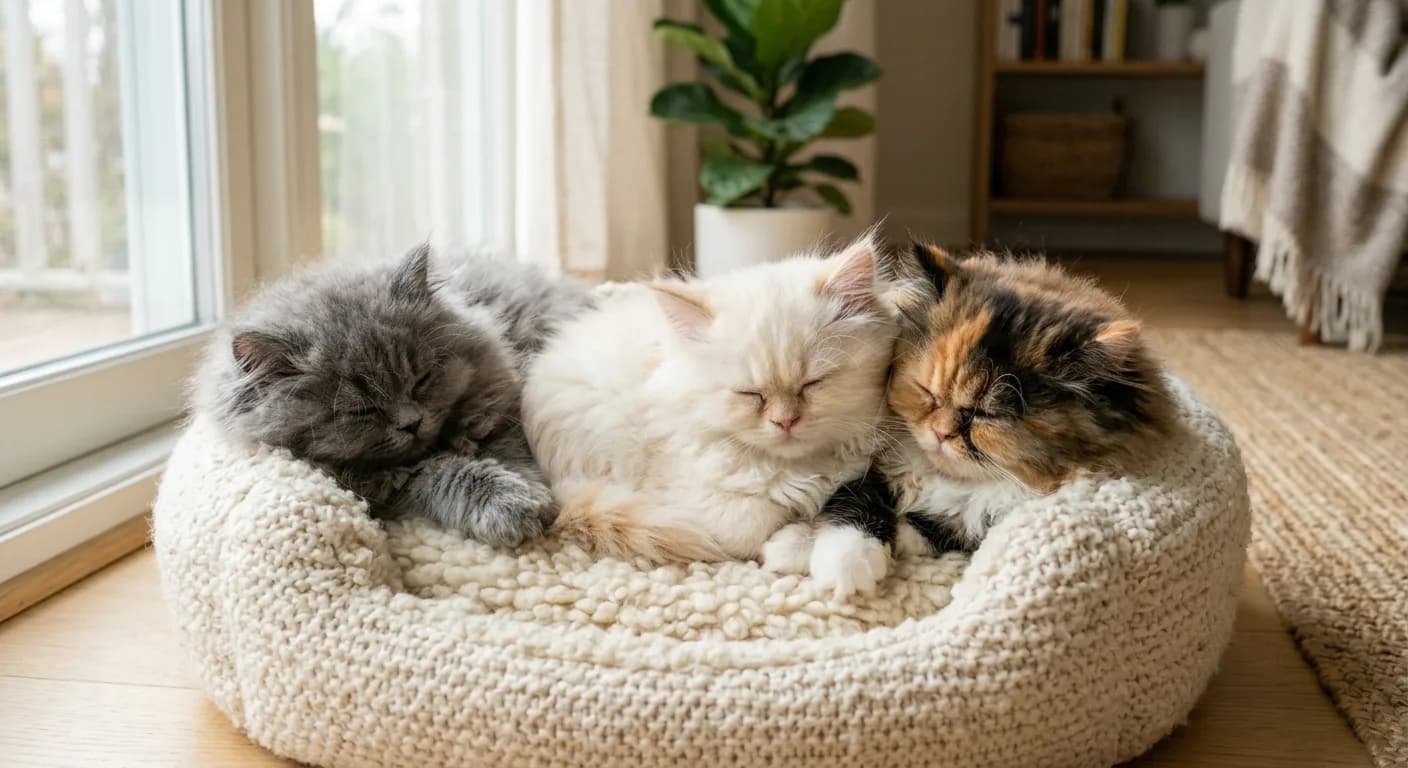
Can I Adopt a Persian Instead of Buying From a Breeder?
Absolutely. Persians end up in shelters more often than most people expect, almost always because their coats require daily grooming that owners were not prepared for. That grooming burden, combined with the breed's tendency toward tear-staining and occasional health costs, means rescue organizations see a steady flow of owner surrenders. Adoption fees typically run $75-$300, a fraction of breeder prices.

63-inch multi-level cat tree with scratch posts, hammock, plush perches, and dangling toys. Vertical territory is non-negotiable for high-energy climbing breeds like the Bengal.
Petful may earn a commission when you click through to Chewy, at no extra cost to you.
Petfinder (petfinder.com) and Adopt-a-Pet (adoptapet.com) both allow breed-specific searches and aggregate listings from thousands of US shelters and rescues. Searching "Persian" on either platform typically returns dozens of cats at any given time.
Breed-specific rescues go deeper. Persian and Himalayan Cat Rescue (based in California) and numerous regional organizations specialize in the breed and often provide detailed personality assessments and health histories for each cat. The Persian cat pillar article on Petful includes a rescue resources section.
What Are the Pros and Cons of Adopting an Adult Persian?
Adult and senior Persians are often calmer, already litter-trained, and come with a known personality profile. You sidestep the kitten chaos phase entirely. The main trade-off is that you may have less information about early-life health, and some rescue cats arrive with dental issues or matting damage from neglect. A pre-adoption vet check (most rescues allow this) answers most medical questions before you commit.
Doll-Face vs. Flat-Face: Which Type Is Right for You?
What Is the Difference Between Doll-Face and Traditional Persians?
Modern show-line Persians have an extremely flat face (brachycephalic conformation), with the nose set at or above the level of the eyes. This conformation is what wins ribbons at CFA shows but also correlates with higher rates of breathing issues (brachycephalic obstructive airway syndrome), eye discharge, and dental crowding. Veterinary costs for flat-face cats run higher on average.
Doll-face Persians (sometimes called traditional or old-fashioned Persians) have a more moderate profile: the nose sits slightly below the eyes, and the face is less compressed. They are generally healthier breathers, though they still carry PKD risk and still require the same intensive coat care. Most doll-face Persians come from small hobby breeders rather than show lines, and they often cost less.
For buyers prioritizing health and lower vet bills, the doll-face route is worth serious consideration. Budget-conscious buyers should also review the Persian cat price cost breakdown before setting expectations.

108-oz stainless steel pet fountain with quiet pump and water-level window. Bengals are notoriously water-obsessed; a flowing fountain encourages hydration and pulls them away from sinks and toilets.
Petful may earn a commission when you click through to Chewy, at no extra cost to you.
Kitten vs. Adult vs. Retired Breeder
Which Life Stage Is Best for First-Time Persian Owners?
Kittens (12 to 16 weeks at placement) are social, highly adaptable, and let you establish grooming habits from day one, which matters enormously for a breed whose coat mats in 48 hours without attention. The downside: they require more supervision, more vet visits in year one, and a higher tolerance for early-morning energy. See the Persian kittens guide for a kitten-specific checklist.
Adult Persians (2 to 5 years) are past peak kitten chaos. Their adult personality is established, which removes the guesswork about temperament. Many of the best adults come from rescue situations or are "pet quality" cats a breeder is rehoming because they do not fit a breeding program.
Retired breeders (queens or studs retired from a breeding program, typically 4 to 6 years old) are an underrated option. Responsible breeders often rehome retired cats at low or no cost because they have a genuine interest in placing their cats well. These cats have been handled extensively, are typically fully vaccinated, and often have extensive health records. The main adjustment: they may take extra time to bond in a single-cat household if they are used to living with other cats.
The 3-3-3 Rule: What to Expect the First 30 Days
What Is the 3-3-3 Rule for New Cats?
The 3-3-3 rule is a widely cited framework in the rescue community (it originated in dog adoption but applies equally to cats) that describes a typical adjustment arc. In the first 3 days, a new cat is often shut down, hiding, and barely eating. By 3 weeks, the cat starts to show personality, explore the home, and establish routines. By 3 months, the cat is fully settled and behaving like it has always lived there.
Persians, being a calm and somewhat sensitive breed, often sit at the slower end of this arc. Give your new Persian a "base camp" room with litter, food, water, a hiding spot, and a window perch for the first week. Resist the urge to introduce the whole house immediately. For a color-matched setup, the Persian cat colors guide can help you visualize which coat type you are working with.
What Else Should I Prepare Before Bringing a Persian Home?
Daily grooming tools: a wide-tooth metal comb, a slicker brush, and a grooming spray for detangling. A stainless steel or ceramic food dish (flat, wide dishes reduce whisker fatigue and face compression discomfort in brachycephalic cats). Eye wipe pads for daily tear-stain management. A vet appointment scheduled for within the first week.
Questions to Ask Your Breeder Before Signing Anything
- 1. Can I see PKD-negative DNA certificates for both parents? 2. Are you a member of CFA or TICA, and what is your cattery name so I can verify? 3. What vaccinations has the kitten received, and do you have vet records? 4. Can I visit in person or via live video call? 5. What is the health guarantee, and what does it cover? 6. How long have you been breeding Persians? 7. What do you feed the kittens, and what do you recommend I transition to? 8. What happens if I can no longer keep the cat? (Reputable breeders always want cats returned to them rather than surrendered to a shelter.)
Expect $1,200 to $3,500 for a pet-quality kitten from a CFA or TICA-registered cattery. Show-quality kittens can exceed $5,000. Adoption fees from rescues run $75 to $300.
Never before 12 weeks. Most responsible breeders hold kittens until 14 to 16 weeks to ensure proper immune development and socialization.
It is the most critical for Persians, but also ask about FIV and FeLV testing, fecal parasite screening, and vaccination records. Some breeders also screen for HCM (hypertrophic cardiomyopathy), especially in lines with cardiac history.
Yes, but use only the CFA or TICA breeder directories as your starting point, not general classifieds. Verify every cattery name directly in the registry before sending any payment.
Flat-face (show-type) Persians have an extreme brachycephalic profile that can cause breathing and eye issues. Doll-face Persians have a more moderate, traditional profile and are generally healthier breathers, though both require the same daily coat care.
The first week with a new Persian is the time to get organized. Set up a free MyPetID profile to store its microchip, breeder or rescue paperwork, PKD test, and first vet visit in one place.
Create a free pet record
Coreen Saito is a pet writer and longtime shelter volunteer with more than a decade in animal rescue. She covers cat behavior, breed care, and the small, ordinary science of sharing a life with companion animals, with a particular focus on honest takes about the products and decisions that actually matter. At home in Arizona, she's outranked by Mac (a dog with the loudest opinion in the house), Rebel (a cat who governs by quiet authority), and Meri (an orange tabby who runs the late shift and the laundry basket). She writes about all three, plus the rescues that keep coming through her life, at LifeWithMinty.com.
Sign up for expert-backed reviews and safety alerts all in one place.