Persian Kittens: Care, Grooming, and Personality
Bringing home a Persian kitten? This guide covers Persian kitten care, grooming the long coat early, personality, health, litter size, what they cost, and how to choose a healthy kitten from a breeder or rescue.

Petful is reader supported. As an affiliate of platforms like Amazon and Chewy, we may earn a commission when you buy through links on this page. There is no extra cost to you.
Key Characteristics of Persian Cats
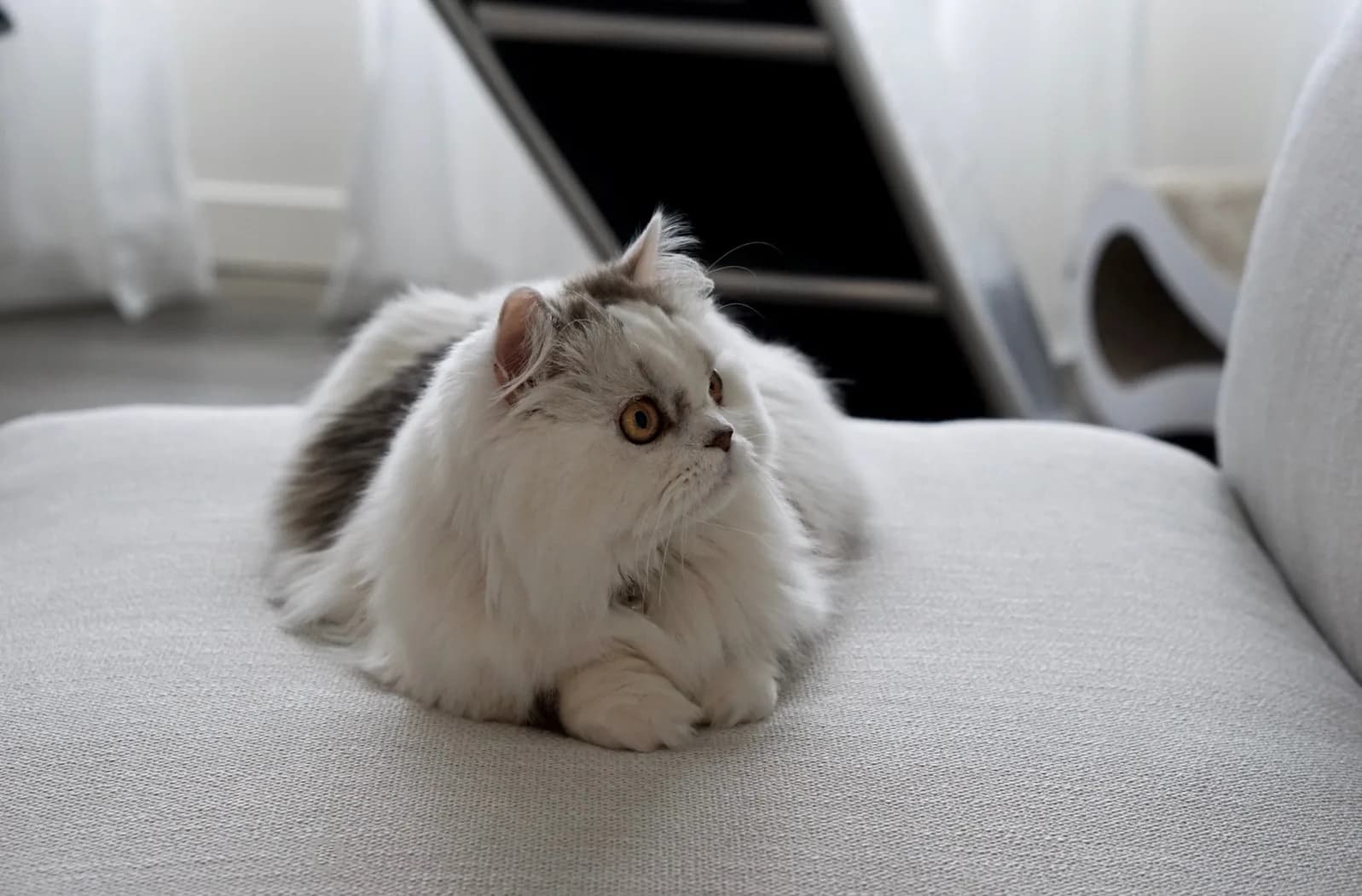
Persian kittens are known for their distinctive and luxurious long fur. As they grow, these medium-sized cats typically weigh between 7–12 pounds and can live for 10–17 years. Size: Medium, 7–12 pounds Life Expectancy: 10–17 years Coat: Longhaired with a wide tail
- Colors: Silver, golden, shaded, smoke, tabby, particolor, bi-color, and Himalayan
These adorable Persian kittens have flat faces, similar to brachycephalic dog breeds, which give them a unique look. Their large, round eyes can come in various colors, adding to their charm.
Origins of Persian Kittens
Persian kittens have a rich history that traces back to Persia, now known as modern-day Iran. These beloved cats were treasured for their beauty and grace.

Never Scoop Again® with the Whisker Litter-Robot, the smart self-cleaning automatic litter box. Monitor visits and track weights for better overall care in the Whisker® app. Multi-cat friendly.
Petful may earn a commission when you click through to Whisker, at no extra cost to you.
- Historical Evidence: Persian kittens are depicted in hieroglyphics dating back to 1684 B.C.
- Introduction to the West: 17th-century European explorers likely brought Persian kittens to Europe, and they were later exported to the United States.
This deep-rooted history adds to the allure and mystique of Persian kittens, making them one of the most cherished cat breeds worldwide.
How Friendly Are Persian Cats?
Persian kittens are known for their sweet and gentle nature, making them wonderful companions. These affectionate cats can be both playful and laid-back, fitting in perfectly with families and children. Temperament: Sweet, gentle, and adaptable
- Compatibility: Great with families, children, and even busy households
- Adaptability: Persian kittens adjust well to new surroundings and don't mind a full house or active kids
Although Persian kittens are social, they also value their alone time. It's essential to create a quiet space for them in your home, where they can retreat when they need a break. Create a quiet space for them to ensure they feel comfortable and secure.
Is This the Right Cat for You?
Exercise Needs
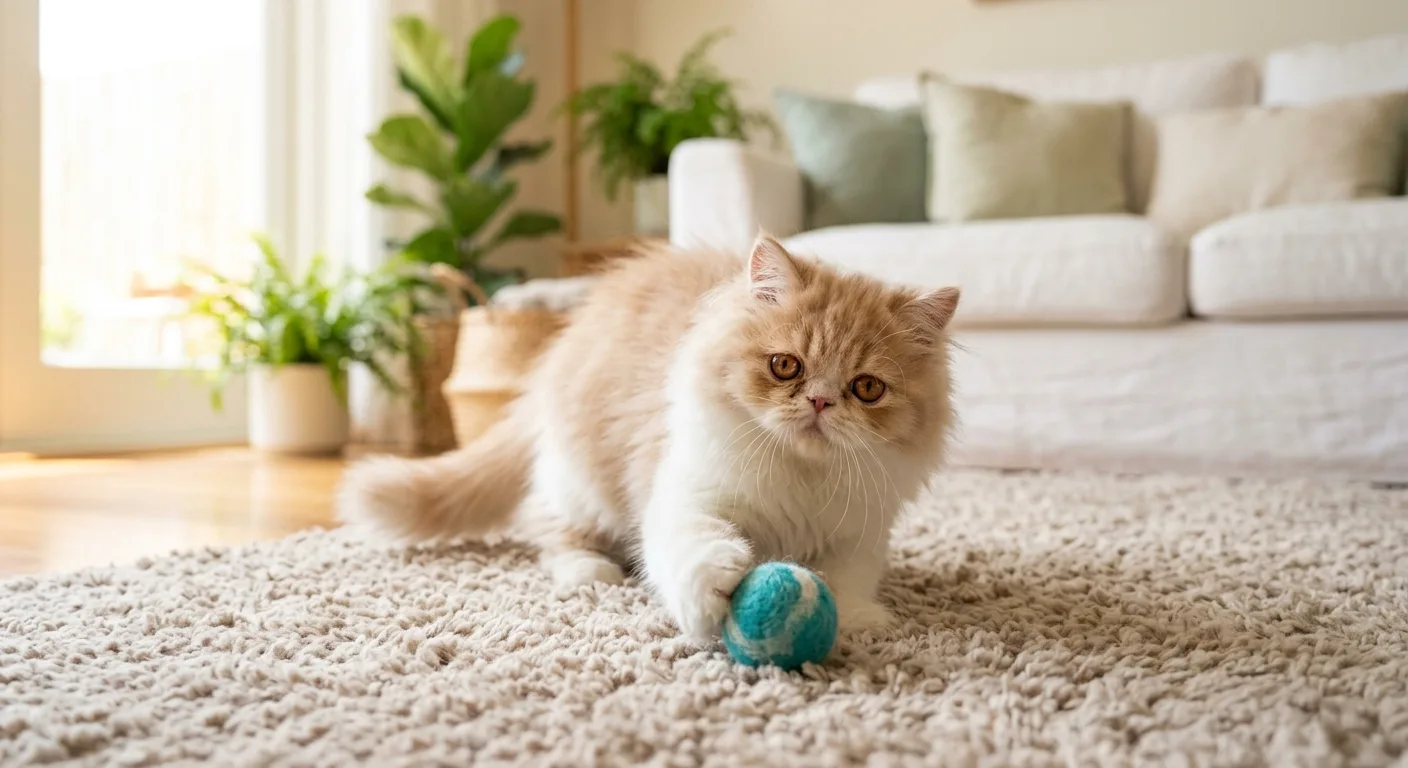
LOW: Persian kittens are best kept indoors due to their delicate coat and sweet, sometimes naive demeanor. The outdoors can present dangers that these gentle kittens are not well-equipped to handle. Activity Level: Low to moderate
- Indoor Lifestyle: Persian kittens thrive indoors, where they can be safe and comfortable
Their physical activity should be similar to that of most cats, including sleeping long hours and engaging in playful activities like playing, running, and jumping.
If you notice a decrease in your Persian kitten's activity or mobility, it may indicate a health issue. In such cases, contacting your veterinarian is essential for proper care and guidance.

63-inch multi-level cat tree with scratch posts, hammock, plush perches, and dangling toys. Vertical territory is non-negotiable for high-energy climbing breeds like the Bengal.
Petful may earn a commission when you click through to Chewy, at no extra cost to you.
Grooming Needs for Persian Kittens
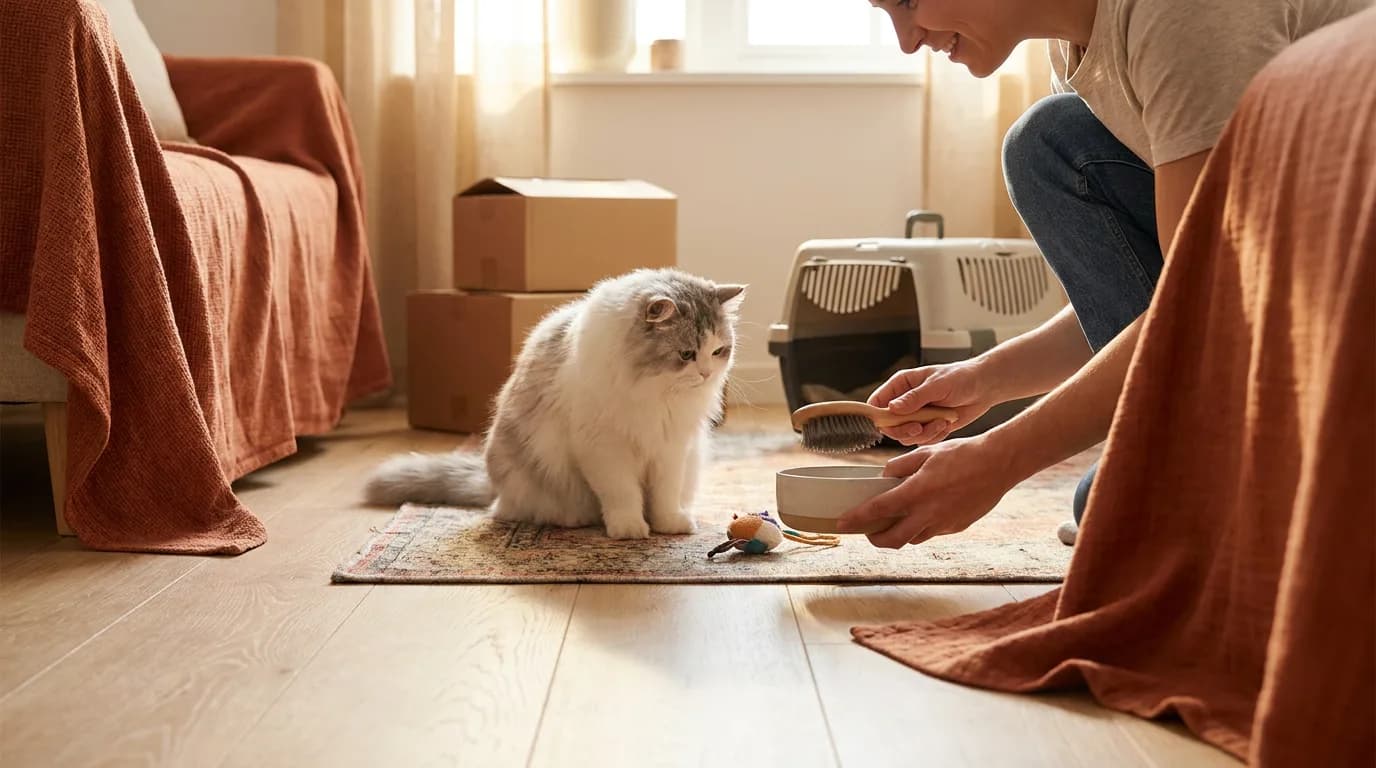
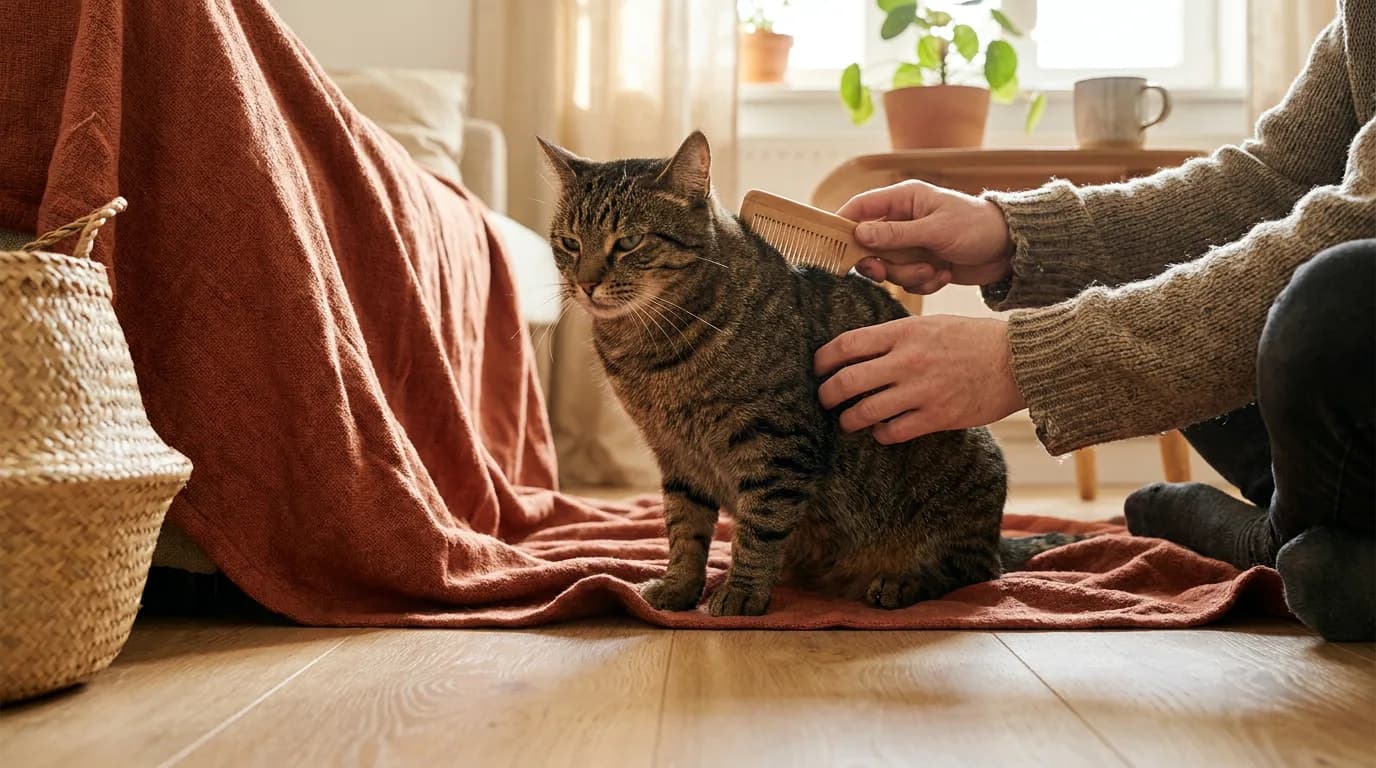
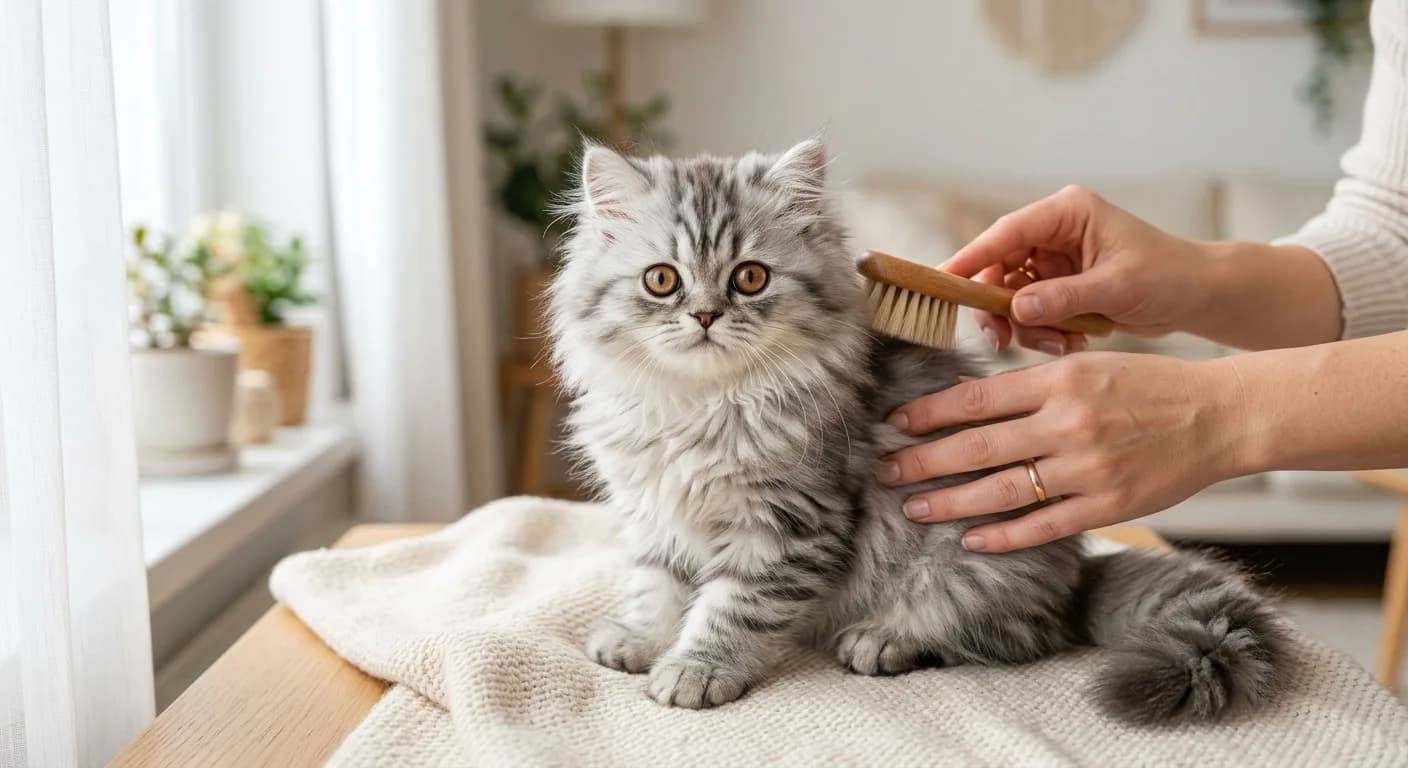
MEDIUM: Proper grooming is essential for Persian kittens to maintain their beautiful coats and overall health. Daily brushing is necessary to remove dead fur and to minimize tangles or mats, keeping their long fur in top condition. Brushing: Daily, to prevent tangles and mats
- Bathing: Start acclimating Persian kittens to occasional baths at an early age to make the process easier as they grow older
Regular grooming also includes trimming their nails, as needed (usually every 1–2 weeks), and cleaning their ears and teeth to promote good overall health.
Additionally, cleaning your Persian kitten's eyes regularly is important. The under-eye fur is prone to staining and can harbor bacteria, so maintaining this area will help keep them healthy and comfortable.
Health Problems in Persian Kittens
MEDIUM: While Persian kittens are generally a healthy breed, there are some health issues to be aware of. Their large eyes require regular cleaning to prevent future problems. Learn more about when to see a veterinarian for eye trouble.

108-oz stainless steel pet fountain with quiet pump and water-level window. Bengals are notoriously water-obsessed; a flowing fountain encourages hydration and pulls them away from sinks and toilets.
Petful may earn a commission when you click through to Chewy, at no extra cost to you.
- Eye Care: Regular cleaning is essential to avoid infections or other eye-related issues
- Litter Box Issues: Persian kittens may sometimes have difficulty consistently using the litter box, so it's important to monitor their behavior
Another concern is the high incidence of kidney disease in Persian cats. Current studies are exploring the genetic factors behind this issue, and diagnosis may be easiest through ultrasound.
Signs to Watch For: If you notice any of the following symptoms, it's crucial to bring your Persian kitten to the vet: Depression Frequent urination Weight loss Lack of appetite Drinking water excessively
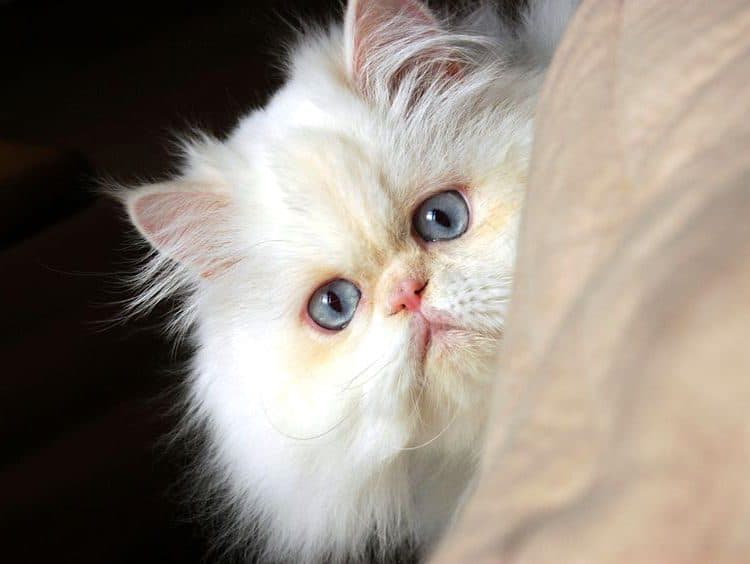
Being vigilant about these potential health problems will help ensure that your Persian kitten stays happy and healthy. Check out this adorable Persian kitten:
Where to Adopt Persian Kittens
If you’re considering getting Persian kittens as your next pets, it’s important to explore adoption resources first. Even purebred Persian kittens can end up in shelters, waiting for a loving home.
- Adoption Resources: Start by checking Petful’s adoption page or visit your local animal shelters and rescues for Persian kittens in need of a home.
- Avoiding Kitten Mills: If you decide to look into breeders, take the time to get to know them and ensure they’re not operating a kitten mill. Responsible breeders prioritize the health and well-being of their kittens, offering a safe and ethical environment.
Adopting Persian kittens from reputable sources ensures you are supporting ethical practices and giving these beautiful cats a second chance at a happy life.
Additional Resource
- The Cat Fanciers' Association Persian Page
Frequently Asked Questions (FAQ)
Persian kittens typically range in price from $500 to $5,000, depending on the breeder, lineage, and location.
Persian cats generally have litters of 1 to 6 kittens, with an average of 3 to 4 kittens per litter.
Looking for more? Our complete Persian cat breed guide covers the adult cat in depth, with dedicated guides to Persian cat price, Persian cat colors, and Persian cat lifespan.
A new kitten means a stack of paperwork: microchip, vaccine schedule, and vet records. Keep it all in one free MyPetID digital profile and get automatic vaccine reminders as your kitten grows.
Start a free pet record
Sign up for expert-backed reviews and safety alerts all in one place.

Kristine Lacoste has been researching dog and cat breeds for nearly a decade and has observed the animals up close at dog shows in both the United States and the United Kingdom. She is the author of the book One Unforgettable Journey, which was named as a finalist for a Maxwell Award from the Dog Writers Association of America, and was host of a weekly pet news segment on the National K-9 Academy Radio Show. In addition, she was the New Orleans coordinator for Dogs on Deployment, a nonprofit that helps military members and their pets, for 3 years. Kristine has researched and written about pet behaviors and care for many years. She holds a bachelor’s degree in psychology, another bachelor’s degree in English and a Master of Business Administration degree.
Sign up for expert-backed reviews and safety alerts all in one place.