Tabby Cat 101: All 5 Patterns, Colors, Personality and Care
A tabby cat is a coat pattern, not a breed, and nearly every cat carries it. Learn the 5 tabby patterns, the colors, the M-forehead marking, the genetics, personality, lifespan, and what a tabby costs.

Petful is reader supported. As an affiliate of platforms like Amazon and Chewy, we may earn a commission when you buy through links on this page. There is no extra cost to you.
A tabby cat is not a breed but a coat pattern, one the International Cat Association (TICA) recognizes across dozens of breeds, and nearly all of the world's estimated 600 million domestic cats carry the genes for it. The stripes, swirls, spots, and the signature "M" on the forehead show up across dozens of breeds and in millions of mixed-breed cats, which is exactly why so many people who think they own a "tabby breed" actually own a cat wearing the oldest coat pattern in the feline family tree. The wild ancestor of every house cat, the Near Eastern wildcat (Felis silvestris lybica), was a striped tabby, so tabby is the default look that domestication never fully erased.
- 1Tabby is a coat pattern, not a breed, and nearly every domestic cat carries the genes for it
- 2There are five tabby patterns: classic (blotched), mackerel, spotted, ticked, and patched (torbie)
- 3The agouti gene (ASIP) switches the pattern on; non-agouti cats hide it but often show faint "ghost" stripes as kittens
- 4All orange cats are tabbies because orange pigment cannot be made solid, and about 80% of orange tabbies are male
- 5Tabby cats live about 12-16 years on average and the pattern itself has no effect on health, personality, or price

Sign up for expert-backed reviews and safety alerts all in one place.
What Is a Tabby Cat?
A tabby cat is any cat that displays the tabby coat pattern: a coat made of banded "agouti" hairs that create stripes, swirls, spots, or ticking, almost always paired with an "M" shape on the forehead. It is a pattern, not a breed. You cannot buy a "tabby" from a registry the way you buy a Maine Coon or a Bengal, because tabby is a marking that appears on top of a breed, the same way freckles can appear on people of any family.
The confusion is understandable. Tabby is so common that many owners assume it must be a breed of its own. In reality, the pattern predates every modern pedigree. Cat Fanciers' Association (CFA) and TICA both list tabby as a recognized coat pattern that can occur in dozens of breeds and in the random-bred cats that make up the majority of household pets. When a shelter calls a cat a "domestic shorthair tabby," the breed is "domestic shorthair" and "tabby" simply describes the coat.
What unites every tabby, from a barn cat to a show-ring Abyssinian, are three visual signatures: banded individual hairs (look closely and a single hair has light and dark bands), the M on the forehead, and the dark "mascara" lines that run back from the corners of the eyes. Most tabbies also have pigment rims around the eyes, "thumbprint" markings on the backs of the ears, and a necklace of broken bands across the chest.
The 5 Tabby Cat Patterns
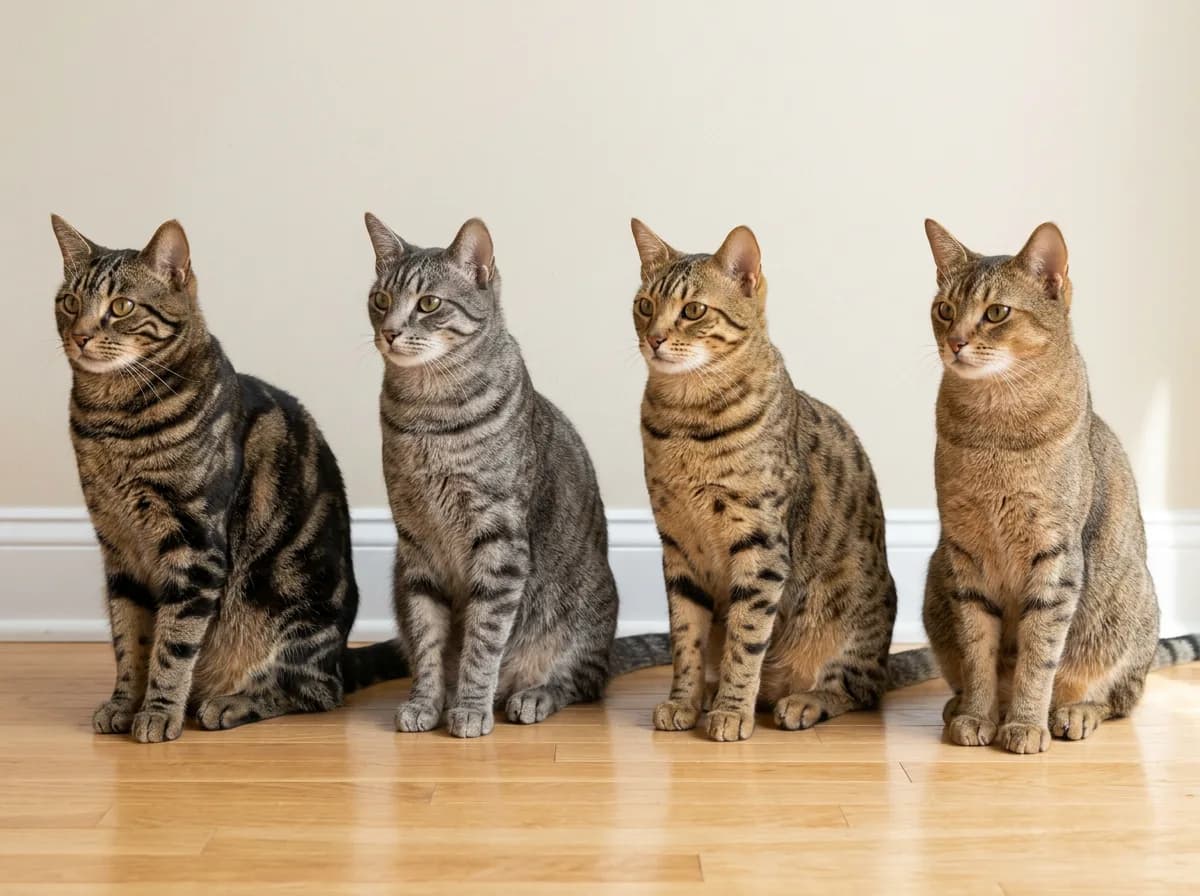
There are five tabby patterns. Four of them (classic, mackerel, spotted, and ticked) describe how the dark markings are arranged, and the fifth (patched) describes a tabby coat overlaid with tortoiseshell coloring. Knowing which pattern your cat has is the single most useful identification skill for tabby owners, so here is each one with its tell-tale signs.
| Pattern | What It Looks Like | Telltale Sign | Common In |
|---|---|---|---|
| Classic (Blotched) | Bold swirls and whorls on the sides | A "bullseye" or oyster shape on the flank | American Shorthair, British Shorthair |
| Mackerel | Narrow vertical stripes down the body | Thin stripes like fish bones off a spine line | Mixed-breed cats, Maine Coon |
| Spotted | Stripes broken into spots or rosettes | Distinct round or oval spots, not stripes | Bengal, Egyptian Mau, Ocicat |
| Ticked | Almost no body stripes, salt-and-pepper look | Banded hairs with stripes only on legs/face | Abyssinian, Somali |
| Patched (Torbie) | Tabby pattern plus orange and black patches | Tabby stripes inside tortoiseshell color blocks | Maine Coon, domestic longhair |
Classic (Blotched) Tabby
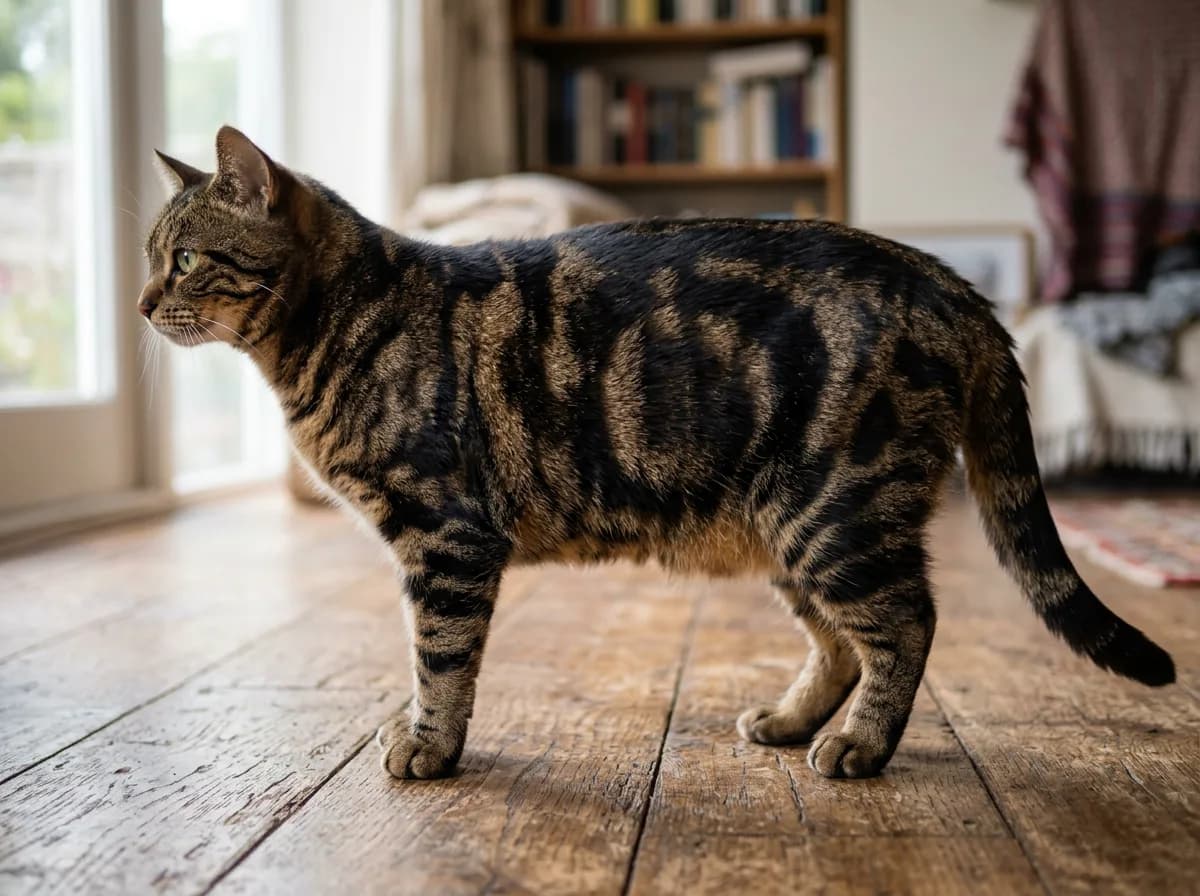
The classic tabby, also called the blotched tabby, wears bold dark swirls and whorls across its sides. The signature feature is a large spiral or "bullseye" on each flank that many people compare to the marbling in an oyster shell. This is the pattern most people picture when they imagine a "fat, swirly tabby." Genetically it is recessive, which is why it is less common in random-bred populations than the mackerel pattern. The classic allele is caused by mutations in the Taqpep gene, the same gene behind the rare king cheetah's blotched coat, identified by Kaelin and colleagues in the journal Science in 2012.
Mackerel Tabby
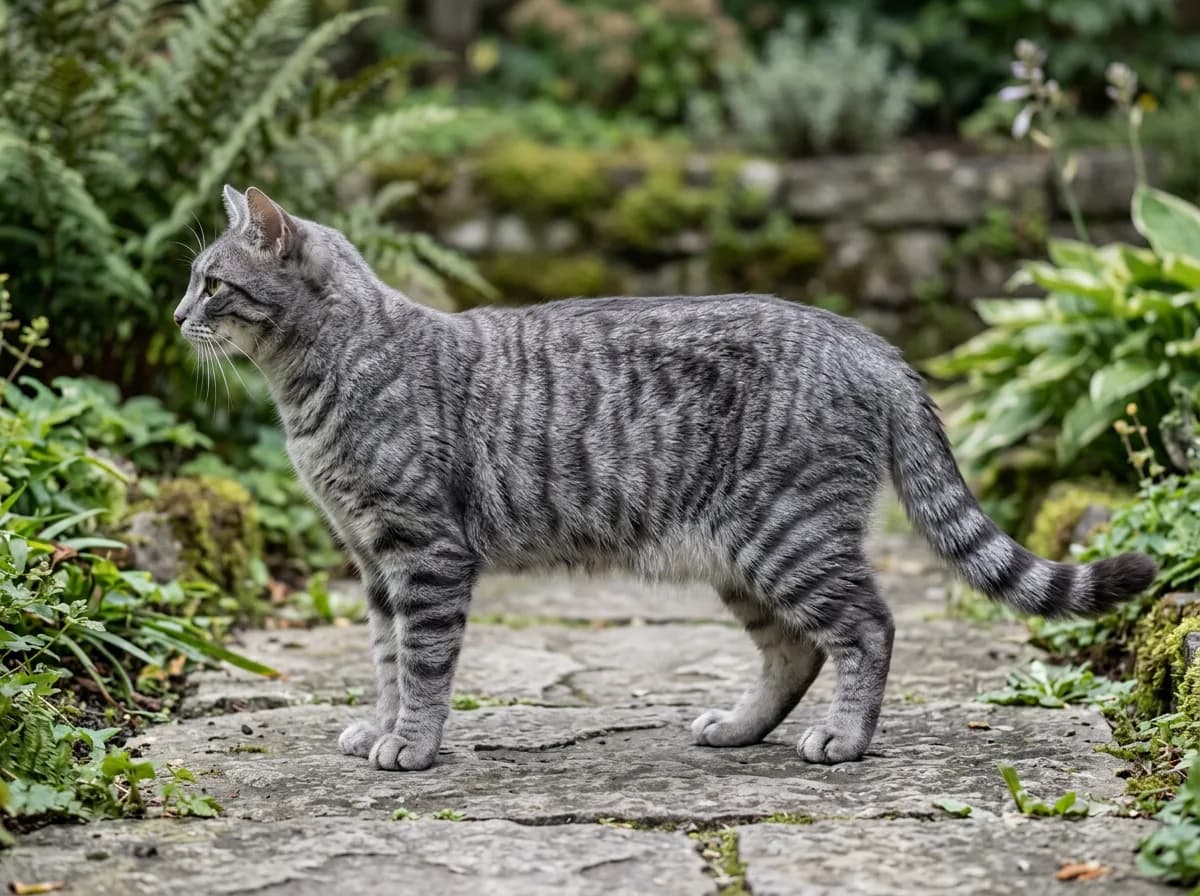
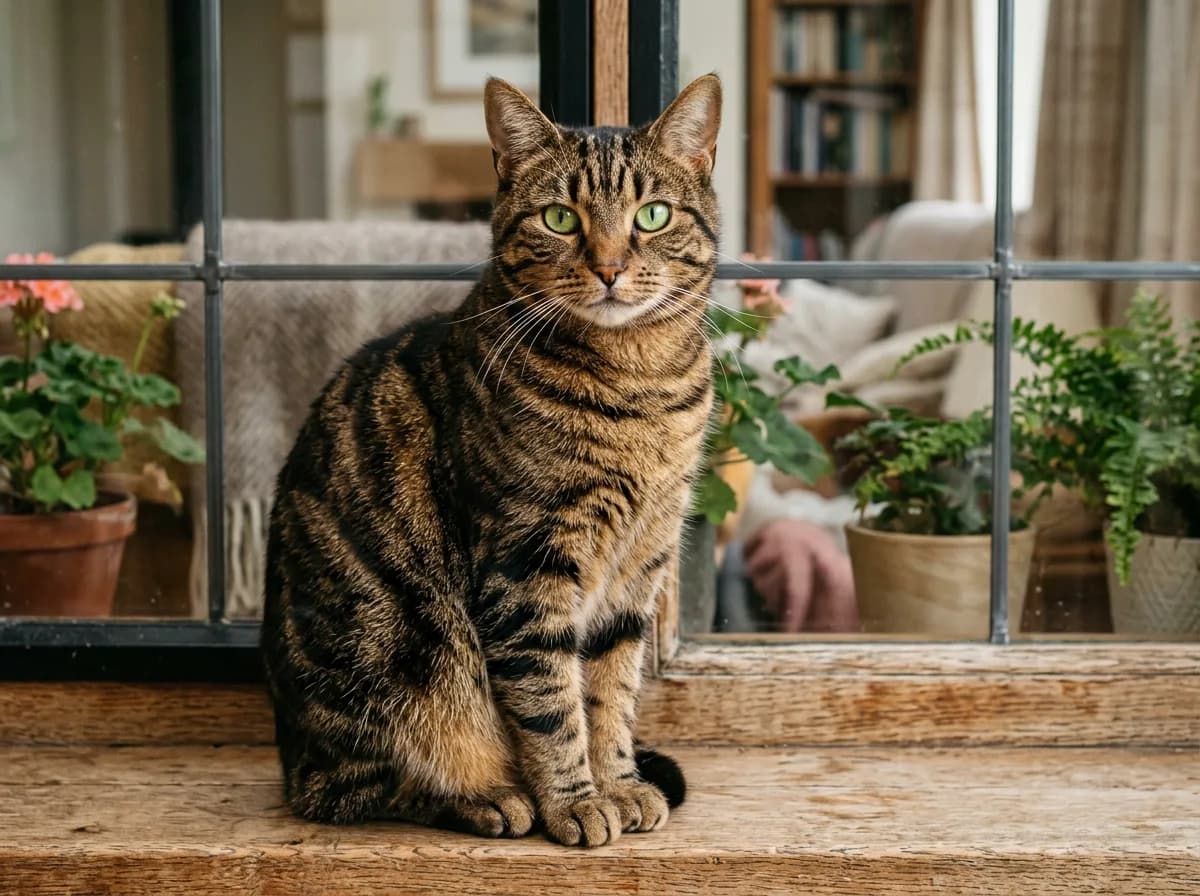
The mackerel tabby is the wild type and the most common pattern of all. Narrow vertical stripes run down the body from a single darker line along the spine, branching off like the bones of a fish (which is where "mackerel" comes from). The stripes are usually unbroken, though they can break into bars. If you see a striped cat and are not sure which tabby it is, mackerel is the safe first guess.

Never Scoop Again® with the Whisker Litter-Robot, the smart self-cleaning automatic litter box. Monitor visits and track weights for better overall care in the Whisker® app. Multi-cat friendly.
Petful may earn a commission when you click through to Whisker, at no extra cost to you.
- Look at the cat's side. Bold swirls or a bullseye = classic. Thin parallel stripes = mackerel. Round spots = spotted. No real body markings, just flecked fur = ticked. Stripes mixed with orange-and-black patches = patched.
Spotted Tabby
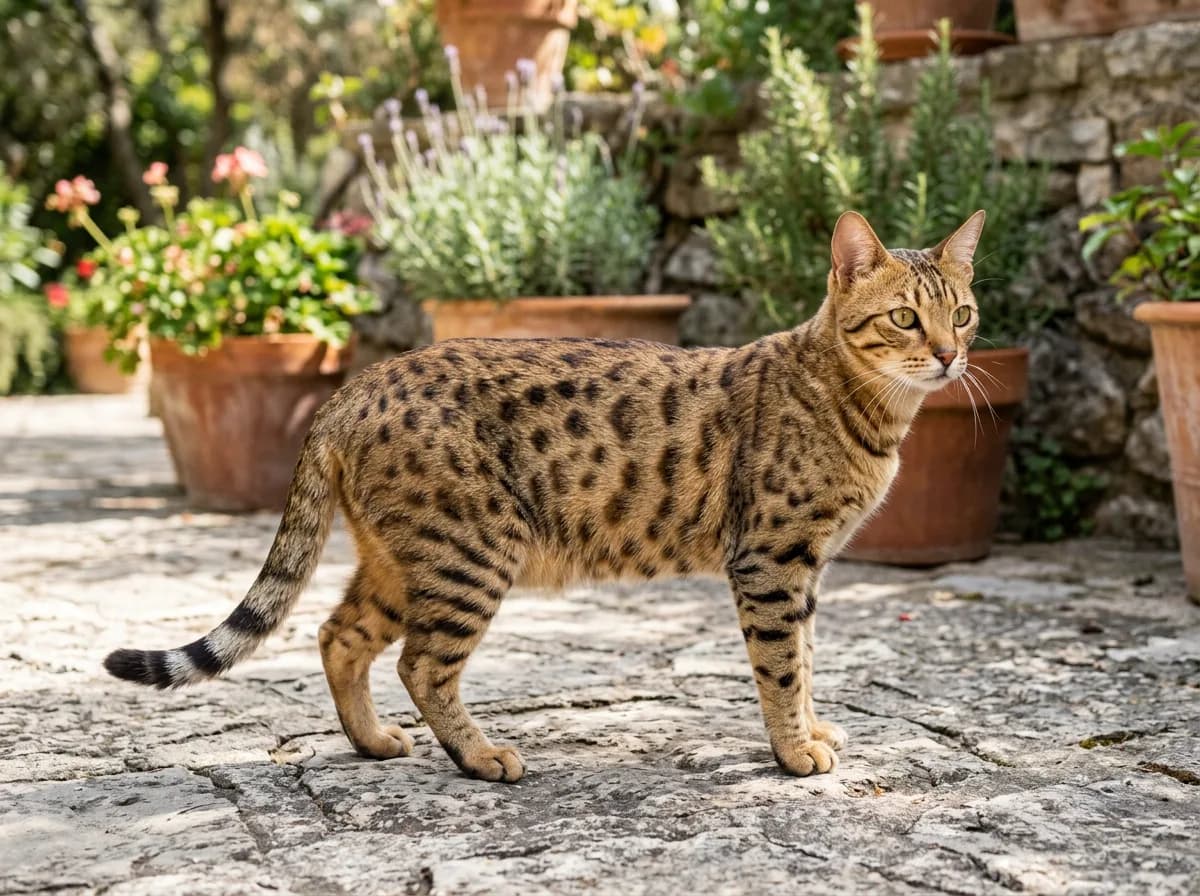
In the spotted tabby, the dark markings break up into spots, rosettes, or ovals instead of running as continuous stripes. Geneticists debate whether spotted coats are mackerel stripes that have been broken apart by modifier genes or a distinct arrangement, but the visual result is unmistakable. The Egyptian Mau (the only naturally spotted domestic breed), the Ocicat, and the Bengal are the headline spotted breeds. Petful’s guide to Egyptian Mau colors has the full breakdown.
Ticked Tabby
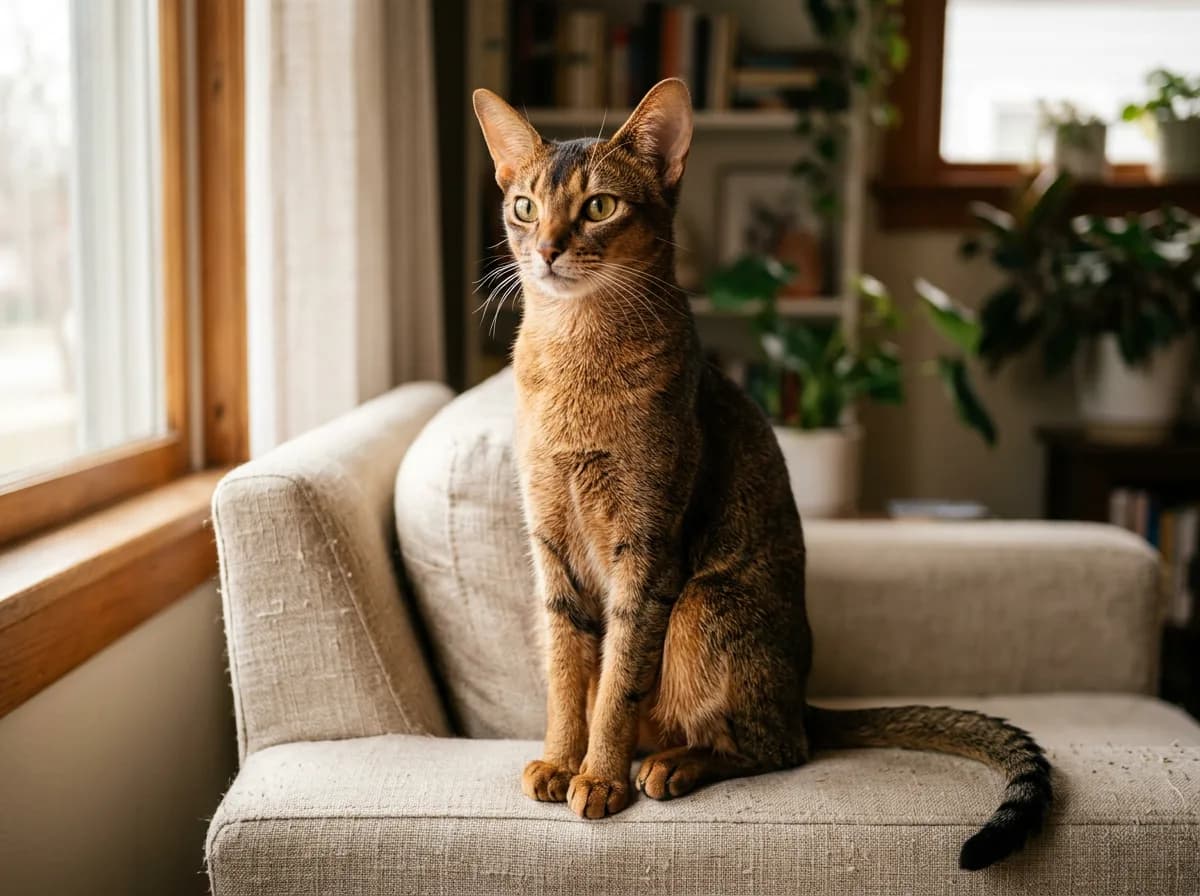
The ticked tabby is the trickiest to spot because at a glance it can look like a solid cat. Each hair is banded with agouti color (the same mechanism behind a wild rabbit's coat), giving a salt-and-pepper or "sand" effect with little or no striping on the body. The stripes that remain show up on the face, legs, and tail. The Abyssinian is the icon of this pattern. A 2021 study by Kaelin, Barsh, and colleagues linked the ticked pattern to loss-of-function mutations in the Dkk4 gene.
Patched (Torbie) Tabby
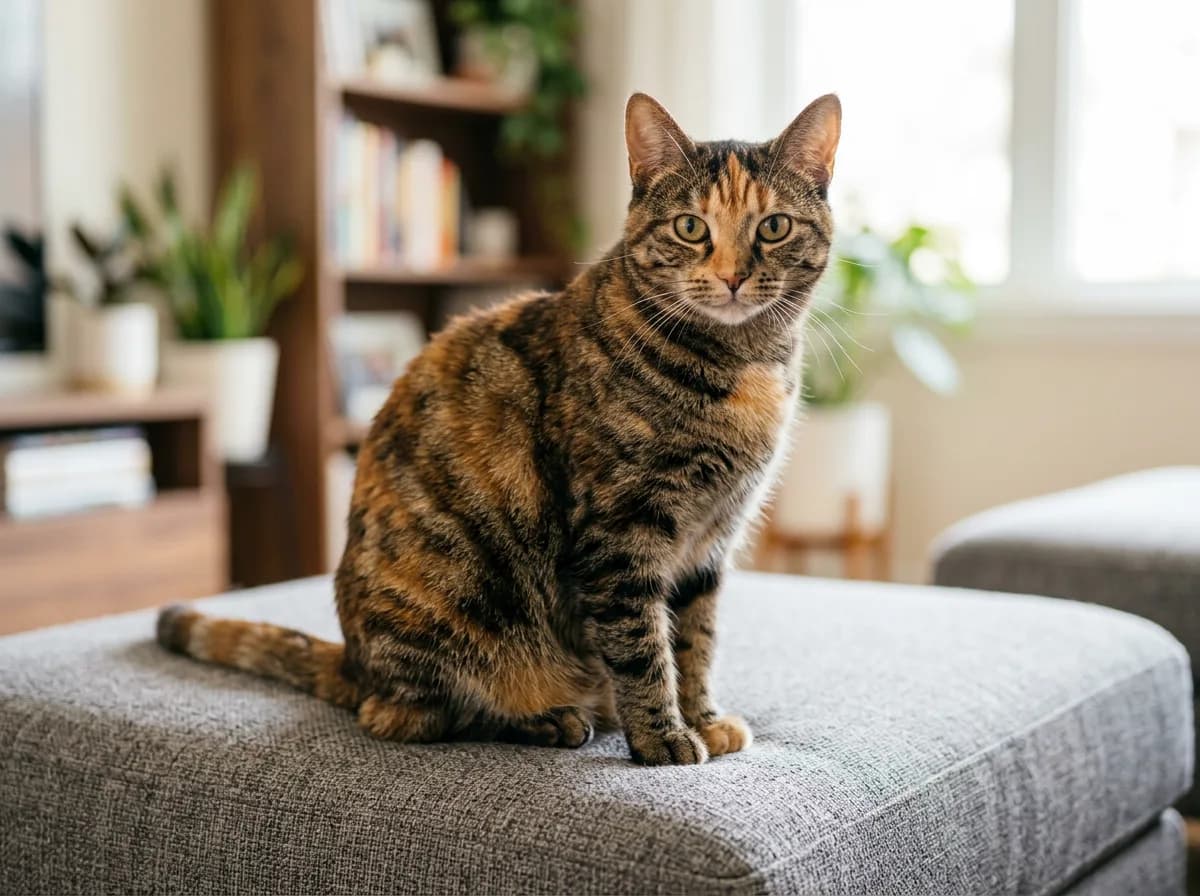
The patched tabby, often called a torbie (tortoiseshell plus tabby), is a tabby coat overlaid with the orange-and-black mosaic of a tortoiseshell. You see tabby stripes inside patches of red and brown-black, sometimes with white. Because the orange-and-black mosaic depends on the female XX chromosome arrangement, torbies are almost always female. A torbie with a lot of white is sometimes called a "caliby" or calico tabby.
- A torbie (patched tabby) has tabby striping woven through tortoiseshell color with little or no white. Add the white-spotting gene and the patches separate over a white coat: that is a caliby, also called a calico tabby.
Tabby Cat Colors
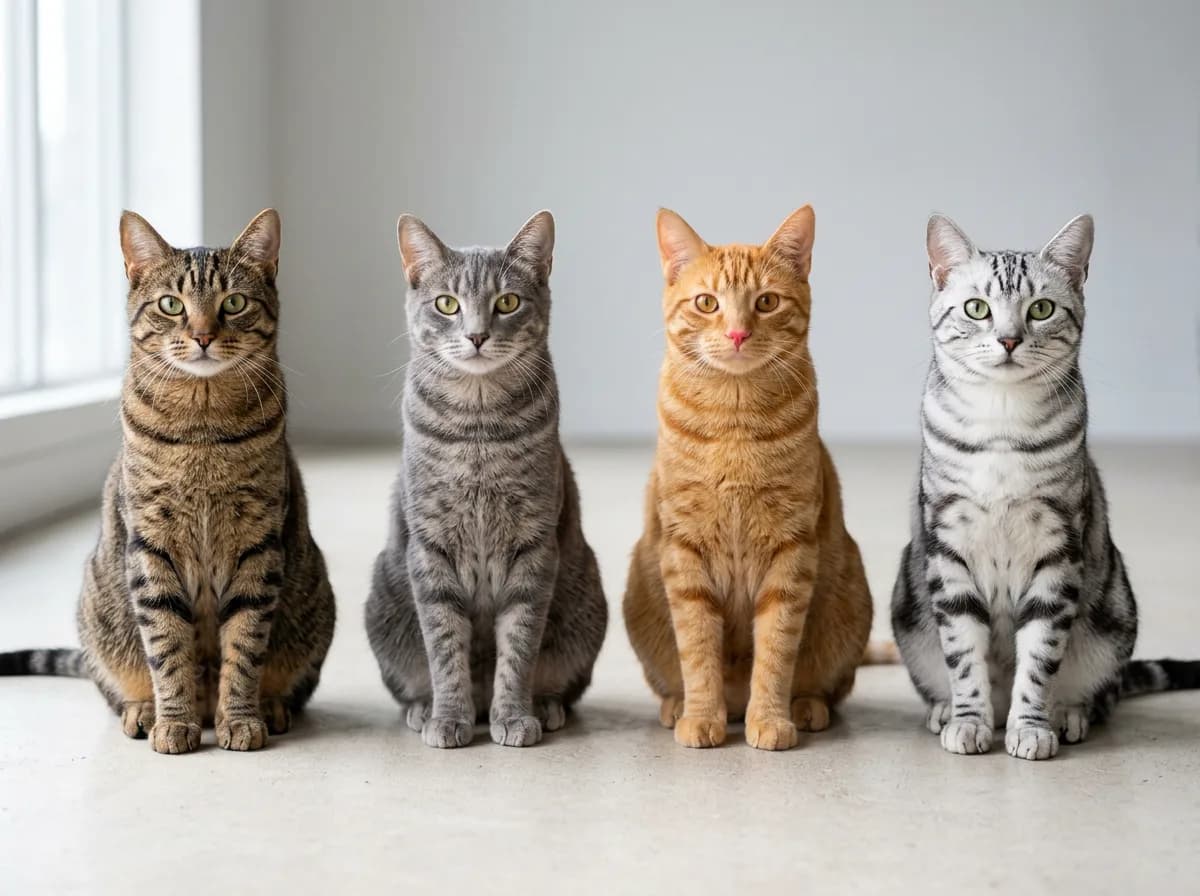
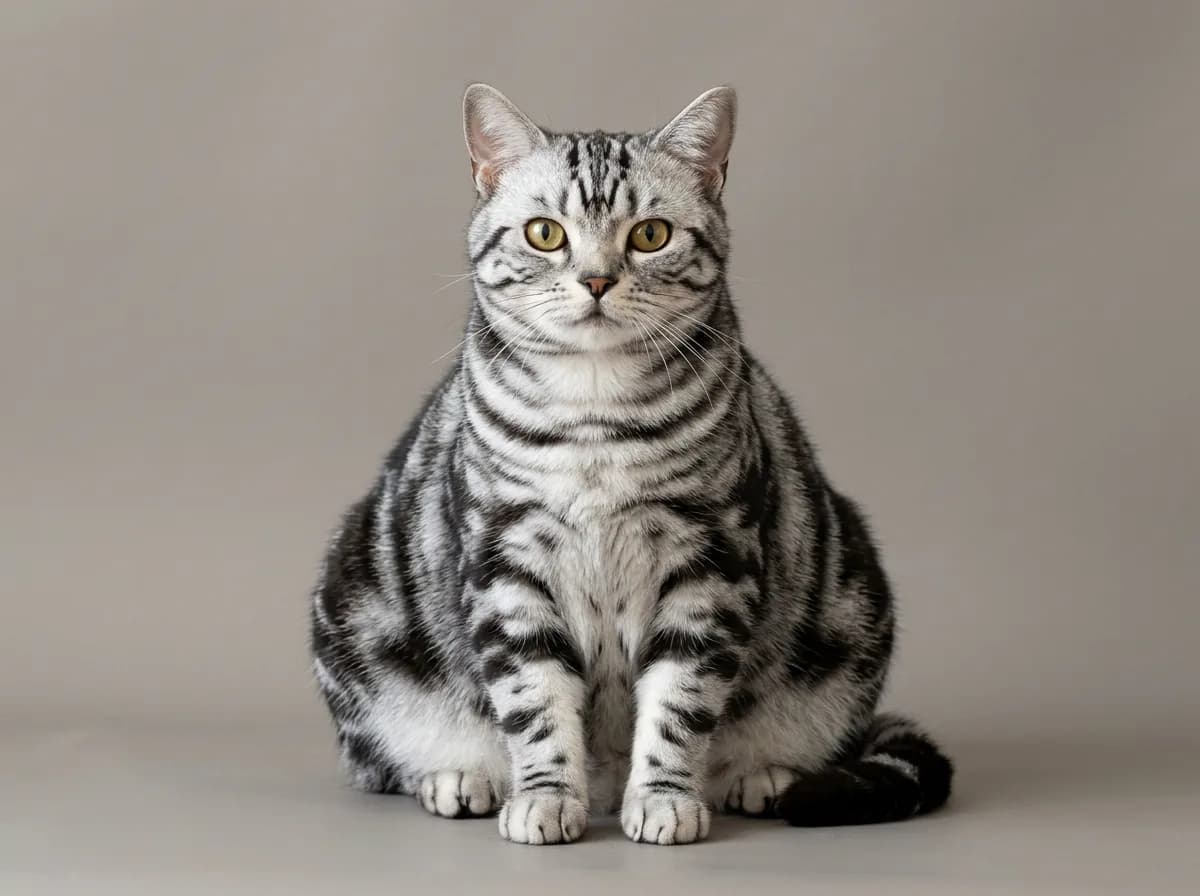
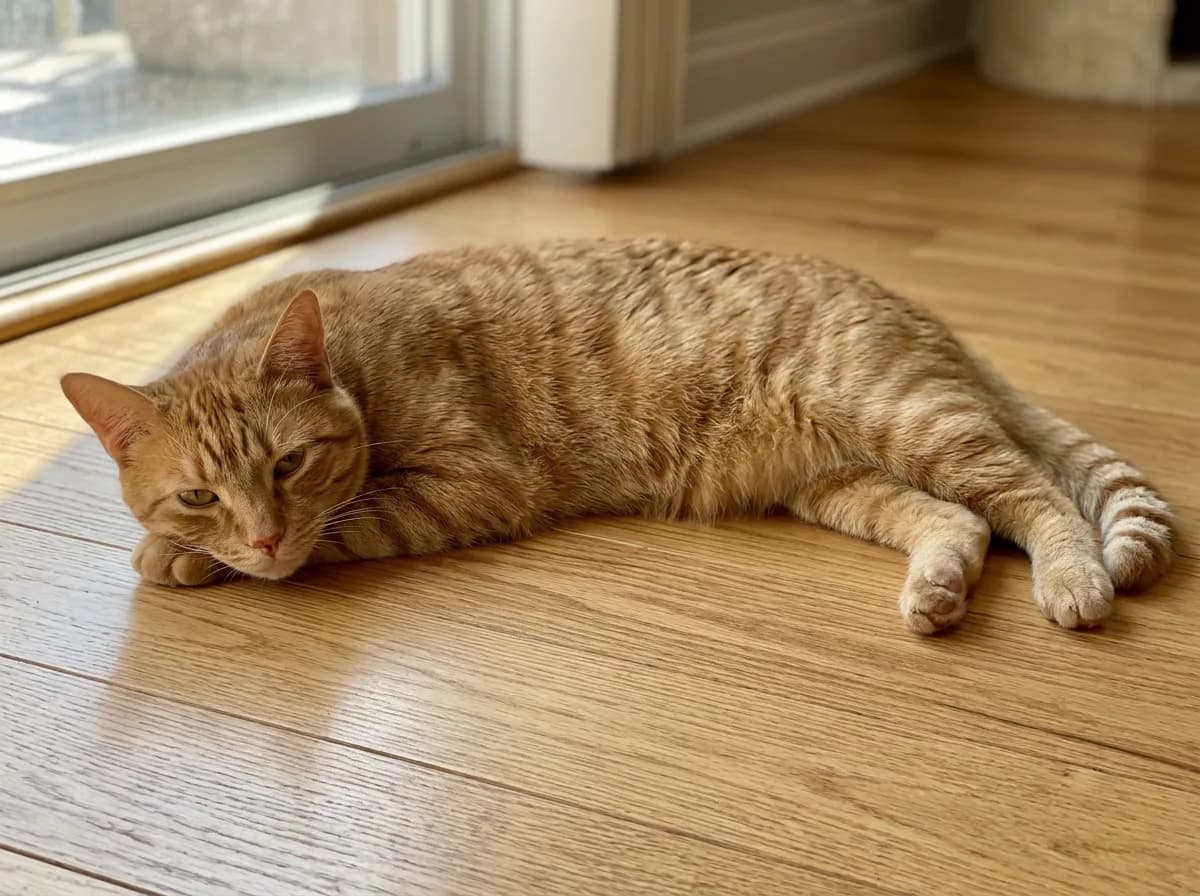
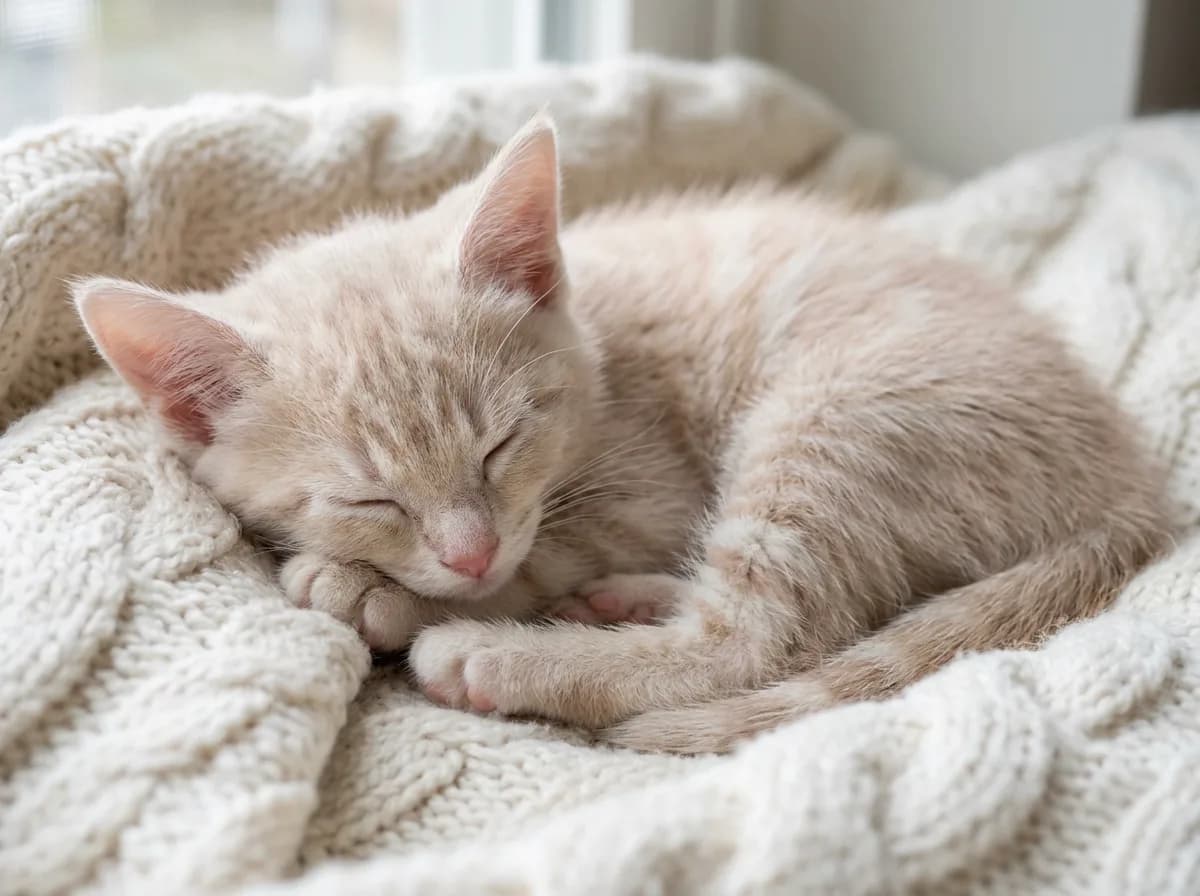
Pattern is only half the picture. The other half is color, which is set by separate genes for pigment and dilution. The same mackerel pattern looks completely different in orange than it does in gray. Here are the colors a tabby coat comes in.
- Brown (black) tabby. The most common color: black eumelanin pigment with warm brown agouti banding. This is the default Maine Coon look and what most people picture as a "regular tabby."
- Gray (blue) tabby. A diluted version of brown, softened to a cool gray or blue by the MLPH (melanophilin) gene in its recessive d/d form. Common in the British Shorthair, Russian Blue mixes, and Maine Coon.
- Orange (red) tabby. Driven by the X-linked orange gene. Because orange pigment cannot be turned solid, every orange cat shows tabby pattern. Think Garfield.
- Cream tabby. The dilute form of orange, a soft pale peach.
- Silver tabby. A dramatic look where the "inhibitor" gene suppresses pigment at the base of each hair, leaving a sparkling silver ground with black markings. The classic silver tabby is a show-ring favorite in the American Shorthair.
Tabby Cat Genetics: Why Almost Every Cat Is a Tabby
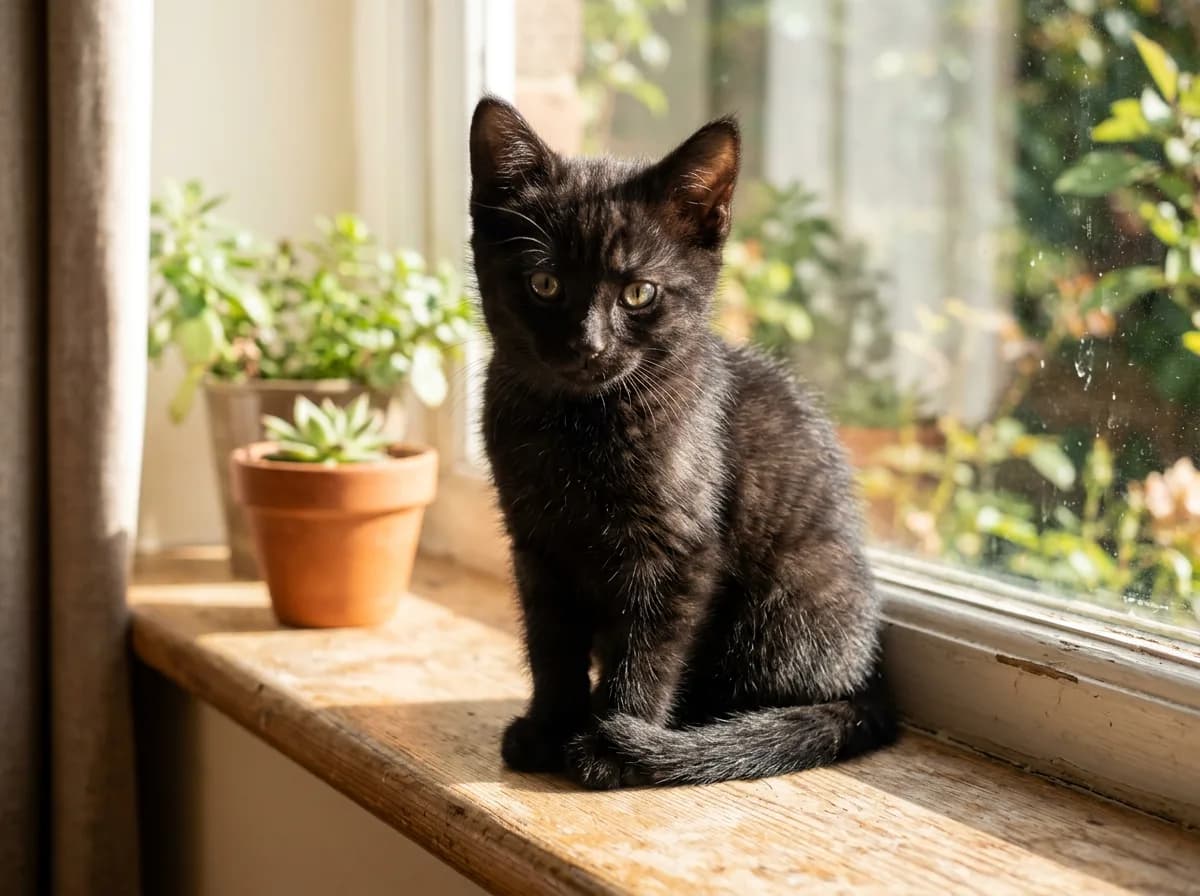
Here is the fact that surprises most owners: almost every domestic cat is genetically a tabby. The reason the world is not wall-to-wall stripes is a single gene that decides whether the pattern is switched on or off.
That gene is the agouti gene, ASIP. In its dominant "agouti" form (A), it lets the hairs band and the tabby pattern shows. In its recessive non-agouti form (a/a), it hides the pattern under a solid coat of pigment, which is how you get a solid black or solid blue cat. But the pattern is still there in the DNA. That is why solid-colored kittens often show faint "ghost" tabby markings that fade as the adult coat comes in, and why a solid black cat photographed in strong sunlight can suddenly reveal hidden stripes.
- If you have a solid-colored kitten, check it in bright light. Faint "ghost" tabby markings on the face, legs, or tail are the underlying tabby pattern peeking through before the solid adult coat fully sets. They usually fade with age.
A 2021 study from the labs of Christopher Kaelin and Gregory Barsh showed that the tabby pattern is laid down astonishingly early, in the embryo before hair follicles even form. A gene called Dkk4 marks the fetal skin that will later grow darker, pigmented hair, which means a cat's stripes are mapped out weeks before it has any fur at all. It is a textbook example of the kind of activator-inhibitor patterning the mathematician Alan Turing predicted in 1952.
Why All Orange Cats Are Tabbies
Orange cats are a special case. The orange gene produces red-orange pigment (phaeomelanin) and, crucially, the non-agouti gene cannot suppress it. That means orange pigment can never be laid down as a solid block: an orange cat will always show its tabby pattern, even if it is faint. A "solid orange" cat does not exist; it is simply a low-contrast orange tabby. So if someone tells you they have an orange cat that is not a tabby, they are mistaken: all orange cats are tabbies.
Why Most Orange Tabbies Are Male
The orange gene sits on the X chromosome. A male cat (XY) needs only one copy of the orange gene to be fully orange, while a female (XX) needs two, one on each X. Because the odds of inheriting one copy are higher than inheriting two, the result is a strong sex skew: about 80% of orange tabbies are male. (In 2025, two independent teams, one led by Hiroyuki Sasaki at Kyushu University and one led by Greg Barsh at HudsonAlpha and Stanford, finally pinned the orange gene to a regulatory deletion affecting the X-linked ARHGAP36 gene, published in Current Biology.) The popular "friendly, goofy orange cat" stereotype is anecdotal and almost certainly colored by the fact that most orange cats are male; there is no gene that makes orange cats friendlier.
The M on the Forehead: Genetics and Legends
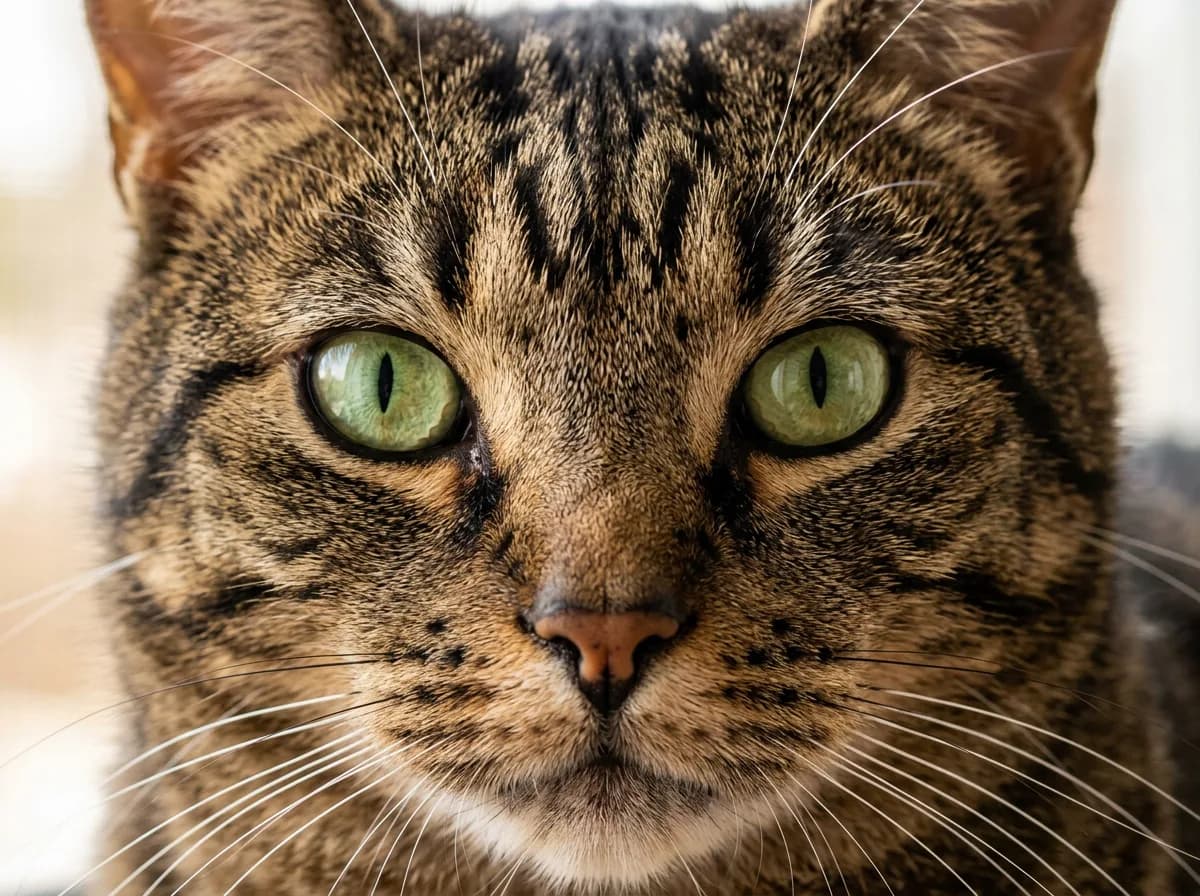
Every tabby wears an "M" on its forehead, formed where the facial stripes converge above the eyes. It is one of the most reliable ways to confirm a cat is a tabby. The M is simply part of the tabby pattern, present on classic, mackerel, spotted, and ticked tabbies alike.
The legends about it are more fun than the genetics. One story says the prophet Mohammed loved cats and rested his hand on a favorite tabby's head, leaving the M. A Christian legend holds that the Virgin Mary blessed a tabby that comforted the infant Jesus in the manger, marking it with an M for Mary. A third, more linguistic tale ties the M to "Mau," an ancient Egyptian word for cat. The real answer is the dull one: the M is just where the forehead stripes meet, and it appears because that is how the agouti pattern maps onto a cat's face.
Tabby vs. Torbie vs. Calico vs. Tortoiseshell
These four terms get mixed up constantly because they overlap. The short version: tabby and torbie are about pattern, while calico and tortoiseshell are about color distribution. A cat can be more than one at once (a torbie is a tabby AND a tortoiseshell). Here is how they sort out.

63-inch multi-level cat tree with scratch posts, hammock, plush perches, and dangling toys. Vertical territory is non-negotiable for high-energy climbing breeds like the Bengal.
Petful may earn a commission when you click through to Chewy, at no extra cost to you.
| Term | What It Is | Key Feature | Sex |
|---|---|---|---|
| Tabby | A coat pattern (stripes/swirls/spots/ticking) | The M on the forehead and banded hairs | Either sex |
| Torbie (patched tabby) | Tabby pattern plus tortoiseshell color | Stripes woven through orange and black, little white | Almost always female |
| Tortoiseshell | A color mosaic of orange and black | Brindled, interwoven orange and black, little or no white | Almost always female |
| Calico | Orange, black, and white in distinct blocks | Large separated patches of color on a mostly white coat | Almost always female |
The reason tortoiseshells and calicos are almost always female comes down to the same X-linked orange gene. A female cat has two X chromosomes, and random X-inactivation (a process named lyonization after geneticist Mary Lyon, who described it in 1961) lets one X show orange and the other show black in different patches. A male, with a single X, normally can only be one or the other. Roughly 99.9% of calico and tortoiseshell cats are female, with rare male exceptions (about 1 in 3,000) most often caused by an extra X chromosome (XXY), with rarer cases traced to chimerism or somatic mosaicism. For a deeper dive into the tricolor side of the family, see Petful's guide to the five things to know about calico cats.
Cat Breeds That Come in Tabby
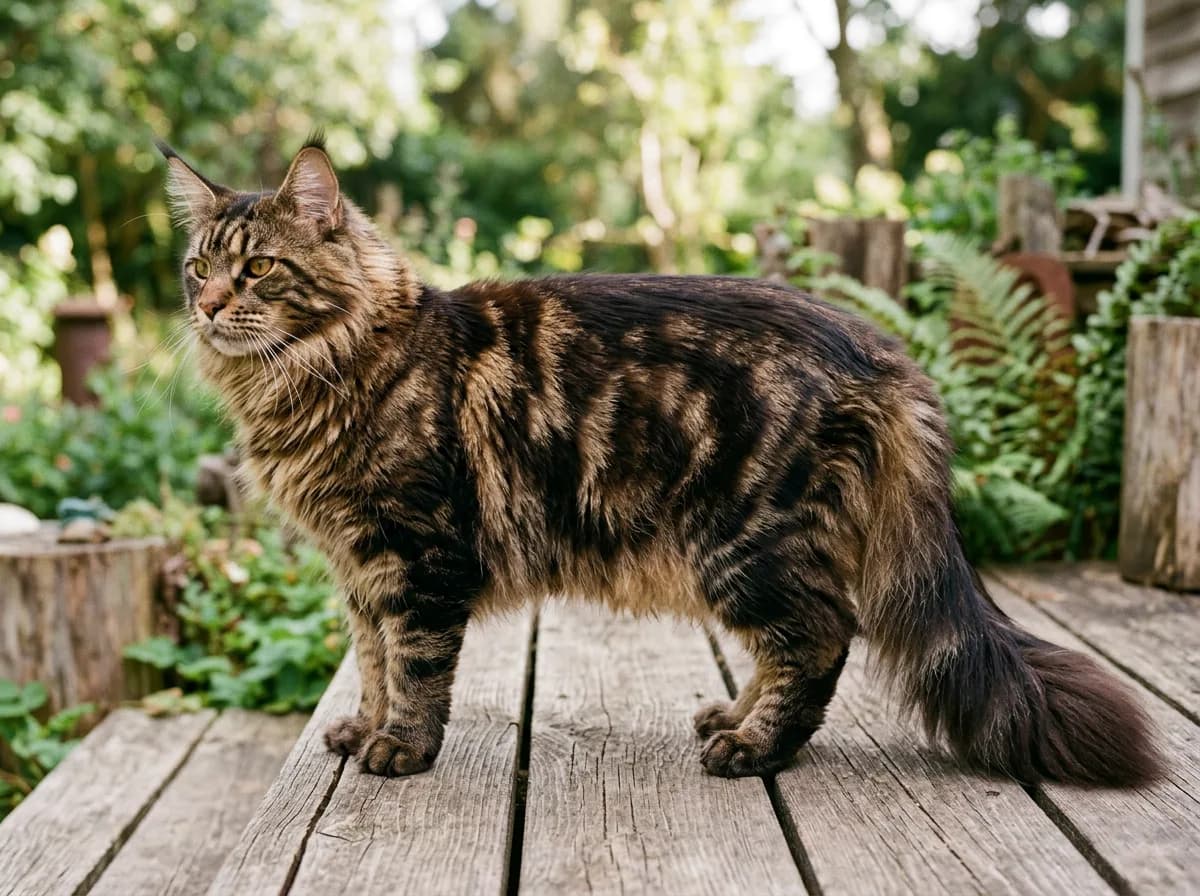
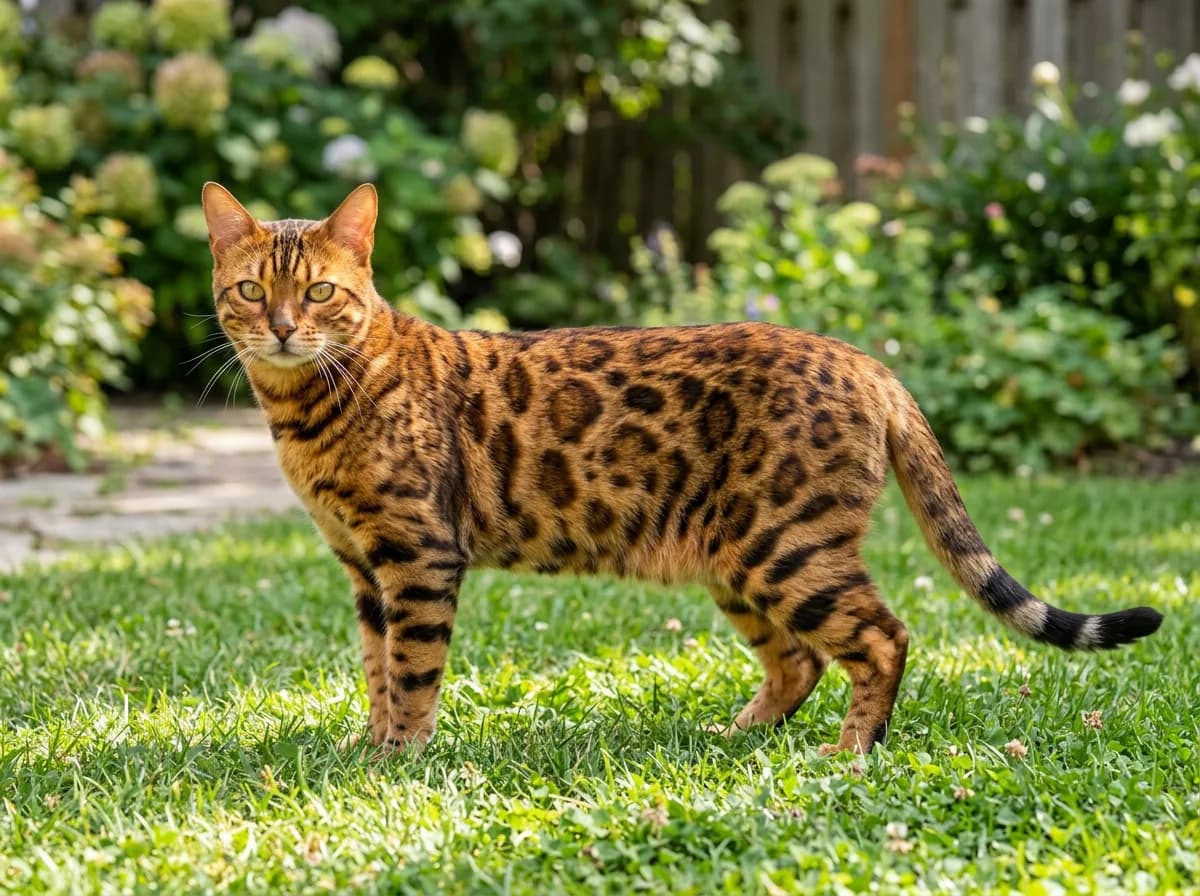
Because tabby is a pattern rather than a breed, it appears across the cat world. Some breeds are practically defined by it, while others wear it as one option among many. Here are the breeds most associated with the tabby look.
- Maine Coon. The brown classic and mackerel tabby is the iconic Maine Coon coat. Their size and tufted ears make tabby Maine Coons instantly recognizable. See Petful's Maine Coon breed profile for the full picture, and the Maine Coon colors guide for every variation.
- American Shorthair. The breed that perfected the silver classic tabby, with its dramatic black swirls on a sparkling silver ground. For the registered breed behind that familiar coat, Petful's American Shorthair breed guide explains ancestry evidence, personality, size, and care.
- British Shorthair. Best known for solid blue, but it also comes in handsome gray and brown tabby. See the British Shorthair profile.
- Bengal. The spotted and rosetted wild-looking breed, a spotted tabby by definition. Read about Bengal colors and patterns for the rosette varieties.
- Abyssinian. The flagship ticked tabby, with its warm, glowing, agouti-banded coat and almost no body striping.
- Egyptian Mau. The only naturally spotted domestic breed, prized for its true spotted-tabby coat.
- Ocicat. A spotted breed engineered to look wild, with bold spotted-tabby markings.
- American Bobtail and Devon Rex. Both commonly wear the tabby pattern, from the Bobtail's wild mackerel look to the Devon Rex's soft, wavy-coated stripes.
The Sokoke breed guide shows how its distinctive tabby markings fit a documented breed identity. Similar markings do not prove that an adopted cat is a Sokoke; our Sokoke price and sourcing guide explains what to verify before paying for a pedigree claim.
Our European Shorthair breed guide explains the breed identity beyond coat pattern.
Tabby Cat Personality
Does a tabby coat come with a personality? Not really, and any honest answer has to say so. Personality in cats is shaped far more by breed, early socialization, and individual temperament than by coat pattern. A mackerel tabby Maine Coon and a mackerel tabby barn cat can have wildly different dispositions despite sharing the exact same markings.
That said, the stereotypes persist. Orange tabbies in particular have a reputation for being affectionate, laid-back goofballs. The honest explanation is statistical: because about 80% of orange tabbies are male, and because tabbies are so common overall, people simply have more orange-tabby anecdotes to draw on. No study has found a reliable link between the tabby pattern and a specific temperament. If you want a cat with a known personality profile, choose by breed and meet the individual cat, not by stripes.

108-oz stainless steel pet fountain with quiet pump and water-level window. Bengals are notoriously water-obsessed; a flowing fountain encourages hydration and pulls them away from sinks and toilets.
Petful may earn a commission when you click through to Chewy, at no extra cost to you.
- Coat pattern is not a personality predictor. The "friendly orange tabby" or "sassy tortie" stereotypes are folklore, not science. Meet the individual cat, ask the shelter or breeder about its temperament, and judge it as an individual.
Tabby Cat Lifespan and Health
Tabby cats live about 12-16 years on average, with many well-cared-for indoor cats reaching 18 or even 20. The crucial point is that the tabby pattern itself has no effect on lifespan or health. A tabby is exactly as healthy as the breed and the individual cat underneath the stripes; the markings are skin-deep.
What actually drives a tabby's lifespan are the same factors that drive any cat's: indoor versus outdoor living (indoor cats live far longer), diet and weight, dental care, parasite prevention, and routine veterinary visits. Spaying or neutering and keeping up with vaccinations add years. If your tabby is a specific breed, its lifespan and any breed-linked health risks follow that breed, not the coat.
Tabby Cat Care Basics
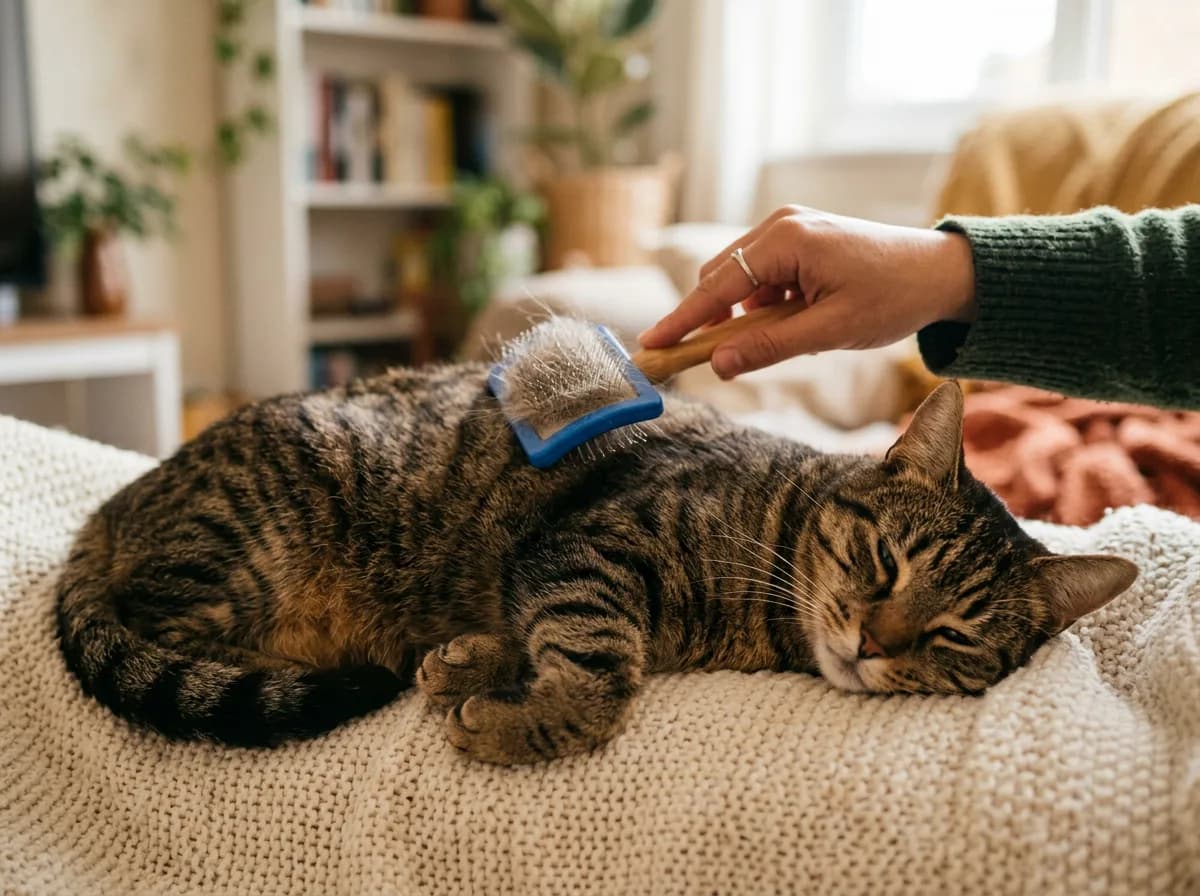
Caring for a tabby is caring for a cat: there is nothing pattern-specific about it. Still, a quick rundown of the essentials helps new owners, and good care is what actually determines whether your tabby thrives.
Grooming
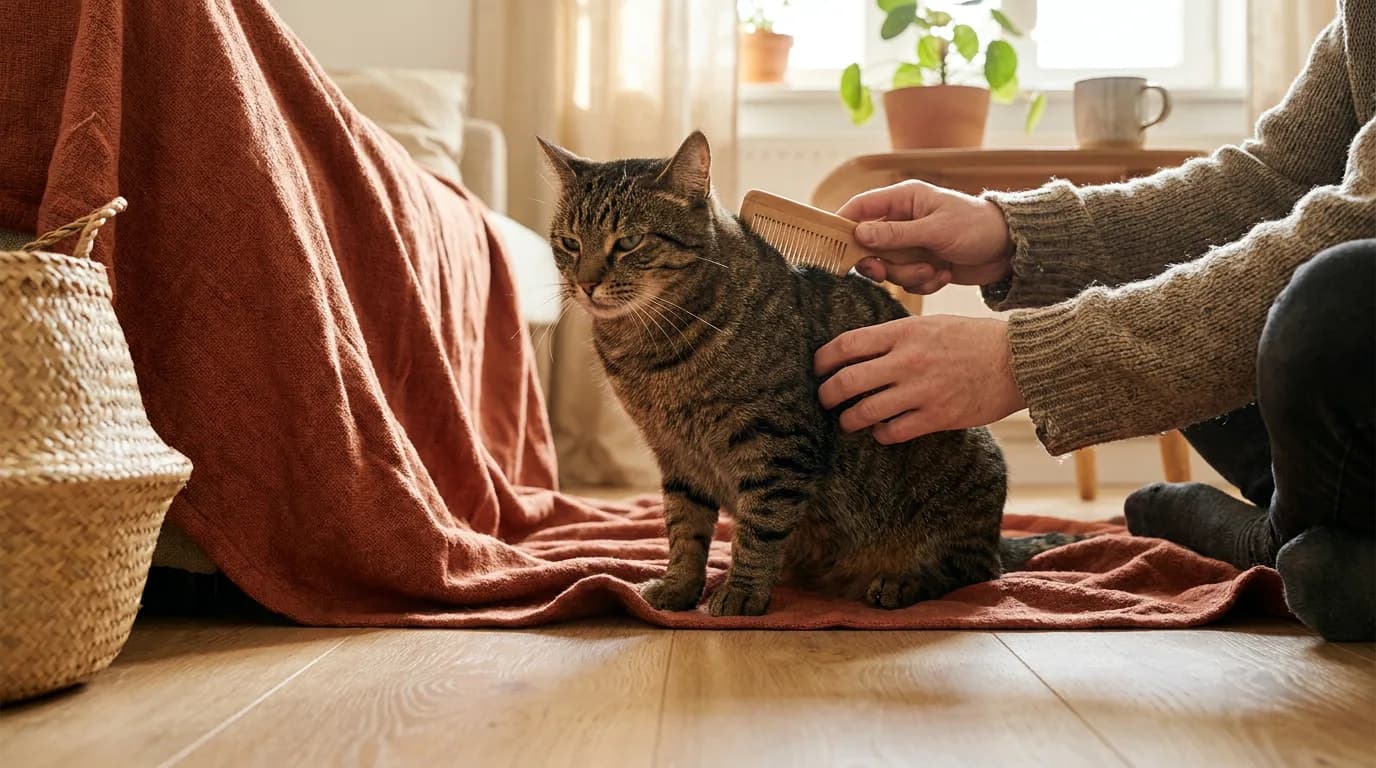
Shorthaired tabbies need only a weekly brush to remove loose hair and cut down on hairballs. Longhaired tabbies (a long-coated Maine Coon or a Persian-type) need brushing several times a week to prevent mats. All tabbies benefit from regular nail trims and a vet-recommended dental routine.
Feeding
Feed a complete, balanced diet appropriate for your cat's life stage. Cats are obligate carnivores, so a protein-forward food matters. Portion control is the single biggest favor you can do for an indoor tabby, since obesity is the most common preventable feline health problem. Fresh water should always be available.
Enrichment
Tabbies are intelligent and active. Daily play with wand toys, climbing space (cat trees and shelves), scratching posts, and food puzzles keep them physically and mentally healthy. A bored indoor cat is more likely to become overweight or develop behavior problems.
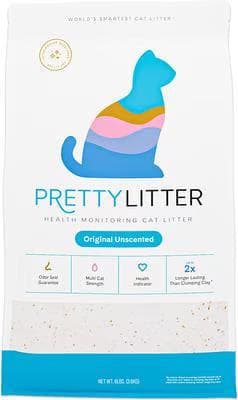
Color-changing crystal litter that flags pH shifts in your cat's urine, an early warning sign of UTIs, kidney issues, and more.
Petful may earn a commission when you click through to Chewy, at no extra cost to you.
Indoor vs. Outdoor
The data is clear: indoor cats live significantly longer than outdoor cats, who face traffic, predators, disease, and poison. If you want to give your tabby outdoor time, a secured catio or harness-and-leash walks deliver the enrichment without most of the risk.
- Obesity is the most common preventable health problem in house cats, and an overweight tabby faces higher risks of diabetes, arthritis, and a shorter life. Measure meals, skip the free-feeding, and ask your vet for an honest body-condition score.
How Much Does a Tabby Cat Cost?
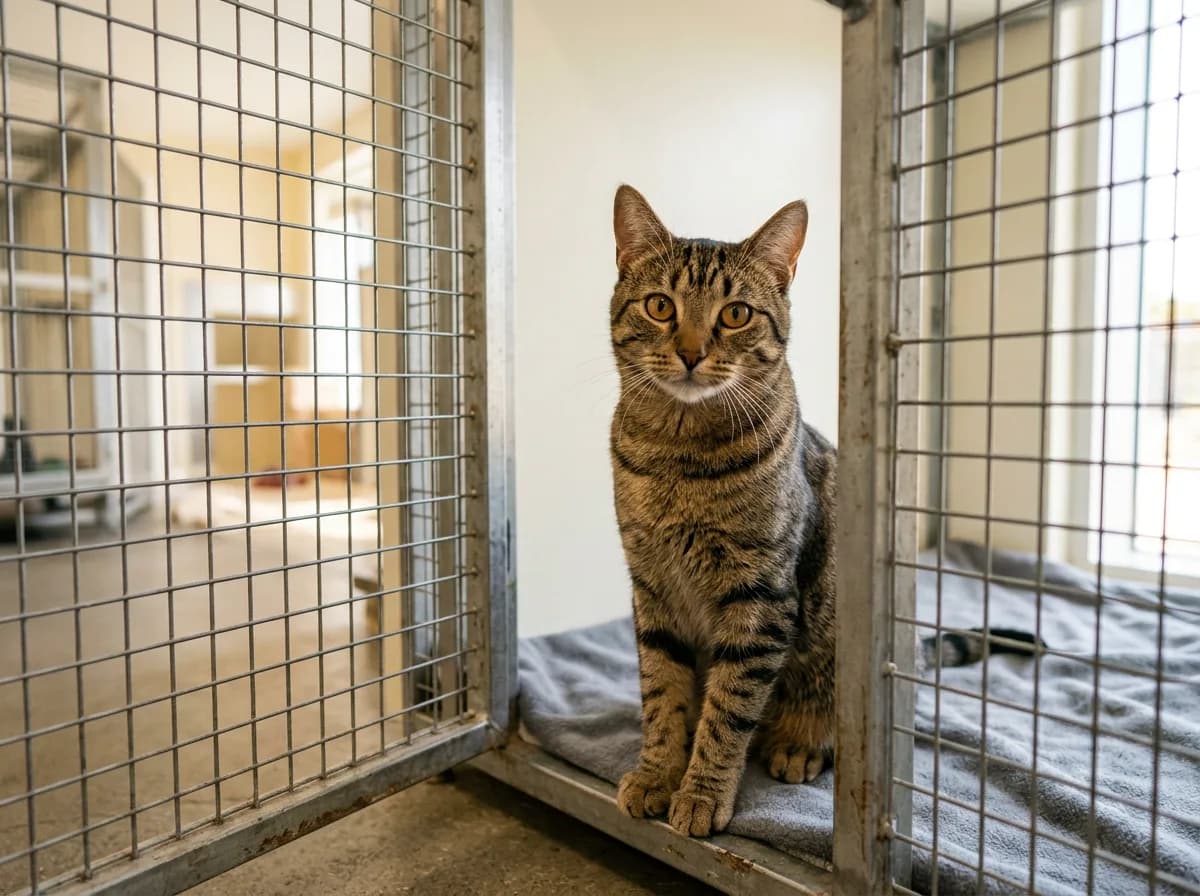
Because tabby is a pattern and not a breed, there is no such thing as a "tabby price." What you pay depends entirely on where the cat comes from and whether it is a specific breed. A tabby from a shelter costs a shelter adoption fee; a tabby that happens to be a pedigreed Bengal costs Bengal money. Anyone advertising a "rare tabby" at a premium is selling the pattern, which has no special value.
| Source | Typical Price | What You Get |
|---|---|---|
| Shelter or rescue adoption | $50-200 | Usually spayed/neutered, vaccinated, and microchipped; most are random-bred tabbies |
| Random-bred kitten (private/local) | Free-$100 | A mixed-breed tabby, often unaltered; budget for vetting |
| Pedigreed breed that comes in tabby | $800-2,500+ | A specific breed (Maine Coon, Bengal, Abyssinian) that happens to wear a tabby coat |
| Show or breeding-quality pedigree | $2,500 and up | Top-tier examples of a tabby-patterned breed from a reputable breeder |
The smart-money move for most families is shelter adoption. Tabbies are the most common shelter cat by far, the adoption fee usually bundles spay/neuter, vaccines, and a microchip, and you are giving a home to a cat that needs one. If your heart is set on a specific breed's tabby look (a brown Maine Coon, a spotted Bengal), buy from a registered, health-testing breeder and expect to pay that breed's going rate.
- No tabby pattern or color commands a legitimate premium on its own. If a seller is charging extra for a "rare" tabby coat rather than for a pedigreed breed with papers and health testing, that is a marketing markup, not real value.
Tabby Cats in History and Pop Culture
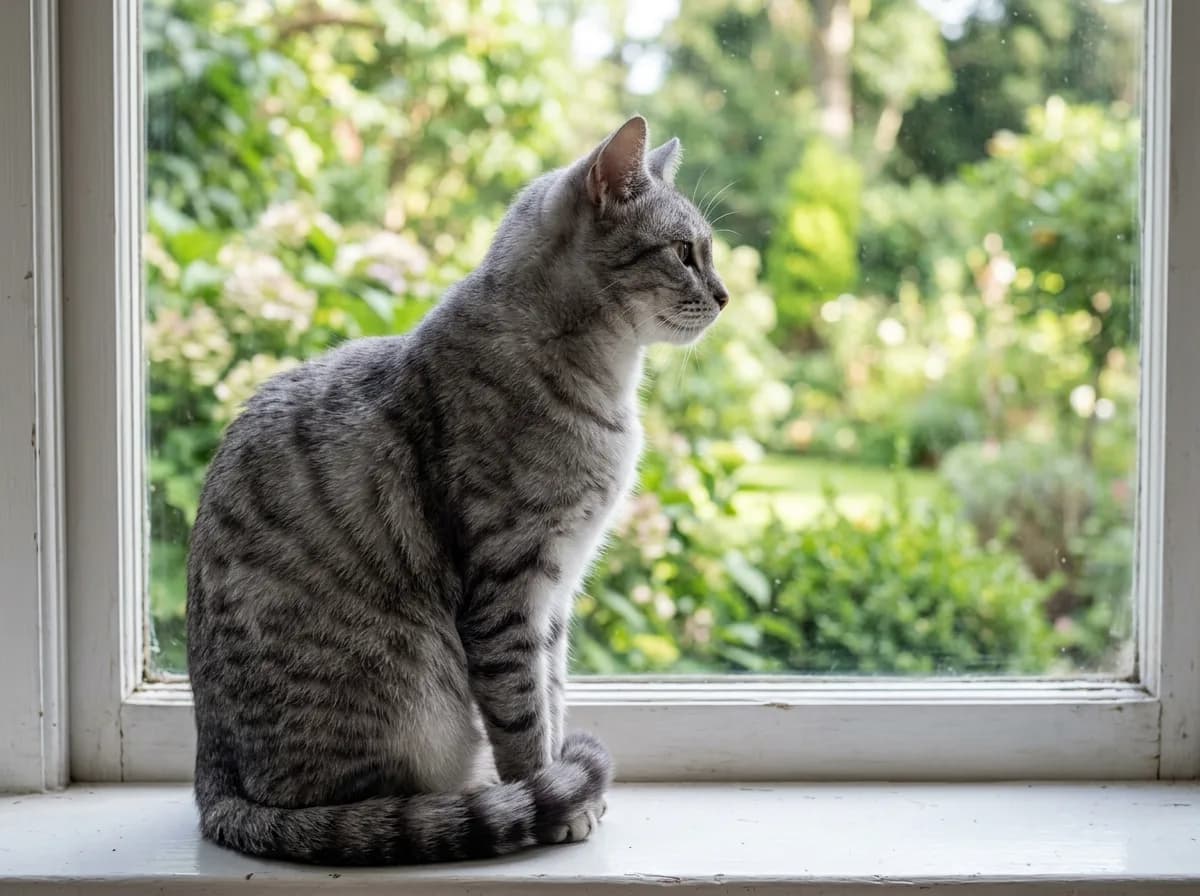
The word "tabby" has a surprisingly worldly history. It comes from Attabiyah (Al-Attabiya), a district of medieval Baghdad famous for a striped, wavy silk taffeta. That cloth was called "attabi," which passed into French as "tabis" and into English as "tabby." By the 1690s English speakers were using "tabby cat" for a cat whose striped coat resembled the patterned silk. So a tabby is, etymologically, a cat that looks like fine Baghdad silk.
The pattern's history runs deeper than its name. The domestic cat descends from the Near Eastern wildcat (Felis silvestris lybica), a mackerel tabby, which is why mackerel is the wild-type pattern. The blotched (classic) tabby allele is a much later arrival: ancient-DNA work by Ottoni and colleagues, published in Nature Ecology and Evolution in 2017, traced the blotched allele's spread to the medieval and Ottoman eras, showing classic tabbies became common only after the Middle Ages.
Tabbies have earned their place in culture, too. There is a National Tabby Day on April 30, and tabbies have served as honorary mayors, ships' cats, and beloved fictional characters from Garfield to the cartoon tigers and tabbies of children's books. The tabby is, fittingly, the everyman of the cat world: ancient, common, and quietly iconic.
A tabby cat is special because it wears the oldest and most widespread coat pattern in the feline world, complete with the signature M on the forehead. Tabby is a pattern, not a breed, and nearly every domestic cat carries the genes for it, which makes the tabby the everyman of cats: common, ancient, and instantly recognizable.
Yes. Cats have excellent hearing and can recognize their owner's voice, and studies show they respond differently to their owner speaking versus a stranger. They may not always act on what they hear, but they are listening, and talking to your cat helps build your bond.
Most cats want food, attention, and play in the morning, since dawn is one of their natural activity peaks. A morning routine of feeding, a short play session, and a little affection satisfies that drive and can stop early-morning wake-up calls and pestering.
Among breeds, Siamese, Ragdoll, and Sphynx cats are famous for being affectionate and people-oriented (often called "velcro cats"), but clinginess is driven far more by individual personality and early socialization than by coat pattern. A tabby can be just as clingy as any breed; the stripes have nothing to do with it.
No. Tabby is a coat pattern, not a breed. The tabby pattern (stripes, swirls, spots, or ticking plus the M on the forehead) appears across dozens of breeds and in most random-bred cats. When a shelter calls a cat a "tabby," it is describing the coat, not the breed.
The M forms where the facial stripes of the tabby pattern converge above the eyes; it is simply part of the agouti pattern. Legends credit Mohammed, the Virgin Mary, or the Egyptian word "Mau," but genetically the M is just where the forehead markings meet, and every tabby has one.
Yes. Orange pigment cannot be turned solid because the non-agouti gene cannot suppress it, so every orange cat shows the tabby pattern, even if faintly. A "solid orange" cat is really just a low-contrast orange tabby. About 80% of orange tabbies are male, because the orange gene is on the X chromosome.
Tabby cats typically live about 12-16 years, and many well-cared-for indoor cats reach 18 to 20. The tabby pattern itself has no effect on lifespan; longevity depends on breed, indoor versus outdoor living, diet, weight, dental care, and routine vet visits.
There is no fixed "tabby price" because tabby is a pattern, not a breed. Shelter adoption typically runs $50 to $200 and usually includes spay/neuter, vaccines, and a microchip. A pedigreed breed that happens to be tabby (such as a Maine Coon or Bengal) follows that breed's price, roughly $800 to $2,500 or more.
Tabby cats can be very friendly, but friendliness comes from breed, socialization, and individual personality, not from the coat pattern. The popular idea that orange tabbies are especially friendly is anecdotal and partly explained by most orange cats being male; no study links the tabby pattern to a specific temperament.
No. No cat is truly hypoallergenic, and the tabby pattern has nothing to do with allergens. Cat allergies are caused mainly by the Fel d 1 protein in saliva and skin, which all cats produce. Some breeds (like the Siberian or Sphynx) are reported to be lower-allergen, but coat pattern plays no role.
Yes, tabby cats shed like any other cat, and how much depends on coat length and breed, not on the tabby pattern. Shorthaired tabbies shed moderately and need a weekly brush; longhaired tabbies shed more and need brushing several times a week to prevent mats and reduce hairballs.
It depends entirely on the breed under the stripes, since tabby is just a pattern. A typical domestic shorthair tabby weighs about 8 to 12 pounds, while a tabby Maine Coon can reach 15 to 25 pounds and a small breed may stay under 8 pounds. The coat pattern has no bearing on size.
The ticked tabby is generally the least common of the everyday patterns in random-bred cats, since it is concentrated in breeds like the Abyssinian. The spotted pattern is also relatively uncommon outside spotted breeds such as the Bengal and Egyptian Mau. The mackerel pattern, by contrast, is the wild-type default and by far the most common.
Sign up for expert-backed reviews and safety alerts all in one place.