Types of Tabby Cats: 5 Patterns, 7 Colors, and Rare Mixes
Tabby is a pattern, not a breed. Learn all the types of tabby cats: the 5 coat patterns, 7+ colors from brown to rare cinnamon and fawn, plus a simple step-by-step way to identify your own cat's exact color and pattern.
Petful is reader supported. As an affiliate of platforms like Amazon and Chewy, we may earn a commission when you buy through links on this page. There is no extra cost to you.
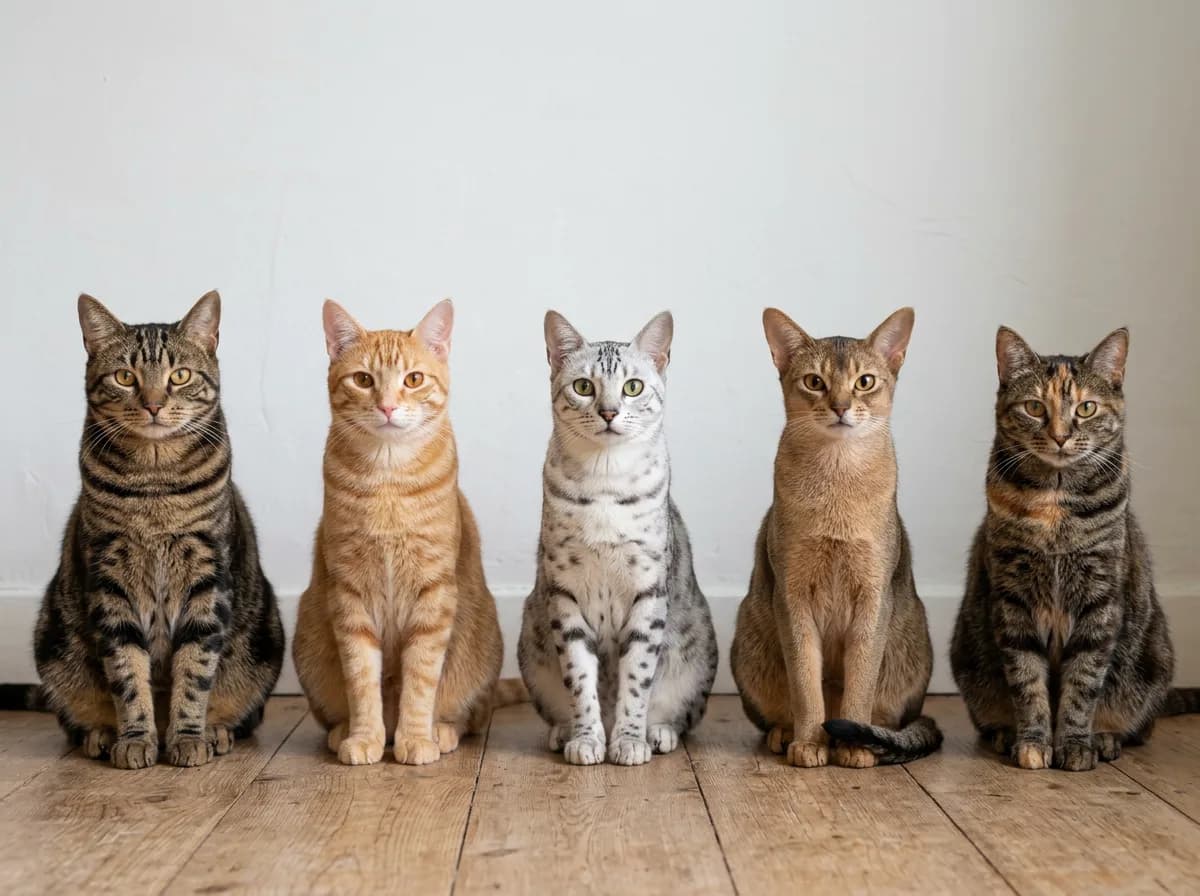
The types of tabby cats break down into 5 core coat patterns recognized by the Cat Fanciers' Association (CFA): classic, mackerel, spotted, ticked, and patched. Layered over those patterns is a full paint box of tabby cat colors, from everyday brown and orange to dilute blue, shimmering silver, soft cream, and genuinely rare shades like cinnamon and fawn. Nearly every domestic cat carries tabby genes, which is why "what kind of tabby is my cat?" is one of the most common questions cat owners ask. This guide walks through every pattern, every color, the genetics that produce them, and a step-by-step method for identifying exactly which type of tabby is sitting on your keyboard. Petful’s guide to Grey Tabby kitten has the full breakdown.
- 1Tabby is a coat pattern, not a breed, and nearly every domestic cat carries the genes for it
- 2There are 5 tabby patterns (classic, mackerel, spotted, ticked, patched) and 7+ tabby colors, with brown mackerel the most common combination
- 3The rarest tabby colors are chocolate, cinnamon, lilac, and fawn, which appear almost only in specific pedigreed breeds
- 4Every tabby wears an "M" on its forehead; it is simply part of the pattern, not a mark of legend
- 5Coat color does not determine personality; a 2016 UC Davis survey found only modest, owner-reported differences

Sign up for expert-backed reviews and safety alerts all in one place.
What Is a Tabby Cat? (A Pattern, Not a Breed)
A tabby is not a breed of cat. Tabby is the ancestral, wild-type coat pattern of the domestic cat, the same basic camouflage worn by the African wildcat (Felis silvestris lybica) that every house cat descends from. When people say "tabby," they mean any cat whose coat shows stripes, swirls, spots, or ticked banding, regardless of breed or mix.
Here is the part that surprises most owners: nearly every domestic cat carries tabby pattern genes. Whether you can see the pattern depends on the agouti gene (ASIP). Cats with at least one working agouti copy display their tabby pattern. Cats with two non-agouti copies (a/a) produce solid-colored coats that hide the stripes, which is why solid black kittens often show faint "ghost" markings that fade as the adult coat grows in. Orange cats are the exception in the other direction: the orange pigment cannot be made solid by the non-agouti gene, so every orange cat shows some tabby pattern.
The word "tabby" itself is usually traced to "atabi," a striped silk taffeta woven in the Attabiyah district of Baghdad, whose watered pattern reminded European traders of striped cat coats.

Compare coverage choices for your pet, then request a quote directly on Lemonade.
- Check a price for your pet
- Review available coverage choices
- See the terms before you decide
Eligibility, waiting periods, limits and exclusions apply.
Petful may earn a commission when you click through to Lemonade, at no extra cost to you.
- National Tabby Day falls on April 30 each year, a celebration created to spotlight the millions of tabby cats waiting in shelters for adoption.
The 5 Tabby Cat Patterns
All tabby cat patterns are variations on one genetic theme: bands of dark eumelanin pigment laid over a lighter, agouti-banded ground color. The CFA and The International Cat Association (TICA) both describe the same core patterns in their show standards. Here is each one, with the field marks that identify it.
Classic (Blotched) Tabby
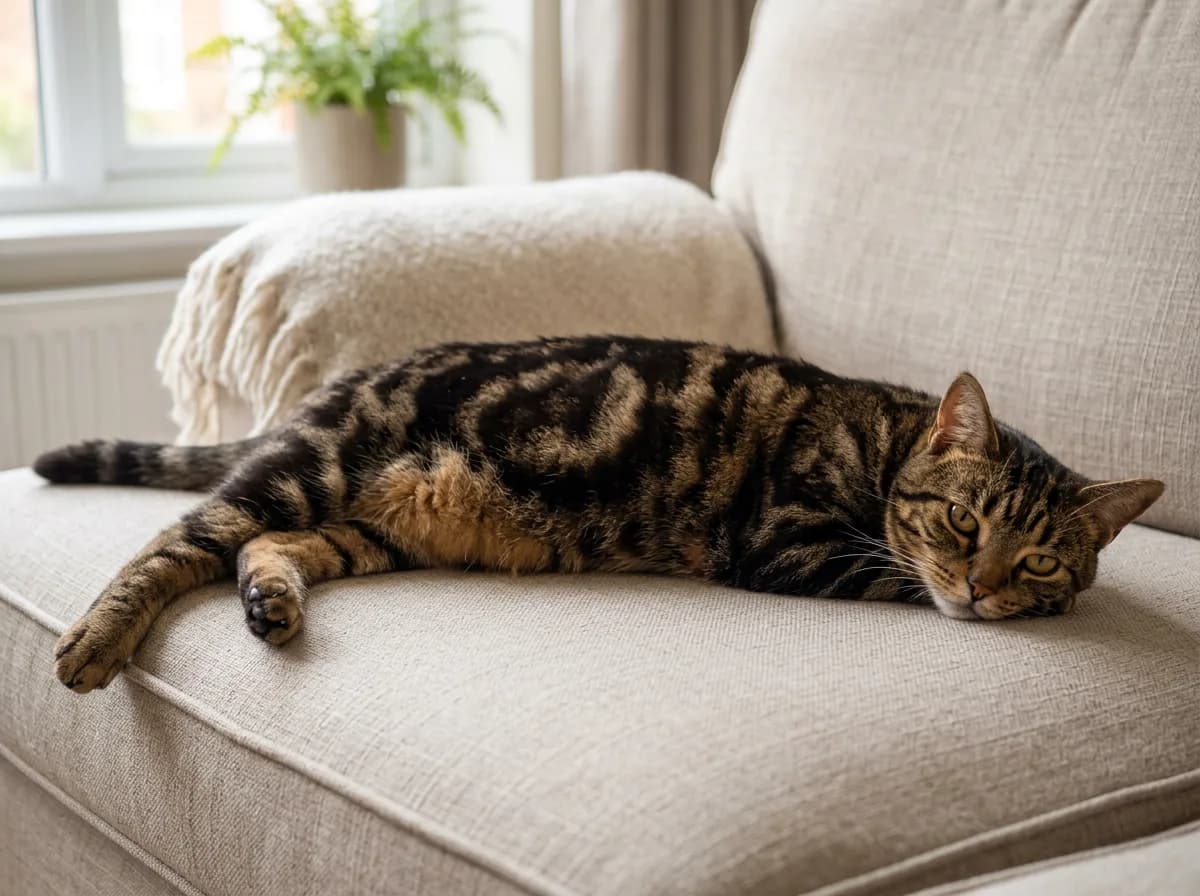
The classic tabby, also called the blotched tabby, wears bold, swirling bands that form a circular "bullseye" on each side of the body and a "butterfly" shape across the shoulders, with three thick stripes running down the spine. The pattern is recessive, so a kitten needs a copy from both parents to show it. Geneticists identified its cause in 2012: mutations in the Taqpep gene (Kaelin et al., Science, 2012), the very same gene that turns the spots of the rare king cheetah into thick stripes. Classic tabby is a signature look of the American Shorthair. Petful’s guide to american shorthair colors has the full breakdown.
Mackerel Tabby
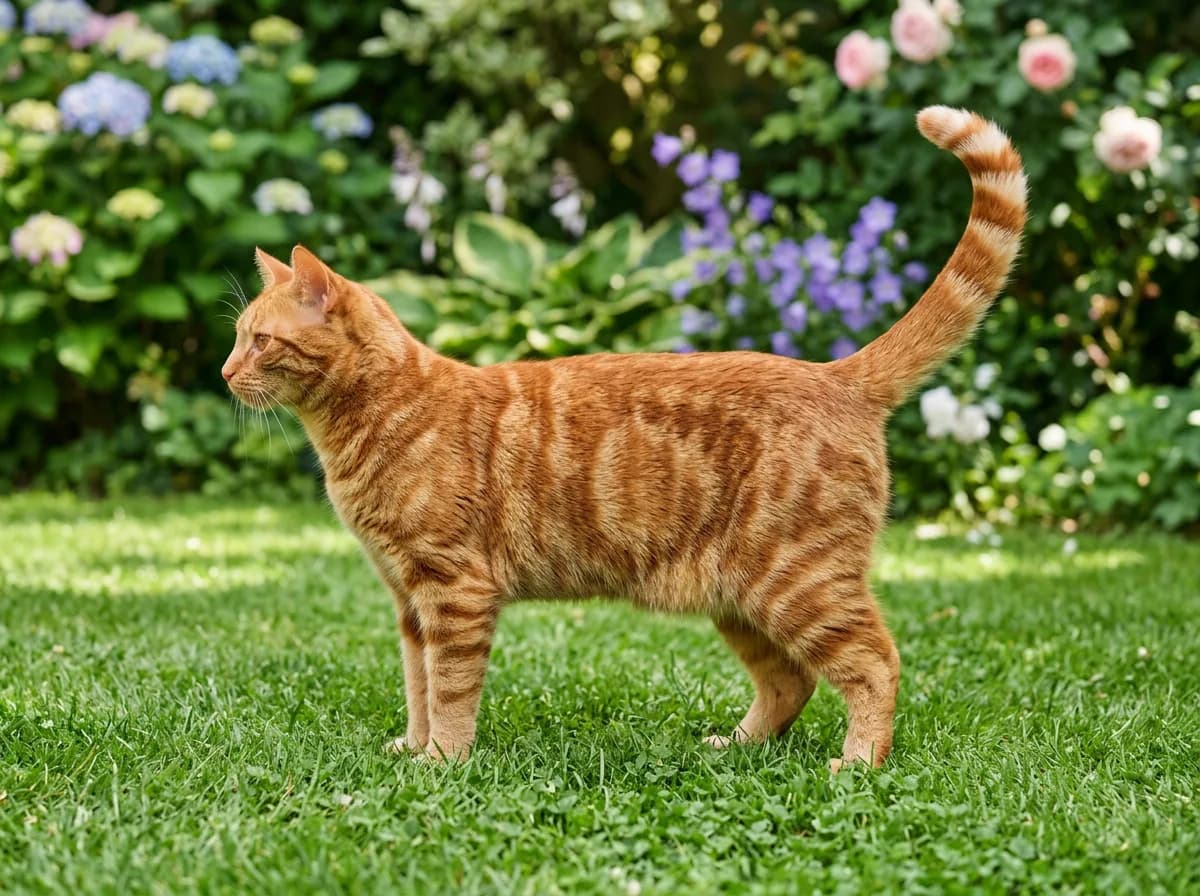
The mackerel tabby cat is the wild type and the most common tabby pattern of all. Narrow, parallel stripes run vertically down the sides from a dark spine line, like the bones of a fish, which is exactly where the name comes from. Legs are barred with "bracelets," the tail wears rings, and an unbroken "necklace" usually crosses the chest. If you picture a generic tiger-striped house cat, you are picturing a mackerel tabby.
Spotted Tabby
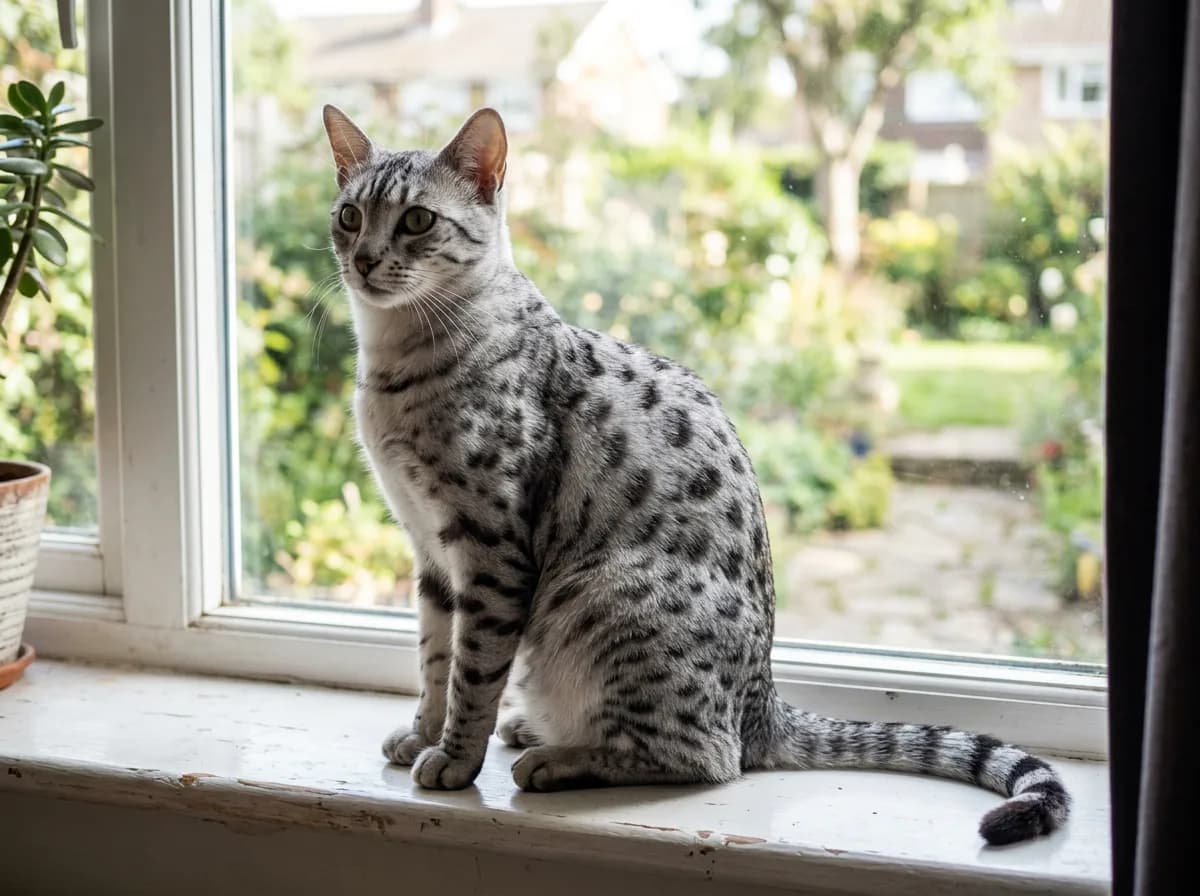
The spotted tabby's stripes are broken into distinct spots that can be round, oval, or rosette-shaped, and large or small. Researchers still debate whether a separate modifier gene breaks mackerel stripes into spots, but the look is unmistakable on breeds built around it: the Egyptian Mau, the Ocicat, and the Bengal cat, whose leopard-like rosettes are the most dramatic spotted coats in the cat fancy.

Never Scoop Again® with the Whisker Litter-Robot, the smart self-cleaning automatic litter box. Monitor visits and track weights for better overall care in the Whisker® app. Multi-cat friendly.
Petful may earn a commission when you click through to Whisker, at no extra cost to you.
Ticked (Agouti) Tabby
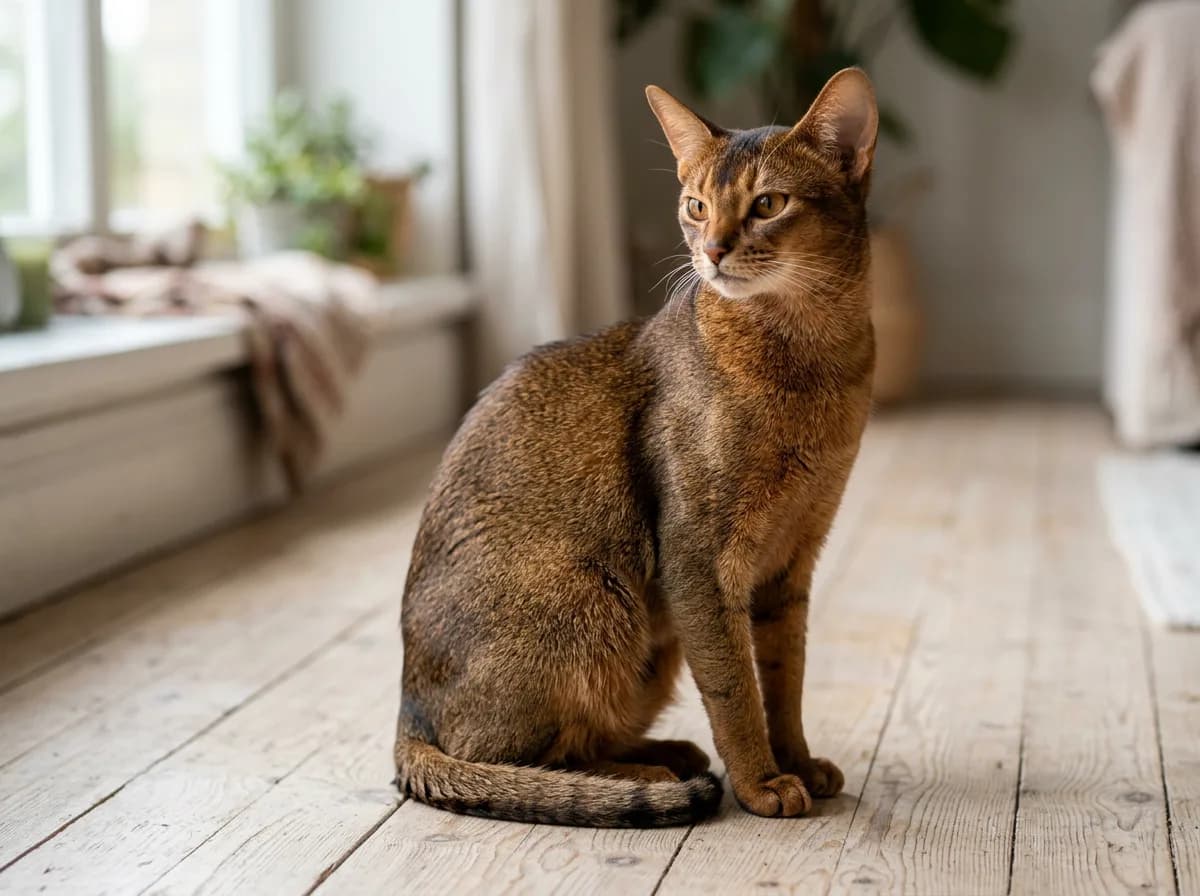
The ticked tabby barely looks like a tabby at first glance. Instead of stripes on the body, each individual hair carries alternating bands of dark and light pigment (agouti banding), producing a shimmering, sand-like coat. Look closely and you will still find tabby barring on the legs, tail, and face, plus the forehead "M." The Abyssinian is the classic ticked breed. A 2021 study from the Kaelin and Barsh research group showed that the Dkk4 gene helps lay down the tabby pre-pattern in the embryo before hair ever develops, and that Dkk4 mutations are behind the ticked look.
Patched Tabby (Torbie)
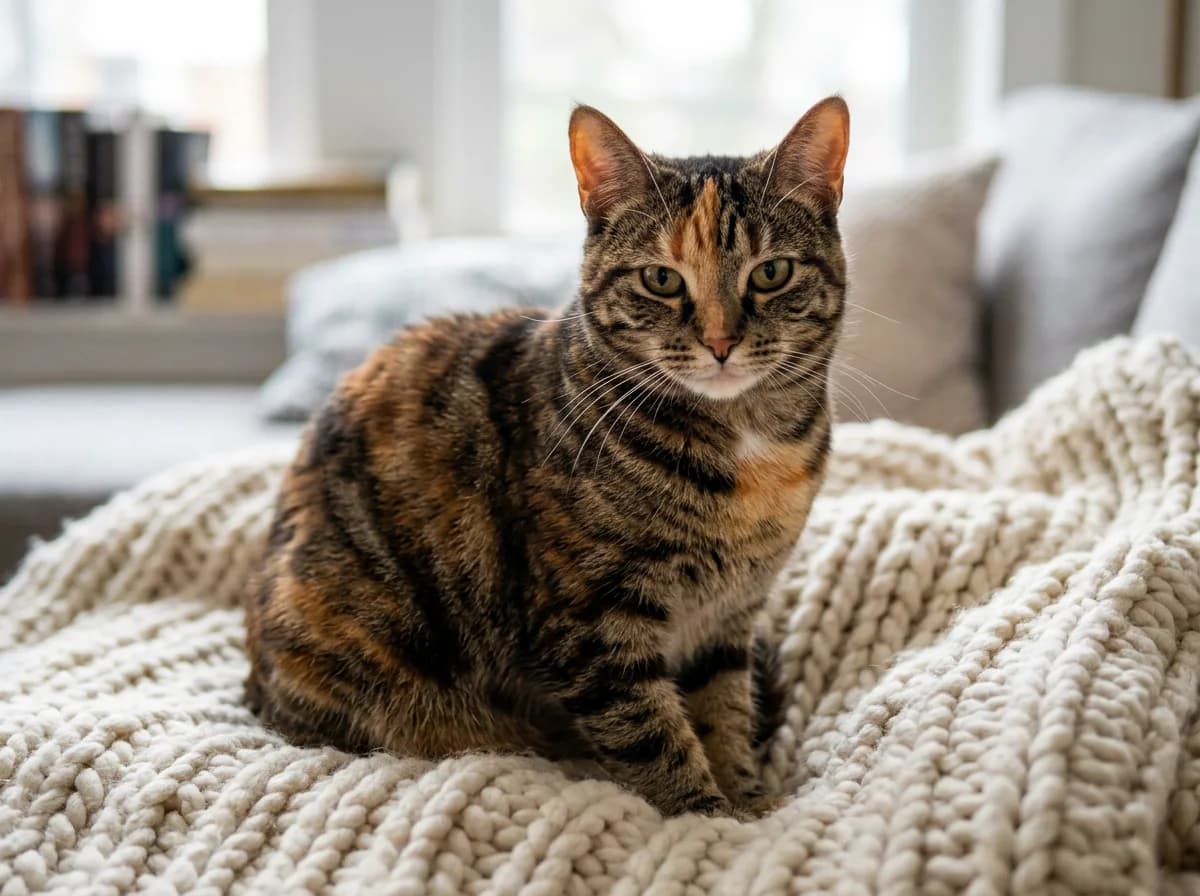
The patched tabby, affectionately called a torbie, is a tabby-tortoiseshell overlap: any of the four patterns above plus patches of red or cream from the sex-linked orange gene. Because that gene rides on the X chromosome, roughly 99.9% of patched tabbies are female, the same X-linked math behind tortoiseshell and calico coats. If your tabby has random splashes of orange mixed through her stripes, she is a torbie.
Tabby Cat Colors: Brown, Orange, Grey, Silver, and More
If pattern is the stencil, color is the paint. Tabby cat colors come from two pigments: eumelanin (black, and its diluted or modified forms) and phaeomelanin (red/orange and its dilute, cream). Here are the colors you will actually meet.
Brown Tabby
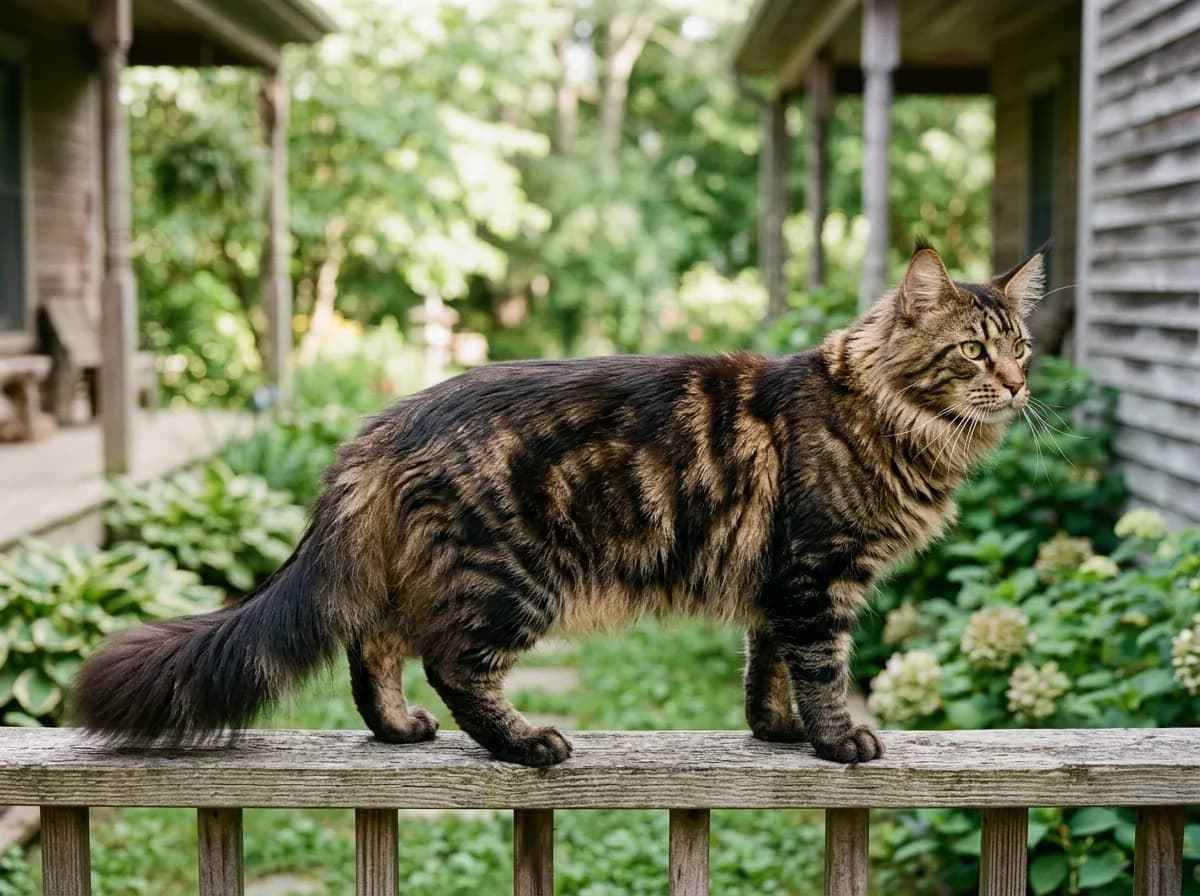
The brown tabby (genetically a black-based tabby) is the most common tabby color: black markings over a warm brown, agouti-banded ground. It is the look closest to the ancestral wildcat and the signature coat of the Maine Coon, where a brown classic or brown mackerel coat is practically the breed's uniform. Brown tabby cat colors range from cool grayish-brown to rich, coppery shades, and nose leather is typically brick red outlined in black.
Orange (Red) Tabby
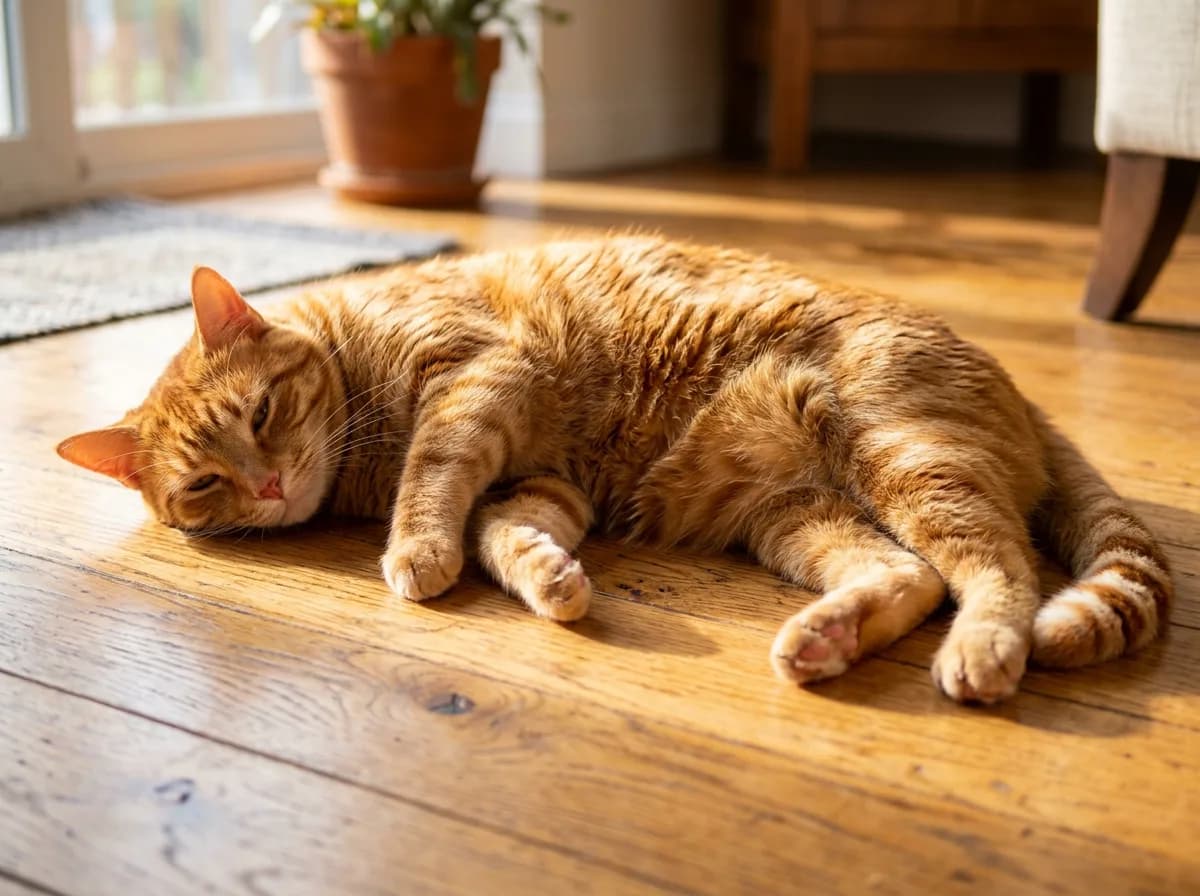
The orange tabby (called "red" in show standards) gets its color from the sex-linked orange gene, which replaces black pigment with warm phaeomelanin. About 80% of orange tabby cats are male, because males need only one copy of the X-linked gene while females need two. Remember that every orange cat is a tabby; the pattern always shows. The famous "Garfield" personality reputation is anecdotal, and orange reaches spectacular scale in the orange Maine Coon.
Grey (Blue) Tabby
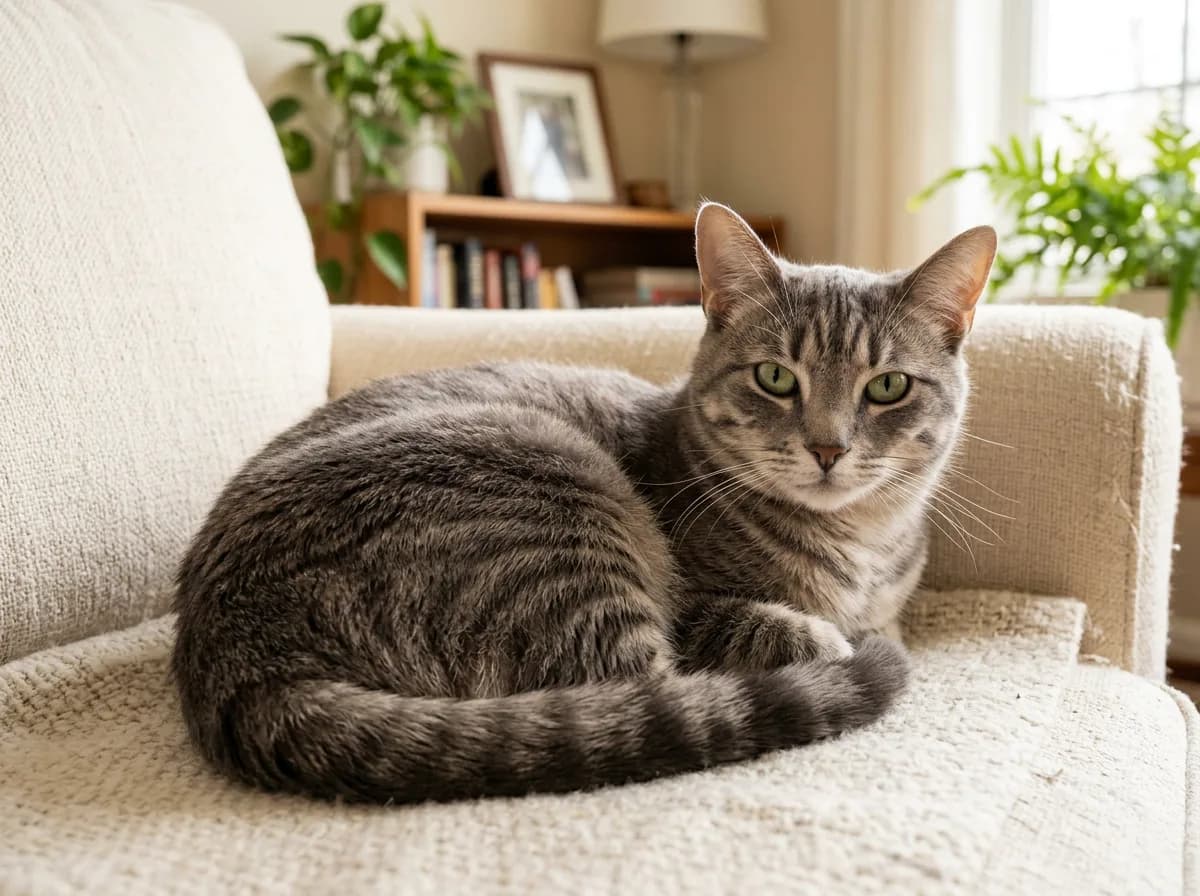
Grey tabby cat colors are the dilute version of brown: the dilution gene (MLPH, d/d) softens black pigment to a slate blue-grey laid over a pale, buff-grey ground. Breeders call this color "blue." Grey tabbies are common in the British Shorthair, Maine Coon, Norwegian Forest Cat, and American Shorthair, and among everyday domestic shorthairs everywhere. There is more on this in Petful’s guide to Norwegian Forest Cat colors.
Silver Tabby
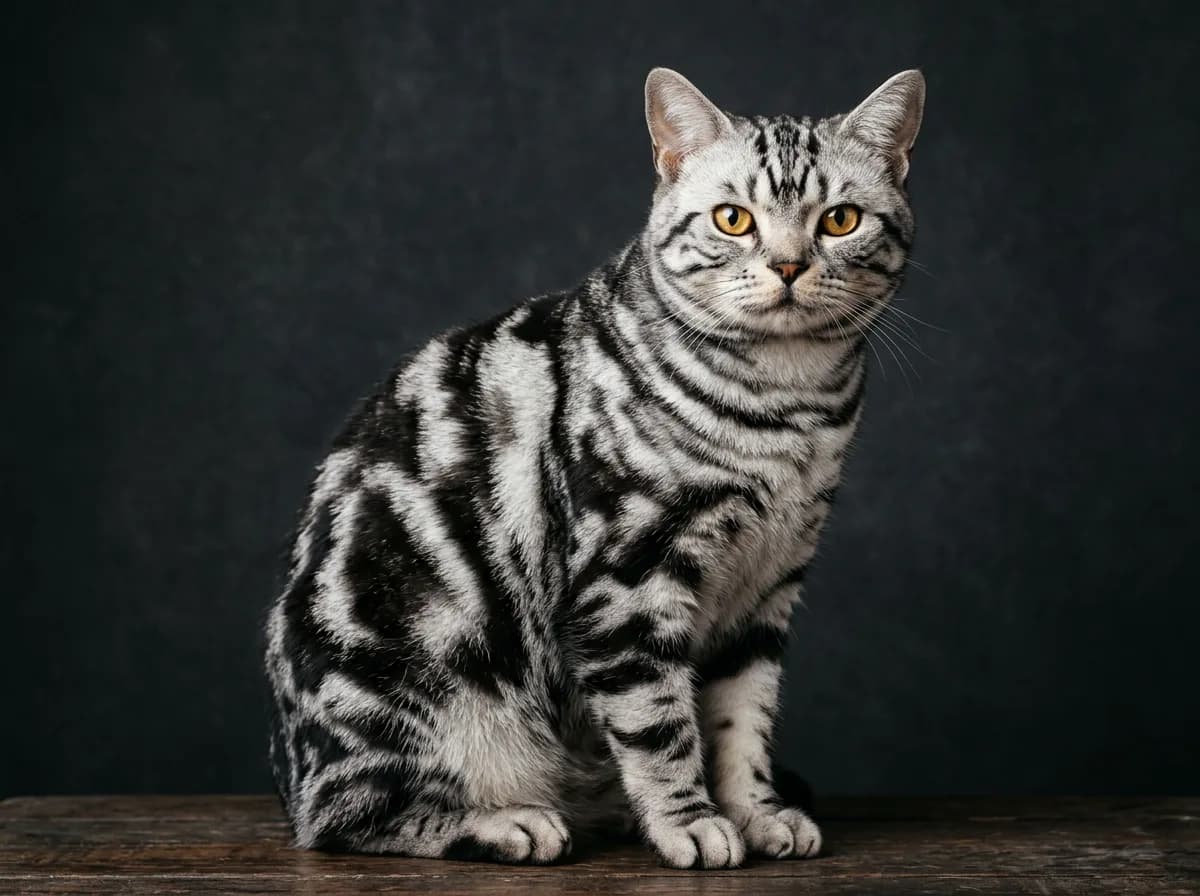
The silver tabby is not a dilute. A dominant inhibitor gene (I) suppresses pigment in the base of each hair, so black markings sit on a glittering, near-white undercoat. The silver classic tabby American Shorthair is one of the most photographed show cats in the world. Silver also combines with other colors, producing blue silver, red silver ("cameo"), and cream silver tabbies.
Cream and Buff Tabby
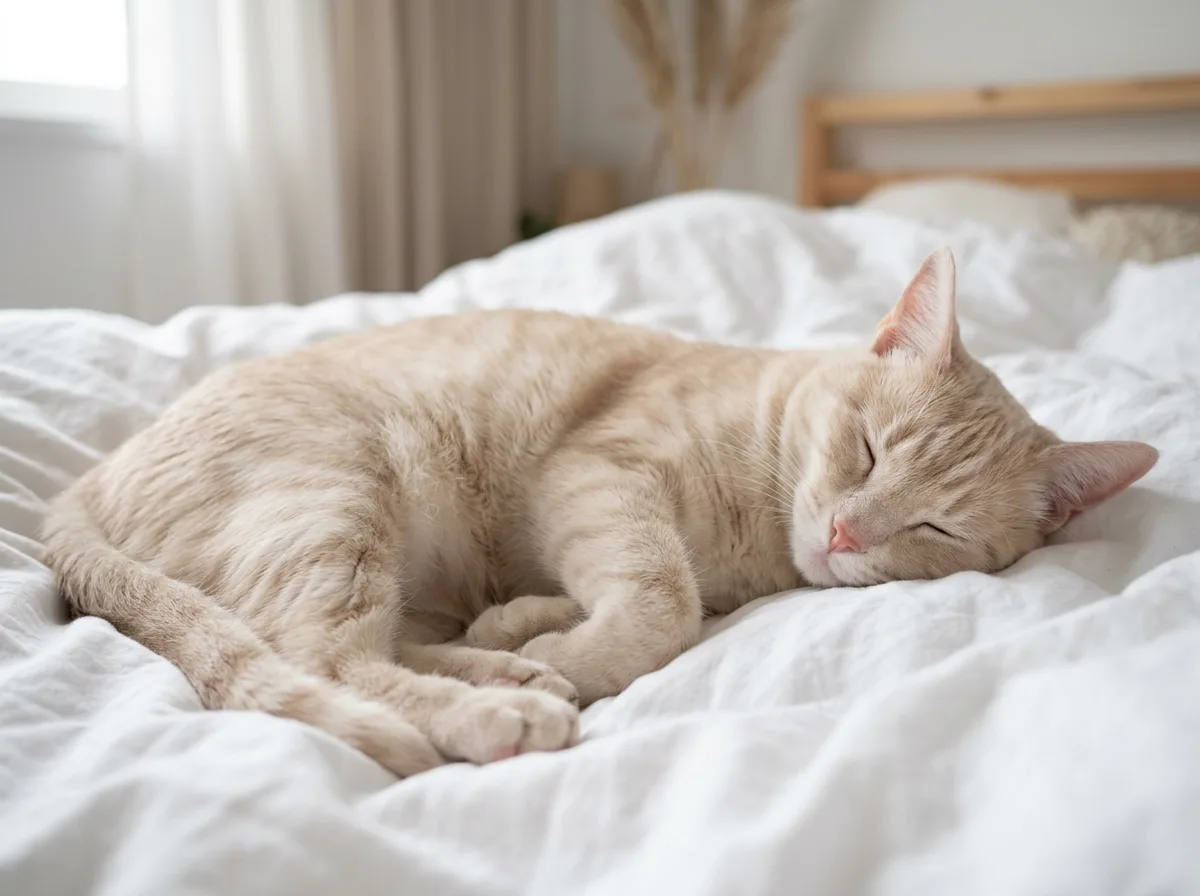
The cream tabby is the dilute of orange: the same dilution gene that turns black to blue turns red to a soft, pale buff-cream. Markings are subtle, often a tone-on-tone pastel effect rather than high contrast. Cream tabbies are uncommon in the general cat population and most often seen in pedigreed lines where dilute genes are concentrated.
Rare Tabby Cat Colors
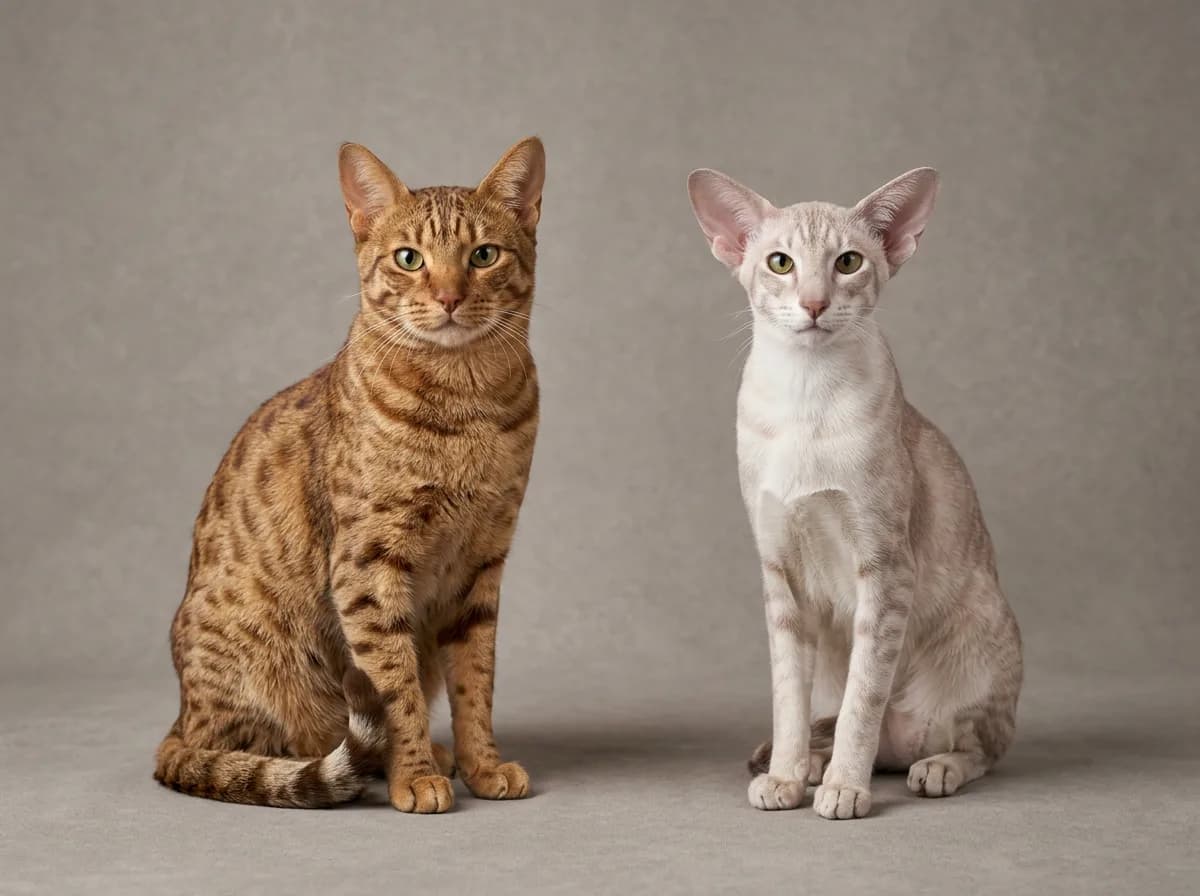
The rarest tabby cat colors are the ones built on modified eumelanin: chocolate, cinnamon, and their dilutes, lilac and fawn.
- Chocolate tabby: a mutation of the brown locus (B) warms black pigment to rich chocolate brown. Seen in Orientals, Havana-related lines, and some British Shorthairs.
- Cinnamon tabby: a second brown-locus mutation produces an even lighter, reddish cinnamon. The Abyssinian's "sorrel" color is cinnamon-based. Petful’s guide to Abyssinian cat colors has the full breakdown.
- Lilac (lavender) tabby: chocolate plus dilution yields a pinkish, frosty grey.
- Fawn tabby: cinnamon plus dilution, a pale warm beige and arguably the rarest tabby color of all.
These four shades require uncommon recessive genes from both parents, so they appear almost exclusively in pedigreed breeds such as the Ocicat, Oriental Shorthair, and Abyssinian, not in random-bred cats.
- Random-bred kittens advertised as rare lilac or cinnamon tabbies at premium prices are almost always misidentified greys or creams. True rare-color tabbies come from pedigreed programs with registration papers, and no color makes an ordinary cat more valuable.
Tabby Cat Colors and Patterns Chart
Use this quick-reference tabby cat colors chart to match the dense colors with their dilute partners and see how common each is.
| Color | What the Markings Look Like | Dilute Version | How Common |
|---|---|---|---|
| Brown (black-based) | Black stripes or swirls on a warm brown agouti ground | Blue (grey) | Most common tabby color |
| Orange (red) | Deep orange markings on a cream ground; about 80% are male | Cream | Very common |
| Silver | Black markings over a white, pigment-suppressed undercoat | Blue silver | Uncommon |
| Chocolate | Warm chocolate-brown markings, mostly in pedigreed breeds | Lilac (lavender) | Rare |
| Cinnamon | Light reddish-brown markings, breed-restricted | Fawn | Rarest |
Any of these colors can appear in any of the five patterns, which is why "grey classic tabby" and "silver spotted tabby" are both perfectly normal descriptions.
Tabby Mixes: Torbie, Caliby, and Tabby With White
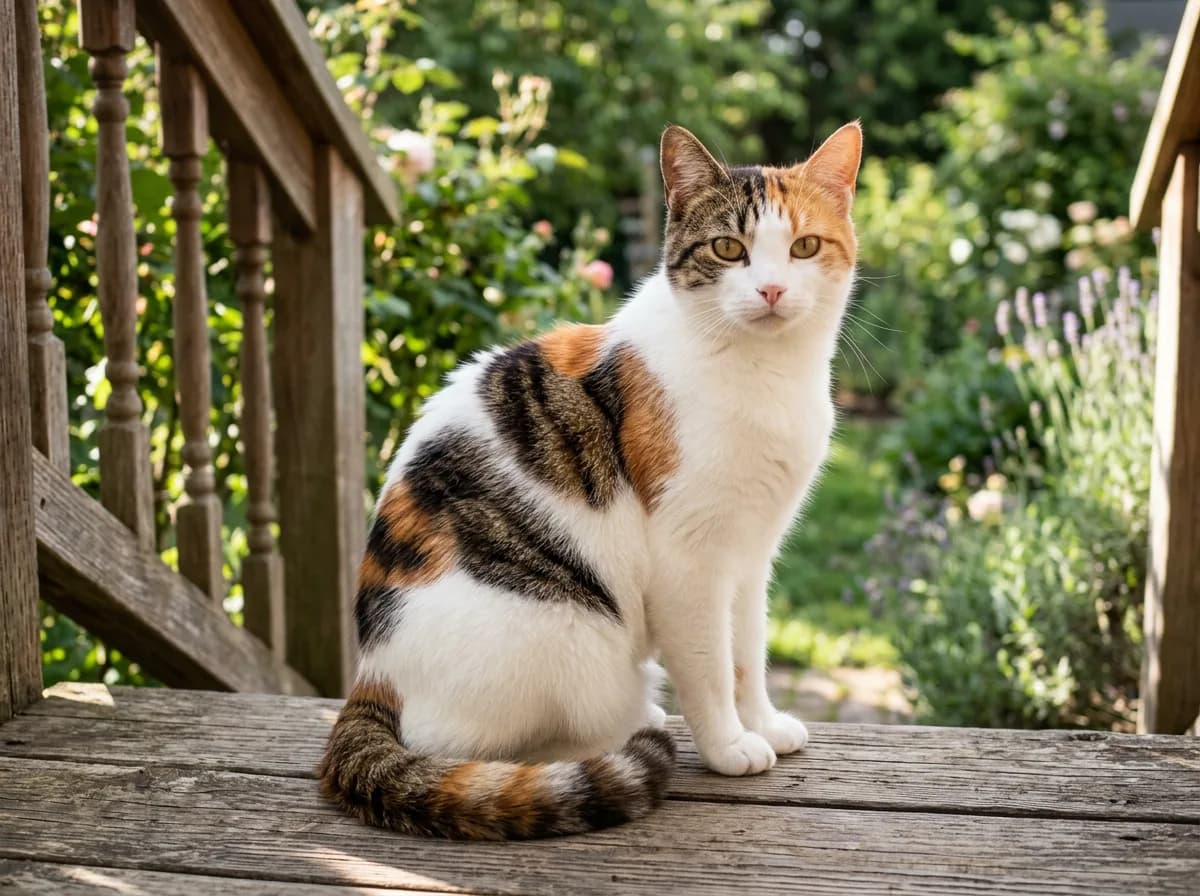
Tabby patterns also combine with the tortoiseshell mosaic and with white spotting, producing some of the most striking coats in the cat world.

63-inch multi-level cat tree with scratch posts, hammock, plush perches, and dangling toys. Vertical territory is non-negotiable for high-energy climbing breeds like the Bengal.
Petful may earn a commission when you click through to Chewy, at no extra cost to you.
- Torbie (patched tabby): tabby plus tortoiseshell, covered above. Stripes woven through black and orange brindling.
- Caliby (calico tabby): take a calico, whose white coat carries distinct orange and black patches, and replace the solid patches with tabby-striped ones. The result is a calico tabby, nicknamed caliby or tabico. Like calico cats, calibies are almost always female because the orange patches require two X chromosomes.
- Tabby with white: the white spotting gene (a KIT-related piebald gene) adds white feet, bib, belly, or face to any tabby. White tabby cat colors range from a tiny chest locket to a mostly white cat with a striped tail and ear patches. The white areas carry no pattern at all; the tabby markings show only in the colored zones.
- Describe the pattern first and the color second: a grey cat with swirls and white paws is a "blue classic tabby with white." That two-part formula matches how the CFA and shelters label coats, and it works for every tabby mix.
The Genetics Behind Tabby Colors
You do not need a genetics degree to decode your cat's coat. Five gene systems do almost all the work:
1. Agouti (ASIP): the on/off switch. At least one working copy and the tabby pattern shows; two non-agouti copies and the cat looks solid (with the pattern hidden underneath).
2. Pattern genes: Taqpep sets stripes versus swirls (mackerel is dominant, classic is recessive), and Dkk4 underlies ticking. The 2021 Dkk4 study showed the pattern is mapped onto the embryo's skin before hair develops.
3. Orange (ARHGAP36): the sex-linked orange gene replaces black pigment with red. In 2025, after decades of searching, two independent teams (Greg Barsh's group at HudsonAlpha/Stanford and Hiroyuki Sasaki's team at Kyushu University) identified it as a regulatory deletion affecting the ARHGAP36 gene, published in Current Biology. In females, random X-inactivation (lyonization, described by Mary Lyon in 1961) creates the orange-and-black mosaic behind torbies and calibies.
4. Dilution (MLPH): two copies soften every color one step: black to blue, red to cream, chocolate to lilac, cinnamon to fawn.
5. Inhibitor (I): the silver gene, which erases pigment from the hair base and turns any tabby into its silver version.
History is written in these genes too. Ancient-DNA work by Ottoni and colleagues (Nature Ecology & Evolution, 2017) traced the domestic cat to the Near Eastern wildcat, a mackerel tabby, and showed the blotched classic allele only became common in the medieval-to-Ottoman era. The swirled tabby napping on your couch is, genetically speaking, a fairly recent invention.
Why Every Tabby Has an M on Its Forehead
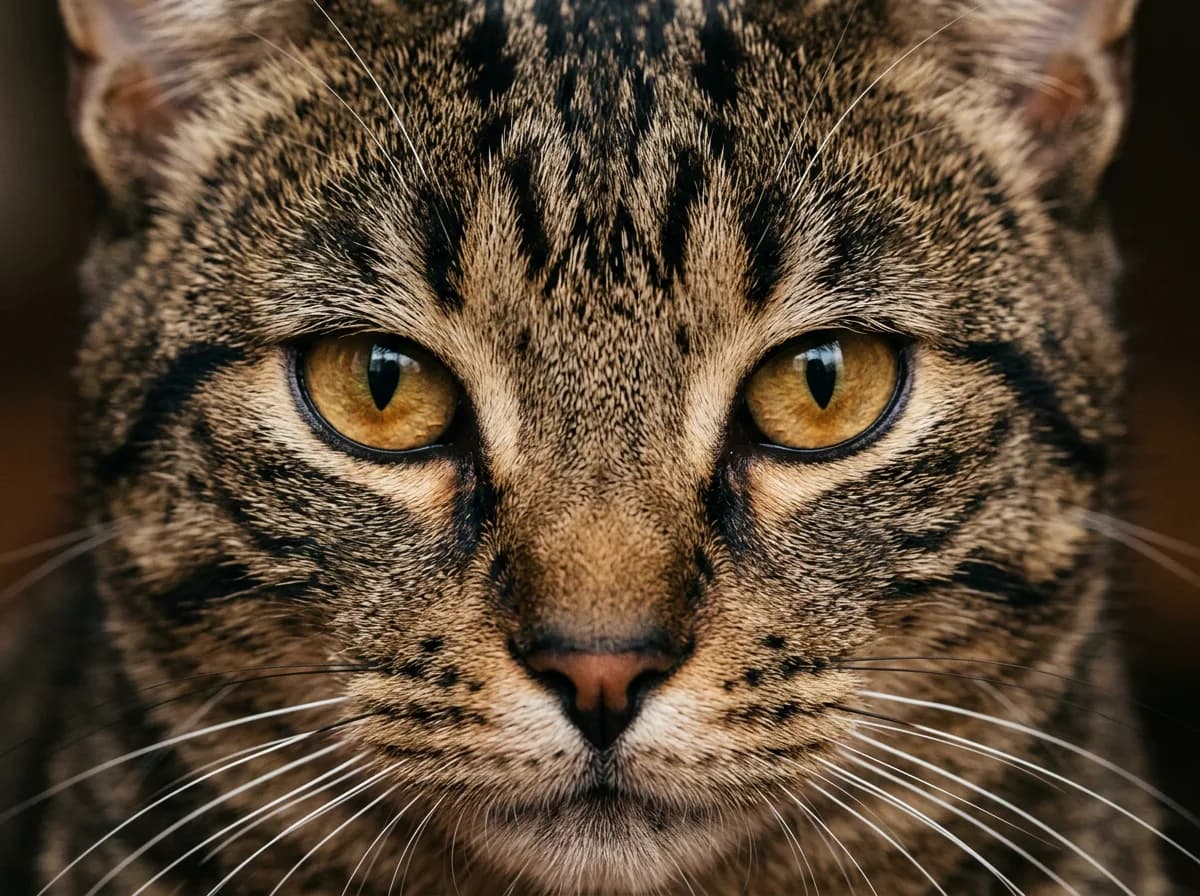
Look at the forehead of any tabby, in any color or pattern, and you will find the same dark "M" above the eyes. Folklore offers three competing explanations: that the prophet Mohammed blessed his beloved tabby Muezza and left the mark, that the Virgin Mary marked a tabby who warmed the infant Jesus, or that it stands for "Mau," the ancient Egyptian word for cat. They are lovely stories, but the truth is simpler. The M is just part of the tabby pattern itself, produced by the same striping genes that bar the legs and ring the tail. Even solid-colored cats with ghost markings often show a faint M.
Cat Breeds That Come in Tabby Coats
Because tabby is a pattern and not a breed, dozens of pedigreed breeds accept tabby coats in their show standards, and every random-bred domestic shorthair or longhair can wear one. Standouts include:

108-oz stainless steel pet fountain with quiet pump and water-level window. Bengals are notoriously water-obsessed; a flowing fountain encourages hydration and pulls them away from sinks and toilets.
Petful may earn a commission when you click through to Chewy, at no extra cost to you.
- Maine Coon: the brown classic tabby is the breed's iconic look, though Maine Coon colors span silver, blue, and red tabbies too.
- American Shorthair: home of the famous silver classic tabby.
- Abyssinian: the definitive ticked tabby.
- Egyptian Mau: the only naturally spotted domestic breed, with a history stretching to ancient Egypt.
- Ocicat and Bengal: spotted and rosetted coats with a wild look (the Bengal from Asian leopard cat ancestry, the Ocicat fully domestic).
- British Shorthair: blue, silver, and classic tabbies on a plush, rounded frame.
- Norwegian Forest Cat and Siberian: rugged forest breeds where brown and grey tabby coats dominate.
- Toyger: purpose-bred to look like a tiny tiger, the ultimate mackerel tabby.
- Manx, American Bobtail, American Curl: tabby-friendly standards across many colors.
A purebred cat that happens to be tabby follows its breed's pricing, roughly $800-2,500 for most pedigreed kittens, while shelter adoption typically runs $50-200. The pattern itself adds nothing to the price, and that beautifully striped shelter cat wears the exact same genes.
How to Identify Your Tabby's Color and Pattern
Ready to put a precise name on your own cat? Work through these six steps:
1. Read the body sides first. Bold swirls and a bullseye mean classic. Narrow vertical stripes mean mackerel. Distinct spots mean spotted. No body markings but a subtly shimmering coat means ticked.
2. Check individual hairs. Part the coat: if each hair carries alternating light and dark bands with no body stripes, you have a ticked tabby.
3. Name the marking color. Black or dark grey markings mean a brown (black-based) tabby; slate grey means blue; orange means red; pale buff means cream.
4. Look at the undercoat. Part the fur at the back: a bright white base under dark markings signals a silver tabby.
5. Scan for patches. Random red or cream patches mixed through the pattern mean torbie. Solid white areas mean tabby with white, and white plus separate orange and black tabby patches means caliby.
6. Confirm with nose and paws. Brown tabbies usually show brick-red nose leather outlined in dark pigment; blue tabbies show old-rose grey; orange tabbies show pink.
Put the pieces together in order, pattern plus color plus extras: "silver spotted tabby," "blue classic tabby with white," "brown mackerel torbie."
- Indoor lamps flatten coat contrast and can make a blue tabby look brown. Shoot your cat side-on in natural daylight, and the pattern type usually becomes obvious in one photo.
- A kitten's coat naturally deepens with age, but a sudden color change in an adult cat (a black coat turning reddish, widespread lightening, or new bald patches) can signal a nutritional deficiency or an underlying illness. Book a checkup rather than assuming it is cosmetic.
Does Coat Color Affect Tabby Personality?
Owners swear orange tabbies are friendly goofballs and torties have "tortitude," but the science is thin. The most cited evidence is a University of California, Davis veterinary survey (Stelow, Bain, and Kass, published 2016 in the Journal of Applied Animal Welfare Science) of more than 1,200 cat guardians. It found owner-reported aggression was slightly more frequent in tortoiseshell-patterned (including torbie), grey-and-white, and black-and-white cats, and the authors stressed the differences were modest. The data is what owners perceive, not what a coat gene causes.
Two honest caveats apply. First, the friendly-orange stereotype is partly a numbers artifact: since about 80% of orange tabbies are male, "orange cat personality" is heavily flavored by male cat behavior. Second, individual variation swamps any color trend. Breed temperament, early socialization, and home environment shape personality far more than pigment ever will. Pick your cat for the cat, not the color.
- A tabby coat has no effect on longevity. Healthy indoor cats of any color typically live 12-16 years, and plenty reach 20.
Frequently Asked Questions About Types of Tabby Cats
Fawn is arguably the rarest tabby color, followed closely by cinnamon, lilac, and chocolate. All four require uncommon recessive genes from both parents, so they appear almost exclusively in pedigreed breeds like the Ocicat, Oriental Shorthair, and Abyssinian rather than in random-bred cats.
Clinginess tracks breed and upbringing, not tabby color. Siamese, Oriental Shorthair, Ragdoll, and Burmese cats are the breeds most often described as velcro cats. A tabby of any color can be just as attached if raised with lots of human contact.
There is no single nicest breed, but Ragdolls, Maine Coons, Birmans, and Burmese consistently rate as affectionate and easygoing in breeder and owner surveys. Socialization in the first weeks of life matters more than breed or coat color.
Tabby cats like the same toys as any cat: wand teasers that mimic prey, kicker toys, puzzle feeders, crinkle balls, and a sturdy scratching post. Coat pattern has no effect on play style, though young cats of every color need daily interactive play.
The Siamese is the breed most often called clingy, vocal, and people-obsessed, with the Oriental Shorthair, Burmese, and Ragdoll close behind. None of this is connected to tabby coloring; those breeds simply bond intensely with their owners.
The cat most often cited at the $20,000 mark is a first-generation (F1) Savannah, a serval hybrid. No tabby color or pattern commands that kind of price; most pedigreed kittens run roughly $800-2,500, and a rare-colored random-bred tabby is not worth a premium.
No. Tabby is a coat pattern, the ancestral wild-type look of the domestic cat, and it appears in dozens of breeds plus countless mixed-breed cats. A "tabby cat" can be a Maine Coon, an Abyssinian, a Bengal, or an everyday domestic shorthair.
Yes. The orange pigment gene cannot be masked into a solid coat by the non-agouti gene, so every orange cat shows tabby markings somewhere, even if the pattern is faint. A truly solid orange cat does not exist.
Brown (black-based) tabby is the most common color, and the brown mackerel tabby is the most common combination overall. It is the closest coat to the African wildcat ancestor of all domestic cats, which is why it dominates street and shelter populations worldwide.
The M is simply part of the tabby pattern, created by the same genes that stripe the legs and ring the tail. Legends credit Mohammed, the Virgin Mary, or the Egyptian word Mau, but every tabby has the M regardless of color or pattern.
A solid black cat is genetically a tabby whose pattern is hidden by the non-agouti gene, and faint ghost stripes often show in bright light. Solid white cats carry a masking gene that hides whatever color and pattern lie underneath, while a "white tabby" usually means a tabby with white spotting.
A torbie, or patched tabby, is a cat whose coat combines tabby stripes with tortoiseshell patches of red or cream. Because the orange patches come from the X-linked orange gene, roughly 99.9% of torbies are female, the same ratio seen in tortoiseshell and calico cats.

Gayle Hickman has been researching and writing about pet behaviors since 2011. In addition to Petful, her articles have appeared on Reader's Digest, YAHOO Shine and WebVet, to name a few.
Sign up for expert-backed reviews and safety alerts all in one place.