Bengal Cat Colors & Patterns: Brown, Snow, Silver, Charcoal & Blue
Bengal cats come in 6 recognized colors and two patterns. A complete guide to brown, snow (lynx, mink, sepia), silver, charcoal, and blue Bengals, plus rosettes, marbles, and the glitter gene.

Petful is reader supported. As an affiliate of platforms like Amazon and Chewy, we may earn a commission when you buy through links on this page. There is no extra cost to you.
- 1TICA recognizes 6 championship colors: brown, silver, the three snow types (seal lynx, mink, sepia), and charcoal.
- 2Two main patterns exist: spotted (including rosettes) and marbled (horizontal swirls).
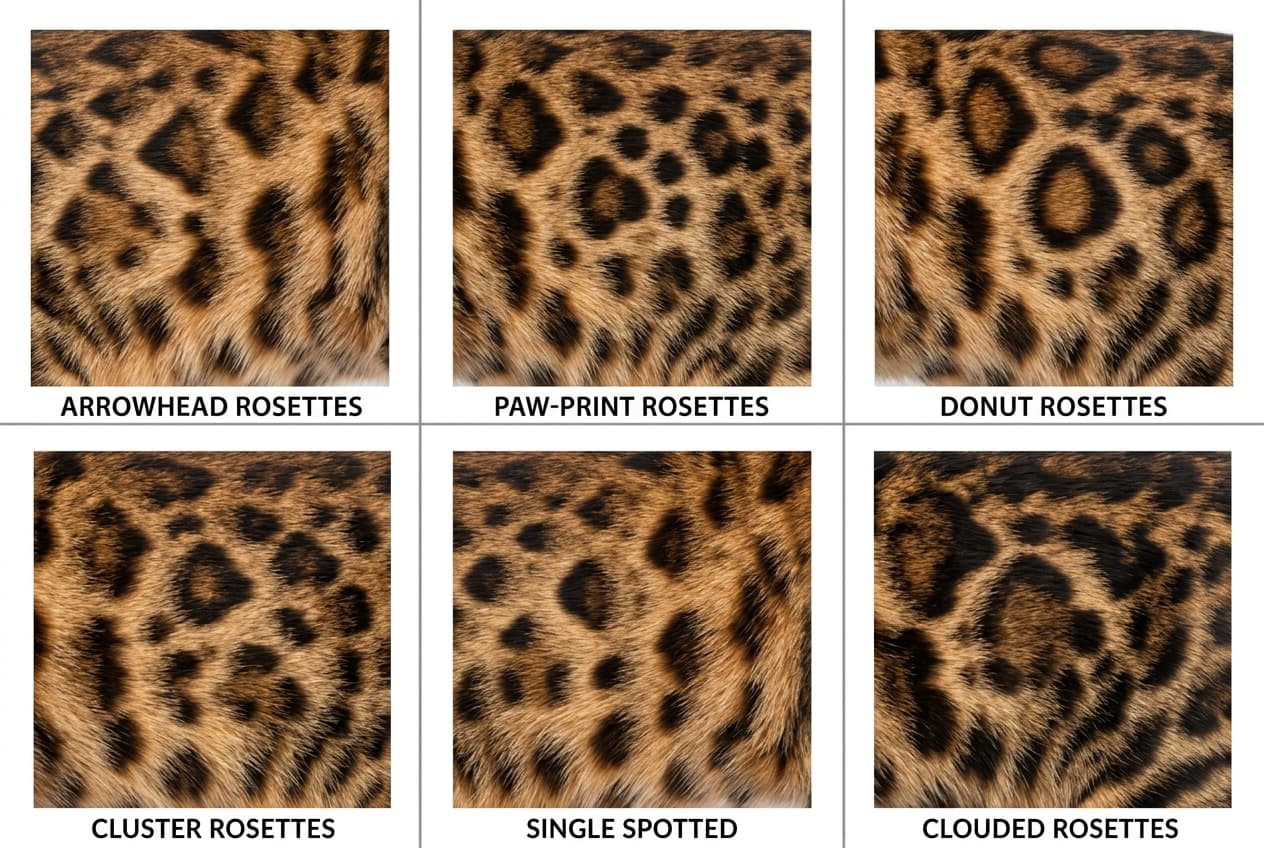
- 3Bengal spotted patterns include six recognized sub-types: arrowhead, paw-print, donut, cluster, single-spotted, and clouded. Bengals are the only domestic breed that produces true rosettes.
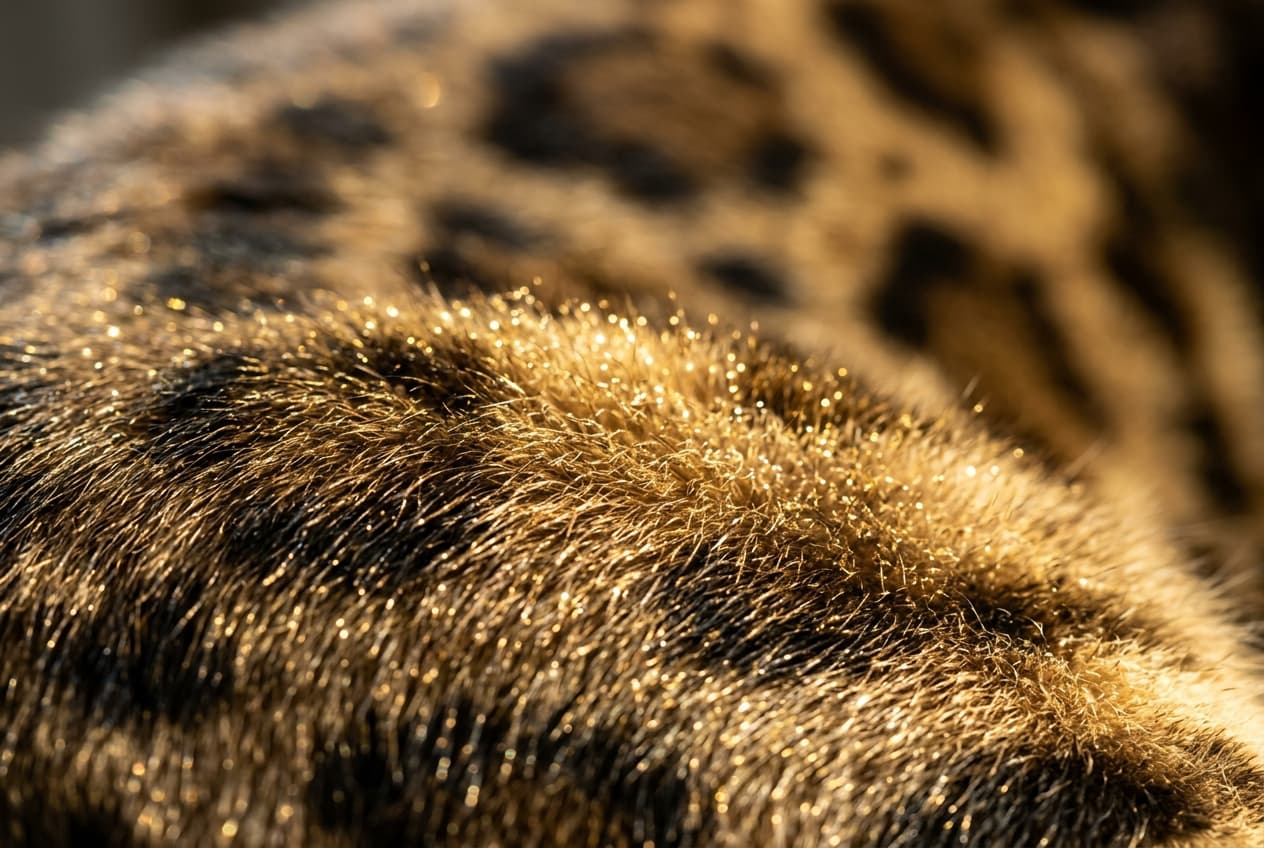
- 4Glitter is a gene that makes each hair tip reflect light. It appears most often on brown Bengals.
- 5Blue Bengals are TICA-recognized but not yet eligible for championship show status.
No other domestic breed has the color range Bengals do. Bengal cat colors span from the warm copper of a brown spotted Bengal to the icy blue eyes of a snow seal lynx. Add in silver, charcoal, blue, and the marbled and rosetted pattern variations, and you get dozens of possible combinations. This guide walks you through every recognized color and pattern with photos and genetic background.
- Bengal cat colors fall into three TICA-recognized base groups (brown, snow, and silver) plus two newer accepted variants (blue and charcoal), and each appears in one of two pattern types: spotted or marbled. Brown is the most common, featuring a tawny base with black or dark brown rosettes. Snow Bengal cats split into three genetic sub-types: seal lynx (blue eyes), seal mink (aqua eyes), and seal sepia (green eyes). Silver Bengals carry the inhibitor gene, producing a pale silver-white base with stark black markings. Blue and charcoal are the rarest. UC Davis Veterinary Genetics Lab tests for the genes underlying each color combination, and TICA recognizes the brown, snow, and silver groups plus the charcoal pattern overlay in show classifications. Most Bengal cat colors take 12 to 18 months to fully develop in kittens.
Bengal cat colors are one of the breed's most distinctive features. For the full breed profile, see our complete Bengal cat breed guide. The snow variant gets its own deep-dive in our snow Bengal cat color guide, and color rarity directly affects pricing, which our reputable Bengal cat breeders guide covers in the green-flags section.

Sign up for expert-backed reviews and safety alerts all in one place.
What Are the Two Bengal Cat Colors Pattern Types?
1. Spotted (including rosettes)
Most Bengals display a spotted pattern. Single spots cover the body, often with darker outlines. The true prize is the rosette: a spot with a darker ring around a lighter center, mimicking wild leopards and jaguars. Bengals are the only domestic breed that can produce true rosettes.

63-inch multi-level cat tree with scratch posts, hammock, plush perches, and dangling toys. Vertical territory is non-negotiable for high-energy climbing breeds like the Bengal.
Petful may earn a commission when you click through to Chewy, at no extra cost to you.
Rosette sub-types to know:
- Arrowhead rosette: pointed, triangular, pointing toward the tail
- Paw-print rosette: a main spot with smaller spots around one edge
- Donut rosette: closed or nearly-closed dark ring around a lighter center
- Cluster rosette: multiple small spots grouped tightly together
- Single-spotted: no outline, just plain round or oval spots
- Clouded rosette: large, irregular-edged rosettes like a clouded leopard
2. Marbled
Marbled Bengals show bold horizontal swirls rather than spots. The pattern resembles oil in water: flowing, asymmetrical, with three or more colors layered into the coat. A well-marked marble Bengal has sharp contrast between the base color, the dark pattern, and an intermediate tone.
Marbled Bengals are genetically the same as classic tabbies. The blotched pattern gene is recessive, so marbled kittens can appear in a litter of spotted parents. Show standards prize horizontal flow over vertical bull's-eye markings.
Which Bengal Cat Colors Does TICA Recognize?
Brown Bengal

108-oz stainless steel pet fountain with quiet pump and water-level window. Bengals are notoriously water-obsessed; a flowing fountain encourages hydration and pulls them away from sinks and toilets.
Petful may earn a commission when you click through to Chewy, at no extra cost to you.
The original and most common Bengal color. Brown Bengals show black or dark-brown markings on a warm base that ranges from tawny sand to deep reddish-copper. The rosettes are most dramatic on brown Bengals because the contrast between dark spots and warm base is the strongest. Eye color is usually green, gold, or amber.
Snow Bengal (Three Variations)
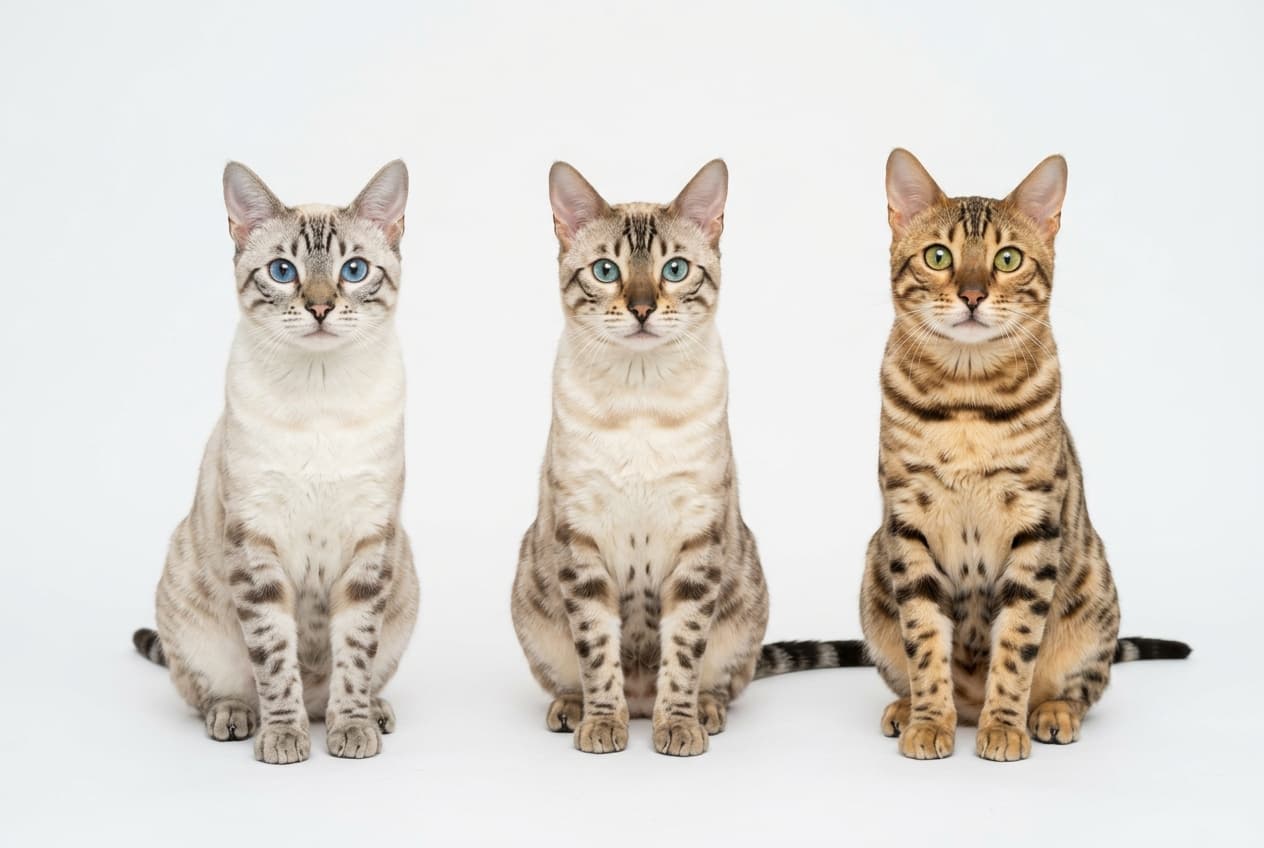
Snow Bengals are pale-coated Bengals that come in three genetically distinct sub-types: seal lynx, seal mink, and seal sepia. The three are often confused, so a dedicated snow Bengal guide unpacks them in detail. The short version:
- Seal lynx. Coldest-looking, blue eyes, lightest body. Colorpoint gene (Himalayan).
- Seal mink. Warmer ivory body, aqua to green-blue eyes. One colorpoint + one sepia gene.
- Seal sepia. Warmest, richest cream body, green to gold eyes. Sepia (Burmese) gene.
Silver Bengal
Silver Bengals have a pale, almost white undercoat with dark charcoal or black markings. The effect is striking: a high-contrast, nearly metallic look. The silver gene (technically an inhibitor gene) prevents warm pigment from developing in the undercoat. Silver Bengals can be spotted or marbled.

Never Scoop Again® with the Whisker Litter-Robot, the smart self-cleaning automatic litter box. Monitor visits and track weights for better overall care in the Whisker® app. Multi-cat friendly.
Petful may earn a commission when you click through to Whisker, at no extra cost to you.
Charcoal Bengal
Charcoal Bengals carry a specific gene pattern that produces darker faces, dorsal stripes (the "Zorro mask"), and deeper overall coloration. The pattern can appear on brown, silver, or snow bases: a brown charcoal, a silver charcoal, and a snow charcoal are all possible. TICA accepts Charcoal Spotted and Charcoal Marble in championship competition.
Blue Bengal
Blue Bengals display a soft blue-gray base with darker blue markings and often peach or cream tones on the chest and belly. The blue gene is a dilution of black, similar to how a Russian Blue gets its coloring. Blue Bengals are TICA-recognized but not yet eligible for championship show rings; they remain relatively rare in catteries.
- True solid black Bengals (melanistic) exist but are not accepted in TICA's championship class. Under strong light, black Bengals display a "ghost" rosette pattern shimmering through the black coat: the same ghost pattern seen in black panthers. They are stunning but technically outside the recognized color roster.
The Bengal Glitter Gene
Bengal cat colors are catalogued by two authoritative bodies. The International Cat Association (TICA) maintains the official Bengal breed color standards (brown, snow, silver, plus accepted charcoal pattern), and UC Davis Veterinary Genetics Laboratory offers a Bengal Coat Color Panel that tests for the specific gene variants driving each color expression.

Feathered teaser wand with catnip-stuffed bird. Pairs perfectly with the no-bite training policy: redirect Bengal play drive into a 10-minute interactive session with the wand.
Petful may earn a commission when you click through to Chewy, at no extra cost to you.
Glitter is a trait unique to Bengals: a mutation that causes the tip of each hair to reflect light as if the coat is dusted with gold or pearl powder. Glitter shows up best on brown Bengals under direct sunlight, but all colors can carry it. It is not a show requirement, but it is one of the most-requested traits and adds to a kitten's price.
How Are Bengal Cat Colors Inherited Genetically?
Beyond the six commonly recognized Bengal cat colors, breeders occasionally produce non-standard color expressions like solid black (melanistic) or torbie patterns, though these aren't TICA-show-eligible. When evaluating Bengal cat colors in a kitten, remember that the pattern and base color develop slowly over the first 12 to 18 months, so the kitten you see at 12 weeks may look noticeably different at 18 months.
Bengal color genetics is complex but follows predictable rules. Key genes that matter:
- Agouti (A): the base tabby gene. All Bengals are agouti; a non-agouti Bengal is a melanistic ("black") Bengal.
- Dilute (d): the recessive gene that turns black into blue. Two copies needed to express.
- Silver (I): dominant inhibitor gene that removes warm pigment from the undercoat. One copy enough.
- Sepia (cbcb), Mink (cbcs), Colorpoint (cscs): snow gene combinations.
- Charcoal (Apb): a modified agouti gene from the Asian Leopard Cat side, expressed most strongly when paired with non-agouti (a).
Which Bengal Cat Colors Are Most Expensive?
Charcoal, blue, and silver Bengals typically command the highest prices because the colors are rarer and selectively bred for. Snow Bengals, especially seal lynx kittens with vivid blue eyes, are also premium. Brown Bengals are the baseline. They are stunning, but the most common and therefore the most affordable.
For a full breakdown of how color affects price, see our Bengal cat price and lifetime cost guide.
Coat color is only part of what makes a Bengal visually distinctive. The breed's relationship to other spotted and tabby cats is worth understanding before you commit to a specific color. Bengals are technically spotted tabbies with wild ancestry, and the rosette markings are unique among domestic breeds. For a deeper look at how Bengal patterning relates to common tabby cats, see our companion guide to tabby cats and their patterns, and for the full breed overview, our complete Bengal cat breed guide covers temperament, care, and cost.
Frequently Asked Questions
Blue Bengals are the rarest officially-recognized color, followed by charcoal. Black (melanistic) Bengals exist but are not accepted in championship show classes.
Brown spotted Bengals are the most common. They have the strongest contrast between dark markings and a warm copper or tawny base.
TICA recognizes six base colors: brown, snow seal lynx, snow seal mink, snow seal sepia, silver, and charcoal. Blue is recognized but not yet eligible for championship status. Melanistic (black) Bengals exist outside the show class.
A snow Bengal is any Bengal with a pale, light-colored coat. There are three genetic sub-types: seal lynx (blue eyes, palest), seal mink (aqua eyes, warmer cream), and seal sepia (green eyes, richest cream).
No. Only spotted Bengals can have rosettes, and within the spotted group, some have rosettes while others have simple single spots. Marbled Bengals have horizontal swirls instead of spots or rosettes.
Glitter is a genetic trait that causes individual hair tips to reflect light, giving the coat a gold-dusted shimmer. It is not required for show but is highly desirable and most visible on brown Bengals in direct sunlight.

Coreen Saito is a pet writer and longtime shelter volunteer with more than a decade in animal rescue. She covers cat behavior, breed care, and the small, ordinary science of sharing a life with companion animals, with a particular focus on honest takes about the products and decisions that actually matter. At home in Arizona, she's outranked by Mac (a dog with the loudest opinion in the house), Rebel (a cat who governs by quiet authority), and Meri (an orange tabby who runs the late shift and the laundry basket). She writes about all three, plus the rescues that keep coming through her life, at LifeWithMinty.com.
Sign up for expert-backed reviews and safety alerts all in one place.