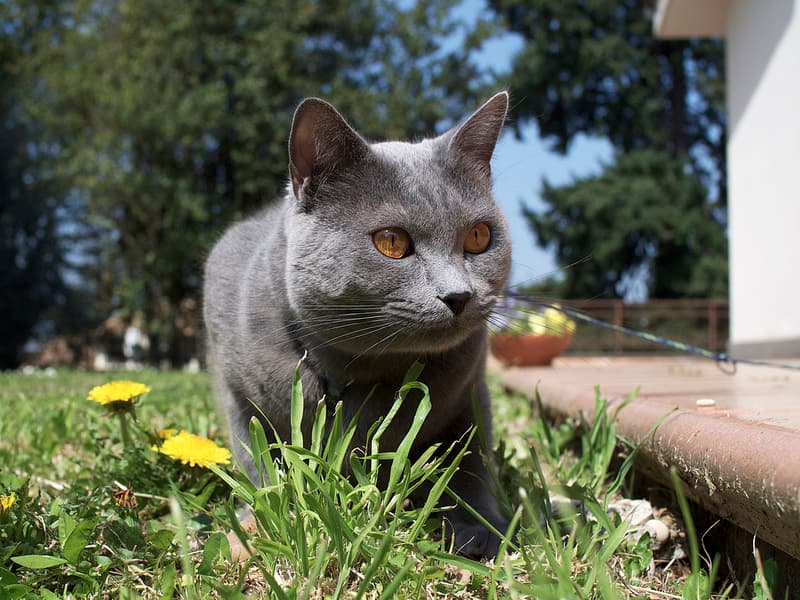
Grey Tabby Kitten: Patterns, Personality and Facts
Grey tabby is a color and pattern, not a breed. Learn why grey is really diluted black, when a grey tabby kitten's eyes change color, which breeds produce them, what one costs, and how to raise yours right.
Petful is reader supported. As an affiliate of platforms like Amazon and Chewy, we may earn a commission when you buy through links on this page. There is no extra cost to you.
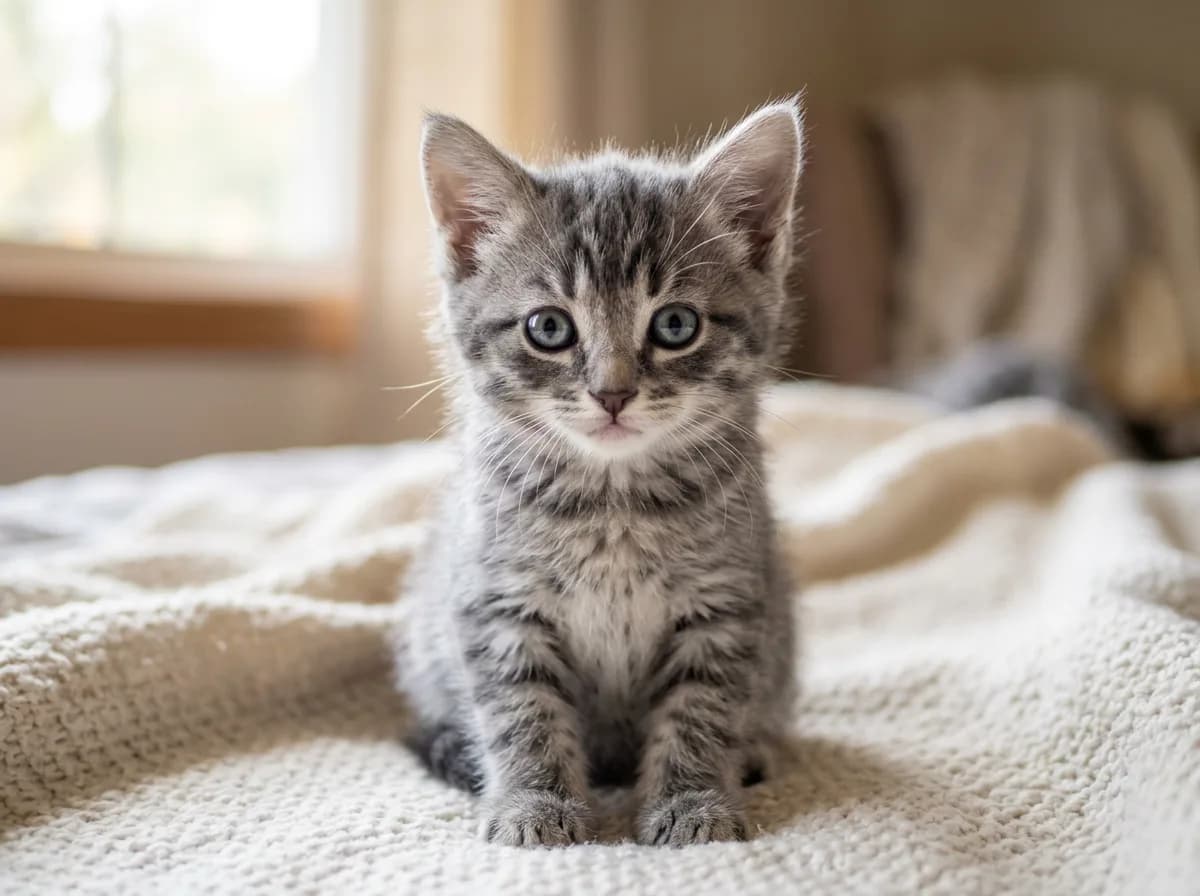
A grey tabby kitten is born with blue eyes that only begin shifting toward their adult green, gold or copper at around 6 to 7 weeks of age, and according to the University of California, Davis Veterinary Genetics Laboratory, that smoky silver coat is really black pigment softened by a dilution gene called melanophilin (MLPH). In other words, a grey tabby kitten is a tiny optical illusion: a black cat wearing the oldest pattern in the feline world, turned down to a whisper. Grey tabby is a color and pattern combination, not a breed, which means the grey tabby cat turns up everywhere from shelter litters to pedigreed British Shorthair catteries. This guide covers what a grey tabby kitten actually is, the five tabby patterns it can wear, why its coat and eyes change as it grows, which breeds produce them, what one should cost, and how to raise yours into a confident adult cat.
- 1Grey tabby is a coat color plus a pattern, not a breed: any of dozens of breeds (and most mixed-breed cats) can produce one
- 2A grey tabby kitten's blue eyes start changing at about 6-7 weeks and settle into their adult color by 3-4 months
- 3Grey is genetically diluted black: the MLPH dilution gene softens black pigment to the blue-grey breeders call "blue"
- 4Grey tabby kittens are common, friendly and affordable: shelter adoption typically runs $50-200, while pedigreed kittens follow their breed's pricing
- 5Every grey tabby kitten wears the trademark "M" on its forehead, part of the tabby pattern itself

Sign up for expert-backed reviews and safety alerts all in one place.
What Is a Grey Tabby Kitten? (A Color and Pattern, Not a Breed)
Ask a breeder or a cat registry like The Cat Fanciers' Association (CFA) what breed a grey tabby kitten is and you will get the same answer: tabby is not a breed. It is a coat pattern, and grey (which registries and breeders call "blue") is a coat color. A grey tabby kitten can be a pedigreed British Shorthair, a Maine Coon, an American Shorthair or, most often of all, a wonderful mixed-breed domestic shorthair from a shelter litter.
The tabby pattern itself is the ancestral, wild-type coat of the domestic cat. An ancient-DNA study by Ottoni and colleagues, published in Nature Ecology & Evolution in 2017, traced our cats back to the Near Eastern and African wildcat (Felis silvestris lybica), a mackerel tabby. Nearly every domestic cat alive today still carries tabby pattern genes underneath whatever color it shows on the surface. What makes a grey tabby grey is a separate ingredient: a dilution gene that softens the default black stripes into slate, silver and smoke.

Compare coverage choices for your pet, then request a quote directly on Lemonade.
- Check a price for your pet
- Review available coverage choices
- See the terms before you decide
Eligibility, waiting periods, limits and exclusions apply.
Petful may earn a commission when you click through to Lemonade, at no extra cost to you.
- Cat registries and breeders call grey cats "blue" because the dilute coat carries a cool, slate-blue cast in good light. Blue tabby, grey tabby and gray tabby all describe the same kitten. "Grey" is the British spelling, "gray" the American one, and Google treats them as the same search.
The 5 Grey Tabby Coat Patterns (With Photos)
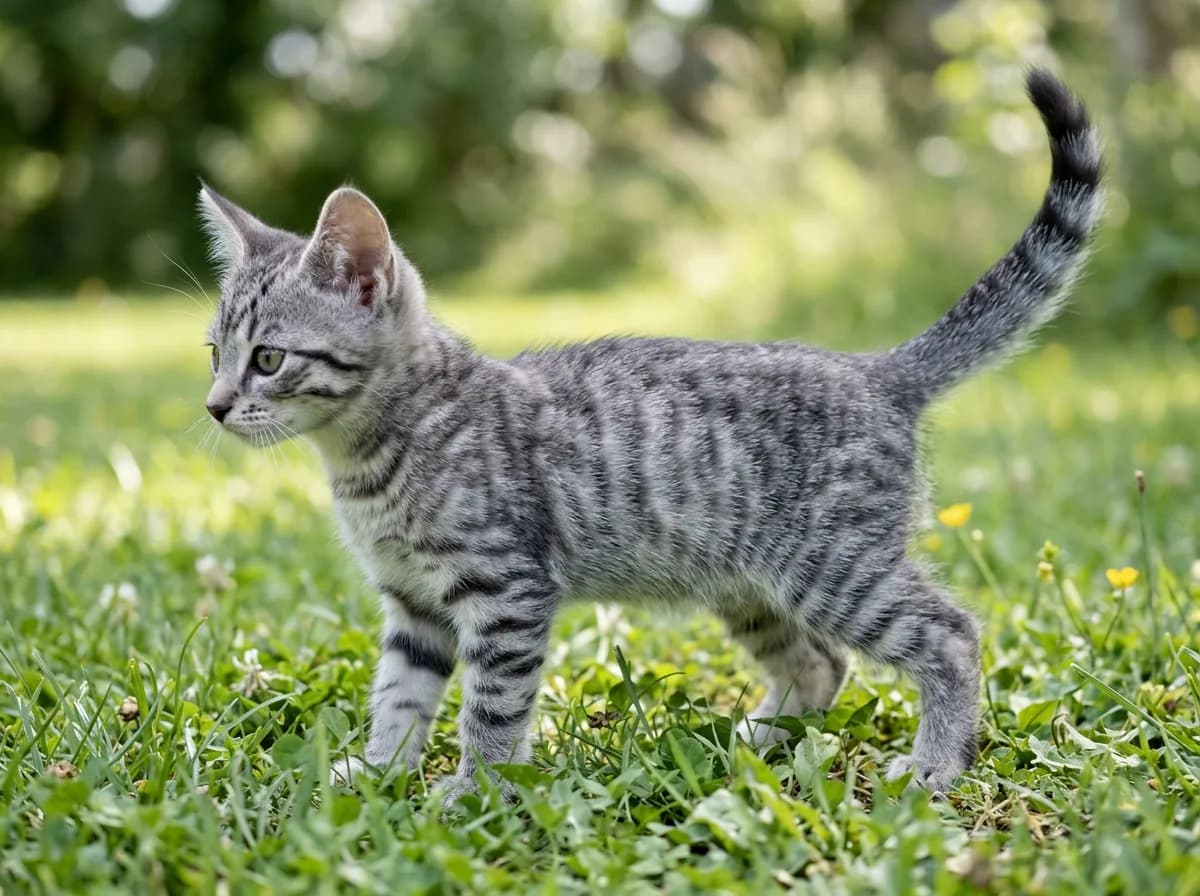
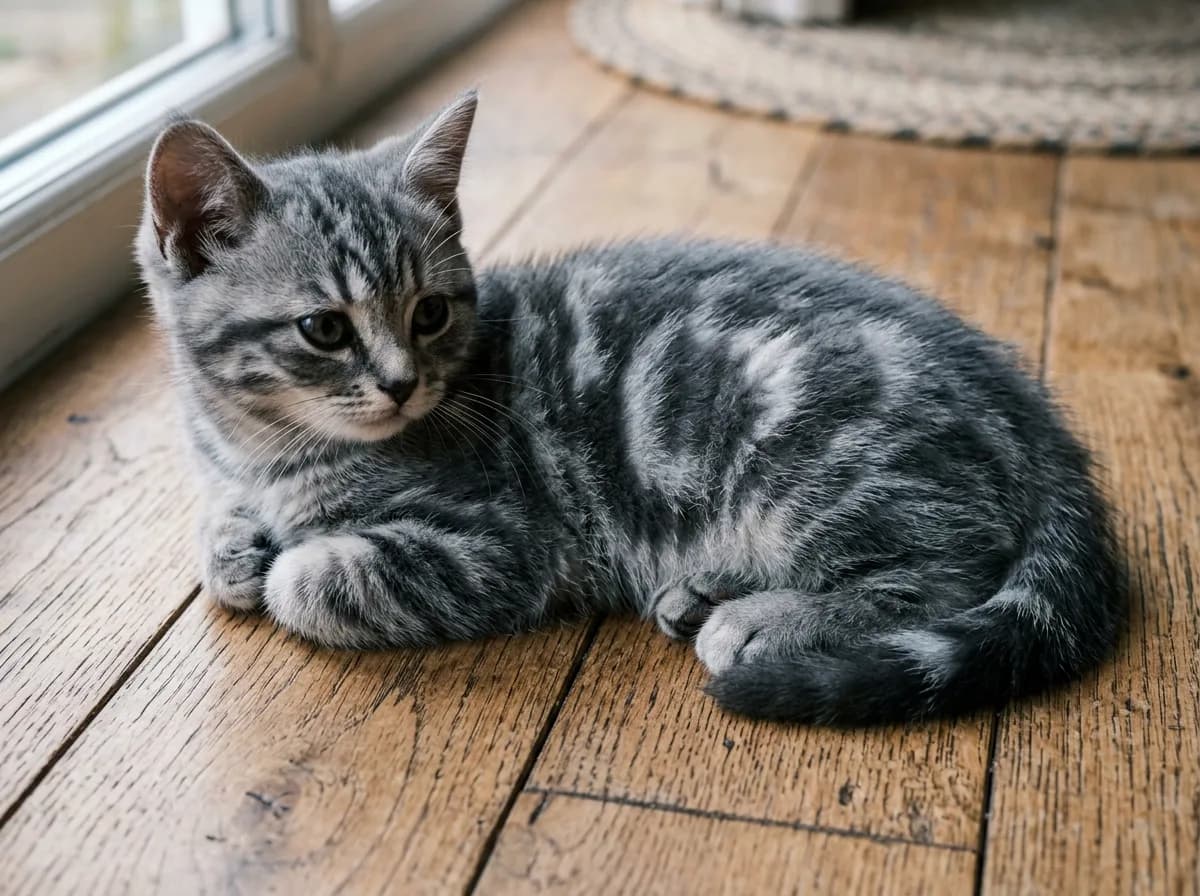
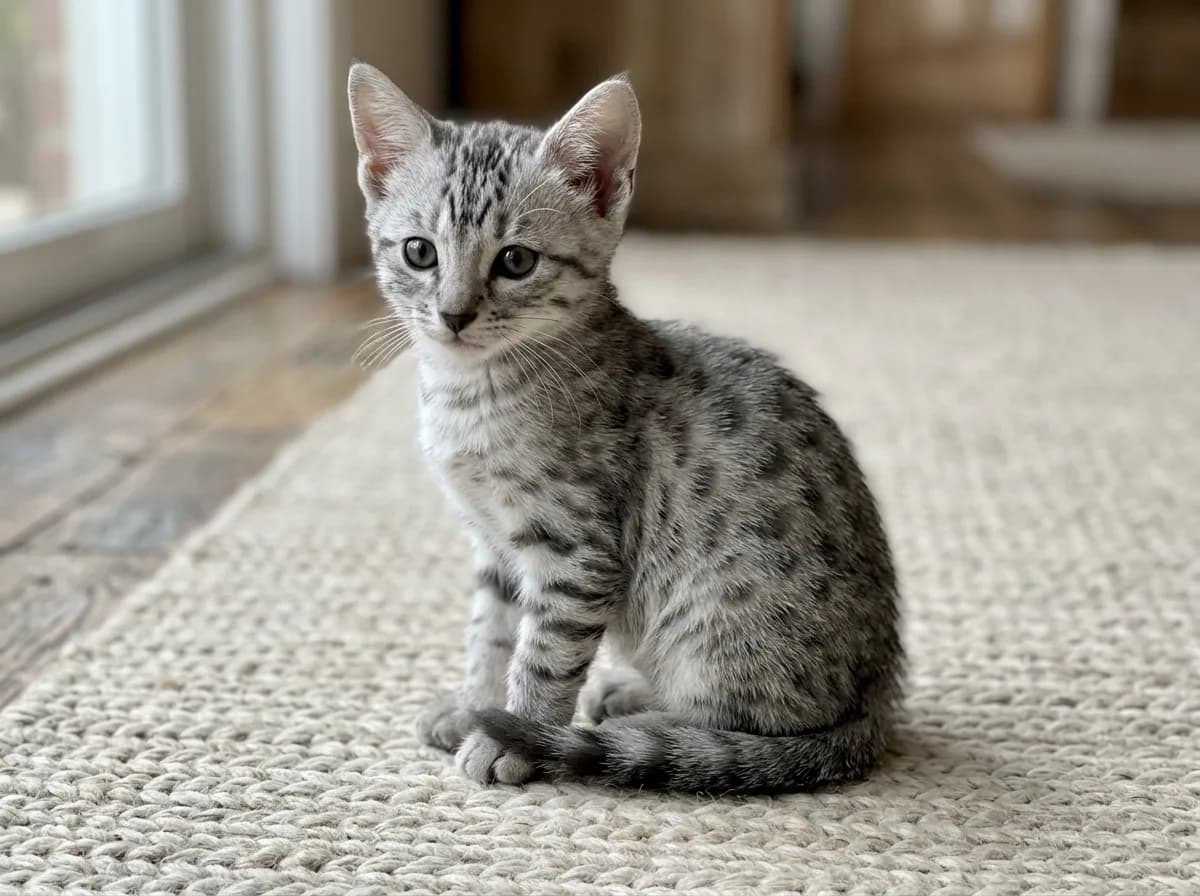
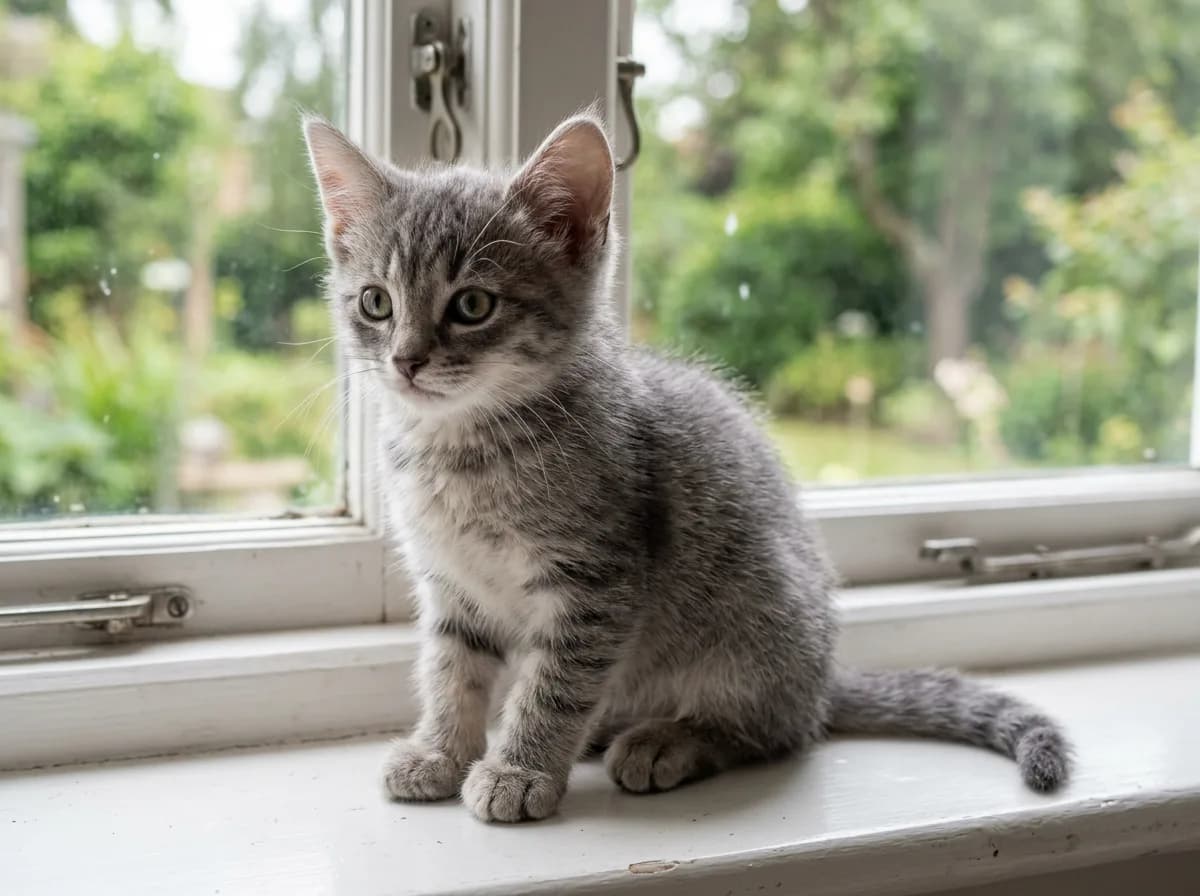
Tabby is not one pattern but a family of five, and a grey tabby kitten can wear any of them. Identifying which one your kitten has is easiest from above, looking down at the back and sides.
| Pattern | What It Looks Like | Where You See It |
|---|---|---|
| Mackerel | Narrow, parallel vertical stripes down the sides, like fish bones; the wild-type and most common pattern | Domestic shorthairs, American Shorthair, many mixed breeds |
| Classic (blotched) | Bold, swirling marble with a bullseye on each side; recessive, so both parents must carry it | British Shorthair, American Shorthair, Maine Coon |
| Spotted | Stripes broken into distinct spots or rosettes | Egyptian Mau, Ocicat, Bengal |
| Ticked | Banded "salt and pepper" hairs with little to no body striping; legs and tail may keep faint bars | Abyssinian, Singapura |
| Patched (torbie) | Tabby striping mixed with patches of cream or red; the tabby-tortoiseshell overlap | Mixed-breed females, several pedigreed breeds |
Mackerel is the pattern most people picture: narrow vertical stripes running from the spine down the ribs, like a tiger. It is the original wildcat layout and the most common one you will see in a shelter litter.
Classic (also called blotched) tabbies wear wide, swirling bands that form a circular bullseye or butterfly shape on each flank. The pattern is recessive, caused by mutations in the Taqpep gene identified by Kaelin and colleagues in Science in 2012: the same gene responsible for the king cheetah's dramatic coat. A 2021 follow-up study from the same research group showed the tabby blueprint (driven by the gene Dkk4) is laid down in the embryo before hair even develops.
Spotted tabbies have their stripes broken into spots. On a grey kitten the effect is a silvery snow-leopard look. Some spotted cats, like the Bengal, even develop rosettes, spots within spots.
Ticked tabbies look almost solid from a distance because each individual hair is banded with alternating light and dark color (called agouti banding) instead of the body wearing stripes. Look closely at the face and legs and the tabby barring gives it away.
Patched tabbies (torbies) mix tabby striping with tortoiseshell patches. On a dilute kitten this shows up as blue-grey tabby areas broken by soft cream, a genuinely uncommon combination. If the patches separate onto a mostly white coat you are heading into calico territory, a related but distinct pattern family.

Never Scoop Again® with the Whisker Litter-Robot, the smart self-cleaning automatic litter box. Monitor visits and track weights for better overall care in the Whisker® app. Multi-cat friendly.
Petful may earn a commission when you click through to Whisker, at no extra cost to you.
Grey Tabby Genetics: Why Grey Is Really Diluted Black
Underneath every grey tabby kitten is a black cat. Feline pigment comes in two base flavors: eumelanin (black) and phaeomelanin (red/orange). A grey tabby starts with the black version, and then a recessive dilution gene steps in. The gene is melanophilin (MLPH), and a kitten needs two copies (d/d), one from each parent, for dilution to show. MLPH affects how pigment granules are transported and deposited along each hair, clumping them unevenly so a grey tabby cat's coat reflects light as soft blue-grey instead of dense black.
Two more genes complete the recipe:
- The agouti gene (ASIP) acts as the on/off switch for tabby pattern. Agouti (A) lets the banded hairs and stripes show; non-agouti (a/a) hides them, producing a solid cat. Solid grey kittens often show faint "ghost" stripes that fade as the adult coat grows in, proof the tabby blueprint is still there underneath.
- The inhibitor gene (I) suppresses pigment in the base of each hair. Add it to a grey tabby and you get a silver tabby, with pale, shimmering undercoat beneath dark tipping.
The same dilution gene drives the coat of famously blue breeds, and it is the reason a solid black Maine Coon and a blue tabby Maine Coon can turn up in the same family tree: one inherited dense black, the other got two copies of dilute plus the agouti switch left on.
- Want to impress your vet? Grey tabby = black eumelanin + two copies of the MLPH dilution gene + at least one working agouti allele. Three switches, one silver kitten.
The Famous M: Markings Every Grey Tabby Kitten Shares
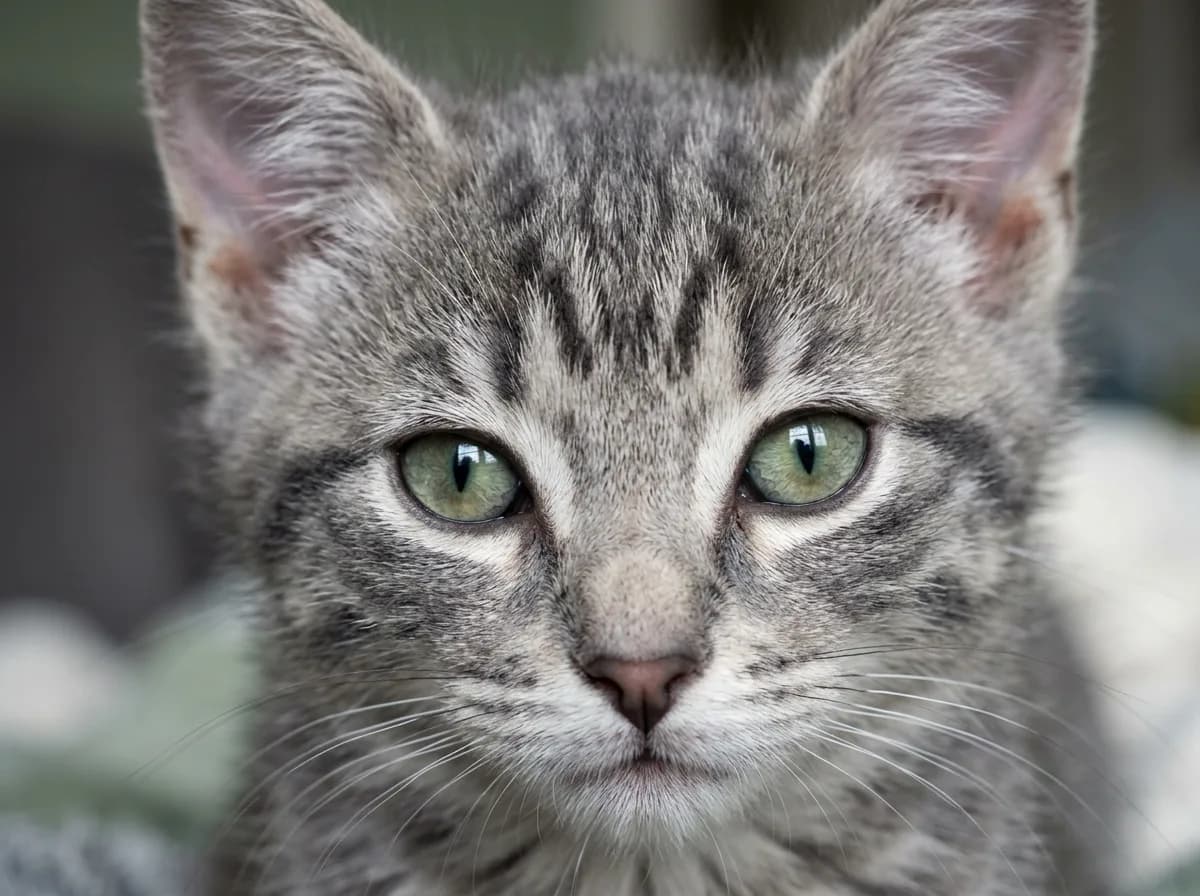
Look at your grey tabby kitten's forehead and you will find a distinct "M" traced in darker fur above the eyes. Every tabby has one, regardless of color or pattern. Folklore offers competing origin stories: that the M honors Mohammed, who loved cats; that it marks the blessing of the Virgin Mary after a tabby comforted the infant Jesus; or that it stands for "Mau," the ancient Egyptian word for cat. The scientific answer is less romantic: the M is simply part of the tabby head pattern, wired into the same genetic blueprint as the stripes.
Beyond the M, grey tabbies share a standard kit of markings: dark eyeliner-like rims around the eyes, "mascara" lines sweeping from the outer eye corners across the cheeks, a pale chin, banded legs and tail, and a spine line running tail-ward. Many also have a subtle pinkish-grey nose leather, and most grey tabbies have paw pads in slate or rose.
Which Cat Breeds Produce Grey Tabby Kittens?
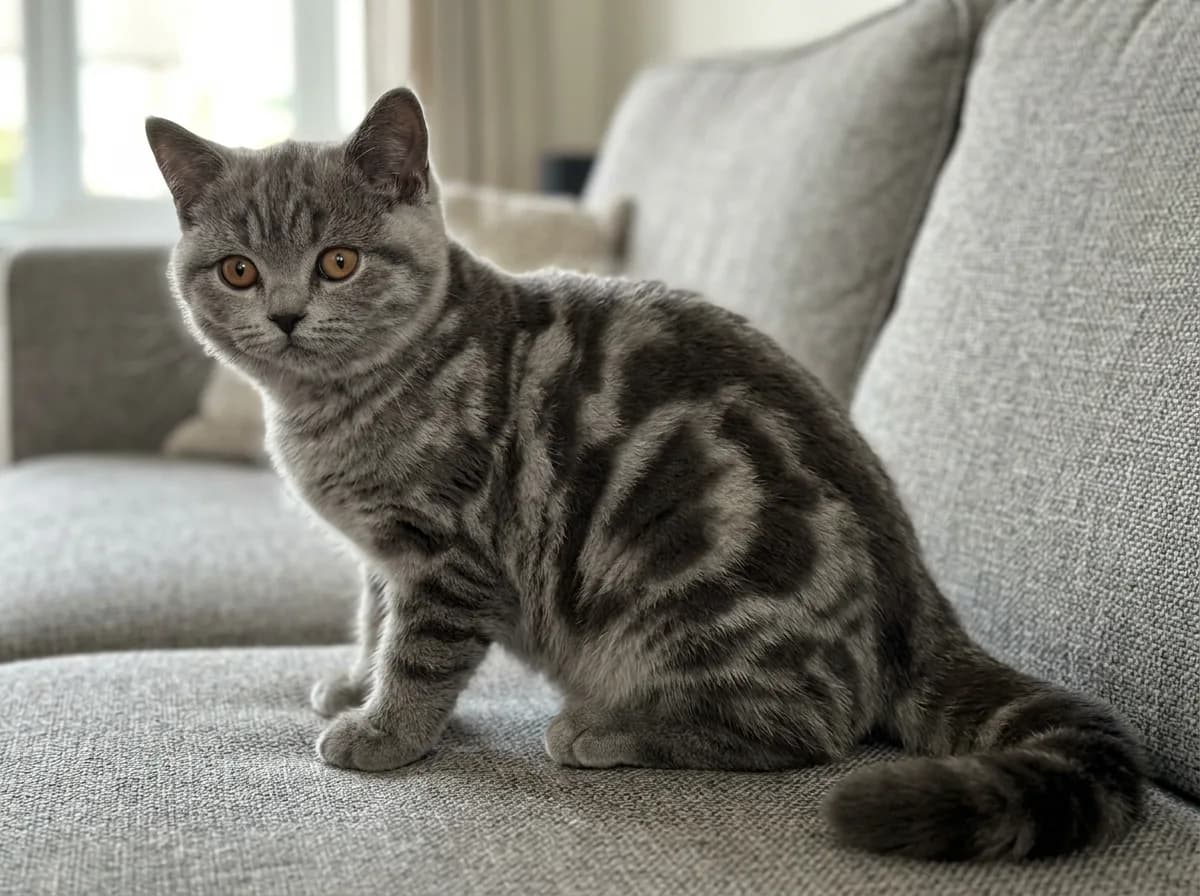
Because grey tabby is a color-pattern combination, the better question is which breeds accept blue tabby in their standards. Among the most common:
- British Shorthair: The teddy-bear British Shorthair is the poster child for blue coats, and blue classic tabbies are a recognized variety with plush, dense fur.
- Maine Coon: America's gentle giant comes in blue mackerel, blue classic and blue ticked tabby. The Maine Coon is best known as a brown tabby, but the full range of Maine Coon colors includes stunning blue tabby variants.
- American Shorthair: The breed's signature look is the silver classic tabby, a grey tabby with the inhibitor gene's shimmer.
- Norwegian Forest Cat: Blue tabby and blue tabby with white are both accepted in this rugged, long-haired northern breed.
- Domestic shorthair and longhair: Not a breed but the largest "category" of cats on Earth, and the source of most grey tabby kittens in shelters.
Other breeds that can produce grey or silver tabby kittens include the Scottish Fold, Devon Rex, Oriental Shorthair, Siberian, Manx and Persian. If you specifically want a long-haired grey tabby kitten, the Maine Coon, Norwegian Forest Cat and Siberian are the three to research first.
- Grey tabby is one of the most common color-pattern combinations in domestic cats. A seller charging a premium because a mixed-breed grey tabby kitten is "rare" is overcharging you. Pay breed prices only for a pedigreed kitten with papers.
Grey Tabby Kitten Personality and Temperament
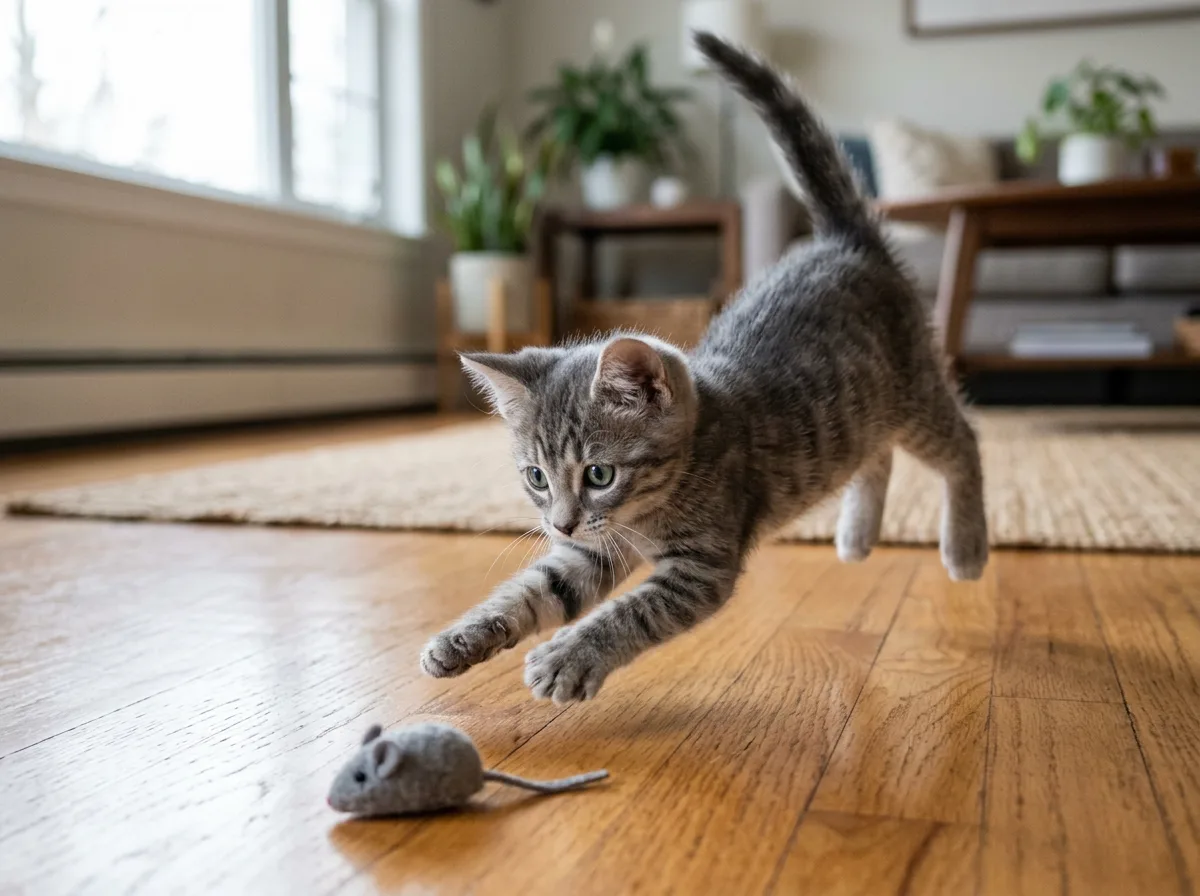
Here is the honest, science-backed answer: coat color does not determine personality. A grey tabby kitten's temperament is shaped by genetics from its specific parents, early socialization between roughly 2 and 7 weeks of age, and the breed (if any) behind it. A blue tabby British Shorthair will likely be calm and undemanding because that is the breed's character; a grey tabby domestic shorthair can land anywhere on the spectrum.
That said, tabby cats as a group have a long-standing reputation for being friendly, social and people-oriented, and surveys of owners consistently describe tabbies as affectionate and intelligent. Part of that is simple statistics: tabby is the most common pattern, so the cats most people know and love are tabbies. What you can do to stack the deck is choose a kitten that was handled early and often, meet the mother if possible, and continue gentle socialization (new people, sounds, surfaces, carriers, claw trims) through the first months at home.
Expect classic kitten behavior in fast-forward: zoomies at dawn, stalk-and-pounce ambushes on your ankles, a motor-boat purr, and a sleep schedule of 16-20 hours a day that makes the chaos forgivable.
Do Grey Tabby Kittens Change Color as They Grow?
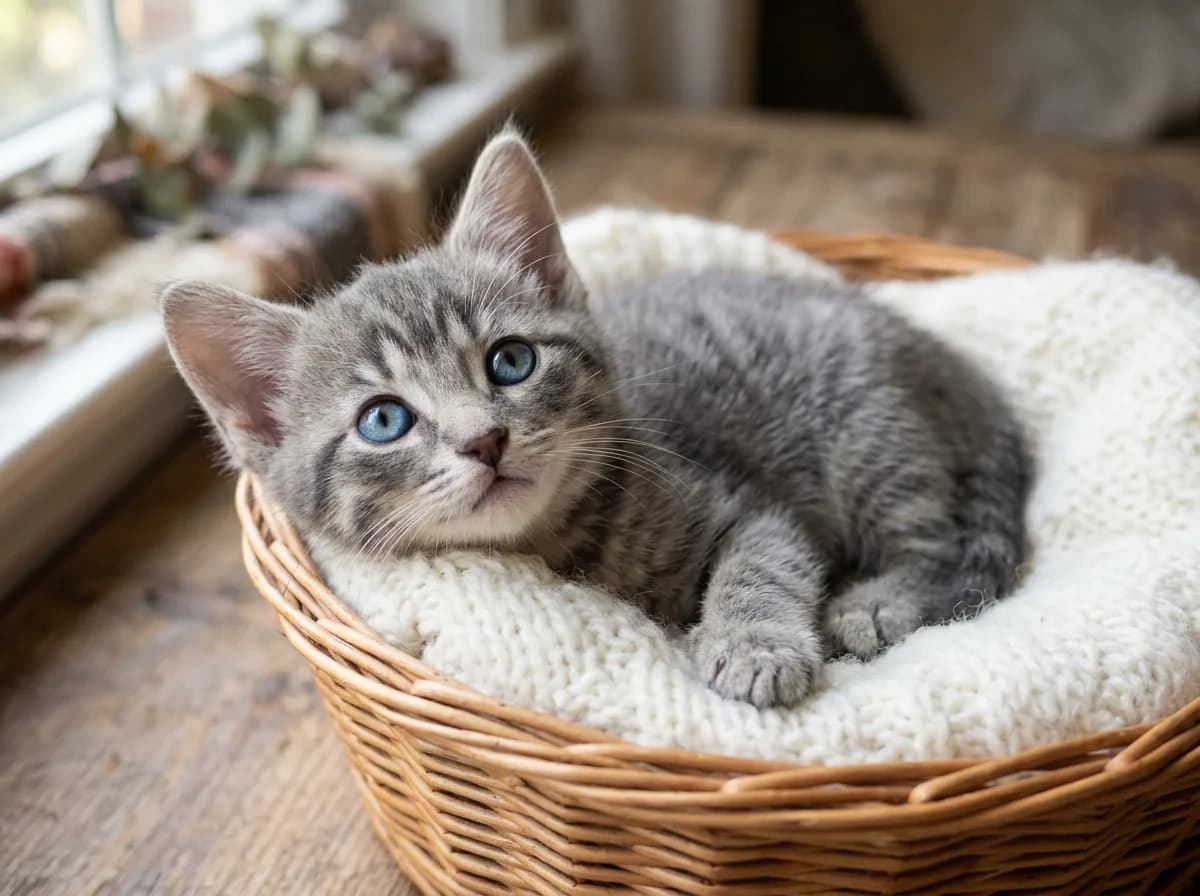
Yes, and this surprises many new owners. Two changes are completely normal:
Eye color changes. Every kitten is born with blue eyes, because the melanocytes (pigment cells) in the iris have not started producing melanin yet. At around 6 to 7 weeks the adult color begins bleeding in, and by 3 to 4 months most cats have settled into their permanent green, gold, hazel or copper. Adult grey tabbies most often end up with green or gold-green eyes. If a non-pointed cat's eyes are still baby blue past 4 months, mention it at your next vet visit; it is uncommon outside of colorpoint and some white-coated genetics.
Coat shade and pattern sharpen or soften. A grey tabby kitten's baby coat is woolly and often carries muted, slightly fuzzy markings. As the sleeker adult coat grows in over the first year, stripes can sharpen, the base color can deepen toward steel or lighten toward silver, and ticked kittens lose most of their leftover body barring. Solid-colored kittens famously lose their "ghost" tabby stripes; a true grey tabby keeps its pattern but may look noticeably different at 1 year than at 8 weeks.
What will not happen: a grey tabby kitten will not turn into a brown tabby or an orange tabby. The pigment type is fixed at conception. (The one true color-shifting exception in the cat world is the amber Norwegian Forest Cat, which is born dark and turns golden, and that is a different mutation entirely.)

63-inch multi-level cat tree with scratch posts, hammock, plush perches, and dangling toys. Vertical territory is non-negotiable for high-energy climbing breeds like the Bengal.
Petful may earn a commission when you click through to Chewy, at no extra cost to you.
- Kittens need their mother and littermates until at least 8 weeks (12 is better) to learn bite inhibition, litter habits and social skills. Some U.S. states make it illegal to sell or give away a kitten younger than 8 weeks. A seller pushing a 5-week-old "ready to go" is a walking red flag.
How Rare Are Grey Tabby Kittens?
Not rare at all, and that is good news for adopters: it means healthy, beautiful grey tabby kittens are waiting in nearly every shelter. Tabby is the most common coat pattern in domestic cats, and the dilution gene that creates grey is widespread in the cat population. Brown/black tabbies are the most common tabby color, with grey/blue tabbies close behind.
Rarity rankings among tabby colors look roughly like this:
| Tabby Color | Rarity | Notes |
|---|---|---|
| Amber | Rarest | Found almost exclusively in Norwegian Forest Cats; an MC1R gene mutation turns black markings golden with age (documented by UC Davis Veterinary Genetics Laboratory) |
| Cinnamon | Very rare | A separate light-brown pigment gene; mostly seen in select pedigreed breeds |
| Chocolate | Rare | Warm brown eumelanin variant, limited mostly to specific breeds |
| Cream | Uncommon | The dilute of red; soft buff-colored stripes |
| Silver | Uncommon | Grey-to-white undercoat from the inhibitor gene; signature look of the American Shorthair |
| Blue/Grey | Common | Diluted black; the grey tabby of this guide |
| Red/Orange | Common | Sex-linked orange; about 80% of orange tabbies are male |
| Brown/Black | Most common | The ancestral wildcat look |
So if grey tabbies are common, why do they feel special? Because common is not the same as ordinary. The silvery coat photographs beautifully, the pattern variety means no two grey tabbies match, and their availability makes them the most accessible "stunning cat" in any adoption room.
Grey Tabby Kitten Price: Adoption vs Breeder Costs
Because grey tabby is not a breed, there is no "grey tabby price." There is an adoption fee or a breed price, and the grey tabby coat happens to come along for the ride.
| Source | Typical Cost | What's Included |
|---|---|---|
| Shelter or rescue adoption | $50-200 | Usually spay/neuter, first vaccines, deworming, microchip; the best value in pet ownership |
| Pedigreed breeder (pet quality) | $800-2,500 depending on breed | Registration papers, health screening of parents, early socialization; price follows the breed, not the color |
Either way, budget separately for first-year basics: food, litter, a carrier, scratching posts, toys and the vet visits your adoption fee or breeder contract does not cover.
A blue tabby British Shorthair or Maine Coon kitten from a reputable breeder will cost what that breed costs, generally in the $800-2,500 range for pet-quality kittens, with show-quality animals priced higher. The same coat on a domestic shorthair at the shelter costs a $50-200 adoption fee that typically bundles hundreds of dollars' worth of veterinary work.
- Kitten season peaks from spring through early fall, when shelters overflow with litters. Visit a shelter between April and October and the odds of finding multiple grey tabby kittens to choose from are excellent, and some shelters discount adult-cat and second-kitten adoptions during the rush.
Caring for a Grey Tabby Kitten: Toys, Play, and Enrichment
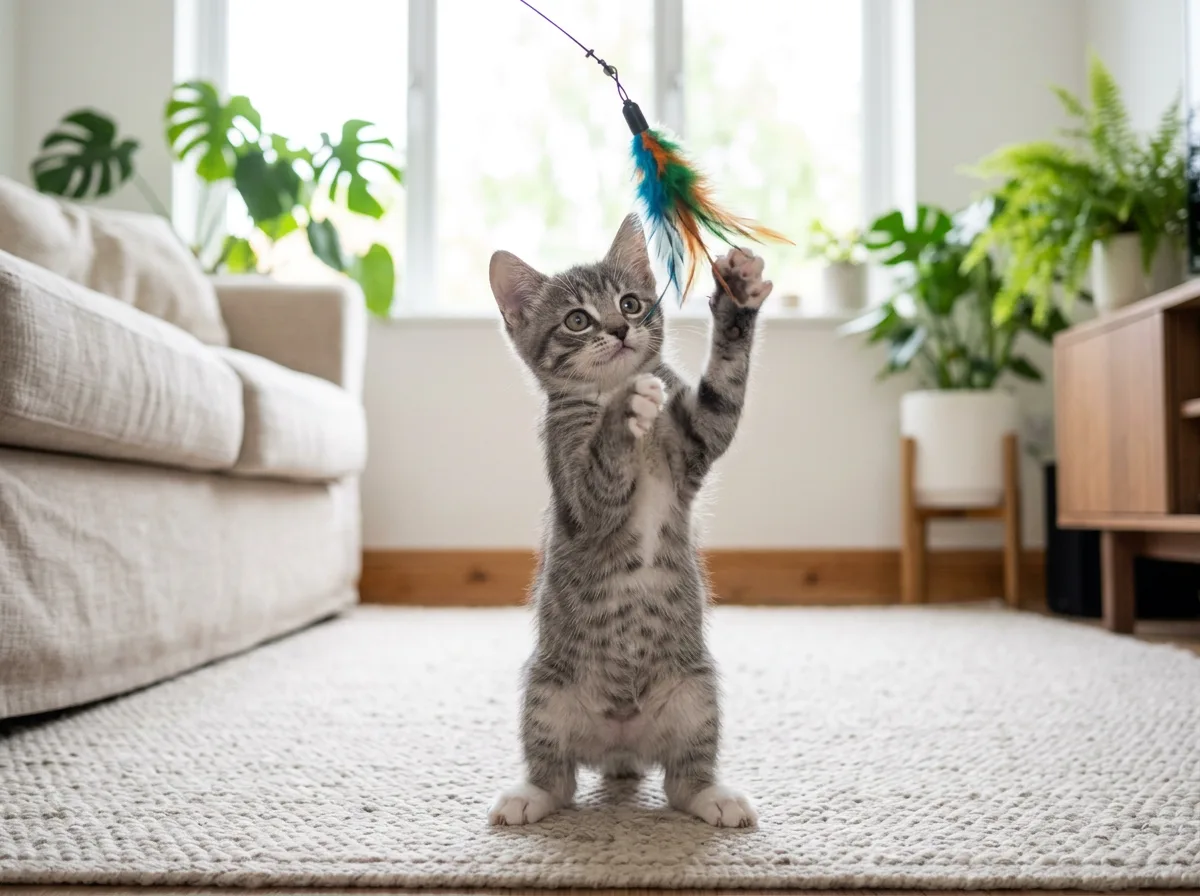
A grey tabby kitten needs exactly what every kitten needs, delivered consistently:

108-oz stainless steel pet fountain with quiet pump and water-level window. Bengals are notoriously water-obsessed; a flowing fountain encourages hydration and pulls them away from sinks and toilets.
Petful may earn a commission when you click through to Chewy, at no extra cost to you.
- Nutrition: A complete kitten-formula food (look for an AAFCO statement for "growth") until about 12 months of age, with fresh water always available. Kittens eat small meals often; 3-4 feedings a day is typical until 6 months.
- Veterinary care: Core vaccines starting around 6-8 weeks, deworming, a fecal check, microchipping and spay/neuter on your vet's recommended schedule.
- Play that mimics hunting: Tabbies are the descendants of working mousers, and the prey drive is fully installed. Wand teasers, kicker toys, crinkle balls, ping-pong balls in a bathtub and food puzzles all satisfy the stalk-chase-pounce-bite sequence. Two short play sessions a day beat one marathon.
- Climbing and scratching: A sturdy cat tree, window perch and both vertical and horizontal scratchers protect your furniture and your kitten's joints, and give a confident kitten the high ground it craves.
- Grooming: Short-haired grey tabbies need a weekly brush; long-haired kittens (Maine Coon, Norwegian Forest Cat, Siberian types) need 2-3 sessions a week to prevent mats. Start nail trims early, while the kitten is small and forgiving.
While you have the brush out, count the toes. Most kittens have 18, but some carry a harmless extra-toe gene; polydactyl cats are another fun quirk of feline genetics worth knowing about.
50+ Grey Tabby Kitten Names
The silver coat practically names itself. Picks for every taste:
- Inspired by the color: Ash, Asher, Cinder, Slate, Sterling, Silver, Smokey, Misty, Pewter, Graphite, Gracie (grey-cie), Earl Grey, Shadow, Dusty, Foggy, Heather, Gandalf
- Blue-themed (the breeder term): Blue, Bleu, Navy, Indigo, Periwinkle, Azure, Skye
- Storm and sky: Storm, Stormy, Cloud, Nimbus, Thunder, Rain, Drizzle, Eclipse, Luna, Comet
- Food and drink: Pepper, Salt, Sage, Thyme, Oreo, Chai, Mocha (for darker grey tabbies), Anchovy
- Famous greys: Pusheen, Tom (of Tom and Jerry), Nyan, Bugsy, Greystoke, Merlin
- Classic and dignified: Atlas, Baxter, Bentley, Duchess, Felix, Greta, Hugo, Ivy, Jasper, Olive, Pearl, Willow
Test the short list out loud for a day or two: you will say this name thousands of times, and cats respond best to short, two-syllable names with bright vowel sounds.
Fun Facts About Grey Tabby Cats (Pusheen, National Tabby Day, and More)
- Pusheen is a grey tabby. The internet's favorite chubby cartoon cat, created in 2010 by Claire Belton and based on her childhood cat, is a grey tabby whose name comes from puisín, the Irish word for kitten.
- A grey tabby was one of America's first mass-produced stuffed animals. The "Ithaca Kitty," patterned in 1892 on a grey tabby named Caesar Grimalkin of Ithaca, New York, sold roughly 200,000 copies in a single holiday season as a 10-cent printed sewing pattern and appeared at the 1893 Chicago World's Fair.
- The word "tabby" comes from Baghdad silk. The Attabiya district of Baghdad produced a wavy, watered silk known as attabi, which entered French as tabis and English as tabby. By the 1690s English speakers were using it for striped cats.
- Tabbies have their own holiday. National Tabby Day falls on April 30, a date cat shelters use to spotlight tabby adoptions.
- The pattern is older than the housecat. The mackerel tabby coat came straight from the Near Eastern wildcat ancestor; the swirled classic pattern spread later, with ancient-DNA evidence showing the blotched variant becoming common in Europe in the medieval-to-Ottoman era.
- Grey cats star on screen. From Pusheen to the perpetually scheming blue-grey Tom of Tom and Jerry, the silvery coat reads beautifully in animation and film, and it keeps grey tabbies among the most-shared cats on the internet.
Grey Tabby Kitten Photo Gallery
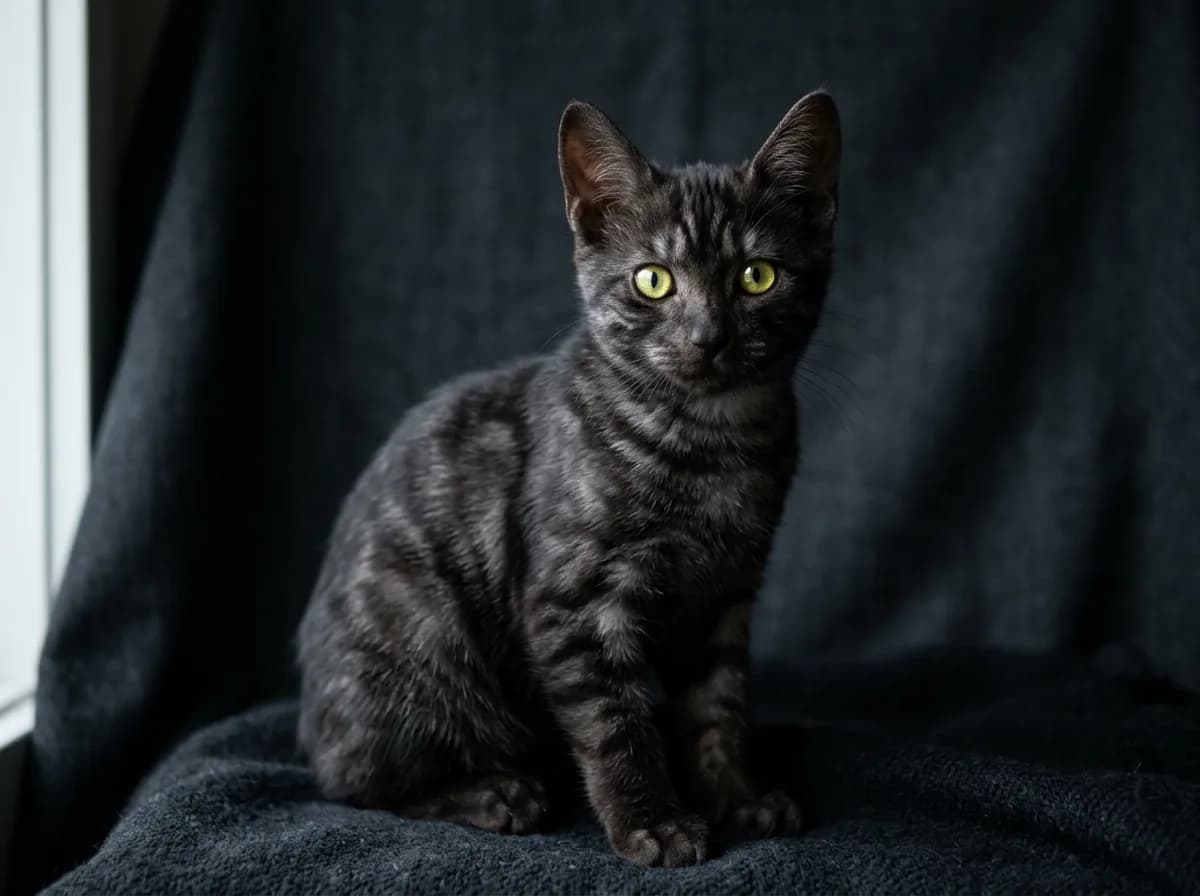
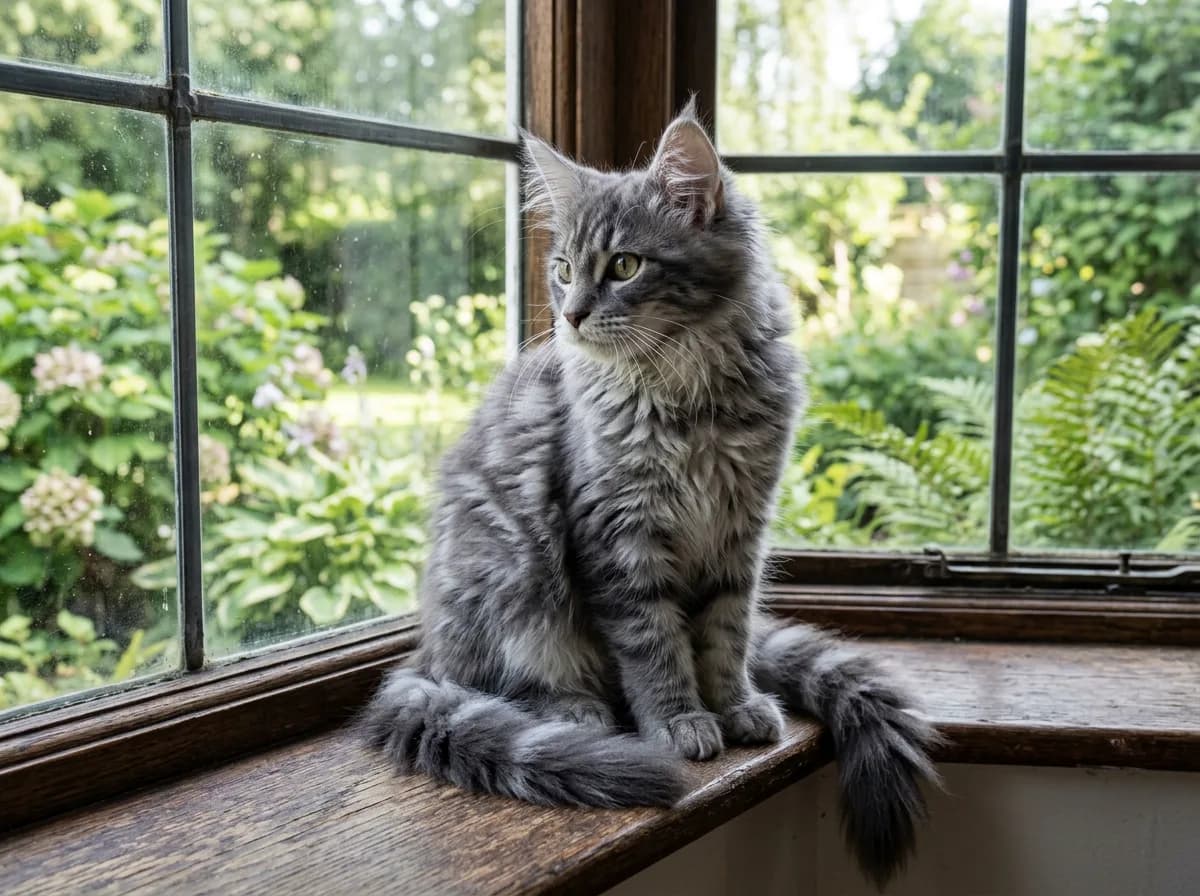
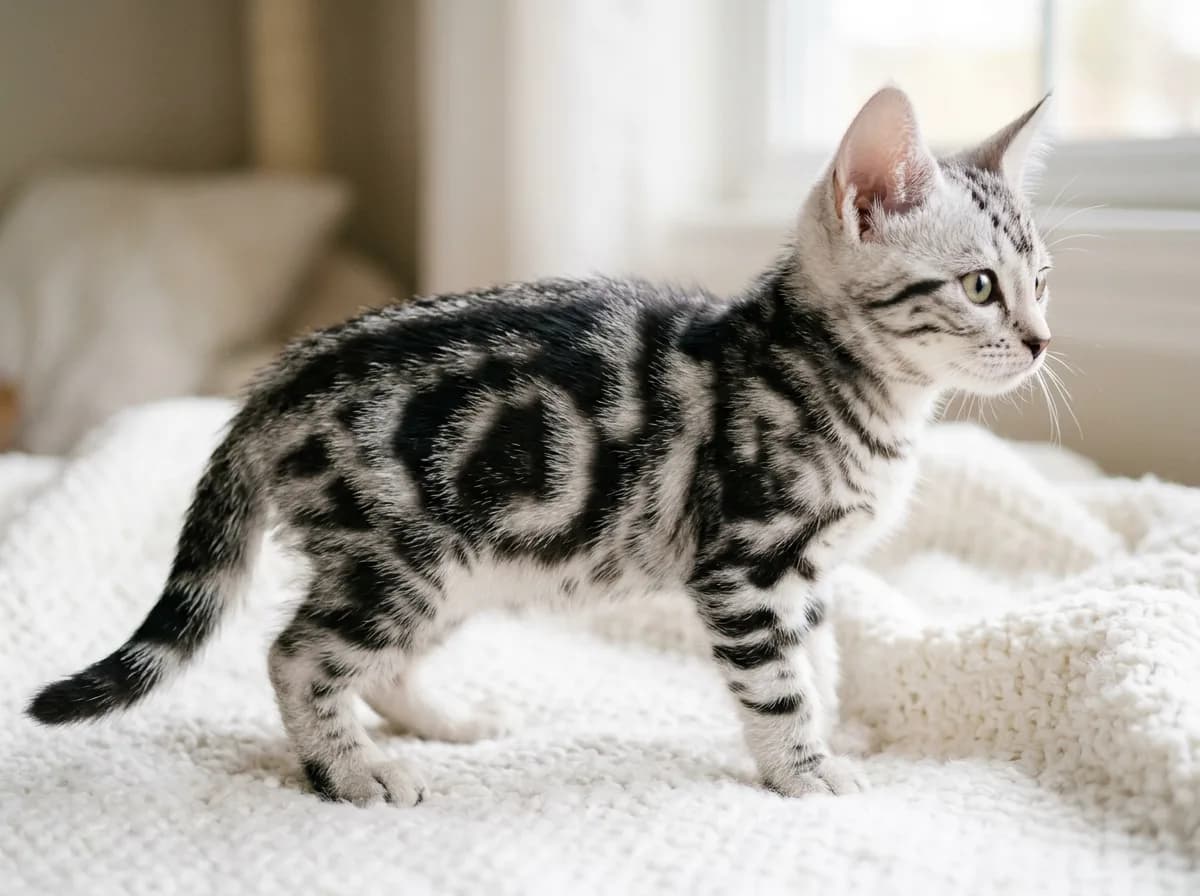
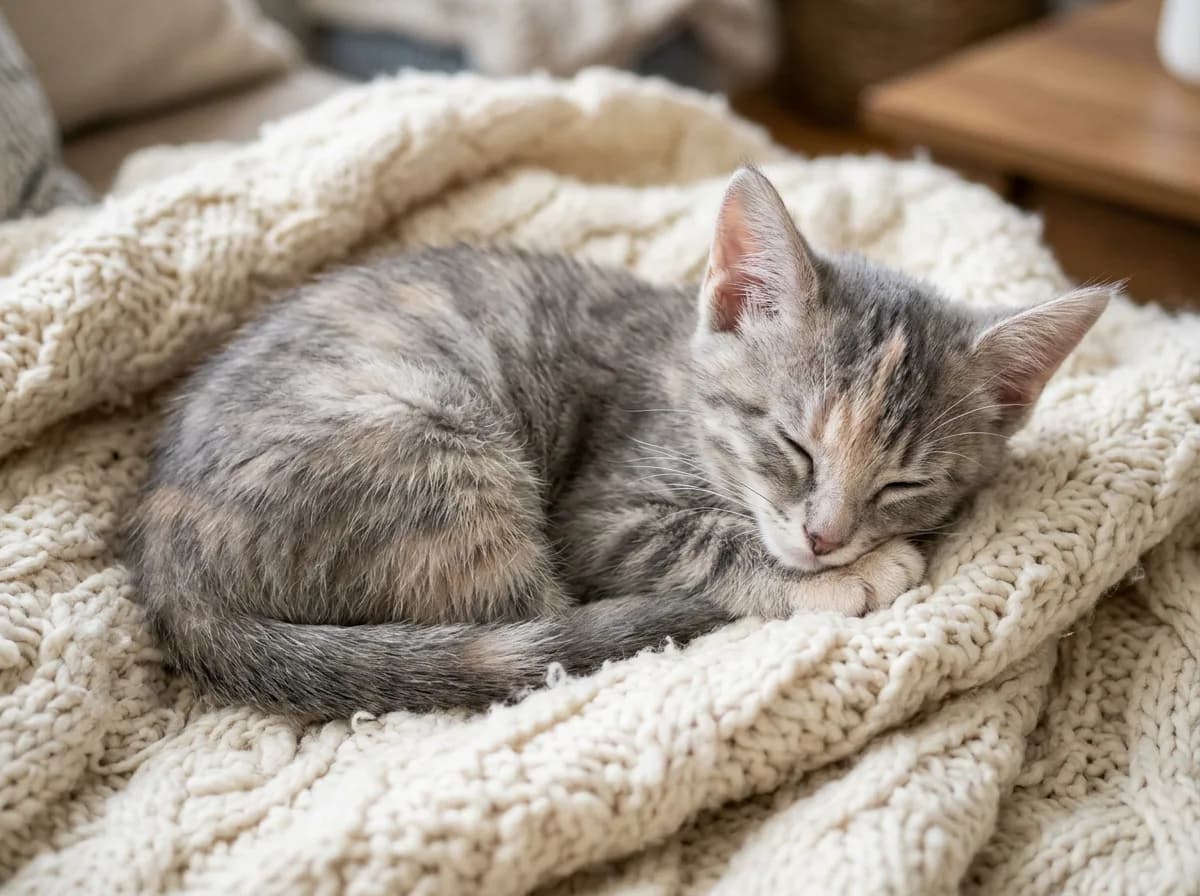
Grey tabby kittens span a wider visual range than most people expect, from pale silver shorthairs to charcoal longhaired fluffballs. The variants below show how much the dilution gene, coat length and pattern can change the look.
Frequently Asked Questions
Toys that mimic hunting. Wand teasers that flutter like birds, kicker toys they can grab and bunny-kick, crinkle balls, ping-pong balls and treat-dispensing food puzzles all satisfy the stalk-pounce-bite prey sequence tabbies inherited from their wildcat ancestors. Rotate toys weekly to keep novelty high, and aim for two short interactive sessions a day.
Amber is generally considered the rarest tabby color. It occurs almost exclusively in Norwegian Forest Cats, where an MC1R gene mutation causes kittens born with black markings to turn golden as they mature. Cinnamon and chocolate tabbies are also rare, while brown/black, grey/blue and orange tabbies are the most common.
Grey tabbies combine the oldest coat pattern in the cat world with a dilution gene that softens black pigment into silver-blue. Every one wears the trademark M on its forehead, the pattern comes in five distinct varieties (mackerel, classic, spotted, ticked and patched), and the look spans everything from pale silver shorthairs to smoky longhaired giants. They also have pop-culture star power, from Pusheen to the 1892 Ithaca Kitty.
The word tabby comes from attabi, a watered silk woven in the Attabiya district of Baghdad. Every tabby wears an M marking on its forehead. The tabby pattern is the ancestral wildcat coat, and nearly all domestic cats carry tabby genes even when they look solid. National Tabby Day is April 30, and about 80% of orange tabbies are male.
No. Tabby is the most common coat pattern in domestic cats, and the grey (blue) dilution is widespread, making grey tabbies one of the most common color-pattern combinations. That is good news for adopters: shelters almost always have grey tabby kittens available, especially during spring-to-fall kitten season.
Their shade shifts but the color stays grey. The woolly kitten coat is often muted, and as the adult coat grows in during the first year, stripes sharpen and the base tone can deepen or silver out. Eyes change more dramatically: every kitten is born blue-eyed, with adult green, gold or copper arriving between 6-7 weeks and 3-4 months. A grey tabby will never become an orange or brown tabby.
Any breed, or none. Grey tabby is a color and pattern, not a breed. Most grey tabby kittens are mixed-breed domestic shorthairs, but British Shorthairs, Maine Coons, American Shorthairs, Norwegian Forest Cats, Scottish Folds, Persians and Siberians all produce blue tabby kittens recognized by registries.
Shelter adoption typically runs $50-200 and usually includes spay/neuter, first vaccines, deworming and a microchip. A pedigreed kitten that happens to be a grey tabby follows its breed's pricing, roughly $800-2,500 for most pet-quality pedigreed kittens. There is no legitimate price premium for the grey tabby coat itself.
Coat color does not determine personality, but tabbies as a group have a well-earned reputation for being social, affectionate and people-oriented. A kitten's actual temperament depends on its parents, its breed background and especially socialization during the 2-7 week window. Choose a kitten that was handled early and keep socializing gently at home.
Both are correct. "Grey" is the standard British spelling and "gray" the American one; they describe the identical cat, and search engines treat them as the same term. Cat registries sidestep the question entirely by calling the color "blue."

Coreen Saito is a pet writer and longtime shelter volunteer with more than a decade in animal rescue. She covers cat behavior, breed care, and the small, ordinary science of sharing a life with companion animals, with a particular focus on honest takes about the products and decisions that actually matter. At home in Arizona, she's outranked by Mac (a dog with the loudest opinion in the house), Rebel (a cat who governs by quiet authority), and Meri (an orange tabby who runs the late shift and the laundry basket). She writes about all three, plus the rescues that keep coming through her life, at LifeWithMinty.com.
Sign up for expert-backed reviews and safety alerts all in one place.