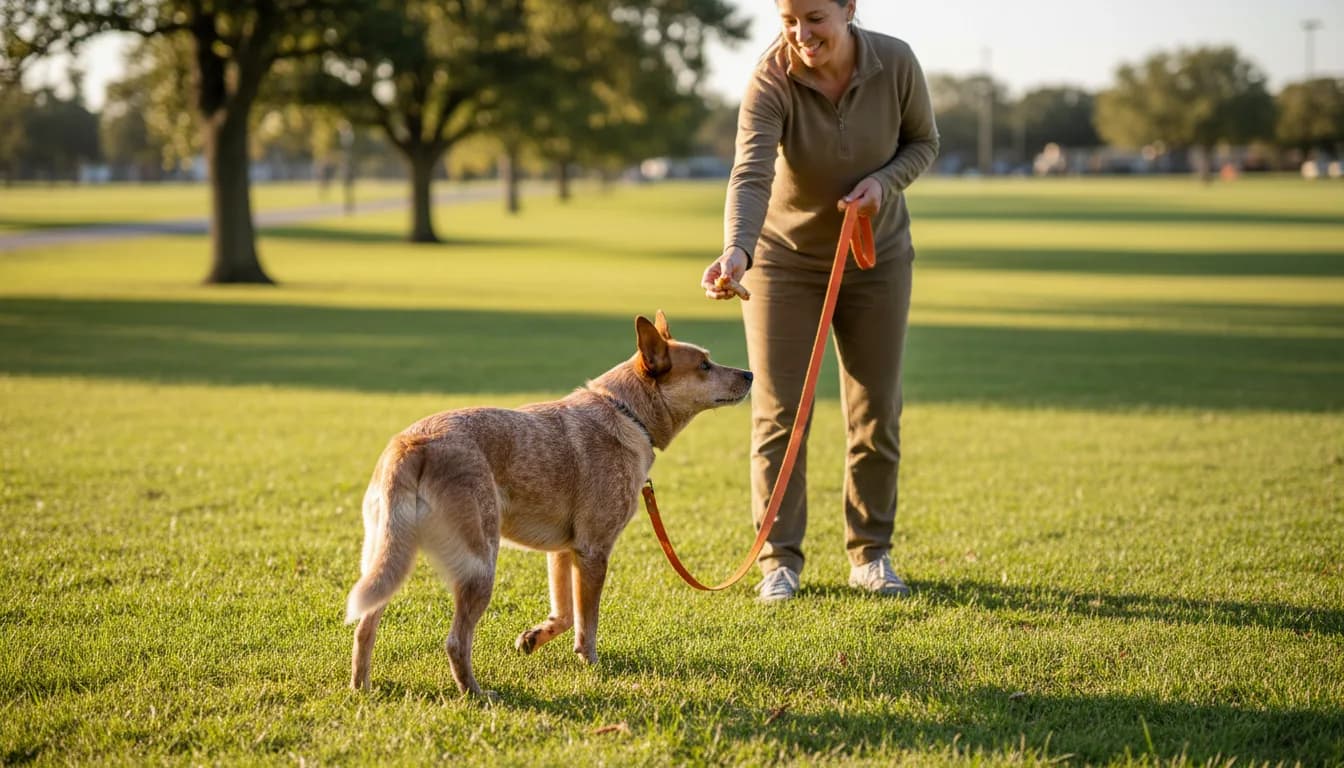
Best Dog Training Treats: Small, Soft, Low-Calorie Picks
Choose dog training treats that fit your dog's size, diet and lessons. Compare five soft or freeze-dried picks, label calories and practical ways to portion rewards.
Petful is reader supported. As an affiliate of platforms like Amazon and Chewy, we may earn a commission when you buy through links on this page. There is no extra cost to you.
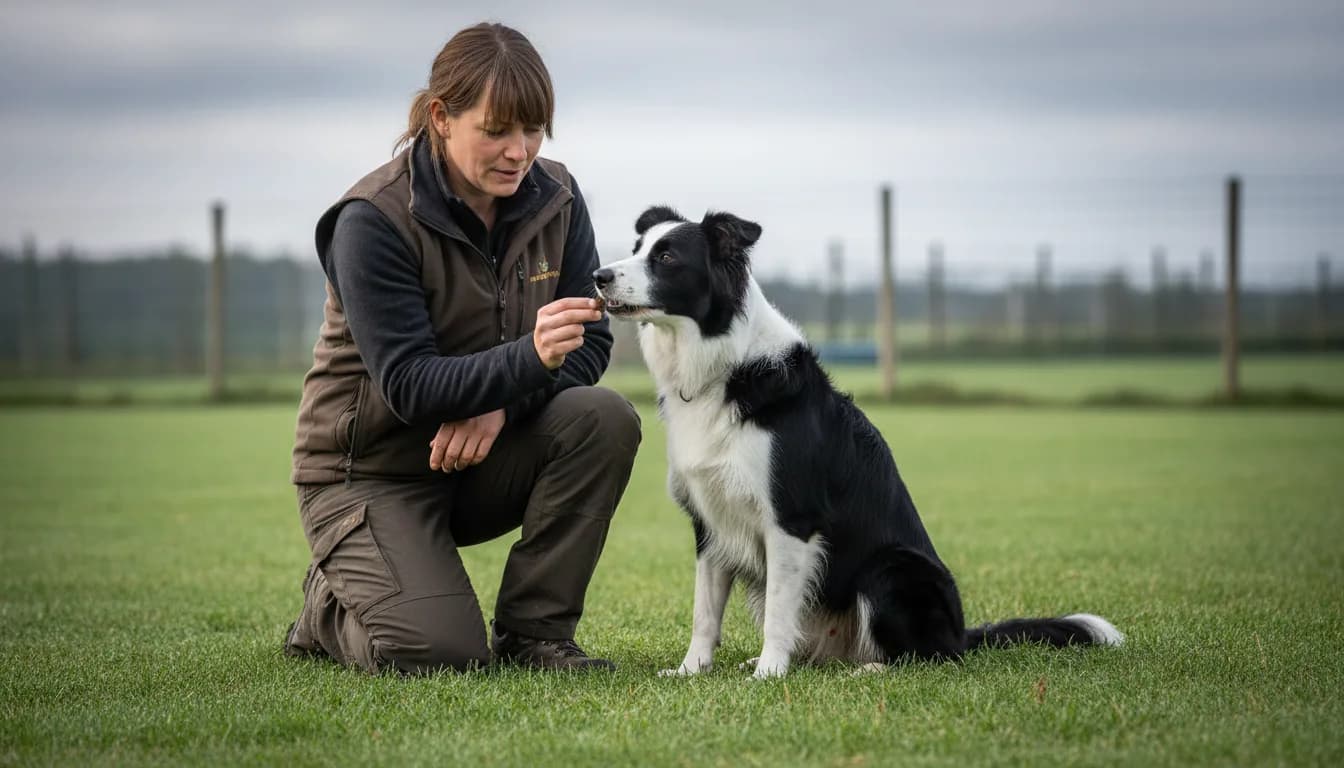
The best dog training treats are small enough to eat quickly, appealing to your dog and easy to fit into the day's food allowance. For an adult dog, Zuke's Mini Naturals Chicken is a practical starting point: a soft reward with 2 calories per piece. Four other options below suit different preferences, ingredient needs and life stages.

Sign up for expert-backed reviews and safety alerts all in one place.
Which dog training treats should you choose?
Choose a good treat for the lesson you are teaching. A top-rated or recommended product still needs to suit your individual dog. Practicing a familiar sit in the kitchen rarely calls for the same reward as coming away from an exciting smell outdoors. A useful everyday treat keeps the lesson moving; a special reward may help when the task becomes harder. Your dog's response matters more than the word “training” on the package.
These selections compare manufacturer information, label calories, texture and practical use so you can choose small rewards for repeated lessons. We have not conducted hands-on product tests. The “best fit” descriptions explain where each option makes sense, rather than suggesting one brand works best for every dog. Check the current bag before feeding because recipes and feeding directions can change.
- 1Choose small rewards your dog can finish without interrupting the lesson.
- 2Compare label calories, ingredients and life-stage directions before choosing a bag.
- 3Reserve your dog's favorite reward for harder tasks while keeping all treats within the daily food plan.
Whether you shop for chicken, duck, salmon or peanut butter treats, look beyond the flavor name. A tasty reward should be easy to portion and quick to eat; even the tastiest option is a poor everyday choice if it does not fit the diet. Soft, chewy pieces generally make repeated lessons more convenient than a large snack.
Start with a modest quantity of one suitable recipe. Watch whether your dog eats it comfortably, stays interested and tolerates it before buying more. A treat that looks ideal on paper offers little value if your dog leaves it on the floor.
| Pick | Best fit | Label calories per whole piece | Main tradeoff |
|---|---|---|---|
| Zuke's Mini Naturals Chicken | Everyday soft rewards for adult dogs | 2 | Adult positioning; multiple ingredients |
| Pupford Train Chicken | Freeze-dried rewards with a short ingredient list | Under 2 | Chicken-based; pieces still need a size check |
| Pet Botanics Training Reward Chicken | Frequent practice with a larger bag | 3 | Standard-size recipe, not the lower-calorie Mini version |
| BLUE Bits Tasty Chicken | Soft rewards that can be portioned | Check current bag | Use the exact package's calorie and feeding information |
| Wellness Soft Puppy Bites Lamb & Salmon | A puppy-specific soft option | 6 | Divide into smaller rewards; not our adult default |
Soft, small treats for fast repetition
Soft dog training treats work well when you want several repetitions close together. The reward should disappear quickly enough for the dog to return attention to you. A large biscuit that scatters crumbs or takes a long time to crunch may interrupt that rhythm. Distinguish rapid rewards from long-lasting chews: a chew serves a different purpose, such as supervised enrichment during quiet time. It cannot provide the same quick feedback after each successful repetition because the dog may still be occupied eating it when you want to reset.
The American Kennel Club's training-treat guidance recommends keeping rewards small. Training treats for large dogs do not need to be large mouthfuls. A pea-sized piece can be plenty, while training treats for small dogs may need to be smaller still. Adjust for the individual dog's mouth and eating style rather than using breed alone as your guide.
- Break soft treats before the lesson so you can deliver them promptly.
- Check that each piece is easy to pick up and that your dog eats it comfortably.
- Whether you have a German Shepherd, French bulldog or pitbull, fit the reward to comfortable eating instead of buying a large piece because of the breed name.
- Use a quiet setting to try an unfamiliar texture before taking it to class.
- Supervise eating and pause the lesson if the dog struggles with a piece.
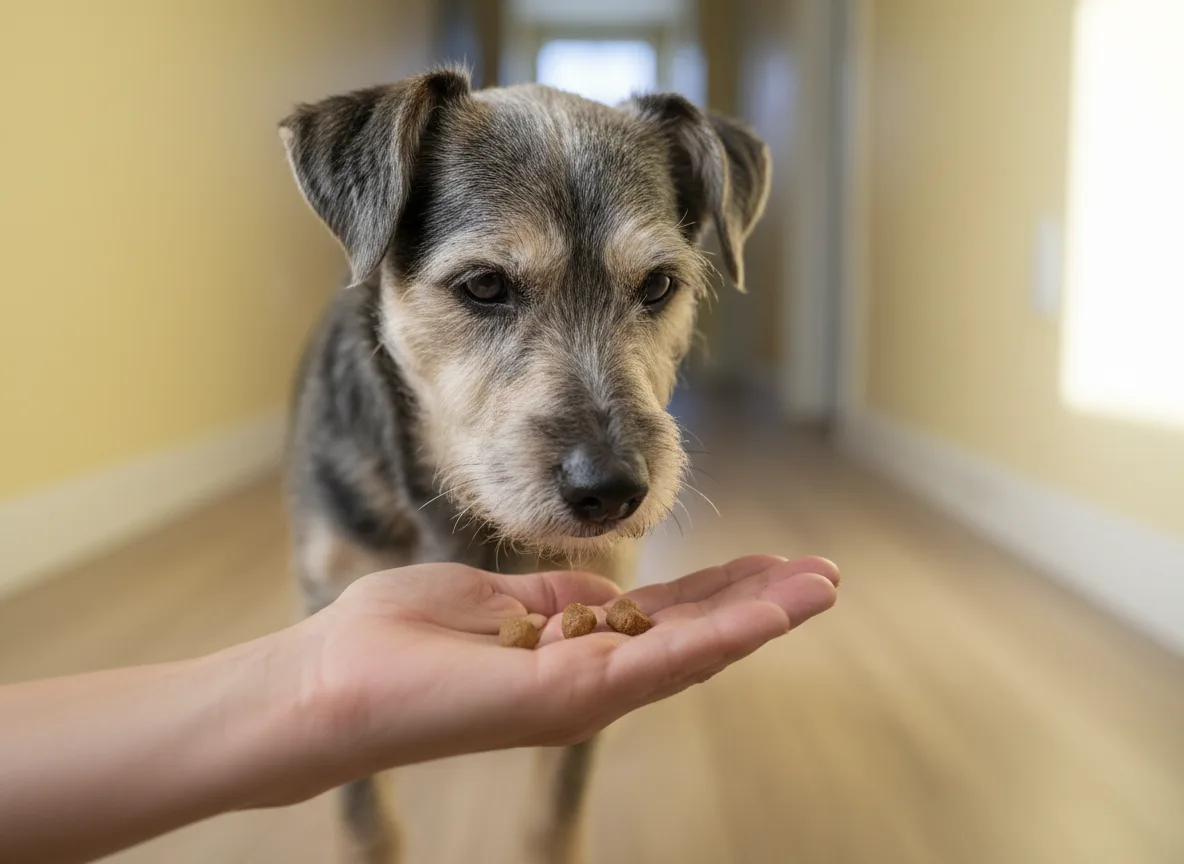
Tiny rewards can still be exciting. If a dog needs more motivation, try changing the reward's appeal or reducing the difficulty of the task before simply offering a larger portion.
Five training-treat picks and their tradeoffs
The five choices below cover soft everyday rewards, freeze-dried chicken, a larger practice bag and a puppy-specific option. Each earns its place for a particular use, with a limitation you should weigh before buying. There is no need to purchase all five or rotate through several new recipes at once.
Calories refer to the exact recipe and whole piece described here. A similarly named Mini version, different flavor or another product from the same brand can have different ingredients and calories. The serving you actually give may also be smaller than the labeled piece. Keep the bag available so you can confirm which product is in your treat pouch.
For a straightforward first purchase, match life stage and ingredient needs, then choose the texture your dog enjoys. Move to a different option only when you have a specific reason, such as easier portioning or better attention in a distracting setting.
Zuke's Mini Naturals Chicken: everyday soft rewards for adult dogs
Zuke's Mini Naturals Chicken is our starting choice for an adult dog that enjoys soft treats and tolerates the recipe. The current manufacturer product page lists 2 calories per treat. That makes the daily arithmetic easier when a session involves many repetitions, and the soft format lets you divide pieces further if needed.
The recipe includes chicken along with other ingredients, including rice and oats. It is not a single-ingredient treat, and the manufacturer's current Mini Naturals range is positioned for adult dogs. For a young puppy, use the puppy-focused options and label checks in our separate guide rather than assuming a small treat is suitable for every age.
- Best fit: routine adult-dog lessons where a small soft reward is useful.
- Tradeoff: it does not meet a strict single-protein or single-ingredient requirement simply because chicken appears in the name.
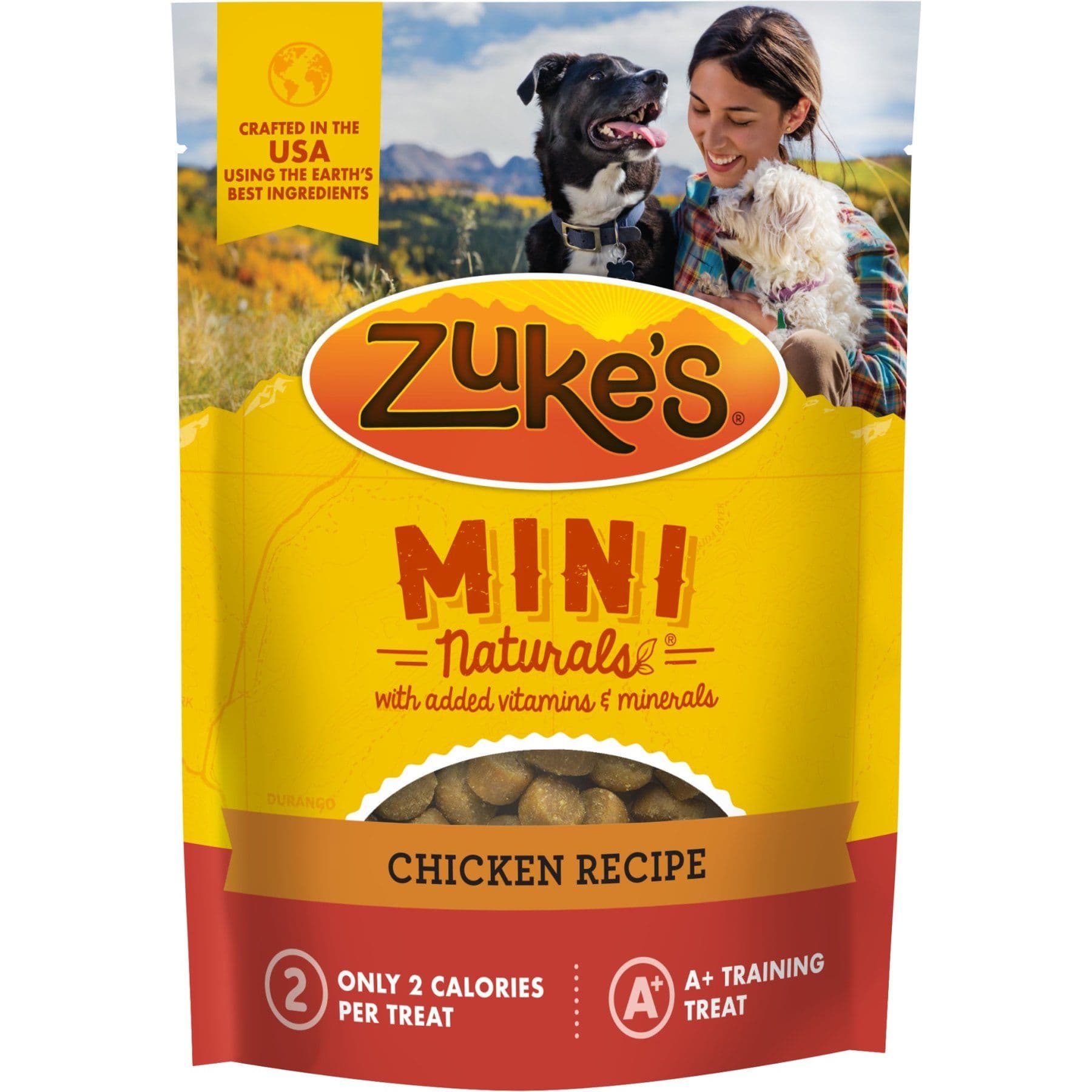
Small, soft chicken-recipe rewards for short adult-dog training sessions. Portion into tiny pieces and include treats in the daily calorie budget.
Petful may earn a commission when you click through to Chewy, at no extra cost to you.
Pupford Train Chicken: a short ingredient list and freeze-dried texture
Pupford Train Chicken offers a different texture from the soft, moist picks. The manufacturer describes these freeze-dried training treats as suitable for all life stages and under 2 calories per piece. The listed ingredients are chicken and mixed tocopherols used to preserve freshness. This is a short ingredient list, but it is not literally a single-ingredient product.
That simple recipe can be useful when you want to keep track of what you are offering, provided chicken fits your dog's diet. Freeze-dried pieces still need a size and texture check. Do not assume every piece in the bag will suit a very small mouth unchanged, and follow the label's handling and storage directions.
- Best fit: a dog that enjoys freeze-dried chicken and needs small rewards.
- Tradeoff: a chicken-based recipe is unsuitable when your dog's feeding plan excludes chicken; a short list does not guarantee digestive tolerance.
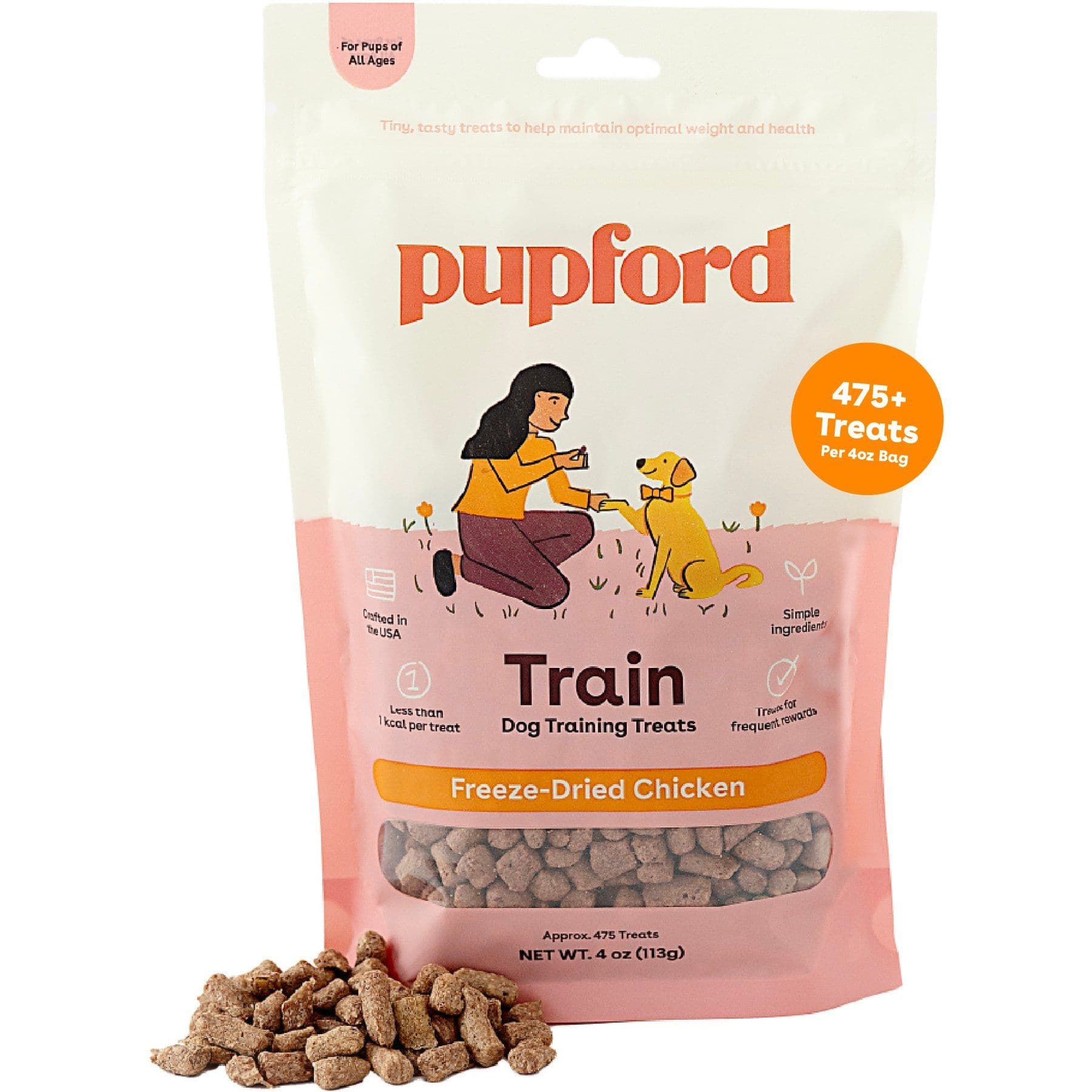
Freeze-dried chicken training rewards with a compact format for rewarding individual repetitions. Check the label for ingredients and feeding directions.
Petful may earn a commission when you click through to Chewy, at no extra cost to you.
Pet Botanics Training Reward Chicken: a larger bag for regular practice
Pet Botanics Training Reward Chicken in the 20-ounce bag is worth comparing if you train frequently and already know your dog likes the recipe. The standard Chicken Training Reward has 3 calories per treat. Do not confuse it with the brand's Mini products when comparing calories or shopping from a familiar-looking package.
Pork liver comes first in the ingredient list, and the recipe also contains chicken. That distinction matters if you are trying to avoid a particular protein. The soft, chewy format is intended for rewards, but you should still divide pieces to suit your dog and account for each whole treat used across the day.
- Best fit: regular lessons where a larger supply is practical and the recipe is already familiar.
- Tradeoff: the 20-ounce bag is less appealing if you are still testing your dog's preference or need a narrowly restricted ingredient list.
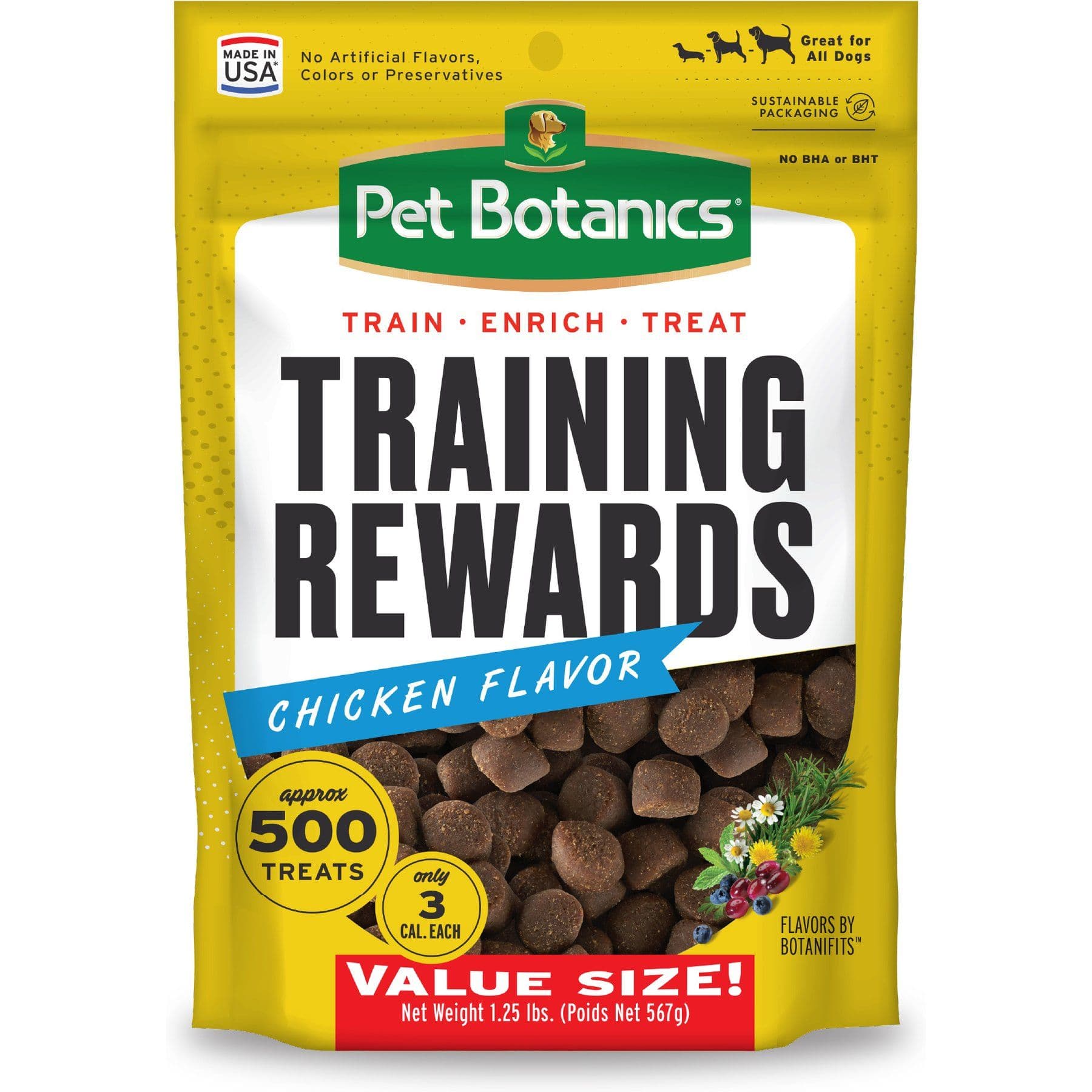
Soft chicken-flavor training rewards in a larger bag for frequent practice. Break rewards into appropriate pieces for your dog.
Petful may earn a commission when you click through to Chewy, at no extra cost to you.
BLUE Bits Tasty Chicken: soft pieces with room to portion
BLUE Bits Tasty Chicken is another soft option for dogs that prefer a moist reward. The manufacturer describes the soft training format, which makes it worth considering when you want rewards you can portion before a lesson. Use the calorie figure printed on your exact bag when planning quantities. Product information for another market or package should not substitute for those feeding details.
Check the label on your own bag, particularly for a young puppy. A life-stage description does not replace instructions about feeding quantity or any minimum age. Chicken in the product name also does not mean the recipe contains only chicken. Read the full ingredient list if your dog follows a specific diet.
- Best fit: owners who want a soft reward and are comfortable breaking it into smaller portions.
- Tradeoff: a soft texture alone does not tell you how many rewards fit the day's calorie allowance; check the bag and measure the portion.
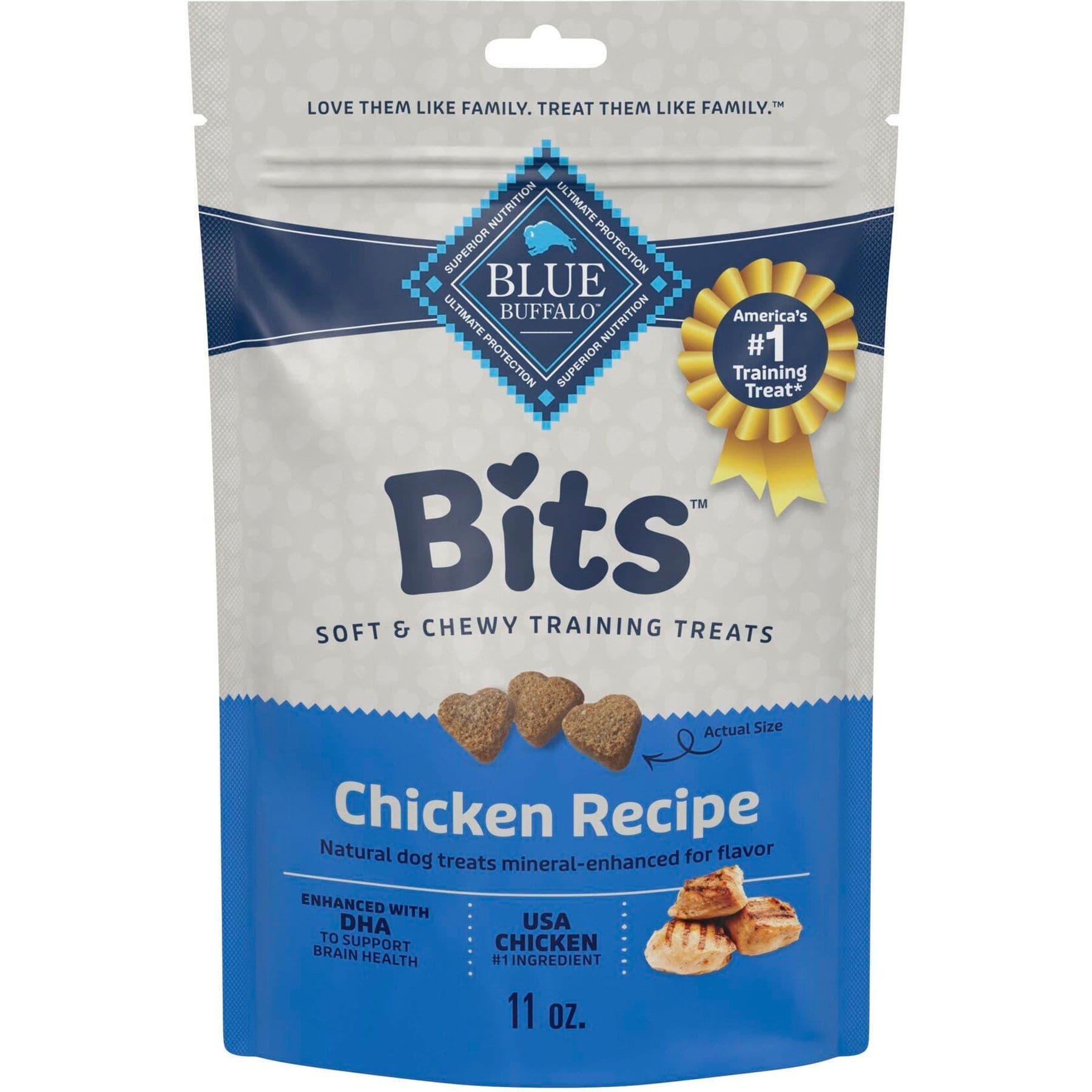
Soft chicken-recipe training bits that can be divided for small rewards. Count treats within your dog's daily food allowance.
Petful may earn a commission when you click through to Chewy, at no extra cost to you.
Wellness Soft Puppy Bites: a puppy-specific option to divide
Wellness Soft Puppy Bites Lamb & Salmon fills a different role from our adult starting pick. The manufacturer markets it for puppies under one year. These soft bites can be divided into small training portions, which matters because a whole treat contains 6 calories according to Wellness's nutrition information.
An evenly quartered treat would provide approximately 1.5 calories per piece. That is a portioning calculation, not a claim that every hand-broken piece is identical. Keep track of the number of whole treats taken from the bag, even after breaking them up. The grain-free label does not establish that the product is healthier or better tolerated than a grain-inclusive choice.
- Best fit: a puppy owner seeking a soft, puppy-specific reward.
- Tradeoff: whole bites add calories quickly during repeated lessons; check the exact feeding directions for your puppy.
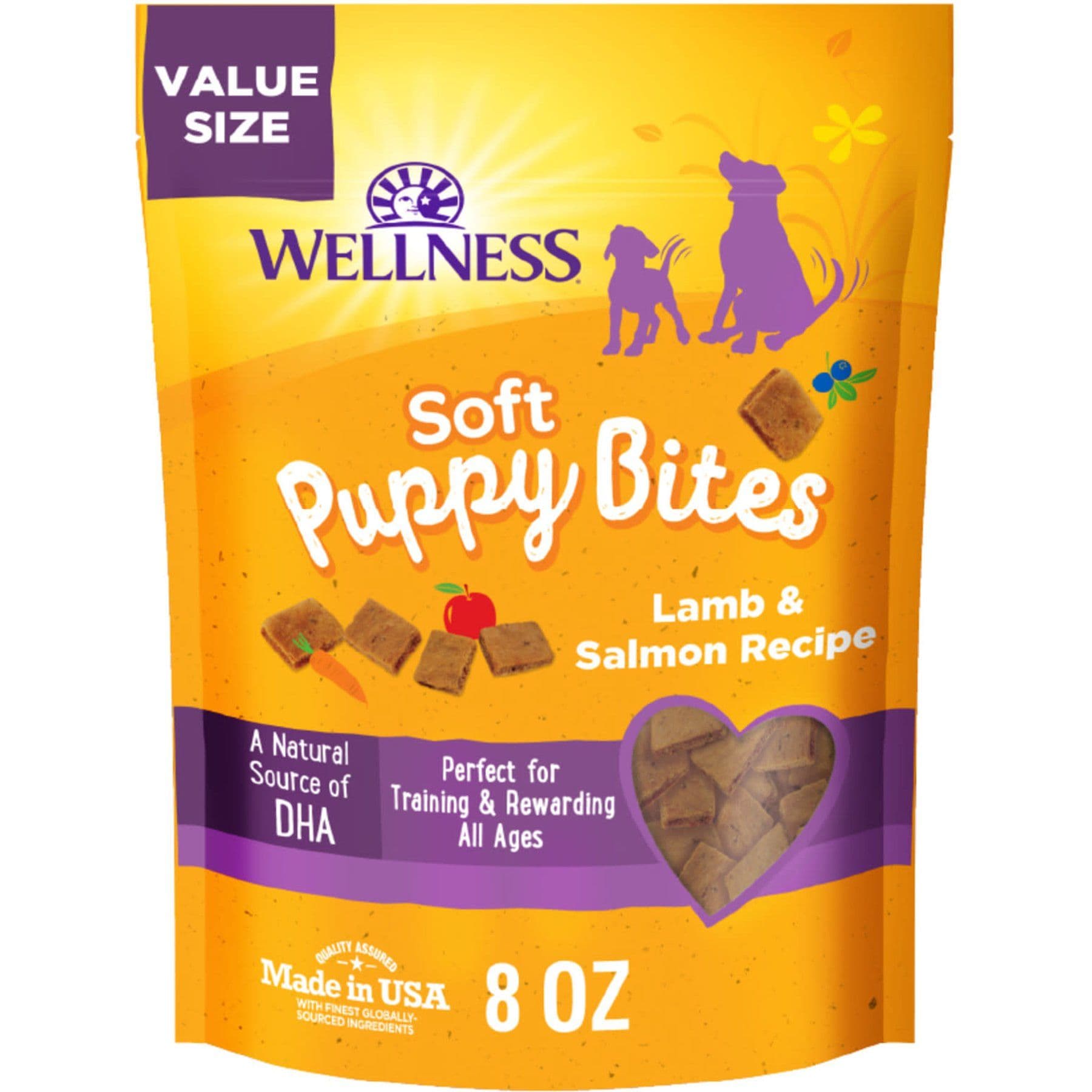
Soft lamb-and-salmon puppy bites formulated for puppies under one year. Tear each bite smaller when rewarding repeated training steps.
Petful may earn a commission when you click through to Chewy, at no extra cost to you.
Healthy, low-calorie rewards and the daily treat budget
- Keep training rewards within the daily calories set aside for extras. Breaking a treat into small pieces increases the number of rewards, but it does not reduce the total calories in that whole treat.
Healthy dog training treats need to fit the dog's complete diet. Low calorie dog training treats make frequent practice easier, but “low calorie” does not mean unlimited. AAHA nutrition guidance recommends limiting treats and other extras to no more than 10% of daily calories. The remaining diet should supply balanced nutrition appropriate for the dog.
Use this decision framework when preparing rewards for a class or walk. Compare current label calories and adult-versus-puppy suitability, as well as the ingredients. Ranking products only by an attractive recipe can overlook whether they fit the dog’s age and food allowance. The framework connects those checks with the small reward pieces you actually give, making a high-quality or “healthiest” claim easier to evaluate.
- Check whether the exact product suits your dog's life stage and dietary needs. An adult label does not become a puppy label when you split the treat.
- Start with your dog's individual daily calorie allowance, then identify the maximum available for all extras together. Your veterinary team can help establish that allowance.
- Subtract other treats, chews and food extras already planned for the day.
- Divide the remaining treat calories by the calories per whole treat. Break that measured quantity into smaller rewards if appropriate.
For example, 20 whole Zuke's Chicken pieces total 40 calories; 20 whole standard Pet Botanics Chicken pieces total 60. Twenty equal quarters of Wellness Puppy Bites would use five whole treats, totaling approximately 30 calories. These are arithmetic comparisons, not recommended daily servings for every dog. An individual dog's allowance could be lower, especially when other extras are included.
This also explains why “natural,” “organic” or an attractive ingredient list cannot settle the choice alone. First confirm suitability, then count the portion, and finally check whether the reward works for your dog.
Keep rewards ready in a treat pouch
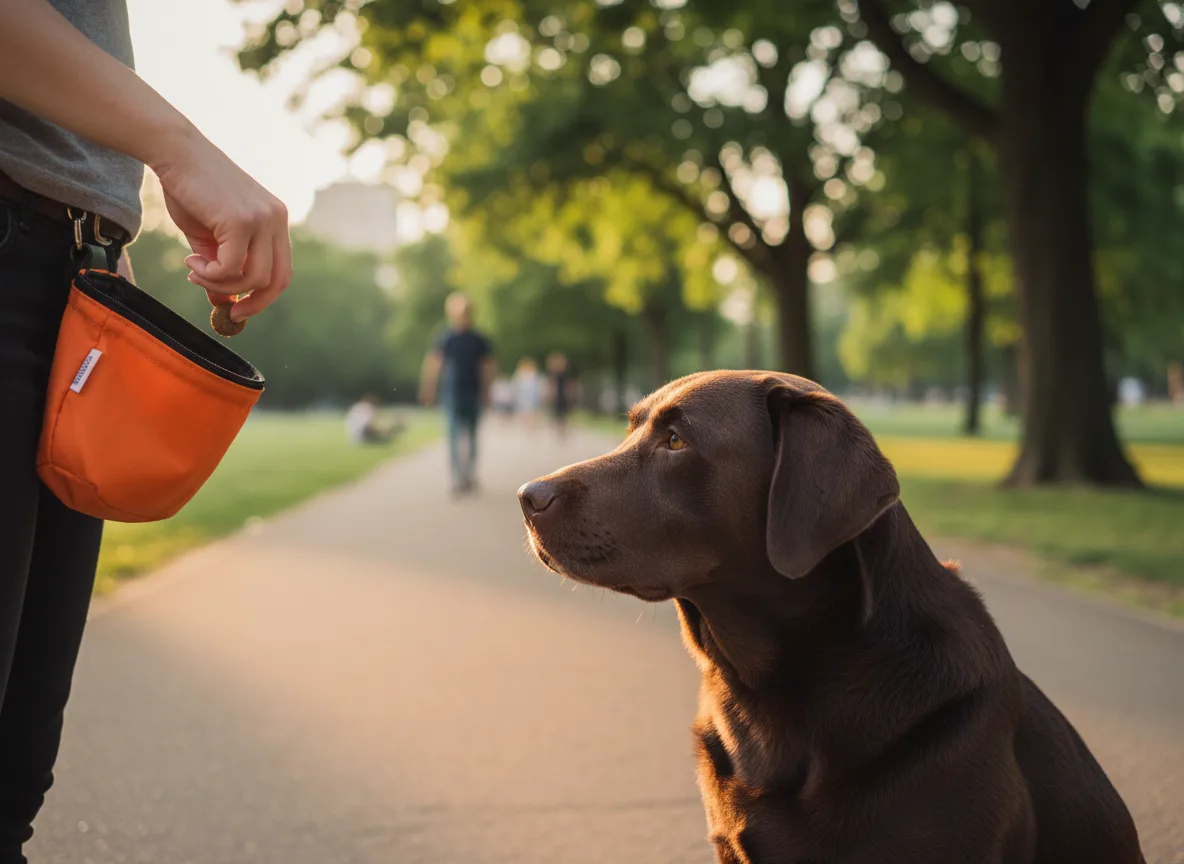
A dog training treats bag or washable treat pouch helps you reward the moment you want to reinforce. The useful features are practical: one-handed access, a secure closure and an interior you can empty and clean. A pouch that makes you rummage while the dog wanders away can complicate an otherwise simple lesson. Treat pouches with a magnetic closure may offer quick access, but test whether the opening stays secure when you bend or walk.
Prepare a measured session portion before leaving home. If you carry two reward types, separate them so you can choose deliberately and track what you use. Keep the pouch where you can reach it without pulling the leash or leaning over the dog. Practice opening it before asking the dog for a difficult behavior.
- Empty leftover food after the session rather than continually topping up an old supply.
- Clean the pouch according to its care instructions, especially after moist food.
- Carry only what you need and keep the original package for its instructions and product details.
You do not need an elaborate accessory to begin. A clean, accessible container can work during a short indoor lesson.
Bulk bags, value and storage
Buying dog training treats in bulk can reduce repeat shopping, but a large bag only offers value if your dog will eat it and you can use it while it remains suitable to feed. Compare the same recipe and package size. The cheapest-looking bag does not necessarily mean cheap rewards per serving, and the largest bag is not automatically the best purchase. Before you buy, compare the quantity you can use rather than judging the package price alone.
For frequent practice, Pet Botanics' 20-ounce Chicken Training Reward bag is a useful size to compare after a successful trial. Calculate cost against the amount you actually use, including whether you divide each treat. A product that crumbles badly for your purpose or sits unused may be a poor value even if its price per ounce looks attractive.
- Keep packaging with the best-by date, lot number and storage directions.
- Use clean hands and a clean container when measuring a session portion.
- Follow refrigeration instructions where applicable; do not assume all training foods store the same way.
The FDA's pet-food and treat handling guidance is a useful reference when organizing food storage at home.
Sensitive stomachs and ingredient limits
There is no single best dog training treat for sensitive stomachs. Tolerance depends on the individual dog, the ingredients and the amount offered. Introduce one new recipe at a time and use a small quantity, so you have a clearer picture of what changed if the dog develops a problem. Ask your veterinarian about rewards if your dog has a diagnosed condition or follows a prescribed diet.
Read the ingredient list beyond the named flavor. Pet Botanics Chicken includes pork liver, while Pupford Chicken lists chicken and mixed tocopherols. Lamb-and-salmon branding should not be used as a shortcut for declaring a product chicken-free or suitable for an elimination diet. Check the entire current label and follow your veterinary team's restrictions.
- Grain-free does not mean allergy-proof.
- “Natural” does not establish low fat or low calories.
- Vegetarian or vegan positioning does not by itself establish suitability for a particular dog.
- A short ingredient list can simplify tracking, but it cannot guarantee tolerance.
Do not substitute a generic “sensitive” treat for a reward your veterinarian has approved for a therapeutic feeding plan.
How to use treats without turning them into bribes
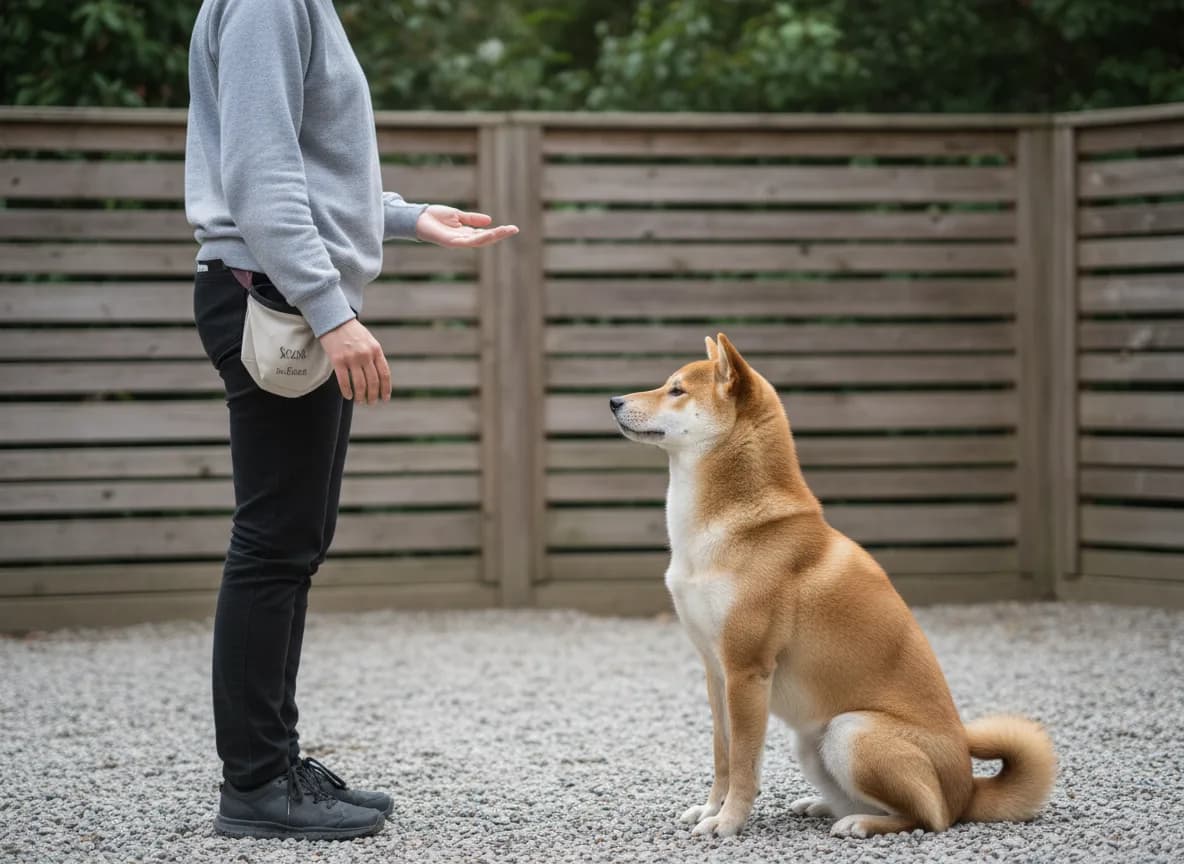
Positive reinforcement means a rewarding consequence helps a behavior become more likely. Training a dog with treats puts that principle into practice when food follows the behavior you want. Ask for a skill the dog understands, mark the successful moment with a consistent word or click, and deliver the reward promptly. This reward timing matters in clicker training and in lessons using a spoken marker. When teaching a new movement, food may initially help lure the dog into position, but the visible lure should not become a permanent requirement.
The AKC's food-reward guidance explains how food can support teaching without needing to stay visible forever. Once the dog understands the movement, practice the hand signal without a treat in that hand, then reward from your other hand or pouch. Keep the task easy enough that your dog succeeds.
- Teach a small, achievable step in a quiet place.
- Mark the desired action as it happens.
- Give a small reward, then reset for another repetition.
- Increase difficulty gradually instead of changing location, distractions and duration all at once.
As a familiar behavior becomes reliable, you can vary food rewards and also use things the dog enjoys, such as play or permission to sniff. Praise can be part of this, but it is not equally motivating to every dog in every setting. You can phase out the visible food lure and vary rewards for reliable basic skills without abruptly deciding to stop giving treats altogether. Keep reinforcement available as the task becomes harder.
AVSAB supports reward-based training. If a dog does not like a treat or is not interested in food, consider the environment, fatigue and the task's difficulty. Make the lesson easier or pause; repeatedly presenting a better treat cannot resolve every source of distress or confusion.
Choosing training treats for puppies
Training treats for puppies need a closer look at life-stage directions, portion size and how comfortably the puppy eats them. A product called “mini” can still be positioned for adult dogs, and a whole soft puppy bite may contain more calories than several smaller rewards. Keep complete puppy food central to the diet and use suitable extras sparingly. Our guide to the best puppy training treats compares four options and explains what to check for puppies under 3 months.
When high-value rewards matter
High value treats for dog training are rewards your dog particularly wants in that situation. Freeze-dried chicken, a familiar soft treat or an appropriate small fresh-food reward might fill that role, but there is no universally irresistible choice. A harder recall exercise may justify something more appealing than an easy indoor sit. See our guide to high-value dog treats for training for choosing rewards by your dog's response and using them without overlooking stress or excessive difficulty.
Treats for potty training
Dog potty training treats work as feedback when they arrive at the right time. Take a small suitable reward outside and offer it promptly after the dog finishes toileting in the desired place. Waiting until you return indoors can reward the return to the house instead. Food supports the routine; it does not replace frequent opportunities to go out or supervision. Our guide to the best treats for potty training explains the reward sequence and practical options.
Homemade training rewards
Homemade dog training treats let you control the recipe and portion size, but they are still extras rather than a balanced main diet. A recipe described as “vet approved” is not automatically approved for your dog’s individual dietary needs; ask your veterinary team when restrictions apply. Check every ingredient for suitability and choose a texture that can be broken into small pieces without disrupting the lesson. Homemade food may also need different storage from a sealed commercial treat. Petful's two-ingredient homemade dog treats offer a recipe starting point; adapt reward size to your dog and follow the recipe's handling guidance.
Crate and leash rewards
Dog treats for leash training should be accessible while you maintain safe control of the leash. Reward the position or attention you want before the dog has pulled far ahead, and begin somewhere with manageable distractions. A higher-value reward can help, but reducing the challenge may matter more than changing brands. Our guide to leash training a puppy covers the broader progression so treats support a clear lesson instead of becoming a way to pull the dog along.
Crate training reward basics
Dog treats for crate training can reward voluntary approaches, stepping inside and calm behavior as you build comfort gradually. Use tiny, quickly eaten rewards for these teaching steps. A long-lasting chew is a separate activity that requires its own safety and supervision decisions; it is not interchangeable with a quick training treat. Follow our guide to how to crate train a puppy for pacing the introduction rather than using food to rush a worried dog through the process.
Questions about dog training treats
Trainers choose quick rewards that are easy to deliver, easy to eat and appropriate for the dog and lesson. Small soft commercial treats, measured portions of regular food or suitable fresh-food rewards can all have a role. Individual dog preference matters: a reward that motivates one dog may do little for another, especially around distractions. There is no single required professional brand.
Vets recommend training treats according to individual dietary needs, body condition, life stage and the daily calorie allowance, rather than one universal brand. Ask about specific rewards if your dog has food restrictions or a medical condition. A treat's ingredient claims alone do not establish suitability, and this list is not a claim that veterinarians universally endorse these five products for every dog.
Your dog’s regular food can serve as training treats if the dog will work for it and can eat it comfortably. Use part of the measured daily ration as rewards. Complete food can support practice without adding an entirely separate serving of extras. Set the training portion aside before meals and include it in the day's food total. More distracting situations may call for a reward your dog values more.
Store an opened bag of training treats according to the label storage instructions. Keep the original package and reseal the bag after taking out a session portion. Keep food away from heat and moisture as directed, and wash hands and reusable containers regularly. Do not assume a fresh-food reward can stay in a pouch as long as a packaged shelf-stable treat. Discard food that appears spoiled or has been handled unsafely.
Freeze-dried does not mean single-ingredient. It describes a processing method, so you still need to read the ingredient list. Pupford's chicken training treats list chicken and mixed tocopherols, for example, which makes them a two-ingredient product. Other freeze-dried recipes may include more ingredients. If you need a specific protein restriction or elimination-diet reward, check the exact formula with your veterinary team rather than relying on the format name.
Before your dog has tried a treat, buy a small trial bag instead of a bulk bag. That is usually the more practical first purchase. It lets you assess interest, comfortable eating and tolerance before committing to a large supply. Once you know the recipe works, compare package costs and how quickly you will use it. Freshness after opening and your storage setup matter alongside price, particularly if your dog uses only a few pieces a day.

Coreen Saito is a pet writer and longtime shelter volunteer with more than a decade in animal rescue. She covers cat behavior, breed care, and the small, ordinary science of sharing a life with companion animals, with a particular focus on honest takes about the products and decisions that actually matter. At home in Arizona, she's outranked by Mac (a dog with the loudest opinion in the house), Rebel (a cat who governs by quiet authority), and Meri (an orange tabby who runs the late shift and the laundry basket). She writes about all three, plus the rescues that keep coming through her life, at LifeWithMinty.com.
Sign up for expert-backed reviews and safety alerts all in one place.