Dog Potty Training Treats: Best Puppy Rewards and Timing
Compare four dog potty training treats by texture, portion size, and label calories. Learn when to reward a successful trip and how to keep repeated treats within your puppy's daily food plan.
Petful is reader supported. As an affiliate of platforms like Amazon and Chewy, we may earn a commission when you buy through links on this page. There is no extra cost to you.
Good dog potty training treats are small, easy to eat, and ready when your puppy finishes in the right place. The reward should arrive outside, close to the completed behavior. A bigger biscuit or a more expensive bag cannot compensate for giving the treat after you have walked back into the kitchen.
Pupford, Pet Botanics, Wellness, and BLUE Bits offer different textures and portioning options. This guide compares their labels and practical fit, without claiming hands-on tests or guaranteed training results. Choose a reward your puppy enjoys and can eat comfortably, then put at least as much thought into timing as you put into the brand.

Sign up for expert-backed reviews and safety alerts all in one place.
What are the best dog potty training treats?
The best potty training treats for puppies are appealing enough to notice, small enough to finish quickly, and suitable for the puppy's age and diet. Soft pieces are convenient because you can divide them before going outside. A crumbly freeze-dried reward can also work if your puppy enjoys its texture. There is no separate ingredient that makes a treat a potty-training product; the learning comes from how you use it.
Choose small pieces and reward immediately after the puppy has finished eliminating in the intended spot. Do not hold food in front of the puppy while they are still going. The American Kennel Club's housetraining guidance emphasizes immediate praise and a small reward after the finished behavior. Puppy potty training treats support that process rather than replacing supervision and a workable schedule.
- 1Reward timing matters: wait for your puppy to finish, then give the reward at the potty spot.
- 2Choose small treats that your puppy can eat comfortably without a long chewing break.
- 3Count every reward within the daily food plan, including treats given by other caregivers.
| Reward | Best fit | Label calories per whole piece | Main consideration |
|---|---|---|---|
| Pupford Train Chicken | Freeze-dried option with a short ingredient list | Less than 2 | Chicken plus mixed tocopherols; check piece size |
| Pet Botanics Training Reward Chicken | Soft reward for frequent successful trips | 3 | Standard formula, with pork liver and chicken |
| Wellness Soft Puppy Bites | Puppy-focused soft treat to divide | 6 | Whole pieces need budgeting; smaller portions may suit repeated rewards |
| BLUE Bits Tasty Chicken | Another soft texture to compare | Check current bag | Match the exact recipe and package directions |
Pupford Train Chicken: a freeze-dried option
Pupford Train Chicken Natural Freeze-Dried Dog Treats, 4-oz bag suits an owner looking for a short ingredient list and a reward that can be crumbled into smaller portions. Pupford's manufacturer page lists chicken and mixed tocopherols, less than 2 calories per treat, and suitability for all life stages. It is a two-ingredient treat, rather than literally a single-ingredient product.
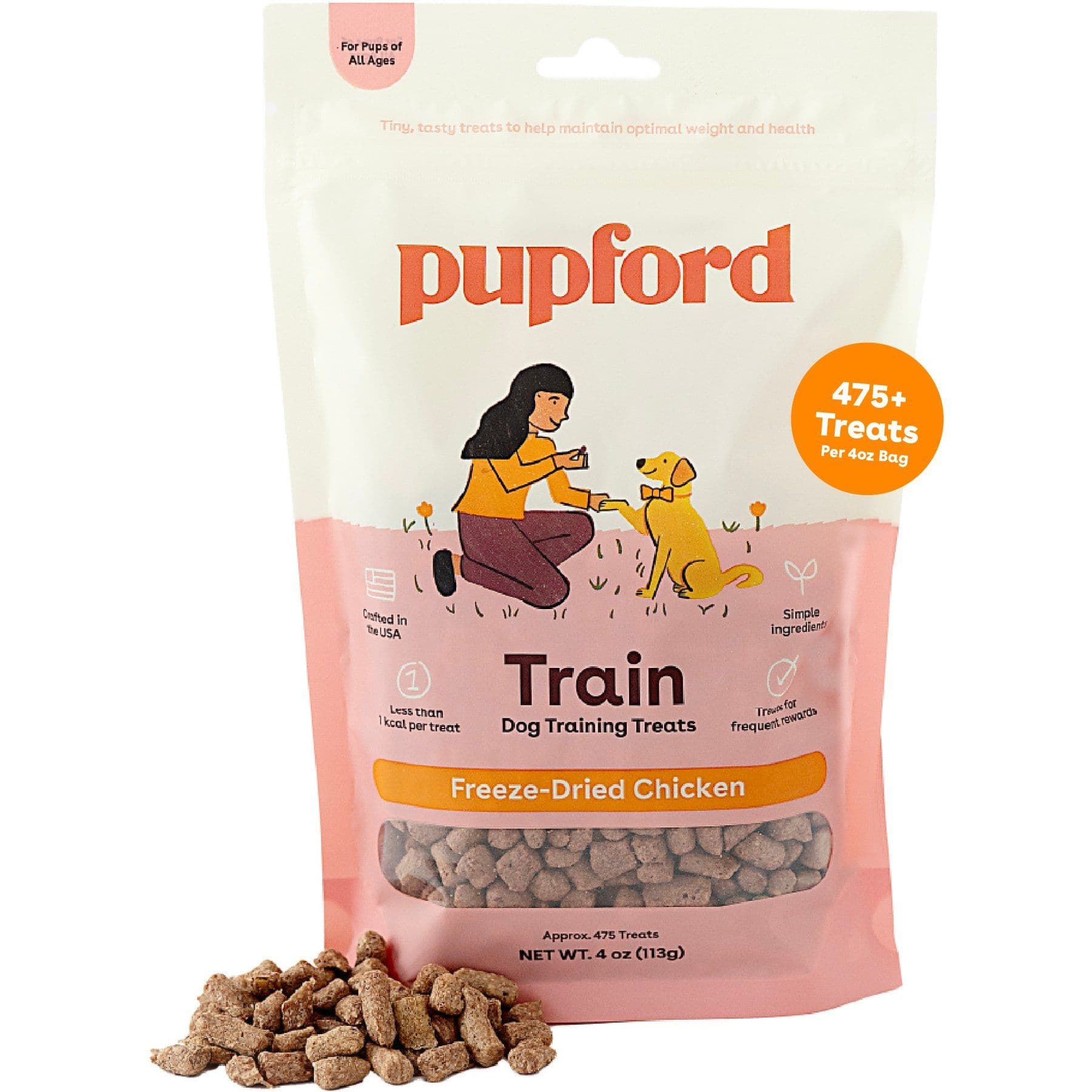
Freeze-dried chicken training rewards with a compact format for rewarding individual repetitions. Check the label for ingredients and feeding directions.
Petful may earn a commission when you click through to Chewy, at no extra cost to you.
The useful test at home is whether your puppy can comfortably eat the portion you offer. Break a larger piece before leaving the house so you are not trying to crumble it one-handed at the crucial moment. If loose crumbs make delivery awkward, a soft piece from another recipe may fit your routine better. Freeze-dried describes the format, not a guarantee that every puppy will prefer it.
- Best fit: A puppy who likes the texture and can manage a small prepared piece.
- Tradeoff: Pieces may need adjusting to the puppy's mouth and the reward budget.
- Check first: Chicken suitability, current label directions, and how the opened bag should be stored.
Reward immediately after your puppy finishes outside
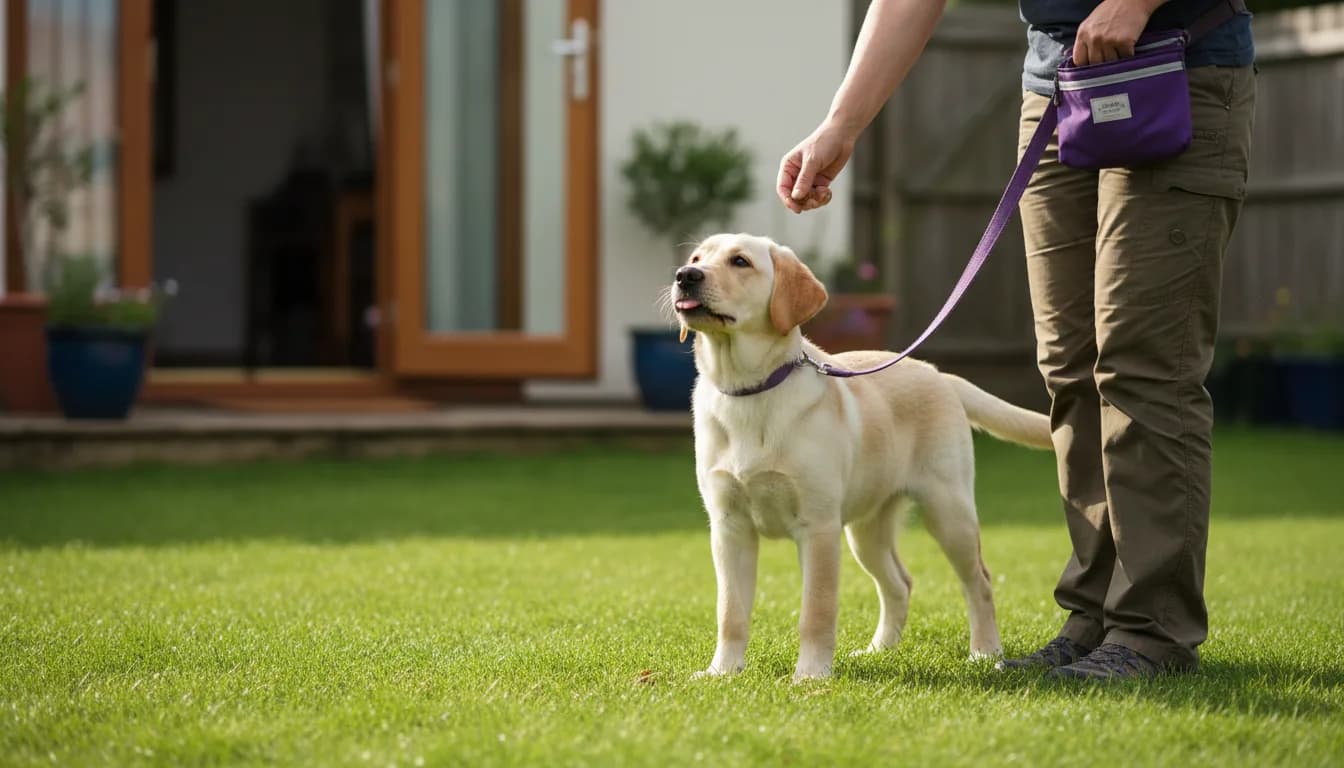
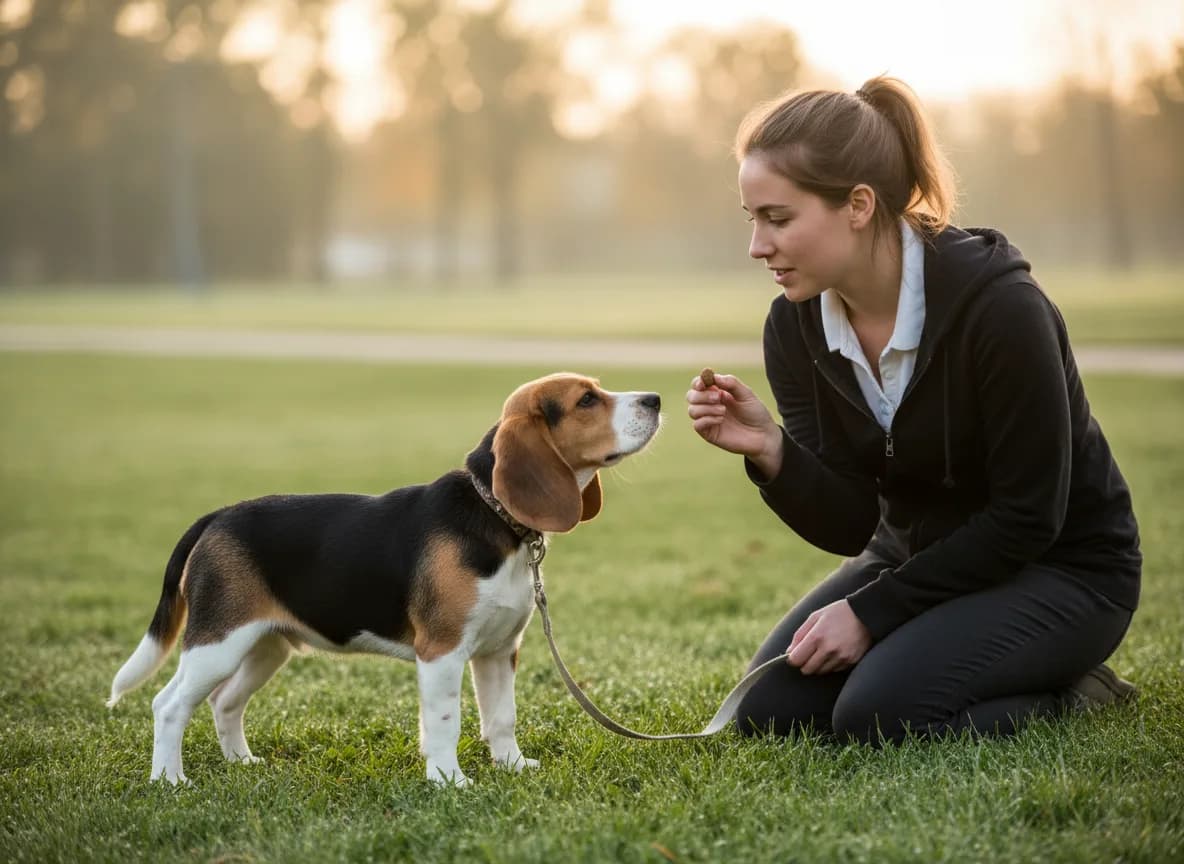
Potty training with treats works best when the consequence clearly follows the behavior you want. Let your puppy finish outside, calmly acknowledge the success, and reward at the potty spot. The treat should already be accessible. If you need to search the house for it, the useful moment has passed and a different behavior may occur before the food arrives.
The exact reward sequence distinguishes potty success from returning indoors or sitting on cue. Common timing errors include interrupting elimination with food or inserting a request to sit before giving the reward. A puppy who stops to reach for a treat may not have finished. Practice sitting separately, and keep this sequence simple enough that the completed outdoor potty behavior is the obvious reason the reward appeared.
- Prepare one suitably small reward before opening the door.
- Take your puppy to the intended potty area and allow time to settle.
- Wait quietly until elimination is finished.
- Give calm praise and the prepared treat there, without adding another cue.
- Continue the outing or return according to your routine.
AKC's guidance on training rewards explains why waiting until you return indoors can reinforce coming back into the house instead. That is a useful distinction when using treats for potty training a puppy: the treat is not a general payment for the whole outing. It marks a specific success. Carrying a reward outside makes it much easier to deliver that clear message.
Pet Botanics Training Reward Chicken: a soft piece to portion
Pet Botanics Training Reward Chicken Flavor Dog Treats, 20-oz bag provides a soft reward with 3 calories per whole treat according to the manufacturer's standard chicken formula. This is the standard Training Reward product, not the Mini version. Pork liver is the first ingredient, and chicken is also present, so do not treat the chicken flavor name as a single-protein claim.
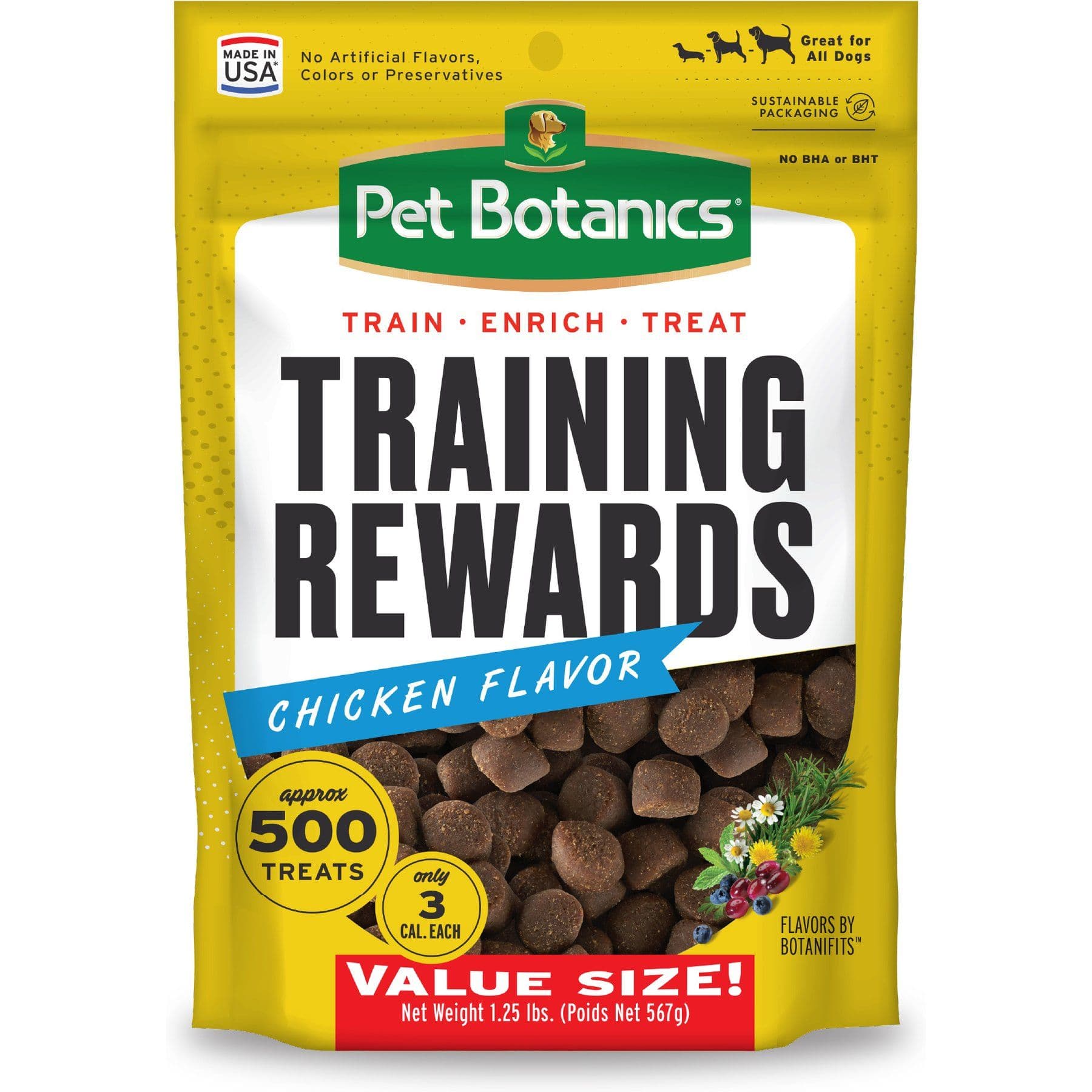
Soft chicken-flavor training rewards in a larger bag for frequent practice. Break rewards into appropriate pieces for your dog.
Petful may earn a commission when you click through to Chewy, at no extra cost to you.
For repeated successful trips, prepare smaller portions if needed and account for the original whole treats you divided. That gives you a more useful food total than counting every uneven fragment as though it had an identical calorie value. The soft format can make preparation convenient, but your puppy still needs to like it and tolerate the recipe.
- Best fit: A soft reward that can be prepared before several potty trips.
- Tradeoff: Multiple ingredients make label review important for a puppy with dietary restrictions.
- Check first: The exact standard formula and portion size; do not borrow the calorie figure from a differently named Mini product.
Budget rewards across every potty trip
Healthy potty training treats must fit the whole day, including meals and every other extra. The AAHA nutrition guidelines recommend limiting treats to no more than 10% of daily calories. Use your puppy's individualized food plan as the starting point. There is no universal number of treats that works for every puppy of the same age or body weight.
The practical calculation is straightforward: multiply the established daily calorie target by 0.10 to find the maximum allowance for all extras, then subtract anything already used. For an illustrative 400-calorie daily plan, that ceiling would be 40 calories from treats and other extras. This is a math example, not a feeding recommendation for your puppy. Ask your veterinary team to confirm the actual daily target.
- Keep treats and other extras within the recommended share of daily calories. Prepare small pieces before training and track the whole treats used to make them. Everyone in the household should draw from the same daily allowance so repeated potty rewards do not crowd out complete puppy food.
- Set aside the day's treat allowance in one container.
- Include treats given during grooming, walks, classes, and other training.
- Keep meal portions and training portions coordinated across caregivers.
- Use smaller suitable pieces when successful repetitions add up.
Choosing healthy treats for potty training therefore involves more than finding a low number on a bag. A small reward that fits the diet and arrives on time can do its job without being a large serving. Preserve the puppy's complete growth diet as the main source of nutrition, and ask for advice if food restrictions make reward selection difficult.
Wellness Soft Puppy Bites: divide a puppy-focused treat
Wellness Soft Puppy Bites Lamb & Salmon Grain-Free Dog Treats, 8-oz pouch is a soft, puppy-focused option. Wellness lists 6 calories per whole treat. Dividing one evenly into four portions gives approximately 1.5 calories per portion. The approximation matters because hand-torn pieces will not all weigh exactly the same.
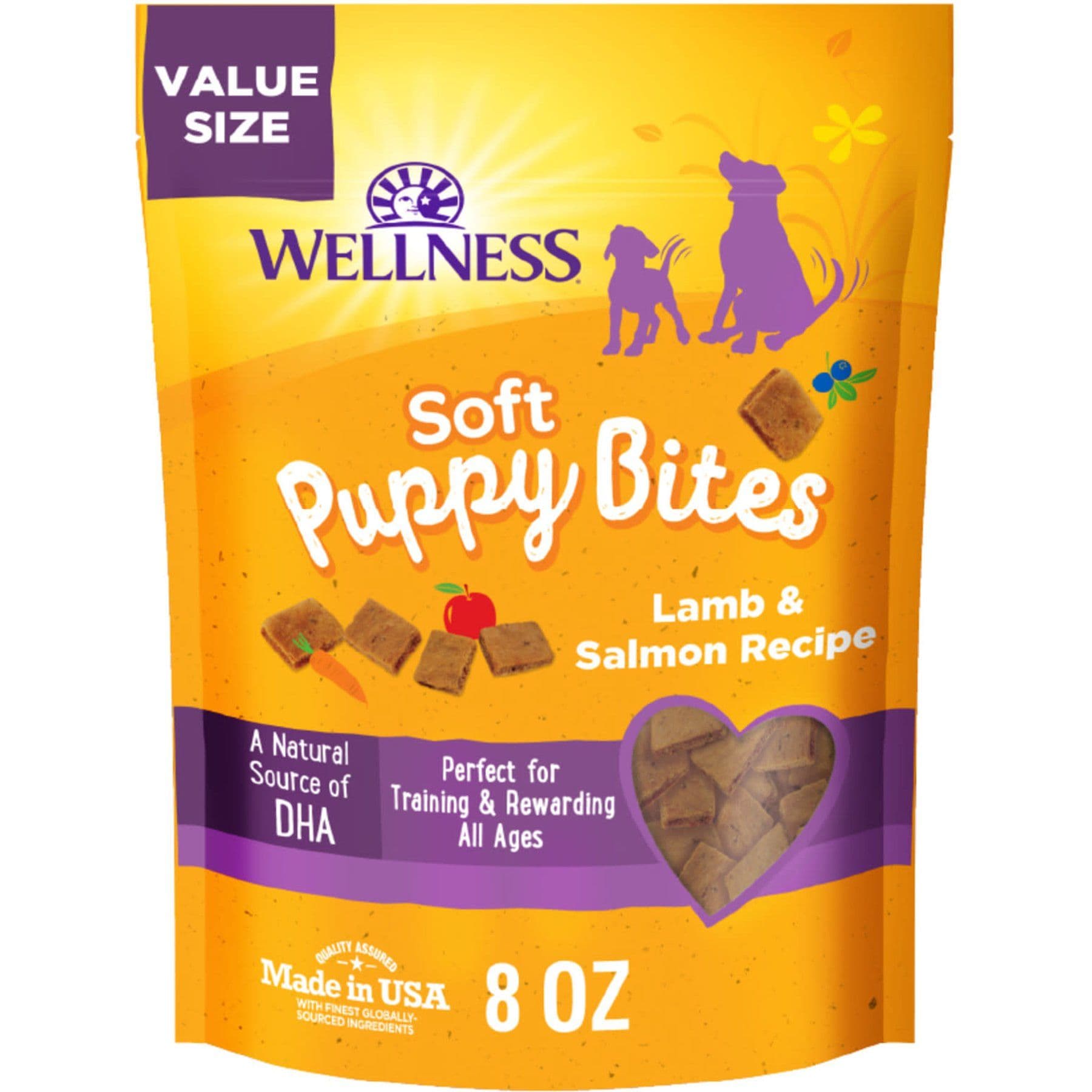
Soft lamb-and-salmon puppy bites formulated for puppies under one year. Tear each bite smaller when rewarding repeated training steps.
Petful may earn a commission when you click through to Chewy, at no extra cost to you.
A whole piece is not automatically the right reward just because the bag is marketed for puppies. Prepare a size your puppy can eat comfortably, and count the whole pieces taken from the bag when tracking the daily total. “Grain-free” describes the recipe; it does not establish that this is healthier or more suitable than a grain-containing option for your particular puppy.
- Best fit: An owner who wants a soft puppy treat and is happy to portion it before use.
- Tradeoff: The whole-piece calorie figure is higher than the smaller rewards compared above.
- Check first: Current age directions and the complete ingredient list, particularly if a veterinarian has recommended dietary restrictions.
Puppy treat size and age checks
At 8 weeks, puppies need food and rewards appropriate for their diet, chewing ability, and the exact product label. Healthy training treats for puppies under 3 months, and older puppies under 6 months, should fit the complete feeding plan. “Puppy” on the package does not mean every whole piece fits every mouth, and “all life stages” does not remove the need to supervise eating. Start with a modest amount of one suitable recipe.
The safest dog treats for puppies are those suitable for the individual puppy, rather than a universally preferred brand. Whether you are considering Blue Buffalo puppy treats or a natural-looking freeze-dried option, review the exact ingredients and directions. A vet-recommended puppy treat should account for your puppy's needs; a general endorsement claim or the word natural cannot establish that fit by itself.
Our guide to the best puppy training treats handles the broader age, texture, small-breed, and sensitive-stomach decisions. Here, choose a piece that can be delivered promptly after a successful potty trip. A lengthy chew or teething reward serves a different purpose and is awkward for marking that brief moment. If a puppy has a medical diet or recurring digestive problems, ask the veterinary team about appropriate rewards.
Everyday dog training rewards
You do not necessarily need a separate bag labeled for potty training. A suitable reward already used for other lessons may work, provided your puppy enjoys it and it fits the daily food allowance. The important change is the context and timing: give it for the completed outdoor potty behavior, not for walking to the door, returning inside, or sitting beside the cupboard.
Our best dog training treats guide compares general training choices, including label calories and texture. That broader comparison can help when your puppy's preferences change. Keep a useful product that is working rather than changing brands after every accident; accidents can reflect timing, supervision, or development instead of a poorly chosen flavor.
Healthy training treats for dogs fit their dietary needs and the total daily calorie plan. High-quality ingredients and appealing packaging do not change that requirement, and grain-free training treats are not automatically the healthier choice. When comparing Pupford training treats, review the ingredients and the current calorie statement alongside the texture. A product review should make those practical differences clear without pretending that one formula motivates every dog equally.
BLUE Bits Tasty Chicken: another soft option
Blue Buffalo Blue Bits Tasty Chicken Recipe Soft-Moist Training Dog Treats, 11-oz bag offers another soft format to compare. Blue Buffalo's US product page identifies the chicken recipe and available bag sizes. Read the current bag for its calorie content and feeding directions; use those figures for the exact product you buy.
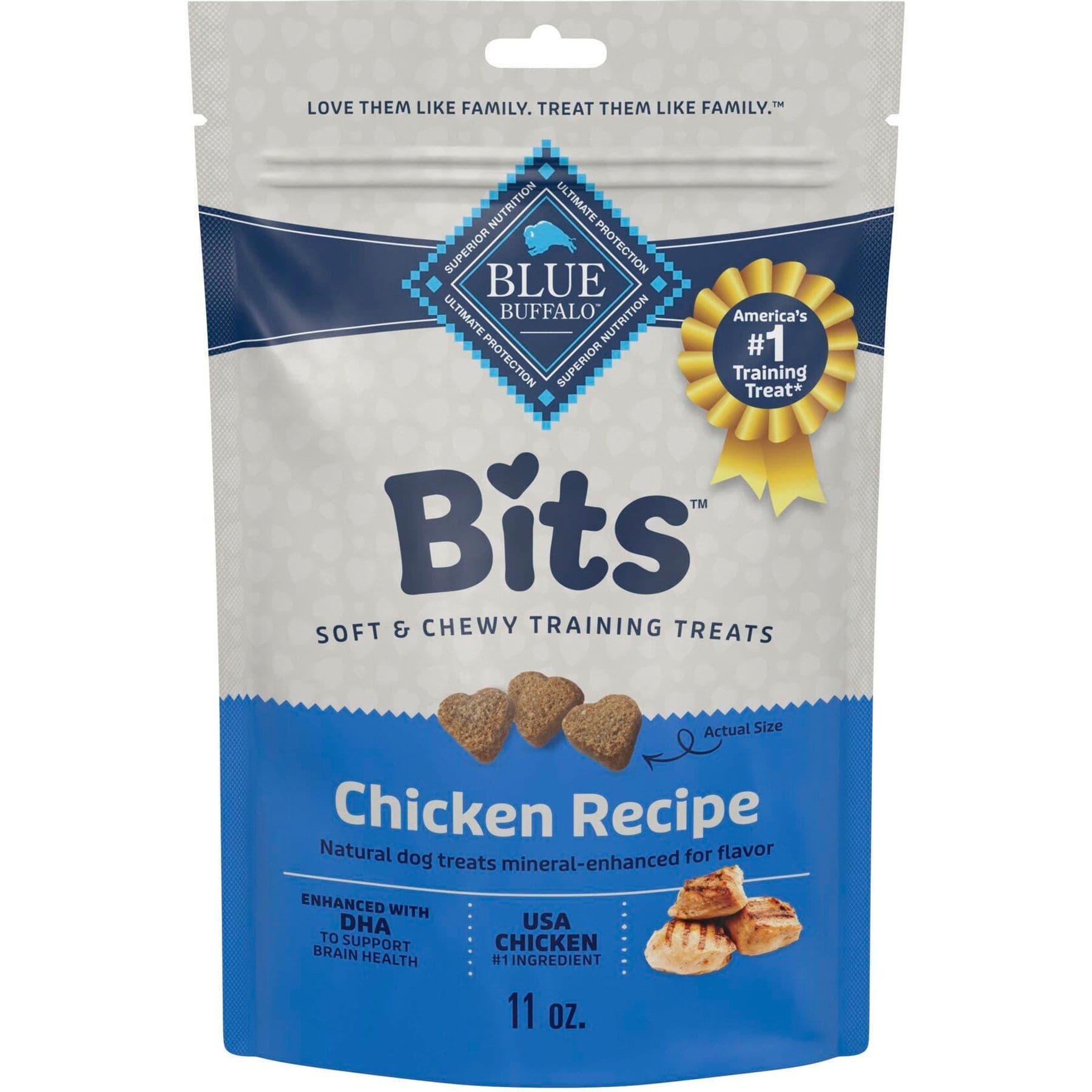
Soft chicken-recipe training bits that can be divided for small rewards. Count treats within your dog's daily food allowance.
Petful may earn a commission when you click through to Chewy, at no extra cost to you.
This is a multi-ingredient recipe, not a plain piece of chicken. The name and soft texture may make it a convenient candidate, but your puppy's response determines whether it is rewarding. Try a small suitable portion in a quiet setting before depending on it outdoors. If it is ignored or takes too long to eat, adjust the portion or consider another appropriate texture.
- Best fit: A puppy who prefers a soft, moist reward over a crumbly freeze-dried piece.
- Tradeoff: The current package is needed for precise calorie budgeting.
- Check first: Recipe, age directions, and comfortable portion size.
When to try a higher-value reward
- A puppy who happily eats a treat indoors may be less interested around outdoor smells and movement. A more appealing reward can sometimes help, but first reduce distractions and make the trip manageable. Food refusal is not a reason to push the puppy into a frightening or overwhelming situation. Look at the setting and the puppy's comfort alongside the food.
Our guide to high-value dog treats for training explains how reward value depends on the individual dog. Higher value does not require a larger serving, and a richer reward still counts toward the same food budget. Keep portions small and choose something suitable for your puppy's diet rather than declaring one protein universally best.
Liver treats, dehydrated liver, beef lung, and lamb lung are examples owners may compare when looking for a more appealing reward. Freeze-dried training treats describe another format, rather than a universal level of value. Consider the exact product's suitability, texture, and portion before choosing. These categories are not interchangeable calorie measures, and an appealing smell is not evidence that a large piece is suitable for a small puppy.
Using puppy food and homemade rewards
Some puppies will accept part of their regular food as a potty reward. Set that amount aside from the measured daily ration so it is included in the feeding plan. It can be useful for a puppy who finds the food rewarding, although a distracting outdoor setting may require a different suitable incentive. Do not turn a training pouch into an unlimited extra meal.
If you prefer homemade rewards, use an appropriate recipe and consider the texture, ingredients, calories, and storage needs. Our two-ingredient homemade dog treat guide owns that recipe discussion. A homemade biscuit still needs to be broken into a manageable training portion. “Homemade” does not automatically make a treat nutritionally balanced, suitable for a sensitive stomach, or convenient for immediate outdoor delivery.
The same applies to DIY recipes described as easy, healthy homemade dog treats. A sweet potato recipe and homemade treats made with liver can have different textures and calorie totals. Small dogs, picky dogs, and puppies under 3 months still need suitable ingredients and manageable pieces. Before making homemade puppy treats, decide how you will portion and store them; an appealing recipe is only useful here if the reward can be delivered promptly and eaten comfortably.
Keep a small reward supply ready
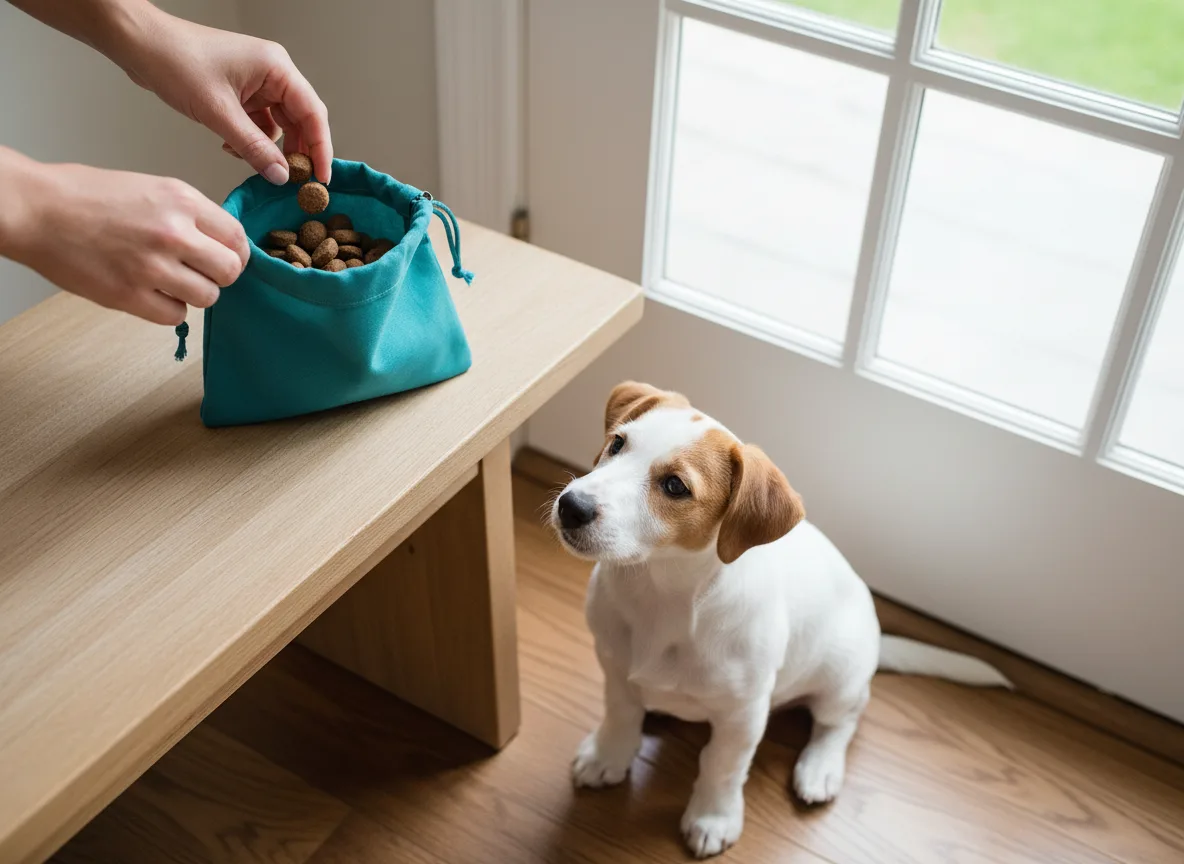
Preparation makes prompt delivery easier. Keep the original bag stored as directed, and take out only a suitable amount for the outing or short training period. An accessible, closed container can save time when the puppy needs to go, but keep it beyond the reach of pets and children. Do not leave food outdoors or in a hot car simply because it is convenient.
Follow the FDA's pet-food and treat handling guidance, including handwashing and appropriate storage. Clean reusable pouches or containers, and avoid mixing old crumbs with a fresh supply indefinitely. A freeze-dried product still needs its own handling instructions; that processing description is not a promise that careless storage is harmless.
- Portion rewards before the trip so both hands are available when needed.
- Keep the label with the product for ingredient and calorie checks.
- Refill from the daily allowance instead of adding uncounted handfuls.
- Replace food that has become unsuitable to feed rather than saving it for training.
Fix timing mistakes and accidents
When an accident happens, review what occurred before it. Was the puppy supervised? Had they just woken up, eaten, or been active? Was an outing missed because everyone assumed someone else had handled it? Positive reinforcement works alongside management. It cannot give a young puppy physical control they have not developed or compensate for too few opportunities to reach the right place.
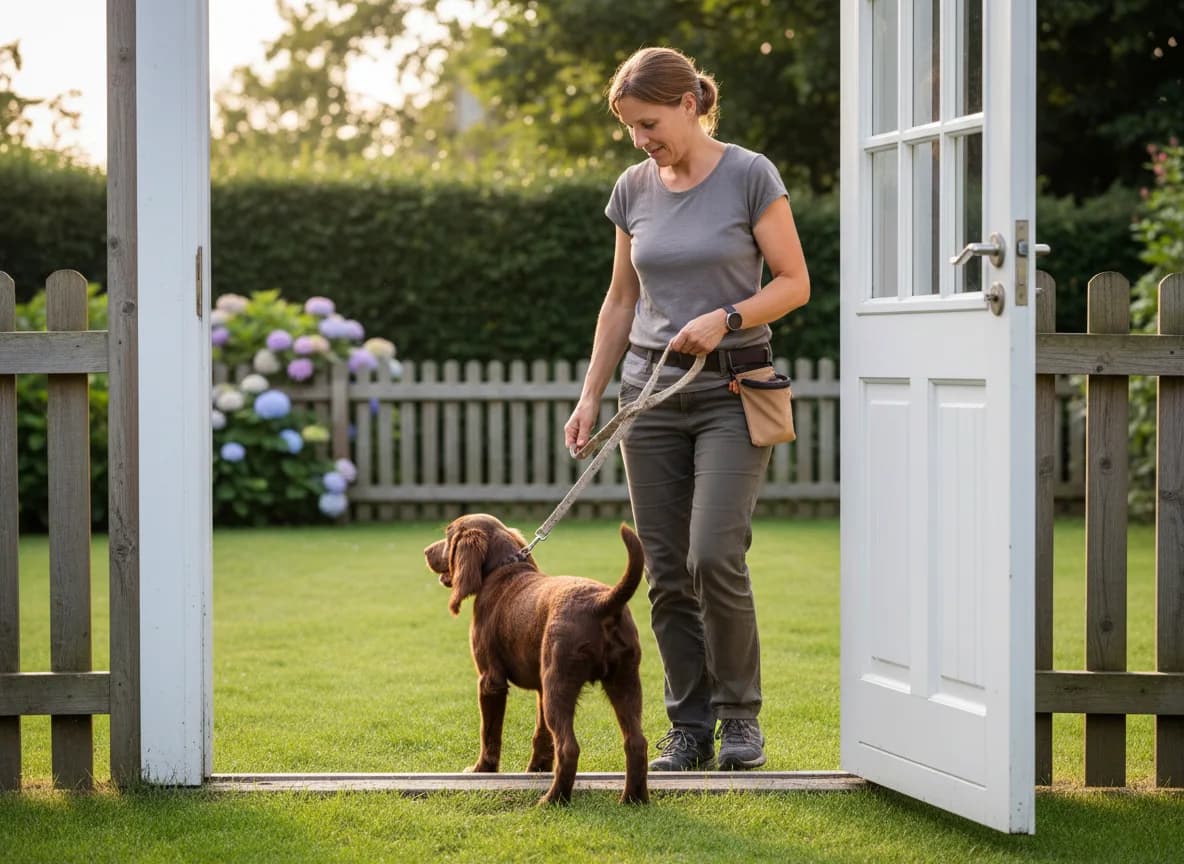
- Reward arrived indoors: Carry a prepared portion outside next time.
- Puppy stopped mid-potty for food: Keep the treat out of view and wait for completion.
- Puppy sat before receiving the treat: Remove that extra cue from the potty-reward sequence.
- Different caregivers reward different moments: Agree on the same simple sequence and daily food allowance.
- Accidents continue despite effort: Revisit supervision and the schedule rather than only buying a stronger-smelling treat.
Avoid punishment after accidents. The American Veterinary Society of Animal Behavior recommends reward-based training, and scolding does not show a puppy the desired place to eliminate. Clean up calmly and improve the next opportunity for success. If elimination changes suddenly or appears painful, contact your veterinarian instead of treating it solely as a training problem.
For the full method, including supervision and creating successful opportunities, use our guide to potty training a puppy. The fastest useful improvement is often a clearer routine, not a new product. No treat can promise a fixed number of days until every puppy is housetrained.
When to stop giving puppy treats for potty training
Reduce food rewards gradually after your puppy shows consistent success in the intended setting. There is no universal birthday or number of accident-free days at which every puppy should stop receiving treats. Keep praise and the opportunity to enjoy the outing, and make changes small enough that you can notice whether the behavior remains reliable.
If you are wondering when to stop giving treats for potty training, look at the whole pattern. Does the puppy consistently reach the correct spot with the current supervision and schedule? Are new environments still difficult? A puppy who succeeds in a familiar yard may need more support when traveling or using a different surface. Adjust to the situation rather than assuming learning transfers automatically.
- Begin reducing food only after the current routine is working consistently.
- Continue acknowledging successful trips, even when a food reward is not given.
- Keep treats available for harder or unfamiliar settings when useful.
- If reliability slips, review the schedule and bring back clearer reinforcement while you identify the problem.
Do not remove rewards as a penalty after an accident. That confuses a plan for gradually maintaining learned behavior with a reaction to a mistake. The objective is to help the puppy succeed and then sustain the habit. Continue choosing manageable reward portions during this transition so extra practice does not quietly increase the daily calorie total.
Match the reward plan to the potty schedule
Treats should follow necessary potty opportunities, not create extra food-driven outings. A young puppy's need to eliminate depends on their development and daily routine, and an eight-week-old puppy should not be assumed to have the same overnight capacity as an older dog. Our puppy potty-training schedule guide covers age expectations and planning; use it alongside advice for your individual puppy.
Keep a simple record of outings, successful elimination, and accidents if the pattern is unclear. The record can show where supervision or timing needs adjustment. There is no need to grade your puppy or make each trip a long training session. Prepare a tiny suitable reward, provide an appropriate opportunity, and make the successful moment easy to recognize.
Questions about potty-training rewards
In Level Up Dog Training's version, the training mnemonic means about ten minutes outdoors in a roughly ten-foot potty area, followed by ten minutes of close supervision if the attempt was unsuccessful. It is a training routine, not a biological rule or guarantee. Follow an individual potty schedule and adapt to your puppy rather than assuming fixed intervals suit every dog.
When potty training a puppy, do not punish accidents, delay rewards, or distract the puppy with food before elimination is finished. Avoid punishment and reward the completed behavior at the correct spot instead of asking for a sit first or returning to the kitchen. After an accident, clean up calmly and review supervision. A different treat cannot solve every reason a puppy misses the intended place.
Bring the treat outside and give it after your puppy finishes there, rather than after you come back in. The outside reward should follow the completed potty behavior. Waiting until returning indoors puts other actions between elimination and food, making the lesson less clear. Keep the treat accessible but out of the puppy's way while they are going, then reward promptly at the spot.
If your puppy asks to go out just to get a treat, still provide an appropriate potty opportunity while reserving the food reward for completed elimination. A trip without potty success can end with a calm return indoors and continued supervision. Do not punish the request or assume deliberate manipulation. Review the schedule, and obtain advice if requests or elimination change unexpectedly.
Do not wake a sleeping puppy solely to offer a potty treat. Base overnight decisions on potty break need and the individual plan, with no food-driven waking schedule. A treat follows a necessary successful trip; it is not a reason to interrupt sleep. Young puppies may need overnight opportunities, so follow appropriate schedule guidance rather than assuming every puppy can wait until morning.
Yes, when your puppy finds it rewarding and can eat it comfortably, use a portion of the measured daily food. Set it aside before meals so it remains part of the overall ration. Reward the successful trip promptly at the potty spot. If regular food is not motivating in that setting, consider a suitable small treat while keeping all extras within the agreed allowance.

Coreen Saito is a pet writer and longtime shelter volunteer with more than a decade in animal rescue. She covers cat behavior, breed care, and the small, ordinary science of sharing a life with companion animals, with a particular focus on honest takes about the products and decisions that actually matter. At home in Arizona, she's outranked by Mac (a dog with the loudest opinion in the house), Rebel (a cat who governs by quiet authority), and Meri (an orange tabby who runs the late shift and the laundry basket). She writes about all three, plus the rescues that keep coming through her life, at LifeWithMinty.com.
Sign up for expert-backed reviews and safety alerts all in one place.