Miniature Schnauzer Size and Weight Guide
Learn Miniature Schnauzer size, weight, growth, and body-condition checks, plus why toy, teacup, and mini-mini labels are not recognized sizes.
Petful is reader supported. As an affiliate of platforms like Amazon and Chewy, we may earn a commission when you buy through links on this page. There is no extra cost to you.
miniature schnauzer size is defined most clearly by measured height and recognized breed context, not by a seller's adjective. The AKC standard places adults at 12 to 14 inches at the withers. Weight varies with frame, sex, body condition, and individual structure, so one pound figure cannot define the breed.

Sign up for expert-backed reviews and safety alerts all in one place.
Miniature Schnauzer adult size and weight
- 1The official adult height range is 12 to 14 inches at the withers.
- 2Weight should be interpreted with frame and body condition.
- 3Miniature, Standard, and Giant Schnauzers are separate recognized breeds.
- 4Toy, teacup, and mini-mini are marketing descriptions, not additional AKC Schnauzer breeds or sizes.
- 5Official height is measured at the withers.
The AKC Miniature Schnauzer standard defines height as 12 to 14 inches. It does not use a single ideal weight because two dogs of the same height can differ in bone, muscle, sex, and body condition.
- Height is taken at the top of the shoulder blades.
- Head, ear, and coat height do not count.
- A groomed outline can make the body look larger or smaller.
- Weight above or below an online range is not a diagnosis.
Miniature Schnauzer adult size and weight: practical checks
- Measure on a level nonslip surface.
- Use a rigid vertical reference.
- Record date, height, and weight.
- Ask the veterinarian to score body and muscle condition.
A healthy target is individual. Do not withhold food from a growing puppy or overfeed a small adult to force a chart number.
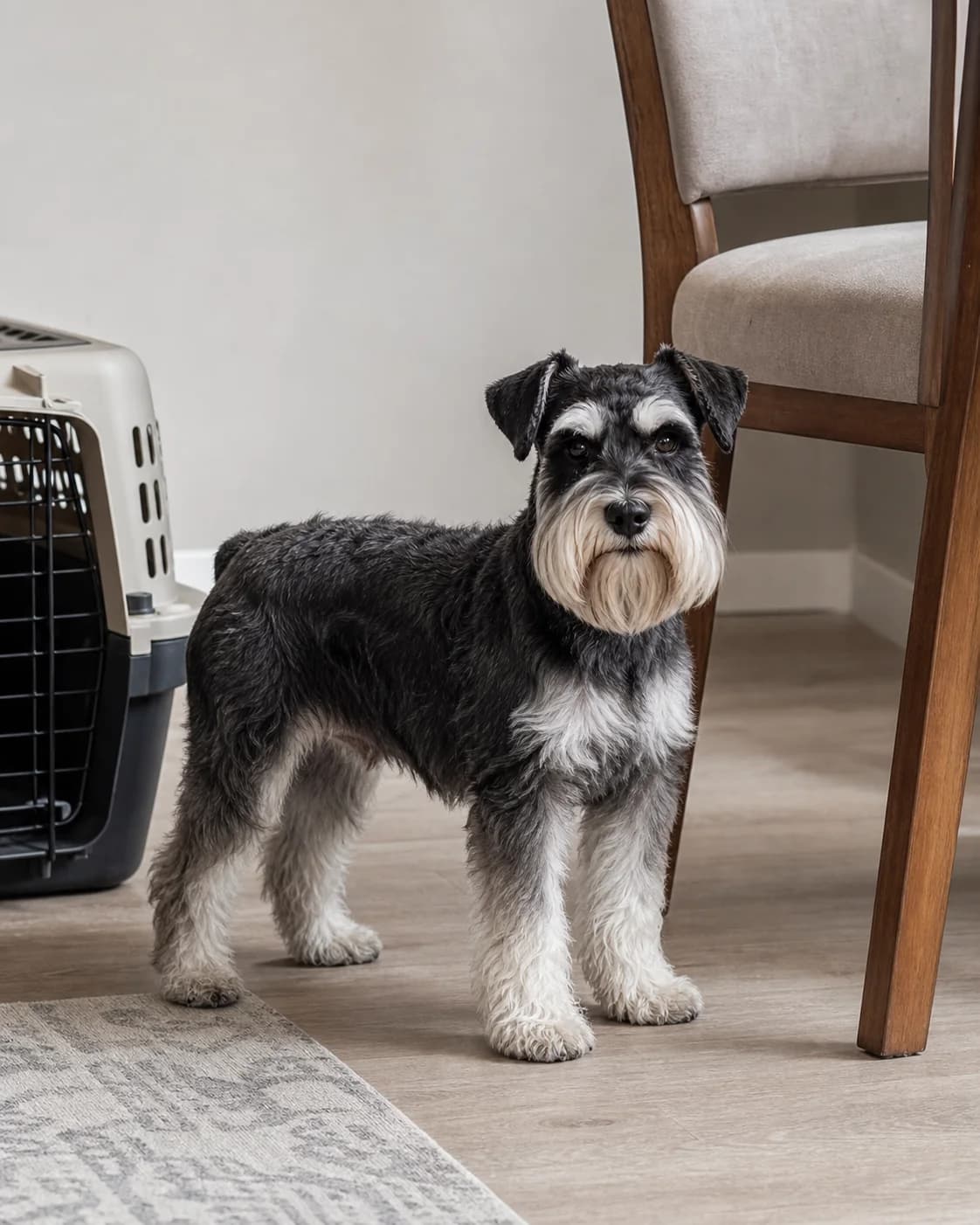
For walking equipment, measure the neck and chest before trying the Frisco padded no-pull harness, then recheck movement and strap clearance after the coat or weight changes. Measure standing height and body length before comparing the Sherpa soft-sided carrier, and verify the exact car or airline rules that apply to the trip. For outings, the Frisco collapsible travel bowl is a compact water option to compare after checking capacity, cleaning, and whether it stays stable for the pet.
Answer-first Miniature Schnauzer size guide
How big will a Miniature Schnauzer get? The official Miniature Schnauzer breed standard uses adult height at the withers, with a range of 12 to 14 inches. Weight varies with frame, sex, muscle, and body condition, so a single Miniature Schnauzer weight number is not the definition of the breed. A Miniature Schnauzer size and weight chart is most useful for tracking an individual trend rather than certifying breed identity.
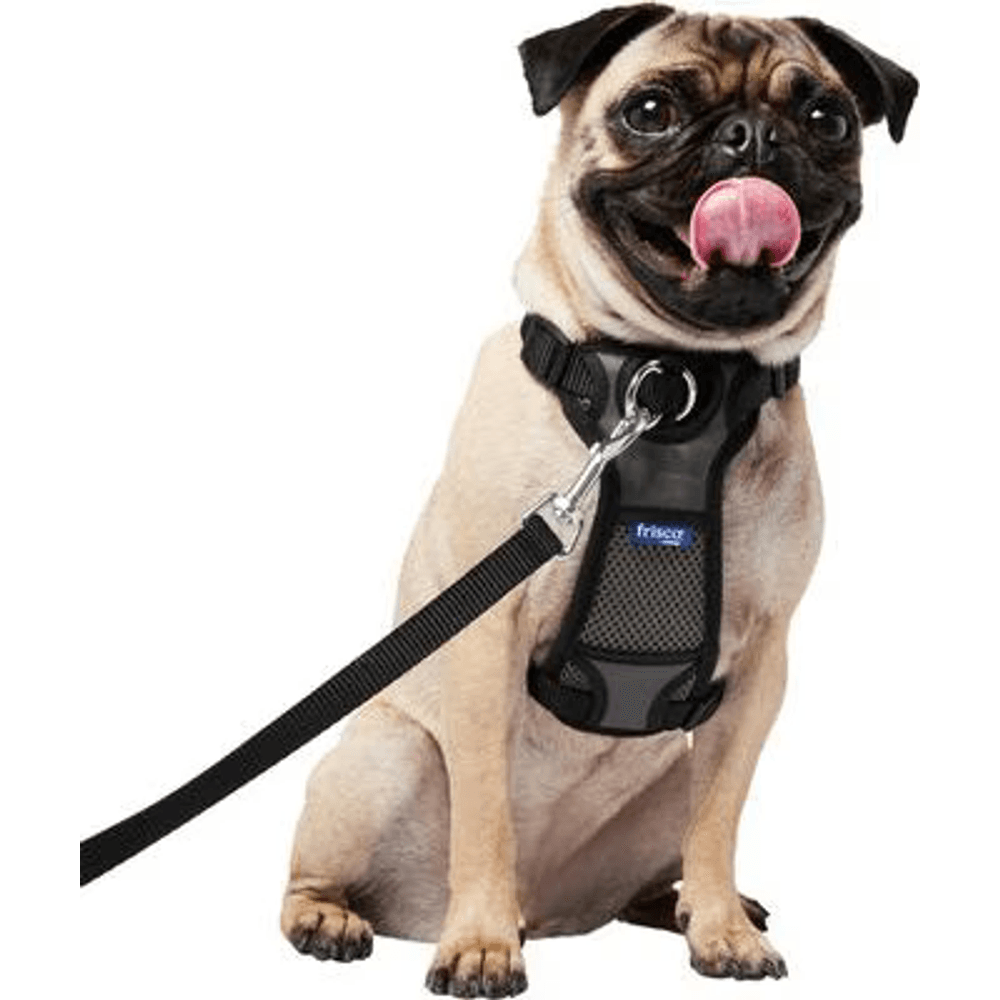
A budget-friendly padded no-pull harness that keeps leash pressure off a coughing dog's neck and windpipe by distributing it across the chest. A simple, affordable way to protect an irritated airway or a collapsing trachea on every walk.
Petful may earn a commission when you click through to Chewy, at no extra cost to you.
Is a Miniature Schnauzer a small or medium dog? Most equipment and general care references place the breed in the small-dog range, but manufacturer size labels are not standardized. Measure the dog for every harness, coat, crate, and travel product. Height, chest girth, back length, neck, and body condition answer different fit questions.
For the source and full decision framework, see the Miniature Schnauzer breed standard.
Is a Miniature Schnauzer a small dog?
Is a mini schnauzer a small or medium dog? The breed is generally treated as a small dog, with an official adult height range of 12 to 14 inches at the withers. Retail size categories are not breed standards, so a dog can be called small and still need a medium harness, coat, or washable diaper from a particular manufacturer. Measure the body part the product chart specifies and follow the brand's between-size guidance.
How big will a mini schnauzer get? Parent measurements, age, health, sex, and individual growth provide context, but the adult breed standard is based on height rather than one guaranteed weight. Track growth consistently and review unexpected change with the veterinary team rather than feeding toward a chart number.
For travel planning, compare the dog's measured standing height, body length, and comfortable turning space with the carrier or crate's internal dimensions. Product weight limits are not a substitute for posture and movement checks. Recheck the fit after a substantial haircut, growth phase, weight change, or mobility change because each can alter the practical amount of room needed.
Miniature, Standard, and Giant Schnauzer size
| Breed or label | Identity | Important correction |
|---|---|---|
| Miniature | Separate recognized breed | Adult standard is 12 to 14 inches |
| Standard | Separate recognized breed | Not an oversized Miniature |
| Giant | Separate recognized breed | Not a size upgrade |
| Sales nicknames | Not additional AKC breeds or sizes | Require measured evidence Compare measured height and body condition. |
Miniature, Standard, and Giant Schnauzers are recognized as separate breeds with different size standards and histories. A small Standard is not reclassified as a Miniature, and a large Miniature does not become a Standard. There is more on this in Petful’s guide to giant vs standard vs miniature Schnauzer.
- Breed identity comes from pedigree and breed context, not height alone.
- Photographs without scale can mislead.
- Coat and camera angle exaggerate differences.
- Mixed-breed ancestry can produce proportions outside purebred expectations.
Miniature, Standard, and Giant Schnauzer size: apply the plan
- Confirm the registered breed.
- Meet adult relatives when evaluating a puppy.
- Compare dogs on the same level surface.
- Use records instead of social-media labels.
Choose a dog for household fit rather than assuming the smallest recognized breed is automatically easiest.
Compare Schnauzer varieties by measured height
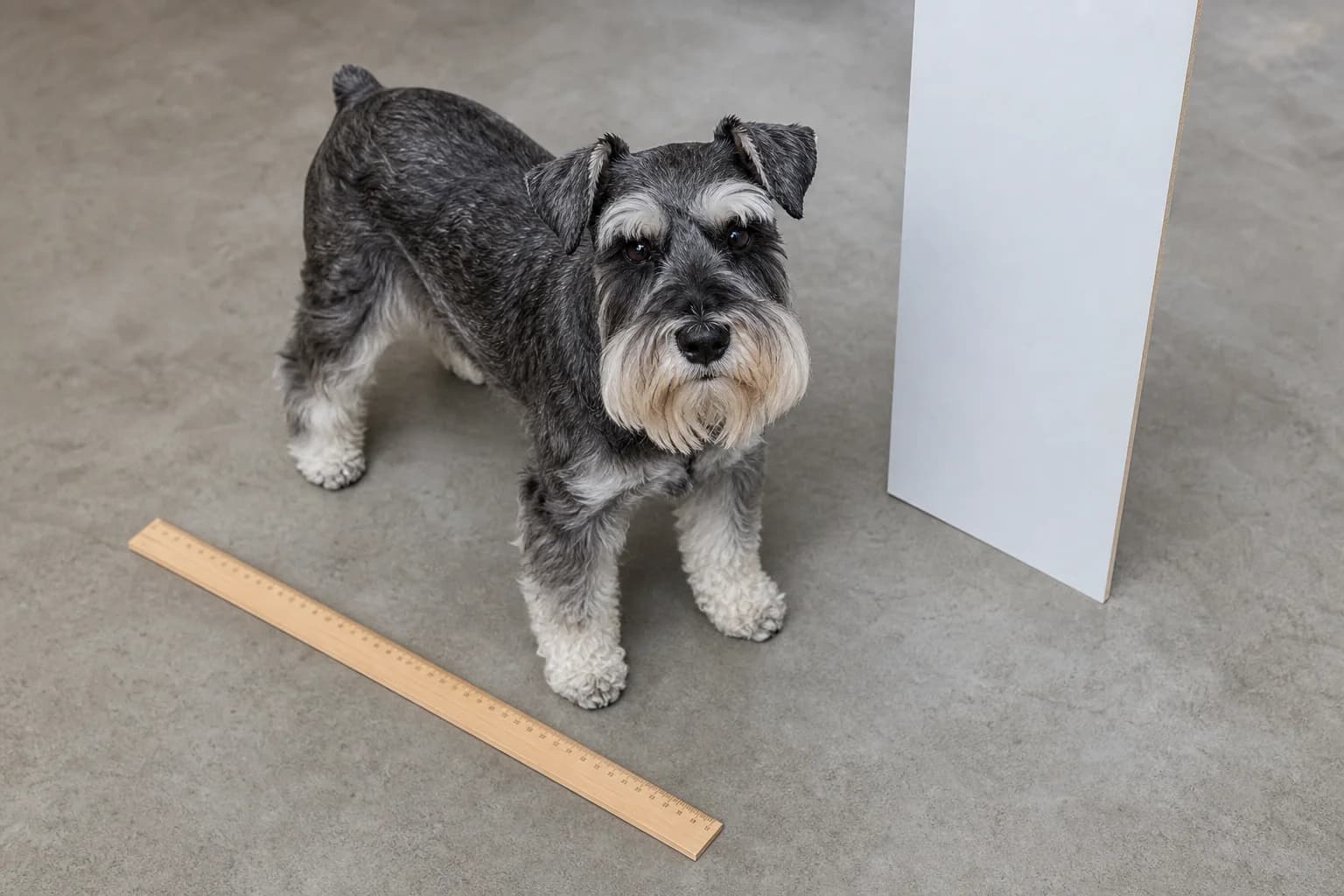
A Miniature Schnauzer is not a scaled-down marketing label for any small Schnauzer. Miniature, Standard, and Giant Schnauzers are distinct breeds with different official height ranges and histories. This measurement guide separates official height, practical weight monitoring, and nonstandard sales labels. A side-by-side size comparison should use measured height at the withers and adult structure, not a photograph without scale. Haircut, camera angle, age, and body condition can make two dogs look closer or farther apart in size.
When records are uncertain, describe the dog you can measure rather than forcing an identity from appearance. What does a Miniature Schnauzer look like? A compact, nearly square outline, furnished face, and characteristic coat may be clues, but the Miniature Schnauzer breed standard includes more than silhouette. A veterinarian, breed-experienced professional, or DNA test may add context without turning one measurement into certainty.
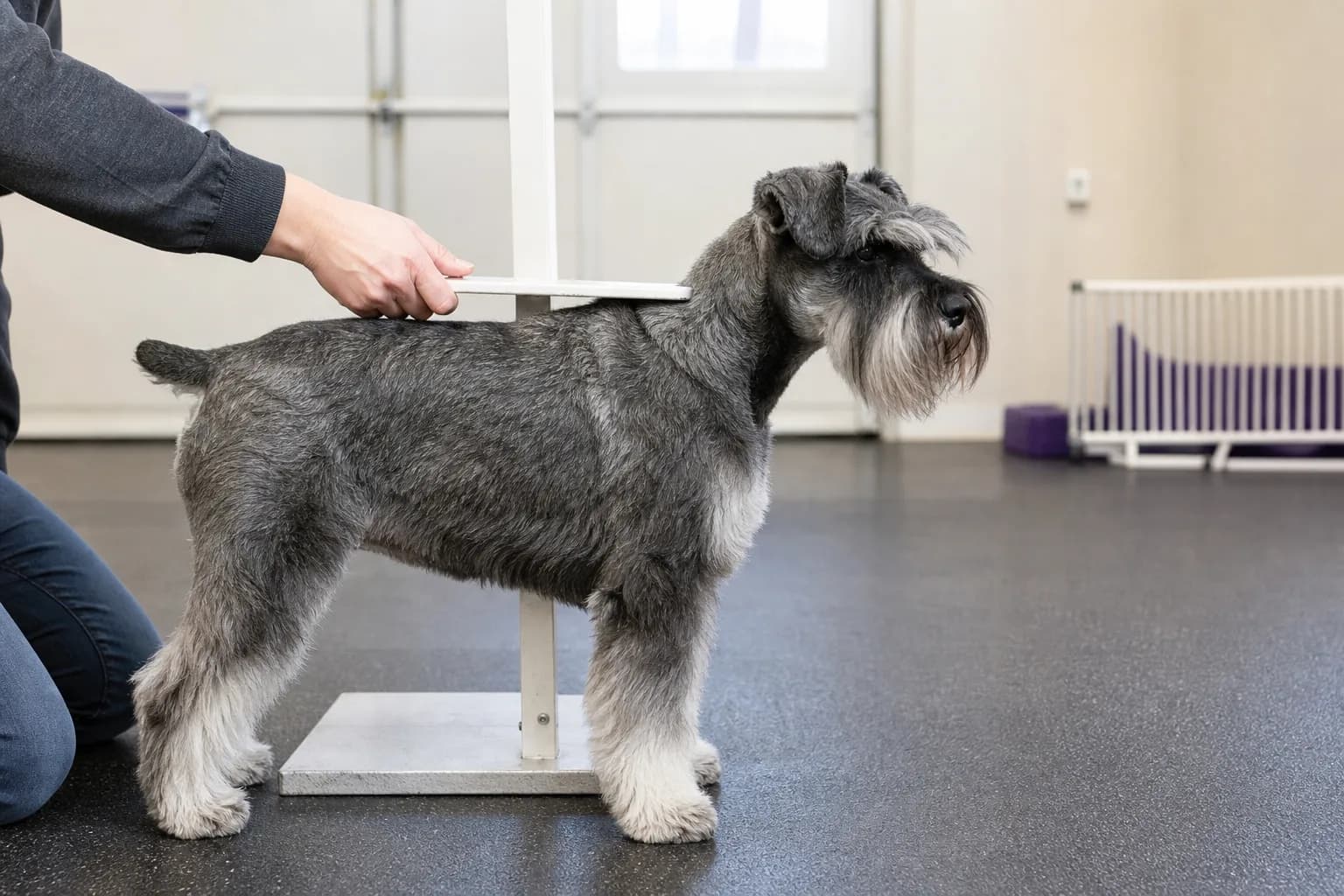
For a useful comparison photograph, place the dog on level ground beside a known scale marker, keep the camera near shoulder height, and avoid a wide-angle lens. Record the measured withers height separately from estimated weight. This makes follow-up comparisons more reliable after growth or grooming and helps equipment shoppers distinguish true body dimensions from coat volume. The image supports the written measurements; it should not be used to assign a size variety by itself.
Toy, teacup, and mini-mini size claims
- Size nickname is not a recognized breed or size | Toy, teacup, and mini-mini are sales or descriptive terms. Verify measured adult parents, health records, pedigree context, and the official 12-to-14-inch height standard. Toy and teacup are marketing labels, not recognized varieties.
Toy Miniature Schnauzer, teacup Miniature Schnauzer, and mini-mini Schnauzer are not additional AKC-recognized Schnauzer breeds or sizes. They are sales or descriptive terms and do not create a separate breed standard.
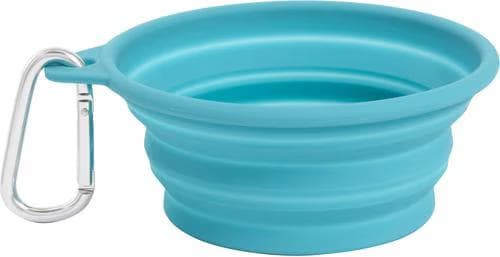
Collapsible silicone travel bowl with a carabiner that clips to a leash or bag, so your dog always has fresh water on walks, hikes, and car trips.
Petful may earn a commission when you click through to Chewy, at no extra cost to you.
- A label does not guarantee adult height or weight.
- Selecting only for extreme smallness can divert attention from health and structure.
- A seller should still provide parent measurements and health records.
- Tiny puppies can have less margin during illness or missed meals.
Toy, teacup, and mini-mini size claims: questions to answer
- Ask for measured adult parent heights.
- Compare the claim with the official 12-to-14-inch range.
- Request veterinary and pedigree records.
- Walk away from health guarantees based only on a size nickname.
This corrective section addresses search and sales language. It does not recognize toy, teacup, or mini-mini as breeds or official Miniature Schnauzer sizes.
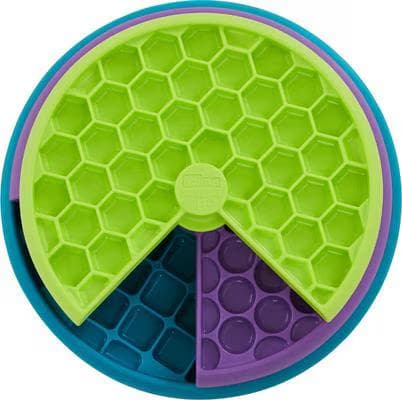
The Nina Ottosson Lickin' Layers puzzle feeder can turn part of a measured meal into supervised enrichment; start easy and remove it if frustration or chewing replaces problem-solving. If fast eating is a real issue, the Outward Hound small slow-feeder bowl is one format to try with a measured portion while watching comfort, frustration, and muzzle access. The Frisco dual-handle traffic leash provides two handling points to compare, but leash technique and a secure harness still matter more than the hardware alone.
Treat extra-small labels as marketing claims
Toy, teacup, and mini-mini are not additional AKC Miniature Schnauzer size varieties. An unusually small puppy can still be loved and well cared for, but the sales label does not guarantee adult height, health, or temperament. Ask for measured parent heights, age-specific records, veterinary documentation, and the contract. Do not choose the smallest puppy from a photograph or pay a premium without understanding the evidence.
Very small equipment can also create false confidence. Check airway clearance, chest expansion, leg openings, temperature, and escape risk. Re-measure during growth and after major coat changes. The correct goal is comfortable function for the individual dog, not proving a marketing category.
How to measure a Miniature Schnauzer
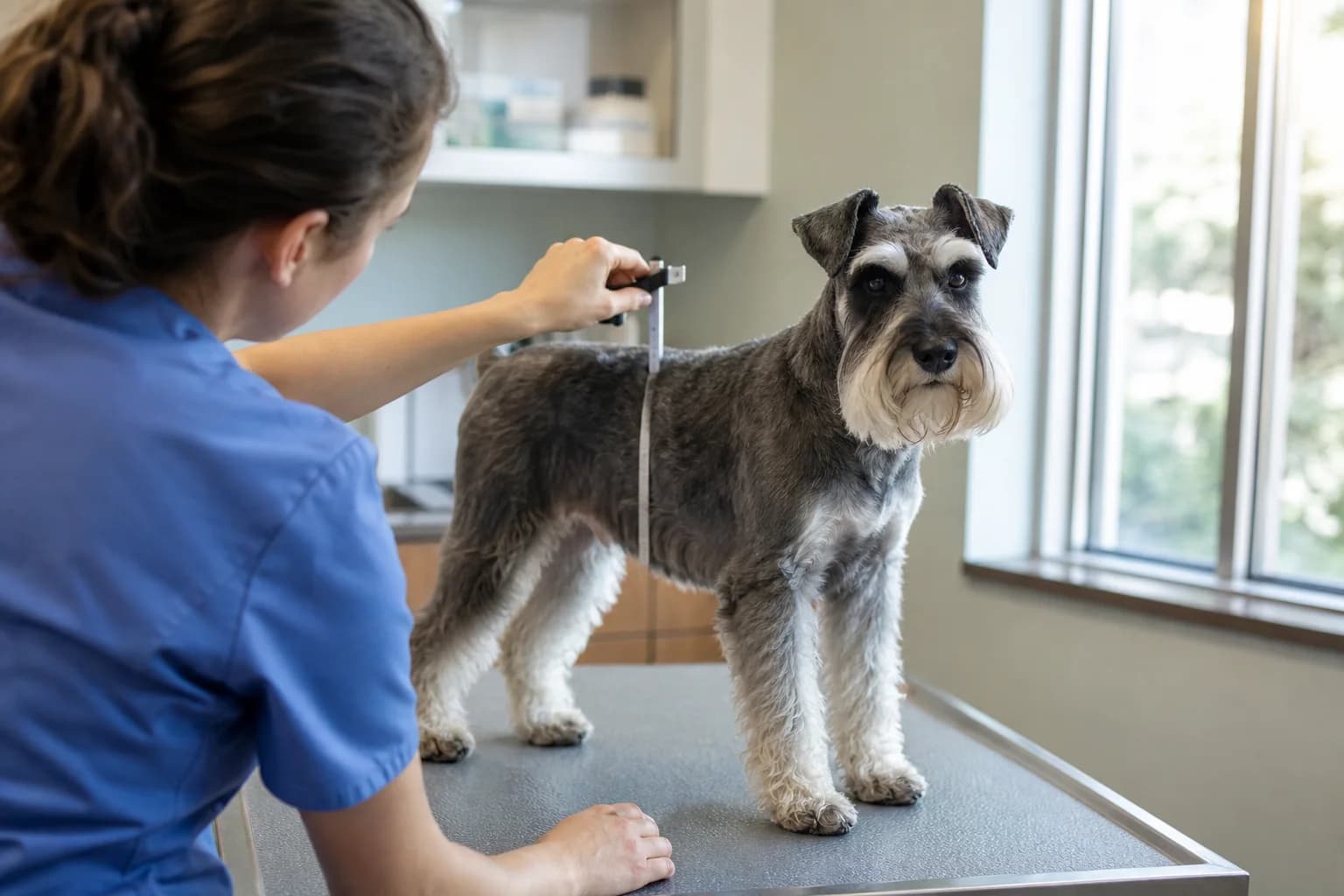
Stand the dog squarely on a level, nonslip floor with the head in a natural position. Place the horizontal arm of a height tool over the withers and read the vertical measurement without pressing the coat.
- The withers sit over the shoulder blades.
- A tape draped over the body measures a curve, not height.
- Thick furnishings can add visual error.
- An anxious crouch or stretched stance changes the result.
How to measure a Miniature Schnauzer: practical checks
- Use a second person for calm positioning.
- Repeat the measurement three times.
- Record the closest consistent readings.
- Photograph the setup from the side.
Do not force a puppy or fearful adult into position. A rough estimate is safer than creating a handling struggle.
Use a three-reading height protocol
Stand the dog squarely on a level, nonslip surface with the head in a neutral position. Locate the highest point of the shoulder blades, use a rigid level across the withers, and measure vertically to the floor. Repeat the reading three times after the dog resets. Record the date, age, coat condition, surface, tool, and all readings rather than selecting only the preferred number.
Petful may earn a commission when you click through to Chewy, at no extra cost to you.
A thick coat can obscure landmarks, and a crouching or stretched dog can change the result. Ask a second person to steady a relaxed dog without pressing down. If the three readings differ widely, stop and try another day. Measurement should not become a restraint struggle.
How to weigh accurately
Use a veterinary, pet, or reliable household scale suited to the dog's size. The trend is most interpretable when time of day, equipment, and conditions remain similar.
- Food, water, elimination, and coat moisture create small changes.
- Human scales may be imprecise at low weights.
- Holding the dog and subtracting works only as an estimate.
- One reading should not drive a major diet change.
How to weigh accurately: apply the plan
- Record date and scale.
- Weigh at a similar time.
- Repeat an unexpected result.
- Call the clinic about rapid or unexplained change.
Growth and medical decisions require context from a veterinary professional, especially when appetite, stool, thirst, urination, or energy also changes.
Puppy growth and adult prediction
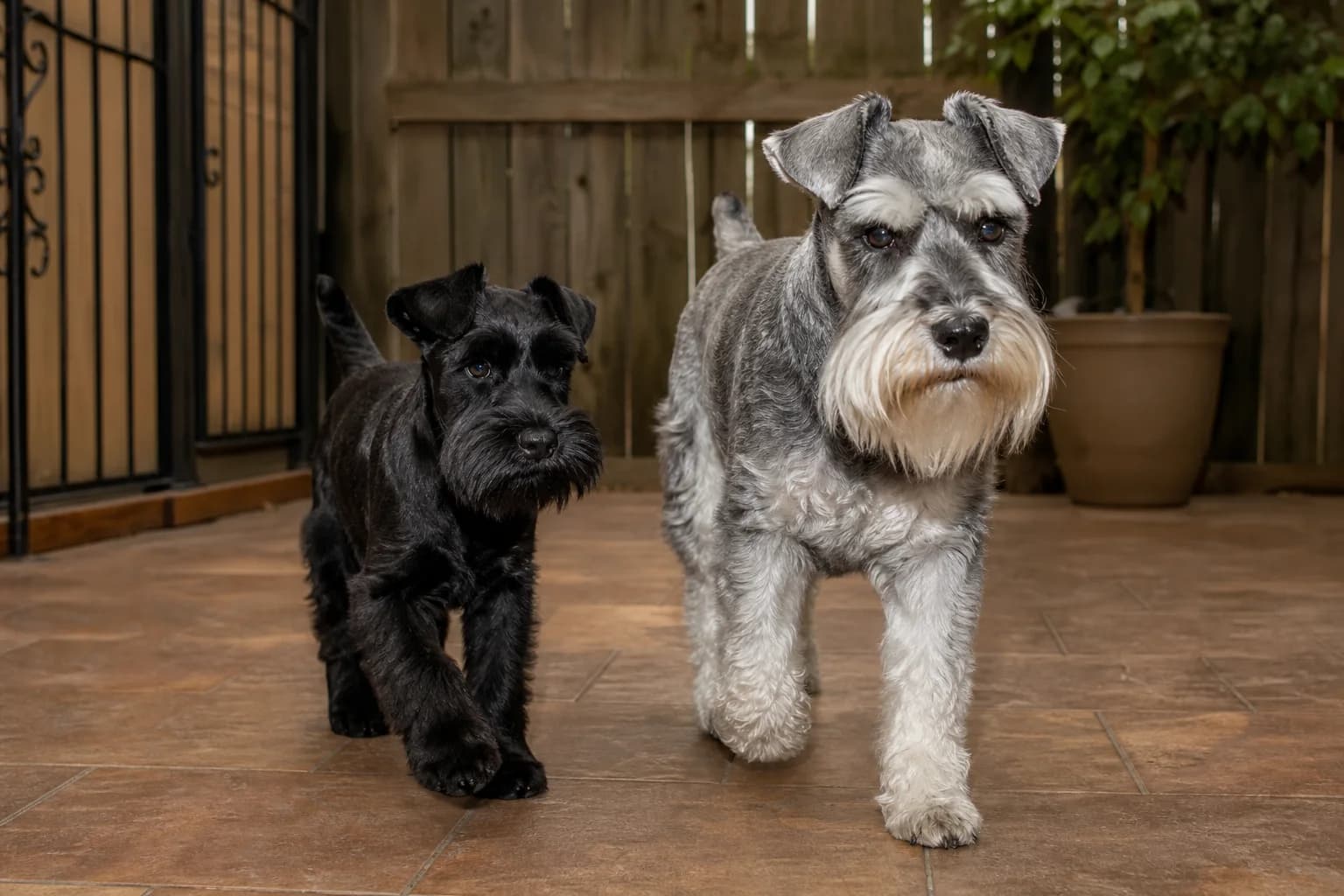
Puppy growth usually occurs in spurts, and simple multiplication rules are not reliable enough to promise adult size. Parent measurements and a series of veterinary weights are more useful than one snapshot.
- Littermates can finish at different sizes.
- Body condition can distort weight-based estimates.
- Parasites or illness can change growth.
- The official height range applies to adults, not every puppy age.
Puppy growth and adult prediction: questions to answer
- Plot measurements by date.
- Note food and health changes.
- Compare with adult relatives.
- Ask the veterinarian about the curve rather than an internet calculator.
A responsible source describes uncertainty. Guaranteed tiny adult weight without evidence is a sales claim, not a growth assessment.
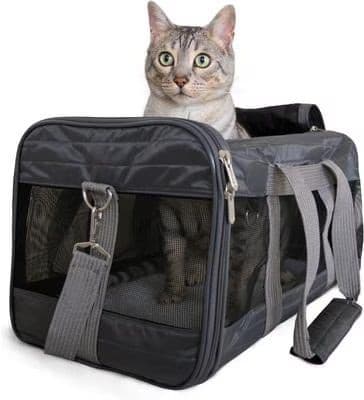
An airline-approved soft-sided carrier with mesh ventilation windows, a top-rated travel pick for cats and small dogs.
Petful may earn a commission when you click through to Chewy, at no extra cost to you.
Read a growth chart as a trend
A Miniature Schnauzer puppy growth chart cannot guarantee adult size from one weigh-in. Compare measurements taken on the same scale, at similar times, and with the puppy's age clearly recorded. Parent height, sex, nutrition, health, and individual development influence the curve. Growth that is steady for one puppy may look different from a littermate's path.
Use the chart to notice direction, not to chase a target weight. Unexpected loss, stalled growth, a swollen abdomen, persistent digestive signs, or poor body condition needs veterinary assessment. Feeding extra calories to force a projected number can create a different problem.
How to track puppy growth
| Date | Measure | Context |
|---|---|---|
| Weekly or veterinary visit | Weight | Scale and time |
| Periodic | Standing photograph | Same angle and surface |
| Veterinary visit | Body and muscle condition | Clinician assessment |
| Any concern | Appetite, stool, illness | Explain the trend A growth chart shows an individual trend, not a guarantee. |
A simple growth log makes patterns visible. Record weight, body condition, food, measured amount, appetite, stool, illness, medication, and veterinary observations.
- The log should use actual dates and units.
- Photographs should use similar stance and angle.
- Treat calories matter during training-heavy weeks.
- A long coat hides the waist.
How to track puppy growth: practical checks
- Use one page or spreadsheet.
- Add each veterinary measurement.
- Flag changes rather than deleting unusual points.
- Bring the record to appointments.
The goal is not to keep every puppy on one line. It is to notice when the individual trend needs explanation.
Weight and body condition
Healthy body condition is assessed by feeling the ribs, seeing or feeling a waist, and judging the abdominal tuck. Muscle condition is assessed separately over the spine, shoulders, skull, and limbs.
- A dog can have an average weight and excess fat.
- A senior can maintain weight while losing muscle.
- Coat makes visual-only scoring unreliable.
- Ideal condition supports movement and metabolic health.
Weight and body condition: apply the plan
- Use hands every month.
- Ask the clinic to demonstrate scoring.
- Photograph from above and the side.
- Adjust measured calories in small steps with guidance.
The health guide explains when weight change belongs in a clinical evaluation.
Separate weight from body condition
Scale weight is one measurement. Body condition considers the ribs, waist, and abdominal tuck, while muscle condition considers areas such as the spine, skull, shoulders, and hips. A dog can lose muscle while the scale changes little, or gain fat while remaining inside a broad breed weight range. Use hands and a standing side and top view in addition to the number.
Review the trend with the veterinary team, especially after illness, medication changes, appetite changes, or reduced activity. A healthy target should be individualized. The goal is not the center of an internet chart but a stable condition that supports movement, comfort, and health.
Choosing correctly sized equipment
Harnesses, collars, crates, carriers, beds, and grooming tables should be chosen from the individual dog's measurements. Breed labels are starting filters, not fit tests. The FurHaven orthopedic sofa bed is one bed option to size from the dog's fully stretched sleeping position rather than the breed label.
- A harness should not restrict shoulder movement or rub armpits.
- A collar needs room without allowing escape.
- A crate should permit standing, turning, and lying comfortably. The Frisco 30-inch gate and playpen is one boundary option to measure against panel spacing, room layout, standing height, and the individual dog's climbing behavior.
- Carrier limits include both dimensions and weight.
Choosing correctly sized equipment: questions to answer
- Measure chest girth and neck.
- Check fit during movement.
- Recheck growing puppies often.
- Follow vehicle and airline requirements where relevant.
Replace damaged or outgrown equipment promptly. A nearly fitting product can fail at a door, on a walk, or during transport. The PetRageous Designs Kodiak dog coat in small illustrates why apparel still needs neck, chest, and back measurements plus a movement check rather than a breed-size assumption.
Run a fit checklist before removing tags
For a harness, measure chest girth and check that straps clear the shoulder and do not press the throat. For a crate, the dog should be able to stand, turn, and lie naturally. For clothing or a washable diaper, measure the location specified by the manufacturer and size up when the brand advises it. Coat thickness can change fit, so repeat the check after grooming.
Run two fingers beneath straps where the manufacturer recommends, watch the dog walk and turn, and inspect for shifting or rubbing. Fit is a comfort and safety decision, not just a size-label match. Recheck after growth, weight change, or a major haircut.
Owner workbook: a three-reading height protocol
Use this a three-reading height protocol to record the current baseline, the decision being made, who is responsible, the timing or cost involved, and the evidence that should trigger a change.
For a three-reading height protocol, include a three-reading height protocol, monthly costs and an emergency reserve, and records, photographs, and measurements that can be compared over time. Keep the record brief enough that every caregiver can maintain it.
Related Miniature Schnauzer guides
Use the page that owns the next decision:
- Miniature Schnauzer: Temperament, Health, and Care
- Miniature Schnauzer Puppies: Price, Care, and Sourcing
- Best Food for Miniature Schnauzers
- Miniature Schnauzer Haircuts and Grooming Guide
- Miniature Schnauzer Lifespan and Health Problems
- Miniature Schnauzer Colors and Coat Patterns
- Do Miniature Schnauzers Shed? Hypoallergenic Facts
- Miniature Schnauzer Mixes: Traits and Care
Miniature Schnauzer size FAQs
How big will a mini schnauzer get? The official adult height range is 12 to 14 inches at the withers. Weight varies with frame, sex, muscle, and body condition, so one number cannot define every healthy dog. Measure height on a level surface, follow the individual growth trend, and use a Miniature Schnauzer size and weight chart as context rather than a guarantee.
Is a mini schnauzer a small or medium dog? Most general care and equipment systems place the breed in the small-dog range, but manufacturer size labels are not standardized. Measure chest girth, height, back length, or waist according to the product. A small label does not guarantee harness, crate, coat, or washable-diaper fit for the individual dog.
Stand the dog naturally on a level, nonslip surface and measure vertically from the floor to the withers, the top of the shoulder blades. A rigid height tool is more accurate than draping a tape over the body. Keep the head neutral, avoid pressing thick coat, and repeat the measurement several times. Do not force a frightened or wiggling dog into position. Record the date and setup so later measurements are meaningfully comparable.
There is no single correct weight for every Miniature Schnauzer because height, frame, sex, muscle, and body condition differ. Use scale weight as one trend, then feel the ribs and waist and assess muscle over the spine, shoulders, skull, and limbs. A dense coat makes visual judgment unreliable. Weigh under similar conditions, repeat an unexpected result, and discuss rapid or unexplained gain or loss with the veterinarian instead of forcing the dog toward an internet average.
No. Toy, teacup, and mini-mini are sales or descriptive terms, not additional AKC-recognized Schnauzer breeds or sizes. The recognized Miniature Schnauzer standard calls for an adult height of 12 to 14 inches. A nickname cannot guarantee adult size or health. Ask for measured adult parent heights, pedigree context, health records, and the puppy's veterinary growth trend. Treat a guaranteed tiny weight or a premium based only on a size label as a marketing claim requiring careful verification.
Bottom line
Measure the dog, identify the recognized breed correctly, and interpret weight through body condition. Size nicknames do not replace adult-parent measurements, records, or the official standard.

Coreen Saito is a pet writer and longtime shelter volunteer with more than a decade in animal rescue. She covers cat behavior, breed care, and the small, ordinary science of sharing a life with companion animals, with a particular focus on honest takes about the products and decisions that actually matter. At home in Arizona, she's outranked by Mac (a dog with the loudest opinion in the house), Rebel (a cat who governs by quiet authority), and Meri (an orange tabby who runs the late shift and the laundry basket). She writes about all three, plus the rescues that keep coming through her life, at LifeWithMinty.com.
Sign up for expert-backed reviews and safety alerts all in one place.