Miniature Schnauzer Mixes: Traits and Care
Compare Miniature Schnauzer mixes by likely variation in size, coat, grooming, activity, and health, without treating a mix name as a trait guarantee.
Petful is reader supported. As an affiliate of platforms like Amazon and Chewy, we may earn a commission when you buy through links on this page. There is no extra cost to you.
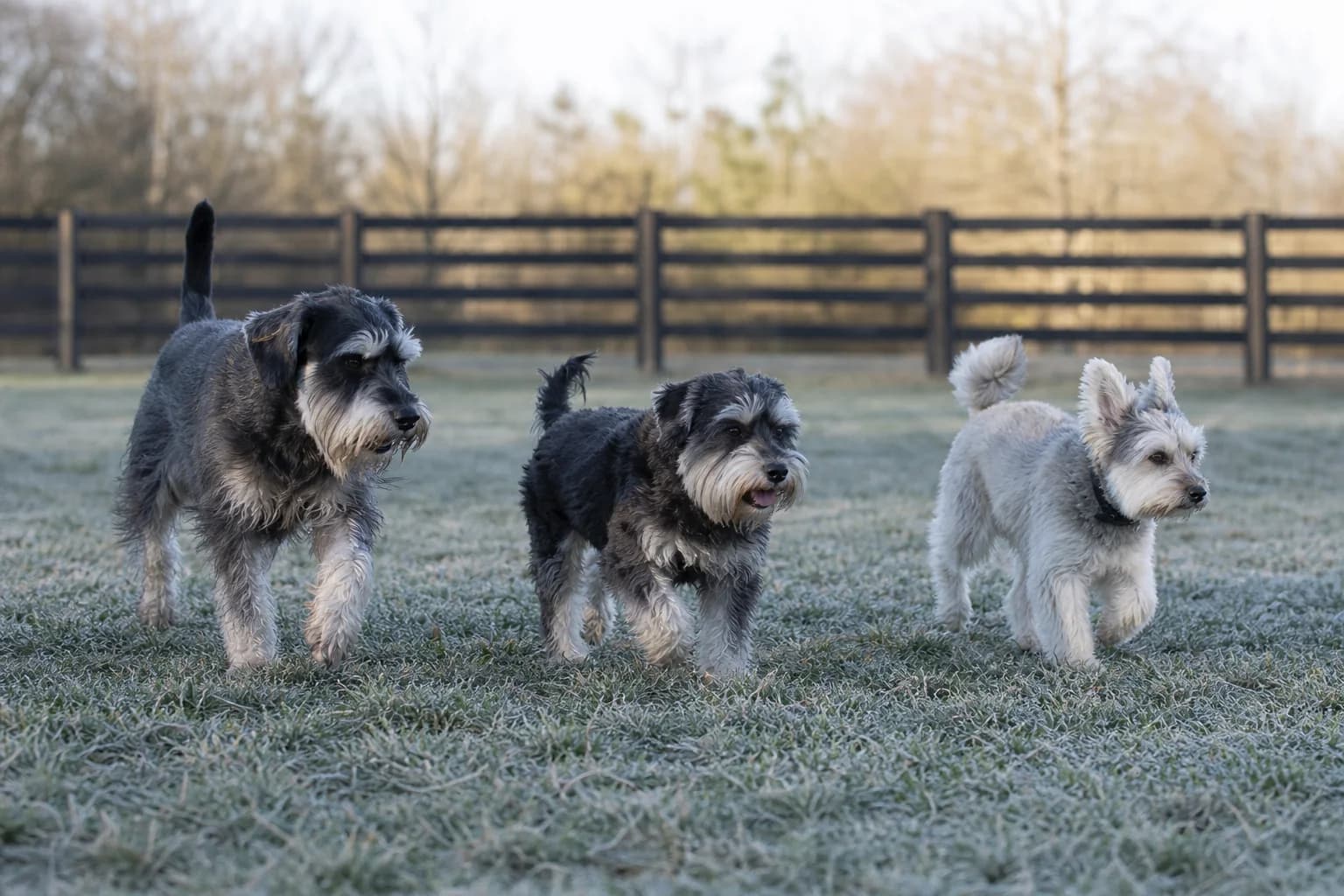
miniature schnauzer mix names identify reported ancestry, not a standardized set of traits. Size, coat, shedding, face shape, activity, barking, prey interest, and health can combine in different ways, even within one litter. Evaluate the individual dog above the designer label.

Sign up for expert-backed reviews and safety alerts all in one place.
How Miniature Schnauzer mixes vary
- 1A mix name cannot guarantee adult size, coat, temperament, or health.
- 2Parent-breed traits can appear in unexpected combinations.
- 3Grooming must be based on the actual coat.
- 4Observed behavior, structure, records, and household fit matter more than the nickname.
- 5A trait range is not a guarantee; meet the individual dog.
Inheritance is not averaging. A puppy may inherit the activity of one parent, coat density of the other, and a body proportion that resembles neither expected stereotype.
- Littermates can look and behave differently.
- DNA ancestry estimates do not predict which traits are expressed.
- Multigenerational crosses add uncertainty.
- Environment and learning shape behavior after birth.
How Miniature Schnauzer mixes vary: practical checks
- Meet the mother and available relatives.
- Ask what is known versus guessed.
- Plan for a range of adult size and grooming.
- Observe recovery after novelty and frustration.
Use the purebred Miniature Schnauzer guide as one parent baseline, not as a promise for the mix.
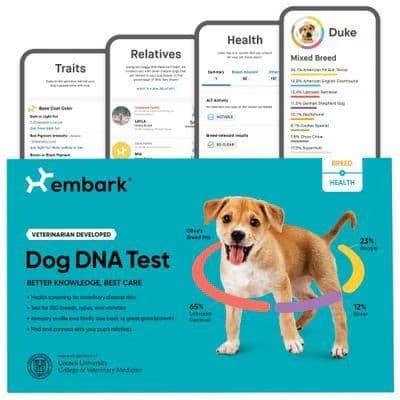
Embark Breed and Health test can provide ancestry estimates and selected genetic results, but it cannot guarantee adult traits, diagnose disease, or replace veterinary screening. Wisdom Panel Essential DNA test can provide ancestry estimates, but it cannot guarantee adult traits, diagnose disease, or replace veterinary screening. For walking equipment, measure the neck and chest before trying the Frisco padded no-pull harness, then recheck movement and strap clearance after the coat or weight changes.
Treat every parent trait as a range
A Miniature Schnauzer mix can inherit different combinations of size, coat, muzzle length, leg and back proportions, activity, barking, prey interest, trainability, and health considerations. Mix appearance variability is normal, even among littermates. A parent-trait range is a planning tool, not a guarantee. Record the lowest and highest plausible care demand, then update the plan from the individual dog's growth and behavior.
For each cross, compare five domains: measured adult size or current growth, coat layers and grooming range, daily activity range, training and recovery patterns, and health or structure questions from both reported ancestries. Meet the individual dog whenever possible. A responsible rescue or source should distinguish observed behavior and veterinary records from guesses based on appearance.
Petful may earn a commission when you click through to Chewy, at no extra cost to you.
Popular Miniature Schnauzer mixes
| Name | Reported cross | Do not assume |
|---|---|---|
| Snorkie | Miniature Schnauzer and Yorkie | One coat or temperament |
| Chizer | Schnauzer and Chihuahua | One adult size |
| Schnoxie | Schnauzer and Dachshund | One body structure |
| Schnug | Schnauzer and Pug | One airway or activity level Compare grooming range and activity range. |
Common names include Snorkie, Chizer, Schnoxie, Schnug, Schnoodle, and other combinations. These are convenient shorthand, not uniform breeds with one accepted standard.
- The same name can be used for different generations.
- One parent may itself be mixed.
- Adult photographs are more useful than illustrated averages.
- Commercial popularity does not create predictability.
Popular Miniature Schnauzer mixes: apply the plan
- Ask for parent identities and records.
- Confirm the dog's current measured size.
- Run a comb through the coat.
- Watch the dog move and recover after activity.
Do not choose from a list ranking the cutest or best mix. Define the household requirements first.
What are Mini Schnauzers mixed with?
Common shorthand includes the Snorkie for a Miniature Schnauzer and Yorkshire Terrier mix, Chizer for a Schnauzer and Chihuahua cross, Schnoxie for a Miniature Schnauzer and Dachshund mix, and Schnug for a Pug and Miniature Schnauzer mix. A Miniature Schnauzer terrier mix label can be especially broad because the Miniature Schnauzer already has terrier-like working history while mixed ancestry may be uncertain.
These names are not standardized breeds. The same nickname can describe different generations, parent sizes, or unknown ancestry. Use the name to begin questions, then rely on measured size, adult coat, body structure, observed behavior, medical records, and a veterinary examination.
Build a range before choosing a mix
Build a low-to-high care range for each possible parent contribution. For size, compare measured adults instead of the nickname. For coat, plan from weekly comb checks until the mature texture is clear. For activity and training, watch stamina, recovery, barking triggers, prey interest, and handling rather than averaging two breed descriptions. For health, ask which parent information is documented and which ancestry is only suspected. This variability range keeps the popular mix name useful as an introduction without letting it overrule the individual dog's evidence.
For the source and full decision framework, see the Miniature Schnauzer breed guide.
Snorkie and Schnauzer-Chihuahua mixes

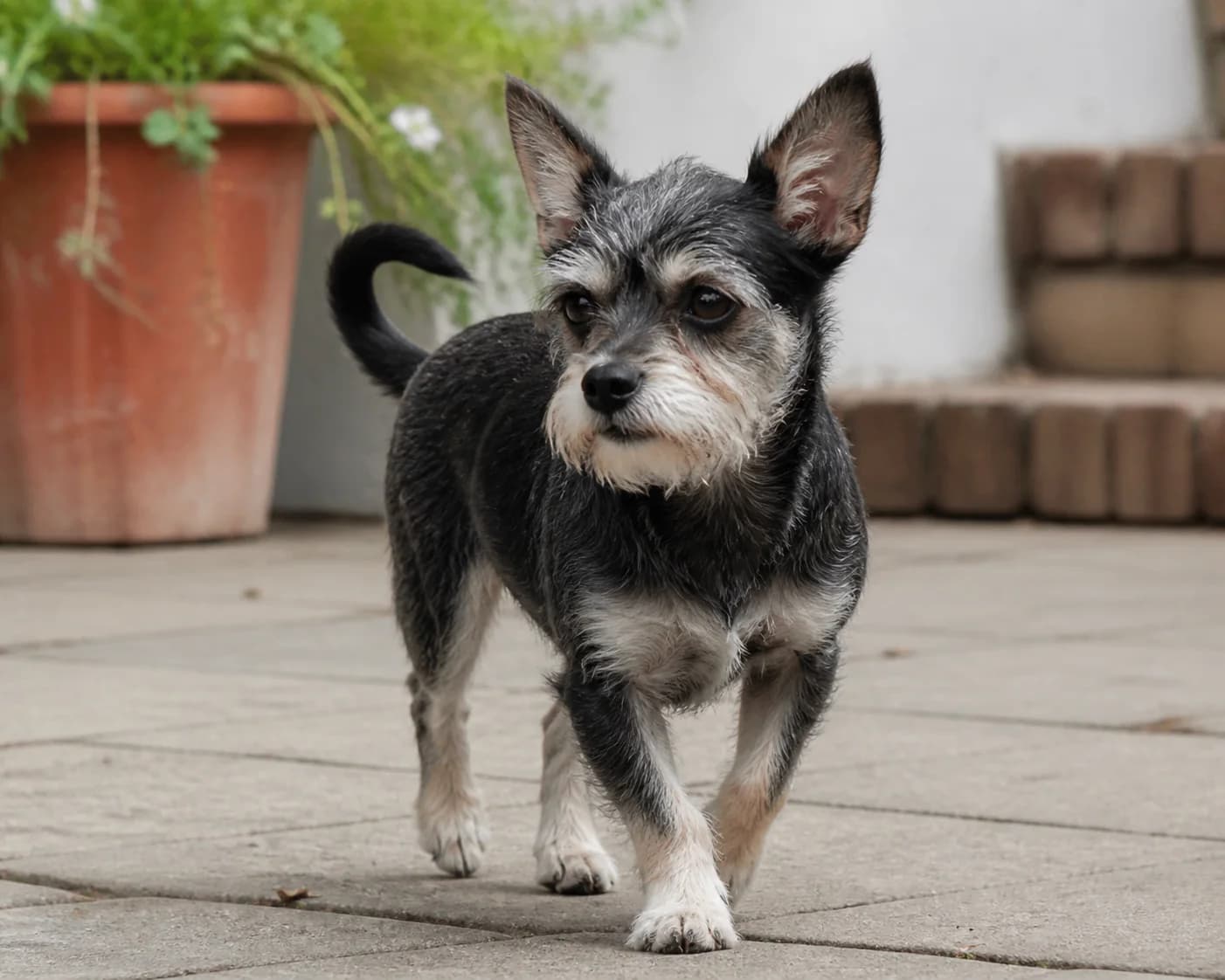
A Snorkie generally refers to Miniature Schnauzer and Yorkshire Terrier ancestry. A Schnauzer-Chihuahua combination is often called a Chizer. Both can remain small, but coat, noise, handling, and confidence vary.
- Yorkshire Terrier ancestry can add silky coat characteristics.
- Chihuahua ancestry can change head and body proportions.
- Small size does not eliminate exercise or dental needs.
- Fearful behavior should not be dismissed as small-dog attitude.
Snorkie and Schnauzer-Chihuahua mixes: questions to answer
- Assess teeth and bite with a veterinarian.
- Use secure correctly fitted walking equipment.
- Introduce grooming gradually.
- Teach children floor-level handling rules.
Protect small dogs from falls, rough play, and equipment gaps without preventing normal movement, exploration, and confidence building.

Petful may earn a commission when you click through to Chewy, at no extra cost to you.
Compare Yorkie and Chihuahua crosses without averaging
A Miniature Schnauzer Yorkshire Terrier mix may mature with a silky-wiry coat blend, a straighter coat, or dense furnishings. A Miniature Schnauzer Yorkie may stay small, but parent and adult-relative measurements are better evidence than the nickname. A Miniature Schnauzer Chihuahua or Miniature Schnauzer and Chihuahua cross may vary in ears, muzzle, body, confidence, and handling needs.
Plan for the wider grooming and activity range until the adult coat and behavior are clear. Observe recovery after excitement, response to handling, movement, and comfort around household noise. Avoid choosing from a photograph alone, because a compact build or furnished face does not establish the full care profile.
Schnoxie and Schnug mixes
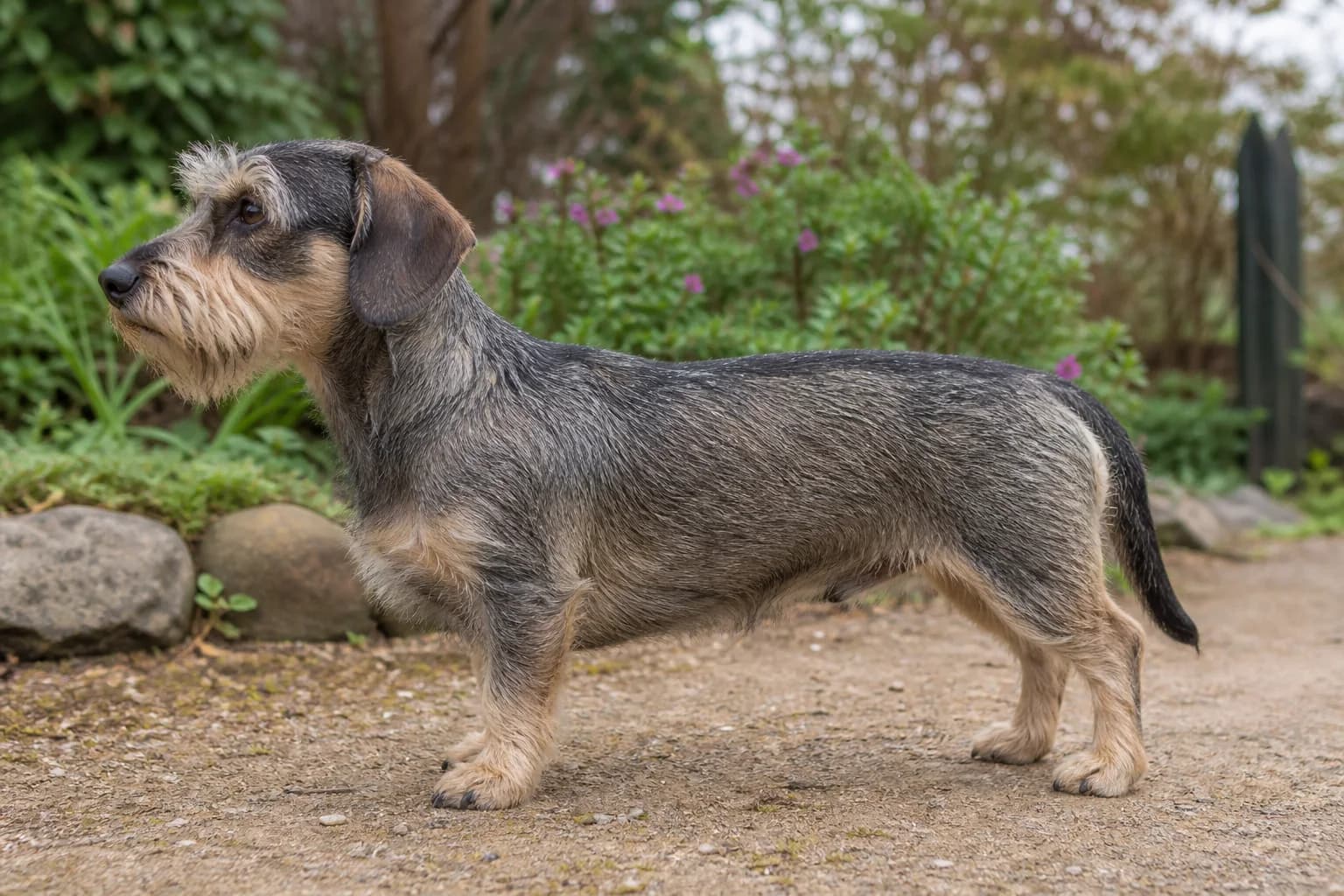
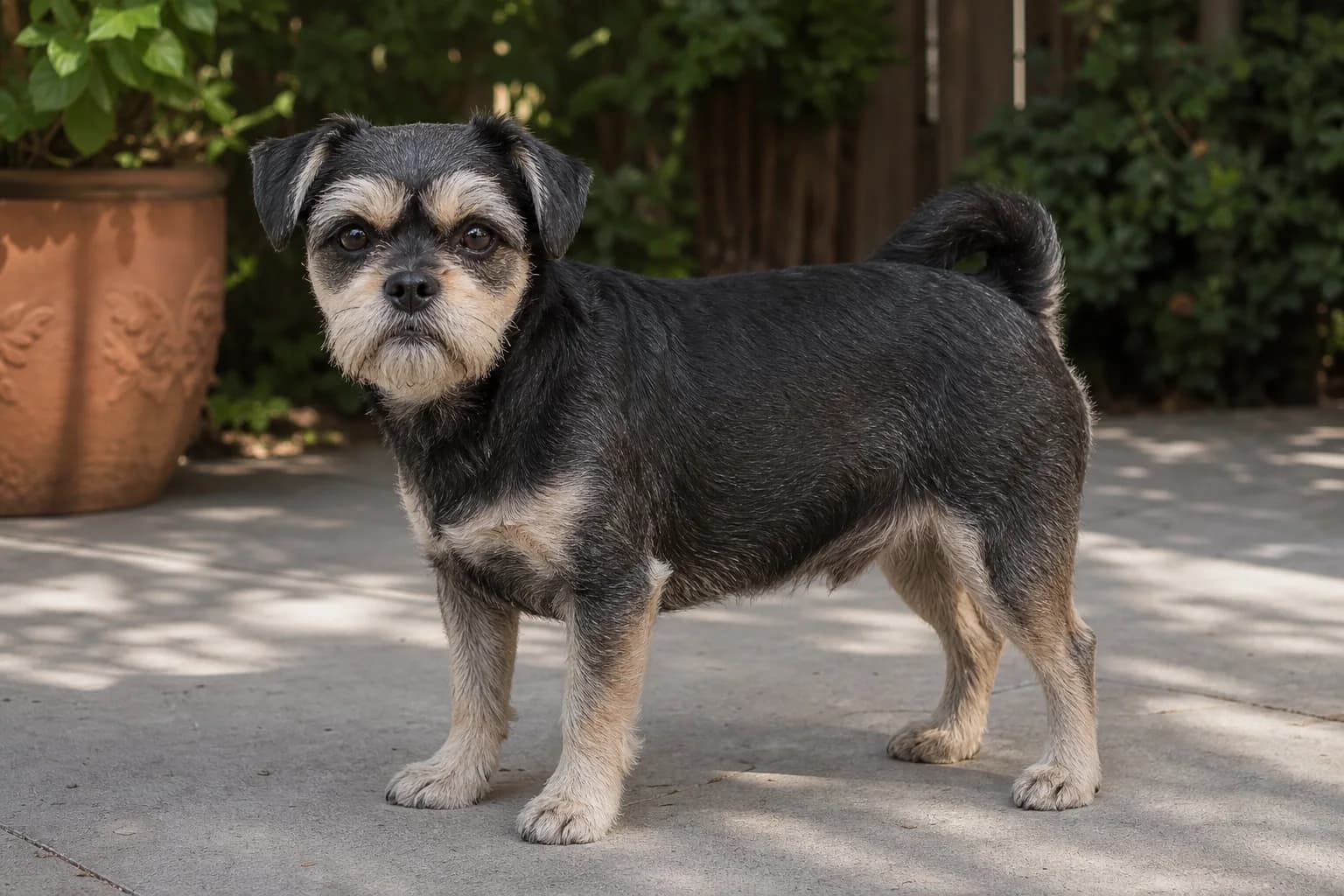
Schnoxie usually refers to Miniature Schnauzer and Dachshund ancestry, while Schnug usually refers to Miniature Schnauzer and Pug ancestry. Body length, airway shape, eyes, skin folds, coat, and exercise tolerance deserve individual attention.
- Dachshund ancestry may contribute a longer body and shorter limbs.
- Pug ancestry may contribute a shorter muzzle or prominent eyes.
- The mix label cannot tell how extreme a feature will be.
- Weight affects movement and heat tolerance.
Schnoxie and Schnug mixes: practical checks
- View the standing side profile.
- Listen to breathing at rest and after gentle activity.
- Ask about back pain and exercise recovery.
- Keep the dog lean with veterinary guidance.
No cross should be marketed as automatically healthier. Mixing ancestry can change risk but does not erase inherited or structural problems.
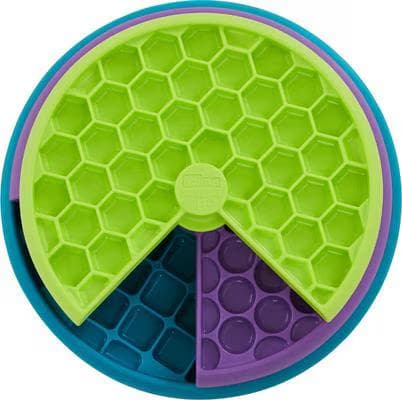
Measure standing height and body length before comparing the Sherpa soft-sided carrier, and verify the exact car or airline rules that apply to the trip. The Nina Ottosson Lickin' Layers puzzle feeder can turn part of a measured meal into supervised enrichment; start easy and remove it if frustration or chewing replaces problem-solving. Embark Breed Identification test can provide ancestry estimates, but it cannot guarantee adult traits, diagnose disease, or replace veterinary screening.
Grooming comparisons across mixes
Mixed coats can be deceptively difficult. A soft wavy surface may hide dense undercoat, a straighter coat may shed more freely, and furnished faces collect moisture regardless of the designer name. For a mixed coat with suitable layers, the aumuca self-cleaning slicker brush is one tool to compare; confirm brush pressure and comb-through technique on the individual coat.
- Coat texture can change at maturity.
- Low shedding does not mean low maintenance.
- Mats form in friction zones.
- All dogs produce allergens.
Grooming comparisons across mixes: apply the plan
- Comb to the skin.
- Ask a groomer to identify coat layers.
- Choose length from maintenance tolerance.
- Track where tangles recur.
Use the grooming guide for Schnauzer-coat technique, then adapt it to what the mixed coat actually does.
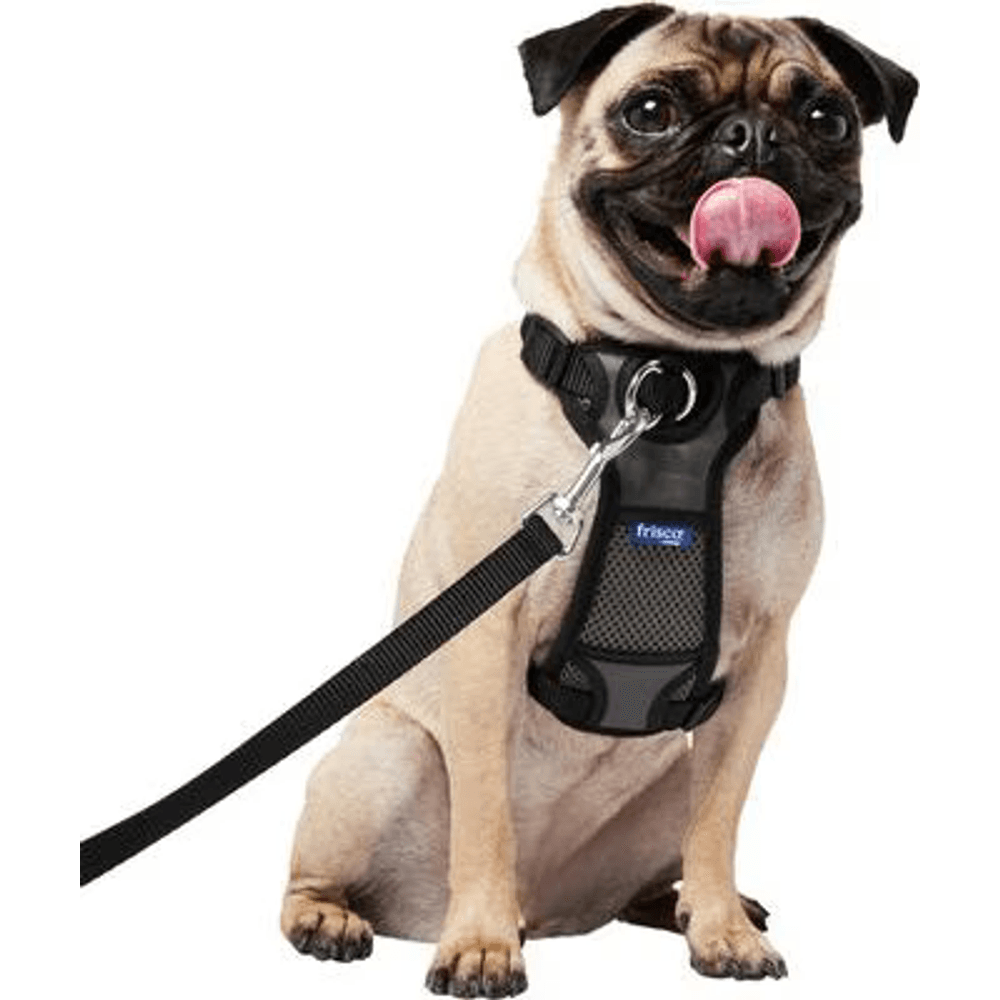
A budget-friendly padded no-pull harness that keeps leash pressure off a coughing dog's neck and windpipe by distributing it across the chest. A simple, affordable way to protect an irritated airway or a collapsing trachea on every walk.
Petful may earn a commission when you click through to Chewy, at no extra cost to you.
Compare grooming from the actual coat
The grooming comparison starts with coat layers, texture, density, length, furnishings, friction areas, and shedding pattern. A soft wavy coat may mat near the skin, a straighter coat may release more visible hair, and a furnished muzzle may stay damp after drinking. Run a metal comb to the skin and ask a groomer to identify the adult coat rather than prescribing an interval from the mix name.
Use a grooming range until the mature coat is established: brief home checks several times each week, with professional help before tangles become tight. The individual interval may shorten for long furnishings, dense undercoat, active outdoor routines, or low handling tolerance. Grooming needs can change with age and health.
Exercise, training, and prey interest
Activity should be based on the individual dog's age, structure, health, and behavior. Some mixes are busy scent-driven problem solvers; others have lower endurance or need protection from heat. For controlled walks, the Frisco dual-handle traffic leash offers two handling points, but secure harness fit and practiced technique still matter more than the hardware alone.
- A small dog still needs enrichment.
- Recall is not proof against prey interest.
- Short limbs or a long back can change jumping decisions.
- Shorter muzzles can change heat and exercise tolerance.
Exercise, training, and prey interest: questions to answer
- Use sniffing and food-search games.
- Train on secure equipment.
- Watch recovery after activity.
- Avoid forced distance or repetitive impact.
A sudden decline, collapse, pain, or breathing distress needs veterinary assessment rather than a new fitness plan.
Compare activity and recovery, not just energy
An exercise comparison should include how quickly the dog becomes excited, how long it can work comfortably, whether it recovers after a trigger, and what movement its body structure supports. Short legs, a longer back, a shortened muzzle, or orthopedic pain can change the safest activity plan. Build duration gradually and avoid assuming that small size means low exercise needs.
Training comparisons are equally individual. Reinforce check-ins, loose-leash walking, settling, handling, and recall on secure equipment. Prey interest and alert barking may reflect several influences, and management remains necessary even when the dog learns quickly.
Health and body-structure cautions
- A cross is not automatically healthier | Review both reported ancestries, the dog's actual body structure, medical records, examination, and household demands. A mix name cannot erase inherited or conformational risk. Ask for veterinary records.
Health questions should cover both reported parent breeds and the structure in front of you. Teeth, knees, spine, eyes, airway, skin, lipids, and body condition may deserve attention depending on ancestry and examination.
- Hybrid vigor is not a health guarantee.
- A DNA breed result is not a complete health screen.
- Normal appearance does not rule out disease.
- Insurance or savings is easiest to arrange before diagnosis.
Health and body-structure cautions: practical checks
- Collect records.
- Ask which screening fits the individual.
- Keep a symptom timeline.
- Use the veterinarian-led health guide for Miniature Schnauzer context.
Avoid disease predictions based only on a mix percentage. Clinical decisions require the dog, history, examination, and appropriate testing.
Petful may earn a commission when you click through to Chewy, at no extra cost to you.
How to evaluate a mixed-breed dog
| Domain | Observe | Plan |
|---|---|---|
| Behavior | Approach and recovery | Training and management |
| Structure | Movement and proportions | Equipment and activity |
| Coat | Texture and tangles | Grooming interval |
| Health | Records and examination | Prevention and reserve Use observed behavior and the adult coat. |
Meet the dog in more than one context when possible. Observe approach, handling, play, recovery, movement, resource behavior, other animals, and brief separation without deliberately provoking fear.
- A quiet shelter dog may become more active after decompression.
- A puppy's adult behavior cannot be guaranteed.
- Foster reports should distinguish observation from inference.
- Pain can alter behavior.
How to evaluate a mixed-breed dog: apply the plan
- Ask for a normal weekday description.
- Walk on different surfaces.
- Handle only with consent and safety.
- Confirm the return and support plan.
Choose based on needs you can meet, not on the hope that the mix inherited only the convenient half of each parent.
Use an individual assessment before adoption
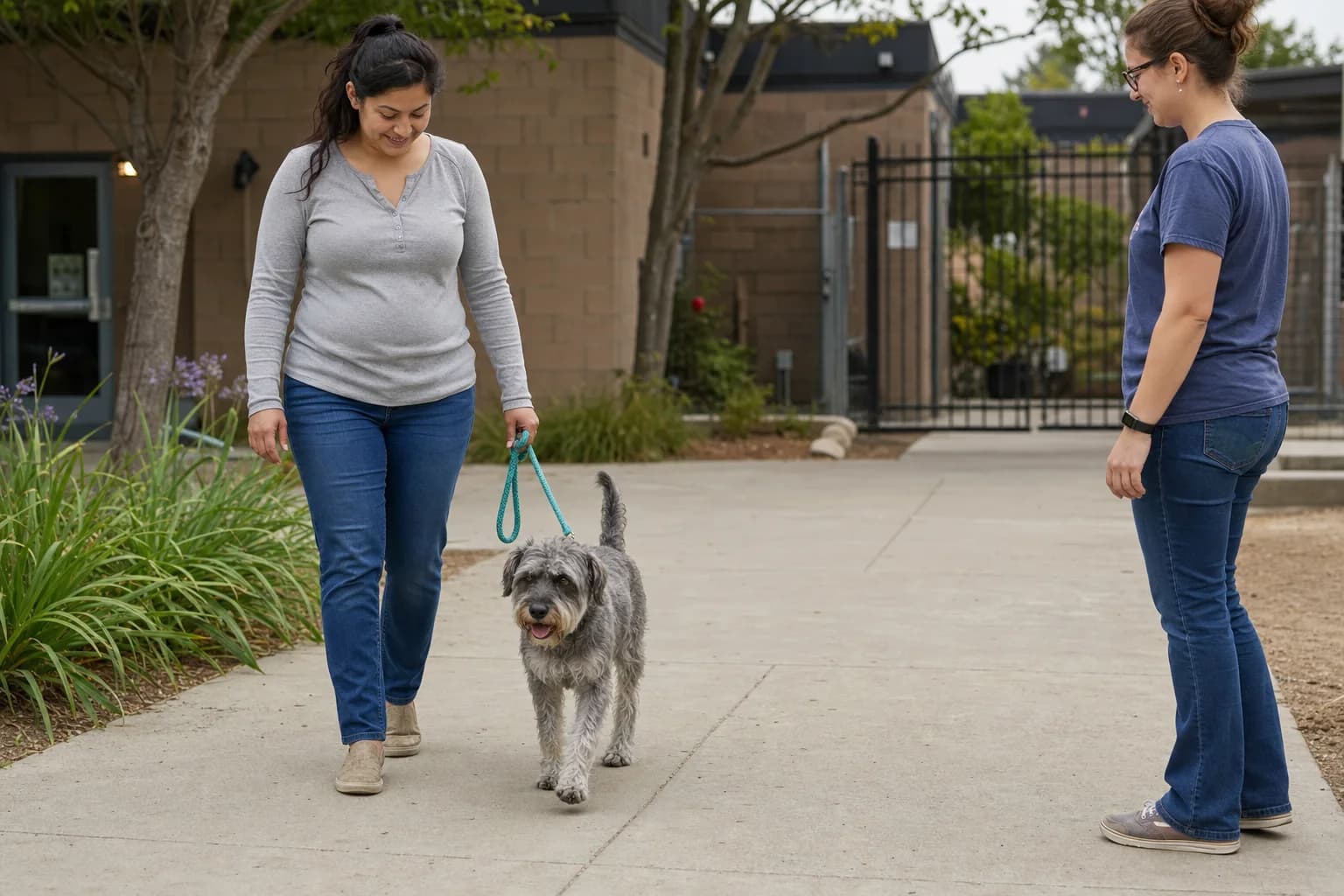
Observe the dog in more than one context when possible: calm greeting, brief movement on a loose leash, recovery after ordinary noise, handling with consent, and rest. Ask for adult coat observations, veterinary records, source history, and the support or return policy. Do not deliberately provoke fear or guard behavior to test the dog.
A good match depends on household capacity for the observed behavior, grooming range, activity range, medical needs, and training. Are Schnauzer mixes good dogs? Many are rewarding companions, but goodness is an individual assessment rather than a result of the mix label.
Do not confuse a mix with another Schnauzer size
A mixed dog with Schnauzer features is not automatically a different recognized Schnauzer breed. Miniature, Standard, and Giant Schnauzers are separate breeds whose identity involves pedigree and breed context, while a mix may fall anywhere outside those expected proportions. For more, see Petful’s guide to giant Schnauzer colors.
- Height alone does not establish variety.
- Coat furnishings occur in several breeds and mixes.
- DNA estimates have confidence limits.
- Seller labels can be wrong.
Do not confuse a mix with another Schnauzer size: questions to answer
- Measure current height and weight.
- Review pedigree or DNA evidence carefully.
- Use the Schnauzer size guide for variety context.
- Describe unknown ancestry honestly.
Accurate language helps owners plan care and prevents a nickname from being treated as a health or size guarantee.
The first month after adoption
Keep the first month predictable enough to learn the dog. Maintain familiar food briefly, schedule a veterinary examination, prevent uncontrolled greetings, and introduce grooming and alone time in small steps.
- Stress can suppress or amplify behavior.
- Digestive changes need a clean timeline.
- Freedom should expand with evidence.
- Rest is part of adjustment. For a dedicated rest spot, the FurHaven orthopedic sofa bed is one washable-cover option to measure against the dog's fully stretched length; it is a comfort product, not a medical treatment.
The first month after adoption: practical checks
- Record meals and elimination.
- Use gates and a safe resting area. The Frisco configurable gate and playpen is one managed-space option to compare after checking panel spacing, height, room layout, and the individual dog's climbing behavior.
- Build one training cue at a time.
- Share new clinical signs promptly.
Do not test every advertised trait in the first weekend. Safety and observation produce better information than pressure.
Support toileting while the new dog settles
Use predictable outdoor opportunities, supervision, and a quiet resting area during the first month. Record the timing and context of accidents without punishment, reward successful outdoor toileting, and discuss frequent urination, straining, pain, blood, or a sudden loss of continence with the veterinary team. A stable routine supports learning while the individual dog settles.
Owner workbook: a parent-trait range map
Use this a parent-trait range map to record the current baseline, the decision being made, who is responsible, the timing or cost involved, and the evidence that should trigger a change.
For a parent-trait range map, include a parent-trait range map, monthly costs and an emergency reserve, and records, photographs, and measurements that can be compared over time. Keep the record brief enough that every caregiver can maintain it.
Turn the range map into a monthly review
During the first three months, record measured weight, body condition, movement, sleep, appetite, toilet habits, barking triggers, recovery after excitement, time comfortable alone, coat tangles, hair collected, and grooming tolerance. Review the pattern monthly instead of reacting to one difficult day. A maturing coat or growing body can change equipment, grooming, and exercise decisions quickly.
Update the plan from evidence. Increase grooming frequency before mats recur, adjust activity when recovery or movement changes, and seek veterinary advice for pain, digestive signs, skin disease, or unexpected growth. A responsible rescue, foster, trainer, groomer, and veterinary team may each see a different part of the dog. Combining those observations is more informative than relying on the mix name.
Keep the monthly range useful
At each review, write the current low-to-high range for size, coat maintenance, activity, training support, and health costs. Replace assumptions with observations as the dog settles. This keeps the plan useful even when the original ancestry report is incomplete and gives every caregiver a shared, positive picture of what is working and what support should change next.
Also compare the home routine with the dog's actual recovery. A dog that enjoys a long walk may still need more rest afterward, while another may benefit from shorter training and scent sessions spread through the day. The monthly record prevents a popular cross description from replacing direct evidence about this dog's comfort, stamina, learning, and care needs.
Related Miniature Schnauzer guides
Use the page that owns the next decision:
- Miniature Schnauzer: Temperament, Health, and Care
- Miniature Schnauzer Puppies: Price, Care, and Sourcing
- Best Food for Miniature Schnauzers
- Miniature Schnauzer Haircuts and Grooming Guide
- Miniature Schnauzer Lifespan and Health Problems
- Miniature Schnauzer Size and Weight Guide
- Miniature Schnauzer Colors and Coat Patterns
- Do Miniature Schnauzers Shed? Hypoallergenic Facts
Miniature Schnauzer mix FAQs
What is the best Schnauzer mix? There is no universal winner. The best match is an individual whose observed behavior, care fit, adult size, body structure, adult coat, health needs, activity, and handling tolerance fit the household. A designer name cannot guarantee parent traits. Meet the dog, review veterinary records, test the grooming range, and confirm the source or rescue support before choosing from a list.
Are Schnauzer mixes good dogs? Many are rewarding companions, but the answer depends on observed behavior, recovery after excitement, health, training, and household capacity rather than ancestry alone. Meet the individual dog in more than one context, ask what is known versus assumed, and plan for ranges in coat care, barking, activity, prey interest, and size. Individual assessment is more reliable than the mix nickname.
What are Mini Schnauzers mixed with? Common shorthand includes Snorkies with Yorkshire Terriers, Chizers with Chihuahuas, Schnoxies with Dachshunds, and Schnugs with Pugs. These are informal names rather than standardized breeds. Verify parent identities and veterinary records when available, then base care on the individual dog's measured size, adult coat, structure, behavior, health, grooming range, and activity range.
Can you predict a Miniature Schnauzer mix's adult traits? Only as a range, not a guarantee. Littermate variation can include size, muzzle length, body proportions, adult coat, shedding, activity, barking, and behavior. Parent measurements and DNA ancestry provide context without determining expression. Update the trait range from growth evidence, observed behavior, veterinary examination, and the mature coat.
Do Miniature Schnauzer mixes need professional grooming? Some do and some do not, depending on the inherited coat layers, texture, density, length, and furnishings. Run a metal comb to the skin and ask a groomer to identify the adult coat. Choose an individual interval from matting and shedding evidence, not the mix name. Low visible shedding does not automatically mean low maintenance.
Bottom line
Treat the mix name as an ancestry clue. Make the adoption or purchase decision from the individual dog's behavior, structure, coat, records, and the care the household can actually provide.

Coreen Saito is a pet writer and longtime shelter volunteer with more than a decade in animal rescue. She covers cat behavior, breed care, and the small, ordinary science of sharing a life with companion animals, with a particular focus on honest takes about the products and decisions that actually matter. At home in Arizona, she's outranked by Mac (a dog with the loudest opinion in the house), Rebel (a cat who governs by quiet authority), and Meri (an orange tabby who runs the late shift and the laundry basket). She writes about all three, plus the rescues that keep coming through her life, at LifeWithMinty.com.
Sign up for expert-backed reviews and safety alerts all in one place.