Giant Schnauzer Colors and Coat Patterns
Giant Schnauzer colors include solid black and pepper and salt under the breed standard. Learn how genetics, grooming, and light affect what the coat looks like.
Petful is reader supported. As an affiliate of platforms like Amazon and Chewy, we may earn a commission when you buy through links on this page. There is no extra cost to you.
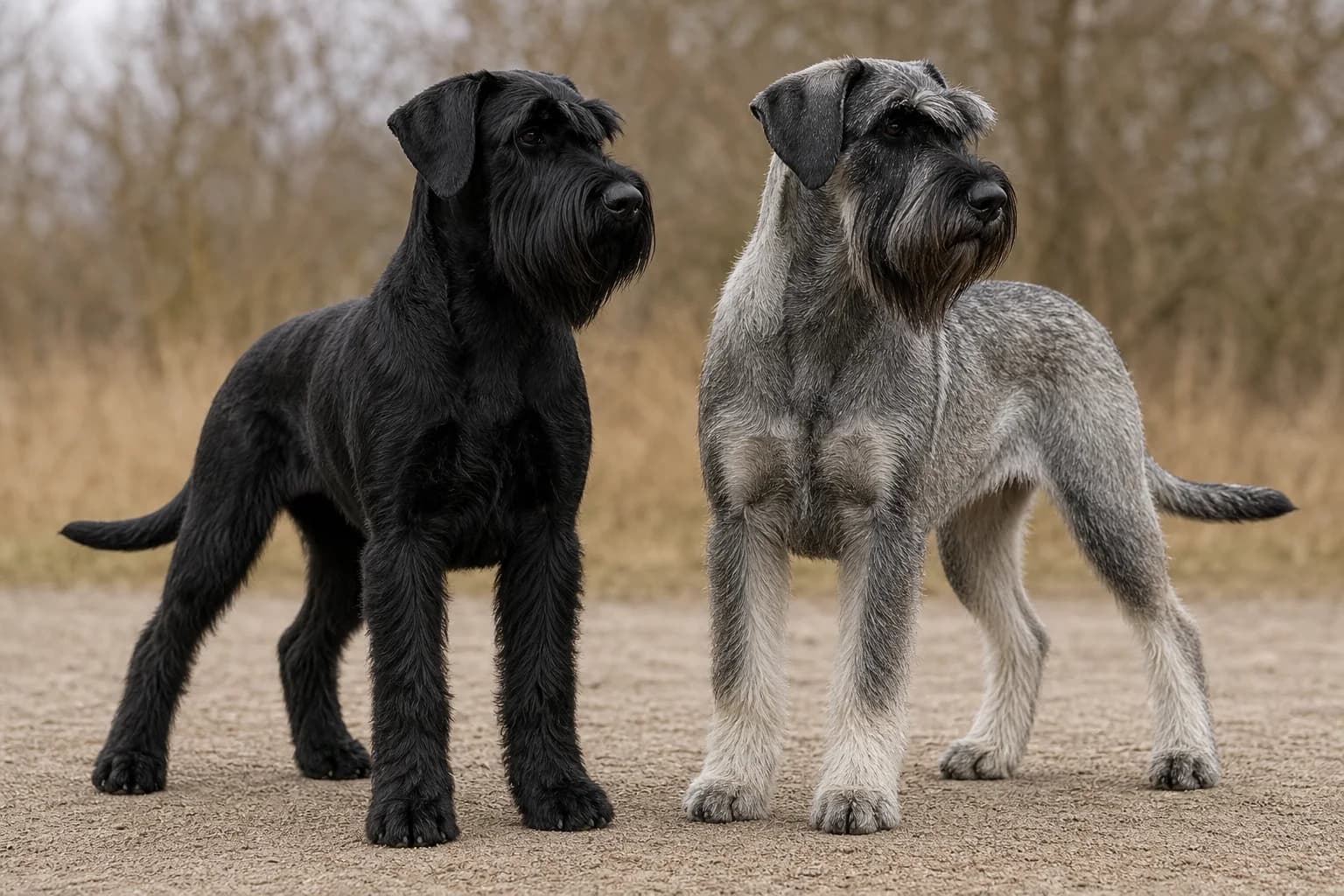
The two Giant Schnauzer colors accepted by the breed standard are solid black and pepper and salt. Registration forms or seller advertisements may display additional labels, but a selectable color name does not make that coat standard, rare in a meaningful health sense, or more valuable.
This visual guide separates standard colors from marketing language, explains pepper-and-salt banding, shows why grooming and light change appearance, and gives buyers a better way to evaluate a color claim.
Common searches use both pepper-and-salt and salt and pepper Giant Schnauzer wording. The same search page may also show a white Schnauzer, merle Schnauzer, or black and white Schnauzer from another breed, cross, registry context, or misleading listing, so identity and standard matter.

Sign up for expert-backed reviews and safety alerts all in one place.
Recognized Giant Schnauzer colors
- 1The breed standard accepts solid black and pepper and salt.
- 2Pepper and salt is created by banded hairs and ranges from dark iron gray to silver gray.
- 3The AKC standard permits a small white spot on the breast; any other markings are disqualifying faults under that standard.
- 4Clipping, coat length, age, weathering, and light can alter appearance.
- 5Color never substitutes for temperament, structure, health screening, or responsible placement.
- 6Use a five-check color claim audit before treating a rarity label or photograph as evidence.
| Label | Breed-standard context | Buyer response |
|---|---|---|
| Solid black | Standard color with a true black coat | Judge even pigment in honest light, then prioritize health and temperament |
| Pepper and salt | Standard banded coat with gray variation and facial points | Expect individual shade variation and coat-cycle change |
| Small white spot on the breast | Permitted by the AKC standard; it is not a separate color variety | Record it accurately and do not pay a rarity premium |
| Stray white hair or any other marking | Any other markings are disqualifying faults under the AKC standard | Clarify registry and show implications without treating the marking itself as a health diagnosis |
| Merle, fawn, black and tan, or white marketing | Not accepted Giant Schnauzer standard colors | Verify registry context, parent identity, ancestry, and seller claims |
The official breed standard is the controlling source for the ideal show coat. The AKC breed page may list registration choices that extend beyond standard colors; that administrative list should not be presented as the standard itself.
These Giant Schnauzer colors sit within the broader subject of Schnauzer colors, but a different breed's accepted palette cannot be transferred to the Giant.
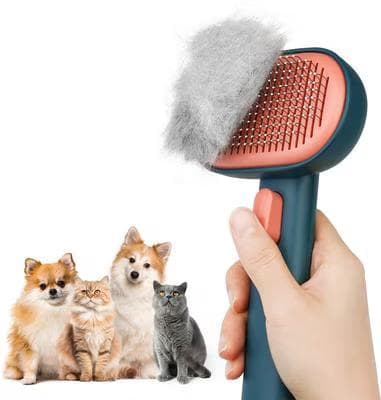
Petful may earn a commission when you click through to Chewy, at no extra cost to you.
A slicker brush may help separate furnishings during routine coat care, but use the metal comb and skin inspection to confirm the work is complete.
Solid black Giant Schnauzers
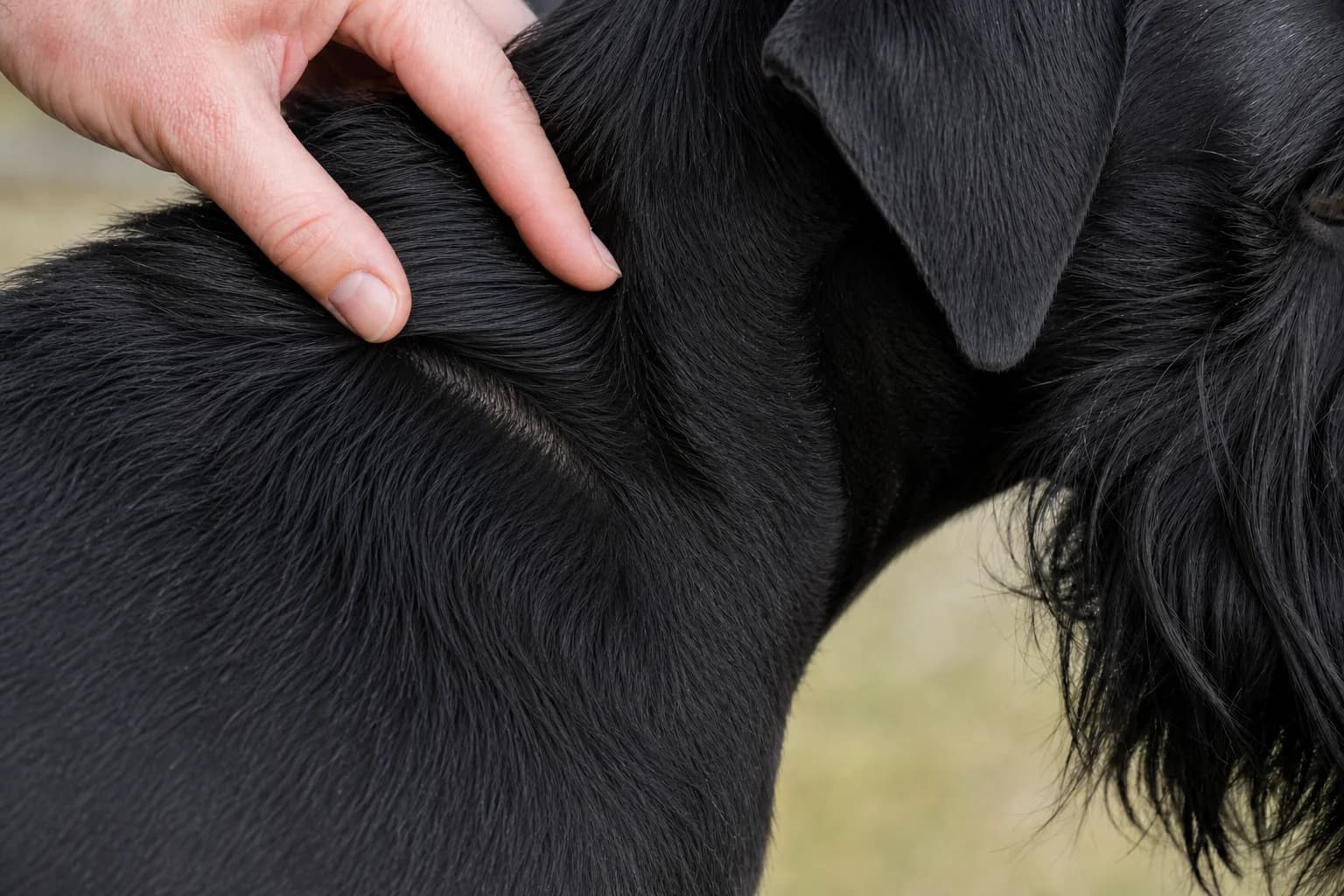
A standard black Giant should read as black rather than as a separate patterned color. Sun, dust, undercoat, camera exposure, fading coat ends, and clipping can make areas look charcoal, brownish, or gray in a photograph.
Evaluate the dog in indirect natural light and look at several body areas, including newer coat near the roots. Compare images from different dates rather than relying on one heavily edited seller portrait.
- The coat is shown without a color filter or dramatic warm lighting.
- Roots, beard, legs, and jacket are visible.
- The seller distinguishes normal weathering from a new color claim.
- Color is not used to distract from missing parent records.
A temporary reddish cast on exposed coat ends is not proof of a different genetic color, and a darker photograph is not proof of superior pigment.
Pepper and salt: banding, shade, and mask
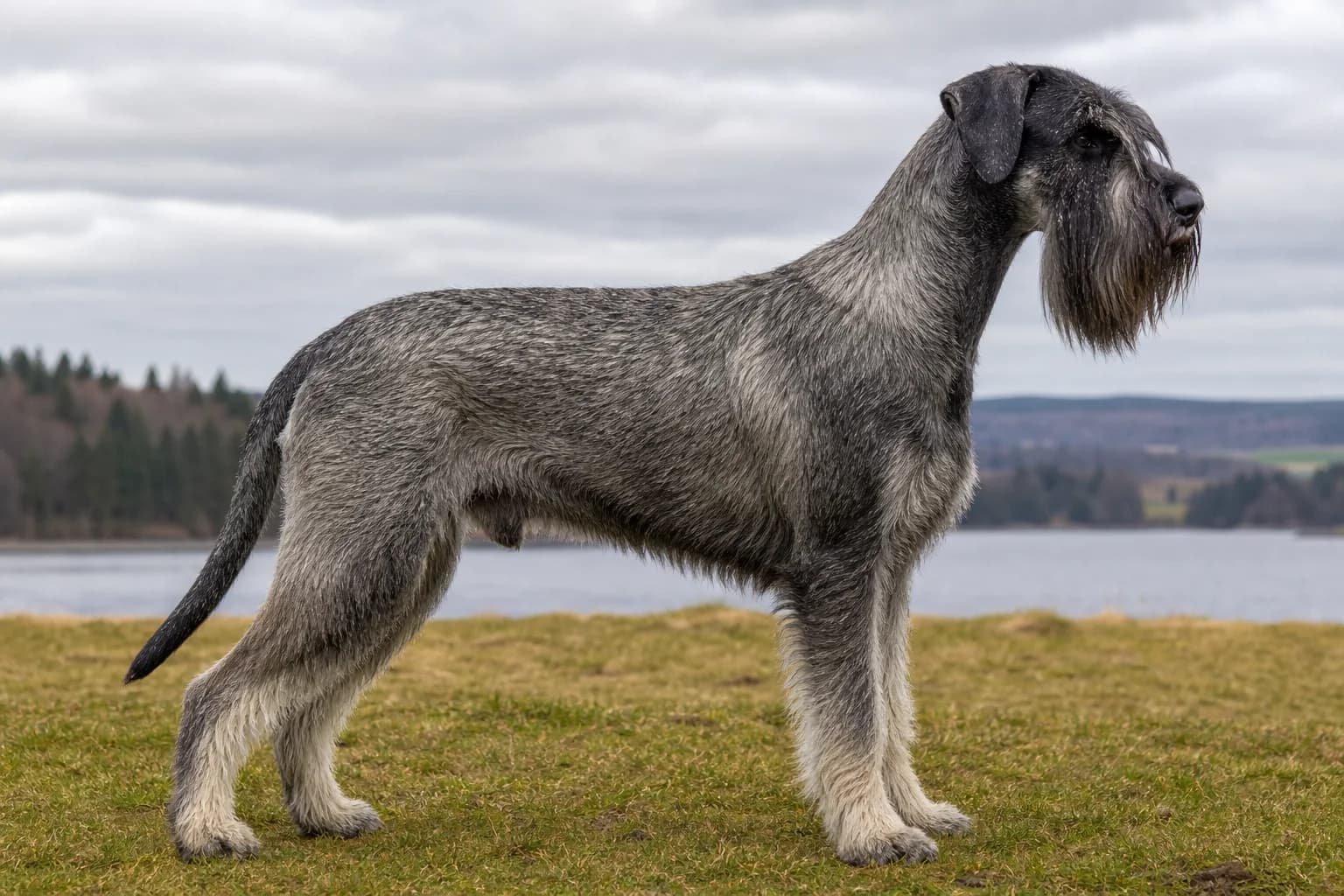
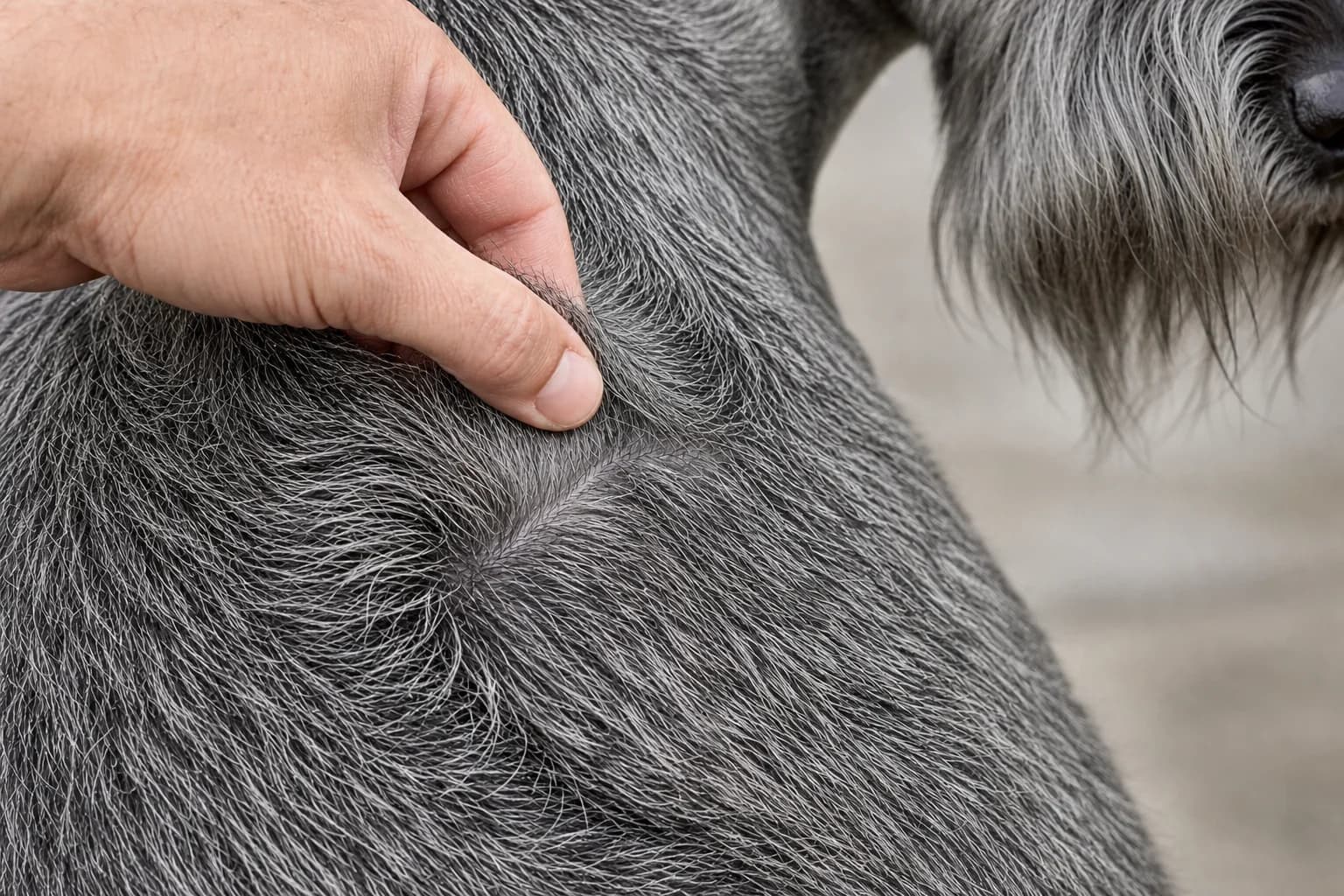
Pepper and salt is not a flat gray paint color. Individual hairs are banded, creating a blended effect that can range from dark iron gray to silver gray. Facial furnishings and lower legs may appear lighter, while the breed standard calls for a dark facial mask that harmonizes with the body shade.
Look at the jacket close enough to see banding, then step back to assess the overall blend. Ask how the coat was prepared, because clipped undercoat and longer wiry jacket can photograph differently.
- Banded hairs are visible in a close detail.
- The overall coat avoids sharply invented patches.
- Lighter eyebrows, whiskers, cheeks, throat, chest, legs, and under-tail areas are interpreted in standard context.
- Puppy and adult photos are not assumed to match exactly.
Shade variation within pepper and salt does not create a separate premium variety. Health and temperament remain unrelated to a fashionable description.
White, merle, and other color claims
Search results and advertisements may use terms such as white Giant Schnauzer, merle Giant Schnauzer, fawn, chocolate, parti, black and tan, or rare.
Some labels may describe a dog, a cross, a registry category, a disputed ancestry claim, or a color outside the American standard. None should be accepted at face value.
Petful may earn a commission when you click through to Chewy, at no extra cost to you.
- Before paying for a nonstandard color, verify the dog's identity, parents, registry rules, ancestry evidence, and all current breed health tests. Do not assume scarcity improves health, temperament, or ethical breeding.
How to investigate a nonstandard label
Begin with the exact registry and standard the seller cites. Breed recognition, registration eligibility, and accepted show colors are different questions, and rules can differ by country or organization.
Request registered parent names, pedigree, clear unfiltered photos, and an explanation of the claimed genetics. Verify documents with the issuing organization and ask why the mating was planned beyond producing the label.
- The claim names a registry and a verifiable rule.
- Both parents and the puppy can be matched to documents.
- Health screening is complete regardless of color.
- The contract does not promise unverifiable future shade or rarity.
If the explanation shifts, depends only on a registration dropdown, or discourages independent verification, do not send a deposit.
Markings and the small white breast spot
The AKC standard permits a small white spot on the breast. Any other markings are disqualifying faults under that standard. The permitted breast spot does not create a separate color variety, and a show disqualification is not by itself a diagnosis of health, temperament, or companion suitability.
Ask the breeder to identify the marking's exact location and explain the applicable standard honestly. Photograph it in neutral light, clarify registration or show implications, and keep the companion decision centered on verified health screening, temperament, structure, and home fit.
- The marking is shown clearly rather than hidden or exaggerated.
- No rarity surcharge is attached to a simple white spot.
- The puppy is not represented as a separate recognized variety.
- The buyer understands any registration or show implications.
A cosmetic deviation does not diagnose health, but misleading marketing is relevant evidence about the seller's transparency.
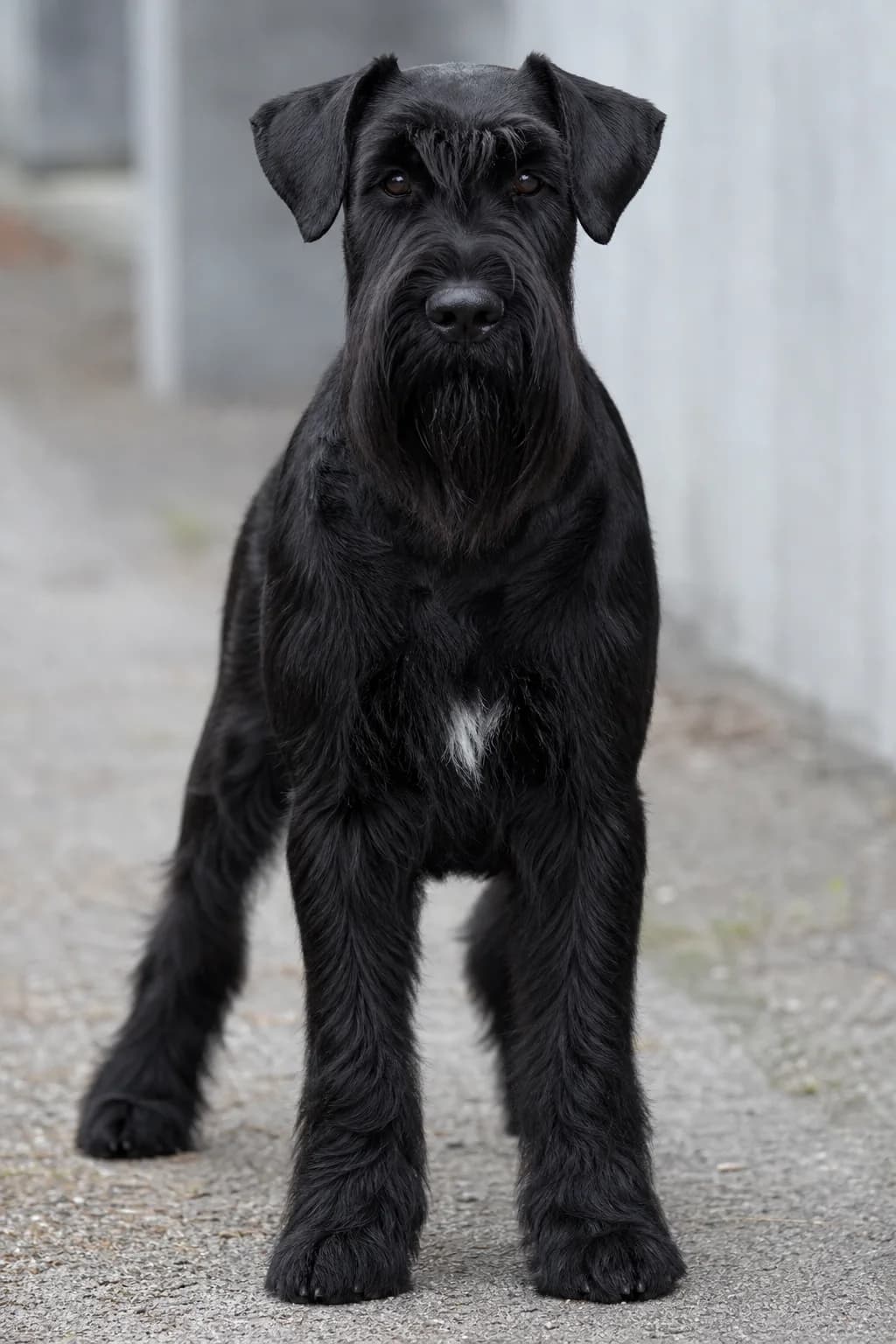
Documenting coat color accurately
Color becomes clearer when owners preserve comparable records rather than relying on memory, salon lighting, or one puppy photograph.
This is the photo-evidence section for Giant Schnauzer photos and a Giant Schnauzer shaved or trimmed at different lengths. The five-check color claim audit preserves identity, daylight, standard wording, parent evidence, and seller incentive before a buyer acts.
Petful may earn a commission when you click through to Chewy, at no extra cost to you.
| Check | Evidence to preserve | Decision boundary |
|---|---|---|
| Dog identity | Registered name, date, and unfiltered full-body view | A photo without a verified dog identity cannot settle the claim |
| Natural daylight | Full-body and close coat views in neutral light | Warm salon light or filters are weak color evidence |
| Official standard | Current wording from the governing breed standard | A registration dropdown is not automatically a standard color |
| Parent evidence | Verifiable parent identities, pedigree context, and health records | A color label never replaces breeding evidence |
| Seller incentive | Written price, contract terms, and explanation of the claim | A rarity premium deserves more scrutiny, not less |
Puppy coat and adult coat
Puppy texture, undercoat, developing furnishings, trimming, and maturation can change how pigment and banding are displayed. A seller should describe expected variation without promising an exact future shade.
Ask for neutral-light images of parents and older relatives, plus dated photos of the puppy. Preserve the original files and compare similar coat lengths.
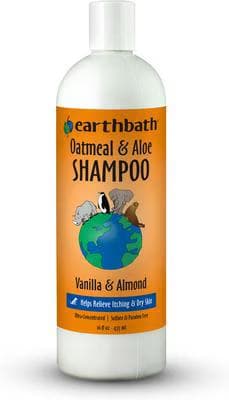
When bathing is appropriate, compare a gentle dog shampoo by ingredients, directions, and the individual dog's skin rather than by a brightening claim. Rinse thoroughly so residue does not create a false coat or skin problem.
- Dates and dog identities are clear.
- Photos include jacket and close detail.
- No filter or heavy color grade is used.
- Adult outcome is described as a range, not guaranteed.
Do not interpret ordinary maturation as proof that the puppy was misrepresented unless identity, standard, and comparable evidence support that conclusion.
A before-and-after grooming record
Coat can look darker, lighter, flatter, or softer after bathing, stripping, clipping, and drying. Recording the technique prevents a cosmetic change from being mistaken for genetic color change.
Photograph the same side in the same location before and after the appointment, note blade length or stripping method, and ask the groomer what texture was removed.
- Light and camera settings are similar.
- The dog's full identity is preserved.
- Skin health is checked along with color.
- Aged coat ends and new roots are compared.
Aesthetic documentation never justifies painful coat work or treatment of an undiagnosed skin problem.
Separate pigment questions from health questions
Color language can distract from a physical coat or skin change. Owners need one process for documenting appearance and another for deciding when the dog needs clinical assessment.
Know when appearance needs an examination
Sun-faded tips and grooming changes are cosmetic, but patchy hair loss, broken hair, odor, scaling, sores, persistent licking, pain, or a rapid unexplained coat change may reflect a health problem rather than a new color.
Photograph the area in neutral light, note onset and grooming or product changes, and arrange veterinary care when the skin is abnormal, the dog is uncomfortable, or the change is spreading.
- The same body area is compared across dates.
- Skin beneath the coat is inspected without scraping.
- Products and medications are recorded.
- The dog is prevented from worsening self-trauma.
Do not bleach, dye, repeatedly bathe, or add supplements to correct a color impression. Diagnose discomfort and skin disease before treating appearance.
How grooming and light change coat appearance
The Giant's double coat is three-dimensional. Harsh outer hairs, soft undercoat, beard and leg furnishings, clipper length, hand stripping, bathing, sunlight, and camera processing all change the color a viewer perceives.
Giant Schnauzer photos taken immediately after a trim may make a Giant Schnauzer shaved close look paler, smoother, or less banded. That is a grooming and display change, not a new genetic color.
Petful may earn a commission when you click through to Chewy, at no extra cost to you.
Schnauzer dog grooming changes appearance, while the companion shedding guide answers do Giant Schnauzers shed without confusing loose hair with genetic color. One product-specific grooming option to compare is aumuca self-cleaning slicker brush; use it gently, follow label directions, and stop if it catches or irritates.
- A grooming plan should separate appearance from genetics.
- Clipping changes coat length and texture, not the underlying color genes.
- Use the Giant Schnauzer shedding and grooming guide for the full clipping, hand-stripping, beard-care, and allergy discussion.
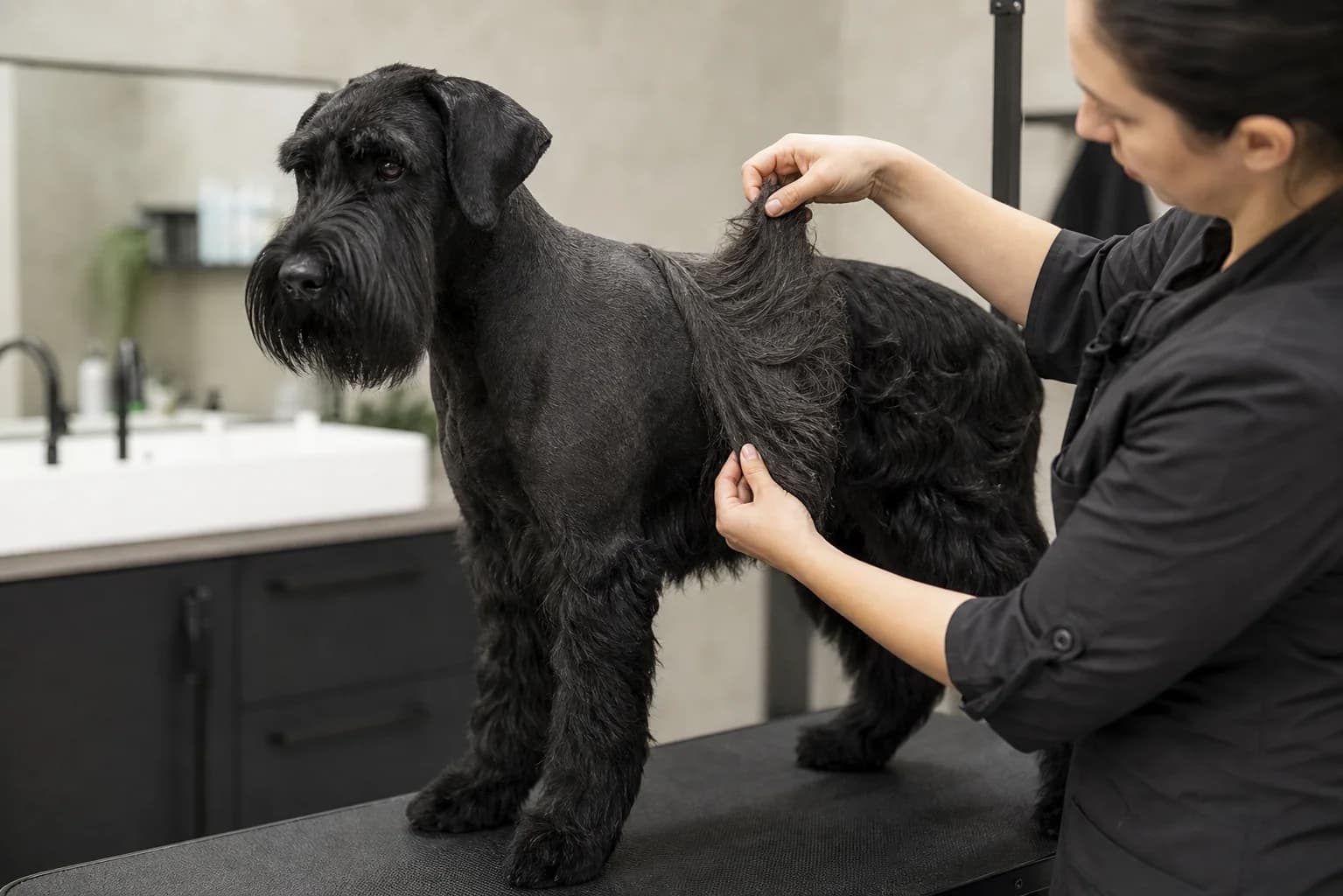
Clipping and hand stripping
Hand stripping removes mature outer hairs and supports a harsher jacket when performed correctly. Clipping shortens the coat and is practical for many companions, but repeated clipping can expose more undercoat and alter texture or apparent shade.
Tell the groomer whether the goal is a practical companion trim or maintenance of a stripped jacket. Ask for realistic intervals and home combing instructions based on the individual coat.
- The technique matches the dog's comfort and the owner's goal.
- Coat is maintained to the skin between appointments.
- Before-and-after photos use similar light when color is compared.
- Tools are not used over irritated or painful skin.
Do not strip a coat simply to intensify color without skilled guidance. Skin health and humane handling take priority over cosmetic effect.
Photography that tells the truth
Automatic phone processing can lift shadows, warm blacks, smooth texture, and increase saturation. Backlight can create a brown rim; blue shade can make black look steel gray.
For comparison, photograph the dog in open shade or soft window light with a neutral background and no filter. Include a full-body view and close details of the jacket and furnishings.
- White balance is neutral.
- Highlights and shadows retain coat texture.
- The full dog and detail are from the same session.
- No beauty filter removes banding or markings.
A dramatic studio portrait is useful art but weak evidence for a color dispute. Request plain documentary images before making a purchase decision.
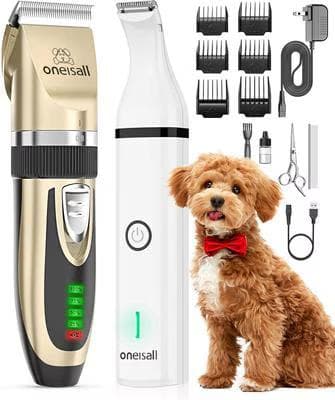
A low-noise clipper category can support a companion trim only when blade heat, skin folds, sensitive areas, and cooperative handling are managed by someone with the necessary skill.
Color, health, and responsible sourcing
Color choice can be a preference after health, temperament, and placement quality are established. Ask for current parent-club screening and verify the results. Do not accept a seller's claim that an unusual color is healthier because it is rare or healthier because no problem is visible.
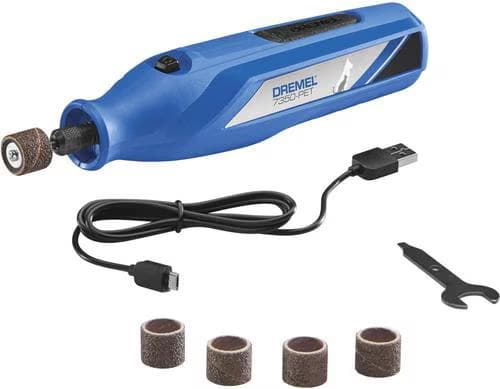
Color checks are a good time to inspect every toe and nail. A nail grinder is optional equipment, not a treatment for a cracked, swollen, painful, or changing nail bed.
- The puppy and price guide explains seller and record verification.
- The health guide covers screening and the need to inspect toes and nail beds, which is especially important in this breed but should not be confused with a simple coat-color judgment.
- The Giant Schnauzer breed guide owns the full household-fit decision.
- The Giant shedding guide provides the coat-care routine that preserves comfort without inventing new color categories.
A color-neutral puppy decision
Remove color from the first comparison. Evaluate parent records, adult temperament, litter development, contract, return support, and fit. Add color preference only after the candidate sources pass.
Ask how puppies are matched and whether choosing by collar color or photo would override a temperament mismatch. A responsible source should be comfortable recommending a different puppy or no placement.
- Health records are complete before color preference is discussed.
- The expected adult coat workload is understood.
- No personality guarantee is attached to pigment.
- The household will accept ordinary shade change with age and grooming.
A deposit tied to a rare-color countdown creates pressure exactly where careful verification is most important.
Giant Schnauzer color FAQs
Giant Schnauzers do come in different colors, but the American breed standard accepts two Giant Schnauzer colors: solid black and pepper and salt. Pepper and salt includes gray variation created by banded hairs and a darker facial mask. Advertisements may use additional labels, but registration language and accepted standard colors are not the same thing. Verify the governing standard and the dog's identity before treating any seller term as a recognized variety.
The rarest Schnauzer color is not a reliable quality category; rarity is not quality, and a rare label should never become a shortcut for value. For Giant Schnauzers, first verify whether the color appears in the relevant breed standard, then evaluate ancestry, health screening, temperament, structure, and seller transparency. Do not pay a rarity premium because a marketing label sounds scarce. A nonstandard color can describe a real dog without proving responsible breeding or better health.
A black Giant Schnauzer can look brown because sun exposure, fading coat ends, dust, warm light, camera processing, visible undercoat, and clipping can create a brownish cast. Examine newer coat near the coat roots and compare neutral light photographs taken at similar coat lengths before assuming a different genetic color. If the change is sudden or accompanies skin, hair-loss, or health signs, document it and ask a veterinarian rather than diagnosing pigment from a photo.
Clipping changes a Giant Schnauzer's visible color impression but does not change the underlying genes. However, it can change visible texture and expose more soft undercoat, making the coat look lighter, flatter, or less intensely pigmented. Compare before-and-after photographs in similar light and record the blade length or stripping method. Choose the technique for humane coat maintenance and the owner's practical goal, not as a promise to manufacture a darker or rarer color.
Primary sources

Coreen Saito is a pet writer and longtime shelter volunteer with more than a decade in animal rescue. She covers cat behavior, breed care, and the small, ordinary science of sharing a life with companion animals, with a particular focus on honest takes about the products and decisions that actually matter. At home in Arizona, she's outranked by Mac (a dog with the loudest opinion in the house), Rebel (a cat who governs by quiet authority), and Meri (an orange tabby who runs the late shift and the laundry basket). She writes about all three, plus the rescues that keep coming through her life, at LifeWithMinty.com.
Sign up for expert-backed reviews and safety alerts all in one place.