Do Giant Schnauzers Shed? Grooming and Allergy Facts
Giant Schnauzers usually leave less loose hair than many double-coated dogs, but they still shed and require regular coat and beard care. Learn the realistic routine.
Petful is reader supported. As an affiliate of platforms like Amazon and Chewy, we may earn a commission when you buy through links on this page. There is no extra cost to you.
Do Giant Schnauzers shed? Yes. The breed has a dense double coat and releases hair, but a maintained wiry jacket often leaves less loose hair around the home than many other double-coated dogs. That does not make the coat maintenance-free or the dog allergen-free.
The realistic commitment is regular combing to the skin, beard care, periodic skilled trimming, cleanup of modest loose hair, and a human-allergy plan based on real exposure rather than a label.
Are Schnauzers hypoallergenic? No breed can promise that outcome. Schnauzer dog grooming, a Schnauzer haircut, or a shorter Schnauzer cut can change visible loose hair and coat length, but they do not eliminate allergen proteins.

Sign up for expert-backed reviews and safety alerts all in one place.
Do Giant Schnauzers shed?
- 1Giant Schnauzers shed, even when loose hair is not obvious.
- 2The hard outer coat and softer undercoat need regular maintenance.
- 3Clipping and hand stripping create different coat-management routines.
- 4Beard hygiene is a daily-life issue separate from shedding.
- 5No dog is allergen-free, because people can react to dander, saliva, and urine proteins.
- 6The answer to “are Schnauzers hypoallergenic?” requires real exposure, not a breed label.
The official standard describes a hard, wiry, very dense coat with a soft undercoat. Loose undercoat may stay caught beneath the harsh outer coat until brushing, combing, bathing, rubbing, or coat work releases it. That can make shedding easy to underestimate.
Are Schnauzers hypoallergenic? No dog carries an allergen-free guarantee, even when visible loose hair is low.
What low visible shedding actually means
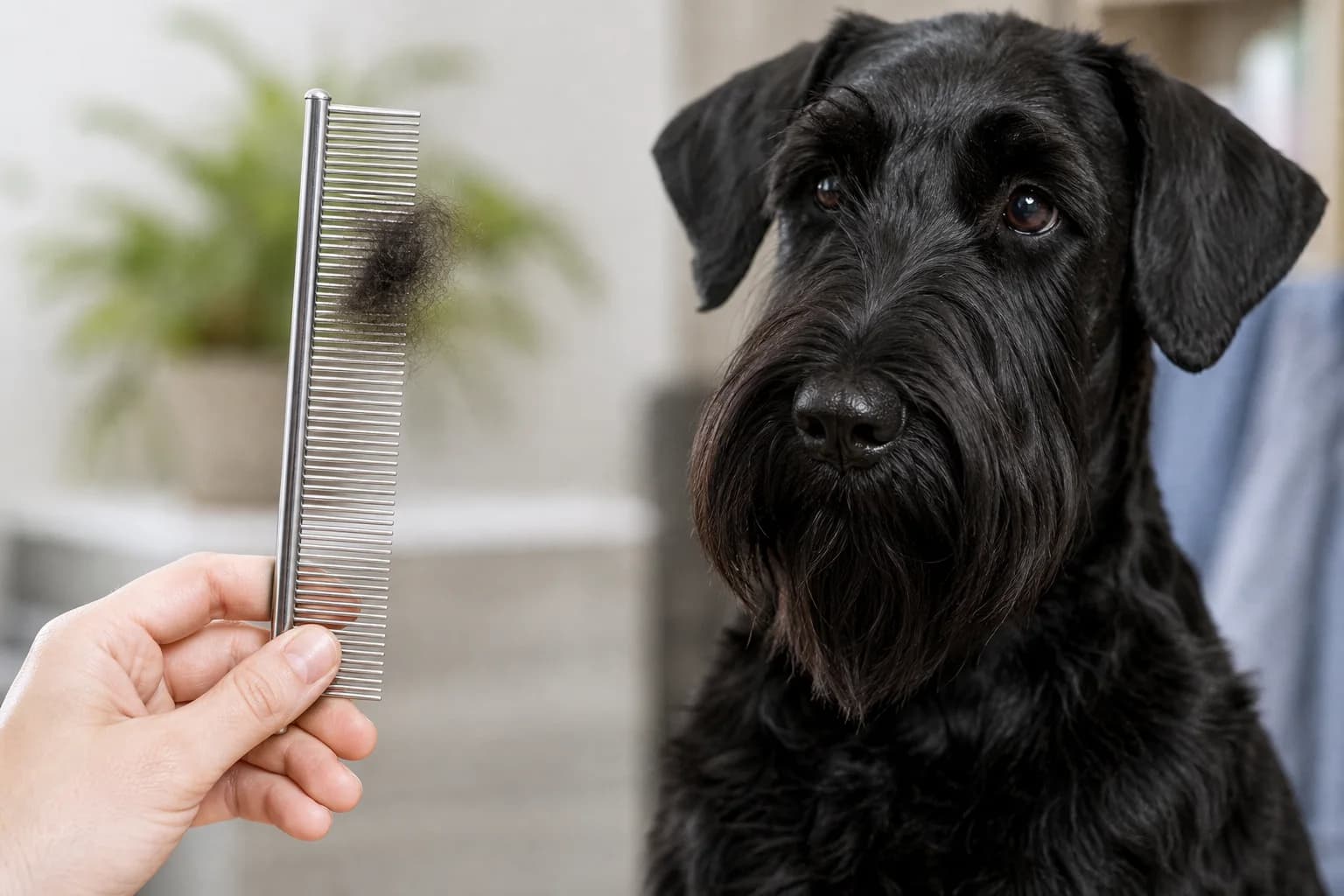
Low visible hair on the sofa does not mean hair remains permanently attached. Some released coat is trapped by the wiry texture and furnishings. Without combing, trapped hair and friction can contribute to tangles, packed undercoat, and skin that is hard to inspect.
Check the comb after each body area, note seasonal or post-grooming changes, and use the amount as a trend for that dog rather than comparing it with an unrelated breed.
- The comb reaches the skin without scratching.
- Armpits, beard, legs, belly, and equipment areas are checked.
- Loose coat is removed before it becomes compacted.
- Skin remains visible enough to inspect for change.
Sudden heavy shedding, bald areas, odor, redness, sores, or pain is not simply a breed trait and warrants veterinary assessment.
A practical Giant Schnauzer grooming routine
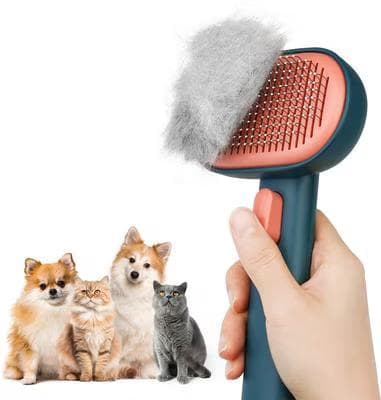
Petful may earn a commission when you click through to Chewy, at no extra cost to you.
| Cadence | Task | Success check |
|---|---|---|
| Daily or after meals | Rinse or wipe food debris and dry the beard | Skin and hair are clean, dry, and odor-free |
| Several times weekly | Brush and metal-comb furnishings and friction areas | Comb passes from skin to tip |
| Weekly | Full skin, toe, nail, ear, and coat check | New changes are documented |
| Periodic | Bath, dry, clip or strip based on coat plan | Dog remains comfortable and coat is manageable |
| Ongoing | Cooperative handling and non-slip setup | Dog can participate without force |
This Giant Schnauzer coat-care cadence is a starting framework, not a fixed appointment calendar. Whether someone requests a Schnauzer haircut or Schnauzer cut, the groomer still needs a skin-to-tip condition check and a humane maintenance interval.
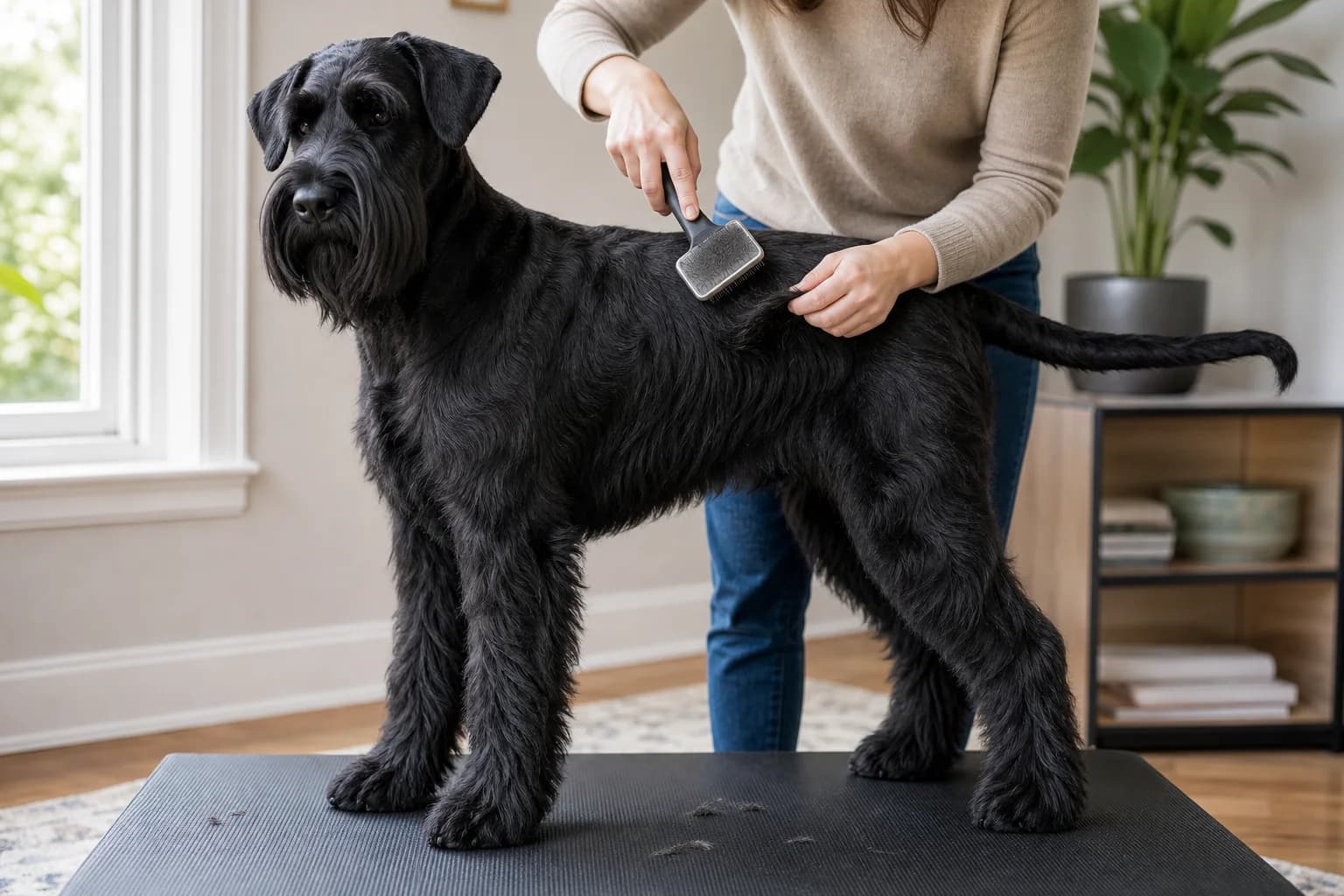
The exact frequency depends on coat length, whether the jacket is clipped or stripped, activity, water exposure, skin health, and how much home care occurs between appointments. A slicker brush can lift and separate coat, but a metal comb is the better test of whether the work reached the skin.
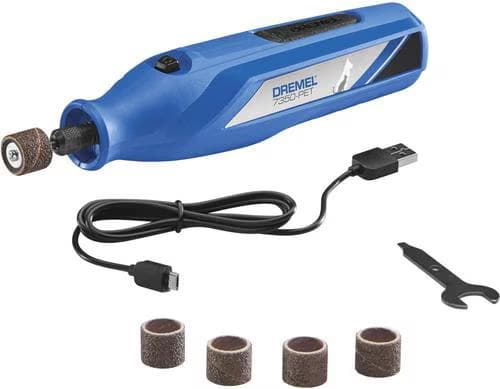
A nail grinder may suit a dog conditioned to its sound and vibration. Keep passes brief to avoid heat, know where the quick is, and stop when the dog shows pain or escalating fear.
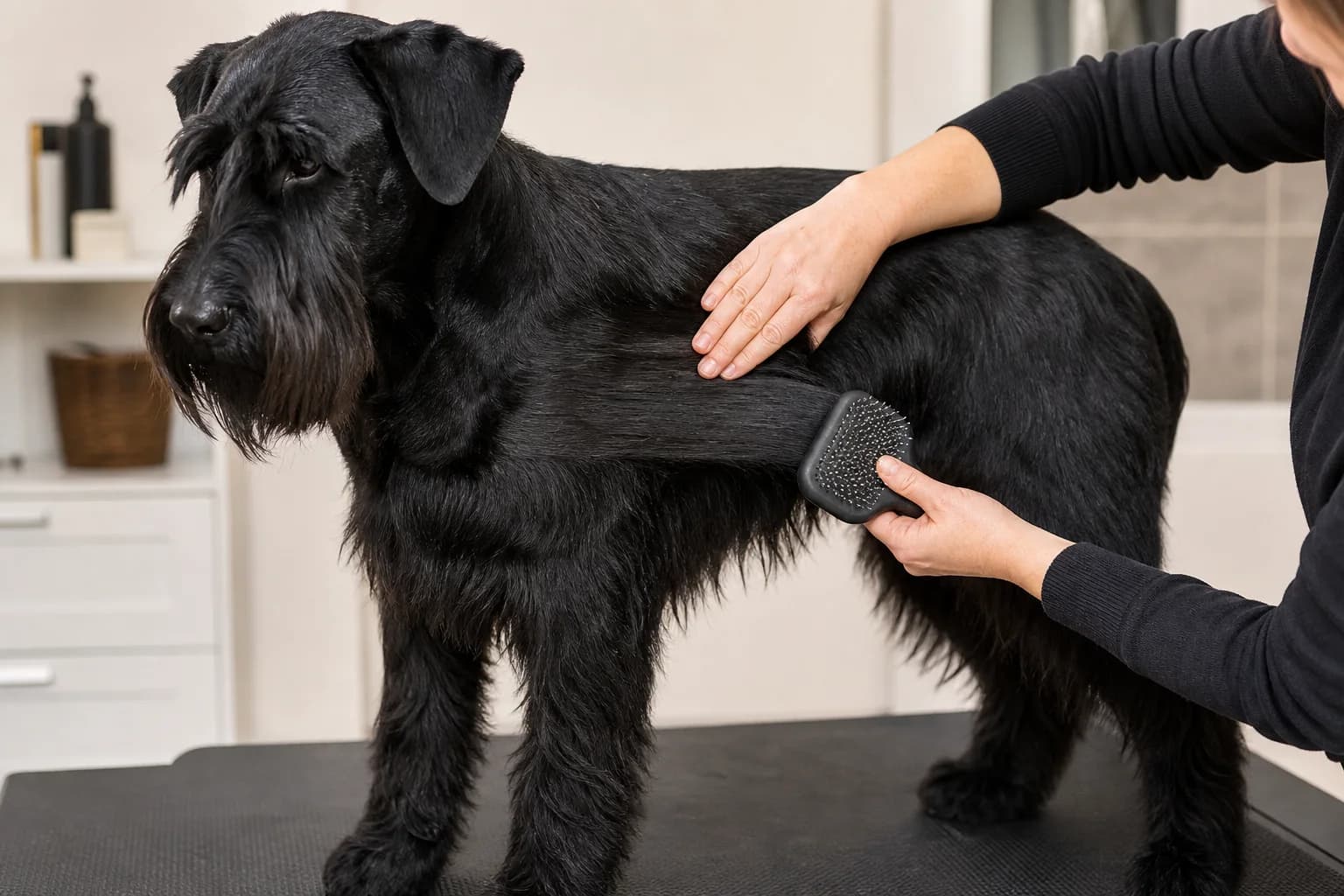
Line brushing without scraping
Work in small horizontal sections, holding the hair so the tool does not pull the skin. Brush from the ends toward the roots as needed, then follow with a comb. The goal is separation and inspection, not speed.
Use a non-slip surface, good light, and rewards. Stop before the dog becomes sore or impatient, and split a full session across days while handling skills develop.
- Skin is not reddened by repeated passes.
- The comb reaches the roots behind ears and in armpits.
- Furnishings are supported rather than yanked.
- The dog can pause or move away safely.
Tight mats close to skin, painful handling, or extensive packed coat belongs with a skilled groomer or veterinarian. Scissors near skin can cause serious cuts.
Bathing and drying
Bathing removes dirt and allergens from the coat surface, but incomplete rinsing or a damp dense coat can create irritation. Beard and furnishings may remain wet long after the jacket feels dry.
Use a dog-appropriate product such as the category represented by this gentle dog shampoo only when it suits the individual, rinse thoroughly, and dry to the skin at a safe temperature.
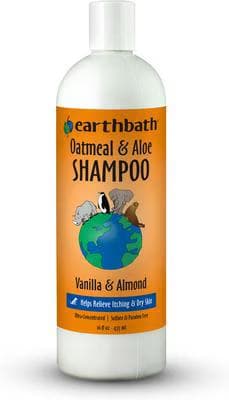
Petful may earn a commission when you click through to Chewy, at no extra cost to you.
- Product is diluted or used according to its directions.
- Eyes and ear canals are protected from runoff.
- No residue remains at the beard, armpits, or groin.
- The dog is fully dry before resting in cold conditions.
Medicated products, recurrent odor, persistent itch, or skin infection signs require veterinary guidance rather than repeated product switching.
Clipping, hand stripping, and coat texture
Hand stripping removes mature outer hairs and is used to maintain a harsh jacket, especially for conformation presentation. Clipping is common for companions because it is practical, but repeated clipping may leave more soft undercoat visible and change the coat's texture or apparent shade.
Neither approach eliminates grooming. Both require beard and furnishing care, skin inspection, nail care, and a schedule that prevents discomfort.
Home tools and style labels
Owners who maintain part of the coat at home can use WebVet's guide to using dog clippers safely for setup, handling, and stop-point basics before working near sensitive areas.
A Giant Schnauzer shaved very close, a rounded Schnauzer puppy cut, and a teddy bear cut Schnauzer are salon descriptions or search labels, not separate coat types. Ask exactly what length and areas the groomer plans to change.
Loose hair may be easier to see on a black Giant Schnauzer than on some furnishings around a salt and pepper Giant Schnauzer, but color does not change the coat cycle. Use the Giant Schnauzer colors guide for pigment and standard questions rather than inferring color from shed hair.
Choose a coat plan before the appointment
Tell the groomer whether the dog is a companion, show prospect, working dog, swimmer, or medically sensitive individual. Coat goals should fit the dog's comfort and the owner's ability to maintain the result.
- The groomer has Giant or wiry-coat experience.
- The plan includes breaks and a non-slip surface.
- Clipper heat and blade condition are monitored.
- The owner understands how coat appearance may change.
Do not force hand stripping on an inflamed, fragile, painful, or unsuitable coat to preserve an ideal texture. Welfare comes first.
Beard, eyebrows, and hygiene
The beard collects water, saliva, food, outdoor debris, and odor. This is not shedding, but it is often the most noticeable coat-care issue in the home. Inspect the skin beneath it and keep the hair clean, combed, and dry.
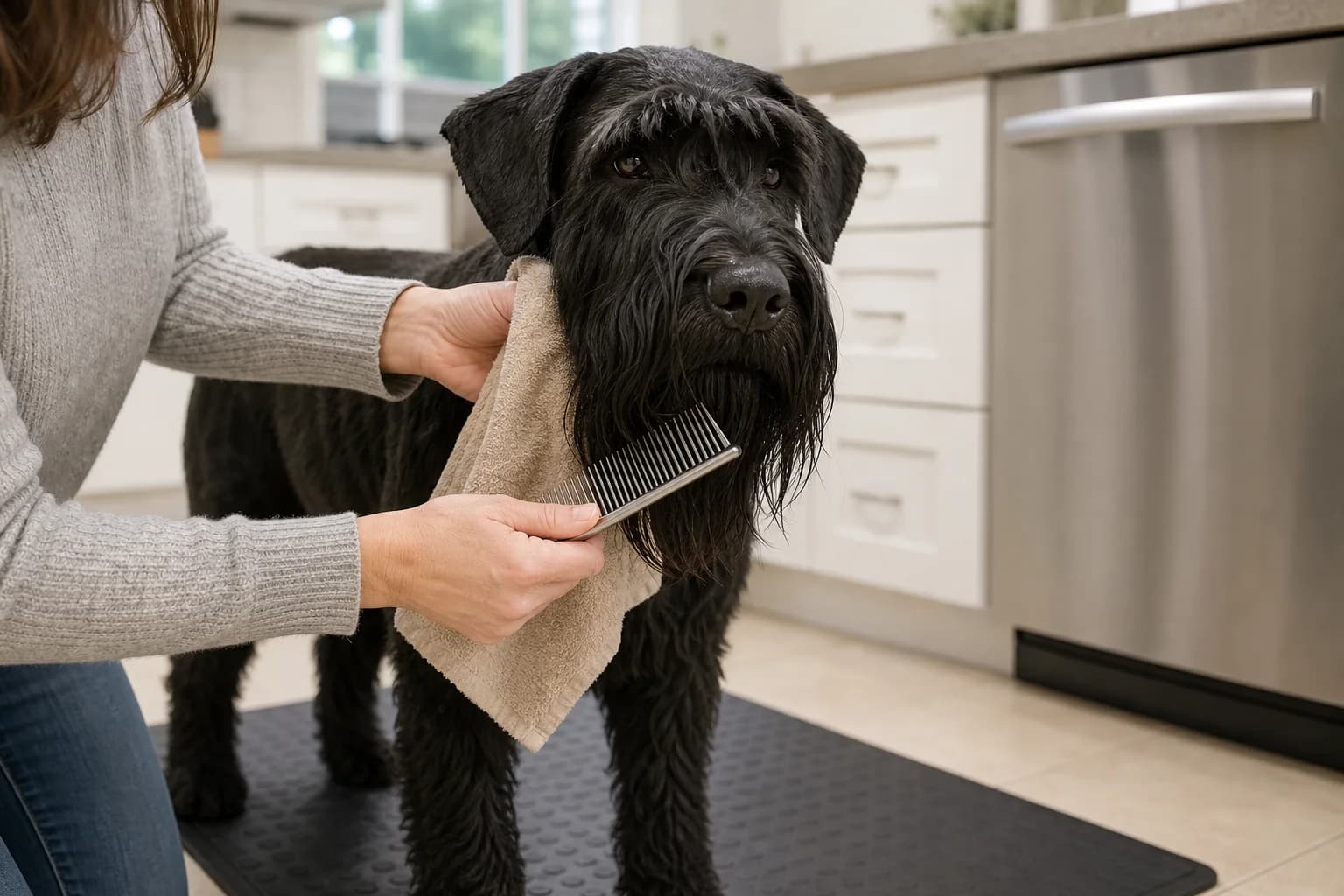
A beard routine that prevents buildup
Rinse or wipe away food residue, squeeze moisture with an absorbent towel, and comb gently once debris softens. Check lip folds, chin skin, and hair close to the mouth for odor, redness, or tenderness.

Petful may earn a commission when you click through to Chewy, at no extra cost to you.
Keep a washable towel near the water area and clean bowls regularly. If long furnishings repeatedly soak the floor, discuss a manageable trim with the groomer rather than leaving the beard chronically damp.
- No hard food clumps remain near the lips.
- Skin is dry and comfortable.
- The comb does not pull sensitive facial hair.
- Water and food stations are easy to clean.
Dental pain, mouth odor, drooling change, facial swelling, reluctance to eat, or persistent skin irritation needs veterinary assessment.
Allergy expectations: low loose hair is not allergen-free
Pet allergy is a human medical issue involving proteins that may come from dander, saliva, or urine. Hair can carry allergens, but hair quantity alone does not determine reaction. The label hypoallergenic does not guarantee that a person with allergies or asthma will tolerate a Giant Schnauzer.
WebVet's discussion of hypoallergenic dog breed expectations provides broader context for why low visible shedding and allergen tolerance are different questions.
The Giant Schnauzer colors guide explains how clipping and coat cycle change visible shade, while the complete breed guide puts grooming inside the larger household-fit decision.
| Question | What it tells you | What it cannot promise |
|---|---|---|
| Visible loose hair | How much coat is obvious in that home at that time | Allergy tolerance |
| Dander and saliva | Important possible sources of allergen proteins | The reaction of a specific person |
| Indoor exposure | How one person responds around adult dogs in a realistic setting | Lifelong tolerance after one short visit |
| Grooming and cleaning | Ways to reduce loose material and reservoirs | An allergen-free home |
| Individual exposure | Evidence to discuss with the person's clinician | A breed-wide guarantee |
- Spend repeated time indoors with adult Giant Schnauzers before acquisition. If allergy or asthma is significant, involve an allergist. Have a return plan and do not rely on shaving, bathing, or air cleaning as a guarantee.
Managing coat change across the year
The routine should respond to the coat and skin in front of you rather than a fixed calendar copied from another dog. Check comfort as carefully as loose hair. A neat silhouette can conceal packed undercoat, damp beard skin, tender toes, or irritation beneath equipment. The most useful grooming record pairs what came out of the coat with what the skin looked and felt like, how the dog tolerated handling, and whether anything changed in appetite, energy, weight, medication, or environment.
A black Giant Schnauzer or salt and pepper Giant Schnauzer follows the same coat-care decision; color does not create a no-shed guarantee. One product-specific grooming option to compare is aumuca self-cleaning slicker brush; use it gently, follow label directions, and stop if it catches or irritates.
Seasonal and household changes
Indoor climate, daylight, coat technique, hormones, age, illness, and time outdoors can influence when loose undercoat becomes noticeable. Not every Giant follows a dramatic spring-and-fall pattern.
Record comb yield, coat texture, skin findings, grooming dates, and major health or diet changes. Increase gentle combing during a normal coat release instead of stripping irritated skin.
- Change is symmetrical and not creating bald areas.
- Skin remains comfortable and odor-free.
- The dog is otherwise eating and behaving normally.
- Tools are cleaned between sessions.
A sudden coat change with thirst, weight, energy, skin, or behavior change belongs in a veterinary history.
Prepare for a professional appointment
Ask which areas will be clipped, scissored, or stripped, how long the session may take, what home tools are needed, and when the next appointment should occur. A low-noise clipper category is not a substitute for training or skill around folds, toes, and sensitive areas.
Petful may earn a commission when you click through to Chewy, at no extra cost to you.
Clear information helps a groomer choose humane timing and technique. Disclose medical conditions, pain, handling sensitivities, bite risk, sedatives, allergies, and the last coat work.
Bring reference photos of the desired practical trim, describe whether the jacket is clipped or stripped, and ask what home maintenance will preserve comfort until the next visit.
- The salon can safely accommodate a large dog.
- Vaccination and health policies are understood.
- Emergency contact and veterinarian are current.
- Matting or skin concerns are discussed before work begins.
Do not conceal behavior or medical risk to secure an appointment. The groomer needs accurate information to protect the dog and staff.
Managing loose hair and allergens at home
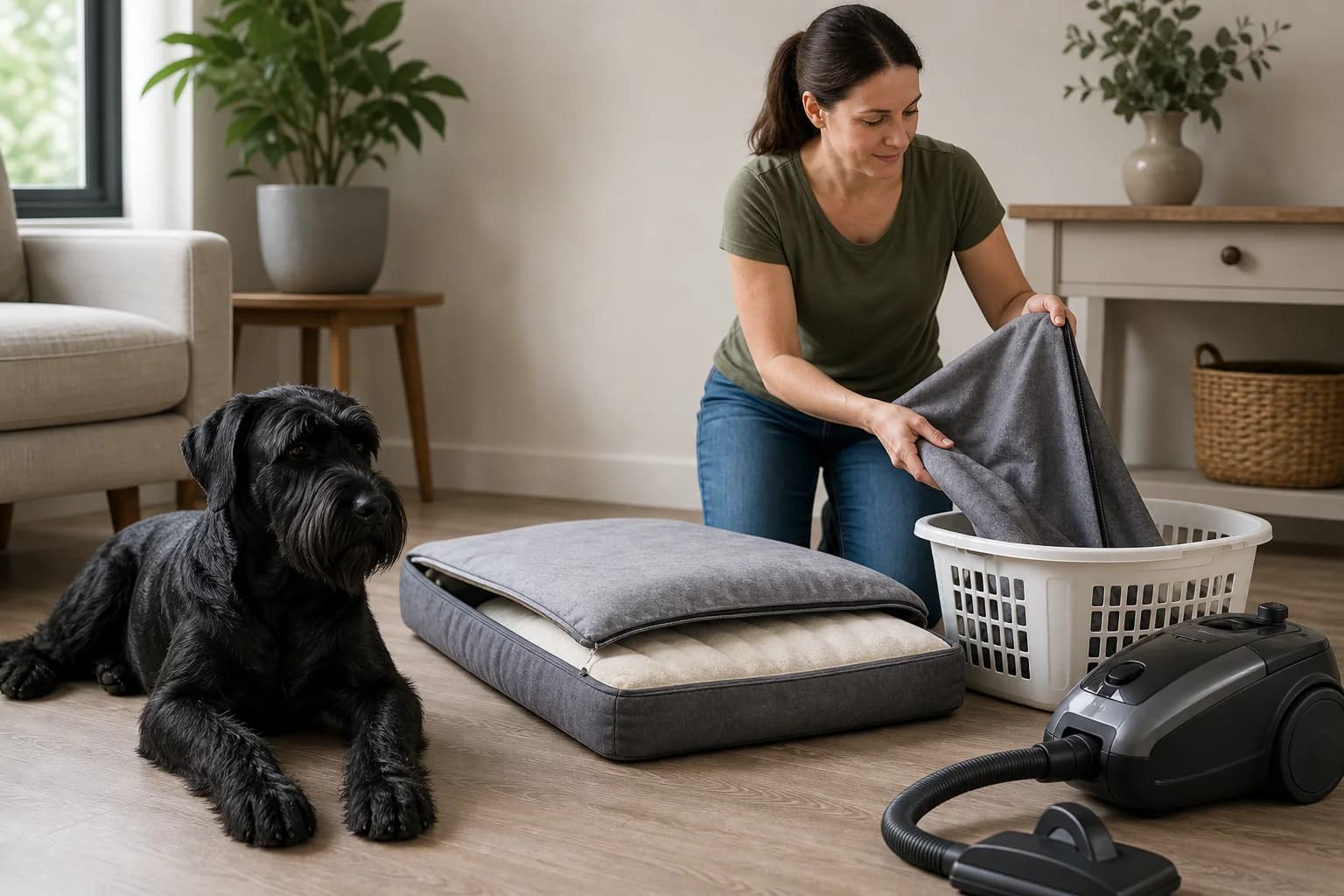
Cleaning can reduce allergen reservoirs even though it cannot make a dog allergen-free. Focus on the spaces where the allergic person sleeps and where the dog spends the most time.
Keep the dog out of the bedroom, wash dog bedding, use washable covers, vacuum with appropriate filtration, damp-dust hard surfaces, and have a less-sensitive person groom when practical.
- The sleeping area remains dog-free consistently.
- Bedding and towels have a regular wash schedule.
- Grooming is done in a ventilated area.
- Symptoms are tracked and medically managed.
Wheezing, breathing difficulty, or severe reactions need medical care. A pet-content page cannot determine whether exposure is safe for an individual.
Home cleanup without overclaiming
Washable covers, regular vacuuming, damp dusting, and cleaning food and water areas can reduce hair, dirt, saliva residue, and dander reservoirs. They do not prove the environment is safe for a person with severe allergy.
Set a realistic cadence around the dog's sleeping areas and beard-drip zone. Clean filters and machines according to directions so equipment does not redistribute debris.
- Dog bedding dries completely.
- Vacuum and ventilation filters are maintained.
- The allergic person's bedroom remains dog-free.
- Symptoms guide medical follow-up.
Avoid ozone-generating or unproven cleaning devices marketed as a substitute for medical allergy management.
Keep coat care sustainable and observable
A low-loose-hair coat still needs a system that works between appointments and makes abnormal change visible early.
Create continuity between home and groomer
Long gaps, changing techniques, and unclear expectations can produce matting or a coat result the owner did not expect. The groomer can work more safely when the dog already accepts handling and the home record is accurate.
Agree on clipping or stripping goals, appointment interval, beard length, nail care, and the home tools to use. Photograph the practical finished trim and book the next visit before leaving.
- The groomer knows relevant medical and behavior history.
- The dog arrives dry and free of hidden foreign material.
- Home brushing reaches the skin without scraping it.
- Comfort outranks preserving a severely matted style.
A painful, panicked, or tightly matted dog may need a shorter humane reset or veterinary support. Cosmetic preference should not force unsafe restraint.
Treat a shedding change as a data point
More hair after bathing or seasonal undercoat release can be ordinary, but a sudden change paired with itch, odor, redness, bald areas, weight change, thirst, lethargy, or recurrent infection deserves attention.
Record when the change began, body areas involved, grooming products, diet, preventives, medications, and household exposures. Bring representative photos and the timeline to the veterinarian.
- Fleas and other parasites are considered.
- Hair breakage is separated from hair released at the root.
- Skin and ears are checked for inflammation.
- Several unplanned product changes are avoided.
A breed's reputation for low shedding cannot rule out allergy, infection, parasites, endocrine disease, pain, or another individual cause.
Giant Schnauzer shedding FAQs
A Giant Schnauzer is not hypoallergenic in the sense of a guarantee. No dog is guaranteed allergen-free, and Giant Schnauzers often release less visible loose hair than many double-coated breeds, but people can react to proteins in dander, saliva, or urine. Test individual exposure indoors with adult dogs, track symptoms, and involve an allergist when reactions matter. Grooming and cleaning may reduce reservoirs, but they cannot turn the dog or home into a medically guaranteed safe environment.
Giant Schnauzers are high maintenance for coat care; coat maintenance is substantial even when household shedding looks low. Expect combing to the skin, beard hygiene, nail and skin checks, cooperative handling practice, and periodic professional grooming through skilled clipping or hand stripping. The schedule varies by coat and owner goals, but delaying care can hide mats, irritation, or toe changes. The broader training and exercise workload also makes the breed demanding beyond grooming alone.
A Giant Schnauzer should be groomed through frequent home combing and beard care, while full professional appointments depend on coat length, clipping or stripping goals, activity, skin health, and the individual coat condition. Use a metal comb as the completion check and ask the groomer for a condition-based schedule rather than a universal interval. Shorten the interval when mats or debris accumulate, and seek veterinary advice when coat change accompanies pain, odor, redness, or hair loss.
Shaving does not stop shedding. Shaving or close clipping does not stop the hair cycle; it shortens visible hair and can expose more soft undercoat or change texture. It also does not remove dander or saliva allergens. Choose coat length for humane maintenance and the dog's comfort, continue skin-to-tip combing and beard care, and avoid treating a very short clip as either allergy control or a substitute for examining abnormal coat loss.
Primary sources

Coreen Saito is a pet writer and longtime shelter volunteer with more than a decade in animal rescue. She covers cat behavior, breed care, and the small, ordinary science of sharing a life with companion animals, with a particular focus on honest takes about the products and decisions that actually matter. At home in Arizona, she's outranked by Mac (a dog with the loudest opinion in the house), Rebel (a cat who governs by quiet authority), and Meri (an orange tabby who runs the late shift and the laundry basket). She writes about all three, plus the rescues that keep coming through her life, at LifeWithMinty.com.
Sign up for expert-backed reviews and safety alerts all in one place.