Miniature Schnauzer Haircuts and Grooming Guide
Compare Miniature Schnauzer haircuts, coat care, tools, and grooming schedules, including safe home tasks and when a professional groomer is best.
Petful is reader supported. As an affiliate of platforms like Amazon and Chewy, we may earn a commission when you buy through links on this page. There is no extra cost to you.
miniature schnauzer haircuts change coat length and outline, but they do not remove the need for beard cleaning, skin checks, combing, nail care, and cooperative handling. Choose a style by the maintenance you can sustain, the dog's comfort, activity, coat texture, and access to a skilled groomer.

Sign up for expert-backed reviews and safety alerts all in one place.
Miniature Schnauzer haircut styles
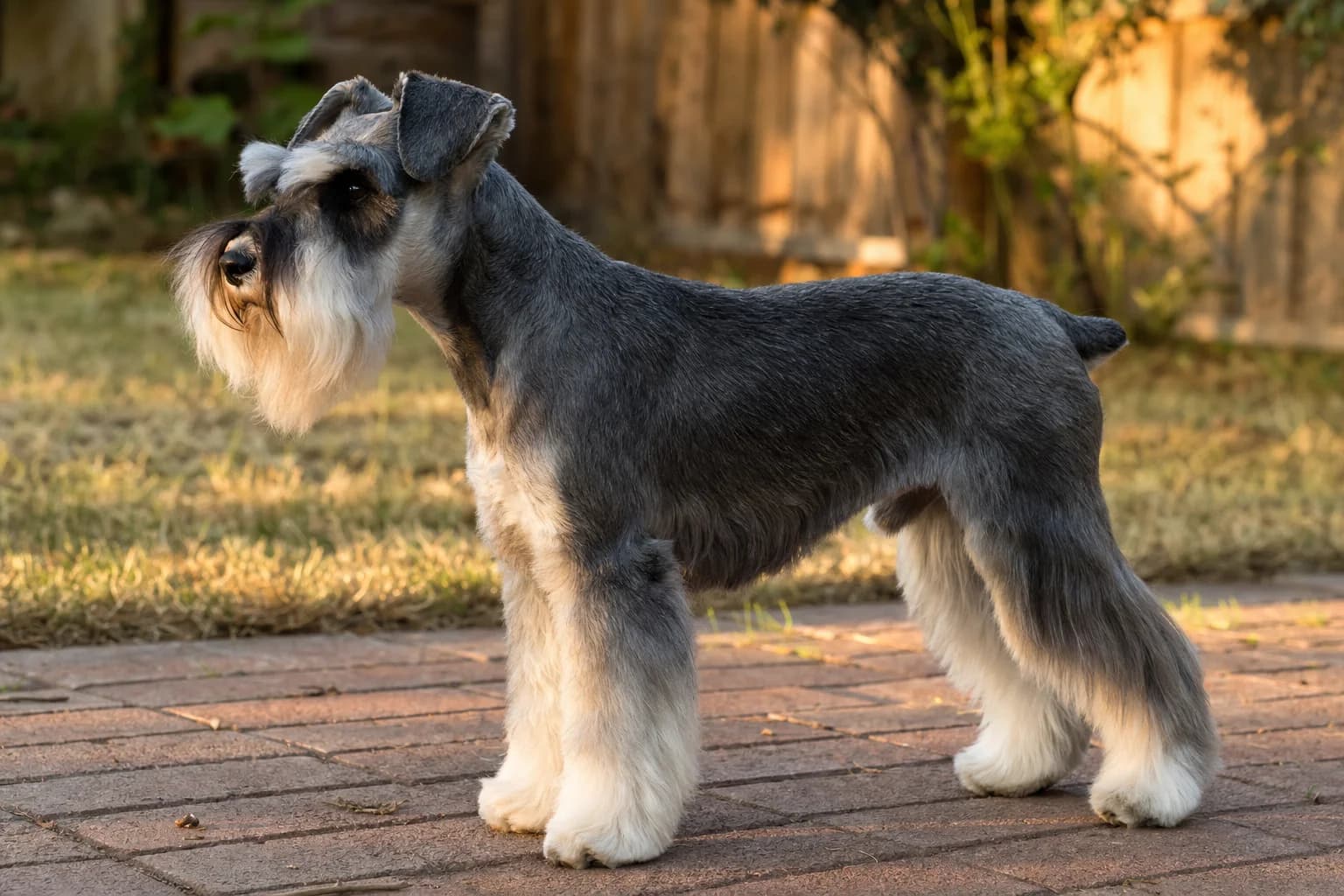
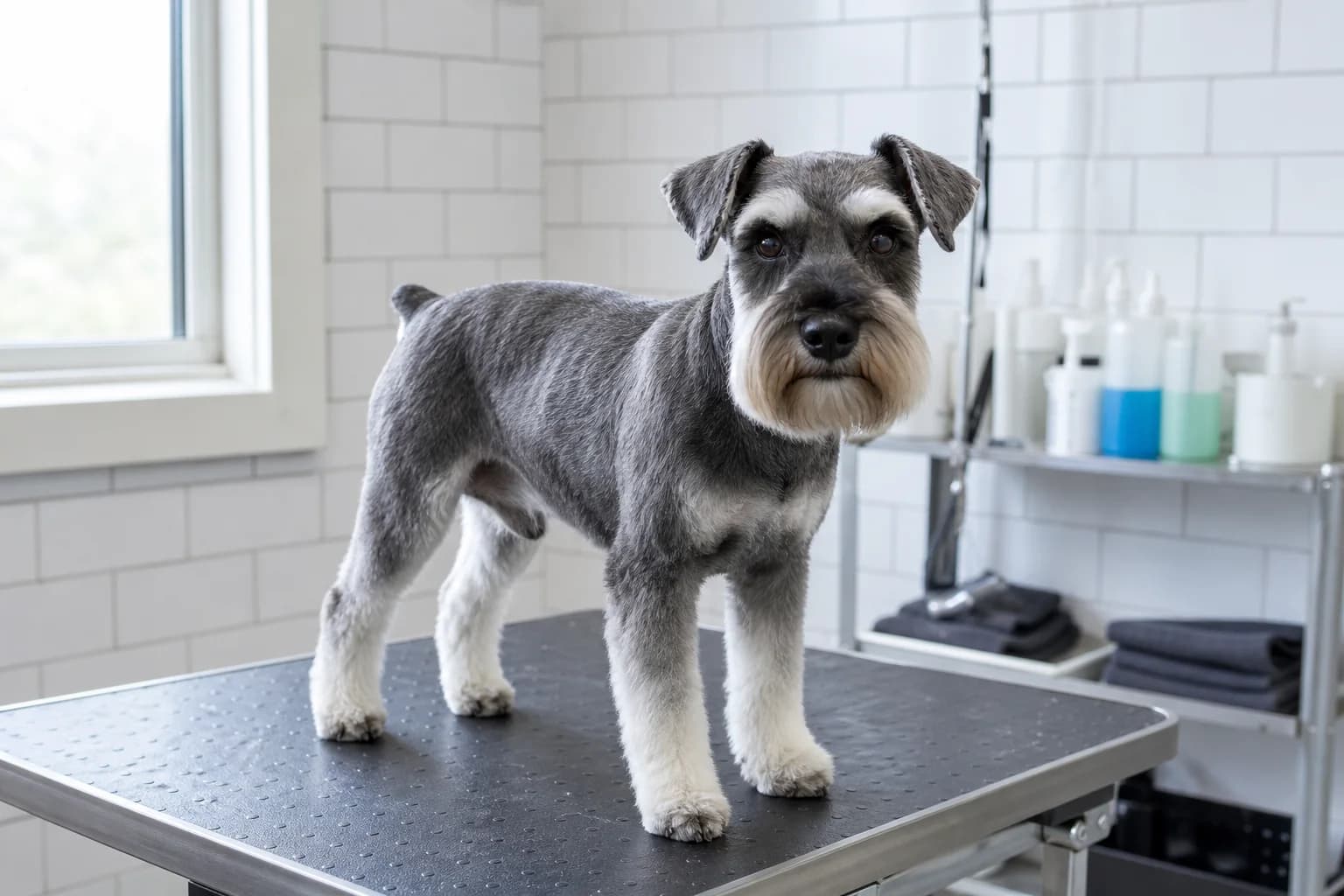
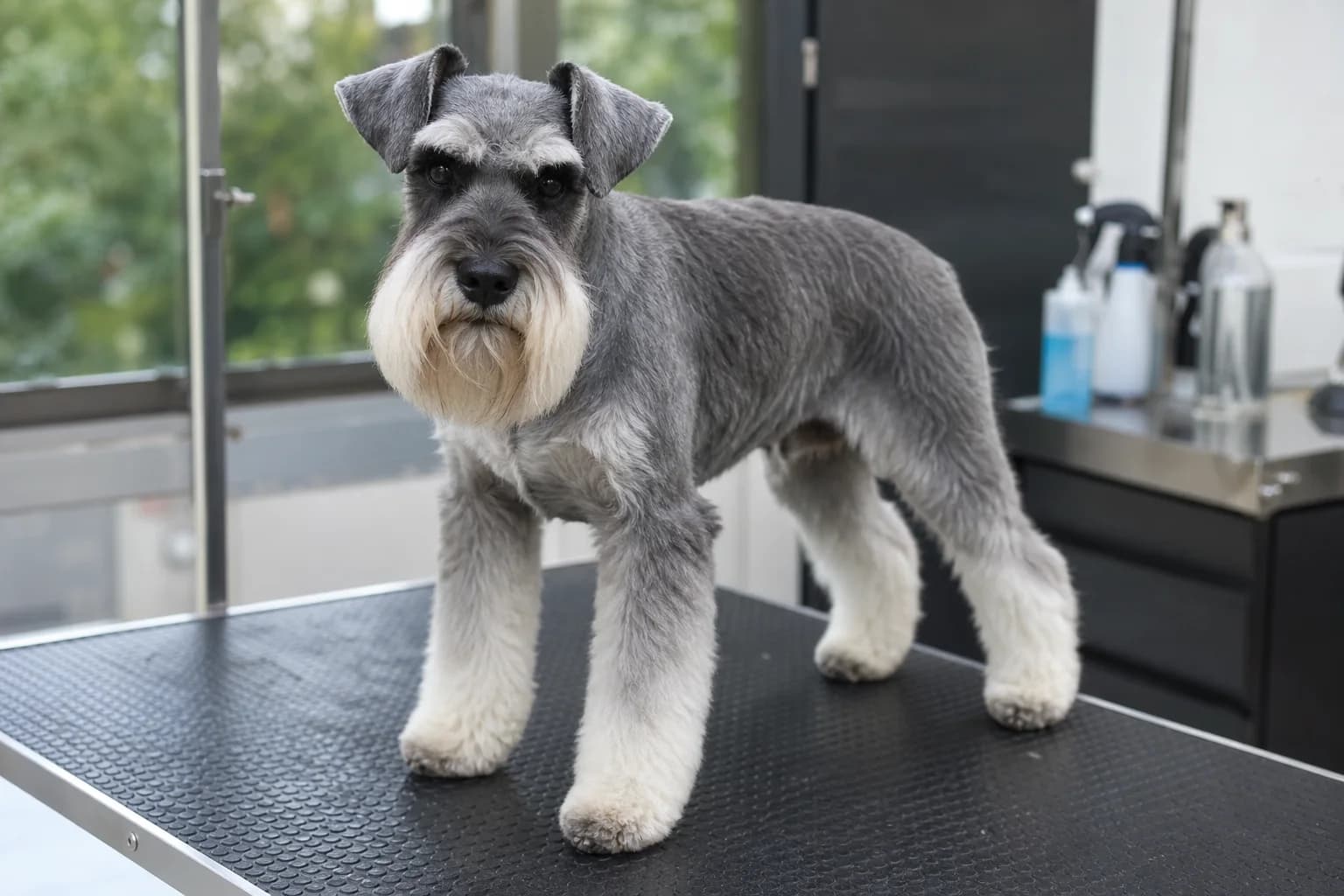
- 1A traditional pet trim preserves the Schnauzer outline with clipped body and longer furnishings.
- 2A puppy or teddy-style trim is easier only when the chosen length matches home care.
- 3Comb to the skin, especially in friction areas.
- 4Use a professional when mats, behavior, skin, or tool skills make home work unsafe.
- 5Style choice must match home maintenance.
| Style | Visible outline | Maintenance decision |
|---|---|---|
| Traditional pet trim | Short jacket, longer furnishings | Frequent leg and beard combing |
| Puppy cut | More even practical length | Clarify exact length |
| Teddy bear | Rounded face and plush outline | Still requires beard care |
| Utility trim | Short and hygiene focused | Protect skin and sun exposure Compare coat length and mat risk. |
Style names are not standardized across every salon, so a photograph and length discussion are more useful than a label alone. Ask how much hair will remain on the body, legs, face, eyebrows, and beard and how that finish will be maintained.
- The traditional pet outline clips the neck and body while preserving furnishings.
- A teddy bear style rounds the face and often keeps a more even, soft outline.
- A short utility trim prioritizes hygiene and easy maintenance.
- Hand stripping and clipping produce different texture and color effects.
Miniature Schnauzer haircut styles: practical checks
- Bring front, side, and face reference photos.
- Discuss blade or comb length in practical terms.
- Ask which areas are matted before requesting a finish.
- Choose the next appointment before leaving.
The coat's current condition and the dog's tolerance may limit the requested style. Humane removal of tight mats takes priority over preserving length.
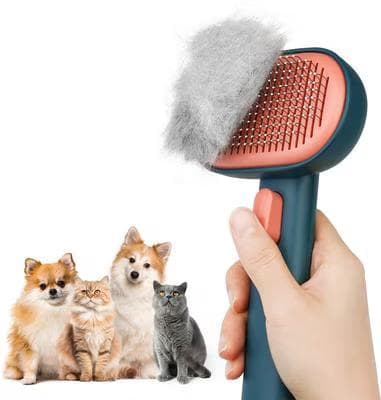
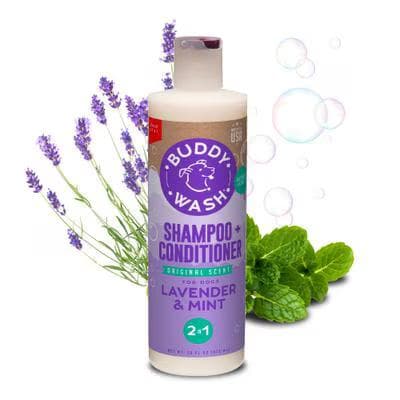
The OneisAll cordless clipper and paw-trimmer kit can support maintenance between appointments, but noise training, cool blades, nonslip footing, and a safe stopping point are essential. For coat maintenance, the aumuca self-cleaning slicker brush is one tool to compare; use light pressure, work in small sections, and stop if the skin becomes irritated. The Buddy Wash shampoo and conditioner is one bathing option to review for ingredients and individual skin tolerance, followed by thorough rinsing and complete drying.
How to choose the best haircut
What is the best haircut for a Miniature Schnauzer? The best choice is the style the household can maintain without mats and the dog can experience comfortably. Compare the desired body and furnishing length with weekly combing time, beard cleanup, outdoor activity, coat texture, professional appointment frequency, and handling tolerance. A short pet trim is often practical, while a traditional outline or longer teddy style demands more detailed home care.
Ask the groomer to translate the style name into body length, leg and skirt length, eyebrow shape, beard length, and coat method. Bring photographs, but allow the final plan to reflect current matting, skin health, and the dog's comfort. The safest successful haircut may be shorter than the reference image at one appointment and adjusted gradually later.
Choose a style by maintenance, not by name
Miniature Schnauzer haircuts are labels for a maintenance plan, not fixed templates. Before choosing, decide how much beard and leg furnishing the household can comb, how often the dog can visit a groomer, whether the coat is clipped or hand stripped, and how much mud, food, and moisture the furnishings collect. These haircut appearance comparisons should stay connected to upkeep. A style-to-maintenance selector explains what each haircut looks like, how often it needs reshaping, and which coat tasks remain unchanged while comparing mat risk, home brushing, professional interval, and the dog's comfort with handling.
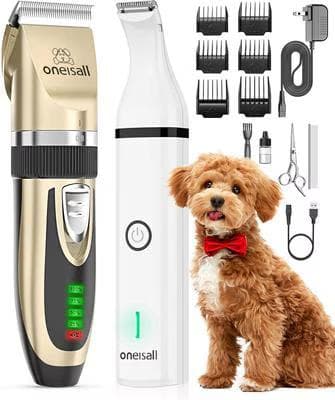
Petful may earn a commission when you click through to Chewy, at no extra cost to you.
Show the groomer photographs of the preferred outline and identify the parts that matter most, such as eyebrow length, beard shape, skirt length, and foot finish. Ask what the dog's current coat can support. A shorter trim can reduce daily detangling, while a longer outline preserves more texture but demands more line combing. Neither choice removes nail, ear, dental, skin, or beard care.
Traditional Schnauzer trim
A traditional pet trim keeps the familiar eyebrows, beard, and furnished legs while shortening the jacket. It creates a crisp outline but concentrates maintenance in the very areas that collect water, food, debris, and friction.
- Leg furnishings need section-by-section combing.
- Eyebrows must not obstruct vision.
- The beard should be clean and dry at the skin.
- A clipped jacket can feel softer over repeated appointments.
Traditional Schnauzer trim: apply the plan
- Ask the groomer to show the home-combing pattern.
- Check armpits and harness areas.
- Dry the beard after drinking when needed.
- Keep eye corners free of irritating hair.
Do not trim around a moving eye or use scissors on skin you cannot clearly see. Small cosmetic adjustments are not worth an eye or skin injury.
Clipping and hand stripping produce different coats
The traditional outline keeps a short body with longer eyebrows, beard, and leg furnishings. For many pets, clippers create that shape efficiently. Repeated clipping can leave the jacket softer and lighter in appearance because it cuts rather than removes mature hairs. Hand stripping removes ready outer hairs to help maintain a harsher wiry topcoat, but it requires skill, time, suitable coat, and a dog who is comfortable with the process.
A professional groomer can assess whether hand stripping is realistic for the individual coat and household goal. It should never be forced through fear, pain, inflamed skin, or extensive matting. Pet comfort comes before preserving a show-style texture. Owners who choose clipping can still keep a polished outline by maintaining the beard, furnishings, and transition lines between appointments.
For the source and full decision framework, see the official Miniature Schnauzer breed standard.
Puppy cut and teddy bear style
Puppy cut usually means an even practical length rather than one official Schnauzer pattern. Teddy bear commonly refers to a rounded face and softer silhouette. Both terms require clarification because one groomer's short is another groomer's long.
- Even length can reduce the contrast between jacket and furnishings.
- A rounded face still needs beard hygiene.
- Longer plush finishes may mat faster than owners expect.
- Shorter does not mean maintenance free.
Puppy cut and teddy bear style: questions to answer
- Specify the length you can comb.
- Show where you want the ears and eyebrows shaped.
- Discuss sanitation and foot hair.
- Plan for seasonal activity without using weather alone as the decision.
A haircut should protect movement, vision, skin, and comfort. Avoid requesting an appearance that depends on leaving mats or pulling irritated skin.
Puppy cut versus teddy bear trim
A Miniature Schnauzer puppy cut usually means a shorter, more even pet trim, although salons use the name differently. A teddy bear style often emphasizes a rounded face and softer outline. Ask for lengths in inches or clipper-comb terms and bring a reference photo, because the same name can produce different results. The shorter option generally reduces tangling but still needs regular combing to the skin.
The best haircut for a Miniature Schnauzer is the one the household can maintain without mats and the dog can tolerate comfortably. A longer teddy outline may suit a frequently combed indoor coat, while a shorter practical trim may fit an active dog that gets wet or dirty. Keep enough coat to protect healthy skin, and ask a professional before making a dramatic change to an irritated or poorly maintained coat.
Coat, beard, and furnishing care
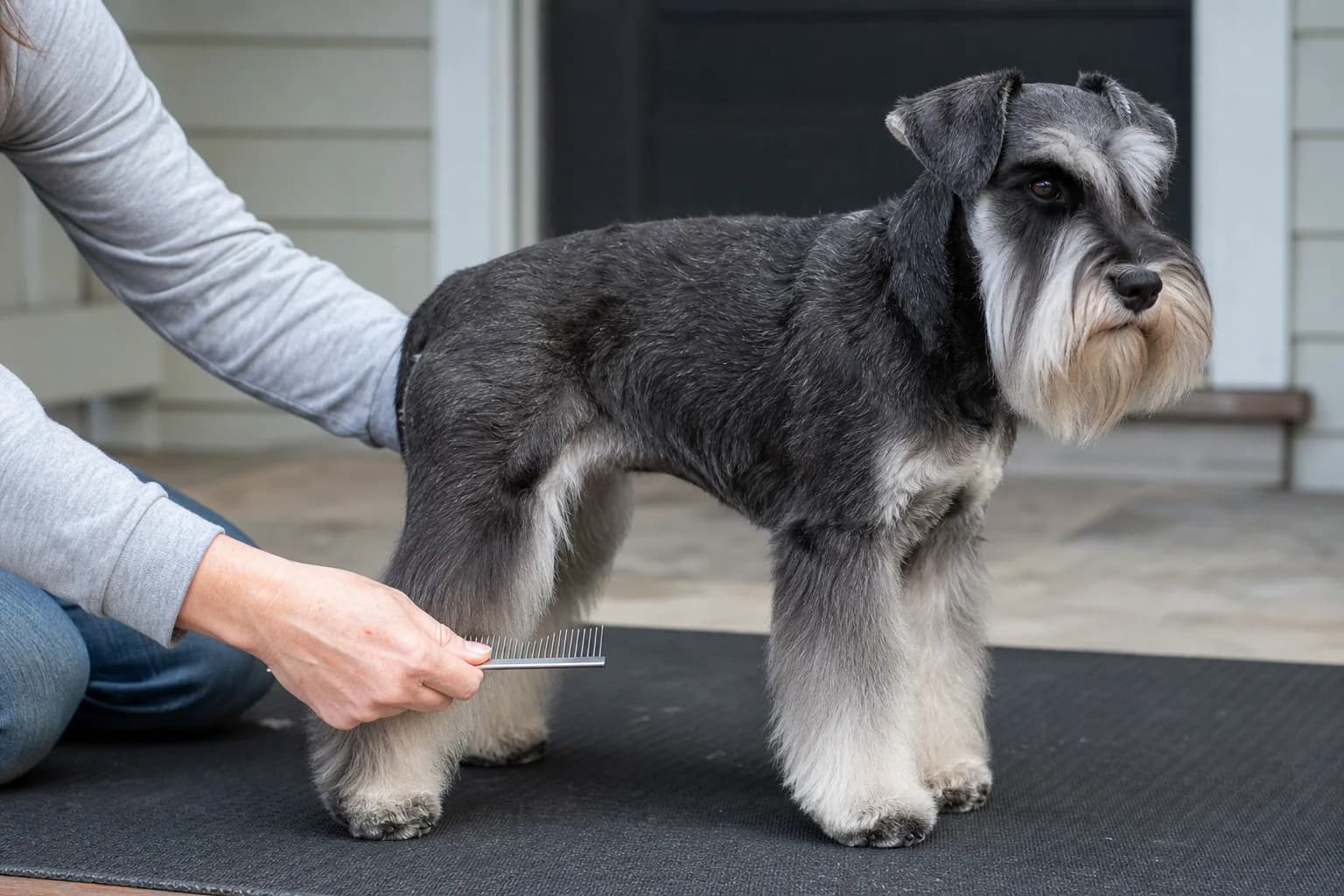
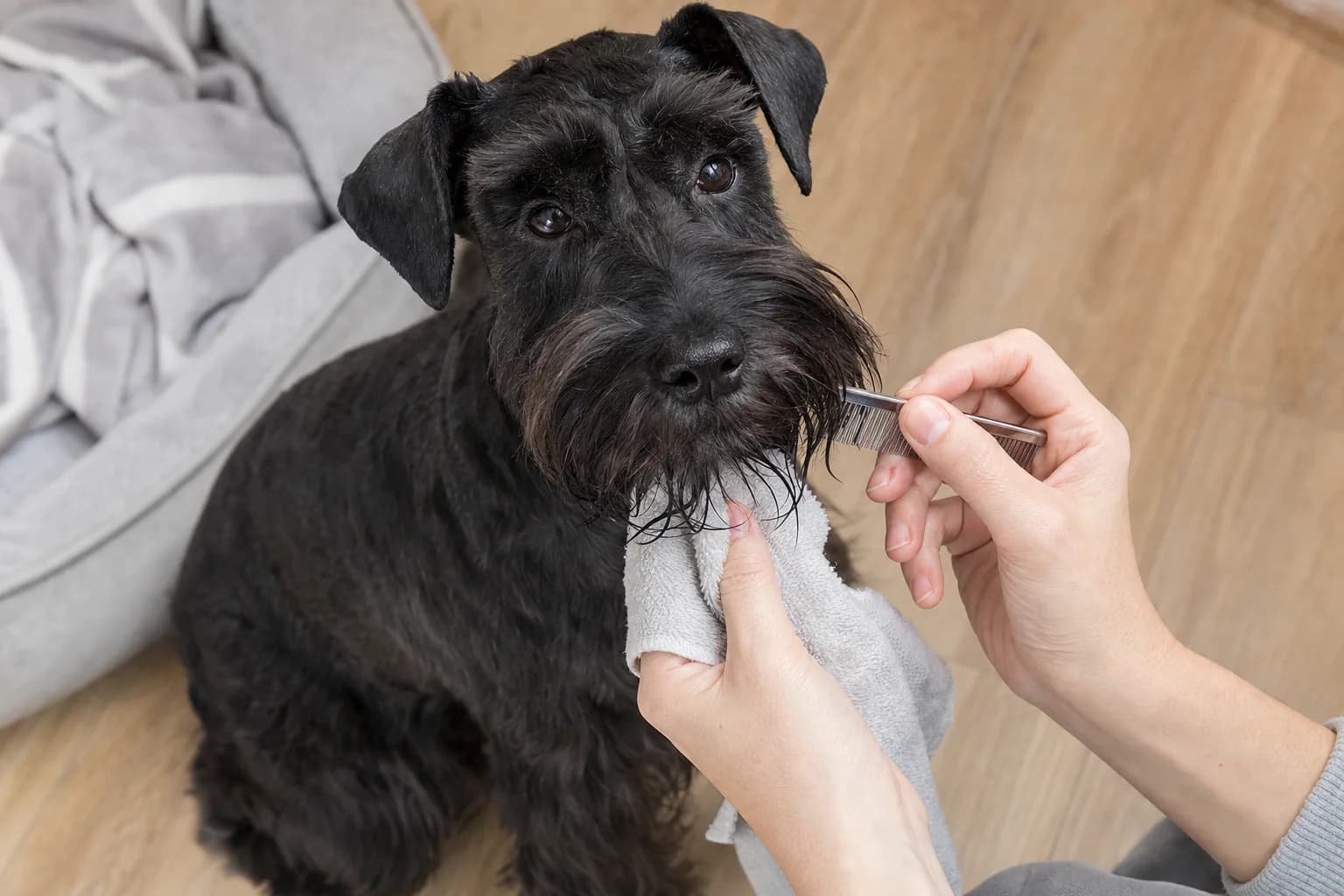
The beard and leg furnishings are the daily reality behind the breed's silhouette. Moisture trapped at the skin can contribute to odor and irritation, while food and outdoor debris make tangles more likely. For routine surface cleanup, Angels' Eyes face, eye, and paw wipes are one option to compare; they do not diagnose or treat the cause of new tearing, redness, pain, or discharge.
Petful may earn a commission when you click through to Chewy, at no extra cost to you.
- A slicker brush separates surface coat but a metal comb confirms depth.
- Friction zones include armpits, collar and harness areas, groin, and behind the ears.
- Wet tangles can tighten as they dry.
- Skin changes should not be hidden under deodorizer.
Coat, beard, and furnishing care: practical checks
- Rinse food from the beard when needed.
- Blot and dry to the skin.
- Comb in small sections.
- Check for redness, odor, pain, and debris.
Persistent odor, inflamed skin, discharge, pain, or a sudden grooming reaction calls for veterinary assessment, not stronger fragrance or more force.
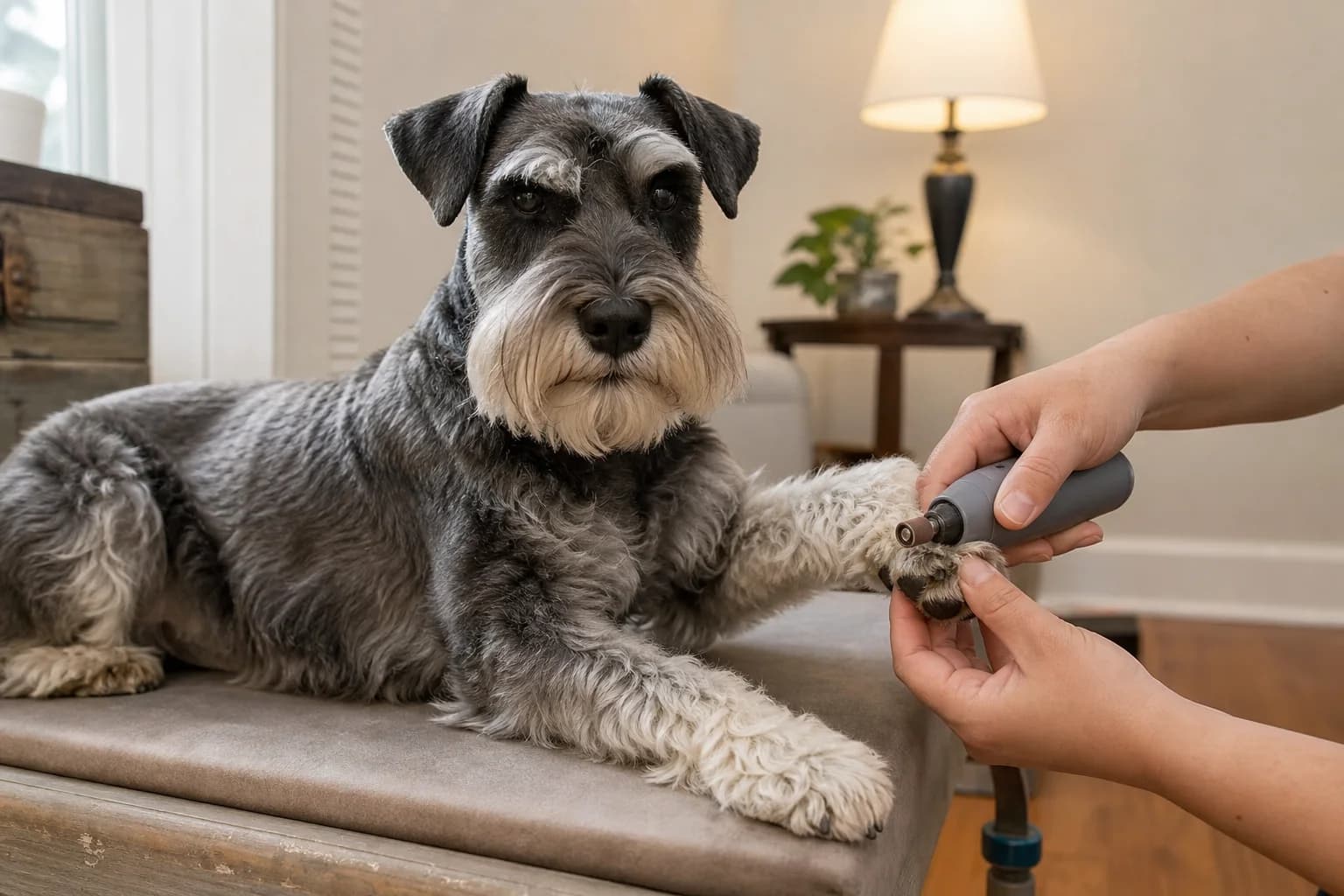
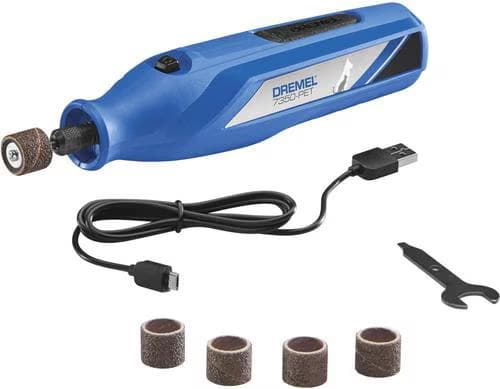
Introduce the Dremel cordless nail grinder in short sessions before touching a nail, and keep the bit moving so heat does not build up. For coat maintenance, the Four Paws wet-and-dry grooming glove is one tool to compare; use light pressure, work in small sections, and stop if the skin becomes irritated. If clipping is comfortable for both dog and handler, the Safari professional nail trimmer is one tool to compare after identifying the quick and preparing styptic powder.
Prevent mats before they tighten
The wiry topcoat sits over a soft undercoat, and the beard and leg furnishings create high-friction areas. Mat prevention starts with a slicker brush to separate surface tangles, followed by a metal comb that reaches the skin. Work in small sections around the armpits, collar area, inner legs, beard, and feet. If the comb stops, do not pull harder. Support the skin, divide the section, and use a groomer for tight or extensive mats.
Weekly beard cleaning is a minimum hygiene check, not always the final cadence. Food, saliva, and water can keep furnishings damp, so rinse or wipe as needed and dry thoroughly. Scheduled coat clipping or stripping prevents the appointment from becoming an emergency shave. Redness, odor, discharge, pain, or sudden touch sensitivity should be assessed rather than hidden under fragrance or forceful brushing.
Home grooming tools and schedule
| Tool | Job | Safety boundary |
|---|---|---|
| Slicker brush | Separate surface coat | Do not scrape skin |
| Metal comb | Confirm coat to skin | Stop at tight mats |
| Clippers | Shorten trained areas | Check blade heat |
| Nail tool | Maintain nail length | Avoid the quick and panic Use a metal comb and keep the clipper blade cool. |
A useful kit is smaller than a crowded product drawer. A nonslip surface, appropriate brush, stainless-steel comb, dog-safe nail tool, towels, and dog-safe cleaning products cover most routine work.
- Tool size should match the dog and coat length.
- Dull or damaged equipment pulls hair.
- Clipper blades can become hot enough to burn.
- Scissors near folds, mats, ears, genitals, and eyes carry high risk.
Home grooming tools and schedule: apply the plan
- Inspect tools before each session.
- Test blade temperature frequently.
- Keep one hand aware of skin position.
- Stop when visibility or dog cooperation is poor.
Professional help is the right choice when the coat is tightly matted, the dog is fearful or painful, or the owner has not been taught safe technique.
Build a small tool kit with clear jobs
A practical kit includes a slicker brush, metal comb, blunt-tip grooming scissors for limited finishing, a clipper with appropriate guards, nail equipment, a nonslip mat, towels, and a pet-safe cleanser. The comb is the final mat check because a brush can pass over compacted coat. Clean and inspect tools, keep clipper blades cool, and replace damaged comb teeth or cracked guards.
Match each tool to a task. Safe clipper and scissor limits begin with clean, dry, detangled coat and a fully visible cutting line. Do not cut into a mat pressed against skin, probe an ear canal, or use human toothpaste. Short rewarded sessions are safer and more teachable than trying to finish every task after the dog becomes worried.
Bathing and drying
Bathing frequency depends on skin, coat, activity, products, and veterinary advice. The sequence matters: remove manageable tangles before the bath, rinse product thoroughly, and dry the dense areas rather than leaving the skin damp.
Petful may earn a commission when you click through to Chewy, at no extra cost to you.
- Human shampoo may not be appropriate for canine skin.
- Concentrated products must be diluted as directed.
- Water and force drying should be kept away from vulnerable eyes and ears.
- A damp undercoat can hide beneath a dry surface.
Bathing and drying: questions to answer
- Prepare every tool before wetting the dog.
- Use comfortable water temperature.
- Rinse longer than seems necessary.
- Dry section by section while monitoring heat and stress.
A dog with active skin disease, recurrent ear trouble, or a prescribed bathing protocol should follow the veterinary plan rather than a generic salon schedule.
Dry the coat all the way to the skin
Brush and comb before bathing unless a groomer advises otherwise, because water can tighten existing tangles. Use lukewarm water and a pet-safe product, rinse until the coat feels clean, and squeeze rather than twist the furnishings. Dry the beard, armpits, belly, and feet carefully. Damp undercoat can hide irritation and can mat as it dries.
Check the coat again after drying. A metal comb should pass through the beard, armpits, belly, and legs without catching, while the skin should look calm and feel dry. Miniature Schnauzer long hair needs the same skin-level check because the visible ends can look smooth while the undercoat tangles. Stop and seek professional help if matting tightens, redness appears, or the dog becomes painful during the process.
Should you shave a Miniature Schnauzer?
Should Schnauzers be shaved in summer? A close shave is not automatically a cooling solution and should not be treated as a universal seasonal rule. Coat length, matting, skin health, sun exposure, activity, climate, and the dog's ability to tolerate grooming all matter. A shorter pet trim may improve practical maintenance, but the groomer should leave a safe length and avoid irritated skin unless veterinary or matting circumstances require a different plan.
Cooling depends primarily on shade, water, ventilation, activity timing, acclimation, and monitoring for heat stress. Never use a haircut as permission for strenuous activity in high heat. If mats are tight to the skin, humane removal may require a shorter clip than the owner hoped for. Preventing the next mat cycle is more useful than preserving length through painful brushing.
Nails, ears, teeth, and feet
A complete grooming plan extends beyond hair. Nail length affects traction and posture, ear changes can signal inflammation, and daily toothbrushing addresses a problem a haircut cannot touch.
- Quick length varies and can be hard to see in dark nails.
- Hair removal from ears is not automatically needed for every dog.
- Redness, odor, discharge, head shaking, or pain needs assessment.
- Dog-safe toothpaste is required because human products may be unsafe to swallow. For gradual dental care, use only pet-safe toothpaste such as Virbac C.E.T. enzymatic toothpaste after veterinary guidance; human toothpaste is not an appropriate substitute.
Nails, ears, teeth, and feet: practical checks
- Handle feet in brief sessions.
- Trim small nail amounts when trained to do so.
- Look and smell before cleaning ears. For a comfortable ear with no pain or discharge, Virbac Epi-Otic ear cleaner is one routine-care option to discuss with a veterinarian; a painful or inflamed ear needs examination before cleaning.
- Build toothbrushing from touch to short successful brushing. The Virbac C.E.T. dual-ended toothbrush is one size-flexible option after the dog accepts lip handling; brush without forcing the mouth open.
Do not probe an ear, force a painful mouth open, or continue nail work through panic. Divide care into safer sessions or use professional support.
Safe home grooming boundaries
- Stop when skin or behavior makes the cut unsafe | Do not slide scissors beneath mats, use a hot blade, work near a moving eye, or force a frightened or painful dog through the session. Stop when skin is hidden or the dog is distressed.
The safest home-grooming decision is sometimes to stop. Skin is thin and mobile, mats can pull it into the path of a blade, and a struggling dog changes tool position faster than a person can react.
- Never cut blindly under a mat.
- Never use a tool near an eye when the head is moving.
- Clipper heat must be checked on skin, not guessed.
- Sedation is a veterinary decision, not a home workaround.
Safe home grooming boundaries: apply the plan
- Pause at the first equipment problem.
- Use a helper only if restraint remains calm and safe.
- Photograph a lesion instead of grooming over it.
- Call the groomer or clinic before improvising.
Bleeding, burns, eye contact, collapse, severe distress, or a deep cut requires prompt veterinary guidance. Cosmetic completion can wait.
Petful may earn a commission when you click through to Chewy, at no extra cost to you.
Know when clippers and scissors should stop
Safe home grooming depends on visibility, restraint-free cooperation, and healthy skin. Stop when the dog is panicking, the skin is folded into a mat, the blade feels hot, or the cutting line is hidden. A clipper blade can injure thin skin at the armpits, groin, ears, and lips. Grooming scissors can puncture a moving dog even when their tips look rounded.
Use a professional groomer or veterinary team for severe matting, painful ears, broken nails, inflamed skin, or a dog who cannot be handled safely. Sedation, when medically appropriate, is a veterinary decision. The goal is not to complete the haircut at any cost. A shorter partial session that preserves trust is a better foundation for the next appointment.
Grooming a worried or painful dog
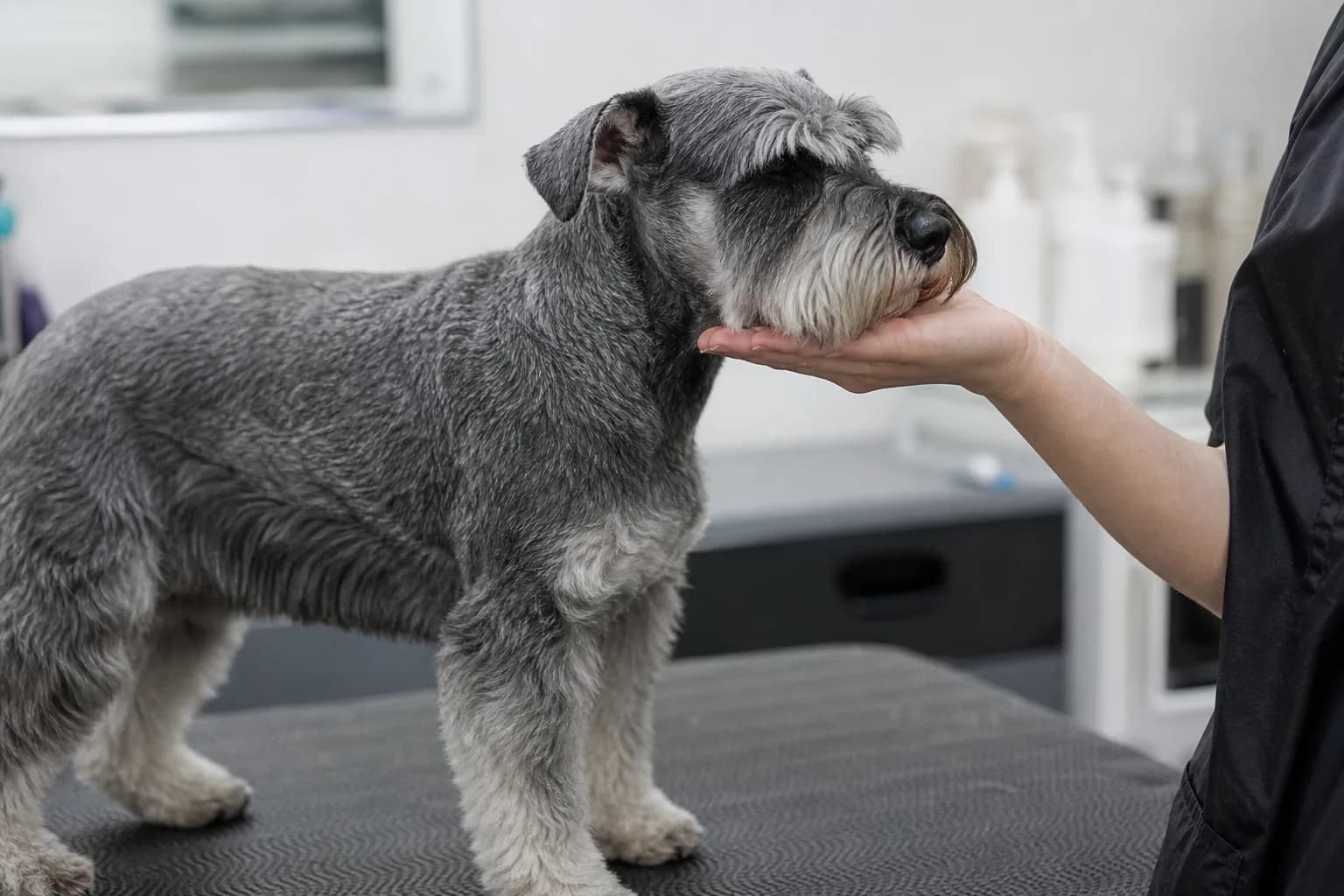
Freezing, lip licking, head turning, trembling, growling, snapping, and escape attempts are information. Cooperative care reduces the size of each step and lets the dog predict what earns a break.
- Punishing warning signals can suppress communication without reducing fear.
- Sudden sensitivity may reflect pain.
- A nonslip surface can change a dog's confidence.
- Noise and vibration can be trained separately from touch.
Grooming a worried or painful dog: questions to answer
- Start below the fear threshold.
- Reward stillness of one or two seconds.
- Use a consistent start and finish cue.
- Seek a reward-based trainer or cooperative groomer when progress stalls.
Medical pain, inflamed skin, ear disease, dental disease, or joint discomfort must be addressed before behavior training is expected to solve the reaction.
Choosing and briefing a professional groomer
A successful salon relationship depends on honest information about health, behavior, coat history, and home maintenance. Show the desired result, then ask what is possible without causing pain or excessive stress.
- Appointment duration and drying method can affect tolerance.
- Senior or medically fragile dogs may need modified handling.
- A groomer should know current medications and recent procedures.
- A mat-removal policy should be discussed before work begins.
Choosing and briefing a professional groomer: practical checks
- Share bite, fall, seizure, and mobility history.
- Ask when the groomer would stop and call.
- Confirm pickup timing.
- Inspect skin, eyes, gait, and behavior before leaving.
A glamorous finish is not a successful appointment if the dog leaves injured or overwhelmed. Comfort and safety are the quality standard.
Write a one-page grooming brief
A useful brief lists the desired body length, eyebrow and beard preference, furnishing length, coat method, known handling sensitivities, medical concerns, and the home-care interval. Include photographs of the dog after a successful appointment. Ask the groomer to report mats, skin changes, ear debris, nail concerns, and any point where the dog became uncomfortable.
Confirm how the salon handles breaks, drying, senior dogs, and unexpected matting. Agree in advance that comfort may require a shorter trim than planned. Consistent notes let the next appointment build on evidence instead of starting from a style name alone. This original maintenance record is often more useful than a generic Miniature Schnauzer grooming chart.
A practical grooming schedule
| Task | Starting cadence | Adjust when |
|---|---|---|
| Beard check | Daily | Wet, dirty, or irritated |
| Brush and comb | Several times weekly | Length and friction increase |
| Nails and feet | Regular short checks | Traction or clicking changes |
| Professional trim | Often 4 to 8 weeks | Coat or comfort needs differ Include beard cleaning and professional grooming intervals. |
Build the schedule backward from the haircut length and coat response. Daily beard checks, several combing sessions each week, regular nails and teeth, and professional trims commonly overlap rather than occurring on one grooming day.
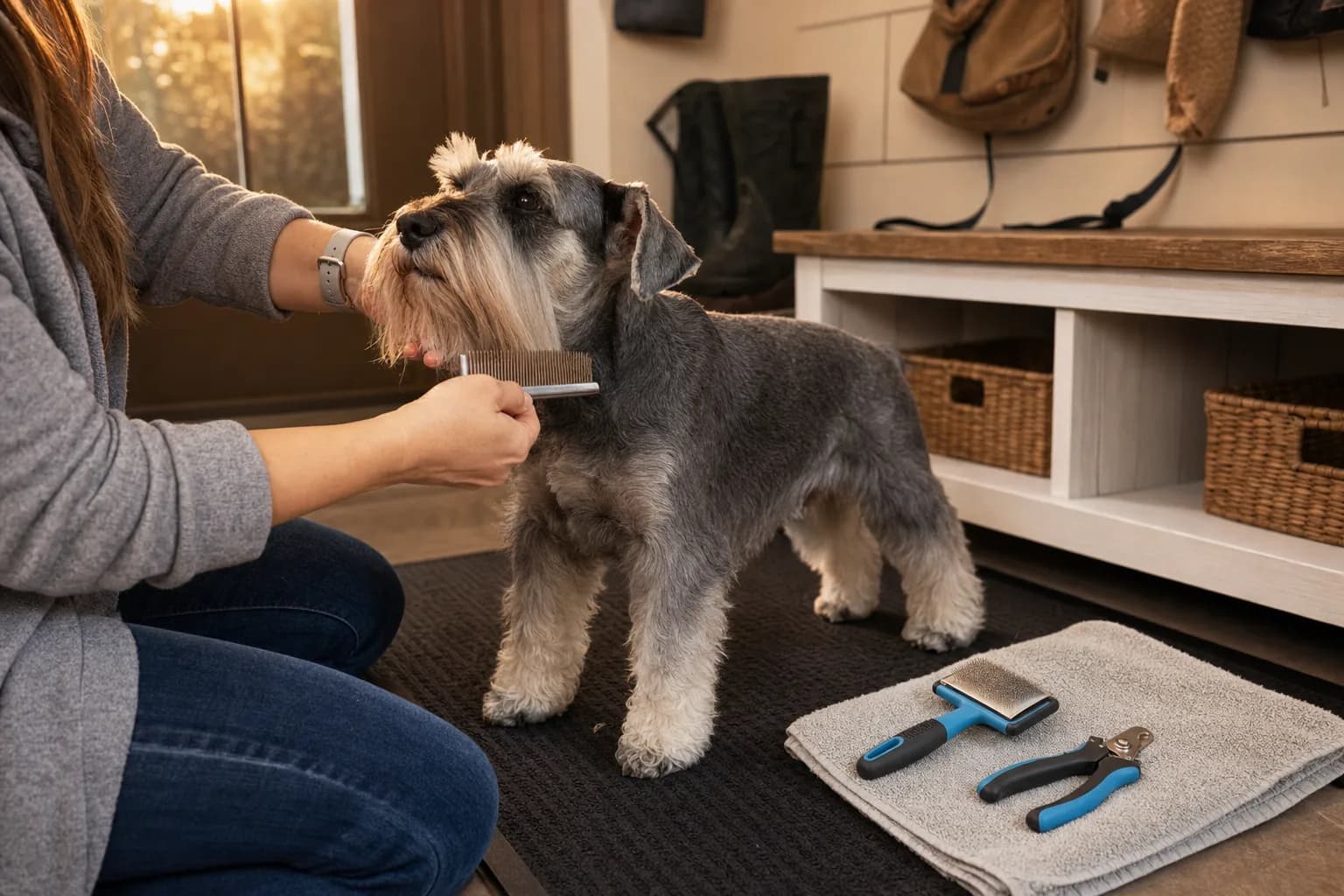
- Long furnishings require more frequent combing.
- Season, clothing, harnesses, and activity change friction.
- Dental care is most effective as a daily habit. One dog-safe option to compare is Sentry Petrodex enzymatic dog toothpaste, introduced gradually without forcing the mouth open.
- Appointment intervals should shorten before mats become routine.
A practical grooming schedule: apply the plan
- Record the haircut length.
- Note where tangles appear first.
- Photograph the finish.
- Adjust the next interval using evidence from the coat.
The goal is a schedule that prevents pain and keeps care cooperative. Repeated emergency shave-downs show that length or interval needs to change.
Set the interval before the coat becomes difficult
How often should a Miniature Schnauzer get a haircut? Many pet owners use a recurring professional interval and adjust it for coat method, chosen length, growth rate, matting, season, health, and home maintenance. The correct interval is the one that lets a metal comb reach the skin and keeps the beard, feet, ears, and nails manageable before the next appointment. Waiting until mats form can force a much shorter trim.
Record the appointment date, body length, areas that tangled first, and the dog's handling response. If the coat was easy at six weeks but difficult at eight, schedule earlier next time. A predictable routine also lets the groomer build cooperation gradually instead of completing every task during a stressful rescue appointment.
Between appointments, separate beard hygiene from full-coat work. Check the beard after meals and water, comb friction areas on a regular schedule, and inspect skin while the coat is parted. Note which task creates concern so the groomer can shorten, split, or positively condition that step. A schedule succeeds when coat condition and handling comfort both remain sustainable.
Turn the schedule into a grooming record
Treat a Miniature Schnauzer grooming chart as a record of this dog's interval, not a universal calendar. Note which Miniature Schnauzer grooming clippers or comb attachments the professional used, but do not copy a blade choice onto an unprepared coat at home. Miniature Schnauzer puppy haircuts are also useful handling lessons: short, rewarded introductions to the table, dryer sound, feet, face, and comb can matter more than achieving a perfect adult outline at the first visit.
What grooming can and cannot change
Grooming can change outline, texture, apparent color, and cleanliness. It cannot change adult structure, inherited color genetics, allergen production, medical disease, or the dog's underlying temperament.
- Clipping often softens the visible jacket.
- Sun and products can influence appearance.
- Low visible hair does not mean zero allergens.
- A haircut cannot correct obesity or poor muscle condition.
What grooming can and cannot change: questions to answer
- Separate cosmetic goals from health goals.
- Photograph coat before and after changes.
- Ask a veterinarian about skin or hair loss.
- Use the shedding guide for allergen expectations.
When appearance changes suddenly, look for timing, distribution, itch, pain, odor, medication changes, and systemic signs before assuming the groomer caused it.
Owner workbook: a style-by-maintenance comparison
Use this a style-by-maintenance comparison to record the current baseline, the decision being made, who is responsible, the timing or cost involved, and the evidence that should trigger a change.
For a style-by-maintenance comparison, include a style-by-maintenance comparison, monthly costs and an emergency reserve, and records, photographs, and measurements that can be compared over time. Keep the record brief enough that every caregiver can maintain it.
Related Miniature Schnauzer guides
Use the page that owns the next decision:
- Miniature Schnauzer: Temperament, Health, and Care
- Miniature Schnauzer Puppies: Price, Care, and Sourcing
- Best Food for Miniature Schnauzers
- Miniature Schnauzer Lifespan and Health Problems
- Miniature Schnauzer Size and Weight Guide
- Miniature Schnauzer Colors and Coat Patterns
- Do Miniature Schnauzers Shed? Hypoallergenic Facts
- Miniature Schnauzer Mixes: Traits and Care
Separate grooming from shedding expectations
The shedding guide explains why regular coat care can reduce loose visible hair without making any dog allergen-free or replacing an individual allergy assessment.
For the source and full decision framework, see the Miniature Schnauzer shedding guide.
Miniature Schnauzer grooming FAQs
What is a teddy bear cut for a schnauzer? It is usually a softer pet trim with a rounded face and blended furnishings, but salons use the term differently. Bring a reference photograph and agree on body length, eyebrow shape, beard length, and leg finish. The style can be attractive and practical when the household keeps up with combing, beard cleaning, and a recurring professional interval.
What is the best haircut for a Miniature Schnauzer? The best style is the one the household can maintain without mats and the dog can tolerate comfortably. Compare body length, furnishing length, home combing, outdoor activity, coat texture, and professional frequency. A shorter pet trim often reduces tangling, while a traditional or teddy outline preserves more coat and requires more maintenance.
Should Schnauzers be shaved in summer? Not automatically. A shorter practical trim may help maintenance, but cooling still depends on shade, water, ventilation, activity timing, and heat monitoring. Coat condition, matting, skin health, sun exposure, climate, and grooming tolerance should guide the decision. Tight mats may require a short humane clip, while healthy coat should not be shaved close solely because the calendar says summer.
How often should a Miniature Schnauzer get a haircut? Use a recurring interval that keeps a metal comb moving to the skin and prevents mats before the next appointment. The exact timing depends on coat method, chosen length, growth rate, season, health, home maintenance, and handling comfort. Record where tangles began and schedule earlier when the coat became difficult before the previous visit.
Check the beard after meals and drinking, remove debris gently, rinse when needed with a dog-safe approach, and dry all the way to the skin. Comb in small sections rather than brushing only the surface. Persistent odor, redness, discharge, pain, or sudden handling sensitivity can indicate a skin, mouth, or other medical problem and should be assessed by a veterinarian. Avoid covering an unexplained odor with fragrance, and keep beard care brief and rewarding.
Puppy cut usually describes an even, practical pet length rather than one official breed pattern. It can reduce the contrast between the short jacket and longer furnishings, but the exact finish depends on the groomer and the owner's request. Bring photographs and agree on body, leg, face, eyebrow, beard, foot, and sanitary lengths. A puppy cut still needs combing, beard hygiene, nail and dental care, and an appointment schedule suited to the dog's coat and comfort.
Bottom line
The best Miniature Schnauzer haircut is the one that protects comfort and can be maintained between appointments. Style comes after clean skin, a combable coat, safe tools, and a dog who can participate without panic.

Coreen Saito is a pet writer and longtime shelter volunteer with more than a decade in animal rescue. She covers cat behavior, breed care, and the small, ordinary science of sharing a life with companion animals, with a particular focus on honest takes about the products and decisions that actually matter. At home in Arizona, she's outranked by Mac (a dog with the loudest opinion in the house), Rebel (a cat who governs by quiet authority), and Meri (an orange tabby who runs the late shift and the laundry basket). She writes about all three, plus the rescues that keep coming through her life, at LifeWithMinty.com.
Sign up for expert-backed reviews and safety alerts all in one place.