Chiweenie Full Grown: Adult Size, Weight, and Growth
Learn what to expect from a Chiweenie full grown, why adult weight varies, when growth slows, and how to measure your dog for comfortable equipment. Use practical, individual-dog checks to make a care plan that fits your household.
Appearance alone does not establish ancestry or predict adult size.
Petful is reader supported. As an affiliate of platforms like Amazon and Chewy, we may earn a commission when you buy through links on this page. There is no extra cost to you.
A Chiweenie full grown is usually a small dog, but there is no single official weight or height for this Chihuahua-Dachshund mix. Parent size, additional ancestry, and individual development all matter. Use published ranges as orientation, then judge your dog's growth with actual measurements, body condition, and veterinary advice rather than a promise attached to a puppy listing.

Sign up for expert-backed reviews and safety alerts all in one place.
How big is a Chiweenie full grown?
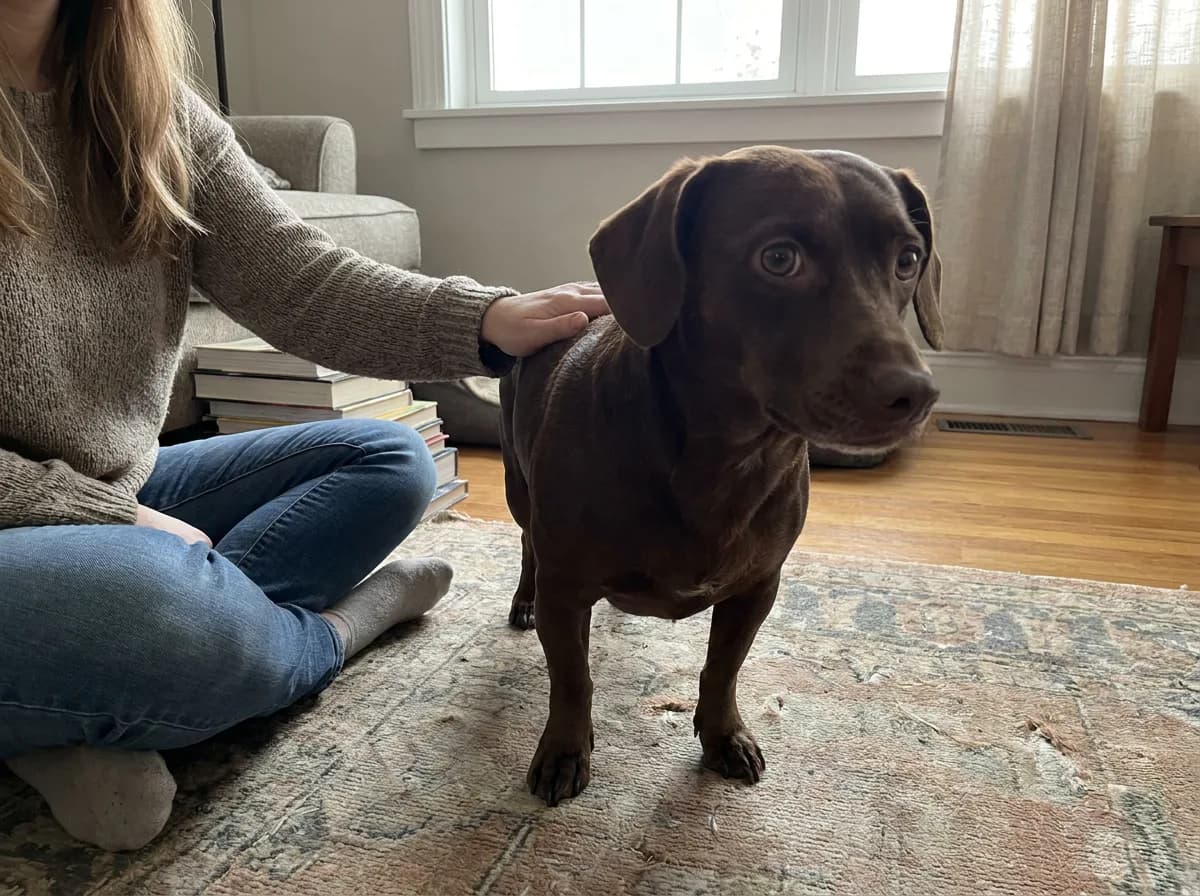
How big do Chiweenies usually get? Many breed profiles describe adult weights in roughly the 5-to-15-pound range, but that is not a limit or a breed standard. A mix involving a larger Dachshund or additional ancestry may be bigger. A healthy adult does not become “wrong-sized” simply because a website gives a narrower number.
Chiweenie full grown size varies. Parent information and repeated measurements help, but body condition matters more than fitting a fixed weight range. Buy equipment from the individual dog's dimensions, not the mix name.
The AKC Dachshund profile distinguishes miniature and standard dogs, and its breed weight chart illustrates how different parent sizes can be. Mixing Chihuahua and Dachshund ancestry does not mathematically average the parents' weights. Nor can you assume that every dog labeled a Chiweenie has only those two breeds in the family tree.
Weight, height, and build answer different questions
Weight tells you how much the dog weighs, not whether they carry an appropriate amount of body fat. Height at the shoulder helps describe overall scale. Back length and chest circumference help with equipment and clothing. Two adult Chiweenies can weigh the same and still need different harnesses because their proportions differ.
- Use weight trends to follow growth and unexpected changes.
- Use body-condition assessment to discuss healthy weight.
- Use chest and neck measurements to compare harness charts.
- Use back length only for products whose charts actually require it.
Ask your veterinarian to show you how to assess your dog's body condition. Fluffy hair can conceal the waist, and a long torso can make visual comparisons misleading. Do not increase food simply because a dog is below an internet range, or restrict food because a dog is above it. The question is whether that weight is appropriate for that individual.

Petful may earn a commission when you click through to Chewy, at no extra cost to you.
Practical questions in context
A Chiweenie full grown has the adult proportions of its own ancestry and development. There is no single official maximum height or weight for every mix. Use parent information as context, then measure the dog's chest, neck, and back for equipment. Healthy body condition matters more than making a larger or smaller individual fit an internet average.
Questions before the next step
A mini Chiweenie or teacup Chiweenie is described with a seller label rather than an official size standard. Chiweenies vary in size even within a litter. Use the dog's measurements and veterinary body-condition assessment to choose appropriate equipment and feeding, rather than assuming a small label sets a healthy maximum.
When does a Chiweenie stop growing?
Small dogs often approach adult size during their first year, but the exact timing varies. Height, body weight, muscle development, and behavior do not necessarily mature together. A dog who looks nearly adult can still need puppy-appropriate care, and a first birthday is not an instruction to change diet without considering the animal's development.
As routines change during growth, a washable Pet Parents Pawtect small blanket is useful without requiring a size prediction. Introduce a supervised Outward Hound Lick N’ Flip puzzle at an accessible setting, using part of the measured food ration rather than adding an extra meal.
For a Chiweenie puppy, record weights at a sensible interval agreed with your veterinarian. Several measurements give a more useful pattern than a single number. Ask about any unexpected loss, prolonged lack of expected growth, or other changes such as vomiting, poor appetite, or lethargy rather than assuming every deviation is normal mixed-breed variation.
Why a precise monthly chart can mislead
A chart saying every Chiweenie should weigh a particular amount at two, four, or six months implies a level of uniformity the mix does not have. Parent size may be unknown, recorded birth dates may be estimates, and mixed-breed ancestry can be more complex than the label. Puppy weight formulas can give a rough suggestion but cannot guarantee adult size.
Instead, use a personal growth record:
- Date and measured weight, using the same scale when practical.
- Food and any recent feeding changes.
- Veterinary observations about body condition and development.
- Changes in activity, appetite, or stool that need discussion.
- Current harness measurements as the puppy grows.
This record is about detecting a trend, not keeping the dog on a line copied from another puppy. If a breeder predicts an exact final weight, ask what evidence supports that estimate. Information about both parents and previous related litters can help, but uncertainty should still be acknowledged.
When should food and equipment change?
Discuss the transition from growth food with your veterinarian. A bag labeled for small breeds does not answer every life-stage question, and the correct amount depends on the food's calorie density as well as the dog's needs. Recheck portions as growth slows; continuing a puppy feeding amount indefinitely can be inappropriate.
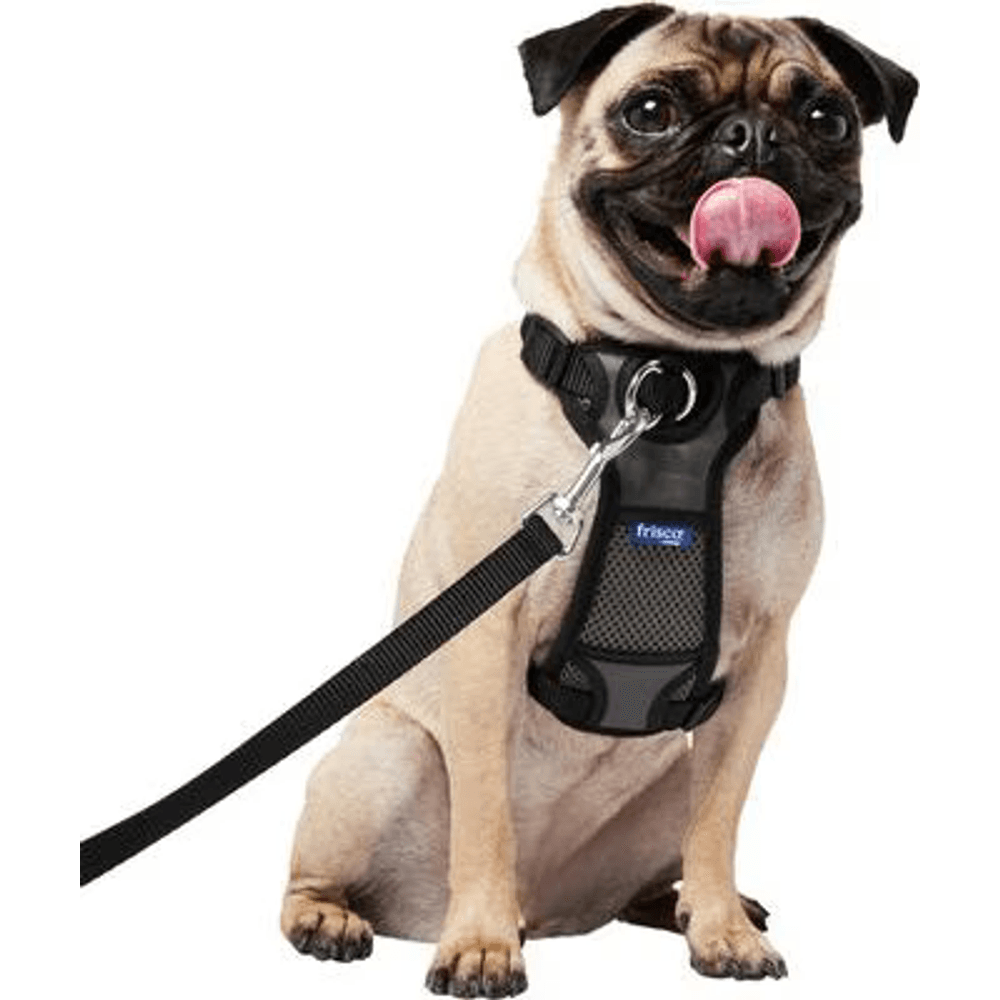
A budget-friendly padded no-pull harness that keeps leash pressure off a coughing dog's neck and windpipe by distributing it across the chest. A simple, affordable way to protect an irritated airway or a collapsing trachea on every walk.
Petful may earn a commission when you click through to Chewy, at no extra cost to you.
Equipment may need replacing before growth finishes. Check a harness regularly for tightness, rubbing, or slipping. A puppy can outgrow one measurement while another still seems loose. Avoid buying an oversized harness with the expectation that the dog will eventually fit it; a loose fit now may allow escape or uncomfortable movement.
Practical questions in context
When is a Chiweenie full grown? Small dogs often approach adult size during their first year, but individual growth and body development vary. At what age a Chiweenie is full grown cannot be guaranteed from one puppy picture. Chiweenie puppies described as nearly full grown still need an age-appropriate diet and veterinary assessment. Keep actual measurements over time rather than trying to force growth to match a calendar or a predicted adult weight.
Adult appearance and body proportions

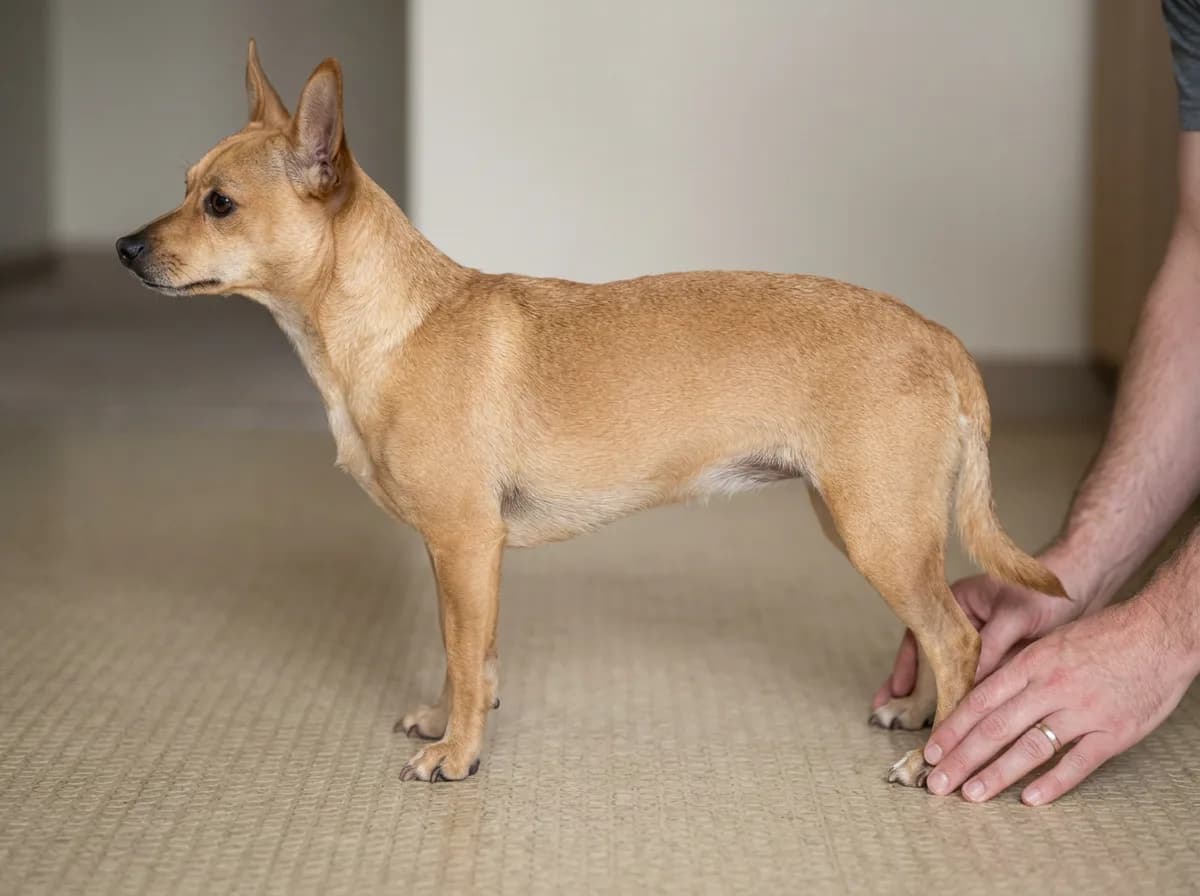
What does a full-grown Chiweenie look like? An adult may have the longer body and shorter legs associated with a Dachshund, a more Chihuahua-like frame, or a blend that does not fit either outline neatly. Ears can be upright or folded, and coats can be smooth or feathered. There is no single silhouette that proves the mix.
A tan full-grown Chiweenie, a black-and-brown adult, and a white-marked dog can have similar sizes despite looking quite different. Color is not a reliable guide to adult weight. Likewise, a full-grown long-haired Chiweenie may look larger than a smooth-coated dog of the same weight because feathering adds visual volume.
Interpreting adult pictures
Choose a full-body standing view when you want to understand proportions. Close-up photographs can make a small head look large, and a dog beside a child or an unfamiliar object is not a precise measuring reference. Camera angle and focal length can change the apparent proportions substantially.
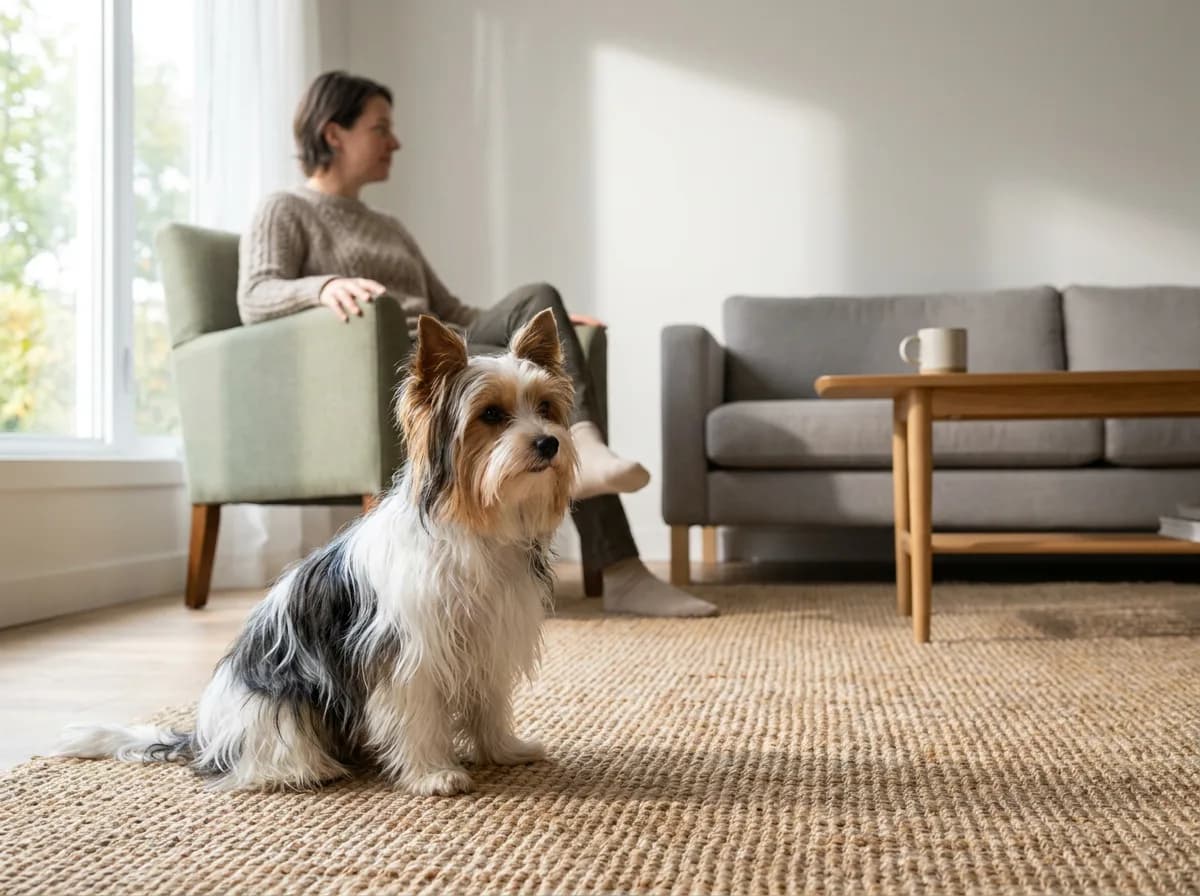
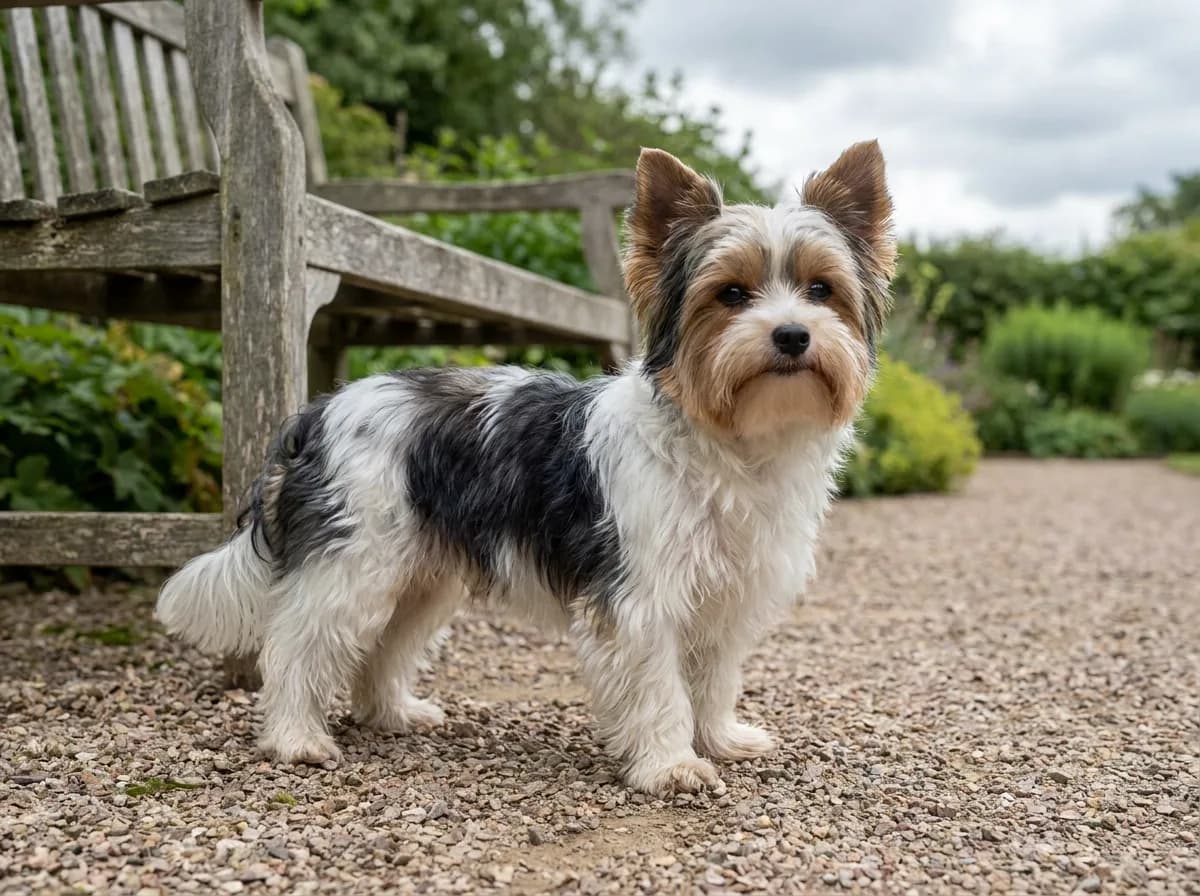
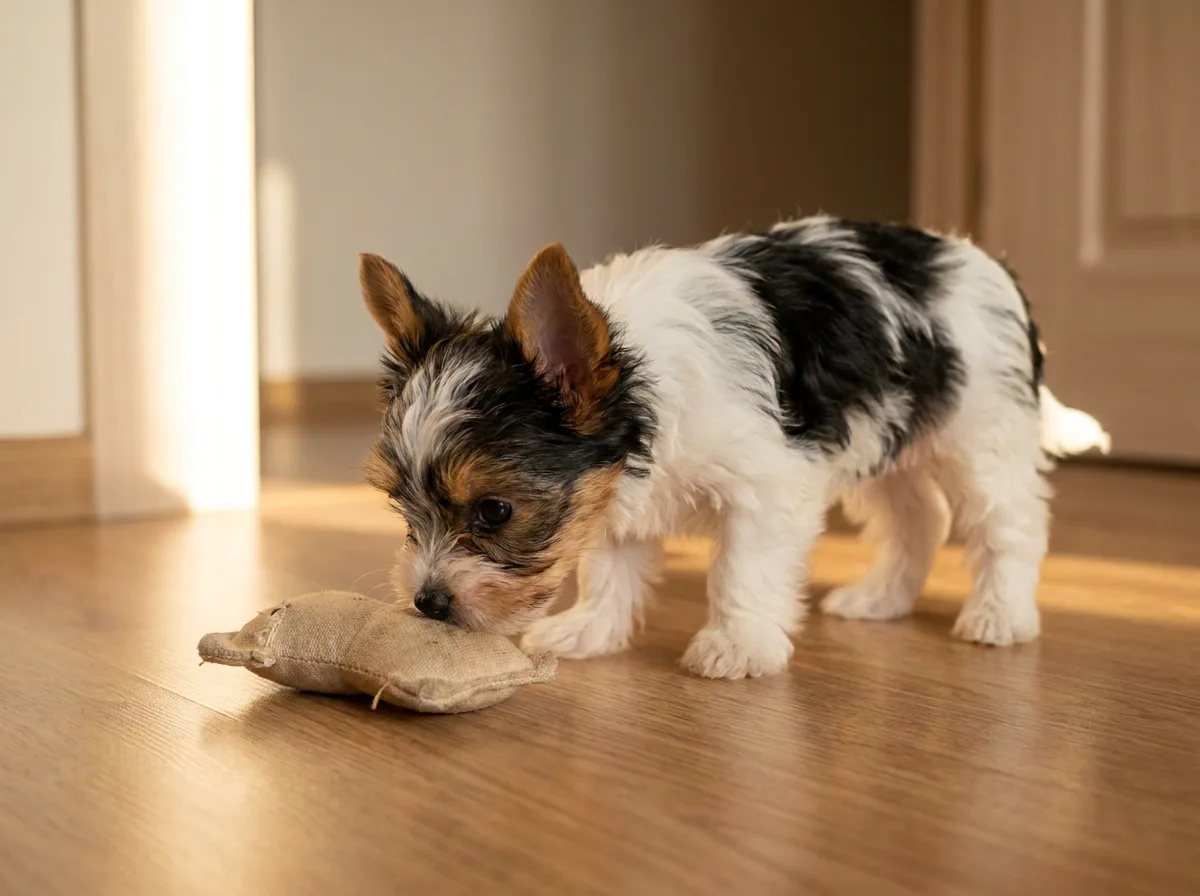
The illustrative photographs in this guide show possible adult appearances. They are not measured growth evidence or a before-and-after record of the same dog. Use them to notice leg length, torso proportions, and coat differences, then rely on actual measurements for practical decisions.
- A side view helps show body and leg proportions.
- A front view can help show chest width, but not circumference.
- A relaxed pose is easier to interpret than a curled or crouched position.
- Coat length and fluff can change apparent size without changing weight.
If you adopted a dog with an uncertain background, an Embark Breed Identification Dog DNA Test Kit is one option for exploring ancestry. It does not establish the dog's ideal weight or replace a body-condition examination. Regardless of the result, equipment must fit the dog you have today.
How to measure your Chiweenie
| Measurement | What it helps you compare |
|---|---|
| Chest circumference | Harness manufacturer’s size chart |
| Standing height and body length | Carrier interior and room to turn |
| Current weight and body condition | Growth records and veterinary assessment |
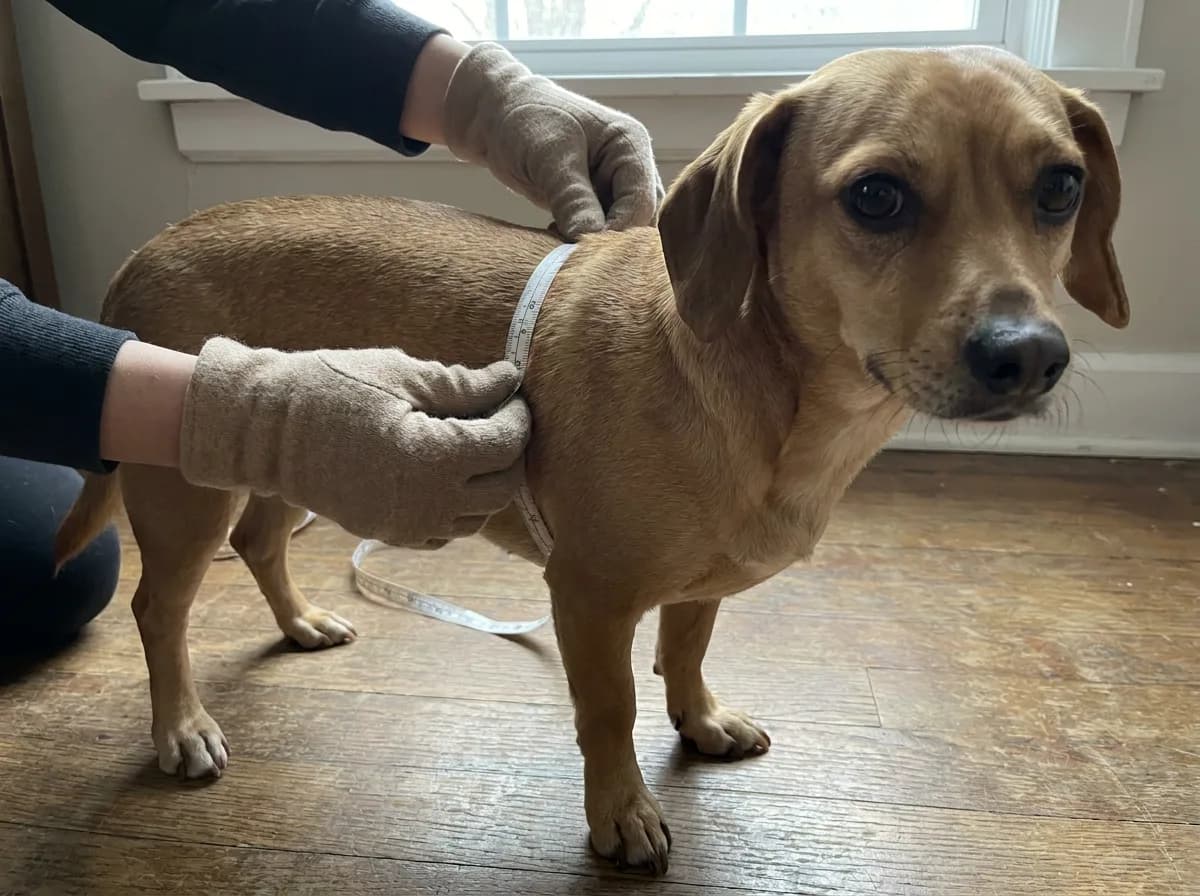
Use a flexible tape and a calm moment on a nonslip surface. Let the dog stand naturally, and stop if they are worried or uncomfortable. A second person can offer gentle support or rewards, but nobody should force the dog into a stretched position. For equipment, follow the manufacturer's instructions about where to measure and how much allowance to add.
The three measurement check covers chest, neck, and back. Chest circumference is usually measured around the widest part of the ribcage behind the front legs. The neck measurement should match the location described in the product chart. Back length often runs from the base of the neck toward the base of the tail, but clothing and harness makers may define it differently.
Keep a simple measurement record
- Write the date beside each measurement.
- Record the units clearly so inches and centimeters are not confused.
- Note whether the product wants a snug measurement or added allowance.
- Repeat a surprising result before ordering.
- Recheck after growth or a meaningful weight change.
Do not add the same extra allowance twice. If the chart already incorporates wearing room, adding another generous margin can result in equipment that is too loose. When a dog falls between sizes, ask the manufacturer how the particular design should fit rather than applying a universal rule.
Petful may earn a commission when you click through to Chewy, at no extra cost to you.
For a long-haired dog, avoid measuring only the outer fluff. The tape should follow the body without compressing the dog or trapping a tangle. Recheck the fit after fastening, because a correct circumference does not guarantee that straps sit comfortably behind the elbows or across the chest.
Weighing a small dog at home
A suitable pet scale is useful when it measures accurately at low weights. Some household scales cannot reliably detect small changes in a tiny dog. Holding the dog while weighing yourself can provide a rough estimate on some scales, but the subtraction method may not be precise enough for growth or medical decisions.
If a number would change a medication dose or prompt a dietary restriction, verify it with the veterinary team. Do not calculate medication doses from an uncertain home weight. Bring your record to appointments and ask which degree of change is meaningful for your particular dog.
Choosing equipment for the adult dog
A correctly fitted harness should remain secure while allowing comfortable walking. The Frisco Padded No Pull Dog Harness, Black, Small is one option to compare with the chart after measuring. Its size name is not a breed recommendation. Examine the position of the straps and let the dog walk indoors before relying on it outside.
Check interior dimensions before buying a Petsfit 19-inch soft-sided carrier, allowing comfortable standing, turning, and lying down. Measure a Frisco 30-inch gate and playpen against both the doorway and the dog; a small adult may fit through spaces that look secure.
The same principle applies to bowls, beds, carriers, and coats. A bowl's capacity is not a meal size, a carrier's weight limit is not its usable interior space, and a coat that fits the back length may still pull across the chest. Read the dimensions and watch how the dog uses the item.
Fit checks that are easy to miss
- Does a harness rub behind the front legs when the dog moves?
- Can the dog back out of it if startled?
- Does a coat interfere with toileting or normal shoulder movement?
- Can the dog enter, turn, and rest comfortably in a carrier?
- Does a bed or resting surface provide easy access without an awkward leap?
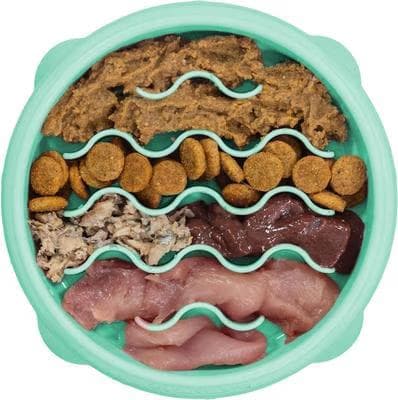
For meals, a small Outward Hound slow feeder has a 0.75-cup capacity, but the dog must be able to reach the food comfortably. Start with supervision and keep portions based on the feeding plan. A slow feeder may be unsuitable for a dog whose mouth or mobility makes the shape difficult to use. Compare the shapes and access requirements of slow feeder dog bowls.
On outings, a Frisco Silicone Collapsible Travel Bowl with Carabiner, Teal, Small gives you a portable water container. The 1.5-cup size describes the container rather than a required intake. Offer water appropriately, clean the bowl, and do not let convenient equipment replace breaks suited to the dog's stamina and weather conditions.

Collapsible silicone travel bowl with a carabiner that clips to a leash or bag, so your dog always has fresh water on walks, hikes, and car trips.
Petful may earn a commission when you click through to Chewy, at no extra cost to you.
- Use the three measurement check before ordering: chest neck and back, recorded with units and the date. Match those measurements to the specific product chart, then confirm comfort while the dog moves.
Size does not determine handling needs
A small adult dog still needs respectful handling. Support the body when lifting and avoid letting children carry a dog unsupervised. A long torso can make a poorly supported lift uncomfortable, but even a compact Chiweenie should not be picked up by the front legs or under the collar.
Exercise should fit health and condition rather than a size stereotype. A small dog is not necessarily a low-energy dog, and a larger Chiweenie is not automatically suited to demanding running. Let comfortable movement, veterinary advice, and the dog's actual response guide the plan. Sudden reluctance to move is a reason to investigate, not to reduce expectations silently because the dog is small.
When predictable size matters to your household
If a firm size limit affects housing or travel, an adult dog offers more direct information than a puppy's forecast. Confirm the dog's current measurements and the actual policy requirements. A carrier rule may involve interior dimensions, not merely weight; a rental rule may be written differently. Do not assume that the word Chiweenie meets an external requirement.
For a puppy, explain the constraint honestly to the rescue or breeder and accept that uncertainty remains. Choosing an already mature dog may be the more workable decision when exceeding a limit would create a serious problem. Neither a teacup label nor a confident online estimate can remove that uncertainty.
Practical questions in context
A three measurement check translates unpredictable mixed-breed growth into safe harness and clothing choices without inventing a month-by-month weight chart. Use this practical method with your own dog's observations, available records, and appropriate professional advice. It organizes the next decision without claiming an individual outcome or replacing an examination when one is needed.
More on chiweenie
A Chiweenie is a Chihuahua-Dachshund mix, and the individual dog matters more than the nickname. Temperament, personality, coat colors, and suitability for children or other pets vary. Some enjoy cuddling and close company, while others prefer space or need careful introductions. Pictures show appearance, not a complete behavioral history. Our Chiweenie breed guide explains the household questions, possible downsides, and daily care decisions. It also covers feeding as part of a complete routine: there is no single best food for every dog carrying this mix label. Choose a complete and balanced diet appropriate to age and medical needs with veterinary guidance.
Practical questions in context
Chiweenie puppies and adult dogs can look quite different. Pictures, images, and photos may show a black-and-tan, white, brown, golden, red, brindle, dapple, or merle coat; terms such as blue merle, applehead, and deer head describe claimed features rather than certifying ancestry. A fluffy coat does not identify the parents, and no Chiweenie is guaranteed hypoallergenic. The name is spelled Chiweenie. What a Chiweenie dog looks like cannot tell you whether its personality fits your home, so use the linked breed guide together with the individual's history.
Questions before the next step
Pictures of Chiweenies show appearance, not a complete history. How do you spell Chiweenie? That is the usual spelling for this Chihuahua-Dachshund mix. Look beyond photos and ask about the individual dog's temperament, care, and daily routine. A visual resemblance to either parent is not proof of ancestry, and a puppy's appearance cannot promise its adult behavior.
More on long haired chiweenie
A long-haired Chiweenie can have feathering around the ears, chest, legs, and tail. Puppy coat development, adult appearance, and colors such as black and tan are useful things to observe, but a fluffy coat cannot prove ancestry. Grooming depends on texture and friction areas rather than the name alone. Our long-haired Chiweenie guide explains what pictures can show, how a puppy's coat may change, and when limited tidying or professional help makes sense. It separates appearance questions from the detailed bathing and shedding routine, so you can identify the coat before choosing tools.
Practical questions in context
A long-haired Chihuahua-Dachshund mix may show a soft fringe around the ears, a feathered tail, or a fuller chest. Chiweenie dog long hair searches cover several textures, and not every full-grown long-haired dog has the same amount of feathering. Appearance alone cannot establish a long-haired Dachshund or Chihuahua parent. Use the linked guide to compare useful coat observations, including how a puppy's coat may change, then plan grooming from the actual texture.
More on chiweenie lifespan
Chiweenie lifespan and health questions deserve more than a number in a breed summary. Published life expectancy ranges are broad, and there is no reliable promise that every male or female dog will reach the same age. Dental care, appropriate body condition, routine veterinary assessment, and noticing new symptoms matter throughout life. Our Chiweenie lifespan guide explains the limits of lifespan estimates, health concerns to discuss, and changes to watch for in a senior dog. It also distinguishes ordinary long-term planning from symptoms that call for prompt help rather than an internet age calculation.
More on chiweenie price
Chiweenie price and ongoing costs are separate decisions. Adoption fees, a puppy's purchase price, and what veterinary care is included vary by source and location. A low initial price does not guarantee affordable ownership, and a high price does not prove responsible breeding. Our Chiweenie price guide compares the questions to ask about adoption and purchase, initial supplies, recurring bills, and unexpected treatment. It uses an included-care checklist and a clearly labeled budget example rather than presenting one total as a nationwide quote. Confirm actual fees and services before making a commitment.
Practical questions in context
If you are looking for Chiweenies for adoption, ask local shelters and rescues about the individual dog's records, fees, and needs. To adopt a Chiweenie puppy or adult responsibly, compare included care and the cost of future care rather than a price alone. How much Chiweenie puppies cost varies by source and location. The linked price guide explains how to compare a purchase quote, a rescue fee, and recurring bills without promising that any one advertised amount is typical everywhere.
Questions before the next step
Long-haired Chiweenie rescue and adoption listings still require the same individual assessment as listings for smooth-coated dogs. If a long-haired Chiweenie is available for adoption, compare records, behavior, handling needs, and included veterinary care. Longer hair does not establish a particular fee or guarantee suitability. The linked price guide explains what to ask before adopting or buying any Chiweenie.
More on chiweenie grooming shedding
Chiweenie grooming includes coat, nails, teeth, ears, and comfortable handling. Both short-haired and longer-coated dogs can shed; neither a small body nor a smooth coat makes a dog hypoallergenic. Brushing tools should suit the coat, and bath frequency depends on dirt, skin condition, and veterinary advice. Our Chiweenie grooming and shedding guide explains how to distinguish ordinary loose hair from mats or an abnormal skin change. It also covers when a groomer can help, why shaving is not a dependable shedding solution, and how to introduce routine care without forcing a worried dog.
Questions before the next step
Are Chiweenies hypoallergenic? No Chiweenies can be guaranteed allergy-free, regardless of how much hair is visible. Coat care remains useful for comfort and cleanliness, but it cannot remove every potential allergen or establish whether a particular person will react. Discuss human allergy concerns with an appropriate clinician before adopting rather than relying on a low-shedding label.
More on chiweenie training
Chiweenie training works through clear, reward-based practice rather than assumptions about stubbornness. Potty training, crate comfort, barking, and basic commands are different skills and may need different setups. Intelligence is not measured by whether a distracted dog follows a cue instantly. Our Chiweenie training guide gives step-by-step household routines and a way to identify triggers, actions, and rewards. It also explains why calm behavior has no guaranteed age deadline. If a dog becomes fearful, distressed, or suddenly changes behavior, appropriate professional help is more useful than escalating corrections.
Chiweenie questions
Yes. Twelve pounds is not an official maximum for a Chihuahua-Dachshund mix. Parent size and additional ancestry can produce a larger healthy adult. Ask your veterinarian to assess body condition rather than trying to force the dog into a website's range. The three measurement check also helps distinguish practical equipment fit from a weight number alone.
No. A calculator may offer an estimate, but mixed ancestry, unknown parent size, age uncertainty, and individual development limit its precision. Repeated actual weights and veterinary assessment are more useful than treating a formula as a promise. Do not change food or judge a puppy unhealthy simply because the calculator predicts a different adult weight.
No universal official size standard defines mini or teacup Chiweenies. Sellers may use those labels differently, and they do not guarantee adult weight or good health. Ask for actual parent information and a realistic estimate with uncertainty acknowledged. Use chest neck and back measurements for equipment, and avoid choosing a dog solely for an exceptionally small advertised size.

Coreen Saito is a pet writer and longtime shelter volunteer with more than a decade in animal rescue. She covers cat behavior, breed care, and the small, ordinary science of sharing a life with companion animals, with a particular focus on honest takes about the products and decisions that actually matter. At home in Arizona, she's outranked by Mac (a dog with the loudest opinion in the house), Rebel (a cat who governs by quiet authority), and Meri (an orange tabby who runs the late shift and the laundry basket). She writes about all three, plus the rescues that keep coming through her life, at LifeWithMinty.com.
Sign up for expert-backed reviews and safety alerts all in one place.