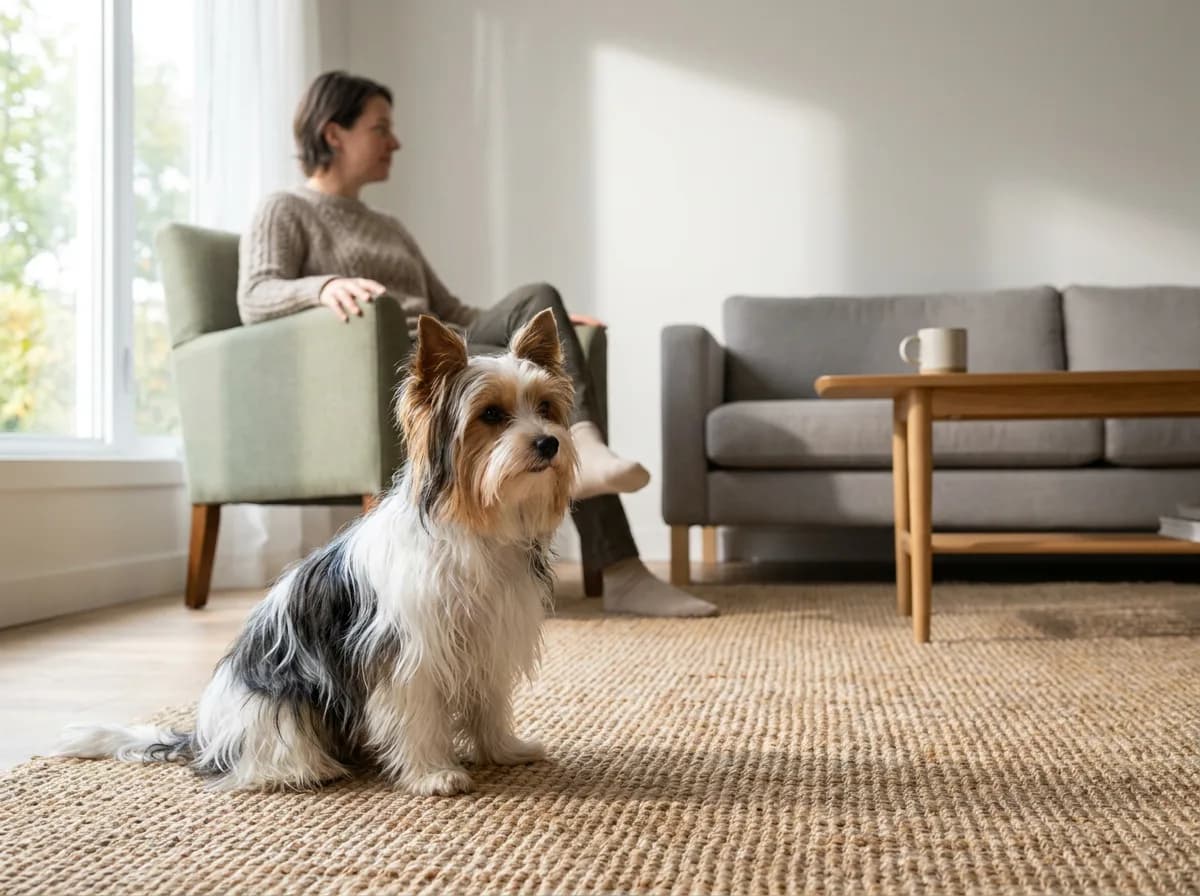
Chiweenie: A Guide to the Chihuahua-Dachshund Mix
Meet the Chiweenie, a Chihuahua-Dachshund mix. Compare temperament, size, coat types, daily care, and the questions to ask before bringing one home. Use practical, individual-dog checks to make a care plan that fits your household.
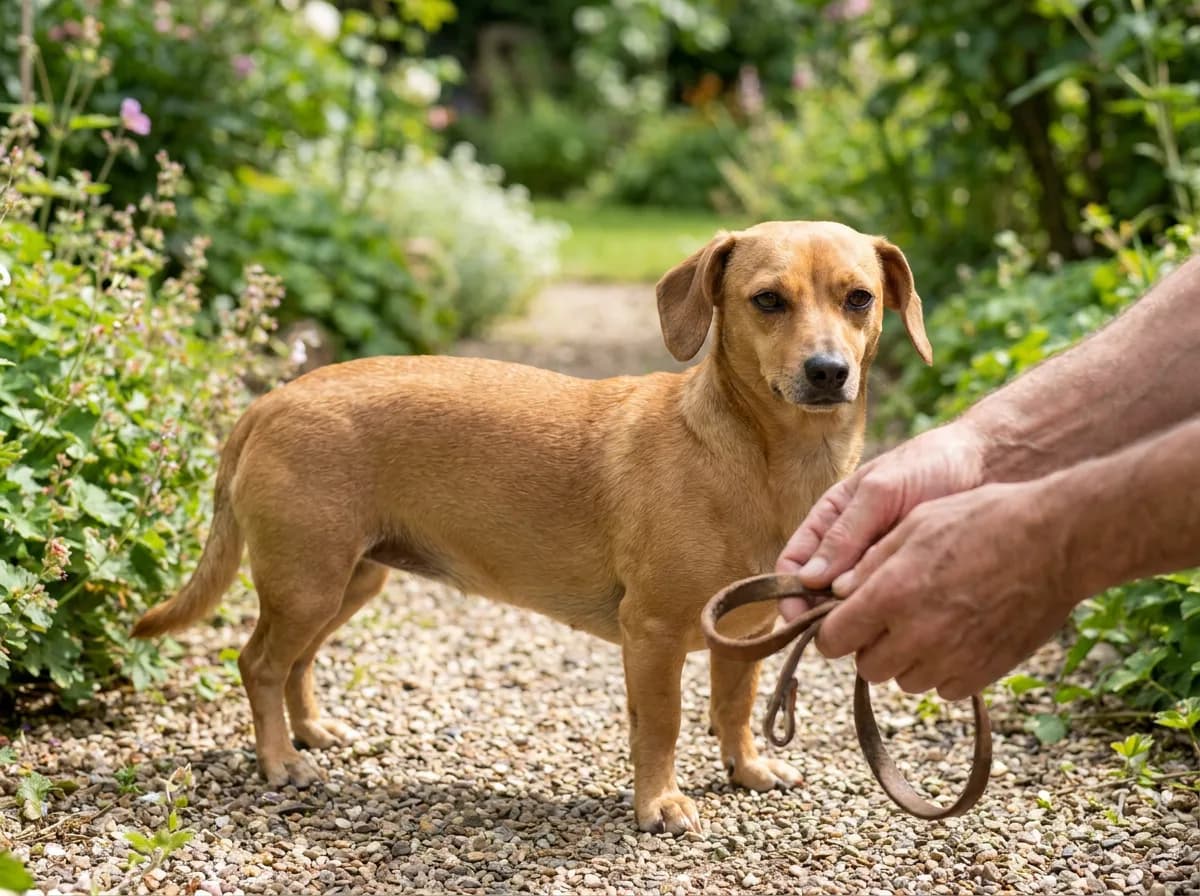
Appearance alone does not establish ancestry or predict adult size.
Petful is reader supported. As an affiliate of platforms like Amazon and Chewy, we may earn a commission when you buy through links on this page. There is no extra cost to you.
Chiweenie dogs combine Chihuahua and Dachshund ancestry in a small companion whose personality can be much bigger than their footprint. Expect variation: one dog may be long-backed and outgoing, another leggier and cautious. The useful question is whether the individual dog's needs fit your household, not whether every Chiweenie follows the same description.

Sign up for expert-backed reviews and safety alerts all in one place.
What is a Chiweenie?
A Chiweenie is a Chihuahua-Dachshund mix. People also call this cross a Choxie or a Mexican hot dog, but those nicknames do not define a separate breed, size, or health standard. A puppy may have two purebred parents, two mixed parents, or a more complicated family tree. Ask what the label means for the actual dog you are considering.
A Chiweenie can be an affectionate small companion, but adult size, coat, sociability, and barking vary. Choose the individual dog and a workable daily routine rather than relying on a designer-mix label.
The parent breeds help explain the possibilities. Chihuahuas are companion dogs; Dachshunds were developed as determined hunting dogs. That combination can produce an attentive lap companion who also wants to investigate every interesting smell. It does not mean a puppy will inherit exactly half of each parent's behavior. Social learning, health, previous experiences, and the environment also matter.
For a Chiweenie puppy, ask to see available parent information, veterinary records, and the environment in which the litter is being raised. For an adult rescue, ask the foster carer what the dog actually does when visitors arrive, when left alone, and around other animals. Observations over time are more useful than a single excited meeting.
What the name can and cannot tell you
- It suggests Chihuahua and Dachshund ancestry, not a guaranteed appearance.
- It does not establish whether a Dachshund parent was miniature or standard.
- It does not certify health testing, socialization, or responsible breeding.
- It does not predict a dog's exact adult weight or lifespan.
If ancestry matters to you, the Embark Breed Identification Dog DNA Test Kit is one option for exploring mixed-breed ancestry. A result is not a substitute for examining a dog's health, temperament, or equipment fit. You do not need a DNA test to care well for a dog whose background is uncertain.

Petful may earn a commission when you click through to Chewy, at no extra cost to you.
Practical questions in context
Chiweenie puppies are Chihuahua-Dachshund mixes, although a rescue dog's background may be uncertain. A pic of a Chiweenie cannot prove its ancestry. The name is spelled Chiweenie; nicknames and spelling variations do not establish a distinct breed. Ask about the dog's actual family history and development instead of assuming every puppy will match one photograph. A mix description is useful background, while the individual dog's behavior and care needs remain the deciding factors.
Questions before the next step
Pictures of Chiweenies show appearance, not a complete history. How do you spell Chiweenie? That is the usual spelling for this Chihuahua-Dachshund mix. Look beyond photos and ask about the individual dog's temperament, care, and daily routine. A visual resemblance to either parent is not proof of ancestry, and a puppy's appearance cannot promise its adult behavior. A household fit checklist considers company, handling, noise, and a quiet rest area.
Chiweenie temperament and household fit
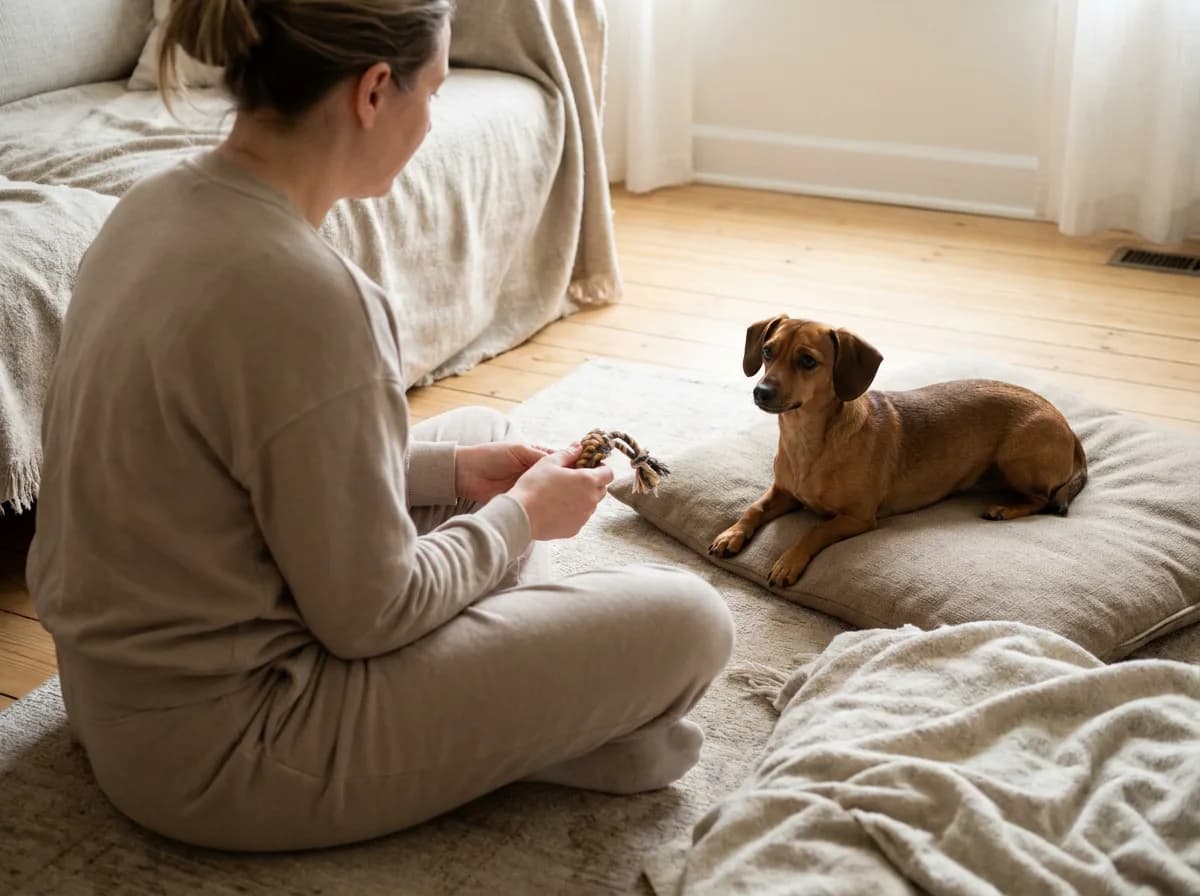
| Part of daily life | Question to settle |
|---|---|
| Company | Who provides toilet breaks and gradual alone-time practice? |
| Children | Who supervises handling and protects quiet rest? |
| Other animals | How will introductions and separate resources work? |
Is a Chiweenie a good dog? A Chiweenie can be a good match for someone who wants a close companion and can provide patient training, safe handling, and regular company. A small body does not make a dog automatically quiet, low-energy, or comfortable being picked up. Meet the dog as an individual and ask about behavior in ordinary settings.
A fitted Frisco 30-inch gate and playpen can help create separate spaces for introductions; check gaps and climbing behavior before relying on it. A washable Pet Parents Pawtect small blanket gives the quiet resting area a surface that is easy to clean.
Many descriptions emphasize affection, alertness, and an independent streak. Those are possibilities rather than promises. Some Chiweenies enjoy cuddling after a walk; others prefer to rest nearby without being held. A dog moving away from contact is communicating a preference. Letting them leave makes future interaction safer and more comfortable.
What are the downsides of having a Chiweenie?
The main challenges can include noise, difficulty with long periods alone, housetraining consistency, and vulnerability to rough play. These are practical care demands, not reasons to label a dog difficult. Before adopting, think through the parts of your day that could conflict with those needs.
- Shared walls: hallway sounds and passing dogs can become repeated barking triggers.
- Busy workdays: a puppy needs toilet breaks, supervision, meals, and gradual alone-time practice.
- Young children: adults must supervise handling and prevent carrying, squeezing, or chasing.
- Large dogs: friendly play can still injure a much smaller companion.
- Frequent visitors: a quiet retreat and controlled introductions may be necessary.
Use a household fit checklist before you commit. Identify who handles midday care, where the quiet rest area will be, how children will interact, and how you will separate animals when supervision is unavailable. A household that can answer those questions is better prepared than one that simply has a small apartment or a large yard.

A budget-friendly padded no-pull harness that keeps leash pressure off a coughing dog's neck and windpipe by distributing it across the chest. A simple, affordable way to protect an irritated airway or a collapsing trachea on every walk.
Petful may earn a commission when you click through to Chewy, at no extra cost to you.
Families, cats, and other dogs
A Chiweenie can live with children who can follow handling rules, but the adult remains responsible for safety. Have children sit on the floor and invite the dog over. Give the dog an escape route and a bed that nobody disturbs. Do not rely on the dog tolerating everything because they are described as affectionate.
With cats or other dogs, arrange gradual introductions and separate resources. Watch whether the Chiweenie can disengage, rest, and eat normally, rather than judging success from one playful moment. Dachshund ancestry can contribute an interest in chasing, but ancestry alone cannot tell you whether this individual can safely share space with a cat. Ask about observed behavior and use barriers initially.
Practical questions in context
Chiweenie temperament and Chiweenie personality describe tendencies, not a single dependable result for every puppy. Look at how the dog responds to visitors, handling, quiet time, and other animals. Ask about situations that produce fear or excitement as well as affectionate moments. This evidence helps you plan introductions and support the dog without assigning a fixed personality from its size or coat.
Chiweenie colors and appearance
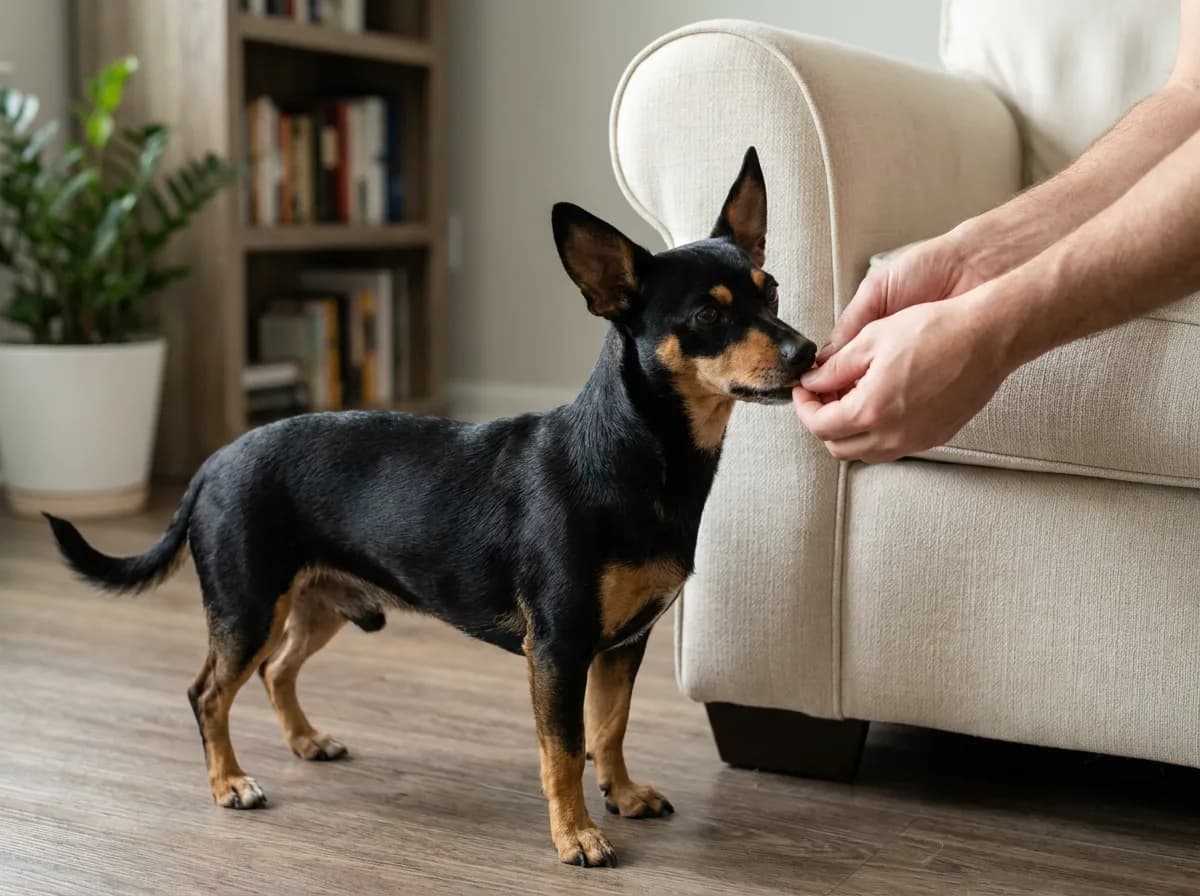
Chiweenie colors can include black, tan, brown, red, cream, and combinations such as black and tan. Some dogs have white markings or patterned coats. A black Chiweenie and a tan Chiweenie are not different breeds, and coat color does not tell you which will be calmer or easier to train.
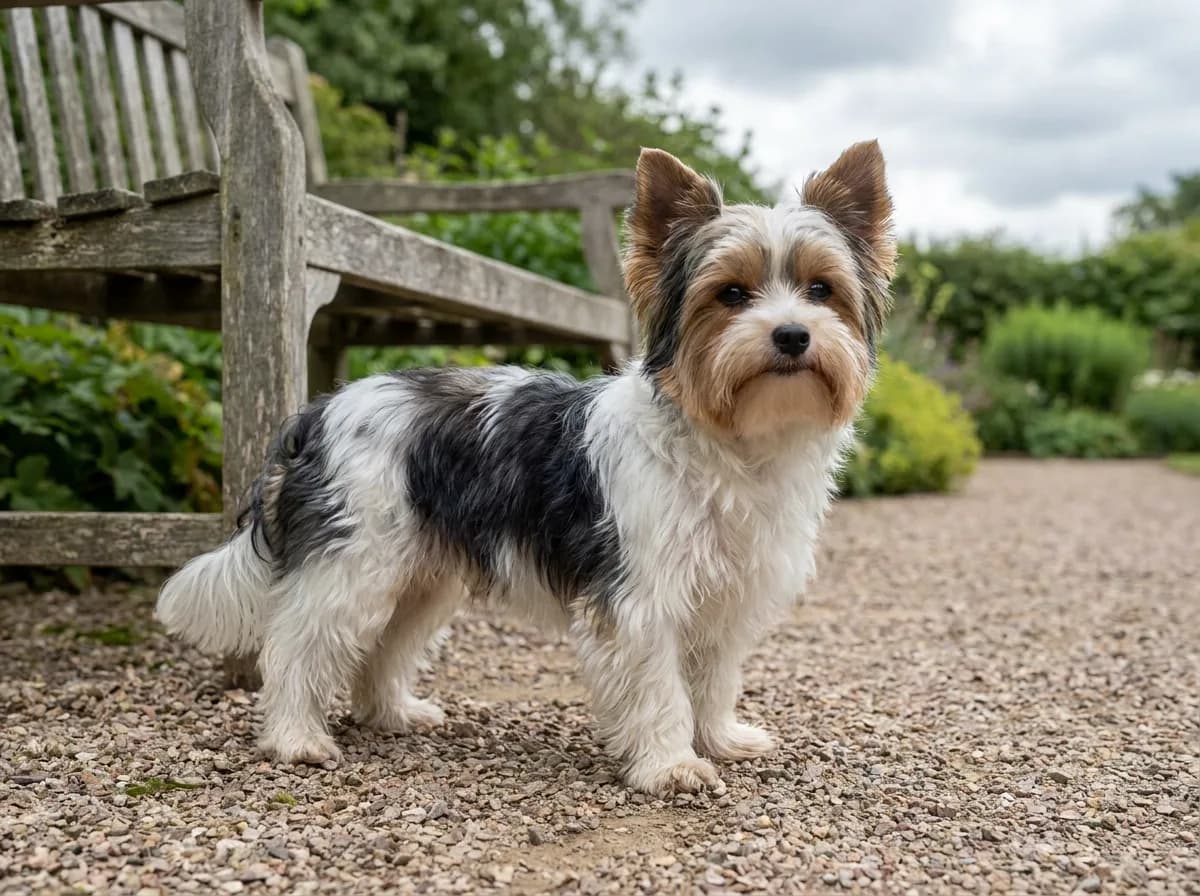
Body shape also varies. Some dogs inherit a longer torso and shorter legs; others have a more compact outline. Ears may stand upright, fold, or sit somewhere between those positions. A puppy's ears and coat can change as they mature. A single photo is not proof of ancestry, final size, or future coat texture.
Reading pictures usefully
When comparing Chiweenie pictures, look for features you can actually observe. A full side view shows proportions better than a close portrait, and a relaxed standing position is more useful than a dog curled into a blanket. Photographs cannot show exercise tolerance, dental health, or whether handling is comfortable.
- Notice the relative length of the body and legs.
- Look at ear position without treating it as a breed test.
- Check whether feathering is visible on the ears, legs, or tail.
- Separate coat color from coat length.
- Ask for current information about the individual dog rather than extrapolating from a look-alike.
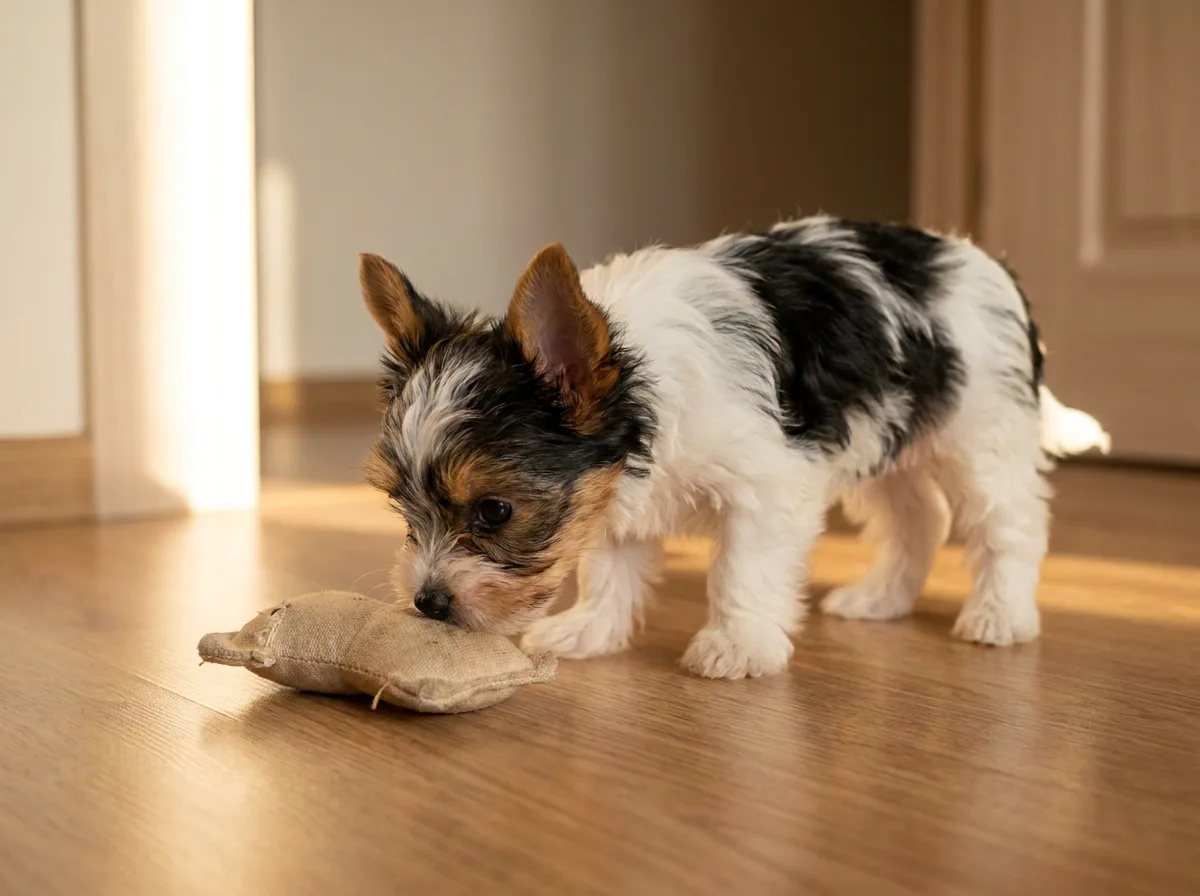
This guide's illustrative photographs show possible appearances, not identified dogs with verified pedigrees. They should not be used as evidence that a rescue dog has a particular ancestry or that a puppy will mature to a particular size. A physical examination and reliable background information answer different questions from a picture gallery.
Practical questions in context
Pictures of Chiweenies may show black-and-tan, black-and-white, white, brown, golden, red, brindle, dapple, or merle coloring. Blue merle and dapple are descriptive labels to question carefully, not evidence of superior health or rarity. Photos and images of puppies cannot promise their adult appearance. Applehead and deer head describe informal head-shape comparisons, while fluffy simply describes coat fullness. None proves ancestry or predicts personality. Use these illustrated examples to recognize variation rather than to authenticate a dog.
Questions before the next step
Chiweenie pics can show useful visible details. Chiweenie adults and puppies have varied proportions and coat textures. An adult photograph cannot establish how a puppy will mature. Ask about documented parent information, then assess the dog you are considering. Use pictures to notice visible differences while keeping personality, health, and household suitability as separate questions.
Petful may earn a commission when you click through to Chewy, at no extra cost to you.
Daily care and a realistic routine
A Chiweenie needs the same categories of daily care as a larger dog: food appropriate for their life stage, exercise, mental activity, toilet access, social contact, and uninterrupted rest. The quantities and intensity should suit the individual. A dog who tires quickly, avoids movement, or suddenly changes behavior needs assessment rather than a more demanding exercise plan.
For a supervised food-search session, compare a Pet Parents Forager snuffle mat with an easier Outward Hound Lick N’ Flip puzzle setup. Use some of the normal daily ration, introduce one activity at a time, and put it away if your dog starts chewing the equipment.
Build the day around repeatable opportunities
Start with a predictable toilet trip and breakfast, then offer an appropriate walk or sniffing session. During the day, alternate manageable activity with rest. Use short training opportunities during normal life, such as rewarding a check-in before opening a door. End the evening with another toilet opportunity and a quiet settling routine.
You do not need to entertain the dog continuously. The aim is a rhythm that meets needs and also teaches that calm periods are normal. A dog who follows you constantly may need help learning to relax at a comfortable distance. Increase separation gradually; repeatedly leaving a distressed dog to cry is not a training plan.
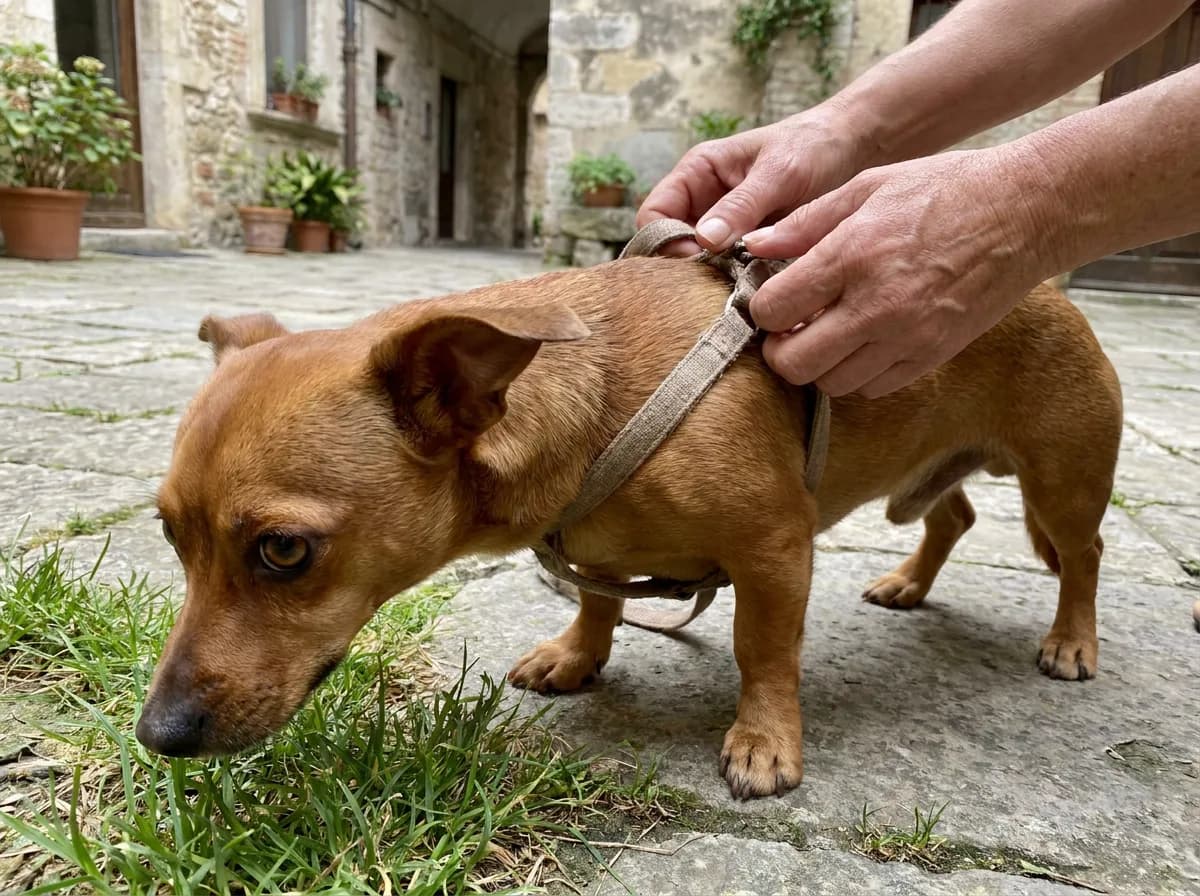
For walks, check the fit of a harness rather than choosing from the breed name. The Frisco Padded No Pull Dog Harness, Black, Small is one option to compare against your dog's actual measurements. Small is a manufacturer's size label, not a guarantee that it fits every Chiweenie. Follow the chart, inspect rubbing points, and check security before walking.
Meals, enrichment, and dental habits
Choose a complete and balanced diet for the appropriate life stage, and discuss portions with your veterinarian. Treat calories count toward the daily intake. A small dog can receive many rewards during training without needing large pieces; sometimes part of the normal food allowance works well. Never withhold water to simplify housetraining.
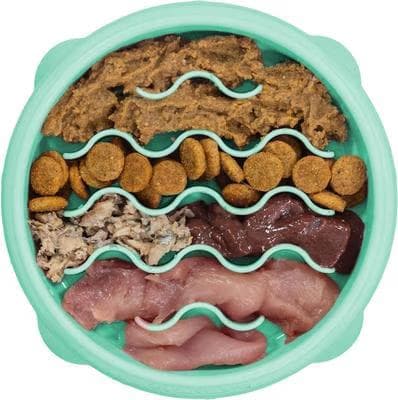
If your dog rushes meals, compare a shallow, accessible feeder with the way they actually eat. The Outward Hound Non-Skid Plastic Slow Feeder Dog Bowl, Mint, 0.75-cup offers a small-capacity option. Its capacity is not a feeding recommendation. Supervise the introduction and switch to an easier bowl if the dog becomes frustrated or cannot comfortably reach the food.
Dental care deserves a place in the routine even when the coat is easy to maintain. AAHA's dental-care guidance identifies daily brushing as an important way to reduce plaque buildup. Introduce mouth handling gradually and use dog toothpaste. The small end of a Virbac C.E.T. Dual-Ended Dog & Cat Toothbrush may be useful only if it fits comfortably; do not force a brush into a painful mouth.

A dual-ended toothbrush with a large and a small head to fit different mouth sizes and reach the back molars where plaque hides. Soft bristles angled for the gumline.
Petful may earn a commission when you click through to Chewy, at no extra cost to you.
- Use the household fit checklist before bringing a dog home: planned company, a quiet rest area, safe handling, realistic toilet breaks, and time for daily care. A manageable routine matters more than a breed nickname.
Questions worth taking to an adoption meeting
Ask when the dog last had a veterinary examination, what they are eating, which situations upset them, and how they respond to being alone. Request written records rather than accepting “all shots done” as a complete history. If the dog has lived in a foster home, ask about sleep, toileting, visitors, other pets, and handling.
For a puppy, find out which experiences have been introduced gently and what the current feeding and toilet routine looks like. For an adult, preserve familiar food and predictable activities during the transition when possible. A new home can change behavior temporarily, so plan an adjustment period without assigning a rigid timetable to every dog. Use the dog feeding schedule guide to organize meal times during that transition.
The American Veterinary Society of Animal Behavior supports reward-based training. Choose help that teaches desired behavior and respects signs of fear. Avoid a trainer who promises that physical corrections or intimidation are necessary because the dog has Chihuahua or Dachshund ancestry.
Practical questions in context
A household fit checklist makes the decision about handling, noise, company and enrichment observable rather than rating every mix as universally suitable. Use this practical method with your own dog's observations, available records, and appropriate professional advice. It organizes the next decision without claiming an individual outcome or replacing an examination when one is needed.
More on chiweenie full grown
Chiweenie adults vary. A Chiweenie full grown is generally small, but adult weight, height, and body proportions vary. Parent size matters, and a puppy may mature differently from a look-alike in a photograph. A full-grown black-and-tan dog, a long-haired dog, and a smooth tan dog are not separate size categories. Our Chiweenie full-grown guide explains growth expectations, the limits of puppy calculators, and how to measure for equipment. It avoids a universal monthly weight chart because mixed ancestry and individual development make that falsely precise. Actual measurements and healthy body condition are the useful practical checks.
Practical questions in context
A mini, miniature, or teacup Chiweenie label does not define a separate official size. Ask how big the individual dog may get using actual parent records, and assess how much a Chiweenie should weigh through body condition with a veterinarian. A fat-looking or fluffy dog in a photograph cannot be assessed accurately from that picture alone. Adult size, growth timing, and a puppy's weight are different questions. The linked guide explains these distinctions without treating a seller's label as a guarantee.
Questions before the next step
Chiweenies vary in size, including dogs described as mini or teacup. These labels do not replace actual measurements. Growth records for a Chiweenie puppy at 4, 5, 6, 7, 8, or 12 weeks old answer different questions from records at 2, 3, 4, or 6 months old. Use serial weights and veterinary assessment rather than expecting any one puppy age to predict the final adult exactly.
More on long haired chiweenie
A long-haired Chiweenie can have feathering around the ears, chest, legs, and tail. Puppy coat development, adult appearance, and colors such as black and tan are useful things to observe, but a fluffy coat cannot prove ancestry. Grooming depends on texture and friction areas rather than the name alone. Our long-haired Chiweenie guide explains what pictures can show, how a puppy's coat may change, and when limited tidying or professional help makes sense. It separates appearance questions from the detailed bathing and shedding routine, so you can identify the coat before choosing tools.
Practical questions in context
A long-haired Chihuahua-Dachshund mix may show a soft fringe around the ears, a feathered tail, or a fuller chest. Chiweenie dog long hair searches cover several textures, and not every full-grown long-haired dog has the same amount of feathering. Appearance alone cannot establish a long-haired Dachshund or Chihuahua parent. Use the linked guide to compare useful coat observations, including how a puppy's coat may change, then plan grooming from the actual texture.
More on chiweenie lifespan
Chiweenie lifespan and health questions deserve more than a number in a breed summary. Published life expectancy ranges are broad, and there is no reliable promise that every male or female dog will reach the same age. Dental care, appropriate body condition, routine veterinary assessment, and noticing new symptoms matter throughout life. Our Chiweenie lifespan guide explains the limits of lifespan estimates, health concerns to discuss, and changes to watch for in a senior dog. It also distinguishes ordinary long-term planning from symptoms that call for prompt help rather than an internet age calculation.
More on chiweenie price
Chiweenie price and ongoing costs are separate decisions. Adoption fees, a puppy's purchase price, and what veterinary care is included vary by source and location. A low initial price does not guarantee affordable ownership, and a high price does not prove responsible breeding. Our Chiweenie price guide compares the questions to ask about adoption and purchase, initial supplies, recurring bills, and unexpected treatment. It uses an included-care checklist and a clearly labeled budget example rather than presenting one total as a nationwide quote. Confirm actual fees and services before making a commitment.
Practical questions in context
If you are looking for Chiweenies for adoption, ask local shelters and rescues about the individual dog's records, fees, and needs. To adopt a Chiweenie puppy or adult responsibly, compare included care and the cost of future care rather than a price alone. How much Chiweenie puppies cost varies by source and location. The linked price guide explains how to compare a purchase quote, a rescue fee, and recurring bills without promising that any one advertised amount is typical everywhere.
Questions before the next step
Long-haired Chiweenie rescue and adoption listings still require the same individual assessment as listings for smooth-coated dogs. If a long-haired Chiweenie is available for adoption, compare records, behavior, handling needs, and included veterinary care. Longer hair does not establish a particular fee or guarantee suitability. The linked price guide explains what to ask before adopting or buying any Chiweenie.
More on chiweenie grooming shedding
Chiweenie grooming includes coat, nails, teeth, ears, and comfortable handling. Both short-haired and longer-coated dogs can shed; neither a small body nor a smooth coat makes a dog hypoallergenic. Brushing tools should suit the coat, and bath frequency depends on dirt, skin condition, and veterinary advice. Our Chiweenie grooming and shedding guide explains how to distinguish ordinary loose hair from mats or an abnormal skin change. It also covers when a groomer can help, why shaving is not a dependable shedding solution, and how to introduce routine care without forcing a worried dog.
Questions before the next step
Are Chiweenies hypoallergenic? No Chiweenies can be guaranteed allergy-free, regardless of how much hair is visible. Coat care remains useful for comfort and cleanliness, but it cannot remove every potential allergen or establish whether a particular person will react. Discuss human allergy concerns with an appropriate clinician before adopting rather than relying on a low-shedding label.
More on chiweenie training
Chiweenie training works through clear, reward-based practice rather than assumptions about stubbornness. Potty training, crate comfort, barking, and basic commands are different skills and may need different setups. Intelligence is not measured by whether a distracted dog follows a cue instantly. Our Chiweenie training guide gives step-by-step household routines and a way to identify triggers, actions, and rewards. It also explains why calm behavior has no guaranteed age deadline. If a dog becomes fearful, distressed, or suddenly changes behavior, appropriate professional help is more useful than escalating corrections.
Chiweenie questions
No dog can be guaranteed hypoallergenic. A Chiweenie may shed even with a short coat, and allergens are not limited to visible hair. If someone in the household has an allergy, discuss it with an appropriate clinician and consider individual exposure carefully before adopting. A seller's claim of an allergy-free puppy should not replace that assessment. Coat length and a household fit checklist answer different questions.
A Chiweenie can live in an apartment when the dog's exercise, toilet access, company, and noise-management needs are met. Floor area alone does not settle suitability. Think about hallway sounds, time alone, nearby toilet access, and a quiet rest area. Ask about the individual's current behavior rather than assuming that every small dog adapts easily to shared walls.
No. A Chihuahua is a recognized breed; a Chiweenie describes Chihuahua-Dachshund ancestry. The mix may inherit a range of proportions, coat types, and behaviors, and some rescue dogs have uncertain or additional ancestry. Choose care from the individual dog's needs. Neither an ear shape nor a close resemblance to one parent is a dependable ancestry test.

Coreen Saito is a pet writer and longtime shelter volunteer with more than a decade in animal rescue. She covers cat behavior, breed care, and the small, ordinary science of sharing a life with companion animals, with a particular focus on honest takes about the products and decisions that actually matter. At home in Arizona, she's outranked by Mac (a dog with the loudest opinion in the house), Rebel (a cat who governs by quiet authority), and Meri (an orange tabby who runs the late shift and the laundry basket). She writes about all three, plus the rescues that keep coming through her life, at LifeWithMinty.com.
Sign up for expert-backed reviews and safety alerts all in one place.