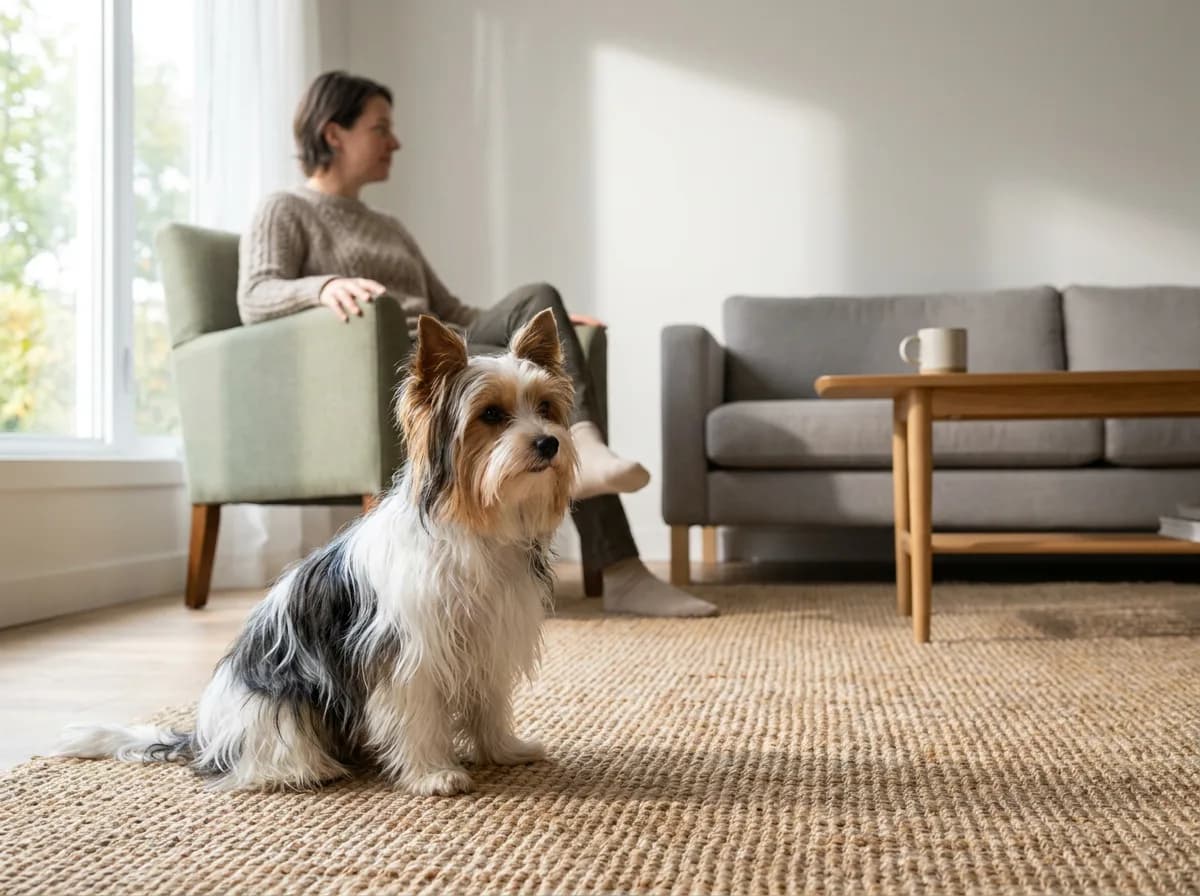
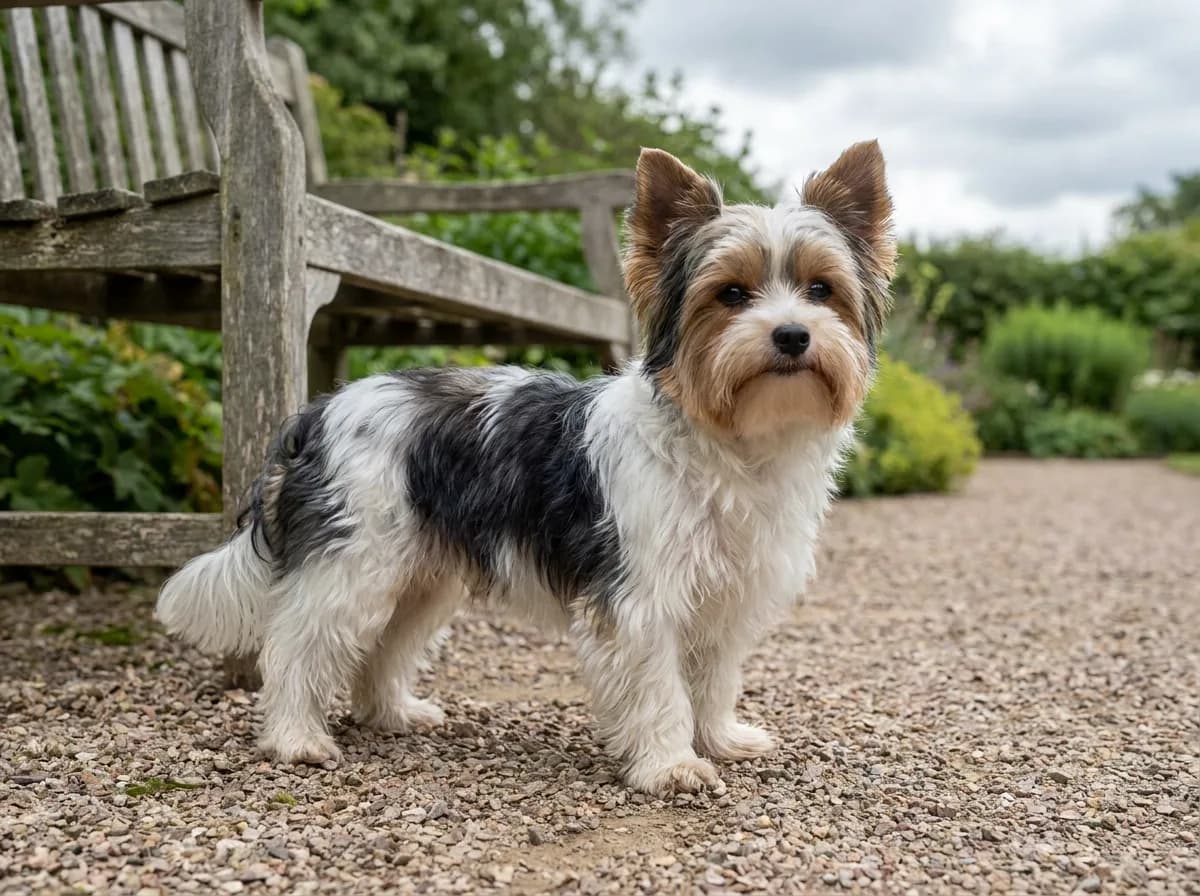
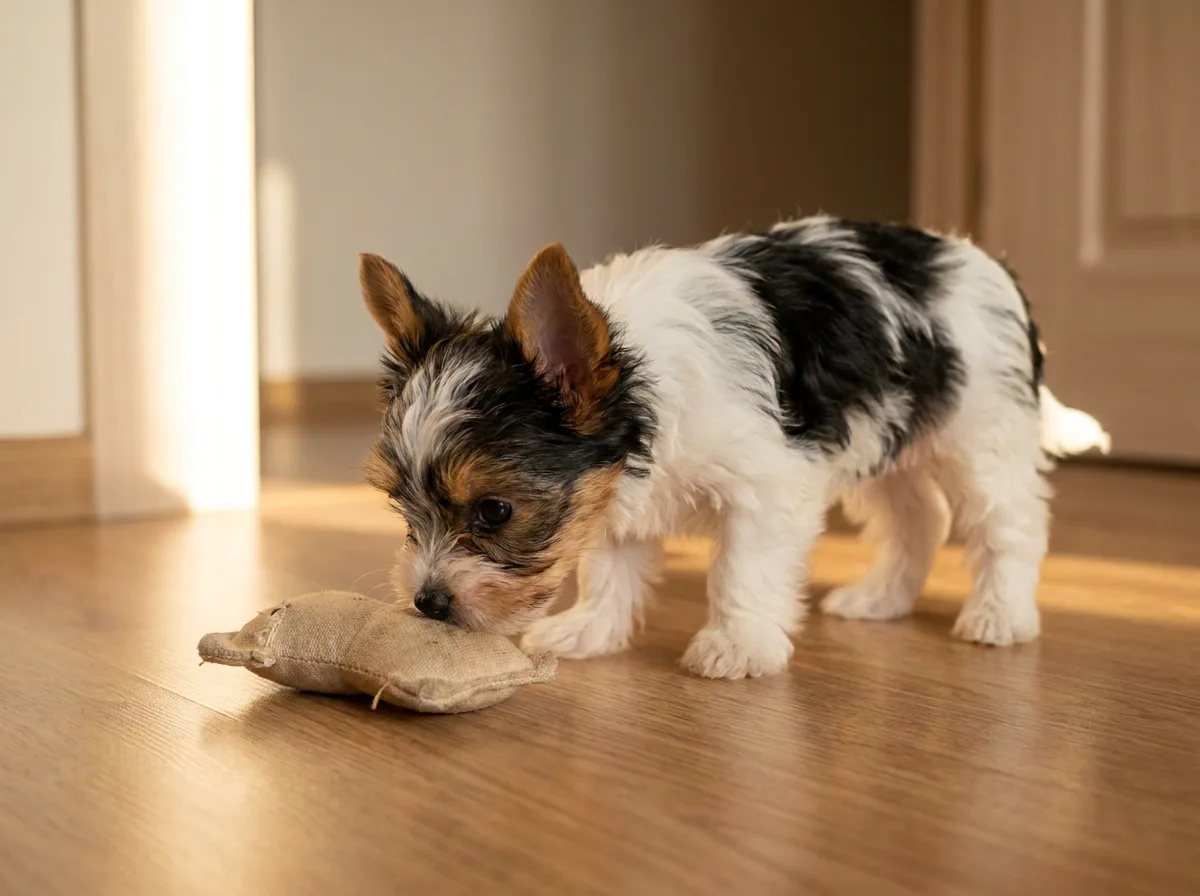
Chiweenie Training: Potty Training, Barking, and Basic Commands
Use reward-based Chiweenie training for potty habits, barking, crate comfort, and basic cues, with a practical routine and fixes for common setbacks. Use practical, individual-dog checks to make a care plan that fits your household.
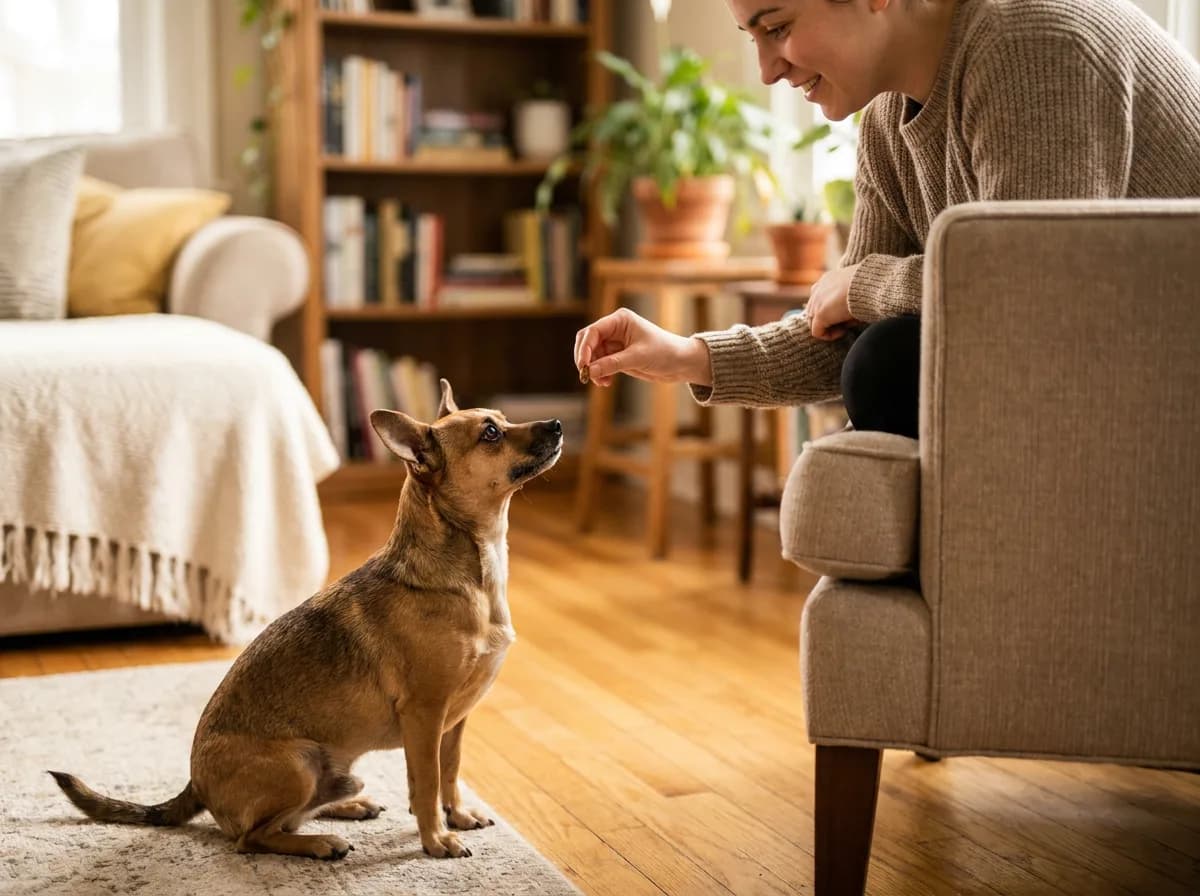
Appearance alone does not establish ancestry or predict adult size.
Petful is reader supported. As an affiliate of platforms like Amazon and Chewy, we may earn a commission when you buy through links on this page. There is no extra cost to you.
Chiweenie training works best when desired behavior is easy to practice and worth repeating. Use small rewards, predictable toilet opportunities, and short lessons in a setting where the dog can concentrate. A Chihuahua-Dachshund mix may be alert, easily distracted, or cautious, but calling the dog stubborn does not tell you what to teach next.

Sign up for expert-backed reviews and safety alerts all in one place.
How hard is Chiweenie training?
How hard is it to train a Chiweenie? Training difficulty depends on the individual, previous experiences, health, the environment, and the skill being taught. Small dogs can learn useful cues and household habits, but they need the same clear teaching and consistent practice as larger dogs. A mix label cannot tell you how quickly one dog will learn.
Chiweenie training starts with a manageable setup, a clear behavior, and a reward the dog values. Make toilet habits predictable, teach crate comfort gradually, and reduce barking triggers instead of punishing the dog for struggling.
The American Veterinary Society of Animal Behavior recommends reward-based training. That means reinforcing behavior you want and arranging the environment to prevent repeated mistakes. It does not mean letting the dog do anything. Boundaries become clearer when you teach an alternative and apply the same routine consistently.
Set a lesson the dog can succeed at
Choose one behavior and a quiet location. Have a reward ready before asking for anything. Mark the moment the dog succeeds with a consistent word or clicker, then deliver the reward promptly. Repeat only while the dog remains engaged, and finish on a manageable attempt rather than continuing until both of you are frustrated.
- Use small food pieces or part of the normal ration when appropriate.
- Count training food as part of daily intake.
- Keep sessions brief enough for the individual dog's attention.
- Add distraction gradually rather than testing a new cue in the busiest place.
- Reward progress, not only the final perfect version.
Chiweenie training tips often focus on “being the boss,” but that advice misses the practical question. If the dog cannot respond, ask whether the cue is understood, the distraction is too strong, or the reward is meaningful. Pain, fear, and fatigue can also affect learning. A sudden behavior change deserves attention rather than a harsher correction.
Petful may earn a commission when you click through to Chewy, at no extra cost to you.
Make the next step specific
Chiweenie separation anxiety and aggressive behavior are not solved by simply repeating obedience cues. If your Chiweenie is aggressive, avoid provoking another reaction to test the dog and arrange appropriate veterinary and qualified behavior help. Fear, pain, frustration, and other factors can affect behavior. Ask why the response happens in that context rather than assuming Chiweenie aggression is a fixed breed trait. Management should protect people and animals while the cause is assessed.
Potty training a Chiweenie step by step
| Observation | Practical response |
|---|---|
| Successful outdoor trip | Reward promptly and record the timing |
| Repeated accidents at a similar time | Adjust access, supervision, and the schedule |
| Distress during confinement | Reassess the setup and seek appropriate help |
Chiweenie potty training relies on frequent opportunities to use the chosen toilet area, immediate rewards for success, and supervision between trips. A puppy cannot be expected to manage an adult schedule. An adult dog in a new home may also need a reset while learning the route, surface, and household routine.
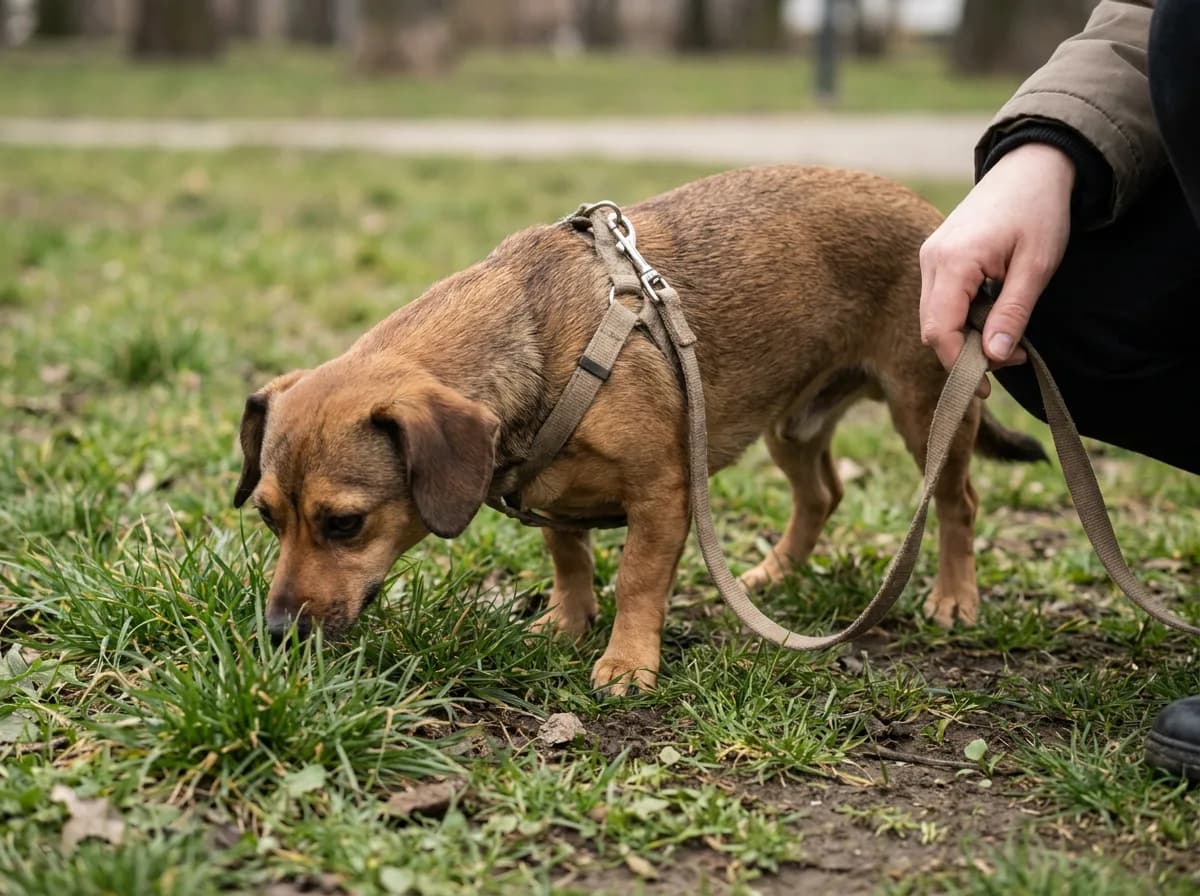
Take the dog out after waking, eating, play, and other times when they are likely to need to go. Add trips based on the pattern you observe rather than waiting for an accident. Stay nearby so you can reward the completed behavior immediately; a reward given only after returning indoors may teach the dog to hurry back instead.
The repeatable sequence
- Bring the dog calmly to the designated area on a suitable lead or harness.
- Allow time to sniff without turning the trip into exciting play.
- Mark and reward successful toileting promptly.
- Offer a little appropriate activity afterward when practical.
- Supervise or use a comfortable managed space until the next opportunity.
If the dog does not go, return to close supervision and try again soon. Do not grant unsupervised access to the whole house simply because a trip outside happened. The information you need is whether the dog actually toileted, not whether they stood on the grass.
Prevent accidents without punishment
Watch for changes such as sudden sniffing, circling, wandering away, or interrupting play. Individual signals vary. If an accident occurs, clean it appropriately and review the preceding interval. Punishment after the fact cannot tell the dog which earlier decision you wanted and may make them reluctant to toilet near you.
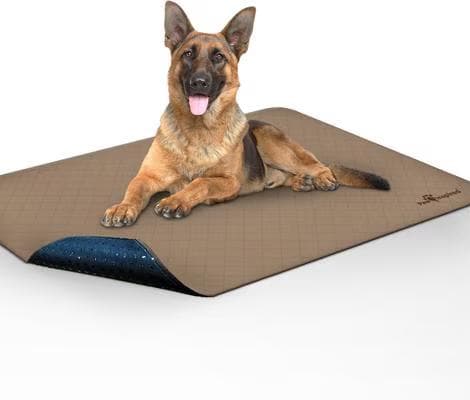
An indoor toilet area can be useful in some households, but it should be a deliberate plan rather than pads scattered everywhere. Paw Inspired Washable Dog Pee Pads, 48 x 60-in are one option for protecting a designated area. The large pad size does not replace supervision, and a dog targeting a pad indoors may need explicit practice if your eventual goal is outdoor toileting.
Keep a toilet log
Write down meals, sleep, successful trips, and accidents for a few days. Look for a pattern you can change: too long after a meal, an unsupervised room, or an outdoor surface the dog avoids. The log should help you shorten an interval or improve access, not justify withholding water or expecting the dog to hold on beyond their comfort. A written dog feeding schedule can help organize the meal-time part of that routine.
Straining, unusually frequent attempts, blood, sudden accidents in a previously reliable dog, or other concerning signs warrant veterinary advice. A medical problem and a training problem can look similar from the floor-cleaning end of the situation. Investigate the change instead of assuming the dog has forgotten everything.
Crate training without creating distress
A crate can be a comfortable resting place when introduced gradually, but it is not a tool for forcing a dog to tolerate fear or an impossible toilet interval. The space should allow the dog to stand, turn, and rest comfortably. Remove hazards and choose equipment appropriate for the individual rather than relying only on a breed-size chart.

Petful may earn a commission when you click through to Chewy, at no extra cost to you.
An appropriately fitted Frisco 30-inch gate and playpen may offer a different way to manage space when confinement is being introduced. A familiar Pet Parents Pawtect small blanket can be used in a resting area if your dog does not chew or swallow fabric. Neither item resolves separation distress by itself.
Begin with the door open. Let the dog investigate, place rewards inside, and allow them to leave. Build positive experiences before adding a briefly closed door. Increase one element at a time: door movement, duration, your distance, or being out of sight. Jumping from an open crate to a long absence skips the learning process.
Watch the dog, not just the clock
- Comfortable exploration, eating, and resting suggest the current step is manageable.
- Freezing, frantic escape attempts, persistent distress, or refusal of normally valued food means the step may be too difficult.
- Repeated escalation calls for a different setup and professional guidance.
- A pen or dog-proofed space may suit some dogs better than a crate.
Crate training a Chiweenie does not require ignoring signs of panic. If the dog cannot settle, shorten the exercise and review basic needs, the setup, and the training sequence. For significant distress when left alone, work with your veterinarian and an appropriately qualified reward-based professional. Do not assume another dog will fix the problem.
Keep any food activity safe and supervised during introduction. The Outward Hound Nina Ottosson Lick N' Flip Treat Puzzle Dog Toy & Slow Feeder can provide a separate calm enrichment session for a dog who uses it appropriately. It should not be left with a dog who chews or swallows parts, and it is not a treatment for separation-related distress.
Reducing barking by changing the setup
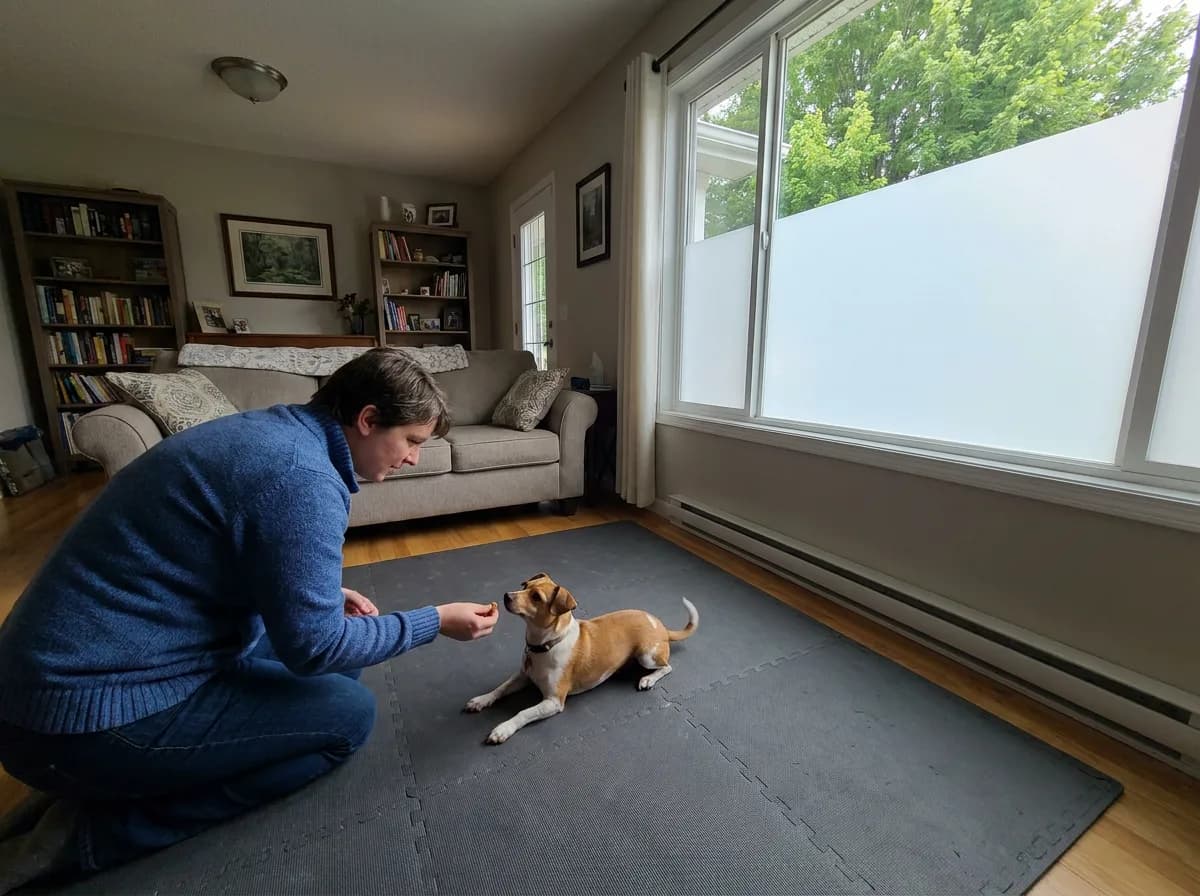
Chiweenie barking can be triggered by passing people, other dogs, noises, excitement, fear, or frustration. Identify the situation before deciding what to teach. A dog alerting at a window needs a different setup from a dog distressed by being alone. A blanket instruction to “stop barking” does not explain either problem. Petful’s guide to dog barks at men has the full breakdown.
Reduce repeated practice where possible. Move a resting area away from a busy window, obscure a view that triggers constant alerting, or give the dog more distance from something frightening. Then reward a useful alternative, such as looking back at you or settling on a mat, at a difficulty level the dog can handle.
Try a trigger-action-reward log
Record what happened immediately before the barking, what the dog did, and what followed. For example: footsteps in the hallway, barking at the door, and the owner rushing over with excited attention. The log may reveal opportunities to change access, reduce intensity, or reward calm behavior earlier.
- Trigger: name the observable event, not a personality label.
- Action: record what the dog actually did.
- Result: note what changed or what the dog received afterward.
- Next trial: choose one small environmental or training adjustment.
Avoid shouting over the barking or using painful or frightening devices as a default. These approaches can add distress without teaching the dog a safer response. If barking reflects fear or a sudden change, seek qualified help. Quiet achieved through suppression is not the same as a dog feeling comfortable.
Practice below the point of overload
Work far enough from a trigger that the dog can notice it and still take a reward or respond to a familiar cue. Reward a brief look back or a calm moment. Move away or make the setup easier when the dog cannot engage. Repeatedly exposing the dog to a situation they cannot handle is not the same as gradual training.
A securely fitted Frisco Padded No Pull Dog Harness, Black, Small is one option for managed walks, provided measurements and the chart match. Equipment supports safe management; it does not teach the behavior by itself. Check the fit indoors and avoid assuming that a “no pull” label guarantees a loose lead.
Make the next step specific
To train a Chiweenie not to bark at a particular trigger, begin by reducing the trigger intensity and rewarding an alternative response the dog can manage. Barking is information about the situation; punishment can add fear without teaching a useful skill. Record what happens before the bark and what follows it. Change one part of the setup at a time so you can judge whether the dog is becoming more comfortable.
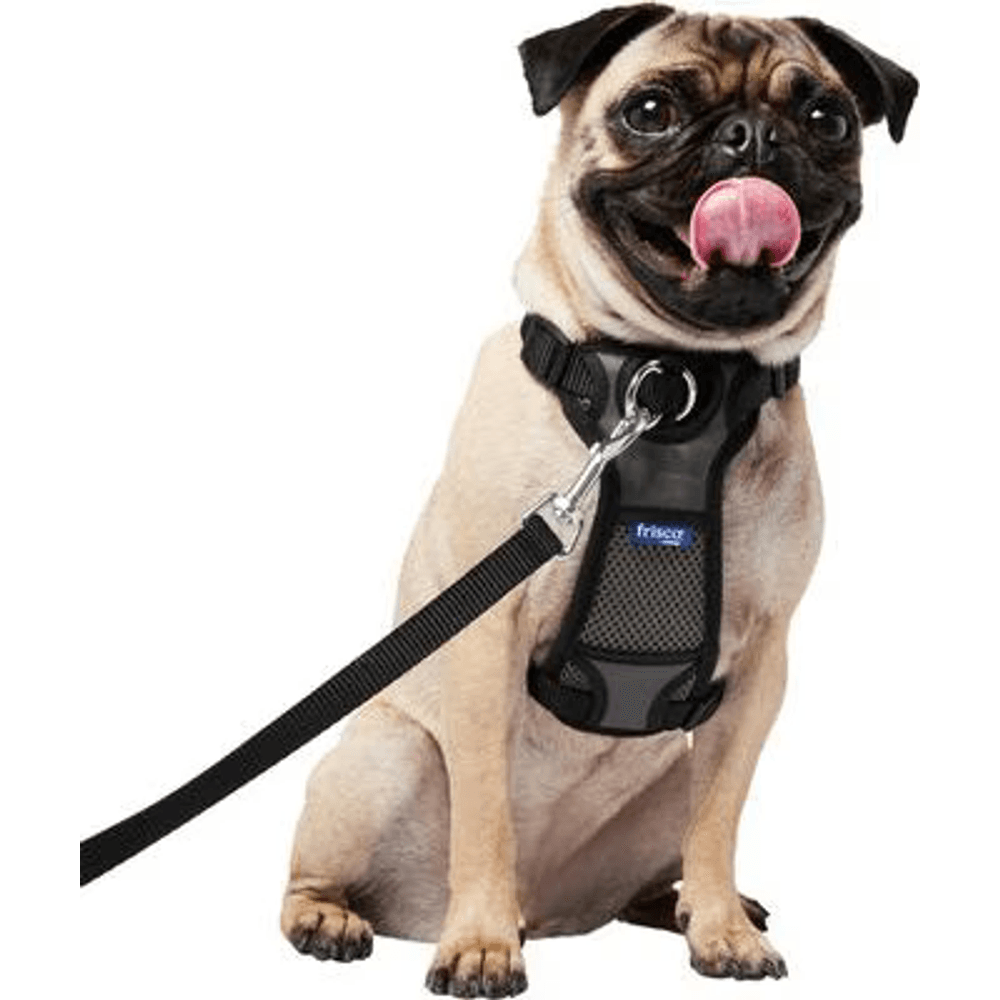
A budget-friendly padded no-pull harness that keeps leash pressure off a coughing dog's neck and windpipe by distributing it across the chest. A simple, affordable way to protect an irritated airway or a collapsing trachea on every walk.
Petful may earn a commission when you click through to Chewy, at no extra cost to you.
Teaching basic commands and calm behavior
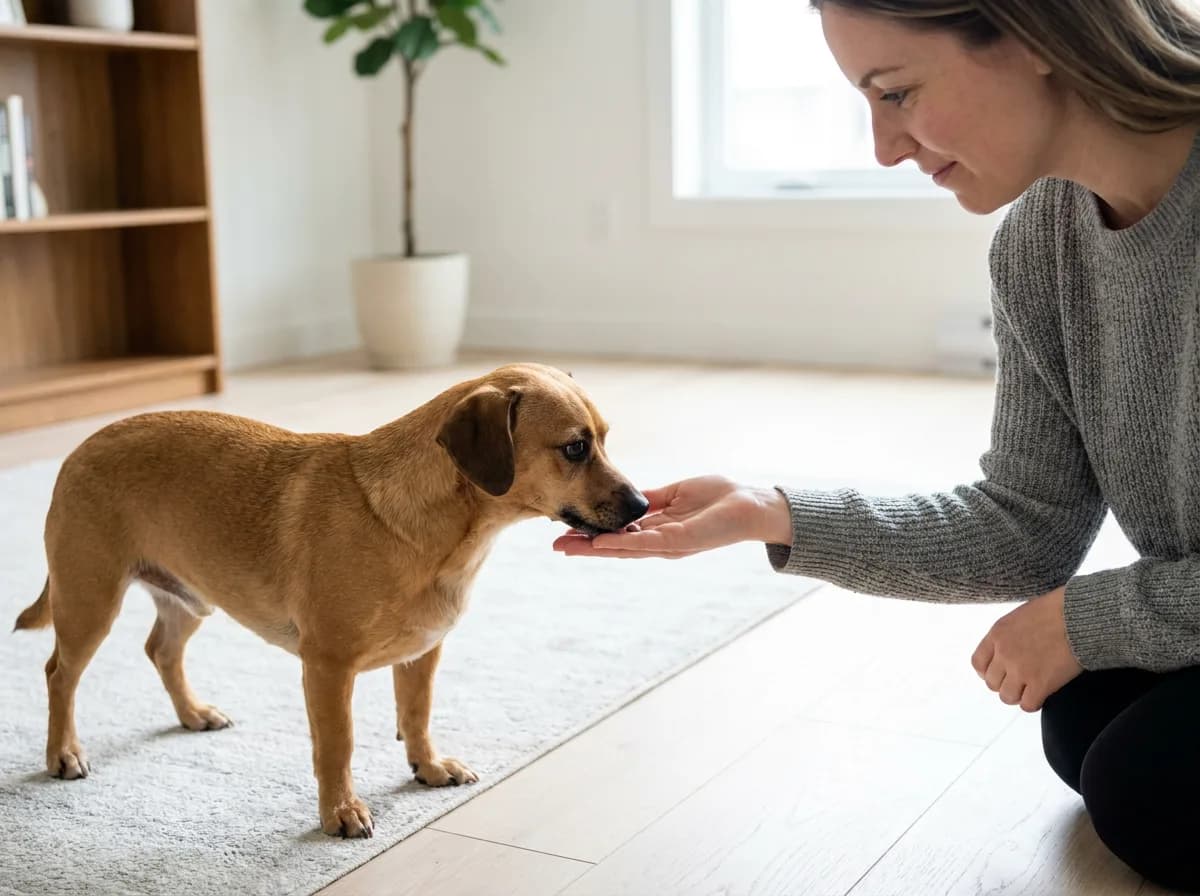
Begin with practical cues that help daily life: responding to a name, coming a short distance, touching a hand, settling on a mat, and walking with a loose lead. Teach each in an easy setting before adding distraction. A dog who responds in the kitchen may not yet understand the same cue beside a busy pavement.
A supervised Pet Parents Forager snuffle mat can provide a separate food-search activity between short lessons. For slower food presentation, compare an Outward Hound 0.75-cup slow feeder with your dog’s muzzle and reach; count all food used toward the normal ration.
For a hand target, offer an open hand near the dog's nose without pushing it into their face. Mark and reward a voluntary touch, then gradually vary position. For recall, begin a short distance away in a safe enclosed space and reward the dog generously for coming. Do not use a new recall cue primarily to end every enjoyable activity.
Build calm as a behavior
Reward relaxed moments you want repeated. Place a comfortable mat where the dog can observe without being overwhelmed, and start by rewarding interest in the mat. Gradually reinforce staying and settling. Do not begin during the noisiest family event and expect a new behavior to compete with everything happening around the dog.
- Add duration in small steps.
- Change only one difficulty at a time.
- Give a clear release when the exercise ends.
- Maintain normal opportunities for movement, toileting, and rest.
Calm behavior also depends on the day around the lesson. A dog with unmet needs, discomfort, or too much stimulation may struggle to settle. Adjust the routine as well as the cue. A young dog's improving self-control is a learning process, not a guarantee that barking or excitement disappears at a specific birthday.
For longer outings, carry water and allow appropriate breaks. A Frisco Silicone Collapsible Travel Bowl with Carabiner, Teal, Small is a portable option. Training should not depend on a dog becoming thirsty, exhausted, or uncomfortable enough to stop moving. End or simplify a session when welfare needs take priority.
Practical questions in context
Chiweenie commands such as come, sit, and settle need separate practice in manageable settings. Teaching a Chiweenie to calm down means rewarding relaxed behavior and meeting its needs, not waiting for one guaranteed age. Start with an easy version of the task and reward success. If the dog cannot respond, reduce distraction or difficulty before deciding the cue has been ignored.
Make the next step specific
Are Chiweenie dogs smart? Chiweenies can learn, but a label such as smart does not predict how quickly an individual dog will understand a particular task. Clear cues, suitable rewards, manageable distractions, and comfort all matter. Teach one small step at a time and record successful attempts. A dog who struggles needs a clearer or easier lesson rather than a comparison with another breed's supposed intelligence ranking.
Troubleshooting a stalled training plan
When progress stalls, use the trigger-action-reward log and change one difficulty at a time. Check whether the dog understands the cue, whether the reward arrives promptly, and whether the environment is harder than previous practice. A plan that works in a quiet room may need smaller steps outside rather than a stronger voice.

Collapsible silicone travel bowl with a carabiner that clips to a leash or bag, so your dog always has fresh water on walks, hikes, and car trips.
Petful may earn a commission when you click through to Chewy, at no extra cost to you.
- Use the trigger-action-reward log to find the sticking point. Change one difficulty at a time: distraction, distance, duration, or the behavior itself. If fear or pain is involved, seek appropriate help rather than increasing pressure.
Make household instructions consistent
Decide which cue words you use and what success looks like. If one person rewards jumping while another pushes the dog away, the task is unclear. A simple written routine can help everyone provide the same toilet opportunities, reinforce the same alternative behaviors, and avoid practicing an unwanted habit accidentally.
Ask for help when the situation includes aggression, panic, injury risk, or a sudden behavioral change. Start with a veterinarian when health may contribute, and choose a trainer who can explain the methods and welfare safeguards. You should understand what will be taught and why; a promise to “fix the dog” quickly is not a complete plan.
Practical questions in context
A trigger-action-reward log gives owners a repeatable troubleshooting method rather than treating mixed-breed behavior as stubbornness. Use this practical method with your own dog's observations, available records, and appropriate professional advice. It organizes the next decision without claiming an individual outcome or replacing an examination when one is needed.
Make the next step specific
A trigger-action-reward log gives owners a repeatable troubleshooting method rather than treating mixed-breed behavior as stubbornness. Write what happened just before the behavior, the action you observed, and what the dog gained or avoided afterward. Use the same plain descriptions for several sessions, then change one difficulty at a time. This makes the next lesson clearer without claiming to diagnose a medical or behavioral condition from a notebook.
More on chiweenie
A Chiweenie is a Chihuahua-Dachshund mix, and the individual dog matters more than the nickname. Temperament, personality, coat colors, and suitability for children or other pets vary. Some enjoy cuddling and close company, while others prefer space or need careful introductions. Pictures show appearance, not a complete behavioral history. Our Chiweenie breed guide explains the household questions, possible downsides, and daily care decisions. It also covers feeding as part of a complete routine: there is no single best food for every dog carrying this mix label. Choose a complete and balanced diet appropriate to age and medical needs with veterinary guidance.
Practical questions in context
Chiweenie puppies and adult dogs can look quite different. Pictures, images, and photos may show a black-and-tan, white, brown, golden, red, brindle, dapple, or merle coat; terms such as blue merle, applehead, and deer head describe claimed features rather than certifying ancestry. A fluffy coat does not identify the parents, and no Chiweenie is guaranteed hypoallergenic. The name is spelled Chiweenie. What a Chiweenie dog looks like cannot tell you whether its personality fits your home, so use the linked breed guide together with the individual's history.
Questions before the next step
Pictures of Chiweenies show appearance, not a complete history. How do you spell Chiweenie? That is the usual spelling for this Chihuahua-Dachshund mix. Look beyond photos and ask about the individual dog's temperament, care, and daily routine. A visual resemblance to either parent is not proof of ancestry, and a puppy's appearance cannot promise its adult behavior.
More on chiweenie full grown
A Chiweenie full grown is generally small, but adult weight, height, and body proportions vary. Parent size matters, and a puppy may mature differently from a look-alike in a photograph. A full-grown black-and-tan dog, a long-haired dog, and a smooth tan dog are not separate size categories. Our Chiweenie full-grown guide explains growth expectations, the limits of puppy calculators, and how to measure for equipment. It avoids a universal monthly weight chart because mixed ancestry and individual development make that falsely precise. Actual measurements and healthy body condition are the useful practical checks.
Practical questions in context
A mini, miniature, or teacup Chiweenie label does not define a separate official size. Ask how big the individual dog may get using actual parent records, and assess how much a Chiweenie should weigh through body condition with a veterinarian. A fat-looking or fluffy dog in a photograph cannot be assessed accurately from that picture alone. Adult size, growth timing, and a puppy's weight are different questions. The linked guide explains these distinctions without treating a seller's label as a guarantee.
Questions before the next step
Chiweenies vary in size, including dogs described as mini or teacup. These labels do not replace actual measurements. Growth records for a Chiweenie puppy at 4, 5, 6, 7, 8, or 12 weeks old answer different questions from records at 2, 3, 4, or 6 months old. Use serial weights and veterinary assessment rather than expecting any one puppy age to predict the final adult exactly.
More on long haired chiweenie
A long-haired Chiweenie can have feathering around the ears, chest, legs, and tail. Puppy coat development, adult appearance, and colors such as black and tan are useful things to observe, but a fluffy coat cannot prove ancestry. Grooming depends on texture and friction areas rather than the name alone. Our long-haired Chiweenie guide explains what pictures can show, how a puppy's coat may change, and when limited tidying or professional help makes sense. It separates appearance questions from the detailed bathing and shedding routine, so you can identify the coat before choosing tools.
Practical questions in context
A long-haired Chihuahua-Dachshund mix may show a soft fringe around the ears, a feathered tail, or a fuller chest. Chiweenie dog long hair searches cover several textures, and not every full-grown long-haired dog has the same amount of feathering. Appearance alone cannot establish a long-haired Dachshund or Chihuahua parent. Use the linked guide to compare useful coat observations, including how a puppy's coat may change, then plan grooming from the actual texture.
More on chiweenie lifespan
Chiweenie lifespan and health questions deserve more than a number in a breed summary. Published life expectancy ranges are broad, and there is no reliable promise that every male or female dog will reach the same age. Dental care, appropriate body condition, routine veterinary assessment, and noticing new symptoms matter throughout life. Our Chiweenie lifespan guide explains the limits of lifespan estimates, health concerns to discuss, and changes to watch for in a senior dog. It also distinguishes ordinary long-term planning from symptoms that call for prompt help rather than an internet age calculation.
More on chiweenie price
Chiweenie price and ongoing costs are separate decisions. Adoption fees, a puppy's purchase price, and what veterinary care is included vary by source and location. A low initial price does not guarantee affordable ownership, and a high price does not prove responsible breeding. Our Chiweenie price guide compares the questions to ask about adoption and purchase, initial supplies, recurring bills, and unexpected treatment. It uses an included-care checklist and a clearly labeled budget example rather than presenting one total as a nationwide quote. Confirm actual fees and services before making a commitment.
Practical questions in context
If you are looking for Chiweenies for adoption, ask local shelters and rescues about the individual dog's records, fees, and needs. To adopt a Chiweenie puppy or adult responsibly, compare included care and the cost of future care rather than a price alone. How much Chiweenie puppies cost varies by source and location. The linked price guide explains how to compare a purchase quote, a rescue fee, and recurring bills without promising that any one advertised amount is typical everywhere.
Questions before the next step
Long-haired Chiweenie rescue and adoption listings still require the same individual assessment as listings for smooth-coated dogs. If a long-haired Chiweenie is available for adoption, compare records, behavior, handling needs, and included veterinary care. Longer hair does not establish a particular fee or guarantee suitability. The linked price guide explains what to ask before adopting or buying any Chiweenie.
More on chiweenie grooming shedding
Chiweenie grooming includes coat, nails, teeth, ears, and comfortable handling. Both short-haired and longer-coated dogs can shed; neither a small body nor a smooth coat makes a dog hypoallergenic. Brushing tools should suit the coat, and bath frequency depends on dirt, skin condition, and veterinary advice. Our Chiweenie grooming and shedding guide explains how to distinguish ordinary loose hair from mats or an abnormal skin change. It also covers when a groomer can help, why shaving is not a dependable shedding solution, and how to introduce routine care without forcing a worried dog.
Questions before the next step
Are Chiweenies hypoallergenic? No Chiweenies can be guaranteed allergy-free, regardless of how much hair is visible. Coat care remains useful for comfort and cleanliness, but it cannot remove every potential allergen or establish whether a particular person will react. Discuss human allergy concerns with an appropriate clinician before adopting rather than relying on a low-shedding label.
Chiweenie questions
How intelligent Chiweenies are cannot be reduced to a reliable mix-wide ranking. Chiweenies can learn useful household skills, but there is no reliable mix-wide intelligence ranking that predicts an individual dog's progress. Motivation, distraction, fear, and the clarity of the teaching all affect performance. Use a trigger-action-reward log to understand what happens rather than judging intelligence from one missed cue. Change one difficulty at a time and reward achievable success.
Chiweenies do not all calm down at one predictable age. There is no age at which every Chiweenie automatically becomes calm. Maturity may change activity and attention, but relaxation also depends on learning, routine, health, and the environment. Teach settling as a skill and meet the dog's needs instead of waiting for a birthday. A sudden drop in activity is different from learned calm and may need veterinary assessment.
Yes. Adult dogs can learn new cues and routines, although an unfamiliar home and past experiences may affect the pace. Begin with clear toilet opportunities, manageable lessons, and predictable rest. Reward small successes and avoid assuming the dog already understands your household rules. If fear, panic, aggression, or a sudden change complicates learning, seek veterinary or qualified behavior support.

Coreen Saito is a pet writer and longtime shelter volunteer with more than a decade in animal rescue. She covers cat behavior, breed care, and the small, ordinary science of sharing a life with companion animals, with a particular focus on honest takes about the products and decisions that actually matter. At home in Arizona, she's outranked by Mac (a dog with the loudest opinion in the house), Rebel (a cat who governs by quiet authority), and Meri (an orange tabby who runs the late shift and the laundry basket). She writes about all three, plus the rescues that keep coming through her life, at LifeWithMinty.com.
Sign up for expert-backed reviews and safety alerts all in one place.