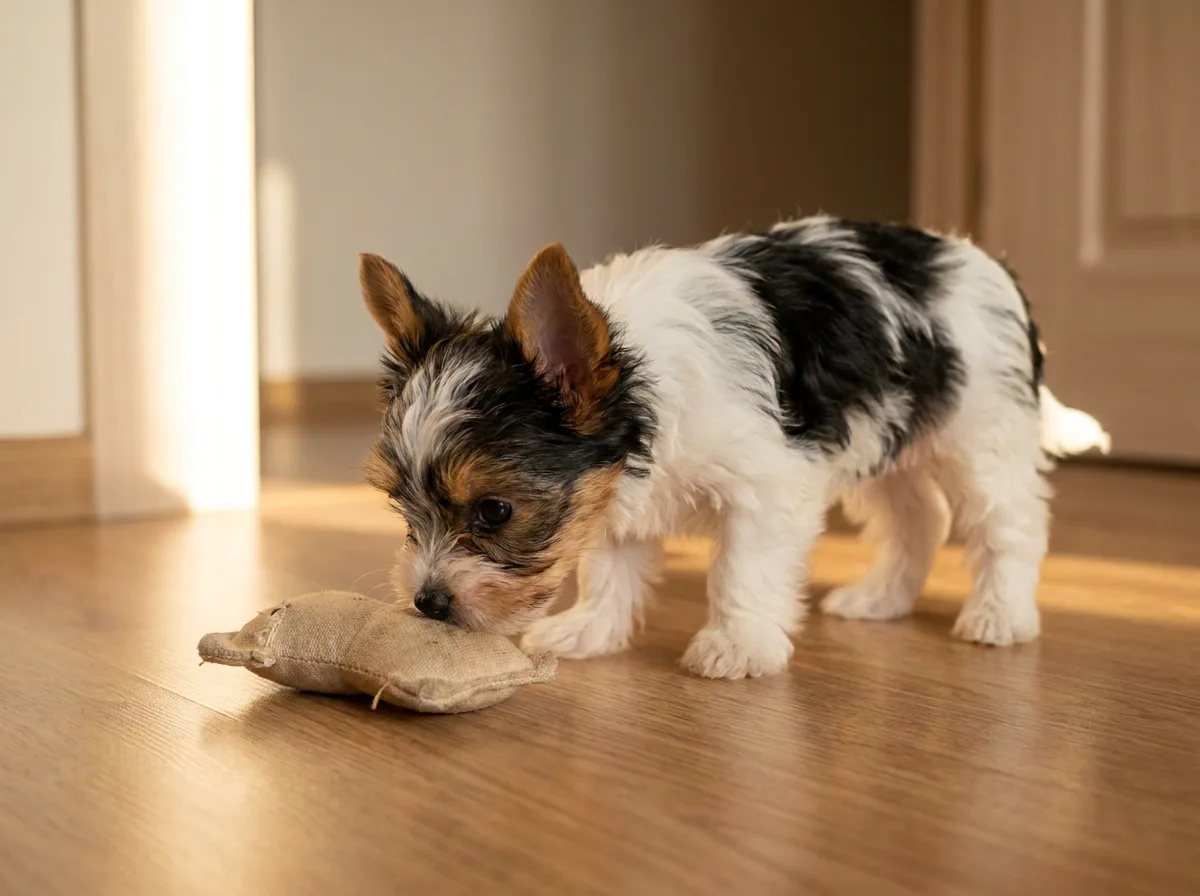
Chiweenie Lifespan and Common Health Concerns
Understand Chiweenie lifespan estimates, common health concerns, and practical care priorities, with clear guidance on aging and when to call your vet. Use practical, individual-dog checks to make a care plan that fits your household.

BVMS, MRCVS
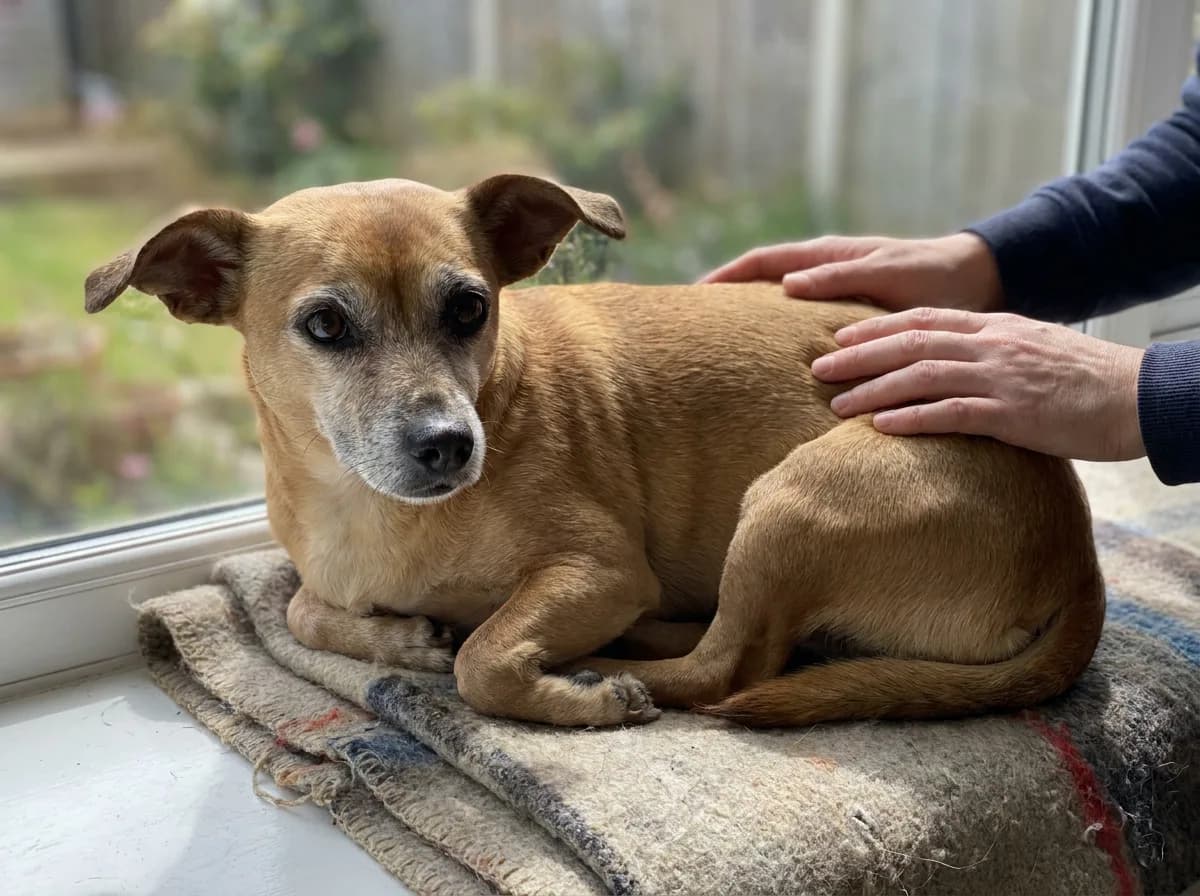
Appearance alone does not establish ancestry or predict adult size.
Petful is reader supported. As an affiliate of platforms like Amazon and Chewy, we may earn a commission when you buy through links on this page. There is no extra cost to you.
Chiweenie lifespan estimates commonly fall around 12 to 16 years, but that range is a planning guide, not a prediction for an individual dog. Chihuahua-Dachshund mixes vary in ancestry, body shape, health, and previous care. The most useful approach is to understand potential health concerns, build preventive habits, and notice changes early rather than trying to calculate an exact final age.

Sign up for expert-backed reviews and safety alerts all in one place.
How long do Chiweenies live?
How long do Chiweenies live? Published breed profiles commonly describe a life expectancy in the low to middle teens. That does not establish a measured average for every Chihuahua-Dachshund mix. Some individuals die younger and some live longer. Without a representative study of dogs whose ancestry and outcomes are known, a precise “average Chiweenie lifespan” should be treated cautiously.
A Chiweenie lifespan estimate is a broad expectation, not a guarantee. Preventive veterinary care, an appropriate body condition, dental care, and prompt attention to new symptoms are more useful than a rigid age forecast.
The American Kennel Club's discussion of dog longevity explains that lifespan differs with size and other factors. Small dogs often live longer than very large dogs, but size alone cannot forecast an individual dog's future. A Chiweenie with a serious inherited condition is not protected simply by being small.
Online ages also mix different types of evidence. A veterinary estimate, a breed guide's range, and a social-media report of a very old dog are not interchangeable. Claims about the oldest Chiweenie may rely on uncertain birth dates or ancestry. A remarkable individual does not tell us the typical life expectancy of the whole mixed-breed population.
Use the estimate to plan long-term care
Thinking in terms of a decade or more is helpful when deciding whether you can provide stable care. It encourages planning for changes in housing, work, travel, and the dog's needs. It should not make you dismiss illness in a younger dog or assume that every older dog is approaching the end of life.
- Keep veterinary and vaccination records together.
- Record known family health history without assuming it predicts every condition.
- Review the dog's diet and body condition during routine appointments.
- Plan a way to pay for unexpected treatment as well as routine care.
- Identify an emergency veterinary service before one is needed.
 Sponsored
Have a health question about your dog?
Talk to a licensed vet at Dutch over video or message, including nights and weekends.
Use code Pets30
Plans start at $11/month · covers up to 5 pets
- Licensed vets in most states
- Rx for 150+ conditions
- 4.7 on Trustpilot
Practical questions in context
Claims about the oldest Chiweenie require reliable birth and ancestry records. One unusually old dog cannot establish an average, and an unverified online age record cannot set a dependable maximum. Treat the oldest-dog story as an individual report rather than a prediction. For your own Chiweenie, the useful information is a veterinary assessment and a record of changes in comfort, appetite, mobility, and daily enjoyment.

A dual-ended toothbrush with a large and a small head to fit different mouth sizes and reach the back molars where plaque hides. Soft bristles angled for the gumline.
Petful may earn a commission when you click through to Chewy, at no extra cost to you.
Male and female Chiweenie life expectancy
Searches for Chiweenie lifespan male and Chiweenie lifespan female often imply that one sex has a dependable advantage. There is not a well-established Chiweenie-specific lifespan table that justifies assigning a different age range to each. Sex is only one factor among many, and a population pattern in dogs generally cannot promise an outcome for your dog.
When discussing longevity with a veterinarian, concentrate on factors that apply to the individual: current examination findings, body condition, dental health, mobility, known diagnoses, and preventive care. Ask about the benefits and risks of reproductive decisions in the context of that dog. Do not choose a puppy or delay a medical decision because an unsourced website claims that all females or all males live longer.
A more useful comparison
Compare the dog's current state with their own previous baseline. Is a dog who once enjoyed a normal walk now stopping repeatedly? Has their appetite changed? Are they drinking or urinating differently? Those observations create a meaningful conversation even when the exact cause is not obvious.
Write down when a change started and whether it is becoming more frequent. A short video of an intermittent gait change can help a veterinarian understand what you are seeing, provided taking it does not delay urgent care. Avoid provoking a painful movement just to record it.
Practical questions in context
Chiweenie life expectancy for a male dog and Chiweenie life expectancy for a female dog cannot be assigned precise separate averages from reliable mix-specific evidence. The sex label does not add a guaranteed number of years. Ask your veterinarian how the individual dog's condition, reproductive history, and care needs affect planning. This is more useful than taking an unverified male-versus-female lifespan chart literally.
Health concerns to discuss with your veterinarian
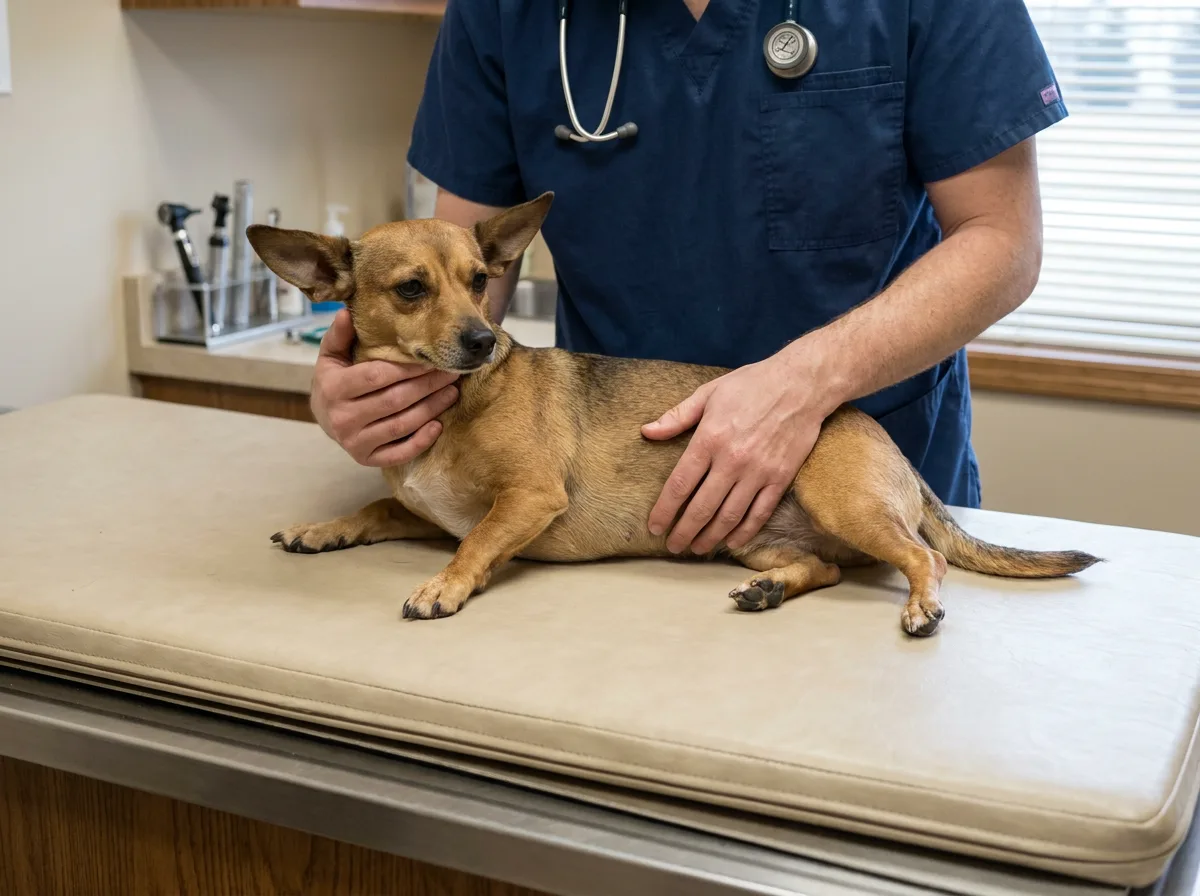
Do Chiweenies have a lot of health problems? They can develop conditions seen in either parent breed as well as health problems common to dogs generally. That is a reason for appropriate screening and care, not a prediction that every Chiweenie will be unhealthy. A mixed-breed label does not remove inherited risk, and a list of possible conditions is not a diagnosis.
Dental and gum disease
Small dogs can have important dental-care needs. A dog continuing to eat does not prove that the mouth is healthy or comfortable. Bad breath, changes in chewing, dropped food, or reluctance to have the face touched deserve discussion with a veterinarian rather than treatment with a cosmetic breath product alone.
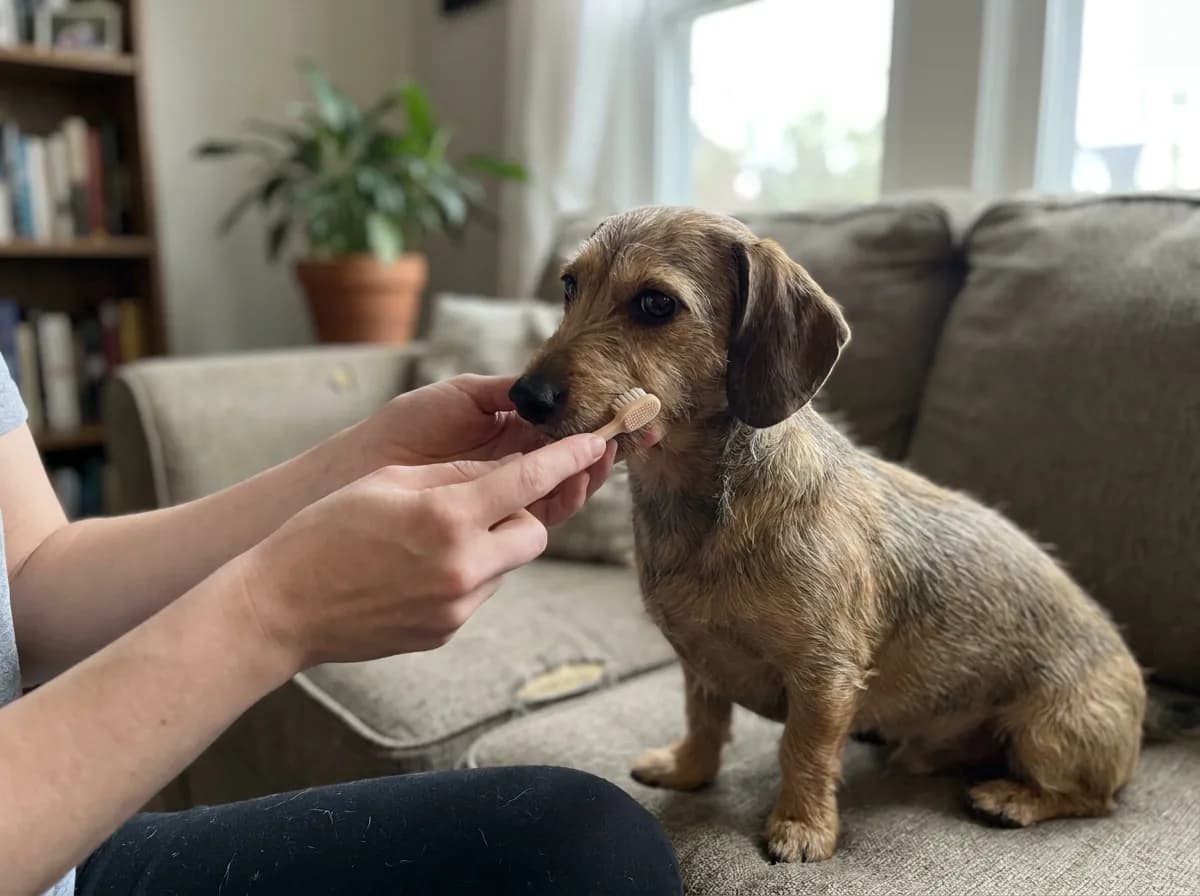
AAHA's dental guidance describes the role of professional assessment and daily home care. Ask whether the mouth is comfortable before starting a new brushing routine. Introduce a suitable Virbac C.E.T. Dual-Ended Dog & Cat Toothbrush gradually with dog toothpaste. Brushing helps with plaque control, but it cannot remove the need for veterinary evaluation or treat established painful disease by itself.
Petful may earn a commission when you click through to Chewy, at no extra cost to you.
Back pain and intervertebral disc disease
Dachshund ancestry makes spinal health worth discussing, especially in a dog with a long body and short legs. Intervertebral disc disease involves the discs between vertebrae and can cause pain or neurological problems. It is not simply a consequence of a dog being “too long,” and you cannot diagnose it from body shape or a photograph.
The American College of Veterinary Surgeons describes signs that can include back or neck pain, weakness, and difficulty walking. Sudden inability to walk, marked weakness, or severe pain requires urgent veterinary attention. Do not test the dog's ability to jump, stretch their back, or administer human pain medicine while deciding whether the problem is serious.
- Keep the dog from unnecessary movement while arranging urgent advice when neurological signs appear.
- Support the body when moving them as directed by a veterinary professional.
- Tell the clinic when the change began and whether walking or bladder control changed.
- Follow the individual examination and treatment plan rather than a generic online exercise program.
Kneecaps, eyes, and the heart
Patellar luxation, in which the kneecap moves out of its normal position, is another concern to discuss in small dogs. Intermittent skipping can have several causes, so a video and veterinary examination are more useful than deciding that every unusual step is a kneecap problem. Avoid adding joint supplements as a substitute for finding the cause of discomfort.
New eye redness, squinting, discharge, or apparent vision loss also deserves prompt assessment. Eye problems can be painful even when the dog is otherwise active. A cough, fainting episode, reduced exercise tolerance, or unusual breathing similarly calls for veterinary guidance. The appropriate urgency depends on the signs; breathing distress and collapse are emergencies.
Do not assume that every symptom in a Chiweenie comes from the Chihuahua parent or the Dachshund parent. A clinician examines the whole dog and considers many possible causes. Ancestry can help identify useful questions, but it cannot replace diagnostic reasoning.
An everyday prevention plan
| Care area | What to record |
|---|---|
| Dental care | Comfort with brushing and veterinary findings |
| Food and activity | Portions, body condition, and changes in movement |
| Veterinary visits | Examinations, prevention plan, and new symptoms |
A prevention plan should be realistic enough to repeat. Arrange examinations at a frequency suited to your dog's age and medical history, keep vaccines and parasite prevention aligned with veterinary advice, and discuss changes instead of waiting for the next routine visit when something seems wrong. An apparently healthy dog still benefits from periodic assessment.
For home dental care, compare the texture and flavor of Virbac C.E.T. dog and cat toothpaste with what your dog tolerates. Keep a Frisco 1.5-cup travel bowl in the walking kit so regular outings include access to drinking water. Neither item substitutes for veterinary preventive care.
Food and body condition
Feed a complete and balanced diet appropriate for the dog's life stage and any medical needs. Use the food label and your veterinarian's guidance as starting points, then adjust based on body condition and the dog's response. Bowl size, a breeder's previous portion, and another Chiweenie's appetite do not establish the correct amount.
If you use a small Outward Hound slow feeder, keep the daily portion unchanged unless your veterinarian advises otherwise. The 0.75-cup capacity is a product measurement, not a serving recommendation. Make sure the dog can comfortably reach the food and does not chew the bowl. A feeding accessory is not a treatment for weight gain or a digestive problem.
Movement and enrichment
Offer comfortable activity that suits age, fitness, and any diagnosed condition. Short sniffing walks, appropriate play, and reward-based training can be easier to adapt than one long demanding outing. Change the plan with the veterinarian if movement becomes painful or stamina changes. Do not force a dog to complete yesterday's route to meet an arbitrary exercise target.
A Frisco Padded No Pull Dog Harness, Black, Small is one option to compare with actual chest and neck measurements. The fit matters more than the label, and no harness guarantees prevention of spinal disease. Check for rubbing and confirm that it does not restrict comfortable movement. An ill-fitting accessory can create a new problem while you are trying to encourage activity.
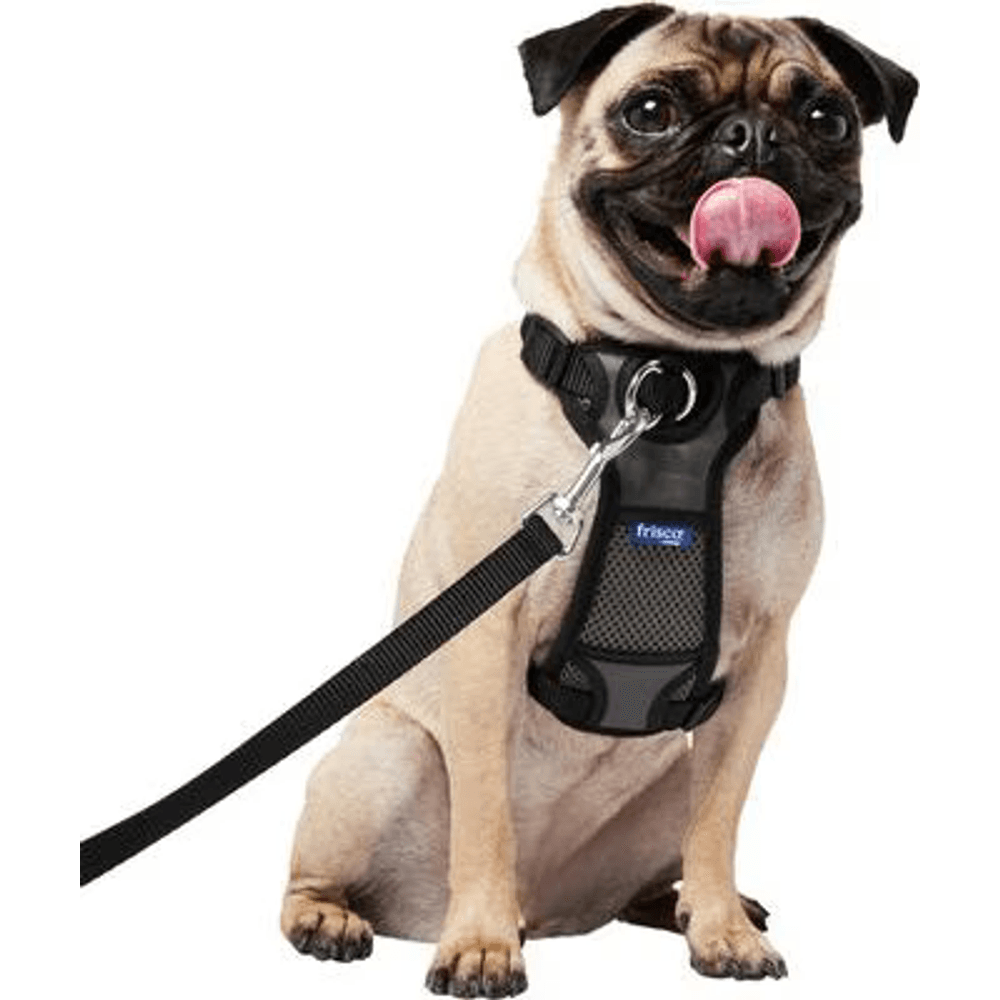
A budget-friendly padded no-pull harness that keeps leash pressure off a coughing dog's neck and windpipe by distributing it across the chest. A simple, affordable way to protect an irritated airway or a collapsing trachea on every walk.
Petful may earn a commission when you click through to Chewy, at no extra cost to you.
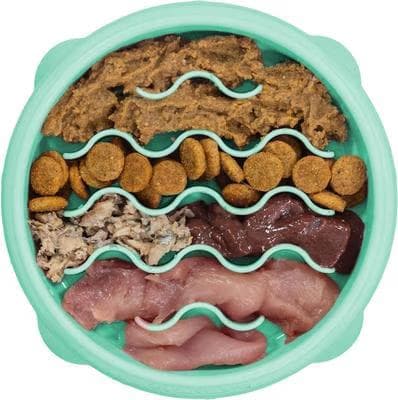
For a dog who enjoys food puzzles, the Outward Hound Nina Ottosson Lick N' Flip Treat Puzzle Dog Toy & Slow Feeder can provide a supervised activity. Start with an easy setup and use part of the normal food allowance. Remove it if the dog tries to chew or swallow pieces. Enrichment should remain comfortable and enjoyable rather than adding frustration.
Records that make appointments more useful
Keep medication names and doses as prescribed, dates of preventive treatments, current food details, and any important test results accessible. Before an appointment, choose the two or three changes you most want to discuss. This is more useful than relying on memory while trying to handle an anxious dog in the examination room.
- Bring a record of recent appetite, drinking, toileting, and activity changes.
- Note any difficulty with stairs, standing, chewing, or sleep.
- Ask which changes should trigger a call before the next visit.
- Clarify what each prescribed treatment is intended to do.
 Sponsored
Vet care that's always there
Unlimited video calls and messaging with licensed vets for less than a typical vet visit. One membership covers up to five pets.
Use code Pets30
Plans start at $11/month · covers up to 5 pets
- Licensed vets in most states
- Rx for 150+ conditions
- 4.7 on Trustpilot
Caring for a senior Chiweenie
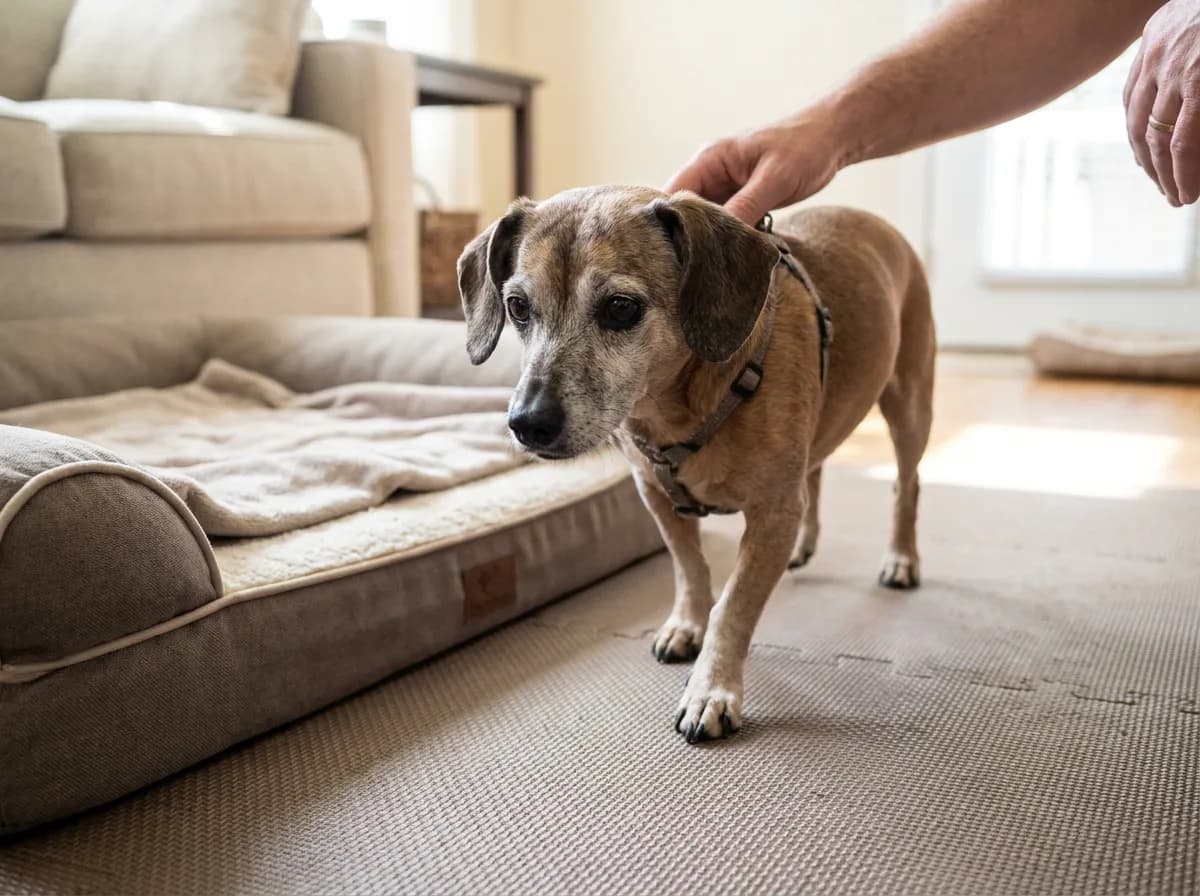
A senior Chiweenie deserves individual assessment rather than a rule that every change is “just old age.” Older dogs may need adjustments in exercise, sleeping areas, feeding arrangements, and visit frequency. The aim is comfort and function, not forcing them to behave like puppies or withdrawing all activity because of their age.
A washable Pet Parents Pawtect small blanket can simplify cleaning a favorite resting place. A securely fitted Frisco 30-inch gate and playpen may help manage access to household areas, but check whether the dog can pass through, climb, or become distressed at the barrier.
Use a baseline change log with a few observations you can repeat: appetite and mobility, sleep, toileting, interest in normal activities, and comfortable interaction. Record the dog's usual pattern first. Then note a meaningful change and its timing. This is an aid to communicating with your veterinarian, not a home scoring system that determines a diagnosis or prognosis.
- Keep a baseline change log covering appetite and mobility, sleep, toileting, and engagement. A new change deserves attention even in an older dog; age alone does not identify its cause.
Make the home easier to use
Provide stable footing where the dog walks and rests. Keep water and a comfortable bed readily accessible. Consider a safe route around obstacles and ask the veterinarian whether changes to furniture access are appropriate. A dog with reduced vision may benefit from a consistent layout, while a dog with pain needs a treatment plan as well as environmental adjustments.
Treat pain, confusion, and sleep disruption as topics to discuss, not personality flaws. A previously sociable dog who avoids touch may be uncomfortable. A dog having accidents may have a medical problem, difficulty reaching the toilet area, or another change that needs assessment. Punishment adds distress without resolving the cause.

Petful may earn a commission when you click through to Chewy, at no extra cost to you.
When a dog has a serious illness, ask about comfort, treatment goals, expected changes, and the signs that mean help is needed promptly. Decisions about quality of life are specific to the animal and family. No lifespan chart can make those decisions for you, and passing a certain birthday does not settle them.
Preparing for a senior-care visit
Bring a list of the changes that affect ordinary life rather than only the changes that seem dramatic. Difficulty settling at night, taking longer to finish food, needing help onto a familiar resting place, or withdrawing from usual interaction may be useful observations. Tell the veterinarian what remains normal as well. A balanced description helps distinguish a persistent change from a single unusual afternoon.
Ask which observations to track after the appointment and when to report back. If a treatment trial is recommended, clarify the intended improvement and what adverse changes should prompt a call. Do not alter prescribed doses or combine medicines because an online discussion describes a different dog's routine.
- Confirm how and when the veterinary team wants an update.
- Ask whether activity or handling should change temporarily.
- Keep written instructions where everyone caring for the dog can find them.
- Arrange help for medication or transport if your routine makes either difficult.
This turns a lifespan concern into a practical care conversation. The objective is to understand this dog's needs and maintain comfort, not to chase an age target borrowed from another animal.
Practical questions in context
A baseline change log helps owners distinguish gradual aging from a new appetite or mobility problem without claiming a diagnosis. Use this practical method with your own dog's observations, available records, and appropriate professional advice. It organizes the next decision without claiming an individual outcome or replacing an examination when one is needed.
More on chiweenie
A Chiweenie is a Chihuahua-Dachshund mix, and the individual dog matters more than the nickname. Temperament, personality, coat colors, and suitability for children or other pets vary. Some enjoy cuddling and close company, while others prefer space or need careful introductions. Pictures show appearance, not a complete behavioral history. Our Chiweenie breed guide explains the household questions, possible downsides, and daily care decisions. It also covers feeding as part of a complete routine: there is no single best food for every dog carrying this mix label. Choose a complete and balanced diet appropriate to age and medical needs with veterinary guidance.
Practical questions in context
Chiweenie puppies and adult dogs can look quite different. Pictures, images, and photos may show a black-and-tan, white, brown, golden, red, brindle, dapple, or merle coat; terms such as blue merle, applehead, and deer head describe claimed features rather than certifying ancestry. A fluffy coat does not identify the parents, and no Chiweenie is guaranteed hypoallergenic. The name is spelled Chiweenie. What a Chiweenie dog looks like cannot tell you whether its personality fits your home, so use the linked breed guide together with the individual's history.
Questions before the next step
Pictures of Chiweenies show appearance, not a complete history. How do you spell Chiweenie? That is the usual spelling for this Chihuahua-Dachshund mix. Look beyond photos and ask about the individual dog's temperament, care, and daily routine. A visual resemblance to either parent is not proof of ancestry, and a puppy's appearance cannot promise its adult behavior.
More on chiweenie full grown
A Chiweenie full grown is generally small, but adult weight, height, and body proportions vary. Parent size matters, and a puppy may mature differently from a look-alike in a photograph. A full-grown black-and-tan dog, a long-haired dog, and a smooth tan dog are not separate size categories. Our Chiweenie full-grown guide explains growth expectations, the limits of puppy calculators, and how to measure for equipment. It avoids a universal monthly weight chart because mixed ancestry and individual development make that falsely precise. Actual measurements and healthy body condition are the useful practical checks.
Practical questions in context
A mini, miniature, or teacup Chiweenie label does not define a separate official size. Ask how big the individual dog may get using actual parent records, and assess how much a Chiweenie should weigh through body condition with a veterinarian. A fat-looking or fluffy dog in a photograph cannot be assessed accurately from that picture alone. Adult size, growth timing, and a puppy's weight are different questions. The linked guide explains these distinctions without treating a seller's label as a guarantee.
Questions before the next step
Chiweenies vary in size, including dogs described as mini or teacup. These labels do not replace actual measurements. Growth records for Chiweenie puppies, including a Chiweenie puppy at 4, 5, 6, 7, 8, or 12 weeks old answer different questions from records at 2, 3, 4, or 6 months old. Use serial weights and veterinary assessment rather than expecting any one puppy age to predict the final adult exactly.
More on long haired chiweenie
A long-haired Chiweenie can have feathering around the ears, chest, legs, and tail. Puppy coat development, adult appearance, and colors such as black and tan are useful things to observe, but a fluffy coat cannot prove ancestry. Grooming depends on texture and friction areas rather than the name alone. Our long-haired Chiweenie guide explains what pictures can show, how a puppy's coat may change, and when limited tidying or professional help makes sense. It separates appearance questions from the detailed bathing and shedding routine, so you can identify the coat before choosing tools.
Practical questions in context
A long-haired Chihuahua-Dachshund mix may show a soft fringe around the ears, a feathered tail, or a fuller chest. Chiweenie dog long hair searches cover several textures, and not every full-grown long-haired dog has the same amount of feathering. Appearance alone cannot establish a long-haired Dachshund or Chihuahua parent. Use the linked guide to compare useful coat observations, including how a puppy's coat may change, then plan grooming from the actual texture.
More on chiweenie price
Chiweenie price and ongoing costs are separate decisions. Adoption fees, a puppy's purchase price, and what veterinary care is included vary by source and location. A low initial price does not guarantee affordable ownership, and a high price does not prove responsible breeding. Our Chiweenie price guide compares the questions to ask about adoption and purchase, initial supplies, recurring bills, and unexpected treatment. It uses an included-care checklist and a clearly labeled budget example rather than presenting one total as a nationwide quote. Confirm actual fees and services before making a commitment.
Practical questions in context
If you are looking for Chiweenies for adoption, ask local shelters and rescues about the individual dog's records, fees, and needs. To adopt a Chiweenie puppy or adult responsibly, compare included care and the cost of future care rather than a price alone. How much Chiweenie puppies cost varies by source and location. The linked price guide explains how to compare a purchase quote, a rescue fee, and recurring bills without promising that any one advertised amount is typical everywhere.
Questions before the next step
Long-haired Chiweenie rescue and adoption listings still require the same individual assessment as listings for smooth-coated dogs. If a long-haired Chiweenie is available for adoption, compare records, behavior, handling needs, and included veterinary care. Longer hair does not establish a particular fee or guarantee suitability. The linked price guide explains what to ask before adopting or buying any Chiweenie.
More on chiweenie grooming shedding
Chiweenie grooming includes coat, nails, teeth, ears, and comfortable handling. Both short-haired and longer-coated dogs can shed; neither a small body nor a smooth coat makes a dog hypoallergenic. Brushing tools should suit the coat, and bath frequency depends on dirt, skin condition, and veterinary advice. Our Chiweenie grooming and shedding guide explains how to distinguish ordinary loose hair from mats or an abnormal skin change. It also covers when a groomer can help, why shaving is not a dependable shedding solution, and how to introduce routine care without forcing a worried dog.
Questions before the next step
Are Chiweenies hypoallergenic? No Chiweenies can be guaranteed allergy-free, regardless of how much hair is visible. Coat care remains useful for comfort and cleanliness, but it cannot remove every potential allergen or establish whether a particular person will react. Discuss human allergy concerns with an appropriate clinician before adopting rather than relying on a low-shedding label.
Chiweenie questions
There is no well-established Chiweenie-specific study that supports a precise female-only average. The commonly quoted general range is an estimate, not a guarantee for either sex. A veterinarian can discuss the individual dog's health and reproductive history. Following appetite and mobility in a baseline change log gives more useful care information than assigning extra years solely because the dog is female.
Claims about the oldest Chiweenie are difficult to verify because birth dates and mixed ancestry may be uncertain. An unusually old dog's story also cannot establish a typical lifespan. Treat online record claims cautiously unless documentation is independently credible. Concentrate on your dog's comfort, preventive care, and changes from their usual baseline rather than trying to match an exceptional age.
No. Mixed ancestry does not guarantee freedom from inherited disease or the health problems common to dogs generally. Appropriate parent screening may help answer specific questions, while veterinary assessment guides care for the individual. A normal appetite does not exclude dental discomfort, and a youthful appearance does not replace an examination. Track meaningful changes and seek advice when something differs from normal.
BVMS, MRCVS
Dr. Pippa Elliott, BVMS, MRCVS, is a veterinarian with nearly 30 years of experience in companion animal practice. Dr. Elliott earned her Bachelor of Veterinary Medicine and Surgery from the University of Glasgow. She was also designated a Member of the Royal College of Veterinary Surgeons. Married with 2 grown-up kids, Dr. Elliott has a naughty Puggle named Poggle, 3 cats and a bearded dragon.
Sign up for expert-backed reviews and safety alerts all in one place.