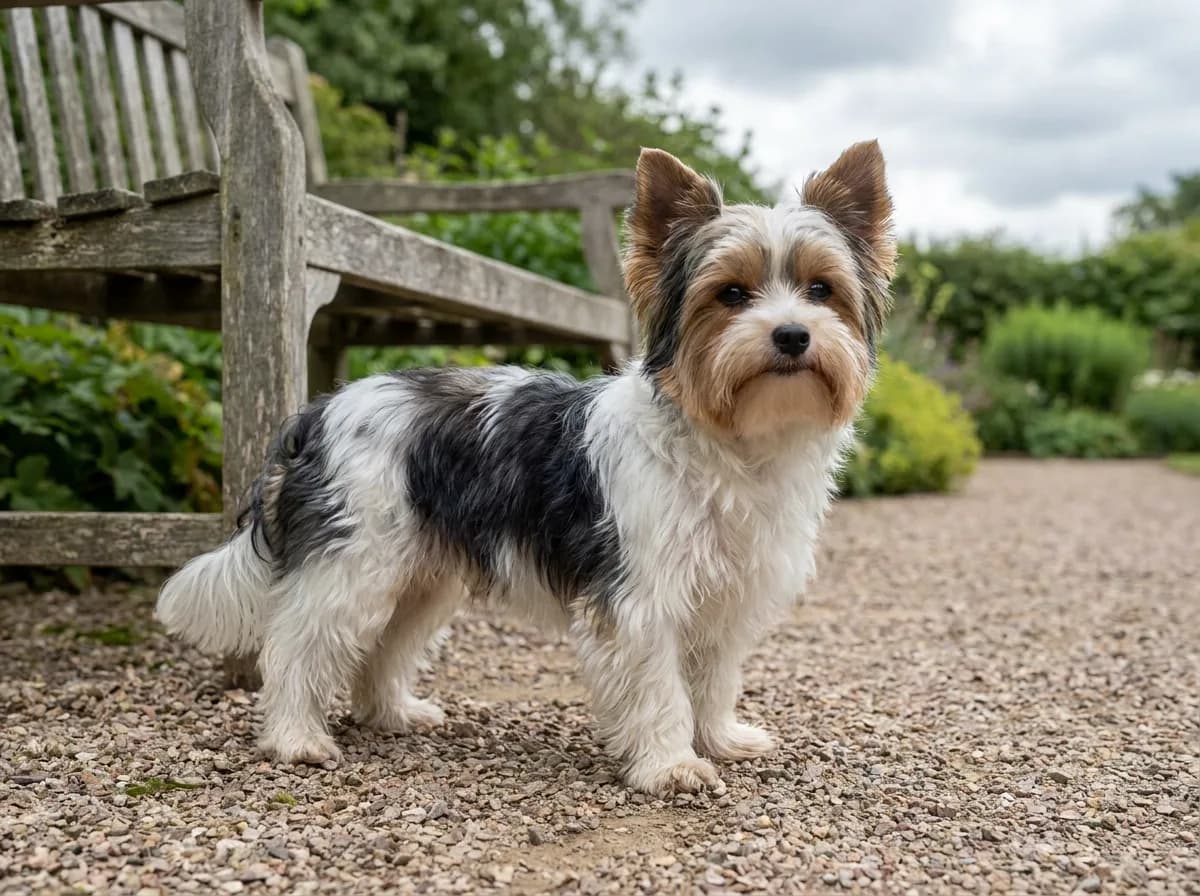
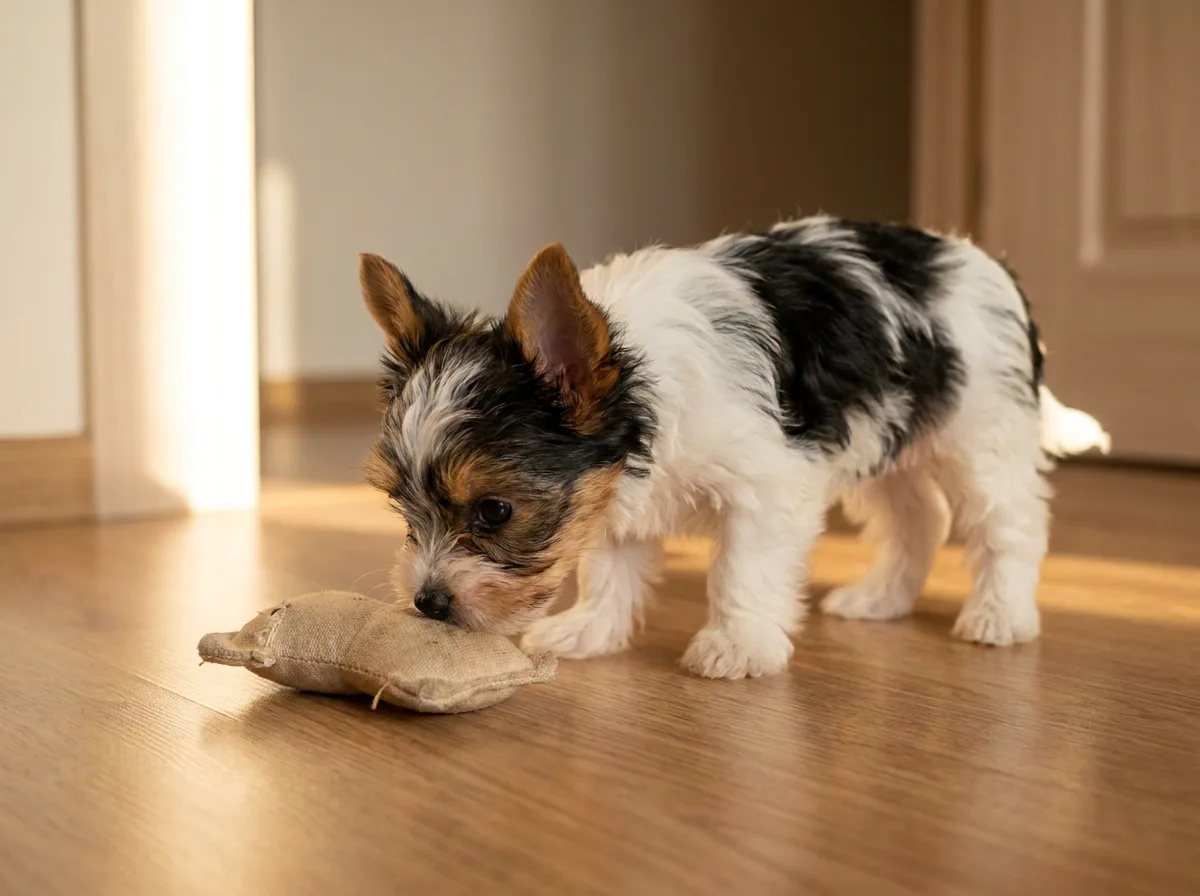
Chiweenie Grooming and Shedding: Short- and Long-Coat Care
Build a Chiweenie grooming routine for short or long hair. Learn how shedding, brushing, bathing, nails, and dental care fit together without overdoing it. Use practical, individual-dog checks to make a care plan that fits your household.
Appearance alone does not establish ancestry or predict adult size.
Petful is reader supported. As an affiliate of platforms like Amazon and Chewy, we may earn a commission when you buy through links on this page. There is no extra cost to you.
Chiweenie grooming depends on the coat your dog actually has. A smooth-coated Chihuahua-Dachshund mix needs a different brushing approach from a dog with feathering around the ears and tail, but both need attention to nails, teeth, skin, and comfortable handling. Chiweenies can shed; the sensible goal is to manage loose hair and keep the dog comfortable, not promise a completely hair-free home.

Sign up for expert-backed reviews and safety alerts all in one place.
Do Chiweenies shed?
Yes, Chiweenies can shed. Short hair is still hair, and a smooth coat does not make a dog nonshedding or hypoallergenic. The amount you notice depends on the individual coat, seasonal changes, health, grooming, and the surfaces in your home. Fine short hairs can be especially visible on upholstery even when the dog does not look fluffy.
Chiweenie grooming should follow coat texture and skin comfort. Remove loose hair gently, check long feathering for tangles, and treat sudden coat or skin changes as a reason for veterinary advice rather than more aggressive brushing.
Regular gentle brushing can collect some loose hairs before they reach the sofa, but no tool stops normal hair cycling. Do not escalate to harder pressure or repeated stripping because a dog still sheds afterward. A comfortable coat with some loose hair is preferable to irritated skin caused by trying to remove every possible strand.
Use the coat care decision path
First decide whether you are seeing loose hair versus mats. Loose hair comes away easily during gentle brushing. A mat is hair tangled together, sometimes close to the skin. Patchy loss, redness, sores, persistent scratching, or a sudden change is a different problem and may need assessment.
- Loose hair with comfortable skin: use a suitable gentle brush and routine cleaning.
- Long hair beginning to tangle: carefully separate manageable tangles and review the routine.
- Tight mats or sensitive skin: ask a groomer or veterinarian for help.
- Bald patches or persistent itching: contact the veterinary team.
Do not use breed stereotypes to interpret a new symptom. A dog known for shedding can still develop a skin problem. Conversely, finding ordinary hairs on a blanket is not itself proof that the diet is wrong or that a supplement is needed. Changes over time and the dog's comfort are more informative than the amount of hair from one brushing session.
Petful may earn a commission when you click through to Chewy, at no extra cost to you.
Practical questions in context
How often should you bathe a Chiweenie? The answer depends on dirt, coat condition, and veterinary advice, rather than a promise that more baths will stop shedding. Normal loose hair, a tangle, and irritated skin need different responses. Brushing helps manage the coat, while persistent itching or abnormal hair loss needs assessment. Choose a bathing routine that serves the individual dog's skin and comfort.
Questions before the next step
Chiweenie grooming starts with a coat care decision path: decide whether you are seeing loose hair, a tangle, or abnormal skin. Each needs a different response. A brush that helps remove loose coat should not be dragged through a tight mat, and persistent itching should prompt assessment instead of endless grooming.
Brushing short and long coats
| Coat or task | Useful starting point |
|---|---|
| Short coat | Gentle grooming suited to the skin and texture |
| Long feathering | Check friction areas and hidden tangles |
| Tight mats | Professional assessment instead of pulling or blind scissor work |
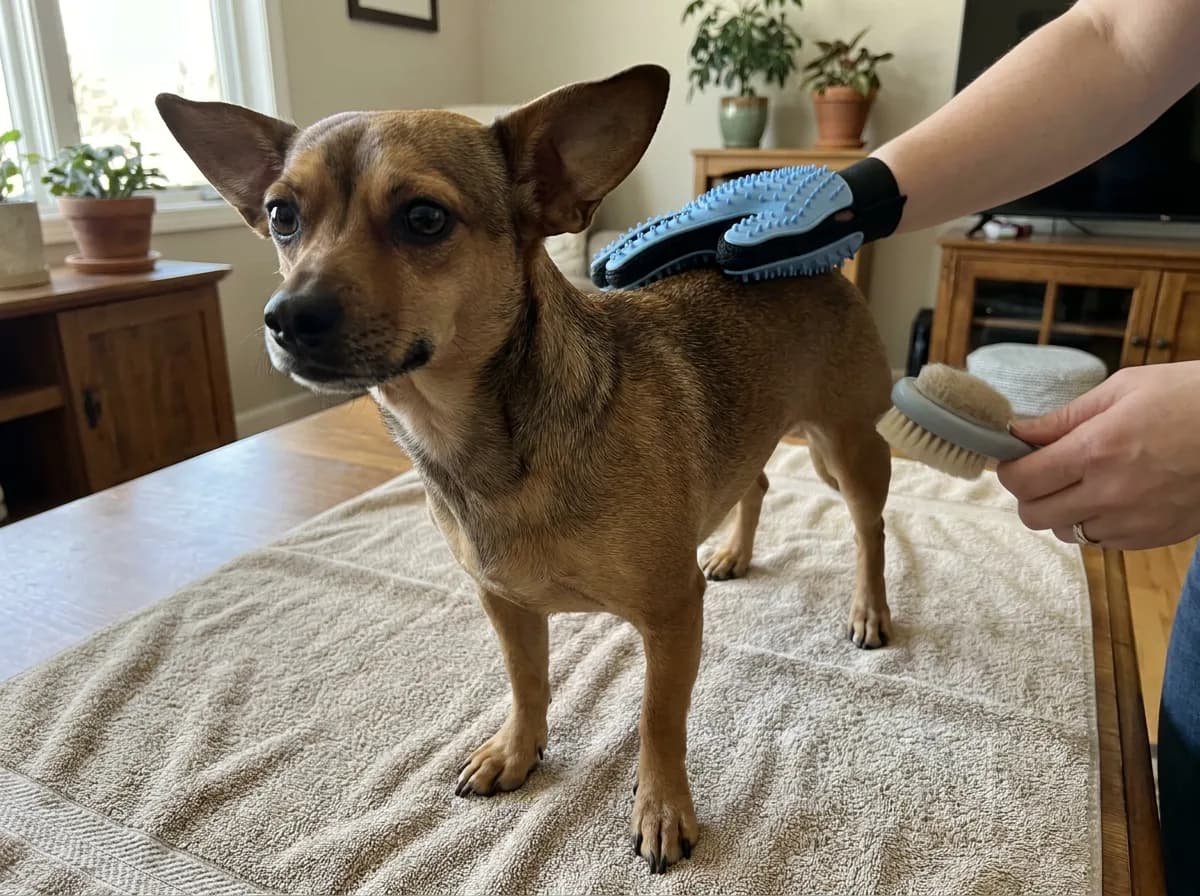
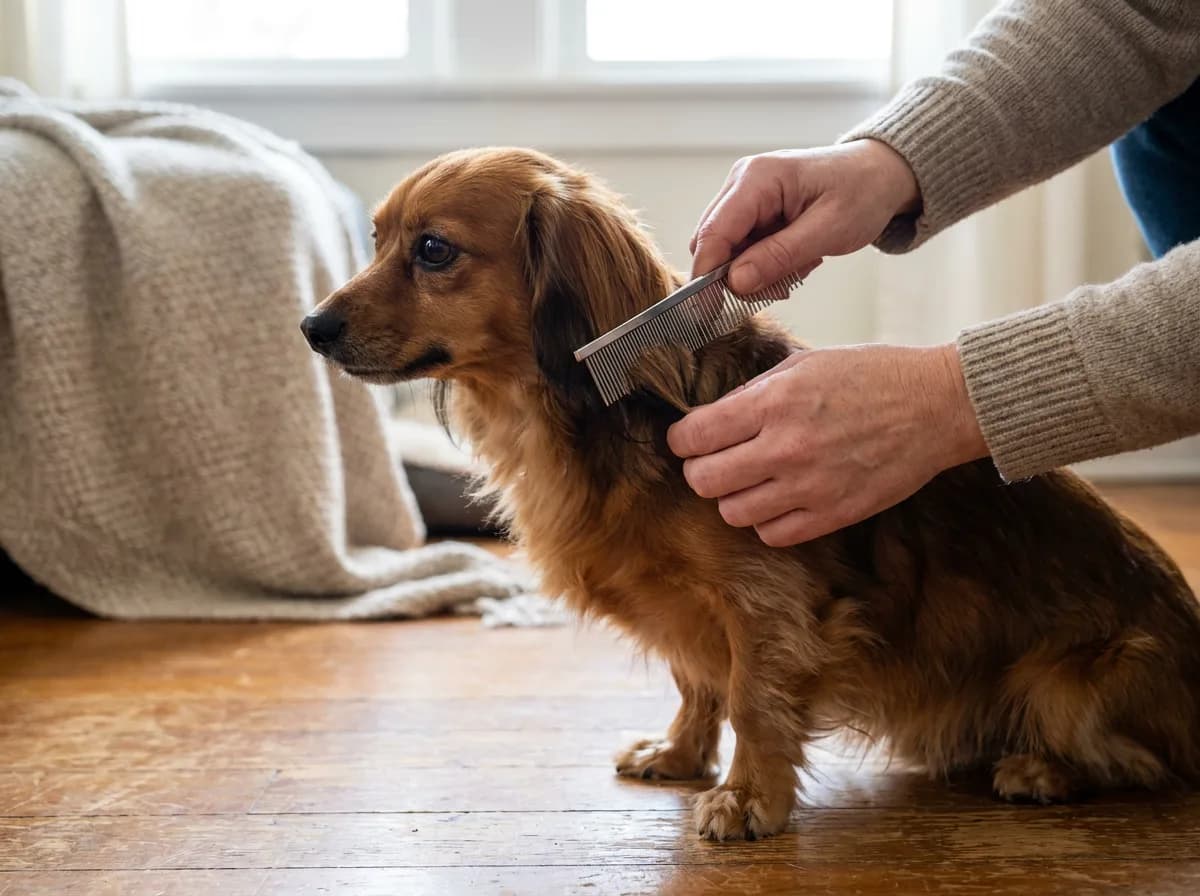
Start with your fingers and a gentle inspection. Look at the skin where you can do so comfortably, feel for tangles, and notice whether the dog reacts to touch. A short hair Chiweenie may do well with a soft brush or grooming glove. A longer coat may need a gentle slicker and an appropriate comb, especially in feathered areas.
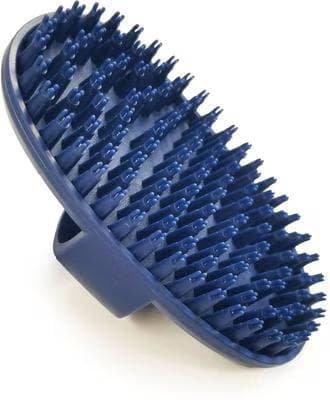
The Four Paws Magic Coat Wet & Dry Dog Glove & Curry Brush is an option for a smooth coat. Use light strokes and assess the dog's response instead of assuming that a rubber tool cannot irritate skin. Stop if the dog flinches, tries to escape, or develops redness. A grooming session should not depend on holding the dog down.
Smooth coats
Brush in the direction of growth and work for a short period. Check the chest, shoulders, and other areas where hair collects without repeatedly rubbing one patch. The useful frequency is the one that keeps the coat comfortable and manageable; it may change with the season or the dog's activity.
Clean the tool so you can distinguish newly collected hair from old hair. Check for damaged edges or material that could scratch. A tool sold as a deshedder is not automatically the best choice for a fine short coat. If you are uncertain, ask a groomer to demonstrate an appropriate tool and pressure on your dog.
Long coats and feathering
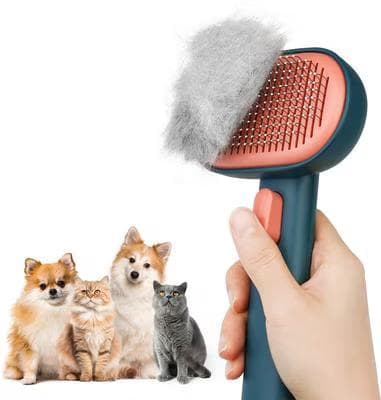
Long hair can conceal tangles near the skin. Check behind the ears, around the collar or harness, under the legs, and along the tail. Work in small sections. An aumuca Self Cleaning Slicker Brush, Green is one option to evaluate for suitable longer hair, but brushing the surface is not enough if a comb still catches underneath.
- Hold hair gently near a manageable tangle to avoid pulling the skin.
- Work slowly from the loose edge rather than dragging through the knot.
- Take breaks before the dog becomes distressed.
- Ask for professional help with tight or painful mats.
Do not cut close to the skin with household scissors. A mat can pull skin into a fold that is difficult to see. Do not assume a dog needs a full haircut simply because some feathering tangles. A groomer can help distinguish limited tidying, hygiene trimming, and a coat problem that needs a different approach.
Petful may earn a commission when you click through to Chewy, at no extra cost to you.
Bathing and drying a Chiweenie
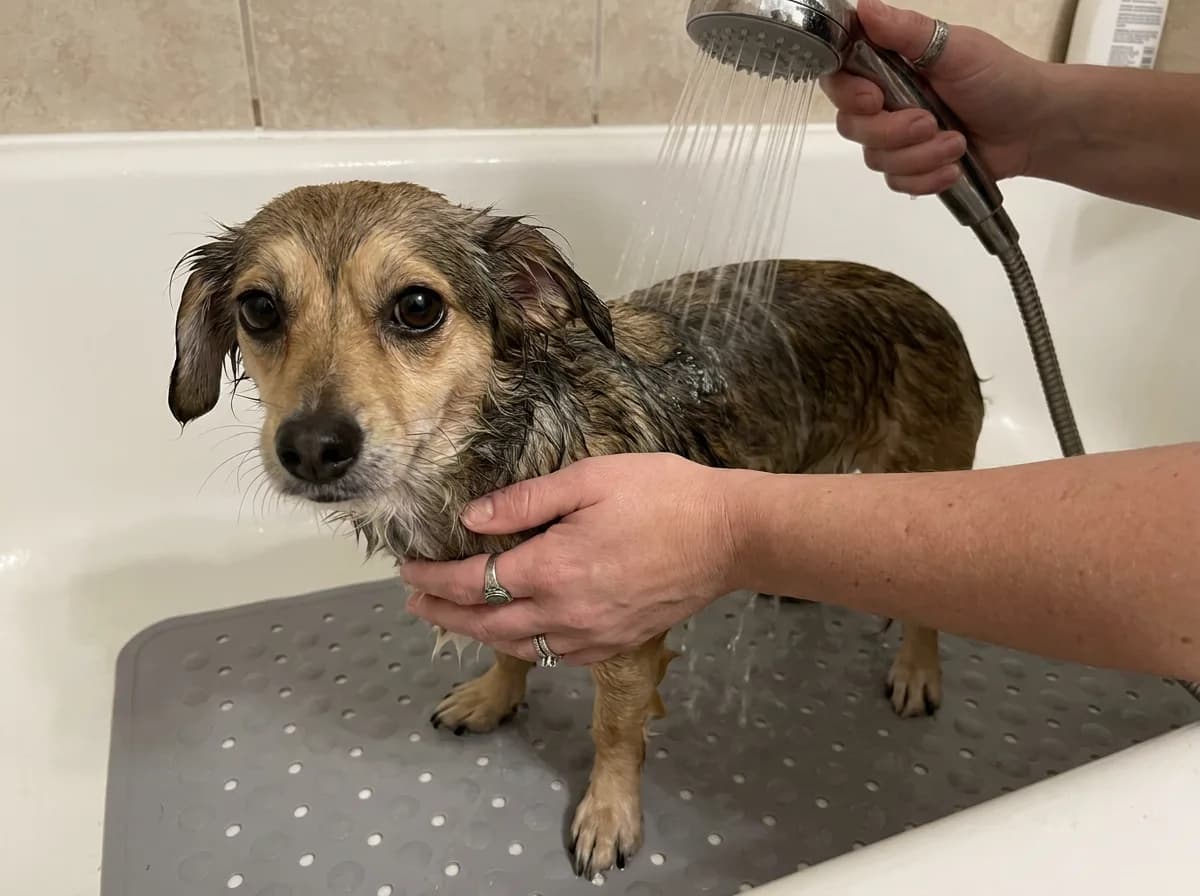
How often should a Chiweenie be bathed? There is no single schedule that suits every coat and skin condition. Bathe when the dog is dirty or has a reason to need washing, and follow any veterinary skin-care plan. A dog who repeatedly smells unpleasant or itches may need assessment rather than more frequent shampooing.
A washable Pet Parents Pawtect small blanket can cover the resting area after the coat is properly dried. Keep a separate Frisco 1.5-cup travel bowl available for drinking water during travel to and from a grooming appointment.
Before bathing, check for tangles and make sure the dog can stand securely. Set out towels, an appropriate dog shampoo, and anything else you need so you do not leave the dog unattended. Use comfortably lukewarm water and gentle handling. Avoid directing water into the eyes or ears.
A practical bath sequence
- Place a nonslip mat or other secure footing in the bathing area.
- Introduce the water gently and wet the coat without startling the dog.
- Apply dog shampoo as the label directs, avoiding sensitive areas.
- Rinse thoroughly so residue does not remain in the coat.
- Towel dry gently and keep the dog comfortable while drying finishes.
Earthbath Oatmeal & Aloe Itch Relief Fragrance Free Dog & Cat Shampoo is a cleansing option to compare with the dog's needs and the label. The product name is not a diagnosis or a promise to solve persistent itching. Medicated shampoos should be used according to veterinary advice when a medical condition is involved. For a product comparison, see oatmeal shampoos for dogs.
Drying is part of the job
Longer feathering can remain damp after the body seems dry. Gently check those areas and avoid rubbing the coat into tangles with a towel. If a dryer is used, it should be appropriate for the dog and handled at a comfortable temperature and distance. Stop if the dog becomes frightened or overheated; a groomer can demonstrate safer technique.
Never leave a small dog unattended with heat or drying equipment. Do not assume that a dryer setting comfortable for a person is appropriate for the dog's skin. For dogs who dislike the process, divide handling training into smaller steps away from bath day so the actual bath is less overwhelming.
A dirty coat is not the same as a medical problem
Rolling in mud, outdoor debris, and an ordinary dirty coat are cleaning problems. Persistent odor despite appropriate care, greasy or inflamed skin, ear discharge, or significant itch may have a medical cause. Write down what you notice and when it changes. Repeatedly changing shampoos can make it harder to understand what is happening. The guide to dog shampoos for itchy skin explains product-selection considerations to discuss with your veterinarian.
Nails teeth ears and handling
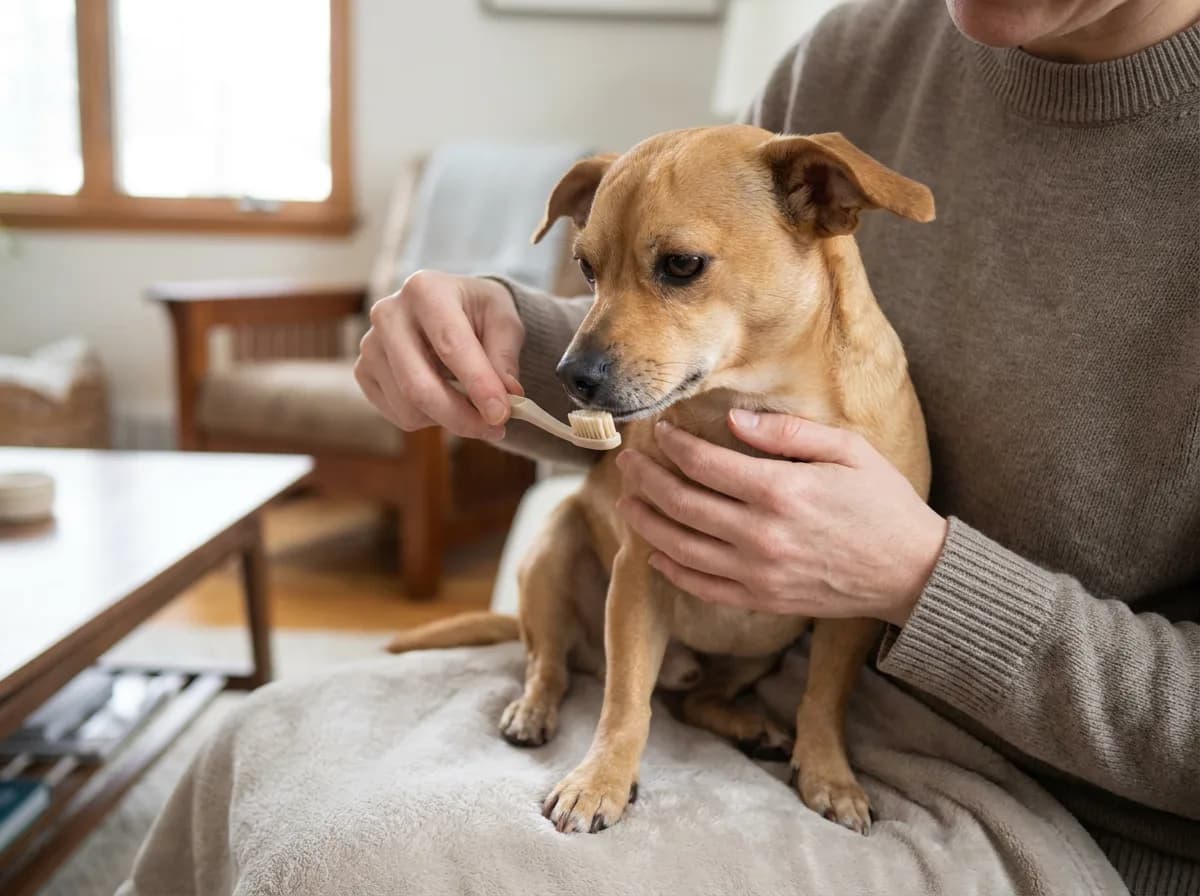
Do Chiweenies need to be groomed? Yes, even when their coats are easy to maintain. Grooming includes checking the nails, mouth, ears, and skin and helping the dog feel safe during handling. It is not limited to haircuts. A dog with short hair still needs these routines, and an older dog may need adjustments for comfort.
For nail care, compare Frisco small-pet nail clippers with your dog’s nail size and ask for a handling demonstration. For teeth, use a pet product such as Virbac C.E.T. dog and cat toothpaste, with a brush that reaches comfortably. These tasks deserve their own short sessions. For another nail-care tool option, compare dog nail grinders.
Nails and paws
Check nails and paws regularly, especially if the dog spends much of the day on soft surfaces. Nail-trimming frequency varies with growth, activity, and the individual foot. Ask a groomer or veterinary professional to show you where and how to trim, particularly when the nails are dark or the dog is worried.
Do not force a long trim after weeks of avoiding the paws. Teach short comfortable handling steps, use rewards, and trim only what you can manage safely. A sudden change in tolerance may reflect discomfort rather than disobedience. Broken nails, swelling, or persistent licking deserve veterinary guidance.

Petful may earn a commission when you click through to Chewy, at no extra cost to you.
Teeth and gums
AAHA describes daily toothbrushing as an important part of home dental care. Use dog toothpaste and a brush that fits comfortably. The Virbac C.E.T. Dual-Ended Dog & Cat Toothbrush offers two ends, but suitability still depends on your dog's mouth and tolerance.
Start with a brief pleasant introduction rather than attempting a complete brushing immediately. Ask a veterinarian about bad breath, bleeding, changes in chewing, or resistance that suggests pain. Chews and water additives do not remove the need for professional assessment, and they are not a reason to force brushing on a painful mouth.
Ears and cooperative care
Look at the visible ear area and notice redness, discharge, odor, or repeated head shaking. Do not insert cotton swabs deep into the canal or repeatedly clean an irritated ear without advice. Folded ears do not automatically mean infection, and upright ears are not immune to problems. Use a cleaner only when appropriate for the dog and as directed.
Cooperative care means teaching small steps that the dog can tolerate. Briefly touch a paw, reward, and stop. Show a brush, reward calm interest, and put it away. Build gradually toward the real procedure. The American Veterinary Society of Animal Behavior supports reward-based approaches; intimidation can make future handling harder.
When shedding needs veterinary attention
Contact your veterinarian when shedding comes with bald patches, inflamed skin, persistent itching, sores, a marked odor change, or other signs that the dog is unwell. The amount of visible hair alone cannot identify the cause. Allergies, parasites, infections, and other conditions can create overlapping signs and require different approaches.
Record when the change began, any new food or products, and whether other animals or people in the household are affected. Take a clear photograph if it helps show progression, but do not repeatedly manipulate a sore area for pictures. Seek prompt advice for rapid changes or significant discomfort.
- Follow the coat care decision path: distinguish loose hair versus mats, then look at skin comfort. Bald patches, persistent itching, or pain need assessment; a stronger brush is not the next step.
What to bring to the appointment
- Names of shampoos, topical products, and recent treatments.
- Dates when shedding or skin changes began.
- A description of scratching, licking, or behavior changes.
- Information about current parasite prevention and other pets.
- Photographs showing changes over time, if available.
Avoid starting several new products at once unless directed. A simple record helps the veterinary team evaluate the history and makes it easier to judge whether a treatment is helping. Do not use another pet's medication or human skin products on the assumption that a similar-looking rash has the same cause.
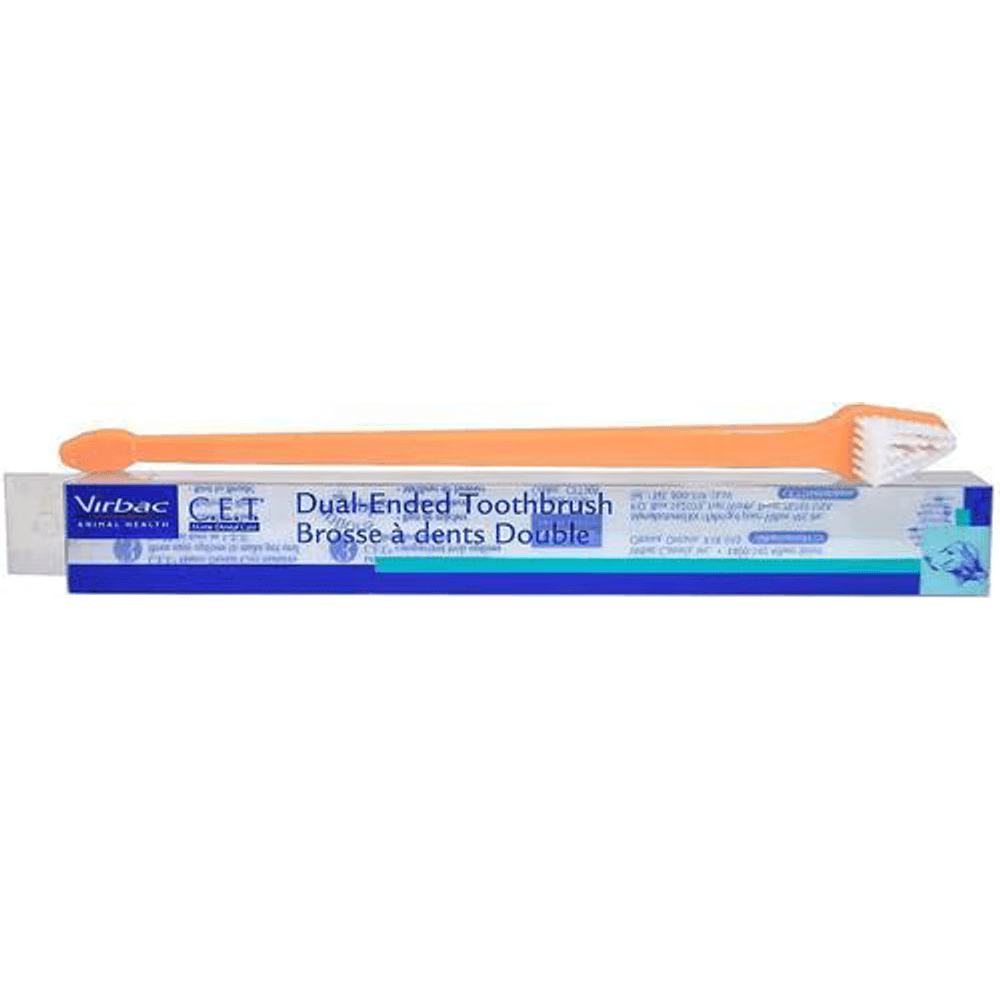
A dual-ended toothbrush with a large and a small head to fit different mouth sizes and reach the back molars where plaque hides. Soft bristles angled for the gumline.
Petful may earn a commission when you click through to Chewy, at no extra cost to you.
Make the routine sustainable
Keep tools in one place and tie brief checks to an existing routine, such as a quiet period after a walk. Clean brushes, wash bedding as appropriate, and replace worn equipment. The goal is a comfortable dog and a manageable household, not an elaborate grooming schedule that nobody can keep up with.
Reassess when the coat changes, a puppy matures, or an older dog becomes less comfortable standing. A routine that worked last year may need shorter sessions or professional help now. Adapt to the individual instead of assuming the mixed-breed label determines every care decision forever.
Planning a first grooming appointment
Tell the groomer about the dog's handling experience, any medical conditions, and the routines that have been comfortable at home. Explain the result you want in practical terms: clean coat, manageable feathering, safe nail care, or help with a tangle. A photograph of a different dog is less useful than a discussion of your dog's actual coat and tolerance.
Ask how the appointment is managed when a dog becomes worried and whether shorter introductory visits are possible. Let the groomer know if a veterinarian has advised limits on standing, lifting, products, or particular procedures. A grooming visit should not substitute for a veterinary assessment of painful skin, ears, or movement.
- Confirm which services are included and which are additional.
- Agree before changing the coat length substantially.
- Ask which home-care step would prevent the same problem recurring.
- Get a clear explanation if professional or veterinary follow-up is needed.
The most valuable appointment leaves you with a comfortable dog and a routine you understand. A polished appearance alone is not proof that every handling or skin-care need has been met.
Practical questions in context
A coat care decision path distinguishes ordinary loose hair from mats and skin changes so owners choose a tool instead of indiscriminately deshedding. Use this practical method with your own dog's observations, available records, and appropriate professional advice. It organizes the next decision without claiming an individual outcome or replacing an examination when one is needed.
More on chiweenie
A Chiweenie is a Chihuahua-Dachshund mix, and the individual dog matters more than the nickname. Temperament, personality, coat colors, and suitability for children or other pets vary. Some enjoy cuddling and close company, while others prefer space or need careful introductions. Pictures show appearance, not a complete behavioral history. Our Chiweenie breed guide explains the household questions, possible downsides, and daily care decisions. It also covers feeding as part of a complete routine: there is no single best food for every dog carrying this mix label. Choose a complete and balanced diet appropriate to age and medical needs with veterinary guidance.
Practical questions in context
Chiweenie puppies and adult dogs can look quite different. Pictures, images, and photos may show a black-and-tan, white, brown, golden, red, brindle, dapple, or merle coat; terms such as blue merle, applehead, and deer head describe claimed features rather than certifying ancestry. A fluffy coat does not identify the parents, and no Chiweenie is guaranteed hypoallergenic. The name is spelled Chiweenie. What a Chiweenie dog looks like cannot tell you whether its personality fits your home, so use the linked breed guide together with the individual's history.
Questions before the next step
Pictures of Chiweenies show appearance, not a complete history. How do you spell Chiweenie? That is the usual spelling for this Chihuahua-Dachshund mix. Look beyond photos and ask about the individual dog's temperament, care, and daily routine. A visual resemblance to either parent is not proof of ancestry, and a puppy's appearance cannot promise its adult behavior.
More on chiweenie full grown
A Chiweenie full grown is generally small, but adult weight, height, and body proportions vary. Parent size matters, and a puppy may mature differently from a look-alike in a photograph. A full-grown black-and-tan dog, a long-haired dog, and a smooth tan dog are not separate size categories. Our Chiweenie full-grown guide explains growth expectations, the limits of puppy calculators, and how to measure for equipment. It avoids a universal monthly weight chart because mixed ancestry and individual development make that falsely precise. Actual measurements and healthy body condition are the useful practical checks.
Practical questions in context
A mini, miniature, or teacup Chiweenie label does not define a separate official size. Ask how big the individual dog may get using actual parent records, and assess how much a Chiweenie should weigh through body condition with a veterinarian. A fat-looking or fluffy dog in a photograph cannot be assessed accurately from that picture alone. Adult size, growth timing, and a puppy's weight are different questions. The linked guide explains these distinctions without treating a seller's label as a guarantee.
Questions before the next step
Chiweenies vary in size, including dogs described as mini or teacup. These labels do not replace actual measurements. Growth records for a Chiweenie puppy at 4, 5, 6, 7, 8, or 12 weeks old answer different questions from records at 2, 3, 4, or 6 months old. Use serial weights and veterinary assessment rather than expecting any one puppy age to predict the final adult exactly.
More on long haired chiweenie
A long-haired Chiweenie can have feathering around the ears, chest, legs, and tail. Puppy coat development, adult appearance, and colors such as black and tan are useful things to observe, but a fluffy coat cannot prove ancestry. Grooming depends on texture and friction areas rather than the name alone. Our long-haired Chiweenie guide explains what pictures can show, how a puppy's coat may change, and when limited tidying or professional help makes sense. It separates appearance questions from the detailed bathing and shedding routine, so you can identify the coat before choosing tools.
Practical questions in context
A long-haired Chihuahua-Dachshund mix may show a soft fringe around the ears, a feathered tail, or a fuller chest. Chiweenie dog long hair searches cover several textures, and not every full-grown long-haired dog has the same amount of feathering. Appearance alone cannot establish a long-haired Dachshund or Chihuahua parent. Use the linked guide to compare useful coat observations, including how a puppy's coat may change, then plan grooming from the actual texture.
More on chiweenie lifespan
Chiweenie lifespan and health questions deserve more than a number in a breed summary. Published life expectancy ranges are broad, and there is no reliable promise that every male or female dog will reach the same age. Dental care, appropriate body condition, routine veterinary assessment, and noticing new symptoms matter throughout life. Our Chiweenie lifespan guide explains the limits of lifespan estimates, health concerns to discuss, and changes to watch for in a senior dog. It also distinguishes ordinary long-term planning from symptoms that call for prompt help rather than an internet age calculation.
More on chiweenie price
Chiweenie price and ongoing costs are separate decisions. Adoption fees, a puppy's purchase price, and what veterinary care is included vary by source and location. A low initial price does not guarantee affordable ownership, and a high price does not prove responsible breeding. Our Chiweenie price guide compares the questions to ask about adoption and purchase, initial supplies, recurring bills, and unexpected treatment. It uses an included-care checklist and a clearly labeled budget example rather than presenting one total as a nationwide quote. Confirm actual fees and services before making a commitment.
Practical questions in context
If you are looking for Chiweenies for adoption, ask local shelters and rescues about the individual dog's records, fees, and needs. To adopt a Chiweenie puppy or adult responsibly, compare included care and the cost of future care rather than a price alone. How much Chiweenie puppies cost varies by source and location. The linked price guide explains how to compare a purchase quote, a rescue fee, and recurring bills without promising that any one advertised amount is typical everywhere.
Questions before the next step
Long-haired Chiweenie rescue and adoption listings still require the same individual assessment as listings for smooth-coated dogs. If a long-haired Chiweenie is available for adoption, compare records, behavior, handling needs, and included veterinary care. Longer hair does not establish a particular fee or guarantee suitability. The linked price guide explains what to ask before adopting or buying any Chiweenie.
Chiweenie questions
Some longer-coated Chiweenies benefit from limited tidying or hygiene trimming, while smooth-coated dogs generally do not need a styled haircut. A groomer can help with nails, difficult tangles, and cooperative handling regardless of coat length. Choose services from the coat's condition and the dog's comfort. Tight mats should not be cut close to the skin with household scissors.
Shaving is not a dependable way to stop normal shedding and may be inappropriate for the coat or skin. Use the coat care decision path to distinguish loose hair versus mats before choosing a tool or service. Ask a groomer or veterinarian about clipping when needed for a specific problem. Do not shave a dog simply because hair appears on furniture.
No Chiweenie can be guaranteed hypoallergenic. Dogs can produce allergens regardless of whether their coat is short, long, or visibly shedding. A grooming routine may help household cleanliness, but it is not a medical allergy solution. Anyone with a relevant allergy should seek appropriate clinical advice and avoid relying on an unsupported seller promise before bringing a dog home.

Coreen Saito is a pet writer and longtime shelter volunteer with more than a decade in animal rescue. She covers cat behavior, breed care, and the small, ordinary science of sharing a life with companion animals, with a particular focus on honest takes about the products and decisions that actually matter. At home in Arizona, she's outranked by Mac (a dog with the loudest opinion in the house), Rebel (a cat who governs by quiet authority), and Meri (an orange tabby who runs the late shift and the laundry basket). She writes about all three, plus the rescues that keep coming through her life, at LifeWithMinty.com.
Sign up for expert-backed reviews and safety alerts all in one place.