Bloodhound Mixes: Traits, Size, Care and Adoption
Explore common Bloodhound mixes without treating a label as a forecast. Learn how to assess ancestry, size, coat, temperament, health, DNA results and adoption fit.
Petful is reader supported. As an affiliate of platforms like Amazon and Chewy, we may earn a commission when you buy through links on this page. There is no extra cost to you.
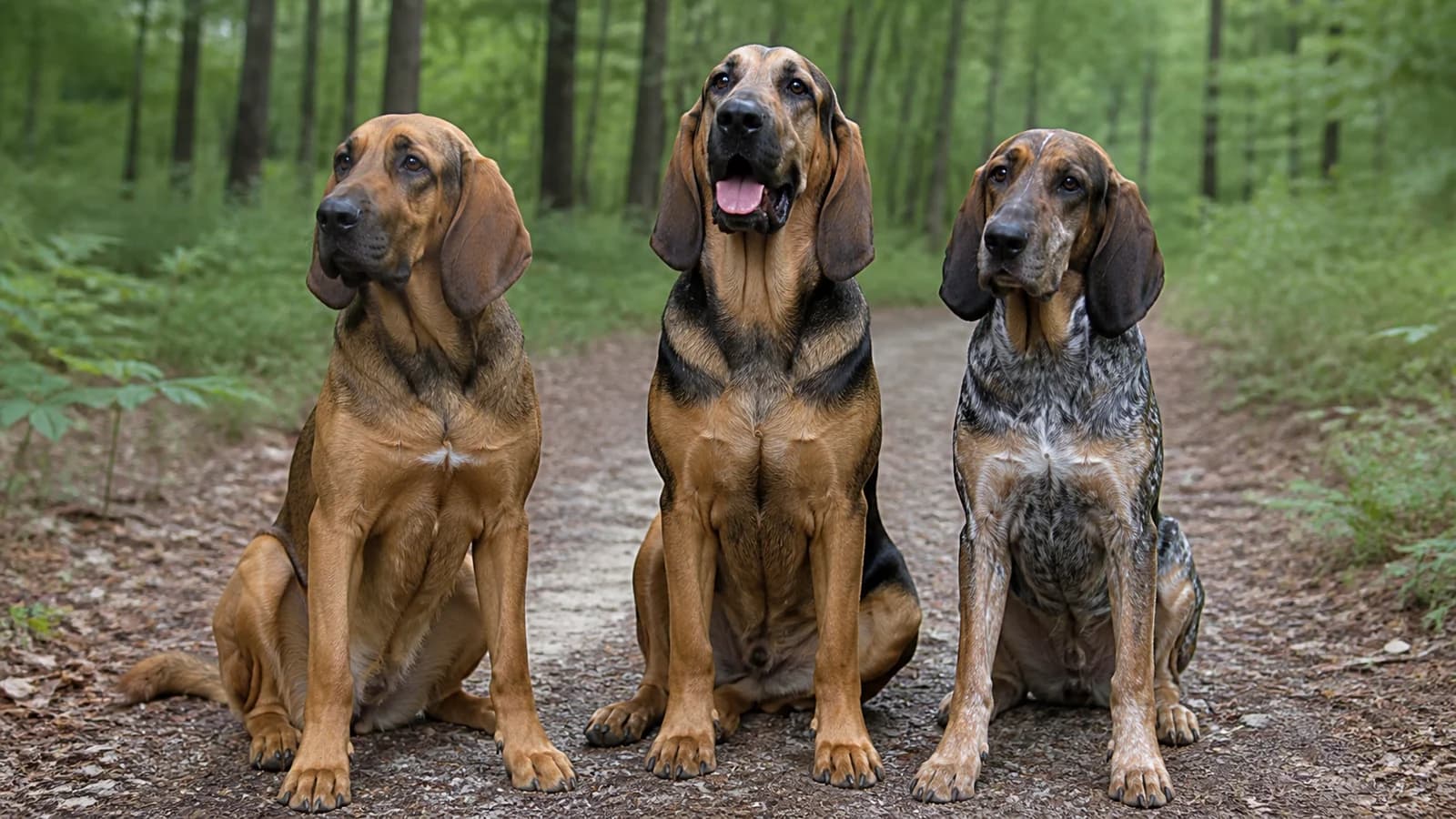
A Bloodhound mix may combine some scent-hound traits with traits from another breed, but the label cannot predict one dog’s adult size, coat, temperament or health. This guide explains common mix descriptions, adoption questions, care ranges and what DNA testing can and cannot add to individual evidence.
Purebred references from the AKC and American Bloodhound Club describe one possible ancestry component. They cannot tell us which traits a mixed dog inherited, so observed behavior, measurements and records carry more weight here.

Sign up for expert-backed reviews and safety alerts all in one place.
What a Bloodhound mix label can and cannot tell you
Bloodhound mixed breed labels may come from known parentage, records, DNA estimates or visual guesses. Those sources do not have equal strength. Appearance alone is especially unreliable because many combinations can produce long ears, loose skin, tan markings or a hound-like body. Use the label to generate questions, not to close them.
- 1A Bloodhound mix label may be known history, a DNA estimate or a visual guess
- 2Traits do not blend into a predictable halfway point
- 3Size equipment, training and health care should follow the actual dog rather than a percentage or shelter label
Keep the uncertainty honest by recording four things:
- What evidence supports the stated ancestry?
- How large is this individual and what equipment fits today?
- Which behaviors appear repeatedly across settings?
- What medical, foster or training history is documented, and what remains unknown?
A Bloodhound mix label is a clue, not a formula for adult size, coat or temperament. Start with known parentage and records, then let the dog’s measurements, behavior, health and recovery guide care.
Keep uncertainty visible when records are incomplete. Shelter notes, foster observations and DNA estimates can add context, but none should override the traits and needs the dog demonstrates today.
Petful may earn a commission when you click through to Chewy, at no extra cost to you.
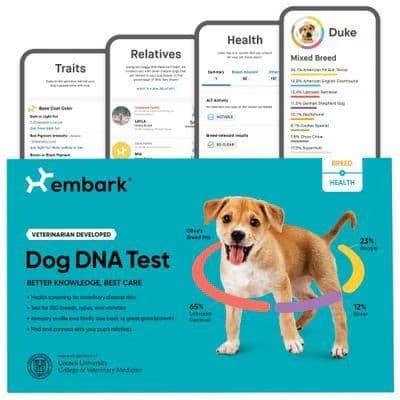
When a shelter label is based on appearance, the Embark Breed & Health Dog DNA Test Kit may add a more structured ancestry estimate. An Embark result cannot calculate adult temperament or diagnose current symptoms. Compare the report with known history, body measurements, behavior observed across settings and veterinary findings before changing the dog’s care plan.
Bloodhound Lab mix
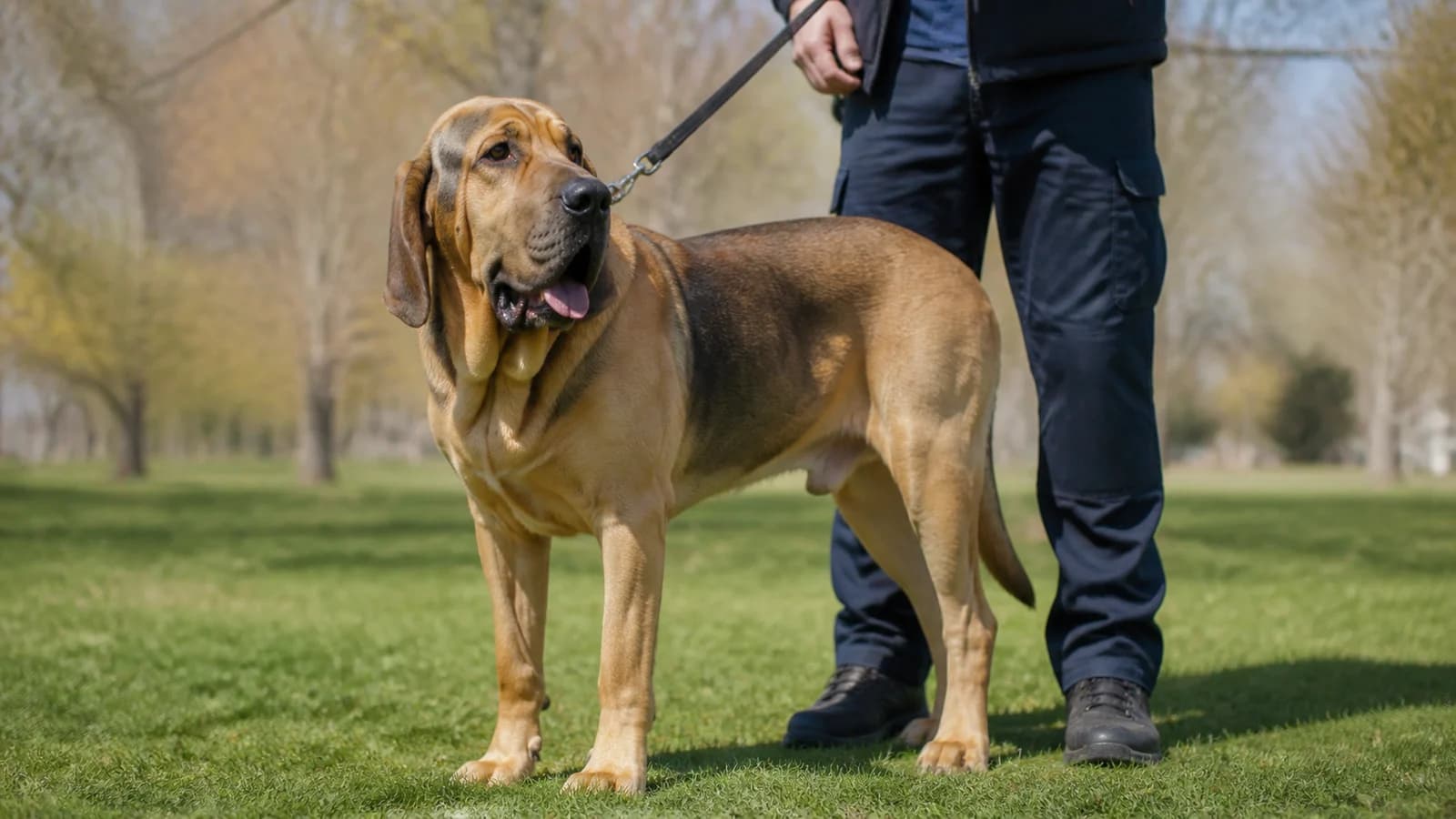
A Bloodhound Lab mix or Lab Bloodhound mix may inherit a strong nose, social interest, retrieving tendencies, food motivation or a substantial adult frame, but inheritance is not a 50-50 recipe. Coat length, ear shape, drool, exercise needs and response to strangers can vary even within one litter.
Meet the actual dog more than once when possible. Observe recovery after excitement, handling, leash behavior, food response and ability to settle. Ask for veterinary records and known parent information. A fenced area and reward-based scent games may suit many individuals, but the plan should follow observed behavior rather than the mix name.
A Bloodhound Lab mix should be assessed for current retrieving, scenting, sociability and recovery rather than assigned the average of two profiles. Note which activities produce focus and which create overarousal. Those observations guide enrichment and training even when the parents are documented.
Bloodhound Beagle and coonhound mixes
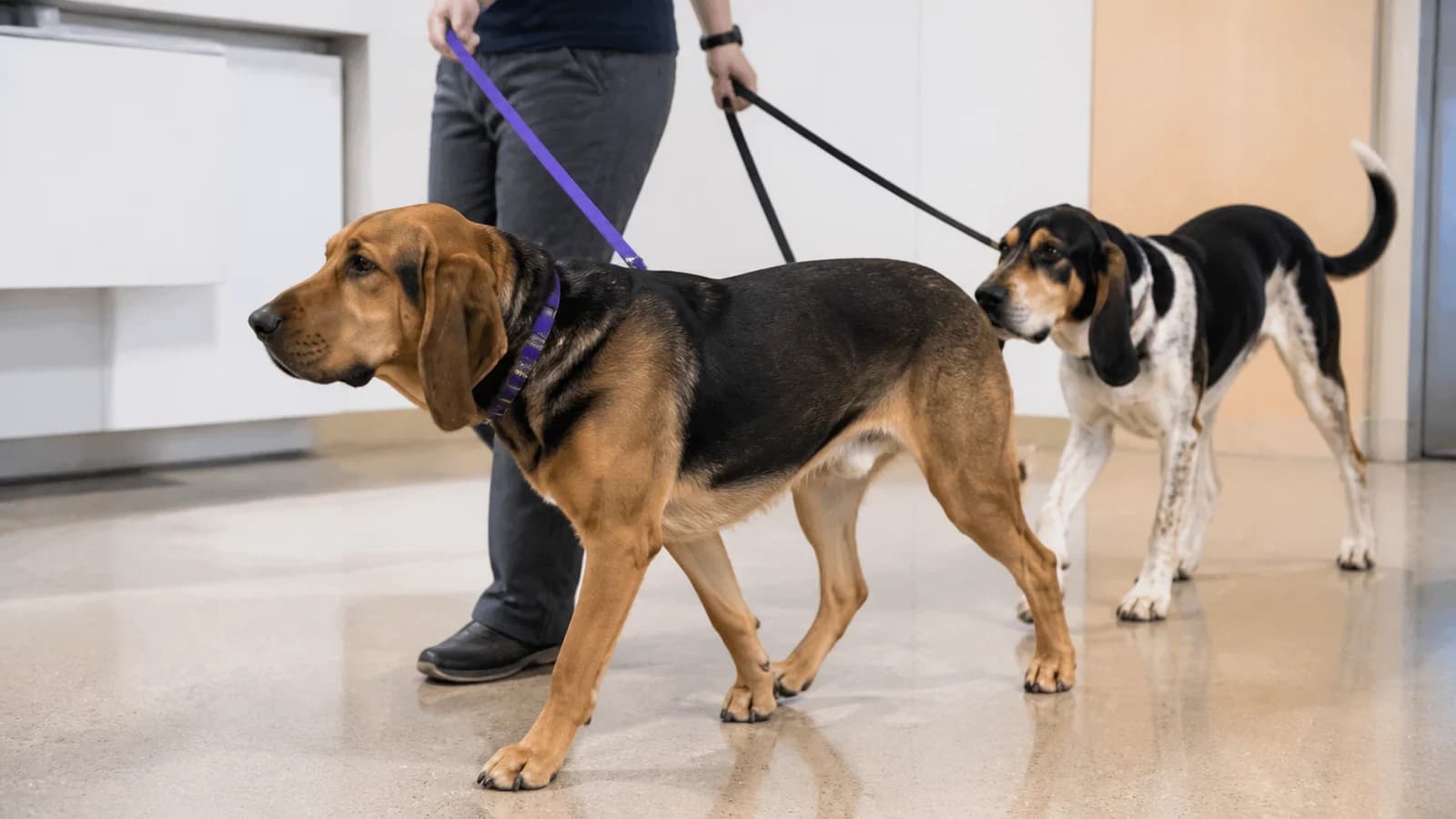
A Bloodhound Beagle mix may be smaller than a pure Bloodhound, while a Bloodhound coonhound mix may remain large and highly scent-focused. Neither label guarantees size, voice or trainability. Hound ancestry can make sniffing and vocalization likely discussion points, but the individual dog still supplies the deciding evidence.
Ask a foster or shelter for concrete examples: what happens when the dog encounters wildlife, how it responds when called away from odor, whether it rests indoors and what confinement has looked like. Secure identification, leash handling and enrichment are practical regardless of which hound label appears on the record.

Petful may earn a commission when you click through to Chewy, at no extra cost to you.
For another reference-panel approach, the Wisdom Panel Essential Breed Identification DNA Test for Dogs can provide breed estimates for an unknown-history dog. The Wisdom Panel test is still an estimate shaped by its database and algorithm. Use it to form questions about ancestry and screening, not to overwrite the dog’s demonstrated handling, exercise or social needs.
Bloodhound Mastiff and guardian-type mixes
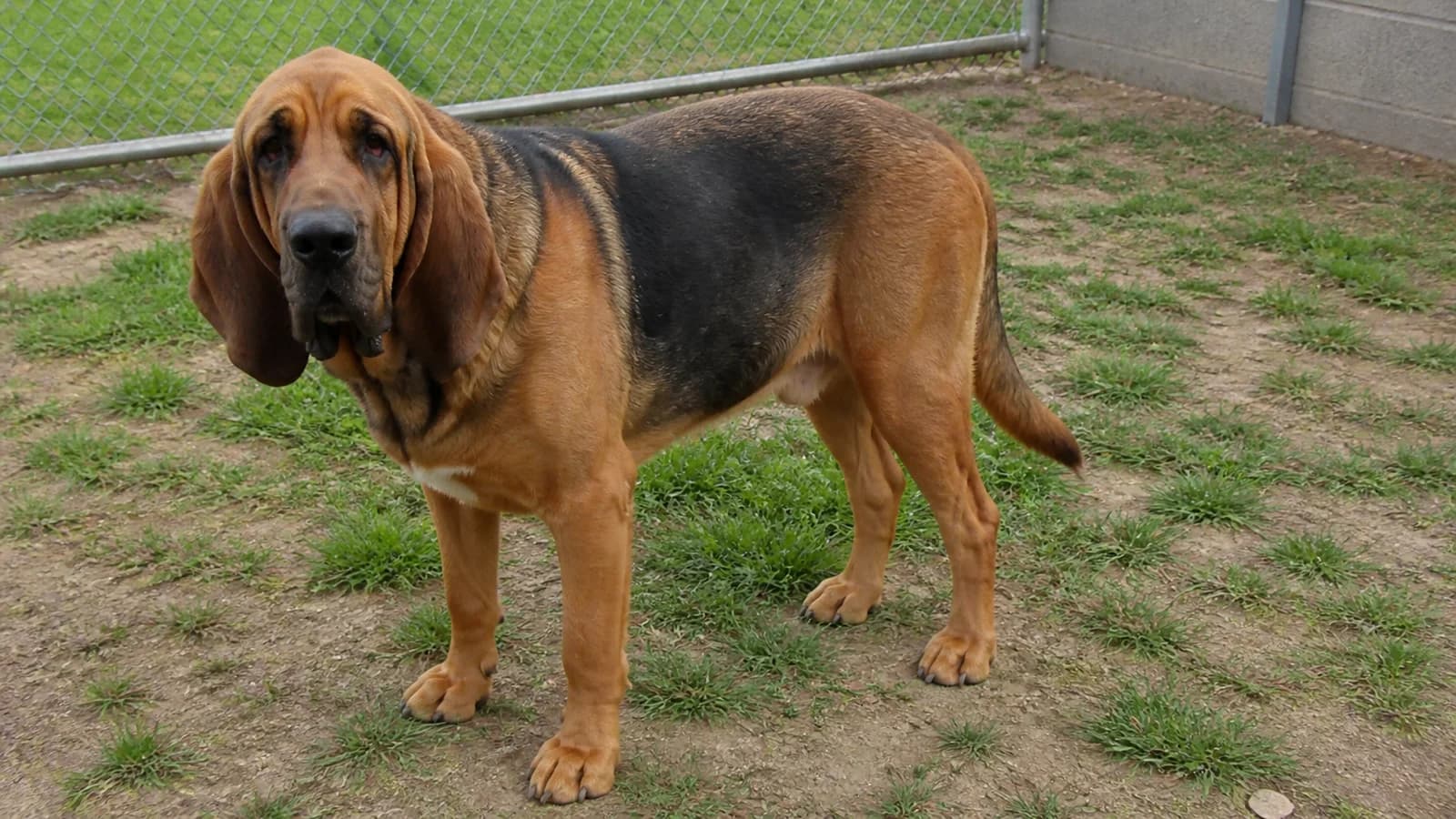
A Bloodhound Mastiff mix or Bloodhound shepherd mix can mature into a powerful dog with a wide range of social and guarding behavior. Do not assume the Bloodhound side makes the dog universally friendly or the guardian side makes it protective. Size, pain, social history and learning can all influence reactions.
Evaluate household fit through controlled introductions, handling comfort, recovery, resource behavior and professional help when risk is unclear. Equipment must fit the actual chest and neck. Fences, gates and adult supervision are management, not proof of temperament. Avoid marketers who promise a predictable “best of both breeds” personality.
Large guardian-type ancestry can widen the range of adult strength, social response and handling needs. Use controlled introductions, secure barriers and measured equipment while the individual is assessed. Do not provoke guarding to see whether the label is accurate; a staged test can create risk without proving ancestry.
Temperament can vary widely
Bloodhound mix temperament cannot be calculated from breed percentages. One dog may be socially easy and scent-driven, another cautious, and another energetic with limited frustration tolerance. Age, sleep, health and previous reinforcement matter. Observe patterns across contexts rather than converting one shelter kennel moment into a permanent trait.
WebVet’s dog body language guide helps owners read posture, movement, face and recovery together. If behavior changes suddenly or handling becomes painful, arrange veterinary care. For ongoing fear, aggression or separation distress, use a qualified behavior professional and a management plan that protects everyone while assessment proceeds.

Petful may earn a commission when you click through to Chewy, at no extra cost to you.
Mixed ancestry makes breed-based sizing especially unreliable. Measure the actual chest before considering the PetSafe Easy Walk Dog Harness, Red/Black, Medium/Large, then check the dog’s shoulder movement and skin after short use. The PetSafe Easy Walk harness is a management choice, not evidence of ancestry and not a substitute for teaching leash skills.
Size, coat and care ranges
Bloodhound mix size may fall outside the expected range of either stated breed, especially when parentage is uncertain. Weigh and measure the dog rather than buying by label. Check body condition, movement and equipment fit as a growing dog changes. Large-dog transport and emergency handling should be planned before they are needed.
Bloodhound mix shedding also varies. Short coats can still shed heavily, while longer mixed coats may mat. Inspect ears, skin and paws, use gentle grooming and seek veterinary advice for odor, redness, discharge or pain. Long ears do not justify routine medication or aggressive cleaning.
Re-measure growing or newly adopted dogs after body condition changes. Chest girth, neck, back length and resting footprint affect harnesses, coats, beds and vehicle restraints differently. Coat density and ear shape also influence grooming, so copy the care routine from the dog’s body rather than the shelter description.
Adoption and responsible sourcing
Bloodhound mix adoption can begin with breed rescue, all-breed rescue or a shelter. Evaluate the organization’s transparency, veterinary records, return policy and what was actually observed in foster care. A Bloodhound mix rescue label may be a useful search path, but it does not establish ancestry or guarantee behavior.
Meet resident dogs gradually, separate food and rest areas, and protect a quiet decompression period. Ask what is unknown as clearly as what is known. If a seller intentionally produces a mix, require the same verifiable health, identity and contract evidence expected from any responsible breeder.
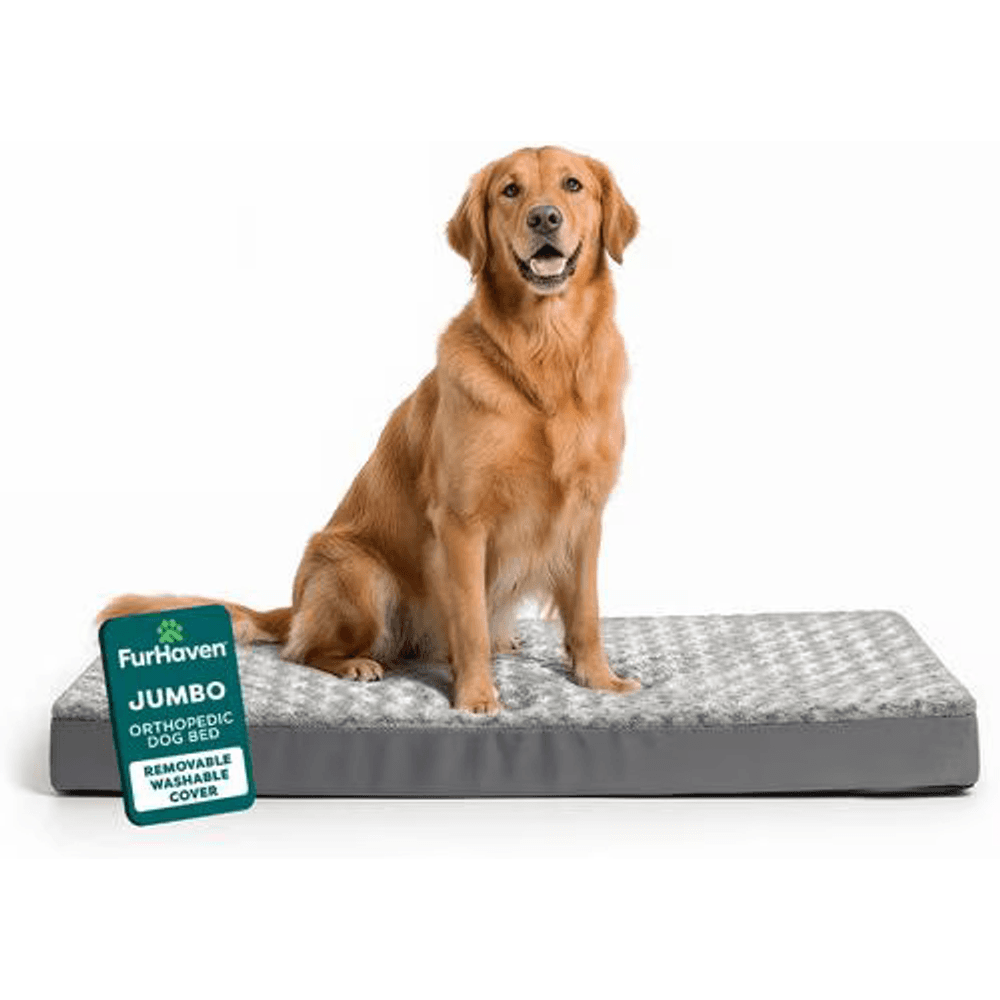
A plush orthopedic foam mattress that cushions aging joints and pressure points, giving a stiff or trembling senior dog warm, supportive rest.
Petful may earn a commission when you click through to Chewy, at no extra cost to you.
A large Bloodhound mix may need more sleeping area than its shelter label suggests. Measure the dog fully stretched before selecting the FurHaven NAP Ultra Plush Orthopedic Deluxe Cat & Dog Bed with Removable Cover, Gray, Jumbo. The FurHaven jumbo bed can provide a washable rest zone, but fit the purchase to current dimensions and seek veterinary help for pain rather than expecting bedding to treat it.
DNA tests: useful clues, real limits
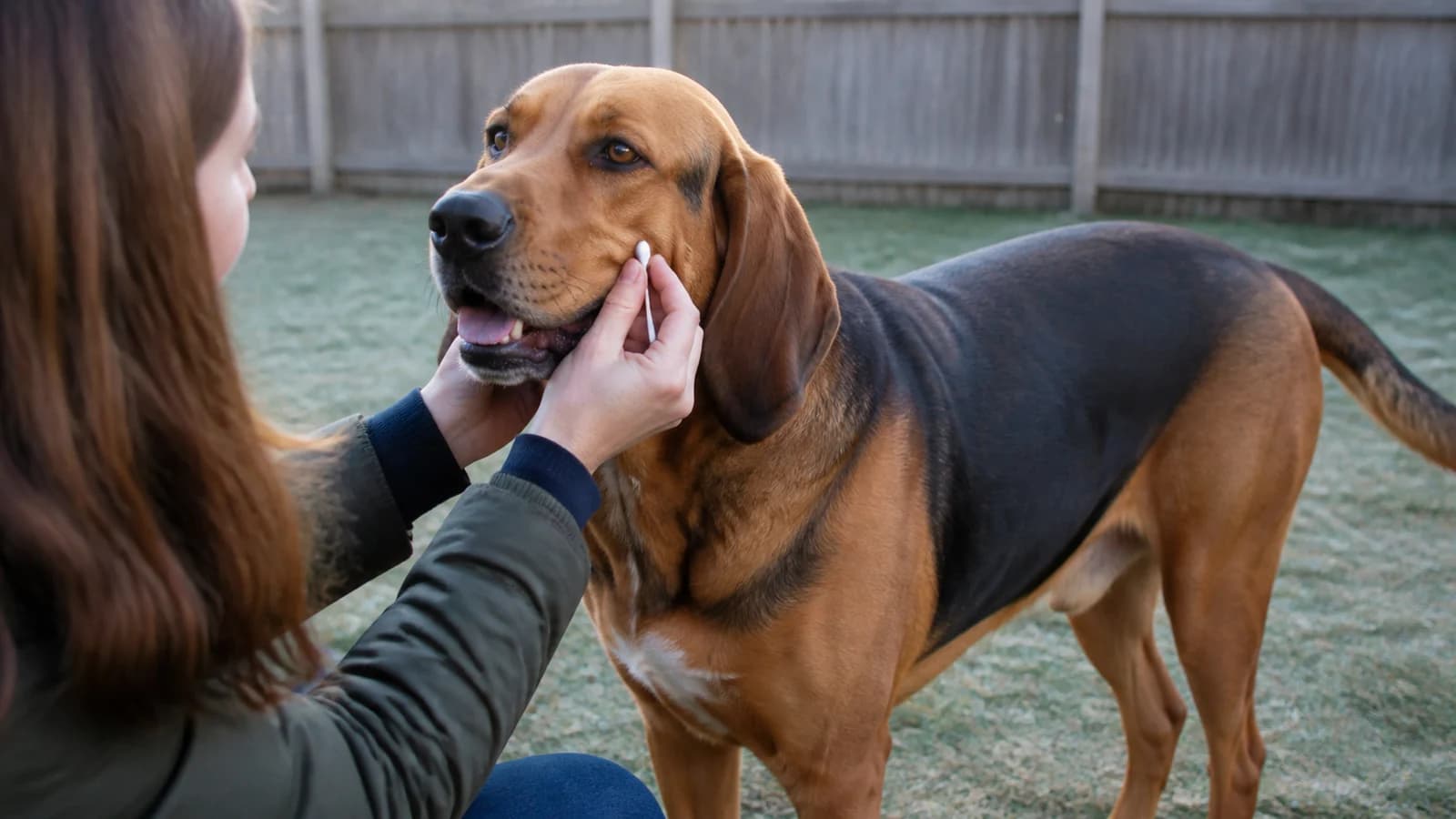
A Bloodhound mix DNA test can provide an ancestry estimate and, depending on the product, selected genetic-health information. Dog breed DNA limits include reference-population coverage, algorithm differences and the fact that ancestry percentages do not predict temperament or diagnose disease. Results should be interpreted as one record, not the entire dog.
Use DNA results to ask better questions about family history and possible screening, not to calculate personality or dismiss current symptoms. A veterinarian should interpret health findings in light of the individual dog.
Read the methodology and confidence language before acting on a report. Different companies may divide related populations differently, and a small percentage can change after an algorithm update. Preserve the original result, but let the veterinarian interpret any health flag and keep behavior decisions anchored in the dog you observe.
Related Bloodhound mix decision guides
Use these companion guides when the question is about sourcing, purebred reference points, health, cost, coat or training:
Bloodhound puppy sourcing checklist
For Bloodhound puppies, Bloodhound breeders, puppies for sale or adoption, follow the sourcing checklist to verify identity, records, terms and seller claims.
Bloodhound at a glance
The purebred guide explains the Bloodhound dog’s adult size, how long Bloodhounds live, whether Bloodhounds are good family dogs and how much Bloodhounds shed; it is a reference, not a blueprint for a mix.
Bloodhound colors at a glance
Use the coat guide to describe Bloodhound colors such as red, black and tan, or liver and tan without treating appearance as ancestry proof.
Bloodhound lifespan at a glance
For Bloodhound lifespan, life expectancy and health problems, consult the vet-written health guide and the mixed dog’s veterinarian.
Bloodhound price at a glance
Build Bloodhound price and broader Bloodhound cost scenarios with the budget guide, then adjust for actual size and history.
Bloodhound temperament at a glance
Adapt Bloodhound temperament, sense of smell and training guidance from the behavior guide to the traits this dog actually shows.
Sources and related Bloodhound guides
These primary and practical references frame the mixed-dog decisions above:
Bloodhound mix FAQs
There is no dependable single “most common” Bloodhound mix because shelter labels, regional populations and intentional breeding vary, and visual identification is uncertain. Bloodhound Lab, Beagle, coonhound and Mastiff-type labels all appear, but the name does not predict one dog. Focus on documented history, observed behavior, adult measurements, veterinary records and the individual household match.
A Bloodhound Lab mix can mature anywhere across a broad range because genes do not blend into a predictable midpoint. Parent sizes may offer context when identities are known, but repeated measurements and growth records are stronger. Fit crates, harnesses, beds and vehicle space to the actual dog. A veterinarian should track body condition and development rather than targeting a number from the mix name.
Bloodhounds and Bloodhound mixes can be good family dogs, but ancestry labels cannot calculate friendliness, energy or tolerance. Observe the actual dog around ordinary household movement, handling and compatible animals, then examine foster and medical records. Use gradual introductions and separate resources. Choose the mix for demonstrated fit, not because the two named breeds sound appealing together.
Many Bloodhound mixes benefit from secure fencing because scent interest and adult strength can make roaming dangerous, but the exact need depends on the individual. A fence is management, not exercise or training, and should be inspected for gaps, climb points and gate security. Outside a secure area, use suitable leash equipment and do not rely on breed assumptions about recall.
A dog DNA test can provide an ancestry estimate and selected genetic information, but it cannot confirm temperament, diagnose current symptoms or describe the entire family history. Reference panels and algorithms differ. Treat the result as one documented data point, compare it with known records and observed traits, and ask a veterinarian to interpret any health-related finding in context.
Bloodhound mixes may appear through breed rescue, hound rescue, all-breed organizations and municipal shelters. Ask how the label was assigned, what the foster home observed, which medical records exist and whether the organization will take the dog back if needed. Keep ancestry uncertainty separate from household fit. Plan a quiet transition and staged introductions based on this individual’s responses.
A Bloodhound Lab mix may be an excellent companion, but the cross name cannot predict sociability, energy, recall or handling tolerance. Observe the individual in ordinary settings, review foster and medical records, measure adult size and use gradual household introductions. Choose the dog for demonstrated fit rather than an appealing combination of breed reputations.

Coreen Saito is a pet writer and longtime shelter volunteer with more than a decade in animal rescue. She covers cat behavior, breed care, and the small, ordinary science of sharing a life with companion animals, with a particular focus on honest takes about the products and decisions that actually matter. At home in Arizona, she's outranked by Mac (a dog with the loudest opinion in the house), Rebel (a cat who governs by quiet authority), and Meri (an orange tabby who runs the late shift and the laundry basket). She writes about all three, plus the rescues that keep coming through her life, at LifeWithMinty.com.
Sign up for expert-backed reviews and safety alerts all in one place.