Basset Hound vs Bloodhound: Key Differences
Compare Basset Hound and Bloodhound height, weight, exercise, scent drive, drool, grooming and home-space needs before choosing.
Petful is reader supported. As an affiliate of platforms like Amazon and Chewy, we may earn a commission when you buy through links on this page. There is no extra cost to you.
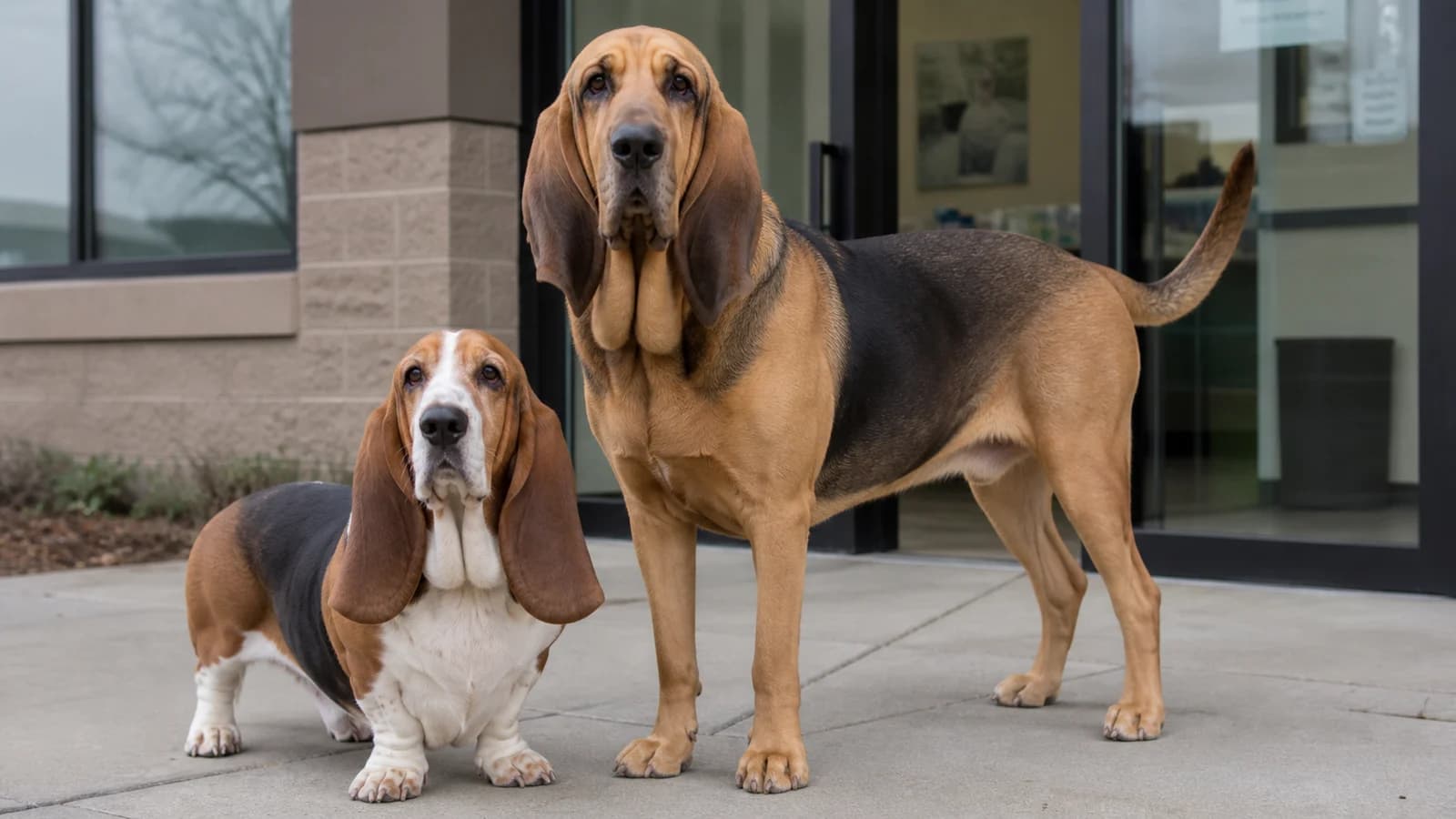
Basset Hound vs Bloodhound compares two unmistakable scent hounds at very different physical scales. Both can follow odor with extraordinary commitment, drool, vocalize and require thoughtful ear and skin care. The Bloodhound’s height, power and resource needs make the household decision substantially more than a preference for one face.
This guide keeps the comparison practical: body size, family life, training, exercise, containment, grooming, health and lifetime cost. It also marks where individual evaluation must replace a breed-wide promise.

Sign up for expert-backed reviews and safety alerts all in one place.
Basset Hound vs Bloodhound at a glance
- 1The Bloodhound requires far more space and physical control
- 2Both hounds need secure scent management, ear care and drool tolerance
- 3Meet mature dogs before deciding which scale fits
| Factor | Basset Hound | Bloodhound |
|---|---|---|
| Published adult scale | Up to 15 inches; 40-65 pounds | 23-27 inches; 80-110 pounds |
| Key build difference | Low, long and substantial | Roughly twice the height, much heavier and more powerful |
| Home setup | Traction and low-body access matter | Space, reach and handler strength matter |
| Shared need | Controlled scent outlets and secure containment | Controlled scent outlets and secure containment |
The Basset standard caps height at 15 inches and places weight between 40 and 65 pounds. By contrast, the Bloodhound standard spans 23 to 27 inches and 80 to 110 pounds. That makes the taller hound roughly twice the Basset's height and usually much heavier, with a different level of reach, stride and handler leverage. Both were shaped around scent work, so neither should be expected to ignore an interesting trail simply because the owner calls from a distance.
Space, transport and physical control separate the ownership experience. A Basset still needs sturdy equipment and lifting plans, but a Bloodhound requires larger resting areas, more vehicle room and handlers able to manage its momentum. Meet mature dogs before committing; puppies conceal the very scale the decision needs to account for.
- Expect intense scent interest in both breeds.
- Plan secure doors, fencing and identification.
- Budget more space and consumables for a Bloodhound.
- Do not judge handling needs from a sleepy puppy.
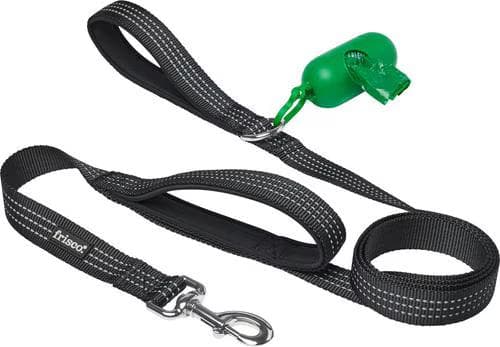
A properly adjusted harness can create a stable leash connection without placing routine pressure directly on the throat.
Hardware strength, escape resistance and handler technique matter more as the dog’s body and pulling force increase.

Petful may earn a commission when you click through to Chewy, at no extra cost to you.
Size and physical build
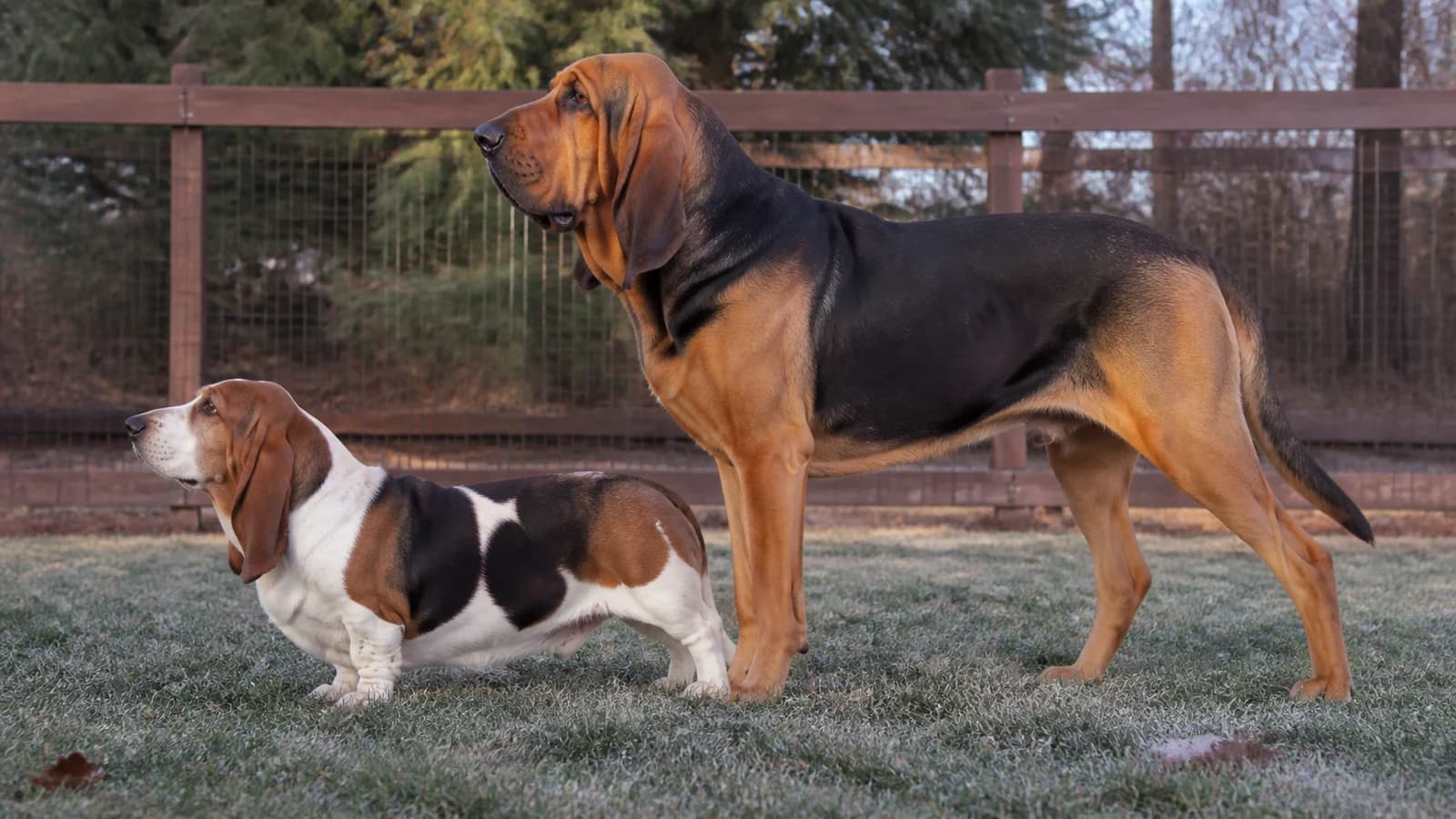
Basset Hound vs Bloodhound size is immediately visible: 23 to 27 inches and 80 to 110 pounds for the Bloodhound versus up to 15 inches and 40 to 65 pounds for the Basset. That concrete gap means the Bloodhound can put its head over surfaces inaccessible to a Basset and occupies far more floor, crate and vehicle space. The Basset’s low structure presents a different challenge because stairs, repeated jumping and slick floors can be disproportionately difficult.
Measure the actual dog before buying equipment. Chest girth, neck shape, nose-to-tail resting length and standing height affect fit. Households should also rehearse emergency transport. One adult may be unable to lift either a substantial Basset or a full-grown Bloodhound safely, so ramps, a second helper and a veterinary transport plan belong in the decision.
- Map narrow hallways and vehicle entry before adoption.
- Use floor traction where either dog turns or rises.
- Store food beyond a tall hound’s reach.
- Teach ramp skills while the dog is comfortable.
A strong traffic leash is easier to manage near doors and vehicles than a long line, particularly with a tall hound capable of building momentum.
Longer lines belong in open training spaces where wrapping, traffic and bystanders are controlled.
Temperament and family life
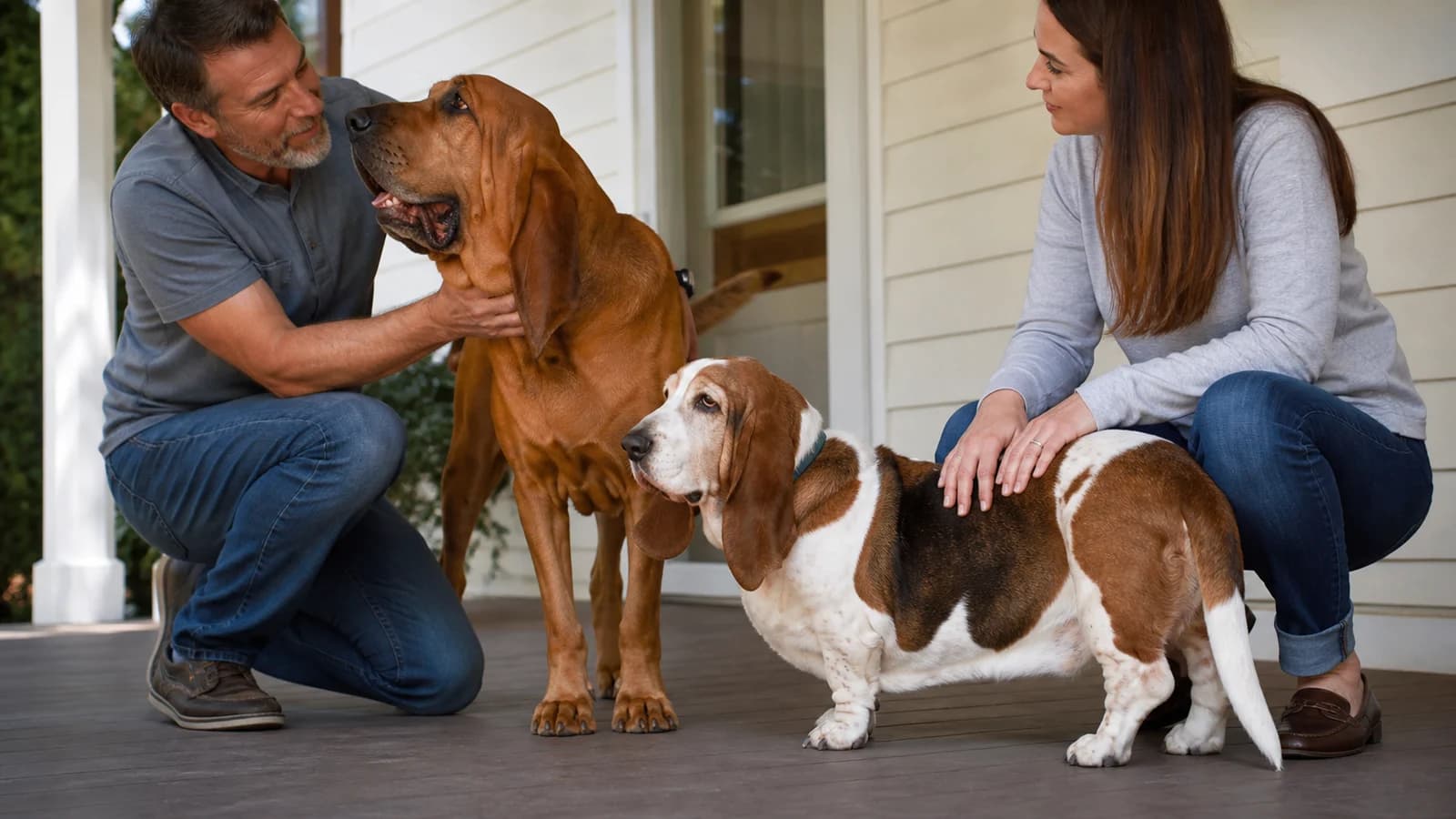
Basset Hound vs Bloodhound temperament is often described with words such as gentle and affectionate, but size changes the consequence of ordinary movement. A friendly Bloodhound can knock into a child or fragile adult without aggression. A resting Basset can be hurt by climbing or ear pulling. Family fit depends on supervision, the individual dog’s recovery and the adults’ willingness to manage contact.
Introductions to resident animals should be gradual. Separate meals, chews and sleeping areas at first, and watch whether arousal falls after the greeting. A breeder or rescue should describe observed behavior honestly, including unknowns. “Good with everyone” is less useful than details about handling, confinement, visitors and prior dog-to-dog interactions.
- Protect a retreat space from children and guests.
- Teach calm greetings before allowing full access.
- Use barriers during food preparation and deliveries.
- Seek qualified help for fear, guarding or conflict.
A programmable feeder may simplify measured dry meals, but a large Bloodhound can reach or move equipment that a smaller dog leaves alone.
Anchor the feeding plan in supervised behavior, food compatibility and daily inspection of the dispenser.
Petful may earn a commission when you click through to Chewy, at no extra cost to you.
Scent drive, exercise and training
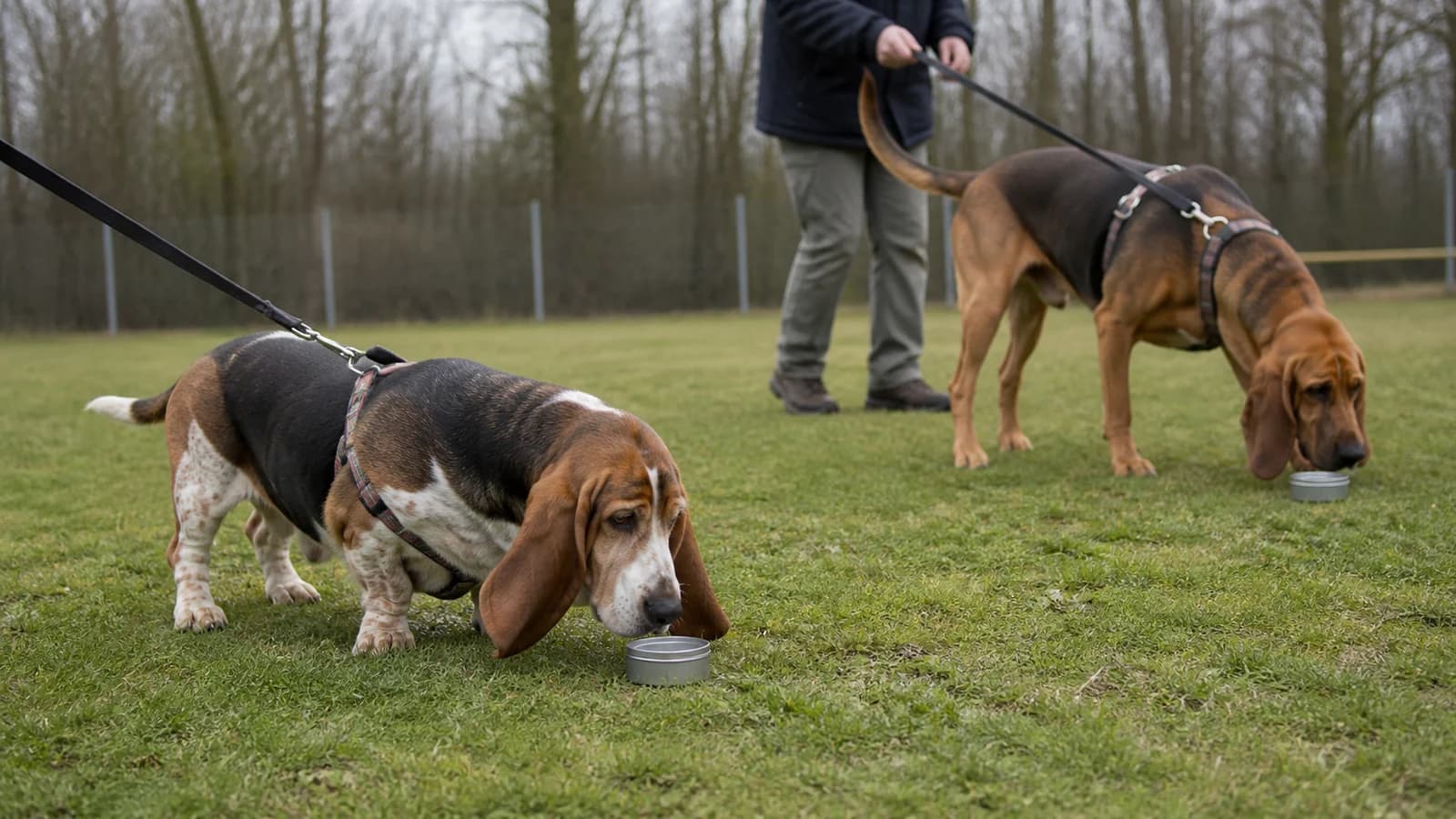
Bloodhound vs Basset Hound exercise differs in stride, speed and endurance, yet both benefit from sniffing rather than hurried mileage alone. A conditioned Bloodhound may cover ground with powerful forward movement. A Basset often works at a lower, steadier pace. Heat, age, body condition and orthopedic health should set the limit, not a generic exercise chart.
Reward-based training should make attention worthwhile before the environment becomes overwhelming. Practice leash skills and recall in controlled spaces, reinforce spontaneous check-ins and provide deliberate scent searches. Punishing a hound for investigating odor creates conflict without changing the inherited motivation. Secure equipment remains essential even after training improves.
- Start with short sessions in quiet locations.
- Use food or scent access as earned reinforcement.
- End before fatigue changes gait or focus.
- Never test recall beside traffic or livestock.
An orthopedic bed with enough surface area allows the spine and limbs to rest without hanging over an edge.
Bloodhound owners should verify dimensions carefully; “jumbo” marketing language is not a measurement.
- A friendly Bloodhound can create serious leverage at a doorway or on a scent trail. Equipment, handler skill and the physical setup must fit the mature dog.
Noise, drool and household management
Basset vs Bloodhound howling varies by trigger and individual, so neither breed is a safe choice for someone requiring a reliably quiet, dry-mouthed dog. Bassets and Bloodhounds may bay, bark or howl in response to scent, frustration, isolation or excitement. Loose lips can spread saliva onto walls, furniture and clothing, with the Bloodhound’s height extending the cleanup zone considerably.
Manage the cause before managing the mess. Predictable exercise, toileting, enrichment and gradual alone-time training can reduce some triggers. Keep washable cloths near water stations and blot lip folds gently. A sudden surge in drool, repeated unproductive retching, abdominal enlargement, collapse or breathing trouble is a medical warning, not a housekeeping issue.
- Check local housing and noise constraints.
- Use washable surfaces near food and water.
- Record departures if vocal distress is suspected.
- Know the nearest emergency veterinary route.
A secure harness can help an adult move either hound through a busy doorway while another person handles visitors or deliveries.
It is a management aid, not a reason to tether the dog unattended.
WebVet’s dog training schedule is a practical starting structure for leash attention and settling before adult size magnifies handling mistakes.

Petful may earn a commission when you click through to Chewy, at no extra cost to you.
Grooming and routine care
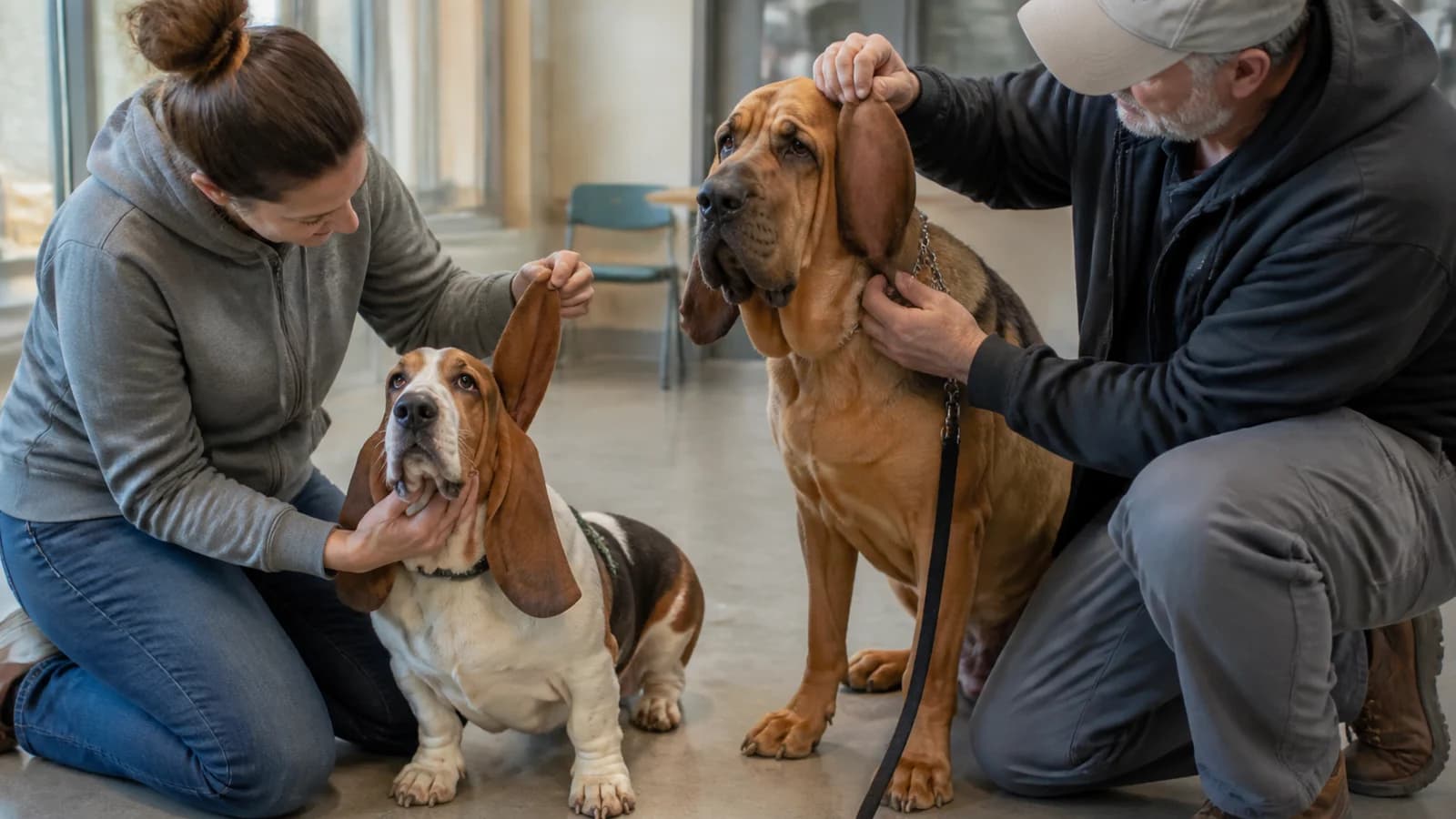
Both hounds have short coats that shed and long ears that limit airflow. Routine care includes brushing, nail trims, oral care, skin observation and comparing both ears for odor, redness, discharge or pain. Bloodhound skin folds can cover a larger surface area; the Basset’s low belly and ears collect more ground debris during ordinary walks.
Dry damp skin surfaces carefully and use only ear products approved for the individual dog. A comfortable ear does not need aggressive cleaning. Persistent odor, raw folds, head shaking, hair loss or intense itching needs veterinary investigation because parasites, infection, allergy and other disease can look similar at home.
- Use soft cloths and avoid repeated rubbing.
- Inspect folds where moisture remains after drinking.
- Keep cotton swabs out of the ear canal.
- Arrange professional nail help when the quick is uncertain.
A durable leash keeps the dog connected during transfers into a grooming or veterinary facility without the bulk of a tracking line.
Replace it when stitching, clips or hand loops show damage; a powerful scent hound leaves little margin for hardware failure.
Health and lifetime care
Basset Hound vs Bloodhound health should be evaluated through structure, family history, screening and current examination, not a promise that one breed lives longer. Both can face ear and skin problems, orthopedic concerns and emergencies that require rapid recognition. Bloodhound size increases food, medication, equipment and boarding costs even when medical needs are otherwise similar. For more, see Petful’s guide to dog boarding cost.
Ask a breeder for verifiable parent identities and health results tied to the breeding dogs. A rescue should provide the records it has and distinguish observation from diagnosis. After arrival, establish a veterinary baseline, keep body condition lean and discuss which symptoms warrant urgent care. A savings plan must account for transport and treatment of a dog the owner may not be able to lift alone.
- Review actual reports instead of “health tested” claims.
- Price routine medication at the expected adult size.
- Maintain preventive dental and parasite care.
- Prepare for bloat signs and mobility emergencies.
A timed feeder can prevent accidental double portions when several adults care for the dog, provided the kibble and portion size work with the device.
Large-breed food volume may exceed its practical capacity, so compare the hopper and serving mechanism with the real ration.
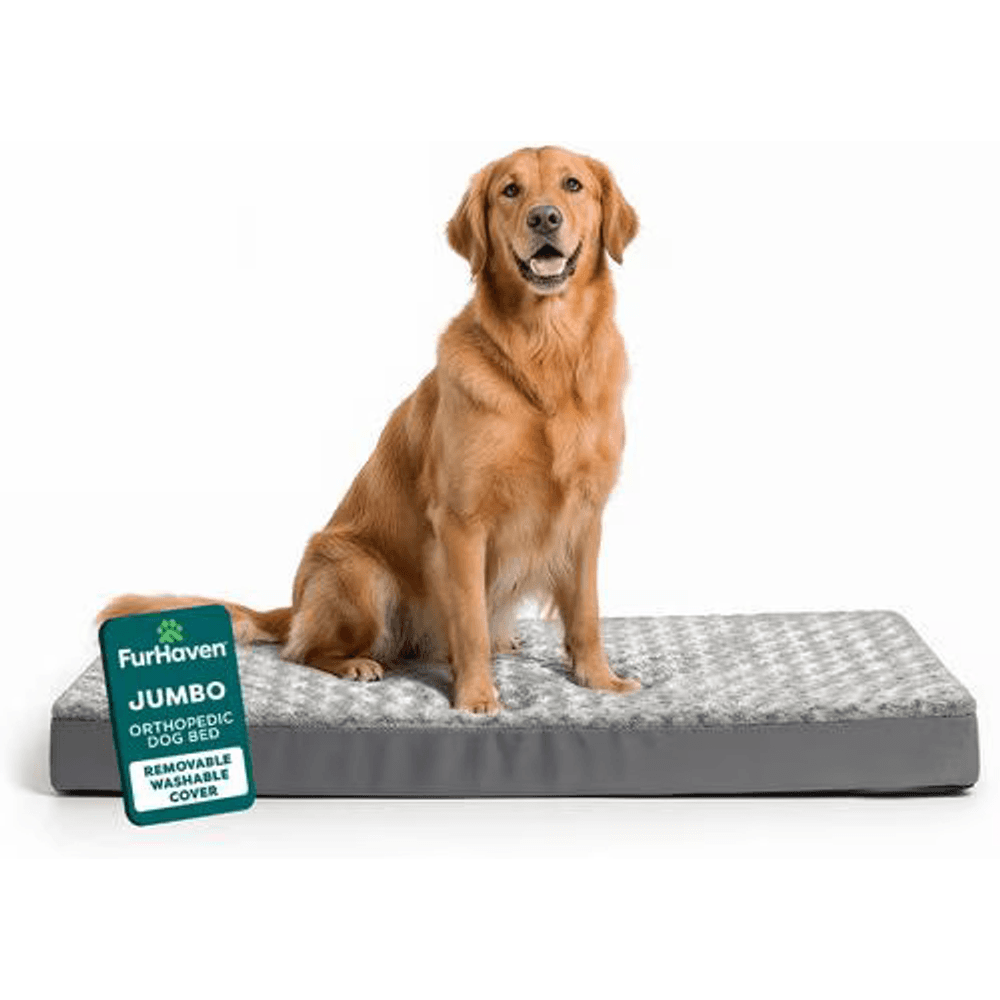
A plush orthopedic foam mattress that cushions aging joints and pressure points, giving a stiff or trembling senior dog warm, supportive rest.
Petful may earn a commission when you click through to Chewy, at no extra cost to you.
Which hound fits your household?
A Basset may fit a household prepared for low-body mobility management, persistent scenting, drool and ear care but unable to accommodate a giant hound’s reach and power. A Bloodhound may suit experienced owners with the space, vehicle, budget and physical handling plan for a very large working scent hound. Neither is the default easy option.
Test the choice against the busiest ordinary day, not the most flexible weekend. Who walks the dog, cleans saliva, manages a repair technician, pays for boarding and transports an injured adult? Meeting a mature individual and reviewing unedited records may reveal that one breed, or both, exceeds the available capacity. Walking away is kinder than relying on hope.
- List every regular caregiver and physical constraint.
- Measure the home and vehicle with adult size in mind.
- Observe the dog after excitement, not just at greeting.
- Choose only when management and lifetime cost both fit.
A supportive bed should let the chosen hound lie fully on the cushion and rise without fighting a high rim.
Compare internal sleeping dimensions, washable-cover access and floor grip before treating a size label as sufficient.
Continue the Basset Hound cluster
- complete Basset Hound breed profile
- Basset Hound colors and markings guide
Evidence sources
- American Kennel Club Basset Hound overview
- Basset Hound Club of America
- AVSAB behavior and training position statements
- American Veterinary Medical Association pet-care guidance
- American Kennel Club Bloodhound overview
- The scale difference makes several ownership tradeoffs clear.
- Both breeds can thrive with safe scent outlets.
- Mature-dog meetings reveal handling needs quickly.
- Both may drool, vocalize and follow scent persistently.
- A Bloodhound requires substantial space and physical control.
- A Basset’s short build creates its own mobility constraints.
Basset Hound and Bloodhound FAQs
Basset Hounds are related to Bloodhounds through the broader scent-hound tradition, but they are separate breeds with dramatically different adult scale. Shared long ears and loose skin do not make one a miniature form of the other. Pedigree or source records, not resemblance, establish the individual dog’s known ancestry. Use those records when exact identity matters.
There is no single calmest hound guaranteed by breed. Bassets may move more deliberately, while Bloodhounds can be physically powerful even during friendly activity. Compare settling, frustration, recovery and comfort with ordinary handling in the individual, because age and health often explain more than the label. Observe the dog in more than one setting.
Published breed ranges put Basset Hounds at up to 15 inches and 40 to 65 pounds, versus 23 to 27 inches and 80 to 110 pounds for Bloodhounds. The Bloodhound is therefore roughly twice the height and usually much heavier. That difference affects food, vehicle room, equipment and handler leverage, even though an adult Basset remains substantial for its low frame.
Both are exceptional scent workers, and a simple “stronger nose” claim does little for a pet-home decision. Training history, task and conditions affect performance. Assume that either can become absorbed by odor and build secure containment, leash skills and controlled search outlets accordingly.
Both can drool because of loose lips, but a Bloodhound’s larger head and height can spread more saliva over a wider area. Individual variation remains significant. Keep washable cloths near water, dry skin surfaces gently and treat a sudden dramatic increase as a health sign.
A Bloodhound commonly needs more space and may cover ground with greater stride and power. A Basset still requires daily movement and scent opportunities. Condition either dog gradually, avoid heat stress and use gait and next-day comfort to determine whether the plan is appropriate.
Apartment success is possible only when scale, stairs, elevator access, toilet breaks, exercise, sound and emergency transport are solved. A Bloodhound’s footprint and power create major constraints; a Basset’s low build makes repeated stairs relevant. Building rules and the individual dog decide the answer.

Coreen Saito is a pet writer and longtime shelter volunteer with more than a decade in animal rescue. She covers cat behavior, breed care, and the small, ordinary science of sharing a life with companion animals, with a particular focus on honest takes about the products and decisions that actually matter. At home in Arizona, she's outranked by Mac (a dog with the loudest opinion in the house), Rebel (a cat who governs by quiet authority), and Meri (an orange tabby who runs the late shift and the laundry basket). She writes about all three, plus the rescues that keep coming through her life, at LifeWithMinty.com.
Sign up for expert-backed reviews and safety alerts all in one place.