Basset Hound Shedding, Grooming, Drool and Ear Care
Learn how much Basset Hounds shed, how to brush, bathe and check ears safely, manage drool, and recognize skin or ear changes needing a vet.
Petful is reader supported. As an affiliate of platforms like Amazon and Chewy, we may earn a commission when you buy through links on this page. There is no extra cost to you.
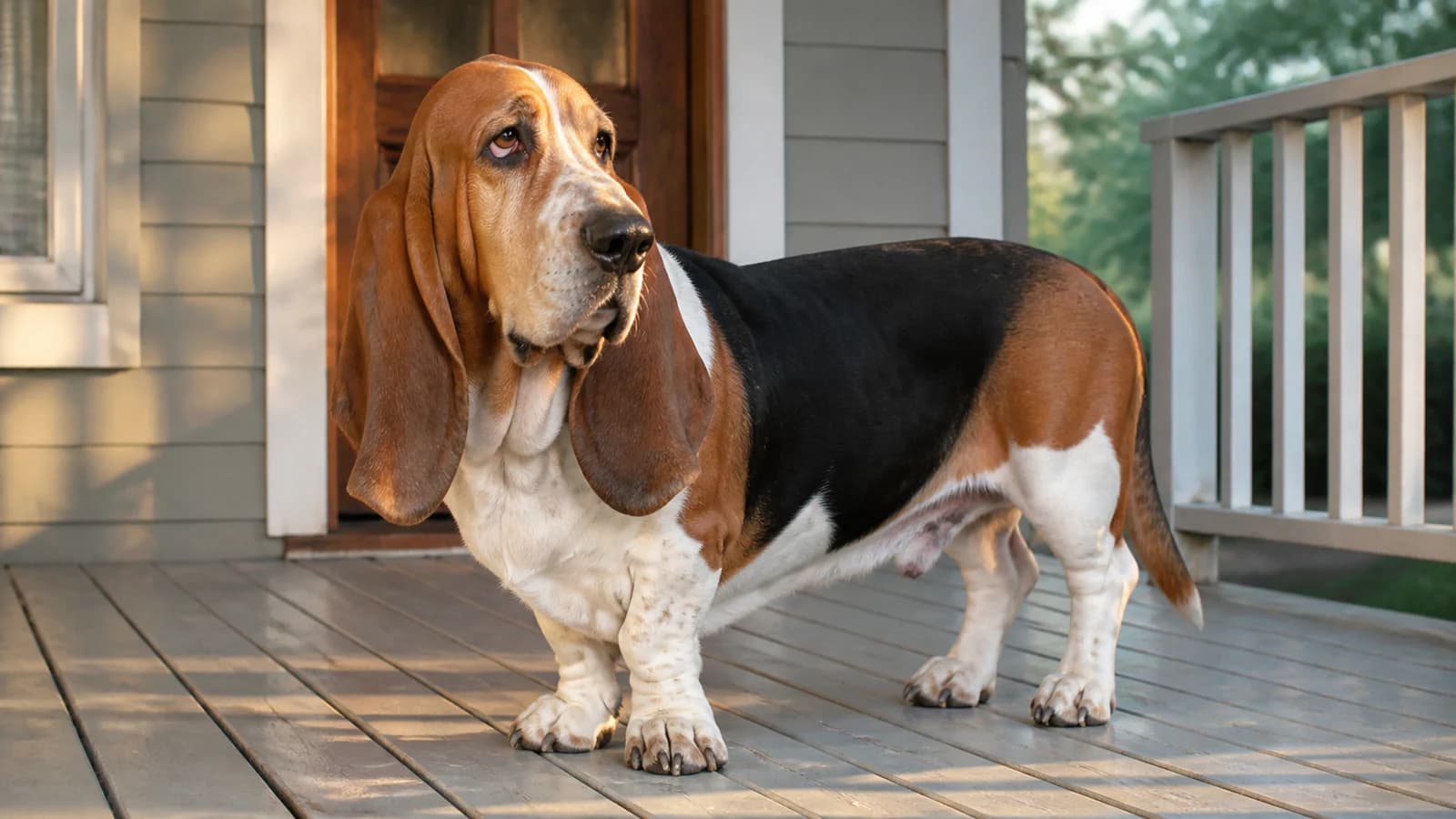
Basset Hound shedding is easy to underestimate, while Basset Hound grooming is simple in technique but demanding in consistency. The short coat releases hair, the low body collects grit, the long ears trap moisture and the lips can leave damp skin around the mouth and neck. A brief weekly routine is usually more useful than an occasional marathon bath. There is more on this in Petful’s guide to Basset Hound mix.
This guide separates normal shedding from changes that deserve veterinary attention, then turns brushing, bathing, ear checks, drool care, nails and paw hygiene into a schedule an owner can actually maintain.

Sign up for expert-backed reviews and safety alerts all in one place.
Basset Hound shedding at a glance
- 1Short Basset Hound hair still sheds
- 2Weekly coat, ear, fold, paw and nail checks catch changes early
- 3Pain, discharge, bald skin or sudden odor belongs with a veterinarian
| Area | Routine observation | Call the veterinarian for |
|---|---|---|
| Coat and skin | Brush gently and look through the coat | Bald areas, sores or relentless itch |
| Ears | Compare odor, color and comfort | Pain, discharge, swelling or balance change |
| Folds and lips | Blot moisture and dry surfaces | Persistent odor, raw skin or sudden heavy drool |
| Paws and nails | Inspect after walks and maintain safe length | Swelling, lameness or embedded debris |
Do Basset Hounds shed? Yes. Their smooth coat may look low-maintenance, but short hairs can work into upholstery and clothing throughout the year. Seasonal changes, indoor climate and the individual coat affect the amount. A normal shed leaves skin comfortable and the coat evenly covered; it should not create bald patches, sores or intense itching.
Control begins with realistic expectations rather than a promise to stop shedding. Regular brushing captures loose coat before much of it reaches the floor, while washable throws and a vacuum suited to pet hair handle the rest. Shaving is not a shortcut: it can irritate skin and does not address the reason hair is being released.
- Expect some loose hair in every season.
- Brush the dog outside or on an easy-clean surface.
- Look at the skin instead of judging only the hair pile.
- Photograph a new thin area so change can be tracked.
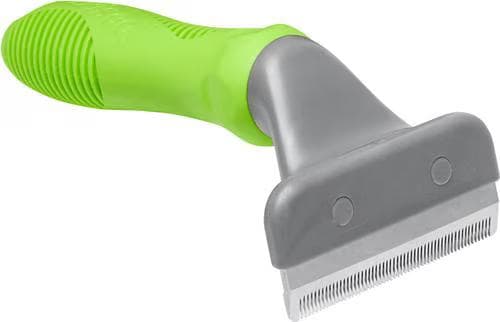
A short-coat deshedding brush can lift released undercoat when it is used with light pressure and only for a few passes.
Stop if the skin reddens or the dog tries to escape; more pressure does not make grooming more effective.
Petful may earn a commission when you click through to Chewy, at no extra cost to you.
A practical brushing routine
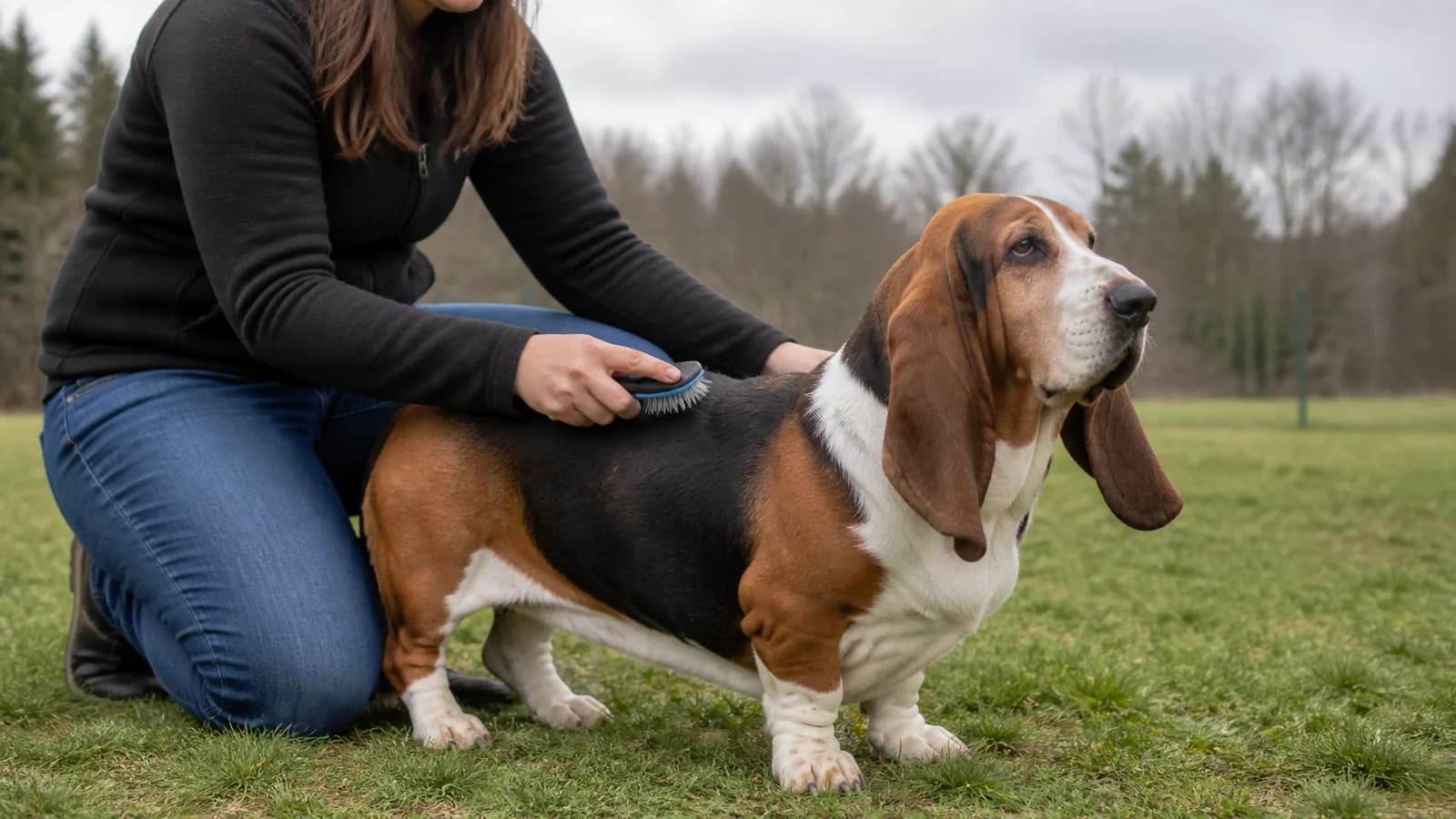
Begin a Basset Hound brushing session where the dog can stand securely. Use one hand to steady loose skin rather than dragging a tool across folds. Work from shoulders toward the tail, then cover the sides, chest and accessible parts of the legs. The abdomen and armpits deserve gentler handling because the skin is less protected.
Frequency should follow what the brush and coat show. One or two short sessions a week may suit many dogs, with extra passes during a heavier shed. Pairing each body area with a small reward makes the procedure predictable and lets the owner notice a lump, tender spot, tick or skin change before it is hidden again by the coat.
- Use a non-slip mat for the dog’s footing.
- Check the tool for rough or bent edges.
- Separate folds gently instead of pulling them taut.
- Clean collected hair from the brush between sessions.
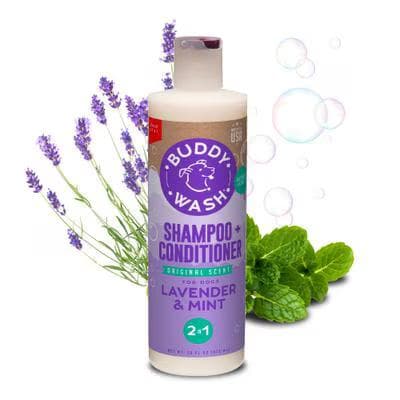
A mild dog shampoo belongs in the grooming kit even when bath day is not frequent, because human cleansers may be too harsh for canine skin.
Patchy redness or recurrent flaking calls for veterinary guidance rather than a rotation of fragranced products.
Bathing and skin-fold care
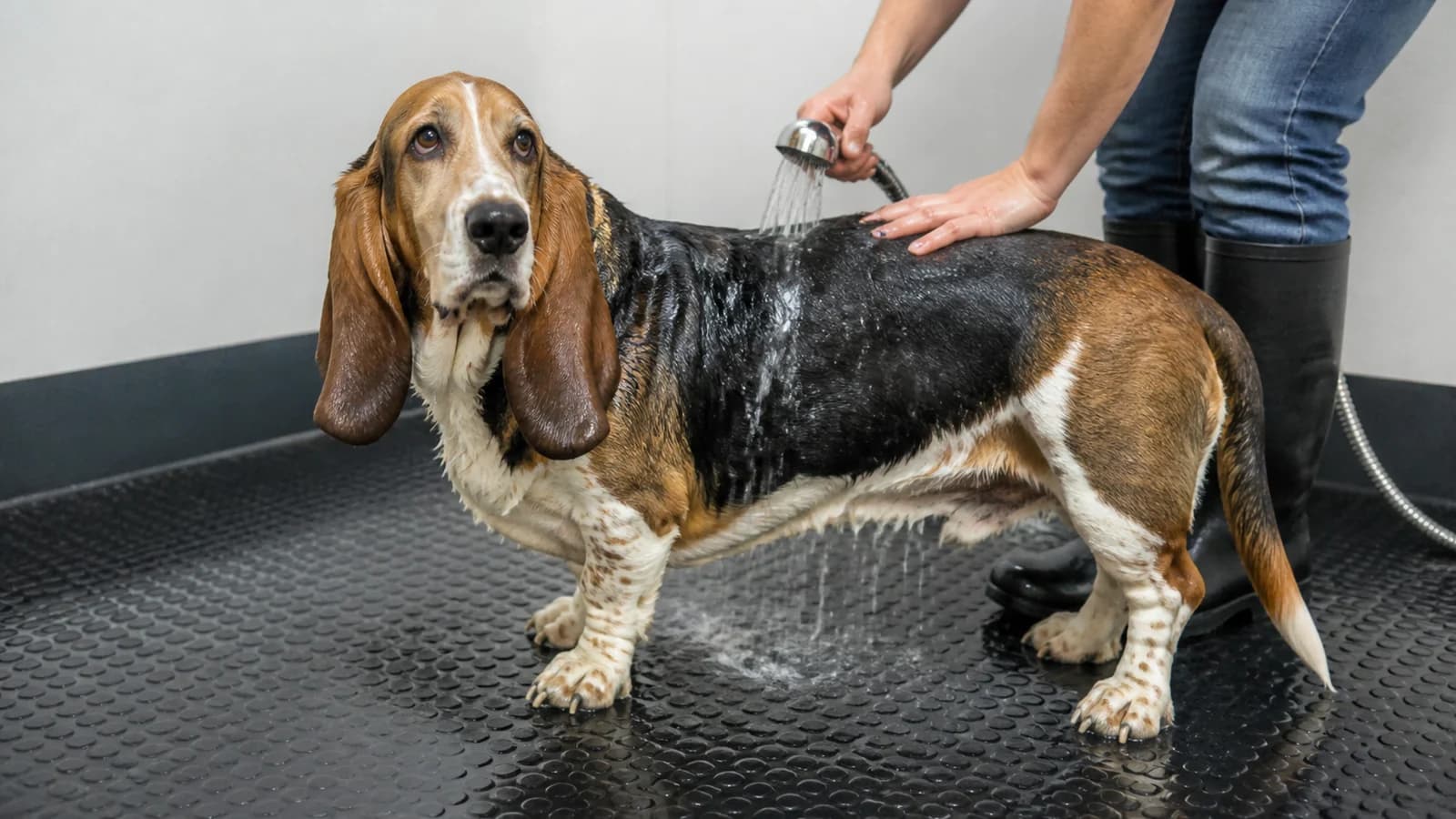
Basset Hound bathing frequency depends on dirt, odor, skin health and veterinary instructions. Bathe when the coat is genuinely dirty or the dog has rolled in something unpleasant, not simply because a calendar date arrived. Protect footing in the tub, use lukewarm water and keep cleanser and rinse water out of the ear canals.
Rinsing and drying are the important finish. Shampoo residue can itch, while moisture left between skin surfaces creates a warm environment for irritation. Pat folds, the armpits, groin, neck and spaces around the lips dry with clean towels. Do not apply powders, antiseptics or medicated products inside folds unless a veterinarian has recommended them for that dog.
- Place a rubber mat before bringing the dog to the tub.
- Rinse until water runs clear and the coat no longer feels slick.
- Use separate clean cloths for the face and rear.
- Wash bedding after a muddy or medically indicated bath.
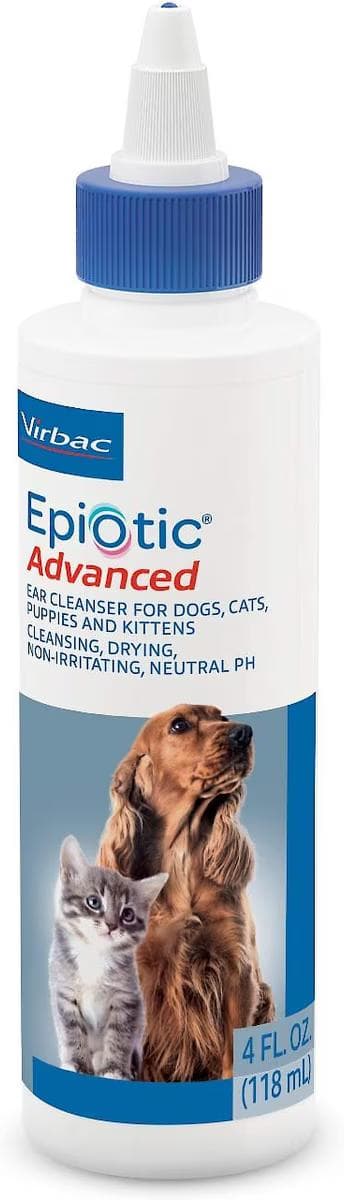
An ear-cleaning product may be useful when the veterinarian has approved both the formula and the technique for this dog. Our dog ear wipes comparison explains the formats and limits of surface cleaning.
Bath time is not permission to flush an inflamed, painful or previously injured ear at home.
Petful may earn a commission when you click through to Chewy, at no extra cost to you.
Basset Hound ear care
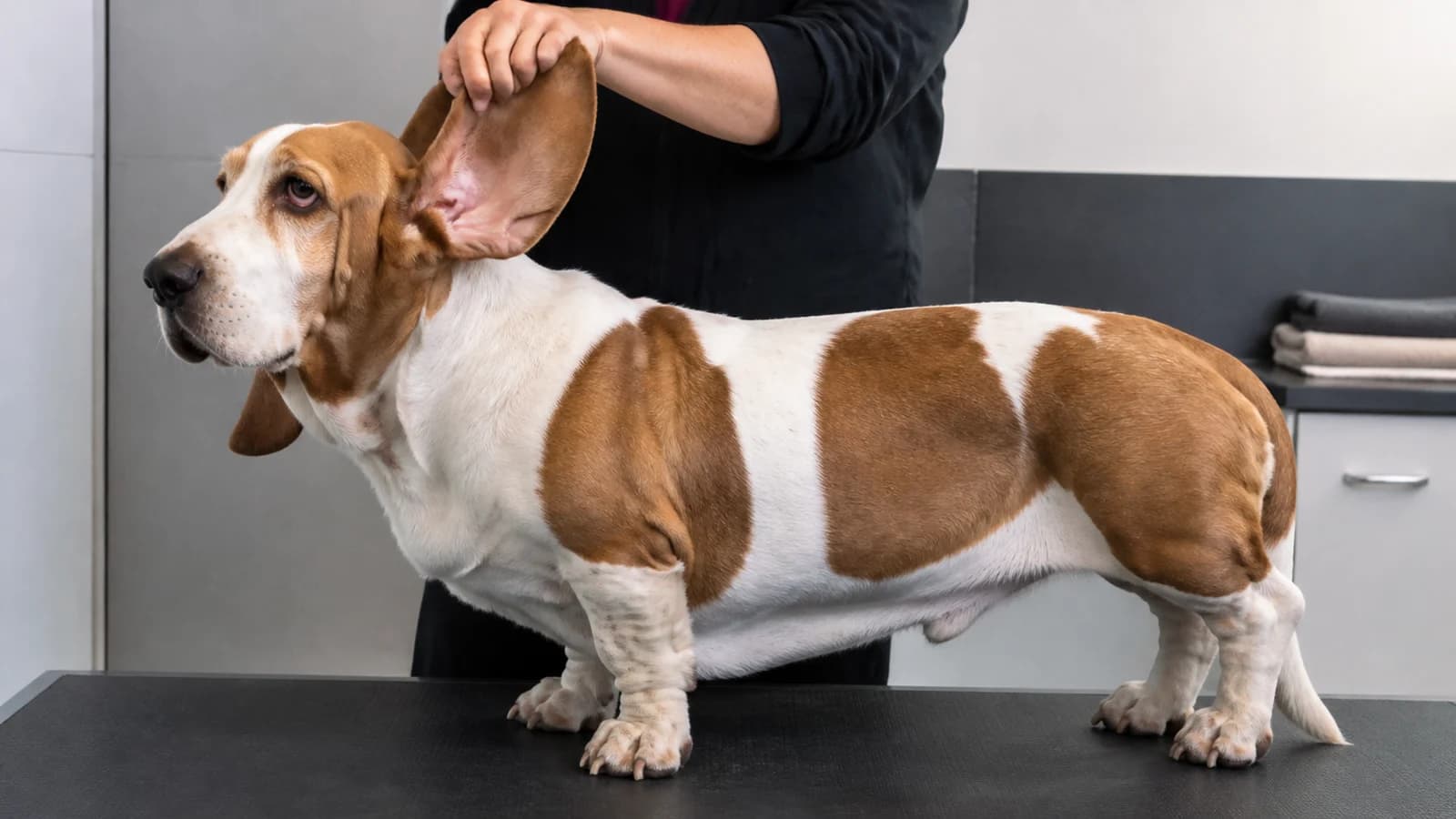
The long ear flap limits air movement and can sweep through water, food and soil. A routine Basset Hound ear check should compare both sides for odor, discharge, redness, swelling, heat and discomfort. Looking is different from cleaning: a clean, comfortable ear does not need repeated manipulation simply because it belongs to a floppy-eared breed.
When cleaning has been advised, follow the veterinarian’s demonstrated method and keep cotton swabs out of the canal. Call the clinic if the dog yelps, repeatedly shakes the head, holds one ear differently, develops a strong odor or has dark, yellow or bloody material. Those signs can reflect infection, parasites, allergy or another problem that a cleaner alone cannot identify.
- Lift each flap gently and use good light.
- Dry the outer ear after rain or swimming.
- Record which side changed and when it began.
- Seek care promptly for pain, swelling or balance changes.
A roomy orthopedic bed gives a low-built dog space to rest without folding the ears beneath a tight rim.
Choose a washable cover, because drool and ear debris can otherwise stay against the skin between laundry days.
- Ear disease, skin infection, dental pain and other conditions need examination. Repeated fragranced cleaning can obscure the location and irritate tissue.
Managing drool without irritating skin
Basset Hound drooling varies, but loose lips can leave the chin, neck and chest damp after drinking, eating or anticipating food. Keep soft, clean cloths near water and feeding areas. Blot rather than scrub so repeated wiping does not abrade the same skin, and launder damp cloths instead of letting bacteria and odor build between uses.
A sudden increase in saliva is different from the dog’s ordinary pattern. Dental pain, nausea, an object in the mouth, heat illness and toxin exposure are among the possibilities. Excessive drool accompanied by retching, a swollen abdomen, collapse, breathing trouble or suspected poisoning needs urgent veterinary direction rather than a grooming response.
- Learn the individual dog’s normal saliva pattern.
- Rinse and dry water bowls every day.
- Check lip folds for redness and odor.
- Treat abrupt heavy drooling as a health observation.
A gentle dog shampoo can remove dried saliva from the chest during a proper bath without turning daily drool care into repeated full washing.
For the everyday cleanup, plain soft cloths and thorough drying put less stress on the skin.
Because long ears need careful handling, WebVet’s guide to cleaning dog ears is a useful starting point before the veterinarian sets an individual routine.
Petful may earn a commission when you click through to Chewy, at no extra cost to you.
Nails, paws and low-body hygiene
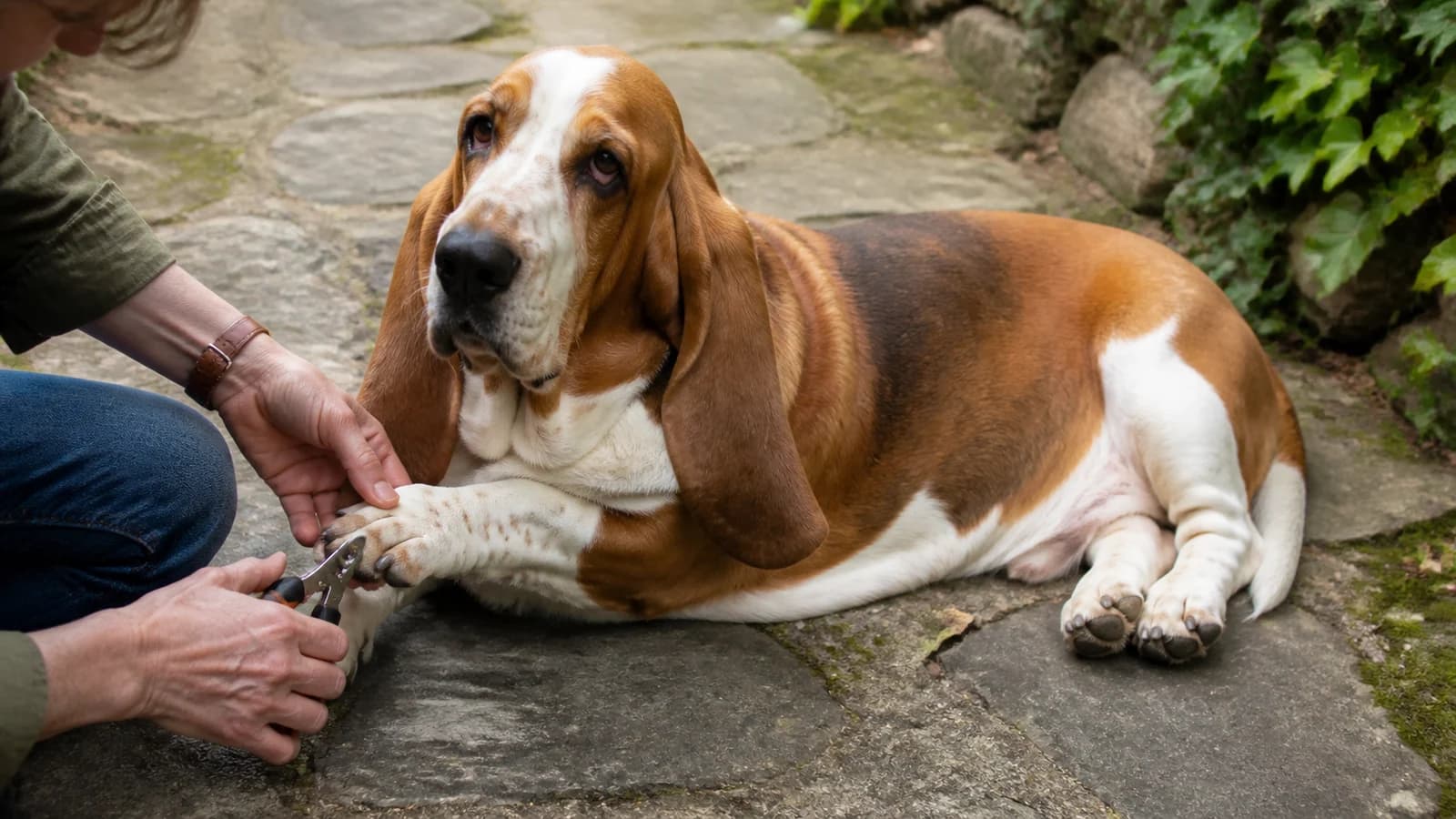
Basset Hound nail care and Basset Hound paws deserve attention because short legs place the belly, feet and nails close to wet pavement, burrs, lawn chemicals and winter deicers. After a messy walk, inspect between the toes and around the pads, then rinse contaminants with plain lukewarm water and dry completely. Recurrent paw licking, swelling or a strong yeasty odor merits an examination rather than continued home scrubbing.
Nail length affects traction and stance. A nail that repeatedly clicks hard on level flooring or changes how the dog places a foot may be overdue, but the safe amount to remove depends on the quick. Owners who cannot see or confidently avoid it can ask a groomer or veterinary team for regular trims and cooperative-care coaching.
- Handle one paw briefly before expecting a full trim.
- Keep styptic material available when clipping at home.
- Inspect dewclaws as well as weight-bearing nails.
- Dry the underside before the dog settles on bedding.
A short-coat brush is also useful for loosening dried outdoor debris before it is wiped from the belly and legs.
Never brush over a burr embedded in skin, a raw patch or a painful swelling; those need careful removal or clinical help.
When shedding or odor is not normal
Abnormal Basset Hound hair loss may appear as symmetrical thinning, circular bare areas, broken hair or self-trauma from licking and scratching. Skin can become red, greasy, scaly, thickened or unusually dark. Parasites, infection, allergy, hormonal disease, pain and nutrition problems can overlap, so appearance alone is not a reliable diagnosis.
Persistent odor after sensible cleaning is another clue, especially when it comes from one ear, a fold, the mouth or a focal skin patch. Note the location, duration, itch level, food or product changes and any medications. A veterinarian can examine the skin and ears and choose tests instead of asking the owner to guess through multiple over-the-counter treatments.
- Book care for sores, bald areas or relentless scratching.
- Do not share prescription skin or ear medication between pets.
- Bring clear photos from the start of the change.
- Report appetite, energy or weight changes at the same visit.
A veterinarian-approved ear cleaner can remain part of routine maintenance after an ear problem is diagnosed and treated.
It should not be used to hide odor or discharge long enough to postpone an examination.
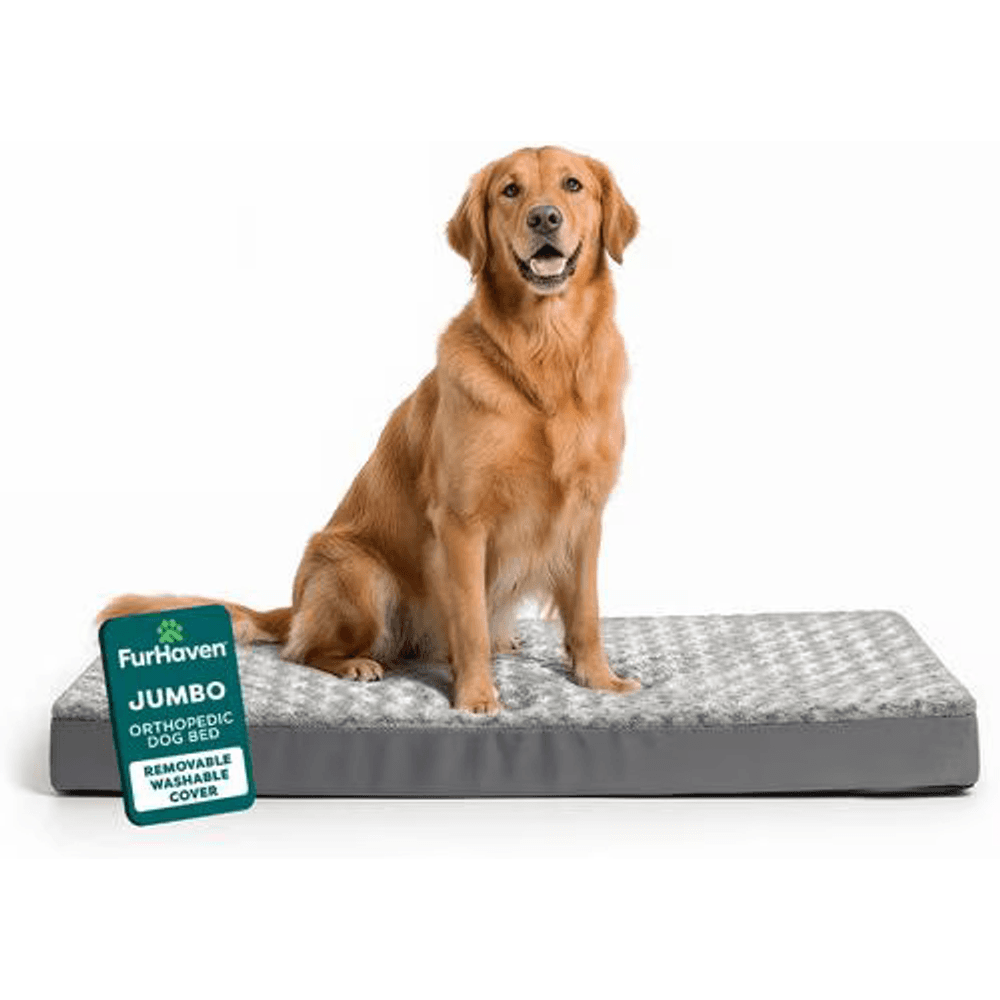
A plush orthopedic foam mattress that cushions aging joints and pressure points, giving a stiff or trembling senior dog warm, supportive rest.
Petful may earn a commission when you click through to Chewy, at no extra cost to you.
Weekly Basset Hound grooming schedule
A workable Basset Hound grooming schedule divides the dog into small observations. On most days, wipe drool as needed and glance at paws after outdoor activity. Once a week, brush the coat, inspect skin and folds, look at both ears, examine nails and wash bowls and frequently used bedding. Bathing and nail trimming remain condition-based rather than forced into the weekly session.
Keep a simple note when something changes. “Left ear red Sunday” or “licking front paw after walks” is more useful than trying to remember several weeks later. Cooperative handling also matters: if the dog stiffens, hides or growls, reduce the demand and get qualified help. Forcing care can turn a manageable routine into a safety problem.
- Daily: manage drool and post-walk dirt.
- Weekly: brush, inspect ears, folds, paws and nails.
- As needed: bathe, trim nails and launder bedding.
- Any time: escalate pain, discharge or skin damage.
A supportive washable bed makes the final step of the routine easier because its cover can be cleaned when hair, moisture or odor accumulates.
Keep a second resting surface available while the cover is in the wash so the dog is not pushed onto a slippery floor.
Continue the Basset Hound cluster
Evidence sources
- American Kennel Club Basset Hound overview
- Basset Hound Club of America
- American Veterinary Medical Association pet-care guidance
- AVSAB behavior and training position statements
- Short sessions make coat and skin changes easier to notice.
- Most routine tasks use simple equipment.
- Consistent handling can build cooperative-care skills.
- Loose hair and drool remain normal realities.
- Long ears and folds need observation even when clean.
- Skin or odor changes can require veterinary testing.
Basset Hound FAQs
Yes, a Basset Hound can shed a lot for a short-coated dog, although season and the individual affect volume. One or two gentle brush sessions a week may capture much of the loose coat. The short coat should remain comfortable and evenly covered; bald patches or severe itch are not part of normal shedding.
No dog has universally worst shedding because coat type, season, indoor climate and individual health change what reaches the floor. A Basset can release more hair than its smooth appearance suggests. Choose from the care routine you can maintain, then assess the actual dog instead of relying on a worst-shedding ranking.
No dog breed is truly hypoallergenic, and Basset Hounds shed hair and release allergen-carrying dander and saliva. Reaction severity varies by person and individual dog, so spend time with the dog before adoption and discuss significant allergy risk with a qualified clinician. Brushing and washable covers reduce loose hair but cannot make the dog allergen-free.
Many dogs do well with a brief weekly brushing, adding sessions when loose coat increases. Let the brush and skin guide the interval. Use light pressure, stabilize loose skin and end before irritation or avoidance; repeated passes over one area can create the very redness an owner is trying to prevent.
Bathe when the coat is dirty, after certain exposures or on a veterinarian’s medical schedule. Use lukewarm water and a dog-appropriate cleanser, rinse thoroughly and dry folds and the low underside. Frequent fragrance-driven baths can irritate skin without solving a focal odor.
First compare both ears for comfort, redness, odor and discharge. Use only a veterinarian-approved solution and demonstrated technique, and never insert cotton swabs into the canal. A painful, swollen or draining ear needs examination rather than a more forceful cleaning attempt.
Normal drool and a low body can create ordinary odor, but location matters. Smell from one ear, a raw fold, the mouth or a greasy skin patch may indicate disease. Blot and dry routine moisture, then seek veterinary care when sensible cleaning does not resolve the change.
Arrange care for bald areas, sores, swelling, persistent odor, strong itch, painful handling, ear discharge, sudden heavy drooling or a changed gait. Bring photos and note when the sign began. Switching among retail products can complicate the skin picture and delay an accurate diagnosis.

Coreen Saito is a pet writer and longtime shelter volunteer with more than a decade in animal rescue. She covers cat behavior, breed care, and the small, ordinary science of sharing a life with companion animals, with a particular focus on honest takes about the products and decisions that actually matter. At home in Arizona, she's outranked by Mac (a dog with the loudest opinion in the house), Rebel (a cat who governs by quiet authority), and Meri (an orange tabby who runs the late shift and the laundry basket). She writes about all three, plus the rescues that keep coming through her life, at LifeWithMinty.com.
Sign up for expert-backed reviews and safety alerts all in one place.