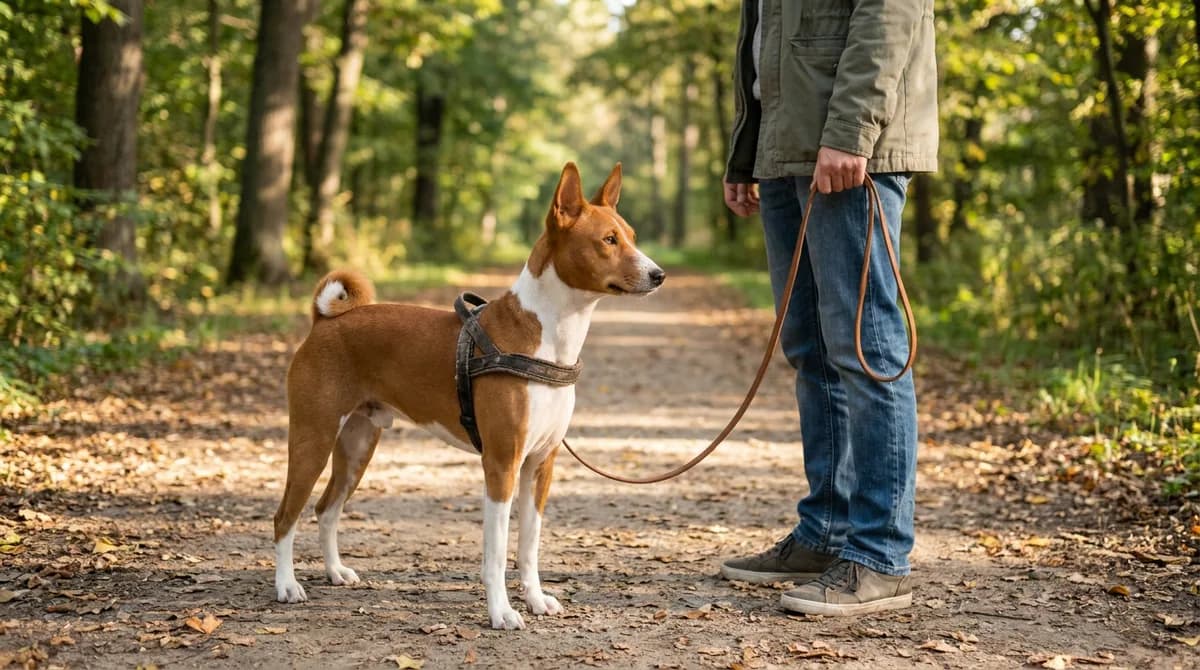
Basset Hound Lifespan and Health Issues
Basset Hounds typically live 12-13 years; this vet-written guide covers breed health concerns, screening records, emergency signs and senior care.

BVMS, MRCVS
Petful is reader supported. As an affiliate of platforms like Amazon and Chewy, we may earn a commission when you buy through links on this page. There is no extra cost to you.
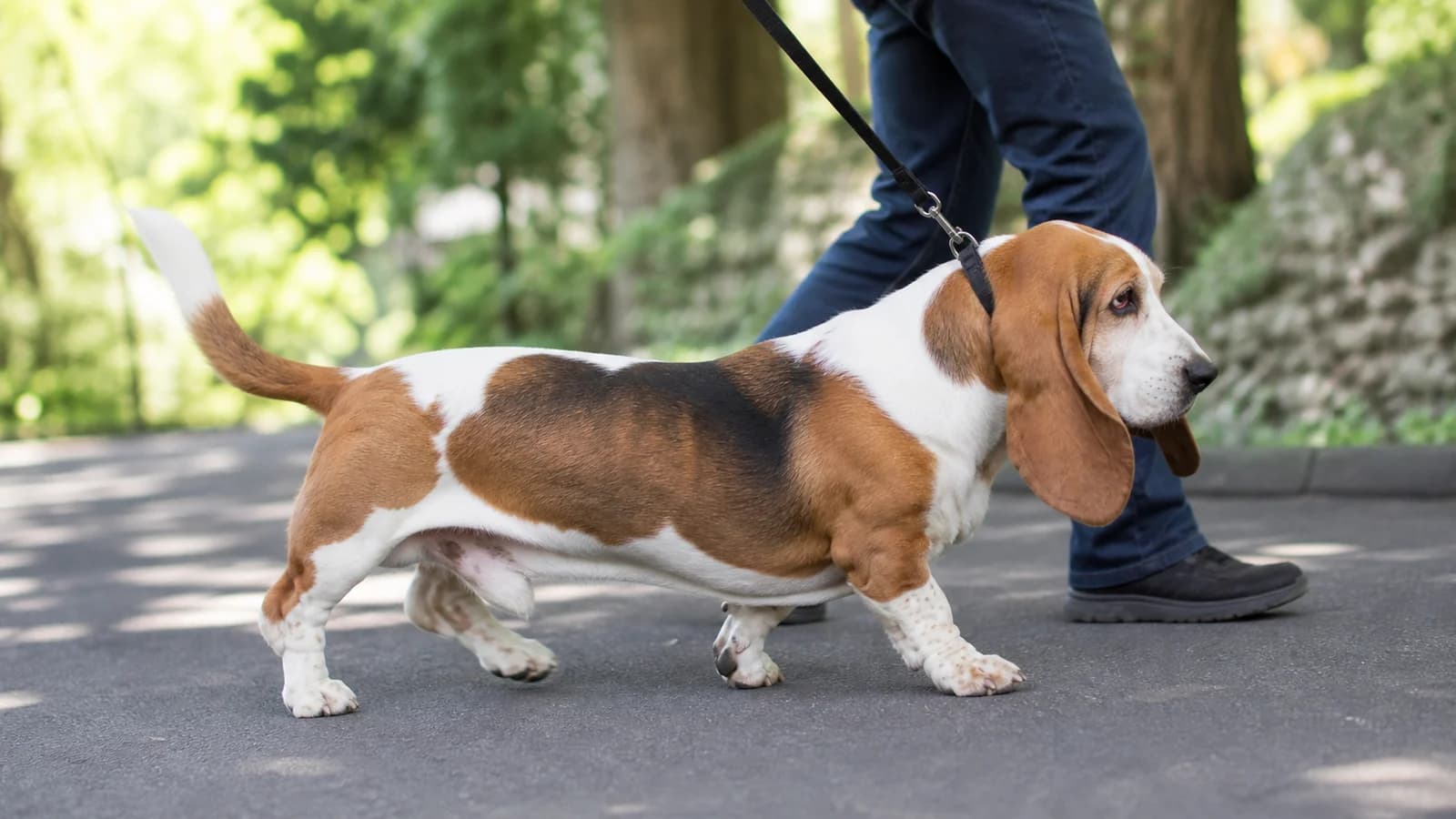
Basset Hound lifespan is typically listed as 12 to 13 years on the AKC breed page. Health planning works best when owners know what to monitor, what screening records can establish and which changes require urgent veterinary attention without turning that range into a prediction for one dog.
The goal is not to diagnose from a breed label. It is to connect a low, heavy body, long ears, loose skin and individual medical history with useful prevention and action thresholds.

Sign up for expert-backed reviews and safety alerts all in one place.
Basset Hound lifespan at a glance
- 1A lifespan average cannot predict one Basset Hound
- 2Lean body condition, preventive care and prompt response support quality of life
- 3Learn urgent signs before a crisis occurs
| Question | Direct answer | Next step |
|---|---|---|
| Typical lifespan | AKC lists 12-13 years | Plan by life stage and the individual record |
| Breed concerns to discuss | Ear and skin disease, glaucoma and other eye disease, orthopedic or back pain, GDV and inherited thrombopathia | Ask the veterinarian which signs and family records matter for this dog |
| Screening before purchase | Review current parent-club and OFA guidance and identity-linked results | Verify both parents in the issuing database |
Basset Hounds typically live 12 to 13 years according to the AKC breed overview. That direct population range answers the planning question, but it cannot answer exactly how long an individual Basset Hound will live. Genetics, body condition, dental health, preventive care, environment, prompt treatment and chance all influence survival and quality of life.
A more useful plan divides life into puppy, adult and senior stages. Record weight and body-condition trends, mobility, appetite, thirst, sleep, elimination and interest in normal activities. Gradual changes are easy to normalize when no baseline exists, so bring the log to routine examinations.
Quality of life is not the same as reaching a particular birthday. A dog may need treatment or environmental changes while remaining engaged and comfortable. Ask the veterinary team which measurements should be repeated at home, which screening is appropriate at the next stage and how existing disease changes the expected follow-up interval.
- Keep annual examination findings together.
- Review preventive care at each life stage.
- Track function as well as chronological age.
- Ask what changes should trigger an earlier visit.
A joint supplement such as Cosequin should be discussed with the veterinarian caring for the dog, especially when other products or medicines are used.
A retail supplement does not diagnose pain, restore an injured joint or replace weight and mobility assessment.
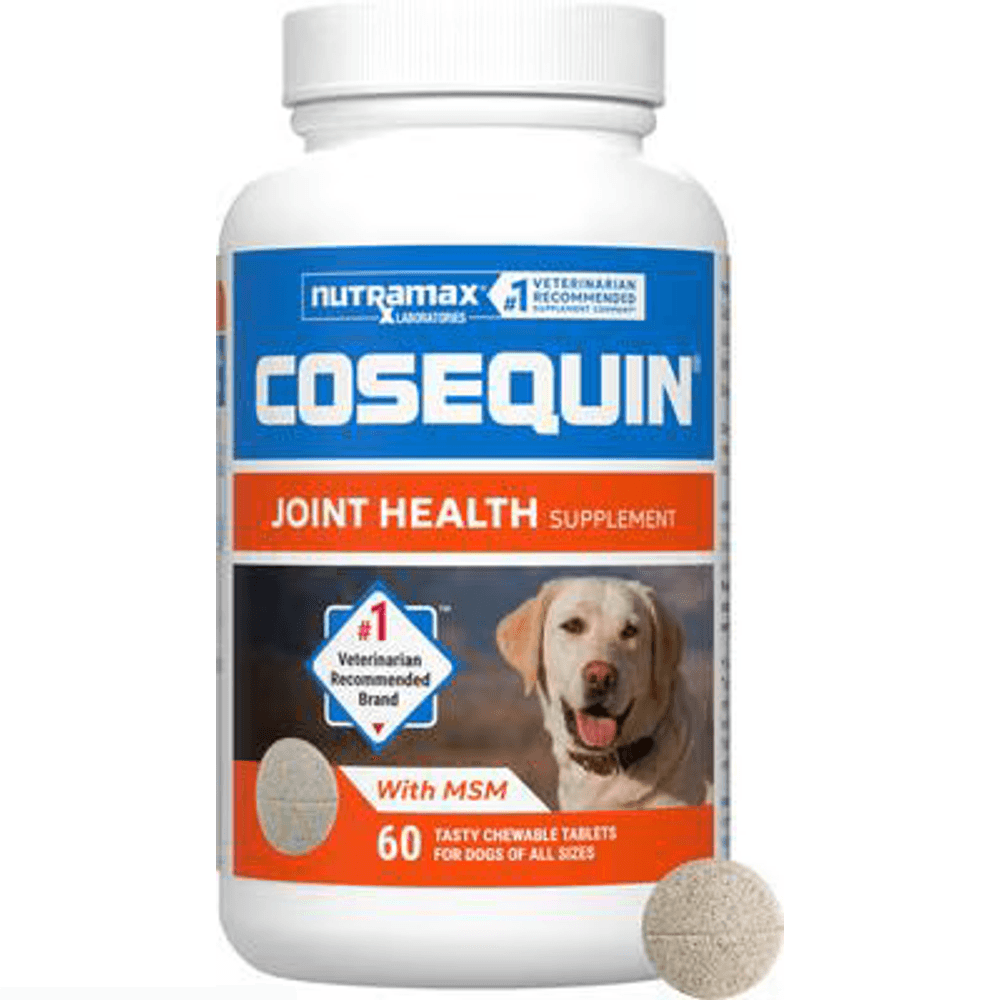
The number-one veterinarian-recommended joint supplement brand. Glucosamine, chondroitin, and MSM support cartilage and cushion the joints, easing the stiffness and hind-end weakness that can leave an older or arthritic dog trembling.
Petful may earn a commission when you click through to Chewy, at no extra cost to you.
Weight, back and joint health
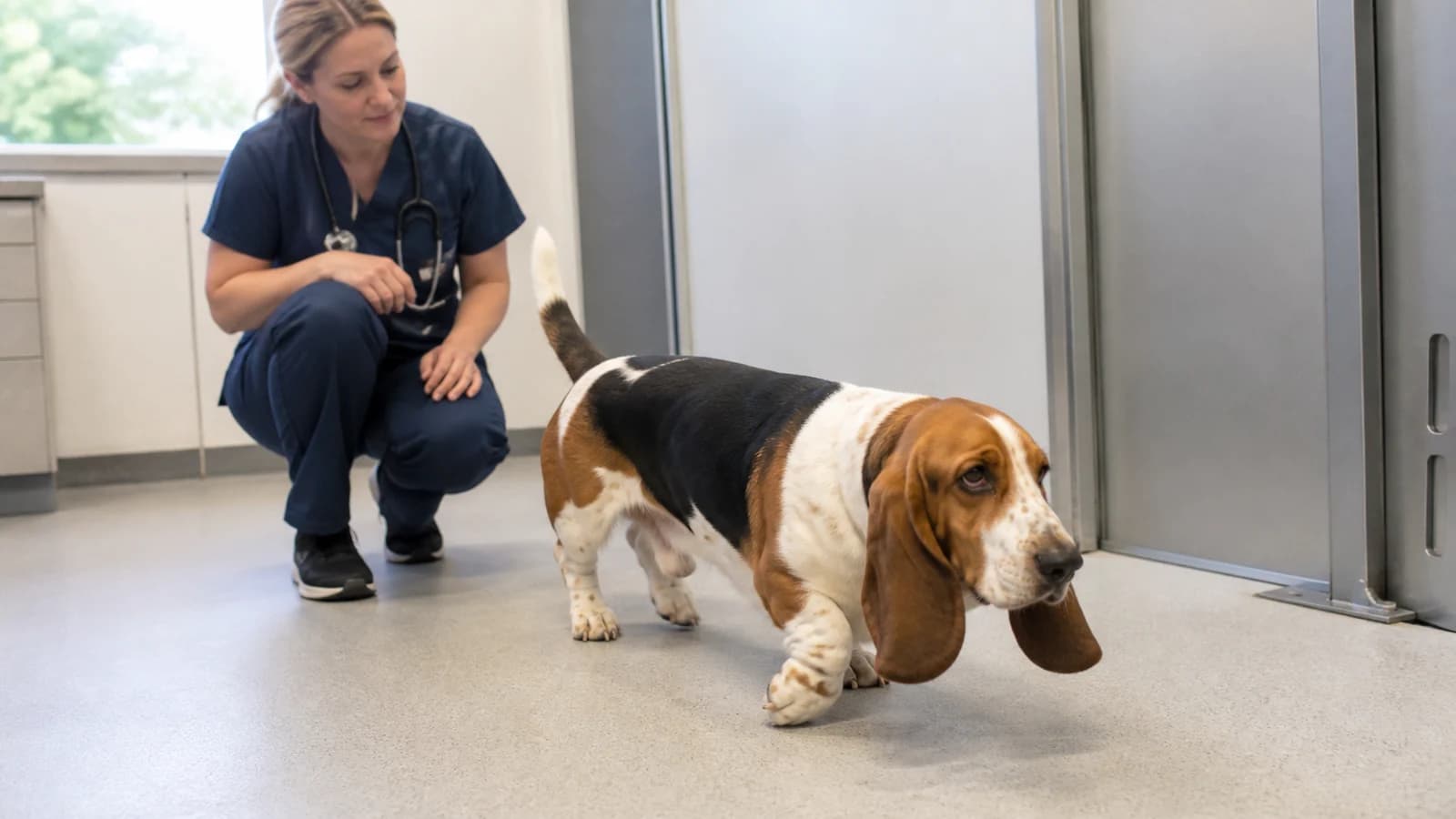
Basset Hound back problems and Basset Hound joint problems cannot be identified from posture alone. The breed's long body and short limbs make traction, weight management and controlled movement especially relevant, while hip or elbow dysplasia and intervertebral disc disease are named concerns a veterinarian may consider when pain, weakness or reluctance to move appears. A changed gait can have several causes, so examination matters more than guessing from structure.
Keep floors grippy, prevent repeated uncontrolled leaps and teach safe vehicle access before the dog becomes sore. Exercise should maintain muscle without asking an unconditioned dog to do sudden strenuous work. Extra body fat adds load and can make clinical assessment harder.
Owners can support an examination by recording whether difficulty appears on rising, turning, stairs, one particular surface or after rest. A short video of the natural gait may capture a change that disappears in the clinic. Do not deliberately provoke pain for footage, manipulate the back or begin human pain medication while waiting for an appointment.
- Learn the dog's normal walk and stair behavior.
- Use measured meals and count training treats.
- Provide rest after unusually active days.
- Seek care for limping, dragging, weakness or pain.
An ear cleaner has no role in treating a mobility complaint, which is precisely why products should stay tied to the problem they were designed for.
For a changed gait or painful back, call the veterinarian rather than trying unrelated over-the-counter care.
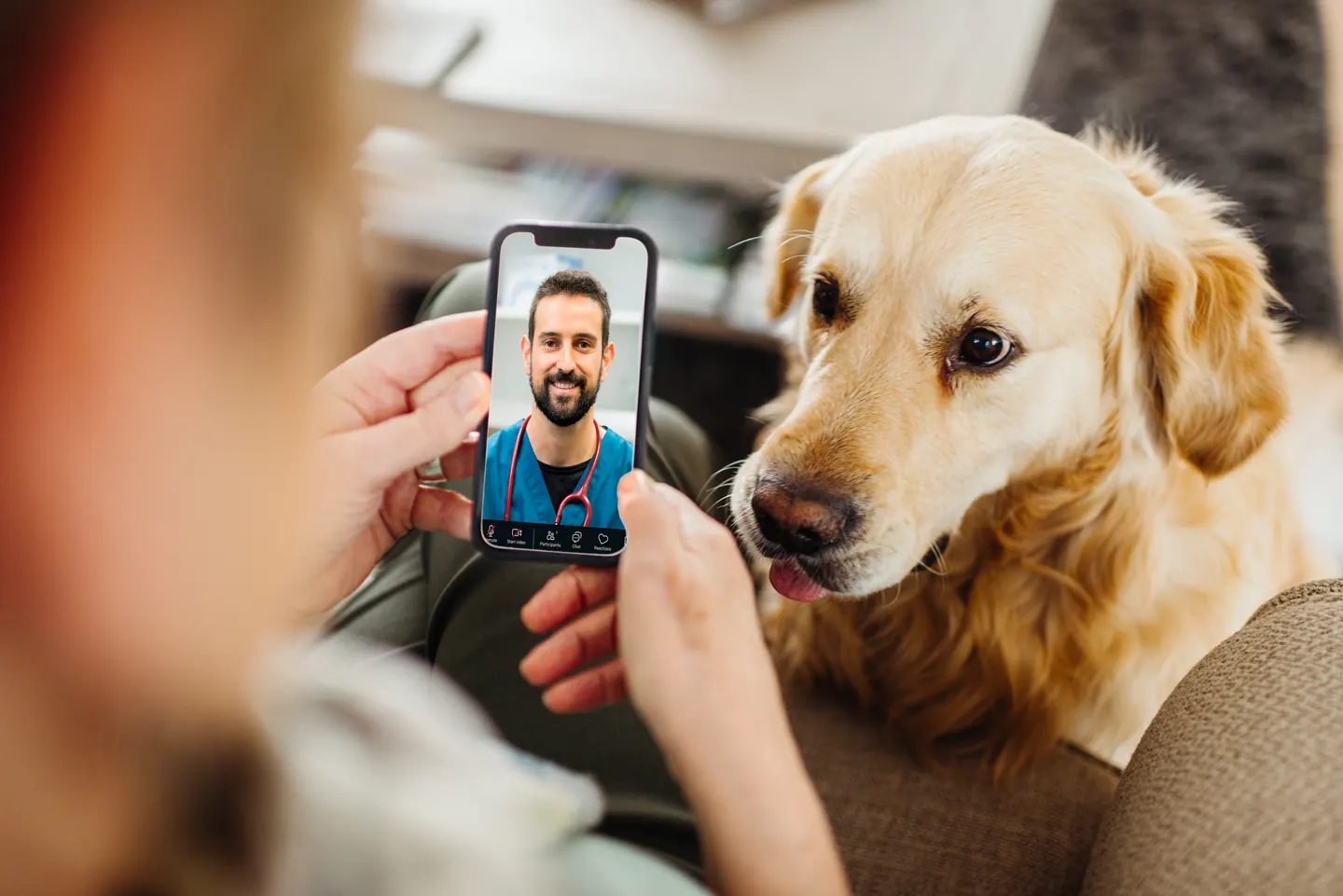
 Sponsored
Have a health question about your pet?
Talk to a licensed vet at Dutch over video or message, including nights and weekends.
Use code Pets60
Plans start at $12/month · covers up to 5 pets
- Licensed vets in most states
- Rx for 150+ conditions
- 4.7 on Trustpilot
Eyes, ears and skin
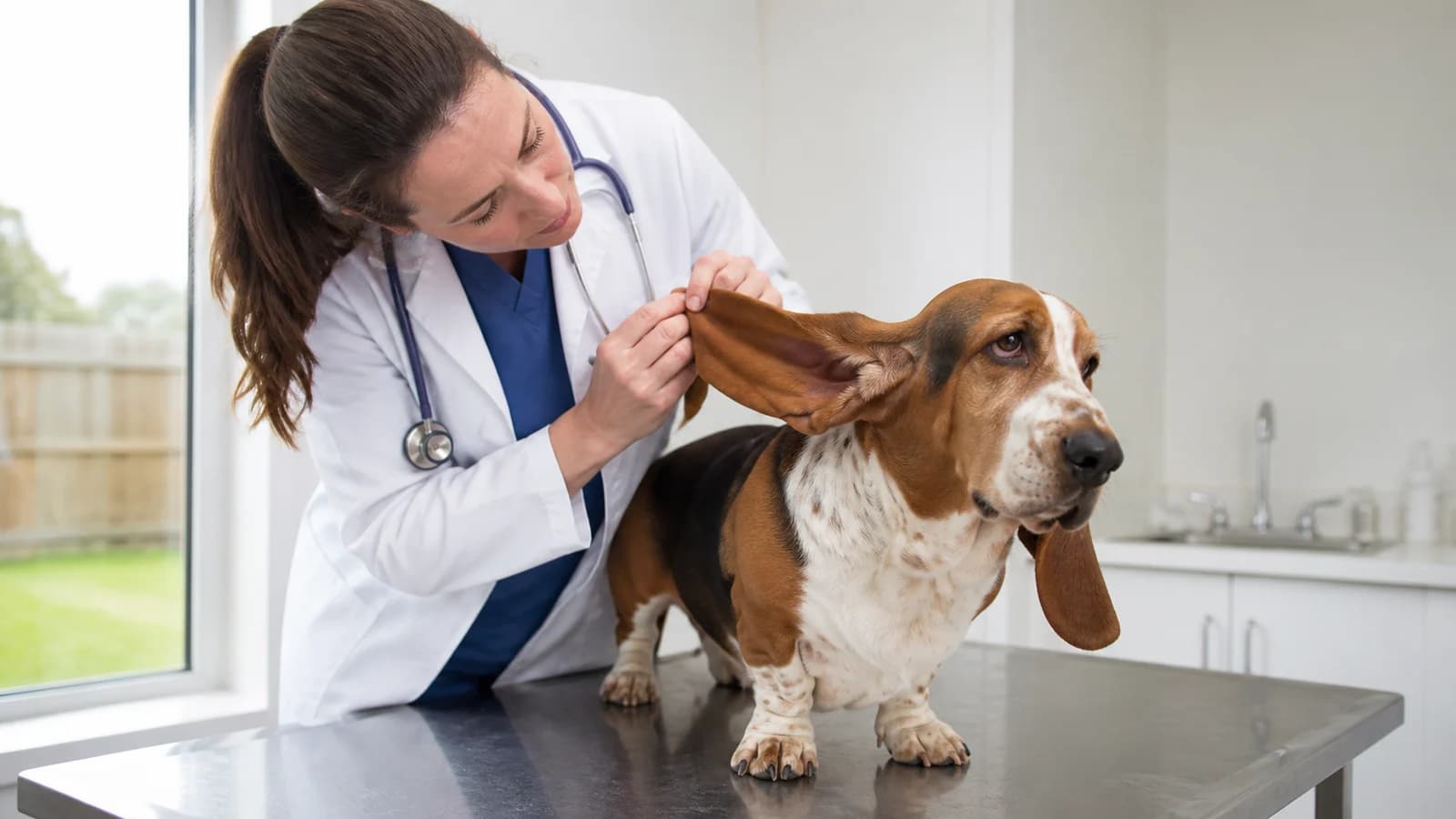
Basset Hound ear infection signs can include odor, redness, discharge, swelling, pain and repeated head shaking. Lift the flap and observe; do not insert cotton swabs or pour in a new cleaner when the ear is painful. Long ears affect ventilation, but infection still requires diagnosis of the individual case.
Basset Hound eye problems, including glaucoma, may show as squinting, cloudiness, discharge, rubbing or sudden pain. Skin disease may show as sores, hair loss, greasy texture, odor or persistent itching. These signs can worsen while an owner experiments with bathing, so prompt assessment protects comfort and, for some eye conditions, vision.
Location helps the veterinarian narrow the next step. Note whether skin change begins in a fold, between toes, under the collar or across several symmetrical areas, and whether an eye sign affects one or both sides. Bring the names of every cleaner, shampoo, supplement and medication recently used so an exposure is not overlooked.
- Compare both eyes in the same light.
- Notice changes in ear odor before cleaning.
- Dry external folds gently after moisture.
- Photograph a visible change for the clinical timeline.
Virbac Epi-Otic may be appropriate for routine ear care only when the veterinarian confirms the ear and method are suitable.
Stop and seek advice if cleaning causes pain or if discharge, swelling or strong odor is present.
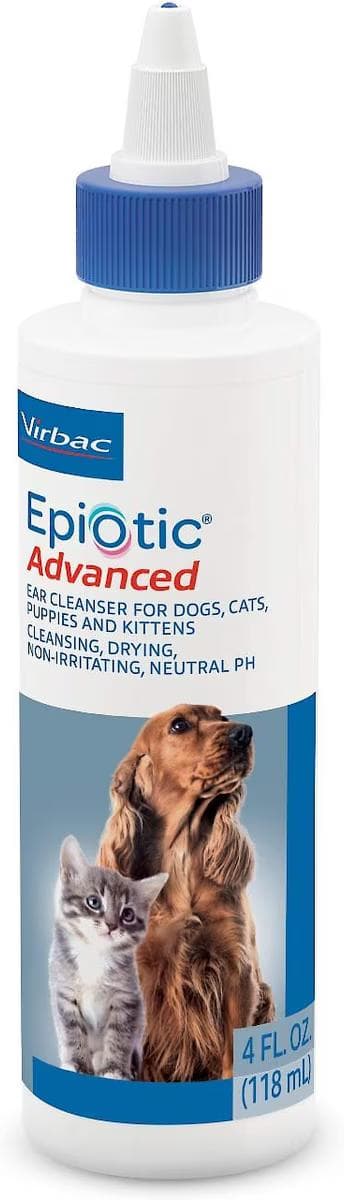
Petful may earn a commission when you click through to Chewy, at no extra cost to you.
Bloat and other urgent warning signs
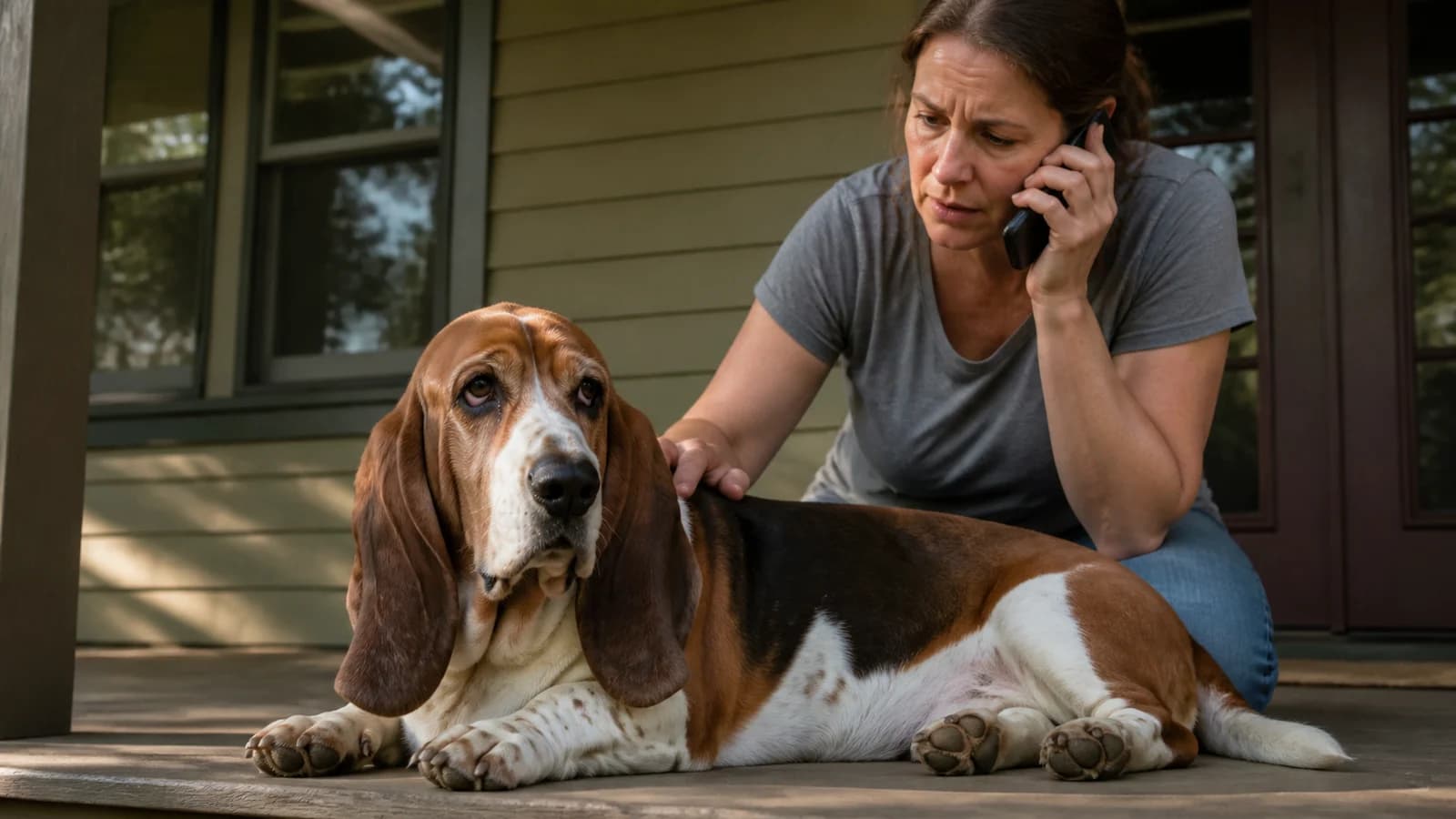
Basset Hound bloat is often used loosely, but gastric dilatation-volvulus is an emergency. Repeated unproductive retching, a distended or painful abdomen, restlessness, heavy drooling, weakness or collapse requires immediate veterinary contact. Do not wait for every sign or attempt home treatment.
Other Basset Hound emergency signs include breathing difficulty, uncontrolled bleeding, seizures that are prolonged or repeated, sudden paralysis, severe trauma and profound weakness. Call ahead while arranging safe transport. A clinic can give instructions based on the actual event and available local care.
Because a Basset can be difficult for one person to lift, decide who can assist and how the dog will enter the vehicle before an emergency. A blanket or purpose-made stretcher may help only when the clinic advises a safe method for the injury. Keep the route, parking instructions and payment plan accessible to every caregiver.
- Save the emergency clinic number in every phone.
- Know how to lift and transport the dog safely.
- Bring medication and medical-history information.
- Do not offer food or medication unless directed.
A supportive bed may improve everyday comfort, but it must never become a reason to watch an acutely distressed dog at home.
Emergency signs require a clinic, not a bedding change.
- Collapse, breathing difficulty, repeated dry retching, abdominal enlargement, sudden weakness or severe pain warrants immediate veterinary contact.
 Sponsored
Vet care that's always there
Unlimited video calls and messaging with licensed vets for less than a typical vet visit. One membership covers up to five pets.
Use code Pets60
Plans start at $12/month · covers up to 5 pets
- Licensed vets in most states
- Rx for 150+ conditions
- 4.7 on Trustpilot
Health screening before a puppy comes home
Basset Hound health testing begins with the correct parent identities. Check the current Basset Hound Club of America and OFA guidance, then verify the sire and dam by registered name or number. Review the eye, hip, elbow and DNA or bleeding-disorder results that the current program lists for the mating; inherited thrombopathia is a named breed concern, not a reason to accept an unlabeled screenshot. A general claim about “healthy lines” or one normal examination does not establish the recommended screening history.
Screening changes uncertainty; it does not guarantee outcome. Review what was tested, the result, the date and whether all relevant parents are represented. Bring copies to the puppy's veterinarian so inherited risk, growth and preventive care can be discussed in the context of the actual dog.
Also distinguish inherited-disease screening from the puppy's current wellness record. Vaccination dates, parasite treatment, identification and a recent examination describe early care, while parent results address selected inherited risks. Responsible sourcing provides both layers without presenting either as a blanket promise that future veterinary costs will be low.
- Match database records to both parents.
- Confirm that required results are public.
- Ask about conditions seen in close relatives.
- Preserve the documents for future clinicians.
A fountain may encourage some dogs to drink, but drinking equipment cannot screen for disease or correct a medical hydration problem.
Monitor water intake and call the veterinarian when thirst or urination changes.
WebVet’s senior dog health guide can help owners organize age-related observations before discussing changes in comfort, appetite or mobility with the veterinary team.
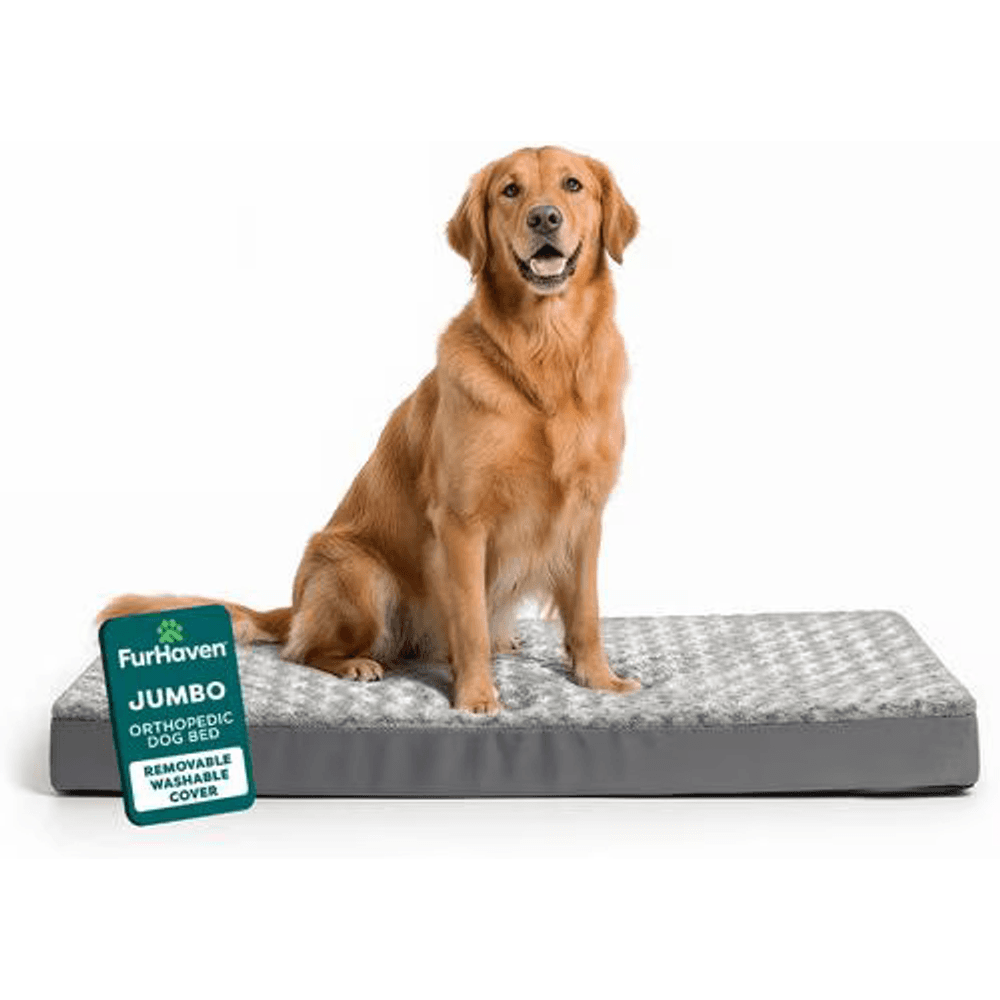
A plush orthopedic foam mattress that cushions aging joints and pressure points, giving a stiff or trembling senior dog warm, supportive rest.
Petful may earn a commission when you click through to Chewy, at no extra cost to you.
Weight, prevention and everyday care
Healthy Basset Hound weight is better assessed through body condition, muscle and trend than a single breed chart. Ask the veterinary team to demonstrate rib and waist assessment under loose skin. Adjust portions from measured intake and response, not from begging behavior or a cup estimate that never changes.
Basset Hound preventive care includes dental planning, vaccination based on risk, parasite prevention, reproductive and age-related discussions, nail and skin checks and safe daily activity. The exact schedule depends on health, geography and lifestyle. Review it regularly instead of copying another dog's calendar.
At home, consistency makes trends visible. Use the same scale when possible, record daily food by weight and count chews or training rewards in the total. Note a change in breathing, stamina or willingness to be handled before increasing exercise. Prevention is a cycle of observation, professional assessment and adjustment, not a fixed shopping list.
- Weigh food rather than free-pouring.
- Recheck body condition after diet changes.
- Keep nails short enough for traction.
- Schedule dental care before painful disease is obvious.
A joint-health chew may fit a veterinarian-approved plan, but calories and ingredient duplication still count.
Bring the label and dose to appointments so the complete product list stays accurate.
Senior care and quality of life
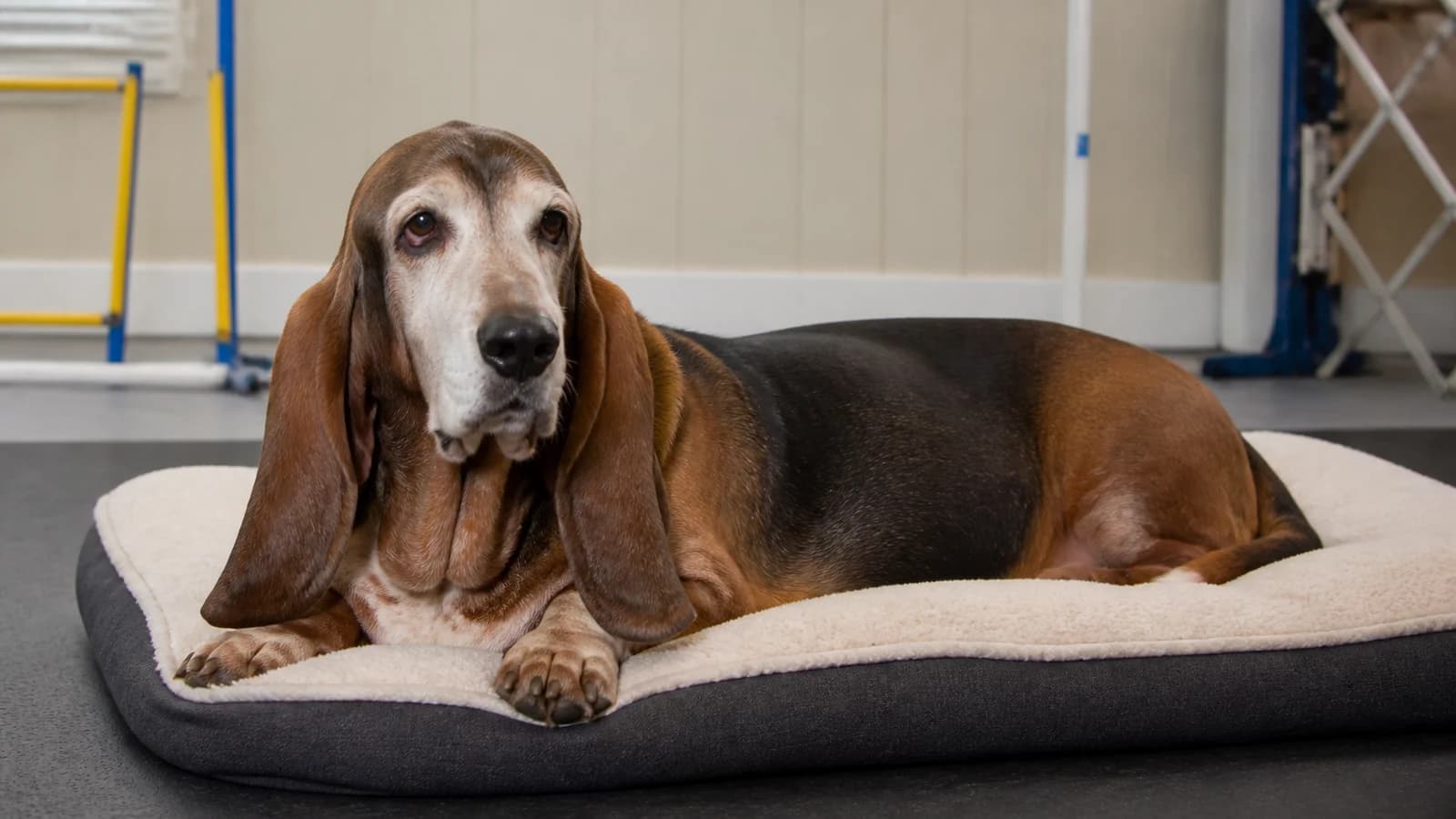
A senior Basset Hound may need shorter walks, warmer recovery, improved traction and easier access to favorite places. Slowing down should not automatically be dismissed as age. Pain, heart or respiratory disease, sensory change and endocrine problems can alter activity and deserve examination.
Basset Hound quality of life includes comfort, appetite, hydration, elimination, mobility, sleep, social engagement and access to enjoyable activities. Mark good and difficult days on a calendar. A written record helps families and veterinarians discuss trends without relying on the emotion of one moment.
Adaptation should protect choice rather than remove every activity. A ramp may preserve access to the car, a shorter sniffing route may replace a long walk and raised or repositioned resources may reduce awkward movement when the veterinarian agrees. Reassess each change because a solution that helped last month can become unsuitable as strength or vision changes.
- Use non-slip routes between essential areas.
- Keep food and water easy to reach.
- Adapt scent games for comfortable movement.
- Discuss pain and end-of-life planning before a crisis.
A low-entry orthopedic bed can offer a predictable resting area for a senior who can use it comfortably.
Choose the measured size and washable surface; medical pain still needs assessment and treatment.
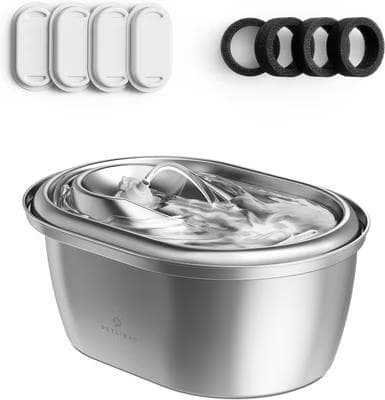
304 food-grade stainless steel pet water fountain, 101 oz. The circulating, filtered water encourages cats to drink more, which supports urinary tract and kidney health.
Petful may earn a commission when you click through to Chewy, at no extra cost to you.
When to call a veterinarian
Call the Basset Hound veterinarian urgently for collapse, breathing difficulty, a swollen painful abdomen, repeated unproductive retching, severe trauma, sudden weakness or uncontrolled bleeding. For less dramatic changes, the timing depends on severity, duration, age and existing disease, so telephone triage is safer than guessing online.
Prepare a concise report: when the change began, what the dog was doing, appetite and water intake, elimination, medications and any video or photograph. Do not give human medicines unless a veterinarian specifically directs their use. Some common household drugs are dangerous to dogs.
For a routine call, keep the question concrete: whether the dog should be seen, what can safely be monitored and which development changes the urgency. During an emergency call, follow the clinic's triage order and avoid tying up the line with less relevant history. Bring the complete medication list and known allergies to the visit.
- State the most concerning sign first.
- Give exact timing and relevant exposures.
- Follow transport and first-aid instructions.
- Update the clinic if the condition changes en route.
A clean fountain supports ordinary water access but cannot manage vomiting, collapse or sudden abnormal thirst.
Those findings belong in the veterinary history and may change how quickly the dog needs care.
Continue the Basset Hound cluster
- complete Basset Hound breed profile
- Basset Hound and Bloodhound comparison
Evidence sources
- American Kennel Club Basset Hound overview
- Basset Hound Club of America
- OFA CHIC health-screening programs
- American Veterinary Medical Association pet-care guidance
- Baseline records make subtle changes easier to recognize.
- Lean body condition supports mobility and examination.
- Verified screening improves a puppy decision without promising perfection.
- Several urgent conditions progress quickly.
- Long ears and loose skin need observation throughout life.
- An average lifespan cannot predict one dog's course.
Basset Hound FAQs
There is no responsible single most common cause of death for every Basset Hound. Causes vary with age, family history, environment and access to care, and population data may not represent the dog in front of you. Focus on preventive care, prompt evaluation and the individual record rather than trying to predict one final diagnosis from a breed statistic.
Twelve is a senior age for many Basset Hounds, but chronological age alone does not describe comfort or function. A veterinarian can review mobility, weight, dental health, senses and laboratory findings. Senior age calls for closer observation, while mobility and ordinary engagement determine which practical adaptations are actually needed now. A 12-year-old Basset Hound should be judged by function, comfort and clinical findings.
The American Kennel Club lists a typical Basset Hound life expectancy of 12 to 13 years. That range supports long-range planning but cannot forecast an individual. Genetics, body condition, dental and preventive care, early treatment and chance all influence longevity, so current decisions should follow the dog’s examination and changes from its normal pattern.
Named Basset Hound concerns to discuss with a veterinarian include chronic ear or skin disease, glaucoma and other eye disease, orthopedic or back pain, gastric dilatation-volvulus and inherited thrombopathia. Similar outward signs can have different causes, so the list is not a diagnosis. Verified family records and an individual examination determine the useful next step.
Repeated unproductive retching, abdominal enlargement, obvious pain, restlessness, heavy drooling, weakness or collapse can signal a life-threatening emergency. Call an emergency veterinary clinic immediately and follow its transport instructions. Do not wait for every sign or attempt to treat suspected bloat at home.
Look at both ears routinely and after moisture exposure, but do not clean a comfortable ear simply to satisfy a calendar. Redness, discharge, strong odor, swelling, pain, head shaking or balance change needs veterinary guidance. The clinic can set a cleaning interval for the individual dog.
Check current Basset Hound Club of America and OFA guidance, then verify the sire and dam by registered identity. Review every listed eye, hip, elbow and DNA or bleeding-disorder result that applies to the mating rather than accepting “health tested” as a summary. A CHIC number shows that specified results were published; it does not guarantee an unaffected puppy.
Keep the senior dog lean, preserve safe movement, add traction and low-access rest, and schedule examinations at the interval the veterinarian recommends. Track appetite, thirst, sleep, gait and interaction so gradual change is visible. New pain or neurologic weakness should not be dismissed as normal aging.
BVMS, MRCVS
Dr. Pippa Elliott, BVMS, MRCVS, is a veterinarian with nearly 30 years of experience in companion animal practice. Dr. Elliott earned her Bachelor of Veterinary Medicine and Surgery from the University of Glasgow. She was also designated a Member of the Royal College of Veterinary Surgeons. Married with 2 grown-up kids, Dr. Elliott has a naughty Puggle named Poggle, 3 cats and a bearded dragon.
Sign up for expert-backed reviews and safety alerts all in one place.