Basset Hound Colors and Markings Explained
See Basset Hound colors and markings, how puppy coats can change, and why a rarity label does not prove ancestry, health or value.
Petful is reader supported. As an affiliate of platforms like Amazon and Chewy, we may earn a commission when you buy through links on this page. There is no extra cost to you.
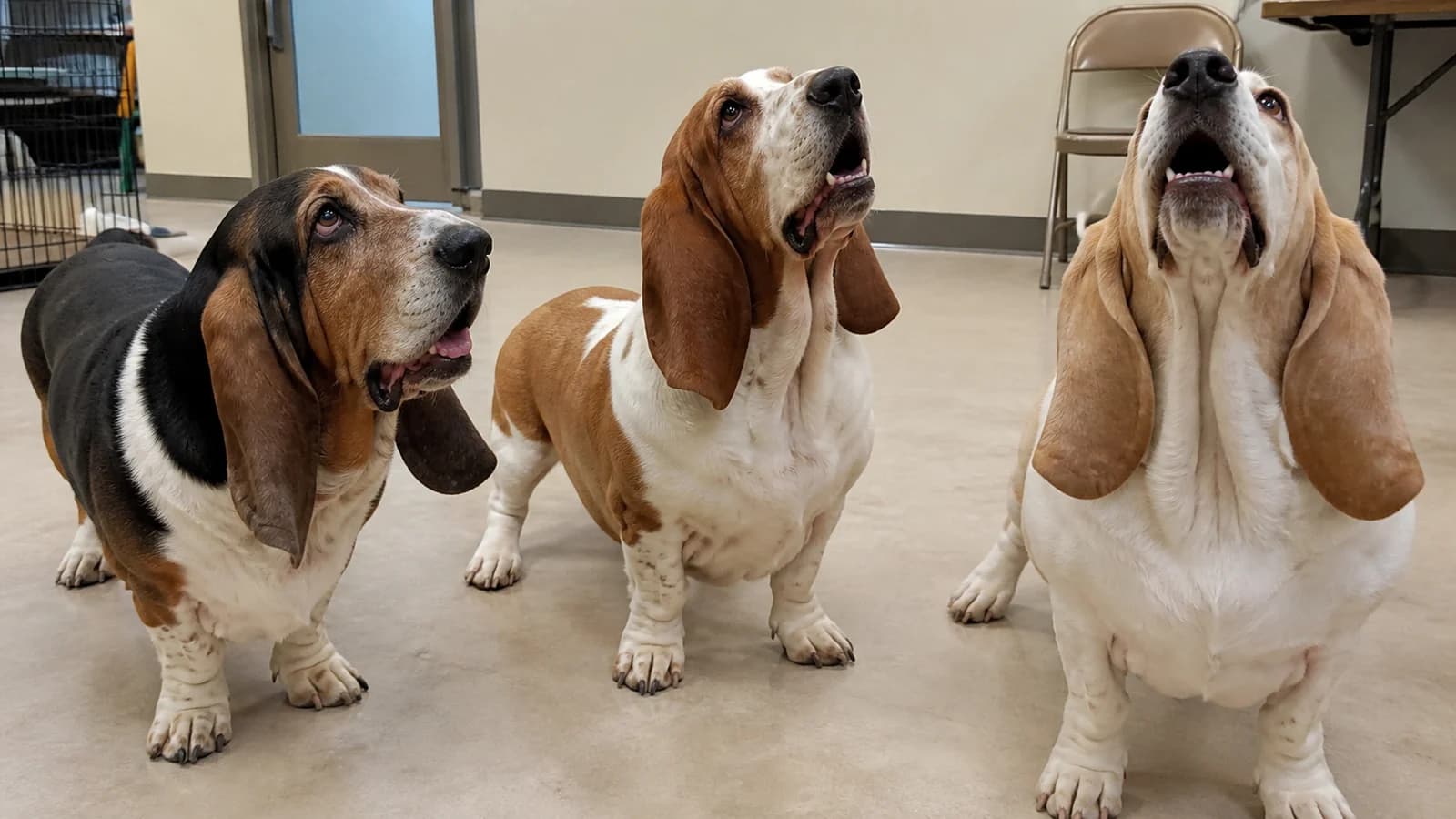
Basset Hound colors range from familiar tricolor coats to red-and-white and paler lemon-and-white combinations. This visual guide explains useful terms while keeping color separate from ancestry, health, temperament and breeder quality.
Photographs are affected by age, light and processing. Use standard descriptions for communication, then use records for questions a coat cannot answer.

Sign up for expert-backed reviews and safety alerts all in one place.
Basset Hound colors at a glance
- 1Color, registry description and ancestry are separate questions
- 2Coat terms do not predict temperament or quality
- 3Verify identity and health before considering rarity claims
| Question | Best evidence | What it cannot prove |
|---|---|---|
| What is visible? | Neutral-light photographs of the whole dog | Registered ancestry |
| What is recorded? | The relevant registry record | Health or temperament |
| What is inherited? | Pedigree and appropriately interpreted DNA evidence | Ethical sourcing by itself |
Common Basset Hound colors combine white with black and tan, red or lemon. Basset Hound coat colors can be arranged in many marking patterns, so two correctly described dogs may look quite different. The amount and placement of white is not a separate breed variety. Start identification in neutral daylight and view the whole dog. Shade, ticking and small marks can be recorded separately from the broad color description. If registration language matters, compare the actual registry choices rather than translating a seller's nickname into a standard term.
- Use daylight without a strong color cast.
- Photograph both sides and the face.
- Separate base color from marking placement.
- Keep color records distinct from health records.
Buddy Wash is a general bathing product for dogs that tolerate its ingredients; it does not brighten a breed color or treat a skin disorder.
Patch concerns, itching or odor should guide a veterinary conversation rather than a cosmetic wash cycle.

Petful may earn a commission when you click through to Chewy, at no extra cost to you.
Tricolor Basset Hounds
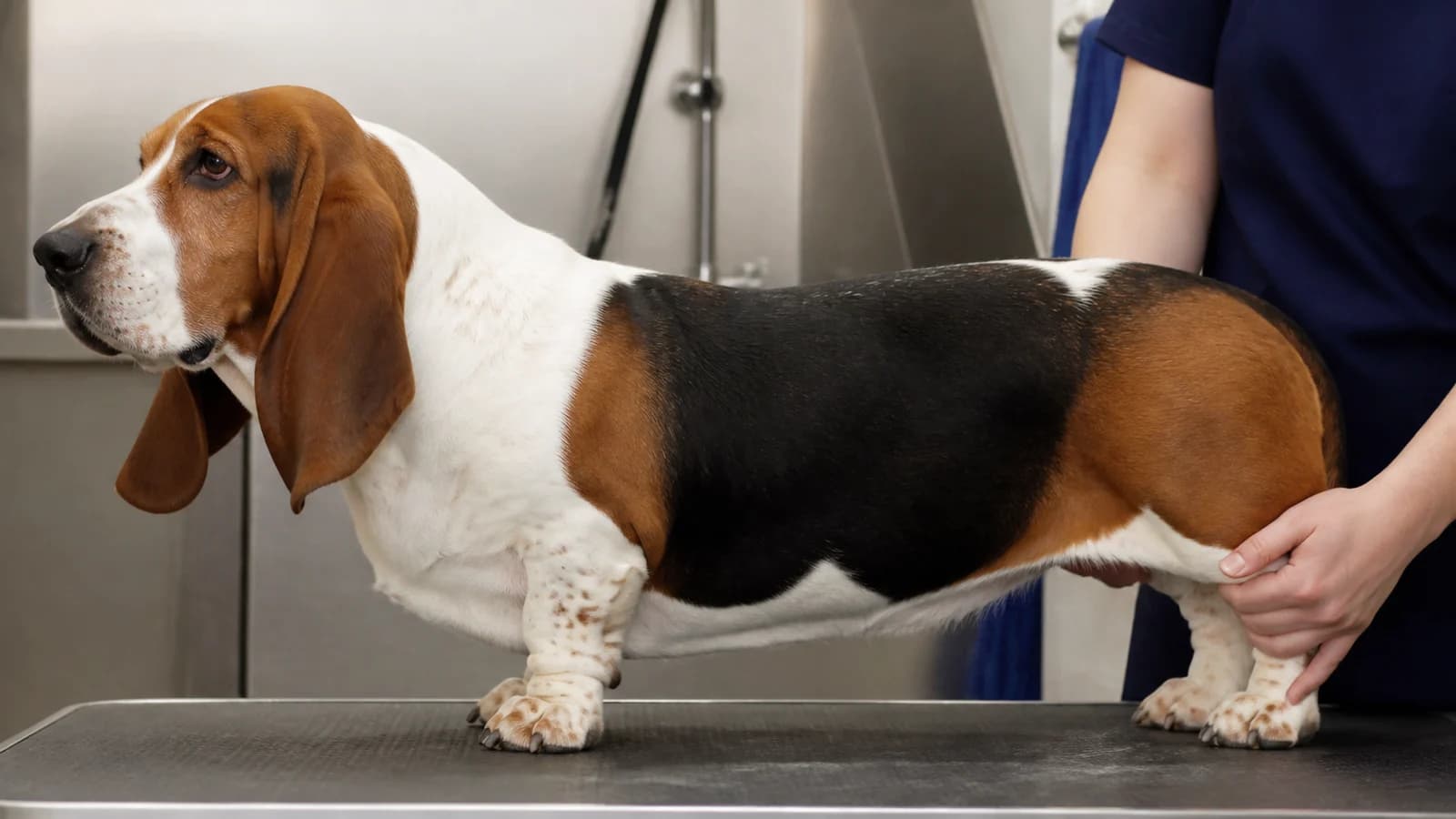
A tricolor Basset Hound typically shows black, tan and white. The black may form a broad saddle or smaller areas, while tan appears on the face, ears, legs or around boundaries between black and white. “Black brown white Basset Hound” is usually informal language for this familiar combination.
Markings can create strong visual differences without changing the care plan. Photograph puppies over time because black areas and tan contrast may look different as the coat matures. Do not infer pedigree or health-screening status from a textbook-looking tricolor pattern.
- Describe all three colors before naming the pattern.
- Note face and body markings separately.
- Avoid using symmetry as a quality score.
- Verify identity through records, not coloration.
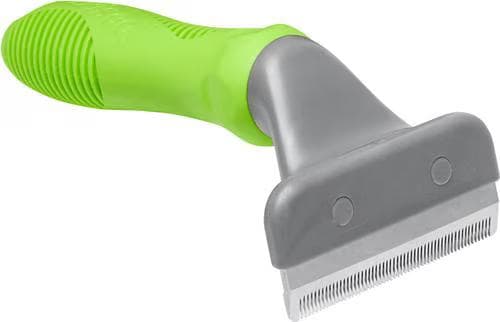
A deshedding brush may lift loose short hair on some tricolor coats when its teeth and pressure suit the dog.
Stop if it scratches skin or catches painfully; color does not change safe brushing technique.
Red and white Basset Hounds
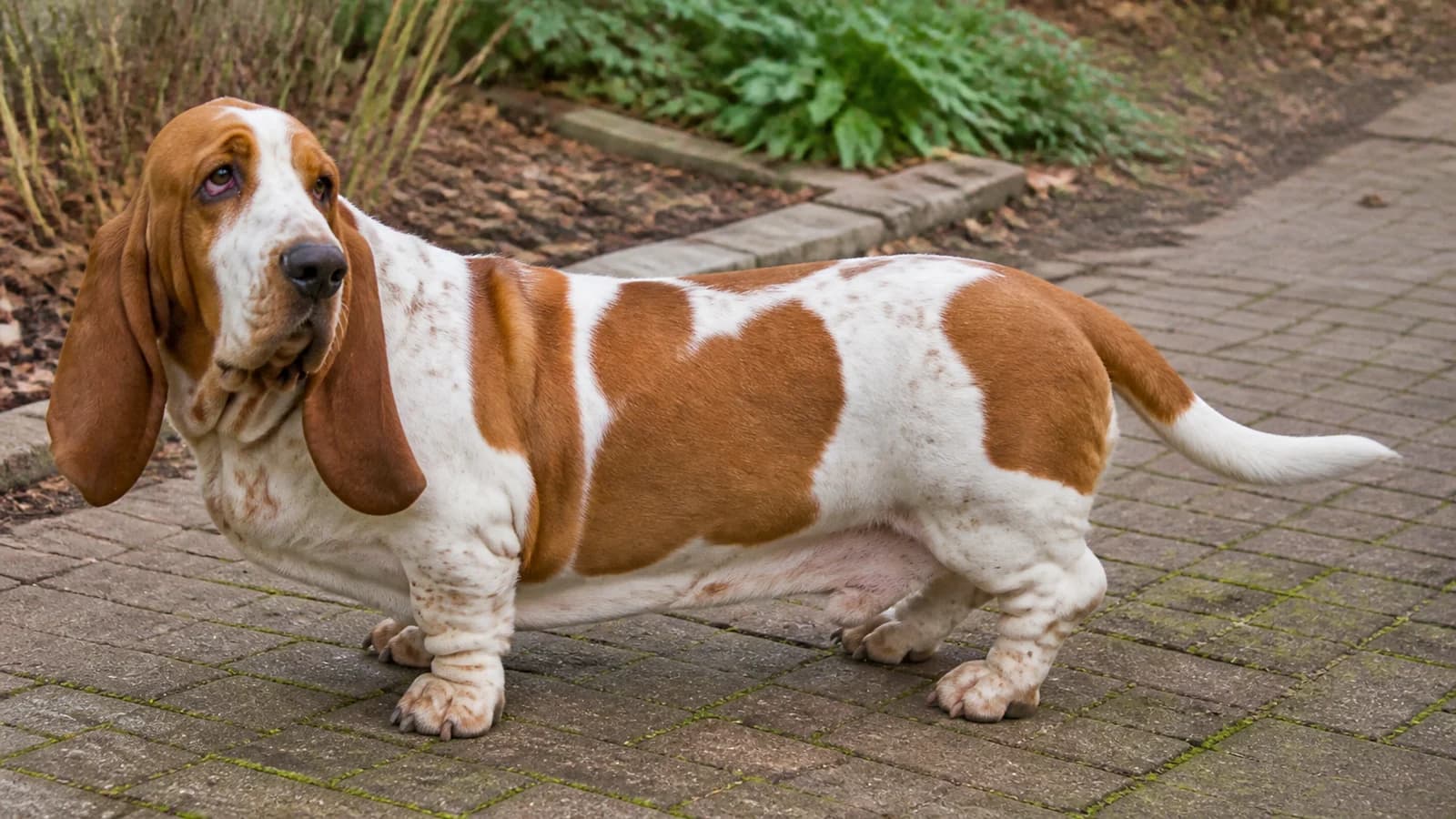
A red and white Basset Hound has pigmented areas that can range from warm tan to deeper red against white. “Brown and white Basset Hound” is common search language, but the formal description may use red depending on the registry and shade. Camera warmth can make the same coat appear different online.
Red-and-white dogs need the same evidence-based sourcing and preventive care as tricolors. The absence of black does not make a dog calmer, healthier or more valuable. Ask for parent identities, screening results and veterinary records before discussing appearance-based claims.
- Compare shade in natural light.
- Record nose and eye-rim pigment separately.
- Expect coat contrast to evolve during puppy growth.
- Reject temperament promises based on red coloration.
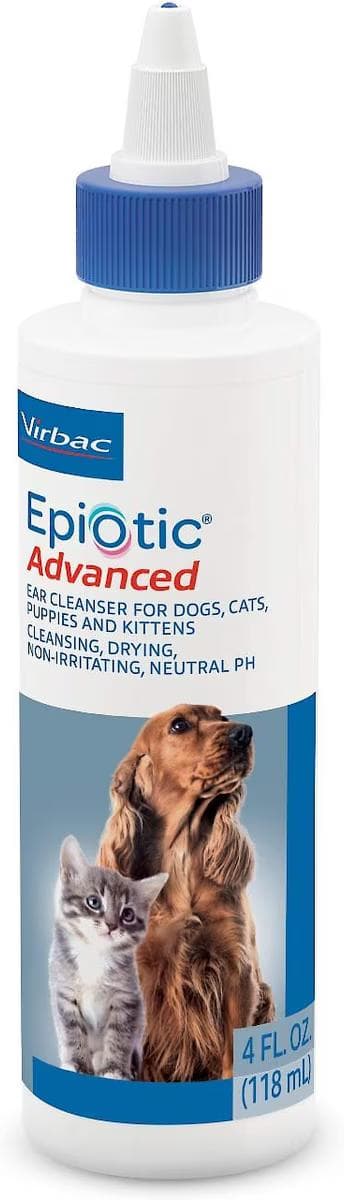
Routine external ear care should be based on the ear's condition, not on whether the surrounding coat is red or white.
A veterinarian can confirm whether Virbac Epi-Otic and a specific cleaning frequency are appropriate.
Petful may earn a commission when you click through to Chewy, at no extra cost to you.
Lemon and white Basset Hounds
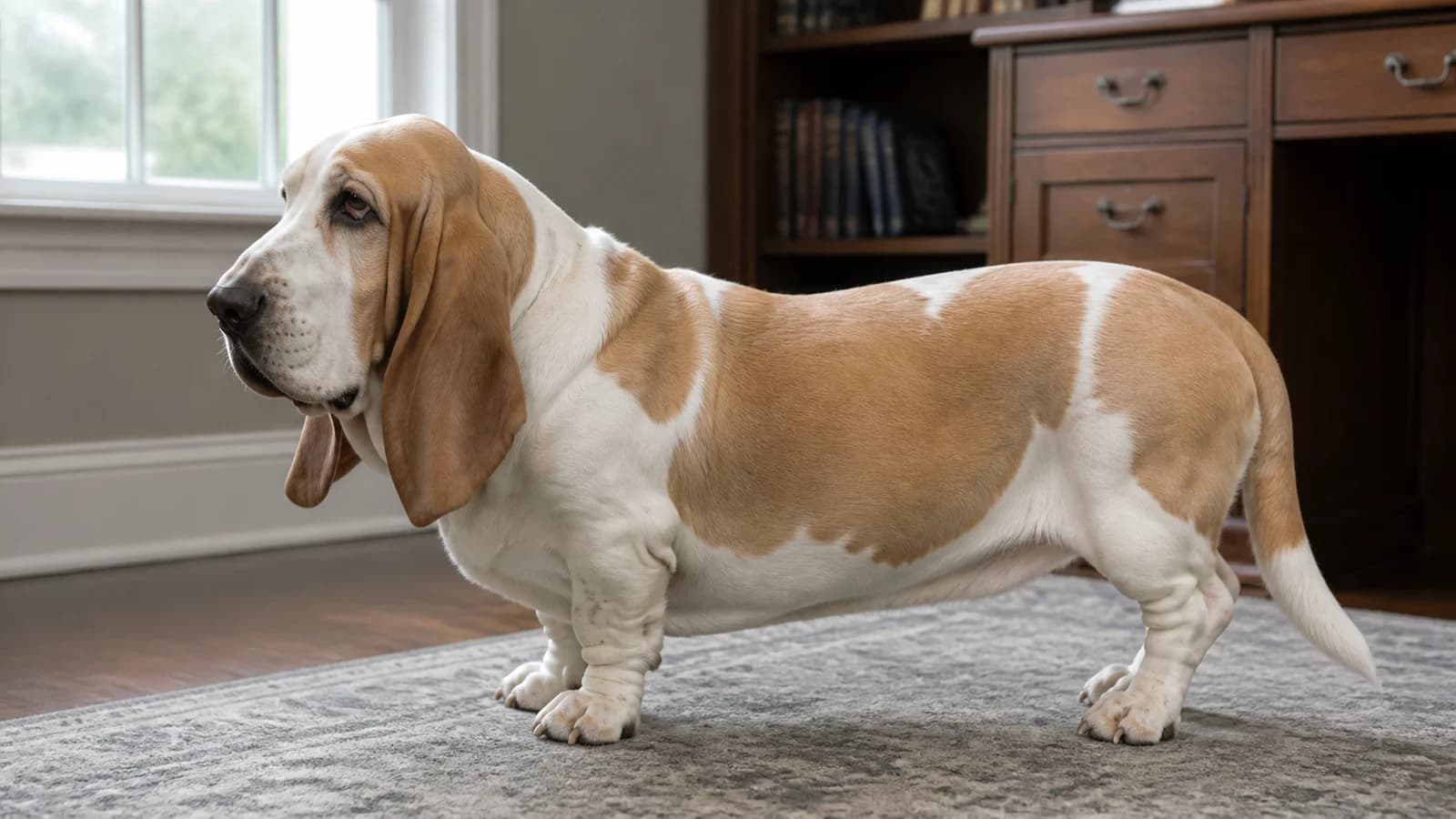
A lemon Basset Hound carries pale tan or yellowish areas with white. Lemon-and-white Basset Hound puppies can look especially light, and the contrast may become clearer with age. Very pale photographs can also be overexposed, so one image is poor evidence for exact shade.
“Lemon” is a color description, not a special temperament, size or health category. Responsible placement still depends on verifiable identity, parent screening and the individual dog's examination. A premium justified only by rarity language deserves careful scrutiny.
- Check several photographs taken in neutral light.
- Ask how the parents were registered.
- Keep puppy and adult shade expectations flexible.
- Do not confuse pale color with albinism.
An ancestry test can add information when documentary history is unknown, but Embark does not make a pale coat proof of a purebred Basset Hound.
Use genetic results within their stated limits and retain the dog's known records.
- A color label does not establish pedigree, ethical breeding, health or monetary value. Confirm the record and the dog before discussing a premium.
Markings and pattern variation
Basset Hound markings include patches, saddles, facial blazes and varying white coverage. Pattern terms help people describe a dog consistently, but informal names often overlap. Write what is visible before choosing a label, especially when creating identification records.
Markings can be valuable for recognizing an individual lost dog. Keep current full-body photographs from both sides and note permanent scars or other identifiers. Microchip and tag information remain more reliable than a coat description alone when ownership must be established.
- Save left, right and face photographs.
- Update images after major coat or body changes.
- Use plain description when terminology is uncertain.
- Keep microchip registration current.
A gentle shampoo may remove ordinary dirt that obscures markings, provided the dog has no ingredient sensitivity.
Frequent bathing to change coat appearance can dry or irritate skin and is not an identification method.
Coat color should never obscure a real skin change; WebVet’s guide to skin issues in dogs explains why itching, redness or hair loss deserves a cause-focused assessment.
Petful may earn a commission when you click through to Chewy, at no extra cost to you.
How puppy color changes
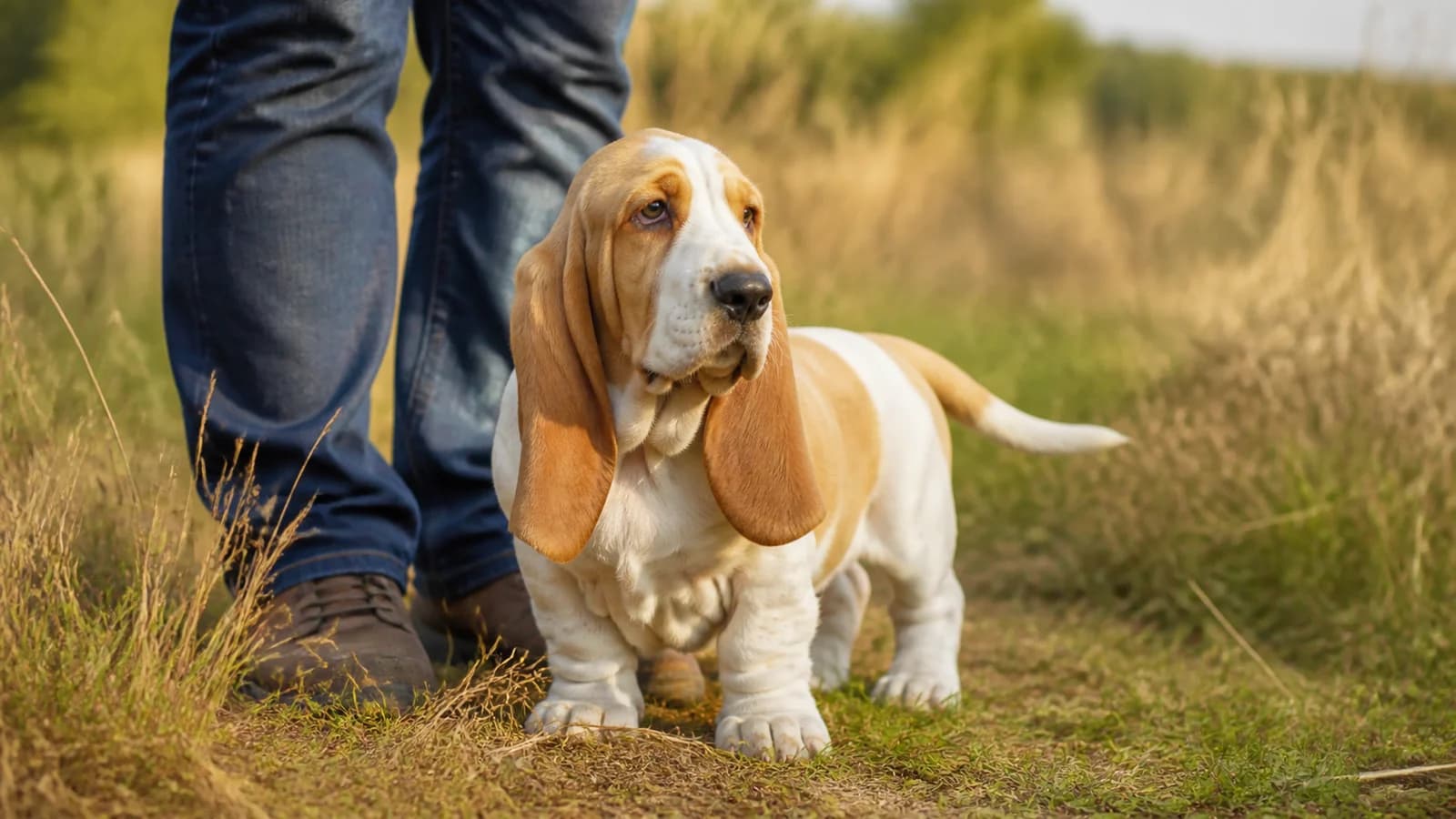
Basset Hound puppy colors may gain or lose contrast as the adult coat develops. Tan points can become easier to see, pale areas may deepen and the apparent borders between patches can shift as the puppy grows. The underlying pattern does not need to remain photographically identical.
Use dated images rather than memory when following Basset Hound coat change. A sudden bald patch, redness, scale or broken hair is different from ordinary color maturation. Those findings require attention to skin and health rather than a debate about the correct shade name.
- Take monthly images in similar light.
- Note texture and skin comfort as well as color.
- Compare changes across the whole coat.
- Call the veterinarian for inflammatory or painful changes.
A short-coat brush can collect puppy hair during gentle handling practice if the tool is comfortable.
Introduce a few strokes at a time and reward calm participation instead of holding the puppy still.
Color, identity and health myths
Rare Basset Hound colors are often marketed more aggressively than standard descriptions. A blue Basset Hound claim should be checked against the relevant registry language and the dog's documentation. Novel wording does not establish ancestry, ethical breeding or a reason for a higher fee.
Color does not predict whether a Basset Hound will be friendly, trainable or free from disease. Some pigment-related conditions exist in dogs, but a website label cannot diagnose them. Ask a veterinarian about an actual skin, coat, eye or hearing concern and evaluate breeding practices through records.
- Request the registered color description.
- Avoid deposits driven by rarity pressure.
- Verify health screening independently.
- Separate appearance preference from welfare.
An ear-cleaning product cannot validate a color claim or prevent inherited disease.
Reserve it for veterinarian-approved routine care and keep sourcing decisions record-based.
Petful may earn a commission when you click through to Chewy, at no extra cost to you.
Coat, skin and ear care
Basset Hound coat care usually includes regular brushing, bathing as needed and observation of the skin beneath short hair. Basset Hound skin care also means drying damp folds, washing bedding and noticing odor, oiliness, redness or itch before the dog damages the area by rubbing.
Long ears should be checked externally after wet walks, baths and messy meals. Do not clean a painful ear simply because the schedule says it is time. Discharge, swelling, persistent odor or head shaking is a reason to call the clinic.
- Brush with pressure the dog accepts.
- Rinse bathing products completely.
- Dry external folds without friction.
- Report sudden hair or pigment changes with other symptoms.
Embark may add ancestry or selected health information for an undocumented dog, but a home kit does not examine irritated skin.
Clinical signs still belong with a veterinarian, regardless of the genetic report.
Continue the Basset Hound cluster
- complete Basset Hound breed profile
- Basset Hound mix identification and care guide
- Basset Hound and Bloodhound comparison
Evidence sources
- American Kennel Club Basset Hound overview
- Basset Hound Club of America
- Royal Kennel Club Basset Hound standard
- American Veterinary Medical Association pet-care guidance
- Standard color terms improve identification and communication.
- Dated photographs show real puppy coat change.
- Visual preference can remain separate from health decisions.
- Lighting makes online color comparisons unreliable.
- Rarity marketing can distract from records and welfare.
- Coat appearance cannot prove ancestry or temperament.
Basset Hound FAQs
The rarest color of Basset Hound depends on the population and the registry language being used, and rarity does not establish value. Start with the relevant registry standard and the dog’s documented identity. A seller’s unusual label should never outweigh health screening, living conditions, contract terms and the individual puppy.
A dog similar to a Basset Hound may share long ears, loose skin or familiar colors without matching Basset structure or ancestry. Appearance alone cannot confirm pedigree. Compare body proportions with a breed standard and use registration or appropriately interpreted ancestry evidence before assigning a breed from a photograph. Keep that uncertainty visible in the final record.
Blue Basset Hounds may be marketed as rare, but frequency and recognition are separate issues. Check the exact registry language and verify the dog’s records before accepting the label. Rarity claims do not predict temperament, health or responsible sourcing, and they do not justify pressure to pay quickly. Verify the source before assigning any premium.
Common descriptions include tricolor, red and white, and lemon and white, with considerable variation in shade, ticking and marking placement. Registry terminology may differ by organization. Photograph the whole dog in neutral light and record visible appearance separately from pedigree information.
A lemon Basset Hound has a paler tan-and-white appearance rather than the black, tan and white combination associated with tricolor. Light and puppy development can alter how the shade appears in photographs. The color term does not create a different size, personality or care category.
No. Tricolor is familiar, but red-and-white and lemon-and-white Bassets are also seen. Markings can change the balance of visible colors from one side of the dog to the other. Use a current registry record when an official designation matters instead of guessing from a cropped image.
Recognition depends on the registry and the exact term, so consult the current standard or registration choices directly. Even when a color can be recorded, that does not validate a breeder’s practices. Identity-linked health evidence and the dog’s current examination remain separate requirements.
Puppy shade and contrast can evolve as the coat grows, and lighting changes how photographs render tan, red or lemon. Save dated neutral-light images rather than promising an exact adult pattern. A normal visual change should still be separated from hair loss, skin inflammation or other medical signs.
No reliable coat term guarantees behavior or overall health. Some genetic color mechanisms may warrant informed discussion, but visible color alone is not a diagnosis. Evaluate temperament through repeated observation and review health through records, screening and veterinary findings.

Coreen Saito is a pet writer and longtime shelter volunteer with more than a decade in animal rescue. She covers cat behavior, breed care, and the small, ordinary science of sharing a life with companion animals, with a particular focus on honest takes about the products and decisions that actually matter. At home in Arizona, she's outranked by Mac (a dog with the loudest opinion in the house), Rebel (a cat who governs by quiet authority), and Meri (an orange tabby who runs the late shift and the laundry basket). She writes about all three, plus the rescues that keep coming through her life, at LifeWithMinty.com.
Sign up for expert-backed reviews and safety alerts all in one place.