How Much Does Dog Boarding Cost? 2026 Price Guide
Dog boarding cost in 2026 runs about $25 to $85 a night, with in-home sitters and luxury suites priced higher. See what you pay by service type, by night and by week, plus boarding versus a sitter and how to find trustworthy care.

Petful is reader supported. As an affiliate of platforms like Amazon and Chewy, we may earn a commission when you buy through links on this page. There is no extra cost to you.
Most pet parents want one number before they book anything, so here it is up front: in 2026, the typical dog boarding cost runs about $25 to $85 a night at a standard kennel, with in-home boarding through a private sitter landing around $45 to $85 a night and luxury or resort-style suites climbing past $100. Over a normal week away, that puts most owners somewhere between $175 and $600, before add-ons.
Those ranges move a lot depending on where you live, how big your dog is, and what time of year you travel. This guide breaks down what you actually pay by service type, by night and by week, and how overnight and long-term stays are priced, so you can budget with real numbers instead of a vague "it depends." It also walks through the honest math on boarding versus hiring an in-home pet sitter, and how to line up trustworthy care without overpaying.
- 1Standard kennel boarding averages $25 to $85 per night in 2026
- 2In-home boarding with a private sitter runs about $45 to $85 per night
- 3Luxury and resort suites often start at $100+ per night
- 4A typical week of boarding costs $175 to $600 before add-ons
- 5Holidays, large breeds, medications, and premium locations push prices up

Sign up for expert-backed reviews and safety alerts all in one place.
What is dog boarding and how does it work?
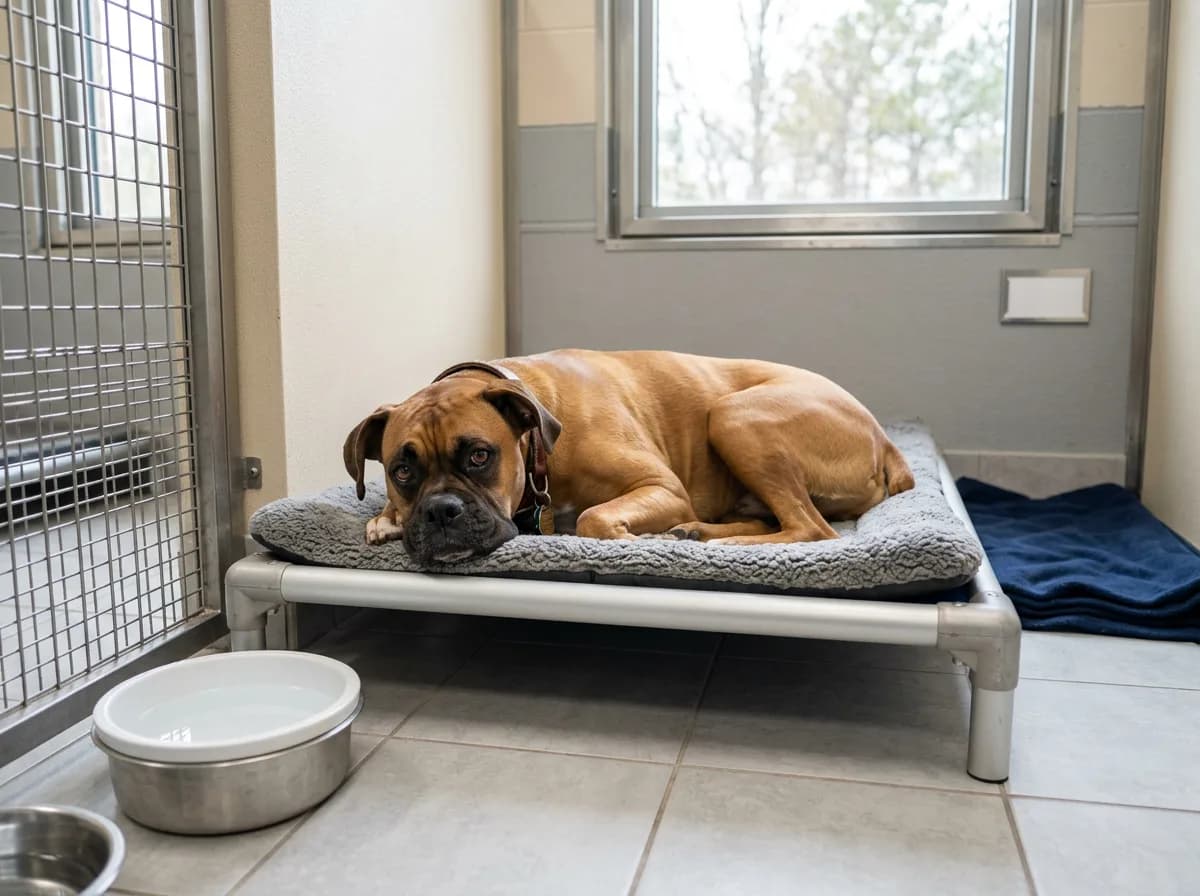
Dog boarding means your dog stays somewhere other than home while you are away, with someone else handling feeding, walks, potty breaks, and overnight supervision. There are three main formats, and each carries a different price tag. A traditional kennel or boarding facility houses dogs in individual runs or suites, usually with staff on-site and set play periods. In-home boarding places your dog in a private sitter's house, where they live more like a guest than a guest of a kennel. A doggy daycare that offers overnight stays sits somewhere in between, with group play by day and crated or suite sleeping at night.
Which one is right for your dog depends on temperament as much as budget. A social, easygoing dog often thrives in a busy facility with other dogs around. An anxious, senior, or under-vaccinated dog usually does better in the calm of in-home boarding, where routines stay closer to what happens at your house. This is also where the common question, is it better to leave a dog at home or board, comes up. Leaving a dog at home with a drop-in or overnight sitter is gentler on nervous dogs and keeps them in familiar surroundings, but boarding gives you round-the-clock supervision and, at a real facility, staff trained to spot trouble. Neither answer is universally right. If your dog is confident and healthy, boarding is convenient and safe; if your dog is fearful, reactive, or medically fragile, staying home with a sitter is often the kinder call.
 Free to join
See boarding rates near you
Enter your ZIP to see sitters, walkers and boarders near you on Care.com, with rates, reviews and availability.
Petful may earn a commission when you join Care.com.

Petful may earn a commission when you click through to Care.com, at no extra cost to you.
One thing every reputable boarding option shares is a vaccination requirement. Facilities and serious in-home sitters will ask for proof of rabies, distemper, and usually bordetella (kennel cough) before your dog can stay, because close quarters make illness spread fast. If a provider does not ask about vaccination at all, treat that as a warning sign rather than a convenience.
How much does dog boarding cost?
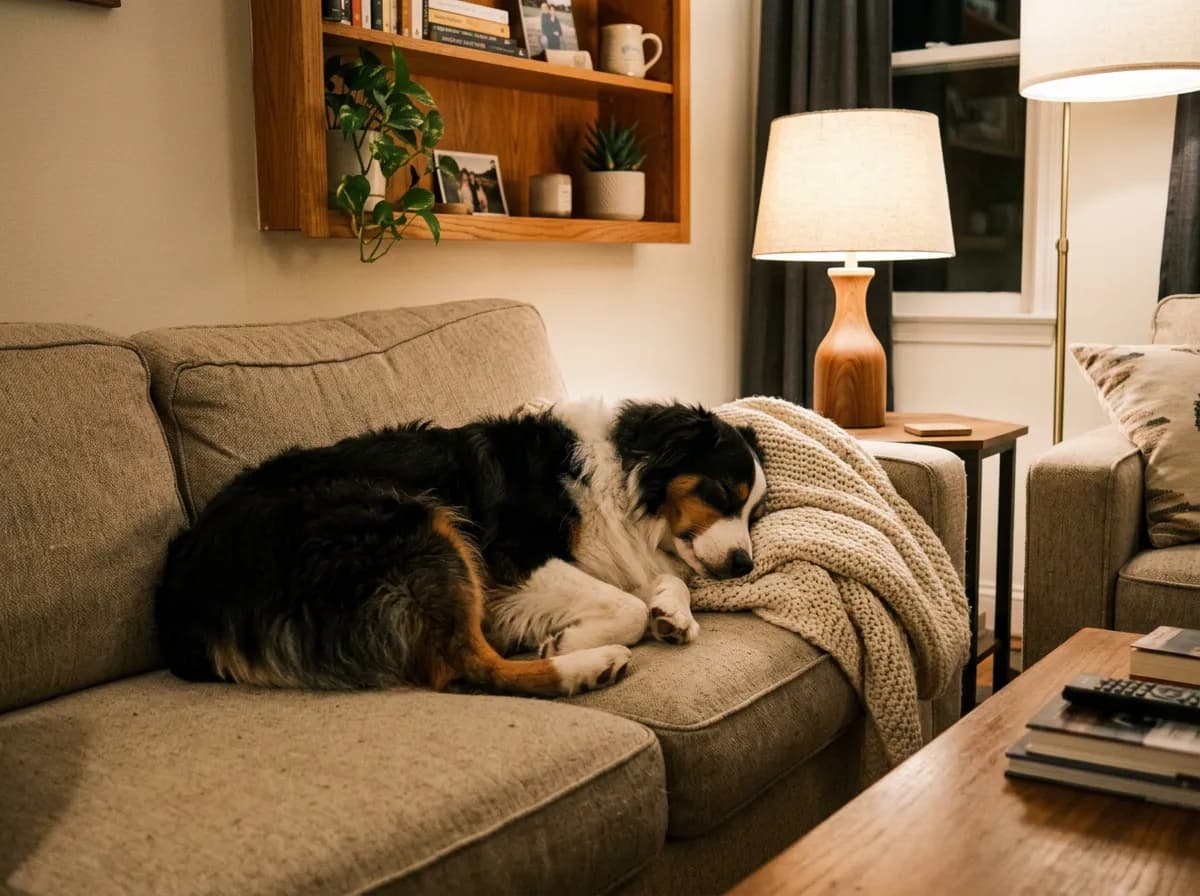
The core dog boarding cost comes down to the service type you choose. Here is what pet parents typically pay per night in 2026, and why the numbers differ.
Standard kennel boarding is usually the most affordable option, at roughly $25 to $50 per night in most of the country, rising to $45 to $85 in higher-cost cities. That kennel boarding price buys a clean run or suite, scheduled feeding, and a few group or solo play sessions a day. In-home boarding through a private sitter runs higher, generally $45 to $85 per night, because your dog gets a home environment and far more one-on-one attention; that in-home boarding rate reflects a sitter often taking only one or two dogs at a time. Overnight doggy daycare, where your dog plays in a group all day and sleeps at the facility, tends to fall between the two at about $40 to $75 per night.
So when people ask how much is dog boarding, the honest answer is that the cost of dog boarding depends far more on format and city than on any national average. A weekend at a suburban kennel might cost less than a single night in a downtown luxury suite. The table below shows how the three main formats compare on a typical per-night basis, which is the side-by-side view most cost guides describe in words but rarely lay out.
| Service type | Typical low | Typical high | Best for |
|---|---|---|---|
| Standard kennel | $25 | $50 | Social, healthy dogs on a budget |
| Premium or city kennel | $45 | $85 | Owners wanting more space and play |
| Overnight doggy daycare | $40 | $75 | Dogs who love group play |
| In-home private sitter | $45 | $85 | Anxious, senior, or single dogs |
| Luxury or resort suite | $100 | $150+ | Owners wanting hotel-style extras |
Beyond the base rate, remember that most facilities charge per dog, so two dogs roughly double the nightly figure, though some sitters and kennels offer a small multi-dog discount when pets share a suite.
Location explains most of the rest of the gap. The same standard kennel run costs far more in a major metro than in a small town. Expect the low end of every range in rural and suburban areas, the middle in mid-size cities, and the top of the range, or above it, in places like New York, San Francisco, Boston, and Seattle. Coastal and vacation destinations also spike during their busy seasons. When you compare quotes, compare providers in the same area, because a friend's price two states away tells you very little about what you will pay at home.
It is also worth knowing what a base rate does and does not include. A good all-inclusive quote covers lodging, feeding on a normal schedule, potty breaks, and a few daily play or exercise periods. What is frequently billed separately, and what turns a cheap headline rate into an expensive stay, includes extra individual walks, one-on-one playtime, administering medication, grooming or a bath before pickup, and late or early pickup outside standard hours. Ask for the all-in number so you are comparing true totals, not teaser rates.
Free to joinCompare boarding rates in your area
Enter your ZIP to see sitters, walkers and boarders near you on Care.com, with rates, reviews and availability.
Petful may earn a commission when you join Care.com.
Petful may earn a commission when you click through to Care.com, at no extra cost to you.
Dog boarding prices by day, week, and month
Because trips are rarely a single night, it helps to see dog boarding prices stretched across realistic stays. Using a mid-range nightly rate of about $40 to $60, a typical week of boarding lands around $280 to $420, while a budget kennel week can be as low as $175 and a premium or in-home week can top $600.
Longer trips add up quickly, which is why the question, what is the average cost to board a dog for 10 days, comes up so often. At that same $40 to $60 range, ten days runs roughly $400 to $600 at a standard facility, and $650 to $850 for in-home or premium boarding. A full month of boarding, which is less common but real for extended travel or relocations, generally costs $900 to $1,800 depending on format, and this is where long-term discounts matter most. The dog boarding costs for extended stays are almost always negotiable per night, so it is worth asking directly.
- Many kennels and sitters quote a lower effective nightly price for stays of seven nights or more, so always ask for the multi-night rate rather than multiplying the single-night price.
A few realistic examples make the math concrete. A long holiday weekend (three nights) at a standard kennel runs about $75 to $150. A one-week vacation at a mid-range facility is roughly $280 to $420. And a two-week trip using an in-home sitter can reach $700 to $1,200 once you include the premium for home-style care. Whenever you compare quotes, confirm whether the price already includes feeding, medication administration, and daily walks, because a low headline rate with paid add-ons can end up costing more than an all-inclusive quote.
Overnight and long-term boarding rates

Overnight boarding is the standard unit most providers price around, so an overnight stay is simply one night at the rates above, generally $25 to $85 depending on format. What changes the number is timing. Holiday overnights, especially around Thanksgiving, Christmas, and spring break, frequently carry a surcharge of $5 to $25 per night, and the best providers book out weeks ahead.
Long term dog boarding, meaning stays of two weeks or more, is priced differently. Instead of a flat nightly rate, most facilities and sitters offer a discounted long-term rate, often 10 to 25 percent off the standard price, because a guaranteed extended booking is valuable to them. For a month-long stay, that can be the difference between paying $1,800 and paying $1,300. If you know you will be away for a long stretch, ask specifically for a long-term or extended-stay rate rather than accepting the posted overnight price.
Long stays also change what good care looks like. Over a single weekend, a dog can coast on routine. Over three or four weeks, you want regular exercise, enrichment, and real human interaction built into the plan, plus updates so you know your dog is settling in. Confirm how a facility handles extended stays before you commit, because the cheapest long-term quote is not a bargain if your dog spends most of the month in a run.
What affects dog boarding costs?
Two dogs of the same size can be quoted very different prices, and the reasons are usually predictable. Understanding the drivers helps you spot a fair quote and avoid surprise charges.
Free to joinCheck boarding availability near you
Enter your ZIP to see sitters, walkers and boarders near you on Care.com, with rates, reviews and availability.
Petful may earn a commission when you join Care.com.
Petful may earn a commission when you click through to Care.com, at no extra cost to you.
- A low nightly rate can hide charges for extra walks, medication, or feeding your own food. Always ask for an itemized, all-in quote so you are comparing true totals, not teaser rates.
- Location: Big cities and coastal metros run 30 to 60 percent higher than rural and suburban areas for the same service.
- Dog size and number: Large and giant breeds often cost more to house and feed, and every additional dog adds to the bill.
- Time of year: Holidays and peak travel weeks carry surcharges and fill up first.
- Add-on services: Extra walks, one-on-one play, grooming, training, and medication administration are frequently billed separately.
- Medical and special needs: Senior dogs, dogs on medication, and dogs needing insulin or subcutaneous fluids may pay a care premium.
- Facility tier: Basic kennels cost less than climate-controlled suites with webcams, pools, and daily photo updates.
The single biggest hidden cost is add-ons. A facility advertising a low base rate may charge separately for the very things you assumed were included, such as midday walks or feeding your own food. Always ask for an itemized quote so you are comparing all-in prices, not headline rates.
Size and medical needs deserve a closer look, because they surprise people most. Large and giant breeds are not just quoted more for space and food; some facilities cap the number of big dogs they take, which tightens availability and nudges prices up. Medical needs are the other quiet driver. A dog that needs twice-daily medication, insulin injections, or careful monitoring is more work, and many providers add a nursing or special-care fee of $5 to $20 a night. That premium is usually money well spent, since you want an experienced caregiver handling a medically fragile dog, but it belongs in your budget from the start rather than as a surprise at pickup.
Free to joinReady to book? Find a boarding nearby
Enter your ZIP to see sitters, walkers and boarders near you on Care.com, with rates, reviews and availability.
Petful may earn a commission when you join Care.com.
Petful may earn a commission when you click through to Care.com, at no extra cost to you.
How to save on dog boarding
You can trim a boarding bill meaningfully without cutting corners on care. A few strategies do most of the work.
- Book off-peak. Rates and surcharges are highest around holidays and school breaks, so traveling even a week on either side of a peak can save real money.
- Ask for weekly, long-term, and multi-dog rates. These discounts are common but often unadvertised, so you have to request them.
- Match the format to the dog. A confident dog does fine at a standard kennel, so paying luxury-suite prices for a dog who just wants a nap is wasted money.
- Consider an in-home sitter for multiple pets. Because a sitter usually charges one household rate, families with two or more dogs frequently pay less than per-dog boarding.
- Bring your own food and supplies. Some facilities charge for food or bedding, and providing your own also keeps your dog's stomach settled.
- Build a relationship. Repeat customers often get priority booking and better rates, and a sitter who already knows your dog is both cheaper to trust and easier on your pet.
The goal is not the lowest possible price. It is the best value, meaning safe, attentive care at a rate that fits your budget. A slightly higher price with a provider your dog is comfortable with usually beats a bargain that leaves you worrying the whole trip.
Dog boarding vs hiring a pet sitter
The most useful comparison for many owners is boarding versus sitter, because the choice affects both cost and your dog's experience. Here is the honest breakdown.
- Round-the-clock supervision, with trained staff at a reputable facility
- Usually the cheaper option for a single, healthy dog
- Built-in socializing and play with other dogs
- No stranger coming into your home
- An unfamiliar place, which is harder on anxious, senior, or reactive dogs
- Priced per dog, so two or three pets add up quickly
- Requires proof of up-to-date vaccinations
- Less one-on-one attention than a private in-home sitter
Boarding sends your dog to a facility or a sitter's home. Hiring an in-home pet sitter keeps your dog in your own house, with the sitter either dropping in several times a day or staying overnight. On pure price, a common question is whether dog boarding is cheaper than a sitter, and the answer is usually yes for a single, healthy dog. A standard kennel at $40 a night beats an overnight in-home sitter, who typically charges $75 to $100 a night to stay at your place. But the math flips with multiple pets. Because boarding is usually priced per dog while an in-home sitter charges one rate for the household, three dogs can make a stay-at-home sitter the cheaper option overall.
Cost is only half the decision. Boarding gives you supervision and, at a good facility, trained staff and other dogs for socializing, which many dogs love. An in-home sitter keeps your dog in familiar surroundings with their own bed and yard, which is far less stressful for anxious or senior dogs, and it comes with the bonus of home security and someone bringing in the mail. For a deeper look at what a fair sitting rate should be, see our guide to how much to pay a pet sitter, which breaks down drop-in, daytime, and overnight pricing in detail. The short version: if you have one confident dog, boarding is usually cheaper and perfectly good; if you have several pets or a nervous one, an in-home sitter is often worth the premium.
How to find trusted, affordable boarding
Price matters, but a cheap stay with the wrong provider is no bargain. The goal is trustworthy care at a fair rate, and a little vetting gets you there.
Start by deciding on the format that fits your dog, then compare a few providers on all-in price rather than headline rate. Read recent reviews, ask for references, and, for in-home boarding or sitting, insist on a meet-and-greet before you book. That first meeting tells you more than any listing. Watch how the person interacts with your dog, whether they ask about routine and medical needs, and whether they seem genuinely comfortable with animals.
Vetting also means knowing the warning signs. When people ask what the red flags in a pet sitter or boarding provider are, these are the clearest to watch for:
- A refusal to do a meet-and-greet before you book
- No questions about your dog's vaccinations or medical history
- No written agreement or a clear cancellation policy
- Vague or evasive answers about the daily routine and emergencies
- Pressure to pay the full amount in cash up front
A provider who dodges those basics is telling you something. Reputable sitters and facilities welcome questions and put the details in writing.
This vetting is where a platform like Care.com earns its place. Rather than cold-calling kennels, you can search local dog boarders and in-home sitters, filter by rate and availability, read verified reviews from other pet parents, and message candidates before you book. Care.com also runs background checks on caregivers, which takes one of the biggest unknowns off your plate when you are handing a stranger your dog and your house key. It is a practical way to compare real, reviewed options in your area and lock in care that fits both your dog and your budget. If you are still weighing formats, our roundup of the best dog boarding options walks through the pros and cons of each in more detail.
Standard kennel boarding averages $25 to $85 per night depending on your city, with in-home boarding through a private sitter around $45 to $85 and luxury or resort suites often starting at $100. Size, holidays, and add-on services move the number within those ranges.
For most standard kennels, $100 a day is on the high side and would usually reflect a premium or luxury facility, a large breed, holiday pricing, or a major metro. In many areas you can find quality boarding for $40 to $70 a night, so treat $100 as a signal to compare a few more options.
For one healthy dog, boarding is usually cheaper than an overnight in-home sitter. But because boarding is often priced per dog while a sitter charges one household rate, families with multiple pets frequently find an in-home sitter costs about the same or less.
A typical week runs about $175 at a budget kennel to $600 or more for premium or in-home boarding, with most owners paying $280 to $420 at a mid-range facility. Ask about weekly rates, which are often lower than seven times the nightly price.
Often, yes. Many facilities charge more for large and giant breeds because they take up more space and eat more, and some limit how many big dogs they board at once, which tightens availability and raises prices. Expect the higher end of any range for a large dog, and always confirm whether the quote is size-based before you book.
Usually. Providers commonly add a $5 to $20 per night care fee for dogs that need medication, insulin, or extra monitoring. It is worth paying for experienced hands with a medically fragile dog, but ask about it up front so it is in your budget rather than a surprise at pickup.

Coreen Saito is a pet writer and longtime shelter volunteer with more than a decade in animal rescue. She covers cat behavior, breed care, and the small, ordinary science of sharing a life with companion animals, with a particular focus on honest takes about the products and decisions that actually matter. At home in Arizona, she's outranked by Mac (a dog with the loudest opinion in the house), Rebel (a cat who governs by quiet authority), and Meri (an orange tabby who runs the late shift and the laundry basket). She writes about all three, plus the rescues that keep coming through her life, at LifeWithMinty.com.
Sign up for expert-backed reviews and safety alerts all in one place.



A Final Word (Disclaimer)
At Petful, our review integrity is paramount; we never exchange special treatment in our reviews for monetary or material rewards.
Nonetheless, when our readers click through to online merchants (including Chewy or Amazon), we receive a referral commission. This supports the running of our free blog, and we appreciate your backing.