Bloodhound Colors: Black and Tan, Liver and Tan, Red and Markings
See black-and-tan, liver-and-tan and red Bloodhound coats, markings and puppy changes, plus realistic short-coat care and warnings about color-based claims.
Petful is reader supported. As an affiliate of platforms like Amazon and Chewy, we may earn a commission when you buy through links on this page. There is no extra cost to you.
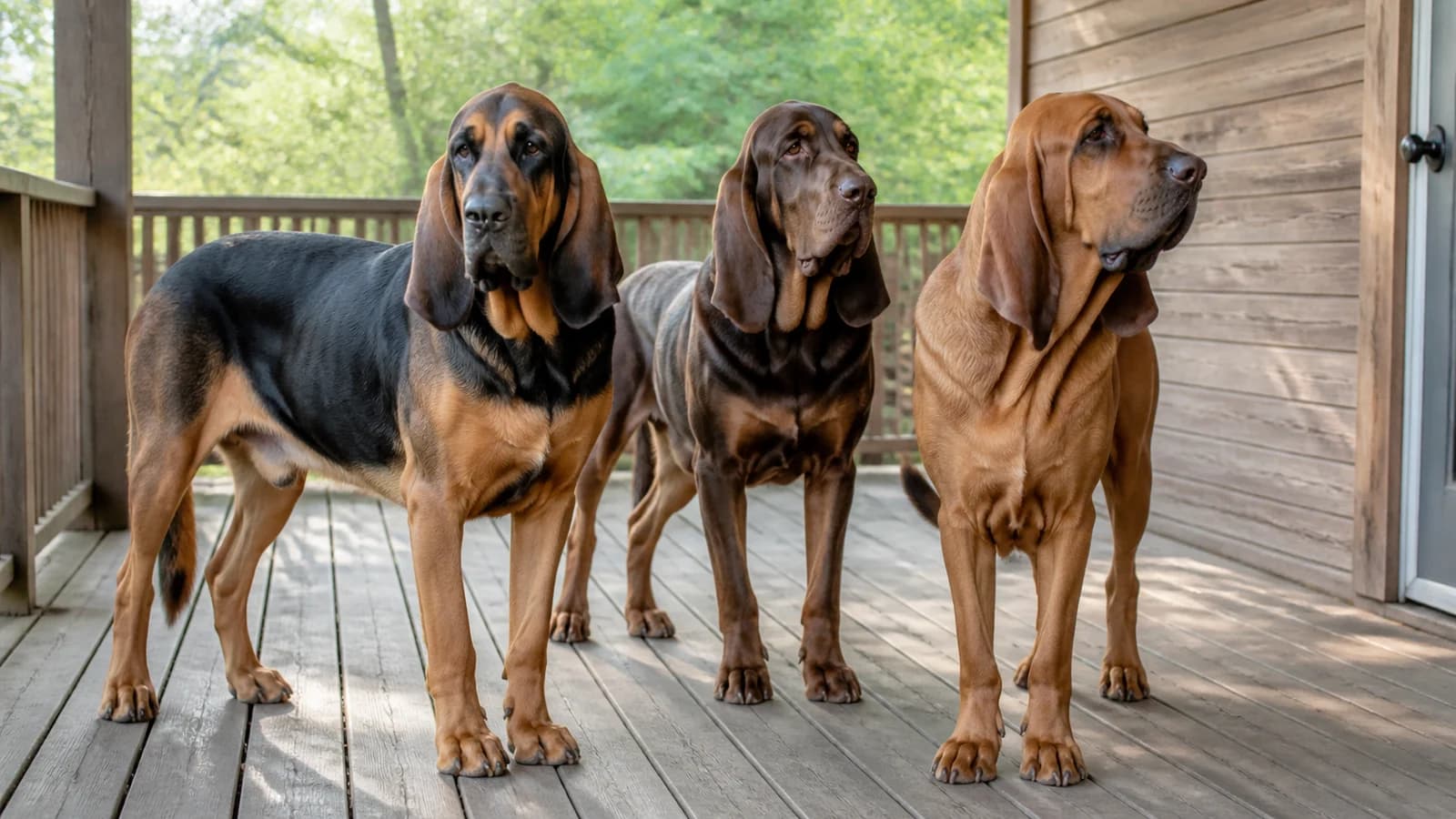
Bloodhound colors recognized in the breed include black and tan, liver and tan, and red. This visual guide explains those Bloodhound coat colors, common markings, puppy changes, care needs and why color alone cannot prove ancestry, health or temperament.
Color terminology follows the AKC Bloodhound profile and American Bloodhound Club. Neutral-light photographs help describe a coat, while registration, parentage and veterinary records answer identity and health questions.

Sign up for expert-backed reviews and safety alerts all in one place.
Bloodhound colors at a glance
The main recognized Bloodhound colors are black and tan, liver and tan, and red. Shade and the distribution of darker hair can vary, so two correctly described dogs may not look identical. Use clear full-body photographs in natural light, verified records and the applicable breed standard when terminology matters.
- 1Recognized Bloodhound colors include black and tan, liver and tan, and red
- 2Lighting and puppy coat development can change how a shade appears
- 3Color cannot prove ancestry, predict temperament or diagnose a skin problem
Before naming a shade or interpreting a change, check:
- Was the coat viewed in neutral daylight rather than edited light?
- Is the question about descriptive color, registered identity or skin health?
- Do photographs show the whole dog and relevant markings?
- Are itching, odor, redness or hair loss present and in need of veterinary assessment?
Describe coat color in neutral daylight and compare it with reliable registration or parent records when identity matters. Color photographs do not establish ancestry, temperament or health, and skin changes belong with a veterinarian.
Normal pigment and markings can be documented with clear photographs over time. If the coat becomes patchy, inflamed, painful, unusually odorous or itchy, stop treating the issue as cosmetic and arrange an examination.

Petful may earn a commission when you click through to Chewy, at no extra cost to you.
Coat color is easiest to evaluate when the hair is clean, healthy and viewed in neutral light. The Buddy Wash Original Lavender & Mint Dog Shampoo & Conditioner, 16-fl oz bottle is a general bathing option for dogs that tolerate its ingredients. Rinse the Buddy Wash shampoo and conditioner thoroughly, and do not use fragrance or extra bathing to cover persistent odor, redness or itching.
Black and tan Bloodhounds
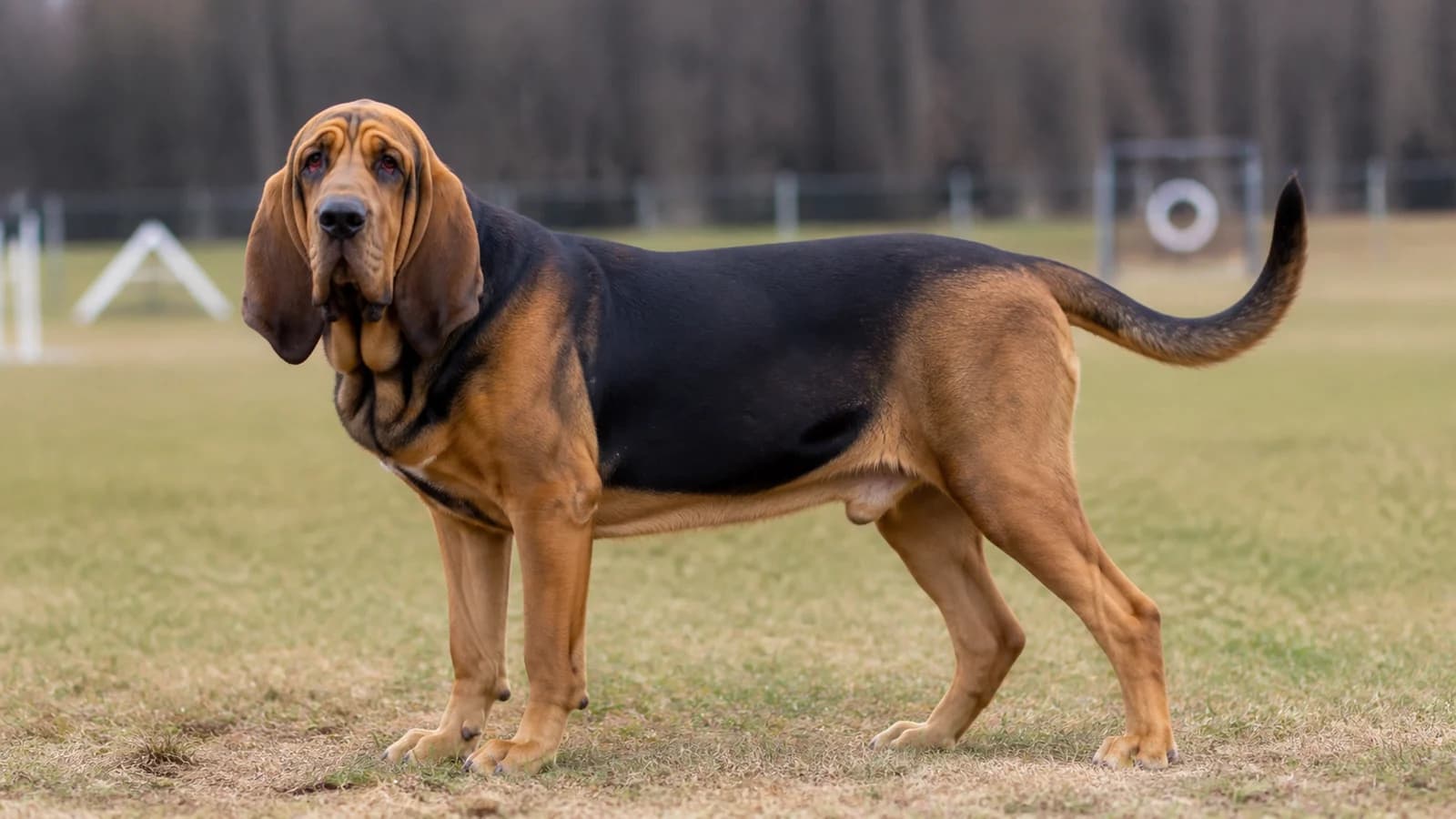
A black and tan Bloodhound typically has a dark saddle or mantle with tan on areas such as the muzzle, chest and legs. The exact boundary and intensity vary. A dog described simply as a black Bloodhound may still be black and tan when subtle tan areas are hidden by lighting, angle or a tightly cropped photograph.
Assess color under neutral daylight when possible. Warm indoor lighting can push tan toward orange, while heavy shadow can erase it. Coat description does not determine whether the dog meets every structural or health expectation. Verify identity and screening separately.
Black and tan Bloodhound markings can vary in the size and edges of the dark saddle. Photograph both sides, the face and the legs in diffuse daylight if accurate documentation matters. A single shadowed headshot can make tan areas disappear and create a misleading “solid black” impression.
Liver and tan Bloodhounds
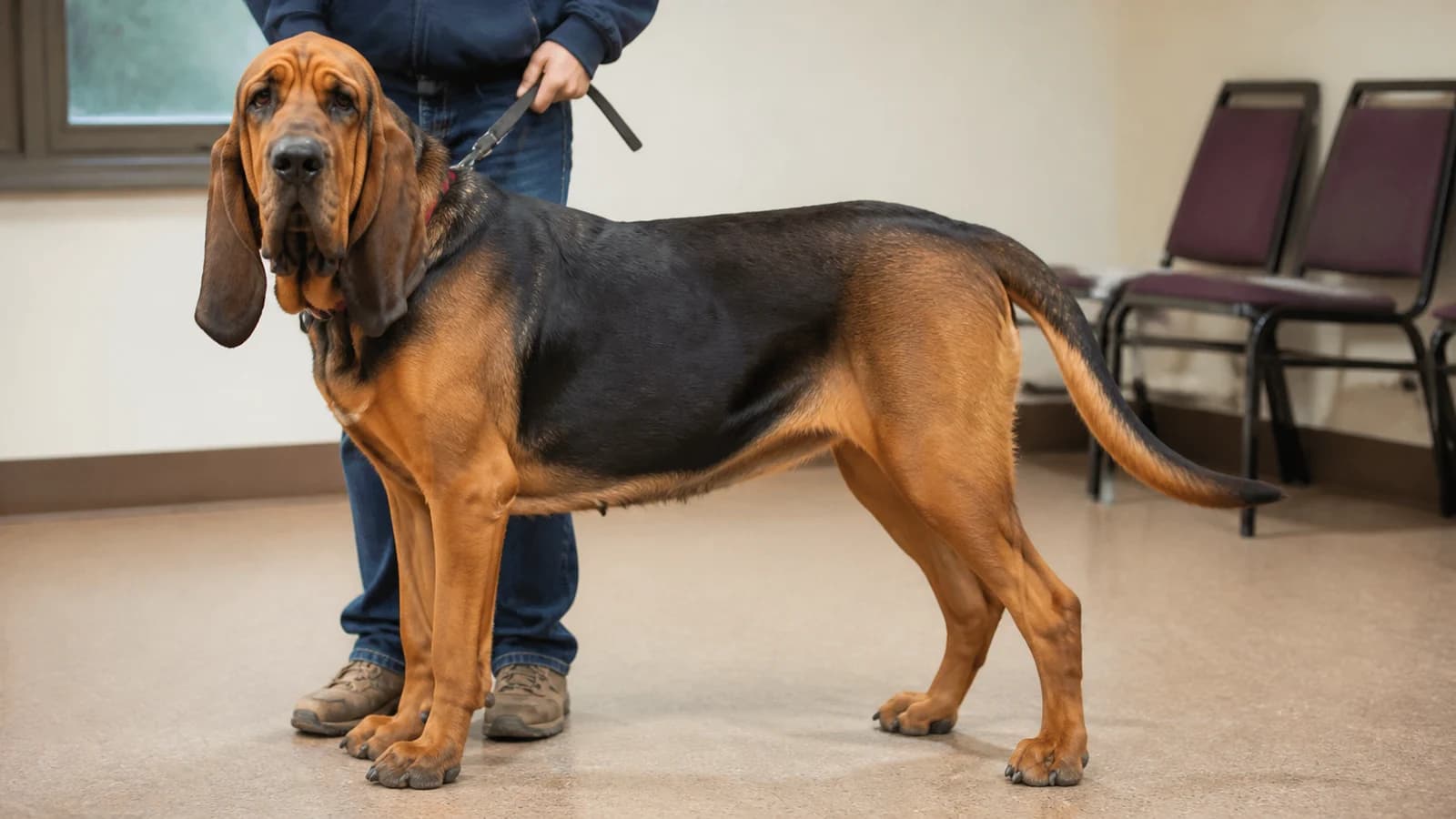
A liver and tan Bloodhound has brown pigment where a black-and-tan dog would show black. Nose and eye-rim pigment also tend to reflect liver coloring. “Brown Bloodhound” is common informal language, but liver and tan is more precise when describing the recognized pattern.
Photographs can distort liver shades through white balance and editing. Compare more than one unfiltered image and, when identity matters, consult records rather than guessing from coat alone. Liver coloring is not proof of rarity, better temperament or a particular working ability.

Petful may earn a commission when you click through to Chewy, at no extra cost to you.
A short Bloodhound coat benefits from gentle grooming that lifts loose hair without scraping the skin. The Four Paws Magic Coat Professional Series All-In-One Wet & Dry Dog Glove & Curry Brush can be used with light strokes on a wet or dry coat according to the package directions. Stop using the Magic Coat glove and curry brush if the skin reddens or the dog becomes uncomfortable. Patchy loss, sores, odor or persistent itching needs veterinary assessment rather than harder brushing.
Red Bloodhounds
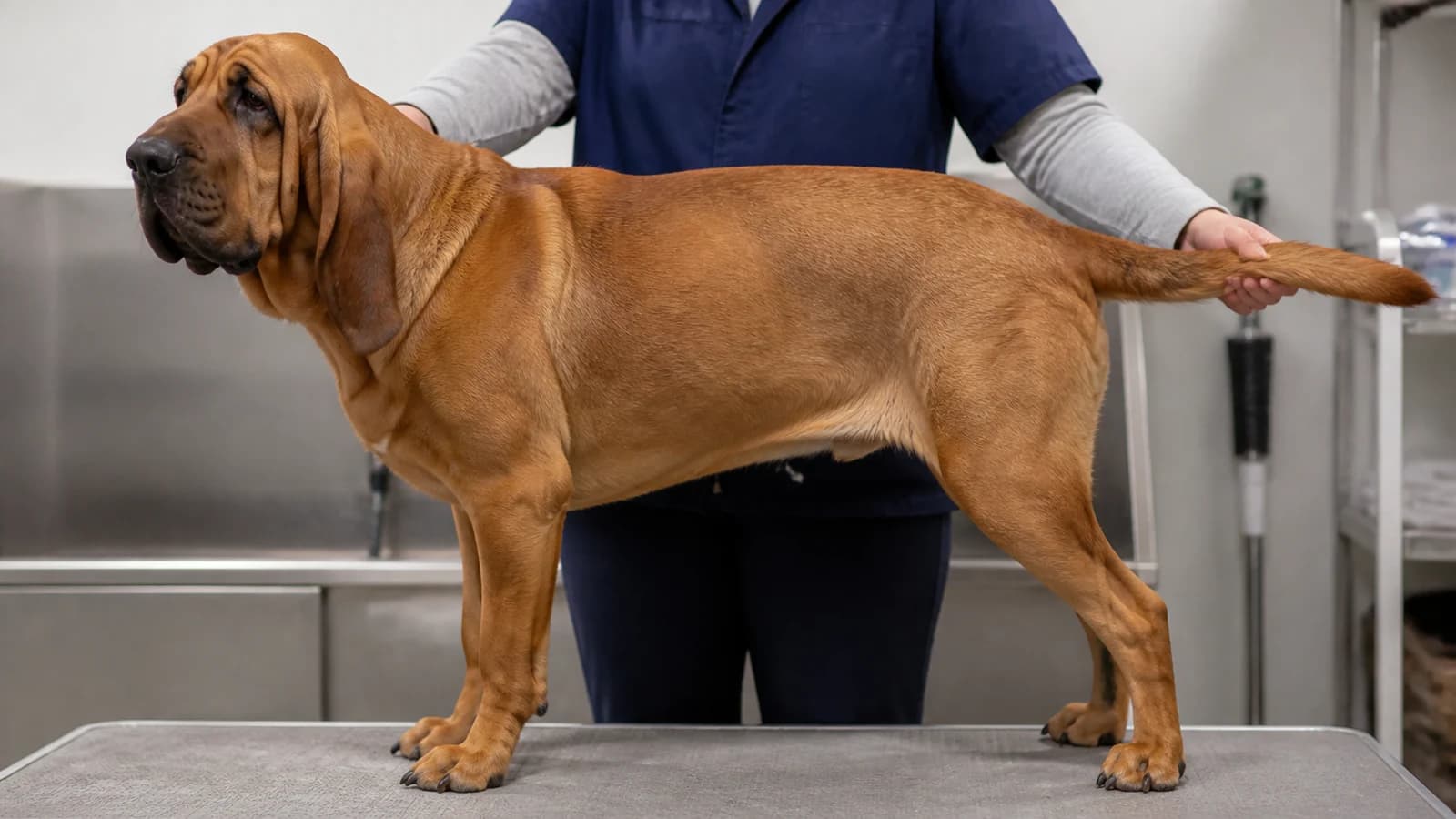
A red Bloodhound dog can range in shade from lighter warm red to deeper reddish tones. Some darker shading may appear around the head, ears or body without turning the dog into a black-and-tan or liver-and-tan example. Natural variation is expected.
The phrase “rare red Bloodhound” is often marketing language rather than a health or quality measure. Evaluate structure, behavior, parent screening and veterinary records independently. A familiar or striking shade should never make a rushed deposit feel safer.
A red Bloodhound may appear lighter or deeper across seasons, coat condition and camera settings. Compare photographs only when lighting and white balance are similar. The descriptive word brown Bloodhound may appear in casual listings, but registration color should be checked against the applicable record rather than inferred from that label.
Markings and small areas of white
Bloodhound markings can include small amounts of white in locations permitted by the relevant standard. Extent and placement matter in conformation language, but white does not automatically identify a mixed dog. Conversely, a familiar pattern cannot prove pure ancestry.
Bloodhound white markings are easiest to document with well-lit photographs of the chest, feet and tail area. If registration or breeding claims matter, rely on the official record and parentage evidence. For a companion, prioritize comfort, skin health and household fit over cosmetic preference.
Petful may earn a commission when you click through to Chewy, at no extra cost to you.
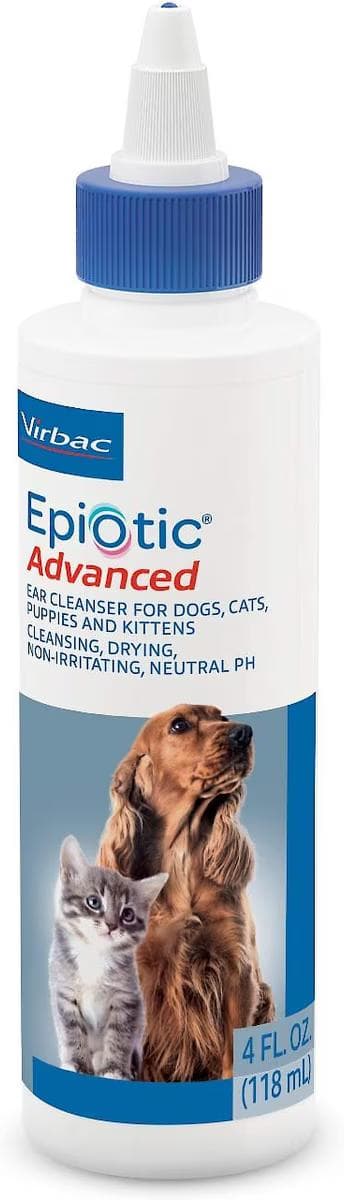
Dark coat pigment can make owners focus on appearance while missing odor, discharge or pain. The Virbac Epi-Otic Advanced Ear Cleaner for Dogs & Cats, 4-fl oz bottle may fit a veterinarian-approved maintenance routine for a healthy ear. Do not use the Virbac ear cleaner to treat a suspected infection or when the dog resists because the ear hurts.
How puppy color changes
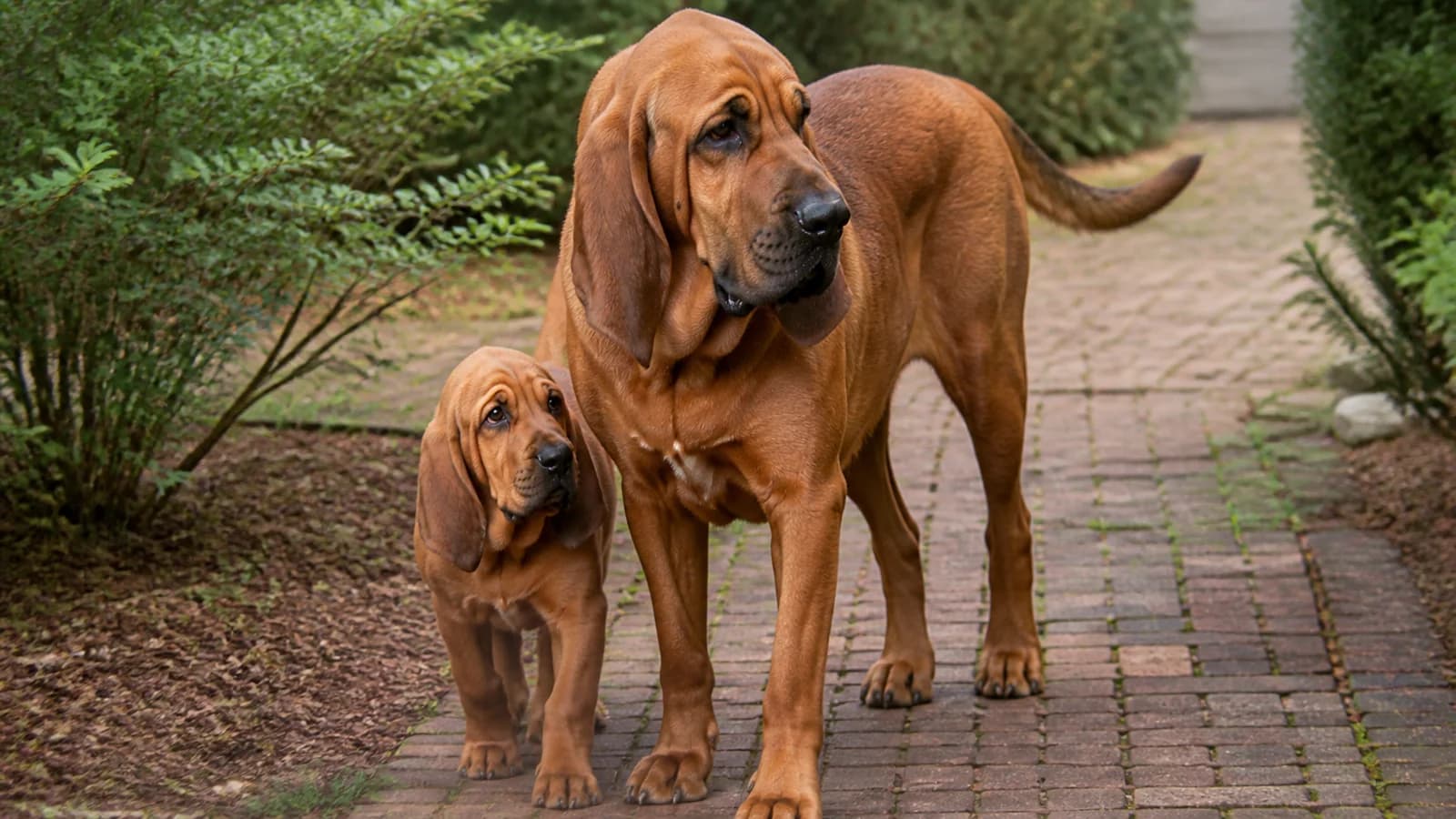
Bloodhound puppy colors may look softer or less sharply defined than the adult coat. Pigment and the apparent balance of dark and tan hair can change as the puppy coat is replaced. Lighting, growth and seasonal shedding also affect photographs, so do not promise an exact adult shade from one newborn image.
A Bloodhound coat change should be gradual and cosmetic. Patchy hair loss, crusting, strong odor, redness, sores or intense itching is not a normal color transition. Record when it began and arrange veterinary advice rather than covering the area with dye, fragrance or repeated bathing.
Early photographs should be dated because a growing coat can change the apparent boundary and intensity of Bloodhound markings. Compare the same body areas instead of relying on memory. A normal visual change should not cause itching, odor, sores or patchy loss; those signs belong in a veterinary discussion.
Color, identity and health myths
Claims about rare Bloodhound colors should be compared with the current breed standards from the AKC, American Bloodhound Club and Royal Kennel Club. A creative label can describe ordinary variation or signal an unrecognized claim, but it cannot replace records.
No Bloodhound shade is automatically healthier, friendlier or more valuable. Judge health from records and veterinary findings, and judge behavior from the individual dog’s responses rather than coat color.
Petful may earn a commission when you click through to Chewy, at no extra cost to you.
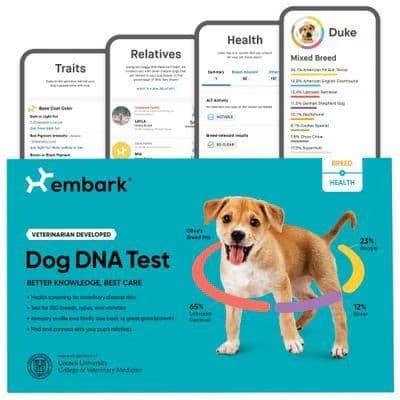
An unusual shade or marking should not be used as the sole ancestry record. The Embark Breed & Health Dog DNA Test Kit may provide an ancestry estimate when history is unknown, but an Embark test cannot make a coat label prove temperament, health or registration status. Keep visual description, identity documents and professional findings in their proper roles.
Coat, skin-fold and ear care
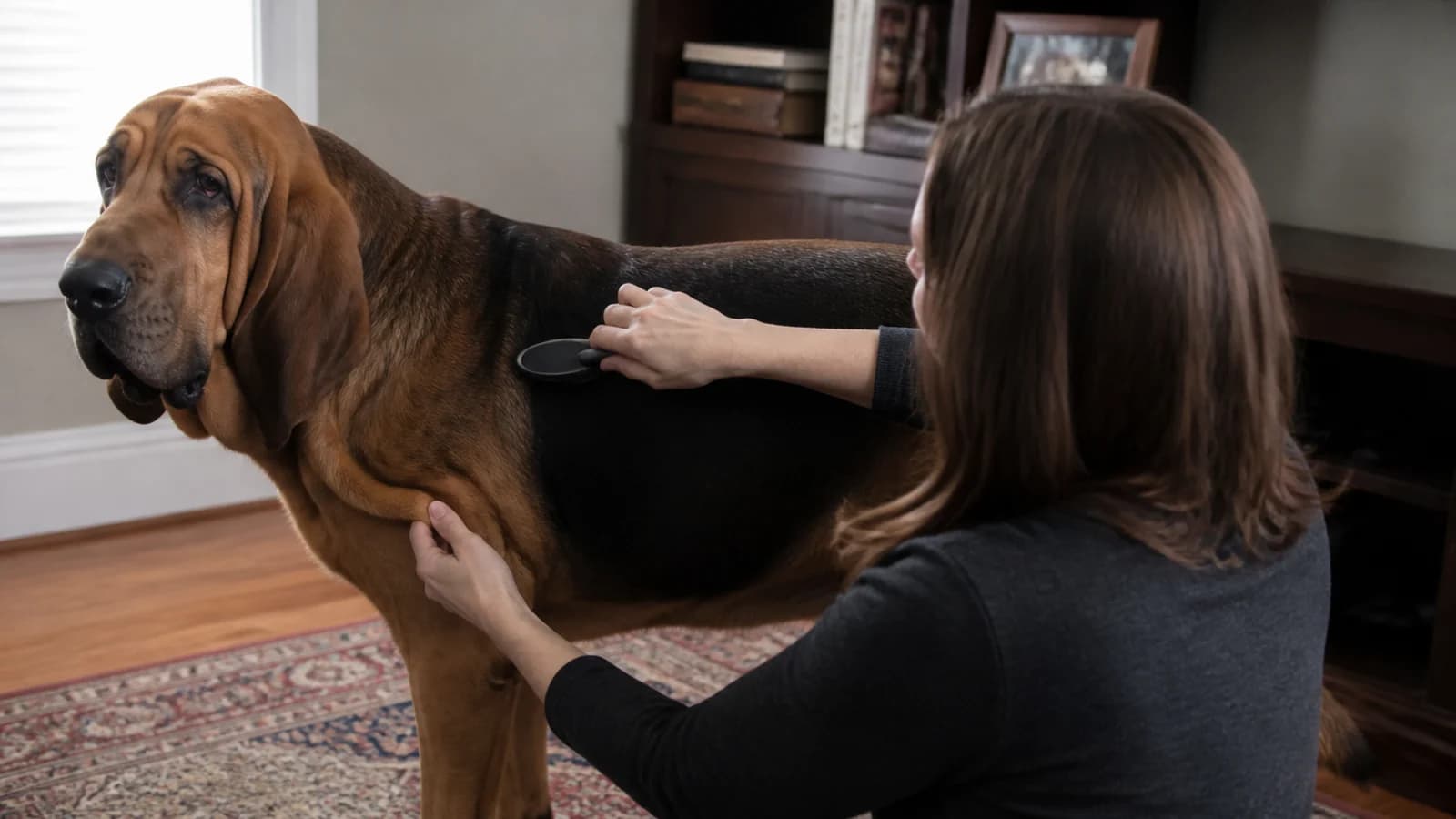
Bloodhound coat care usually involves gentle brushing to remove loose hair and wiping drool or dirt without overbathing. Short hair still sheds. Check skin folds for dampness, rubbing and odor, especially after wet weather. Use products that suit the individual dog and stop if irritation develops.
Bloodhound skin care and ear care overlap when moisture and friction are present, but redness, pain, discharge, odor or head shaking requires veterinary assessment. WebVet’s guide to skin issues in dogs explains why several causes can look alike. Avoid treating color change as a diagnosis.
Separate grooming observations from cosmetic preference. Note flakes, bumps, moisture, friction and hair breakage under the collar or in folds, then change only one routine variable at a time. Persistent discomfort needs a veterinarian even when the dog’s Bloodhound colors remain vivid and the coat looks glossy from a distance.
Related Bloodhound decision guides
These companion guides cover the care and ownership questions that coat color cannot answer:
Bloodhound puppy sourcing checklist
Before choosing Bloodhound puppies, use the sourcing checklist to verify Bloodhound breeders, puppies for sale, adoption records, contracts and payment terms.
Bloodhound at a glance
For the adult Bloodhound dog, size, how long Bloodhounds live, whether Bloodhounds are good family dogs and how much Bloodhounds shed, read the breed guide.
What a Bloodhound mix label can and cannot tell you
A saddle or red coat does not prove a Bloodhound mix or Bloodhound Lab mix; the mixed-dog guide explains how to weigh records and DNA estimates.
Bloodhound lifespan at a glance
Use the vet-written health guide for Bloodhound lifespan, life expectancy and health problems, including bloat, joints, ears and eyes.
Bloodhound price at a glance
The budget guide compares Bloodhound price and total Bloodhound cost without treating a rare-sounding color as added value.
Bloodhound temperament at a glance
For Bloodhound temperament, sense of smell and training routines, see the behavior guide; coat color does not predict behavior.
Sources and related Bloodhound guides
Standards, care references and neighboring cluster owners used for this visual guide are:
Bloodhound FAQs
Recognized Bloodhound colors include black and tan, liver and tan, and red, with natural variation in shade and markings. View the whole coat in neutral daylight and compare the wording with the applicable registration record. Color names describe appearance; they do not prove parentage, temperament or health.
A dog described as a black Bloodhound may have tan points hidden by shadow, angle or imprecise listing language. Inspect the face, chest and legs in neutral light and review registered color information when identity matters. A photograph alone cannot establish that the dog is a recognized solid-black variety or verify ancestry.
Liver and tan describes brown-toned pigment paired with tan markings rather than the black pigment seen in a black-and-tan coat. Lighting can shift how warm or dark the liver areas appear. Use daylight photographs and registration records for description, while sending irritation, hair loss or color change in the skin to a veterinarian.
Red is a recognized Bloodhound color, but reliable population frequency is not established by a seller’s rarity claim or a handful of listings. Availability changes by location and breeding program. Evaluate identity, health screening, care and contract support exactly as you would for another color, and do not pay a premium solely because scarcity is asserted.
A puppy’s shade and marking boundaries may look different as the adult coat grows, body proportions change and photographs are taken under new lighting. Keep dated images of the same areas if comparison matters. Normal development should not cause odor, itching, sores or patchy hair loss; those signs require veterinary attention.
Coat color does not forecast whether a Bloodhound will be calm, friendly, easy to train or healthy. Behavior needs repeated individual observation, health claims need records and veterinary findings, and ancestry needs documentation. Treat pigment as a visual trait while making care and household decisions from evidence that can actually answer them.
Coat shade has no useful role in deciding whether a Bloodhound will suit a family. A red, liver-and-tan or black-and-tan dog still needs individual behavior evidence, health records, secure management and supervised child interactions. Ignore claims that a particular color is calmer or more protective. Evaluate the dog in ordinary contexts and let the visual preference remain cosmetic.
Pigment cannot make a Bloodhound aggressive or safe. Marketing that connects red, black-and-tan or liver color with courage, calmness or protection has no place in a behavior assessment. Examine the individual’s history, posture, triggers and recovery instead. If concerning behavior appears, manage distance and access immediately, then seek veterinary and qualified behavior guidance rather than choosing a different grooming product or color label.

Coreen Saito is a pet writer and longtime shelter volunteer with more than a decade in animal rescue. She covers cat behavior, breed care, and the small, ordinary science of sharing a life with companion animals, with a particular focus on honest takes about the products and decisions that actually matter. At home in Arizona, she's outranked by Mac (a dog with the loudest opinion in the house), Rebel (a cat who governs by quiet authority), and Meri (an orange tabby who runs the late shift and the laundry basket). She writes about all three, plus the rescues that keep coming through her life, at LifeWithMinty.com.
Sign up for expert-backed reviews and safety alerts all in one place.