Bloodhound Dog Breed: Temperament, Size, Care and Facts
Meet the Bloodhound: typical size, scent-hound temperament, training, grooming, health, family fit and the daily realities of living with this powerful tracker.
Petful is reader supported. As an affiliate of platforms like Amazon and Chewy, we may earn a commission when you buy through links on this page. There is no extra cost to you.
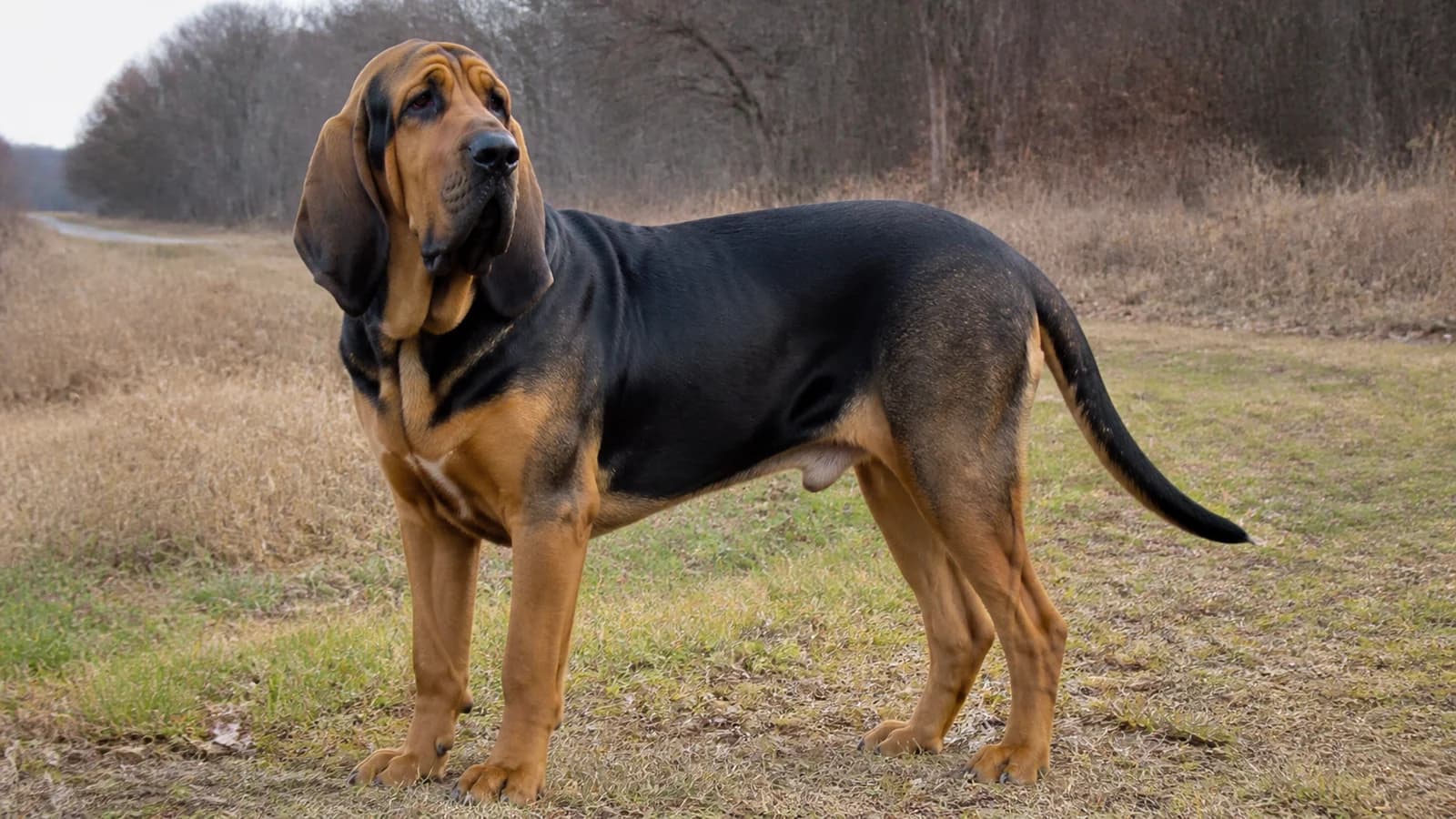
A Bloodhound dog is a large scent hound with extraordinary tracking ability, long low-set ears, loose skin and a patient but independent working style. This guide explains what those breed tendencies mean at home, what care decisions require planning, and which claims still need individual evidence.
Breed-level context comes from the AKC Bloodhound profile and the American Bloodhound Club. Those authorities define history and typical form; the sections below translate that context into day-to-day ownership decisions without treating a standard as a promise about one dog.

Sign up for expert-backed reviews and safety alerts all in one place.
Bloodhound at a glance
The Bloodhound is substantial rather than simply tall. Adult size, deep chest, long ears, loose facial skin and a powerful neck all affect equipment fit, handling and household space. A full grown Bloodhound can be calm indoors after suitable activity, but the breed is not a low-effort choice. Scent drive, drool, food management and secure containment belong in the decision from the start. A common planning question is how long do Bloodhounds live; the typical range is 10–12 years, with individual health and care affecting the outcome.
- 1A Bloodhound is a large working scent hound, not an oversized low-energy pet
- 2Secure handling, ear and skin observation, drool management and purposeful sniffing shape daily life
- 3Choose the individual dog through behavior, records and professional findings
Test the broad breed fit with four concrete questions:
- Can this home safely contain and transport a powerful adult?
- Who will provide scent-rich exercise and practice recall on a long line?
- Are drool, shedding, ears and large-dog costs acceptable every week?
- What do this dog’s behavior and medical records show beyond the breed description?
Use this profile as a planning guide, then test the fit against the actual dog. Meet more than once when possible, watch handling and recovery in ordinary settings, and review veterinary, foster or training records before committing.
Breed history can explain likely needs, but current behavior and health should drive the plan. Ask a veterinarian about medical concerns and a qualified behavior professional about safety risks rather than relying on appearance or reputation.
Petful may earn a commission when you click through to Chewy, at no extra cost to you.
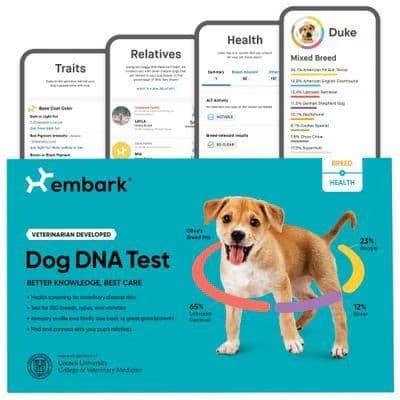
Unknown ancestry changes how much confidence belongs in a breed label. The Embark Breed & Health Dog DNA Test Kit can add an ancestry estimate and selected genetic information when records are absent. Treat the Embark kit as one documented clue, not proof of a seller’s story, a temperament forecast or a diagnosis of the dog’s current health.
History and scent-hound purpose
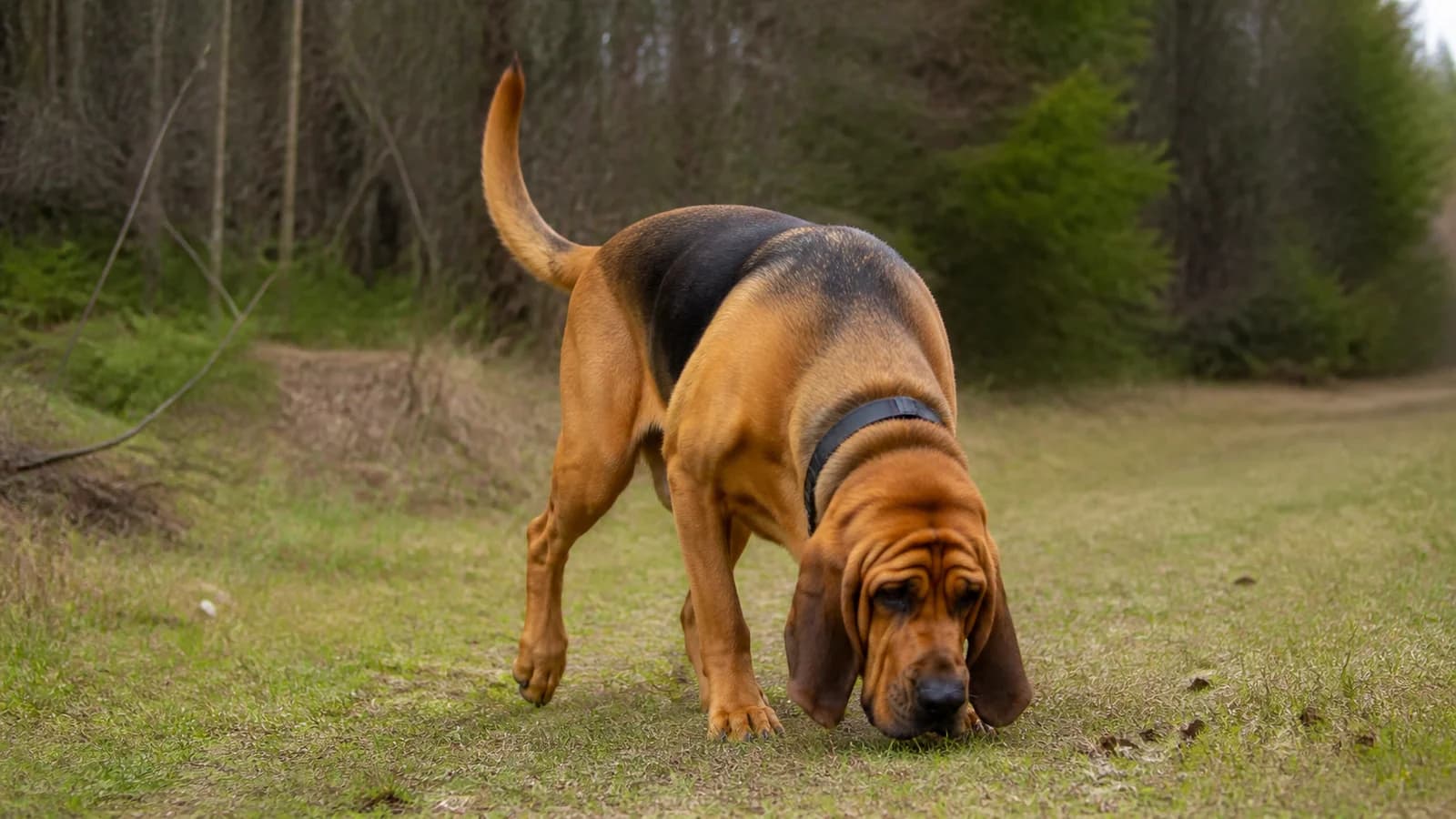
Bloodhound history is tied to hounds selected to follow human scent over distance. The modern breed remains famous for a powerful nose and deliberate trailing style. That purpose explains why a Bloodhound sense of smell can override casual cues when an interesting trail appears. It also explains why sniffing is a need to channel, not a habit to punish.
A useful home plan gives scenting a safe outlet through food searches, beginner tracking lines and structured sniff walks. It also assumes that an unsecured dog may follow odor beyond a property boundary. Identification, a secure fence and leash skills are practical consequences of breed purpose, not signs that training has failed.
That history also changes the definition of successful exercise. A Bloodhound that spends twenty focused minutes solving a scent problem may return home more satisfied than one marched past odors for a longer distance. Watch breathing, gait and recovery, then adjust the next outing from the dog’s response.
Bloodhound size, build and appearance
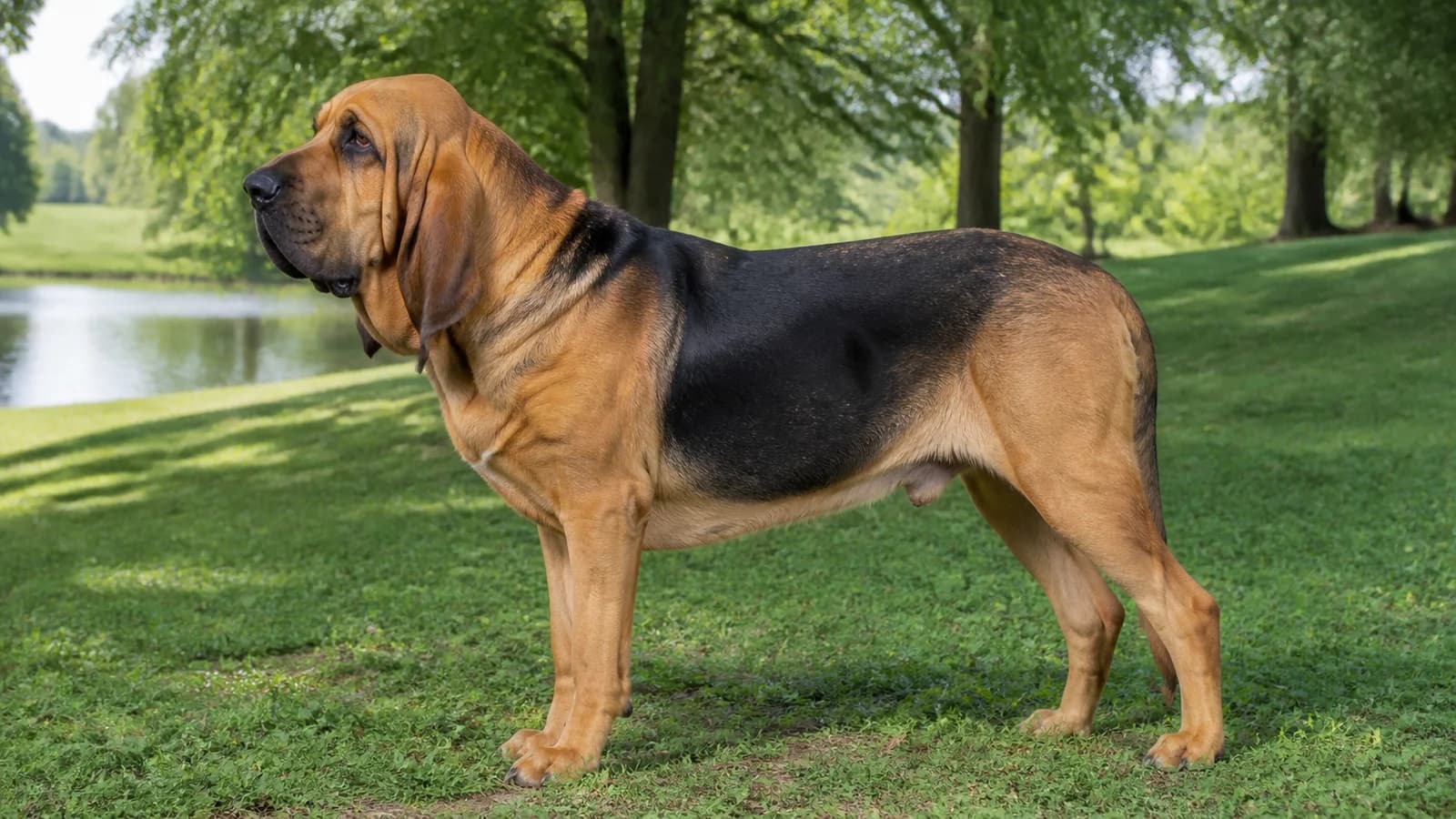
The AKC Bloodhound profile lists typical adults at 25–27 inches and 90–110 pounds for males, and 23–25 inches and 80–100 pounds for females. These breed ranges are not equipment measurements or target weights for every dog. Measure the individual before buying a crate, bed, harness or vehicle barrier, and ask a veterinarian to assess healthy body condition.
Judge healthy structure by movement, body condition and comfort rather than by chasing the heaviest number. A dog should be able to walk, turn, lie down and rise without obvious strain. Ask a veterinarian to help set an appropriate weight target, especially when a growing puppy, senior or dog with joint disease is involved.
A full grown Bloodhound also needs enough turning space in hallways, vehicles and veterinary waiting areas. Practice stepping onto a scale, entering the car and accepting a body check before those skills are needed under stress. Those rehearsals reveal practical fit better than a weight range alone.
Petful may earn a commission when you click through to Chewy, at no extra cost to you.
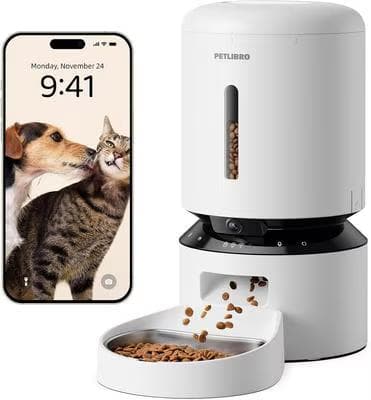
Predictable meals can support a Bloodhound household routine when dry food is appropriate. The Petlibro Granary WIFI Automatic Cat & Dog Feeder with Camera & 3 Pet Food Desiccant Bags, White, 5-L can portion compatible kibble, while the Petlibro automatic feeder still needs daily cleaning and dispensing checks. Human observation of appetite matters, especially because refusing food or abdominal discomfort can signal illness.
Temperament and household fit
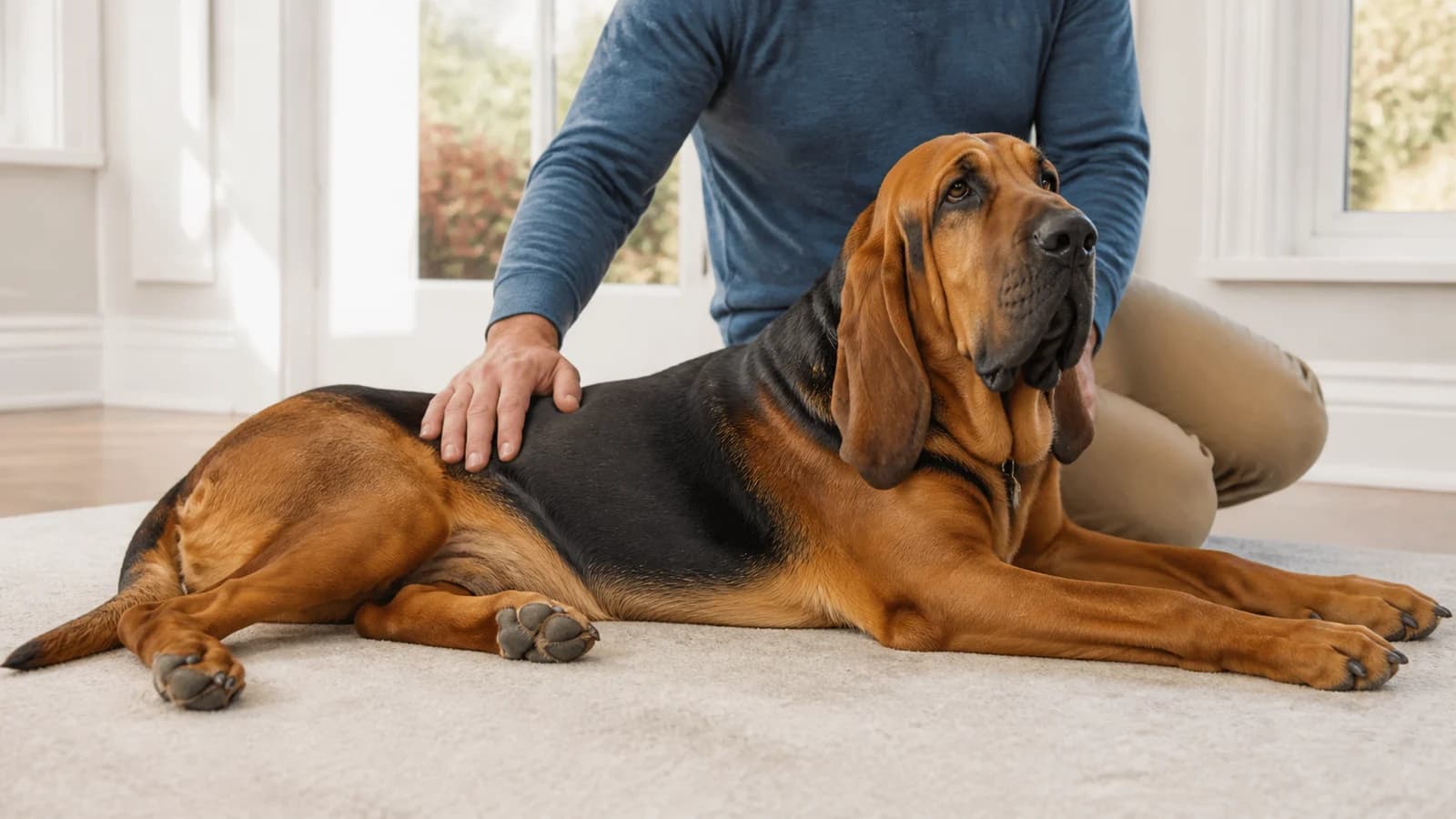
Bloodhound temperament is often described as affectionate, tolerant and determined. Those are population tendencies. One individual may be outgoing, another reserved, and another easily overwhelmed by noise or handling. Repeated observations in ordinary settings are more useful than a seller promise that every puppy will be gentle or good with children.
Many Bloodhounds can live successfully with families when adults supervise interactions, protect sleep and feeding space, and teach children to let the dog move away. Read the whole body rather than one feature. WebVet explains how ears, eyes, mouth, tail and posture combine in a practical guide to dog body language.
The useful question is not simply whether Bloodhounds are good family dogs. Ask whether this dog can rest around normal movement, recover after surprise, release valued items safely and tolerate the home’s handling routine. Repeat those observations instead of relying on one quiet meeting or an enthusiastic greeting.
Training, exercise and scent work
Bloodhound training works best in short, rewarding sessions that acknowledge the environment. Begin new skills where scent distractions are low, reinforce check-ins generously and increase difficulty one variable at a time. A long line can protect safety during recall practice, but it should be attached to suitable equipment and handled without wrapping it around hands or legs.
Bloodhound scent work can include finding a family member, following a short laid trail or searching boxes for a target odor under qualified instruction. Balance that mental work with age-appropriate walks and recovery. More distance is not automatically better. Heat, humidity, joint comfort, body condition and the dog’s ability to settle afterward all matter.
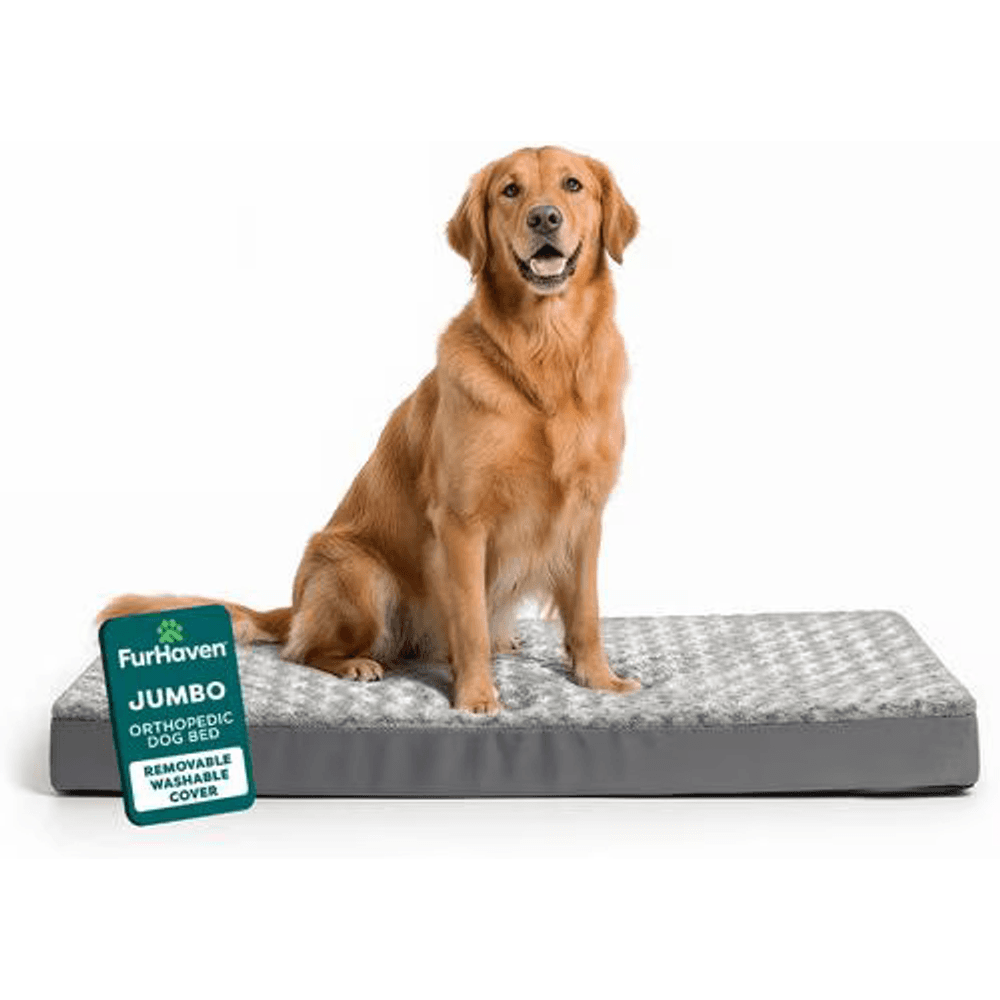
A plush orthopedic foam mattress that cushions aging joints and pressure points, giving a stiff or trembling senior dog warm, supportive rest.
Petful may earn a commission when you click through to Chewy, at no extra cost to you.
A substantial hound needs enough resting room to stretch without hanging off the edge. The FurHaven NAP Ultra Plush Orthopedic Deluxe Cat & Dog Bed with Removable Cover, Gray, Jumbo may provide a washable defined space after measuring the actual dog. The FurHaven jumbo bed is a comfort purchase, not treatment for pain, weakness or difficulty rising, which should be assessed by a veterinarian.
Grooming, ears and drool
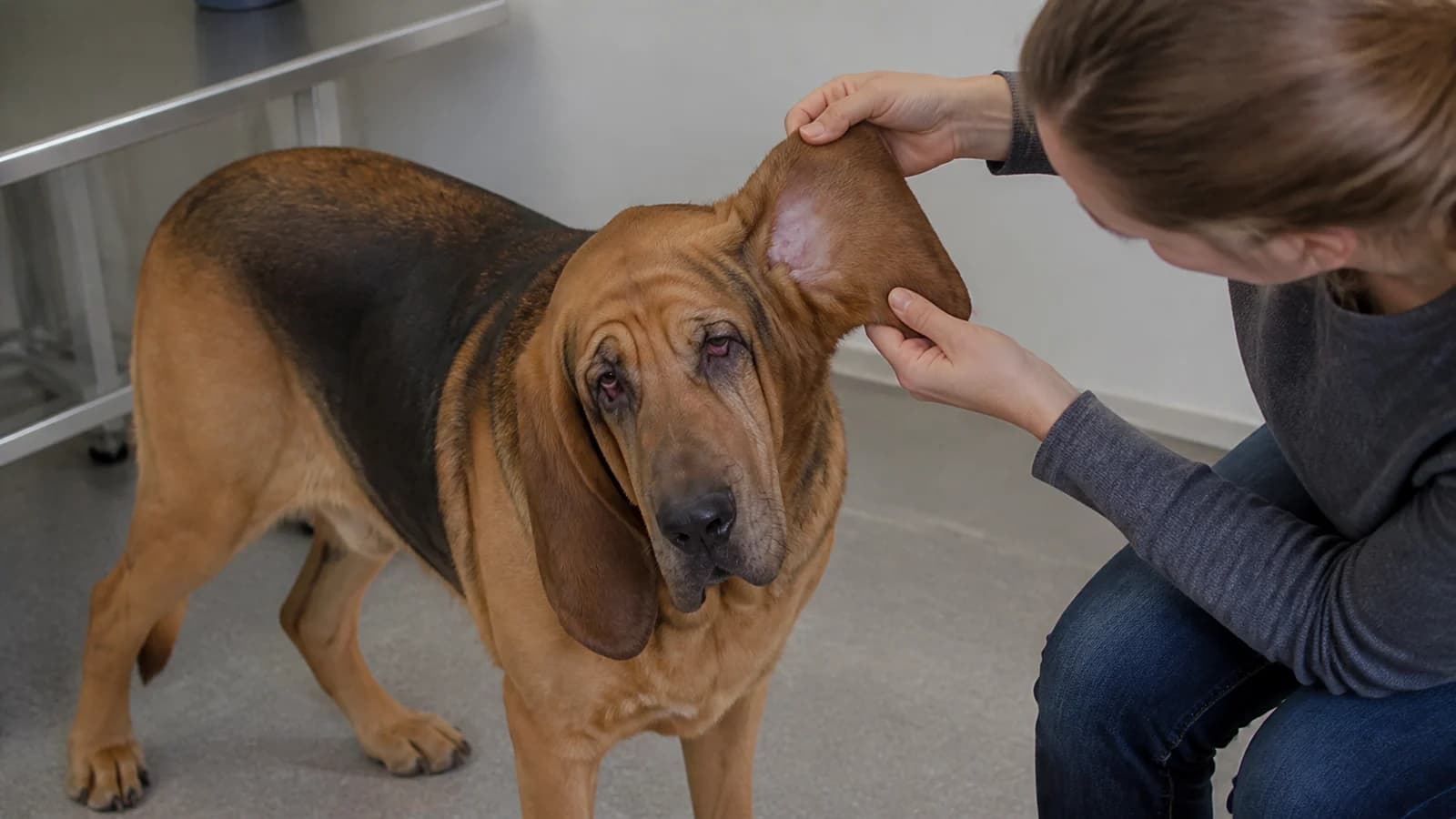
Bloodhounds do shed. The short coat is easier to brush than a long coat, but loose hair, skin folds, ears and drool still require routine attention. Use gentle brushing, keep bedding washable and check high-friction or damp areas. A normal hound odor should not be used to dismiss redness, pain, discharge or a sudden strong smell.
Bloodhound ear care begins with observation. Look at the accessible ear flap and opening, keep ears dry after bathing, and use a veterinarian-recommended cleaner only when appropriate for that dog. Do not insert cotton swabs into the canal. Head shaking, swelling, odor, discharge or pain warrants an examination rather than repeated home cleaning.
Keep a small baseline record of coat, ear and fold condition when the dog is comfortable. A dated photograph and a note about odor or discharge can help a veterinarian judge change. Wash food and water bowls often, rotate towels and dry damp skin gently rather than masking odor with fragrance.
Health, lifespan and preventive care
Bloodhound lifespan is a population range, not a prediction for one dog. Genetics, body condition, preventive care, safe activity and timely treatment all influence outcome. Important Bloodhound health problems to discuss with a veterinarian include gastric dilatation-volvulus, orthopedic disease, eye concerns, ear and skin problems, and conditions documented in the dog’s family line.
Know the emergency pattern for bloat and GDV: unproductive retching, a distended or painful abdomen, restlessness, heavy drooling, weakness or collapse. Suspected GDV requires immediate emergency veterinary care. Do not wait for every sign, offer a home remedy or try to exercise the dog through it. The dedicated health guide covers screening, prevention and senior decisions in depth.

Petful may earn a commission when you click through to Chewy, at no extra cost to you.
For neighborhood handling, the PetSafe Easy Walk Dog Harness, Red/Black, Medium/Large may suit some adults after chest measurement and a shoulder-clearance check. The PetSafe Easy Walk harness cannot make an unfenced trail safe or replace recall practice. Introduce it with rewards, watch for rubbing and keep teaching a loose leash.
Puppies, adoption and responsible sourcing
Bloodhound puppies should come with verifiable identity, veterinary records and clear information about the parents or known history. Responsible sourcing may mean a careful breeder, breed rescue or shelter. The label matters less than whether the organization is transparent, supports the match and will take the dog back if the placement fails.
For bloodhound adoption, ask what has been observed around handling, dogs, children, confinement, food and alone time. For a breeder, verify recommended health-screening results in the issuing database and read the contract before paying. The existing Bloodhound puppy sourcing guide owns the complete buying, adoption and scam checklist.
Meet the source’s return policy with the same seriousness as the dog. Responsible organizations plan for a placement that does not work, transfer identification and medical information, and invite questions after adoption. That support matters because an excited first meeting cannot reveal every adult behavior or future care need.
Is a Bloodhound right for you?
Bloodhound pros and cons become clearer when translated into an ordinary week. The advantages can include affectionate companionship, engaging scent activities and a generally steady presence. Tradeoffs can include drool, powerful leash handling, vocalization, secure-fence needs, large-dog costs and a nose that may compete with recall.
A sound Bloodhound owner fit is someone prepared to manage the environment as well as teach skills. Compare this breed with the shorter, differently built Basset in our Basset Hound vs Bloodhound guide. Then meet the actual dog, review records and decide whether its observed needs fit your real home.
Run the decision through an ordinary rainy weekday, not an ideal weekend. Identify who handles the first toilet trip, where muddy ears are cleaned, how the dog is separated from an open door and who covers care during travel or illness. A realistic schedule exposes mismatches before they become welfare problems.
Related Bloodhound decision guides
Use these focused guides when your question moves beyond the breed overview:
Bloodhound puppy sourcing checklist
Use the Bloodhound puppy sourcing checklist when comparing Bloodhound puppies, Bloodhound breeders, Bloodhound puppies for sale, adoption records, contracts or first-month care.
What a Bloodhound mix label can and cannot tell you
For a Bloodhound mix or Bloodhound Lab mix, learn what the label can and cannot tell you before predicting adult size, coat or behavior.
Bloodhound colors at a glance
Compare Bloodhound colors such as a red Bloodhound, black and tan Bloodhound or liver and tan Bloodhound in the focused coat guide.
Bloodhound lifespan at a glance
For Bloodhound lifespan, life expectancy and health problems, read the health and lifespan guide for 10–12-year planning and bloat warnings.
Bloodhound price at a glance
Use the Bloodhound price guide to compare Bloodhound price, total cost, first-year expenses and lifetime scenarios.
Bloodhound temperament at a glance
For Bloodhound temperament, sense of smell and training, use the behavior guide for recall, leash skills, howling and home routines.
Sources and related Bloodhound guides
The remaining authorities and cluster owners used by this breed overview are:
Bloodhound FAQs
A Bloodhound can be a good family dog or a good house dog when its needs and the household’s limits are a realistic match. Many become affectionate companions, but the breed label cannot guarantee gentleness. Meet the individual more than once, watch recovery and handling, protect rest and meals, supervise children, and review veterinary or foster records. The home must also manage size, scent drive, drool, exercise and secure containment.
The AKC lists typical adult males at 25–27 inches and 90–110 pounds, and females at 23–25 inches and 80–100 pounds. Individual size and healthy body condition vary. Measure the actual dog for crates, beds, harnesses and vehicle space, and ask a veterinarian to assess growth or weight concerns.
Bloodhounds shed despite their short coat. Amount varies by individual, health and season. Gentle brushing, washable bedding and routine skin observation help manage loose hair. Excessive hair loss, itching, odor, sores or redness is not merely normal shedding and should be discussed with a veterinarian instead of treated with repeated bathing or aggressive tools.
Bloodhounds can learn household and safety skills, though an interesting odor may compete powerfully with a handler. Begin in quiet places, reward check-ins and raise distraction gradually. Keep recall practice behind a fence or on a safely handled long line. Whether training feels easy depends on the skill and environment, so plan for repetition instead of interpreting scent interest as spite.
A Bloodhound needs daily movement, sniffing, training and recovery, but one duration does not fit every puppy, adult or senior. Match activity to age, health, weather, body condition and observed recovery. Scent games can add mental work without simply increasing distance. Pain, collapse, coughing, unusual fatigue or a major change after exercise requires veterinary advice.
A Bloodhound may live in an apartment if toilet access, elevator or stair safety, scent-rich activity, vocalization, drool and large-dog space are realistically managed. Square footage alone does not determine welfare. Evaluate whether the individual settles indoors and whether the household can provide secure daily outings without relying on an unfenced area or an unreliable recall.
A Bloodhound is not automatically aggressive, and the breed should not be purchased as a guaranteed protection system. Genetics, health, learning and context shape each dog. Observe recovery, supervise interactions and never provoke the animal to test courage. Sudden behavior change deserves veterinary assessment; threats, bites or escalating fear require immediate management and help from a qualified behavior professional.
Whether Bloodhounds like to cuddle depends on the individual. Some enjoy close physical contact, while others prefer to rest nearby or choose affection on their own terms. Invite rather than restrain contact and give the dog an easy exit. Turning away, freezing, lip licking, whale eye or moving off means pause. Learn the dog’s preferred form of interaction instead of treating cuddling as a breed requirement.
The downsides of owning a Bloodhound can include drool, shedding, powerful leash handling, vocalization, secure-fence needs, large-dog expenses and a nose that competes with recall. These are planning points, not faults in every individual. Meet the actual dog, compare its observed behavior and records with an ordinary weekday, and decide whether the household can repeat the required care every week.
No one can promise that a Bloodhound will protect you. A dog may alert to unusual activity, but protection behavior is neither guaranteed nor an appropriate trait to provoke. Secure the home with locks, lighting and human safety plans instead of asking the dog to confront someone. If guarding or threatening behavior already occurs, prevent access to triggers and obtain a qualified assessment before another incident.

Coreen Saito is a pet writer and longtime shelter volunteer with more than a decade in animal rescue. She covers cat behavior, breed care, and the small, ordinary science of sharing a life with companion animals, with a particular focus on honest takes about the products and decisions that actually matter. At home in Arizona, she's outranked by Mac (a dog with the loudest opinion in the house), Rebel (a cat who governs by quiet authority), and Meri (an orange tabby who runs the late shift and the laundry basket). She writes about all three, plus the rescues that keep coming through her life, at LifeWithMinty.com.
Sign up for expert-backed reviews and safety alerts all in one place.