Bloodhound Lifespan and Health Problems: A Vet-Written Guide
Bloodhounds typically live 10–12 years. Learn GDV emergency signs, joint, ear, eye and skin risks, screening, prevention and senior care from a veterinarian.

BVMS, MRCVS
Petful is reader supported. As an affiliate of platforms like Amazon and Chewy, we may earn a commission when you buy through links on this page. There is no extra cost to you.
Bloodhound lifespan is best understood as a population estimate, not a promise. This vet-written guide explains important Bloodhound health problems, emergency signs, screening records, preventive care and senior quality-of-life decisions so owners know what to watch, what to verify and when to seek veterinary help.
Clinical decisions here use breed context from the AKC Bloodhound profile, screening context from the American Bloodhound Club and direct veterinary evaluation for the individual patient. Online breed information cannot diagnose signs.

Sign up for expert-backed reviews and safety alerts all in one place.
Bloodhound lifespan at a glance
The AKC Bloodhound profile commonly lists a life expectancy of 10–12 years. That population range is a planning guide, not a promise; genetics, disease, body condition, environment, preventive care and timely treatment affect individual outcomes. So, how long do Bloodhounds live? Use 10–12 years as a planning range while allowing for individual health and care.
- 1A lifespan range describes a population, never an individual deadline
- 2Unproductive retching, abdominal distention, weakness or collapse can signal GDV and require emergency care
- 3Screening, body condition and early veterinary attention support better decisions without guaranteeing an outcome
Triage the question with this short clinical boundary check:
- Is this a general risk question or a symptom happening now?
- Which screening and medical records can be verified?
- What change in appetite, movement, breathing, eyes, ears or skin was observed?
- Does the situation require routine advice, a prompt appointment or emergency transport?
Breed-associated risks help owners know what to monitor; they do not diagnose the dog in front of them. Bring screening records, family history and a clear timeline of signs to the veterinarian, who can decide what examination or testing is appropriate.
Track concrete changes such as appetite, gait, breathing, elimination, ear odor or eye discomfort. That timeline helps the clinical team, but only an examination and appropriate testing can establish a diagnosis.

The number-one veterinarian-recommended joint supplement brand. Glucosamine, chondroitin, and MSM support cartilage and cushion the joints, easing the stiffness and hind-end weakness that can leave an older or arthritic dog trembling.
Petful may earn a commission when you click through to Chewy, at no extra cost to you.
Mobility care should begin with diagnosis, body condition and an activity plan. The Nutramax Cosequin Joint Health Supplement with Glucosamine, Chondroitin & MSM Chewable Tablets for Dogs, 60 count is a product an owner may discuss with the veterinarian who knows the dog. If Cosequin for dogs is used, confirm directions and interactions. A supplement cannot identify the cause of limping or substitute for pain control.
 Sponsored
Have a health question about your pet?
Talk to a licensed vet at Dutch over video or message, including nights and weekends.
Use code Pets60
Plans start at $12/month · covers up to 5 pets
- Licensed vets in most states
- Rx for 150+ conditions
- 4.7 on Trustpilot
Bloat and GDV: an emergency
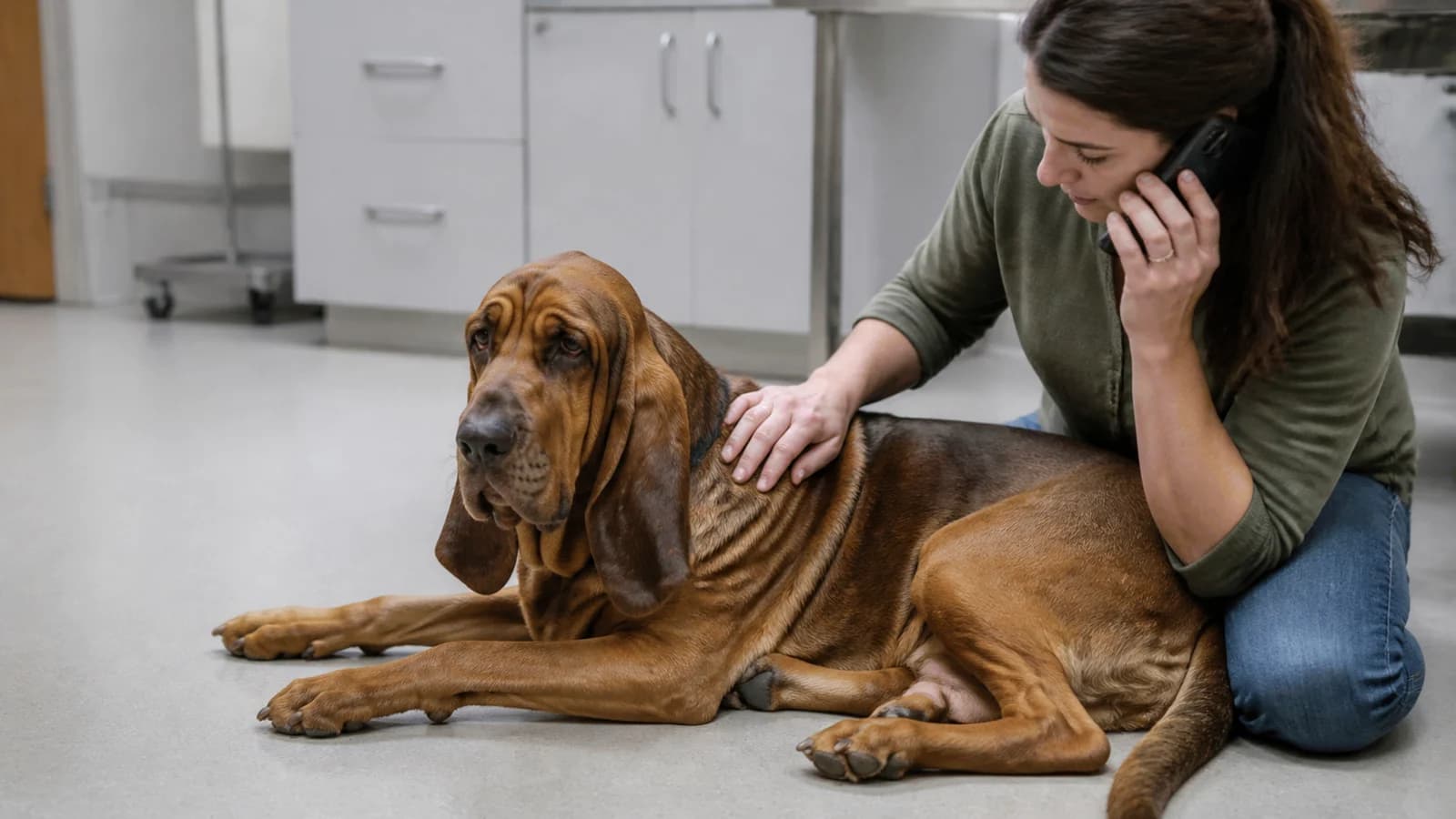
Bloodhound bloat may involve stomach distention, and Bloodhound GDV adds dangerous twisting that can compromise blood flow and cause shock. Warning signs can include repeated unproductive retching, a swollen or painful abdomen, restlessness, excessive drooling, rapid breathing, weakness or collapse. Not every dog shows every sign.
Suspected GDV is an immediate emergency. Call the nearest emergency veterinary hospital while arranging transport and follow its instructions. Do not give food, water or a home remedy, do not try to make the dog vomit and do not wait for the abdomen to look dramatically enlarged. Minutes matter when shock is developing.
Owners can prepare without trying to diagnose at home. Save the emergency hospital number, confirm that the vehicle can accommodate a weak large dog and know which route is open overnight. If suspicious signs begin, a timestamped note helps the clinical team, but making videos must never delay the call or transport.
Hips, elbows and mobility
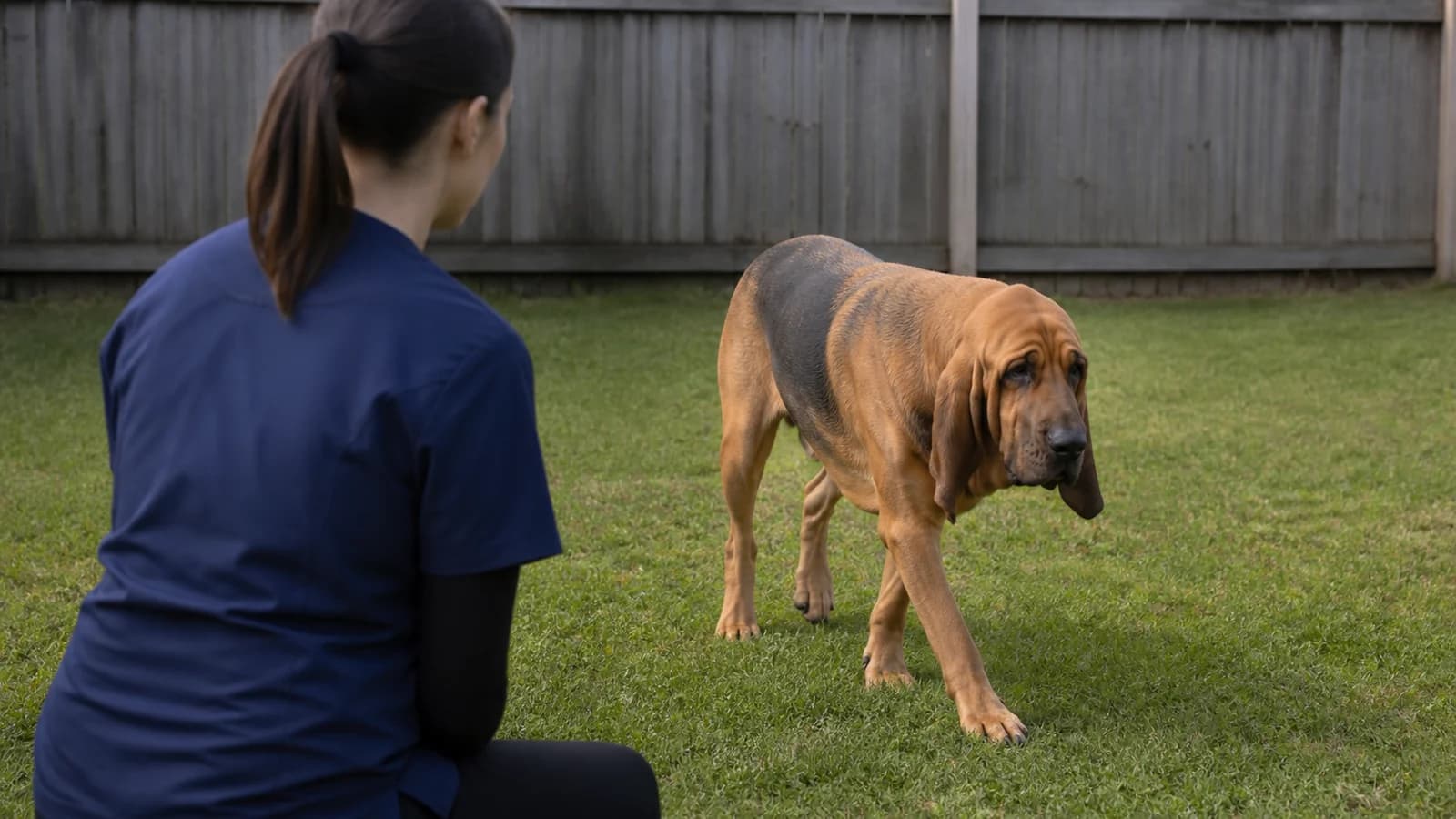
Bloodhound hip dysplasia and other Bloodhound joint problems can affect comfort and movement, but a stiff gait is not a diagnosis. Pain, soft-tissue injury, neurologic disease, nail problems and poor conditioning can look similar. Record when the change occurs, avoid forcing exercise and arrange veterinary evaluation for persistent or significant signs.
A healthy-weight plan, appropriate conditioning and non-slip footing can support mobility. Supplements and orthopedic beds may help some management plans but do not replace diagnosis. Discuss dosing, interactions and evidence with the veterinarian who knows the dog. Growing puppies also need controlled, age-appropriate activity rather than repetitive forced exercise.
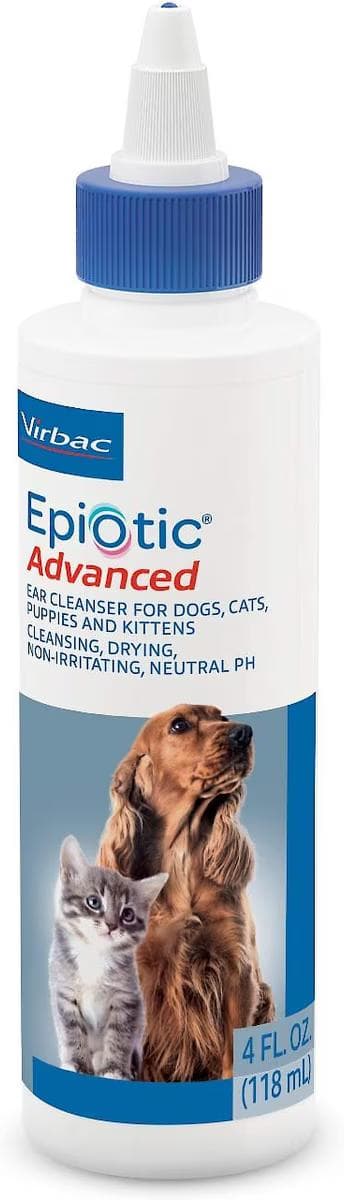
Petful may earn a commission when you click through to Chewy, at no extra cost to you.
Routine ear care is different from treating an inflamed ear. The Virbac Epi-Otic Advanced Ear Cleaner for Dogs & Cats, 4-fl oz bottle may be suitable after a veterinarian confirms the eardrum and canal can be cleaned safely. Do not reach for the Virbac ear cleaner when a Bloodhound has pain, swelling, odor or discharge. Those signs need examination.
Eyes, ears and skin folds
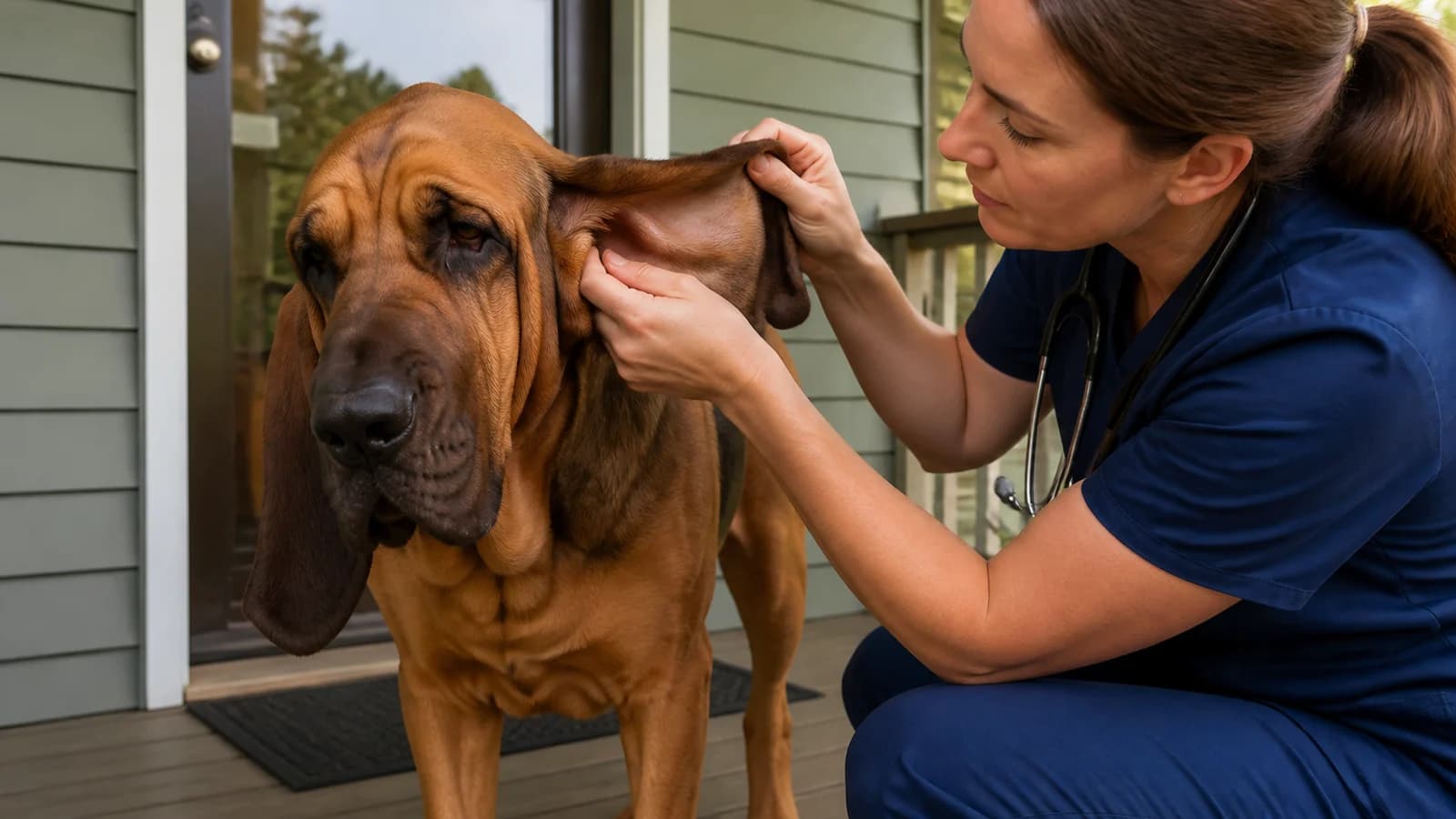
Bloodhound ear infections may cause odor, redness, discharge, swelling, head shaking or pain. Long ears can reduce airflow and pick up moisture, but allergy, parasites, foreign material and other disease may contribute. Repeated cleaning without diagnosis can irritate tissue or mask progression. A painful ear should be examined before anything is placed into it.
Bloodhound eye problems and Bloodhound skin folds also deserve direct observation. Squinting, cloudiness, discharge, rubbing, marked redness, a protruding third eyelid or sudden vision change needs prompt advice. Keep folds dry and inspect for rubbing or odor, but do not use medicated products unless a veterinarian recommends them for that dog.
Establish what normal looks and smells like for this individual. Photograph eye position, clean folds and the accessible ear opening in good light when the dog is comfortable. A later comparison can clarify whether a change is new, while pain, vision loss or marked swelling still requires prompt professional attention.
Other conditions to discuss with your vet
Bloodhound health problems can include conditions involving the thyroid, heart and other systems, but risk depends on the individual and family history. Weight change, reduced stamina, coughing, fainting, skin change or behavior change has many possible causes. Bring a timeline, medication list and family records to the veterinary visit rather than trying to diagnose by breed label.
Routine examinations establish a baseline for heart and lung sounds, body condition, eyes, ears, skin and movement. Screening recommendations can change with age, history and planned breeding. Ask what finding would change management, what test is being proposed and when rechecking is appropriate.
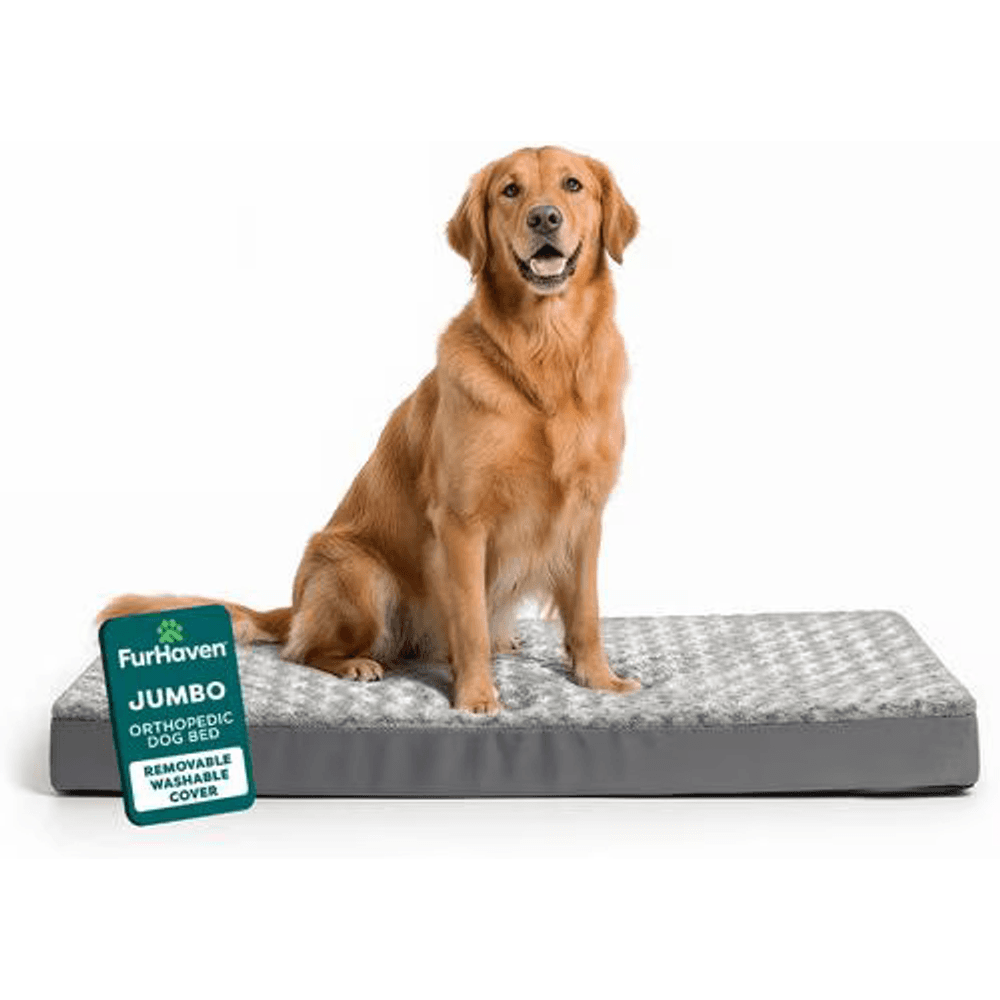
A plush orthopedic foam mattress that cushions aging joints and pressure points, giving a stiff or trembling senior dog warm, supportive rest.
Petful may earn a commission when you click through to Chewy, at no extra cost to you.
For a senior who still changes position independently, the FurHaven NAP Ultra Plush Orthopedic Deluxe Cat & Dog Bed with Removable Cover, Gray, Jumbo may offer a defined washable resting surface after a careful size check. Position the FurHaven jumbo bed where footing and access are safe. Bedding can improve comfort, but new weakness, nighttime restlessness or reluctance to rise needs veterinary assessment.
Health screening before a puppy comes home
Bloodhound health testing should be verified through the issuing organization. The OFA CHIC program publishes breed-specific requirements and participating results. A CHIC number documents that required results are public. It does not mean every result was normal or that offspring are guaranteed disease-free, so read the underlying entries. Review the underlying entries, dates and identities before relying on the record.
Ask for the parents’ registered identities, not cropped screenshots. Review results alongside the national parent club’s current recommendations and discuss any unfamiliar finding with a veterinarian. Also examine the puppy’s own veterinary record, microchip information, medications, growth and any previous illness.
Screening decisions also depend on identity. Results for a similarly named relative are not the parents’ results, and a certificate image may omit qualifications. Search the database yourself, match registration numbers to the contract and ask the breeder to explain any missing test rather than assuming silence means normal.
Weight, prevention and everyday care
Healthy Bloodhound weight is a body-condition decision, not a contest for the largest dog. Owners should be able to monitor waist, abdominal tuck and rib coverage while accounting for loose skin. A veterinarian can set a target and help adjust calories. Unexplained weight loss or gain requires investigation rather than a cosmetic feeding change.
Bloodhound preventive care includes veterinary examinations, vaccines based on risk, parasite control, dental care, safe activity and routine observation of ears, eyes, skin and movement. Keep identification current and maintain an emergency plan. Prevention reduces some risks, but it never guarantees that disease or injury will not occur.

304 food-grade stainless steel pet water fountain, 101 oz. The circulating, filtered water encourages cats to drink more, which supports urinary tract and kidney health.
Petful may earn a commission when you click through to Chewy, at no extra cost to you.
Accessible water stations can help a mobility-limited dog avoid unnecessary stairs. The Petlibro Stainless Steel Dog & Cat Fountain, 101-oz is one option if the dog accepts moving water and the unit is cleaned consistently. Continue measuring trends even with the Petlibro fountain; sudden thirst changes or trouble drinking can be medically important.
 Sponsored
Vet care that's always there
Unlimited video calls and messaging with licensed vets for less than a typical vet visit. One membership covers up to five pets.
Use code Pets60
Plans start at $12/month · covers up to 5 pets
- Licensed vets in most states
- Rx for 150+ conditions
- 4.7 on Trustpilot
Senior care and quality of life
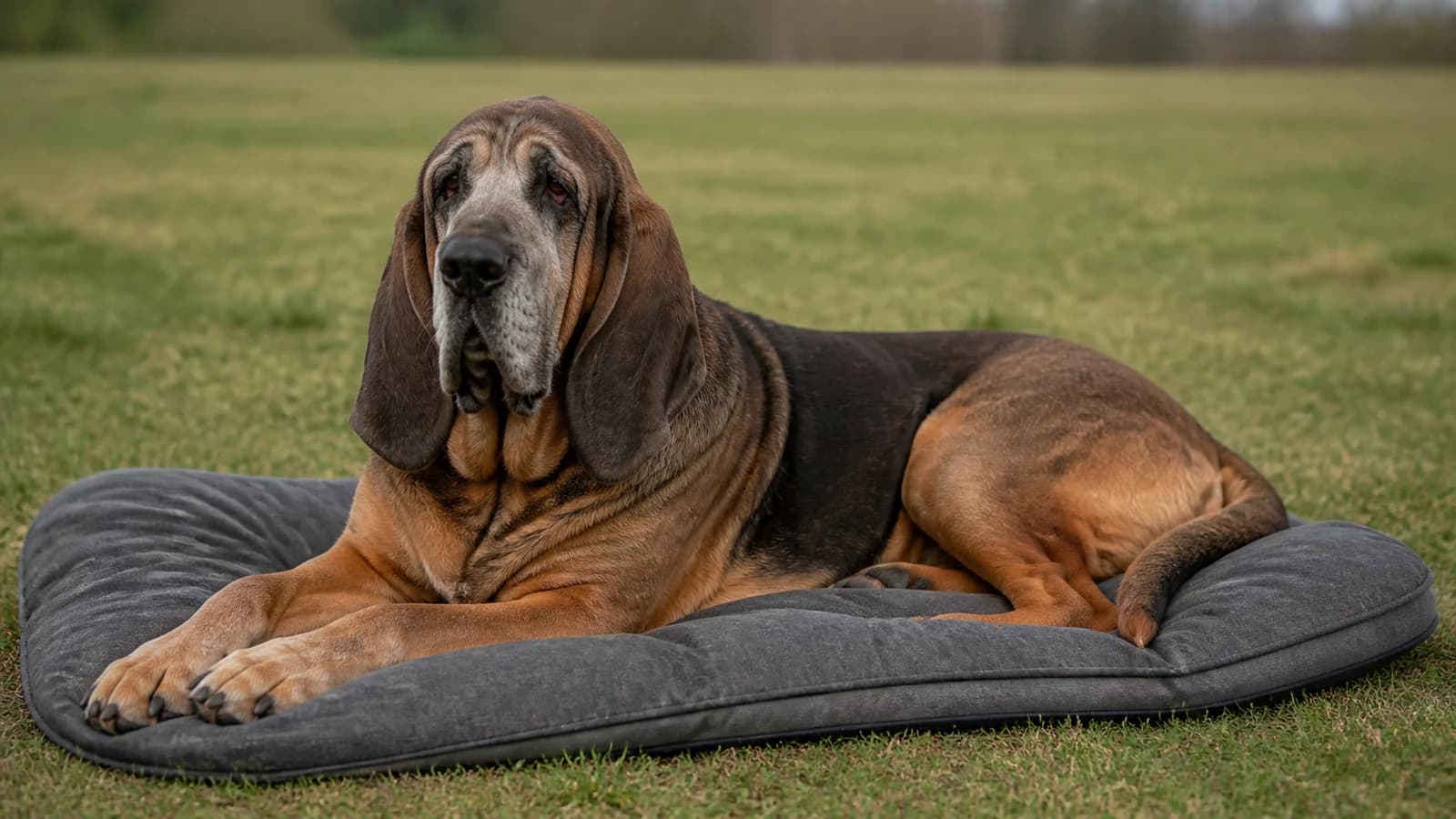
A senior Bloodhound may need shorter outings, more recovery, non-slip paths, easier vehicle access and changes to bedding or feeding setup. Aging itself is not a diagnosis. New pain, nighttime restlessness, house-soiling, appetite change, confusion or reduced interaction should be discussed with a veterinarian rather than accepted automatically as old age.
Bloodhound quality of life can be tracked across comfort, appetite, hydration, hygiene, mobility, engagement and the balance of good and difficult days. WebVet’s senior dog health guide offers additional planning questions. Write observations down so decisions are based on patterns, not only one emotional day.
Small environmental changes can reveal whether support is working. Note how the dog rises on different surfaces, reaches water, enters the vehicle and settles after activity. If assistance is needed, learn safe handling from the veterinary team so both dog and caregiver are protected. Trends matter more than one unusually energetic afternoon.
When to call a veterinarian
Bloodhound emergency signs include suspected GDV, collapse, trouble breathing, uncontrolled bleeding, seizure activity, severe pain, repeated vomiting, inability to urinate, major trauma or sudden loss of function. Call an emergency service immediately. If you are unsure, describe the signs and timeline to a veterinary professional rather than waiting for online certainty.
For non-emergency changes, note when the sign began, what makes it better or worse, medications and changes in appetite, water intake, movement or sleep. Share the record at the appointment instead of trying to confirm a breed-related diagnosis online.
Keep the Bloodhound vet number, emergency facility and poison-control resource where every caregiver can find them. State the dog’s age, weight, current medications and exact signs when calling. The professional can then set urgency and transport instructions from a clearer history instead of a breed label alone.
Related Bloodhound decision guides
For nonclinical decisions, continue with the guide that matches the reader’s next question:
Bloodhound puppy sourcing checklist
Use the sourcing checklist to verify Bloodhound puppies, Bloodhound breeders, puppies for sale, adoption records, contracts and return support.
Bloodhound at a glance
For the adult Bloodhound dog, size, how long Bloodhounds live, whether Bloodhounds are good family dogs and how much Bloodhounds shed, return to the breed guide.
What a Bloodhound mix label can and cannot tell you
A Bloodhound mix or Bloodhound Lab mix needs an individual medical plan; the ancestry guide explains the label’s limits.
Bloodhound colors at a glance
Use the coat guide for Bloodhound colors such as red, black and tan, or liver and tan; abnormal skin and hair still belong with a veterinarian.
Bloodhound price at a glance
Plan Bloodhound price and total Bloodhound cost for routine, emergency and senior care with the budget guide and local quotes.
Bloodhound temperament at a glance
For Bloodhound temperament, sense of smell and training routines, read the behavior guide; sudden change still warrants veterinary assessment.
Sources and related Bloodhound guides
These breed, screening, veterinary and internal references support the health discussion:
Bloodhound FAQs
Bloodhounds typically live 10–12 years according to the AKC breed profile. That is a population range, not a prediction for one dog. Genetics, disease, body condition, environment, preventive care and timely treatment all matter, so use the range to plan screening, emergency access and senior support with your veterinarian.
Important Bloodhound health problems to discuss with a veterinarian include GDV, orthopedic disease, eye concerns, ear and skin problems, and conditions documented in the family line. Risk is not diagnosis. Keep screening records, establish a physical-exam baseline and seek care for actual signs rather than waiting for a breed checklist to become complete.
Bloodhounds are deep-chested dogs for whom bloat and gastric dilatation-volvulus are critical concerns. Repeated unproductive retching, a swollen or painful abdomen, restlessness, heavy drooling, weakness or collapse requires immediate emergency veterinary care. Do not wait for every sign, offer a home remedy or try to exercise the dog through it. Call the nearest emergency service while arranging transport.
Check a Bloodhound’s ears routinely for redness, odor, discharge, swelling, pain or repeated head shaking. Clean only when a veterinarian recommends an appropriate product and method for that dog, and never insert cotton swabs into the canal. Long ears can retain moisture, but allergy, parasites and other disease may contribute, so repeated problems need diagnosis rather than more frequent cleaning.
Verify current breed-relevant parent screening through the issuing database and national parent-club guidance rather than accepting a cropped certificate. Match each result to the registered sire or dam, read the underlying finding and review the puppy’s own veterinary record. A CHIC number documents publication of required results, not guaranteed normality or disease-free offspring.
Support an older Bloodhound with veterinary checkups, healthy body condition, non-slip footing, comfortable bedding, accessible water and activity adjusted to comfort and recovery. Aging is not a diagnosis. New pain, weakness, confusion, appetite change, nighttime restlessness or house-soiling deserves assessment. Track mobility, engagement, hygiene and good versus difficult days to make quality-of-life discussions more concrete.
Bloodhounds are prone to some health issues at the population level, including GDV, orthopedic, ear, eye and skin concerns. An individual may never develop a listed problem or may develop something else. Know emergency signs, monitor mobility, eyes, ears and skin, maintain preventive care and bring family or screening history to visits. Examination and testing, not breed reputation, determine the patient’s diagnosis.
Bloodhounds do not need another dog as a medical or welfare rule. Some enjoy compatible canine company, while others prefer people or need careful introductions. Choose companionship from the individual social behavior, age, health and resource needs, not from breed reputation. A second dog cannot treat separation distress or replace exercise, training, veterinary care and human attention.
BVMS, MRCVS
Dr. Pippa Elliott, BVMS, MRCVS, is a veterinarian with nearly 30 years of experience in companion animal practice. Dr. Elliott earned her Bachelor of Veterinary Medicine and Surgery from the University of Glasgow. She was also designated a Member of the Royal College of Veterinary Surgeons. Married with 2 grown-up kids, Dr. Elliott has a naughty Puggle named Poggle, 3 cats and a bearded dragon.
Sign up for expert-backed reviews and safety alerts all in one place.