Bichon Frise Grooming: Coat Care and Haircut Choices
Choose a Bichon haircut you can maintain, learn a gentle brush-and-comb routine, and prepare for bathing, drying, face care, and regular professional grooming with clear photo references.
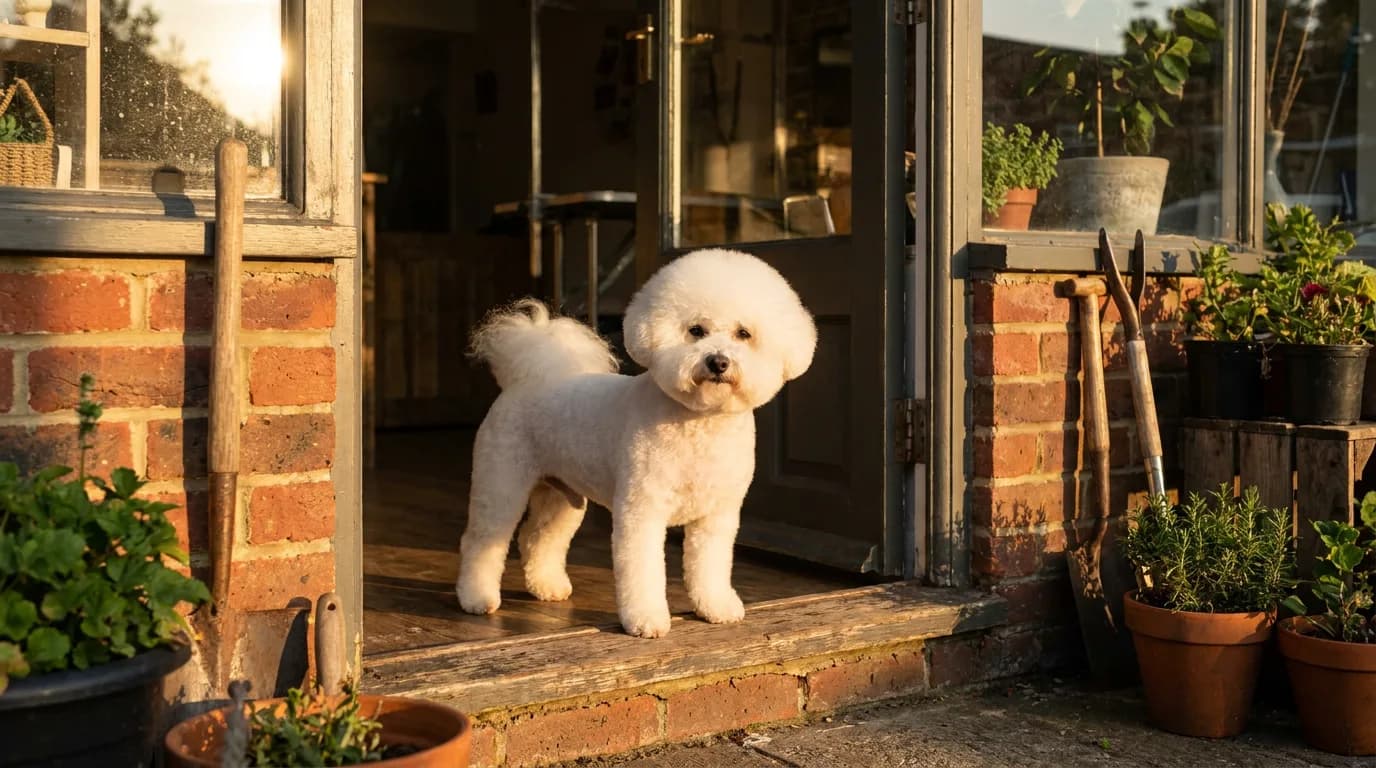
White Bichon Frise with a rounded head and short body trim standing in a brick doorway.
Petful is reader supported. As an affiliate of platforms like Amazon and Chewy, we may earn a commission when you buy through links on this page. There is no extra cost to you.
Bichon Frise grooming combines regular professional trims with gentle brushing and comb checks at home. The useful test is whether you can work comfortably through the coat's layers, including the areas that rub together. A fluffy surface alone does not show that the coat underneath is free of tangles.
Choose the haircut and home routine together. A fuller head and body require a different commitment from a shorter pet trim. The photographs and comparison below show what to discuss with your groomer, followed by practical steps for keeping your Bichon comfortable between appointments.

Sign up for expert-backed reviews and safety alerts all in one place.
How often does a Bichon Frise need grooming?
Plan for frequent home maintenance and regular professional appointments. The Bichon Frise Club of America's grooming guidance describes professional grooming about monthly. Designer Paws Salon's Bichon guide describes a common four- to six-week interval, with closer attention for fuller styles. Your dog's coat and the work you can sustain at home determine the practical schedule.
- 1Brush in small layers and use a metal comb to check your work.
- 2Match the haircut's coat length to your home-maintenance routine.
- 3Get help with tight mats or painful handling instead of forcing a grooming session.
Bichons are not an easy coat-care choice if you want to ignore grooming between salon visits. Build a daily opportunity to check and gently maintain the coat, paying attention to the places that tangle first. The exact time needed varies with length, activity, coat condition, and your dog's comfort. Ask your groomer to show you what successful home maintenance looks like on your own dog.

Petful may earn a commission when you click through to Chewy, at no extra cost to you.
Use what you find to adjust the plan. If the coat repeatedly becomes difficult to comb before the next appointment, discuss a more manageable trim, a different interval, or a demonstration of your technique. Continuing the same schedule while the dog becomes more uncomfortable does not solve the underlying care problem.
Bichon Frise grooming tools that do different jobs
The best brush for a Bichon Frise is one suited to the coat and used gently. A soft slicker helps work through small sections, while a suitable metal comb checks whether tangles remain below the surface. The BFCA describes both tools; Artero's breed-specific grooming guidance also distinguishes brushing from checking with a comb.
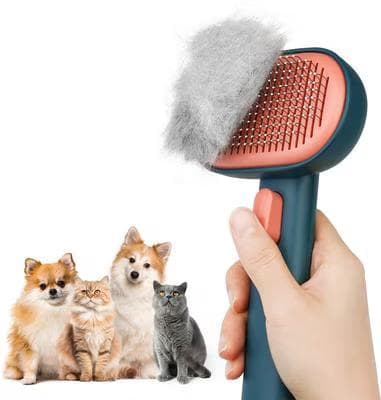
An aumuca self-cleaning slicker brush is one existing option to assess with your groomer. Check how its pins feel and how your dog responds. More pressure is not a substitute for a suitable tool or better technique, and a convenient cleaning button does not change how carefully the brush should be used.
Build the kit around different jobs:
- Soft slicker: gentle work through small coat sections.
- Metal comb: check from the underlayers outward after brushing.
- Dog-appropriate shampoo and towels: bathing when the coat and your setup are ready.
- Nonslip surface: stable footing for short, comfortable care sessions.
- Separate dental supplies: mouth care rather than coat cleaning.
Clippers and grooming scissors are tools for cutting and shaping, not replacements for daily coat checks. Searching for the best clippers will not tell you which blade, technique, or handling is appropriate for your dog. If you want to learn clipping or head shaping at home, ask for hands-on instruction before using cutting tools. Keep unfamiliar cutting work with a professional, particularly around the face and areas where skin is difficult to see.
Brush in layers and check with a comb
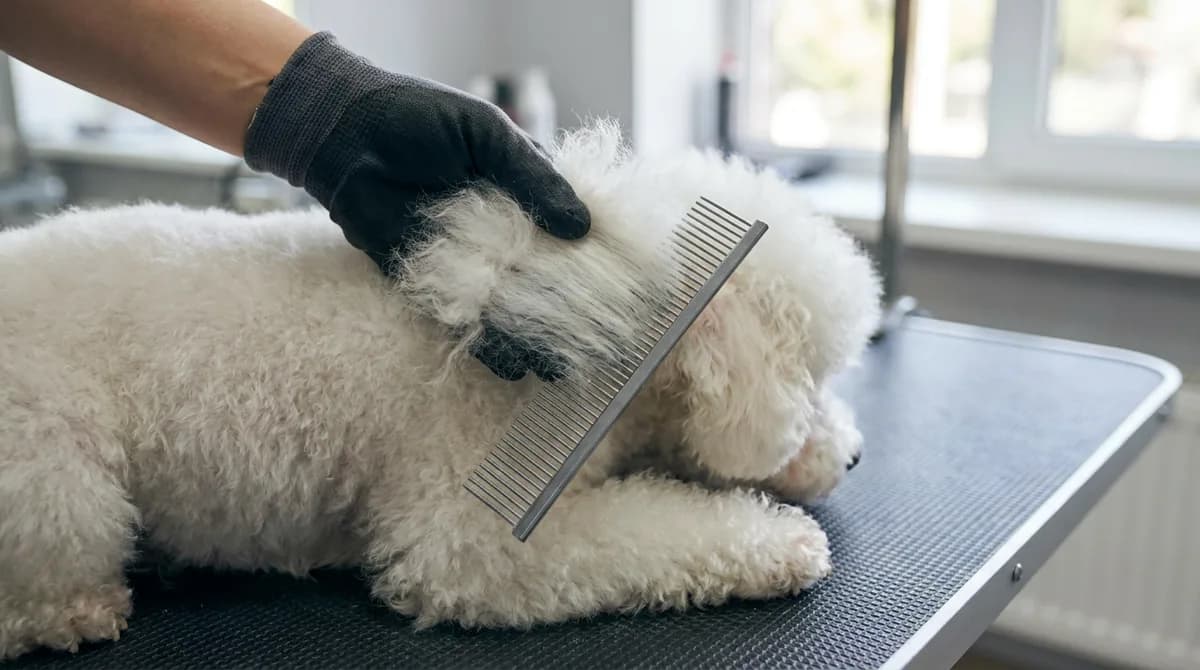
Start when your dog can stand or settle comfortably on a stable surface. Work in small sections and allow breaks. Gently separate a layer of coat so you can see where you are working, rather than making repeated strokes over the outside of the entire body.
Petful may earn a commission when you click through to Chewy, at no extra cost to you.
After brushing a section, check it with the metal comb. Work from the roots outward without scraping the skin or dragging through resistance. “Comb to the skin” means checking the full coat depth; it does not mean pressing the teeth into the dog. If the comb catches, identify the small area causing resistance instead of pulling harder.
Follow a sequence you can repeat:
- Check that the dog is comfortable and the surface is secure.
- Separate a small layer and brush gently, supporting the coat as needed.
- Pass the comb through that section to check your work.
- Give extra attention to friction areas, such as behind the ears and where the legs meet the body.
- Finish with a comfortable area and a break instead of pushing through resistance.
- If the coat is tightly matted, the skin is sore, or your dog cannot tolerate handling, stop and contact a professional groomer or veterinarian as appropriate. A longer home session is not always the right solution.
For mat prevention, the coat check also helps you describe a recurring problem clearly. Instead of saying the dog is “always tangled,” note where the comb catches and how soon that happens after grooming. That gives the groomer something useful to assess: the trim, the area's friction, your technique, or a change in comfort.
Bathing and drying without leaving a damp undercoat
Before bathing a Bichon Frise, check the coat. Manageable tangles should be addressed gently first; a tightly matted coat needs professional advice rather than an improvised bath-and-brush rescue. Prepare the towels, nonslip footing, and drying arrangement before getting the dog wet so you do not have to leave it unattended while looking for supplies.
For a suitable dog, Earthbath fragrance-free oatmeal and aloe shampoo is one bathing option. Follow the product directions, including any age restrictions, and ask your veterinarian before choosing products for irritated or diseased skin. A fragrance-free label is not a guarantee that every dog will tolerate a product.
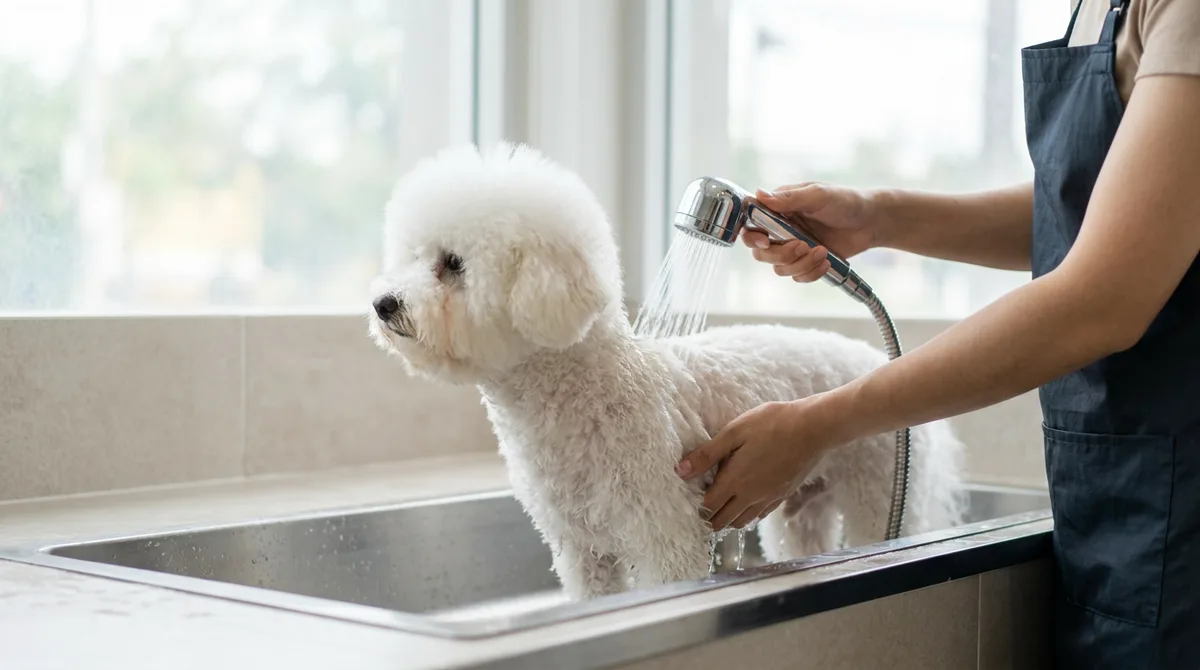
Use a controlled rinse and keep water and shampoo away from the eyes and ear openings. Finish the bath with thorough rinsing and drying. Rinse the underside and legs as carefully as the back. Towel the coat gently rather than rubbing it into tangles. Dry the layers fully using an approach the dog tolerates and your groomer has shown you; do not rely on a dry-looking surface while the coat underneath remains wet.

Petful may earn a commission when you click through to Chewy, at no extra cost to you.
VCA's coat-care guidance explains why grooming needs and bathing frequency depend on the coat and individual dog. Avoid hot air and monitor comfort throughout drying. If your setup cannot dry this coat safely and thoroughly, arrange professional bathing instead of extending an uncomfortable home session.
Bichon Frise haircuts: puppy, teddy bear, and show trims
The best haircut for a Bichon Frise is one that keeps the dog comfortable and matches the maintenance you can provide. Style names vary between salons. A “puppy cut” usually describes a practical pet trim rather than the dog's age, and two groomers may interpret the requested length differently. Bring a reference photo and discuss the actual body, face, leg, and tail treatment.
Short puppy or pet trim. A shorter, more even body coat can be a manageable choice for everyday life. Specify the result you want rather than saying only “short.” Ask the groomer what coat length is appropriate for the dog's current condition and how the head and ears will be balanced with it.
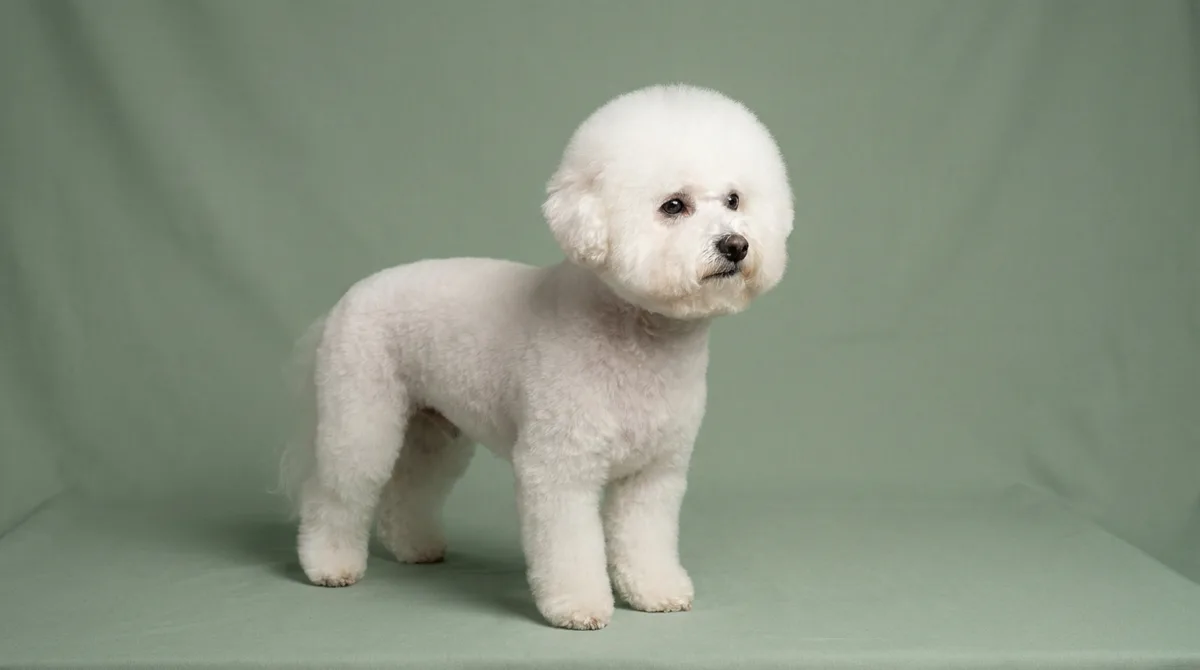
Use this photograph as a shape reference: the body is more compact, while the head keeps a soft, rounded outline. Your dog's coat and comfort may require a different starting point. A reference photo starts a conversation; it cannot guarantee an identical finish.
Teddy bear shape. The rounded head and moderate body coat in the opening photograph illustrate a practical teddy bear-style direction. Discuss how much fullness to retain around the muzzle, ears, legs, and tail. Keeping those areas fuller creates a different home-care job from trimming everything to a uniformly shorter length.
Ask to see where to check with the comb after the groom. A rounded silhouette can look tidy while the areas underneath still need attention. Choose this style because you like both its appearance and its upkeep, not because the name sounds like a separate low-maintenance breed type.
| Style direction | Visible result | What to discuss with your groomer |
|---|---|---|
| Short puppy or pet trim | Compact body with a softly rounded head | Suitable coat length and the home comb-check routine |
| Teddy bear-style trim | Rounded head with moderate body and leg fullness | How much fullness to keep and which areas need extra checking |
| Fuller show-style trim | Sculpted powder-puff head and fuller balanced outline | Coat preparation, more intensive maintenance, and appointment frequency |
Fuller show-style trim. A show-style silhouette retains more coat volume and uses careful shaping to create the rounded head and balanced outline. It requires a greater commitment to coat preparation and maintenance. Discuss whether that level of work suits your dog and your routine before asking a groomer to preserve maximum fullness.
A dual-ended toothbrush with a large and a small head to fit different mouth sizes and reach the back molars where plaque hides. Soft bristles angled for the gumline.
Petful may earn a commission when you click through to Chewy, at no extra cost to you.
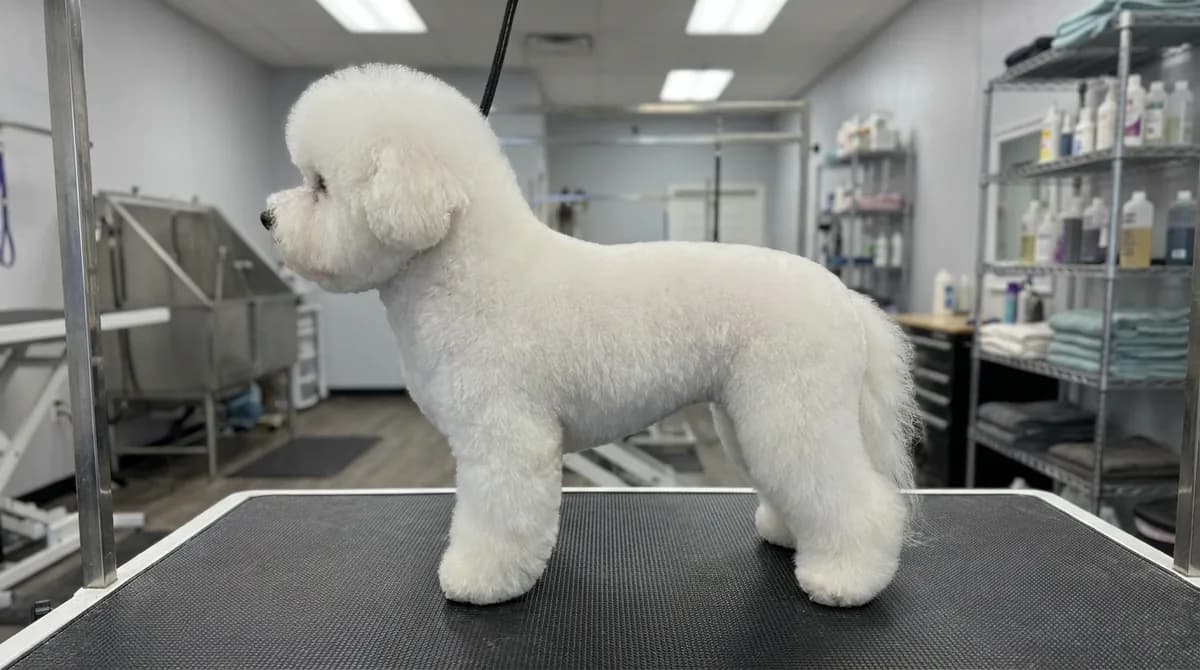
A useful request is: “I like the head shape in this reference photo, but I need a body coat length I can maintain comfortably. Please show me the comb check I should use and tell me when to book the next visit.” That is more specific than asking for a cute haircut and hoping the groomer guesses your weekly routine.
If an ungroomed coat is already badly matted, ask what comfortable result is possible now and how to work toward your preferred style later. The immediate goal is a manageable, comfortable coat. Cosmetic preferences should not dictate a painful dematting session. A shaved Bichon may need a close clip because of coat condition; ask the professional what is appropriate for the skin and coat instead of copying a shaved look from a photograph.
For a Bichon and Poodle cross, our Poochon guide explains the mix, while Poochon haircut ideas show how to discuss styles for its individual coat. Do not assume that a mixed coat needs exactly the same finish as a Bichon show coat.
For the Cavalier–Bichon cross, see our Cavachon grooming and haircut guide.
Face, teeth, nails, and comfortable handling
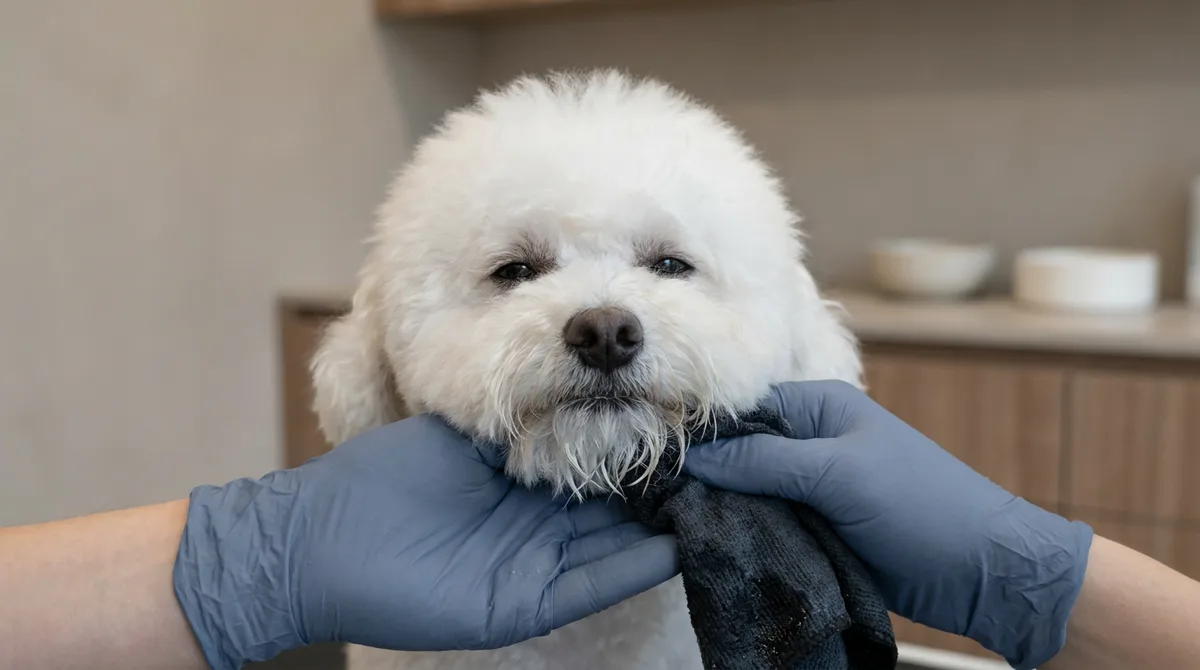
Keep face care gentle and separate from complicated shaping. Use an appropriate clean damp cloth for routine beard cleanup and avoid rubbing products into the eyes. New discharge, irritation, odor, or discomfort warrants veterinary advice; it should not be treated simply as a cosmetic stain-removal problem.
Ask your veterinary team to demonstrate care for your Bichon's ears. Avoid probing the ear canal or treating new odor, discharge, or pain as routine grooming. An individual ear-care plan is more useful than assuming every Bichon needs the same cleaning product or schedule.
For ordinary paw cleanup, Earth Rated unscented grooming wipes are an existing option to use according to the label. They can be convenient after a walk, but they do not replace coat combing or a needed bath. Keep wipe use away from eyes and other sensitive areas, and stop using a product if it causes irritation.
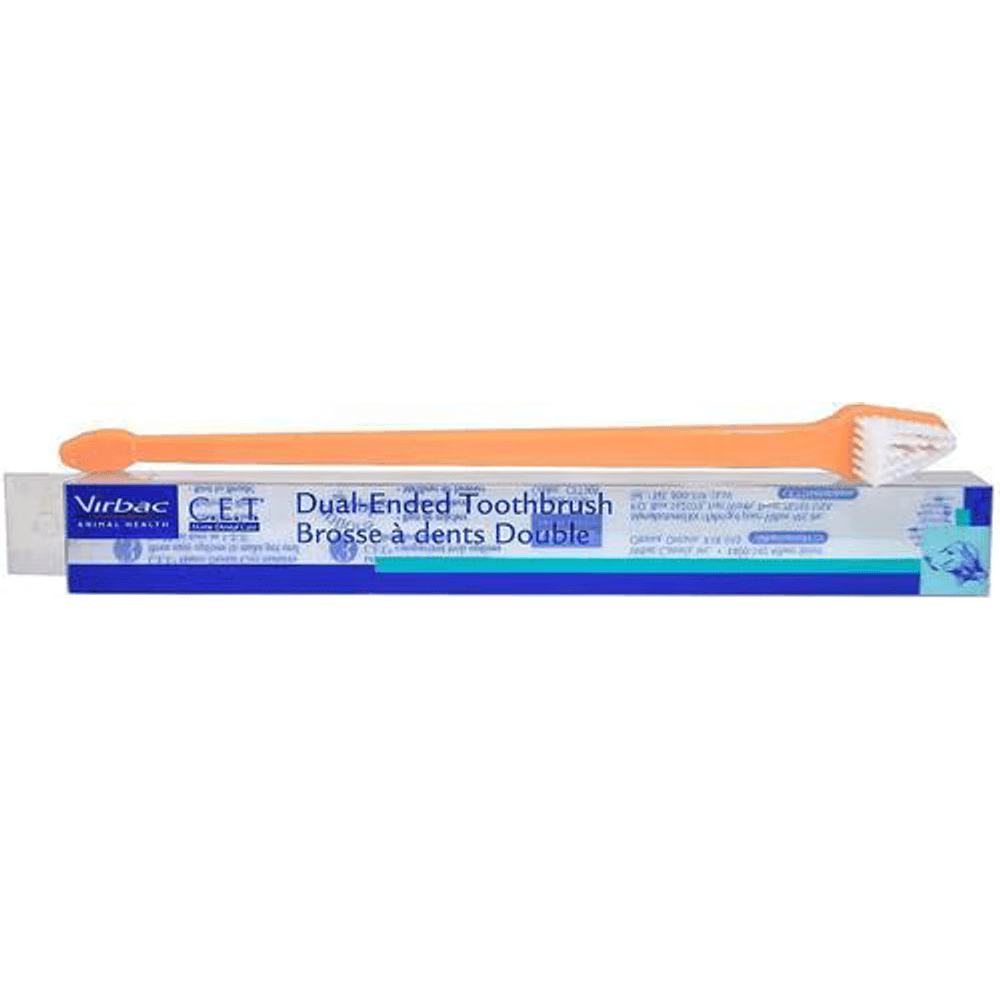
A Virbac C.E.T. dual-ended toothbrush is one tool to discuss with your veterinary team for mouth care. Ask for a demonstration and a dog-appropriate toothpaste recommendation. WebVet's guide to brushing a dog's teeth explains how to introduce the routine gradually instead of forcing a full session immediately.
Have a groomer or veterinary professional demonstrate nail care and any unfamiliar handling. Avoid turning one grooming session into a test of everything the dog finds difficult. Practicing a comfortable chin rest, brief paw touch, or brush stroke separately can make it easier to identify the next small step without restraining the dog through a long procedure.
When to introduce puppy grooming
Begin with gentle handling and brief introductions rather than waiting until a puppy needs a full haircut. Ask your groomer about age, vaccination records, and the kind of first appointment it offers; confirm health considerations with your veterinarian. The first useful visit may focus on familiarity and manageable steps rather than an elaborate finish.
The BFCA describes coat changes around eight to twelve months that can bring extra tangling. Monitor the individual puppy rather than assuming its early coat-care routine will remain sufficient. Our Bichon puppy first-year guide explains how to include short grooming practice alongside rest, toilet training, and other early learning.
Does low shedding make coat care easier?
Low shedding does not remove the need to maintain the coat. The practical question here is whether brushing and the comb check keep the layers comfortable between appointments. Do not use the amount of hair on the sofa as a substitute for checking the dog itself.
Human allergies are a separate decision. Our Bichon Frise hypoallergenic and shedding guide explains that topic in detail. A grooming routine can support cleanliness and coat comfort, but it should not be presented as a guarantee that an allergic person will tolerate a dog.
Plan and price your salon visits
Before choosing a salon, describe the coat, preferred style, current handling comfort, and what you can manage at home. Ask what the service includes and whether the groomer needs to assess the dog before confirming a quote. Book the next appointment around the agreed care plan rather than waiting until the coat becomes difficult.
Our Bichon Frise price guide shows how visit frequency affects an illustrative yearly grooming budget. Use a quote from your own groomer in that calculation. This guide focuses on the routine and haircut choices that make the appointment useful, rather than assuming one price or interval will suit every Bichon.
Is this grooming commitment right for you?
Before bringing home a Bichon, decide who will maintain the coat and how professional visits fit into the household schedule. If more than one person shares care, have the groomer demonstrate the same basic check to each person. Otherwise, a dog may receive plenty of surface brushing while everyone assumes someone else checked the underlayers.
The Bichon Frise breed profile puts grooming alongside the breed's wider daily needs. A sustainable trim, comfortable handling, and an appointment plan you can keep are more useful than a photograph of a finish your household cannot maintain.
Bichon grooming questions
Do not slide scissors under a tight mat. Skin can be pulled into the mat and be difficult to see, creating a risk of cutting the dog. Contact a professional groomer for an assessment; painful, inflamed, or injured skin also needs veterinary attention.
Share previous grooming experience, known handling difficulties, sensitive areas, and relevant instructions from your veterinarian. Ask which records the salon requires. Clear information helps the groomer plan an appropriate first visit and discuss limitations before the dog arrives.
Choose the haircut around coat condition, comfort, hygiene needs, and the maintenance routine you can provide. Sex alone does not determine whether a puppy, teddy bear, or fuller trim is the right choice. Discuss the individual dog's needs with the groomer rather than relying on a gendered style name.

Coreen Saito is a pet writer and longtime shelter volunteer with more than a decade in animal rescue. She covers cat behavior, breed care, and the small, ordinary science of sharing a life with companion animals, with a particular focus on honest takes about the products and decisions that actually matter. At home in Arizona, she's outranked by Mac (a dog with the loudest opinion in the house), Rebel (a cat who governs by quiet authority), and Meri (an orange tabby who runs the late shift and the laundry basket). She writes about all three, plus the rescues that keep coming through her life, at LifeWithMinty.com.
Sign up for expert-backed reviews and safety alerts all in one place.