Poochon Haircuts: Styles, Pictures, and Coat Care
Choose a Poochon haircut by body length, face shape, coat condition and the care you can maintain. These style directions help you communicate clearly with your groomer.

BVMS, MRCVS
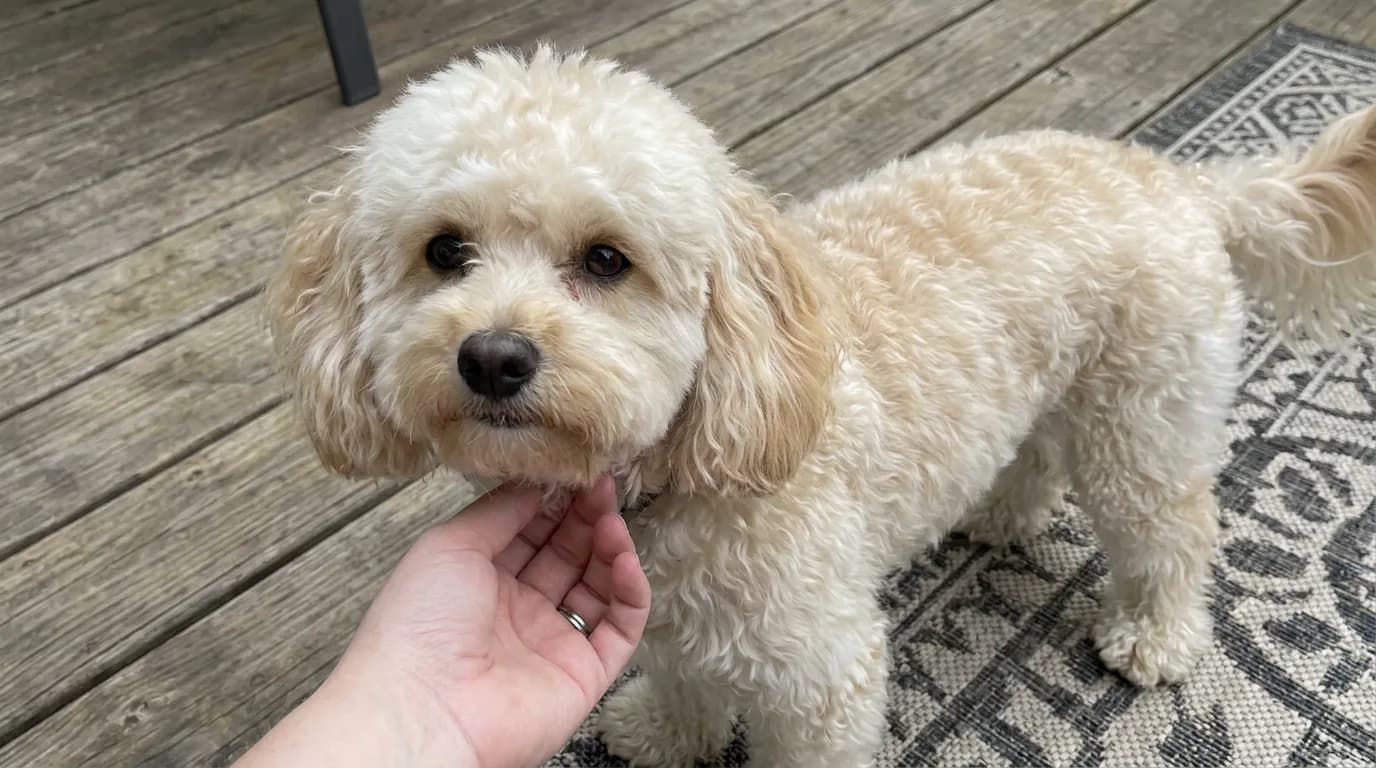
Poochon with a rounded face and softly curled cream coat.
Petful is reader supported. As an affiliate of platforms like Amazon and Chewy, we may earn a commission when you buy through links on this page. There is no extra cost to you.
The best Poochon haircuts balance the look you like with the coat your dog has and the grooming routine you can maintain. A rounded teddy bear face, a practical short body and a longer fluffy trim are all useful starting points for a groomer conversation. None is a universal recipe with one fixed length.
Bring a reference picture, then explain what you like about it: the face shape, body length, ears or fuller legs. Ask the groomer what is realistic for your dog’s coat condition and comfort. A clear brief is more helpful than a style name that different salons may interpret differently.

Sign up for expert-backed reviews and safety alerts all in one place.
Poochon haircut styles at a glance
Poochon haircut styles range from rounded teddy bear faces to a short body clip or longer rounded trim. A shaved Poochon may have needed close clipping because of matting; it is not simply another length to request without a coat assessment. If you want to groom a Poochon at home, begin with a demonstrated brushing and combing routine. Leave close clipping and tight mats to someone trained to assess skin and coat safely.
- 1Describe body length and face shape instead of relying on “teddy bear” or “puppy cut” alone.
- 2Coat condition may limit which style is comfortable at the appointment.
- 3Choose a length that matches your actual brushing routine and grooming budget.
Poochons combine Bichon Frise and Poodle ancestry, so coat texture and curl vary. The same trim can look fuller on one dog and softer or flatter on another. Use pictures to communicate a direction, then let the groomer assess how that direction translates to the individual.
Petful may earn a commission when you click through to Chewy, at no extra cost to you.
| Style direction | What to request | Maintenance question |
|---|---|---|
| Teddy bear look | A rounded face and balanced, soft outline | How much body length can we comfortably maintain? |
| Short practical clip | A shorter even body with a face you can keep clean | Which areas still need regular comb checks? |
| Longer rounded trim | Fuller legs and body with a shaped outline | Can our routine keep the coat free of tight tangles? |
| Individual adaptation | Different lengths where coat or comfort requires them | What is achievable safely today? |
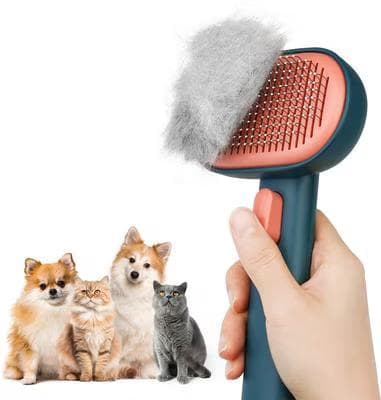
Discuss tools before building a home kit. An aumuca self-cleaning slicker brush may suit gentle work on an appropriate coat, but the groomer should show you how much pressure to use and how to check the result. A brush that glides over the surface does not prove that the coat underneath is tangle-free.
What is a teddy bear cut on a Bichon poodle?
A teddy bear cut usually means a softly rounded face with a balanced, fluffy outline. On a Bichon–Poodle mix, it is a style description rather than a single standardized body length. One owner may picture a short practical body with a round head; another may want fuller legs and an overall longer finish.
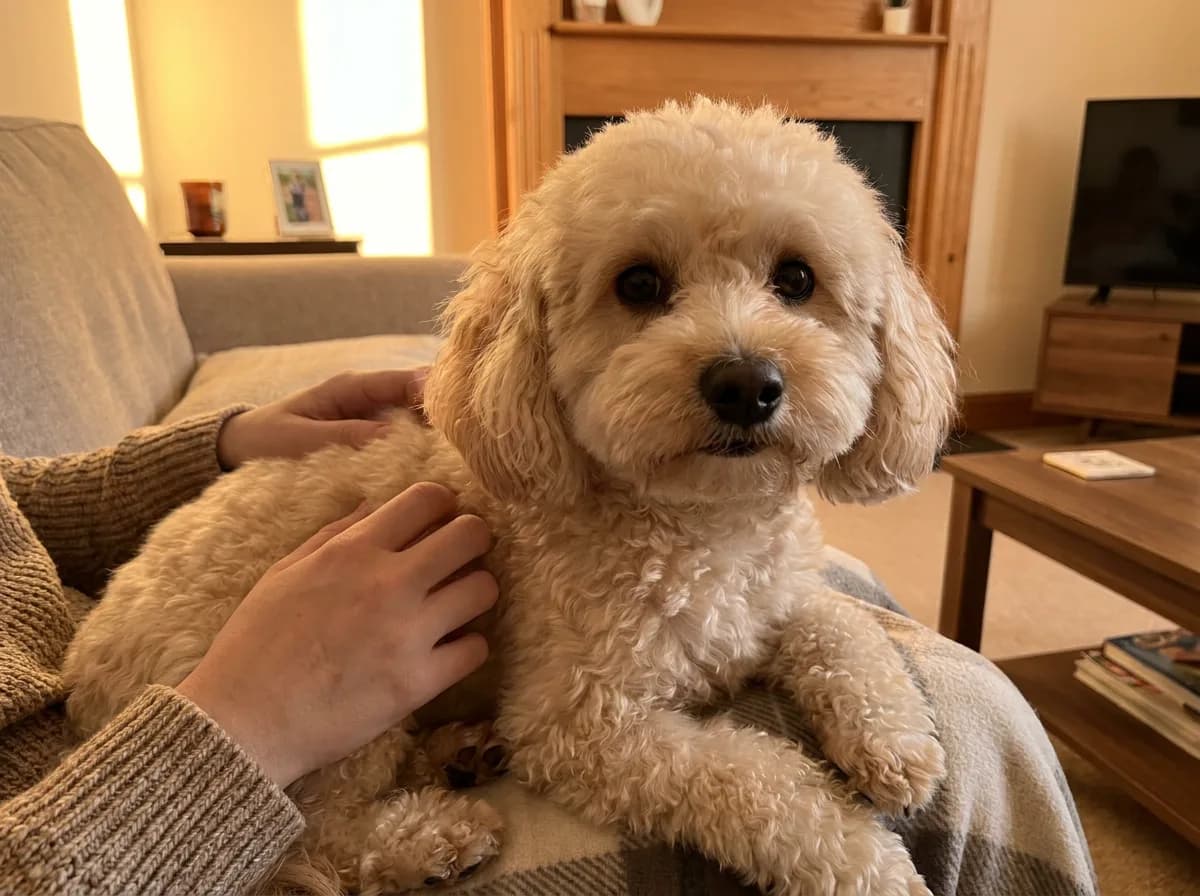
Point out the details in your reference picture. Discuss how much muzzle hair you want, how the ears should blend into the face and whether the body should be close or plush. Ask whether the hair can be kept clear of the eyes and mouth while preserving the shape you like. Those choices make the request concrete.
Check the maintenance behind the look
A rounded face still needs care between appointments. Food, moisture and friction can affect the hair around the mouth, ears and collar area. Ask which places need frequent checks and what the groomer wants you to do when a comb catches. Do not keep pulling through resistance to preserve a picture-perfect outline.
For bathing when appropriate, Earthbath fragrance-free oatmeal and aloe shampoo is one dog-formulated option to discuss. Follow the label and the groomer’s advice for your dog. Fragrance-free wording does not guarantee that every animal will tolerate a product, and shampoo cannot replace assessment of irritated skin or tight matting.
A short practical clip
A shorter body can reduce the amount of long hair you need to manage, while leaving room for a softly shaped face and ears. Specify the intended finished length with the groomer rather than assuming “short” means the same thing to both of you. The closest clip is not automatically the right choice.
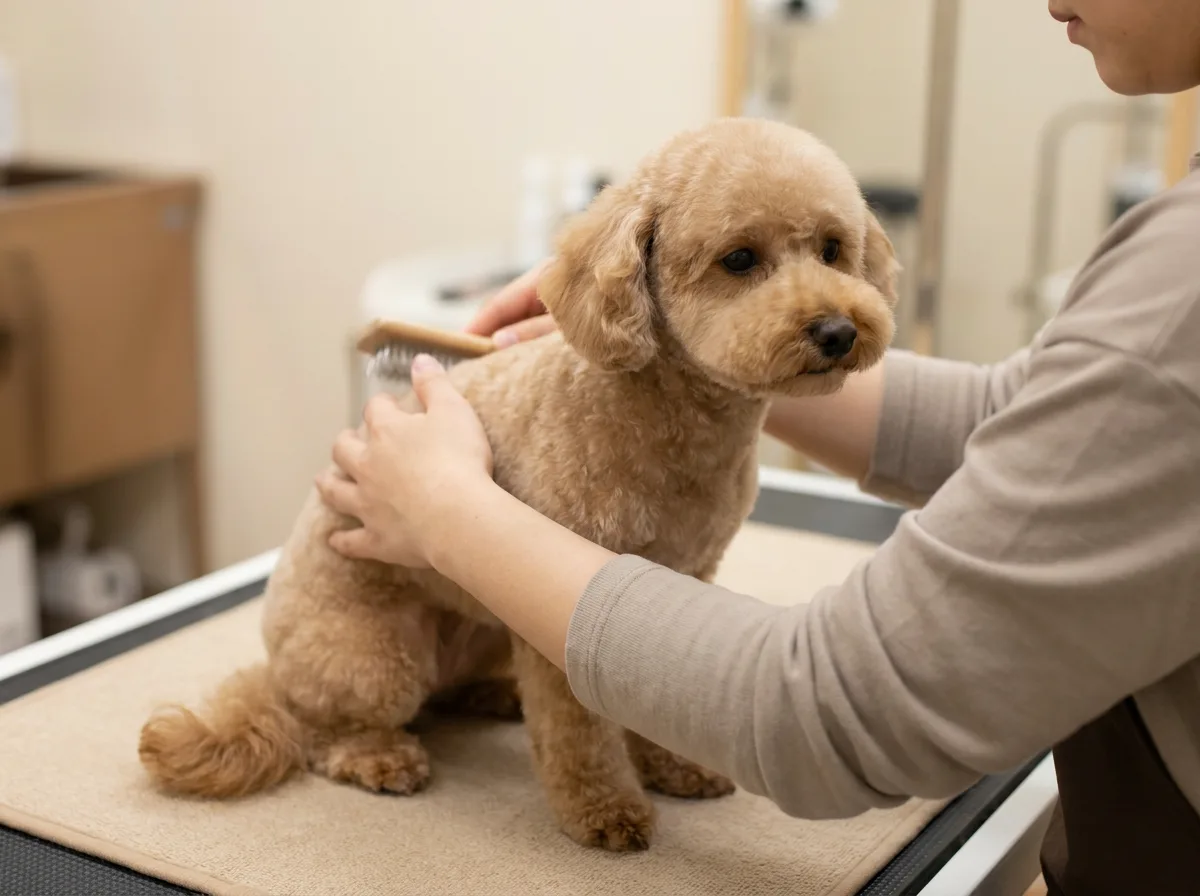
This direction can be useful when the household prefers a manageable routine or the dog gets wet and dirty frequently. It still requires coat checks, careful drying and regular appointments. Shorter hair does not make grooming disappear, and areas of friction can still tangle.

Petful may earn a commission when you click through to Chewy, at no extra cost to you.
If matting limits the options, ask the groomer to explain the comfortable approach before work starts. Saving every inch of hair is not more important than avoiding painful pulling. Agree on what can be achieved today and what routine could support a different length as the coat grows.
A longer rounded trim
A longer trim keeps more body coat and can create a full, rounded outline through the legs and chest. It asks more of the home routine because there is more hair to keep separated and manageable. Choose it because you can sustain that care, not only because the reference photo is attractive.
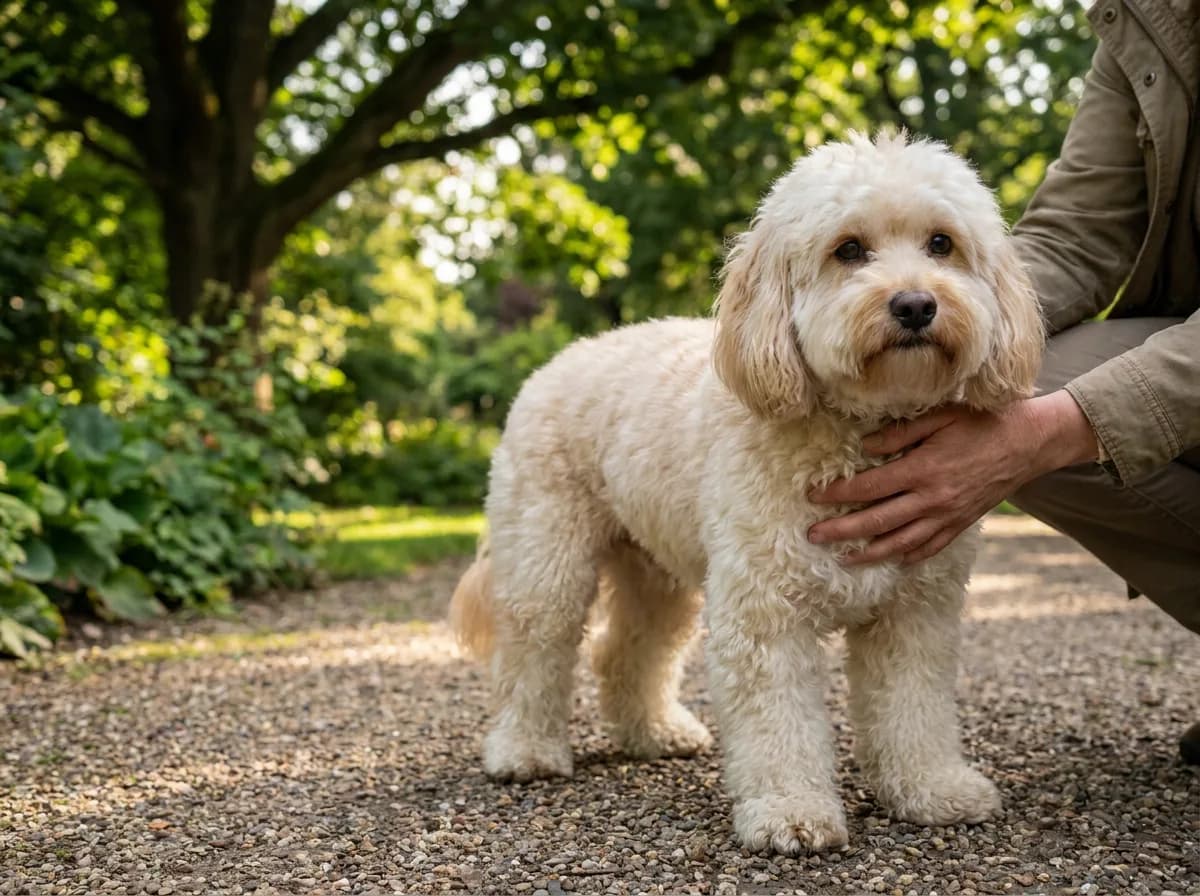
Ask for a demonstration on your own dog before committing to a longer style. The AKC’s Poodle coat guidance emphasizes working through the full coat rather than brushing only the surface. A Poochon’s mixed coat needs its own assessment, but the practical lesson is relevant: hidden tangles can remain beneath a fluffy exterior.
Be candid about time and handling tolerance. If the dog cannot comfortably manage the necessary sessions or your schedule rarely allows them, a shorter plan may be kinder and easier to maintain. You can revisit the style after establishing a routine rather than treating one appointment as a permanent commitment.
What to tell your groomer
Bring written groomer instructions and two useful photographs: the face shape you like and the body length you can maintain. Ask the groomer to show the likely finished length before clipping. The words “teddy bear” alone do not specify ears, legs, face or body.
Tell the groomer about previous handling difficulties, sensitive areas, recent skin concerns and the amount of maintenance you actually do at home.
A practical appointment brief includes:
- Body length: the finished feel and length you want, agreed in concrete terms.
- Face shape: rounded, shorter around the mouth, or another clearly described preference.
- Ears and legs: how full you want them and what you can maintain.
- Coat condition: any tangles or areas that are difficult to handle.
- Home routine: realistic brushing frequency and the next grooming appointment.
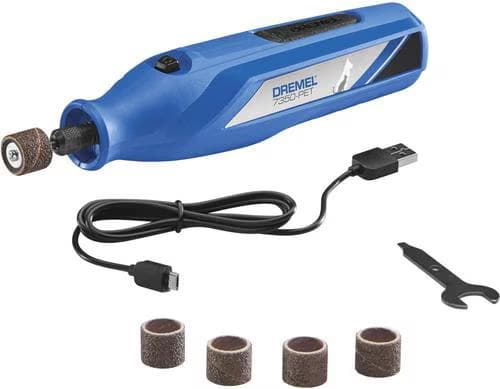
Ask about nail care separately from the haircut. A Dremel 7350-PT nail grinder may be an option for a dog comfortable with gradual introduction to its sound and vibration. It is not a coat-clipping tool. Have a professional demonstrate safe use before trying it, and choose a different approach if the dog cannot remain comfortable.
Petful may earn a commission when you click through to Chewy, at no extra cost to you.
A haircut request you can take to the appointment
Use a brief such as: 'I like a rounded face, but I need to keep the eyes and mouth easy to clean. I want a shorter body than the dog in this photo, with enough leg coat for a soft outline. Please show me the finished length you recommend, check the coat before we agree, and contact me if tight mats change the plan.' This turns a picture into a discussion of the parts the groomer can actually adjust.
Then agree on the ears, tail and feet separately. Longer ears can frame a round face but need their own combing routine. Fuller legs change the silhouette without requiring the same length over the whole body. Neat feet may be useful for a dog who regularly walks on wet ground. Ask which choices affect appointment length or price so the finished look and the bill are both understood.
- Save a front and side picture of a result you liked after an appointment.
- Note the agreed finished length and the date, rather than trying to remember a style name.
- Tell the groomer which areas tangled first between visits.
- Review the maintenance plan before asking for more length next time.
Puppy cut, teddy bear cut and summer cut
These names describe a direction, not a universal salon specification. A puppy cut can mean an even manageable length on an adult dog; it does not mean the dog must be a puppy. A teddy bear request usually emphasizes the face and rounded outline. A summer cut usually means the owner wants a shorter style, but it does not specify how close to clip or what to leave on the ears and legs.
Avoid picking a blade number from an online picture. Coat condition, equipment and the groomer's technique affect the result, and the number does not communicate your whole goal. Discuss the finished length and maintenance you can provide. If the coat is tightly matted, the safe available length may differ from the original request.
Petful may earn a commission when you click through to Chewy, at no extra cost to you.
Between-appointment coat care
Keep sessions short enough for the dog to remain comfortable. Work in a stable position with good light and a tool suited to the coat. Check common friction areas, including behind the ears, around a collar or harness and where legs meet the body, rather than brushing only the most visible back hair.
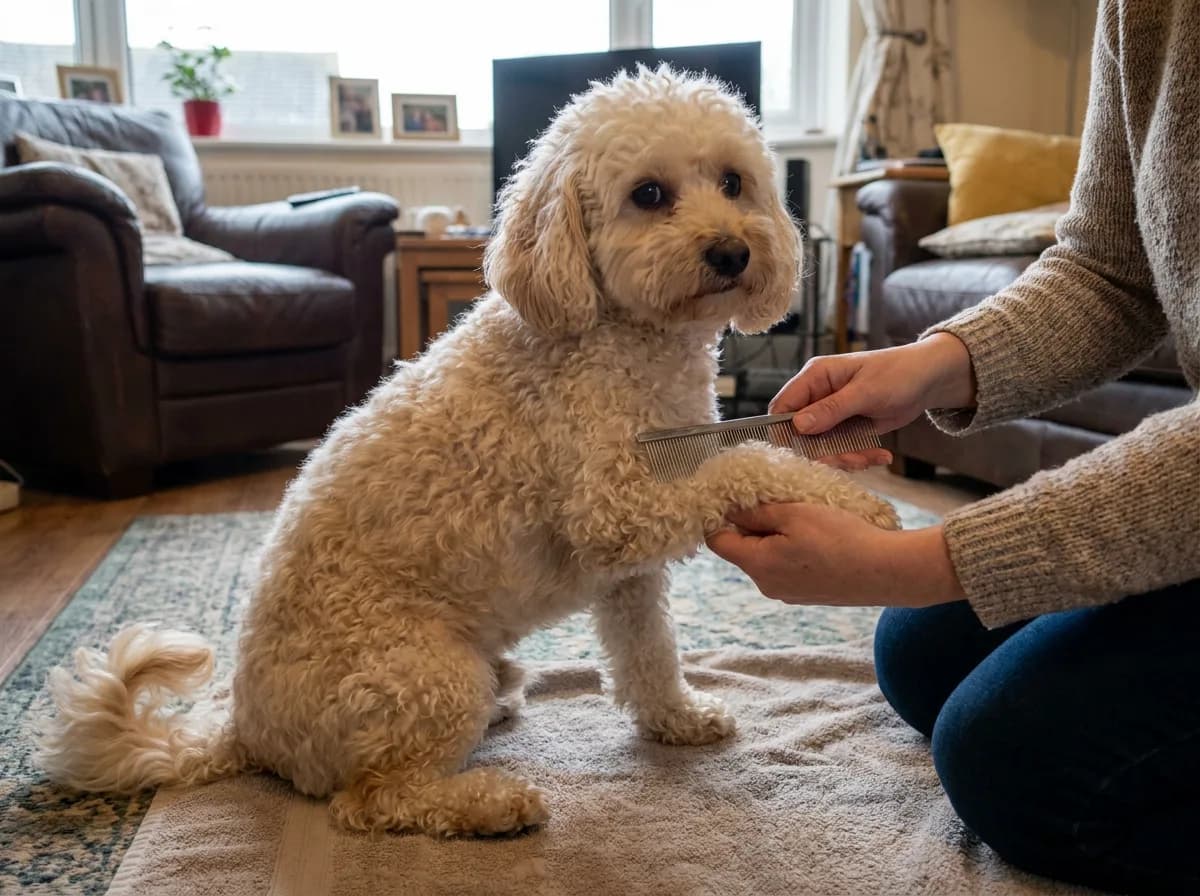
If you encounter a tight mat, stop and ask the groomer for help. The AKC advises against cutting mats out yourself. Skin can sit close to or within a tangle, so a seemingly small snip can injure the dog. Do not use the style you want as a reason to force prolonged, uncomfortable dematting.
Nail care is a separate skill
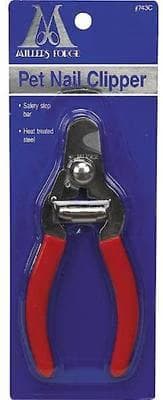
If you prefer clippers to a grinder and have been shown the technique, Millers Forge nail clippers are an option to compare with the size of the dog’s claws. A grinder and clipper are alternatives, not a requirement to buy both. Stop when you cannot clearly identify a safe trimming point or the dog becomes distressed.
Schedule the next appointment based on coat growth, chosen length and what you can maintain. There is no single interval that guarantees every Poochon will stay comfortable. If tangles return before the planned visit, discuss a shorter style, a different home technique or an earlier appointment.
WebVet’s harness-versus-collar guide is useful when assessing equipment that sits against the coat. Fit and rubbing deserve attention after a haircut or as the coat grows. Check beneath straps regularly rather than assuming hair concealed by equipment stays clear.
Brush, then check the coat beneath the surface
Ask the groomer to demonstrate one small area on your dog. Separate the hair so you can see where you are working, support it comfortably and use the recommended tool in short, gentle passes. Check the result with the comb or technique the groomer showed you. The aim is to find resistance early, not to pull a tool through at any cost.
Work through a repeatable route: one side, chest, the other side, legs and the areas around the ears, as tolerated. Break that route into several short sessions if needed. Stop at a stubborn tangle, soreness or a change in the dog's response. Record where the problem occurs so the groomer can adjust technique, length or the next appointment.
Plan baths around coat condition
Before a home bath, check that the coat can be handled comfortably and ask the groomer how to deal with any tangles first. Follow the dog shampoo's directions, rinse thoroughly and dry in the way demonstrated for your dog's coat. Avoid improvising with hot air close to the skin or leaving damp, compressed areas under equipment.
A bath and a haircut solve different problems. Bathing does not remove a tight mat, and fragrance does not explain a persistent odor from an ear or irritated skin. Describe those changes to the groomer or veterinary team rather than repeatedly washing the same area. The AKC's home-grooming guidance explains which routine jobs owners can learn and when professional help is appropriate.
For a more detailed demonstration of separating the coat into layers and following a brush with a comb, see our Bichon Frise grooming guide. Apply the technique to the coat your Poochon actually has; a mixed coat should not be forced into a show-dog routine simply because one parent is a Bichon.
Size and coat maturity
A growing puppy’s coat and proportions can change, so an adult reference picture is a direction rather than a promise. Introduce handling and grooming gradually while asking the groomer what is appropriate for the current coat. Avoid insisting that a puppy must immediately resemble a mature, fully styled dog.
Our full-grown Poochon guide covers adult-size variation and measuring. A haircut can make a dog look larger or smaller without changing its frame. Keep those visual changes separate from actual growth and body-condition decisions.
Preparing a puppy for the first salon visit
Contact the salon before the puppy needs a full haircut. Ask about its vaccination requirements and introductory appointments, then coordinate timing with your veterinarian. An introduction may focus on standing on a suitable surface, hearing the equipment and accepting a little gentle handling rather than completing a full adult style.
At home, practice the same small pieces. Briefly touch a paw, reward and release; lift an ear gently, reward and stop; show the brush, then try a few comfortable strokes. The AKC's puppy-handling guidance emphasizes early, manageable exposure. Do not save every unfamiliar sensation for one long first appointment.
Tell the groomer what your puppy has practiced and where it struggles. The useful first-visit goal is a dog who can return comfortably, with a realistic plan for coat care as it matures. Finishing a particular face shape is less important than avoiding an exhausting session that makes the next visit harder.
Poochon personality and daily care
Grooming is only one part of ownership. Our Poochon breed guide covers companionship, training, barking and the wider budget. Build coat care into that ordinary routine instead of making every grooming session an isolated, stressful event.
Keep the slicker brush and any suitable bath products ready, but let technique and the dog’s response determine how you use them. A smaller, purposeful kit with professional guidance is more useful than a drawer of tools that do not match the coat.
Poochon haircut questions
No. Coat texture, curl, condition and the household’s maintenance routine vary. Discuss a style that suits the individual dog, including body length, face shape and how the coat will be cared for between appointments. A style name alone does not specify those details.
Do not cut close mats out yourself. Skin can be drawn into or lie immediately beneath the tangled hair, making an injury possible even when the snip looks small. Stop and ask a groomer or veterinarian for help rather than pulling hard or cutting blindly.
No. Groomers may use puppy cut for an even, manageable style on an adult dog too. Ask what finished body length the salon means and agree separately on the face, ears, legs and tail. A style name without those details can lead to a result different from your reference picture.
Ask the salon first. Many appointments include bathing as part of the service, and the groomer may want to assess the coat before it is washed. If you have found tangles or irritated skin, explain that when booking rather than attempting a last-minute bath or dematting session.
Save front and side photographs of a result you liked, plus the appointment date and agreed finished length. Tell the groomer where the coat tangled or became difficult to maintain. That combination gives more useful guidance than repeating teddy bear cut while the coat condition or your routine has changed.
BVMS, MRCVS
Dr. Pippa Elliott, BVMS, MRCVS, is a veterinarian with nearly 30 years of experience in companion animal practice. Dr. Elliott earned her Bachelor of Veterinary Medicine and Surgery from the University of Glasgow. She was also designated a Member of the Royal College of Veterinary Surgeons. Married with 2 grown-up kids, Dr. Elliott has a naughty Puggle named Poggle, 3 cats and a bearded dragon.
Sign up for expert-backed reviews and safety alerts all in one place.