Poochon (Bichpoo): Temperament, Size, Care, and Costs
A Poochon is a Bichon Frise–Poodle mix with an engaging personality and ongoing grooming needs. Match the individual dog with a realistic routine and budget.

BVMS, MRCVS
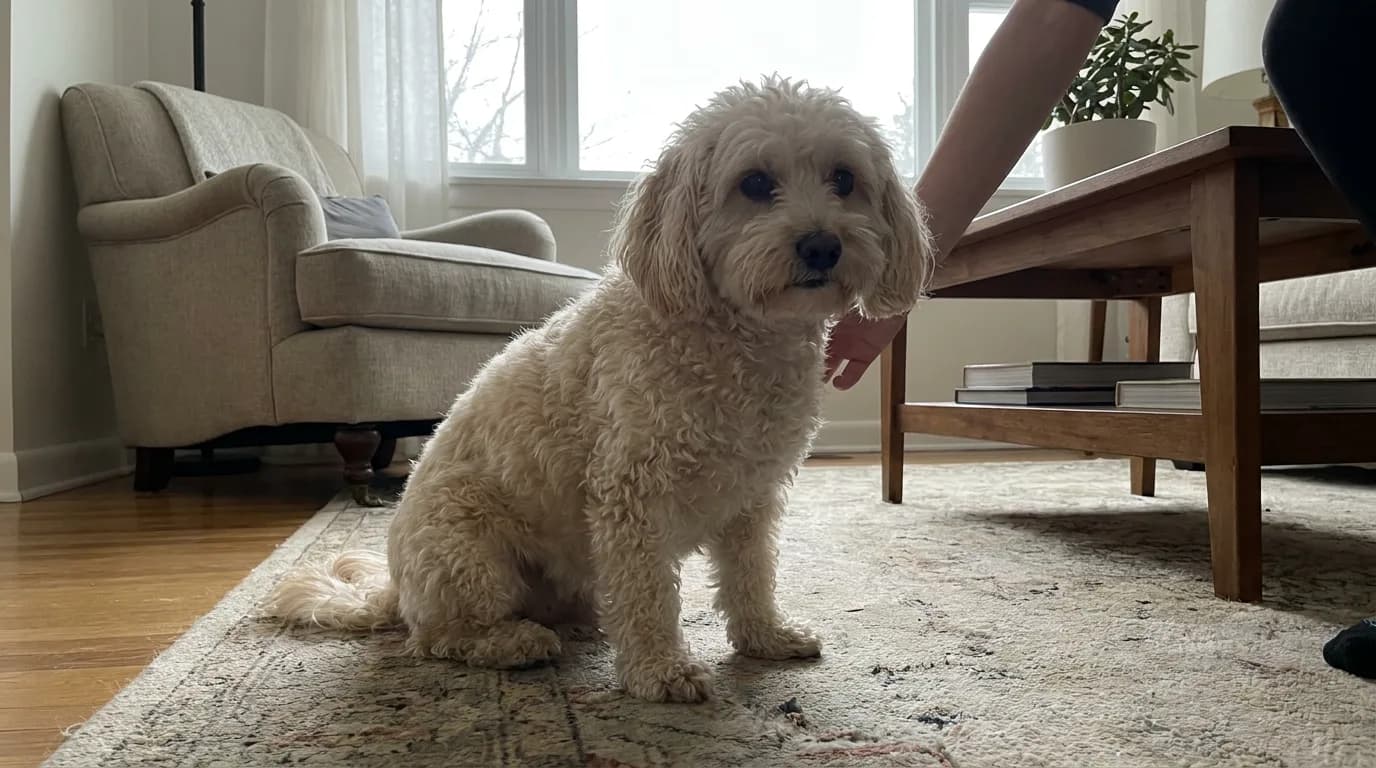
Cream Poochon sitting on a living-room rug beside a person.
Petful is reader supported. As an affiliate of platforms like Amazon and Chewy, we may earn a commission when you buy through links on this page. There is no extra cost to you.
A Poochon, also called a Bichpoo, is a Bichon Frise Poodle mix. These small companion dogs can be playful and engaging, with coats that range in texture and curl. Their appealing appearance comes with a practical commitment: regular coat care, training and a routine that includes company as well as time to rest.
Before choosing a Poochon, look at the parents, the individual dog and your own week. Size alone does not make a dog easy to leave alone or inexpensive to maintain. The best match is a dog whose grooming, activity and social needs fit what your household can consistently provide.

Sign up for expert-backed reviews and safety alerts all in one place.
What is a Poochon?
- 1Poochon and Bichpoo describe a Bichon Frise–Poodle mix.
- 2Adult size and coat vary with ancestry; a small-size label is not a guarantee.
- 3Budget for ongoing grooming and build a daily routine with training, activity and gradual practice being alone.
The name combines two established breeds, but the mix does not have one universally predictable size or coat. Toy or Miniature Poodle ancestry can influence the expected scale, while both the parents and the individual puppy provide useful context. Ask what is actually known about parentage rather than assuming every advertisement describes the same cross.
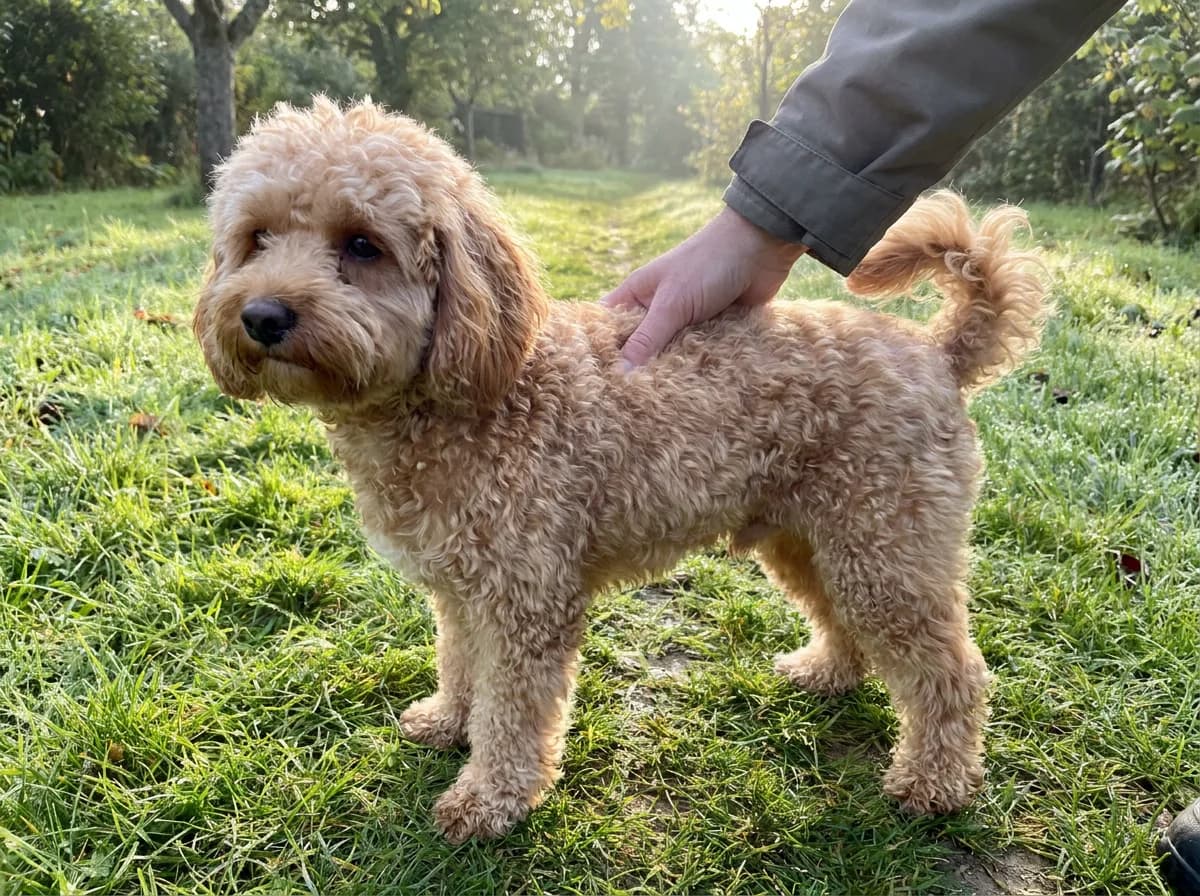
Poochon and Bichpoo are generally used for the same mix. A different spelling or a description such as “teddy bear” does not necessarily identify a different breed. If a seller uses a special size or generation label, ask what it means in that particular litter and which records support it.
A comfortable rest area belongs in the initial setup. The FurHaven Velvet Waves orthopedic sofa bed is one option to compare against the dog’s sleeping position and your available space. Check the usable sleeping area inside any bolsters; a dog who stretches out may need more room than a curled-up photograph suggests.
A Bichon Poodle mix is another name for this cross; reversing the order to Poodle Bichon mix does not describe a separate breed. What matters when comparing puppies is the actual parentage, especially which Poodle variety is involved, rather than the order of the names in an advertisement.
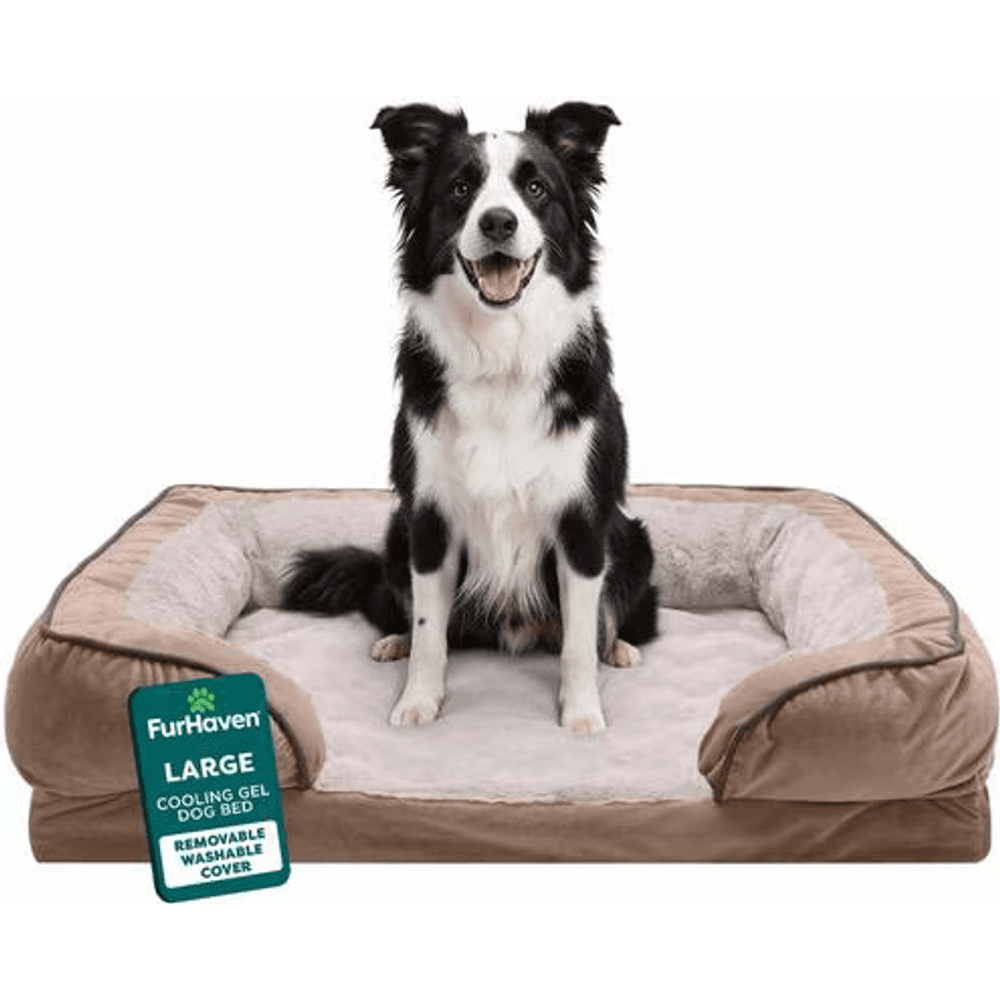
An orthopedic sofa bed with three bolstered sides for dogs who like to rest their head and joints against a cushion. The supportive foam base cradles hips and elbows, a comforting spot for an older or shaky dog to settle.
Petful may earn a commission when you click through to Chewy, at no extra cost to you.
Is a Poochon a good dog?
A Poochon can be a good companion for someone who enjoys an involved small dog and can keep up with grooming and training. That does not make every individual suitable for every home. Ask about handling, confidence, response to noise and experiences with children or other pets, then compare those observations with your household.
Think in terms of fit rather than a universal good-or-bad rating. A family that enjoys daily interaction and can arrange care during absences may suit a companionable dog. Someone who wants minimal coat maintenance or routinely leaves a dog alone for long stretches should examine those expectations before committing.
Questions to discuss with the current carer include:
- How does the dog react when a familiar person leaves the room?
- What grooming and handling has it experienced?
- Which situations make it confident, hesitant or vocal?
- What does an ordinary day of rest, activity and feeding look like?
Meet the individual without forcing contact. A puppy who is sleepy at one visit is not necessarily a calm adult, and one exuberant greeting does not tell you the whole temperament. Ask for repeated observations and use them alongside the meeting.
How large will your Poochon grow?
Poochons are usually discussed as small dogs, but adult size depends on the parents and their ancestry. Pooch & Mutt’s breed profile gives a broad range of 3–7 kilograms, approximately 7–15 pounds, and 22–35 centimeters tall. Treat those figures as a profile reference, not a promise for every puppy.
Our full-grown Poochon guide explains how to use parent measurements and growth trends without relying on an unsupported puppy calculator. Current chest girth and body dimensions matter when buying equipment. A seller’s “teacup” label does not replace that information.
Training, exercise and time alone
For food, there is no single best dog food for every Poochon puppy or adult. Ask your veterinary team for a complete diet appropriate to life stage and individual needs, keep the current food during the initial settling period when advised, and measure portions. Compare a puppy formula with the puppy’s needs rather than choosing from a breed-name label.
Include gradual socialization: give the dog manageable, positive experiences with ordinary people, sounds and handling, with room to move away. For a working day, plan who provides toilet breaks, company and a short training session. A puzzle can occupy part of a meal, but it cannot replace that person.
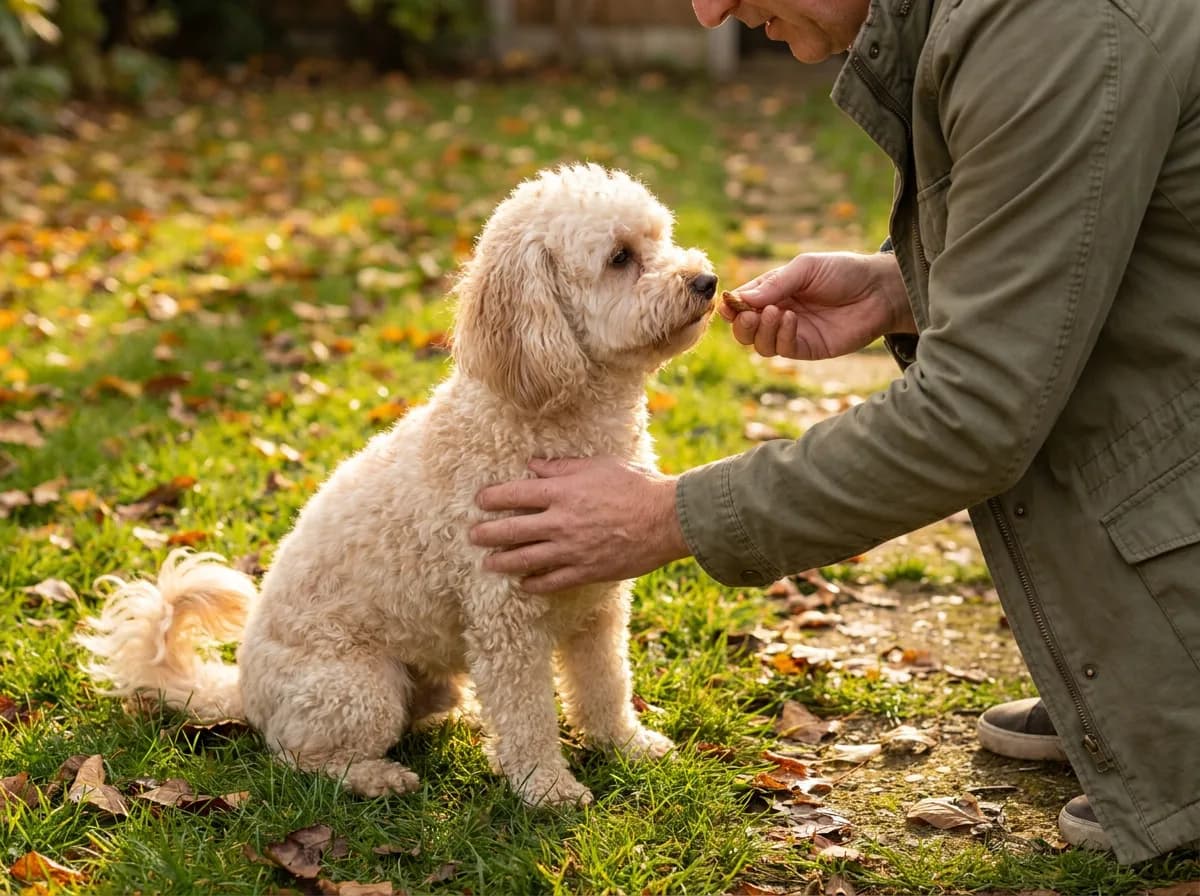
Use short, rewarding practice woven into ordinary life. Teach useful behaviors such as responding to a name, settling on a mat, walking with a loose lead and accepting brief handling. Keep tasks easy enough that the dog can succeed, then build gradually rather than increasing difficulty in several ways at once.

A padded, reflective no-pull harness that spreads leash pressure across the chest instead of the throat, the switch most vets recommend for a dog with a cough, a collapsing trachea, or any airway irritation so the leash never presses on
Petful may earn a commission when you click through to Chewy, at no extra cost to you.
For walks, the EliteField padded reflective small-dog harness is one option to assess against actual measurements. Check buckles, the lead attachment and movement in a secure space. WebVet’s harness-versus-collar guide explains how to compare walking equipment; no product replaces training or fit checks.
Build a routine the dog can manage
Provide daily opportunities for comfortable movement, sniffing and play, adjusted for age and health. A small dog still benefits from exploring the world rather than being carried everywhere. Balance activity with uninterrupted rest and watch whether the dog is enjoying the session rather than trying to exhaust it.
Practice time alone in manageable steps while essential needs are met. Start with brief separations the dog can handle and observe its response. If absence causes sustained distress, seek qualified behavioral help rather than assuming the dog will simply get used to long periods alone. Arrange care while working on the problem.
A practical day with a Poochon
Build the day around changes of activity, rather than one long outing followed by hours without contact. For example, an adult who is comfortable with your routine might have a toilet trip and sniffing walk before breakfast, a quiet rest while you work nearby, a midday break, and play or training later. This is a planning example, not an exercise prescription. A puppy needs more frequent opportunities to toilet and a schedule that protects sleep.
Choose one small training task at a time. Before opening the back door, reward four paws on the floor. Before putting on the harness, reward a moment of stillness. During brushing, reward accepting a few gentle strokes. These ordinary repetitions teach the behaviors you will use throughout the dog's life without requiring a long formal lesson.
- Use part of the measured food allowance for training when suitable.
- Keep a toilet and feeding record during the settling period so everyone follows the same routine.
- Arrange another person's help before an absence exceeds what the dog can manage.
- Introduce busy locations gradually; carrying a small dog through an overwhelming situation does not necessarily make it comfortable.
Children, resident pets and handling
Small size makes a Poochon easy for a child to approach, but it also makes unwanted lifting easy. Begin with the child sitting calmly while the dog chooses whether to come closer. An adult should manage the interaction and provide a separate resting area. A dog moving away is ending the interaction, not asking to be followed.
For a resident dog, start with a controlled introduction and separate food, resting areas and valued chews. For a cat, provide escape routes and a dog-free area before face-to-face meetings. Ask the current carer about observed experience with the species you have at home. 'Raised with pets' is less useful than knowing whether the puppy has calmly shared space with cats or only seen them through a barrier.
Petful may earn a commission when you click through to Chewy, at no extra cost to you.
Does a Poochon bark a lot?
Some Poochons are vocal, but a breed label cannot predict exactly how much an individual will bark. Excitement, alerting, frustration and distress can look similar to someone hearing the noise from another room. Identify the context before choosing a training response.
Record when barking happens: at the window, during a departure, when a toy is inaccessible or when attention stops. Then address that situation. For example, reducing a busy window view and rewarding quiet settling is different from helping a dog who panics when left alone. Punishing the noise without understanding the cause may leave the underlying need unresolved.
Apartment suitability depends partly on this routine and the building’s sound environment. Small size does not guarantee quiet behavior. Ask the current carer about known triggers and be realistic about your neighbors, schedule and access to outdoor breaks.
Coat care and haircut choices
Plan the grooming commitment before choosing a longer style. The AKC’s Poodle profile describes daily brushing for a full Poodle coat and professional grooming about every four to six weeks. That is parent-breed context, not a fixed Poochon schedule: ask a groomer to set the interval for your dog’s texture, chosen length and home brushing. Low shedding does not make a Poochon hypoallergenic; an individual can still trigger allergies.
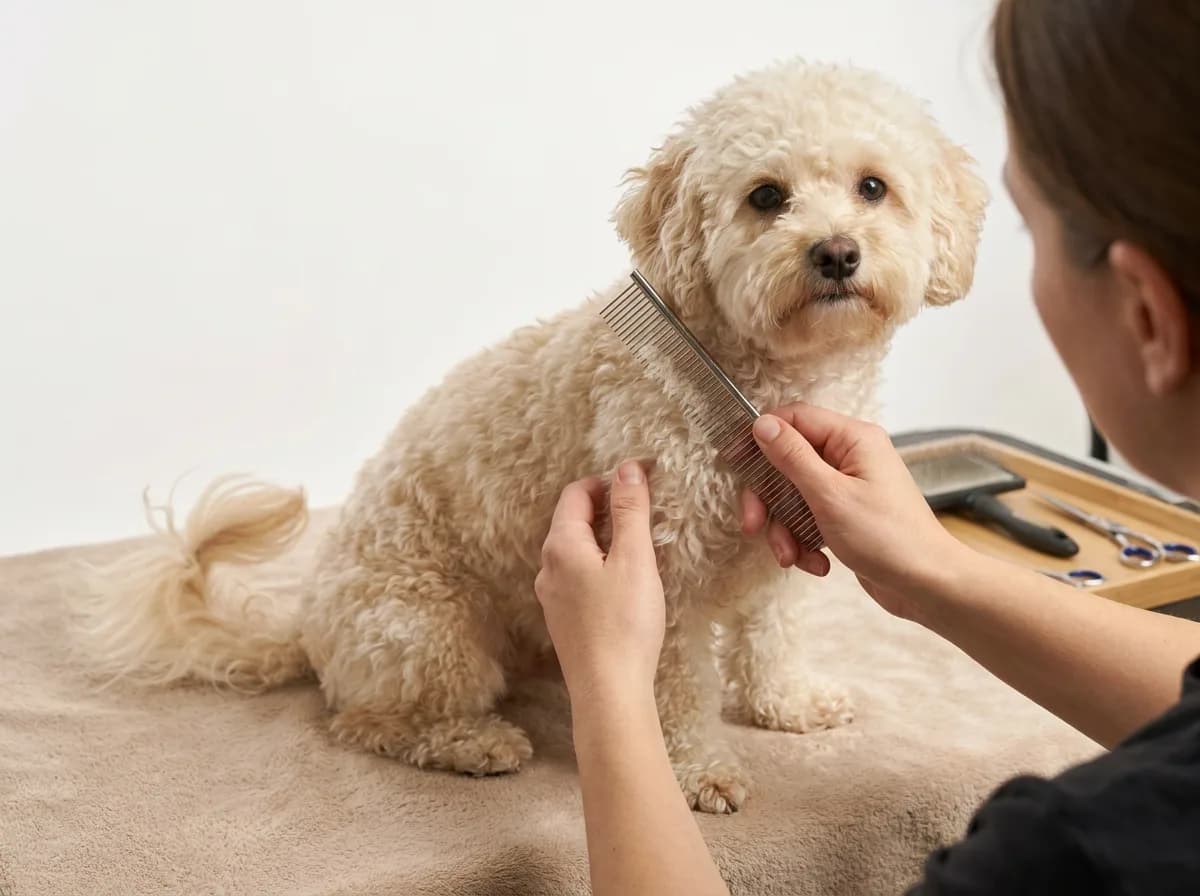
A Poochon’s curls or waves need regular attention to prevent tangles from becoming a comfort problem. Ask a groomer to assess the actual coat and demonstrate an appropriate brush-and-comb routine. A fluffy surface can conceal tangles nearer the skin, so appearance alone does not show whether the coat is manageable.
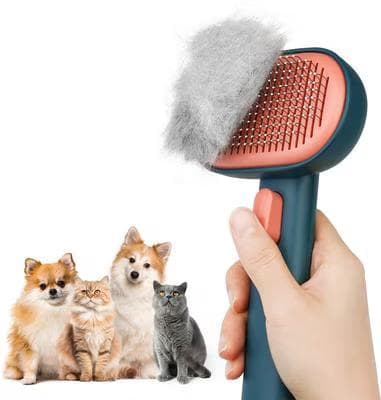
An aumuca slicker brush may be suitable for gentle work on an appropriate coat, but get guidance on technique and pressure. Stop when a snag will not release comfortably. Do not repeatedly rake one area or attempt to cut a close mat out with household scissors.
The AKC’s grooming guidance advises against cutting mats out yourself. Our Poochon haircut guide compares rounded, short and longer styles and explains how to agree on a maintainable result with the groomer. Coat condition may limit which style is comfortable on the day.
Low visible shedding does not mean no grooming or a guarantee for someone with allergies. If allergies influence the decision, discuss the situation with an appropriate clinician and spend time with the actual dog where feasible. A mixed-breed label cannot promise an allergy-free home.
Shedding, allergies and the coat you actually get
A Bichon Poodle mix may leave relatively little loose hair around the home, but the coat still releases hair and can retain it within curls. That is one reason a low-shedding dog can need substantial grooming. Do not choose a longer trim on the assumption that low shedding means low maintenance.
Petful may earn a commission when you click through to Chewy, at no extra cost to you.
The American College of Allergy, Asthma and Immunology explains pet allergies in terms of allergens associated with skin, saliva and urine, rather than coat length alone. A Poochon is not a reliably hypoallergenic choice. If someone in the household has a pet allergy, seek advice before committing to the dog; a brief symptom-free meeting is not a guarantee about living together.
Choose the coat routine as a household decision. Identify who will brush, who will book appointments and how you will notice a tangle developing under a harness or behind an ear. If those jobs have no realistic owner, choose a more manageable style with the groomer before the coat becomes difficult.
Our Bichon Frise grooming guide explains layer brushing and checking beneath the surface with a comb. Those practical handling skills can help with a Poochon coat, while the final tool and haircut choice should follow its individual texture.
How much does a Poochon cost?
Compare breeders and rescue placements on records and care as well as price. A reputable Poochon breeder should explain the parents’ identity, show the actual health records and give clear written terms. Rescue or adoption may offer an adult with a known routine, although the mix may be an informed estimate rather than documented parentage. Black-and-white puppies do not justify assumptions about adult size or temperament. A “teacup” sales label is not a recognized guarantee of a particularly tiny, healthy adult.
Obtain a complete written quote for the particular dog and separate acquisition from ongoing expenses. Advertised prices depend on the seller, location, age and included care. A deposit is not necessarily the full price, so ask how it counts toward the total and what happens if the placement does not proceed.
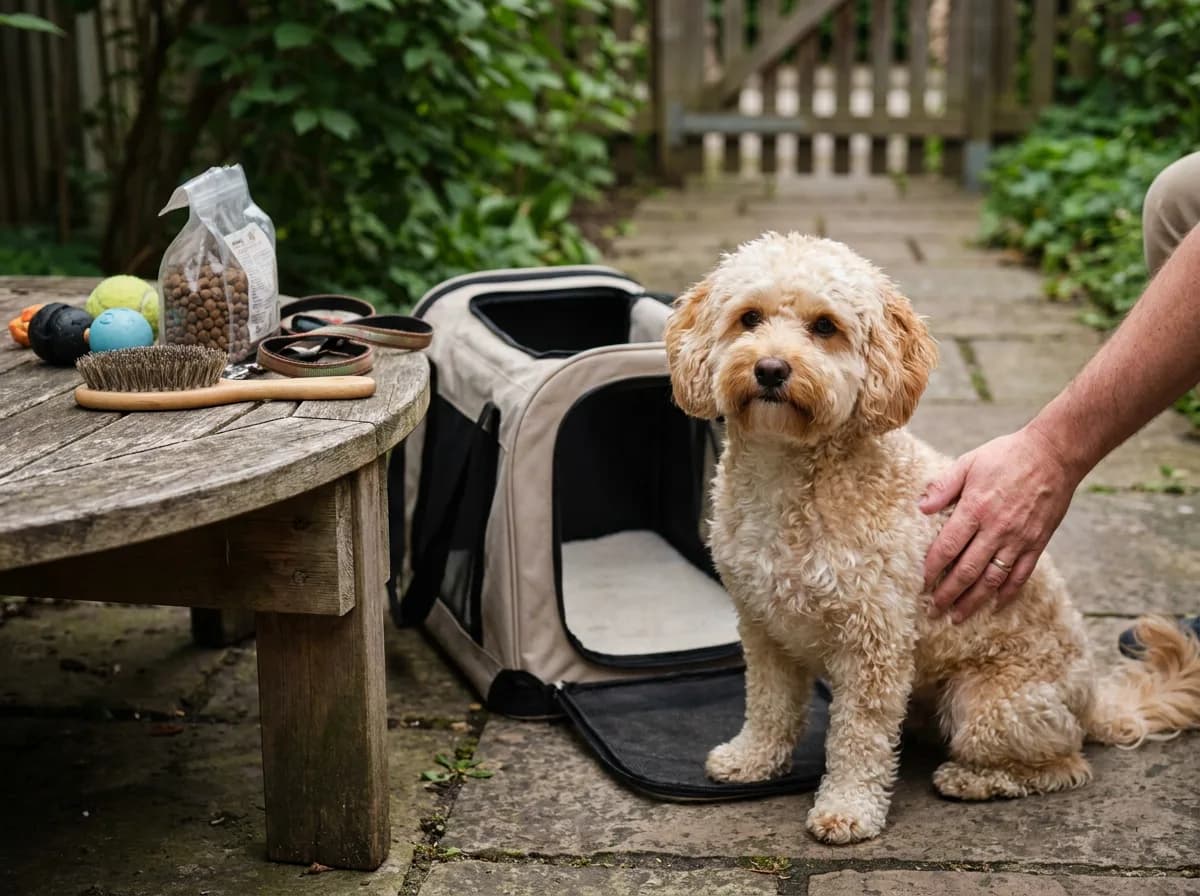
For context, Canadian breeder Poochon Paws lists puppies at $3,000 on its application page, checked in September 2026. This is a Canadian seller’s advertised figure, not a US market average or a recommendation; the page also says it does not ship puppies into the US. Your local quote, currency and full arrangement need separate confirmation.
Grooming is a recurring expense worth checking before you reserve a puppy. Ask a local groomer for a realistic appointment estimate based on expected coat, size and desired length. Include food, routine care, equipment, training or care during absences, and a plan for unexpected expenses in the larger budget.
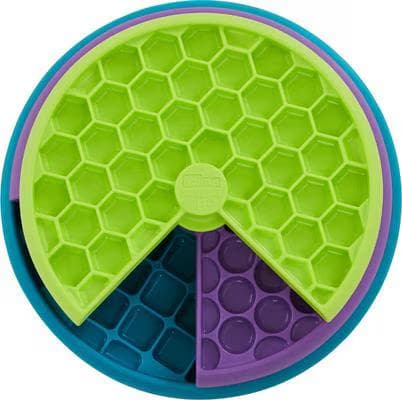
A Nina Ottosson Lickin’ Layers puzzle is an example of an enrichment purchase to consider after essentials. Use an easy introduction, supervise and include any food used in the dog’s appropriate daily intake. You do not need a large collection of puzzles before learning what the individual enjoys.
Turning a grooming quote into an annual budget
Use the groomer’s actual price and proposed interval to estimate the year. For example, a hypothetical $75 appointment every six weeks is about nine visits, or $675; every four weeks is about thirteen visits, or $975. These are arithmetic examples, not local price estimates. Add any separate services and home-care supplies, and ask what coat condition could change the quote.
What is the lifespan of a Poochon?
Pooch & Mutt gives a general Poochon lifespan range of 12–15 years. Treat that as breed-profile context rather than a guarantee or a measured prediction for one dog. Parent-breed ancestry can inform questions about health, but being a cross does not automatically eliminate inherited conditions.
Ask what health assessments were performed on the parents and puppy, and obtain the actual records. Discuss the individual’s care with your veterinarian rather than relying on a phrase such as “healthy parents” or a broad longevity claim. Plan for a potentially lengthy commitment with needs that may change over time.
Health records worth asking to see
Ask for named screening results for both parents, not only a general statement that a veterinarian examined the puppies. A routine puppy examination and a parent's inherited-disease screening answer different questions. The OFA's CHIC program explains how breed-specific screening information is recorded. A CHIC number is not a promise that a dog is free of every disease, and a generic DNA panel is not a substitute for all relevant examinations.
Have the breeder identify each parent by registered name or permanent identification so the results can be matched to the correct dog. Ask the veterinary team which Bichon Frise and Toy or Miniature Poodle screening results are relevant to that particular pairing. If the breeder cannot provide the records immediately, wait for them rather than treating a deposit deadline as a reason to skip the check.
- Request the puppy's examination, vaccination and parasite-treatment record.
- Ask about known health problems in close relatives and previous litters.
- Read the written contract, including support and return arrangements.
- Arrange an initial veterinary visit and bring the records rather than starting the history again from memory.
For a rescue Poochon, complete parent records may not exist. That uncertainty does not make the dog unsuitable for adoption. Ask what has actually been assessed, what treatment is ongoing and which follow-up costs you should plan for. A transparent explanation of unknowns is more useful than an unsupported claim of perfect health.
Parent health checks to discuss
The American Kennel Club's Bichon Frise profile identifies concerns including luxating patellas and eye disease, and lists hip and ophthalmologist evaluations. The Poodle Club of America's health guidance explains testing relevant to Poodles, including prcd-PRA, an inherited retinal disorder. These are reasons to request the actual parents' results, not evidence that every Poochon will develop those conditions.
Ask which Poodle variety is in the pairing and which evaluations were completed for each parent. A DNA panel and a physical eye or joint examination answer different questions. Bring unclear results to your veterinarian; a generic 'vet checked' statement does not tell you what was assessed. Screening can inform a breeding decision but cannot guarantee a puppy's lifetime health.
Your first-week Poochon setup
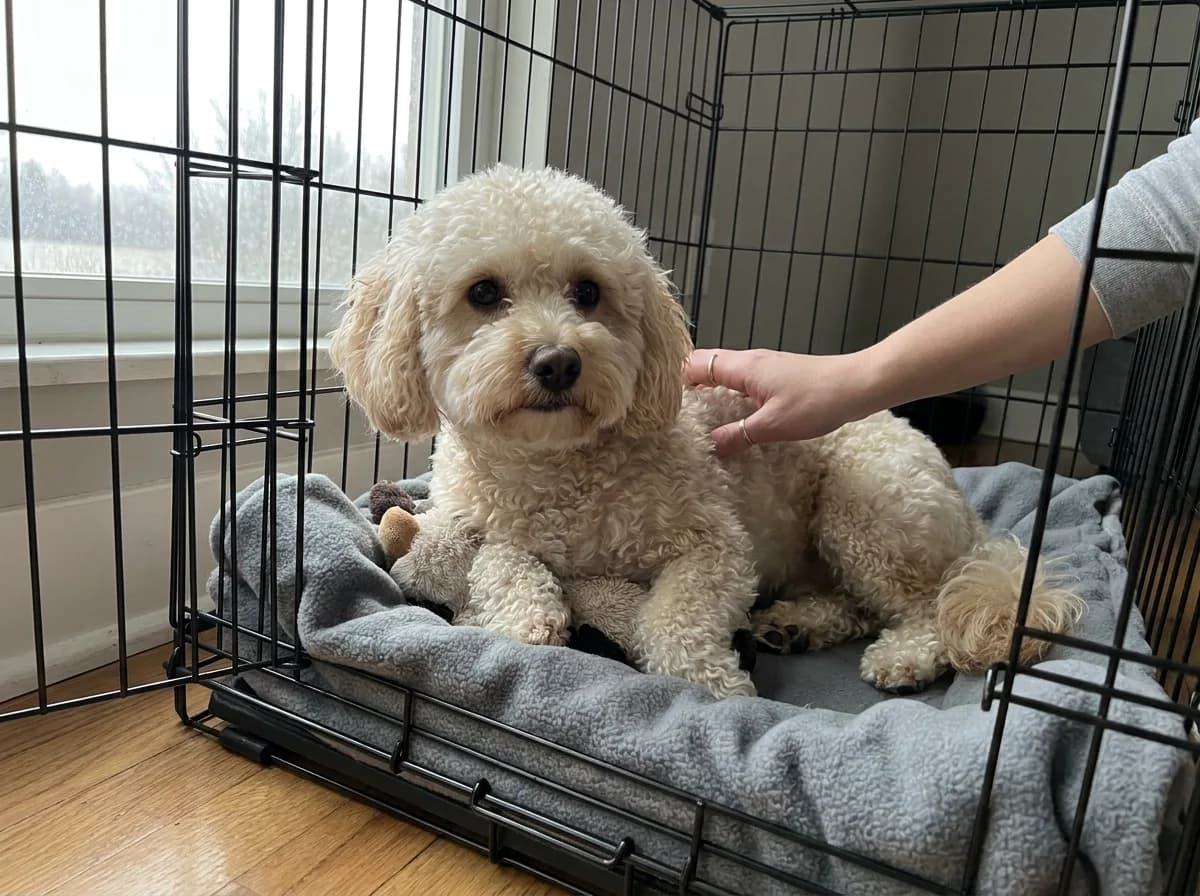
Keep the first week predictable and manageable. Arrange a resting area, safe toilet opportunities, familiar food and short periods of interaction. Introduce the home gradually and allow sleep rather than presenting every new visitor and experience at once.
| Need | First-week action | Ongoing commitment |
|---|---|---|
| Rest | Provide a quiet, comfortable place | Protect regular undisturbed sleep |
| Walking | Measure and check harness fit | Recheck fit during growth |
| Coat care | Ask for a demonstration | Keep a grooming appointment and home-care routine |
| Time alone | Begin brief manageable practice | Arrange care for absences beyond current ability |
| Training | Reward a few useful daily behaviors | Build gradually in different situations |
Review what worked after several days. Adjust the bed, routine or activity level to the individual rather than buying more equipment whenever something is difficult. For a Poochon, time spent learning the dog’s needs is as important as the initial shopping list.
Poochon questions
The names are generally used for a Bichon Frise–Poodle mix. They do not establish a uniform adult size, coat or temperament. Ask about the actual parents and individual dog rather than assuming a spelling or marketing label guarantees particular traits.
Yes, an apartment may work when the dog receives suitable walks, toilet opportunities, training and company. Barking and response to time alone matter as much as floor space. Assess the individual and your building’s sound environment instead of assuming a small dog will automatically be quiet.
It can be, if the owner can learn coat care, arrange company and practice consistent reward-based training. The recurring grooming commitment is a useful deciding factor. Ask for a handling demonstration and price a realistic grooming schedule before choosing a puppy; small size does not remove those responsibilities.
Ask which individual dogs were crossed and what records identify them. F1b commonly means a backcross, often to a Poodle, but the label alone does not specify adult size, shedding or temperament. Request the actual family information and health-screening results rather than treating a generation label as a guarantee.
A puppy offers the experience of raising a dog but leaves more uncertainty about final size and everyday behavior. With an adult, a foster carer may be able to describe handling, time alone and walking habits, and current measurements are available. Compare those practical differences with your schedule rather than assuming one age is always easier.
BVMS, MRCVS
Dr. Pippa Elliott, BVMS, MRCVS, is a veterinarian with nearly 30 years of experience in companion animal practice. Dr. Elliott earned her Bachelor of Veterinary Medicine and Surgery from the University of Glasgow. She was also designated a Member of the Royal College of Veterinary Surgeons. Married with 2 grown-up kids, Dr. Elliott has a naughty Puggle named Poggle, 3 cats and a bearded dragon.
Sign up for expert-backed reviews and safety alerts all in one place.