23 Best Hypoallergenic Dogs for Allergy Sufferers, Ranked by a Vet
No dog is 100% hypoallergenic, but some come close. A vet ranks 23 low-shedding, low-dander breeds for allergy sufferers, with coat type, size, grooming load, and health notes for each.

BVMS, MRCVS
Petful is reader supported. As an affiliate of platforms like Amazon and Chewy, we may earn a commission when you buy through links on this page. There is no extra cost to you.
The best hypoallergenic dogs are low-shedding, low-dander breeds like the Poodle, Bichon Frise, and Miniature Schnauzer, and after years in clinical practice I want to be honest about the science first: no dog is 100 percent hypoallergenic. A 2011 study in the American Journal of Rhinology and Allergy found no significant difference in the allergen Can f 1 in homes with "hypoallergenic" breeds versus other dogs. What these breeds actually do is shed less loose hair and spread less allergen-laden dander around your home, which for many allergy sufferers is the difference between a manageable dog and a miserable one. Below I rank 23 breeds by real-world allergy fit, coat type, size, and grooming load, so you can match a dog to your sensitivity level rather than a marketing label.
- 1No dog is fully hypoallergenic; the label means low-shedding and low-dander, not allergen-free
- 2The allergen that triggers most people is Can f 1, a protein in dog saliva, urine, and skin, not the hair itself
- 3Poodles and Poodle crosses top most vet lists because their tight, continuously growing coat traps dander instead of releasing it
- 4Grooming load is the real trade-off: nearly every low-shedding coat needs regular professional clipping to avoid painful matting
- 5Always spend several hours with an individual dog before adopting, because allergy response varies dog to dog, not just breed to breed

Sign up for expert-backed reviews and safety alerts all in one place.
What Makes a Dog Hypoallergenic? (Hair vs. Fur and Dander)
The word "hypoallergenic" gets used loosely, so let me define it the way a veterinarian does. The primary dog allergen is a protein called Can f 1, produced in the dog's saliva, sebaceous (skin oil) glands, and urine. When a dog licks itself, that saliva dries on the coat, flakes off with dead skin cells as dander, and becomes airborne. It is the dander and dried saliva, not the hair strand itself, that your immune system reacts to.
So why do certain breeds get called hypoallergenic? Two coat features reduce how much allergen ends up on your sofa and in your air:
- Low shedding. Breeds with a single-layer, continuously growing coat (like the Poodle) do not blow out a seasonal undercoat. Less loose hair means less dander carried into the environment.
- A curly or wiry texture. Tight curls and wiry coats physically trap shed hair and dander close to the skin until you brush or clip it out, rather than letting it drift.
There is no such thing as "hair versus fur" biologically. Hair and fur are the same structure (keratin). The meaningful distinction is coat growth cycle and texture, not the name.
- The protein most dog-allergic people react to is Can f 1, found in saliva and skin oils. Because every dog produces it, no breed is truly allergen-free. Low-shedding breeds simply keep more of it trapped in the coat.
Do hypoallergenic dogs really help allergy sufferers?
In my experience, yes, for many people, but with realistic expectations. Patients who react mildly to dogs often tolerate a low-shedding breed well when combined with good home management. People with severe dog allergies or asthma sometimes still react, because saliva and skin proteins are unavoidable. The honest answer I give clients is that a hypoallergenic breed lowers your exposure; it does not eliminate it. If you also suffer from cat allergies, the same "low-shedding is not allergen-free" logic applies (cats produce a different protein, Fel d 1, but the caveat is identical). You can read our companion guide on whether hypoallergenic cats truly exist for the feline version of this science, and our breed-level looks at the Siamese as a lower-allergen cat if you want a dog and a cat in the same allergy-conscious home.
The Best Hypoallergenic Dogs for Allergy Sufferers, Ranked
Here are the best hypoallergenic dogs, ranked by how well they balance low allergen output against grooming reality and temperament. I have grouped each with its size, coat type, grooming load, and a plain-English allergy-fit note. Every breed below is recognized by the American Kennel Club (AKC) or the Kennel Club (KC) as low-shedding, but remember: individual response varies. For the full breed directory, see our hypoallergenic dogs overview.
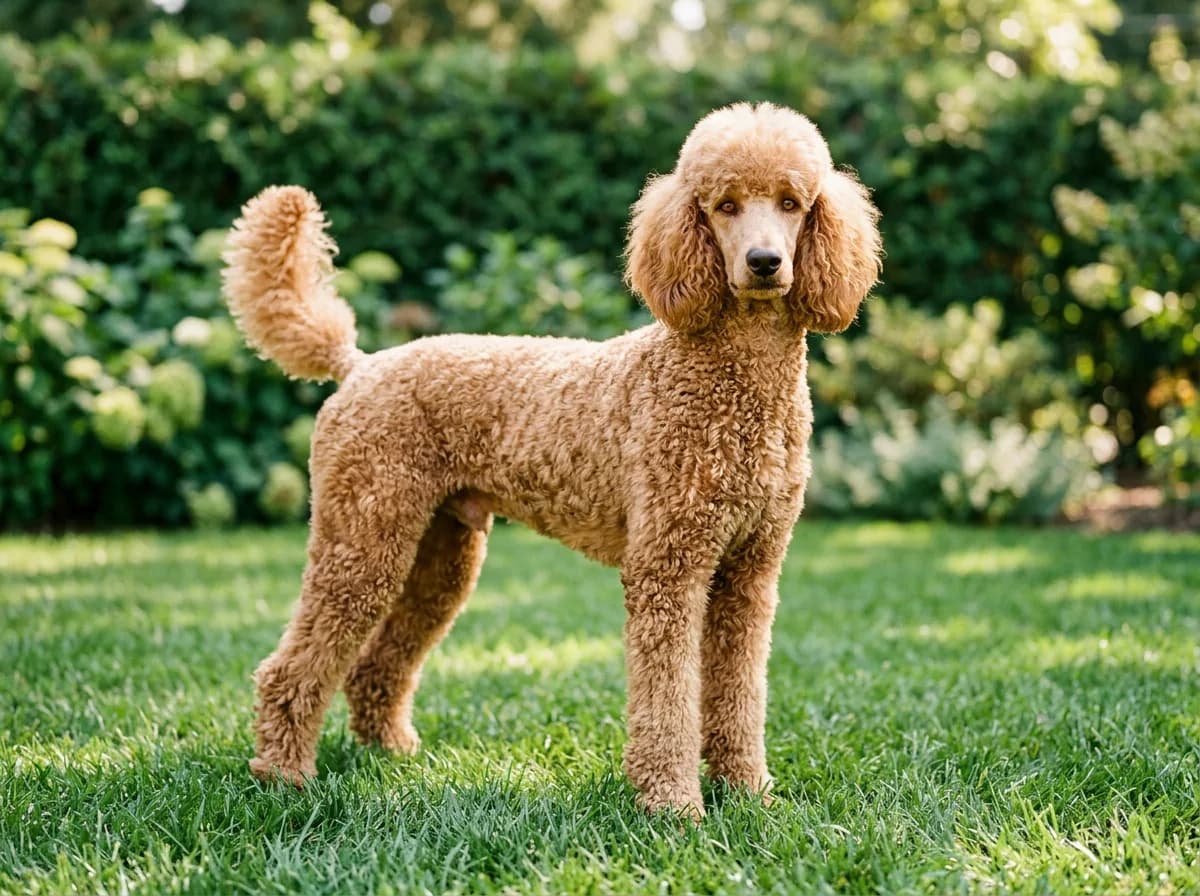
1. Poodle (Standard, Miniature, Toy)
The Poodle is the breed I recommend first to most allergy sufferers, and it consistently tops AKC and veterinary lists. Its dense, curly, single-layer coat grows continuously and sheds minimally, trapping dander until it is brushed or clipped out. Poodles come in three sizes (Standard over 15 inches, Miniature 10 to 15 inches, Toy under 10 inches), so you can fit one to almost any home. They are also genuinely brilliant, ranking among the most trainable of all breeds.
- Size: Toy to Standard, 4 to 70 lbs
- Coat: Dense, curly, single coat
- Grooming: High. Professional clipping every 4 to 6 weeks plus brushing every 1 to 2 days
- Allergy fit: Excellent. The benchmark low-shedding breed
2. Bichon Frise
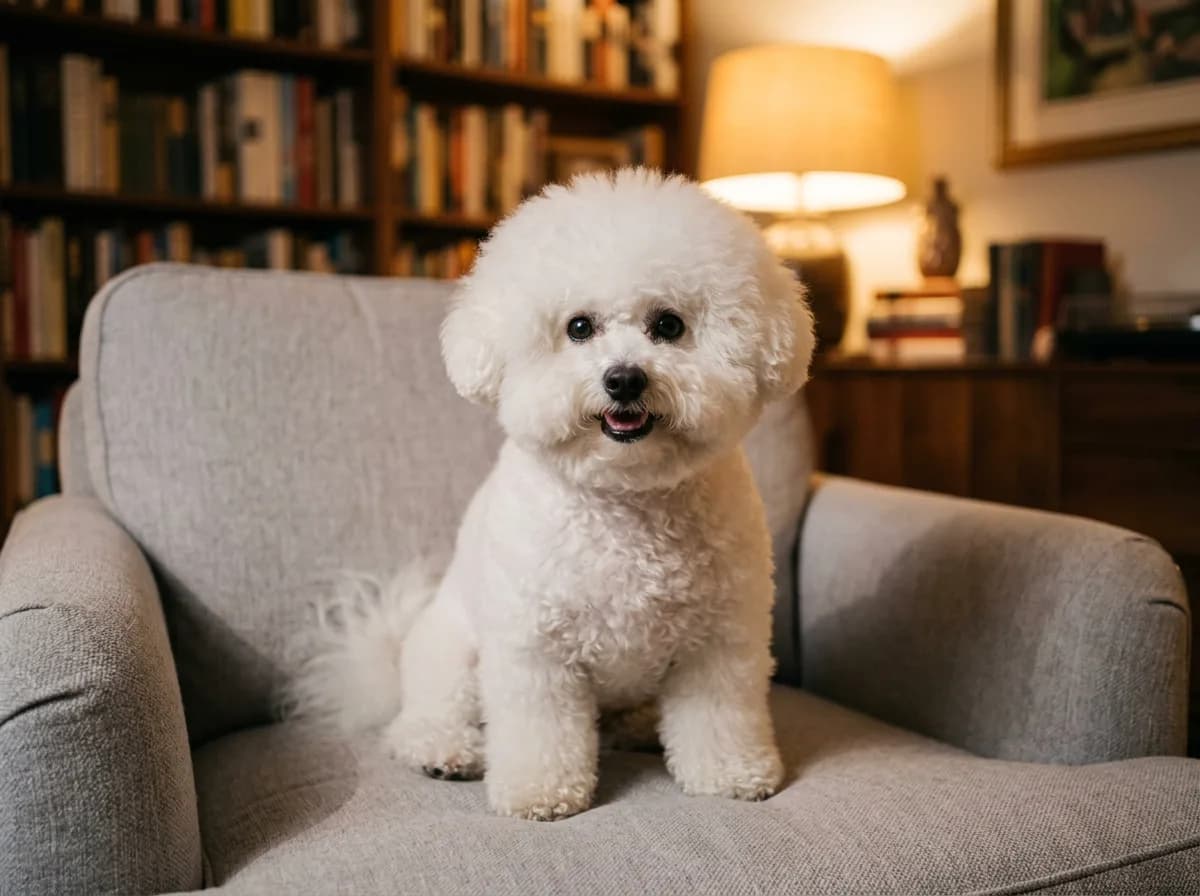
A cheerful little companion the AKC groups among its top hypoallergenic breeds, the Bichon Frise has a soft, curly double coat that sheds very little because loose hair gets caught in the outer curls. That trapped hair is exactly why the Bichon needs frequent brushing and regular grooming, or it mats. Bichons are affectionate, playful, and adapt well to apartments, which makes them a favorite of mine for first-time owners with mild allergies.
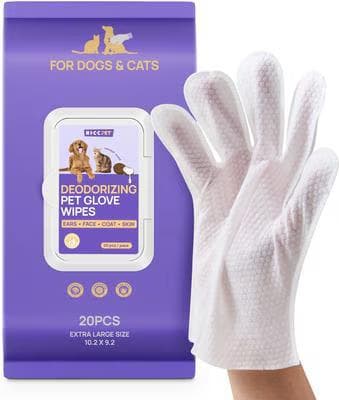
Petful may earn a commission when you click through to Chewy, at no extra cost to you.
- Size: Small, 12 to 18 lbs
- Coat: Soft, curly double coat
- Grooming: High. Brush several times a week, professional groom every 4 to 6 weeks
- Allergy fit: Very good
3. Miniature Schnauzer
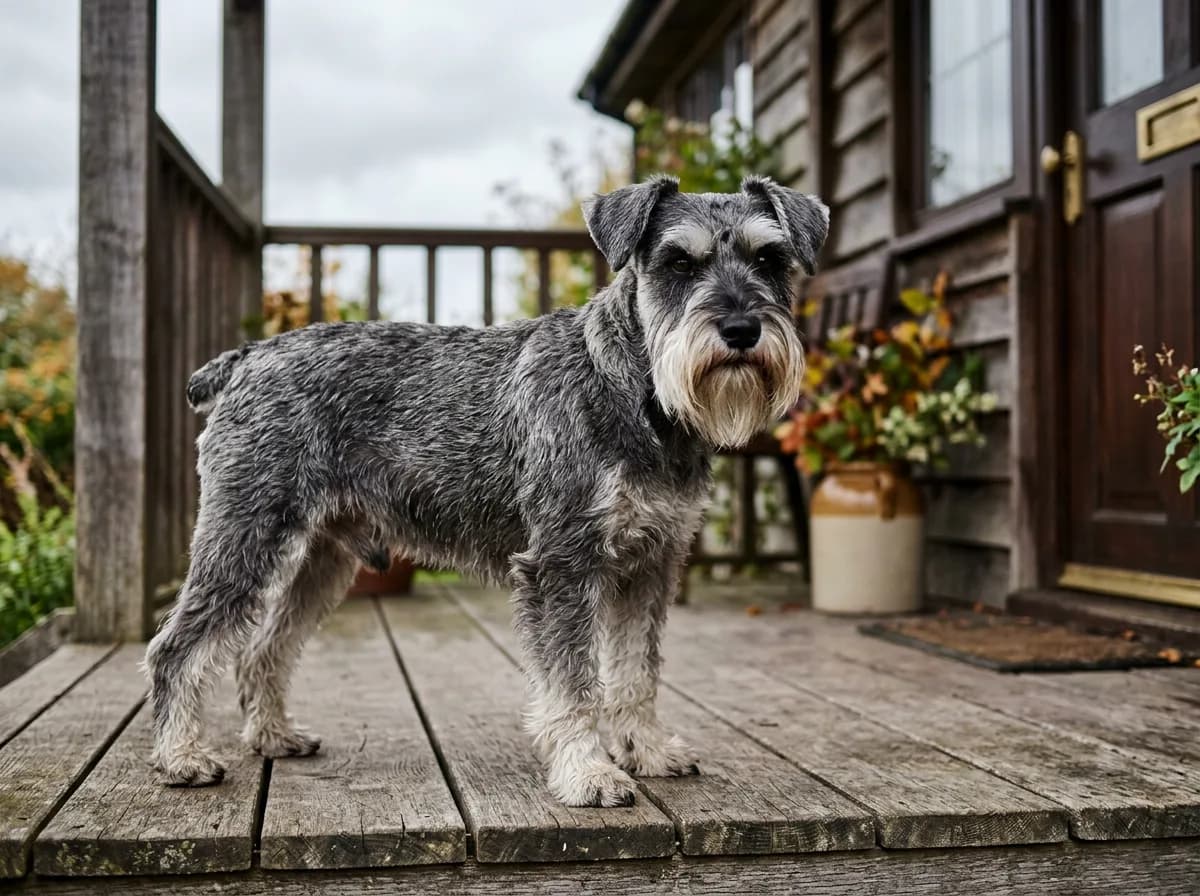
The Miniature Schnauzer is one of the AIO-consensus top picks, and for good reason: its wiry double coat traps dander effectively and sheds little. Schnauzers are sturdy, bold, and famously loyal, and the wiry coat is low-shedding but does need hand-stripping or clipping to keep its texture. This breed also comes in Standard and Giant sizes, all sharing the same low-shed wiry coat.
- Size: Small, 11 to 20 lbs (Miniature)
- Coat: Wiry double coat
- Grooming: Moderate to high. Clip or hand-strip every 5 to 8 weeks, brush weekly
- Allergy fit: Very good
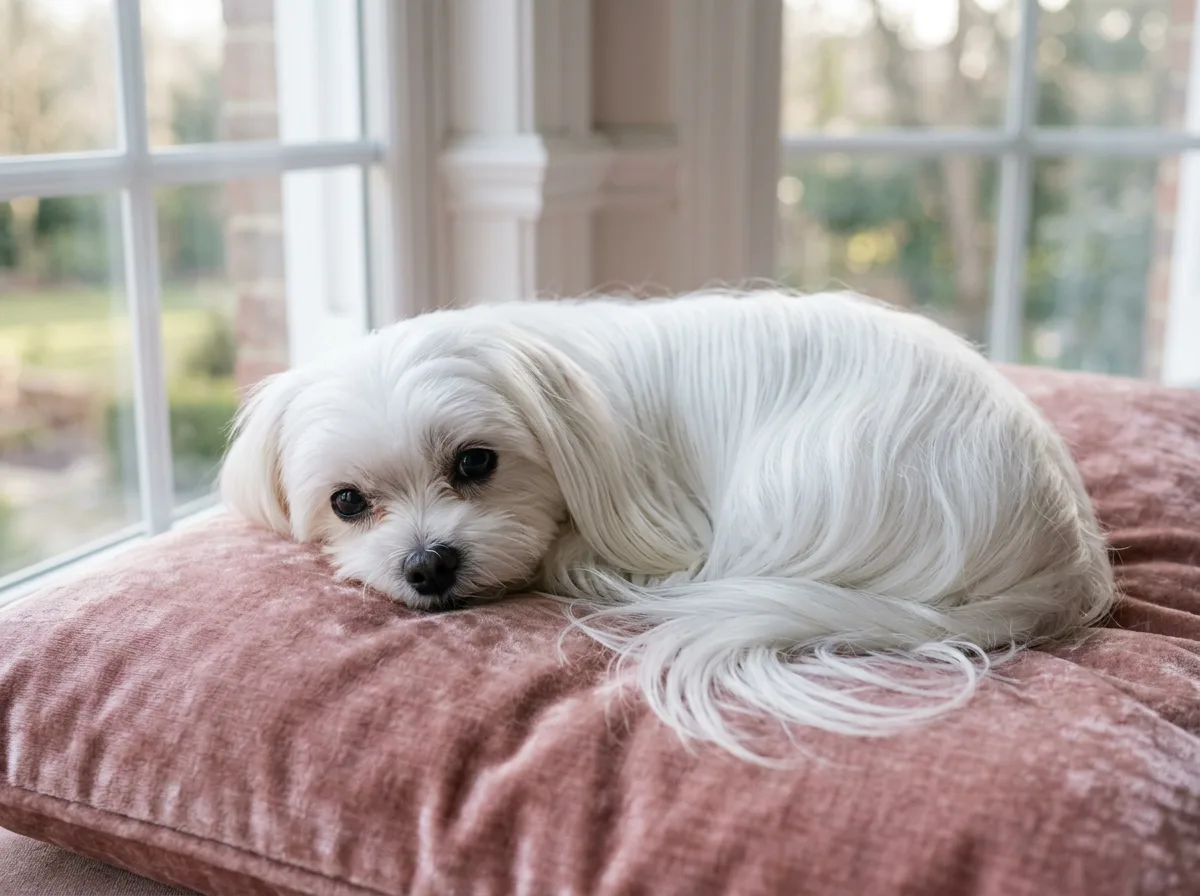
4. Maltese
A toy breed the AKC lists among the most allergy-friendly, the Maltese has a single-layer coat of long, silky, human-like hair and no undercoat, so it sheds very little. That silky coat mats quickly, so many owners keep it in a short "puppy cut." Gentle and devoted, the Maltese weighs under 7 pounds and suits quiet apartment living.
- Size: Toy, under 7 lbs
- Coat: Long, silky, single coat
- Grooming: High if kept long; moderate in a short clip
- Allergy fit: Very good
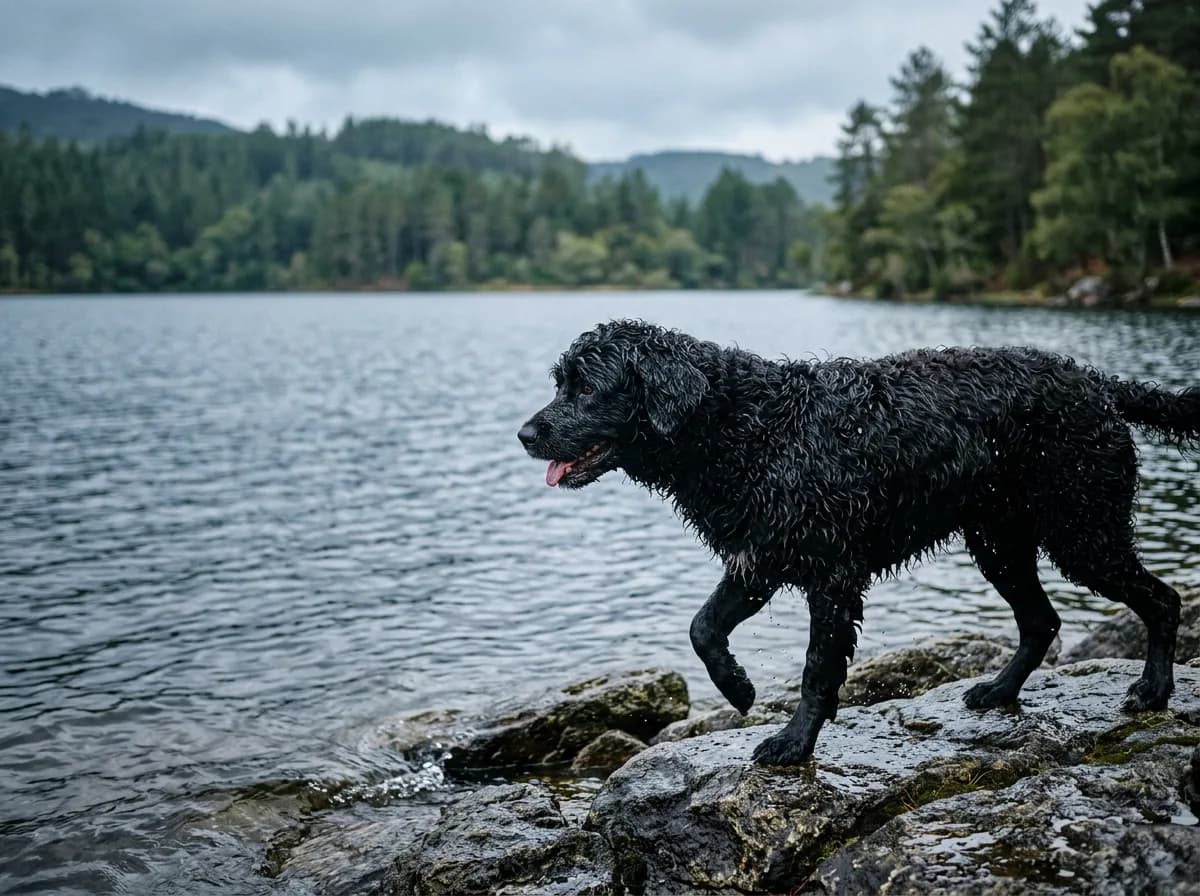
5. Portuguese Water Dog
Famous as a presidential pet, the Portuguese Water Dog has a waterproof, low-shedding coat that is either curly or wavy. It was bred to work alongside fishermen, so it is athletic, smart, and needs real daily exercise. For an active allergy sufferer who wants a medium-to-large dog, this is one of my top recommendations.
- Size: Medium to large, 35 to 60 lbs
- Coat: Curly or wavy, single coat
- Grooming: High. Professional grooming every 6 to 8 weeks plus frequent brushing
- Allergy fit: Very good
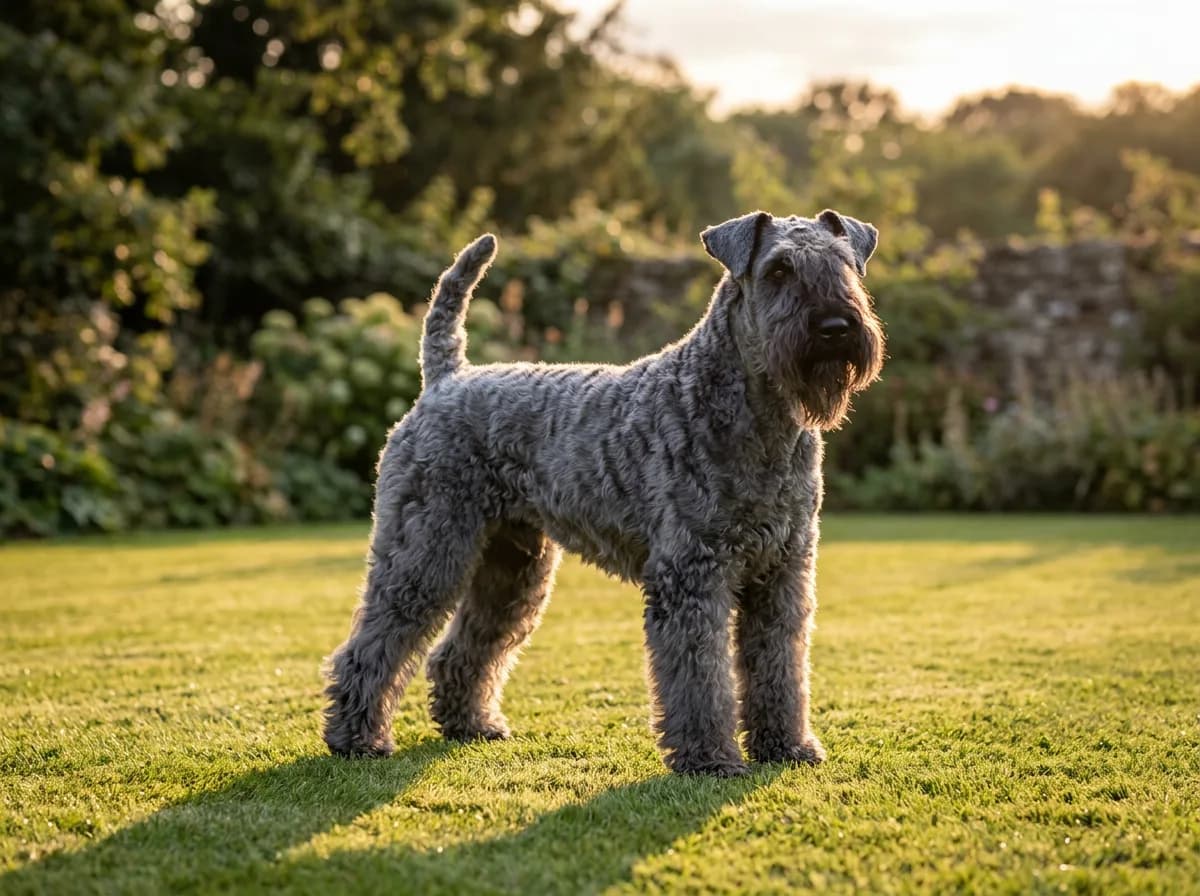
6. Kerry Blue Terrier
This Irish terrier wears a soft, dense, wavy coat that sheds little and comes in a distinctive blue-gray. Born black, Kerry Blues change color as they mature. They are spirited, confident, and need consistent grooming to keep the coat from matting.
- Size: Medium, 30 to 40 lbs
- Coat: Soft, dense, wavy, single coat
- Grooming: High. Clip every 4 to 6 weeks, brush several times a week
- Allergy fit: Very good
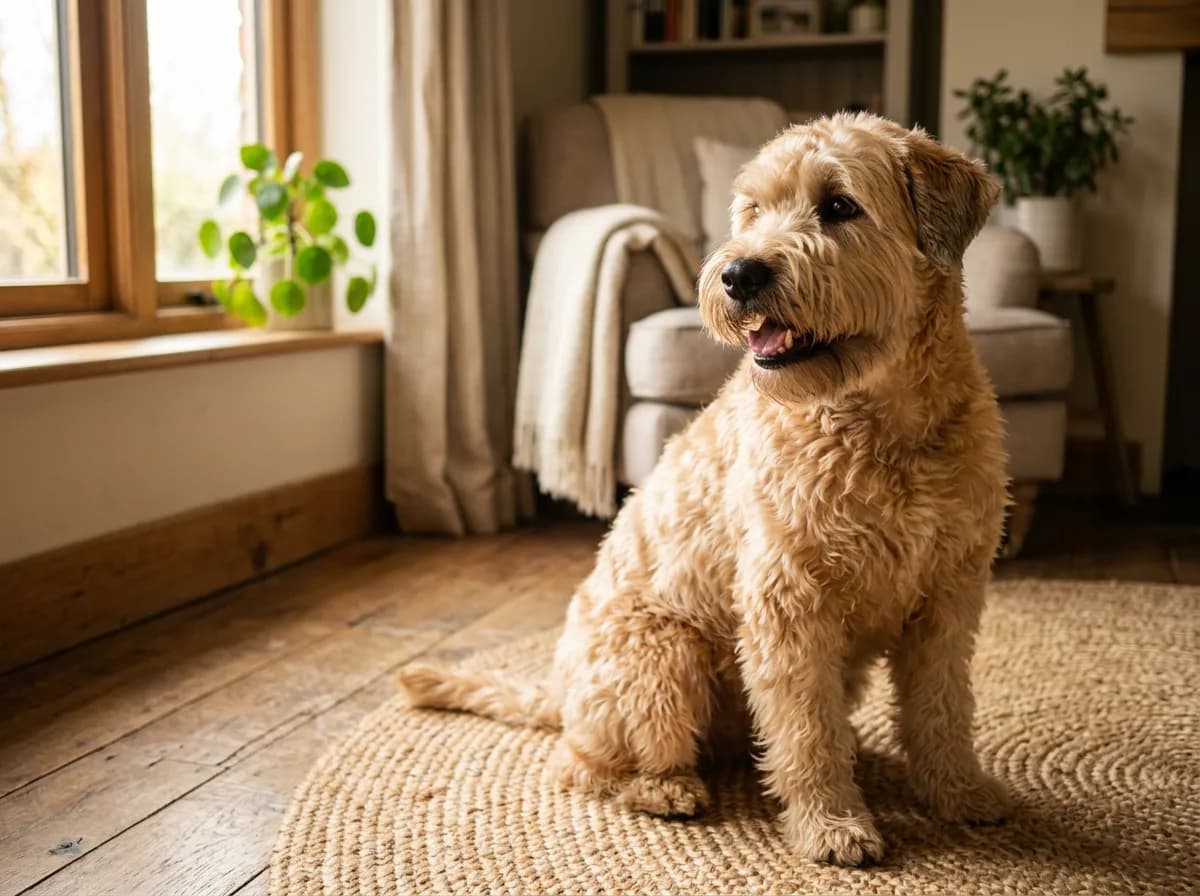
7. Soft Coated Wheaten Terrier
The Wheaten wears a single, silky, wavy coat in a warm wheaten color and sheds minimally. It is a bright, friendly, medium-sized terrier that suits active families. The soft coat needs frequent brushing to prevent the tangles this breed is prone to.
- Size: Medium, 30 to 40 lbs
- Coat: Soft, silky, wavy, single coat
- Grooming: High. Daily brushing, trim every 6 to 8 weeks
- Allergy fit: Very good
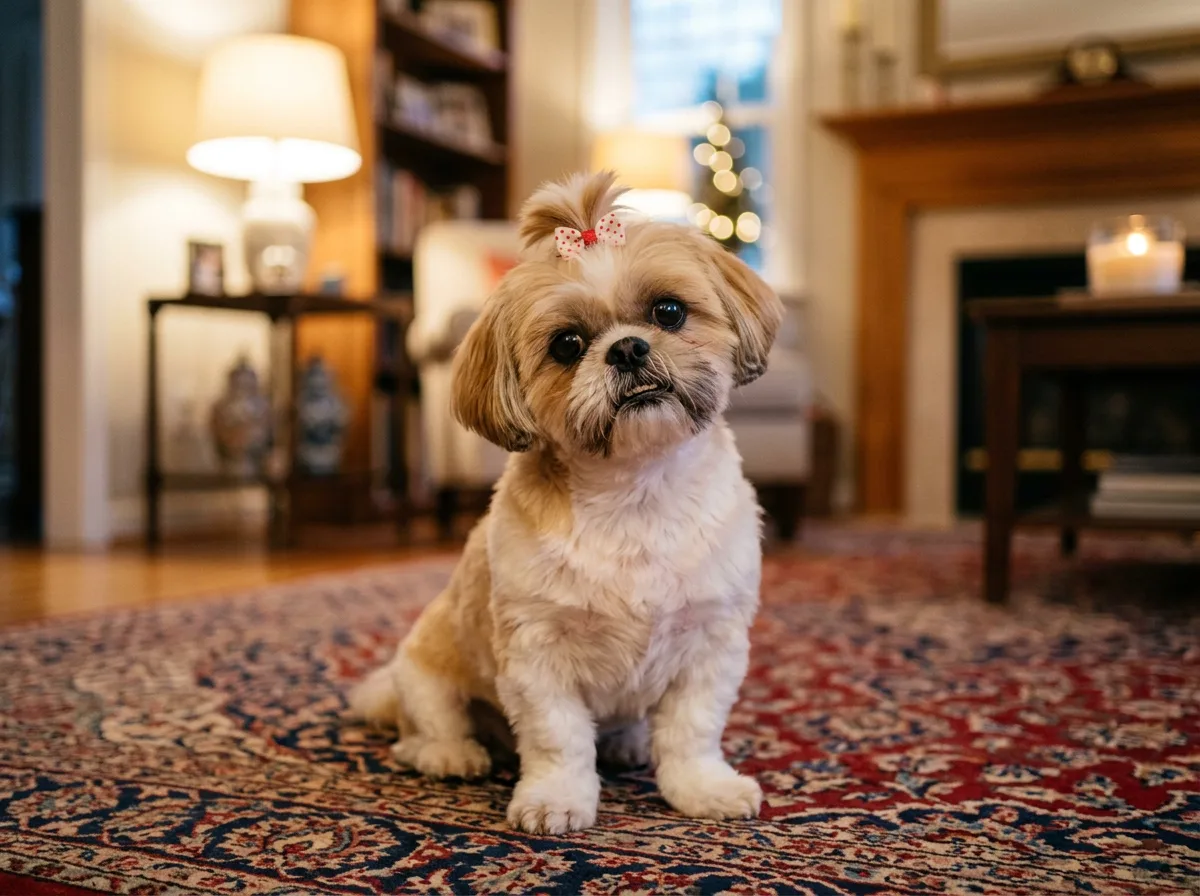
8. Shih Tzu
The Shih Tzu has a long, flowing, human-like coat with minimal shedding, which is why the AKC includes it among hypoallergenic breeds. Bred as a Chinese palace companion, it is affectionate and content in an apartment. Most owners keep the coat in a short trim because the long version tangles fast.
Petful may earn a commission when you click through to Chewy, at no extra cost to you.
- Size: Small, 9 to 16 lbs
- Coat: Long, flowing, double coat with hair-like texture
- Grooming: High if long; moderate in a short cut
- Allergy fit: Good
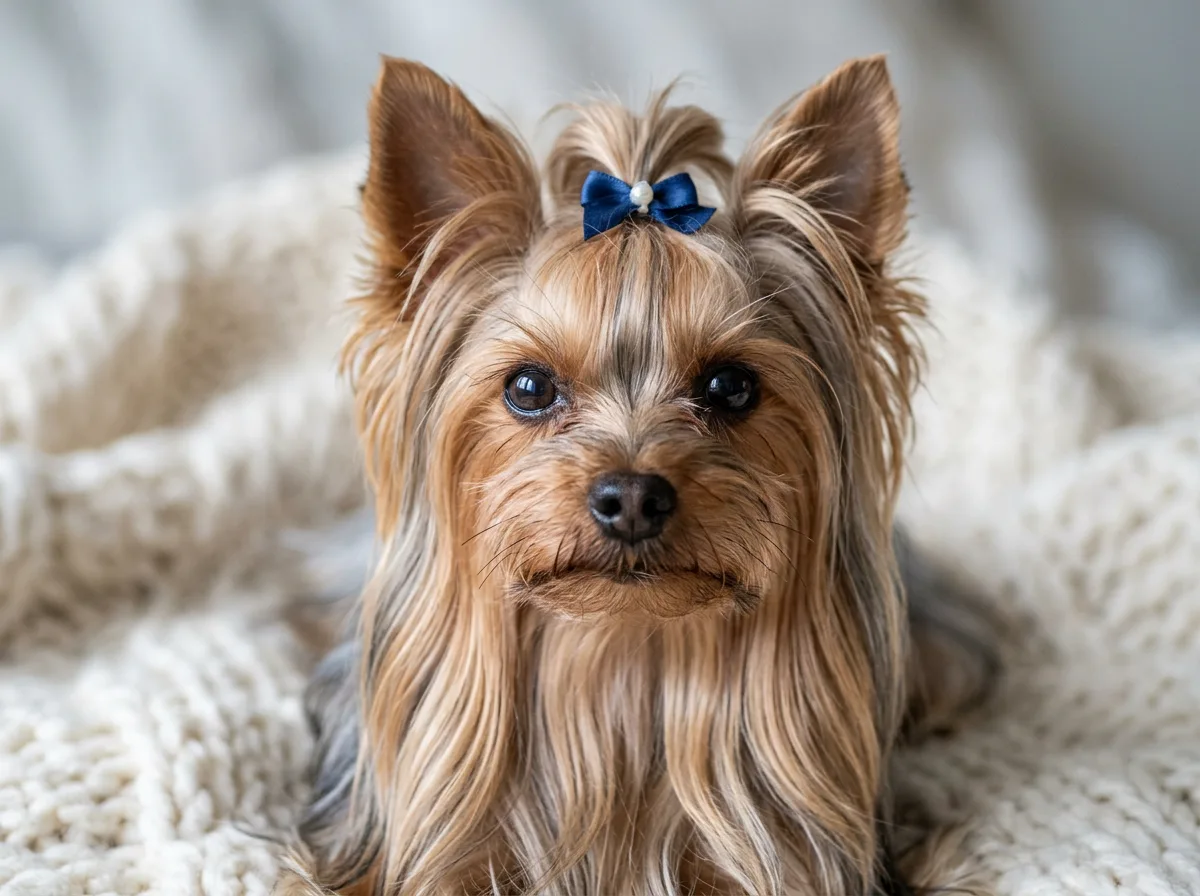
9. Yorkshire Terrier
The Yorkie's coat is fine, glossy, and hair-like, growing continuously and shedding very little. This toy terrier is bold, portable, and a longtime favorite of city dwellers. Kept long, the coat needs daily attention; a "puppy cut" makes upkeep far easier.
- Size: Toy, around 7 lbs
- Coat: Fine, silky, single coat
- Grooming: Moderate to high
- Allergy fit: Good
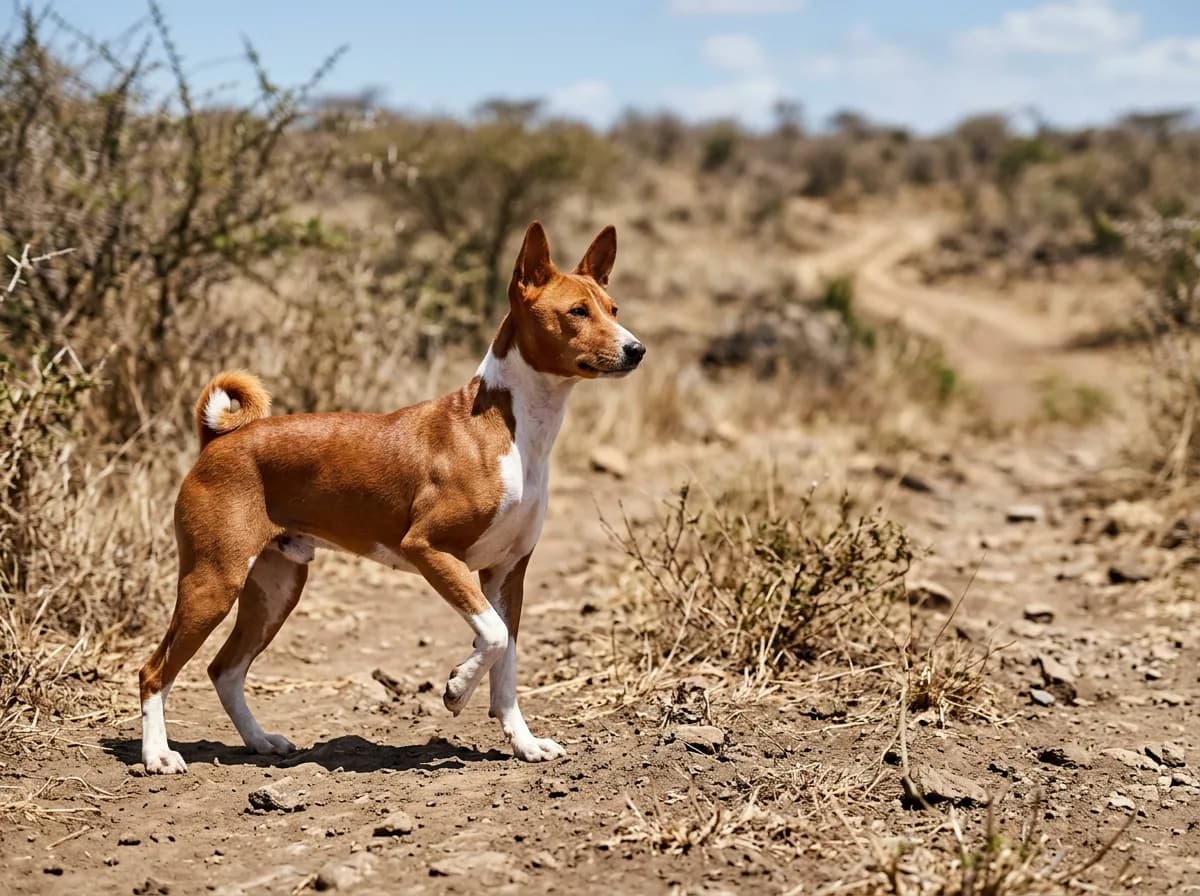
10. Basenji
The Basenji is one of the AIO-recommended low-maintenance choices, and it is unusual on this list because it has a very short, fine coat and cat-like self-grooming habits, so it produces little dander and barely sheds. It is also famously "barkless," making a yodel instead. Independent and clever, the Basenji needs an owner who enjoys a primitive, cat-like dog.
- Size: Small to medium, 22 to 24 lbs
- Coat: Very short, fine, single coat
- Grooming: Very low. Occasional brushing only
- Allergy fit: Good, and one of the easiest to groom
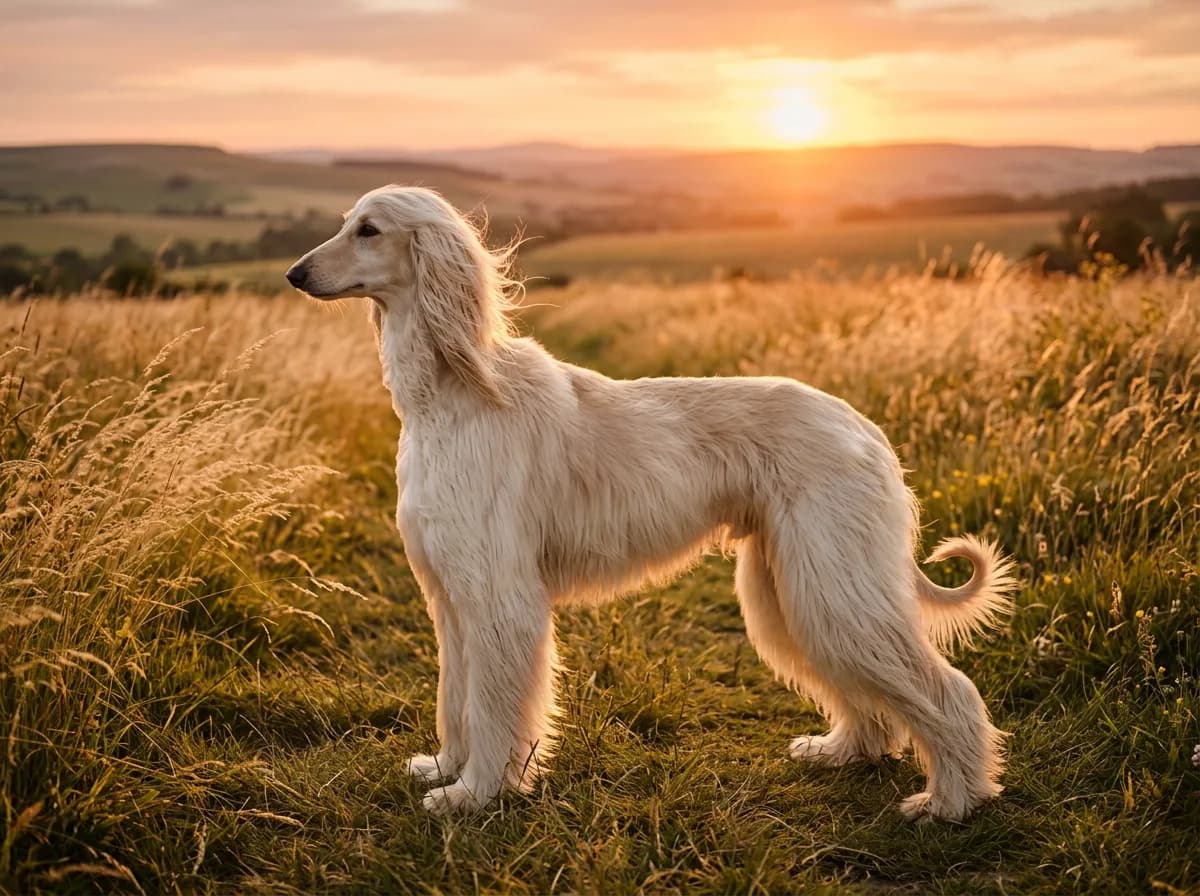
11. Afghan Hound
Beneath its glamorous long coat, the Afghan Hound actually sheds very little, and the AKC lists it as hypoallergenic. The trade-off is obvious: that flowing single coat demands serious, frequent grooming. This is a dignified, independent sighthound best suited to an experienced owner willing to commit to the coat.
- Size: Large, 50 to 60 lbs
- Coat: Long, fine, silky, single coat
- Grooming: Very high. Bathe and brush weekly at minimum
- Allergy fit: Good, with a heavy grooming commitment
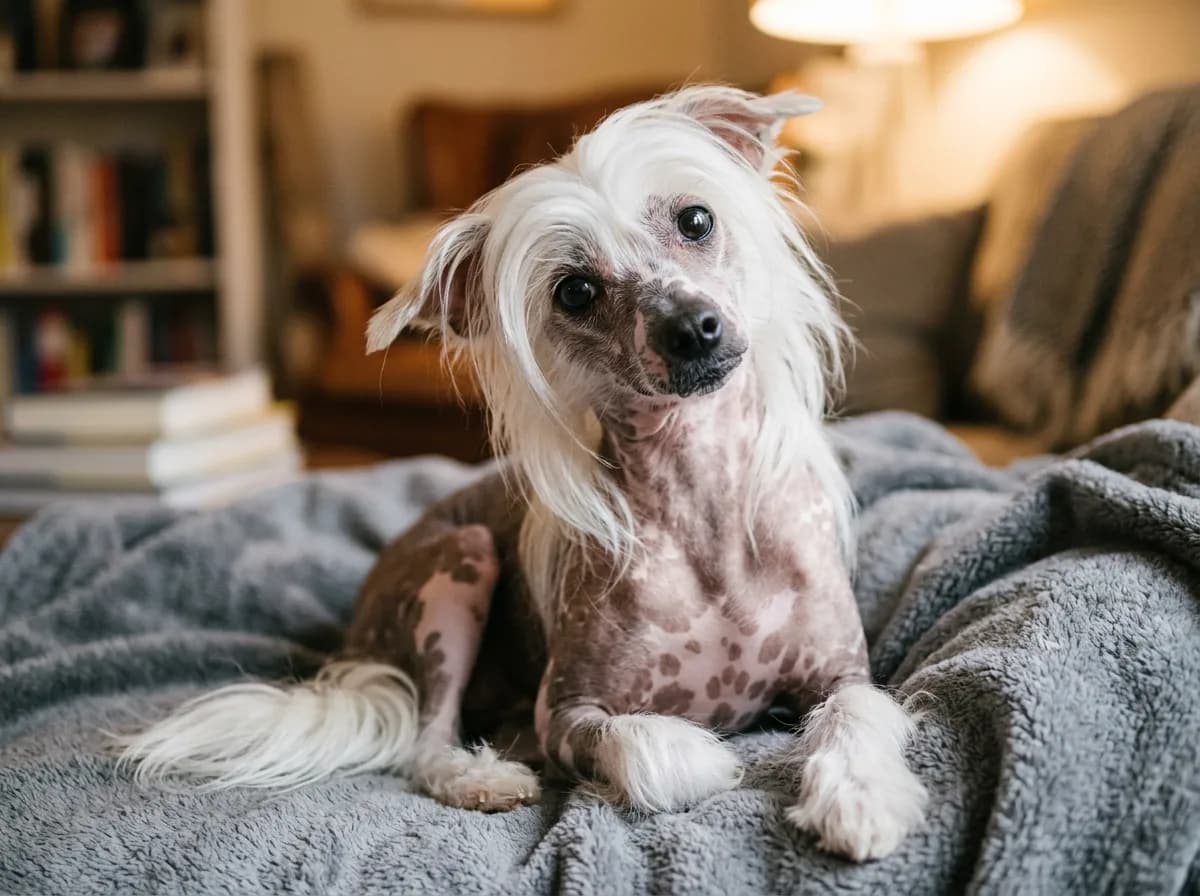
12. Chinese Crested (Hairless)
The Hairless variety of the Chinese Crested is another AIO-recommended low-maintenance option because it is largely coatless, with hair only on the head, tail, and feet. Less hair means less trapped dander, though the exposed skin needs sunscreen and moisturizing care. There is also a fully coated "Powderpuff" variety. Cresteds are affectionate, playful, and truly tiny.
- Size: Toy, 8 to 12 lbs
- Coat: Hairless (with tufts) or Powderpuff
- Grooming: Low coat care but real skin care for the Hairless
- Allergy fit: Good
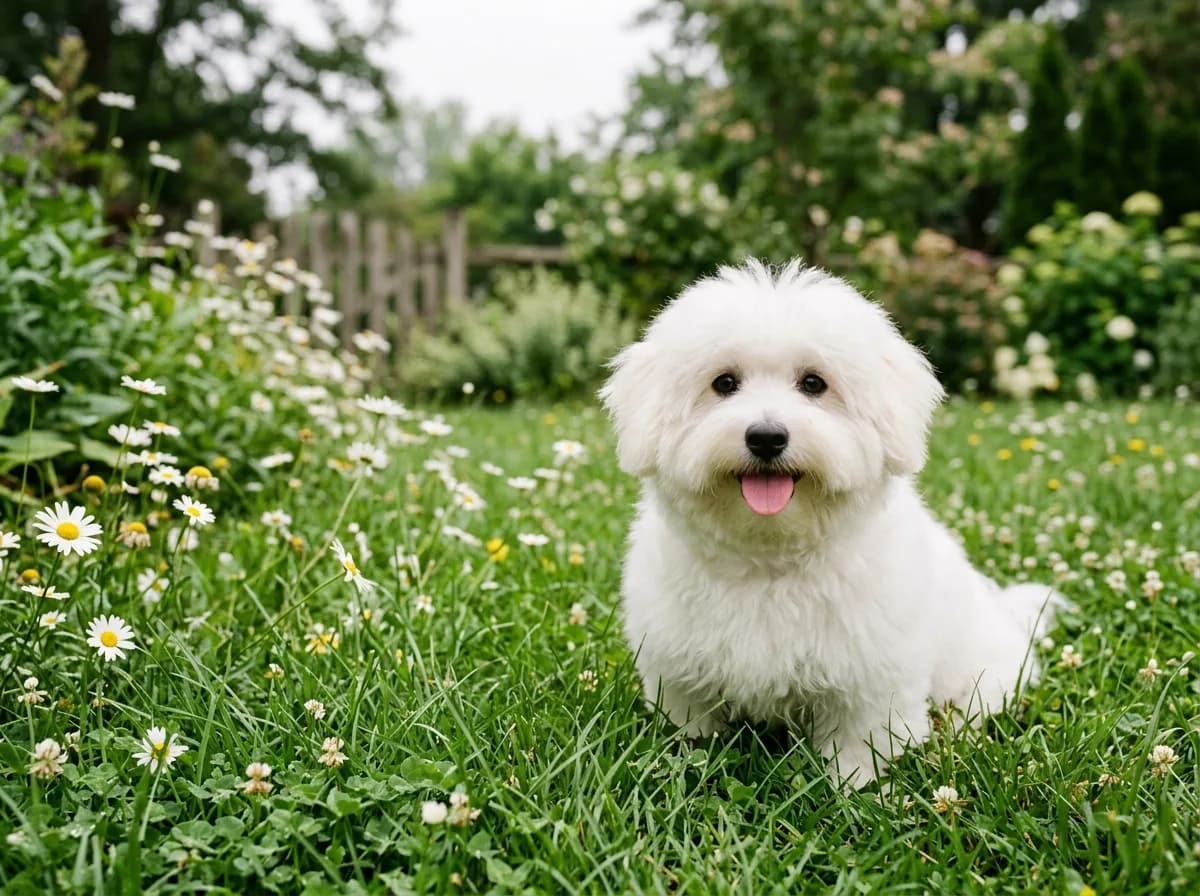
13. Coton de Tulear
Named for its cotton-soft coat, the Coton de Tulear is a small companion from Madagascar with a fluffy single coat that sheds little. It is cheerful, people-oriented, and adapts well to apartments. Expect daily brushing to keep the soft coat from matting.
- Size: Small, 8 to 15 lbs
- Coat: Soft, cottony, single coat
- Grooming: High. Daily brushing, regular trims
- Allergy fit: Very good
14. Havanese
Cuba's national dog, the Havanese has a soft, wavy double coat that sheds minimally and a sunny, adaptable temperament that makes it a wonderful family companion. It is small, sociable, and thrives on human company. The silky coat needs frequent brushing, and many owners opt for a shorter trim.
Petful may earn a commission when you click through to Chewy, at no extra cost to you.
- Size: Small, 7 to 13 lbs
- Coat: Soft, wavy, double coat
- Grooming: Moderate to high
- Allergy fit: Very good
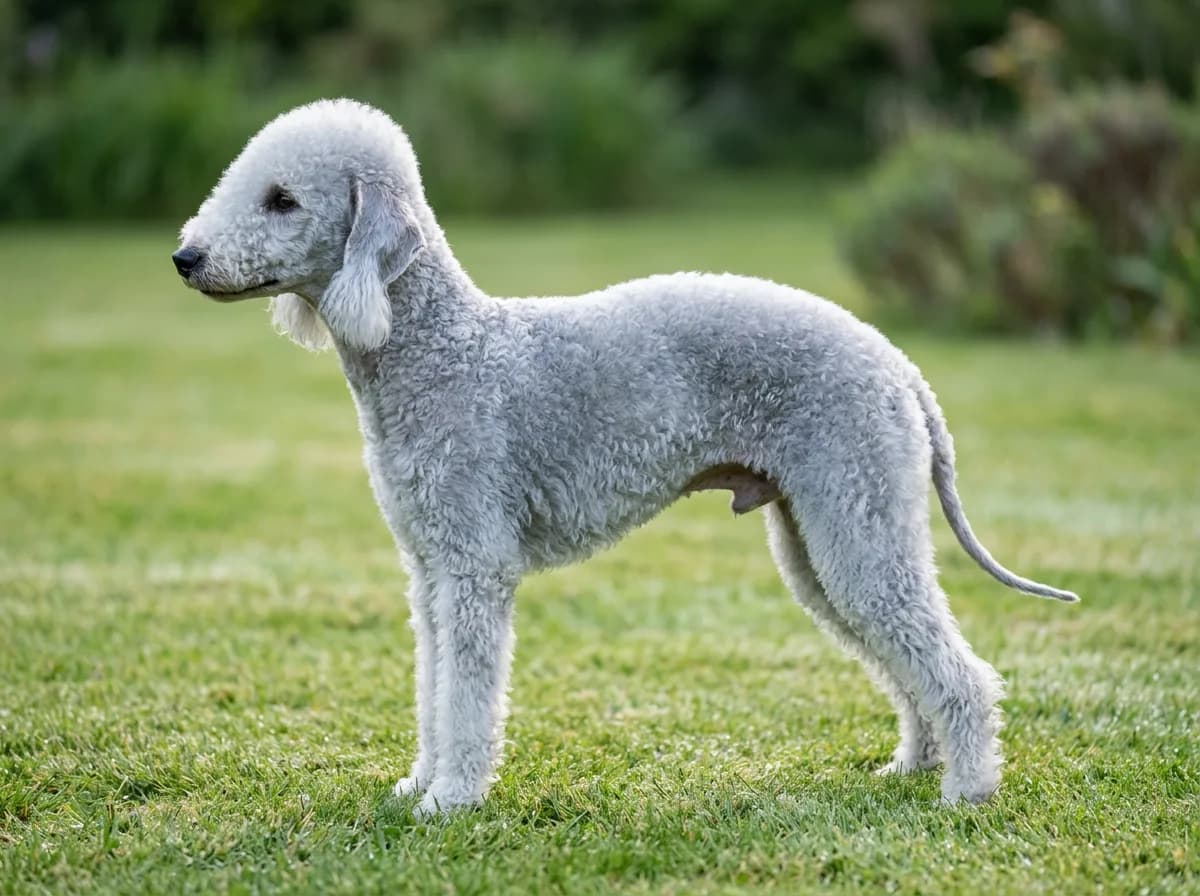
15. Bedlington Terrier
Instantly recognizable for its lamb-like appearance, the Bedlington Terrier has a curly, crisp coat that sheds very little. It is lively, affectionate, and surprisingly fast. The distinctive coat needs regular clipping to maintain its lamb-like shape.
- Size: Small to medium, 17 to 23 lbs
- Coat: Curly, crisp mix of hard and soft hair
- Grooming: High. Clip every 6 weeks, brush weekly
- Allergy fit: Very good
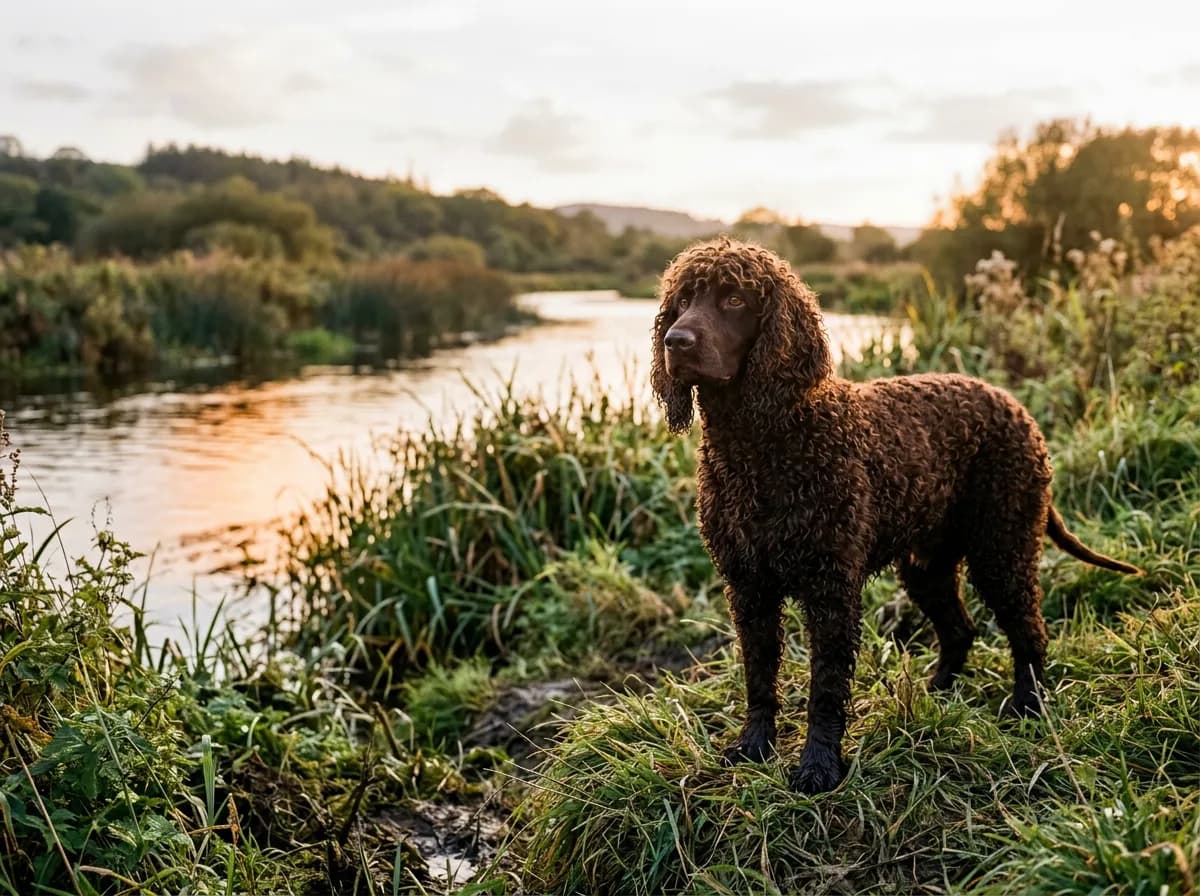
16. Irish Water Spaniel
The tallest of the AKC spaniels, the Irish Water Spaniel wears a dense, curly, waterproof coat that sheds little. It is athletic, playful, and needs plenty of exercise. The curly coat should be trimmed every couple of months and brushed regularly to prevent matting.
- Size: Large, 45 to 68 lbs
- Coat: Dense, curly, single coat
- Grooming: High
- Allergy fit: Very good
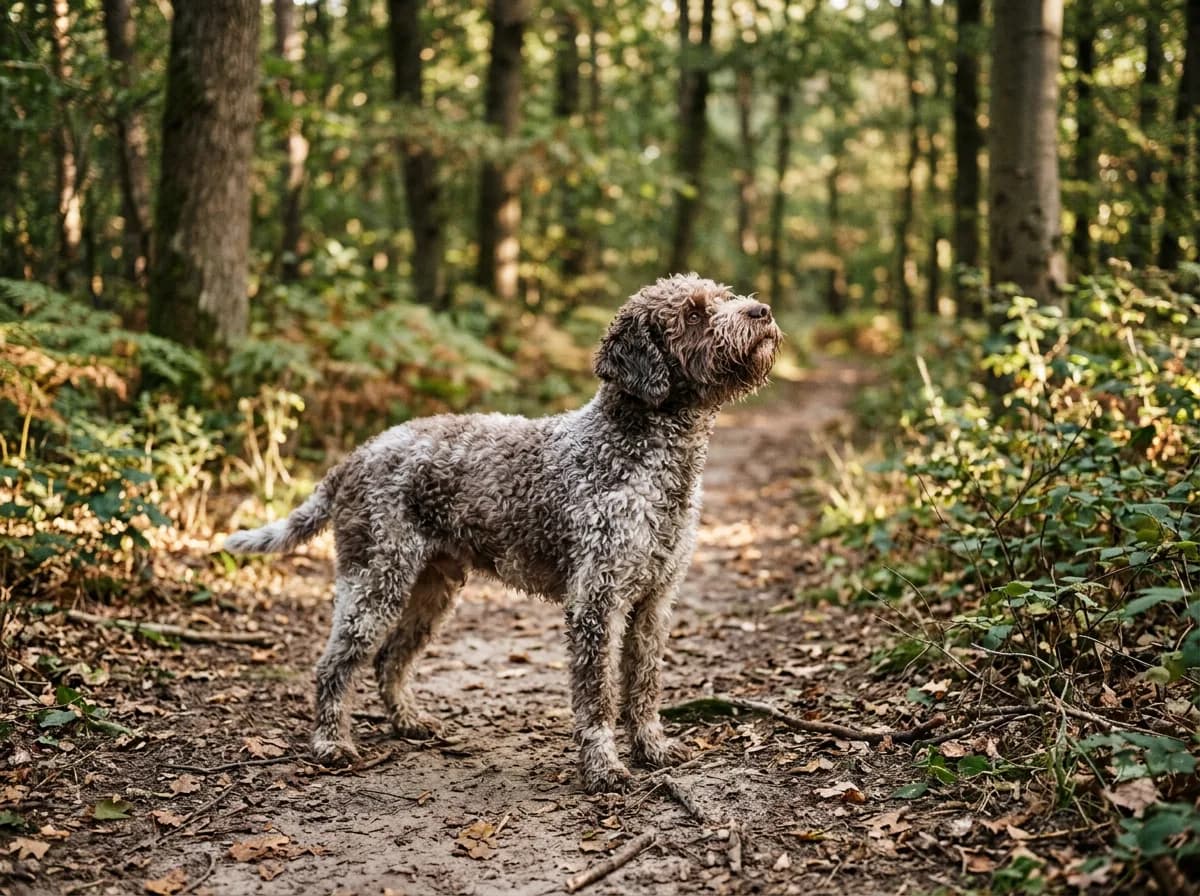
17. Lagotto Romagnolo
Italy's truffle-hunting dog, the Lagotto Romagnolo has a dense, woolly, curly coat that sheds minimally and traps dander well. Affectionate and eager to work, it is a great fit for an active owner. The wool coat needs periodic clipping and should not be brushed excessively when dry.
- Size: Small to medium, 24 to 35 lbs
- Coat: Dense, woolly, curly, single coat
- Grooming: Moderate to high. Clip a few times a year
- Allergy fit: Very good
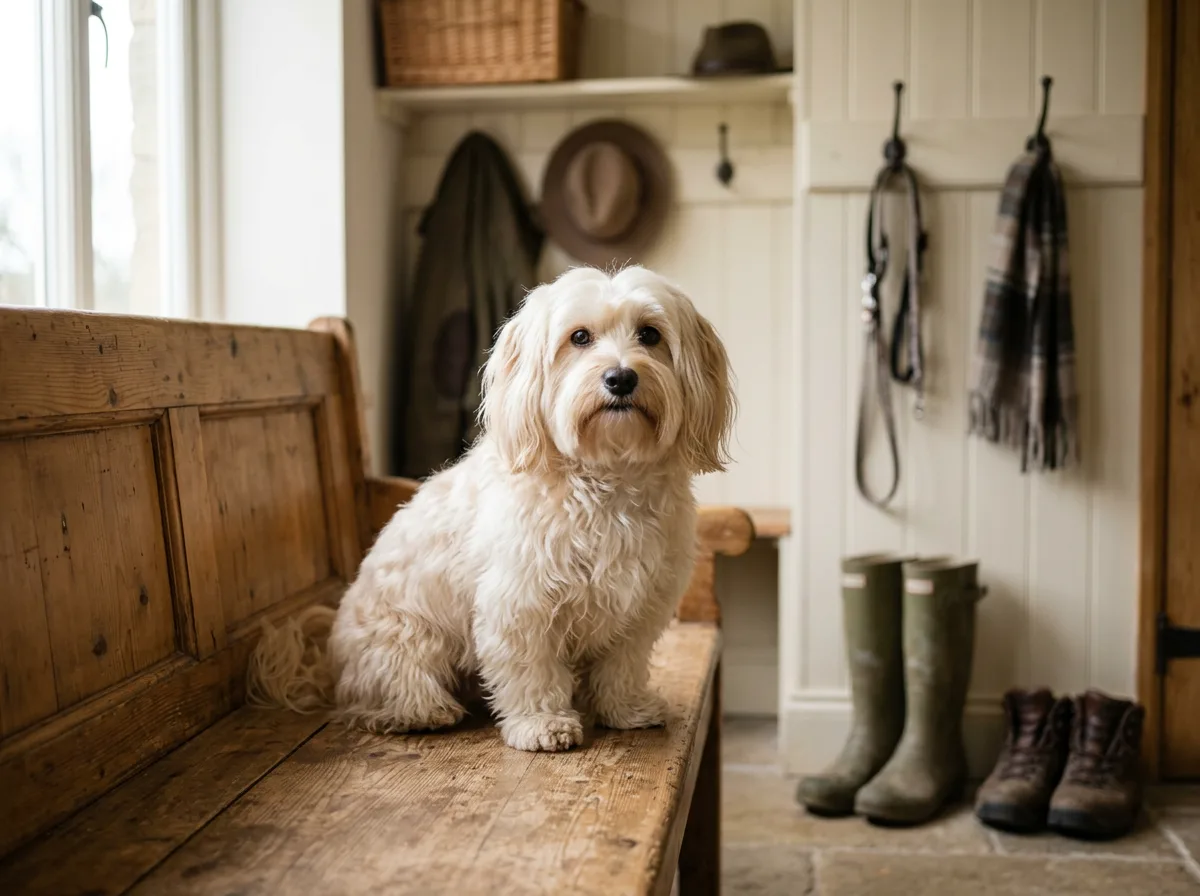
18. Poodle Crosses (Labradoodle, Goldendoodle, Cockapoo)
Poodle crosses are enormously popular, but here I have to be a careful vet rather than a cheerleader. The Kennel Club (KC) does not recognize doodles as breeds, and coat type is not guaranteed in a first-generation cross: some Labradoodles inherit a shedding Labrador coat, others the low-shed Poodle coat. If you want a doodle for allergy reasons, meet the individual dog and, ideally, choose a later-generation cross bred back to Poodle. Reddit owner forums are full of the other doodle reality: the curly coats mat severely without diligent grooming.
- Size: Varies widely by cross, 15 to 65 lbs
- Coat: Variable. Curly, wavy, or straight depending on genetics
- Grooming: High for the low-shed curly coats
- Allergy fit: Variable. Not guaranteed, so test the individual dog
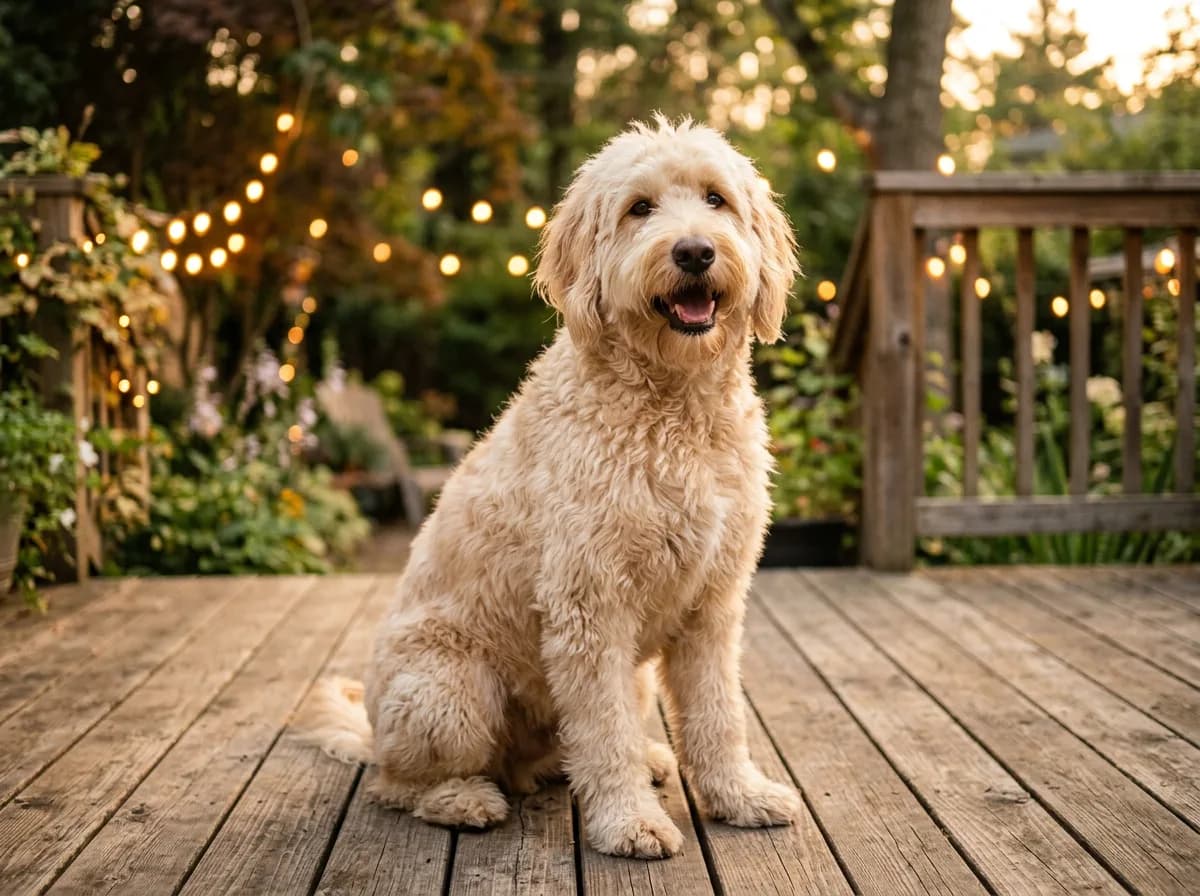
- Because the Kennel Club does not recognize doodles as a breed, a first-generation Labradoodle or Goldendoodle can inherit a shedding coat. Never assume "doodle" means low-shed. Meet the specific dog, and consider pet insurance early, as some crosses inherit hip or eye conditions from both parent breeds.
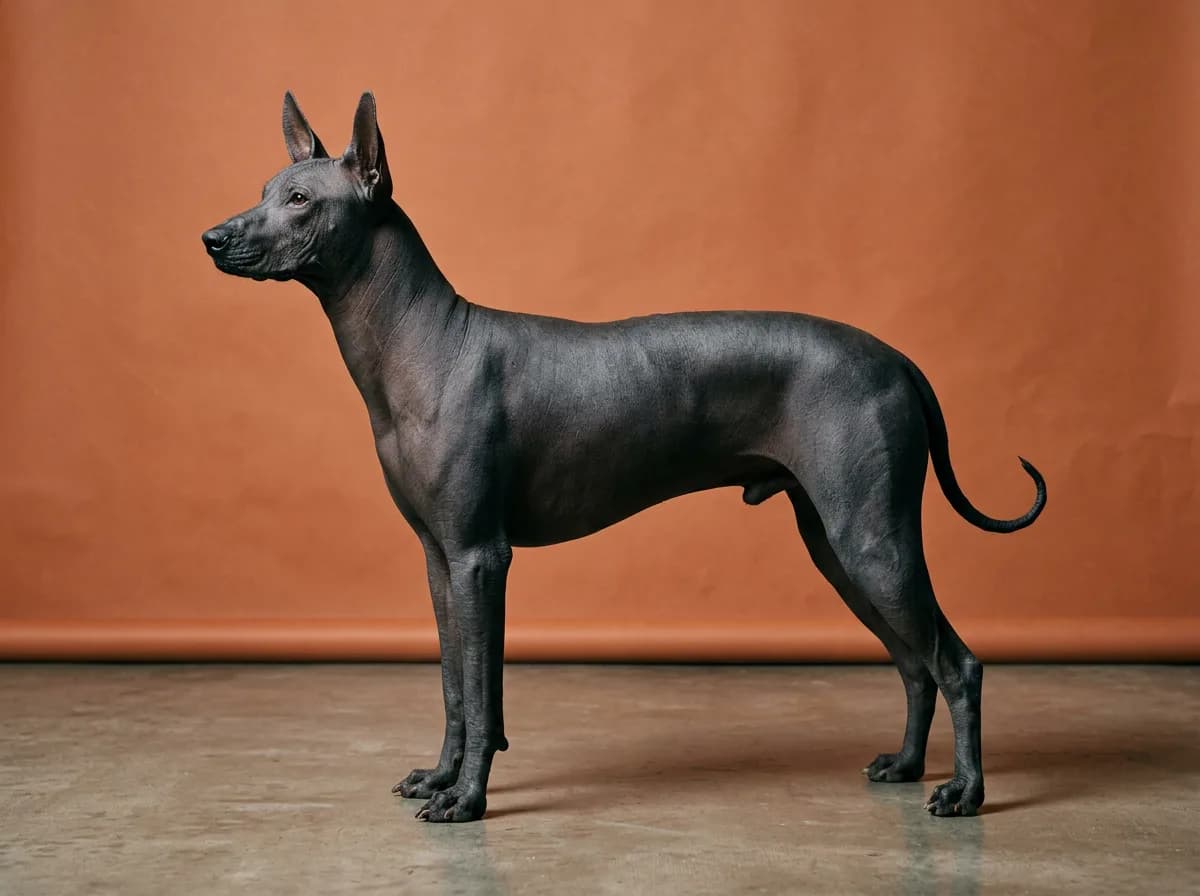
19. Xoloitzcuintli (Mexican Hairless)
An ancient breed, the Xolo comes in hairless and coated varieties; the hairless version produces very little dander because it has almost no coat. It is calm, loyal, and alert. Like the Chinese Crested, the hairless Xolo needs skin care, including sunscreen and gentle bathing.
Petful may earn a commission when you click through to Chewy, at no extra cost to you.
- Size: Toy to Standard, 10 to 55 lbs
- Coat: Hairless or short coated
- Grooming: Low coat care, real skin care for the hairless
- Allergy fit: Good
20. American Hairless Terrier
A truly hairless terrier developed in the United States, this breed sheds essentially no hair and is often tolerated by people who react to coated dogs. It is energetic, curious, and friendly. Skin protection matters, as it can sunburn and needs warmth in cold weather.
- Size: Small, 12 to 16 lbs
- Coat: Hairless (coated variety also exists)
- Grooming: Very low coat care, skin care needed
- Allergy fit: Very good among hairless breeds
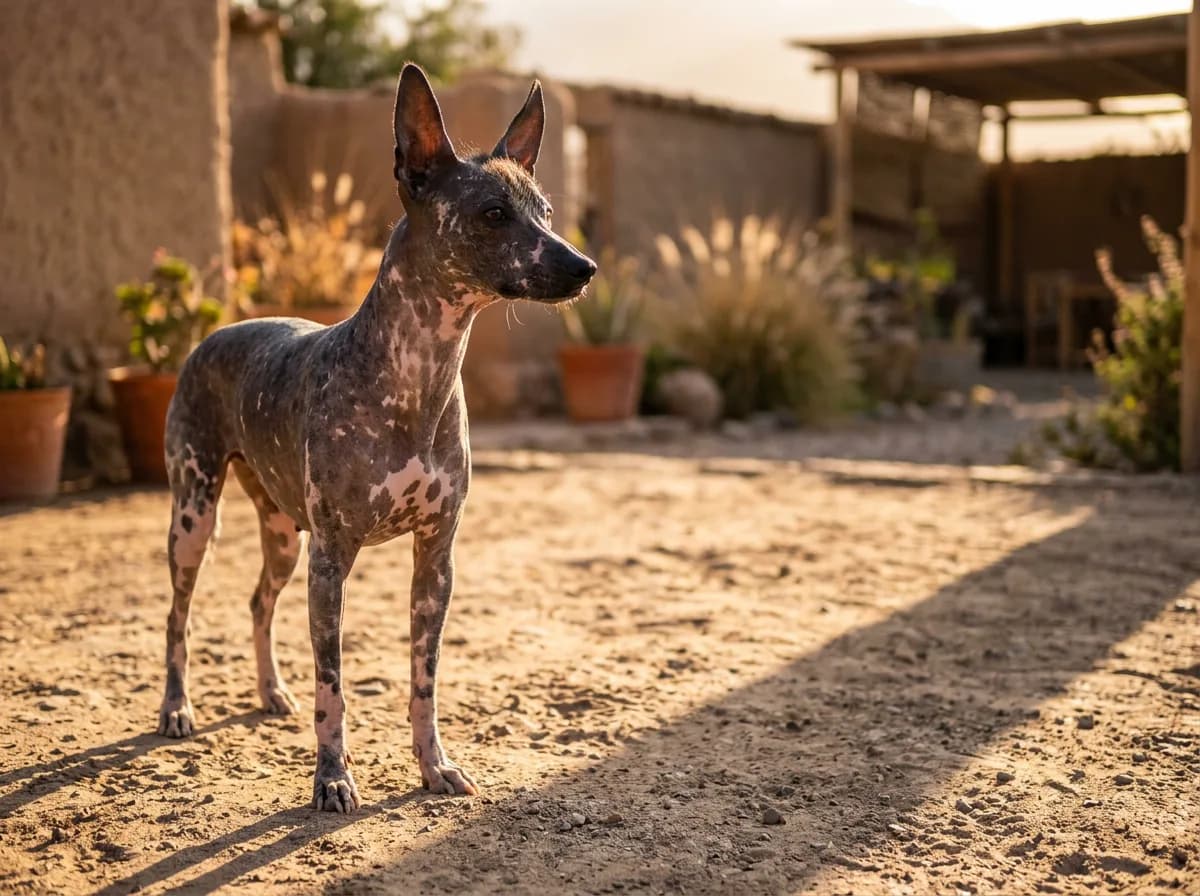
21. Peruvian Inca Orchid
Another ancient hairless breed, the Peruvian Inca Orchid produces little dander thanks to its lack of coat. It is affable, agile, and sensitive to its owner. As with all hairless breeds, protect the skin from sun and cold.
- Size: Small to large, 9 to 55 lbs
- Coat: Hairless (coated variety exists)
- Grooming: Low coat care, skin care needed
- Allergy fit: Good
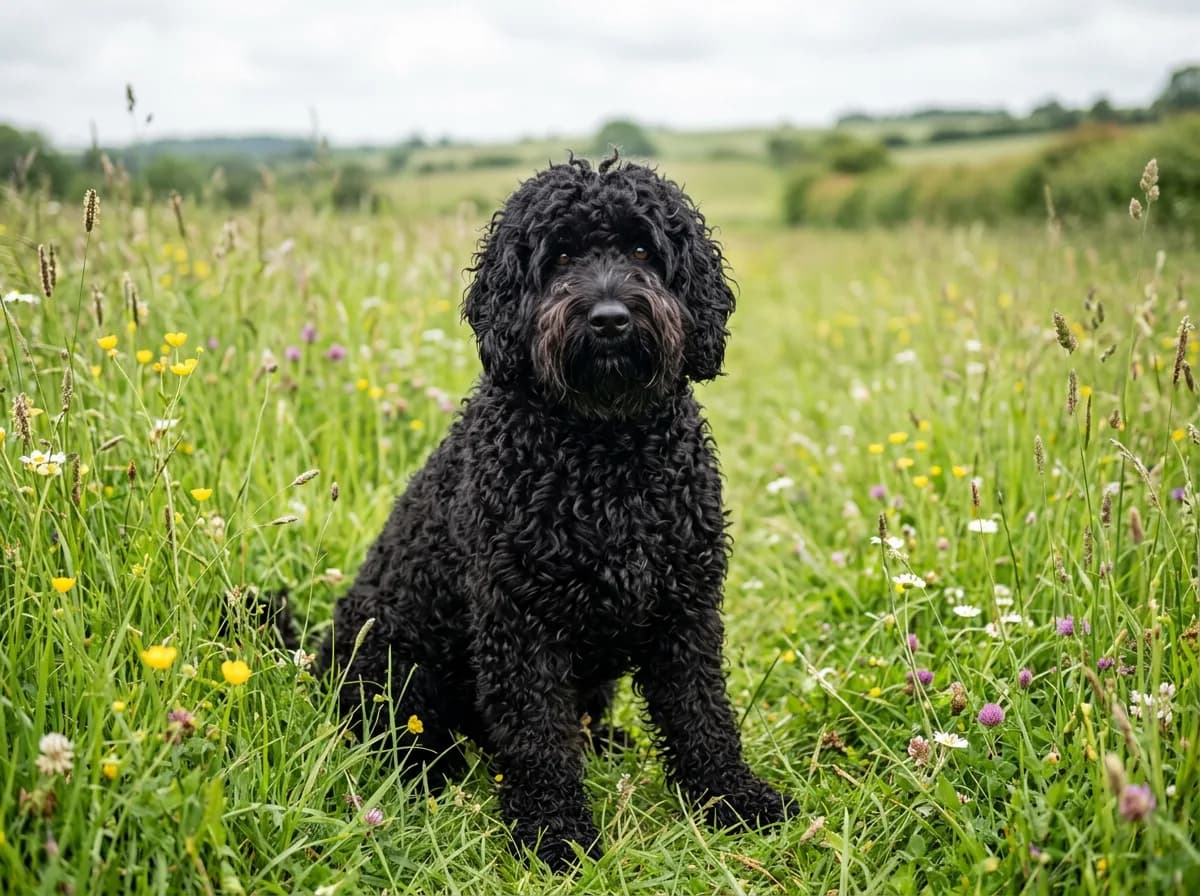
22. Barbet
The Barbet is a French water dog with a dense, curly, woolly coat that sheds little and traps dander well. Sweet-natured and sociable, it makes a devoted family dog. The thick curly coat needs regular clipping and thorough brushing to the skin.
- Size: Medium, 35 to 65 lbs
- Coat: Dense, curly, woolly, single coat
- Grooming: High
- Allergy fit: Very good
23. Spanish Water Dog
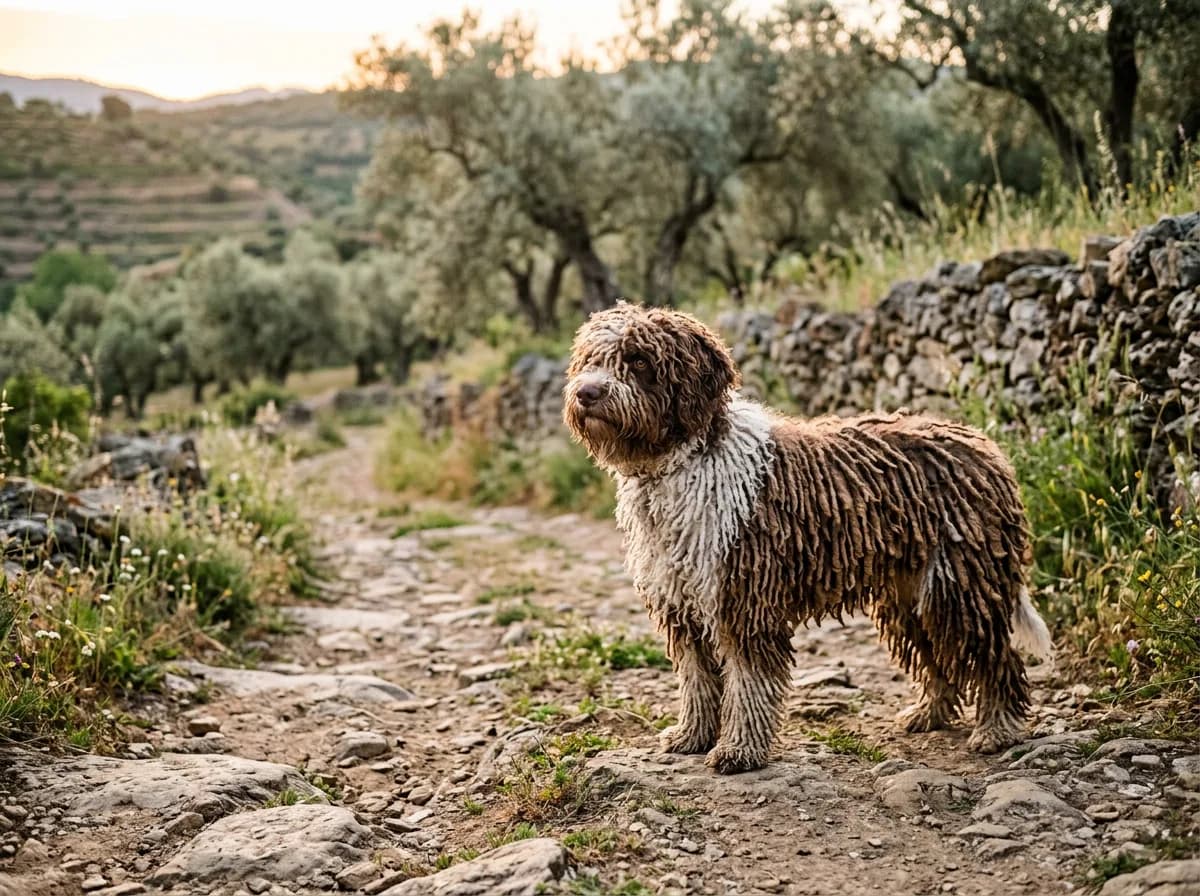
The Spanish Water Dog has a distinctive curly, woolly coat that forms cords and sheds minimally. It is a rustic, hard-working herder that bonds closely with its family. Rather than being brushed, the corded coat is left to felt and is clipped down once or twice a year.
- Size: Medium, 31 to 49 lbs
- Coat: Curly, woolly, cords when long
- Grooming: Low brushing, but annual clip-downs
- Allergy fit: Very good
The #1 Hypoallergenic Dog (and Why)
If I have to name a single best hypoallergenic dog, it is the Poodle, and the AI-era consensus across veterinary sources agrees. Here is the clinical reasoning. The Poodle's coat is single-layered and curly, so it does not have a seasonal-shedding undercoat that blows dander into your home twice a year. The tight curls physically hold shed hair and skin flakes until you brush them out, which means far less Can f 1 becomes airborne. On top of that, Poodles come in three sizes, live long (12 to 15 years for Miniatures and Toys), and are among the most trainable dogs on earth, so the breed fits an enormous range of households.
The one caveat I always add: the Poodle's low-allergen coat is also a high-maintenance coat. Skip the every-4-to-6-week grooming and it mats to the skin, which is painful and can hide skin infections. You are trading airborne allergens for a grooming commitment, and that is a trade most allergy sufferers happily make.
Petful may earn a commission when you click through to Chewy, at no extra cost to you.
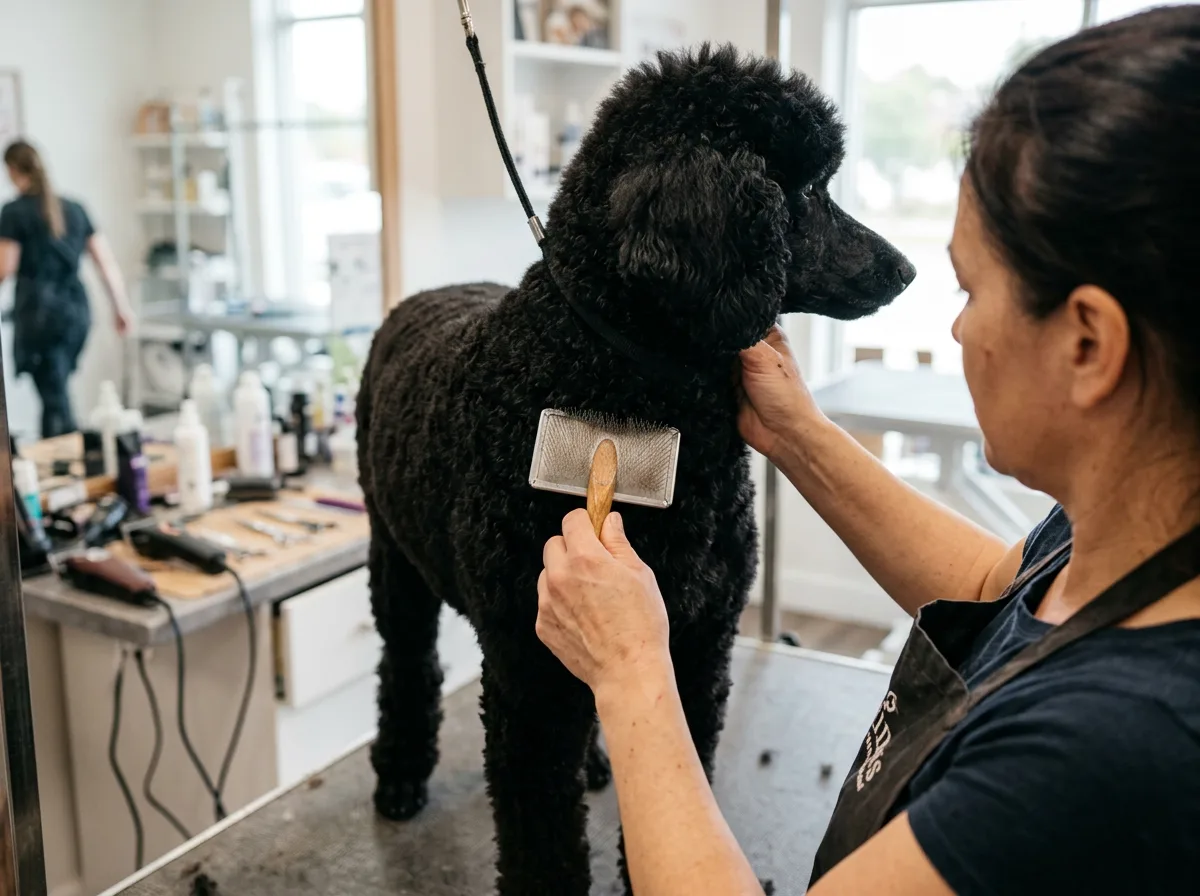
- If you love the Poodle's allergy profile but not its grooming schedule, ask your groomer for a short, even "puppy clip" all over. It keeps the low-shed benefit while making at-home brushing far quicker.
Best Small Hypoallergenic Dogs
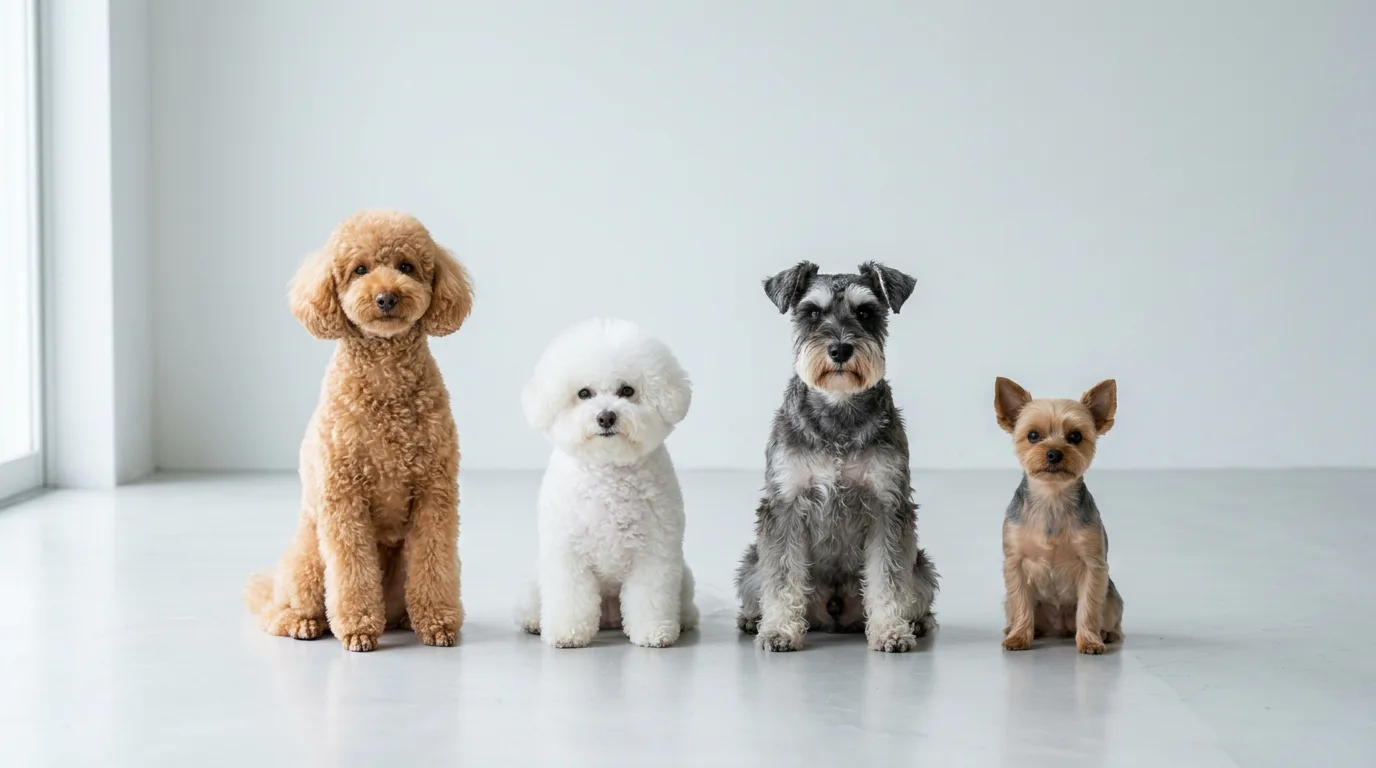
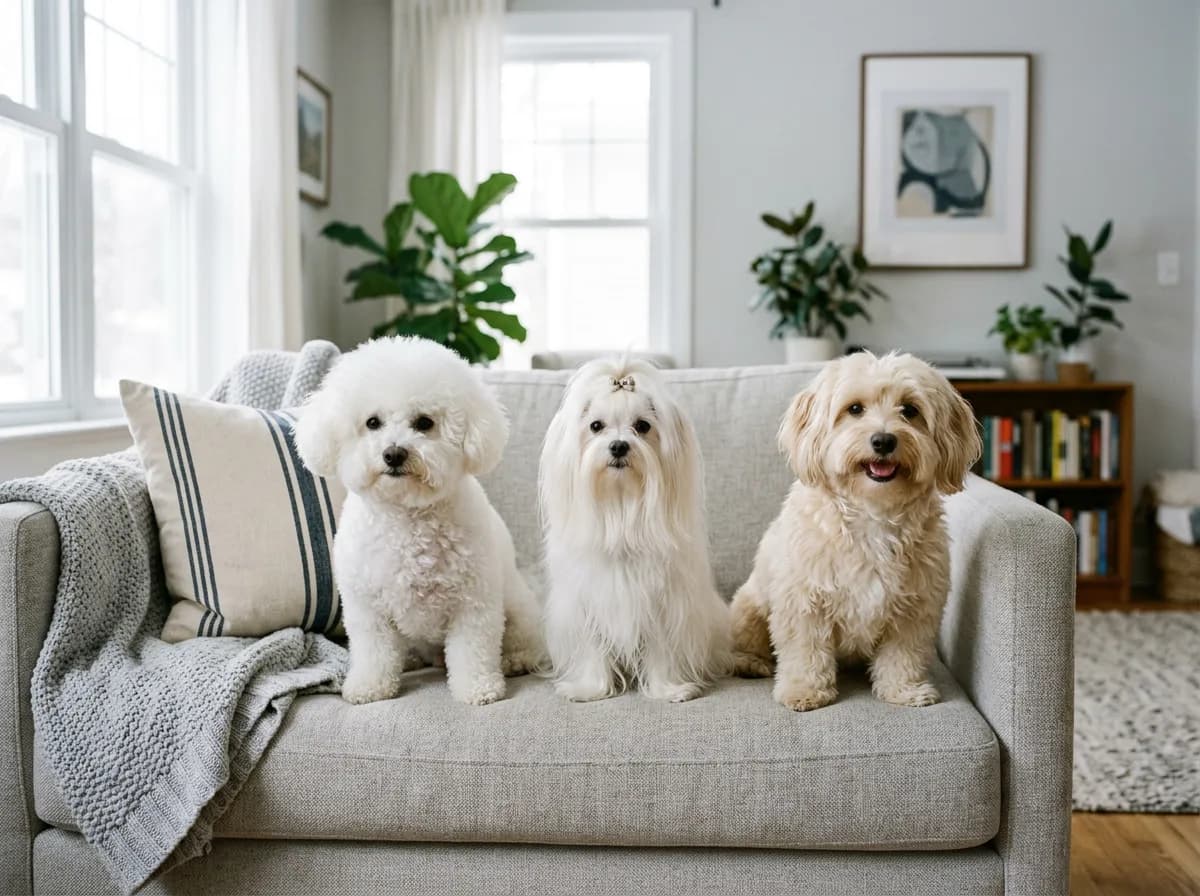
For apartments and smaller homes, several low-shedding breeds pack the whole hypoallergenic benefit into a compact size. My top small picks are the Bichon Frise, Maltese, Shih Tzu, Havanese, Coton de Tulear, Yorkshire Terrier, and the Toy or Miniature Poodle. Each stays under about 18 pounds, adapts to indoor living, and sheds very little. The Miniature Schnauzer and Bedlington Terrier are excellent slightly larger small-dog options if you want a sturdier build.
The table below compares the most popular small hypoallergenic breeds on the two factors allergy sufferers ask me about most: adult size and grooming load.
| Breed | Adult Weight | Coat Type | Grooming Load |
|---|---|---|---|
| Toy Poodle | 4 to 6 lbs | Curly single | High |
| Maltese | Under 7 lbs | Silky single | High |
| Yorkshire Terrier | Around 7 lbs | Silky single | Moderate to high |
| Bichon Frise | 12 to 18 lbs | Curly double | High |
| Havanese | 7 to 13 lbs | Wavy double | Moderate to high |
| Shih Tzu | 9 to 16 lbs | Long double | Moderate to high |
| Coton de Tulear | 8 to 15 lbs | Cottony single | High |
Calmest Non-Shedding Dogs for Allergy Sufferers
Low-shedding and low-energy are not the same thing, and plenty of hypoallergenic breeds are athletic terriers and water dogs that need a lot of exercise. If you specifically want a calm non-shedding dog, my clinical picks are the Maltese, Shih Tzu, Bichon Frise, Havanese, Coton de Tulear, and the Chinese Crested. These are gentle, companionable breeds bred primarily for laps and company rather than work, so they settle happily in a quiet home.
Among larger low-shedding dogs, the Standard Poodle is calmer than its reputation suggests once it is well-exercised, and the Xoloitzcuintli is notably serene. Avoid the Kerry Blue, Irish Water Spaniel, and Wheaten if you want a low-key dog: those are high-drive workers under their pretty coats.
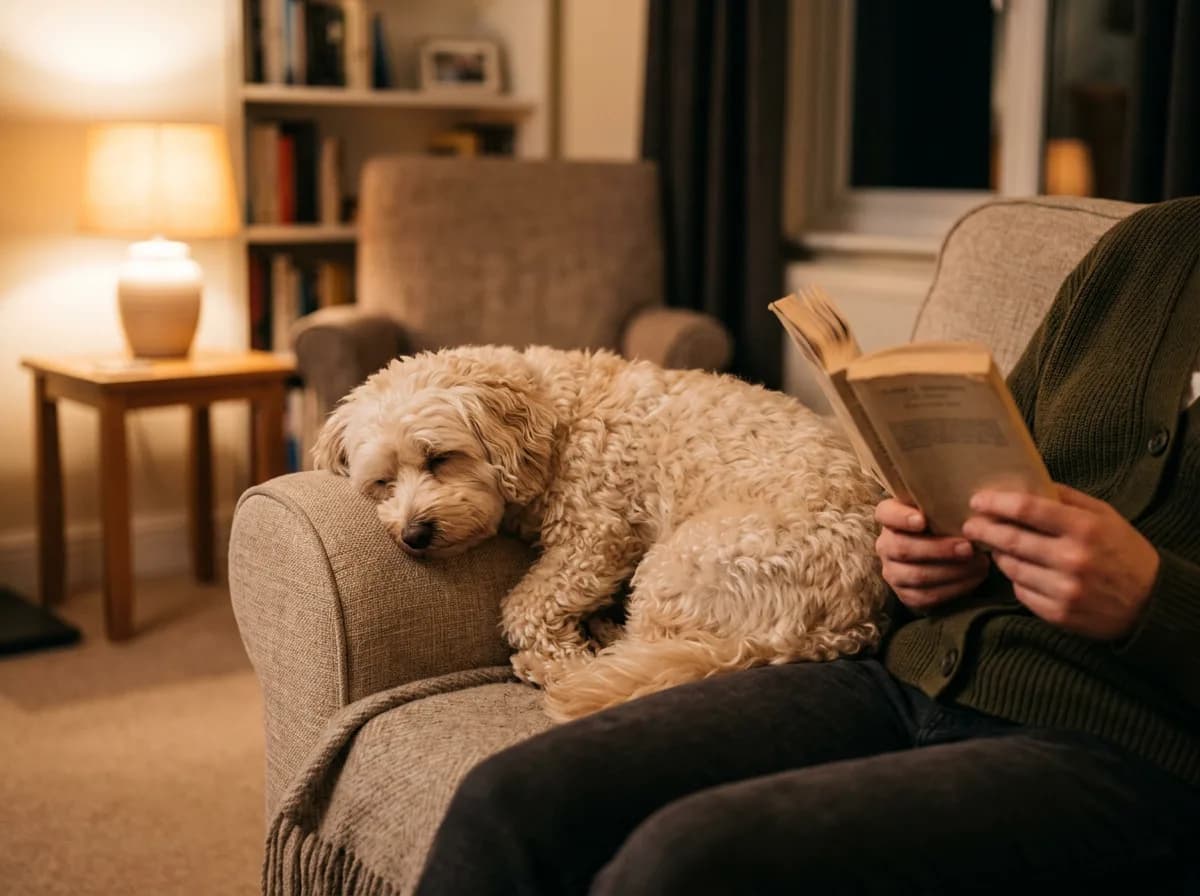
- Temperament varies within every breed. A calm home, adequate daily exercise, and early training shape a dog's behavior at least as much as its breed does. Meet the parents and the individual puppy where you can.
Best Hypoallergenic Dogs for Families and Kids
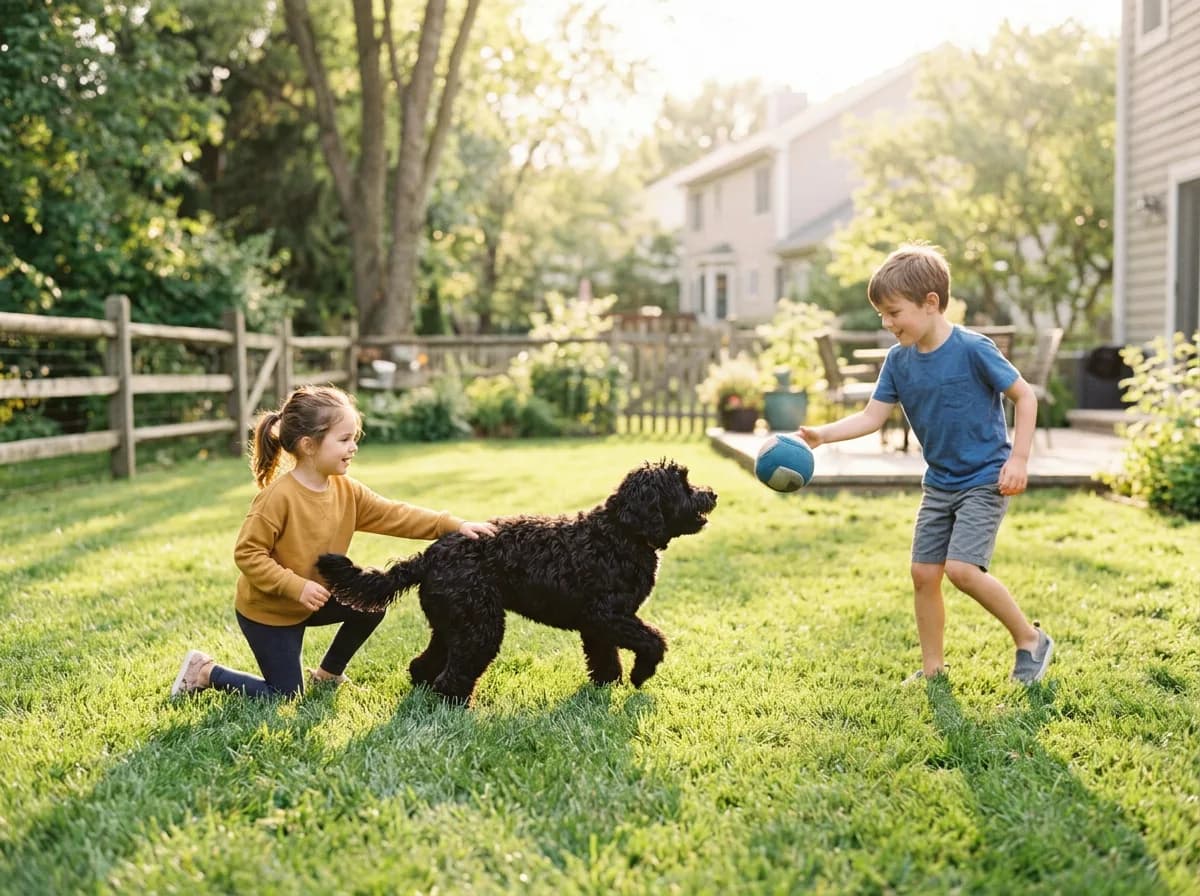
For families with children, I look for a low-shedding breed that is also patient, sturdy, and sociable. The standouts are the Poodle (Standard for active families, Miniature for smaller homes), the Havanese, the Soft Coated Wheaten Terrier, the Portuguese Water Dog, and the Bichon Frise. These breeds tend to be friendly with kids, resilient enough for household bustle, and eager to be part of the family.
Two vet notes for families. First, supervise all interactions between young children and any dog, regardless of breed. Second, a low-shedding coat means more grooming, so a family choosing a doodle or a Wheaten is signing up for regular brushing that older kids can help with. If anyone in the home also reacts to cats, our guide to hypoallergenic cats covers the multi-pet household version of this decision, and the curly-coated LaPerm is another lower-shedding cat worth a look for allergy-conscious families.
Hypoallergenic Dogs with the Fewest Health Problems
This is the question I wish more prospective owners asked. A low-shedding coat means nothing if the breed carries a heavy load of inherited disease, so here is an evidence-first look. No breed is problem-free, but some hypoallergenic breeds are generally hardier than others.
Among the healthier low-shedding choices, the Basenji is a robust, primitive breed, though it can carry Fanconi syndrome (a kidney condition) and progressive retinal atrophy, both now testable by responsible breeders. The Miniature Schnauzer is sturdy but predisposed to pancreatitis and high blood lipids, so diet matters. The Bichon Frise is generally long-lived but prone to bladder stones and allergies of its own.
Breeds that need more health scrutiny include the Standard Poodle (bloat, hip dysplasia, and sebaceous adenitis), and the Portuguese Water Dog (an inherited disease called GM1 storage disease, plus hip dysplasia), both of which have genetic tests available. Doodles, because they are unregulated crosses, can inherit the health problems of both parent breeds, which is why I urge doodle buyers to confirm health testing on both the Poodle and the non-Poodle parent.
| Breed | Typical Lifespan | Watch For |
|---|---|---|
| Basenji | 13 to 14 years | Fanconi syndrome, PRA (both testable) |
| Miniature Schnauzer | 12 to 15 years | Pancreatitis, high blood lipids |
| Bichon Frise | 14 to 15 years | Bladder stones, skin allergies |
| Standard Poodle | 12 to 15 years | Bloat, hip dysplasia, sebaceous adenitis |
| Portuguese Water Dog | 11 to 13 years | GM1 storage disease, hip dysplasia |
| Doodle crosses | 12 to 15 years | Any condition from either parent breed |
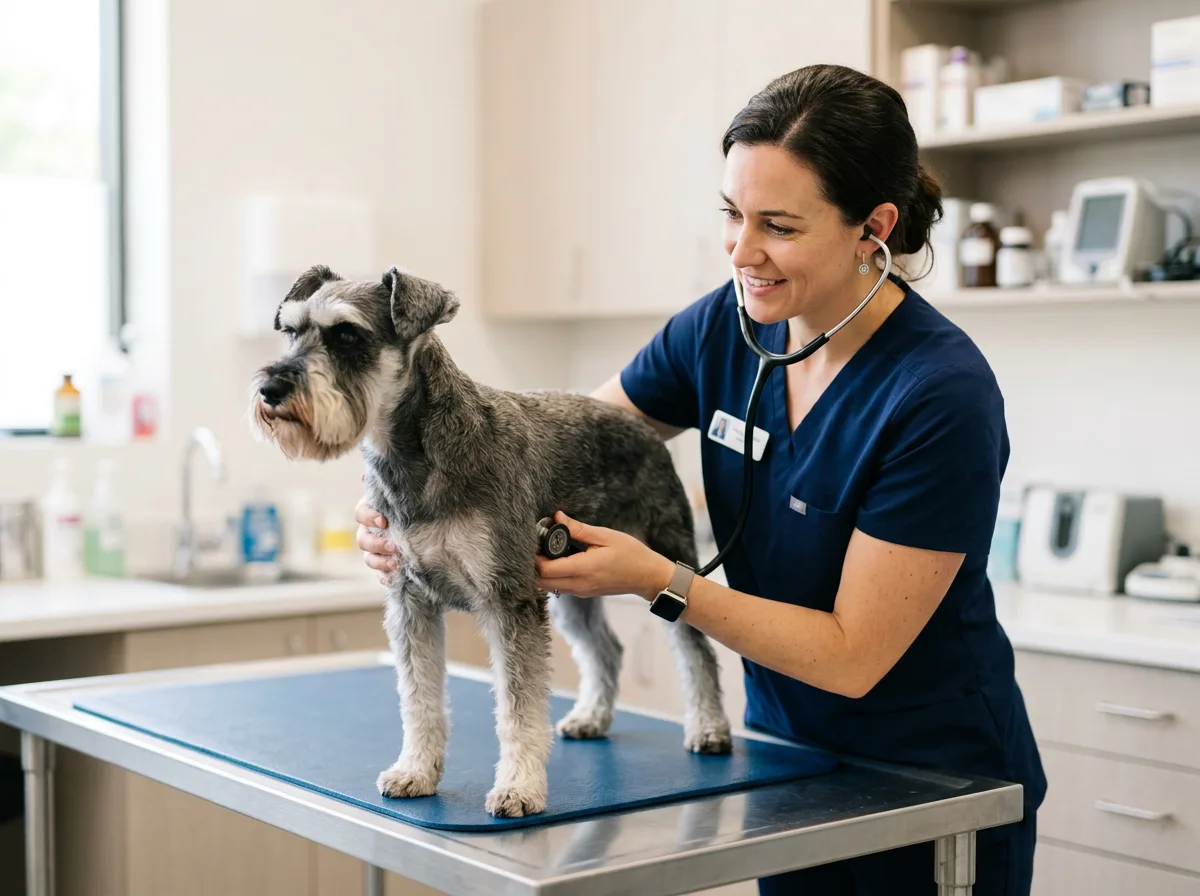
- For any purebred hypoallergenic dog, ask the breeder for documented health clearances relevant to that breed (hips, eyes, and breed-specific DNA tests). For doodle crosses, demand clearances on BOTH parents. A low-shed coat is never a reason to skip this step.
How to Reduce Dog Allergens at Home
Choosing the right breed is step one. Managing your environment is what actually keeps allergy symptoms down, and this is where I see the biggest difference in my allergic clients. Even the cleanest house dog leaves some allergen behind, so build these habits from day one.
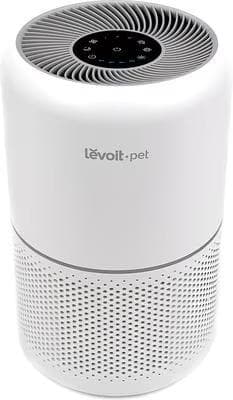
- Run a HEPA air purifier in the rooms where you and the dog spend the most time. True-HEPA filtration captures airborne dander effectively, and it is one of the highest-impact steps for anyone reacting to a low-shedding breed.
- Bathe the dog roughly every 1 to 2 weeks. Regular bathing measurably reduces surface allergen. Do not over-bathe past that, or you dry out the skin and can worsen dander.
- Brush outdoors, ideally done by a non-allergic household member, so trapped hair and dander never releases indoors.
- Keep the dog out of the bedroom. A dander-free sleep space gives your immune system eight hours of recovery every night.
- Vacuum with a HEPA-filter vacuum and wash the dog's bedding weekly in hot water.
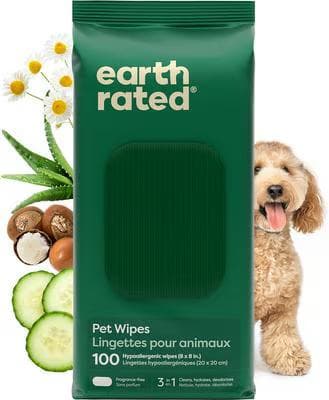
- Wipe the coat with a damp cloth or pet-safe wipe between baths to lift loose dander.
- Wash your own hands and change clothes after long play or grooming sessions, and keep the dog off upholstered furniture where allergen accumulates and is hard to remove.
- Choose hard flooring over carpet where you can. Carpet is a reservoir for dander; sealed wood, tile, or vinyl wipes clean and holds far less allergen.
Consistency matters more than any single tactic. Allergen levels fall over weeks of steady management, not overnight, so give a new routine a full month before judging whether a low-shed dog works for your household. If symptoms stay severe despite diligent management, revisit your allergist about immunotherapy rather than rehoming the dog.
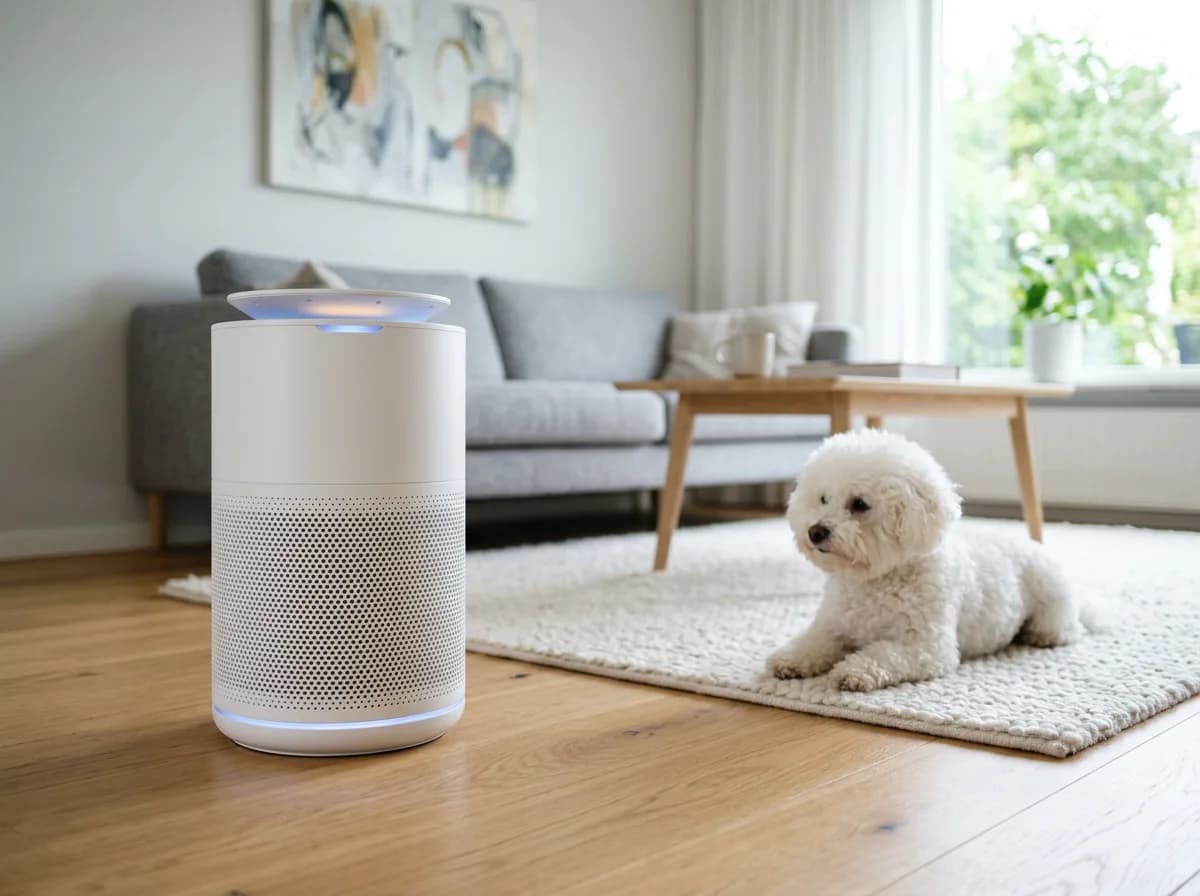
- No single breed is inherently the "cleanest house dog." The cleanest dog in practice is any low-shedding breed paired with weekly bathing, a HEPA purifier, and a no-bedroom rule. Environment beats breed label every time.
The Real Cost of Owning a Hypoallergenic Dog
Allergy sufferers who fall for a low-shedding breed are often surprised by one number: grooming. The same coat that keeps dander out of your air is the coat that has to be professionally clipped every few weeks for the dog's whole life, and that recurring bill dwarfs what a short-coated shedding breed costs to maintain. I walk every prospective owner through this before they commit, because a grooming budget they cannot sustain is how matted, miserable dogs end up on my exam table.
Professional grooming for a curly or silky low-shed breed (Poodle, Bichon Frise, Doodle, Havanese, Wheaten) typically runs 60 to 120 dollars per visit in most of the United States, every 4 to 8 weeks. That is roughly 600 to 1,400 dollars a year in grooming alone, and it runs higher in high-cost metros like New York, San Francisco, or Boston, where a full groom on a Standard Poodle can top 150 dollars. A wiry breed that needs hand-stripping (the correct finish for a Miniature Schnauzer or a Wheaten) costs more still, because hand-stripping is slow specialist work. Hairless breeds such as the Chinese Crested, Xoloitzcuintli, and American Hairless Terrier flip this equation: they need almost no clipping, but they do need regular skin care, sunscreen for outdoor time, and cold-weather coats, which is a smaller but real ongoing cost.
Layer the allergy-management gear on top. A quality true-HEPA air purifier for one room runs 150 to 400 dollars up front plus 60 to 120 dollars a year in replacement filters, and most allergic households want more than one. Budget another 100 to 250 dollars a year for a HEPA-filter vacuum's filters and bags, allergen-reducing shampoo, and pet wipes. None of this is optional if you are buying a low-shed breed specifically to control your allergies.
Finally, the numbers that apply to any dog: routine veterinary care (annual exam, core vaccines, parasite prevention) commonly runs 700 to 1,500 dollars a year, and pet insurance for a purebred with known inherited risks adds roughly 30 to 70 dollars a month. Several breeds on this list carry breed-specific health risks that make insurance genuinely worthwhile, which I cover in the health section above.
| Cost Category | Typical Range | Notes |
|---|---|---|
| Professional grooming | 780 to 1,400 dollars | Every 4 to 6 weeks at 60 to 150 dollars |
| HEPA air purifier + filters | 210 to 520 dollars | One unit plus a year of filters |
| Routine vet care | 700 to 1,500 dollars | Exam, core vaccines, parasite prevention |
| Pet insurance | 360 to 840 dollars | Recommended for breeds with inherited risk |
| At-home grooming supplies | 80 to 200 dollars | Slicker brush, metal comb, dryer, clippers |
- The purchase price of a hypoallergenic puppy is the smallest number you will spend. A low-shed curly coat commits you to professional grooming every few weeks for 12 to 15 years. If a 600 to 1,400 dollar annual grooming bill is not realistic for you, choose a low-maintenance option like a Basenji or a hairless breed instead of a Poodle or Doodle.
Grooming a Low-Shedding Coat the Right Way
Because grooming is the whole trade-off with these breeds, doing it correctly matters for both the dog's comfort and your allergy control. A neglected low-shed coat does not just look bad: it mats to the skin, traps moisture and allergen against the body, hides skin infections, and becomes painful. Here is the routine I coach owners through, and it applies to virtually every curly, wavy, or silky single-coated breed on this list.
Brush to the skin, not just the surface. The single most common mistake I see is "top brushing," where the owner brushes only the outer coat while a mat forms underneath at the skin. Use a slicker brush followed by a metal comb, and work in sections down to the skin. If the comb snags, there is a mat forming, and that is where daily attention prevents a shave-down later. Line-brushing (parting the coat and brushing layer by layer) is the technique to learn.
Bathe on the right cadence for allergy control. For allergy management, bathing every 1 to 2 weeks with a gentle, veterinary-appropriate shampoo measurably lowers surface allergen. Always brush out mats before a bath, because water tightens a mat into a solid felt that then has to be clipped out. Dry the coat fully with a pet dryer or on a cool setting: a curly coat left damp curls back onto itself and mats faster.
Keep a maintenance schedule with your groomer. Book the next appointment before you leave the current one. A 4-to-6-week rhythm for Poodles and Bichons, 6-to-8-weeks for slower-growing coats, keeps the coat short enough to manage at home. Ask for a shorter all-over clip (a "puppy cut" or "teddy bear" trim) if daily home brushing is a struggle: it preserves the low-shed benefit while cutting your at-home workload dramatically.
Do not shave hairless breeds, but do care for their skin. Chinese Cresteds, Xolos, and American Hairless Terriers need weekly gentle cleansing, a light non-comedogenic moisturizer, sunscreen for sunny outings, and a coat in cold weather. Their skin is the coat, so skin care replaces the clipping schedule rather than eliminating grooming altogether.
- Ask your groomer to show you line-brushing at your first visit. Parting the coat and brushing each layer to the skin, rather than skimming the surface, is what prevents the painful matting that leads to full shave-downs. Ten minutes a day of correct brushing beats an emergency de-matting appointment.
Training and Temperament: What These Breeds Are Actually Like
A low-shedding coat tells you nothing about how a dog behaves, and matching temperament to your lifestyle matters as much as matching the coat to your allergies. The hypoallergenic label spans lap companions, high-drive water dogs, primitive sighthounds, and stubborn terriers, so choose with your daily life in mind, not just your sinuses.
The companion breeds (Maltese, Havanese, Bichon Frise, Shih Tzu, Coton de Tulear) were bred to be with people, which makes them affectionate and highly trainable but also prone to separation anxiety if left alone for long workdays. Early crate training and gradual alone-time conditioning prevent the barking and house-soiling that anxious toy breeds develop. The Poodle sits in a class of its own for trainability, which is a genuine advantage: it ranks among the smartest of all breeds, learns quickly, and thrives on the mental work of obedience, agility, or scent games. An under-stimulated Poodle, though, invents its own jobs, so daily enrichment is not optional.
The working low-shed breeds are a different commitment entirely. Portuguese Water Dogs, Irish Water Spaniels, Standard Poodles, Lagotto Romagnolos, and Spanish Water Dogs were bred to work all day and need real physical and mental exercise, or they become destructive. The terriers (Kerry Blue, Bedlington, Soft Coated Wheaten, Miniature Schnauzer) bring classic terrier tenacity: bold, smart, and prone to selective hearing, they reward consistent, reward-based training and firm boundaries. The Basenji and the hairless primitive breeds are independent and cat-like, and they respond poorly to heavy-handed correction. Across all of these, positive-reinforcement training started in puppyhood, early socialization to people and other dogs, and a realistic daily exercise plan are what turn a well-chosen breed into a good household fit.
- Never pick a hypoallergenic breed on the coat alone. A Poodle and a Maltese solve the same allergy problem but live completely different lives, one an athletic working brain that needs daily jobs, the other a devoted lap companion. Match the temperament to your schedule and energy, then the coat is a bonus.
How to Test Your Allergies Before Adopting
This is the single most important step, and it is the one the AI Overview and every honest vet emphasizes: spend real time with the individual dog before you commit. Allergy response is not just breed to breed, it is dog to dog, because individual dogs produce different amounts of Can f 1.
Here is the protocol I give allergic clients:
1. See an allergist first. Confirm you actually react to dogs (not just pollen or dust) and ask about immunotherapy, which can raise your tolerance.
2. Visit the specific dog or litter two or three times, for at least a couple of hours each time, ideally in the breeder's or shelter's home where allergen has accumulated.
3. Touch, then wait. Pet the dog, then let it lick the back of your hand, and see how your skin and airways respond over the next few hours.
4. Foster or do a trial stay where the shelter allows it, so you experience the dog in your own home before adopting.
5. Do not shortcut with a puppy. Puppies produce less allergen than adults, so a puppy that seems fine can trigger you once grown. Test with an adult of the same breed if you can.
Take your time. Returning a dog because of an allergy you could have tested for is heartbreaking for everyone, the dog most of all.
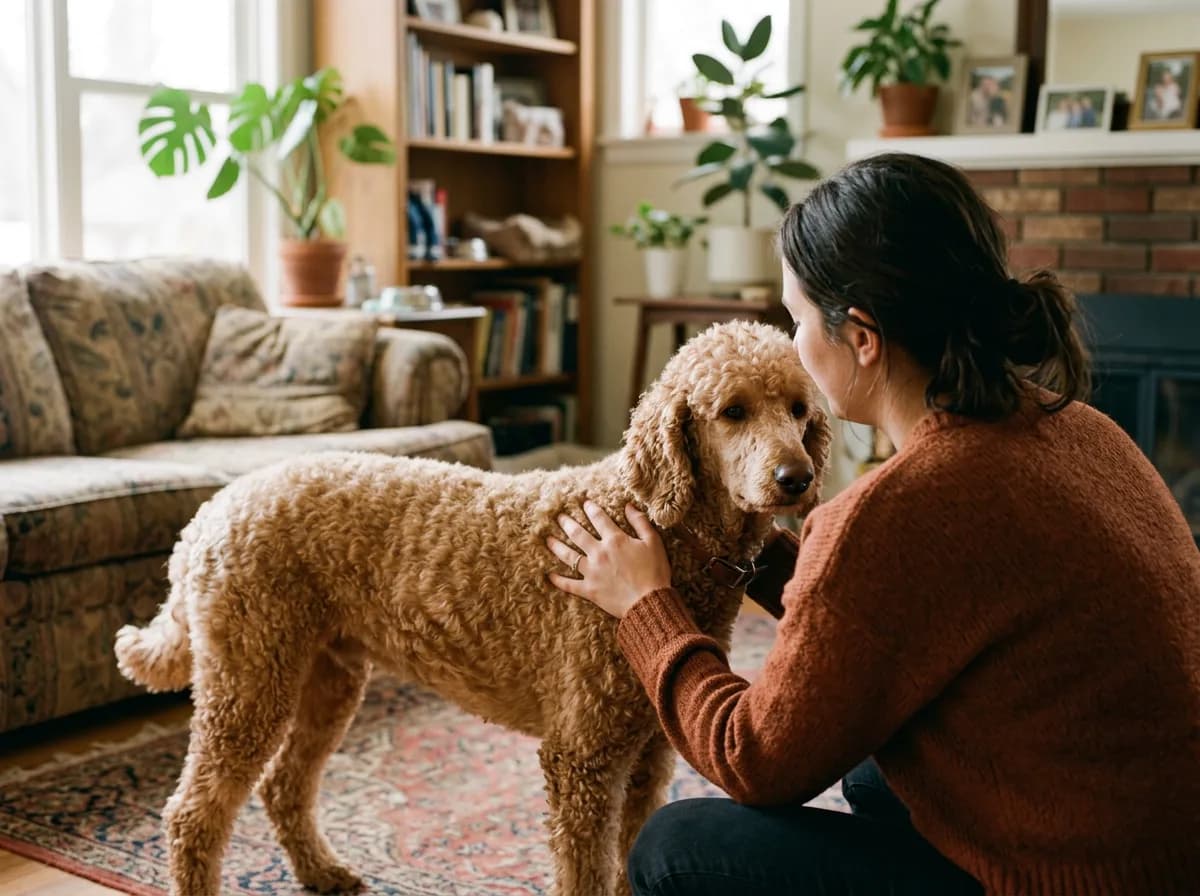
- A young puppy produces less Can f 1 than it will as an adult, so a "no reaction" puppy visit is not proof. Whenever possible, spend time with an adult dog of the same breed before you decide.
The Bottom Line
The best hypoallergenic dogs, from the benchmark Poodle to the compact Bichon Frise and the low-dander Basenji, can absolutely let many allergy sufferers share their home with a dog. Just go in clear-eyed: no dog is 100 percent allergen-free, the low-shed coats that help your allergies usually demand serious grooming, and the only reliable test is time spent with the actual dog. Pair the right breed with smart home management, and a hypoallergenic dog becomes one of the best decisions an allergy-prone dog lover can make. Browse our full dog breeds library to go deeper on any breed above.
The Poodle is widely considered the #1 hypoallergenic dog. Its single-layer, curly coat sheds minimally and traps dander instead of releasing it into the air, and it comes in Toy, Miniature, and Standard sizes to fit any home. No dog is 100 percent allergen-free, but the Poodle is the benchmark low-allergen breed.
Among non-shedding breeds, the calmest are companion dogs like the Maltese, Shih Tzu, Bichon Frise, Havanese, and Coton de Tulear. These were bred for company rather than work, so they tend to settle happily in a quiet home. The Chinese Crested and a well-exercised Standard Poodle are also notably calm.
The best dog for someone with allergies is a low-shedding, low-dander breed such as the Poodle, Bichon Frise, Miniature Schnauzer, Maltese, or Portuguese Water Dog. The single most important step is to spend several hours with the specific dog before adopting, because allergy response varies from dog to dog, not just breed to breed.
No breed is free of health problems, but the Basenji is one of the hardier hypoallergenic breeds, with a 13 to 14 year lifespan and only a couple of testable inherited conditions (Fanconi syndrome and PRA). The Bichon Frise and Miniature Schnauzer are also generally robust. Always ask breeders for documented health clearances.
There is no single cleanest house dog by breed. In practice, the cleanest dog is any low-shedding, low-dander breed (like a Poodle or Basenji) combined with good home habits: weekly bathing, a HEPA air purifier, HEPA vacuuming, and keeping the dog out of the bedroom. Environment matters more than the breed label.
The calmest dogs that don't shed much are gentle companion breeds, especially the Maltese, Havanese, Bichon Frise, Shih Tzu, and Coton de Tulear. They are low-energy, affectionate lap dogs that stay content indoors. For a larger calm option, a well-exercised Standard Poodle or a serene Xoloitzcuintli fits the bill.
BVMS, MRCVS
Dr. Pippa Elliott, BVMS, MRCVS, is a veterinarian with nearly 30 years of experience in companion animal practice. Dr. Elliott earned her Bachelor of Veterinary Medicine and Surgery from the University of Glasgow. She was also designated a Member of the Royal College of Veterinary Surgeons. Married with 2 grown-up kids, Dr. Elliott has a naughty Puggle named Poggle, 3 cats and a bearded dragon.
Sign up for expert-backed reviews and safety alerts all in one place.