Do Hypoallergenic Cats Exist? A Vet's Honest Answer
Do hypoallergenic cats exist? A veterinary surgeon explains why no cat is truly allergen-free, which breeds produce less Fel d 1, and how allergy sufferers can live with a cat.

BVMS, MRCVS
Petful is reader supported. As an affiliate of platforms like Amazon and Chewy, we may earn a commission when you buy through links on this page. There is no extra cost to you.
Do hypoallergenic cats exist in the way most allergy sufferers hope? Not really, and as a veterinary surgeon I want to be honest about that from the first line: no cat breed is scientifically proven to be allergen-free, because the protein that triggers most cat allergies, Fel d 1, is produced by every cat. The American Academy of Allergy, Asthma and Immunology (AAAAI) is clear that there is no truly non-allergenic cat. What some breeds offer is a lower allergen load, not a zero one. That distinction is the whole story, and it decides whether living with a cat is realistic for you.
- 1No cat is truly hypoallergenic because all cats produce the Fel d 1 protein
- 2"Hypoallergenic" breeds like Siberian and Balinese may shed less Fel d 1, easing symptoms for some people
- 3The allergen lives in saliva, skin and dander, not the fur itself, so hairless cats are not automatically safer
- 4Neutered males and any female cat tend to produce less Fel d 1 than intact males
- 5Most allergic owners manage symptoms with air purifiers, grooming, cleaning and medical treatment rather than a "magic" breed

Sign up for expert-backed reviews and safety alerts all in one place.
Do Hypoallergenic Cats Exist? The Short, Honest Answer
The phrase "hypoallergenic" means "below normal" allergen levels, not "no allergens." So when people ask whether hypoallergenic cats exist, the accurate answer is that lower-allergen cats exist, but genuinely allergen-free cats do not. The AAAAI and multiple allergy organizations state plainly that no breed is completely non-allergenic.
Here is why. Around 90 percent of people who are allergic to cats react to a single protein called Fel d 1. Every domestic cat, from a hairless Sphynx to a fluffy Persian, makes Fel d 1. It is produced mainly in the salivary glands and the sebaceous (oil) glands of the skin. When a cat grooms, that protein coats the coat and skin, then dries and flakes off as dander that floats through your home and lands on furniture, clothing and bedding.
Because the allergen comes from saliva and skin rather than hair, cutting the amount of fur does not remove the source. That single fact undoes most of the marketing around "hypoallergenic" cats.
Petful may earn a commission when you click through to Chewy, at no extra cost to you.
- The prefix "hypo" means below or under. A hypoallergenic cat produces below-average allergen levels for some people, but it still produces Fel d 1. Treat the label as "may cause fewer symptoms," never as "safe for allergy sufferers."
Can a Cat Be Truly Hypoallergenic?
No cat can be truly hypoallergenic, and it helps to understand the biology behind that. Fel d 1 is a small, sticky glycoprotein that a cat's body makes regardless of coat length, coat type or shedding rate. Research published in veterinary and allergy literature has measured Fel d 1 across breeds and found wide variation between individual cats, but never a breed that produces none.
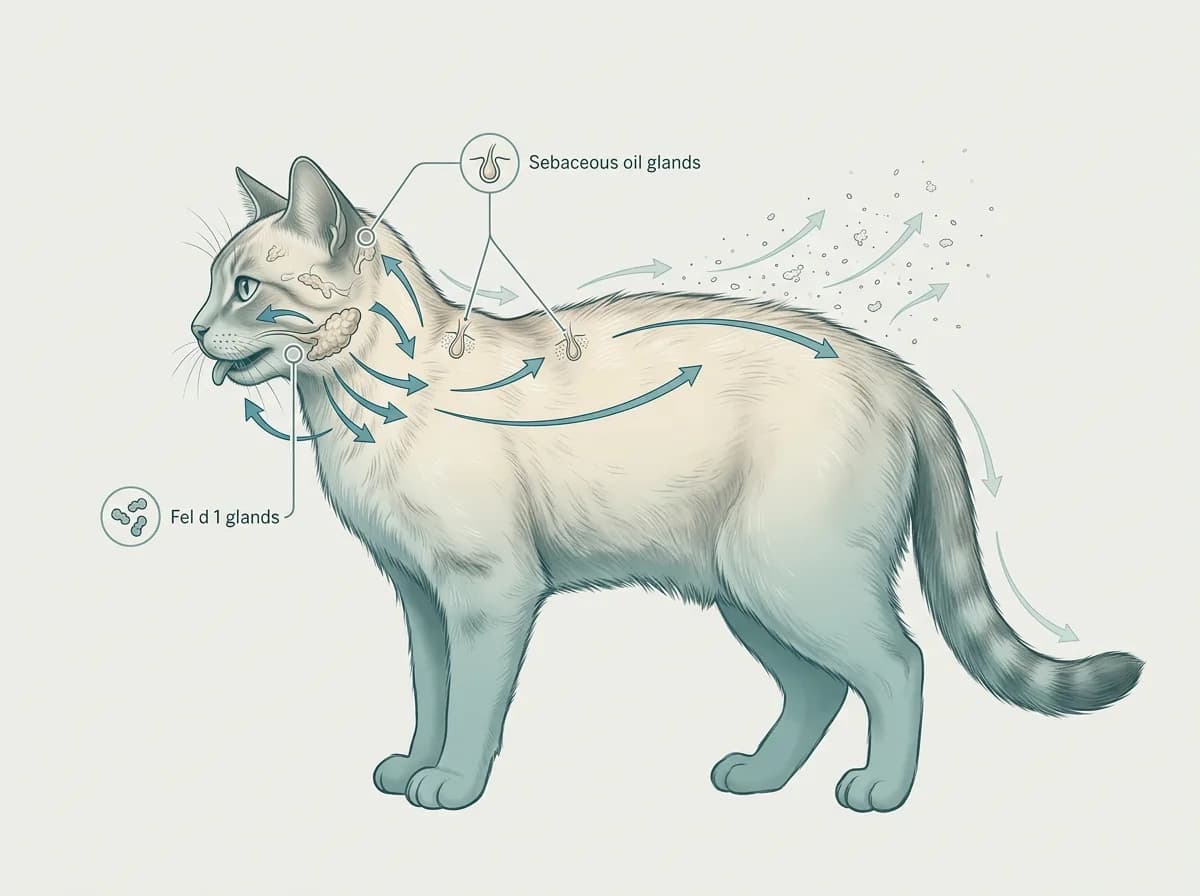
Two points matter for anyone with allergies:
First, Fel d 1 levels vary more between individual cats than between breeds. A specific Siberian might produce less allergen than a specific "regular" tabby, but another Siberian might produce more. You cannot assume a breed label guarantees a low-allergen cat.
Second, the allergen is airborne and persistent. Studies have detected cat allergen in homes months after a cat has left, and even in homes and public buildings where no cat has ever lived, because Fel d 1 travels on clothing. This is why a "hypoallergenic" cat still exposes a sensitive person to the protein.
- Breeders may market a cat as hypoallergenic, but there is no regulated definition and no certification that proves a cat is safe for allergy sufferers. If your reaction is severe, always test your response to an individual cat before committing.
The Breeds Most Often Called "Hypoallergenic"
Several breeds have a reputation for producing less Fel d 1 or shedding less dander into the environment. None are allergen-free, but for people with mild allergies these are the cats most often tolerated. This is where the honest, breed-by-breed picture matters.
Siberian
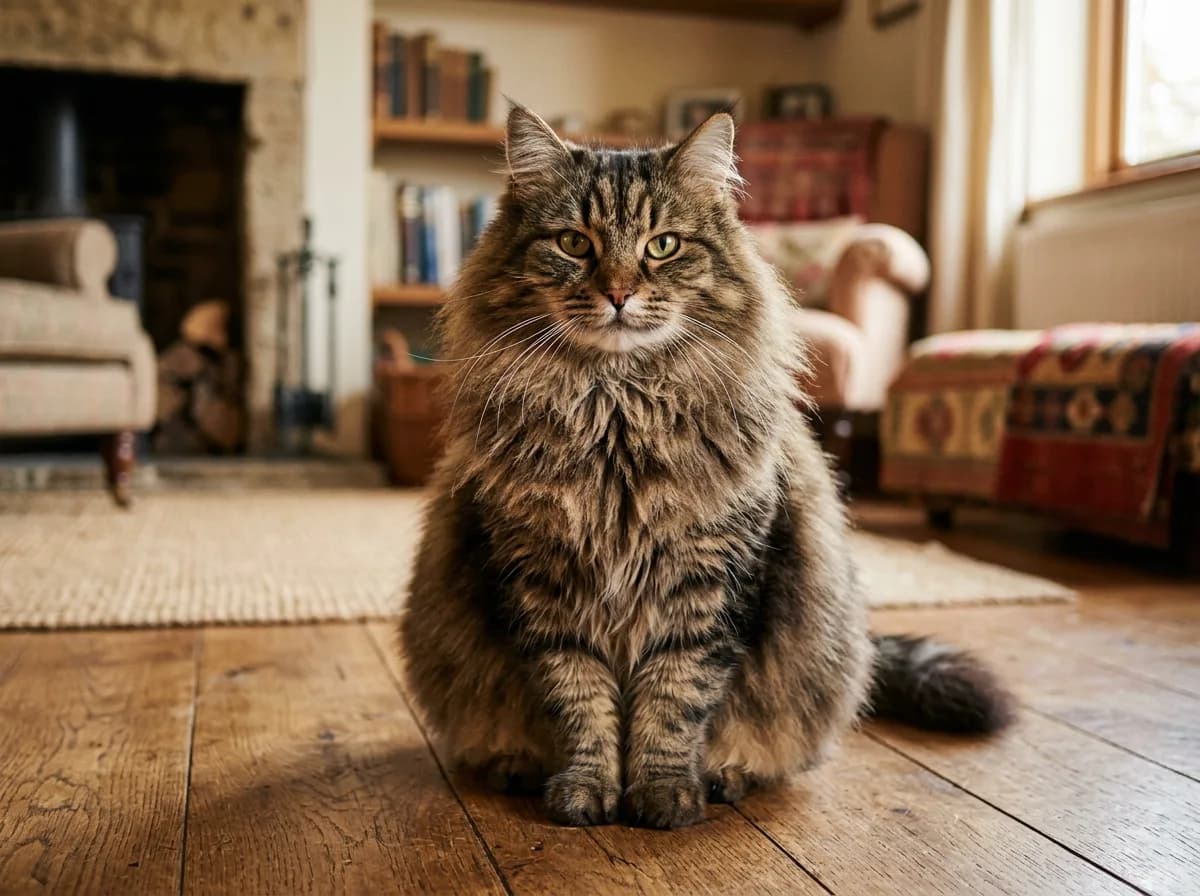
The Siberian is the breed most frequently cited as lower-allergen. Some breeders and small studies suggest a portion of Siberians produce less Fel d 1 than average, though the coat is long and thick, so shedding still spreads dander. There is no guarantee any individual Siberian will be low-allergen, so testing your own reaction to the specific cat is essential. Two related breeds people ask about often are covered in our detailed pages on the Siamese cat and allergies and the curly-coated LaPerm cat and allergies.
Color-changing crystal litter that flags pH shifts in your cat's urine, an early warning sign of UTIs, kidney issues, and more.
Petful may earn a commission when you click through to Chewy, at no extra cost to you.
Balinese
Often nicknamed the "longhaired Siamese," the Balinese is anecdotally reported to produce less Fel d 1. Robust peer-reviewed proof is limited, so treat this as a possibility rather than a promise.
Sphynx
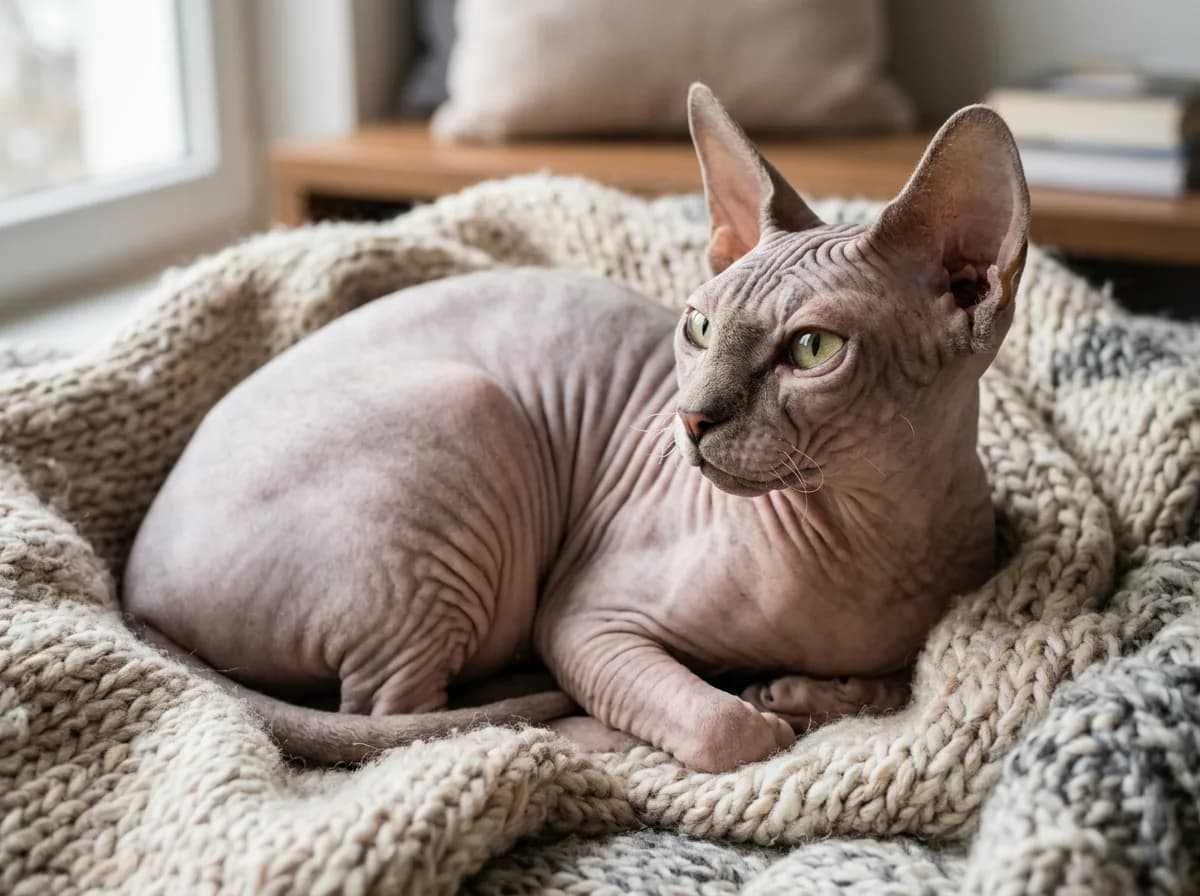
The hairless Sphynx is popular with allergy sufferers because there is no coat to trap and spread dander, and the cat can be bathed regularly to wash allergen off the skin. Importantly, the Sphynx still produces Fel d 1 in its saliva and skin oils, so it is not allergen-free. Frequent bathing is part of the deal.
Cornish Rex and Devon Rex
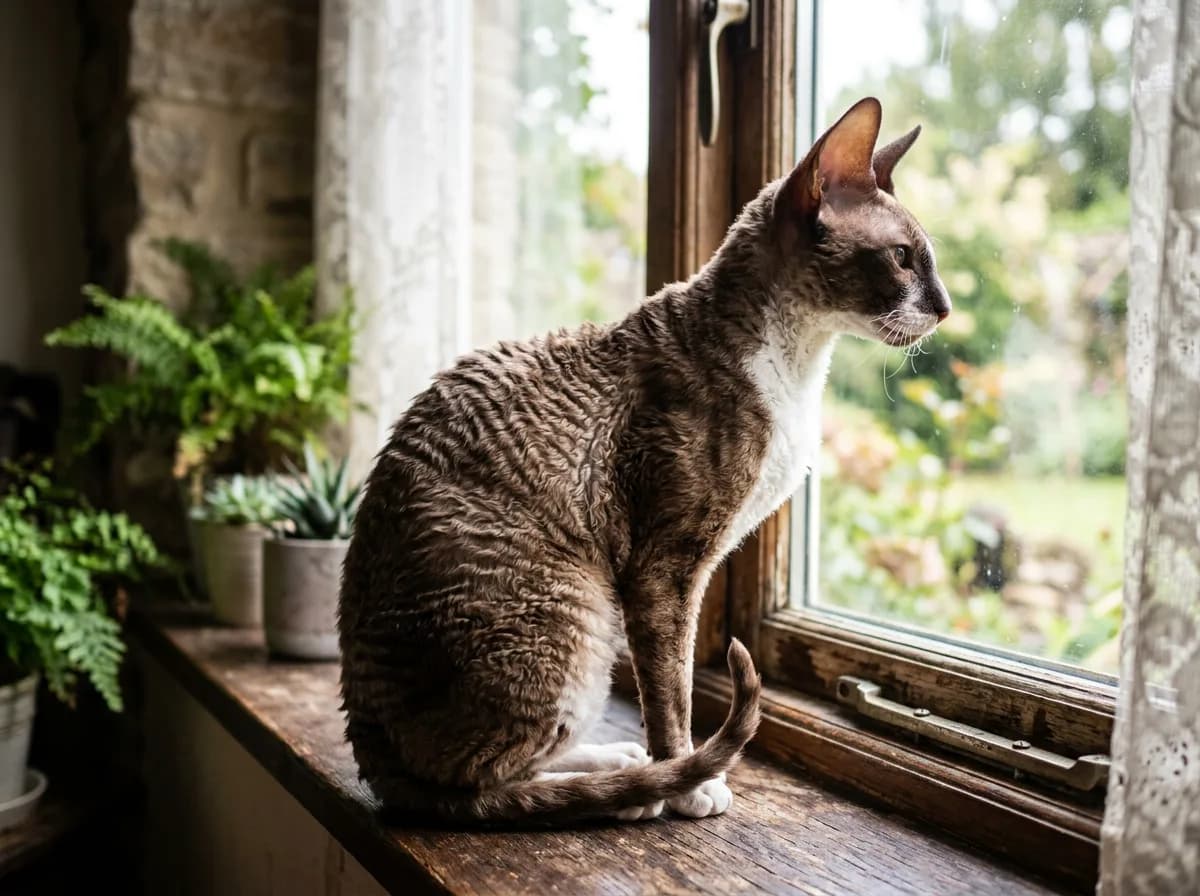
Both Rex breeds have short, fine coats that shed less fur into the environment. Less shedding can mean less airborne dander, but the cats still make the allergen, so the benefit is about spread, not source.
Russian Blue, Bengal and Oriental Shorthair
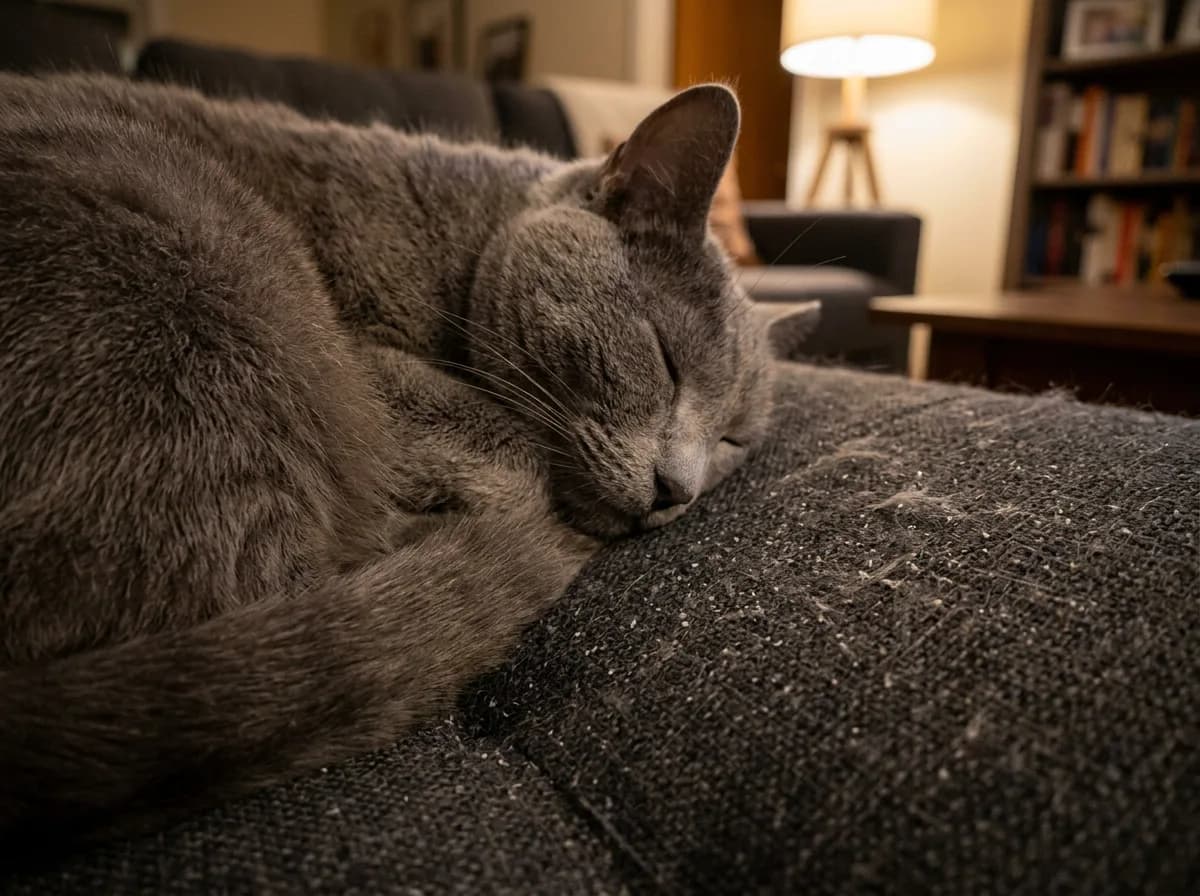
These breeds are sometimes listed as lower-allergen because of dense but low-shedding coats (Russian Blue), fine short coats needing little grooming (Bengal), or minimal coat (Oriental Shorthair). Evidence is largely anecdotal, so the same rule applies: test your reaction first.
| Breed | Coat Type | Why It May Help | Reality Check |
|---|---|---|---|
| Siberian | Long, thick | Some individuals reported lower in Fel d 1 | Long coat still spreads dander; varies by cat |
| Balinese | Long, single | Anecdotally lower Fel d 1 | Limited peer-reviewed proof |
| Sphynx | Hairless | No coat to trap dander; easy to bathe | Still produces Fel d 1 in saliva and skin oil |
| Cornish Rex | Short, curly | Sheds little fur | Allergen source unchanged |
| Devon Rex | Short, wavy | Low shedding, light grooming needs | Still makes Fel d 1 |
| Russian Blue | Dense, plush | Low shedding; some report lower allergen | Evidence largely anecdotal |
| Bengal | Short, fine | Minimal grooming, low shedding | Not proven lower-allergen |
| Oriental Shorthair | Very short | Little coat to spread dander | Still produces the protein |
- Before adopting any "hypoallergenic" cat, spend time with the specific individual cat you plan to bring home, ideally on more than one visit. Because Fel d 1 varies cat to cat, this real-world test tells you far more than any breed label.
What Is the Best Cat for Someone With Allergies?
The best cat for someone with allergies is usually a lower-Fel d 1 individual, most often a neutered female or neutered male from a breed known for lighter shedding, that you have personally tested your reaction to first. Breed reputation is a starting point, but the individual cat and your own management routine matter more than the label.
Petful may earn a commission when you click through to Chewy, at no extra cost to you.
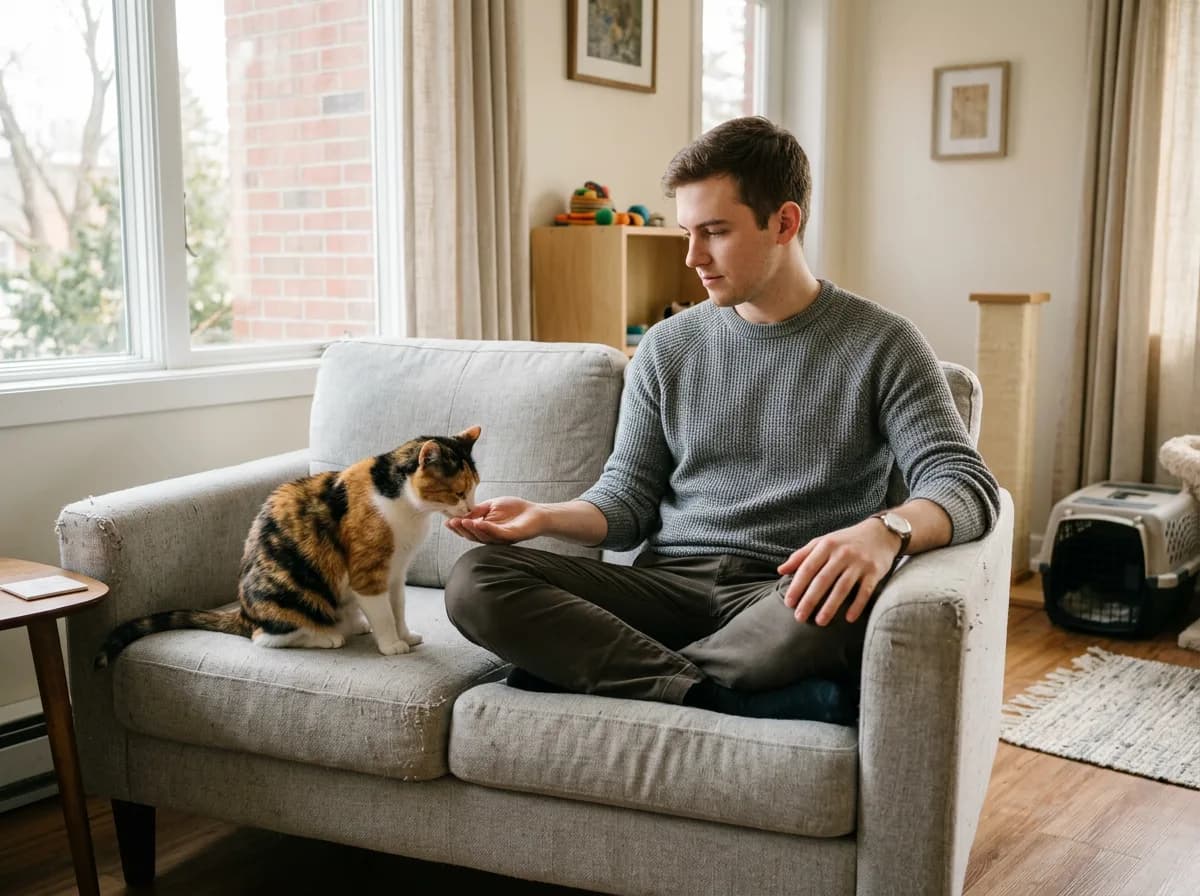
If you have allergies, prioritize in this order: a cat you tolerate on repeat visits, a lower-shedding or hairless coat that limits dander spread, a spayed or neutered cat, and a home setup that keeps allergen low. If you are also weighing dogs, our guide to hypoallergenic dogs applies the same honest, allergen-first logic to canine breeds.
- Intact (unneutered) male cats produce the most Fel d 1. Neutering a male measurably lowers his output, and female cats generally produce less than males. For an allergy sufferer, a spayed female or neutered male is the safer starting point.
Are Boy or Girl Cats Worse for Allergies?
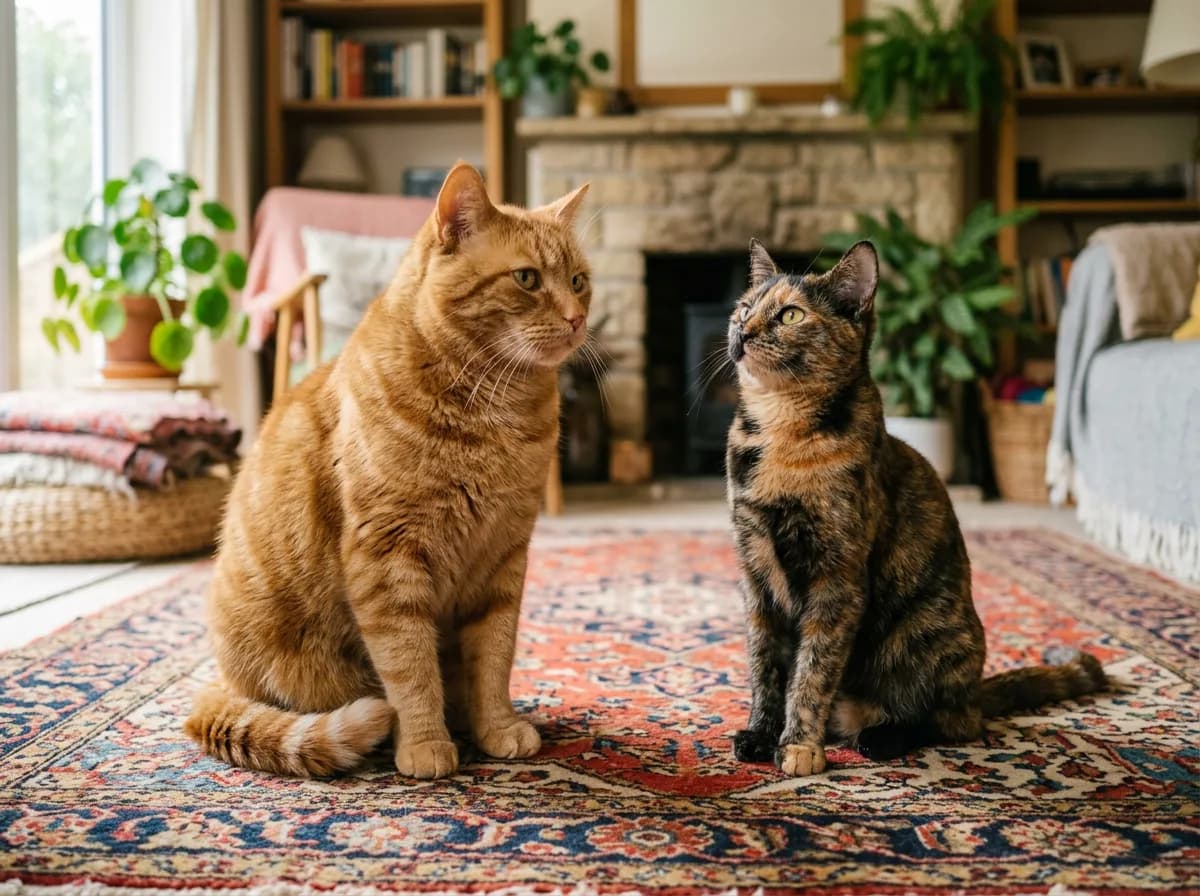
Male cats are generally worse for allergies than female cats. Intact male cats produce the highest levels of Fel d 1, driven partly by testosterone. Studies have shown that neutering a male cat reduces his Fel d 1 production, bringing him closer to female levels over the following weeks to months. Female cats, spayed or not, tend to produce less of the protein than intact males.
So if you are choosing for an allergic household, a female or a neutered male is the smarter pick. It will not eliminate the allergen, but it stacks the odds in your favor. Our companion hypoallergenic cats breed guide goes deeper on choosing an individual cat within these breeds.
Can I Still Own a Cat If I'm Allergic?
Yes, many people with mild to moderate cat allergies own cats successfully by combining a lower-allergen cat with consistent allergen control and, where needed, medical treatment. Owning a cat with allergies is realistic for most people, but it takes a plan rather than luck.
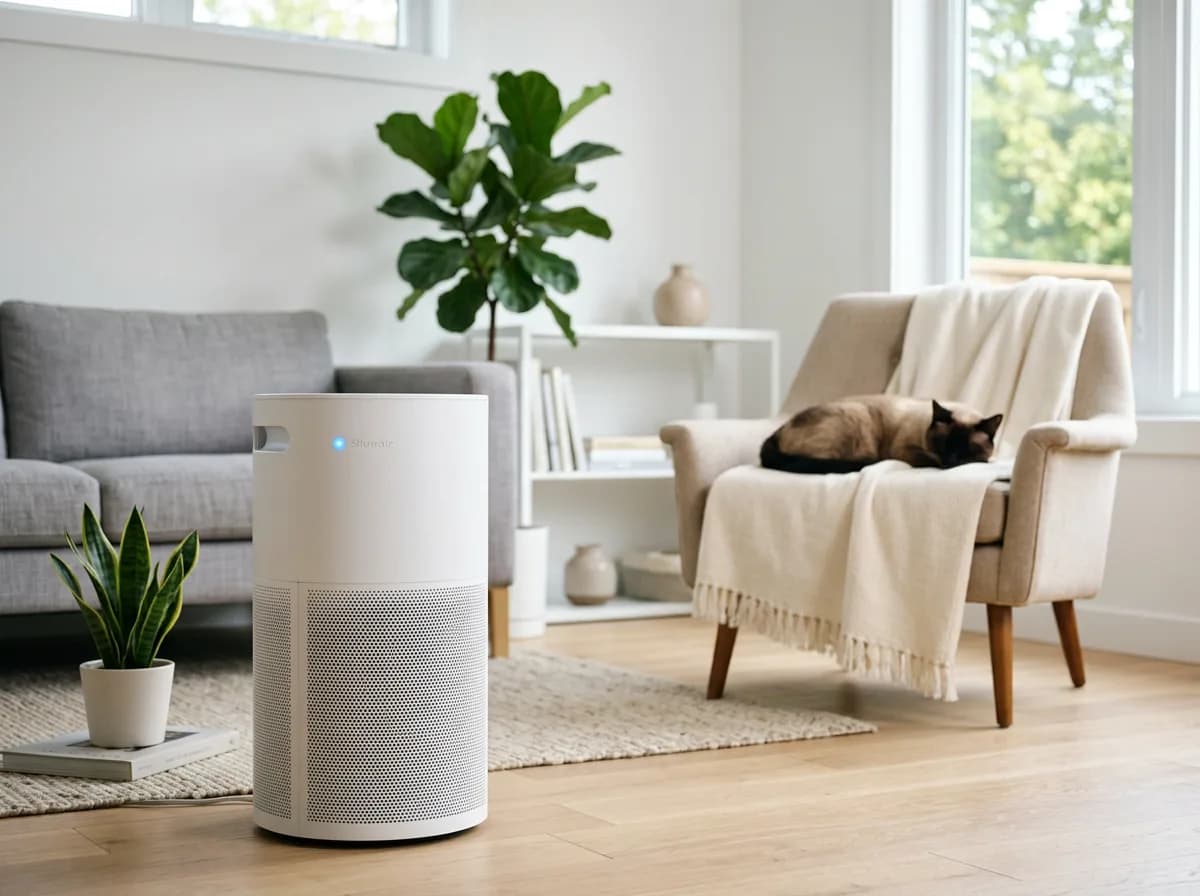
The proven levers are practical and boring, which is exactly why they work:
Petful may earn a commission when you click through to Chewy, at no extra cost to you.
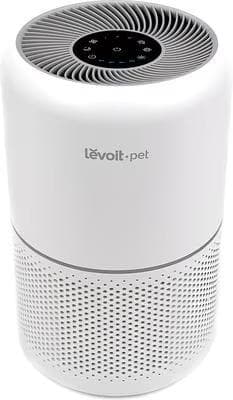
- Run a HEPA air purifier in the rooms where you and the cat spend the most time, and keep the bedroom a cat-free zone.
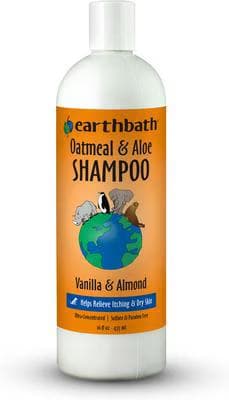
- Groom and, for tolerant cats, bathe the cat regularly to remove dander and saliva residue from the coat and skin. Ideally have a non-allergic household member do the grooming.
- Wash hands after handling the cat and avoid touching your face until you do.
- Vacuum with a HEPA-filter vacuum, wash bedding and soft furnishings on a hot cycle, and cut down on carpet and heavy drapes that trap allergen.
- Talk to your doctor about antihistamines, nasal sprays, or allergen immunotherapy (allergy shots), which can meaningfully raise your tolerance over time.
- You spend roughly a third of your day in bed. Keeping the cat out of the bedroom and using an air purifier there gives your immune system a long daily break from Fel d 1, which is one of the highest-impact changes an allergic owner can make.
If your allergy is severe, involves asthma, or causes breathing difficulty, speak with an allergist before bringing any cat home. YMYL reality: no grooming routine replaces medical advice for a serious respiratory allergy.
Grooming and Home Care That Actually Lowers Allergen
Because the allergen sits on the skin and coat, the highest-yield routines are the ones that physically remove Fel d 1 from the cat and the environment. This is where an allergic owner earns the ability to live with a cat.
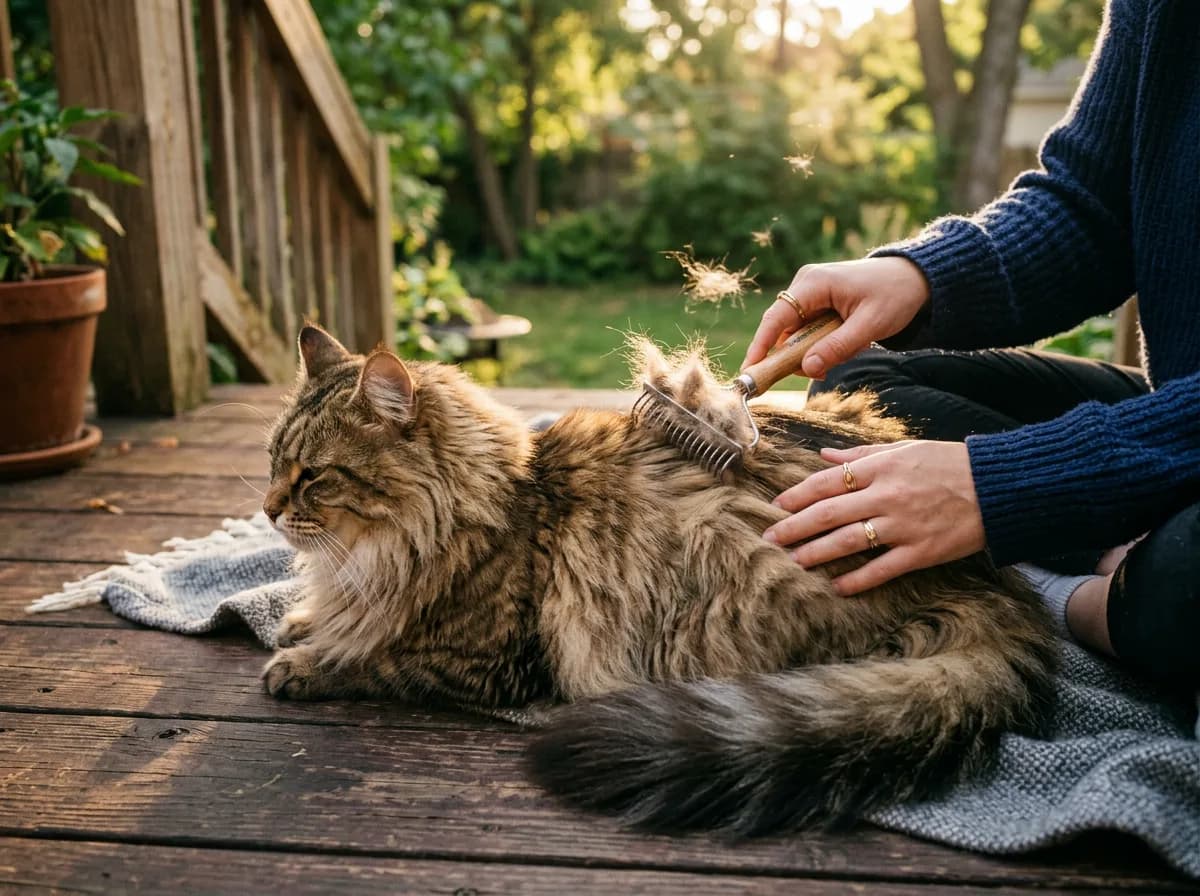
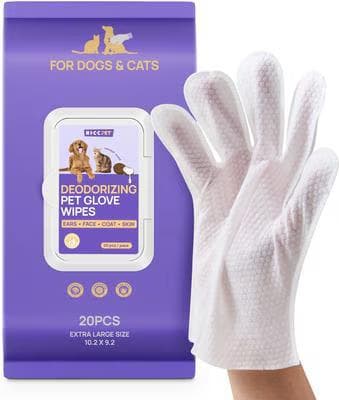
Weekly (or more frequent) brushing removes loose, allergen-coated hair before it becomes airborne dander. For cats that tolerate it, a bath every week or two rinses saliva and skin-oil residue off the coat. Wiping a cat down with a damp cloth or a vet-approved dander-reducing wipe between baths is a gentler middle ground.
On the home side, the goal is fewer surfaces for allergen to settle on and more frequent removal of what does settle. Hard flooring beats carpet, washable covers beat upholstered fabric, and a consistent cleaning cadence beats an occasional deep clean.
Petful may earn a commission when you click through to Chewy, at no extra cost to you.
- Many cats find bathing highly stressful, and a panicked cat can injure you or itself. If a cat will not tolerate bathing, rely on brushing, damp-cloth wipes and environmental control instead. Never restrain or punish a cat to force grooming.
Cat Allergy Health Facts Every Owner Should Know
A responsible answer to "do hypoallergenic cats exist" has to cover the health side, both your health as an allergy sufferer and the cat's health. Some of the most common allergy-adjacent questions people ask are really about feline health risks.
What Is a Silent Killer for Cats?
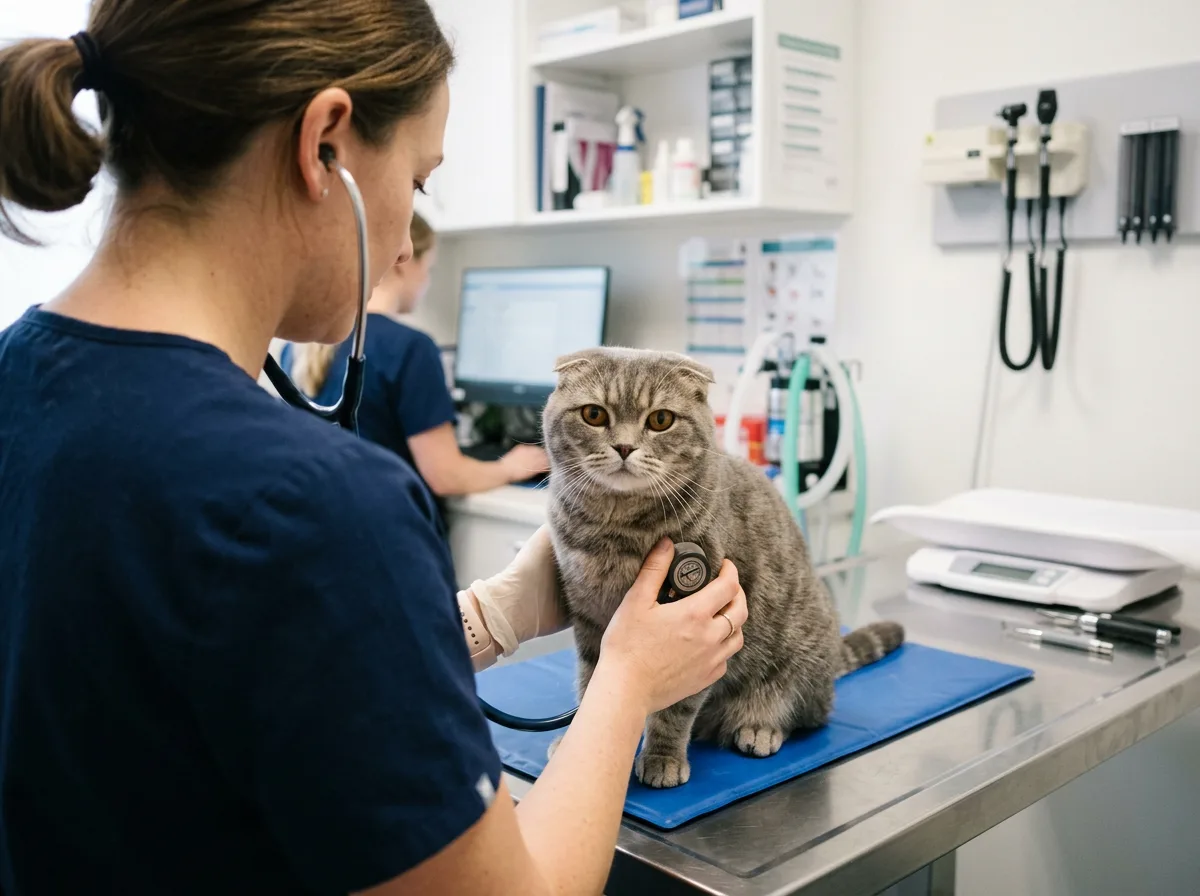
Chronic kidney disease (CKD) is often called a "silent killer" in cats because it progresses slowly and shows few obvious signs until a large portion of kidney function is already lost. It is one of the most common serious conditions in older cats. Other conditions sometimes given this nickname include hyperthyroidism, heart disease (notably hypertrophic cardiomyopathy) and high blood pressure, all of which can advance quietly. Regular veterinary checkups and routine bloodwork catch these early, which is why they matter for every cat, hypoallergenic reputation or not.
Do Lower-Allergen Breeds Have Their Own Health Risks?
Yes. Some breeds linked to the "hypoallergenic" label carry inherited health considerations. Sphynx cats, for example, are predisposed to hypertrophic cardiomyopathy (a heart-muscle disease) and, because they lack a protective coat, need help staying warm and having skin oils managed. Choosing a breed on allergen reputation alone, without considering these health factors, is a mistake.
- Cats hide illness well. If your cat shows increased thirst, weight loss, poor appetite, hiding, or changes in litter box habits, book a veterinary appointment promptly. These can be early signs of the "silent killer" conditions and are far more treatable when caught early.
The Money Questions People Ask
Cost comes up constantly with rarer and reputed-hypoallergenic breeds, so let us address the two questions people actually type into search.
What Cat Is Worth $20,000?
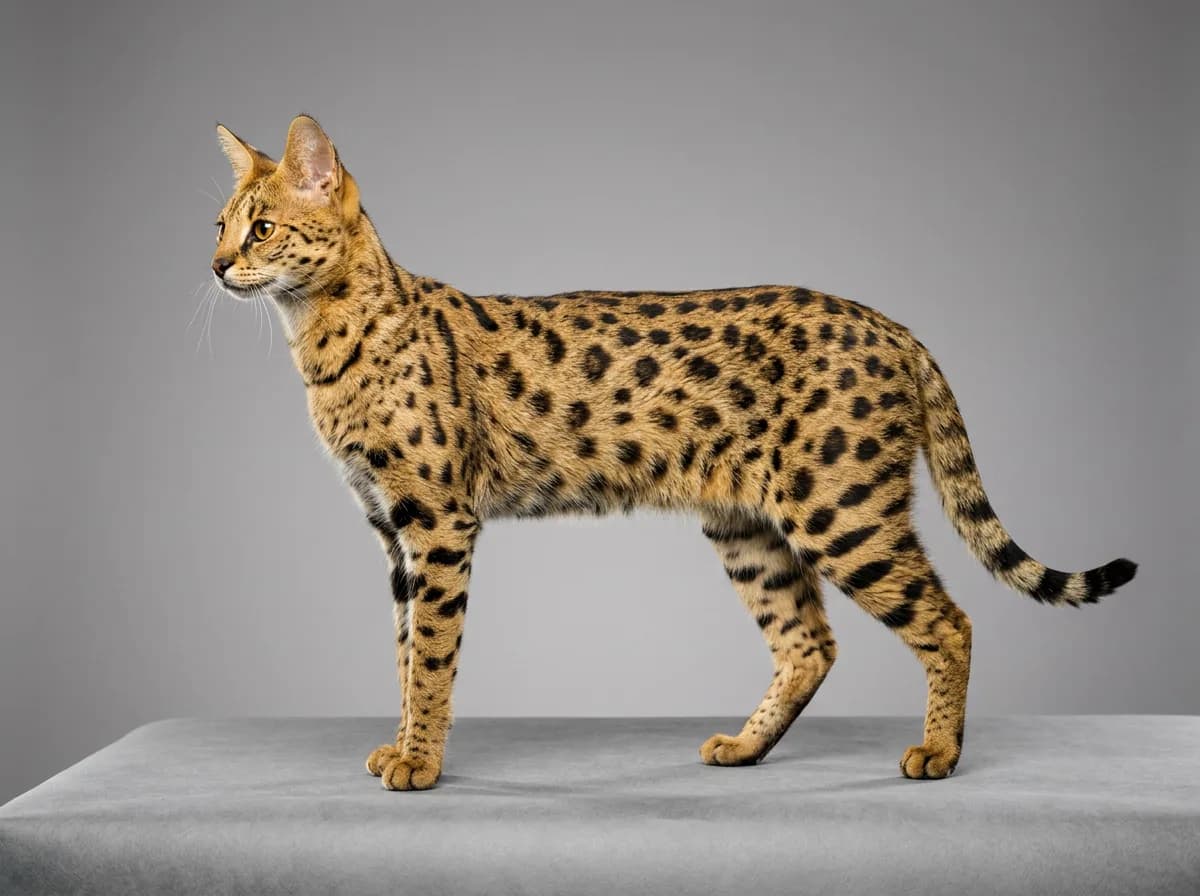
The Ashera is the cat most often cited as worth around $20,000 and up, though prices quoted have ranged from roughly $15,000 to over $100,000 depending on the source and the era. The Ashera was marketed as a large, exotic hybrid, and some cats sold under that name were later identified as Savannah cats. The Savannah (a domestic cat crossed with the wild serval) is itself among the most expensive breeds, with early-generation kittens commanding many thousands of dollars. High price does not mean low-allergen: these cats still produce Fel d 1.
What Are the Top 3 Rarest Allergies?
Among the rarest documented human allergies are aquagenic urticaria (an allergic-type reaction to water on the skin), an allergy to sunlight (solar urticaria and related photosensitivity conditions), and reactions to human touch or pressure (dermatographia and pressure urticaria). These are unrelated to cat allergy, but they show how varied and unusual allergic responses can be. Cat allergy, by contrast, is extremely common, affecting roughly 10 to 20 percent of people worldwide to some degree.
- A rare or expensive cat is not a hypoallergenic cat. The Ashera, Savannah and other high-price breeds produce Fel d 1 like any other cat. Spend your budget on allergen control and vet care, not on the assumption that a pricey breed solves an allergy.
Putting It All Together
So, do hypoallergenic cats exist? Not in the "allergen-free" sense people hope for. What exists are lower-allergen cats, individual animals and certain breeds that produce or spread less Fel d 1, which many people with mild to moderate allergies can live with when they pair the right cat with real allergen control. Test your reaction to the specific cat, favor a spayed female or neutered male, groom and clean consistently, and get medical advice if your symptoms are significant. For breed-by-breed detail, our best hypoallergenic dogs for allergy sufferers guide shows the same framework applied to dogs, and the hypoallergenic cats overview collects the feline options in one place.
The best cat for someone with allergies is usually a lower-Fel d 1 individual, most often a spayed female or neutered male from a lighter-shedding breed such as the Siberian, Balinese, Sphynx or a Rex, that you have personally tested your reaction to first. The individual cat matters more than the breed label, and pairing the cat with air purifiers, grooming and cleaning matters most of all.
No. No cat can be truly hypoallergenic because every cat produces the Fel d 1 protein in its saliva and skin, and that protein spreads to the coat through grooming. "Hypoallergenic" breeds may produce or shed less allergen, easing symptoms for some people, but none are allergen-free.
Yes. Many people with mild to moderate cat allergies own cats successfully by choosing a lower-allergen cat and combining it with consistent allergen control: HEPA air purifiers, a cat-free bedroom, regular grooming and bathing, frequent cleaning, and medical treatment such as antihistamines or allergy shots. Severe or asthma-related allergies should be discussed with an allergist first.
Chronic kidney disease is the condition most often called a silent killer in cats because it advances slowly with few visible signs until significant kidney function is lost. Hyperthyroidism, heart disease such as hypertrophic cardiomyopathy, and high blood pressure are also described this way. Regular vet checkups and bloodwork catch these early.
The Ashera is the cat most often cited as worth around $20,000 or more, with quoted prices ranging widely; some cats sold as Asheras were later identified as Savannah cats. The Savannah, a domestic-serval hybrid, is itself among the most expensive breeds. A high price does not make a cat low-allergen, since all cats produce Fel d 1.
Boy cats are generally worse for allergies. Intact male cats produce the most Fel d 1, so an unneutered male is the worst choice for an allergy sufferer. Neutering a male lowers his allergen output over the following weeks to months, and female cats generally produce less than males, so a spayed female or neutered male is the safer pick.
Three of the rarest documented human allergies are aquagenic urticaria (a reaction to water on the skin), solar urticaria (an allergic-type reaction to sunlight), and reactions to touch or pressure such as dermatographia. These are unrelated to cat allergy, which is common, affecting roughly 10 to 20 percent of people to some degree.
BVMS, MRCVS
Dr. Pippa Elliott, BVMS, MRCVS, is a veterinarian with nearly 30 years of experience in companion animal practice. Dr. Elliott earned her Bachelor of Veterinary Medicine and Surgery from the University of Glasgow. She was also designated a Member of the Royal College of Veterinary Surgeons. Married with 2 grown-up kids, Dr. Elliott has a naughty Puggle named Poggle, 3 cats and a bearded dragon.
Sign up for expert-backed reviews and safety alerts all in one place.