Hypoallergenic Cats: 12 Best Breeds (Vet Guide)
No cat is truly allergy-free, but some breeds produce or spread far less Fel d 1. A veterinarian ranks the 12 best hypoallergenic cats and explains how to test your reaction and cut allergens at home.

BVMS, MRCVS
Petful is reader supported. As an affiliate of platforms like Amazon and Chewy, we may earn a commission when you buy through links on this page. There is no extra cost to you.
The honest answer most people never hear is that hypoallergenic cats do not exist in the sense of being 100% allergy-free, because every cat, hairless or fluffy, produces the Fel d 1 protein that triggers roughly 90% of feline allergy reactions. As a veterinarian, I want to be straight with you before you fall in love with a breed: "hypoallergenic" means lower allergen output, not zero. Some breeds carry naturally lower levels of Fel d 1, shed less of the dander that spreads it, or simply put less allergen into your home. For many allergy sufferers that difference is enough to live comfortably with a cat. This guide ranks the 12 lowest-allergen breeds, explains the real science, and shows you how to test your own reaction before you commit.
- 1No cat breed is truly allergy-free, because all cats produce the Fel d 1 allergen in their saliva, skin, and glands
- 2Siberian, Balinese, and Russian Blue cats are repeatedly cited as producing less Fel d 1 than average, while Sphynx and Cornish Rex spread less allergen because they shed almost no fur
- 3Your reaction is personal: spend several hours with the specific cat before adopting, because sensitivity varies by individual, not just by breed
- 4Home management (HEPA air filtration, weekly bathing or wiping, hand-washing, and a cat-free bedroom) often matters more than breed choice

Sign up for expert-backed reviews and safety alerts all in one place.
What Are Hypoallergenic Cats? (Why No Cat Is 100% Allergy-Free)
Hypoallergenic cats are breeds that tend to produce or spread fewer allergens than the average cat, which can mean milder or less frequent symptoms for sensitive people. The word "hypoallergenic" literally means "below normal allergen levels," not "allergen-free." This distinction matters medically. According to the Asthma and Allergy Foundation of America, no truly non-allergenic cat breed exists, because the allergen is a protein the animal's own body makes, not something you can breed away entirely.
Here is what actually drives the difference between breeds:
- How much Fel d 1 the cat produces. Levels vary widely between individual cats, and some lines (Siberian, Balinese) appear to average lower.
- How much the cat sheds. Dander (flakes of skin) carries the allergen. Low-shedding and hairless breeds put less of it into the air and onto surfaces.
- Grooming behavior and coat type. Cats coat their fur with allergen-laden saliva when they groom, so a cat that sheds that saliva-coated hair everywhere spreads more allergen.
So a "hypoallergenic" cat can work through either mechanism: making less allergen, or spreading less of it. Both help, and the best breeds do a bit of both. If you want the deeper science behind whether these cats truly help, our companion guide on whether hypoallergenic cats really exist walks through the studies in detail.
Petful may earn a commission when you click through to Chewy, at no extra cost to you.
- No cat sits at zero allergen output. The breeds below are lower on the scale, which for many sufferers is the difference between manageable and miserable. It is never a guarantee.
The Real Cause of Cat Allergies: The Fel d 1 Protein
Cat allergy is not caused by fur. It is caused mainly by a tiny protein called Fel d 1 (Felis domesticus allergen 1), produced in a cat's salivary, sebaceous (skin oil), and anal glands. Research reviewed by the American College of Allergy, Asthma and Immunology identifies Fel d 1 as the major cat allergen, responsible for the majority of reactions in sensitized people. A second protein, Fel d 4, produced in saliva, accounts for a smaller share.
Here is the chain of events that leads to your sneezing:
1. The cat produces Fel d 1 in its saliva and skin glands.
2. When the cat grooms, it spreads saliva across its fur, coating the hair and skin flakes.
3. As the cat sheds, microscopic dander carrying Fel d 1 becomes airborne and settles on surfaces.
4. You inhale or touch the allergen, and a sensitized immune system reacts with histamine release: sneezing, itchy eyes, congestion, hives, or in asthmatic people, wheezing.
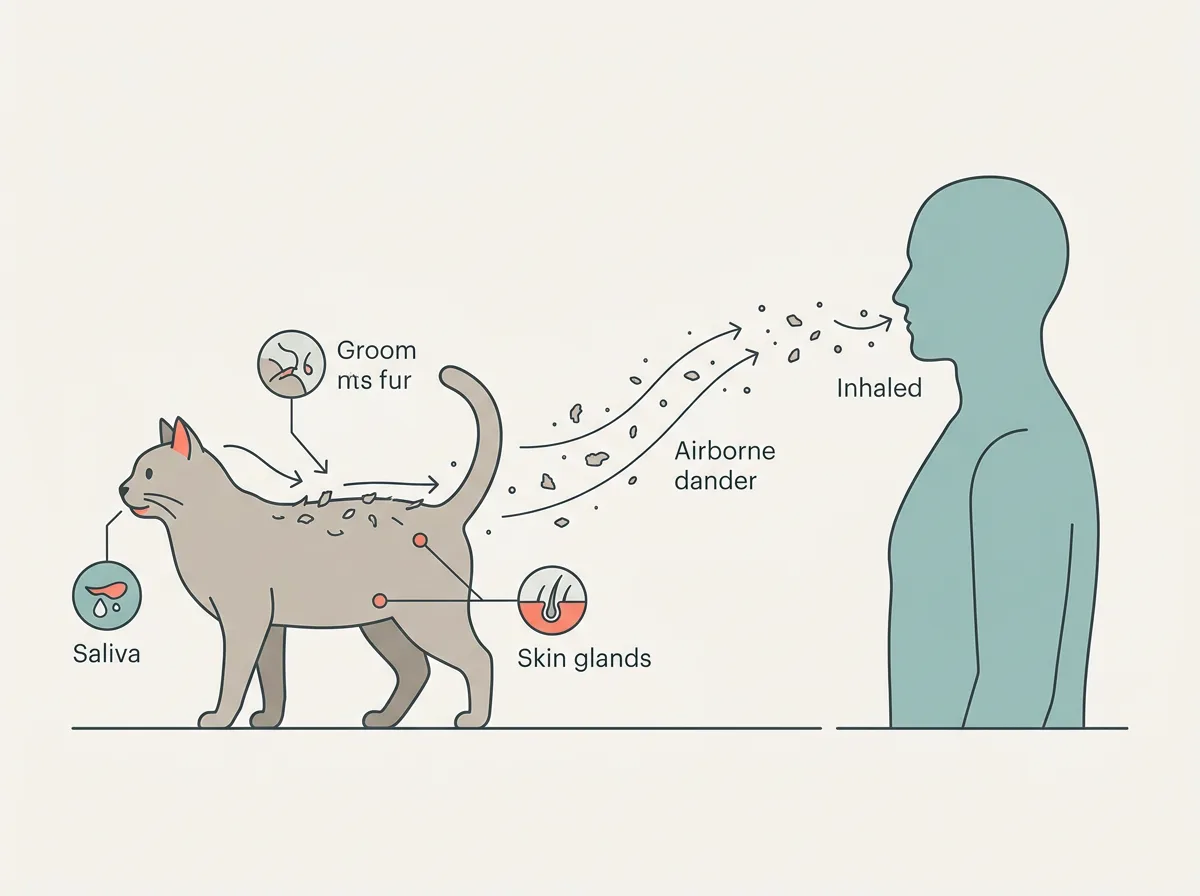
Because Fel d 1 is so small and sticky, it lingers. Studies have found measurable cat allergen in homes months after a cat has left, and even in homes and public buildings that never housed a cat, carried in on clothing. This is why a cat that produces less Fel d 1, or spreads less of it, genuinely helps.
- Fel d 1 output is influenced by hormones. Studies show intact (unneutered) male cats produce more than neutered males or females. Choosing a female or a neutered cat can meaningfully lower your exposure.
Do females and kittens really produce less?
Generally, yes on both counts, with caveats. Female cats and neutered males tend to produce less Fel d 1 than intact males. Kittens produce less allergen than adults, but their output rises as they mature, so a kitten that seems fine at 12 weeks may provoke symptoms at a year old. Never judge long-term tolerance from a young kitten alone.
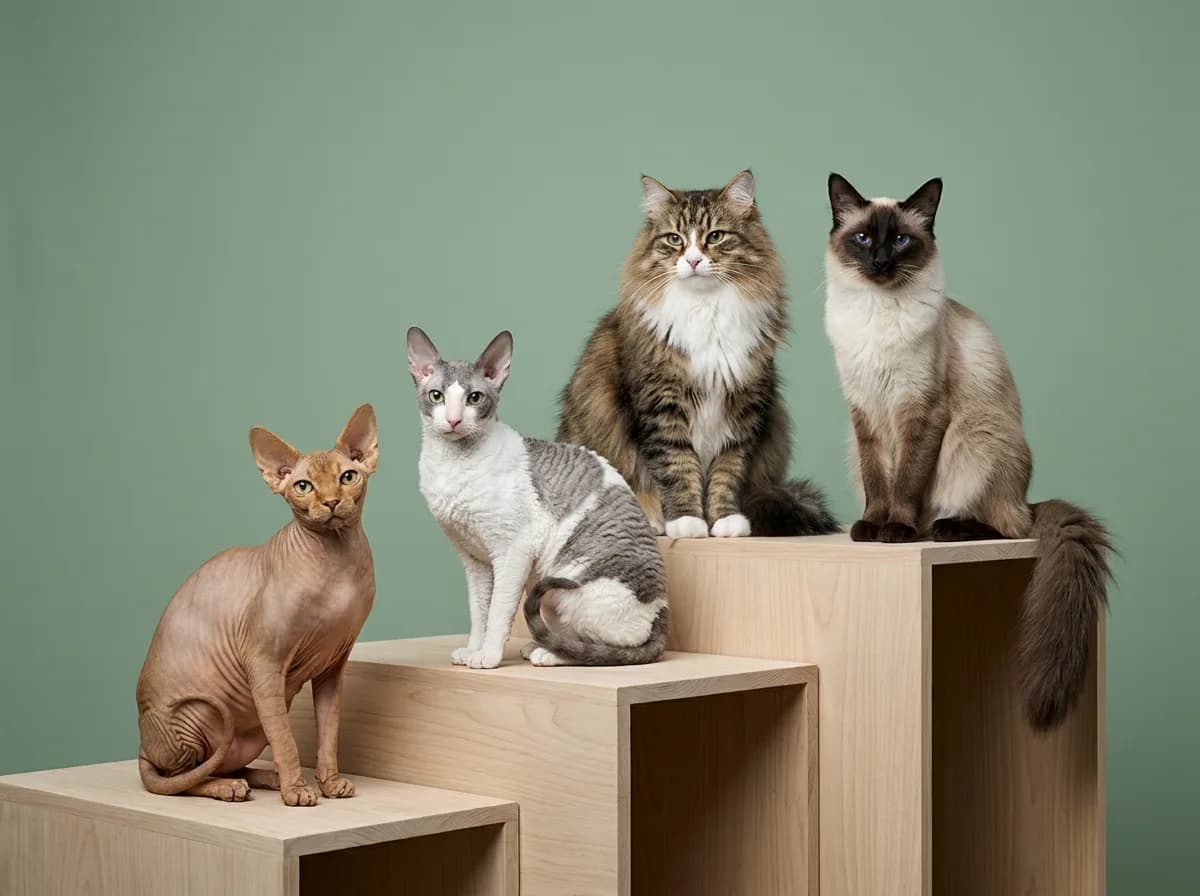
12 Best Hypoallergenic Cat Breeds, Ranked by Allergen Level
The ranking below is ordered by overall allergen burden, combining reported Fel d 1 output with how much dander the breed spreads. Breeds near the top of the list are the safest starting points for most allergy sufferers, but remember that individual variation is large. Registries such as The International Cat Association (TICA) and the Cat Fanciers' Association (CFA) recognize all of these breeds; none of them certifies any cat as hypoallergenic, because that claim cannot be guaranteed.
| Breed | Coat Type | Why It Helps | Grooming Need |
|---|---|---|---|
| Siberian | Long, triple coat | Reported lower Fel d 1 in many cats | Weekly brushing |
| Balinese | Long, single coat | Reported lower Fel d 1, single coat sheds less | Weekly brushing |
| Russian Blue | Short, dense double | Dense coat may trap dander, calm groomer | Low, weekly |
| Bengal | Short, pelted | Sheds and grooms less than average | Very low |
| Oriental Shorthair | Short, fine | Minimal coat, low shedding | Very low |
| Devon Rex | Short, wavy | Very little fur to shed | Low, occasional bath |
| Cornish Rex | Short, curly | Sheds very little, no guard hairs | Low, occasional bath |
| Sphynx | Hairless | No fur to trap and spread allergen | Weekly bathing |
| Colorpoint Shorthair | Short, fine | Low-shedding cousin of Siamese | Very low |
| LaPerm | Curly, rexed | Curl may hold dander, low shedding | Weekly |
| Siamese | Short, fine | Low-shedding single-layer coat | Very low |
| Ocicat | Short, tight | Sheds and dander less than average | Very low |
1. Siberian
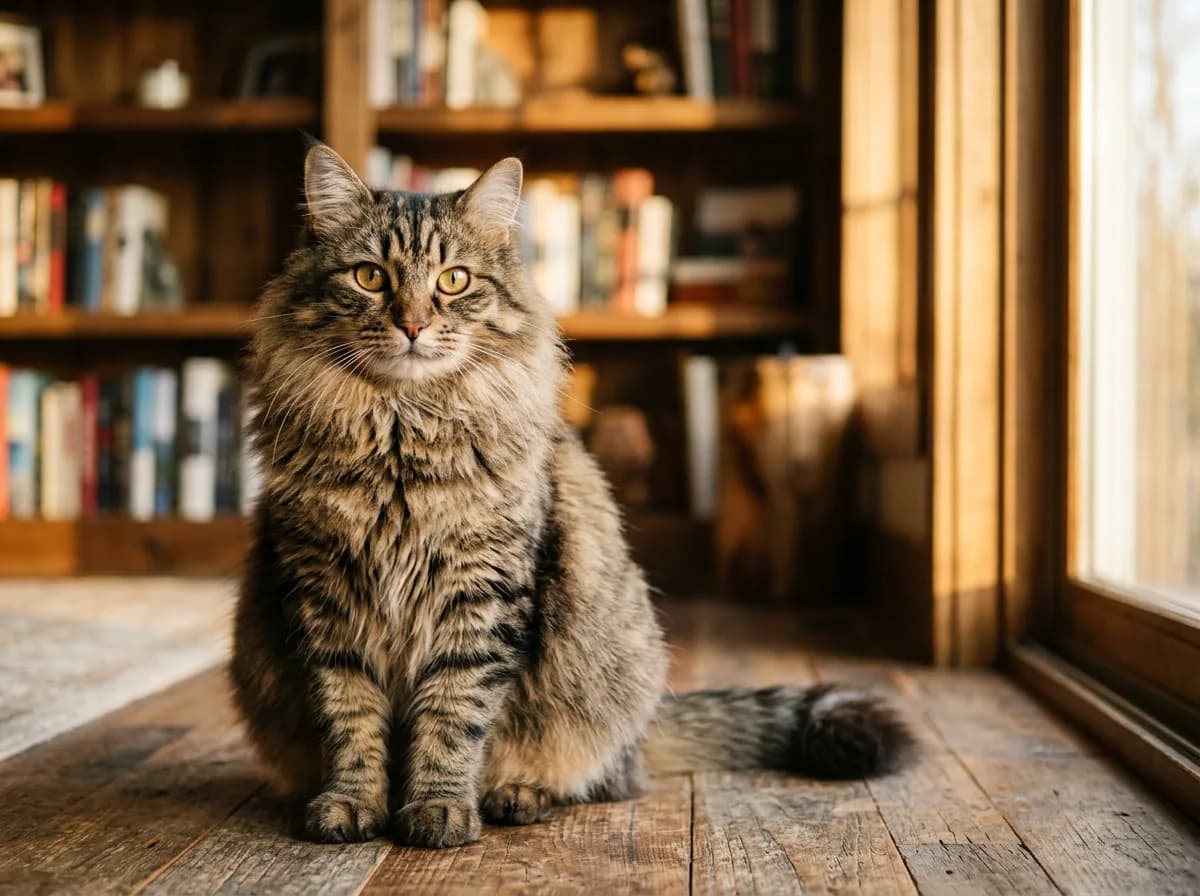
The Siberian is the breed most often named when people ask which cat is best for allergies, which is ironic given its thick triple coat. Small studies and breeder allergen testing suggest a meaningful share of Siberians produce lower-than-average Fel d 1, though results vary cat to cat and no line is guaranteed low. Test the specific cat. Siberians are affectionate, dog-like, and tolerant of families.
Petful may earn a commission when you click through to Chewy, at no extra cost to you.
2. Balinese
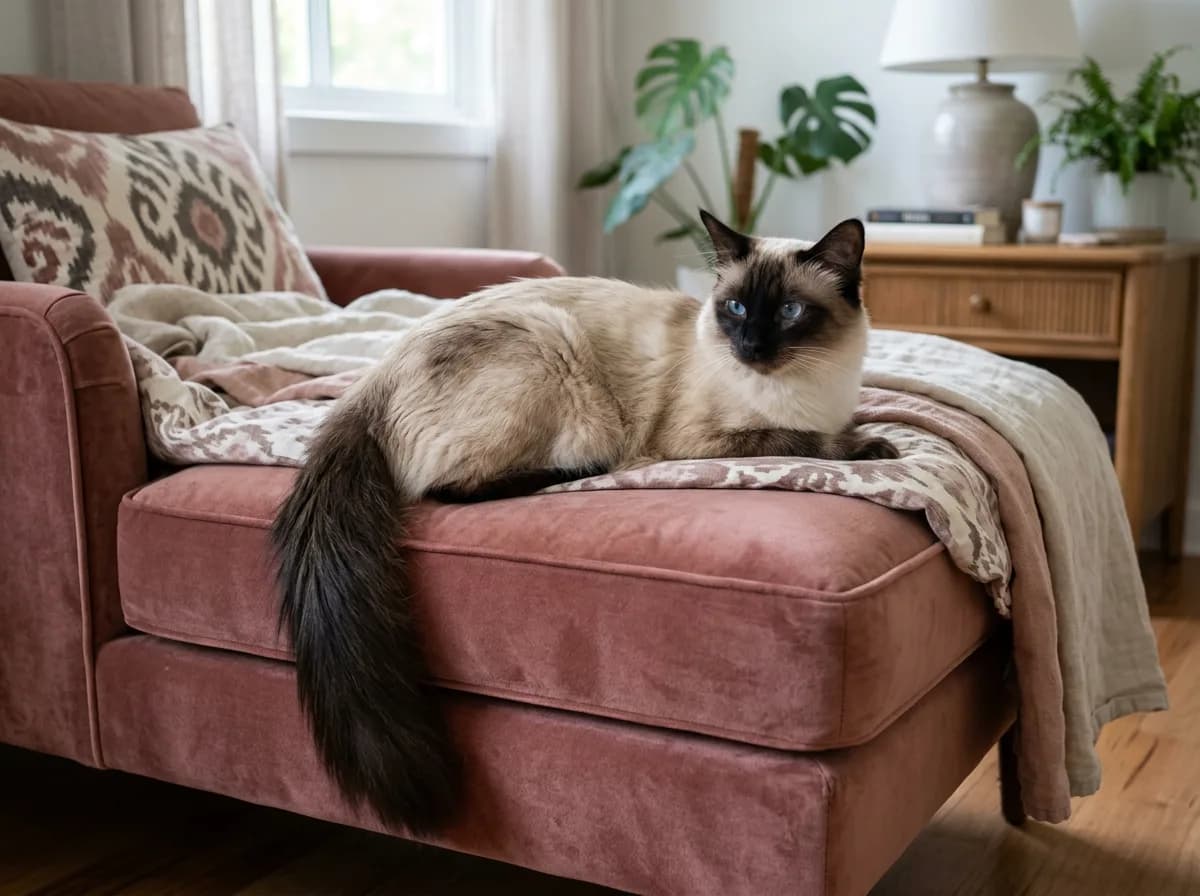
Often called the "long-haired Siamese," the Balinese is frequently cited alongside the Siberian as a lower-Fel-d-1 breed. Its single-layer coat lacks the dense undercoat that traps and releases dander, so it sheds less than its length suggests. Balinese cats are vocal, smart, and people-oriented.
3. Russian Blue
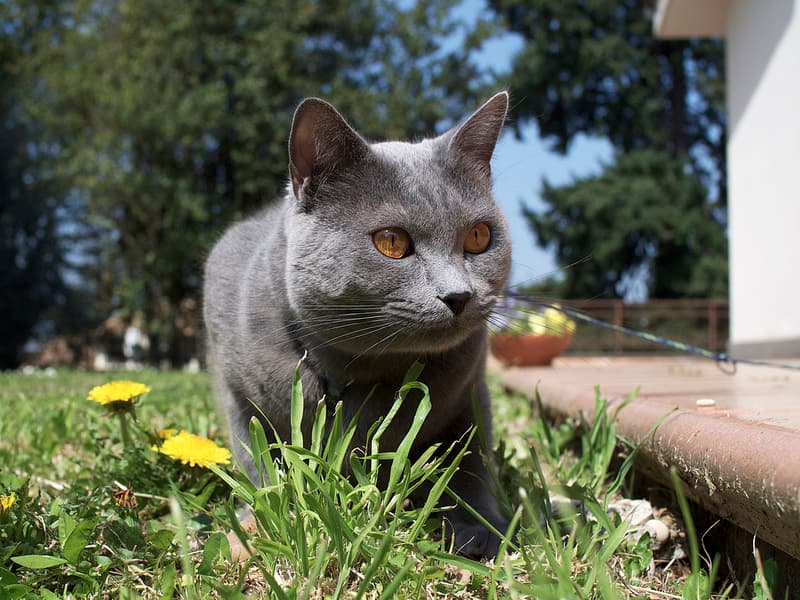
The Russian Blue's plush, dense double coat may hold dander close to the skin rather than releasing it into the air, and some owners report lower Fel d 1 as well. This is a quiet, reserved, low-maintenance breed that grooms itself meticulously. Its short coat needs little brushing.
4. Bengal
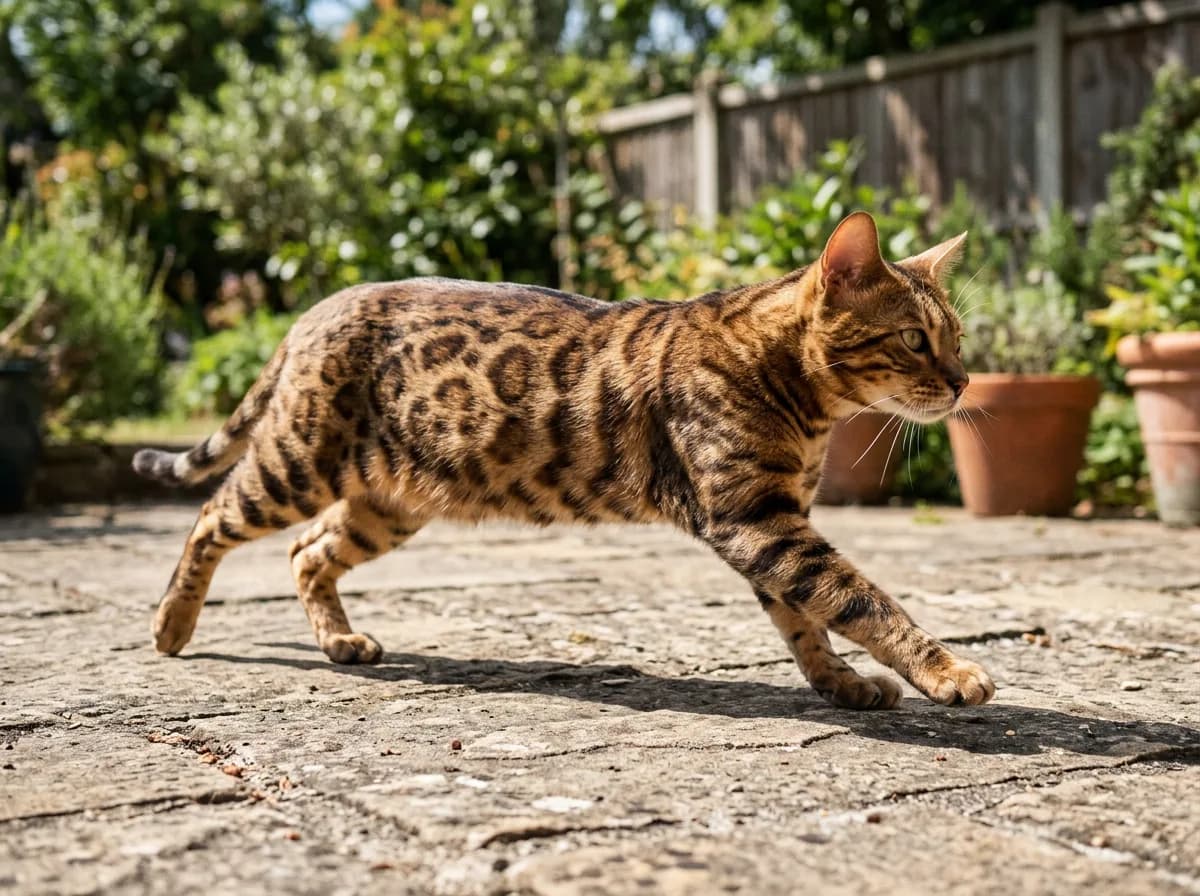
Bengals have a short, uniquely "pelted" coat that lies close to the body and sheds very little. Less shedding means less airborne dander. They are highly active and demand play and enrichment, so they suit engaged owners more than quiet households.
5. Oriental Shorthair
A close relative of the Siamese, the Oriental Shorthair has a fine, short, close-lying coat that sheds minimally. Combined with low grooming needs, that makes it a solid choice. These cats are intensely social and dislike being left alone for long stretches.
6. Devon Rex
The Devon Rex has a soft, wavy coat with very little hair to shed, and its reduced guard hairs mean less fur flying around your home. It is playful, impish, and craves warmth and company. Its close cousin the Cornish Rex sheds even less, so both suit dander-sensitive owners.
7. Cornish Rex
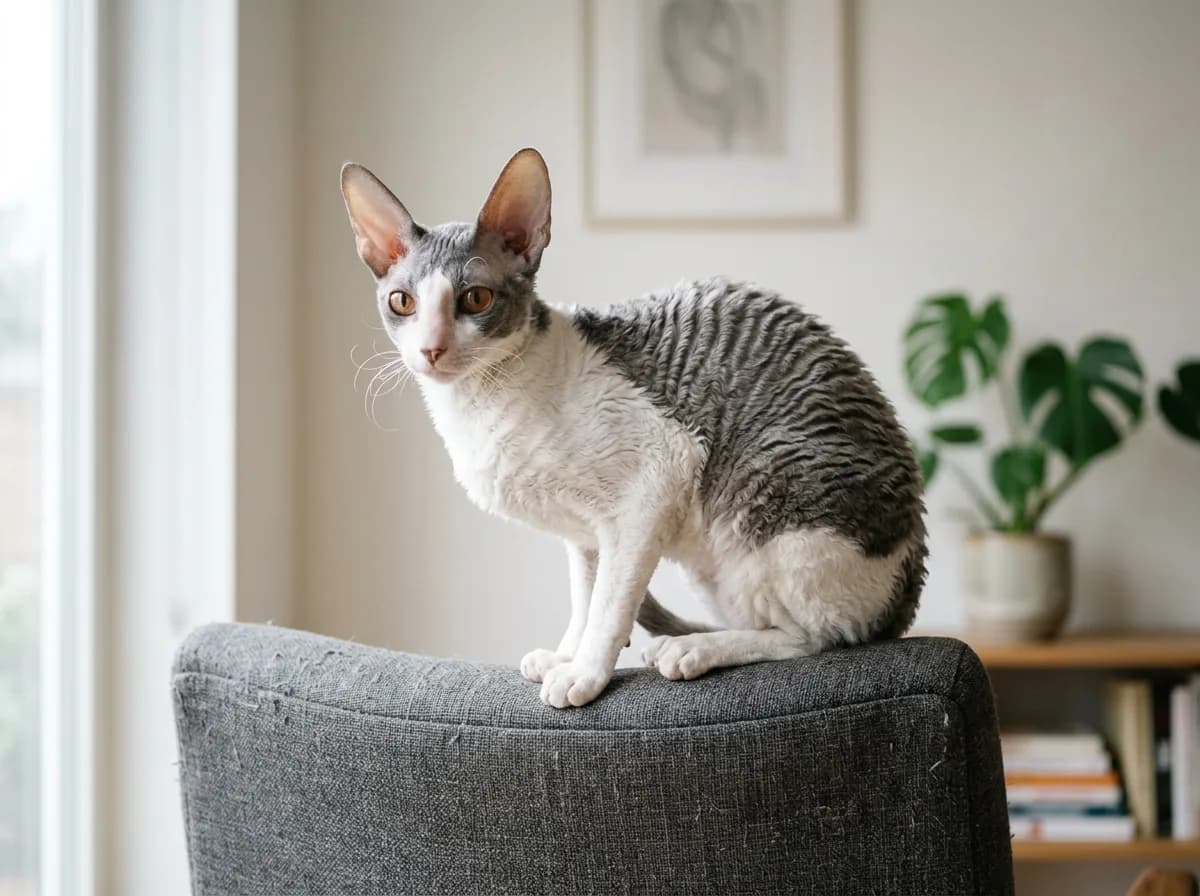
The Cornish Rex has only a soft down undercoat, no coarse outer guard hairs, so it sheds remarkably little. Less shed hair means less allergen distributed around the house. These cats are athletic, warm-seeking, and endlessly curious.
8. Sphynx
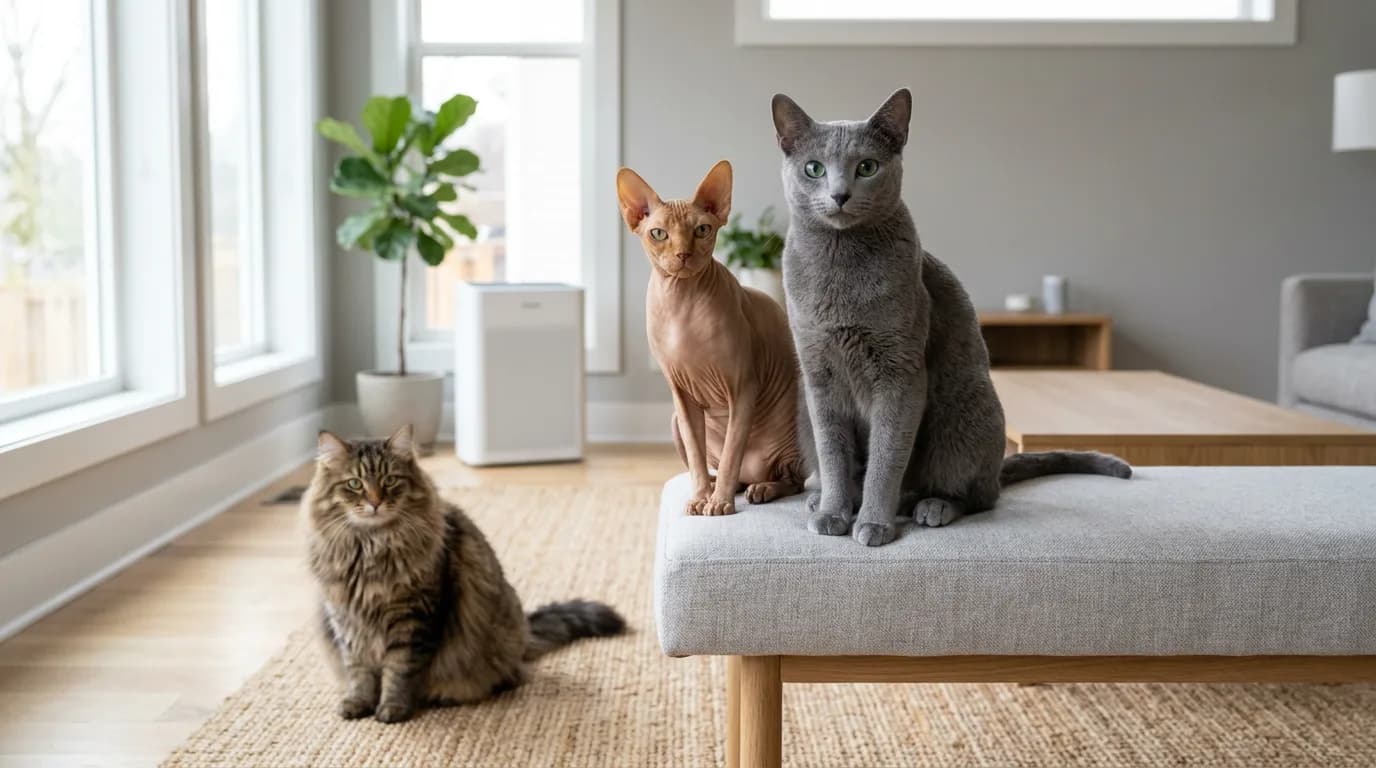
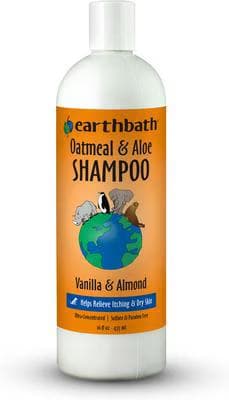
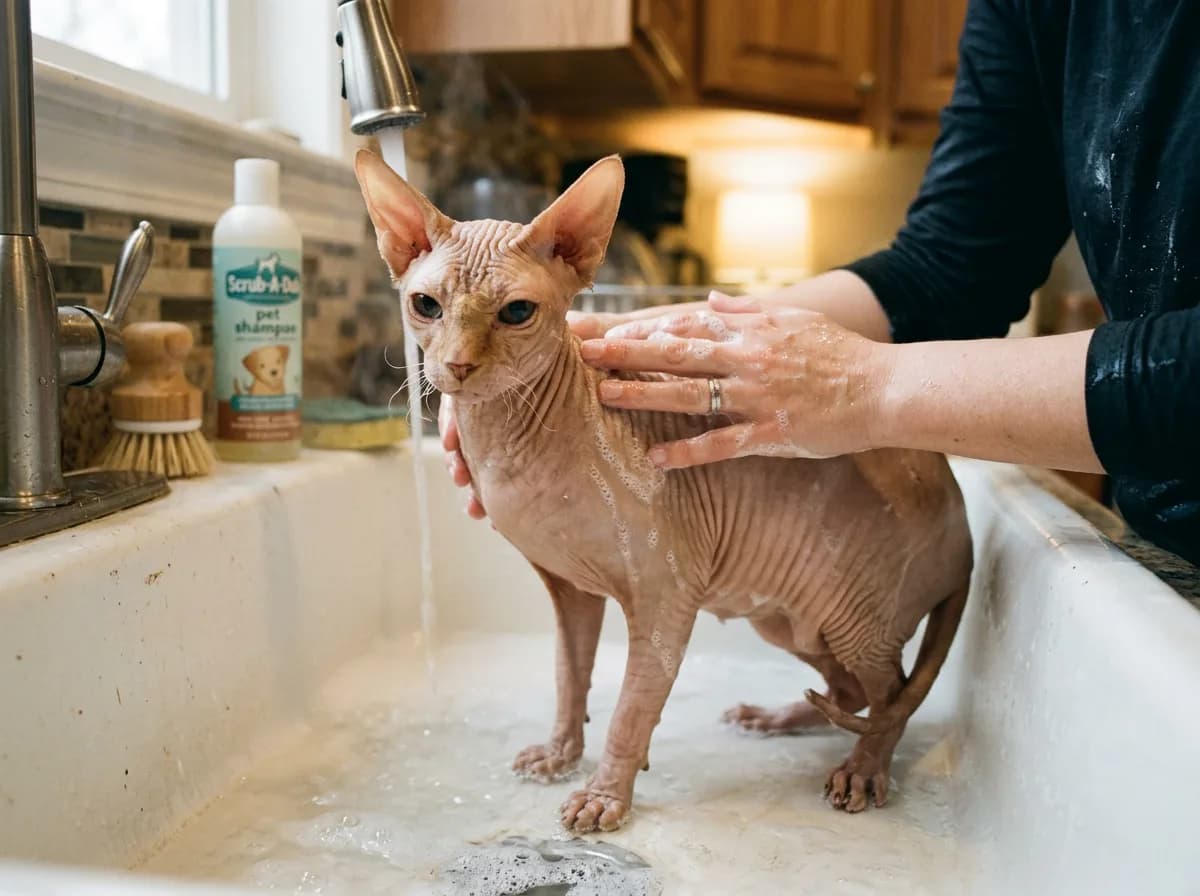
The hairless Sphynx is a common recommendation for allergy sufferers, but with an important caveat: it still produces Fel d 1, and that allergen accumulates on its bare, oily skin. The Sphynx helps because it has no fur to trap and fling allergen around, but it needs weekly bathing to wipe away the skin oils where Fel d 1 collects. Skip the bathing and the benefit disappears.
Petful may earn a commission when you click through to Chewy, at no extra cost to you.
9. Colorpoint Shorthair
Essentially a Siamese in a wider range of point colors, the Colorpoint Shorthair carries the same fine, low-shedding single coat. It is talkative, affectionate, and bonds strongly with its people.
10. LaPerm
The LaPerm's distinctive curly, rexed coat may hold loose hair and dander in the curl rather than scattering it, and the breed sheds modestly. It is a gentle, affectionate lap cat. See our dedicated LaPerm hypoallergenic guide for grooming specifics.
11. Siamese
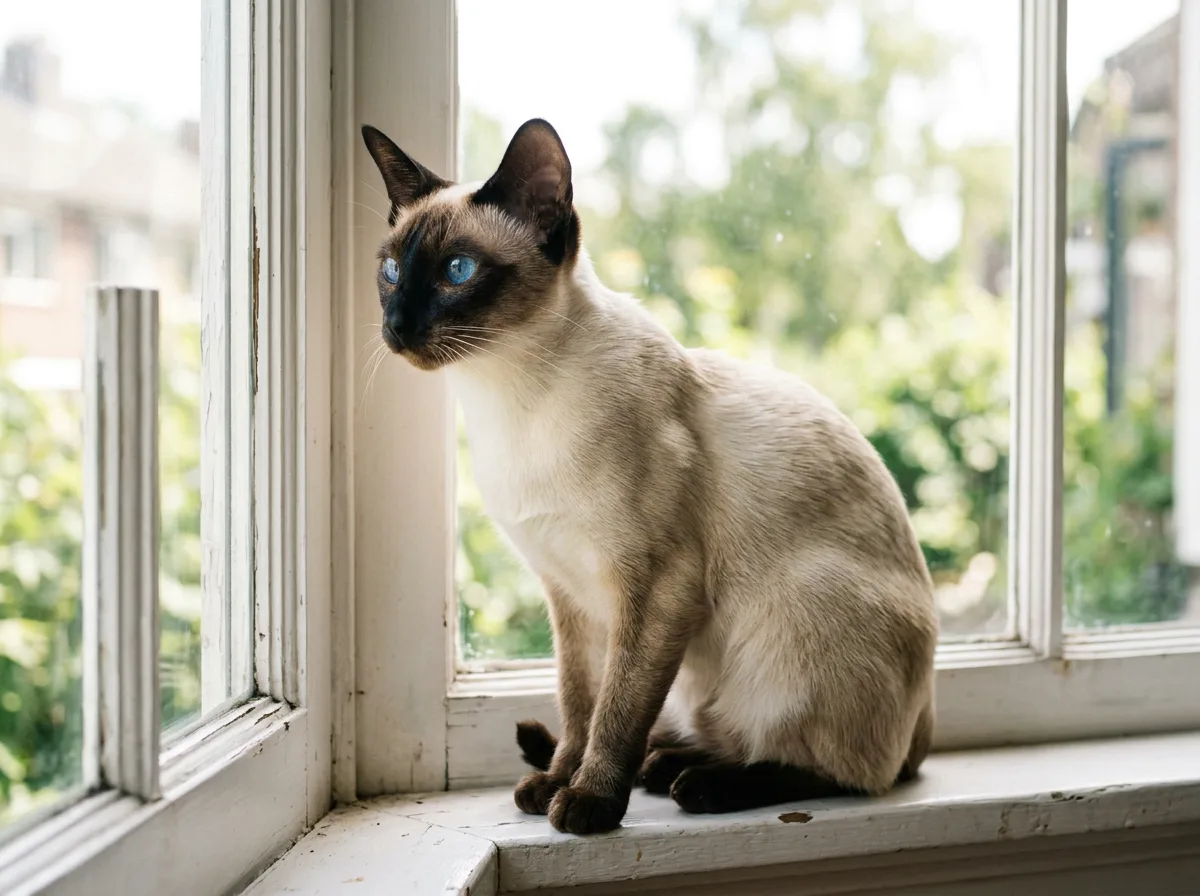
The Siamese has a short, fine, single-layer coat that sheds far less than double-coated breeds, so it spreads less dander. It is one of the most social and vocal of all cats. Our Siamese hypoallergenic profile explains exactly why this breed lands on low-allergen lists.
12. Ocicat
The Ocicat looks wild but is a fully domestic breed with a short, tight, low-maintenance coat that sheds and produces dander less than average. It is friendly, active, and adapts well to busy homes.
- Even the lowest-allergen cat on this list produces Fel d 1. If you have asthma or severe allergies, talk to your doctor or allergist before adopting any cat, and spend real time with the specific animal first.
Hairless and Low-Shed Breeds vs. Low-Fel-d-1 Breeds
When people ask which cat is best for allergy sufferers, they are usually mixing two very different mechanisms. Understanding the difference helps you pick the right cat for your specific trigger.
Low-Fel-d-1 breeds (Siberian, Balinese, and to a degree the Russian Blue) may produce less of the allergen in the first place. If your sensitivity is high, less allergen at the source is the most direct help. The catch is that Fel d 1 output varies enormously between individual cats even within these breeds, so testing the specific cat is essential.
Low-shed and hairless breeds (Sphynx, Cornish Rex, Devon Rex, Bengal, Oriental Shorthair) produce normal amounts of Fel d 1 but spread far less of it, because there is little or no saliva-coated fur being shed into your air and carpet. If your reactions come mainly from airborne dander, these breeds can help a lot, provided you keep up with bathing (Sphynx especially).
- A Sphynx still makes Fel d 1 in its skin oils. Its advantage is that the allergen stays on the cat instead of floating through your home, which only holds true if you bathe it weekly to remove the oil buildup.
The best pick depends on you. Someone whose eyes swell shut around any cat needs a genuinely low-producing cat and aggressive home management. Someone with mild seasonal-style sniffles may do fine with any low-shedding breed plus a good air filter.
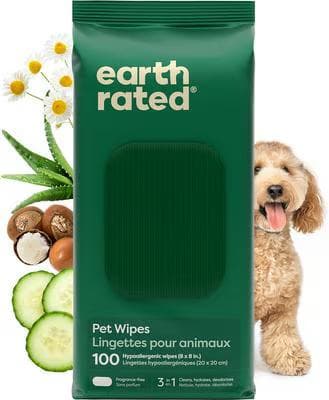
Petful may earn a commission when you click through to Chewy, at no extra cost to you.
What's the Worst Cat for Allergies?
There is no single officially "worst" breed for allergies, but the cats most likely to provoke symptoms are the opposite of the list above: heavy-shedding, dense double-coated, high-Fel-d-1 individuals. Long-haired double-coated breeds such as the Persian, Maine Coon, and Norwegian Forest Cat shed prolifically and spread large amounts of dander around the home. They are not "more allergenic" because their fur itself is the allergen (it is not), but because they distribute far more saliva-coated hair and skin flakes.
Two other high-exposure factors matter as much as breed:
- Intact (unneutered) male cats produce the most Fel d 1 of any group, so an unneutered longhair male is close to a worst-case scenario for a sensitive person.
- Any cat that is not groomed or its environment not managed will spread more allergen than a well-managed "hypoallergenic" cat.
- Do not assume a short-haired random cat is safe or a long-haired one is impossible. Fel d 1 output is individual. A short-haired intact male can out-produce a long-haired Siberian female. Always test your reaction to the specific cat.
Can You Get a Cat If You're Allergic? How to Test First
Yes, many people with mild to moderate cat allergies live happily with a cat, especially a lower-allergen breed combined with good home management. But this is a medical decision, and the answer depends on the severity of your allergy. If you have well-controlled mild symptoms, a hypoallergenic breed and the management steps below often make cat ownership realistic. If you have asthma, a history of severe reactions, or anaphylaxis to cats, adopting is a decision to make with your doctor or allergist, not from a breed list.
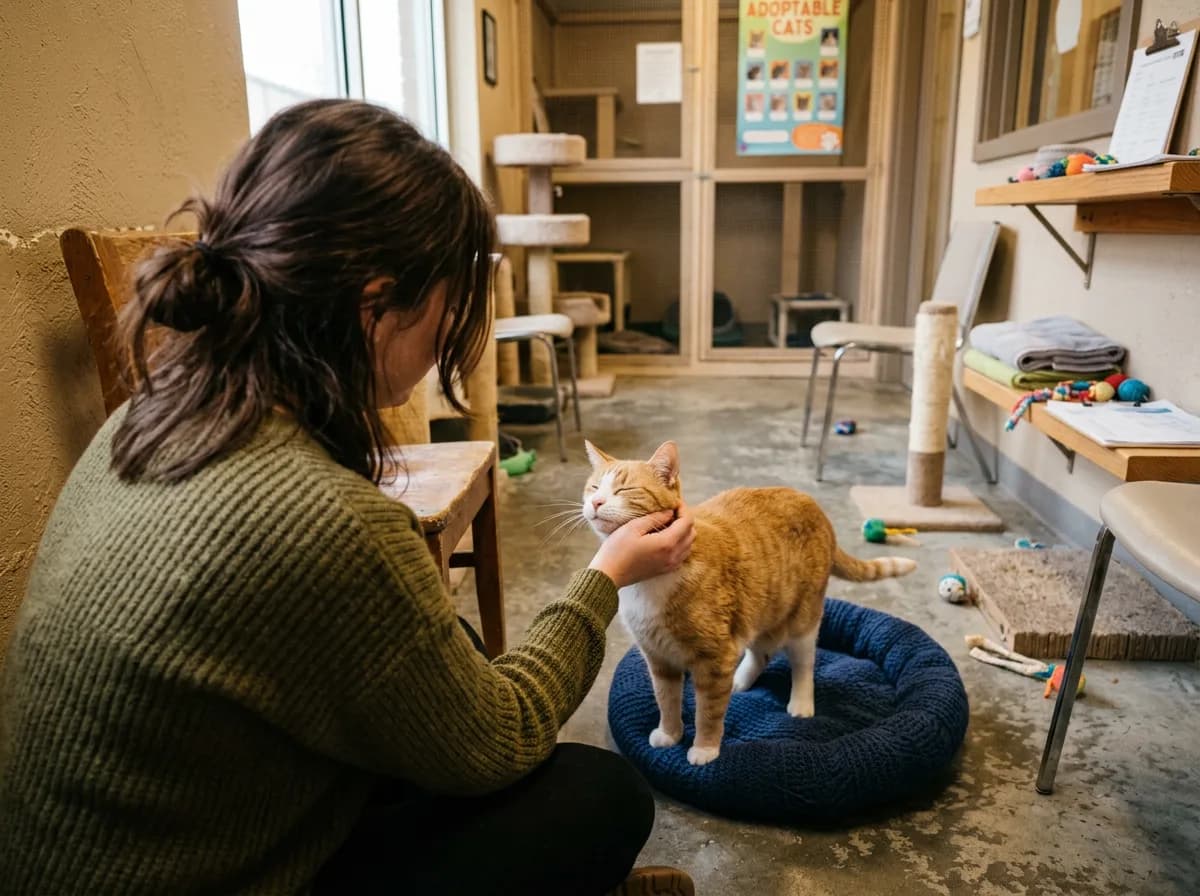
Here is how to test your own reaction before you commit to a specific cat:
1. Spend several hours with the exact cat, ideally across two or more visits on different days. A five-minute meet-and-greet is not enough time for symptoms to build.
2. Touch the cat, then touch your face, to simulate real living conditions, and note eyes, nose, throat, and any skin reaction.
3. See an allergist for testing. A skin-prick or blood (specific IgE) test confirms whether cats are truly your trigger and how sensitive you are.
Petful may earn a commission when you click through to Chewy, at no extra cost to you.
4. Consider a trial adoption or foster through a shelter or breeder who allows returns, so you are not locked in if symptoms prove unmanageable.
5. Ask your doctor about treatment options. Antihistamines, nasal steroids, and in persistent cases allergen immunotherapy (allergy shots) can make living with a cat feasible.
- Because Fel d 1 varies cat to cat, the only reliable test is your own reaction to the individual animal you plan to adopt. Ask the breeder or shelter for repeat visits before you decide.
If you are also weighing a dog, the same honest science applies there. Our hypoallergenic dogs guide and our list of the best hypoallergenic dogs for allergy sufferers cover the Can f 1 protein and the lowest-shedding dog breeds the same way.
How to Reduce Cat Allergens at Home (Management Guide)
For most allergy sufferers, home management matters as much as breed choice, and sometimes more. The goal is to lower the amount of Fel d 1 in your air and on your surfaces. These steps are proven to reduce cat allergen exposure:
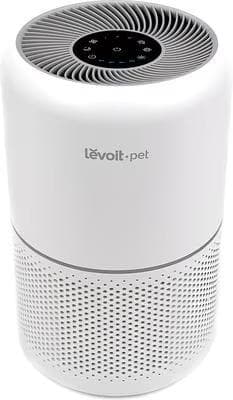
- Run a HEPA air purifier in the rooms where you spend the most time, especially the bedroom. True-HEPA filters capture airborne dander particles that carry Fel d 1.
- Keep the bedroom cat-free. You spend a third of your life there. A closed door and no-cat rule dramatically cuts your total daily exposure.
- Bathe or wipe the cat weekly. Regular bathing (or wiping with a damp cloth for cats who hate water) removes accumulated saliva and skin oils. This is non-negotiable for the Sphynx.
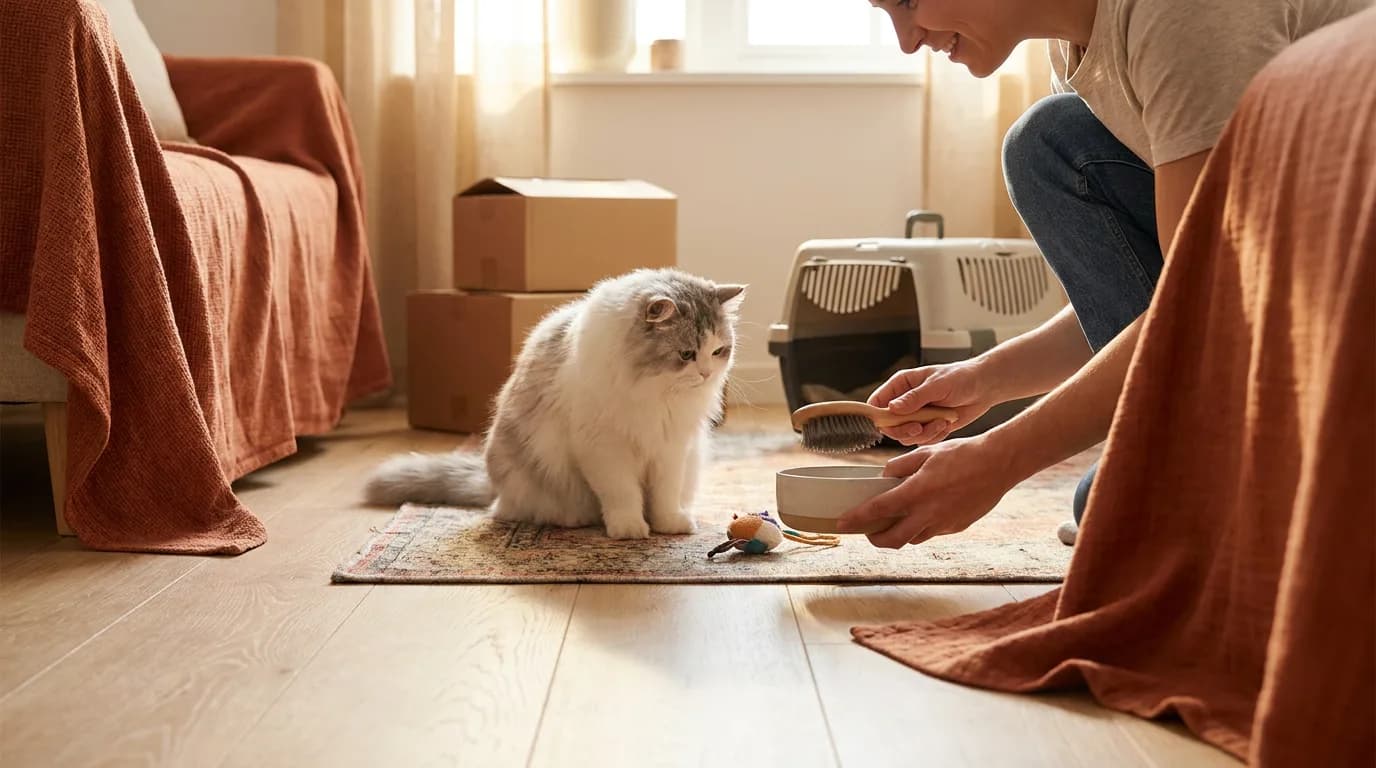
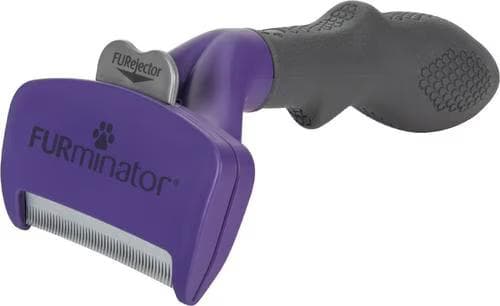
- Groom outside your living space, and ideally have a non-allergic household member do the brushing to remove loose, allergen-coated hair before it sheds indoors.
- Wash your hands after handling the cat, and avoid touching your eyes and nose until you do.
- Vacuum with a HEPA-filter vacuum and wash cat bedding, throws, and soft furnishings weekly in hot water.
- Choose hard flooring over carpet where you can, since carpet is a reservoir for dander. Reduce upholstered clutter that traps allergen.
- Ask your vet about allergen-reducing cat food. Diets containing an anti-Fel-d-1 egg-derived antibody (such as Purina Pro Plan LiveClear) have been shown in the manufacturer's studies to reduce the active allergen on cat hair and dander. It reduces, it does not eliminate.
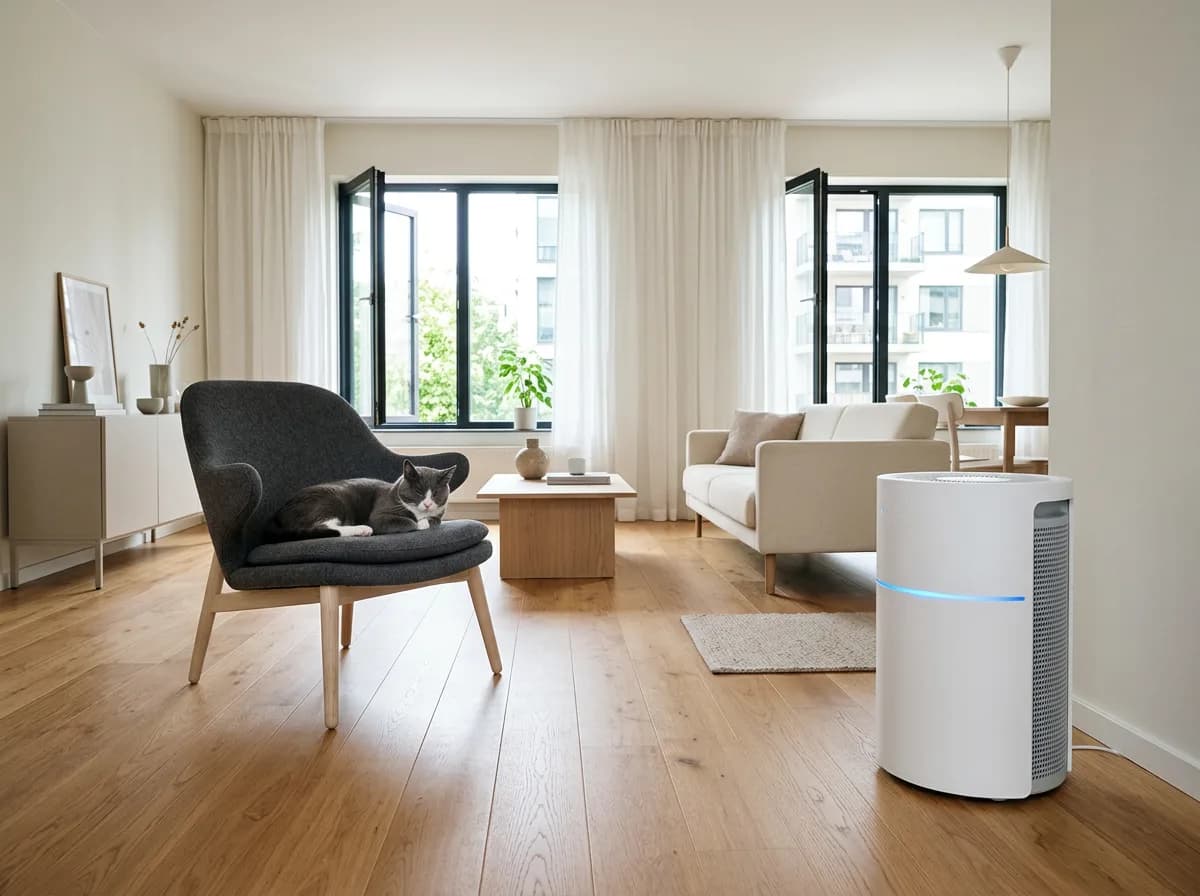
- No single step solves a cat allergy. The people who live comfortably with cats combine a lower-allergen breed, a HEPA filter, a cat-free bedroom, weekly bathing, and medication as needed. Layered, these add up to a real difference.
When to See a Doctor About Cat Allergies

Cat allergy is usually a nuisance, but it can be a genuine medical risk, and this is where honest veterinary and medical guidance matters most. See a doctor or allergist promptly if you experience any of the following:
- Wheezing, chest tightness, or shortness of breath around cats. Cat allergen is a well-documented asthma trigger, and uncontrolled allergic asthma is dangerous.
- Symptoms that disrupt sleep or daily life despite over-the-counter antihistamines.
- A spreading skin rash, hives, or swelling after contact.
- Any sign of a severe reaction: difficulty breathing, swelling of the lips, tongue, or throat, dizziness, or a feeling of impending doom. These can indicate anaphylaxis and are a medical emergency: call emergency services.
An allergist can confirm the diagnosis with testing, prescribe more effective medication than you can buy over the counter, and discuss allergen immunotherapy (allergy shots), which retrains the immune system over time and can make cat ownership sustainable for people who react strongly.
- If being near a cat makes you wheeze or short of breath, do not tough it out. Uncontrolled asthma can be life-threatening. Get evaluated before you bring a cat home, and involve your doctor in the decision.
To keep exploring which cats fit your household, browse our full library of hypoallergenic cat breeds for per-breed care profiles.
Frequently Asked Questions
No breed is fully hypoallergenic, but the breeds most often cited as lower-allergen are the Siberian, Balinese, and Russian Blue (reported to produce less Fel d 1) and the Sphynx, Cornish Rex, Devon Rex, Bengal, and Oriental Shorthair (which shed very little dander). All still produce the Fel d 1 protein, so test your reaction to the specific cat first.
The best cat depends on your trigger. If you react to airborne dander, a low-shedding or hairless breed like the Sphynx or Cornish Rex helps most. If you are highly sensitive to the allergen itself, a breed reported to produce less Fel d 1, such as the Siberian or Balinese, is a better starting point. Combine either with a HEPA filter and weekly bathing.
You can, if your allergy is mild to moderate and well controlled. Choose a lower-allergen breed, spend several hours with the specific cat before committing, and use home management such as a HEPA purifier and a cat-free bedroom. If you have asthma or a history of severe reactions, decide with your doctor or allergist first.
The Siberian is the largest of the commonly cited low-allergen breeds, with males often weighing 12-17 pounds. Despite its size and thick triple coat, many Siberians reportedly produce less Fel d 1 than average, which is why it tops most hypoallergenic cat lists.
Yes, many people with cat allergies live comfortably with a cat by pairing a lower-allergen breed with home management: a HEPA air purifier, a cat-free bedroom, weekly bathing of the cat, hand-washing, and allergy medication as needed. Test your reaction to the individual cat and consult an allergist if your symptoms are more than mild.
Among the rarest documented allergies are aquagenic urticaria (an allergic-type reaction to water), a true allergy to sunlight (solar urticaria), and severe reactions to cold temperature (cold urticaria). These are unrelated to cat allergy, which is one of the most common animal allergies and is driven by the Fel d 1 protein.
The cats most likely to trigger symptoms are heavy-shedding, dense double-coated breeds such as the Persian, Maine Coon, and Norwegian Forest Cat, and especially intact (unneutered) male cats, which produce the most Fel d 1. Their fur is not the allergen, but they spread much more saliva-coated dander around the home.
Among lower-allergen breeds, the Russian Blue and the British-style shorthaired cats are among the most low-maintenance: they are calm, quiet, groom themselves well, and need only occasional brushing. The Sphynx, by contrast, is low-shedding but high-maintenance because it requires weekly bathing to remove skin oils.
BVMS, MRCVS
Dr. Pippa Elliott, BVMS, MRCVS, is a veterinarian with nearly 30 years of experience in companion animal practice. Dr. Elliott earned her Bachelor of Veterinary Medicine and Surgery from the University of Glasgow. She was also designated a Member of the Royal College of Veterinary Surgeons. Married with 2 grown-up kids, Dr. Elliott has a naughty Puggle named Poggle, 3 cats and a bearded dragon.
Sign up for expert-backed reviews and safety alerts all in one place.