Hypoallergenic Dogs: A Vet's Honest Breed Guide
No dog is truly hypoallergenic, but the right low-allergen breed and home routine make a real difference. A vet ranks the best low-shedding breeds and explains how to manage dog allergies for good.

BVMS, MRCVS
Petful is reader supported. As an affiliate of platforms like Amazon and Chewy, we may earn a commission when you buy through links on this page. There is no extra cost to you.
Hypoallergenic dogs are one of the most misunderstood ideas in pet ownership, and as a veterinarian I want to start with the honest science: no dog is 100 percent hypoallergenic. The American Kennel Club (AKC) is careful to say the same thing, describing certain breeds as low-shedding and "more compatible" with allergy sufferers rather than truly allergen-free. The protein that actually triggers most dog allergies is called Can f 1, and it lives in a dog's dander (dead skin flakes) and saliva, not in the hair itself. So a breed can shed almost nothing and still coat your home in the allergen that makes you sneeze.
That distinction matters because it changes how you choose and manage a dog. The goal is not to find a magic allergen-free breed. It is to find a low-allergen breed and pair it with the right home routine. This guide ranks the best low-allergen breeds by coat type and dander load, names the breeds most people call the number one hypoallergenic dog, and walks through the vet-recommended steps that let allergy sufferers live comfortably with a dog.
- 1No dog is truly allergen-free, but low-shedding breeds spread far less Can f 1 dander and saliva protein around your home
- 2The real allergen is a protein in dander and saliva, not the hair, so coat type and grooming matter more than "hair vs fur"
- 3Poodles, Bichon Frise, and Portuguese Water Dogs are the breeds most often ranked number one for allergy sufferers
- 4Even the best hypoallergenic breed needs an allergy-management routine: HEPA filtration, weekly bathing, and a dog-free bedroom
- 5Always spend time around the specific breed before adopting, and confirm your triggers with an allergist

Sign up for expert-backed reviews and safety alerts all in one place.
What Does "Hypoallergenic" Actually Mean for a Dog?
The word "hypoallergenic" simply means "below normal" or "less likely to cause an allergic reaction." It does not mean "allergen-free," and it is not a regulated or medically certified label for dogs. When a breeder, breed club, or website calls a dog hypoallergenic, they are making a relative claim: this dog is likely to provoke fewer symptoms than an average heavy-shedding dog.
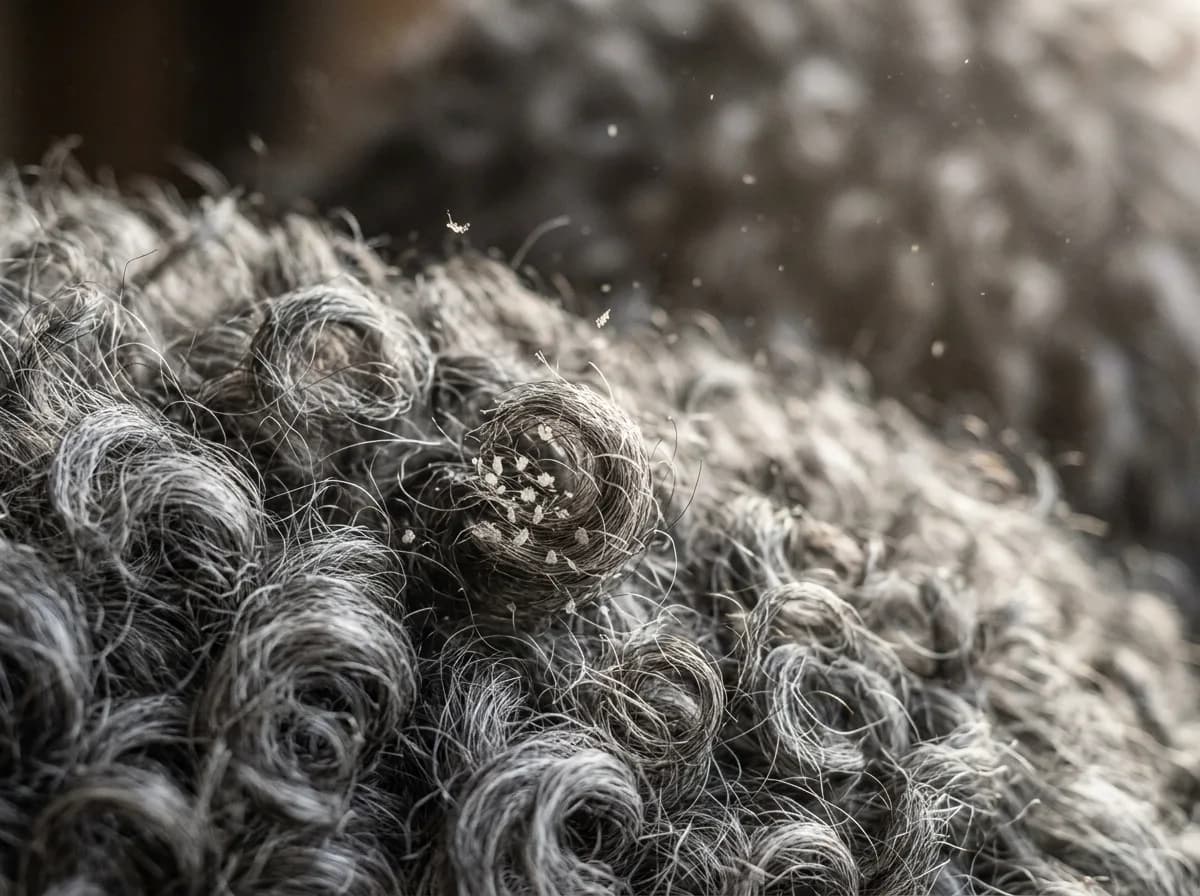
The allergic reaction itself is driven by proteins your immune system mistakes for a threat. In dogs, the best-studied culprit is Can f 1 (Canis familiaris allergen 1), along with several related proteins such as Can f 2 through Can f 6. These proteins are produced in the skin, saliva, and to a lesser extent urine. As a dog sheds microscopic skin flakes (dander) and grooms itself with saliva, those proteins spread onto the coat, into the air, and onto every surface the dog touches.
Why "hair versus fur" is the wrong question
A common myth is that hypoallergenic dogs have "hair" instead of "fur," and that hair is somehow non-allergenic. Biologically, hair and fur are the same material (keratin), and neither one is the true allergen. What actually varies is how much a breed sheds and how much dander it releases. Low-shedding, continuously growing coats (like a Poodle's) trap dander in the coat until it is brushed or bathed out, so less of it becomes airborne. That is the real mechanism behind the hypoallergenic label, not the type of hair.
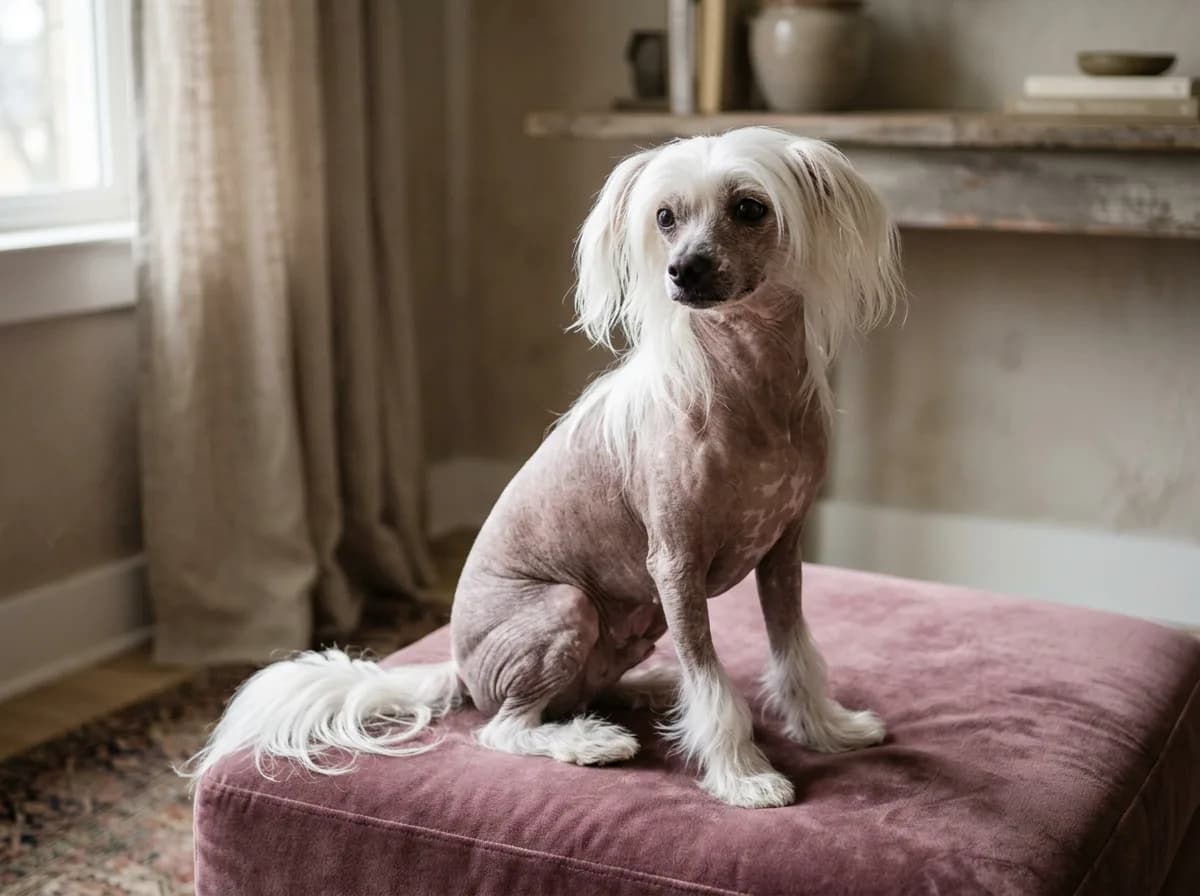
- Dog allergies are triggered by Can f 1 and related proteins found in dander and saliva. A dog can be nearly hairless, like a Chinese Crested, and still produce these proteins, which is why no breed is fully hypoallergenic.
What raises or lowers a dog's allergen load
Several factors influence how much allergen a specific dog puts into your environment. Coat type and shedding rate are the biggest, but size matters too: a larger dog simply has more skin surface and produces more dander than a small dog of a similar coat type. Bathing frequency, grooming, drooling tendency, and even the individual dog's skin health all play a role. Two dogs of the same breed can produce noticeably different amounts of Can f 1, which is exactly why spending time with the individual dog matters more than trusting the breed label alone.
Are Any Dogs Truly Hypoallergenic? The Honest Science
Here is the part many breed lists skip. According to allergy specialists, including guidance echoed by the American Academy of Allergy, Asthma and Immunology (AAAAI), there is no truly hypoallergenic dog breed. Peer-reviewed research has repeatedly failed to find a meaningful difference in the amount of Can f 1 in the homes of families who own "hypoallergenic" breeds compared with homes owning other dogs. One widely cited study measured allergen levels in hundreds of homes and found no consistent reduction attributable to the breeds marketed as hypoallergenic.
Petful may earn a commission when you click through to Chewy, at no extra cost to you.

That does not mean the label is meaningless. It means the benefit is real but modest and highly individual. A low-shedding dog that is bathed and groomed regularly can genuinely reduce a sensitive person's day-to-day symptoms, because less dander becomes airborne and settles on furniture. But "reduced" is not "eliminated." If you or a family member has severe, poorly controlled asthma or dog allergy, no breed choice alone will make the home safe. That is a conversation for your physician and an allergist, not a breeder.
- If a family member has severe asthma or a history of allergic emergencies, choosing a low-allergen breed is not a substitute for medical guidance. Talk to an allergist before bringing any dog into the home.
The honest takeaway is this: choose a low-allergen breed to stack the odds in your favor, then rely on management to close the rest of the gap. The breed is step one, not the whole solution.
The Best Hypoallergenic Dog Breeds, Ranked by Allergen Load
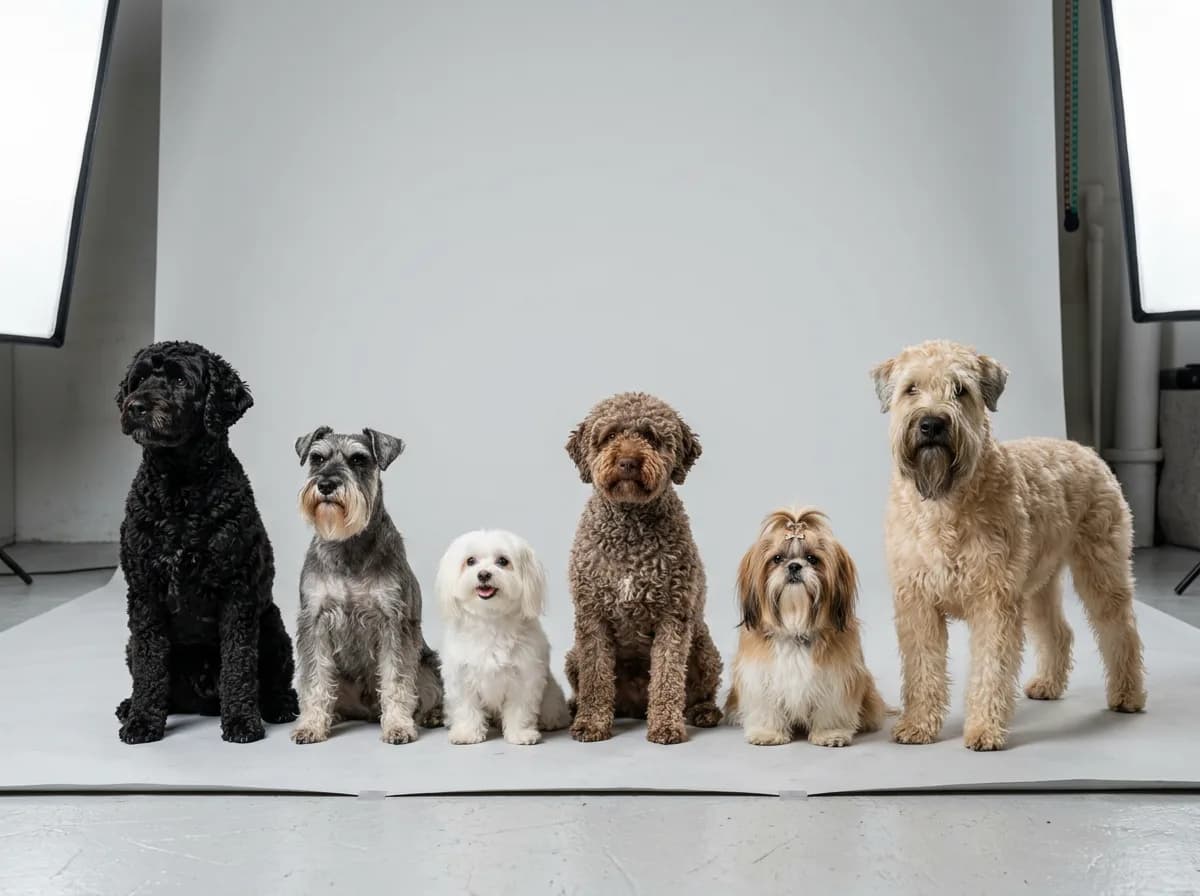
Below are the low-allergen breeds most commonly recommended by the AKC and by veterinarians, ordered roughly from lowest to moderate allergen load based on coat type, shedding, and drooling tendency. Every breed on this list still produces Can f 1, so treat this as a shortlist of better bets, not a list of guarantees. Coat type, shedding level, and typical size are noted for each so you can match a dog to your home and grooming budget. For deeper profiles on any of these, see the companion guide to the best hypoallergenic dogs for allergy sufferers.
1. Poodle (Standard, Miniature, and Toy)
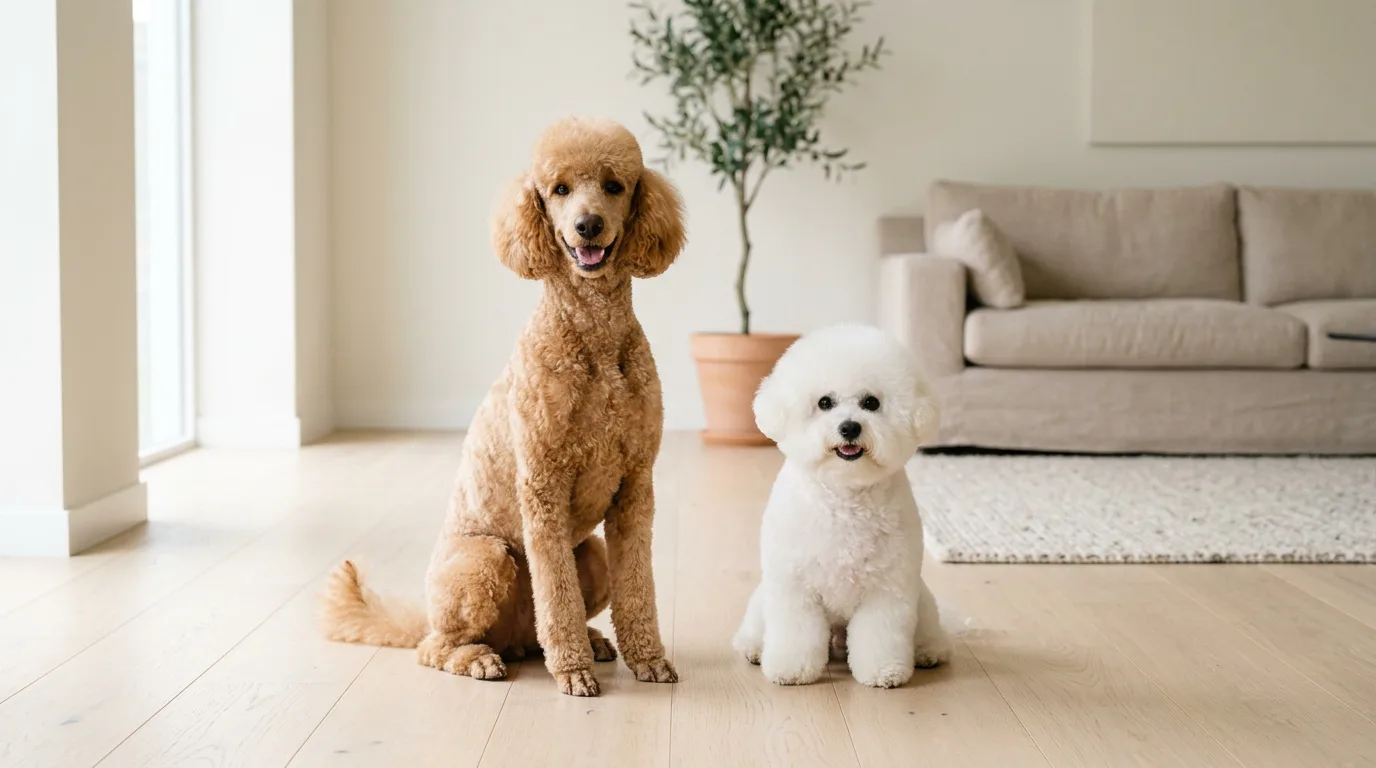
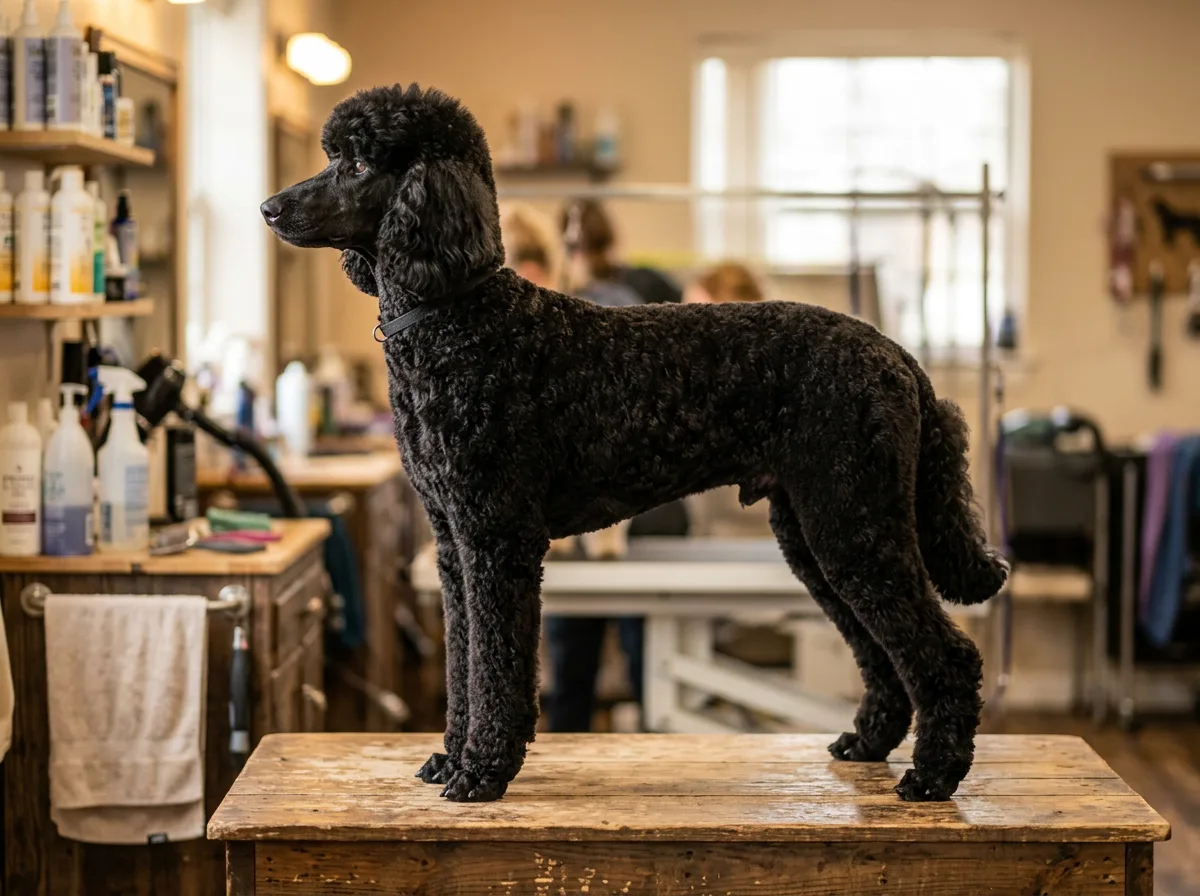
The Poodle is the breed most people picture first, and for good reason. Its dense, curly, continuously growing coat sheds very little, trapping dander until it is brushed or clipped out. Poodles come in three sizes, so there is a fit for apartments and larger homes alike. The trade-off is grooming: a Poodle needs professional clipping every 4 to 6 weeks plus regular home brushing to prevent matting.
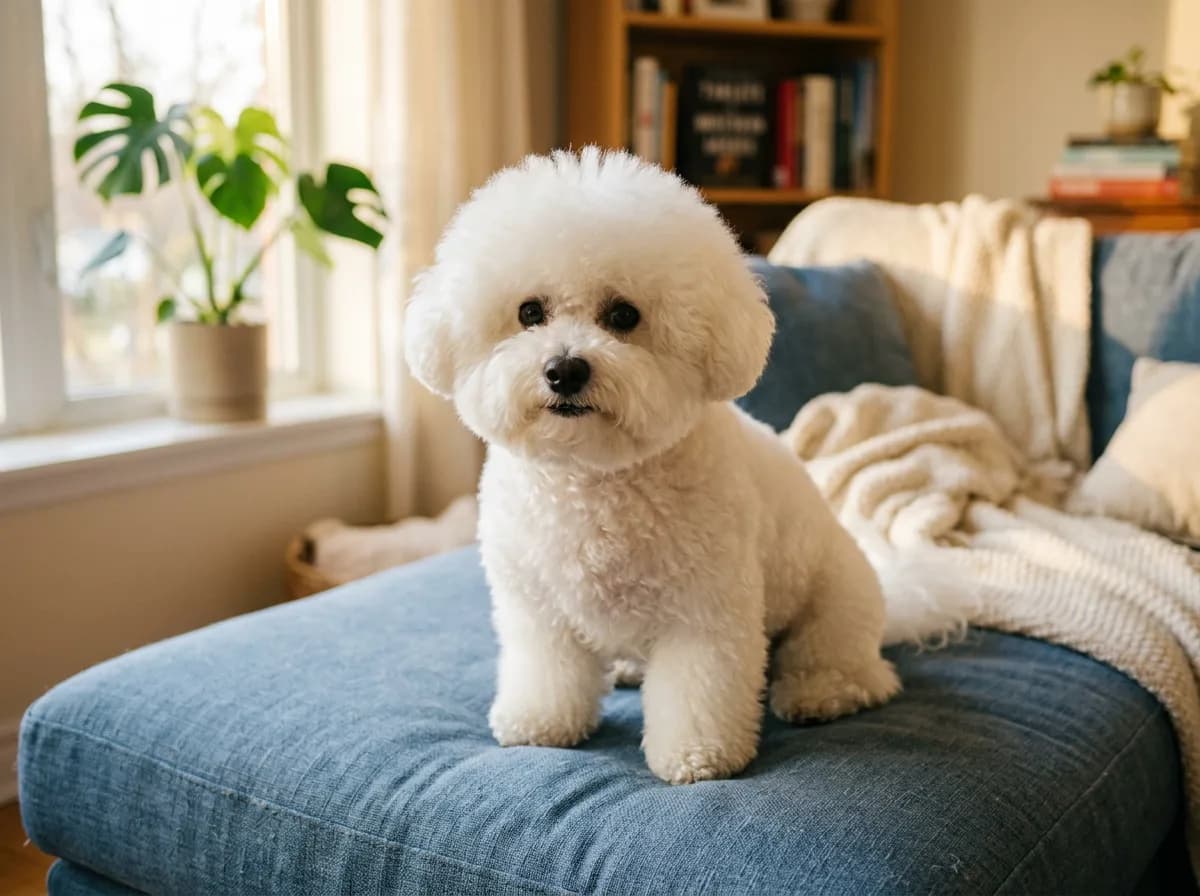
2. Bichon Frise
Small, cheerful, and famously fluffy, the Bichon Frise has a soft double coat that sheds minimally, with loose hairs caught in the undercoat instead of falling onto your floor. The AKC lists it among its recommended breeds for allergy sufferers. Expect frequent brushing and regular grooming to keep that white coat clean and mat-free.
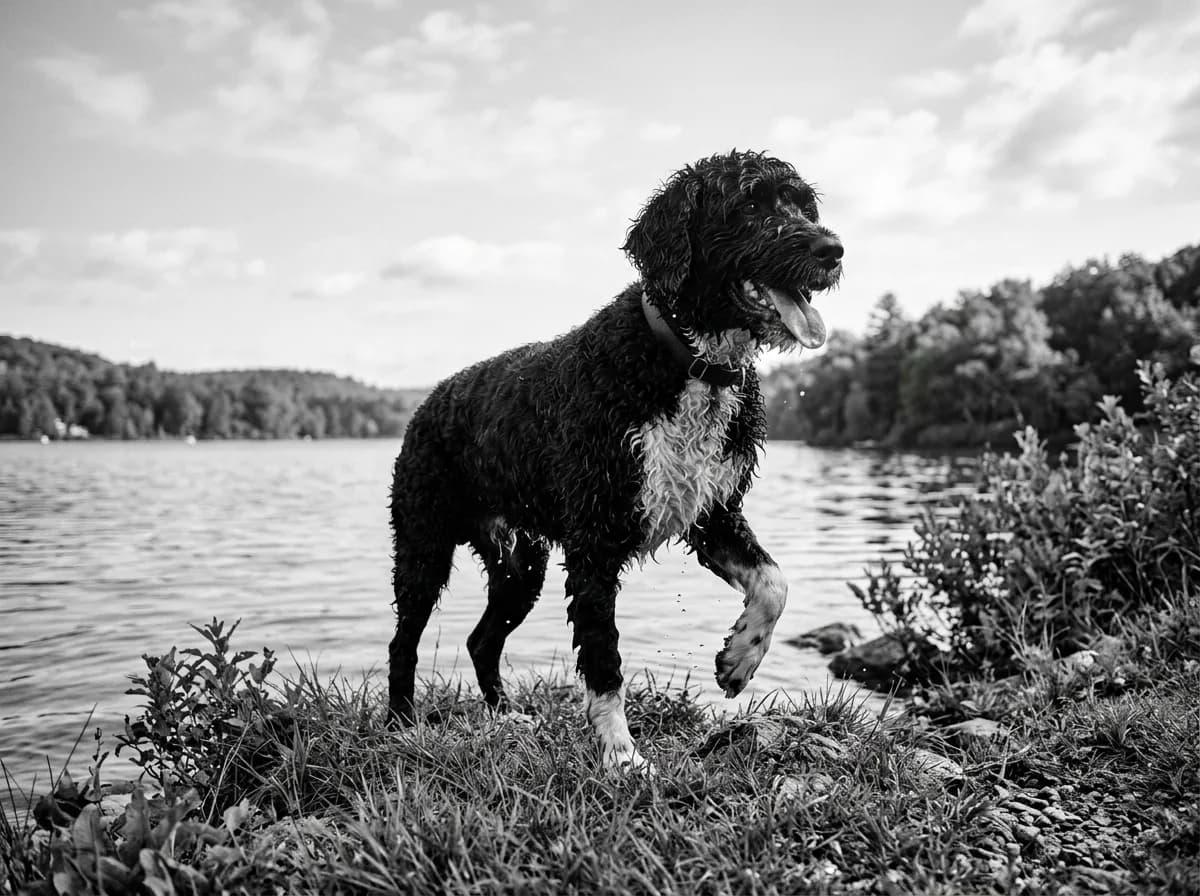
3. Portuguese Water Dog
Made famous as a presidential pet, the Portuguese Water Dog has a single, non-shedding coat that can be curly or wavy. It is athletic, smart, and eager to work, which means it needs real exercise, but it drops very little hair and dander around the home when groomed on schedule.
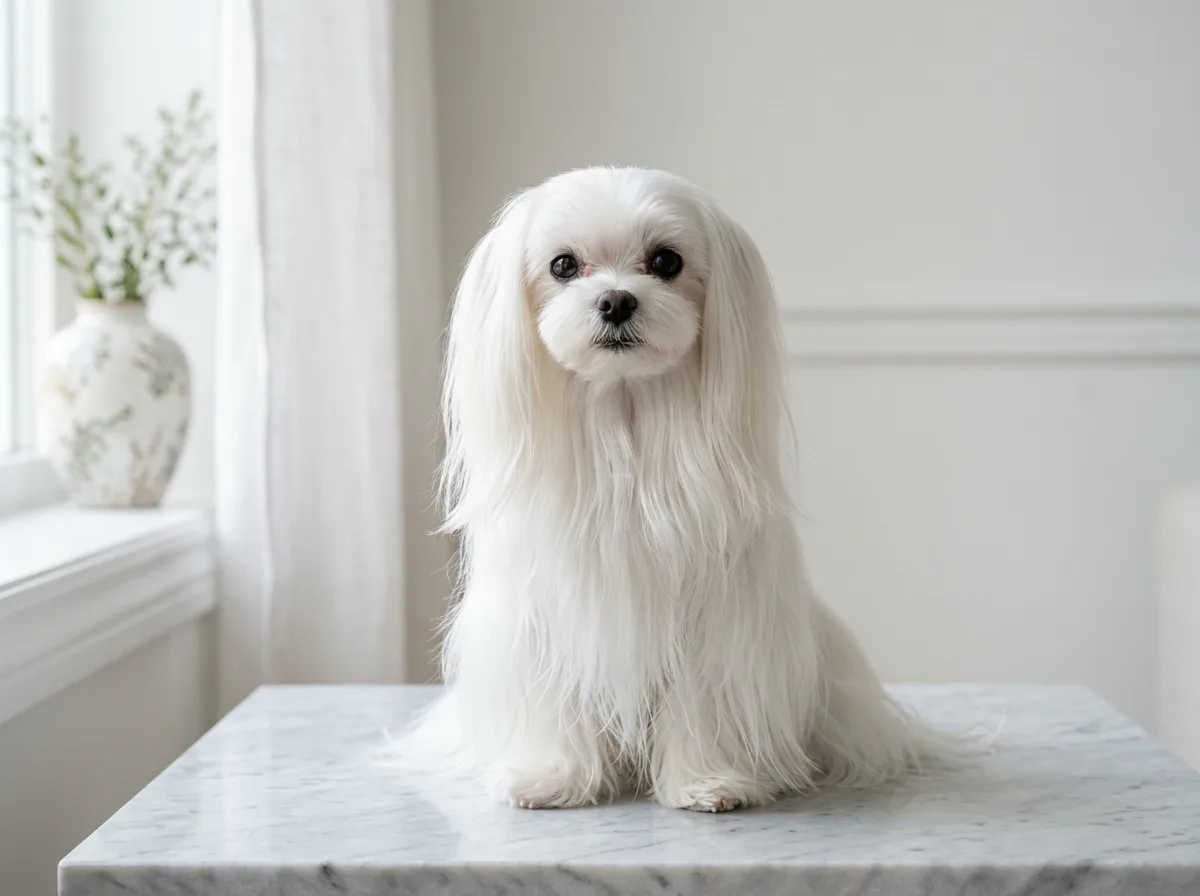
4. Maltese
The Maltese carries a long, silky, single coat with no undercoat, so it sheds very little. This tiny companion breed is well suited to apartments and lap-dog life. Its flowing coat needs daily brushing, or many owners keep it in a shorter "puppy cut" for easier upkeep.
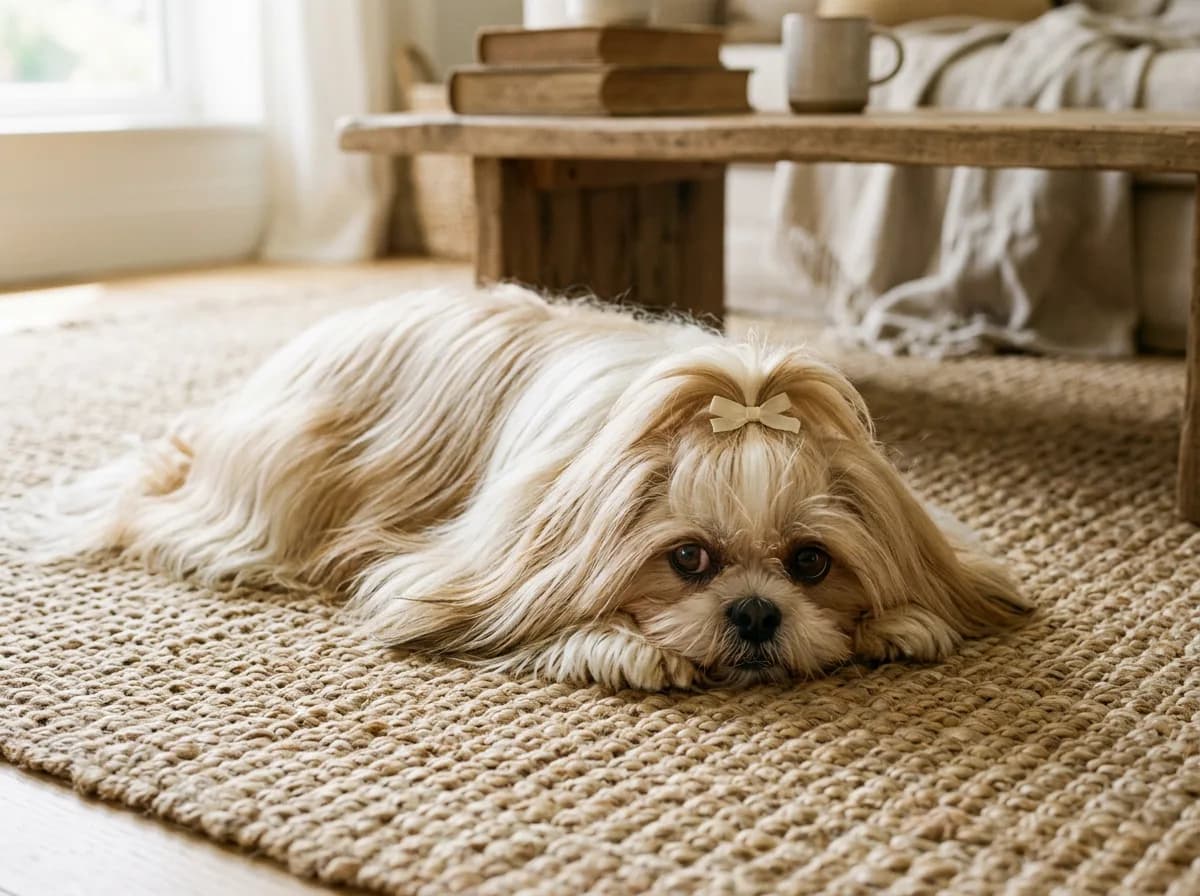
5. Shih Tzu
The Shih Tzu has hair that grows continuously like a Poodle's and sheds minimally, with most loose hair staying in the coat until brushed. It is a friendly, adaptable companion that does well in smaller homes, though the long coat demands daily grooming or regular trims.
Petful may earn a commission when you click through to Chewy, at no extra cost to you.
6. Yorkshire Terrier
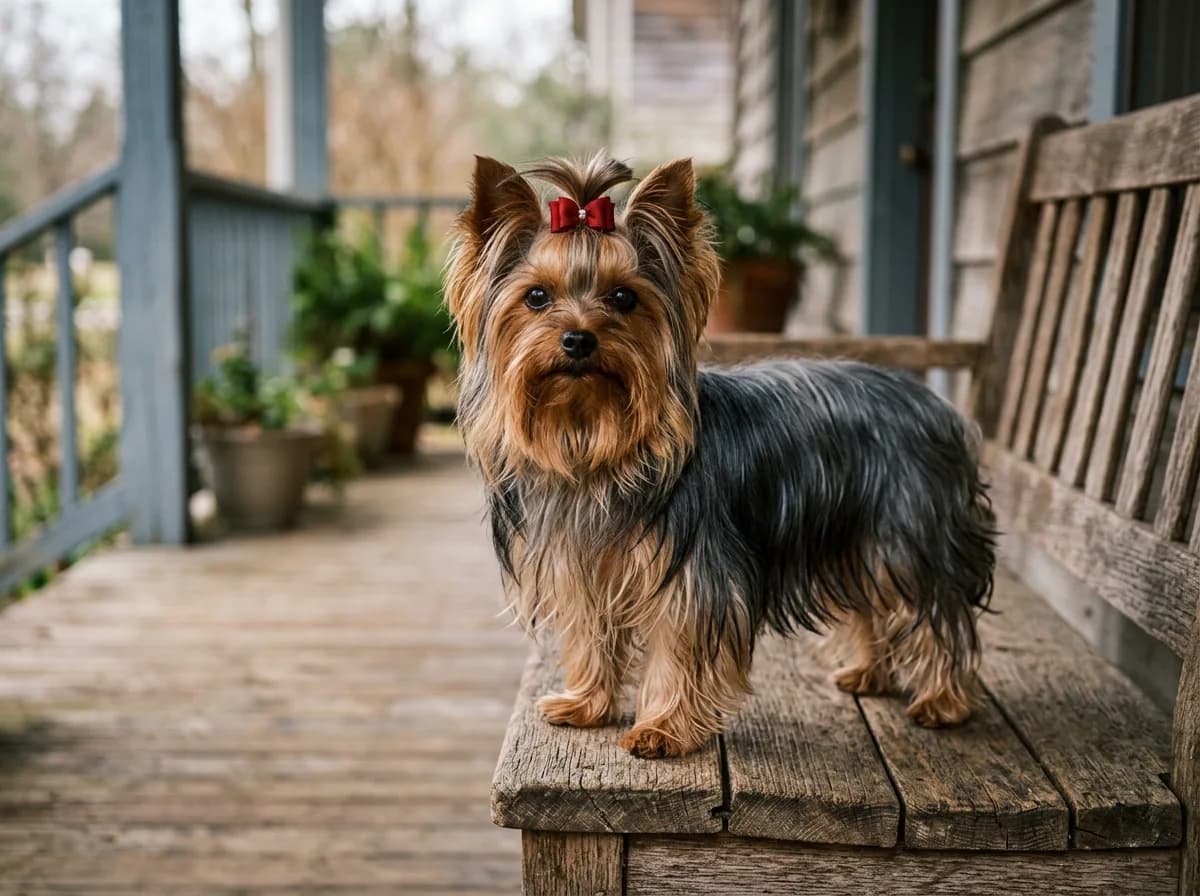
The Yorkshire Terrier's fine, silky coat is often described as more hair-like than fur-like, and it sheds very little. This bold little terrier fits apartment life and travels easily, but that glamorous coat needs consistent brushing to avoid tangles.
7. Miniature Schnauzer
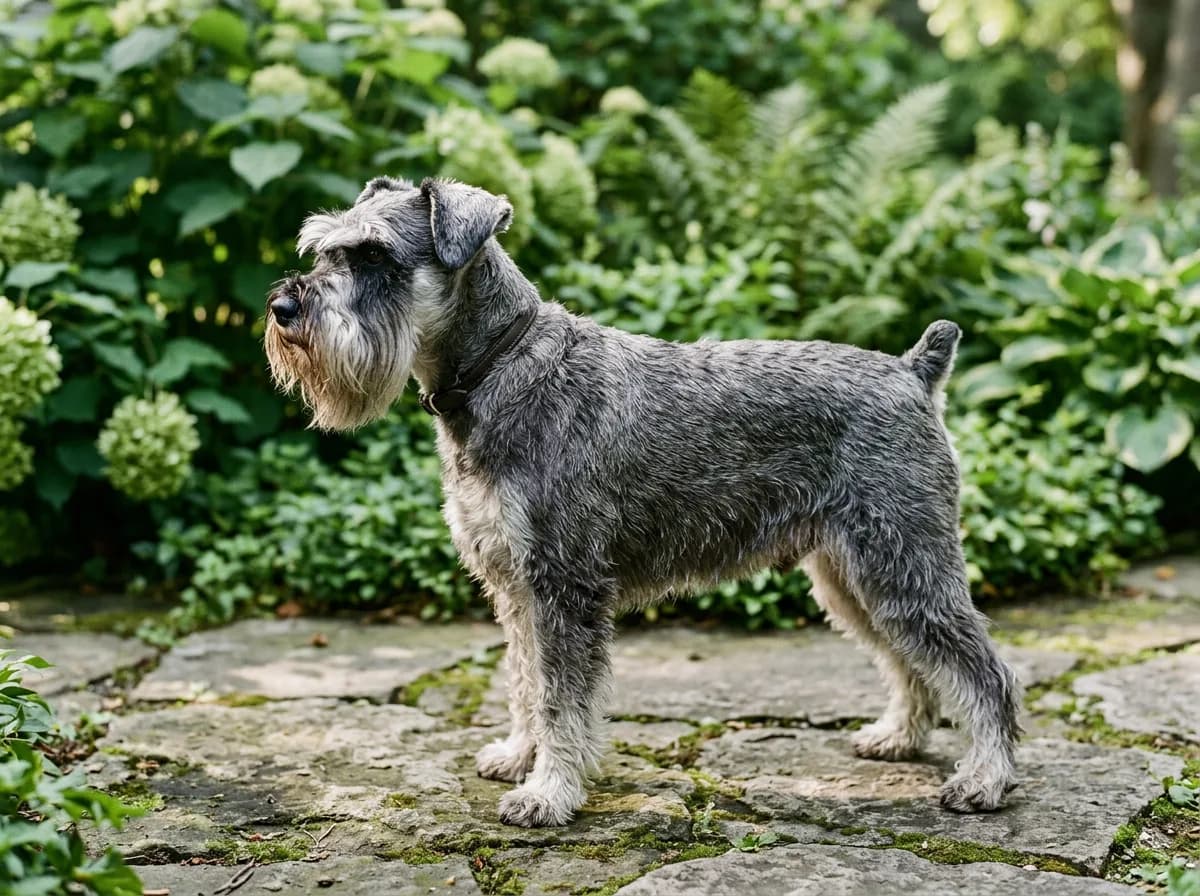
The Miniature Schnauzer has a wiry double coat that sheds little when hand-stripped or clipped and kept groomed. Sturdy, alert, and family-friendly, it comes in a size that suits most homes. Regular grooming keeps the coat, and its dander, under control.
8. Soft Coated Wheaten Terrier
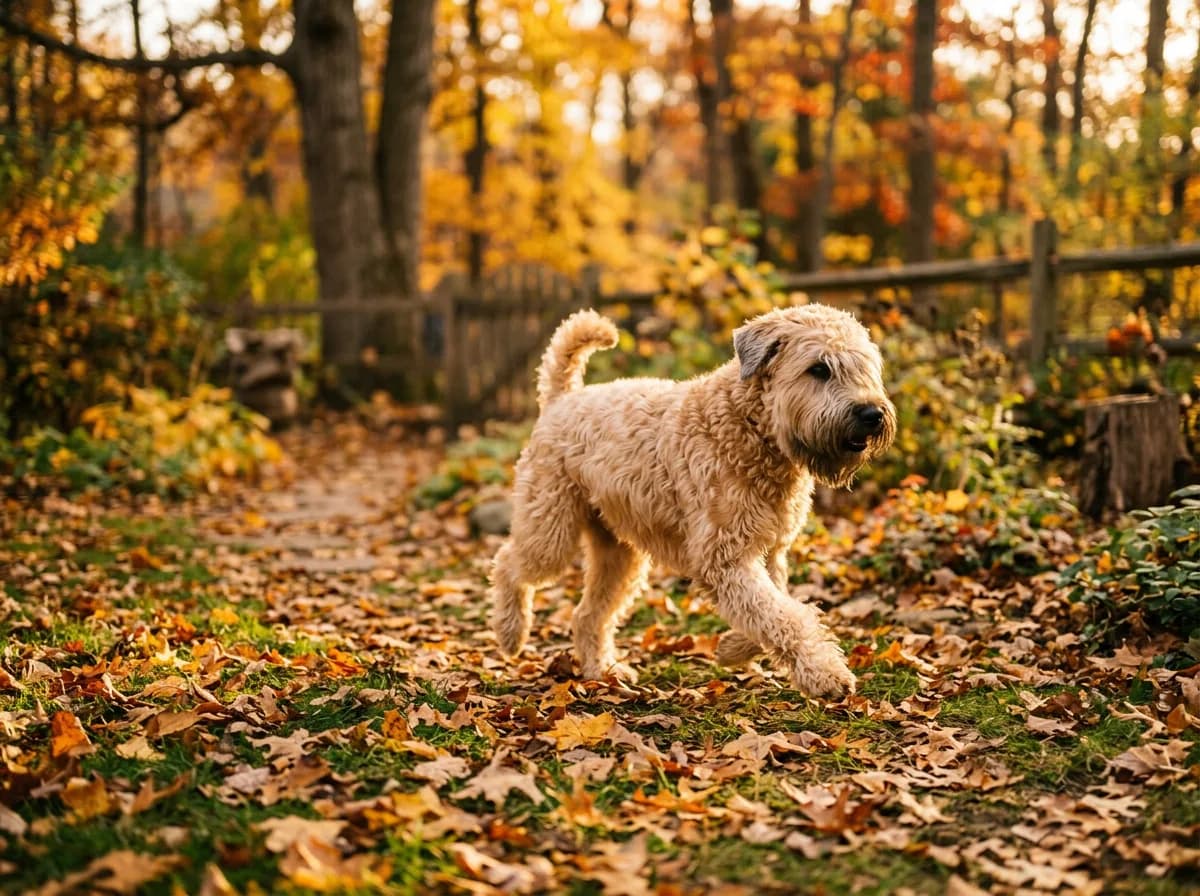
The Wheaten has a soft, silky, single coat that sheds minimally. It is a medium-sized, energetic, affectionate breed that suits active households. The coat mats easily, so frequent brushing and periodic trims are part of the deal.
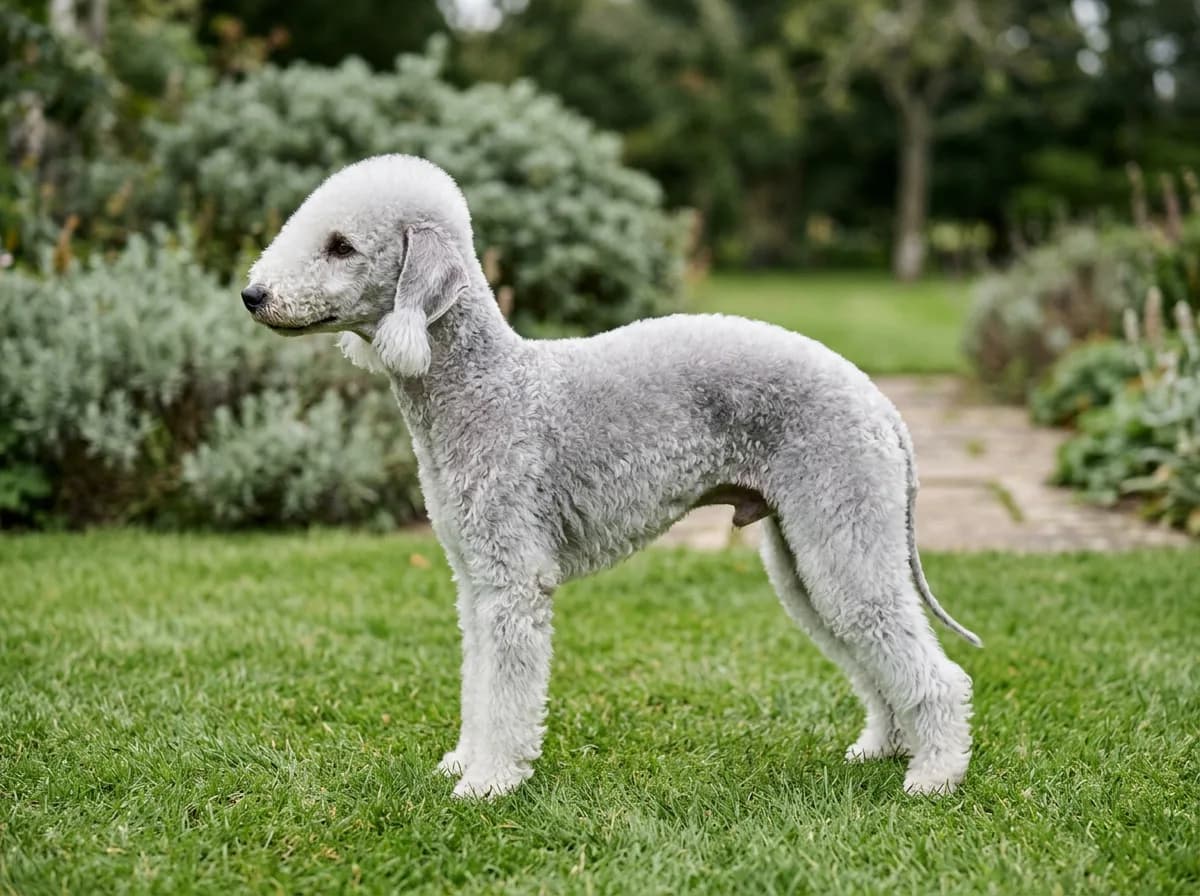
9. Bedlington Terrier
Distinctive for its lamb-like appearance, the Bedlington Terrier has a curly, crisp coat that sheds very little. It is a lively, affectionate companion of moderate size. Its unusual coat needs regular clipping to keep its signature shape.
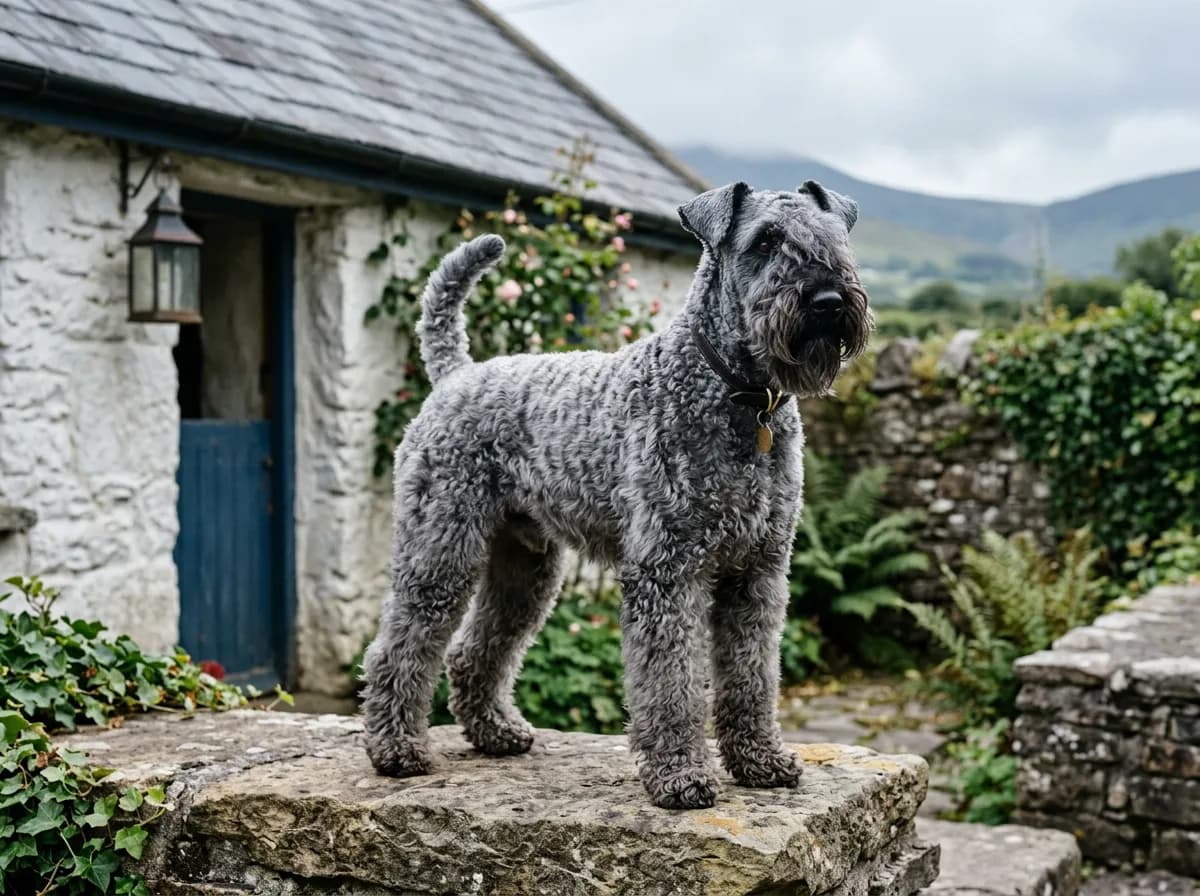
10. Kerry Blue Terrier
The Kerry Blue Terrier has a soft, dense, non-shedding coat that starts black and matures to a blue-gray. This spirited, medium-sized Irish breed needs consistent grooming to manage the coat, but it releases little loose hair into the home.
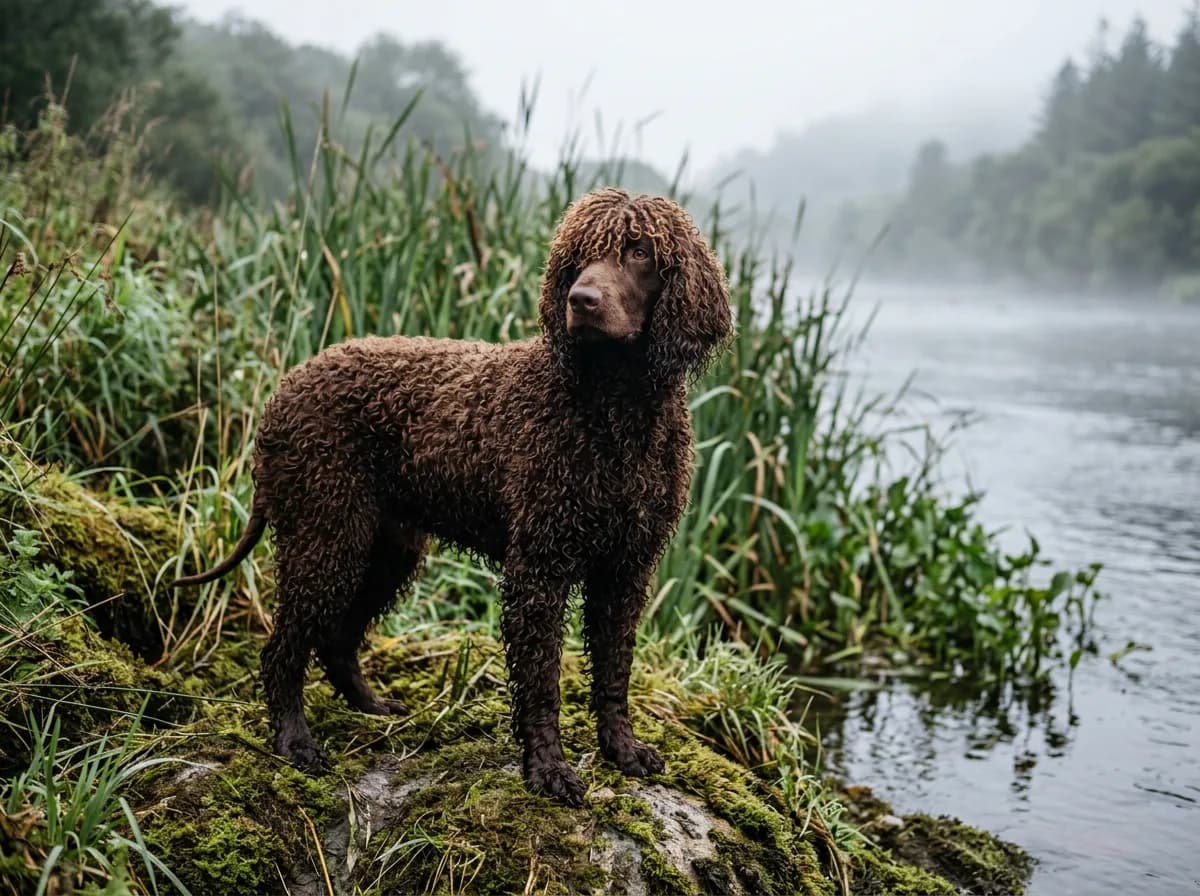
11. Irish Water Spaniel
The tallest of the spaniels, the Irish Water Spaniel has a dense, curly, water-repellent coat that sheds minimally. It is athletic and loves water, so it suits active owners with space, and its low-shedding coat still needs routine brushing.
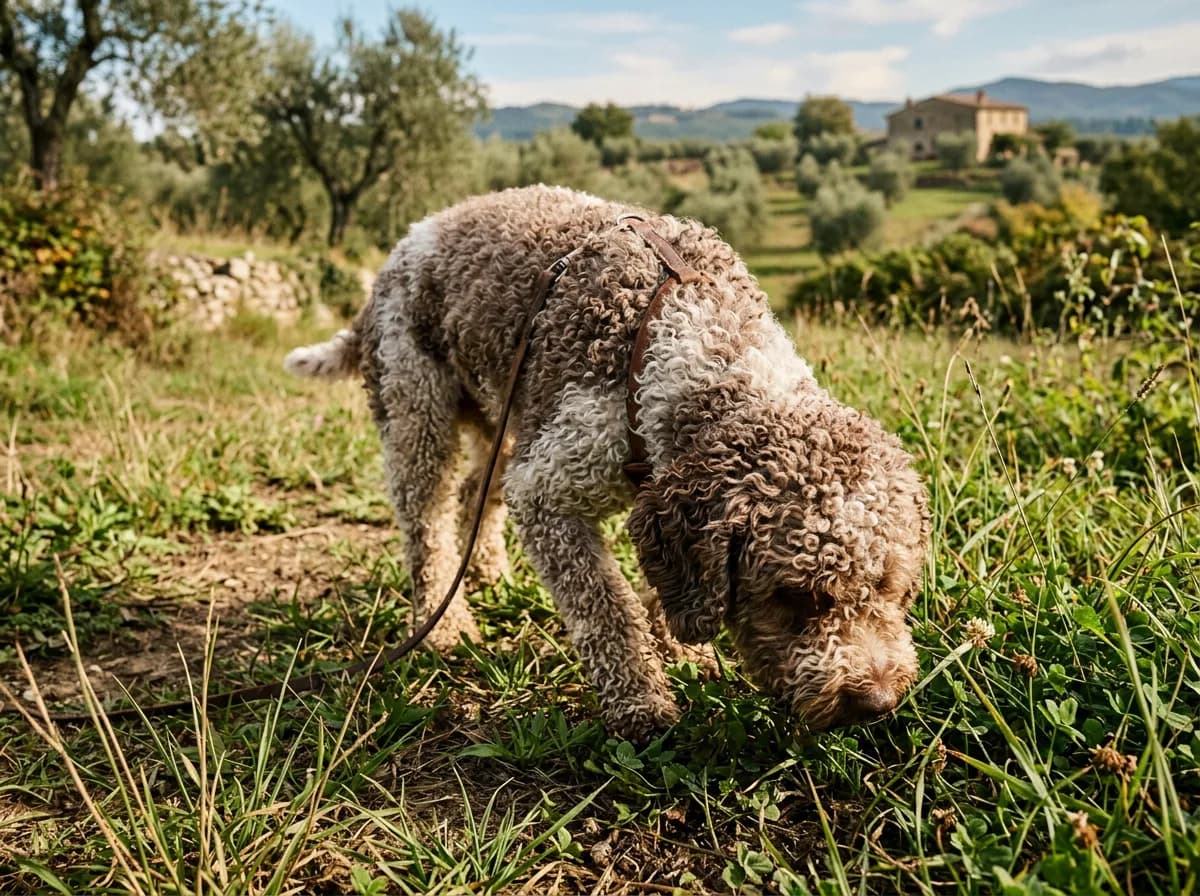
12. Lagotto Romagnolo
Originally an Italian truffle-hunting dog, the Lagotto Romagnolo has a woolly, curly coat that sheds very little. It is a smart, trainable, medium-sized breed. The dense coat needs regular clipping rather than daily brushing to prevent matting.
Petful may earn a commission when you click through to Chewy, at no extra cost to you.
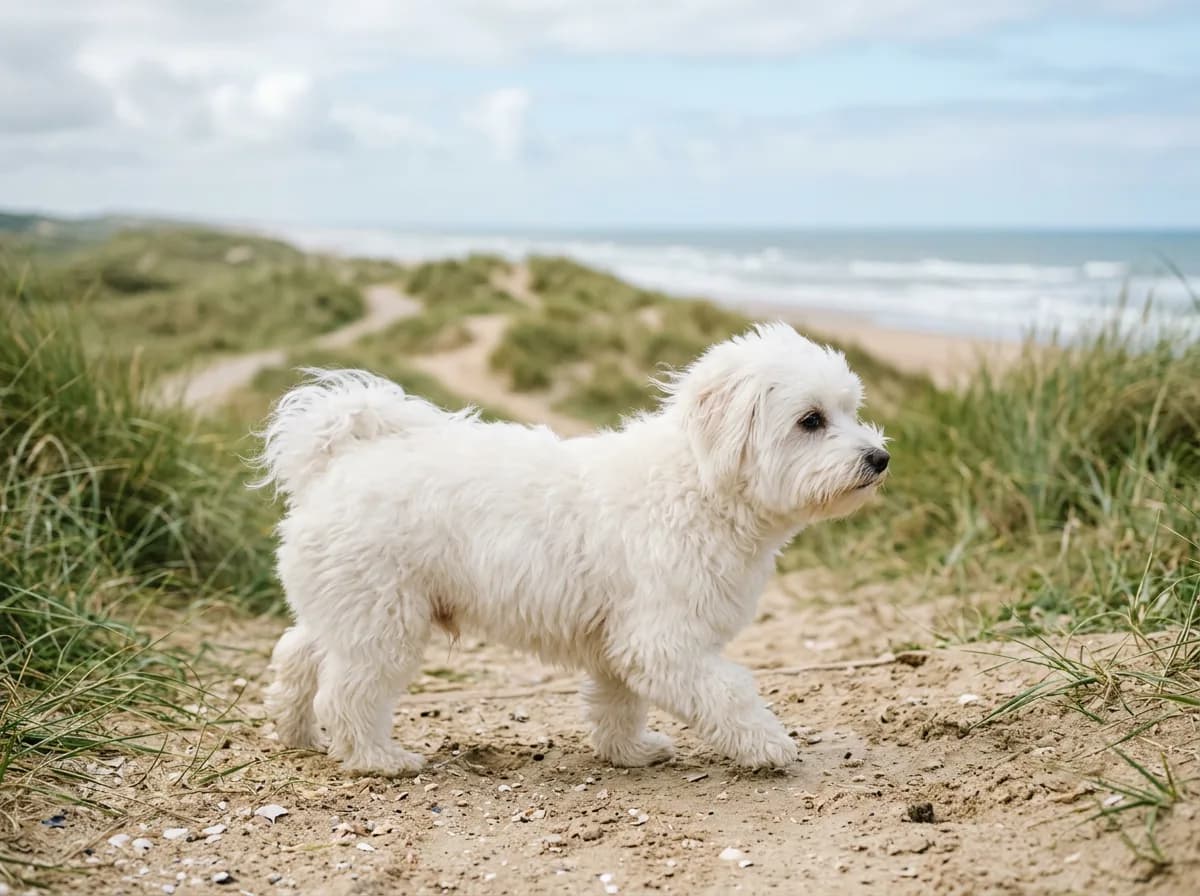
13. Coton de Tulear
The Coton de Tulear has a soft, cotton-like single coat that sheds minimally. This small, easygoing companion breed thrives in apartments and close family life, and its coat needs frequent brushing to stay fluffy and tangle-free.
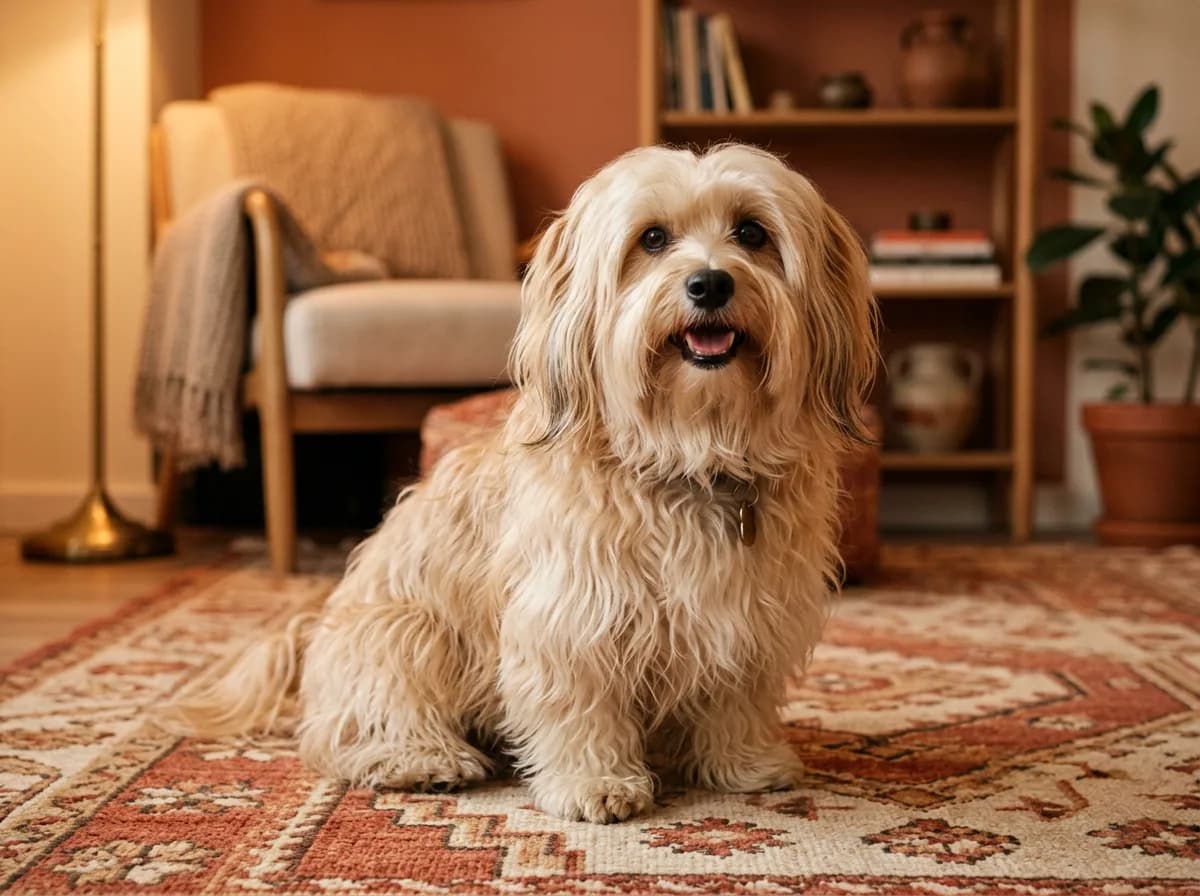
14. Havanese
Cuba's national dog, the Havanese has a long, silky, low-shedding coat and a playful, people-oriented temperament that suits apartments well. Owners either commit to daily brushing or keep the coat in a shorter trim.
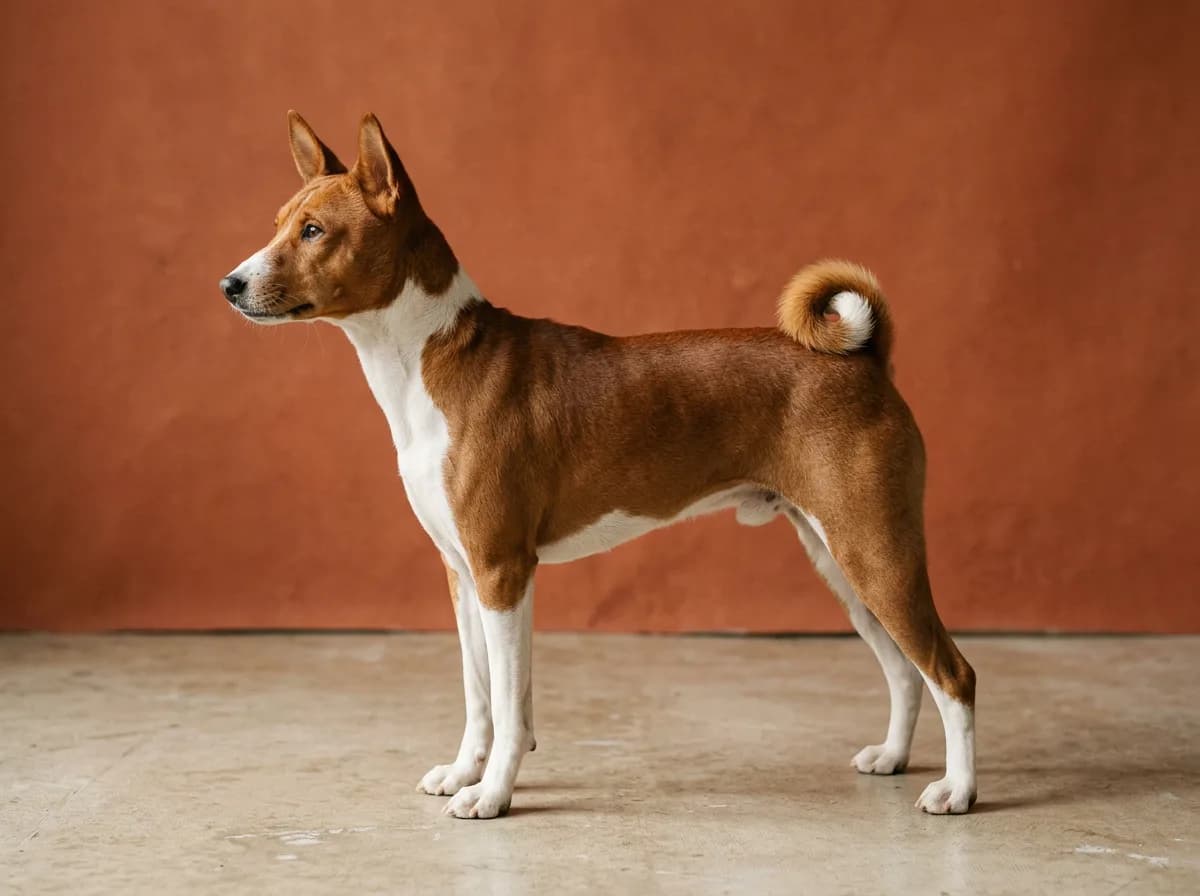
15. Basenji
The Basenji is an exception on this list: a short-coated breed that makes it here because of its cat-like self-grooming, minimal shedding, and lack of a strong doggy odor. It is a clean, quiet, independent breed, though its short coat still produces dander like any dog.
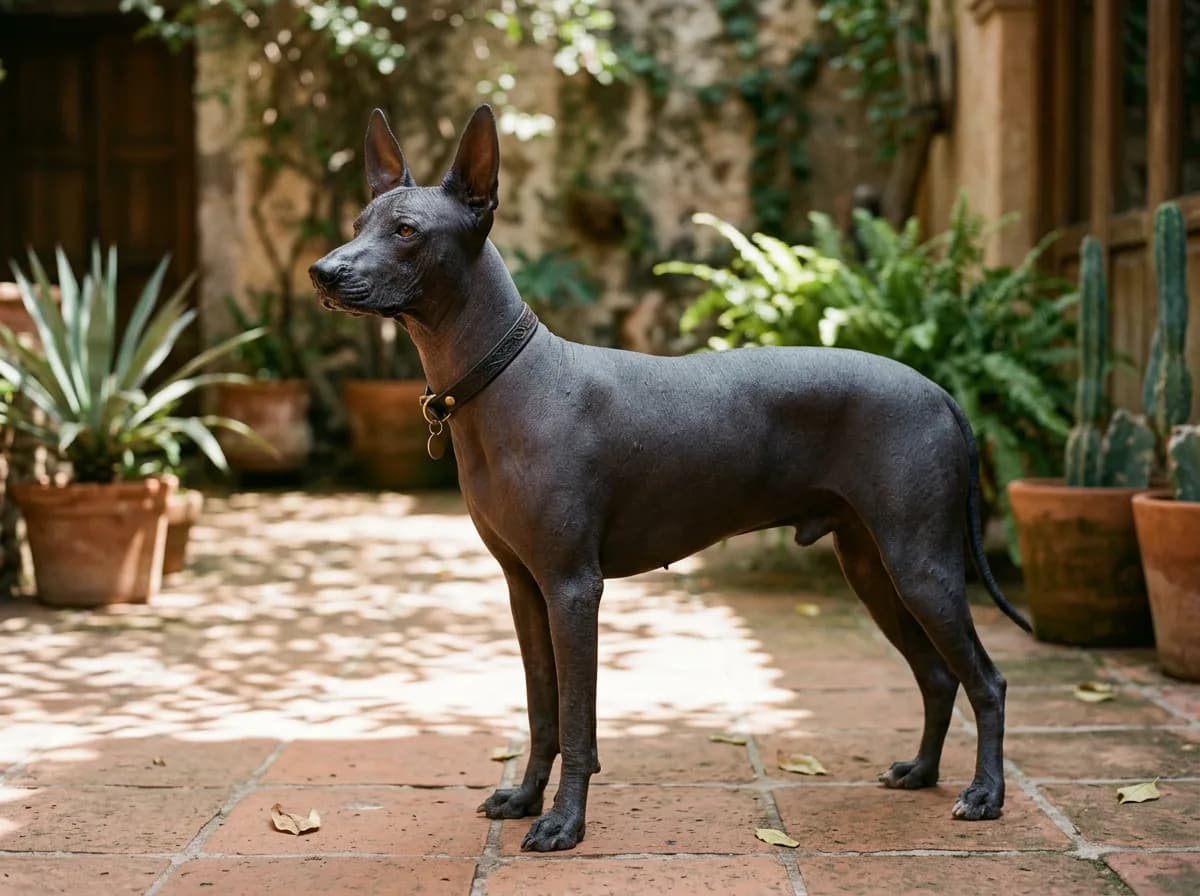
16. Xoloitzcuintli (Mexican Hairless)
The Xolo comes in hairless and coated varieties. The hairless variety sheds essentially no hair, though it still produces dander on its exposed skin and needs sun protection and skin care. It is an ancient, calm, loyal breed.
17. Chinese Crested
The Chinese Crested comes in hairless and coated (Powderpuff) types. The hairless variety drops almost no hair, but the exposed skin still sheds dander and needs skin care and sunscreen. It is a small, affectionate companion.
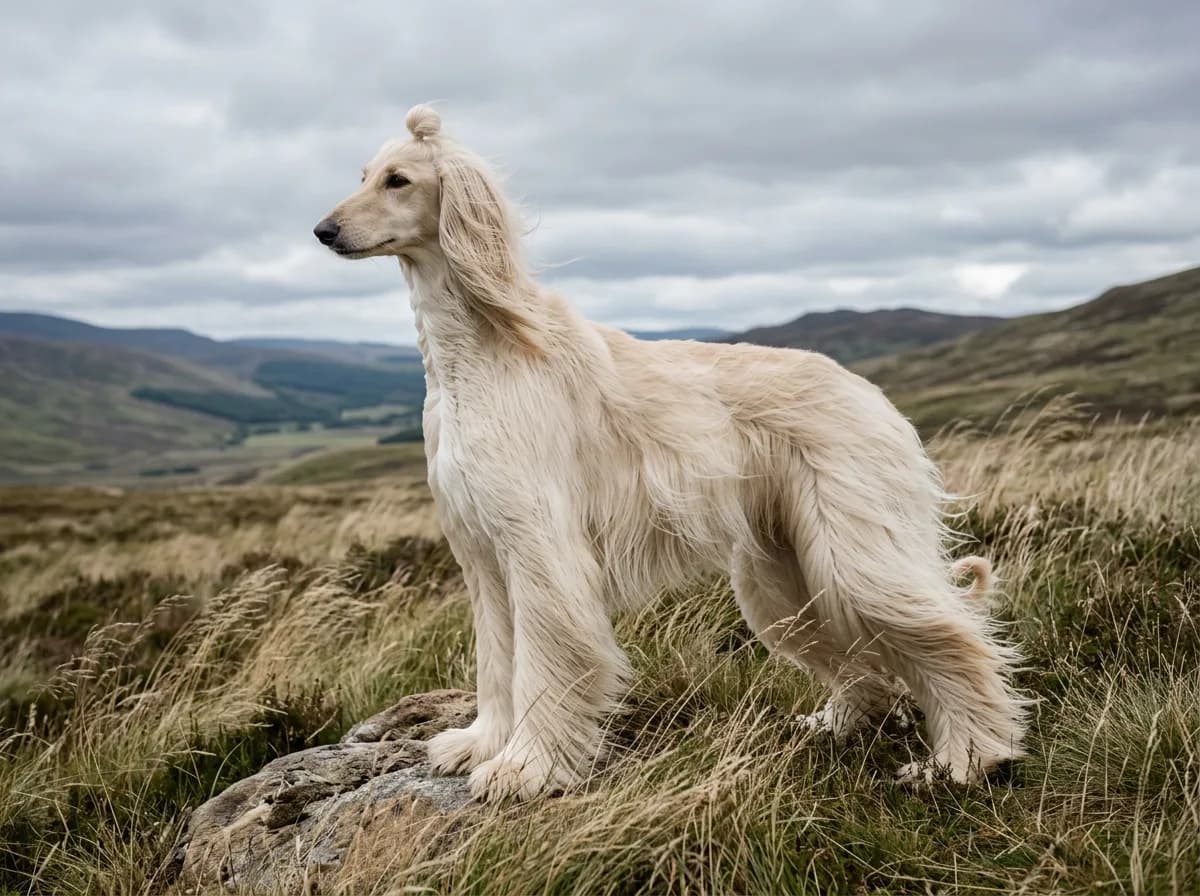
18. Afghan Hound
The Afghan Hound has a long, silky coat that, surprisingly, sheds relatively little for its length. It is an elegant, dignified breed that needs substantial grooming and space, so it suits committed owners rather than first-timers.
19. Bolognese
A close relative of the Bichon, the Bolognese has a fluffy, single, low-shedding white coat and a calm, devoted temperament. It is a small companion breed that suits quieter apartment homes and needs regular brushing.
Petful may earn a commission when you click through to Chewy, at no extra cost to you.
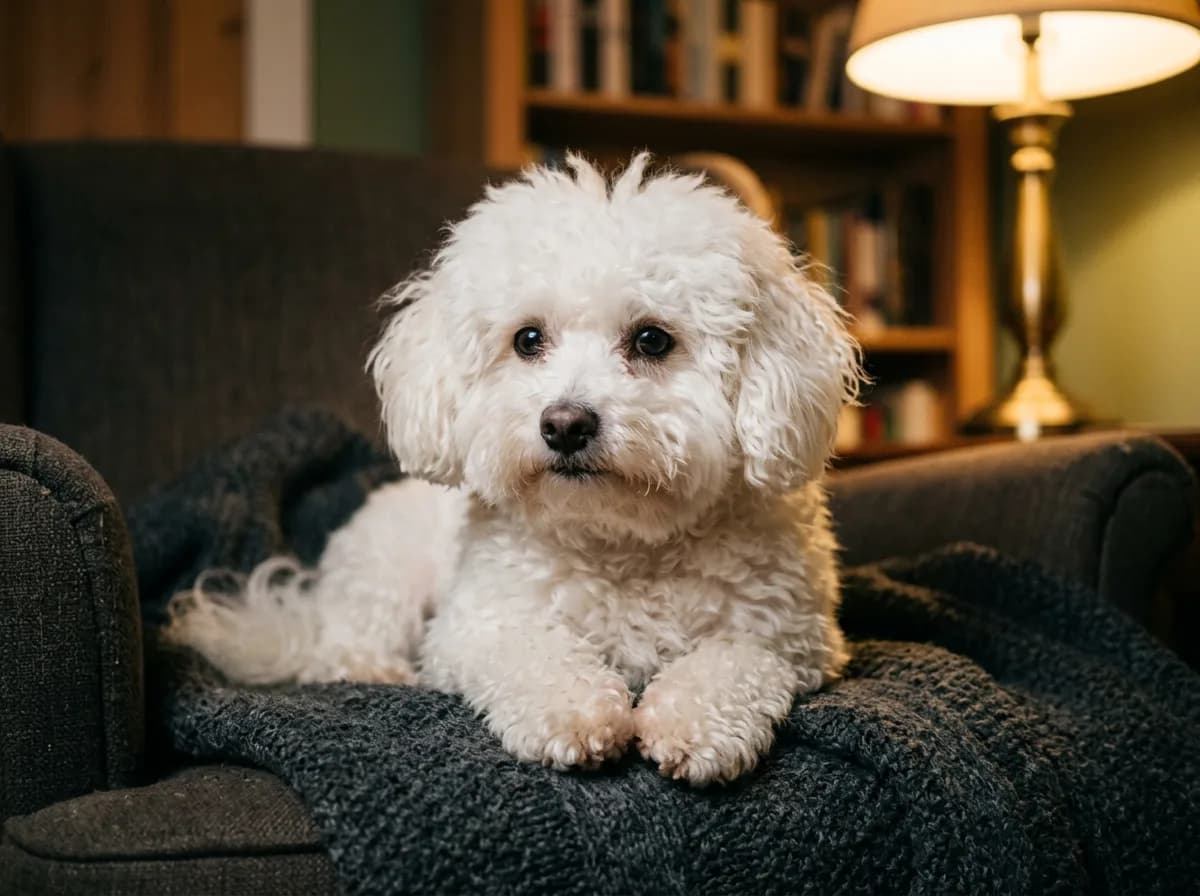
20. Löwchen
The Löwchen (Little Lion Dog) has a wavy, single, low-shedding coat traditionally clipped in a lion trim. It is a friendly, adaptable small companion that fits apartment life and needs consistent grooming.
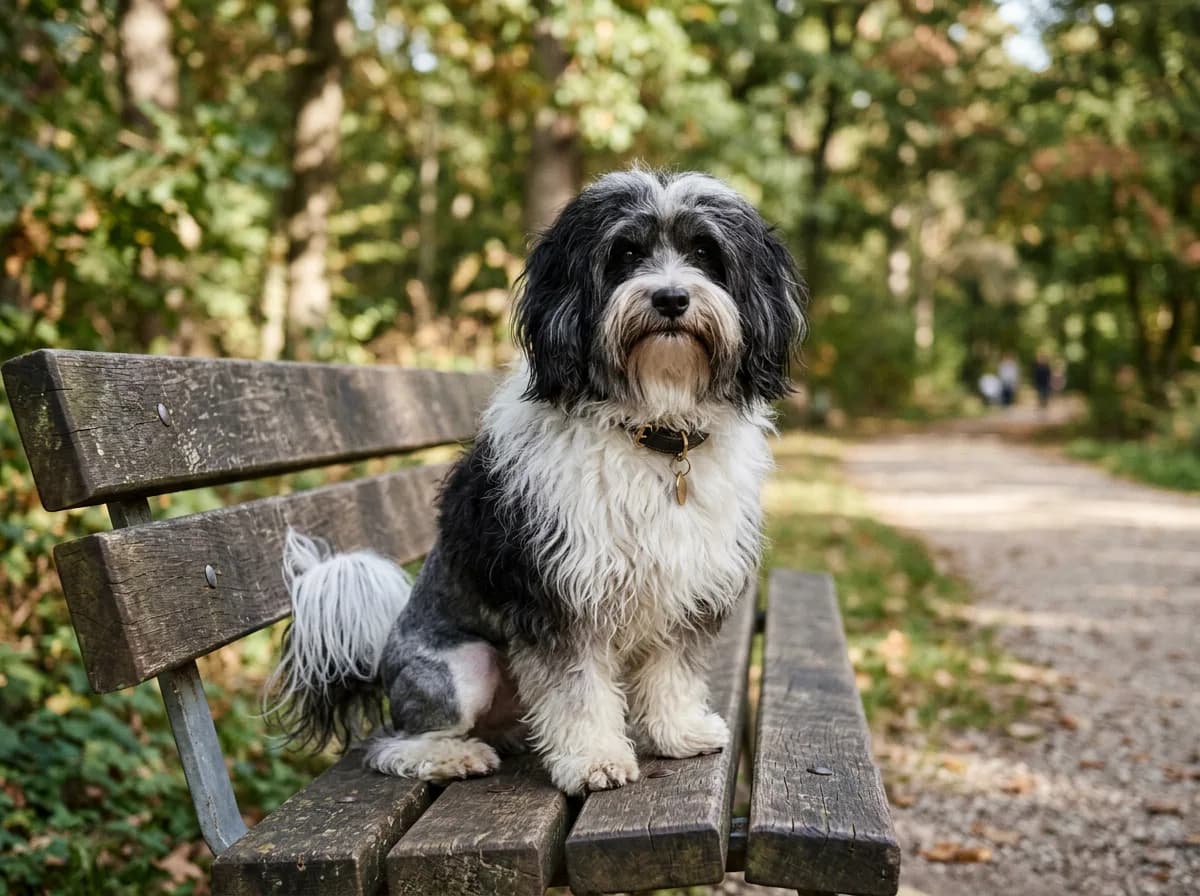
21. Poodle mixes (Doodles): a careful note
Doodles such as the Labradoodle, Goldendoodle, and Cockapoo are marketed heavily as hypoallergenic, and some individuals do inherit a low-shedding, Poodle-like coat. But because these are crossbreeds, coat type varies litter to litter, and there is no guarantee. The UK Kennel Club (KC) does not recognize doodles as breeds, and their coat is a genetic lottery. If you consider a doodle, meet the individual adult dog and test your reaction to that specific animal, not the "doodle" idea. Doodle owners should also budget for insurance, since some Poodle-cross lines carry inherited eye and hip conditions. For more, see Petful’s guide to do goldendoodles shed.
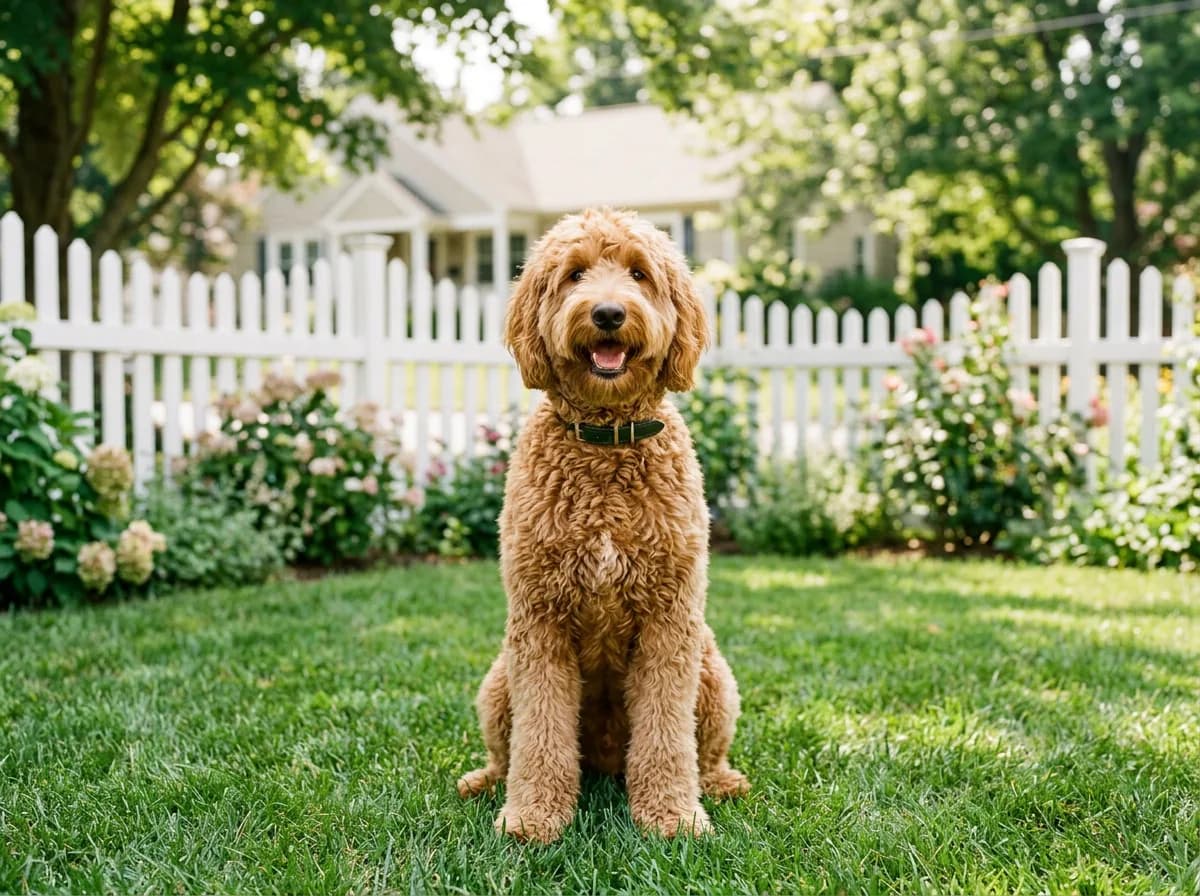
- Almost every low-allergen breed trades shedding for grooming. Curly and long single coats trap dander instead of dropping it, but that trapped dander must be brushed and bathed out on a schedule, or symptoms creep back up.
The #1 Hypoallergenic Dog (and Most Hypoallergenic Breeds)
If you ask an allergist or breeder for the single most hypoallergenic dog, the Poodle is the answer you will hear most often, and it is the breed most commonly ranked number one. Its curly, continuously growing, low-shedding coat traps dander effectively, it comes in three sizes to fit any home, and both the Poodle and its many crosses were deliberately bred with allergy sufferers in mind. The AKC also frequently highlights the Poodle at the top of its low-shedding recommendations.
That said, "the most hypoallergenic dog" is genuinely individual. Some allergy sufferers do best with a Bichon Frise or Maltese, others with a Portuguese Water Dog, because human sensitivity to Can f 1 varies from person to person. The honest answer to "which dog is the most hypoallergenic" is: the low-shedding breed whose individual dander you personally tolerate best, confirmed by spending real time with that dog before committing.
| Breed | Coat Type | Shedding Level | Typical Size |
|---|---|---|---|
| Poodle | Curly single | Very low | Toy to large |
| Bichon Frise | Fluffy double | Low | Small |
| Portuguese Water Dog | Curly single | Very low | Medium |
| Maltese | Silky single | Very low | Small |
| Shih Tzu | Long hair-type | Very low | Small |
| Miniature Schnauzer | Wiry double | Low | Small |
| Soft Coated Wheaten | Soft single | Low | Medium |
| Basenji | Short | Low | Small |
If your household also includes cats, know that some feline breeds are marketed the same way: our reader-favorite profiles on the Siamese as a hypoallergenic cat and the LaPerm as a hypoallergenic cat show the same "low-allergen, not allergen-free" reality applies across species.
Calmest and Best Non-Shedding Dogs for Sensitive Homes
Allergy sufferers often want a dog that is both low-allergen and low-energy, so the home stays calm and the coat stays manageable. Several low-shedding breeds are also known for a relaxed temperament. The Bichon Frise, Maltese, Coton de Tulear, Bolognese, and Havanese are all gentle companion breeds that settle happily into quiet homes. Among the larger options, the Portuguese Water Dog and Standard Poodle are calmer than their energy suggests once their exercise needs are met.
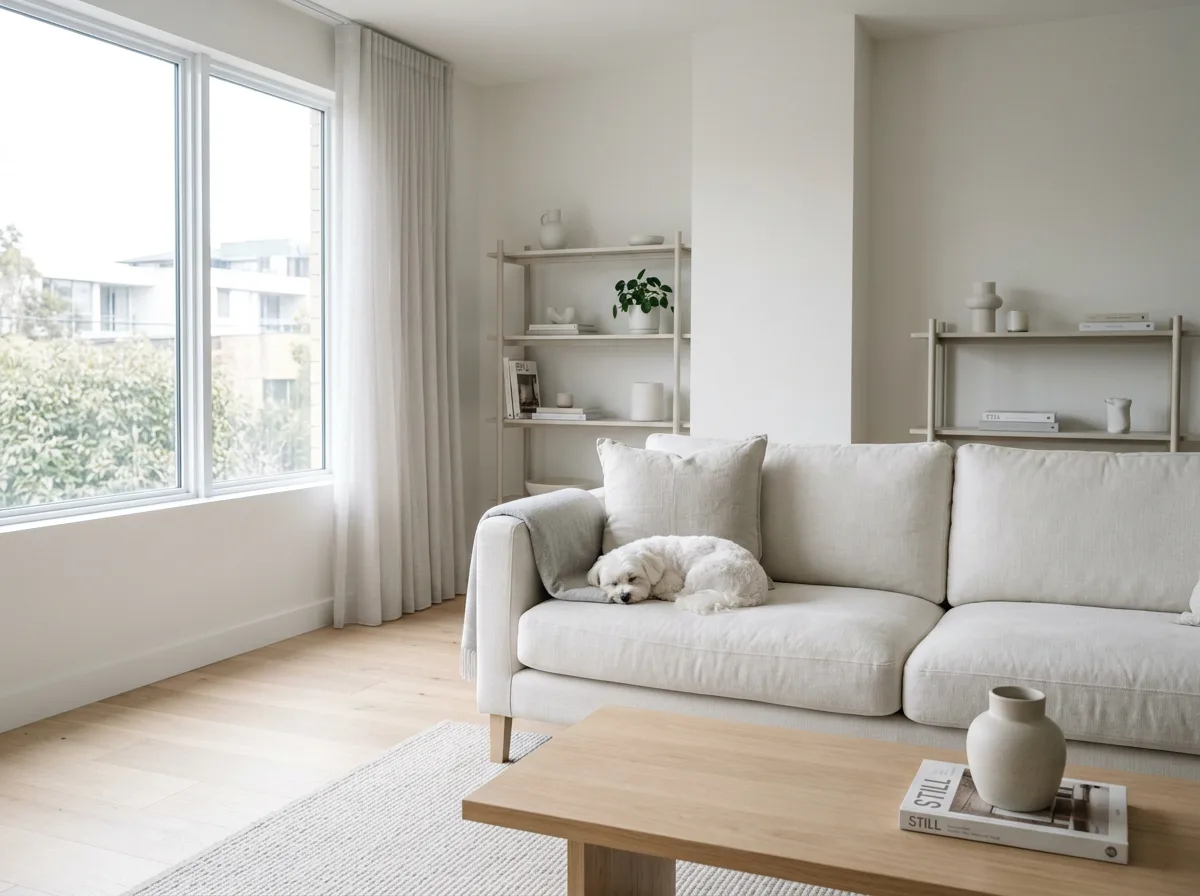
What is the calmest non-shedding dog?
For most sensitive homes, the Bichon Frise is a strong pick for the calmest non-shedding dog: it is affectionate, adaptable, low-shedding, and content with moderate activity. The Cavalier temperament is famously gentle, but Cavaliers shed, so they are not a fit here. If you want calm plus non-shedding plus small, the Bichon Frise, Maltese, and Bolognese lead the pack.
Petful may earn a commission when you click through to Chewy, at no extra cost to you.
What is the cleanest house dog?
The "cleanest" house dog is usually one that sheds little, self-grooms, and lacks a strong odor. The Basenji is the classic answer: it grooms itself like a cat, sheds minimally, and has almost no doggy smell. Poodles and Bichons also rank as clean house dogs because their coats trap loose hair and dander rather than scattering it. No dog is truly odorless or hair-free, but these breeds keep a home noticeably tidier.
- A quiet, low-shedding dog still needs the same dander management as any other. "Clean" comes from routine bathing and brushing far more than from the breed label.
Hypoallergenic Dogs for Apartments
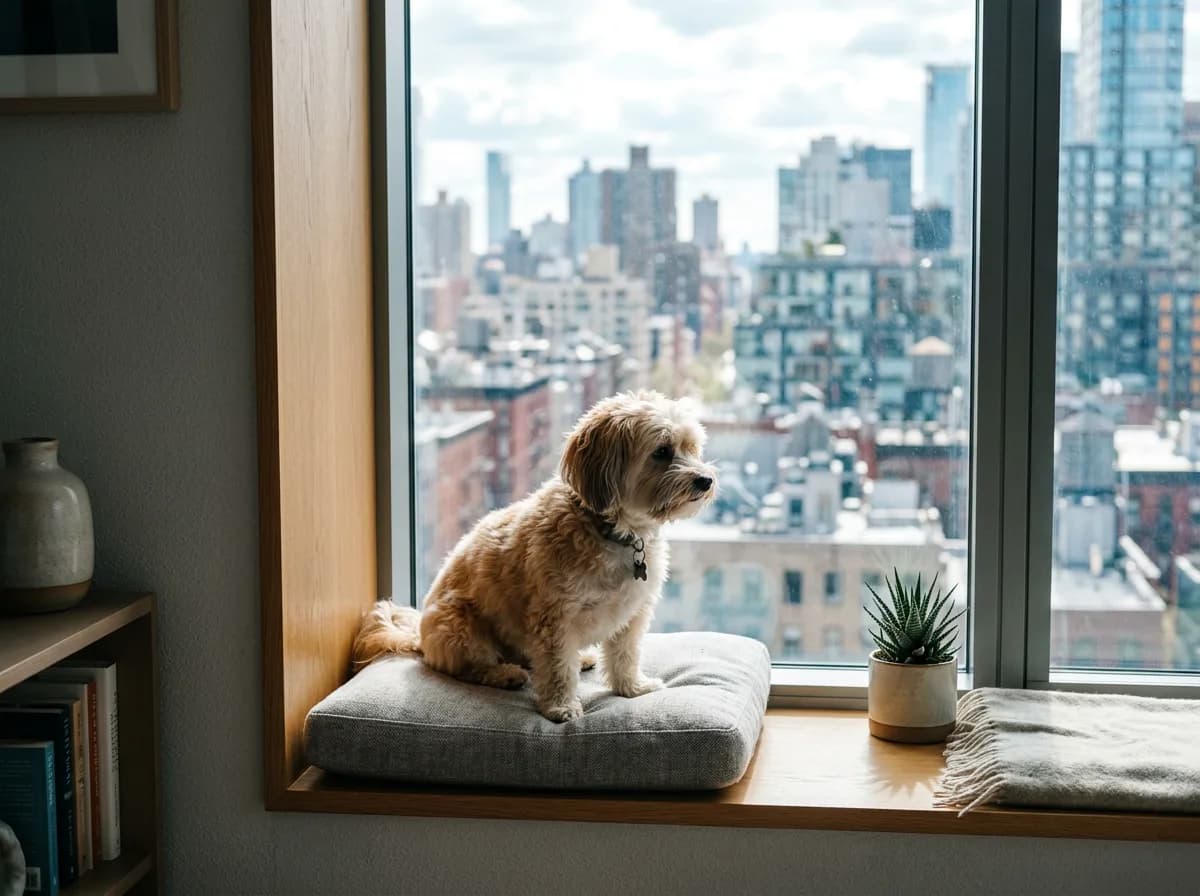
Many low-allergen breeds are small, quiet, and adaptable, which makes them natural apartment dogs: the Maltese, Shih Tzu, Bichon Frise, Havanese, Yorkshire Terrier, and Coton de Tulear all thrive in smaller spaces. A low-shedding coat is a bonus in an apartment, where dander concentrates in a smaller air volume and every surface is close by.
What dogs are usually not allowed in apartments?
Apartment and rental restrictions are set by landlords and building policies, not by allergy science, but the pattern is consistent. The dogs most often banned or restricted are large, powerful breeds and those on common insurance "restricted" lists: Pit Bull type dogs, Rottweilers, Doberman Pinschers, German Shepherds, Mastiffs, Great Danes, Akitas, Cane Corsos, Huskies, and Wolf hybrids appear most frequently. Some buildings also cap dogs by weight (commonly 25 to 50 pounds) or by number. Because these restrictions vary widely, always confirm your building's specific pet policy in writing before adopting. None of the low-allergen companion breeds above typically appear on restricted lists, which is another reason they suit apartment life.
- Breed and weight restrictions are set per building and per insurer, and they change. Get the pet policy in writing before you adopt, even for a small hypoallergenic breed.
How to Manage Dog Allergies (Even With a Hypoallergenic Breed)
Choosing a low-allergen breed is step one. Managing the allergen in your home is what actually keeps symptoms down, and as a vet this is where I see families succeed or struggle. Because the allergen is dander and saliva protein that spreads everywhere, the strategy is to reduce how much is produced, capture what is airborne, and keep it out of the rooms where you spend the most vulnerable hours.
Filter the air
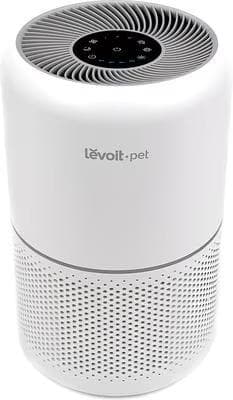
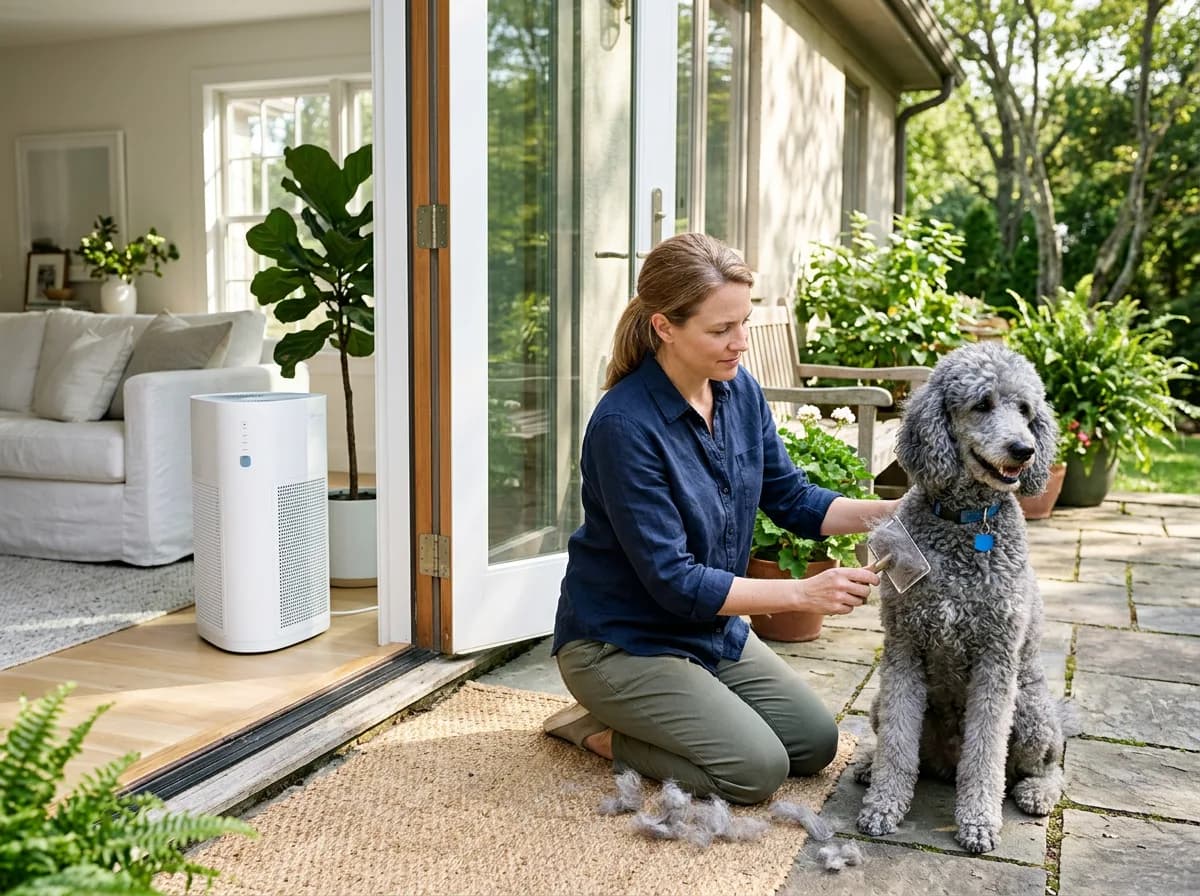
Run a HEPA air purifier in your main living areas and bedroom. True HEPA filters capture the tiny dander particles that carry Can f 1 and keep them from recirculating. Pair it with regular HVAC filter changes and frequent vacuuming using a vacuum with a HEPA filter, so you remove settled dander instead of stirring it back into the air.
Bathe and groom on a schedule
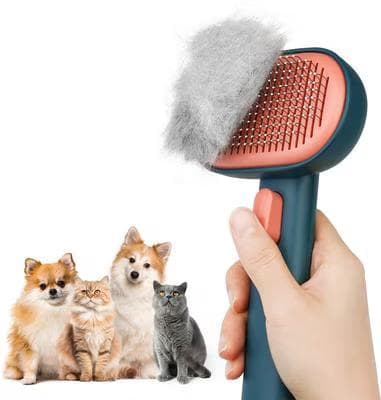
Bathing your dog roughly once a week measurably lowers the allergen on its coat, and regular brushing (ideally outdoors) removes trapped dander before it spreads indoors. A hypoallergenic or dander-reducing dog shampoo can help, and a good deshedding or slicker brush pulls loose undercoat and dander out of low-shedding breeds that hold onto it. Have a non-allergic family member do the brushing when possible, and wash your hands after handling the dog.
- Studies on dog allergen show that regular bathing meaningfully lowers the Can f 1 on a dog's coat between washes. Combined with outdoor brushing, it is one of the most effective, lowest-cost things you can do.
Create a dog-free zone
Keep the dog out of the bedroom entirely, and ideally off upholstered furniture. You spend six to nine hours a night in the bedroom, so making it a dog-free, dander-minimized zone gives your immune system a long daily break. Wash the dog's bedding weekly in hot water, and use easy-to-clean flooring and washable covers where you can.
Support your dog's skin health
A dog with healthy skin sheds less dry, flaky dander. Feed a complete, quality diet, keep up with parasite prevention, and ask your vet about omega-3 fatty acid supplements, which support the skin barrier. If your dog is itchy, over-grooming, or has flaky skin, that is a medical issue worth a veterinary visit, both for the dog's comfort and for your allergy load.
Talk to your own doctor
Human allergy treatment works. Antihistamines, prescription nasal sprays, and allergen immunotherapy (allergy shots) can dramatically improve tolerance to dog allergen. Manage your dog's environment and your own treatment together, rather than relying on either alone. If you also share your home with cats, note that cat allergen (Fel d 1) is a separate, often stronger trigger; our guide to hypoallergenic cats and the companion piece on whether truly hypoallergenic cats exist cover that side.
How to Test Your Allergies Before Adopting
The single most useful thing you can do before adopting a hypoallergenic dog is to test your own reaction to the specific dog, not the breed in the abstract. Individual dogs within a breed produce different amounts of allergen, and human sensitivity varies just as much, so a breed label cannot predict your response.
Spend real time with the individual dog
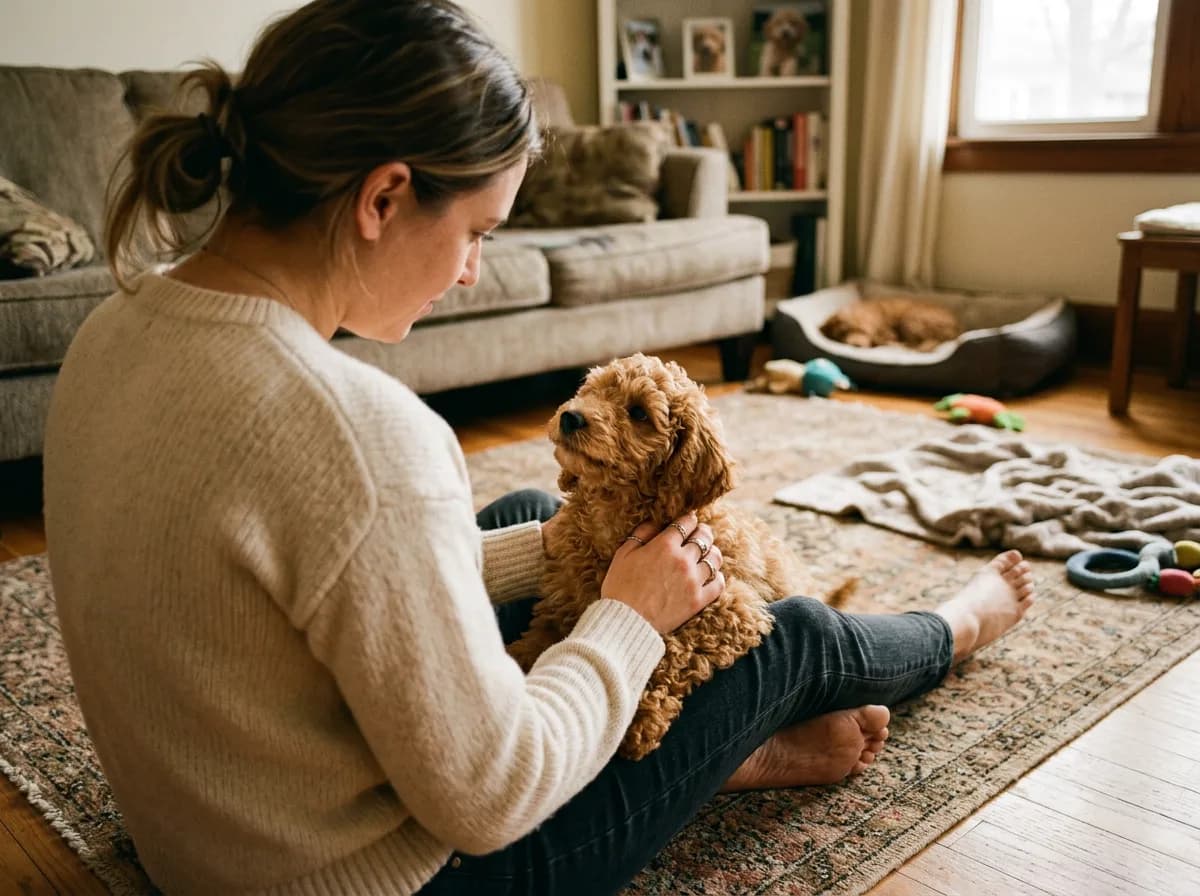
Arrange to spend several hours over multiple visits with the actual dog you are considering, ideally in an enclosed space like the breeder's or foster home. Pet the dog, let it sit near you, and see how you feel over the following 24 to 48 hours. A brief meeting can miss a delayed reaction, so give it time. If you react strongly to that specific dog, no amount of grooming will fully fix it.
Confirm your triggers with an allergist
Before you commit, see an allergist for a skin-prick or blood (specific IgE) test to confirm you are actually allergic to dogs and not to something else in the environment, like dust mites or pollen the dog carries indoors. Many people who assume they are "allergic to dogs" are reacting to a mix of triggers, and knowing your real profile helps you plan realistically. For sensitive breeds that carry inherited conditions, and for doodles in particular, it is also worth pricing pet insurance early, since coverage is cheaper before any condition is on record.
- If you have a diagnosed dog allergy, never adopt sight-unseen or based on a breed reputation alone. Test your reaction to the individual dog first, and have an allergy management plan ready before the dog comes home.
Once you have chosen well and set up your routine, most allergy sufferers can live comfortably with a low-allergen dog. Browse the full lineup of low-shedding and hypoallergenic dog breeds to shortlist the breeds that fit your home, grooming budget, and activity level.
Frequently Asked Questions
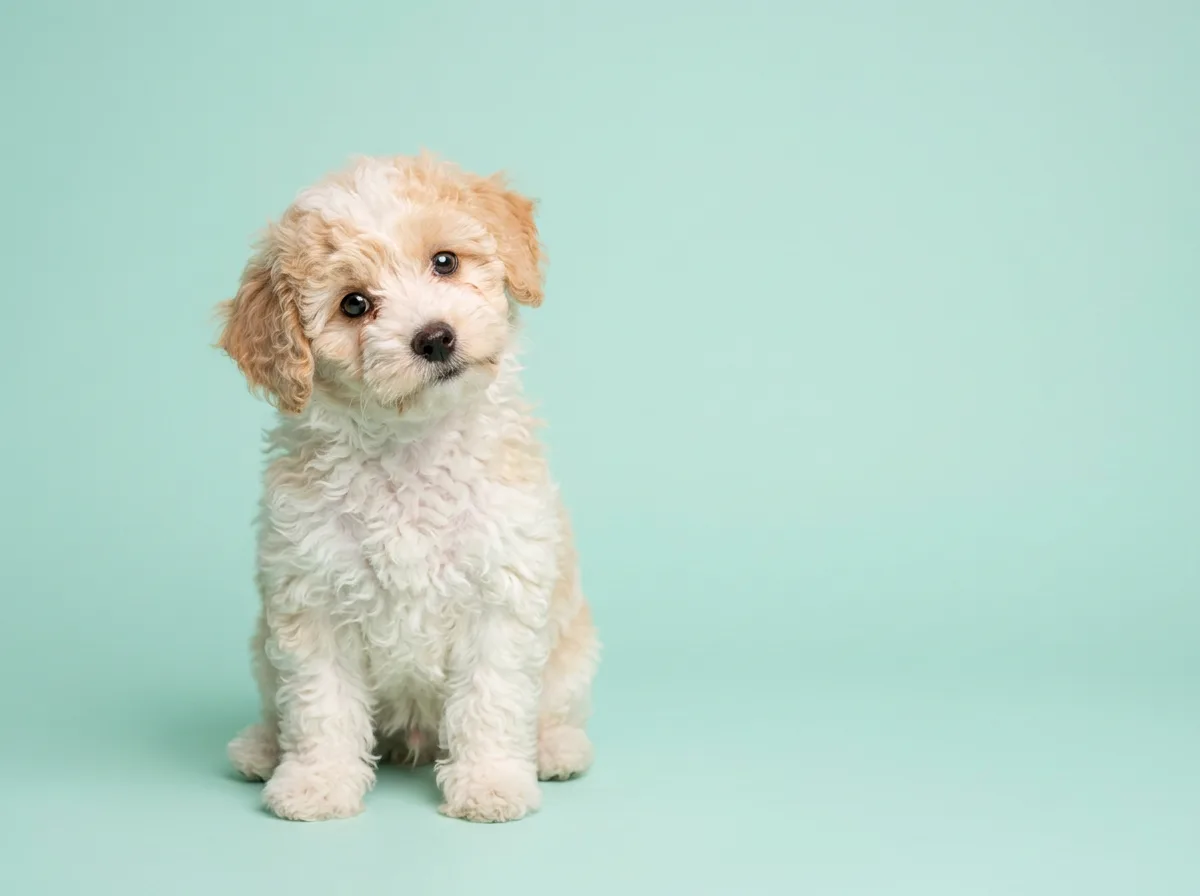
The Poodle is the breed most often ranked as the most hypoallergenic, thanks to its curly, continuously growing, very low-shedding coat that traps dander. Bichon Frise, Portuguese Water Dog, and Maltese are close contenders. Remember that no dog is fully allergen-free, and the "most hypoallergenic" dog for you is the individual one whose dander you personally tolerate best.
Hypoallergenic means "less likely to cause an allergic reaction," not "allergen-free." It is a relative, unregulated label. Every dog produces the Can f 1 allergen protein in its dander and saliva, but low-shedding breeds spread less of it around the home, so they tend to provoke fewer symptoms in sensitive people.
Affection is individual, but several low-allergen companion breeds are famously devoted, which matters if you want an allergy-friendly dog that bonds closely. The Havanese, Maltese, Bichon Frise, and Bolognese are all known for being loving, people-oriented lap dogs, so allergy sufferers do not have to trade a low-shedding coat for a close companion.
Apartment bans come from landlords and insurers, not allergy science. The dogs most commonly restricted are large or powerful breeds such as Pit Bull types, Rottweilers, Dobermans, German Shepherds, Mastiffs, Great Danes, Akitas, Cane Corsos, Huskies, and wolf hybrids, plus dogs over a building's weight cap. Most small, low-allergen breeds are not restricted, but always confirm your specific building's pet policy in writing.
The Basenji is often called the cleanest house dog because it self-grooms like a cat, sheds minimally, and has almost no doggy odor. Poodles and Bichon Frises are also very clean because their coats trap loose hair and dander rather than scattering it. No dog is truly odorless or hair-free, but these breeds keep a home tidier with regular grooming.
The Bichon Frise is a top pick for the calmest non-shedding dog: affectionate, adaptable, low-shedding, and happy with moderate activity. The Maltese, Bolognese, and Coton de Tulear are similarly gentle, quiet, and low-shedding, making them well suited to calm, sensitive households.
The Poodle is the number one hypoallergenic dog by consensus, because its curly, low-shedding coat traps dander, it comes in three sizes for any home, and it and its crosses were bred with allergy sufferers in mind. The American Kennel Club frequently lists it at the top of its low-shedding recommendations. Even so, choose based on your reaction to the individual dog.
Among low-allergen breeds, the Maltese, Havanese, Bichon Frise, and Bolognese are the most likely to be described as clingy or "velcro" dogs that want to stay close to their owners. That closeness is a plus for allergy sufferers seeking a devoted companion, but it also means more direct contact with dander, so keep up the bathing and dog-free bedroom routine.
BVMS, MRCVS
Dr. Pippa Elliott, BVMS, MRCVS, is a veterinarian with nearly 30 years of experience in companion animal practice. Dr. Elliott earned her Bachelor of Veterinary Medicine and Surgery from the University of Glasgow. She was also designated a Member of the Royal College of Veterinary Surgeons. Married with 2 grown-up kids, Dr. Elliott has a naughty Puggle named Poggle, 3 cats and a bearded dragon.
Sign up for expert-backed reviews and safety alerts all in one place.