Australian Cattle Dog Mixes: Traits, Sizes and Care
Compare Australian Cattle Dog mixes by likely size, coat, energy, training, health questions and household fit while keeping parentage and individual variation visible.
Petful is reader supported. As an affiliate of platforms like Amazon and Chewy, we may earn a commission when you buy through links on this page. There is no extra cost to you.
An Australian Cattle Dog mix can inherit any combination of size, coat, behavior and health traits from both sides of its family. Informal names such as Texas Heeler or Border Heeler describe possible ancestry, not a predictable package.
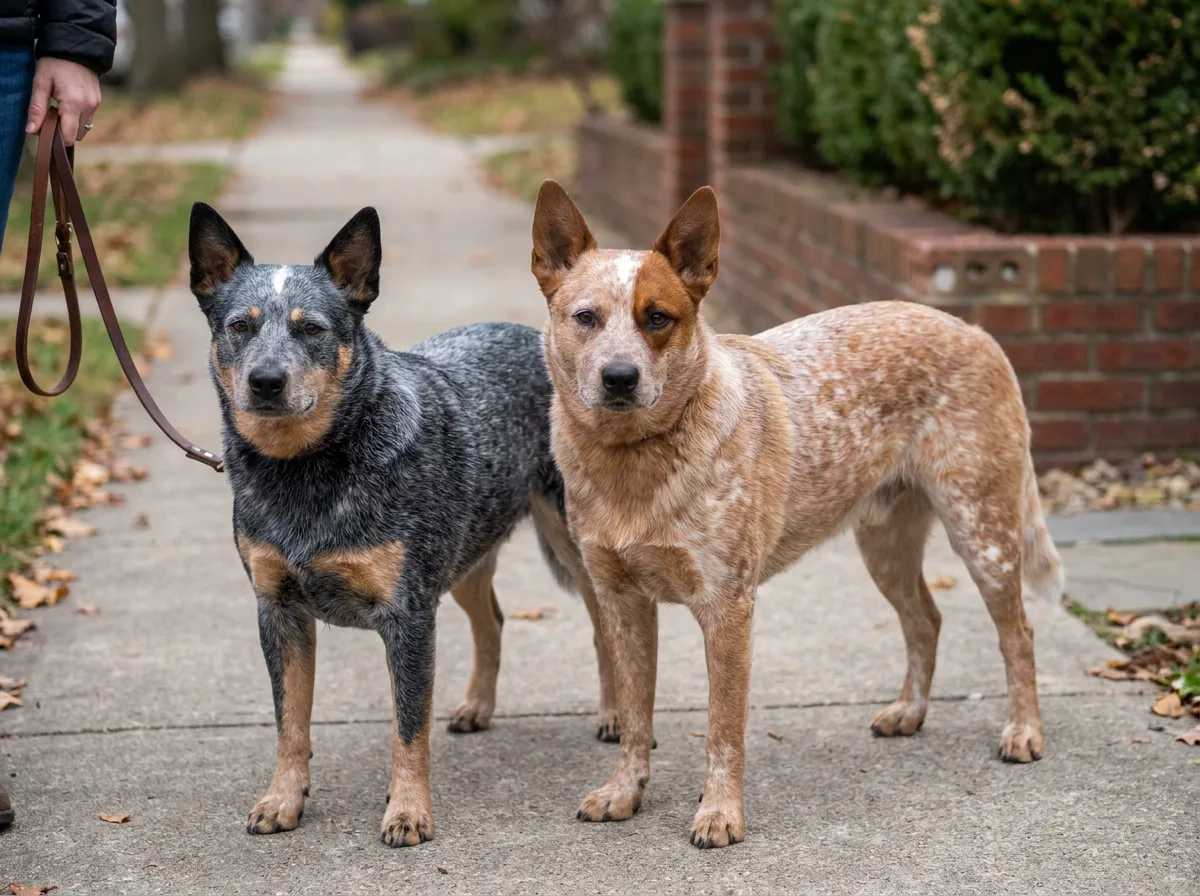
Blue Heeler and Red Heeler refer to the pure Australian Cattle Dog parent breed. For a mixed dog, this guide focuses on documented ancestry, adult measurements, observed behavior and household fit. When parentage is unknown, a breed-ancestry test such as the Embark Breed ID kit can add evidence, within its limits.

Sign up for expert-backed reviews and safety alerts all in one place.
Australian Cattle Dog mixes at a glance
Most Australian Cattle Dog mixes land between the sizes of their two parents. The cattle dog side stands about 17 to 20 inches and weighs about 35 to 50 pounds, according to the AKC, while a Labrador, German Shepherd or Husky parent can push an adult well above that and a Corgi, Beagle or Jack Russell parent can pull it below. The table compares the common crosses.
- 1An Australian Cattle Dog mix can inherit any combination of traits from both sides and from the individual family line. A nickname cannot promise size, coat, energy, behavior or health.
- 2Appearance-based breed guesses and midpoint averages can create unsafe expectations for exercise, housing, children or other animals.
- 3Evaluate the actual dog, then use possible ancestry to form questions rather than conclusions.
| Mix | Other parent | Other parent's adult size (AKC) | Coat and care notes |
|---|---|---|---|
| Australian Cattle Dog (baseline) | Not a mix | 17 to 20 in; 35 to 50 lb | Short double coat; high stamina and movement sensitivity |
| Texas Heeler | Australian Shepherd | 18 to 23 in; 40 to 65 lb | Coat may be longer and fuller; two herding backgrounds |
| Border Heeler | Border Collie | 18 to 22 in; 30 to 55 lb | Smooth or rough coat; very responsive to motion |
| Labraheeler | Labrador Retriever | 21.5 to 24.5 in; 55 to 80 lb | Short dense coat; may enjoy retrieving and water; watch food intake |
| Pit Heeler | American Staffordshire Terrier (one pit bull type breed) | 17 to 19 in; 40 to 70 lb | Short coat; strong, muscular build |
| Cattlejack | Parson Russell or Russell Terrier | 10 to 14 in; 9 to 17 lb | Can be small but fast and persistent; may dig |
| Ausky | Siberian Husky | 20 to 23.5 in; 35 to 60 lb | Dense double coat; escape and vocal tendencies vary |
| Corgi cross | Pembroke Welsh Corgi | 10 to 12 in; up to 30 lb | Possible short legs and long back |
| Beagle cross | Beagle | Up to 15 in; up to 30 lb | Scent-driven; may be vocal |
| German Shepherd cross | German Shepherd Dog | 22 to 26 in; 50 to 90 lb | Often larger than the cattle dog parent |
| Kelpie cross | Australian Kelpie | 17 to 20 in; 35 to 50 lb | Close in size; high working stamina |
Begin with what is known about the parents or prior history, then update the plan from the dog’s actual size, coat, health, behavior and recovery. A nickname or photograph should create questions, not conclusions.
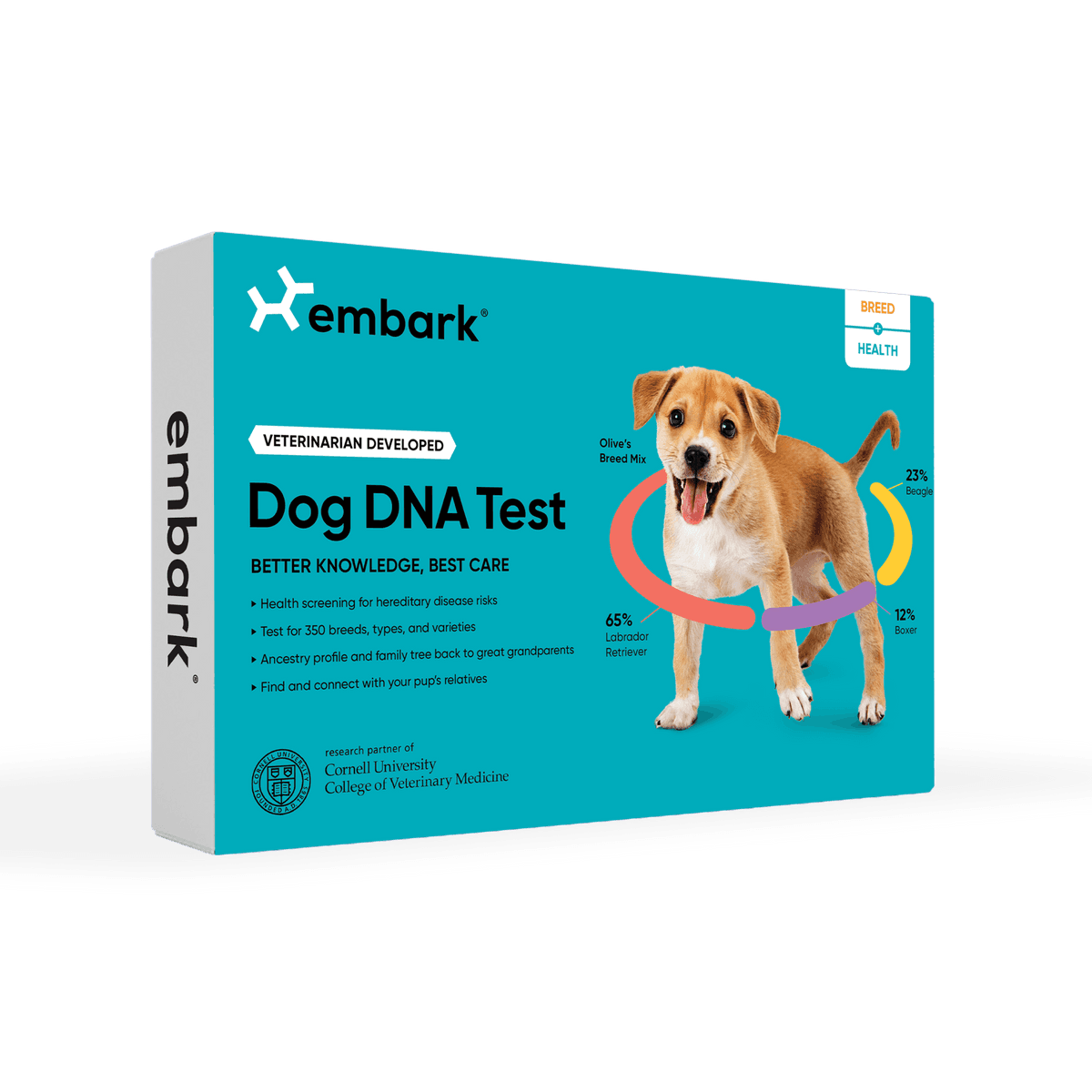
Petful may earn a commission when you click through to Embark, at no extra cost to you.
- Blue Heeler and Red Heeler name the Australian Cattle Dog parent breed; they do not make a mixed dog’s traits predictable.
Identify a mix without guessing from appearance
A spotted coat, upright ears or intense herding behavior can appear in many breeds and mixes, so appearance is weak ancestry evidence. Shelter labels are useful working descriptions but should remain uncertain when parentage is unknown. A DNA test may add ancestry information within the company’s reference panel and statistical limits.
Adult measurements, behavior history and clinical records remain necessary even when ancestry is known. Use possible breeds to ask better questions, not to excuse behavior or promise a trait.
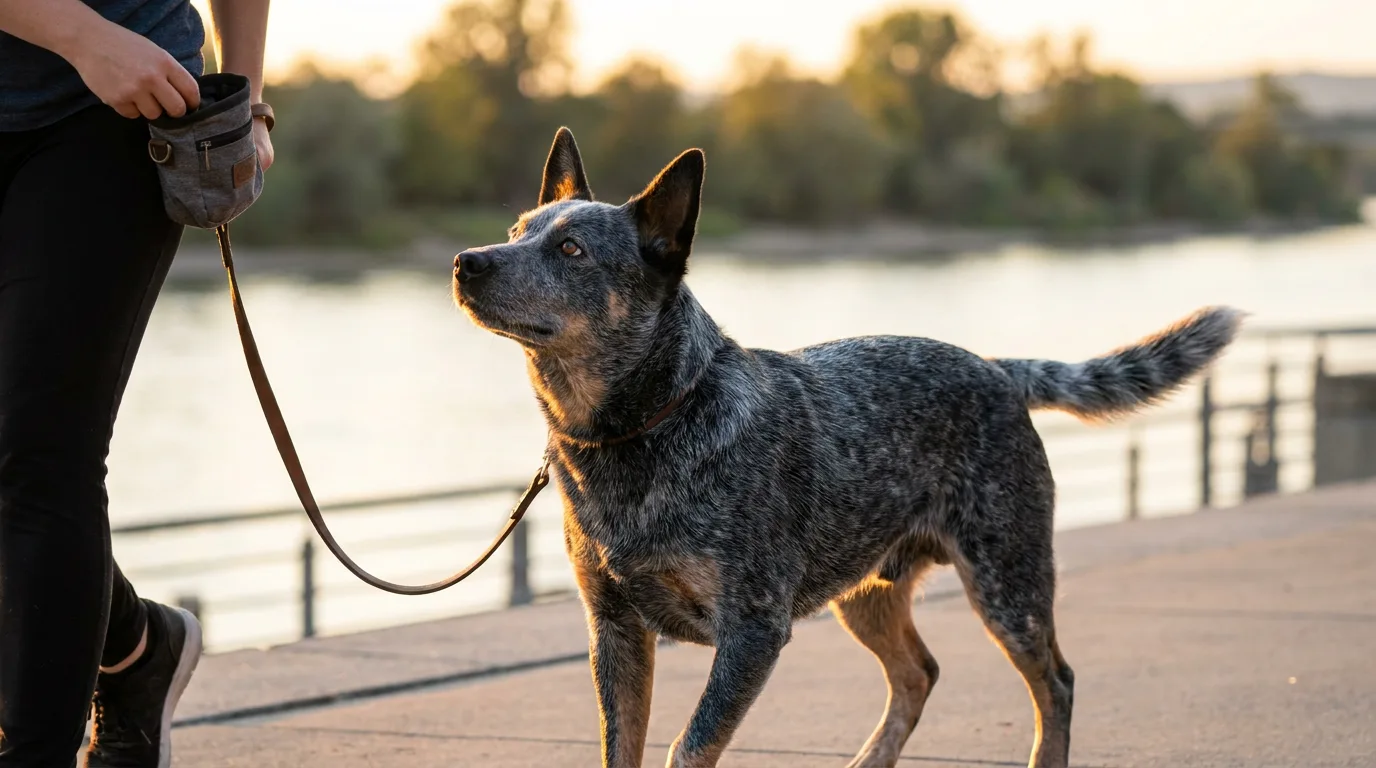
Choose a front-clip harness such as the PetSafe Easy Walk from the mixed dog’s actual chest and shoulder movement, not a Texas Heeler or Border Heeler label, and recheck fit after weight or coat changes.
Texas Heeler: Australian Shepherd cross
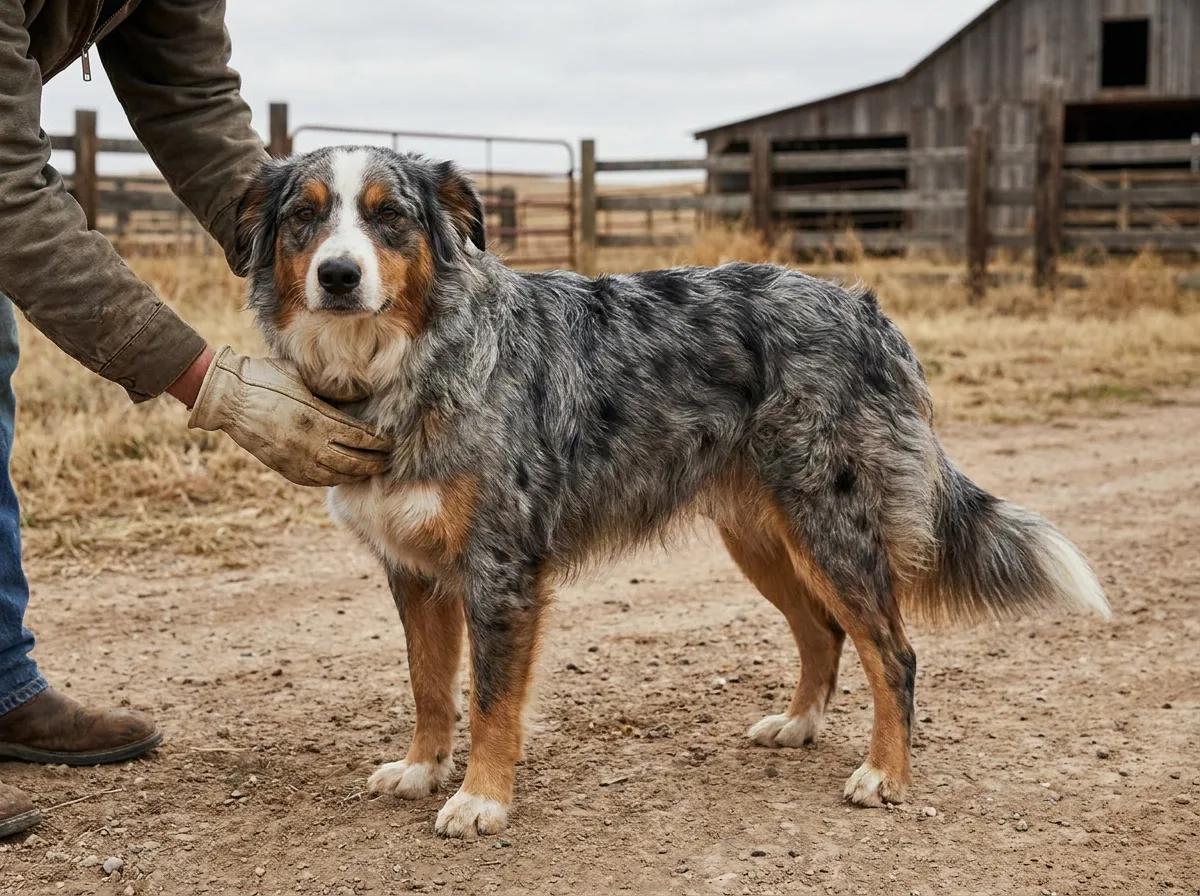
Texas Heeler commonly refers to an Australian Cattle Dog and Australian Shepherd mix. The cross may be highly active and visually variable, and the name alone does not predict coat, adult size or working style. Because it joins two herding backgrounds, ask what the dog does around running people, stock and wheeled movement rather than assuming a fixed intensity.
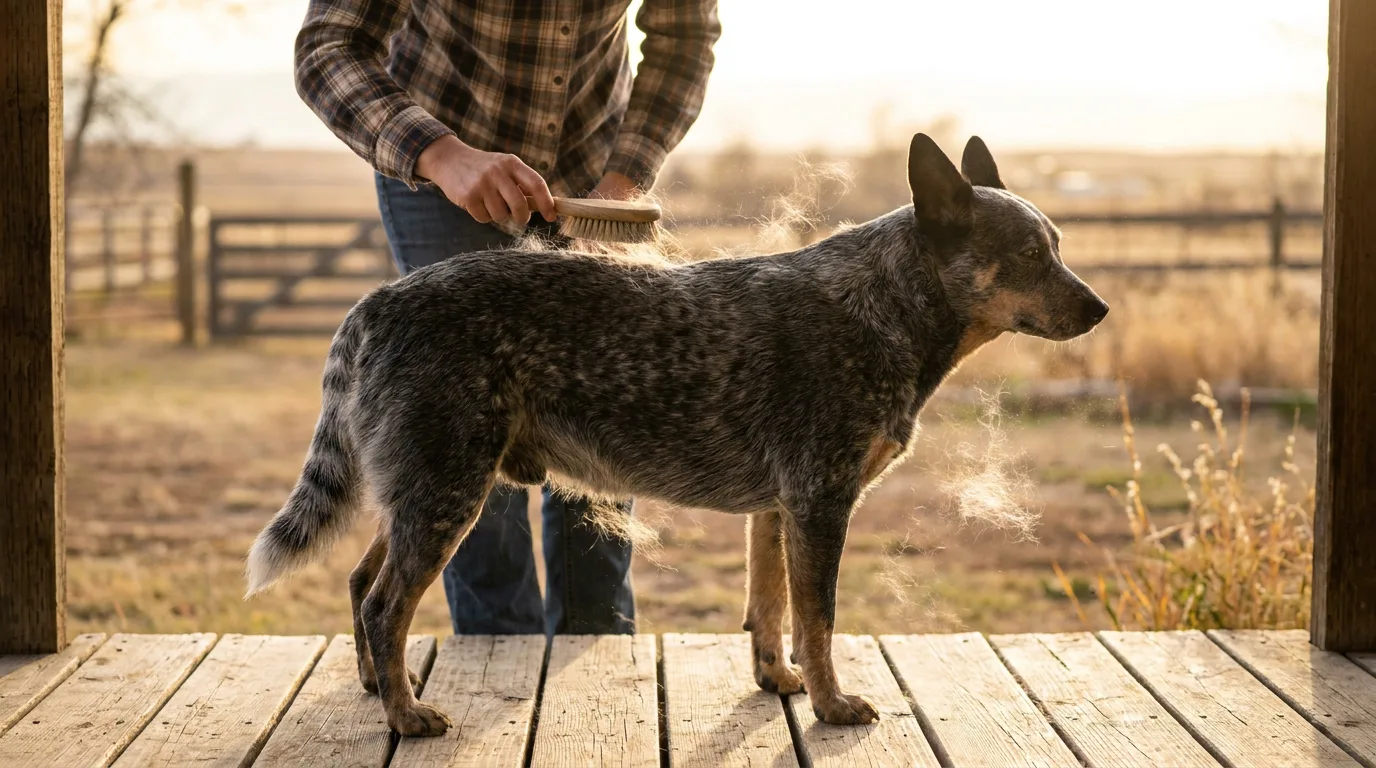
Australian Shepherd ancestry may contribute a longer or fuller coat, but grooming needs should be set from the adult coat in hand. Record how quickly the dog settles after work, because endurance without recovery does not produce an easy household routine. An undercoat rake helps when the Australian Shepherd side shows up as a fuller double coat.
Verify known parent records and keep unknown parentage labeled instead of treating the name as a pedigree.
Border Heeler: Border Collie cross
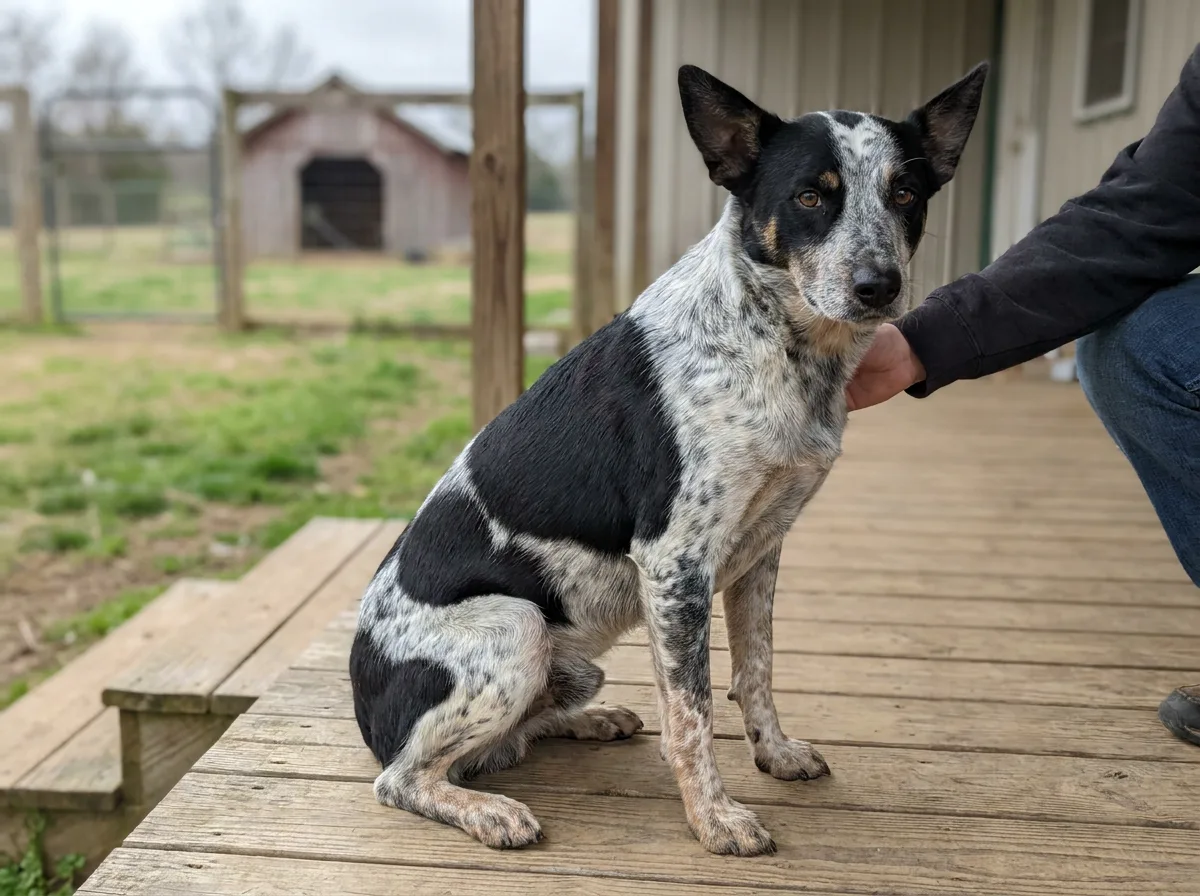
Border Heeler commonly refers to an Australian Cattle Dog and Border Collie mix. Both parent breeds can contribute intense responsiveness to movement, so early prevention of chasing and fence running is especially valuable. Train orientation, stationing and release cues away from triggers before asking for those skills near fast movement. Our guide to Border Collie mixes covers the other side of the family.
Alternate precise skill work with sniffing and rest so arousal is not mistaken for a need for endless drills. Assess sociability, resilience and handling on the individual dog because intelligence does not answer those questions. A snuffle mat turns part of a meal into a sniffing task that helps arousal come down after skill work.
Labraheeler: Labrador Retriever cross
Labraheeler commonly refers to a Labrador Retriever and Australian Cattle Dog cross. Social style, coat, retrieving interest and herding behavior can land anywhere within a broad family range.
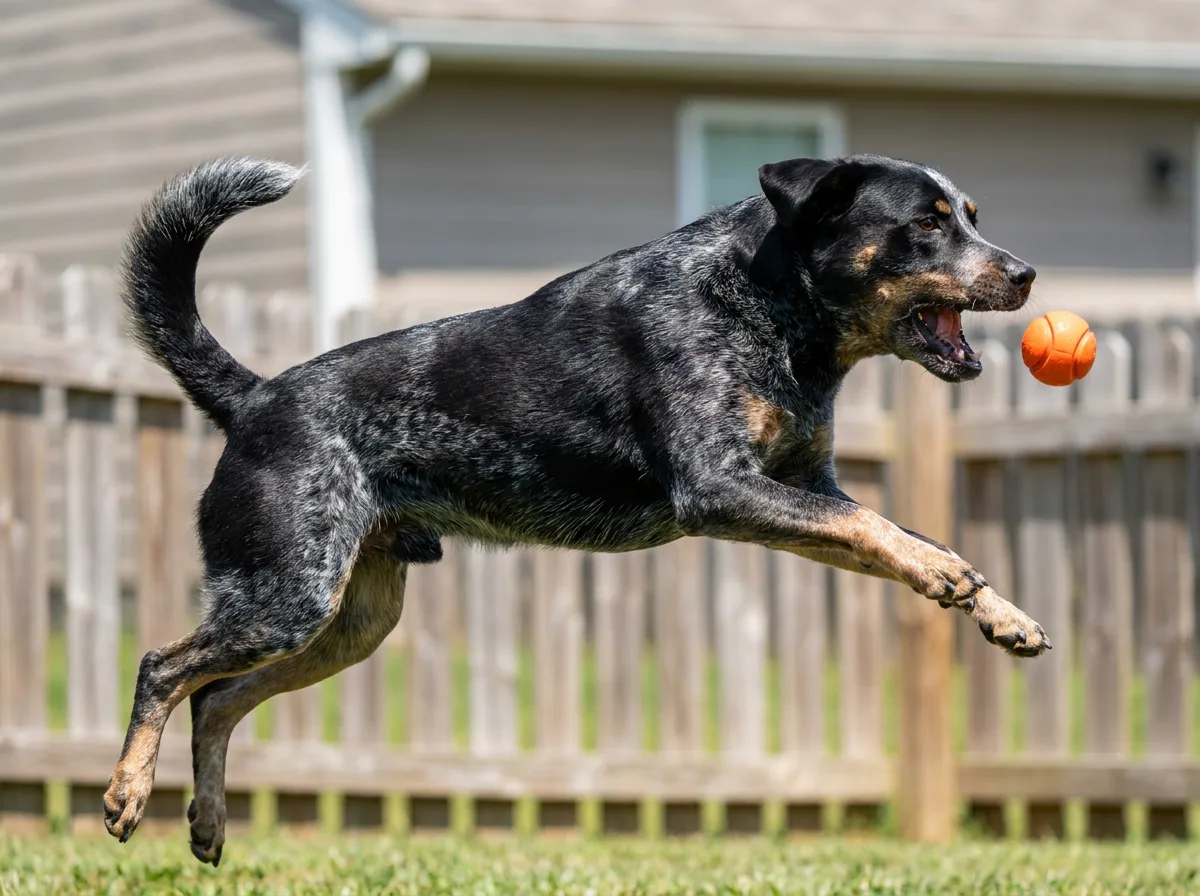
A Labraheeler may enjoy food, retrieving, water or social contact, but none of those interests is guaranteed by the name. Count training food in the daily ration and track body condition even when the dog appears highly active.
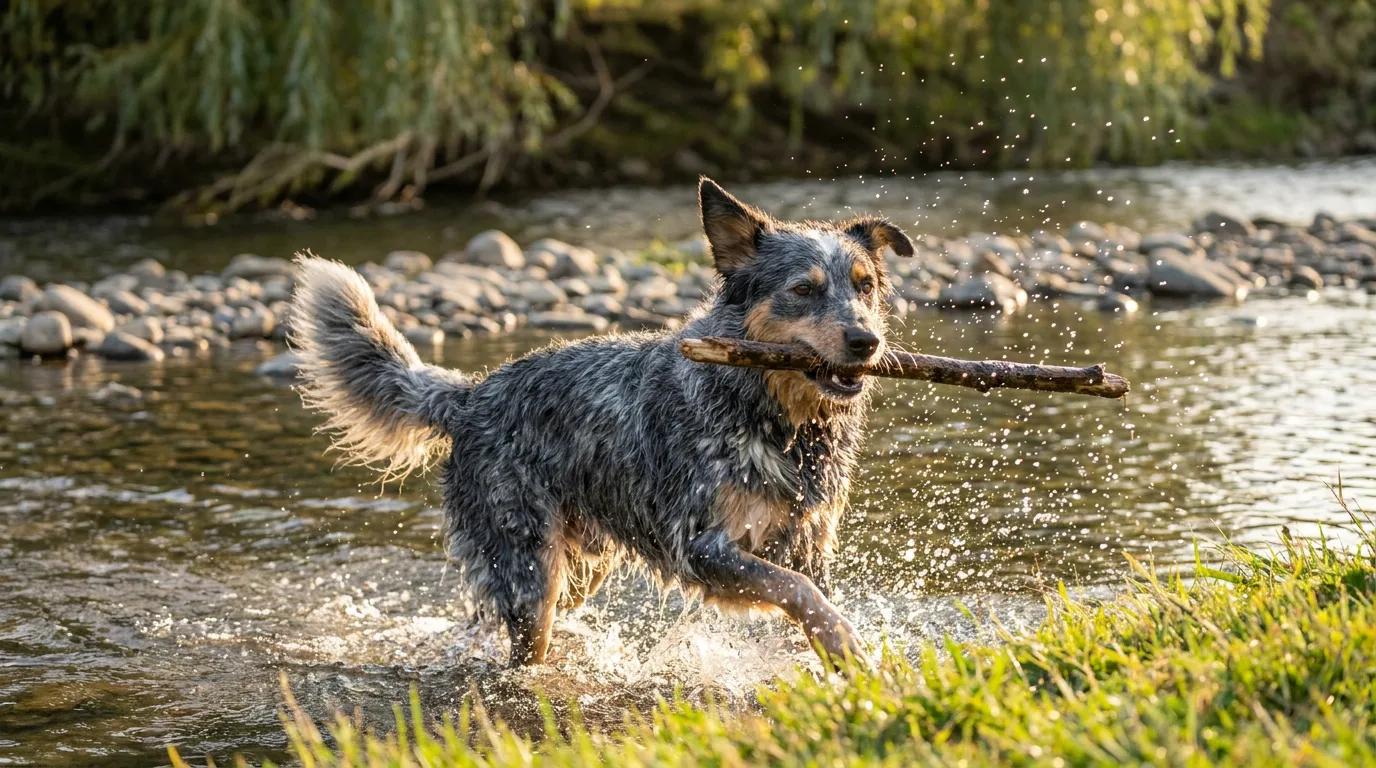
Test water confidence in a safe, voluntary setup and provide an exit rather than assuming inherited swimming ability. Use the foster or owner history to understand greetings and household behavior instead of expecting one parent to soften the other. For water sessions, a dog life jacket adds buoyancy while confidence builds.
Pit Heeler: pit bull type cross
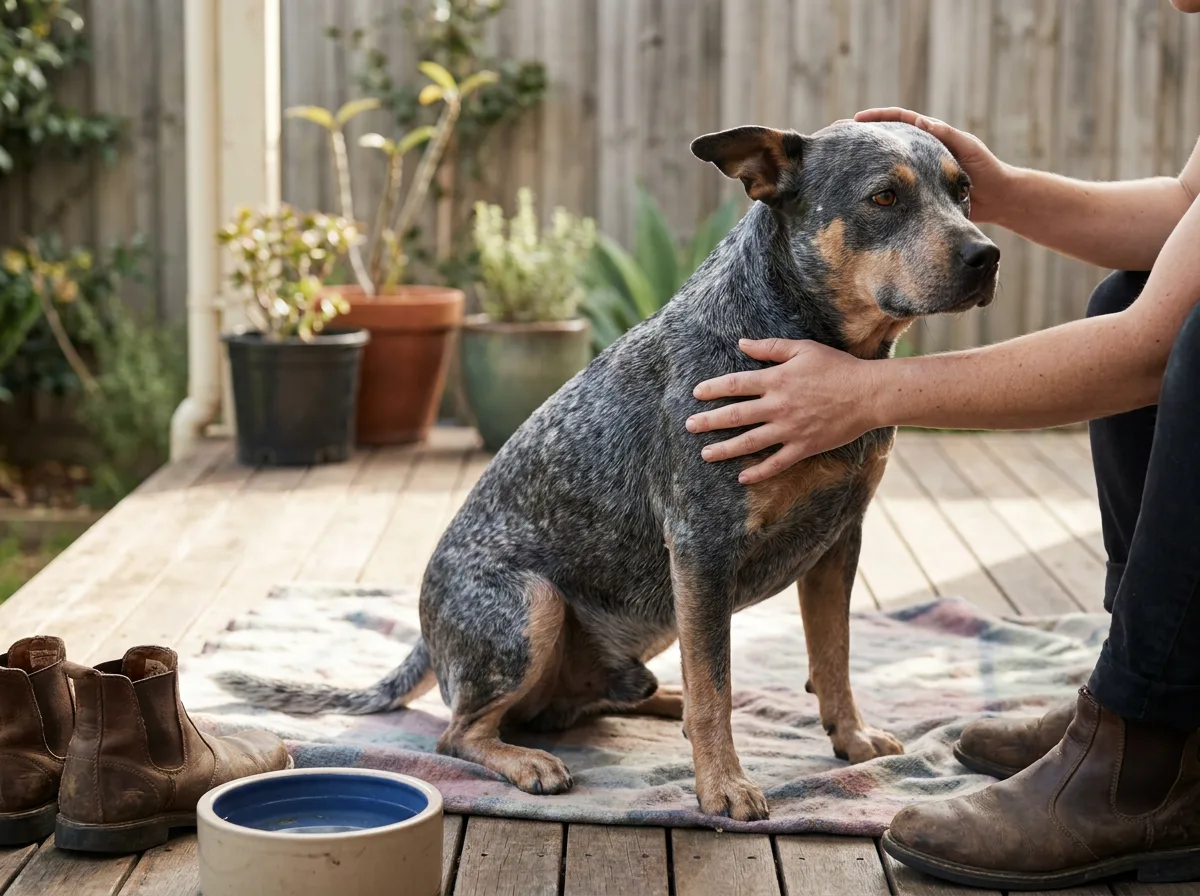
Pit Heeler is an informal label for an Australian Cattle Dog mixed with a pit bull type dog. Because pit bull type covers several breeds, mixes and appearance-based shelter labels, direct records and the individual dog matter more than the nickname. Check local housing and insurance definitions separately from ancestry, since those systems may use different terms.
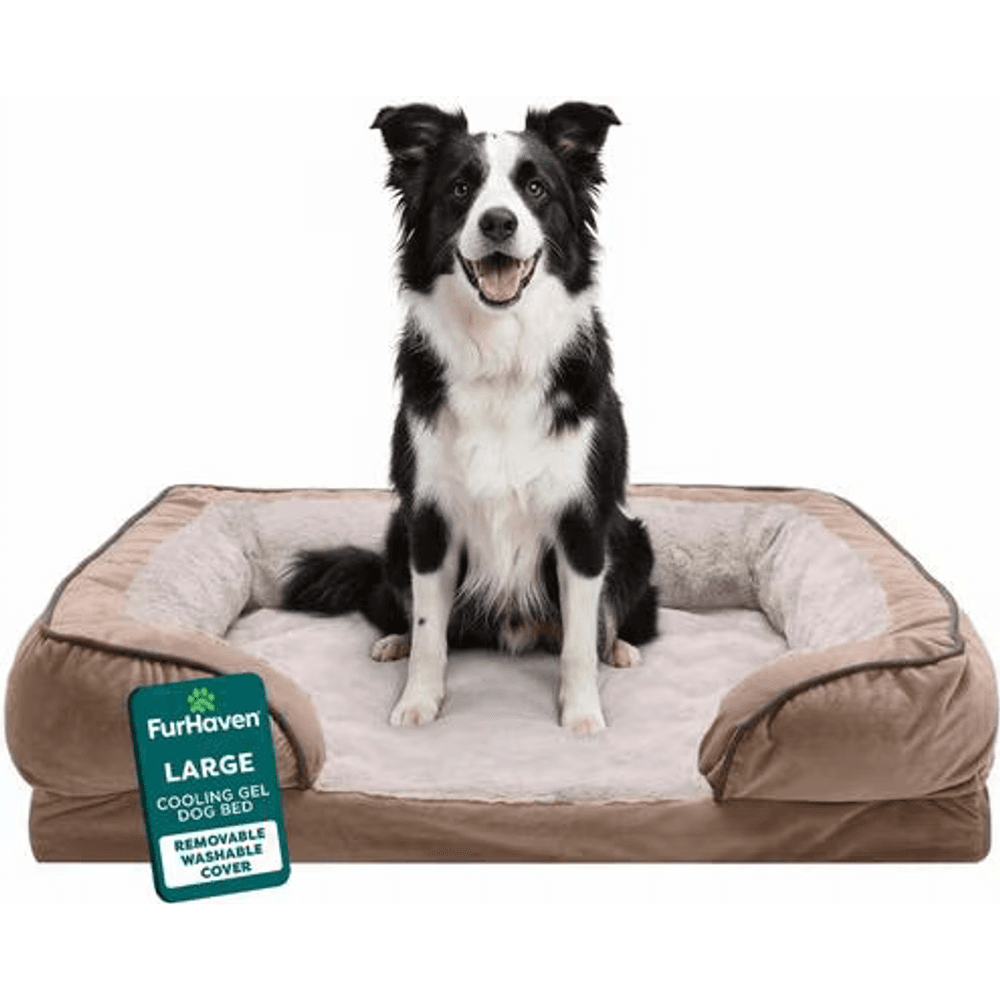
An orthopedic sofa bed with three bolstered sides for dogs who like to rest their head and joints against a cushion. The supportive foam base cradles hips and elbows, a comforting spot for an older or shaky dog to settle.
Petful may earn a commission when you click through to Chewy, at no extra cost to you.
Measure adult strength, handling comfort, resource behavior and dog-dog responses as distinct placement questions. Avoid both automatic danger claims and automatic reassurance; documented behavior and safety history must lead.
A KONG Classic stuffed with part of a meal can test one form of supervised food enrichment without assuming a cross’s energy needs. Begin simply, watch for frustration and guarding, and adjust difficulty from the individual dog’s response.
Cattlejack: Jack Russell Terrier cross
Cattlejack commonly describes an Australian Cattle Dog and Jack Russell Terrier cross. Small size is not guaranteed, and both sides can contribute fast reactions, persistence, digging and strong interest in small moving animals, so training and enrichment matter.
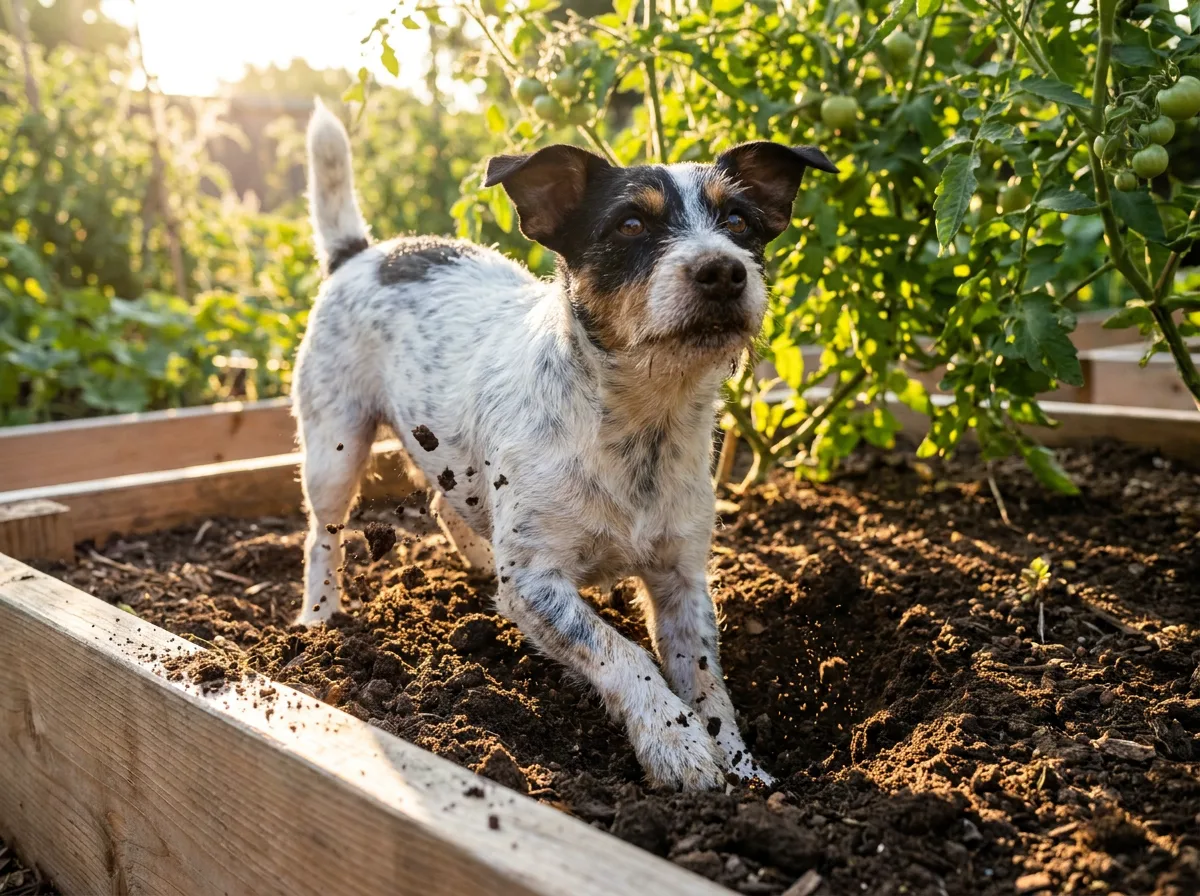
Inspect fencing near the ground and practice recall on a long line before trusting an open space.
Scent searches, rule-based tug and short skill sessions can provide outlets without turning every day into repetitive impact exercise. Plan cat and small-pet introductions with barriers because size does not reduce the consequence of pursuit.
Ausky: Siberian Husky cross
Ausky commonly describes an Australian Cattle Dog and Siberian Husky cross. Coat density, escape behavior, vocal behavior, roaming interest, response to warm weather and recall can vary widely within this informal label. A secure fence and supervised outdoor time matter more than confidence that either parent breed will stay close.
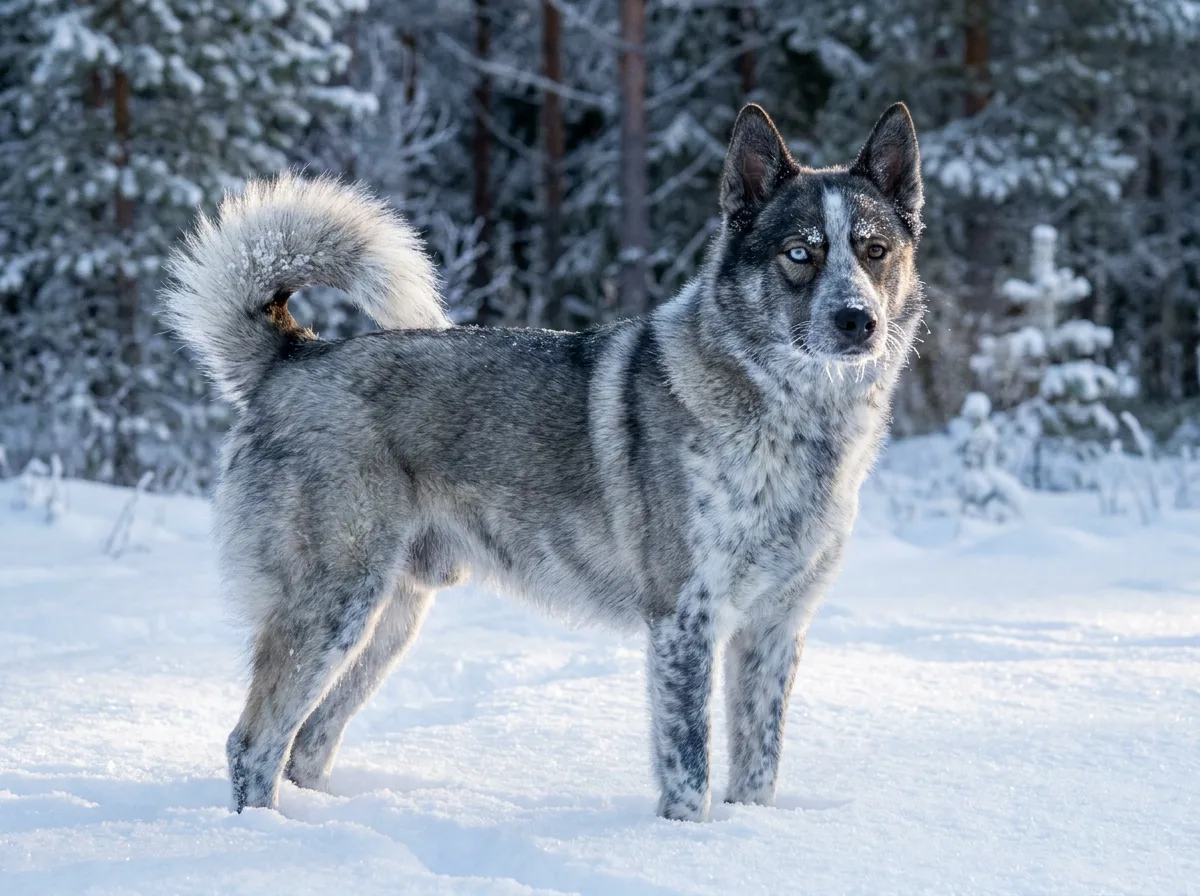
Build recall with a long line where failure is safe and reinforce voluntary check-ins heavily. Inspect and dry the actual coat rather than applying one grooming calendar to every Husky and cattle-dog mix.
Corgi and Australian Cattle Dog mix
A Corgi and Australian Cattle Dog mix may combine two herding backgrounds, but body length, leg length, spine load, coat and behavior remain individual. The adult can have short legs and a longer back, a cattle-dog-like frame or proportions between those outcomes, and a cute low profile is not a health assessment.
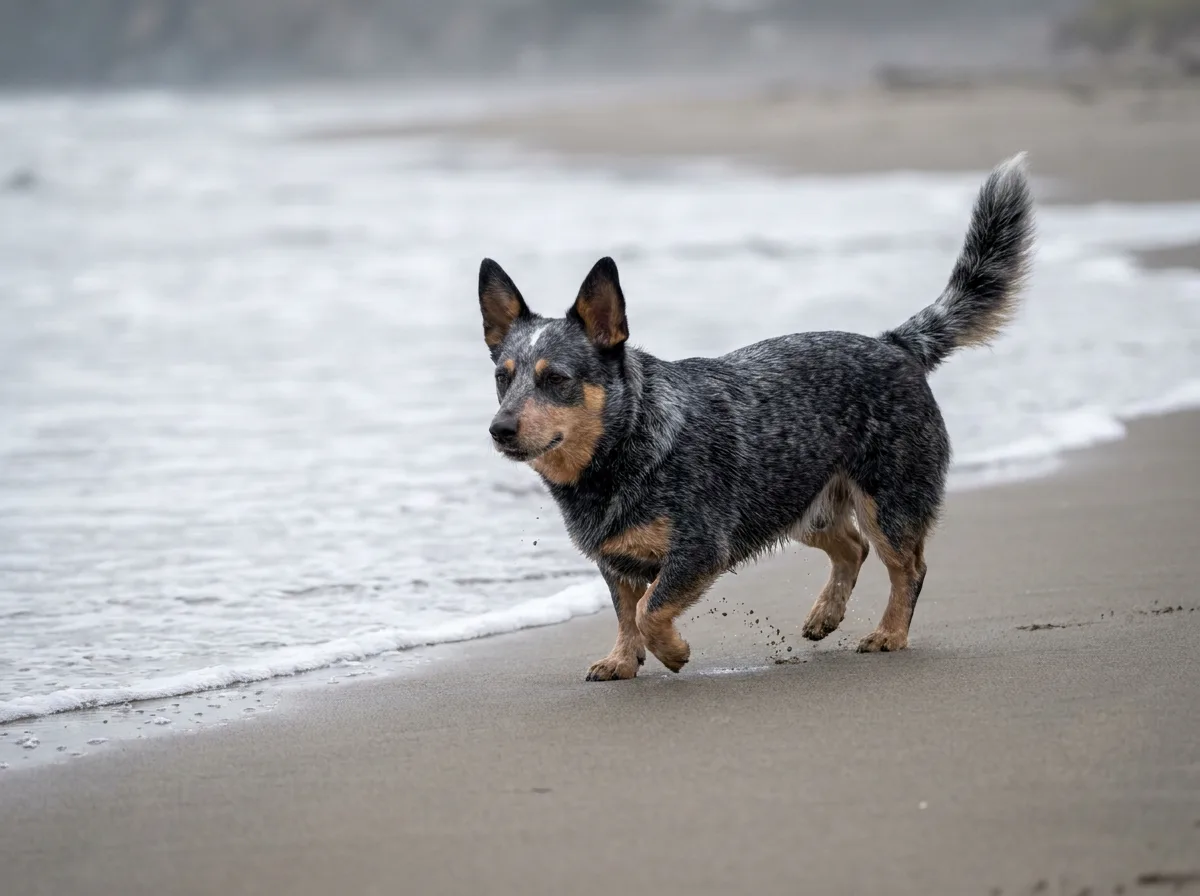
Track gait and body condition and discuss stiffness or reluctance to jump with the veterinarian instead of diagnosing from shape. Teach calm responses to running children because both ancestry possibilities may contribute herding interest.
Recheck harness clearance and step height as a puppy grows so equipment matches the body that actually develops. Pet stairs to a couch or bed cut down on repeated jumping for a long-backed mix.
Beagle and Australian Cattle Dog mix
A Beagle and Australian Cattle Dog mix may be motivated by scent, food, movement or different combinations in different places. Secure containment and reinforcement built around real motivation are more useful than assuming one parent will cancel the other.
Outdoor recall should begin with secure containment and rewards that can compete with real environmental smells. Freeze-dried liver treats are one high-value option that can compete with a fresh scent trail.
Sniffing routes and simple tracking can meet needs that a fast mileage target overlooks. Ask about alone-time response and vocal behavior directly because neither can be settled from ancestry alone.
German Shepherd and Australian Cattle Dog mix
A German Shepherd and Australian Cattle Dog mix can mature into a powerful, alert dog with substantial exercise and training needs. Adult size and guarding behavior should be observed, not inferred from a puppy photograph. If the adult outgrows cattle-dog proportions, a larger double-door wire crate may be needed for comfortable turning.
Describe alerting or guarding through actual visitor, barrier and handling contexts rather than using protection as a vague compliment.
Reward neutral observation and disengagement before reactions intensify, with secure management during introductions. Parent screening can inform questions, but the dog's own examination, gait and medical record determine current care. WebVet’s overview of hip dysplasia in dogs explains the signs to watch in a large, active mix.
Kelpie and Australian Cattle Dog mix
A Kelpie and Australian Cattle Dog mix may come from parents selected for sustained stock work, so the dog’s ability to transition into rest matters as much as its stamina. The actual dog’s recovery, social history and ability to settle should guide placement.
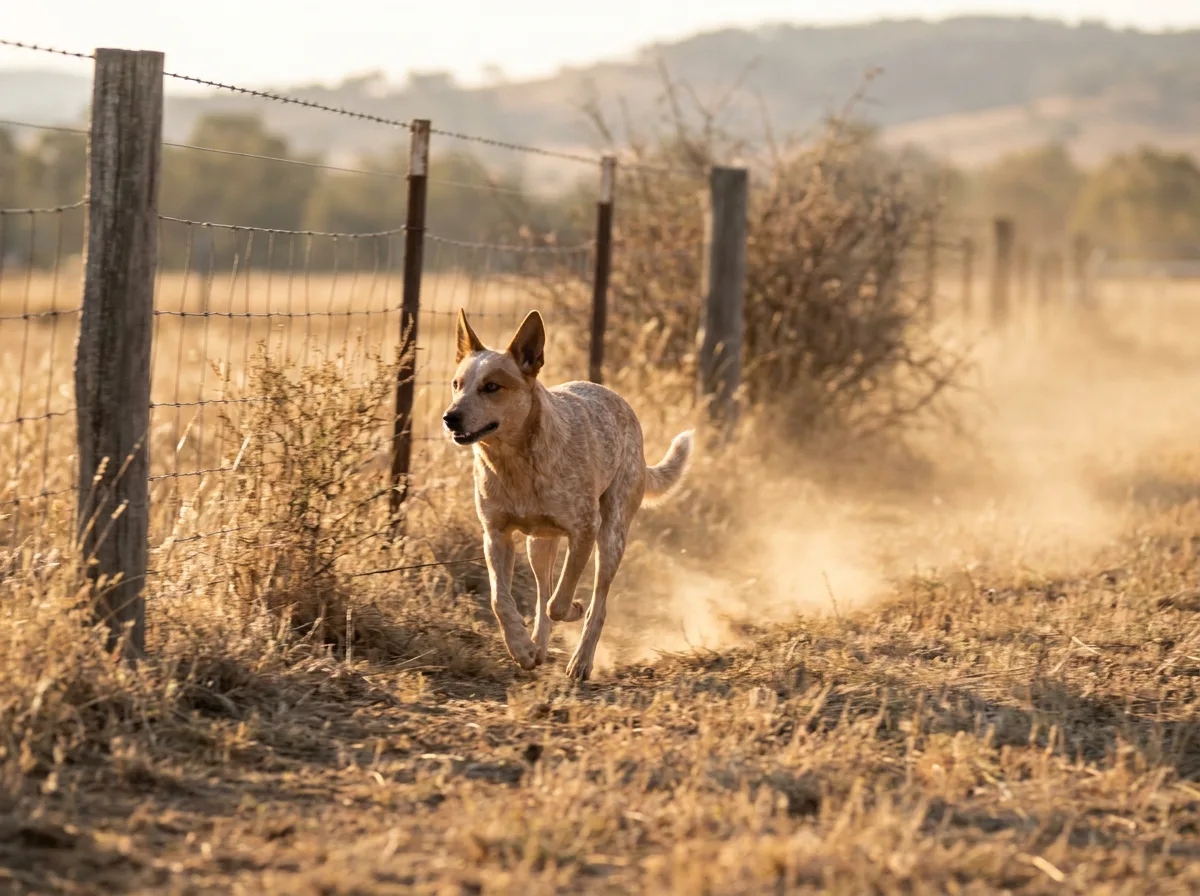
Ask whether the dog has experience with indoor routines, traffic, livestock, children and confinement rather than equating work capacity with household readiness. Practice stops, directional cues and stationing under qualified guidance while protecting stock and dog welfare.
Monitor paws, heat recovery and gait during demanding activity and reduce workload when recovery changes. A collapsible water bowl makes regular drink breaks practical on long outings.
Compare adult size and coat variability
The cattle dog parent is a medium, compact dog of about 17 to 20 inches and 35 to 50 pounds. The other parent moves that range: AKC figures put a Labrador Retriever at 55 to 80 pounds and a German Shepherd Dog at 50 to 90 pounds, while a Pembroke Welsh Corgi stands only 10 to 12 inches. Use the comparison table near the top as a planning range, not a prediction.
Parent size may narrow a mixed dog’s range, but adult measurements and growth history provide stronger planning evidence than a mix nickname.
- Start from known parent measurements, with the cattle dog side at about 35 to 50 pounds, then update space, equipment and nutrition decisions from the individual dog’s current height, weight and condition.
Compare energy, herding behavior and trainability
The crosses differ most in what competes with the cattle dog’s movement sensitivity. Drawn from the parent-breed sections above, these are the patterns to test first in the individual dog, not traits to assume:
- Herding partners (Australian Shepherd, Border Collie, Kelpie, Corgi): two herding backgrounds can double the pull toward running people, wheels and stock, so early chase prevention, stationing and a trained off switch matter more than extra mileage.
- Beagle: scent and food can outcompete movement, so recall has to beat real smells and vocal behavior needs its own plan.
- Labrador Retriever: retrieving, water and food often make useful rewards, but training food must be counted in the daily ration.
- German Shepherd Dog: a larger, alert adult whose alerting and guarding should be assessed with visitors and barriers before training plans assume either.
- Jack Russell or Russell Terrier: persistence, digging and small-animal pursuit call for low fencing checks and long-line recall.
- Siberian Husky: escape, roaming and vocal behavior can outweigh trainability on cue, so secure fencing comes before off-leash trust.
- Pit bull type: strength, handling comfort and dog-dog responses are placement questions to observe, not to infer from the label.
Fit for a mixed dog depends on the behavior already observed, the household’s movement and the ability to provide supervision, activity and rest. Ask how the dog responds to children, visitors and other animals instead of inferring compatibility from the cross. A sudden behavior change still needs veterinary attention.
Health, sourcing and household fit for a mixed dog
Ask a mixed-dog source to separate documented parentage from visual guesses, avoid deposits driven by countdowns or shipping pressure, and plan an independent veterinary examination and a gradual transition regardless of price.
Questions for a foster home or current owner
The most useful mix information comes from someone who has seen the dog live through ordinary days. Ask where the dog sleeps, how long it settles after exercise, what happens when visitors enter, how it behaves around food and toys, and whether bicycles, runners, livestock or small animals trigger chasing. Request examples rather than adjectives. “Friendly” is less useful than a description of how the dog approached, whether contact was invited and how quickly the dog disengaged.
Ask about the contexts the source has not tested. A foster home without children cannot promise child compatibility, and a rural foster may know little about elevators or dense sidewalks. Medical records should be separated from guesses about ancestry. Record dates for vaccines, parasite care, injuries, medications and examinations, then ask the veterinarian what needs confirmation after adoption.
A candid source should be able to describe both strengths and management needs. Listen for how the dog responds to being left alone, grooming, car travel, barriers, unfamiliar dogs and handling of paws or ears. If an answer is uncertain, keep it uncertain and plan a controlled introduction or management step instead of turning it into a guarantee.
A first-month observation plan for an Australian Cattle Dog mix
Keep the first month predictable and add one variable at a time, so each new behavior can be traced to its cause. Use gates and leashes to prevent rushed interactions with children or resident animals while you learn the dog.
| Period | Focus | What to record |
|---|---|---|
| Days 1 to 7 | Sleep, meals, toilet trips, short walks and quiet decompression; no testing of every situation | Appetite, stool, water intake, medications and any signs of pain or illness |
| Week 2 | One manageable variable at a time: distance from movement, new walking surfaces, brief handling | Trigger, distance, body language, response to food and time needed to recover |
| Weeks 3 and 4 | Short skill practice and longer pieces of the real household routine | Patterns across days rather than one exciting outing |
| Any time | Persistent fear, guarding, separation distress or unsafe chasing | Share with a qualified reward-based professional |
| Any time | Vomiting, diarrhea, lameness, painful handling or abnormal thirst | Share with the veterinarian |

Petful may earn a commission when you click through to Chewy, at no extra cost to you.
Review the first month
At the end of the month, revise equipment sizes, exercise expectations, rest arrangements and training priorities from the dog's observed needs. DNA or parent information may still provide context, but the current dog should now supply much of the evidence needed for day-to-day decisions. Keep the log for later comparison after adolescence, a move, illness or another major change. The same dog may need a different plan when the environment changes.
What DNA results can and cannot add
A reputable DNA report can provide evidence about sampled genetic markers and may suggest breed ancestry within the company's reference database. It does not reconstruct every parent, guarantee an exact percentage or turn an informal mix name into a standardized breed. Results can vary among companies because panels, reference populations and algorithms differ. Save the laboratory, report date and dog identity alongside the result so later interpretations are not detached from their source.
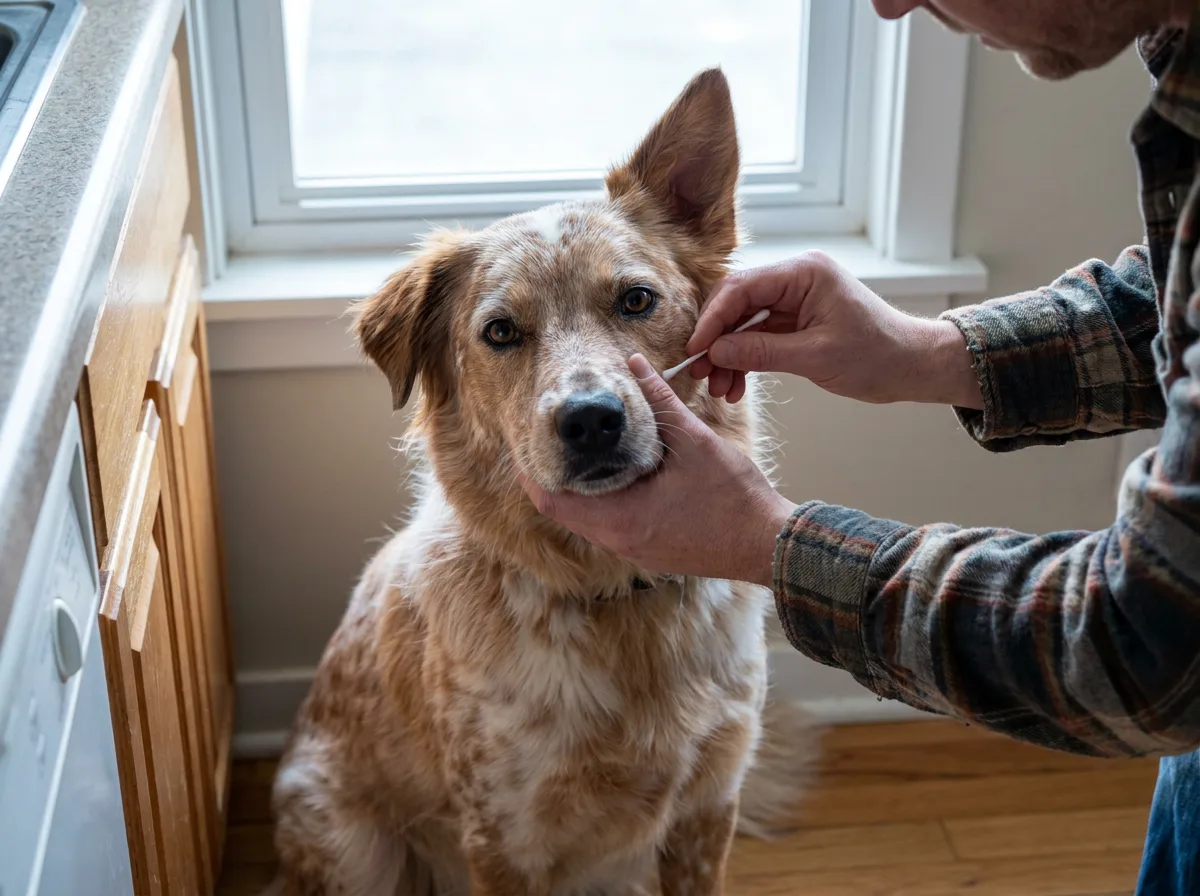
Use ancestry as context for questions, not as a verdict about behavior. A result that includes Australian Cattle Dog ancestry may prompt closer observation of movement sensitivity, stamina or herding behavior, but it cannot prove that the dog will nip, excel at a sport or need a fixed number of exercise minutes. Current behavior, learning history, pain, age and environment are more direct evidence for the training plan.
Health findings require the same precision. A carrier or risk result applies to the named variant and should be interpreted with a veterinarian. A clear result does not rule out every condition in a parent breed or diagnose the dog's current health. Physical examination, medical history and the right clinical test still matter when symptoms appear.
Compare an adult mixed dog's household fit
Begin with the space the dog actually uses. Measure doorways, gates, crate area and vehicle access, then compare them with the adult dog's standing height, body length and comfortable turning space. A compact Cattlejack may still jump or squeeze through barriers, while a German Shepherd and cattle dog mix may require stronger equipment and more room to turn than a puppy photograph suggests. In the car, a vehicle dog barrier keeps a larger mix from climbing forward while you drive.
Next map the household's movement. Record where children run, cats cross rooms, guests enter, bikes pass and dogs meet at narrow points. Herding interest, prey-related chasing, fear and social excitement can look similar from a distance but require different assessment. Use physical separation during uncertainty and introduce one variable at a time. Do not create a risky test simply to settle a breed guess.
Finally compare recovery and rest. Note how long the dog needs to settle after a walk, training session or visitor and whether the dog can sleep undisturbed. A dog that receives more and more intense exercise but never learns to come down may become fitter without becoming easier to live with. A balanced plan includes skill work, sniffing, age-appropriate movement, predictable quiet and management that prevents rehearsal of unsafe behavior.
Plan introductions to children, cats and dogs
For children, use an adult-managed barrier and begin with calm parallel activity rather than hugging, reaching over the dog or running. Teach children not to approach the dog's food, bed or chew items. Reward the dog for orienting to an adult, moving to a station and disengaging from motion. If the dog freezes, stalks, hard-stares, guards or attempts to nip, end the setup and seek qualified help before increasing access.
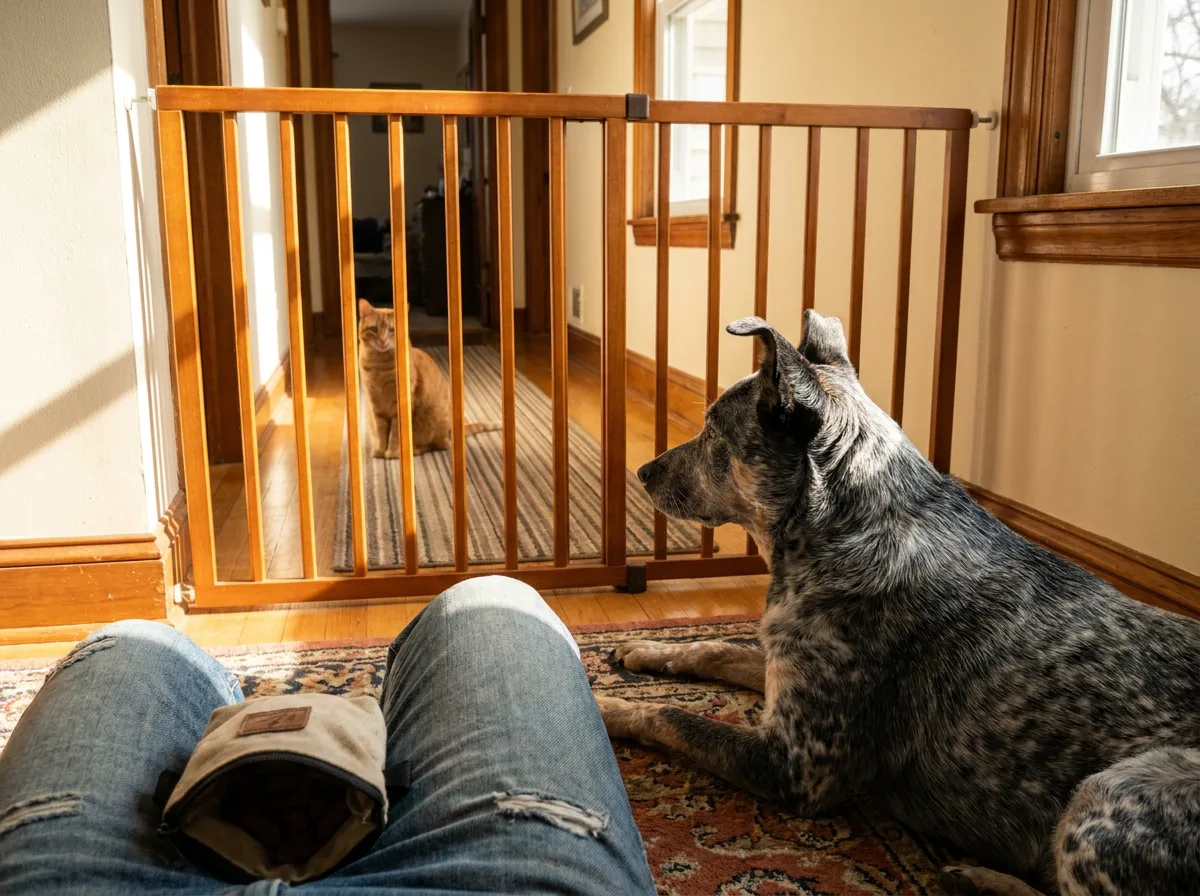
Cat introductions should protect the cat's escape routes and prevent pursuit from the first day. Start with separate spaces and scent information, then controlled viewing at a distance where the dog can remain responsive. A dog that is quiet but rigid and intensely tracking is not ready for closer contact. Never rely on the mix name to declare the pairing safe. A sturdy pet gate keeps those first viewing sessions controlled.
Dog introductions are often easier on neutral ground with space to move in the same direction. Keep leashes loose enough for natural movement while handlers maintain safe separation. Watch for curving approaches, pauses and easy disengagement as well as stiffness, repeated mounting, pinning or inability to break away. Compatibility with one dog does not establish compatibility with every dog.
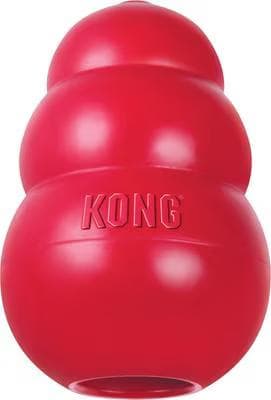
A durable rubber dog toy that can be stuffed with treats and selected by the manufacturer's size guide; supervise use and retire it when damaged.
Petful may earn a commission when you click through to Chewy, at no extra cost to you.
Exercise an Australian Cattle Dog mix without chasing exhaustion
Choose activity from the dog’s age, health, conditioning and observed recovery. Walking, sniffing, swimming where safe, hiking, tug, retrieving with a ball such as the Chuckit! Ultra Squeaker, scent searches and short training sessions load the body and brain differently. Rotate them instead of repeating maximal jumping or sharp turns every day. Puppies need controlled exploration and abundant sleep, while seniors may benefit from shorter outings on forgiving surfaces.
Increase one variable at a time: duration, speed, terrain, distraction or technical difficulty. Check paws and gait afterward and again once the dog has cooled down. A dog who keeps moving while excited may still be sore. Reluctance to rise, limping, shortened stride, excessive heat signs, collapse or a marked change in willingness requires rest and appropriate veterinary attention.
The weekly plan should include true low-demand periods. Food puzzles and training are still work, so an overaroused dog may need a quiet chew such as a Nylabone Power Chew, a supportive bed in a dim resting area or protected sleep instead of another challenge. Track which activities leave the dog relaxed and which produce hours of pacing, vocalizing or grabbing, and use that pattern to adjust the routine.
Source a mixed puppy without buying a promise
Ask to identify both parents and explain whether the pairing was planned, accidental or unknown. Review health and veterinary records linked to those animals, the conditions in which the litter is raised, early handling and social experiences, parasite care, contract and return support. A designer name, unusual color or claimed percentage does not replace this evidence.
Meet the puppy and dam when appropriate, or request a transparent live view and independent references when distance makes that impossible. Avoid countdown deposits, pressure to ship immediately and payment methods with no practical recourse. Plan an independent veterinary examination and keep the puppy on a quiet, predictable transition schedule regardless of the purchase price.
Fit equipment to the actual mixed dog
Measure neck, chest girth, body length and standing height with the dog relaxed. Compare those measurements with the maker's instructions and recheck growing puppies frequently. A breed or mix label cannot tell whether a harness will clear the shoulders, a crate will allow a full turn or a vehicle restraint will attach correctly.
Observe the dog using equipment in a low-distraction place. Look for rubbing, restricted stride, chewing, panic and difficulty lying normally. Introduce each item with rewards, use supervision appropriate to the product and retire damaged gear. Equipment manages an environment; it does not prove training, health or ancestry.
When the other parent breed is unknown
Unknown ancestry is not a missing permission slip for care. Start with the facts available now: age estimate, measured size, body condition, coat, health findings, social history and behavior in specific settings. Write “unknown” where evidence is absent. A confident visual guess can narrow attention to the wrong risks and create expectations the individual dog never agreed to meet.
Use the Australian Cattle Dog part of the label as a prompt to observe, not a prediction. Does the dog orient strongly to moving feet, recover slowly after excitement or seek prolonged physical activity? Can the dog rest, accept handling and disengage from a distraction? The answers shape management whether another ancestor was a herding breed, retriever, terrier or an equally mixed dog.
Update the profile as new evidence arrives. A verified microchip history, prior veterinary record, foster observation or DNA result may add context. Keep the source attached and revise only the decisions it can support. The household does not need a perfect family tree before it can provide secure containment, reward-based training, preventive veterinary care and appropriate rest.
Choosing between a mixed puppy and an adult dog
A puppy offers more time to shape routines, but adult size, coat and behavior are still developing. Ask about:
- The parents and litter environment.
- Early handling, sleep and feeding.
- Veterinary care and reactions to people, surfaces and sound.
The household must be able to manage toilet training, chewing, social learning and frequent supervision without assuming that early friendliness guarantees adult behavior. WebVet’s guide to puppy teething toys covers safe options by stage.
An adult dog may provide stronger evidence about size, coat, exercise recovery and behavior in a foster home. That history is still context-specific. Ask how long the source observed the dog and what situations were never tested. Adult adoption does not eliminate adjustment, and a dog may behave differently after stress decreases or the environment changes.
Choose from the household's real capacity. Consider work hours, children, resident animals, physical space, training experience, transport and access to veterinary or behavior support. A good match is based on needs the home can meet, not on whether a puppy or adult photograph better resembles a favored mix.
Build a responsible rehoming safety net
Before adoption or purchase, read the return and rehoming terms and identify who should be contacted if the placement fails. Keep the breeder, rescue or shelter information with medical and microchip records. A responsible source wants the dog returned or safely supported rather than transferred through an unverified online post.
If circumstances change, describe the dog honestly with dated medical records and specific behavior history. Disclose bites, guarding, escape behavior, separation distress and animal interactions without euphemism. Do not promise suitability for children, cats or dogs when those contexts are unknown. Qualified rescue, veterinary and behavior professionals can help assess risk and an appropriate placement.
Immediate safety comes first. Use barriers and supervision while help is arranged, and contact emergency or public-safety resources when a person or animal faces urgent danger. Rehoming should not be treated as a punishment or proof that a mix is bad. It is a welfare decision that requires accurate information and a home capable of meeting the individual dog's needs.
Evaluate a mix after the honeymoon period
Some newly placed dogs are quiet because the environment is unfamiliar, while others are restless from stress. Neither first-week pattern proves the long-term temperament. Keep routines simple and record sleep, appetite, elimination, handling, alone-time response and recovery after walks. Avoid crowded outings and uncontrolled greetings undertaken to see what happens.
As the dog becomes more comfortable, new behaviors may appear because normal motivation and confidence are returning. Respond by strengthening management and teaching skills, not by declaring the dog deceptive. If chasing emerges, increase distance from movement and rehearse orientation and stationing. If guarding appears, prevent access to the conflict and seek qualified guidance rather than taking items by force.
Review the profile at roughly two, four and eight weeks while remembering that adjustment has no universal deadline. Compare equivalent contexts, such as the same quiet walking route or visitor setup, and include medical changes. Improvement may be better sleep or faster recovery rather than perfect behavior. Escalating bites, severe separation distress, inability to rest or sudden behavior change warrants appropriate professional or veterinary help.
Make the placement decision from observed needs
The decision after this period is not whether the guessed breed mix matched a chart. It is whether the household can meet the actual dog's care, safety, exercise, rest and training needs. Revise the routine and support plan from that evidence. Include the cost and availability of secure containment, veterinary care, reward-based training, transport and care coverage when the household is away. Recheck the plan after any major move or health change.
If the fit remains uncertain, ask the source what post-placement support exists and obtain qualified help before a preventable crisis. A household can love a dog while recognizing that its environment cannot safely meet a specific need.
Honest assessment protects people, resident animals and the dog better than holding to a breed-mix story. Put the revised management rules in writing for:
- Doors and visitors.
- Feeding and animal separation.
Consistency reduces accidental rehearsal while the longer-term placement decision is made. Include the dog's successful routines, favorite reinforcers and recovery needs so any transition can preserve what already works instead of starting from assumptions.
Transfer current veterinary records and medication instructions with the same care. Confirm that the microchip contact information is current.
Related Australian Cattle Dog guides
The Australian Cattle Dog breed profile clarifies Blue Heeler, Red Heeler and Queensland Heeler language for the pure breed; a mixed dog still needs individual assessment rather than conclusions drawn from those names.
- Australian Cattle Dog: Temperament, Health and Care
- Australian Cattle Dog Puppies: Care and Training
- Australian Cattle Dog Price and Lifetime Cost
- Australian Cattle Dog Lifespan and Health Problems
- Australian Cattle Dog Colors and Markings
- Australian Cattle Dog Size, Weight and Growth
- Australian Cattle Dog Temperament and Training
- Do Australian Cattle Dogs Shed? Grooming Guide
Evidence sources
- Australian Cattle Dog Club of America
- American Kennel Club Australian Cattle Dog overview
- American Veterinary Society of Animal Behavior position statements
- Adopt a Pet Blue Heeler mix guide
- International Partnership for Dogs Harmonization of Genetic Testing
- Known parent records can narrow useful health and size questions.
- Parent breed sizes give a planning range before the puppy is grown.
- Adult observation gives practical information about the dog in front of you.
- A mix name cannot guarantee adult size or behavior.
- DNA estimates have limits and do not diagnose health.
- Both sides of the family may add management needs.
Questions readers ask
Australian Cattle Dog mixes can be good dogs when the individual dog’s activity, behavior, health and management needs fit the household. The cattle dog side may contribute stamina, movement sensitivity or herding behavior, while the other parent can change size, coat, social style and health questions. Use known parent records, adult measurements and repeated observation to decide whether the actual dog is a workable match.
Most land between the sizes of their parents. The cattle dog side is about 17 to 20 inches and 35 to 50 pounds, so a cross with a Labrador or German Shepherd can reach 60 pounds or more, while a Corgi, Beagle or Jack Russell cross can stay under 30 pounds. Use known parent measurements as the planning range, then update from the dog’s measured height, weight and body condition.
A Blue Heeler and Australian Shepherd mix, often called a Texas Heeler, usually falls within its parents’ AKC ranges: about 17 to 20 inches and 35 to 50 pounds for the cattle dog and about 18 to 23 inches and 40 to 65 pounds for the Australian Shepherd. No registry sets a Texas Heeler standard, so the parents’ measured size is the best predictor for one puppy.
There is no universally best breed to mix with a Blue Heeler. The claim ignores variation within both parents and cannot guarantee temperament, size, coat or freedom from inherited disease. Evaluate the actual parents, the reason for the pairing, identity-linked health evidence and the future household’s limits for activity, handling and management.
An Australian Shepherd and Australian Cattle Dog mix, often called a Texas Heeler, can be a good dog for an active household that can provide daily exercise, training and supervision. Both parents are herding breeds, so expect high energy, sensitivity to movement and a possible longer coat. Judge the individual dog’s ability to settle and its behavior around children and other animals.
No reliable registry or population dataset establishes one most common Australian Cattle Dog mix. Labels such as Texas Heeler, Border Heeler and Labraheeler appear often in listings, but visibility is not prevalence. Keep ancestry uncertain unless records or a cautiously interpreted DNA estimate support it, then plan care from the individual dog.
A Blue Heeler mix can fit a family when the individual dog is comfortable with the household and adults can provide exercise, training, supervision and safe rest. Ask specifically about reactions to running children, handling, food, toys, visitors and time alone. Use barriers and adult supervision during introductions, because ancestry cannot guarantee child compatibility.
A commercial DNA test can provide an ancestry estimate, but accuracy and resolution vary and the result is not a pedigree or health diagnosis. Interpret the estimate with known family records, physical measurements, behavior and the individual medical record rather than using a percentage to predict care needs.

Coreen Saito is a pet writer and longtime shelter volunteer with more than a decade in animal rescue. She covers cat behavior, breed care, and the small, ordinary science of sharing a life with companion animals, with a particular focus on honest takes about the products and decisions that actually matter. At home in Arizona, she's outranked by Mac (a dog with the loudest opinion in the house), Rebel (a cat who governs by quiet authority), and Meri (an orange tabby who runs the late shift and the laundry basket). She writes about all three, plus the rescues that keep coming through her life, at LifeWithMinty.com.
Sign up for expert-backed reviews and safety alerts all in one place.