Australian Cattle Dog Temperament and Training Guide
Australian Cattle Dog temperament may include alertness, stamina, problem solving and herding behavior. Learn how reward-based training, management, rest and direct observation support household fit.
Petful is reader supported. As an affiliate of platforms like Amazon and Chewy, we may earn a commission when you buy through links on this page. There is no extra cost to you.
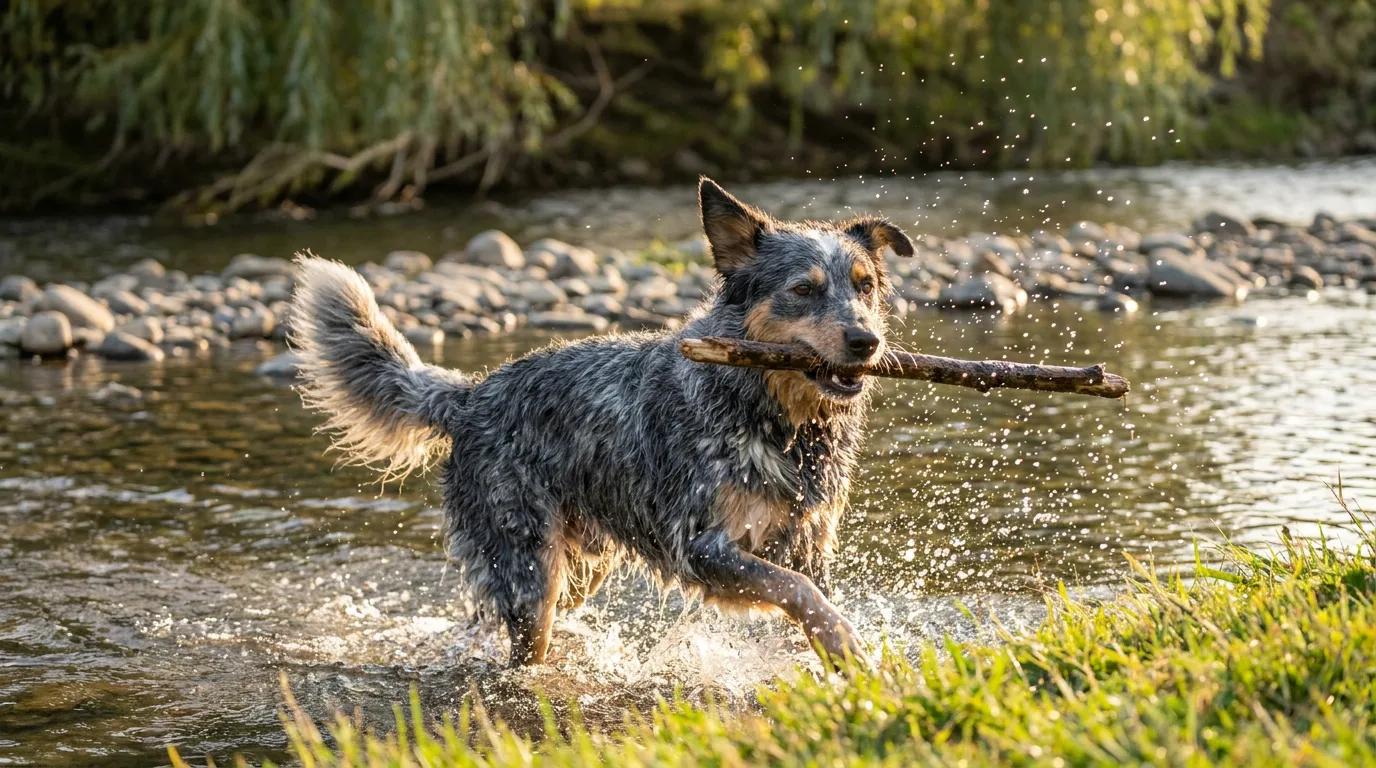
Australian Cattle Dog temperament often includes alertness, stamina, problem solving and sensitivity to movement, but genetics, learning, health and environment shape the individual dog. Training should turn those tendencies into observable, manageable behaviors instead of relying on labels.
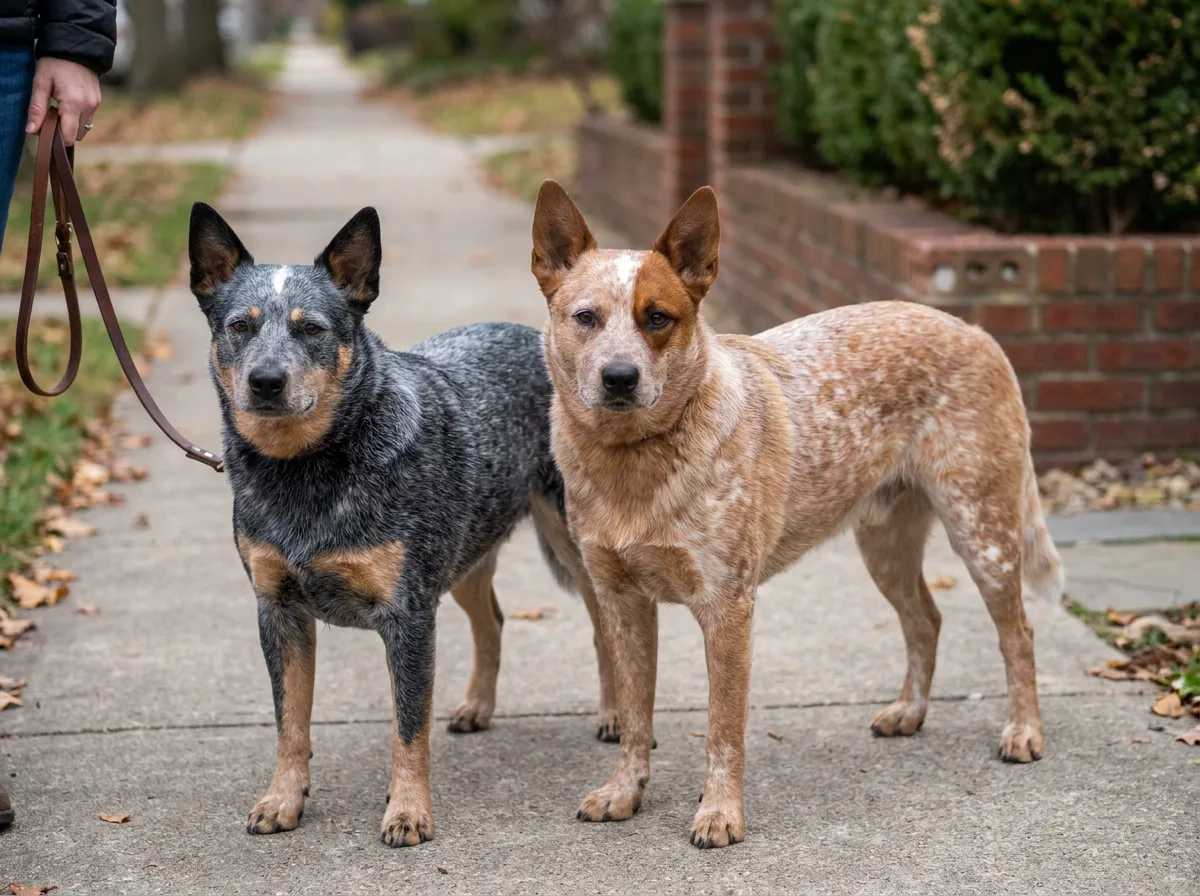
Blue Heeler and Red Heeler are names for the same breed, not separate temperament types. This guide focuses on reward-based teaching, household management and safe responses to herding behavior. Enrichment such as a KONG Classic gives a busy cattle dog a calm job between training sessions.

Sign up for expert-backed reviews and safety alerts all in one place.
Australian Cattle Dog temperament at a glance
Australian Cattle Dogs are typically loyal, alert, highly intelligent and energetic, and often wary of strangers, according to the American Kennel Club. Bred to move cattle, many chase movement and nip at heels. A cattle dog that is not challenged easily becomes bored and finds its own mischief, so daily work, training and rest shape how that temperament shows up.
- 1Australian Cattle Dog temperament often includes alertness, stamina, problem solving and herding behavior, but the individual dog is shaped by genetics, learning, health and environment.
- 2Labels such as stubborn, dominant or aggressive can hide pain, fear, confusion, unmet needs or an unsafe training setup.
- 3Use reward-based teaching, management and gradual exposure, then seek qualified help before behavior escalates.
| Common pattern | Usual trigger | First management step | Skill to teach |
|---|---|---|---|
| Heel nipping | Running feet, children, fast movement | Gate or leash during high-motion times | Hand target, carrying a toy, going to a mat |
| Chasing bikes, cars or animals | Moving objects at a distance | More distance; leash or long line outdoors | Orienting to the handler, rewarded away from the trigger |
| Alert barking | Visitors, movement past windows, frustration | Block sight lines; gate at the door | Quiet orientation and a station before the door opens |
| Difficulty settling | Overarousal, too little rest, stacked activities | Scheduled naps in a quiet space | Mat settle and a release cue |
| Separation distress | Being left alone suddenly | Short absences watched on a camera | Gradual, easy departures |
| Wariness of strangers | Visitors entering the home | Barrier and optional greetings | Treat tossed away so the dog can retreat |
Start with ordinary situations: movement, visitors, handling, rest and recovery after activity. Use those observations to set distance, management and reinforcement rather than assuming that a breed trait predicts every dog.
- Blue Heeler and Red Heeler are color names within one breed; training decisions should follow the individual dog’s behavior and recovery.
Separate breed tendencies from the individual dog
The AKC breed standard describes a dog that is naturally suspicious of strangers but must be amenable to handling. In daily life that often shows as close, working-style attachment to familiar people, such as following a handler or resting nearby, alongside reserve with visitors. How strong each side is varies from dog to dog, so judge it from how the dog greets familiar and unfamiliar people and how quickly it settles afterward.
A workable temperament match requires supervision, sufficient activity, protected rest and adults who can manage movement around children or other animals. Assess handling comfort and recovery in the actual setting. Pain, fear and sensory change can alter behavior, so abrupt differences need veterinary attention before a training explanation.

Petful may earn a commission when you click through to Chewy, at no extra cost to you.
Understand herding, chasing and heel nipping
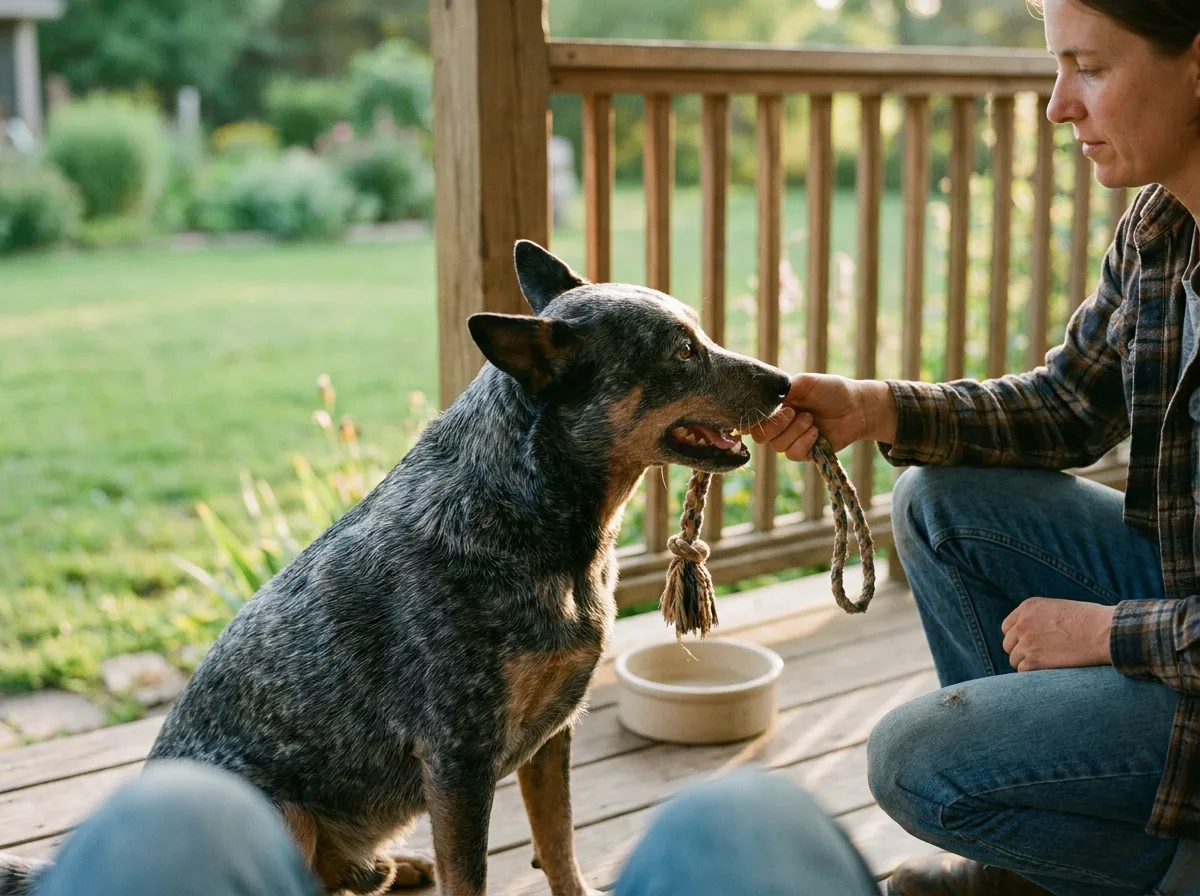
Behavior often reflects herding sensitivity and arousal, so define a behavior issue by its trigger, intensity and recovery rather than a vague label.
Heel nipping is connected to the breed’s cattle-moving history, but it still needs safe management. Prevent rehearsal, create distance from fast-moving triggers and reinforce an incompatible behavior such as targeting a toy or returning to the handler. A flirt pole gives that chase interest a rule-based outlet that you start and stop, well away from anyone’s heels.
Alert barking at movement, visitors or frustration belongs to the same pattern, and a reward-based barking plan works on the trigger rather than the noise. Revisit this assessment as the dog matures or health changes instead of treating the first observation as permanent.
Use reward-based training
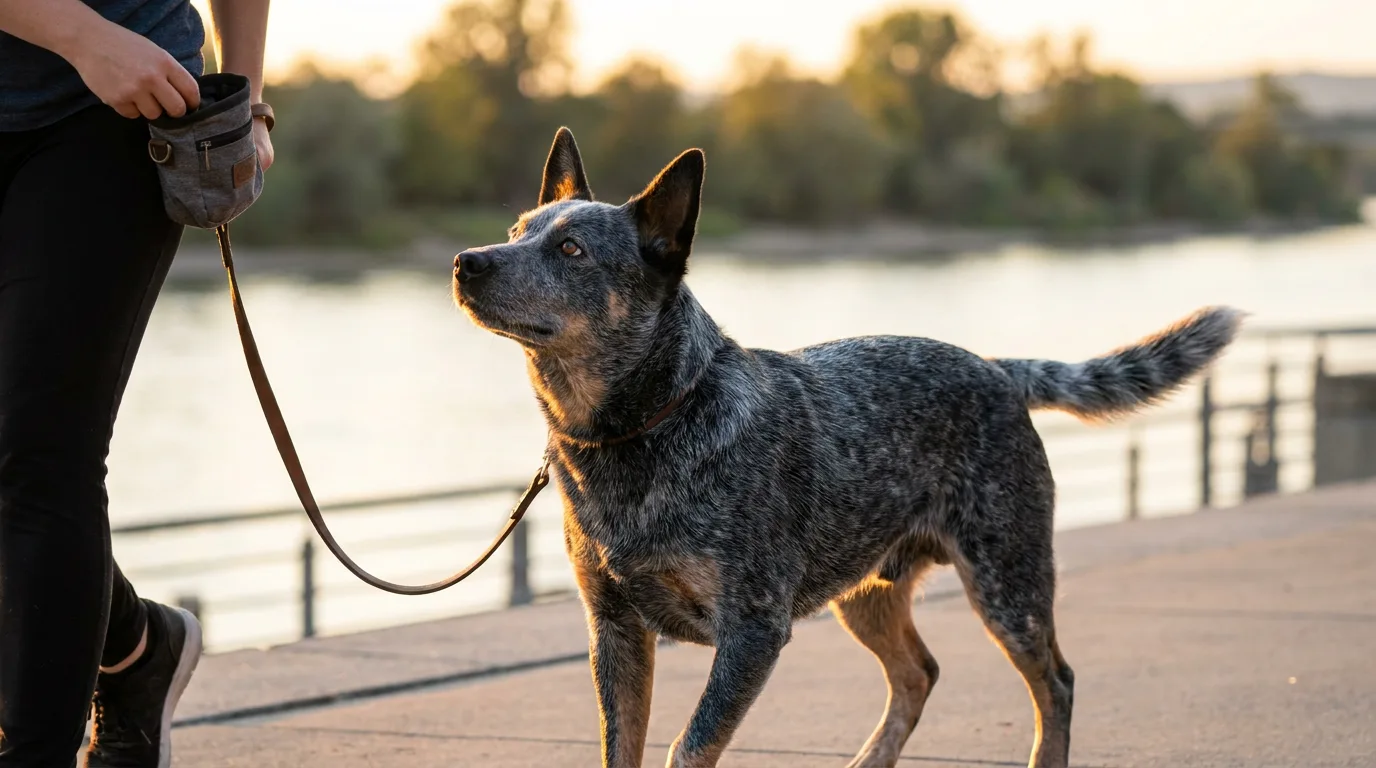
Reward-based training makes the desired response worth repeating without adding fear to a fast, observant dog. Choose reinforcement the dog values and deliver it immediately after the behavior. Begin in a quiet space, then change distance, distraction and duration one at a time. A treat pouch on the belt keeps rewards ready so delivery stays immediate.
Use gates and leashes to prevent unwanted rehearsal between sessions. Avoid dominance explanations and guaranteed results that obscure the actual learning setup.
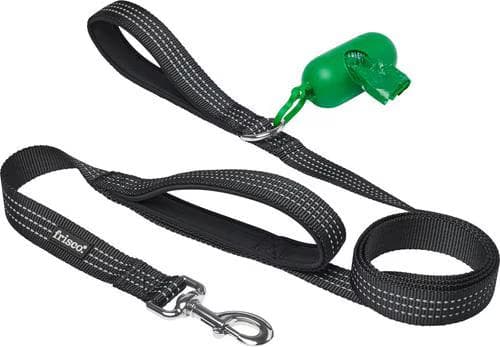
A traffic leash with a second padded handle near the clip gives a closer hand position for planned passes near runners or bicycles. Use that control to create space for a trained cue, not to pull the dog through a trigger.
Teach calm foundation behaviors
A hand target, mat station, name response, recall and release cue give the dog clear alternatives during household transitions.
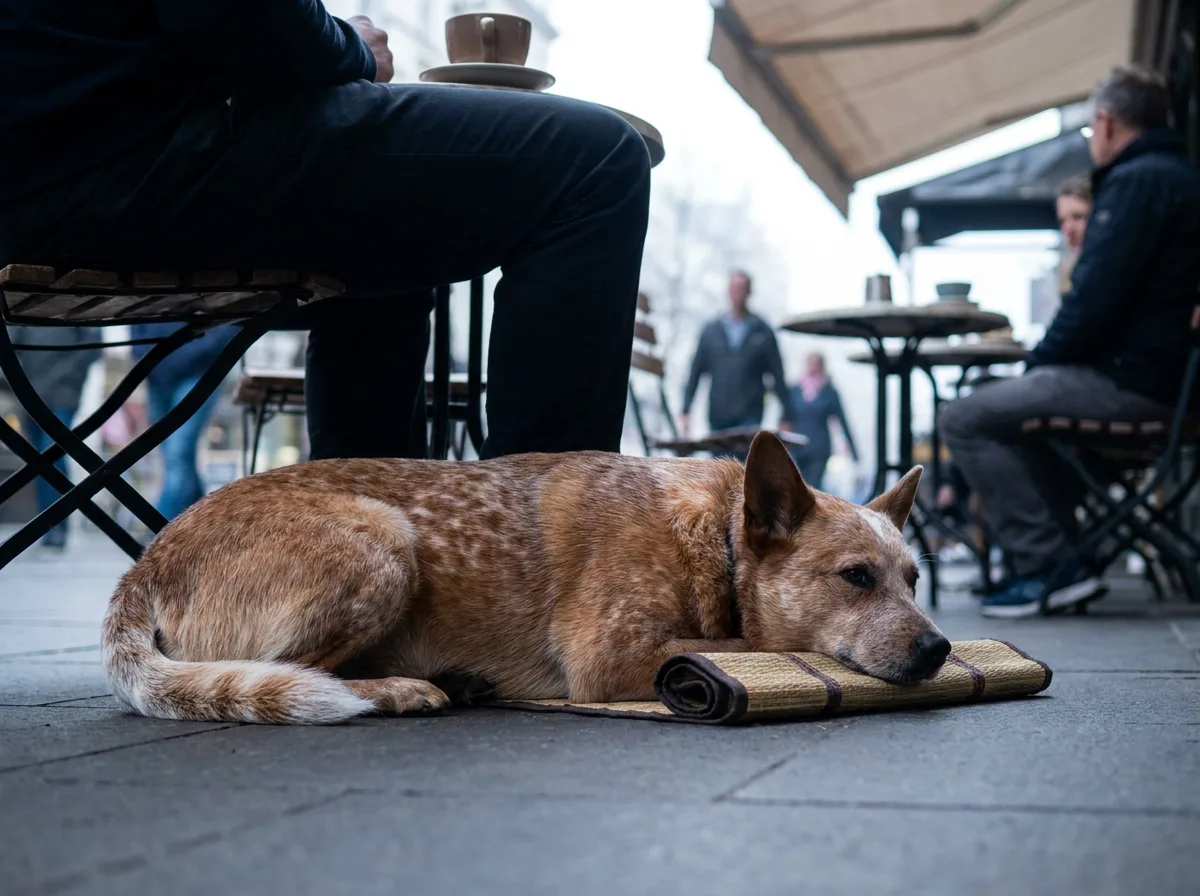
Teach each skill before the doorbell, running child or bicycle makes the situation difficult. Reward short moments of stillness and disengagement instead of waiting for perfect duration.
Build a predictable end cue so the dog knows when the task is over and rest can begin. Generalize slowly across rooms, people and levels of movement.
Provide exercise with recovery
Training works best when physical activity, thinking and recovery are balanced. Combine sniffing walks, skill practice, rule-based play and age-appropriate aerobic work, then adjust difficulty from arousal, gait and the ability to settle. Repetitive high-impact fetching can build fitness without teaching calm behavior, and a restless dog may need sleep rather than another hard session.
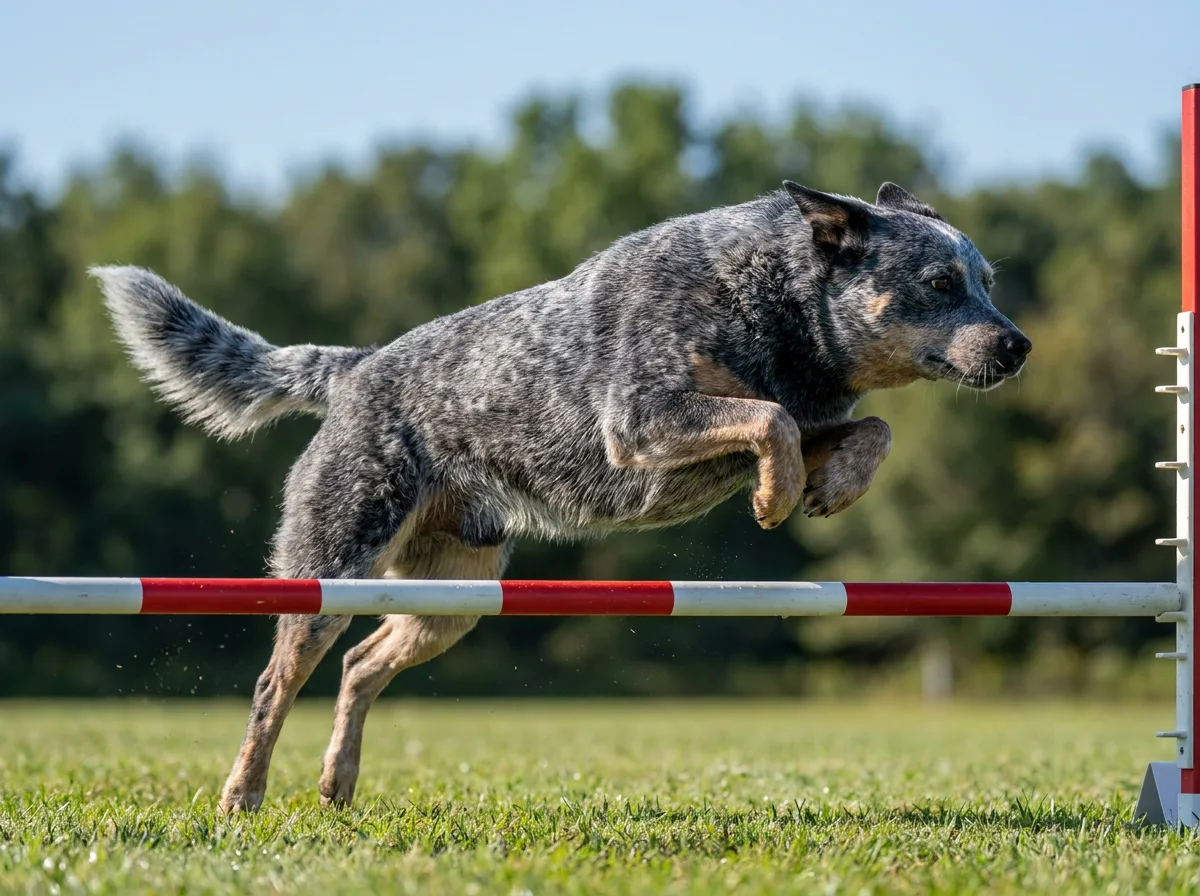
Puppies need frequent sleep and brief learning opportunities, while older dogs may need shorter sessions, easier footing and more time to recover. End work when thinking or movement deteriorates, and seek veterinary guidance for limping, weakness, disorientation, heat signs or a sharp change in normal tolerance.

Petful may earn a commission when you click through to Chewy, at no extra cost to you.
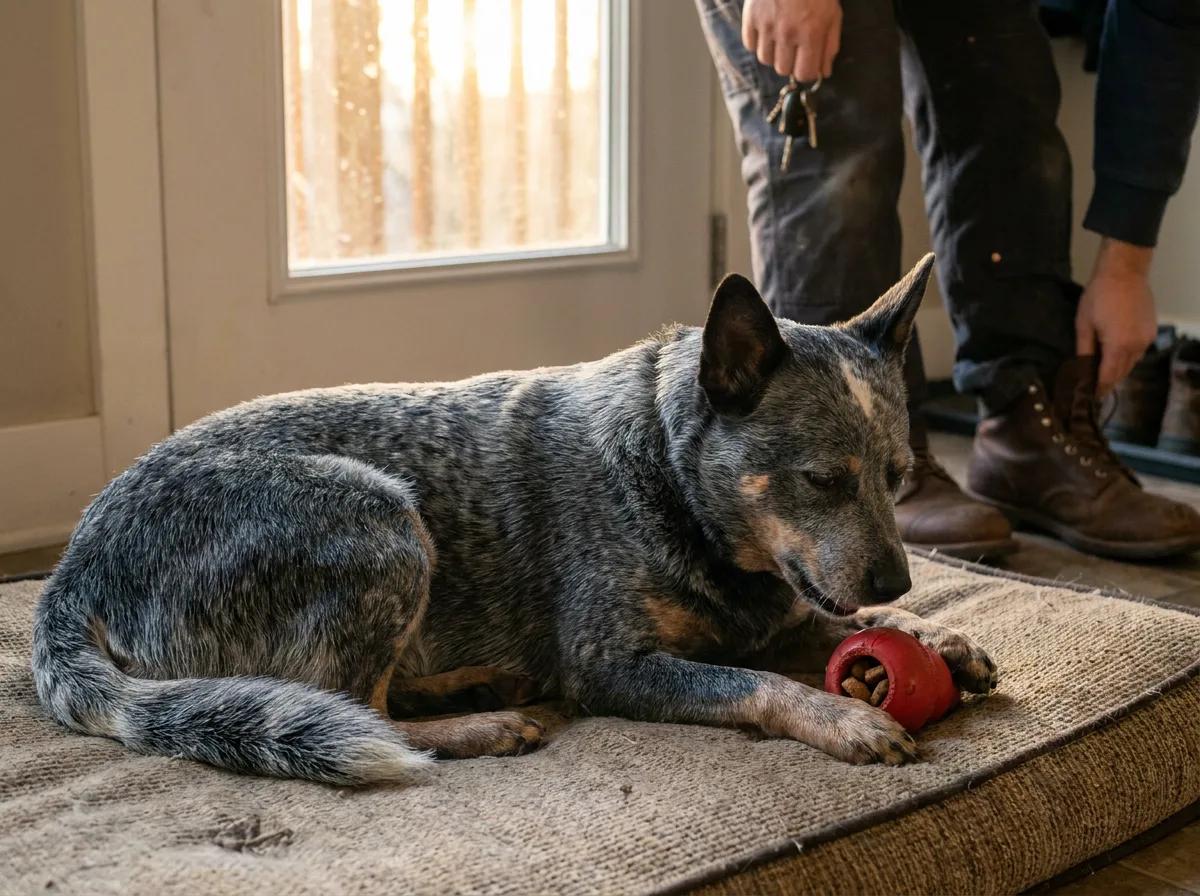
After a short training bout, a stuffed food toy on a calm station supports recovery. Count the food in the daily ration so enrichment supports rest rather than continuous arousal.
Build mental work and problem solving
Mental work can include scent searches, shaping games, food puzzles, cooperative care and short skill chains. Complexity should rise only while the dog remains able to think. Rotate activities instead of leaving every puzzle available until it becomes background furniture. Our roundup of interactive dog toys compares puzzle difficulty levels.
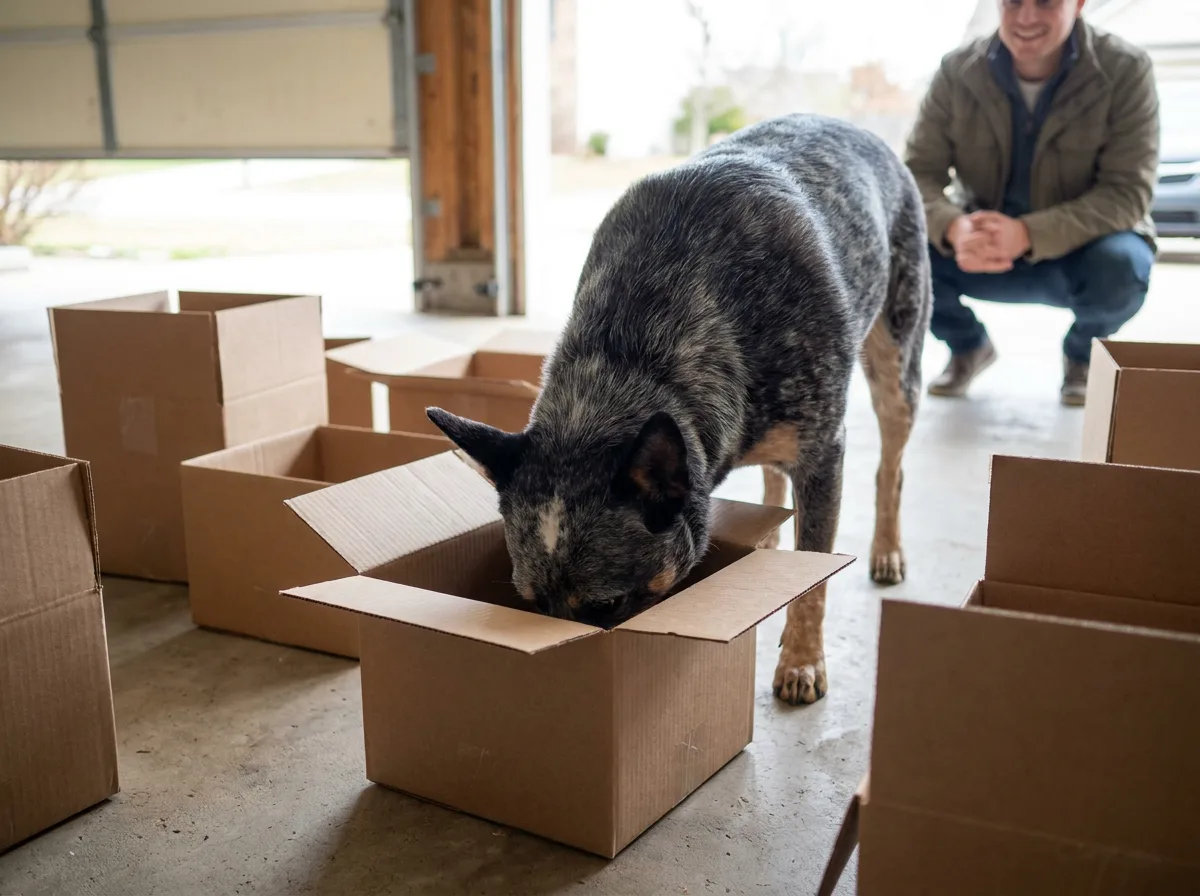
Use part of a measured meal when food enrichment fits the dog’s diet. A snuffle mat such as the Pet Parents Forager adds a low-impact sniffing task to a weekly activity plan. Scatter a small measured portion, supervise the session and put the mat away if fabric chewing or guarding appears.
Frustration, frantic biting or abandoning the task means the setup should become easier. A useful enrichment session ends with recovery and rest, not sustained arousal.
Socialize to people, handling and environments
Useful social learning lets the dog notice people, surfaces, sounds, handling and environments while remaining able to choose, eat and recover. Begin at a comfortable distance and keep sessions short. Freezing, escape attempts or frantic movement signals that the setup should become easier, especially around bicycles, runners, livestock sounds and children. WebVet’s puppy socialization checklist outlines safe early experiences to plan.
For a young puppy, follow the veterinarian’s local disease guidance while arranging controlled observation in safe places. Record the trigger, distance, body language and recovery. Those details show whether the next exposure should stay the same, become easier or add one small challenge.
Will a Blue Heeler protect you? A cattle dog may alert, watch movement or stay close, but those behaviors do not guarantee safe protection and should not be encouraged as unsupervised confrontation. Teach orientation, recall and movement away from strangers, then use barriers or distance when the dog cannot remain relaxed. A long training leash lets you practice recall at a distance while the dog stays secured.
Plan for children and visiting adults
Children and visitors need a management plan before they enter the dog's space. Use an adult-controlled gate or leash and prevent running, hugging, reaching over the dog and access to food or rest areas.
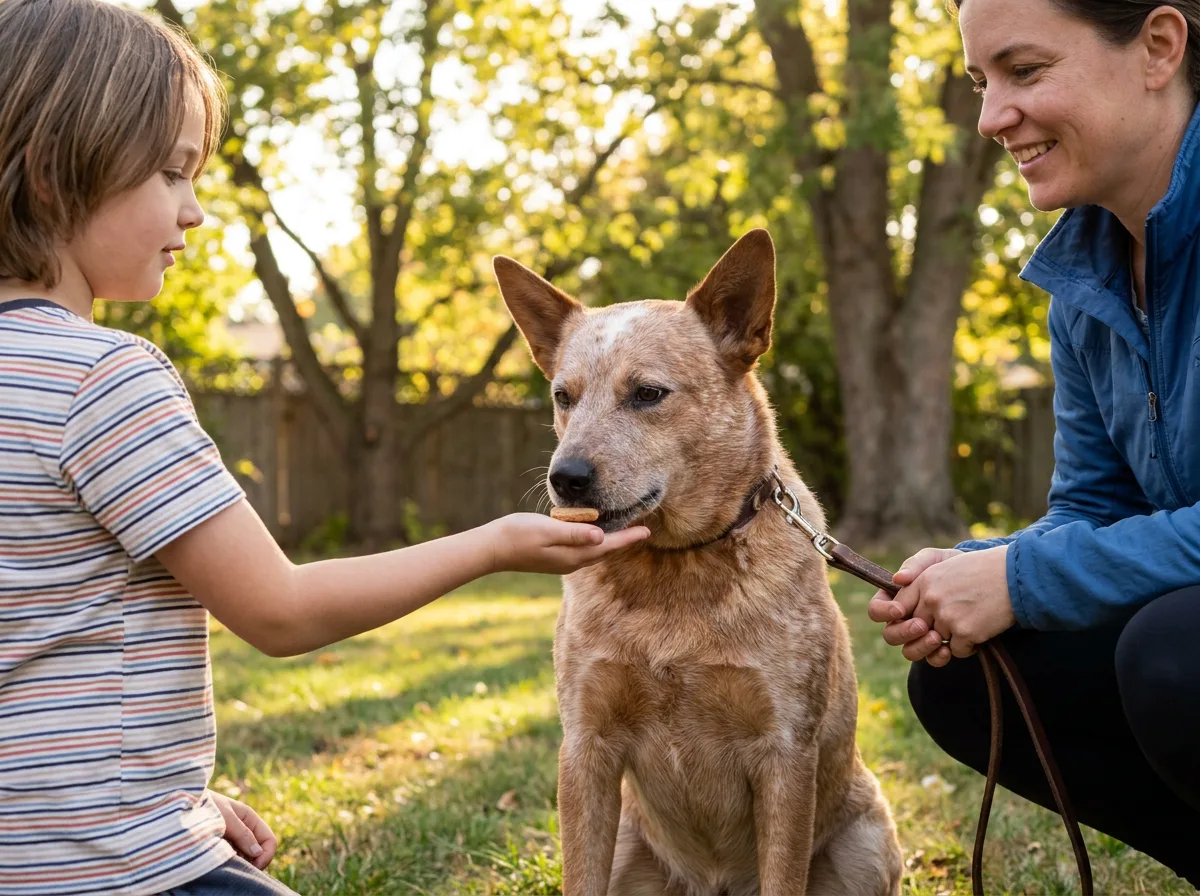
Reward the dog for stationing, orienting to the handler and moving away. Keep greetings optional and brief, with separation when either participant cannot follow the plan.
Stiffness, guarding, bites or fear needs qualified help rather than another forced interaction.
- Are Blue Heelers good house dogs? They can live well in a home that provides daily physical and mental work, protected rest, supervision and a plan for movement around doors, children and visitors. A yard or breed label cannot replace settling skills, and the actual dog must be able to recover in the household routine.
Introduce cats and other dogs carefully
Begin animal introductions with separate spaces, scent information and enough distance for loose, responsive behavior. Protect a cat's vertical escape routes and prevent the first pursuit from occurring.
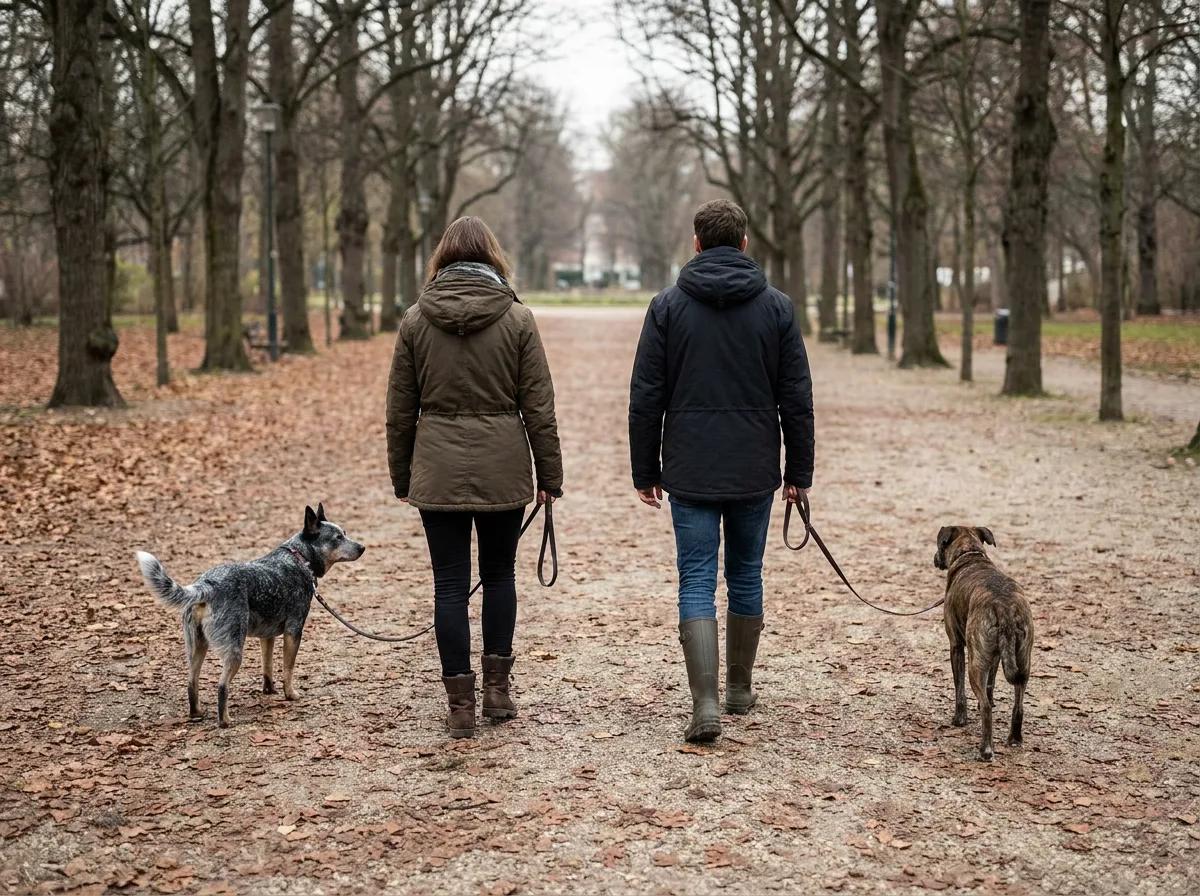
For dogs, parallel movement in neutral space can be easier than a head-on greeting at a doorway.
Watch disengagement and recovery as closely as initial interest. Compatibility with one familiar animal does not establish safety with every animal.
Prevent separation distress and destructive boredom
Teach brief, easy separations while the dog is calm instead of waiting for a full workday to test coping. A lick mat offered just before you step out pairs short departures with a calm, absorbing task.
A pet camera such as the Petcube Cam 360 can show pacing, vocalizing, drooling, destruction or failure to eat, but it cannot treat distress. Increase duration only when the dog remains comfortable and has a safe rest setup. WebVet’s guide to separation anxiety in dogs covers training and treatment options.
Self-injury, panic, bites, guarding or rapid escalation warrants prompt help from a qualified professional and sometimes a veterinarian.
A two-week foundation training plan
For the first three days, make reinforcement easy to earn. Pair the dog's name with orientation to the handler, reward voluntary check-ins and teach a hand target in a quiet room. Introduce a station such as a mat, then release the dog before frustration builds. End sessions while the dog is still successful and protect long periods of sleep and unstructured decompression.
From days four through seven, practice the same skills in a second low-distraction setting. Add one or two steps of loose-leash walking, a short recall between family members and calm handling of the collar, paws and ears. Use a gate, leash or greater distance before the dog is over threshold. If food stops working, the environment may be too difficult, the dog may be full or a health issue may be affecting motivation. On those walks, a front-clip harness can reduce pulling while loose-leash skills are still new.
During the second week, begin applying the foundation to real household moments. Send the dog to a station before opening a door, reinforce four paws on the floor during greetings and call the dog away from low-level movement before chasing starts. Give the dog a safe outlet afterward, such as sniffing, tug with rules or a food-search game, followed by genuine rest.
Define progress before increasing difficulty
Progress is not the number of cues practiced. Look for faster orientation, a softer body, fewer attempts to rehearse the unwanted behavior and quicker recovery after a trigger. If a step fails twice, reduce distance, distraction or duration instead of raising pressure. Preserve successful setups in the log so every family member knows which version the dog can perform today.
How to log triggers, distance and recovery
A behavior log should describe what a camera could have recorded. Record:
- Time and location.
- People or animals present and the dog's activity.
- The earliest visible trigger and estimated distance.
- The first response, such as a head turn, stare, body stiffening, weight shift, vocalization, retreat, lunge or attempt to nip.
Then record what the handler did and whether the dog could eat, orient or move away.
Recovery is a separate measure. Note how long it took for breathing, posture and attention to return near baseline. A dog that stops barking but remains rigid and unable to eat has not fully recovered. Repeated long recovery can mean the sessions are too hard, the dog lacks rest or pain and medical factors need evaluation.
Petful may earn a commission when you click through to Chewy, at no extra cost to you.
Review the log after several comparable exposures. Improvement may look like noticing the trigger at a shorter distance without escalating, returning attention more quickly or choosing a learned behavior. Worsening intensity, bites, guarding or fear that limits normal care deserves qualified help before another test. Sudden behavior change also warrants a veterinary discussion.
Use the log to make the next session easier
Use the log to change the setup, not to collect failures. Select a distance where learning is possible, reinforce early and leave before the dog is overwhelmed. That turns temperament language into an observable training decision while respecting that one dog's needs can change with age, health and environment.
Address heel nipping before it becomes a household pattern
- Prevent easy rehearsal first. Use a dog gate or playpen, a lightweight leash under adult supervision and planned quiet spaces during high-motion parts of the day. Children should stop moving and call an adult rather than squeal, run or push the dog away. Adults can redirect early signs of stalking or fixation to a hand target, station or toy before contact occurs.
- Teach the replacement away from the trigger. Practice following a target, carrying a toy and moving to a mat when the room is calm. Add one slow-moving person at a distance, reward orientation back to the handler and finish while the dog remains able to think. Gradually change speed, direction and distance across sessions. Do not jump from a successful quiet-room exercise to uncontrolled running.
- If the dog makes contact, separate safely and document who was moving, the dog’s arousal, whether skin was broken and how quickly recovery occurred. Repeated bites, escalating intensity, guarding, fear or behavior around vulnerable people needs professional assessment. Physical punishment may suppress warning signals or add conflict without teaching what the dog should do instead.
Build a weekly balance of movement, thinking and rest
Plan several kinds of activity rather than a single daily mileage target. Include sniffing walks, foundation training, controlled play and age-appropriate aerobic exercise. Add practical mental work such as finding food, following a short scent trail, learning object names or practicing cooperative care. Change only one difficulty variable at a time so the dog can succeed. A multi-part puzzle toy lets you raise the difficulty one small step at a time.
Schedule recovery as deliberately as exercise. Provide a quiet sleeping place and avoid stacking daycare, visitors, a long hike and a difficult training class without enough rest between them. Watch what happens several hours later. Pacing, mouthiness, irritability and inability to settle can follow excessive arousal as well as insufficient activity.
Use gait, enthusiasm and next-day behavior to tune the plan. A conditioned adult may tolerate more than an adolescent or senior, and heat or hard surfaces may shorten a normally easy outing. Stop for limping, weakness, collapse, disorientation or a marked change from the dog's normal recovery and contact the veterinarian as appropriate.
Practice a calm visitor routine
Before the door opens, place the dog behind a secure gate or on leash with an adult handler. Ask visitors to ignore the dog initially and avoid direct reaching, leaning or excited greetings. Reward the dog for orienting to the handler, remaining on a station or choosing to move away. The first goal is predictable safety, not forced social contact.
When the dog can observe with a loose body and take food, the visitor can toss a treat away from themselves so the dog gains distance after approaching. Petting is optional and should stop if the dog turns away, stiffens, lowers the body or shows other discomfort. Children and adults who cannot follow the plan should remain physically separated from the dog.
Short successful repetitions are more informative than one long test. Keep notes on distance, body language and recovery and make the next visit slightly easier or harder based on those observations. A trainer or behavior consultant should help with lunging, biting, intense guarding or fear that prevents routine household management.
When training progress stalls
Check the setup before blaming motivation. The cue may be unclear, reinforcement may arrive too late, the reward may have lost value or the environment may be too distracting. Return to a place where the dog can perform the skill, reward a smaller step and rebuild difficulty gradually. Video can help reveal handler movement or timing that is hard to notice in the moment. Freeze-dried liver treats are a higher-value option when a familiar reward has lost its pull.

A durable rubber dog toy that can be stuffed with treats and selected by the manufacturer's size guide; supervise use and retire it when damaged.
Petful may earn a commission when you click through to Chewy, at no extra cost to you.
Also review sleep, workload and health. Pain, gastrointestinal upset, hearing or vision change and medication effects can alter performance. Sudden reluctance, irritability, avoidance of handling or a major behavior change warrants a veterinary discussion. Training cannot resolve an untreated medical cause.
If safety is deteriorating, stop informal experiments. Choose a credentialed professional who uses humane, reward-based methods, gathers a detailed history and can explain the plan and referral boundaries. A useful plan defines management immediately, a measurable behavior goal and criteria for making the next step easier or harder.
Teach cooperative handling for everyday care
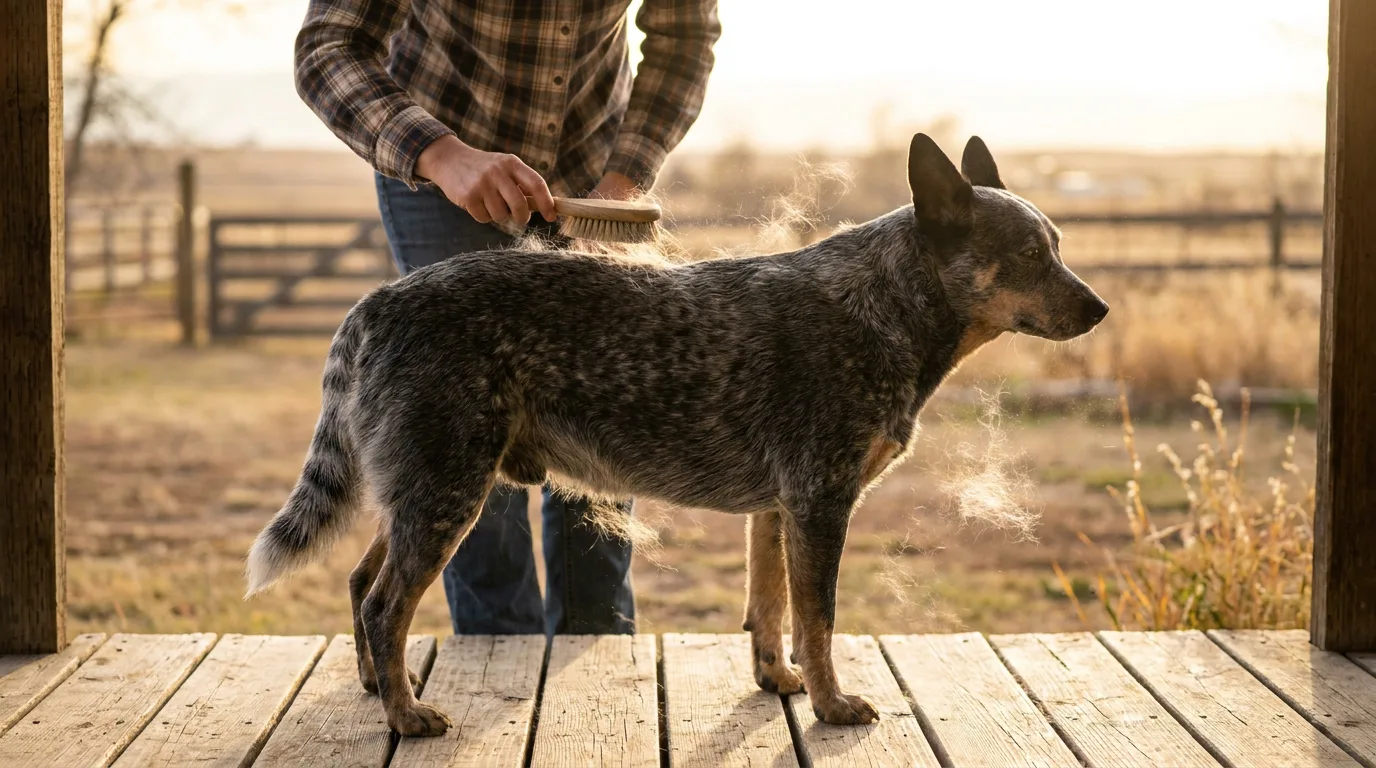
Begin with a behavior that gives the dog a predictable role, such as standing on a mat or resting the chin on a towel. Reward one second of participation, then release. Add a hand moving toward the shoulder, collar, paw or ear before adding actual contact. If the dog moves away, reduce the step instead of restraining the dog to finish. A soft grooming glove makes a gentle first tool because it feels much like a hand on the coat.
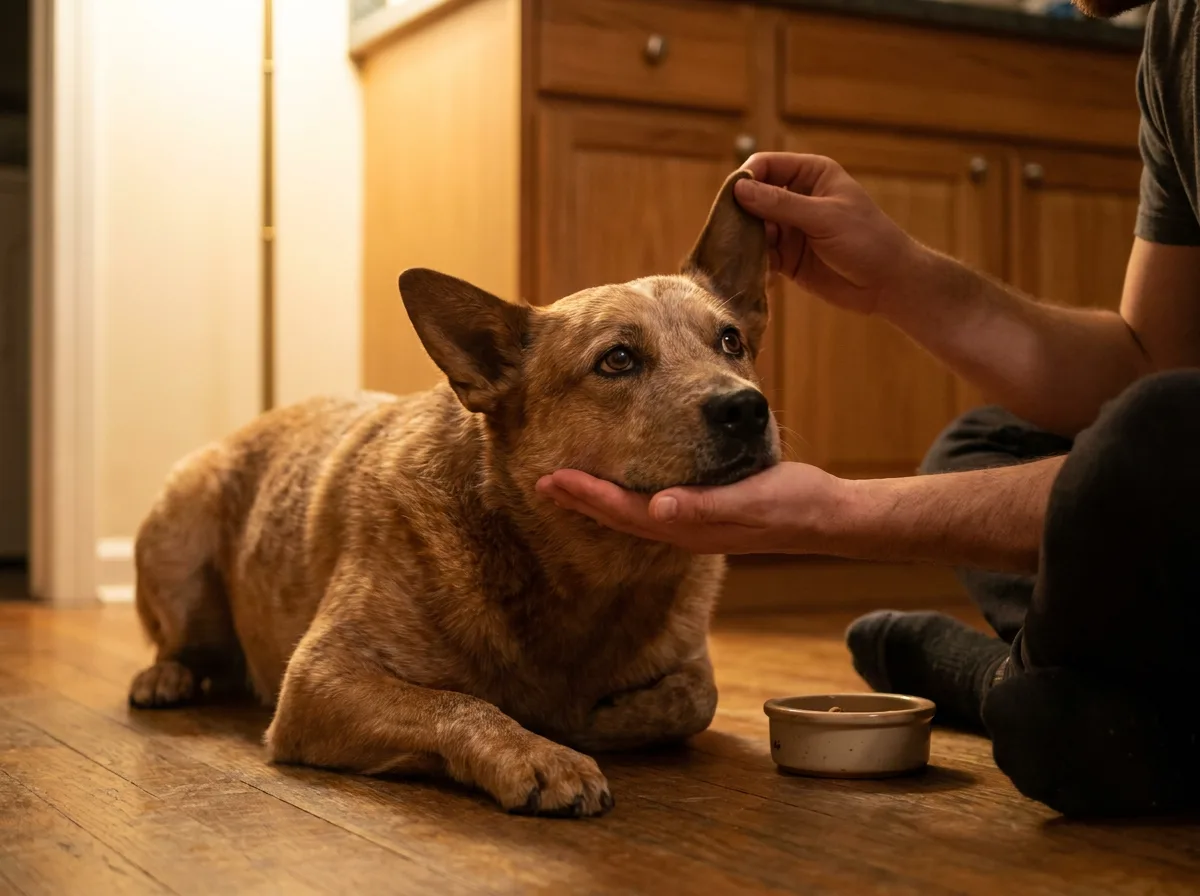
Separate training from urgent care. Cooperative practice can make brushing, nail care and examinations easier, but it cannot delay treatment when a dog is injured or ill. Tell the veterinary team about fear or handling sensitivity before the appointment so they can plan the environment and discuss medication or specialized support when appropriate.
Progress may be small: one paw lifted, one brush stroke or a brief ear check. Those repetitions build trust because the dog can predict what earns reinforcement and when the session ends. Sudden new sensitivity to touch can indicate pain and deserves medical evaluation.
Train around bicycles, runners and livestock movement
Choose a distance where the dog notices movement but can still eat and turn back to the handler. Mark that orientation and reward away from the trigger so the dog gains both food and space. Keep early sessions extremely short, then leave before staring becomes stalking or lunging. A long training leash keeps the dog secured while you work at those distances.
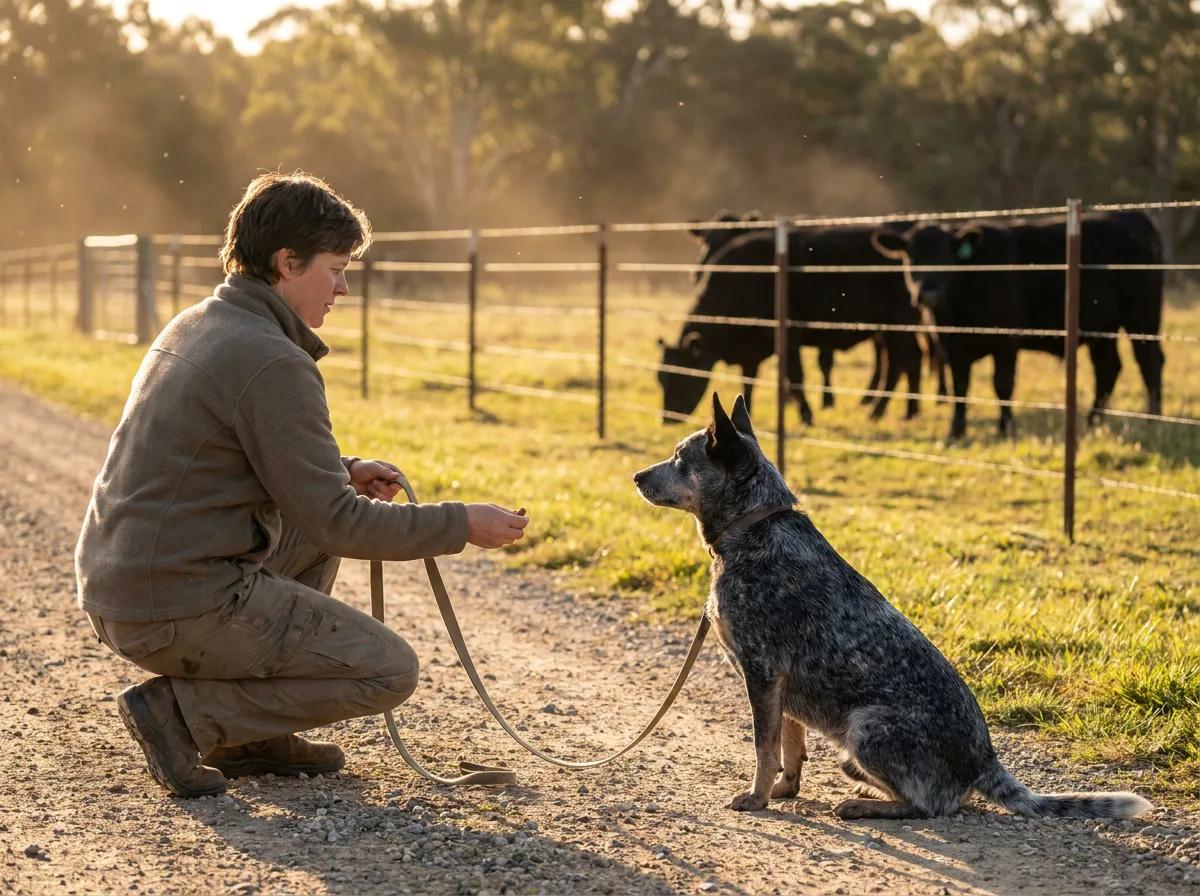
Reduce distance only after several loose, responsive repetitions. Change one variable at a time, such as speed, direction or type of movement. Use secure equipment and a second barrier when a mistake would expose a child, animal or road user. Do not ask an untrained helper to run close to the dog as a test.
Livestock work requires competent instruction and concern for both dog and stock welfare. A cattle-dog label does not mean an untrained companion should be released around animals. Households without livestock can still teach disengagement and provide safe alternative outlets through scent, hiking, structured play and skill work.
Prepare for adolescence
Adolescence can bring increased exploration, sensitivity and inconsistent responses in settings that were easy as a young puppy. Continue using management while rehearsing foundation skills with gradually changing distractions. Recheck harness fit, crate dimensions, food portions and exercise because the body and daily needs are changing at the same time.
Do not interpret one failed recall or excited greeting as proof that prior training disappeared. Lower the challenge, restore reinforcement and practice again. At the same time, take new guarding, intense fear, bites or abrupt behavior change seriously rather than waiting for maturity to solve it.
Maintain rest and recovery while physical capacity grows. A larger adolescent can do more damage while overaroused, but exhausting the dog each day may increase fitness without building self-regulation. Short successful training, safe movement, predictable downtime and adult supervision remain the foundation. Durable chew toys give an aroused adolescent a safe place to put its mouth during downtime.
Choose and evaluate professional help
Bites, guarding, panic, self-injury, severe fear, rapid escalation or a sudden behavior change call for qualified reward-based help, along with a veterinary assessment because pain, sensory change and illness can alter behavior. Ask a trainer or behavior consultant to explain methods, equipment, safety management and how progress will be measured. The professional should be comfortable referring medical questions to a veterinarian and high-risk behavior to an appropriately qualified specialist. Avoid guarantees, dominance explanations used as a diagnosis and plans that depend on frightening or hurting the dog.
Bring a concise history: the first occurrence, frequency, triggers, distance, body language, injuries, recovery, prior training, household layout and medical changes. Video may help only if it already exists or can be collected without provoking the behavior. No recording is worth creating a dangerous setup.
After each appointment, write the immediate management rules, the exact skill to practice and the criteria for changing difficulty. If the plan makes the behavior or the dog's welfare worse, stop and contact the professional. A good working relationship should make decisions clearer and keep safety visible.
Measure training outcomes that matter at home
Choose outcomes tied to daily life: the dog can move to a station before the door opens, disengage from a bicycle at a planned distance, accept three gentle brush strokes or rest after an outing. Count successful repetitions and note the environment. A cue performed in the kitchen is not yet reliable on a busy trail.
Also track management outcomes, such as fewer opportunities to chase, shorter recovery after visitors and no access to children's running games without an adult barrier. Prevention is part of success, not evidence that training failed. It protects the dog and household while skills are developing.
Review the record weekly and change only one challenge at a time. When progress is stable across several comparable sessions, add a small distraction or duration. When performance drops, make the next repetition easier. This keeps the plan responsive to the individual Australian Cattle Dog instead of judging temperament from a slogan.
A practical daily training rhythm
Use ordinary transitions as short training opportunities. Before breakfast, practice a hand target and one calm pause while the food is prepared. On the first walk, reinforce voluntary check-ins and give the dog time to sniff. After returning, provide water and a protected rest period instead of immediately starting another exciting activity.
Later in the day, choose one focused skill for a two- to five-minute session. It might be stationing while someone moves through the room, trading a toy, accepting a collar touch or following a recall away from a mild distraction. End with a cue the dog knows and record the result. Several tiny successful sessions often transfer better than one long drill.
In the evening, review arousal and recovery. If the dog is loose, responsive and able to settle, the balance may be appropriate. If pacing, grabbing, barking or stalking increases, look at the full day before adding exercise. Sleep, novelty, visitors, pain and difficult training can all affect behavior. Adjust the next day by reducing one demand and preserve management around known triggers.
Related Australian Cattle Dog guides
Blue Heeler, Red Heeler and Queensland Heeler are familiar names covered in the Australian Cattle Dog breed profile; behavior and training decisions still belong to the individual dog described here.
- Australian Cattle Dog: Temperament, Health and Care
- Australian Cattle Dog Puppies: Care and Training
- Australian Cattle Dog Price and Lifetime Cost
- Australian Cattle Dog Lifespan and Health Problems
- Australian Cattle Dog Colors and Markings
- Australian Cattle Dog Mixes: Traits and Care
- Australian Cattle Dog Size, Weight and Growth
- Do Australian Cattle Dogs Shed? Grooming Guide
Evidence sources
- Australian Cattle Dog Club of America
- American Kennel Club Australian Cattle Dog overview
- American Veterinary Society of Animal Behavior position statements
- Certification Council for Professional Dog Trainers
- IAABC consultant locator
- Quick learning can support advanced reward-based skills.
- Clear routines give herding drive safer outlets.
- Strong bonds with handlers make cooperative training rewarding.
- Movement chasing and heel nipping need prevention.
- High arousal can make settling difficult.
- Pain, fear or distress requires assessment beyond routine training.
Questions readers ask
Australian Cattle Dogs can be a good family dog when adults can meet their exercise, training, supervision and management needs. Herding interest, heel nipping and sensitivity to movement require barriers, protected rest and active supervision around children. Family fit depends on the individual dog’s ability to disengage, accept handling and recover, and on the household routine, not the breed label alone.
Common personality problems reported in Australian Cattle Dogs include heel nipping, chasing movement, alert barking, overarousal, difficulty settling, wariness of strangers, guarding and distress when left alone. Define each by trigger, intensity and recovery rather than treating it as a defect every dog has. Prevent rehearsal, teach a clear alternative with rewards and protect rest; sudden or unsafe behavior needs veterinary or qualified behavior help.
Many form close relationships, but affection may look like following a person, joining work or resting nearby rather than prolonged cuddling. Let the individual dog choose contact and judge warmth through relaxed body language, voluntary approach and recovery instead of forcing a breed-wide expectation.
Barking varies by dog, but alert barking at movement, visitors or frustration is one of the common behavior patterns in the breed. Note the trigger and how quickly the dog recovers, use distance or a barrier to prevent rehearsal, and reward quiet orientation to the handler. Enough daily exercise, mental work and protected rest makes quiet behavior easier to teach.
Australian Cattle Dogs rank 10th in psychologist Stanley Coren’s list of working and obedience intelligence, which was built from ratings by obedience judges; the Border Collie, Poodle and German Shepherd Dog top that list. The ranking measures how quickly a breed learns and obeys new commands, not herding instinct or problem solving, so an individual dog’s progress still depends on motivation, reinforcement and rest.
No study sets a calm-down age for the breed. The AKC notes that most dogs reach emotional maturity between 12 and 18 months, but a working breed often stays energetic for years after that. Daily exercise, mental work, consistent reward-based training and protected rest bring calmer behavior sooner than waiting for a birthday, and a sudden change in energy deserves a veterinary check.
Heelers can stop biting, but not on a schedule. No study sets an age when Australian Cattle Dogs stop nipping, and nips at moving heels can continue into adulthood because they draw on the breed’s history of controlling cattle. Teaching changes it: prevent access to running feet, redirect early to a toy, hand target or mat, reward calm disengagement and get qualified help for hard or repeated bites.
Not necessarily. No study shows that Australian Cattle Dogs do better in pairs, and a second dog does not replace daily exercise, training and time with people. The AKC rates the breed’s friendliness with other dogs as good with supervision, so a second dog suits only a household ready to manage introductions, two energetic dogs and any chasing or guarding between them.
The breed is not uniformly aggressive. An individual may show growling, guarding, lunging or biting because of fear, pain, learned behavior, conflict or an unsafe setup. Create distance, prevent further rehearsal and seek veterinary and qualified behavior assessment for sudden, escalating or injurious behavior rather than relying on a breed explanation.
Blue Heelers are often quick learners and responsive to clear reward-based training, but ease depends on the individual dog, handler consistency and the environment. High arousal, sensitivity to movement and herding behavior can make skills harder to use around distractions. Short sessions, prevention of unwanted rehearsal, meaningful rewards and planned rest build practical reliability without force.

Coreen Saito is a pet writer and longtime shelter volunteer with more than a decade in animal rescue. She covers cat behavior, breed care, and the small, ordinary science of sharing a life with companion animals, with a particular focus on honest takes about the products and decisions that actually matter. At home in Arizona, she's outranked by Mac (a dog with the loudest opinion in the house), Rebel (a cat who governs by quiet authority), and Meri (an orange tabby who runs the late shift and the laundry basket). She writes about all three, plus the rescues that keep coming through her life, at LifeWithMinty.com.
Sign up for expert-backed reviews and safety alerts all in one place.