Do Australian Cattle Dogs Shed? Coat and Grooming Guide
Australian Cattle Dogs shed year-round and may release much more undercoat seasonally. Learn a gentle brushing, bathing and drying routine plus signs that need veterinary assessment.
Petful is reader supported. As an affiliate of platforms like Amazon and Chewy, we may earn a commission when you buy through links on this page. There is no extra cost to you.
Do Australian Cattle Dogs shed? Yes. They shed year-round and can release much more undercoat during seasonal coat turnover. Gentle brushing, complete rinsing, thorough drying and regular skin checks matter more than trying to make a double coat hair-free.
Blue Heelers and Red Heelers share the Australian Cattle Dog double coat. This guide covers normal shedding, grooming technique and signs that need veterinary assessment.

Sign up for expert-backed reviews and safety alerts all in one place.
Australian Cattle Dog shedding at a glance
- 1Australian Cattle Dogs shed throughout the year and can release much more undercoat seasonally. Regular brushing, complete rinsing, thorough drying and skin observation matter more than chasing a no-shed claim.
- 2No brush, shampoo or supplement can make a double-coated dog hypoallergenic or diagnose patchy hair loss.
- 3Choose gentle tools by coat and tolerance, stop before skin irritation and call the veterinarian for pain, sores, odor or sudden hair loss.
| Tool | Job | Quiet season | During a coat blow |
|---|---|---|---|
| Rubber curry or grooming glove | Loosens surface hair; a gentle way to introduce grooming | Weekly | First, at every session |
| Slicker brush | Lifts loose hair from the topcoat | Weekly | Short daily sessions while the skin stays comfortable |
| Undercoat rake | Pulls released undercoat | Rarely needed | A few light passes per area |
| Deshedding tool | Removes loose undercoat | Occasional light passes | Follow the maker’s directions; never repeat passes on one spot |
| Flea comb | Close inspection for flea dirt, debris and skin changes | During the weekly skin check | During skin checks |
| Towels and dryer | Dry the dense undercoat after a bath | After each bath | After each bath |
Expect loose hair as part of living with the breed, then tailor grooming to the dog’s coat, skin and tolerance. Normal shedding does not explain painful, inflamed or patchy hair loss.
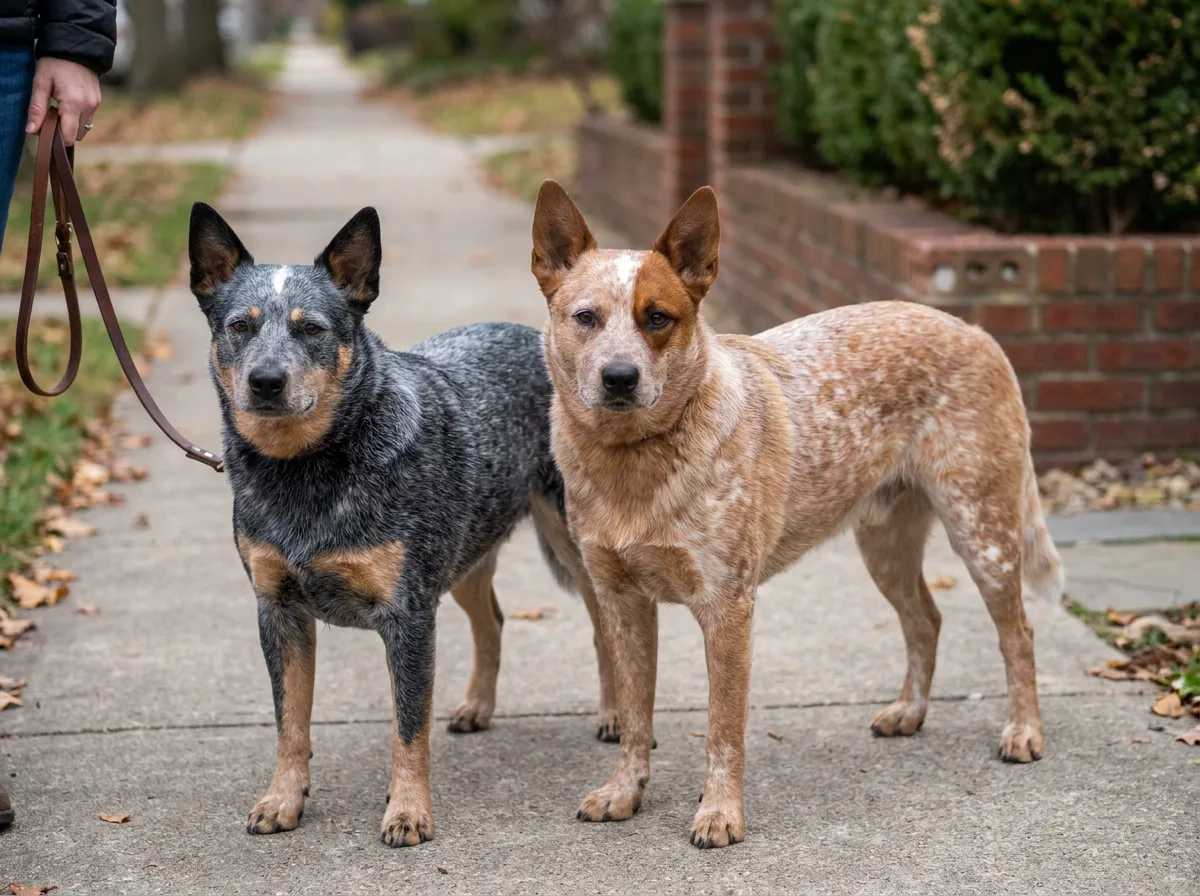
- Blue Heelers and Red Heelers are the same double-coated breed, so color does not create a different shedding pattern.
How the double coat works
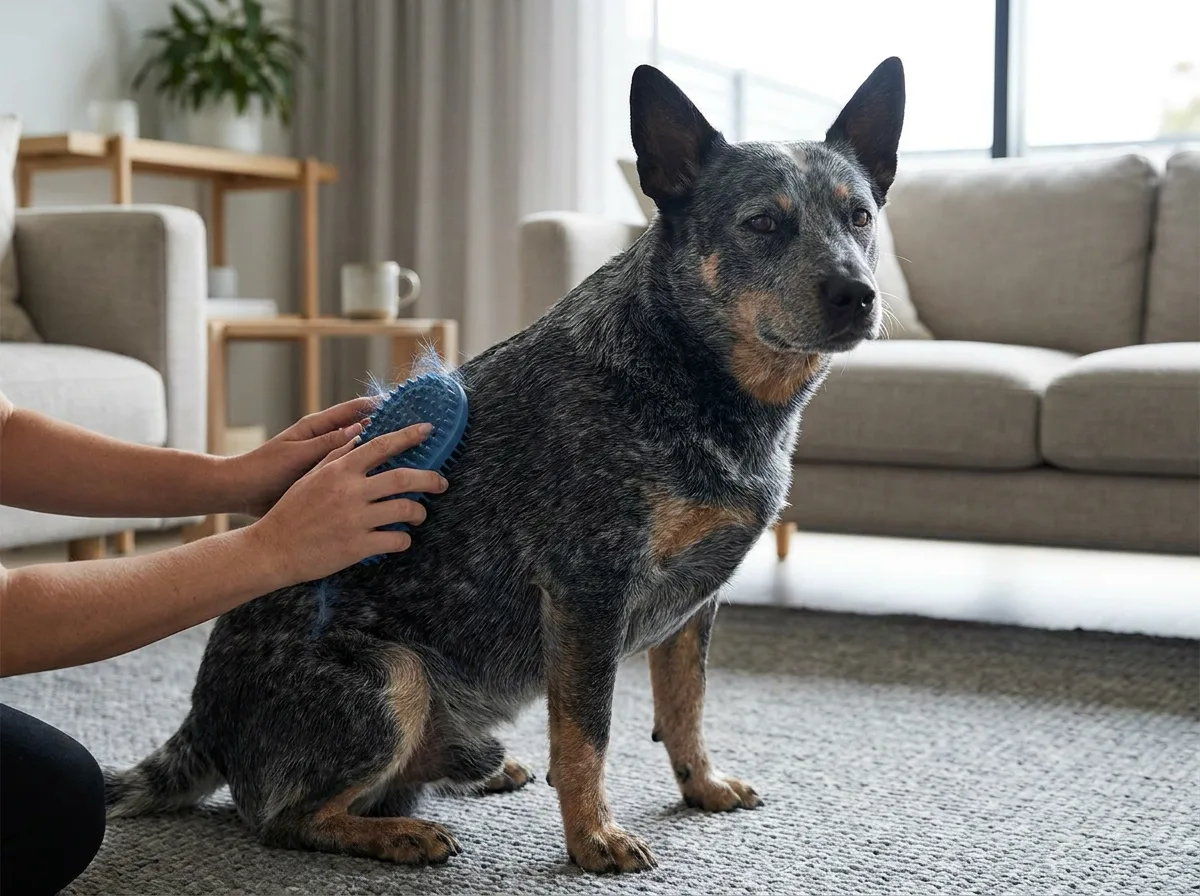
The coat has an outer layer that helps shed dirt and weather plus a denser undercoat that contributes insulation. Cutting or shaving the coat does not turn the dog into a low-shedding breed and may change how regrowth looks. Brush to remove loose hair without scraping healthy skin or breaking guard hairs. The AKC breed standard describes a short, dense undercoat under a close, straight, rain-resisting outer coat, with body hairs about 1 to 1.5 inches long. An undercoat rake used with light strokes lifts loose undercoat from the dense layer while leaving the guard hairs in place.
Part the coat during checks because a short surface can hide damp undercoat or skin irritation. Ask a veterinarian or qualified groomer before changing coat length for a medical reason.
Year-round shedding and seasonal coat blow
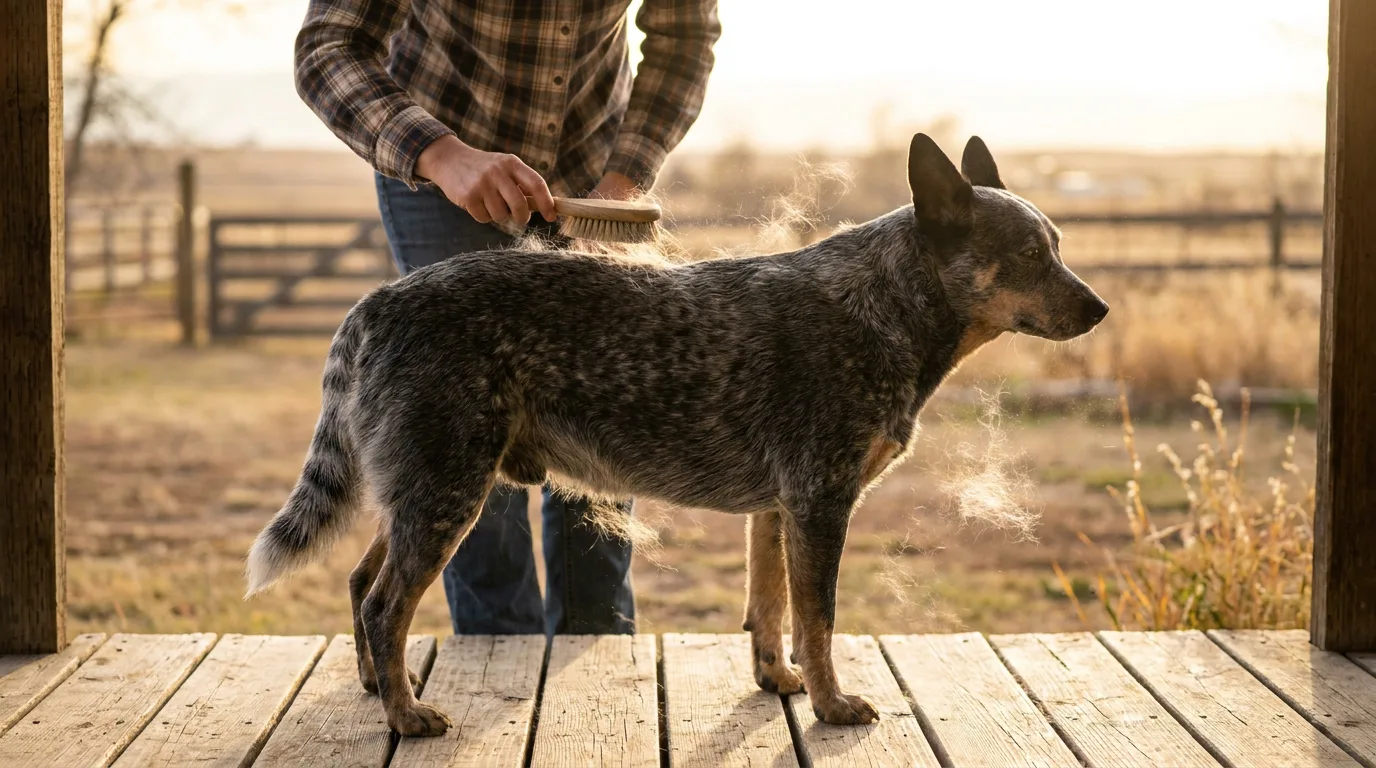
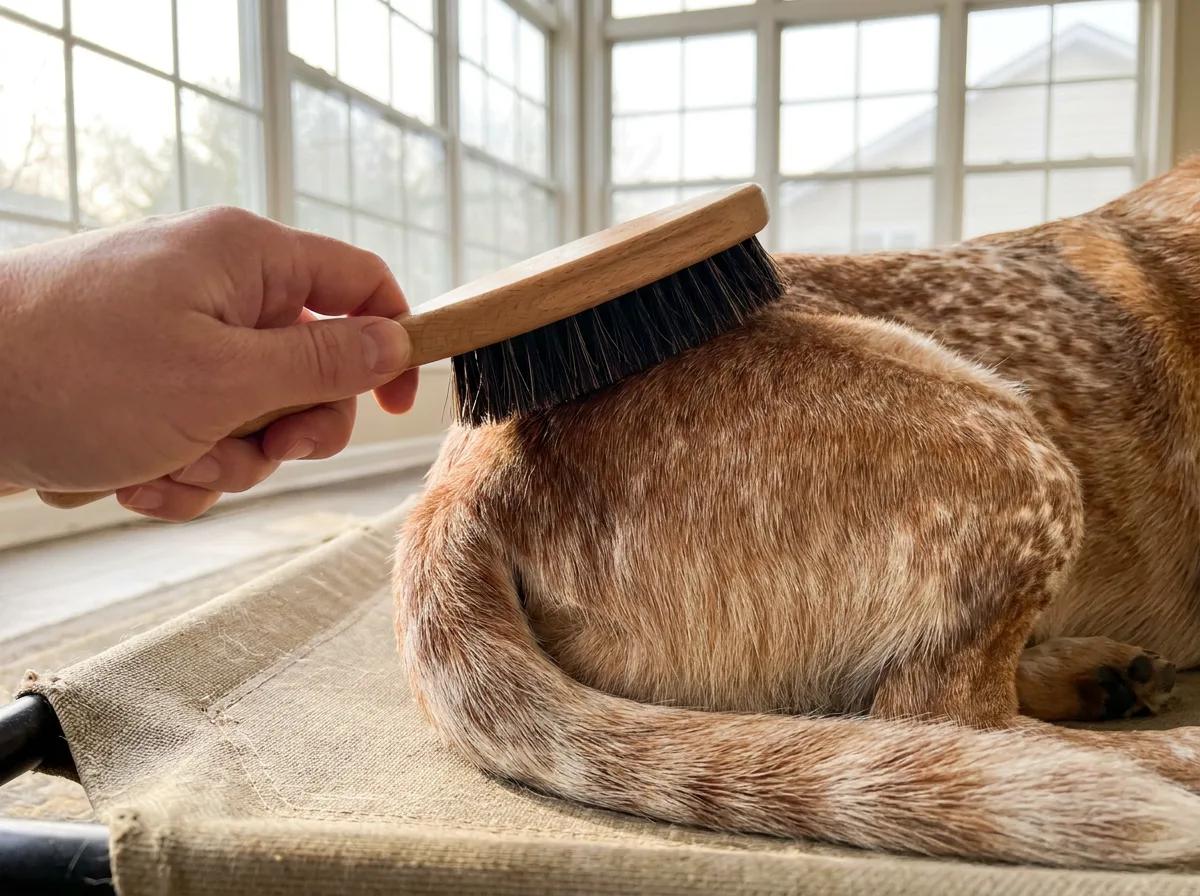
Australian Cattle Dogs release short outer-coat hair throughout the year and can shed much more dense undercoat during seasonal turnover. Indoor climate and the individual coat can blur a simple spring and fall schedule. Use one gentle brushing session each week as a quiet-season baseline. During a heavy coat blow, increase frequency modestly, even to short daily sessions when the skin stays comfortable and the dog tolerates the tool. Between heavier sessions, a pin and bristle brush collects short outer-coat hair with very little pressure on the skin.
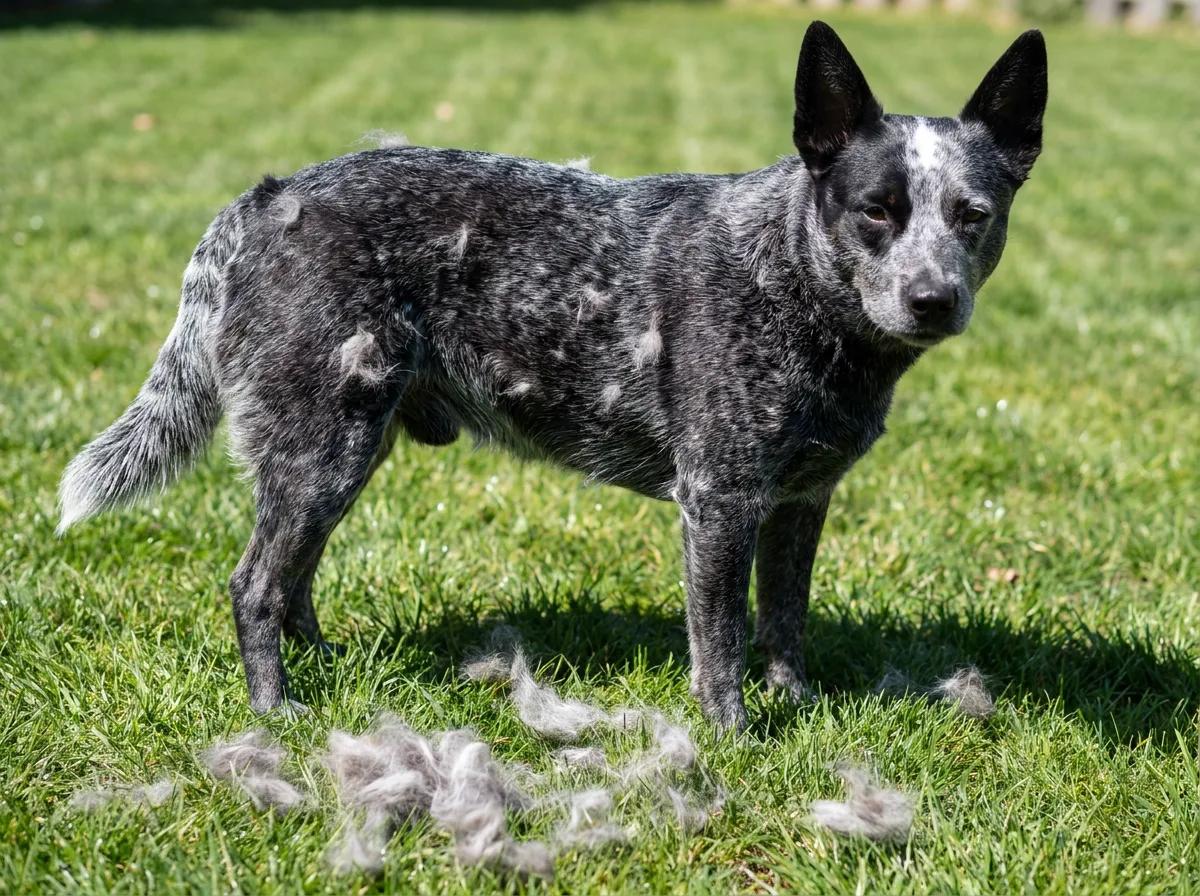
More pressure is not more effective. Part the coat, use a tool suited to its density and stop for redness, pain, snagging or avoidance. Record a sudden or patchy change with skin condition, recent products, diet, medication and parasite prevention because abnormal hair loss is not routine shedding.
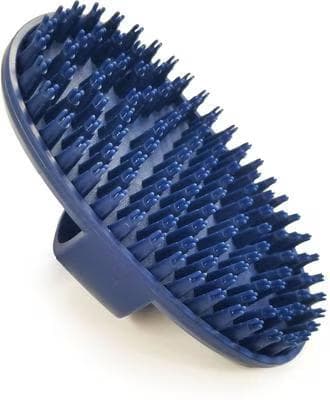
Petful may earn a commission when you click through to Chewy, at no extra cost to you.
A weekly baseline makes a true change easier to recognize before the next seasonal coat blow is blamed.
Brush without scraping the skin
- Work in the direction of hair growth on one hand-sized area at a time. A self-cleaning slicker brush lets you clear hair after each small area instead of pressing harder.
- Use light pressure and part dense coat with the fingers instead of pushing harder. Avoid repeated passes over the spine, hip points, armpits and any red or painful area.
- Pause when the dog turns toward the tool, freezes or tries to leave. A short comfortable session is more useful than forcing maximum hair removal.
Check skin, ears, paws and nails
Part the coat weekly to inspect for redness, scales, parasites, lumps, moisture and broken skin. Check paws after rough terrain and remove loose debris without digging into painful tissue. A fine-toothed flea comb helps confirm flea dirt in the dense coat during that weekly check.
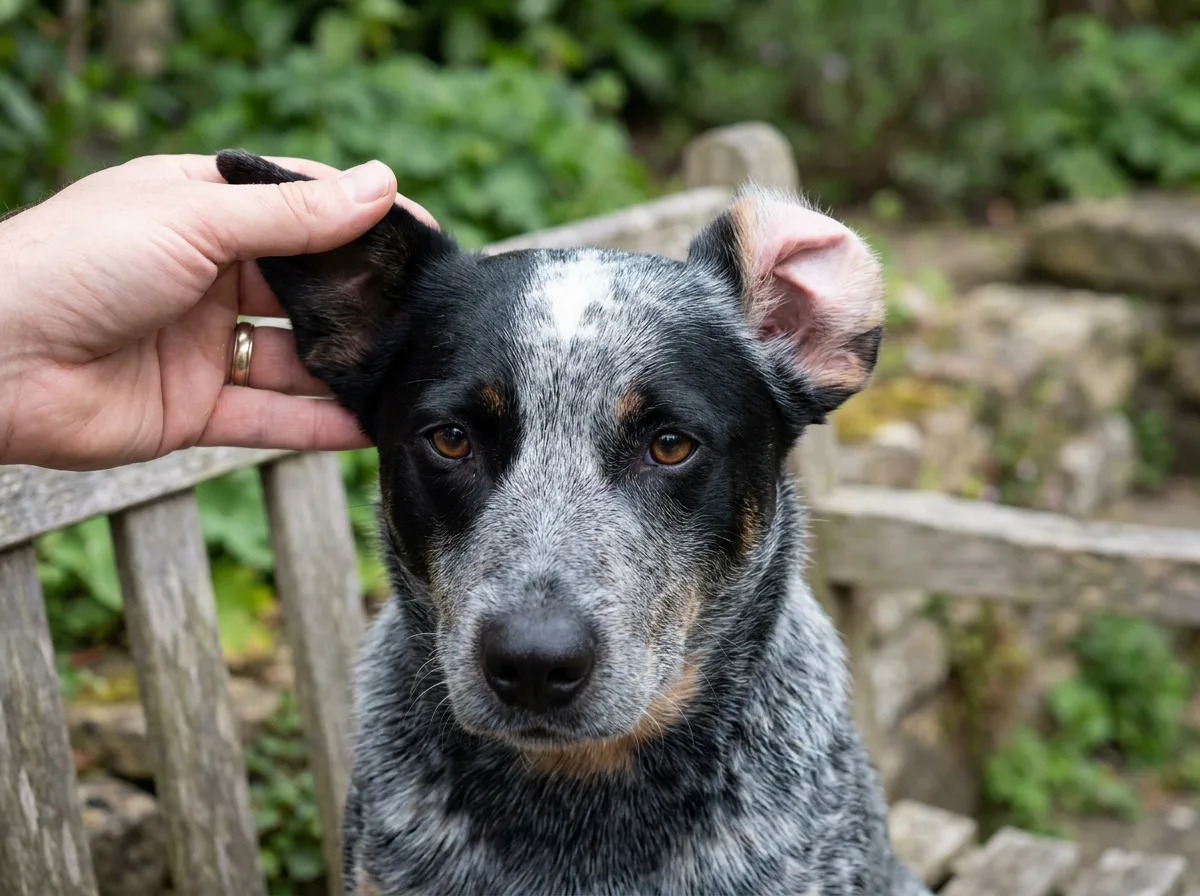
Keep nails at a functional length with a method the dog can tolerate safely. Ear odor, discharge, pain or head shaking needs clinical assessment rather than repeated cleaning.
Record a new finding with its location and date so changes can be compared.
Allergy and hypoallergenic claim boundaries
No dog breed is reliably hypoallergenic. Allergens come from skin, saliva and urine as well as hair. Individual reactions differ, so spend time with the actual dog and discuss significant allergy risk with a medical professional.
Bathing and cleaning may reduce debris temporarily but do not remove the underlying allergen source.
Do not expose someone with severe reactions as a home experiment. Marketing a short coat as allergy-free is inaccurate.
Puppy, adult and senior grooming differences
Plan grooming for a puppy
Puppy grooming should teach comfort with the process. Use a soft tool for one or two strokes, reward and release. Practice standing on a nonslip mat, hearing a dryer at low intensity from a distance and having ears, teeth and paws briefly examined. Keep sessions far shorter than the puppy's tolerance limit.
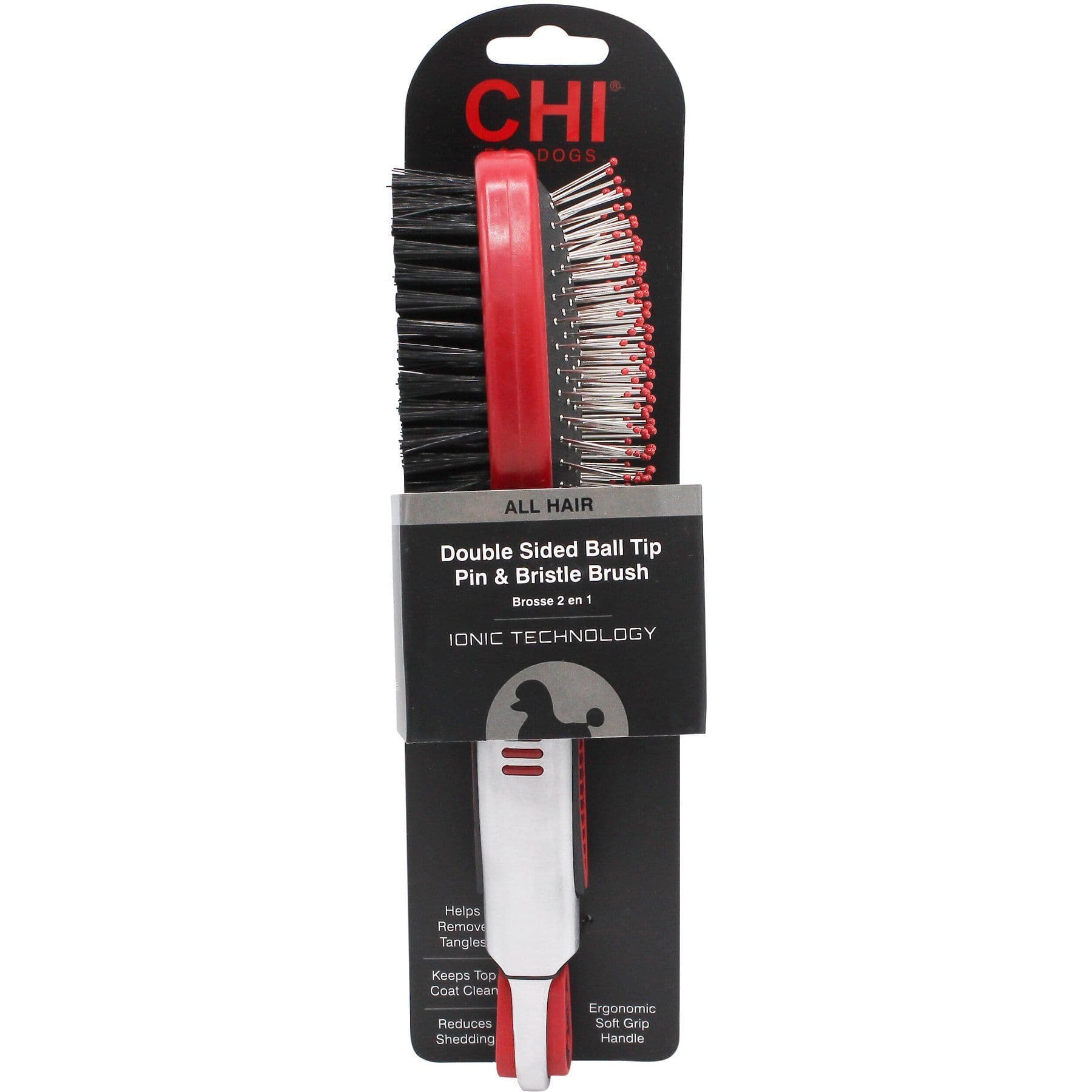
Ball-tip nylon pins work through tangles on one side while bristles smooth the coat and lift loose hair on the other. Ergonomic grip, with CHI ionic technology to reduce static.
Petful may earn a commission when you click through to Chewy, at no extra cost to you.
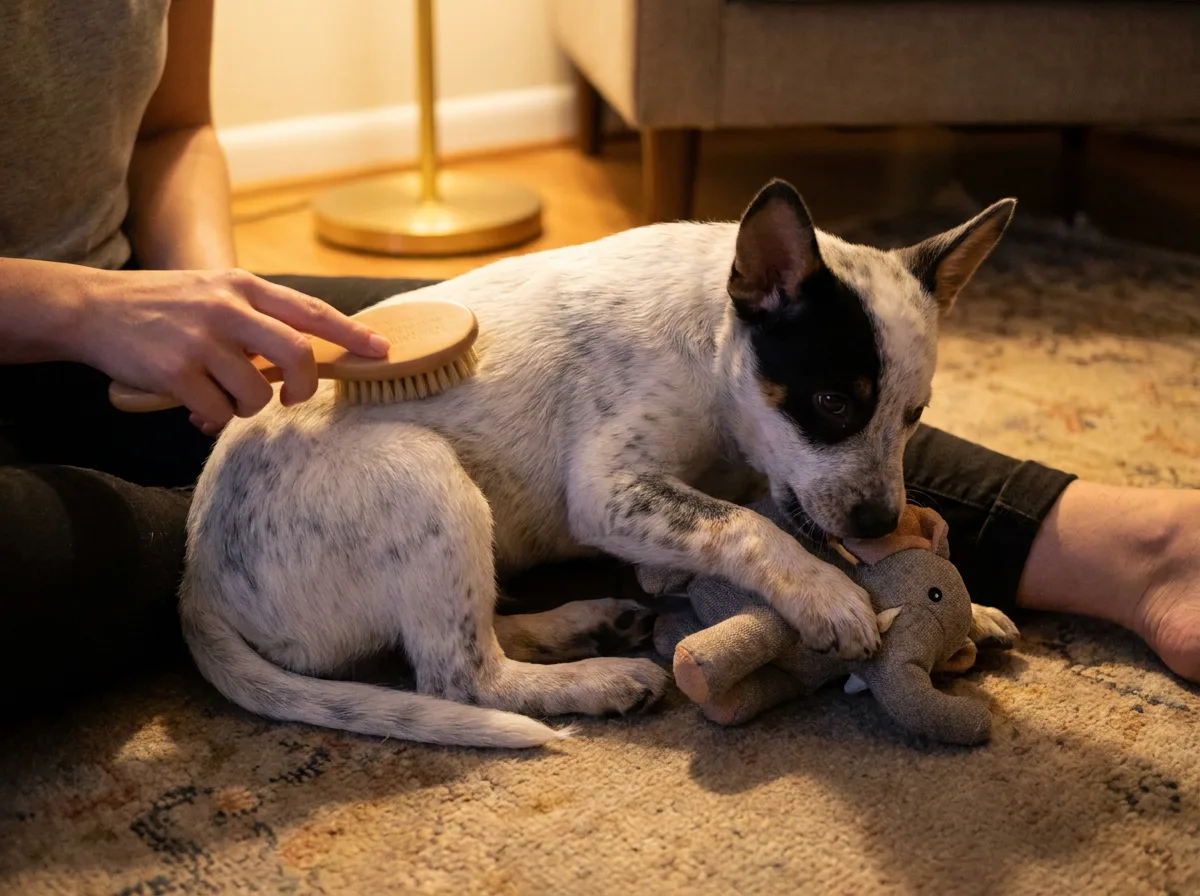
The puppy coat will not predict every detail of adult shedding, and a growing body changes equipment fit quickly. Recheck collars and harnesses and keep fabric dry against the skin. Contact the veterinarian about persistent itch, scabs, hair loss or ear discomfort rather than normalizing every change as puppy coat development.
Adapt grooming for a senior Australian Cattle Dog
Older dogs may tire while standing, slip on smooth floors or find hip, spine and shoulder positions painful. Use a stable mat, allow sitting or side-lying when comfortable and break the job into several sessions. A supportive bed nearby gives the dog a clear recovery place.
Skin can become thinner and medical conditions or medications can change coat quality. Use lighter pressure and document new lumps, sores, dandruff, odor or poor regrowth. Sudden loss of tolerance, difficulty rising or a changed gait deserves veterinary attention before grooming resumes.
When hair loss or itching needs a veterinarian
Normal shedding releases hair from a coat that otherwise looks healthy and leaves skin without painful, inflamed bald areas. Seasonal volume can be dramatic, but it should not be used to explain open sores, strong odor, crusting, swelling, intense scratching or a sudden change in behavior. WebVet’s guide to hair loss in dogs explains the patterns that point away from normal shedding.
Changes in diet, parasites, infection, allergy, hormonal disease, pain and other medical problems can affect hair or grooming tolerance. These possibilities cannot be sorted by a brush test or online photograph. Keep the dog comfortable, prevent self-trauma as the clinic directs and arrange the appropriate examination.
- Seek timely care for rapid spread, open sores, pus, marked pain, facial swelling, ear pain or intense distress. Sudden generalized hives, breathing difficulty, weakness or collapse can be urgent. Stop any newly applied product and contact a veterinary clinic for direction rather than adding another shampoo to an already irritated coat.
Record where the problem began and whether it is symmetrical, circular, moist, scaly or associated with redness, odor, bumps or broken skin. Note licking, scratching, head shaking, paw chewing and changes in sleep or behavior. Photograph the area in consistent light with a wider orientation view, then avoid repeated handling if it is painful. WebVet’s dog skin problems pictures can help you describe a change clearly to the clinic.
List recent grooming products, swimming, boarding, travel, diet changes, medications and parasite prevention with dates. Also note whether people or other animals in the home have skin signs. This history helps the veterinarian narrow possibilities, but it is not a home diagnosis and should not lead to unapproved medication.
A seasonal Australian Cattle Dog grooming calendar
Australian Cattle Dog grooming follows the coat in front of you: a dog blowing coat usually needs modestly more frequent brushing, never harsher scraping.
Begin with the dog's actual coat rather than a fixed month. Once a week, part the coat in several places and check skin, paws, nails and ears while noting how much loose undercoat the brush collects. Indoor heating, air conditioning, latitude and health can shift the timing of heavier shedding, so the same dog may not follow an identical spring and fall schedule every year.
When undercoat release increases, shorten the interval between gentle sessions instead of making one session forceful or very long. Work in small areas, keep pressure light and pause before the skin becomes warm or pink. Wash bedding and vacuum the places where hair accumulates, because environmental cleanup reduces the urge to overbrush the dog. On days when the skin needs a break from tools, a rubber grooming glove gathers loose undercoat with the lightest touch.
Keep a quiet-season baseline
During quieter coat periods, keep the short weekly inspection. This baseline makes it easier to spot a new bald patch, scales, bumps, odor, excessive licking or pain before the next seasonal shed is blamed. Photograph a change in consistent light and record products, medications and parasite prevention for the veterinarian.
A 15-minute cooperative grooming session
Set up the brush, treats, nonslip surface and a place where the dog can move away before bringing the dog over. Start with a brief touch on an easy area such as the shoulder, reward, and pause. If the dog remains loose and chooses to stay, make one or two brush strokes in the direction of growth, reward again and move to another comfortable patch. Small soft training treats or a lick mat spread with part of a meal let you reward each calm stroke without long pauses.
Use most of the session for calm cooperation, not maximum hair removal. Alternate brushing with simple stationing or chin-rest behavior. Avoid repeatedly working a tangle, sore area or patch of packed undercoat while the dog is struggling. A groomer or veterinarian can help when matting, pain or fear makes home care unsafe.
Check the tool and skin every few minutes. Bent pins, sharp edges and accumulated hair change how a brush feels. Stop if the dog freezes, repeatedly turns toward the tool, tries to leave, vocalizes or shows redness. Finishing early after a good repetition protects the next session better than restraining the dog to complete a schedule.
End with a useful record
At the end, record the body areas groomed, the amount of loose coat, skin findings and the dog's comfort. A pattern of new intolerance, tenderness or coat change is useful clinical information. The goal is a clean, comfortable coat and a dog who can participate safely, not a perfectly hair-free house. Note whether the dog chose to return after a pause, because voluntary return is a clearer comfort signal than stillness under restraint.
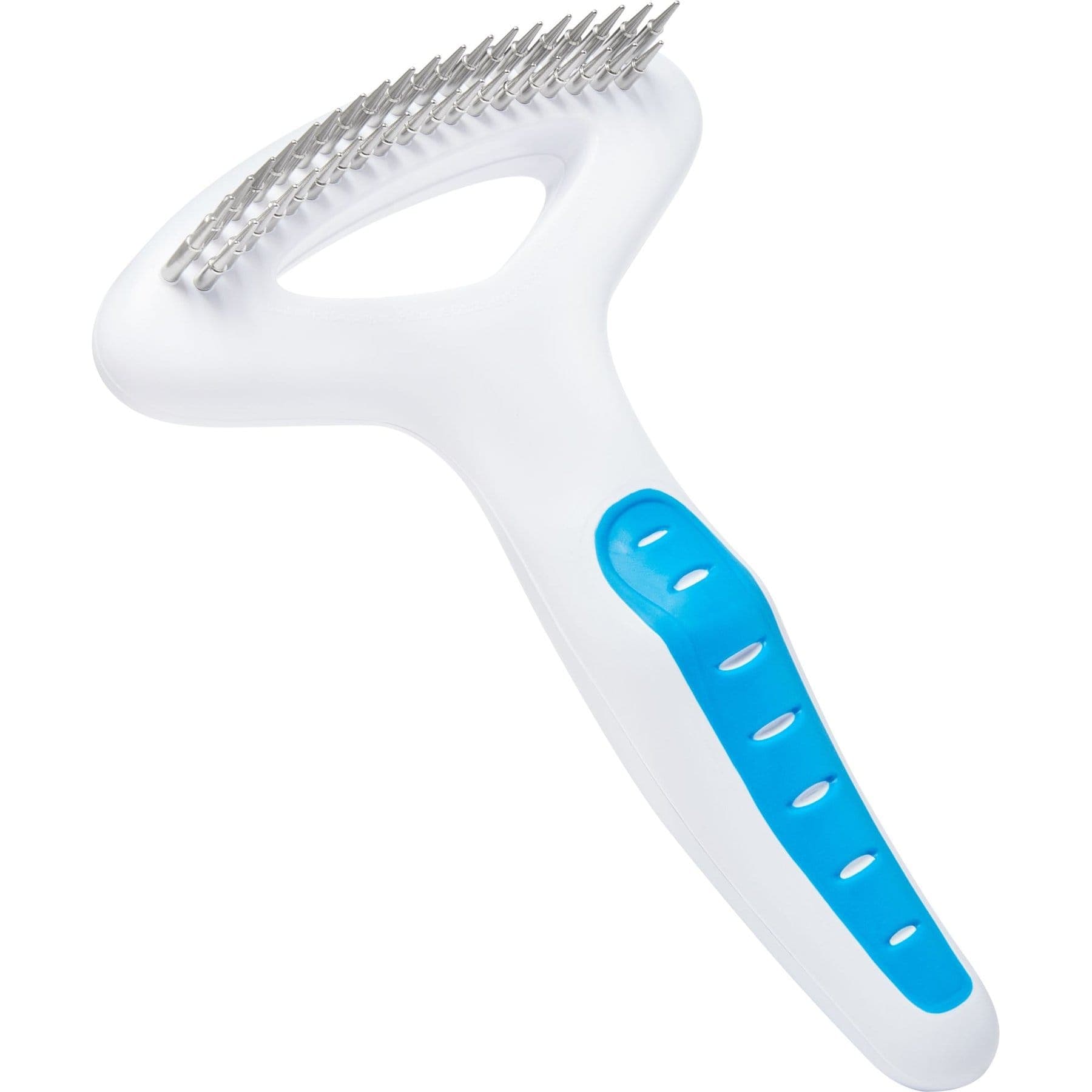
Metal teeth in two lengths lift shedding hair from the undercoat and loosen lightly matted fur; teeth sit parallel to the skin so the rake does not scrape it. Rubber-sheathed non-slip handle.
Petful may earn a commission when you click through to Chewy, at no extra cost to you.
Choose grooming tools by the job they do
A rubber curry or grooming glove can loosen surface hair and introduce grooming to a dog who dislikes firmer tools. Use it with the direction of coat growth and light pressure, especially over bony areas. A pin or slicker-style brush can reach different layers depending on pin length and construction, but it should glide rather than scrape. Test the tool against your own skin and inspect it for bent or sharp parts before use.
An undercoat or deshedding tool should not be dragged repeatedly through one area in pursuit of a hair-free coat. Follow the maker's instructions, make a few light passes and check the skin. A flea comb is designed for close inspection and can help identify flea dirt or work through a small area, but dense coat must be separated carefully so the fine teeth do not pull.
No tool is automatically correct because a package shows a double-coated dog. Coat density, current shedding, skin health and tolerance differ. A professional groomer can demonstrate technique and identify areas where packed undercoat needs careful handling. Stop home grooming and seek veterinary input when touch is painful or the skin is inflamed, wet, odorous, crusted or losing hair.
Bathe and dry the double coat completely
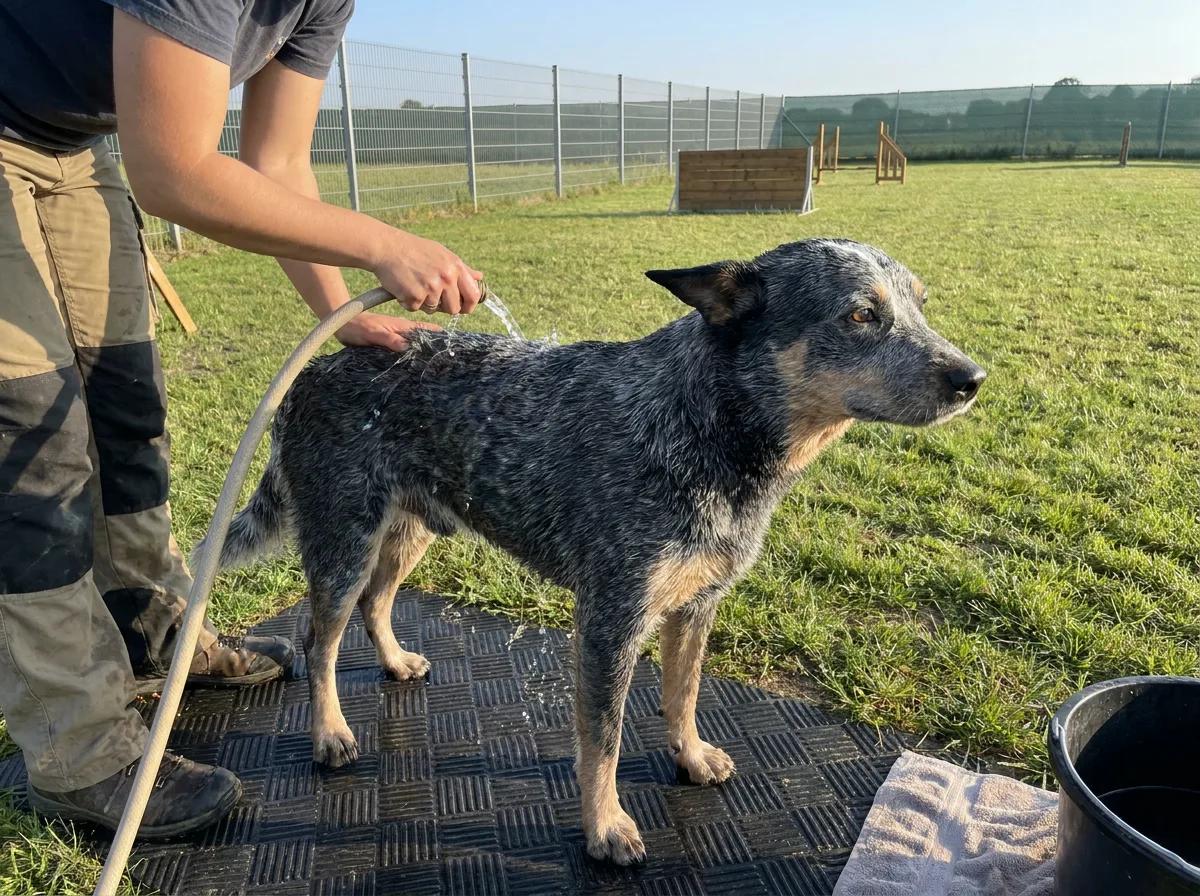
Brush out loose surface debris before the bath if the dog is comfortable, then wet the coat gradually with lukewarm water. Dense undercoat can repel water at first, so use the fingers to part the hair without scratching. Apply only a dog-appropriate product as directed, avoid eyes and ear canals and do not improvise with human shampoo or concentrated essential oils. How often to bathe depends on dirt, odor and skin, and too-frequent bathing or incomplete rinsing can irritate skin.
Rinsing deserves more time than lathering. Work from the neck down and keep rinsing until water runs clear and the coat no longer feels slippery. Residue trapped near the skin can contribute to irritation. Press with absorbent towels rather than rubbing the coat into tangles, and keep the dog warm in a nonslip, draft-free place. Our best dog shampoo roundup compares gentle formulas for a double coat.
If using a dryer, choose a safe temperature and introduce sound and airflow gradually. Keep air moving rather than concentrating heat on one spot, and stop if the skin becomes warm or the dog shows distress. Feel down to the undercoat at the neck, chest, armpits and hindquarters. A dry-looking outer coat can hide dampness underneath.
Reduce loose hair in the home without overgrooming
Wash dog bedding on a schedule the material can tolerate and dry it completely before use. Run a pet hair vacuum along edges, upholstery and vehicle areas where hair collects, and use washable covers on favorite resting spots. These environmental steps remove hair without putting more friction on the dog's skin.
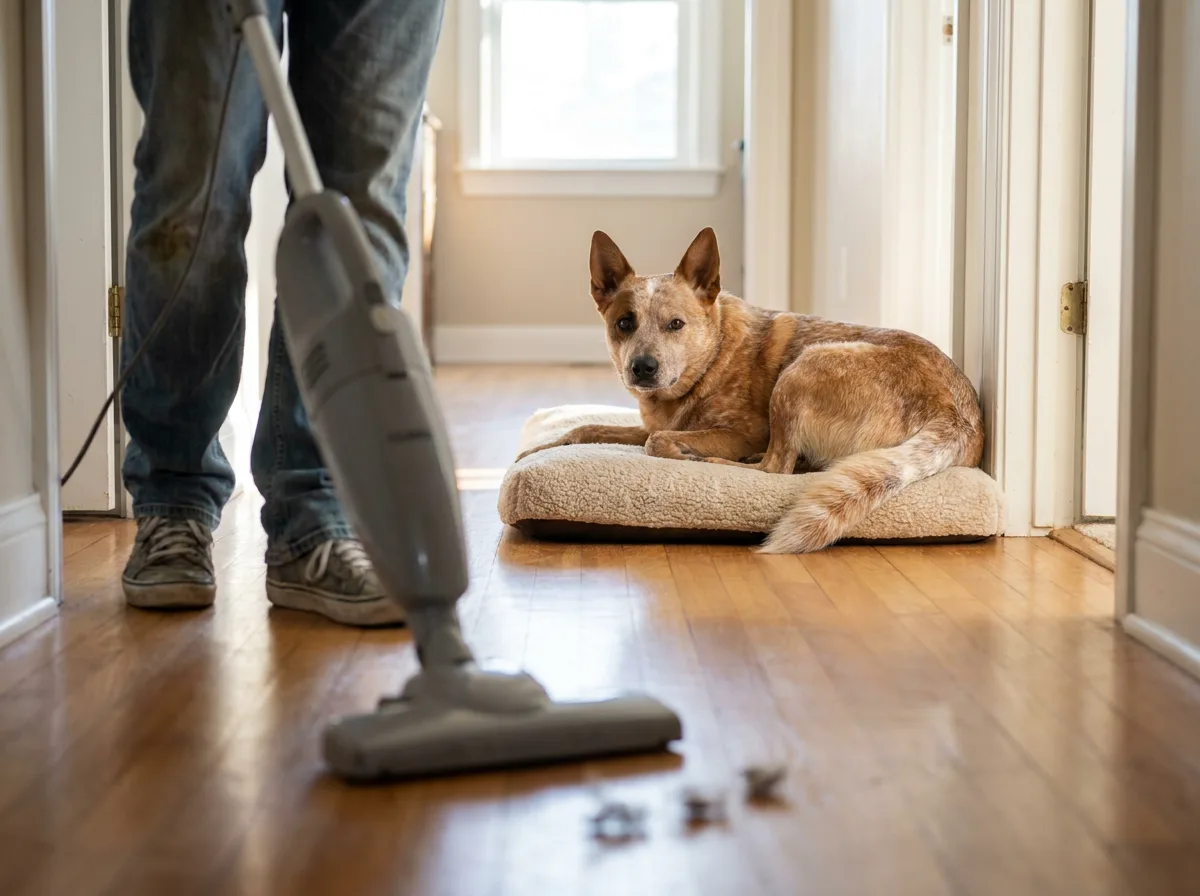
Keep grooming sessions short enough that technique stays gentle. During heavier coat turnover, increase frequency modestly and collect released hair with the tool that the dog tolerates best. More pressure does not speed healthy undercoat release. If the house still has hair after brushing, that is normal for a shedding double-coated breed.
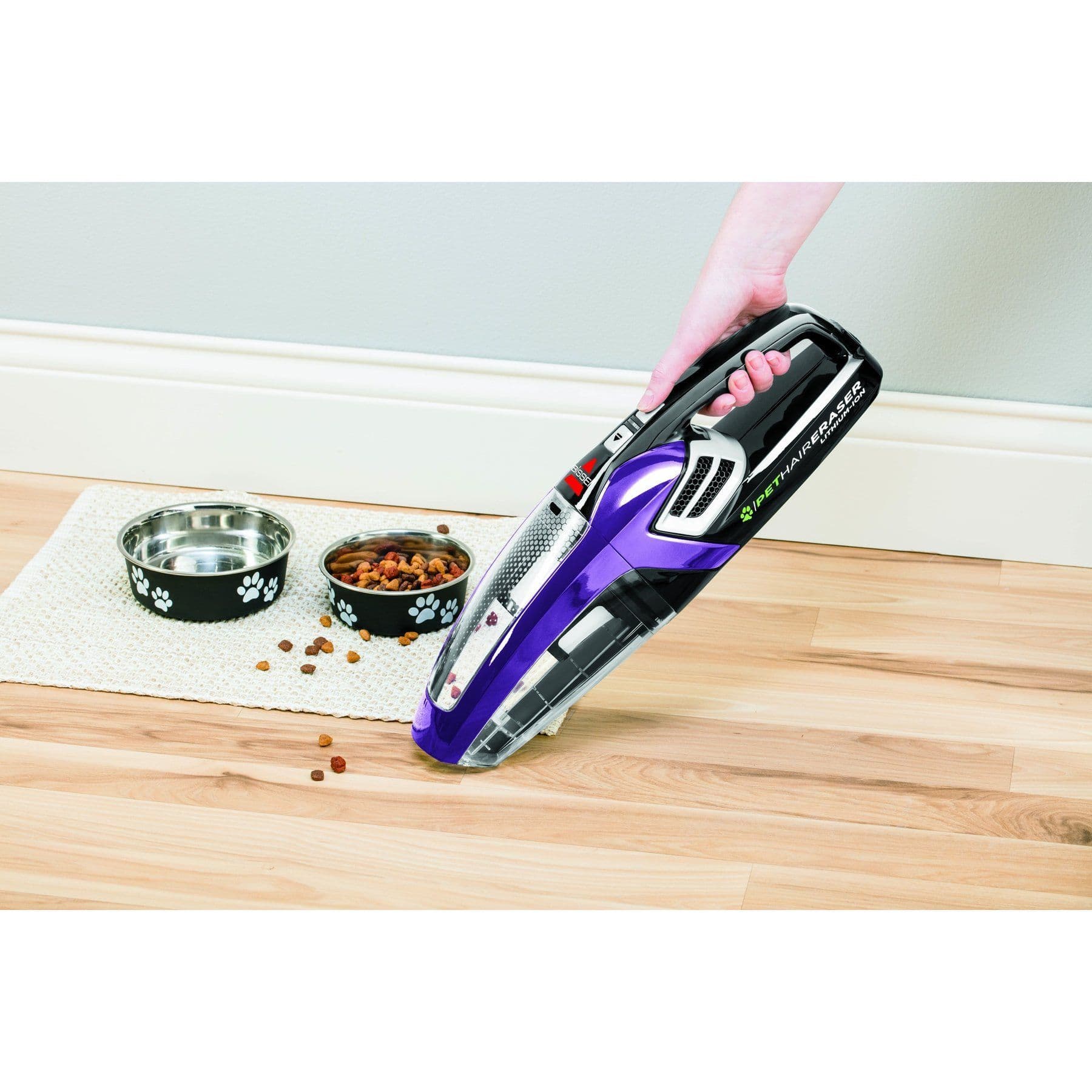
A handheld vacuum for furniture, car seats and short stair-cleaning jobs.
Petful may earn a commission when you click through to Chewy, at no extra cost to you.
Nutrition, hydration and veterinary care support skin and coat health, but supplements should not be added casually to chase shedding claims. Review the complete diet and any product with the veterinarian, especially when the dog has disease, takes medication or is growing. There is no ethical product promise that makes an Australian Cattle Dog nonshedding.
Groom the neck, chest and shoulders
Remove the collar and harness when it is safe to do so, then inspect the skin beneath contact points. Dirt, moisture and loose undercoat can collect where straps sit. Brush from the outer shoulder toward the chest in short sections, changing the dog's position rather than twisting a leg or dragging the tool across a joint.
The ruff can be denser than it looks. Part it with the fingers and use a tool length that reaches loose hair without scraping skin. Check for ticks, bumps, odor and painful spots as you work. Replace collars or harnesses that rub, remain damp or no longer fit the adult body.
Groom the back, hips and tail safely
Use the direction of coat growth and support an older or unsteady dog on nonslip footing. The back and hips may release substantial undercoat, but repeated pressure over the spine or hip points is uncomfortable and unnecessary. Work on one hand-sized area, clear the tool and compare the skin before continuing.
Handle the tail from the base outward without pulling or forcing it high. Stop if the dog guards the hindquarters, sits repeatedly or shows pain. Those responses can reflect fear, skin irritation or orthopedic discomfort and may need a veterinarian or qualified groomer rather than firmer restraint.
Care for paws, nails and lower legs
Outdoor activity can pack dirt, seeds, ice or plant material between toes. Inspect pads and webbing after outings and dry them after wet conditions. Trim only the nail amount the handler can identify safely, or ask a groomer or veterinary team for help. A split nail, swollen toe or persistent licking can be painful.
Teach paw handling separately from trimming. Reward a brief shoulder touch, movement down the leg and one-second paw hold before introducing a tool. If the dog pulls away, return to an easier step. Cooperative handling protects future care better than holding the dog down to finish every nail. Once paw holds are relaxed, a quiet nail grinder shortens nails in small passes that are easy to stop at any point.
Clean grooming tools and prevent cross-contamination
Remove hair from brushes and combs after use and clean them according to the manufacturer's material instructions. Let tools dry fully before storage. Clippers, nail tools and surfaces that contact broken skin require appropriate disinfection, and shared tools should not move between animals with suspected contagious skin disease without professional guidance.
Wash hands after handling irritated skin or parasite debris and launder towels separately when the veterinarian advises it. Store shampoos and topical products in their original labeled containers away from children and pets. Never combine products because separate ingredients may interact or irritate.
Create a low-stress professional grooming handoff
Tell the groomer about handling sensitivities, medical conditions, medications, prior reactions to dryers and any areas the veterinarian wants avoided. Provide a current contact number and realistic service goal. A comfortable bath, complete rinse and safe drying can be more important than removing every loose hair in one appointment.
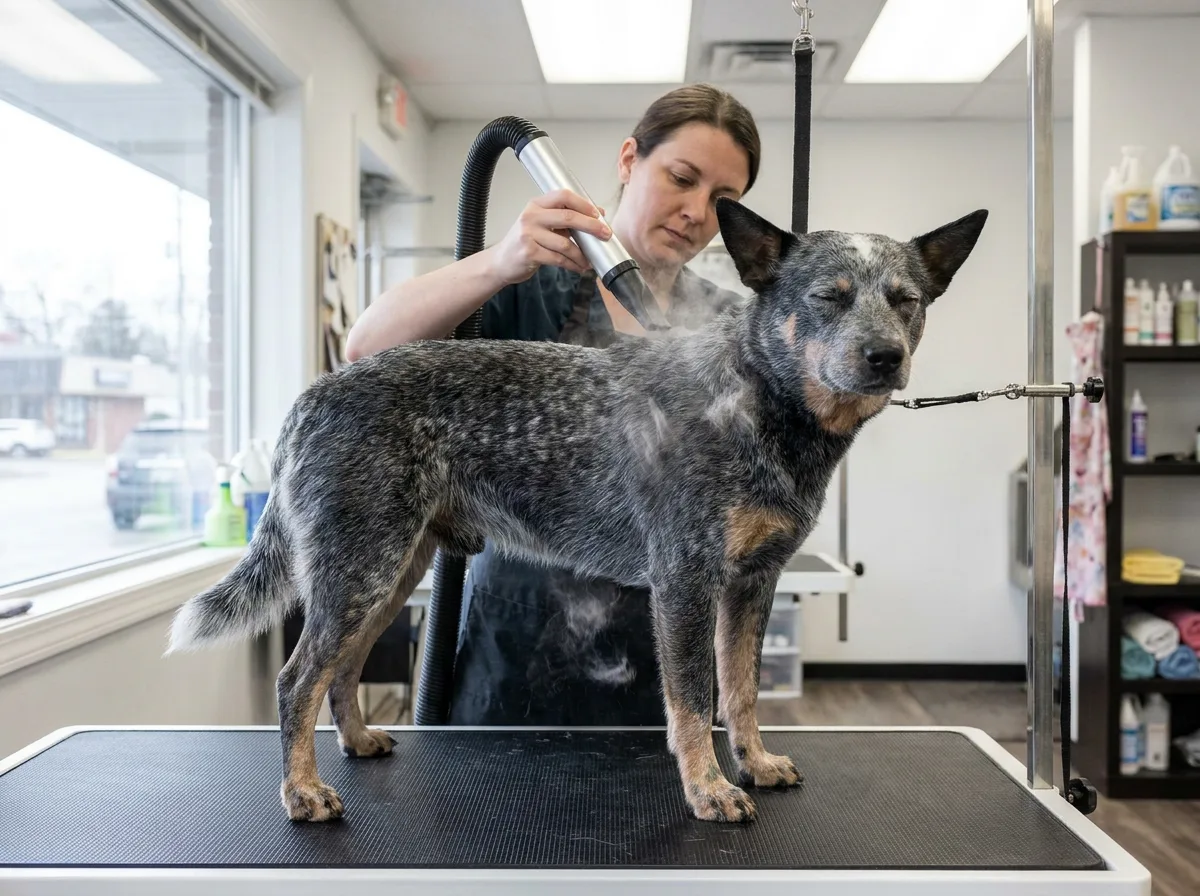
Ask how the dog behaved during each part of the visit and record any redness, fatigue or new sensitivity afterward. That information can guide shorter appointments, preparatory training or veterinary support next time. A groomer can observe skin and coat changes but should not be expected to diagnose disease.
Make a travel grooming kit
Pack the dog's usual brush, absorbent towel, waste bags, paw-cleaning supplies and any veterinarian-directed skin or ear medication in labeled containers. Add the clinic contact, medication list and a recent photo. A familiar tool and routine can reduce uncertainty after hiking, swimming or a muddy trip.
Before travel, check whether heat, water quality, plants, parasites or boarding requirements change the care plan. Dry the undercoat and equipment after wet outings and inspect paws and skin in good light. Do not introduce several new grooming products at once, because irritation is harder to trace when multiple variables change. A microfiber shammy towel pulls water from the undercoat faster after a swim or a muddy trail.
A sample week during heavy coat turnover
On the first day, perform a five-minute coat and skin check and brush only the areas releasing hair easily. Wash the main bed cover and vacuum the dog's resting area. The second day can be a rest from brushing while the household monitors redness or sensitivity. On day three, work on a different body region, such as the shoulders and sides, and inspect the tool after each small section.
Use day four for cooperative handling without a full groom: reward stationing, a chin rest and brief paw or ear checks. If the coat is dirty enough to require a bath, choose day five when there is time for a complete rinse and dry. Otherwise, another short brush may be enough. Avoid bathing simply because loose hair remains in the home.
Days six and seven provide a chance to reassess. Clean tools, wash towels and compare the amount of loose hair and the dog's comfort with the first session. Continue modestly if skin is healthy and coat is releasing without force. Reduce frequency if skin is warm or the dog is becoming less comfortable, and contact the veterinarian for itching, painful areas, sores, odor or abnormal hair loss.
Adjust the calendar from the dog's response
This is an example, not a required calendar. Some dogs need shorter daily work during a coat blow, while others do better with more space between sessions. Climate, indoor conditions, activity and health affect the pattern. The dog's skin and consent should set the pace, not the amount of hair still visible on the floor.
Keep a one-line note after each session, recording:
- The tool used and body areas covered.
- The amount of coat released.
- Skin findings.
- The dog's comfort.
If the dog becomes less tolerant over several days, stop escalating the grooming schedule. Review pressure, tool condition and sore areas, then involve a groomer or veterinarian as the findings require.
A record can distinguish an unusually heavy but comfortable coat turnover from a worsening skin or pain problem.
Use the same notes across caregivers so changes in pressure, tool or tolerance are visible rather than lost between sessions. Keep the tool name or a photograph with the note because two brushes described as similar may contact the undercoat very differently.
Related Australian Cattle Dog guides
The Australian Cattle Dog breed profile explains why Blue Heeler, Red Heeler and Queensland Heeler refer to the same breed; this guide focuses on the double coat, shedding and practical grooming.
- Australian Cattle Dog: Temperament, Health and Care
- Australian Cattle Dog Puppies: Care and Training
- Australian Cattle Dog Price and Lifetime Cost
- Australian Cattle Dog Lifespan and Health Problems
- Australian Cattle Dog Colors and Markings
- Australian Cattle Dog Mixes: Traits and Care
- Australian Cattle Dog Size, Weight and Growth
- Australian Cattle Dog Temperament and Training
Evidence sources
- Australian Cattle Dog Club of America
- American Kennel Club Australian Cattle Dog overview
- Royal Kennel Club Australian Cattle Dog overview
- American College of Veterinary Dermatology
- Merck Veterinary Manual skin disorders
- Weekly checks help owners notice coat and skin changes.
- Gentle tools can collect loose undercoat during seasonal turnover.
- The short coat needs no trimming or clipping.
- Hair remains normal in a home with this double-coated breed.
- Overbrushing can irritate skin.
- Patchy loss, sores or intense itching require veterinary assessment.
Questions readers ask
Australian Cattle Dogs can be heavy shedders during seasonal undercoat turnover and still release shorter hair throughout the year. The amount varies with the individual coat, indoor climate and season, but a low-shed dog should not be expected. Use a gentle weekly brushing session as a quiet-season baseline and increase frequency modestly during a heavy coat blow, stopping before skin redness or discomfort.
Yes. Many shed noticeably all year and much more when the dense undercoat turns over, often in spring and fall, though indoor heating and air conditioning can blur that timing. Weekly gentle brushing is a useful quiet-season baseline, with short, more frequent sessions during a heavy coat blow and regular vacuuming of the places the dog rests.
Use one gentle brushing session each week as a baseline for a Blue Heeler’s short double coat. During heavy seasonal undercoat turnover, increase frequency modestly, even to short daily sessions when the skin remains comfortable and the dog accepts the tool. Stop for redness, pain or snagging, and ask a veterinarian about patchy loss, sores, odor or intense itching.
No. Australian Cattle Dogs shed and are not considered hypoallergenic. Brushing and home cleaning can reduce loose hair, but no grooming tool or shampoo removes allergy risk, because allergens also come from skin, saliva and urine. Anyone with significant reactions should consult an appropriate clinician before exposure.
Patchy hair loss is not normal seasonal shedding. Bald areas, broken hair, redness, sores, odor, pain or intense itching need veterinary assessment because parasites, infection, allergy, hormonal disease and other problems can look similar. Photograph the pattern and list recent products or medications, but do not delay the examination or cycle through new remedies.

Coreen Saito is a pet writer and longtime shelter volunteer with more than a decade in animal rescue. She covers cat behavior, breed care, and the small, ordinary science of sharing a life with companion animals, with a particular focus on honest takes about the products and decisions that actually matter. At home in Arizona, she's outranked by Mac (a dog with the loudest opinion in the house), Rebel (a cat who governs by quiet authority), and Meri (an orange tabby who runs the late shift and the laundry basket). She writes about all three, plus the rescues that keep coming through her life, at LifeWithMinty.com.
Sign up for expert-backed reviews and safety alerts all in one place.